Granada

Religious festival · Granada

Corpus Christi of Granada

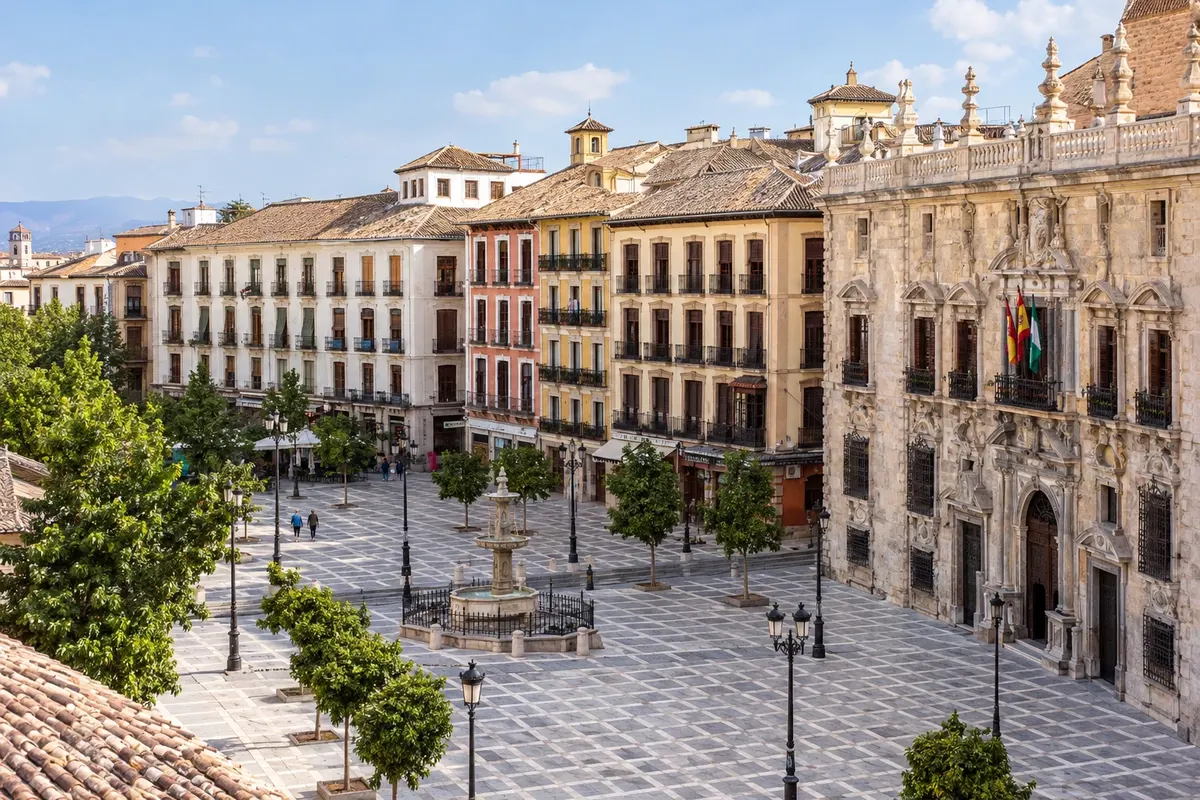
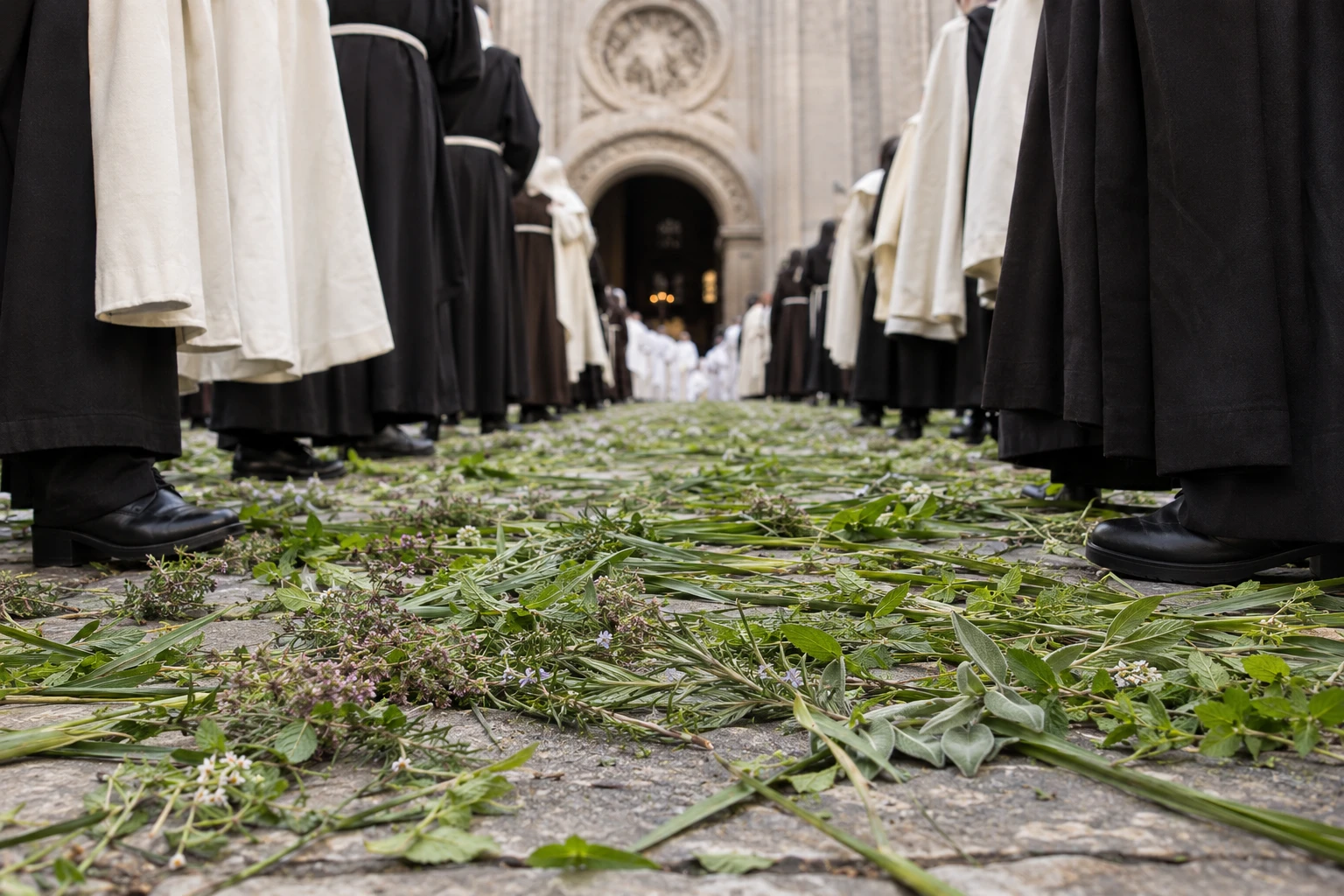
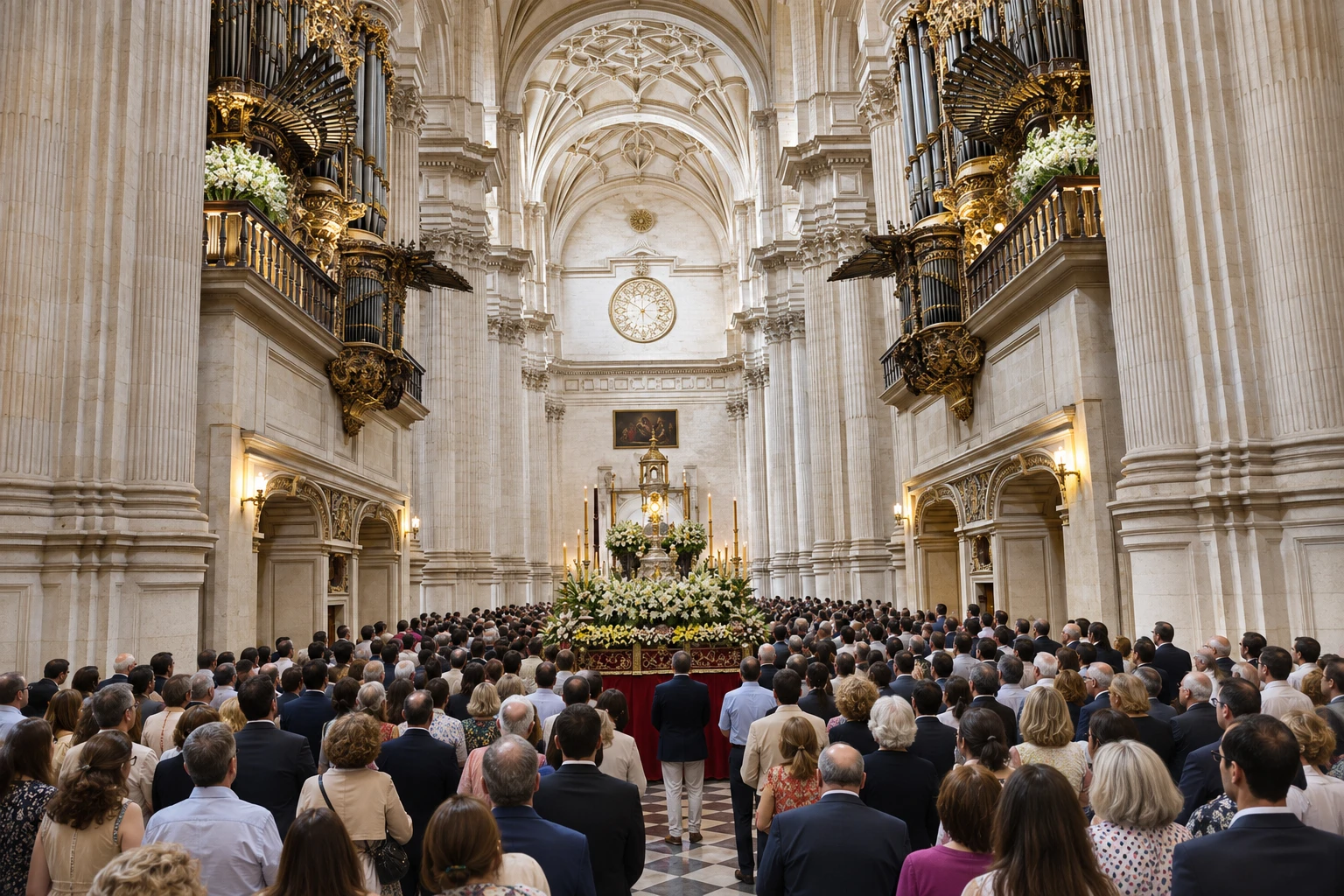
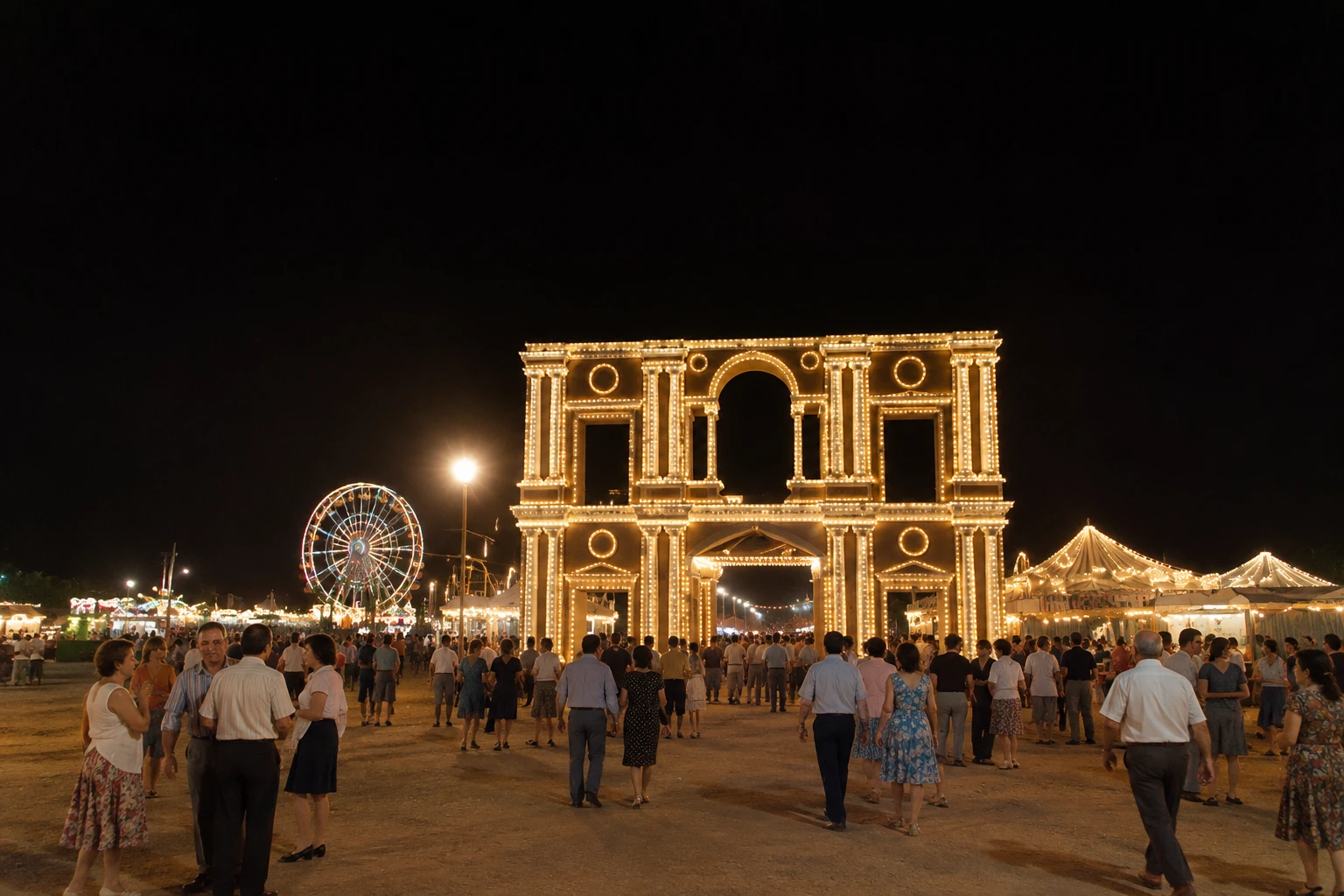
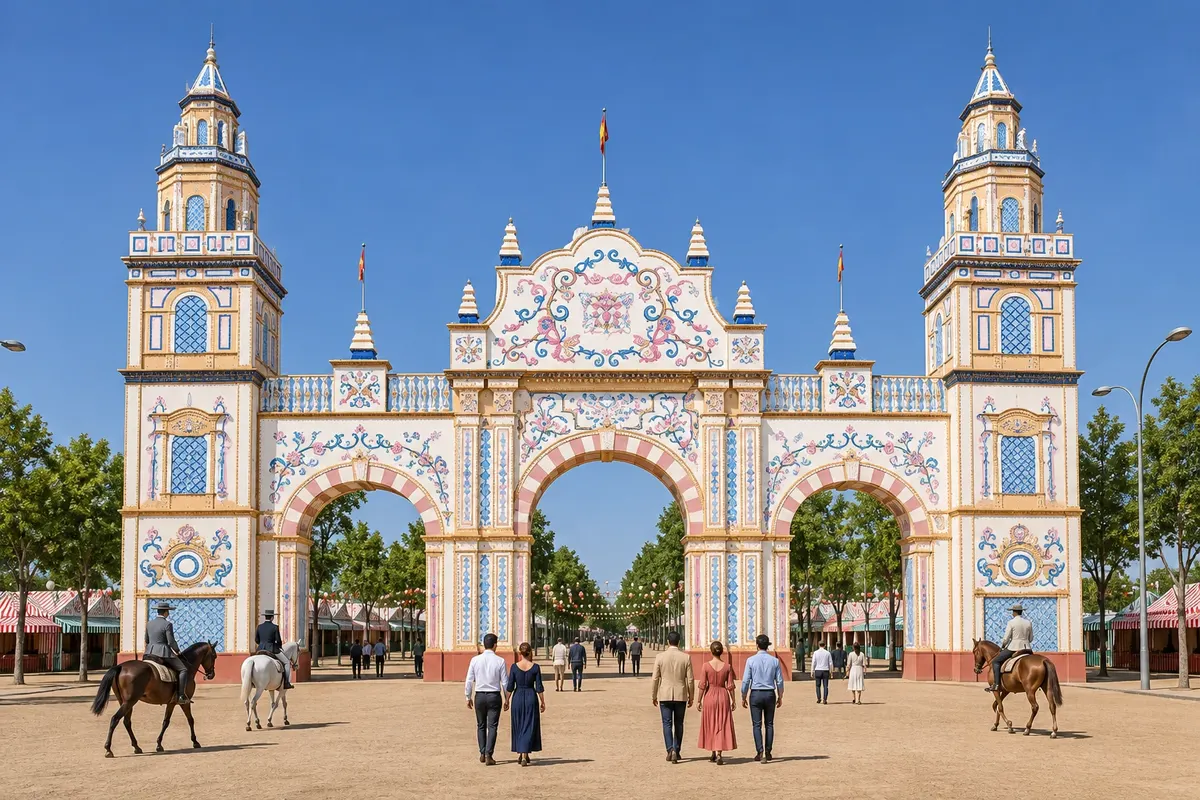
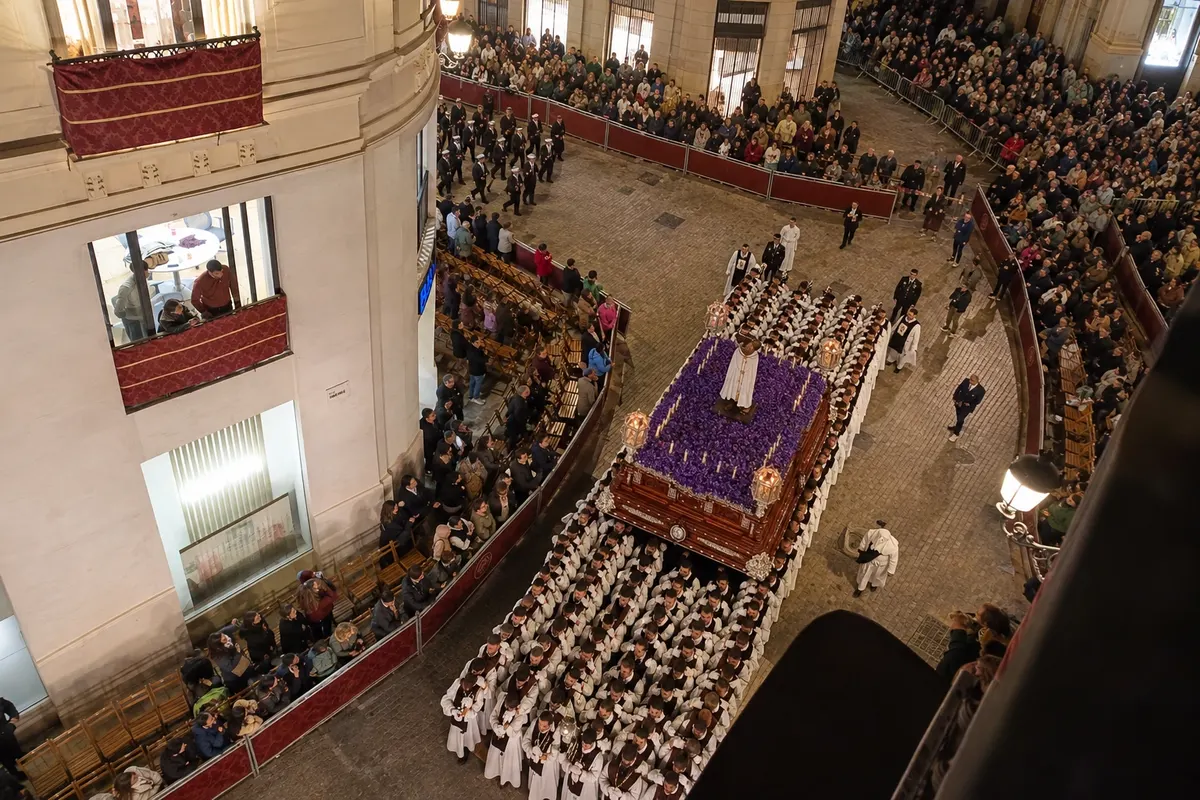
Granada’s main week in Andalusia brings together the Corpus Christi procession, which leaves the cathedral through streets strewn with aromatic herbs, the Tarasca, a figure that parades on Wednesday wearing the season’s fashion, and a fair of casetas, horses, and lights at the Almanjáyar fairground.

In the photo: Granada

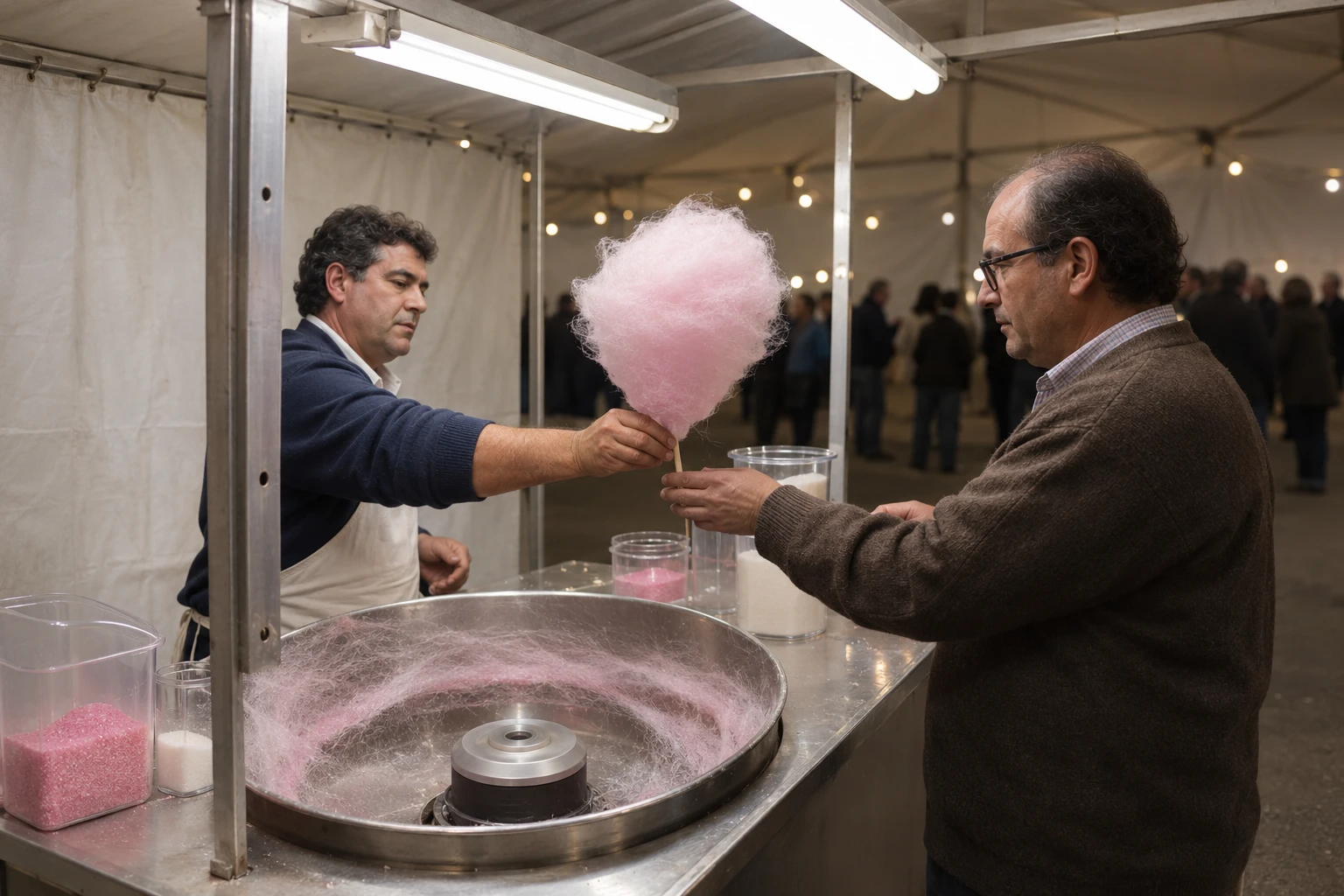
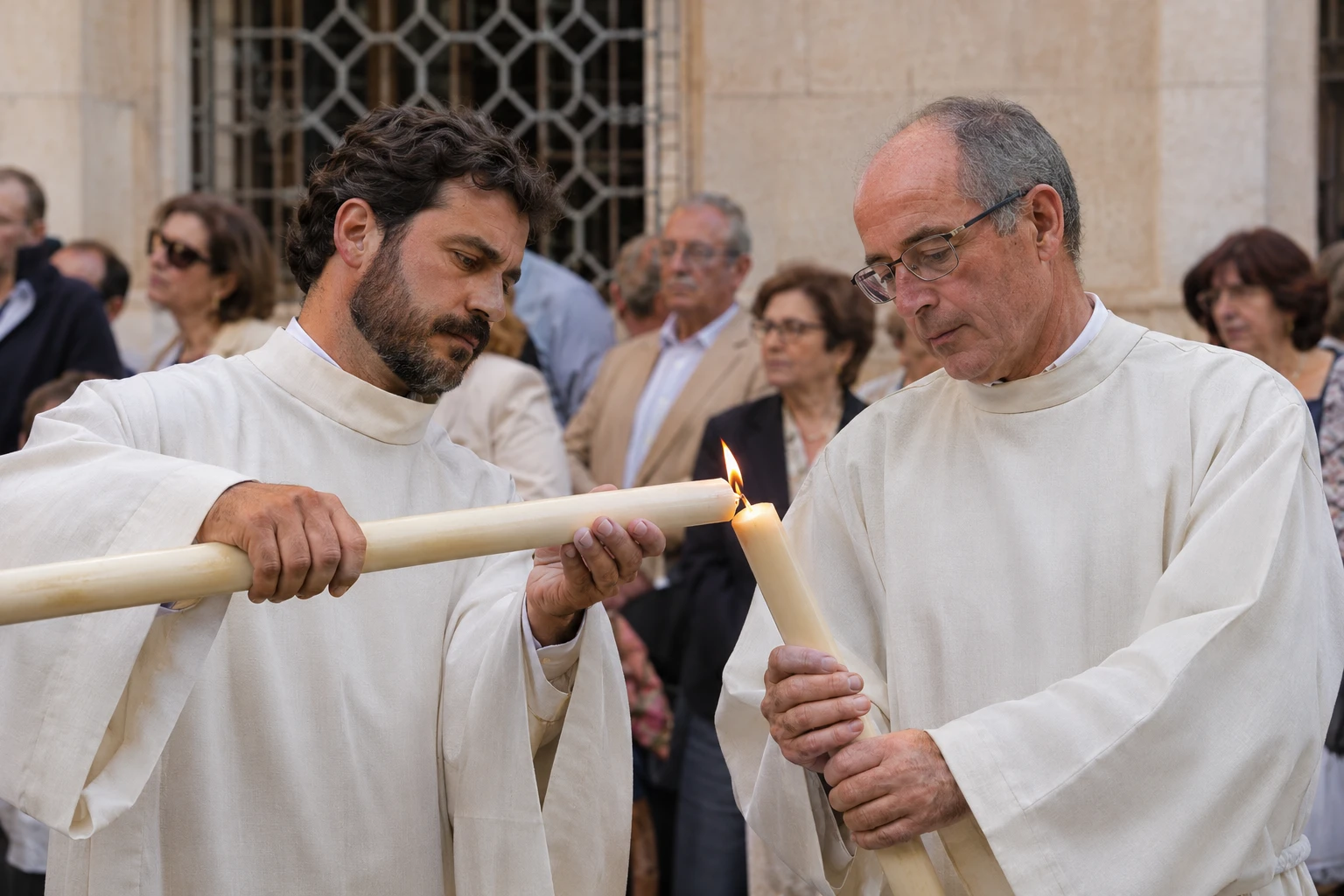
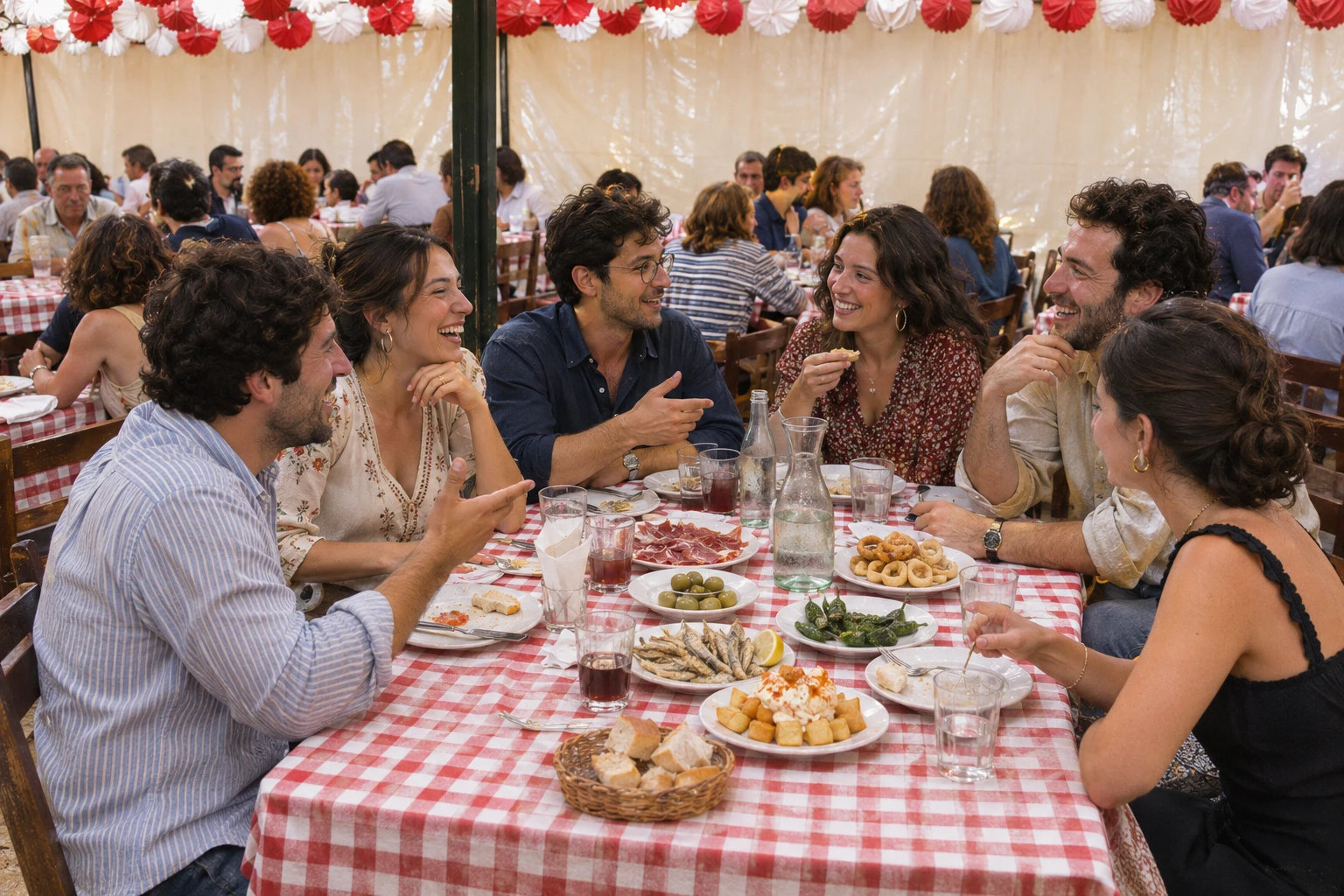
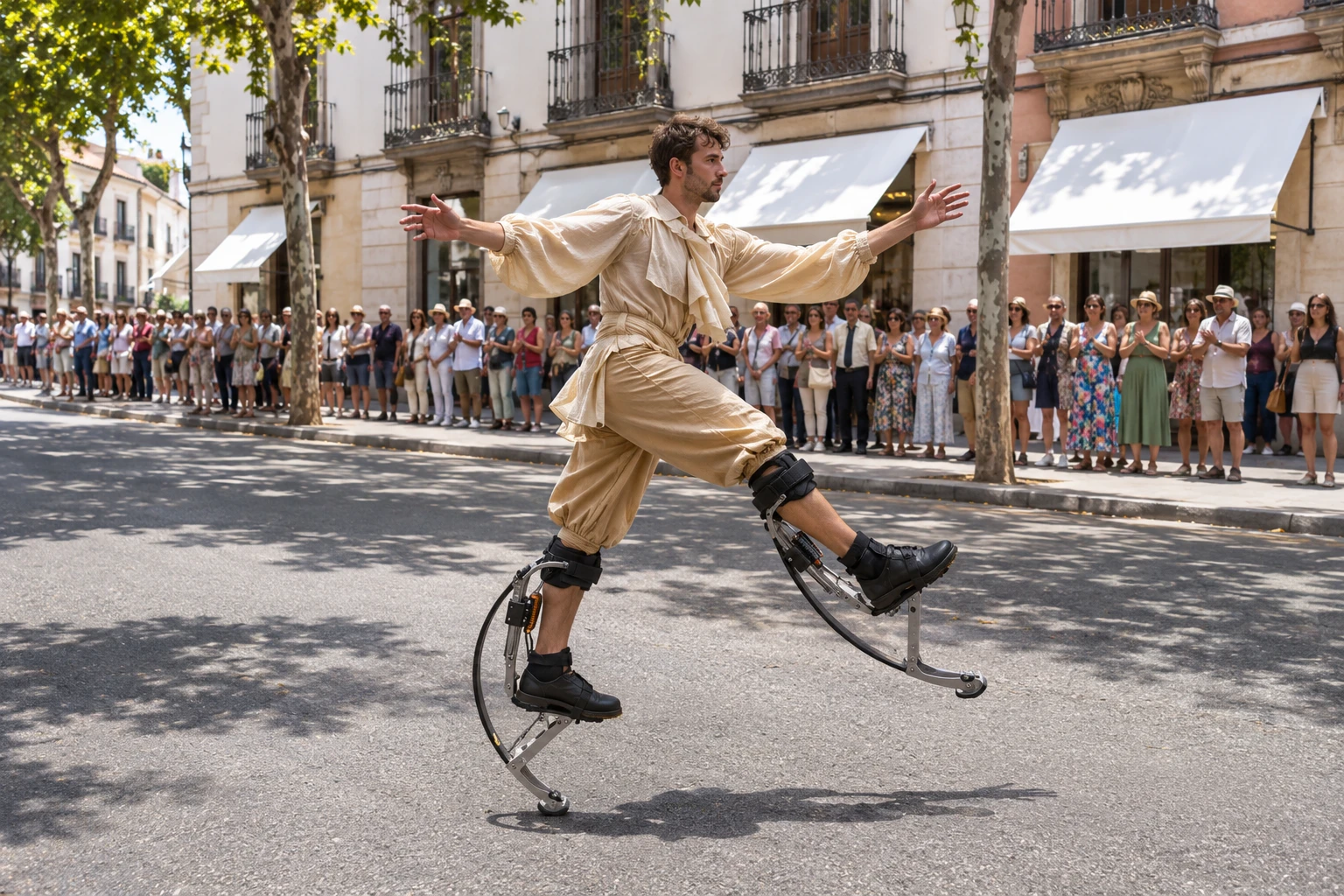
Illustrative images. The pictures in this guide are illustrations based on the real place, not photographs, and may differ from it.

Get it on Google Play

Click a photo to enlarge it.

Corpus Christi of Granada — Granada
Corpus Christi of Granada
Corpus Christi of Granada — Granada
Corpus Christi of Granada
Corpus Christi of Granada — Granada
Corpus Christi of Granada
Corpus Christi of Granada — Granada
Corpus Christi of Granada

Corpus Christi of Granada — Granada

When

In the week of Corpus Christi, in May or June depending on the date of Easter: the fair begins on the previous Saturday, the procession takes place on Corpus Thursday, and the celebration ends the following Saturday.

May/June

Where

Catedral de Granada

Granada

Andaluzia

Organizer

Official website

Dates, program and tickets

Dates change every year: check this year's date before you travel.

The festival

What is Corpus Christi of Granada

Corpus Christi is Granada’s major festival. For a week the city combines a centuries-old religious celebration—the procession of the Blessed Sacrament through the city centre—with a popular fair featuring casetas, horses, flamenco, and lights. The festivities were established by royal decree shortly after the Christian conquest of the city at the end of the 15th century, and since then the week of Corpus has structured Granada’s calendar.

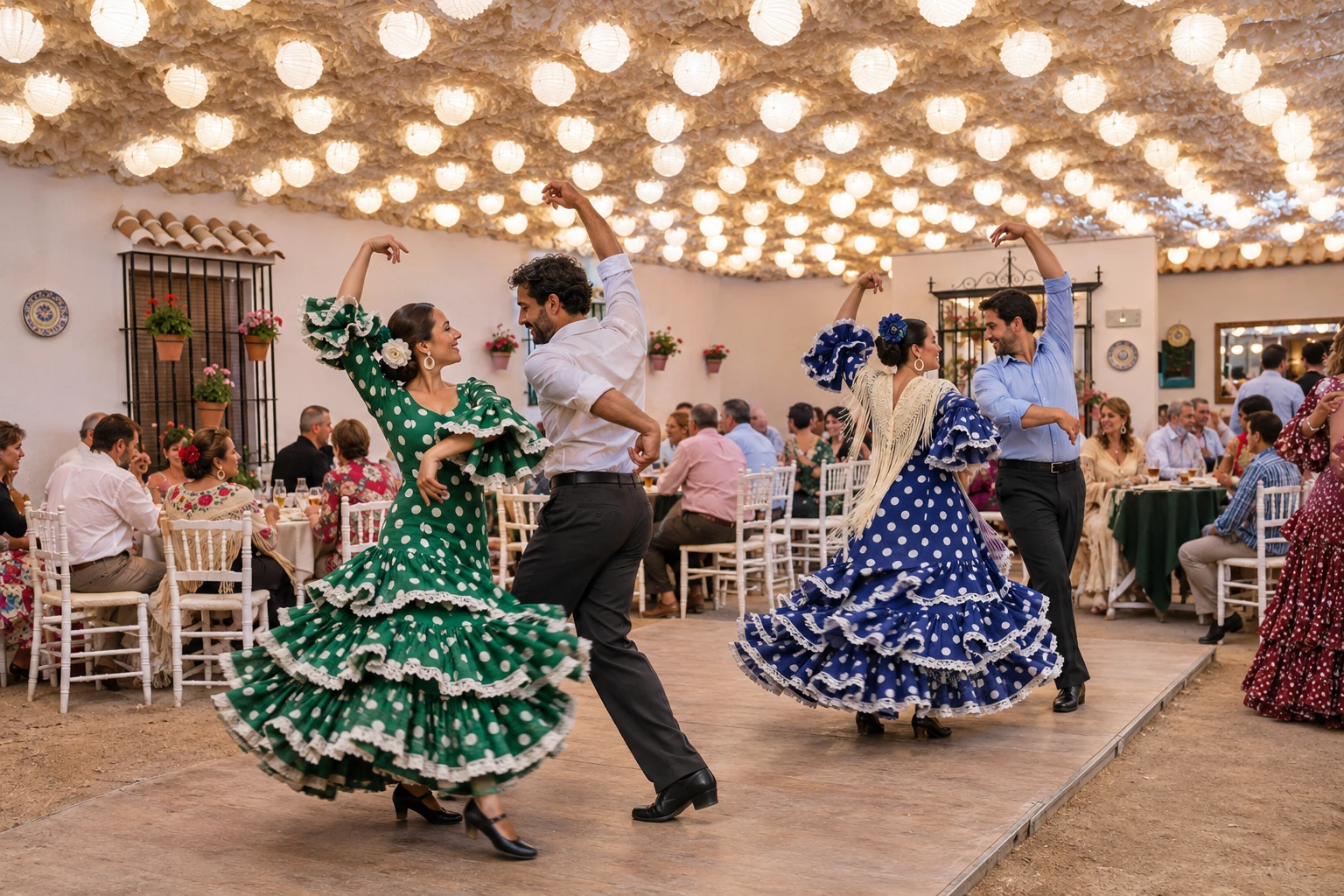
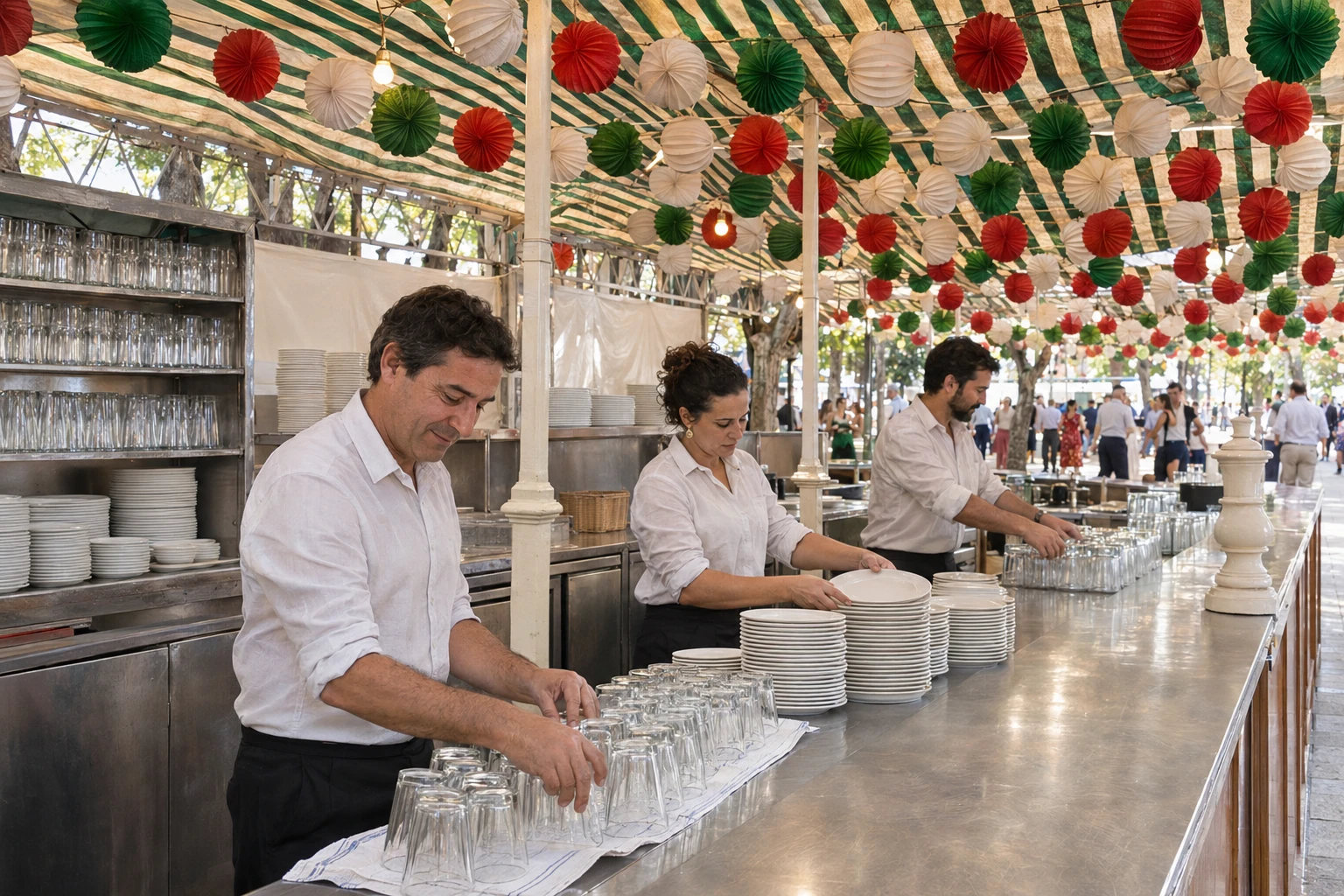
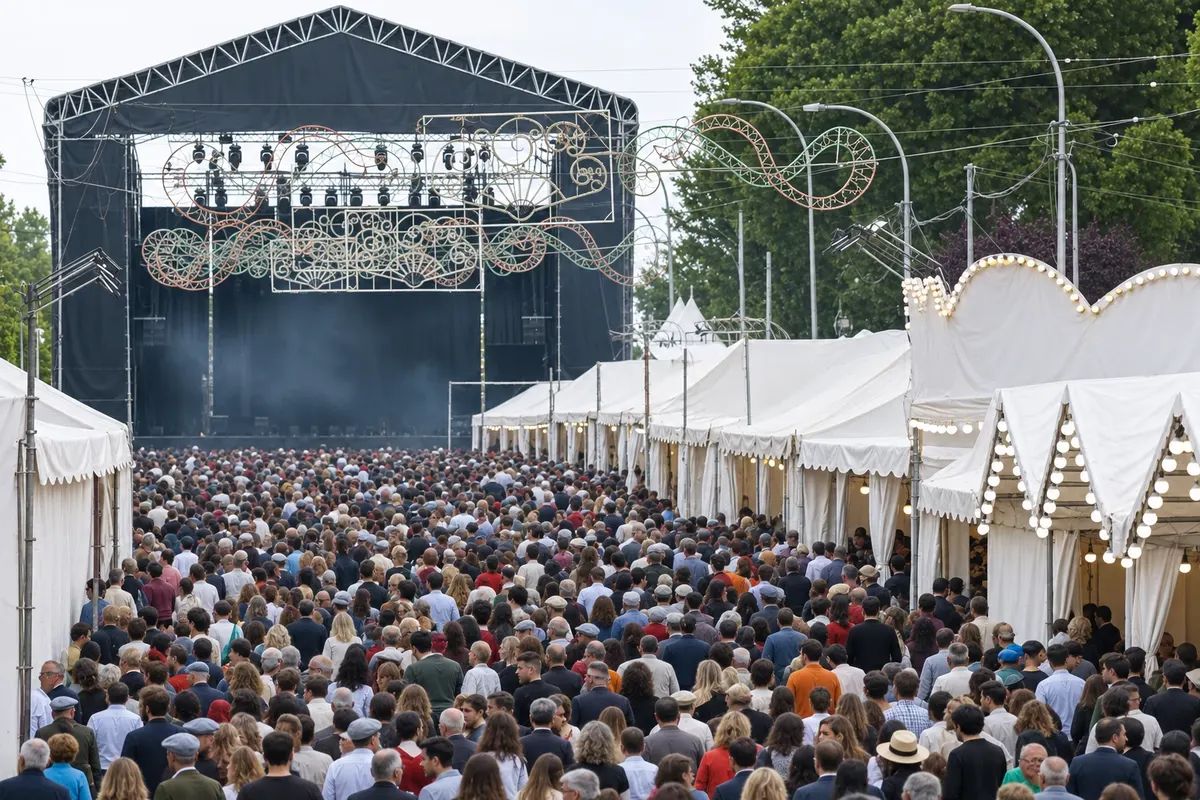
It all starts on the previous Saturday at midnight with the alumbrao, the lighting of the grand entrance and the streets of the Almanjáyar fairground, followed by fireworks. In the following days the fair has two rhythms. By day, carriages and riders parade among the casetas with people dressed in regional and flamenca attire. At night, music and sevillanas fill the fairground until late. In Granada, unlike many Andalusian fairs, there are public casetas interspersed with private ones, and any visitor may enter and join in.

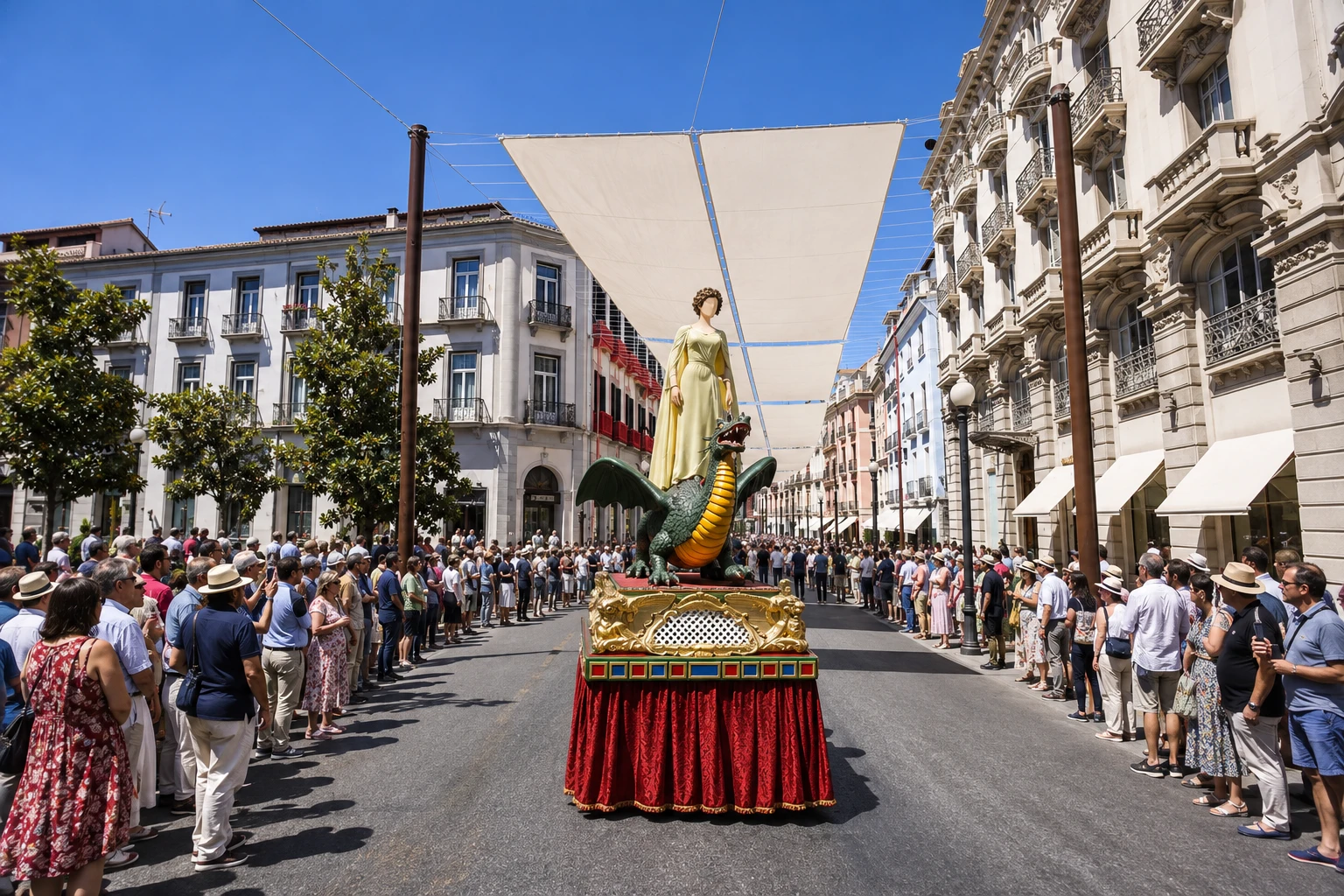
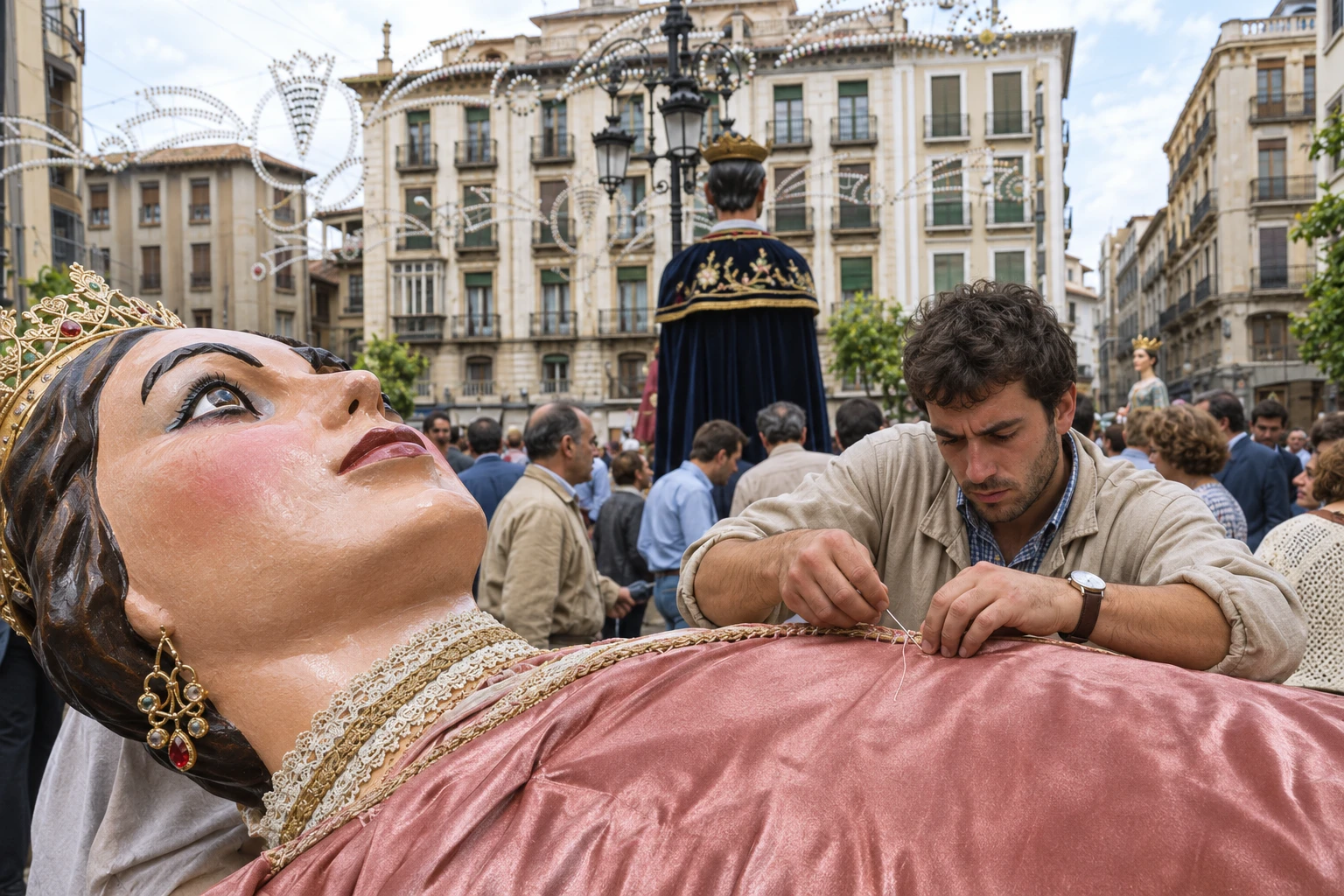
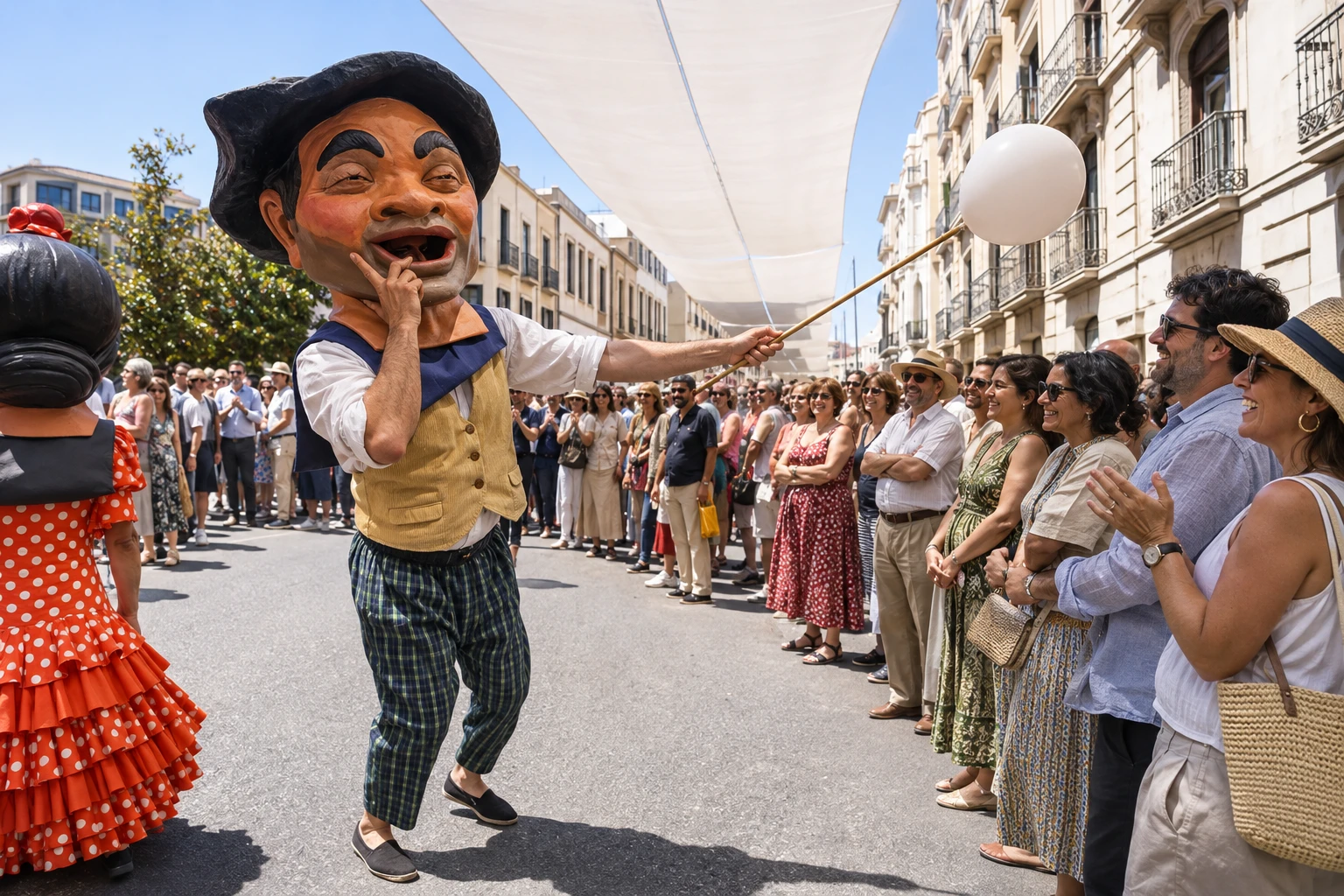
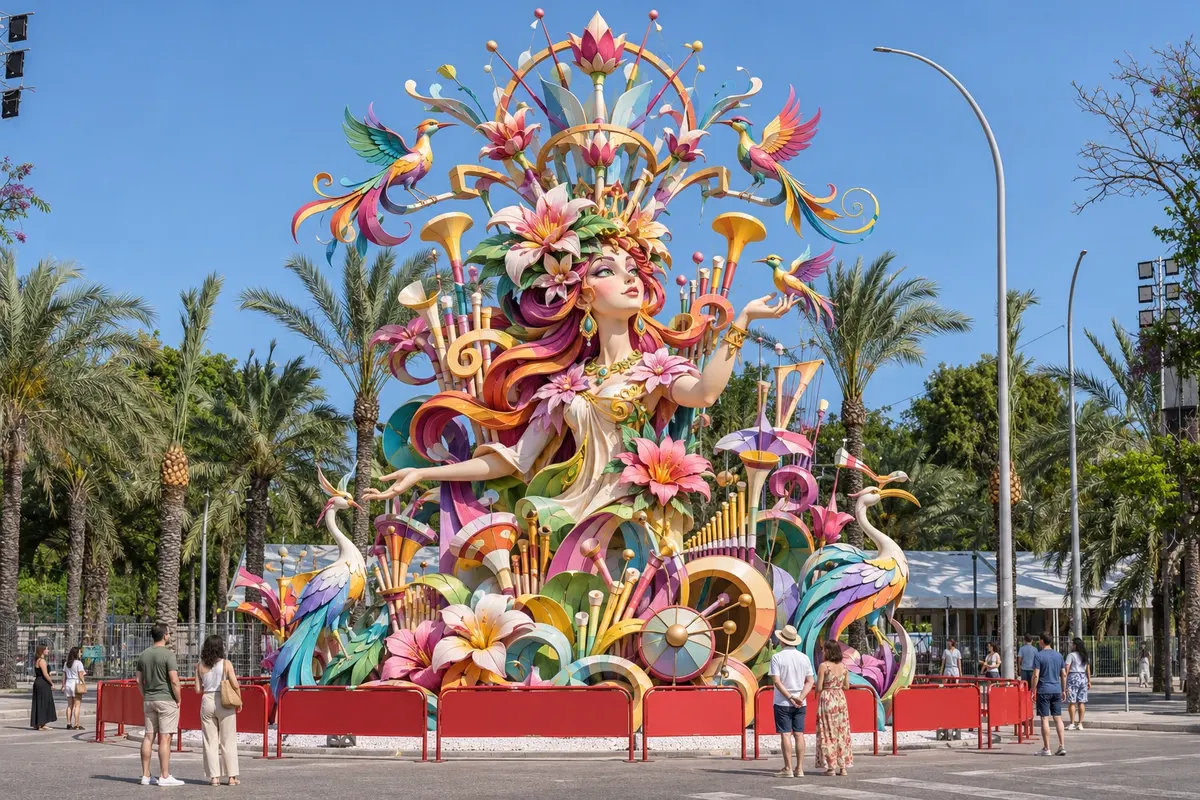
On Wednesday the Tarasca parades—the festival’s most popular figure: a female mannequin mounted on a dragon that appears to surrender at her feet, which travels the centre’s streets accompanied by gigantes and cabezudos. The dress she wears is the city’s best-kept secret, only revealed at the parade, and it usually foretells what will be fashionable that season. The Tarasca is seen as the profane counterpoint to the religious celebration. During the week, the Plaza de Bib-Rambla displays the carocas, drawings with satirical verses about the year’s events.

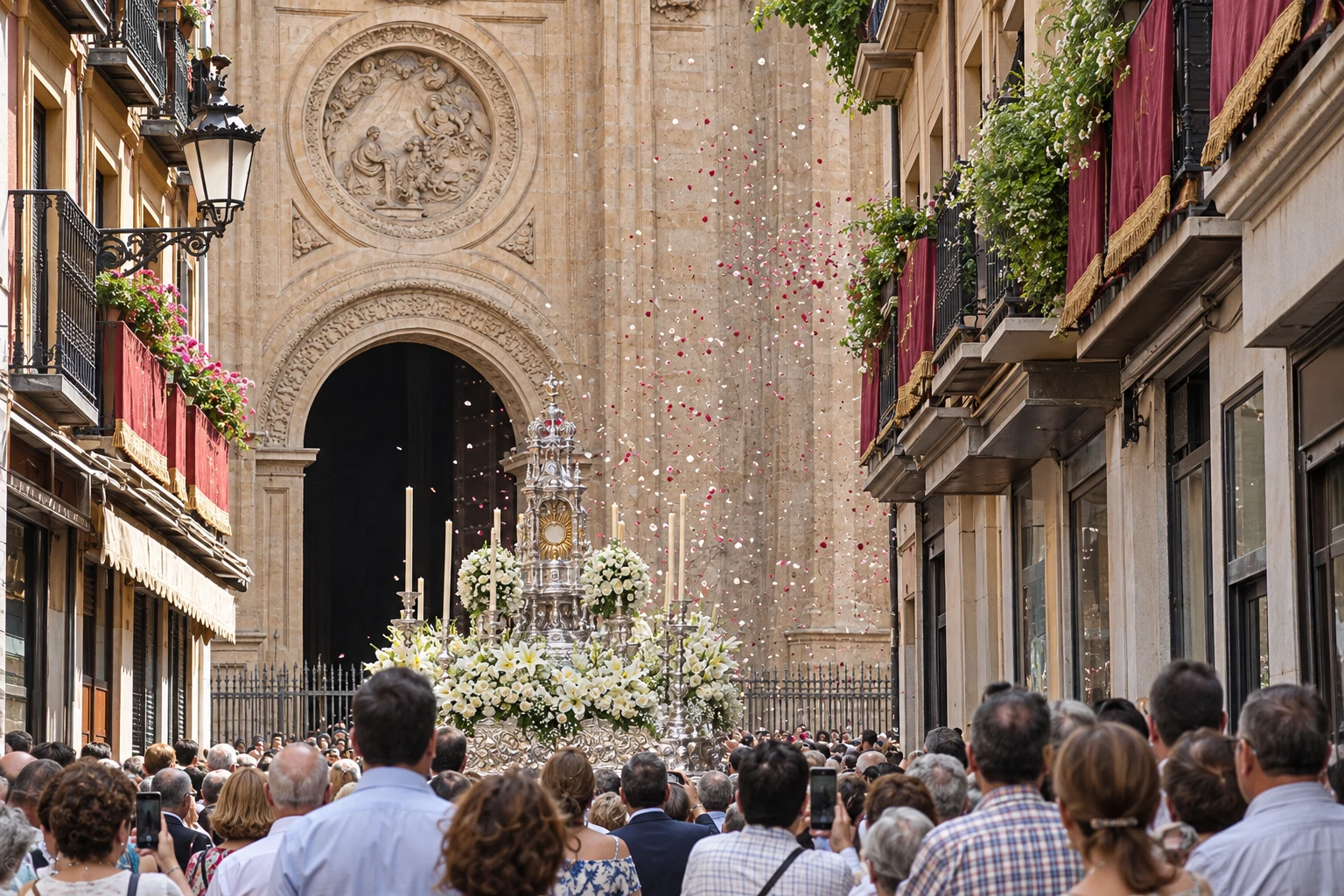
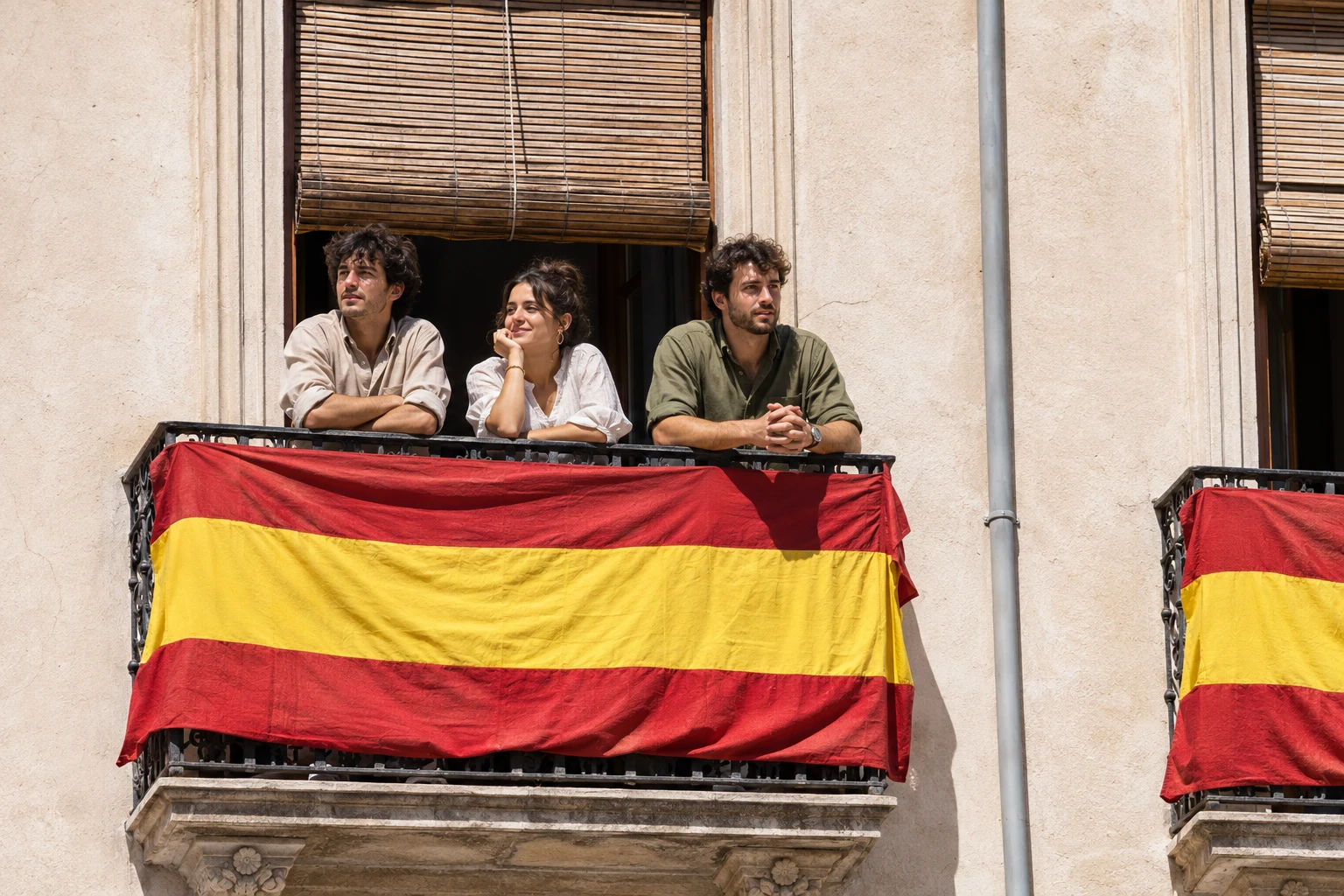
Corpus Thursday is the main day. In the morning, after Mass, the monstrance with the Blessed Sacrament leaves the cathedral in a solemn procession accompanied by authorities, brotherhoods, and civic corporations, along streets such as Gran Vía, Reyes Católicos and Plaza del Carmen. The route is decorated with canopies, altars set up by brotherhoods and associations, adorned balconies, and the ground covered with rushes and rosemary, which perfume the centre. On the following Sunday a smaller procession, the Octave of Corpus, goes around the cathedral’s surroundings, and the fair bids farewell over the weekend with fireworks.

For visitors, Corpus is a good time to get to know Granada: the days are long and warm, the Alhambra, the Albaicín and Sacromonte are only minutes from the centre, and the city simultaneously stages a religious festival, a popular fair, and a cultural program with concerts and exhibitions.

Share: WhatsApp

What not to miss

The alumbrao on Saturday night, with the lighting of the Almanjáyar entrance and the fireworks. The Tarasca’s parade on Wednesday, with gigantes and cabezudos, and the unveiling of the year’s dress. The Corpus Christi procession on Thursday morning, leaving the cathedral through streets covered with rushes and rosemary. The altars set up by brotherhoods and associations along the procession route. The carocas displayed in Plaza de Bib-Rambla. A daytime outing of carriages and riders in the fair. An evening in a public caseta, among sevillanas and live music.

How to enjoy it

The Almanjáyar fairground is outside the centre; during the fair the city increases bus service and creates special lines, and taxis are available. The Thursday procession and the Tarasca take place in the centre, which is closed to traffic for part of the day: arrive on foot and choose a spot along the route early, such as Plaza del Carmen or Reyes Católicos street. The altars along the route are on display from the evening before and can be seen calmly on Wednesday night. Public casetas are open to everyone; private ones admit members and invited guests only. June in Granada typically has very hot afternoons and cooler nights; bring water, a hat and a light jacket. Visitors to the Alhambra during this week should book tickets well in advance.

What to eat

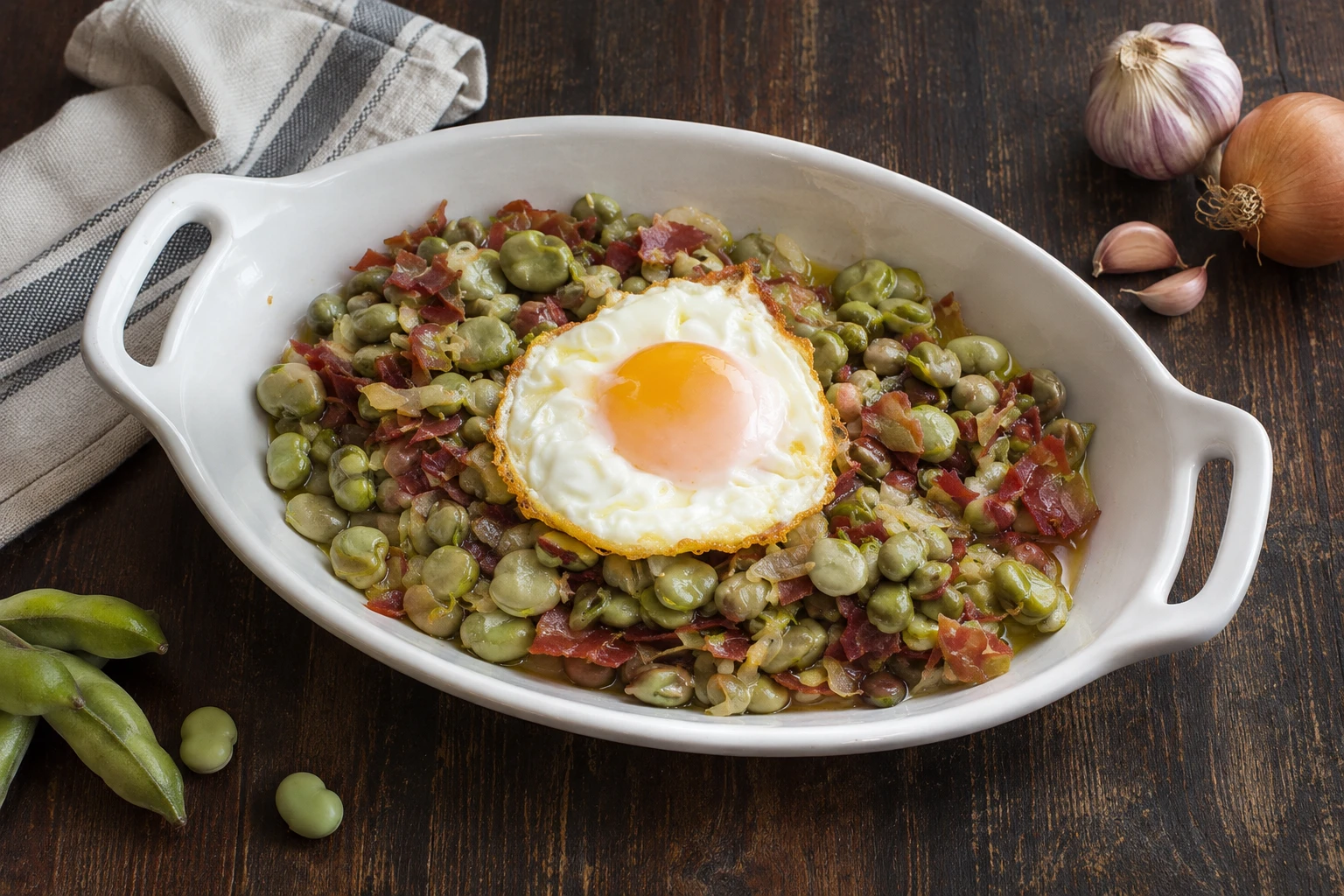
At the casetas of the fair you can enjoy Andalusian festive dishes: jamón, cheeses, tortilla, pescaíto frito, pinchitos and the tapas that in Granada commonly accompany every drink at bars. Tortilla del Sacromonte, made with brains and other offal, and habas con jamón, broad beans with ham, are city specialties. To drink: fino wine, rebujito and cold beer; in the centre, the bars around the cathedral and Plaza de Bib-Rambla serve tapas all day.


Plan ahead

During Corpus week Granada receives visitors from all over Andalusia, and rooms near the cathedral fill up quickly; book early. Alhambra tickets sell out weeks in advance at this time. Granada’s tourism portal publishes the dates for the year, the routes for the procession and the Tarasca, and the fairground map.

In the city

Make the most of Granada

May/June

Around the same time

Seville April Fair April/May
Popular festival · Seville

Seville April Fair

In April or May, one or two weeks after Holy Week, depending on the date of Easter; it lasts about a week, from the night of the pescaíto and the alumbrao until the fireworks on the last night.

A weeklong party in Seville’s fairground, between Los Remedios and the Guadalquivir: streets of decorated casetas with lanterns, a noon parade of horses and carriages, flamenco-style dresses, sevillanas danced until the early hours, and the amusement park on the Calle del Infierno.

Festival of the Patios of Córdoba May
Culture · Córdoba

Festival of the Patios of Córdoba

In the first weeks of May, for about two weeks, after the Cruces de Mayo at the start of the month; the dates are set each year by the city council.

In May, residents of Córdoba in Andalusia open the patios of their homes—filled with pots of flowers—to the public in a municipal contest that has existed since 1921 and is on UNESCO’s list of intangible heritage; it takes place during the month of the Cruces de Mayo, the flowered balconies and the city fair.

Your questions

Questions about Corpus Christi of Granada

When is Granada’s Corpus?

In the week of Corpus Christi, which falls between late May and late June depending on Easter. The fair begins the previous Saturday, the procession takes place on Thursday, and the festivities end the following weekend.

What is Granada’s Tarasca?

It is a female mannequin mounted on a dragon that parades through the centre on Corpus Wednesday accompanied by gigantes and cabezudos. The dress she wears is kept secret until the parade.

Can visitors to Granada enter the corpus casetas?

Yes. In Granada there are public casetas interspersed among the private ones, open to any visitor. The private casetas only admit members and invited guests.

Where is Granada’s Corpus fair held?

At the Almanjáyar fairground in the north of the city, connected to the centre by buses that have increased service on festival days. The procession and the Tarasca travel through the historic centre.

Festivals and events in Spain

Other festivals

Sant Joan Night in Barcelona June
Popular festival · Barcelona

Sant Joan Night in Barcelona

On the night of June 23–24, the eve of St. John, one of the shortest nights of the year; St. John’s Day, June 24, is a public holiday in Catalonia.

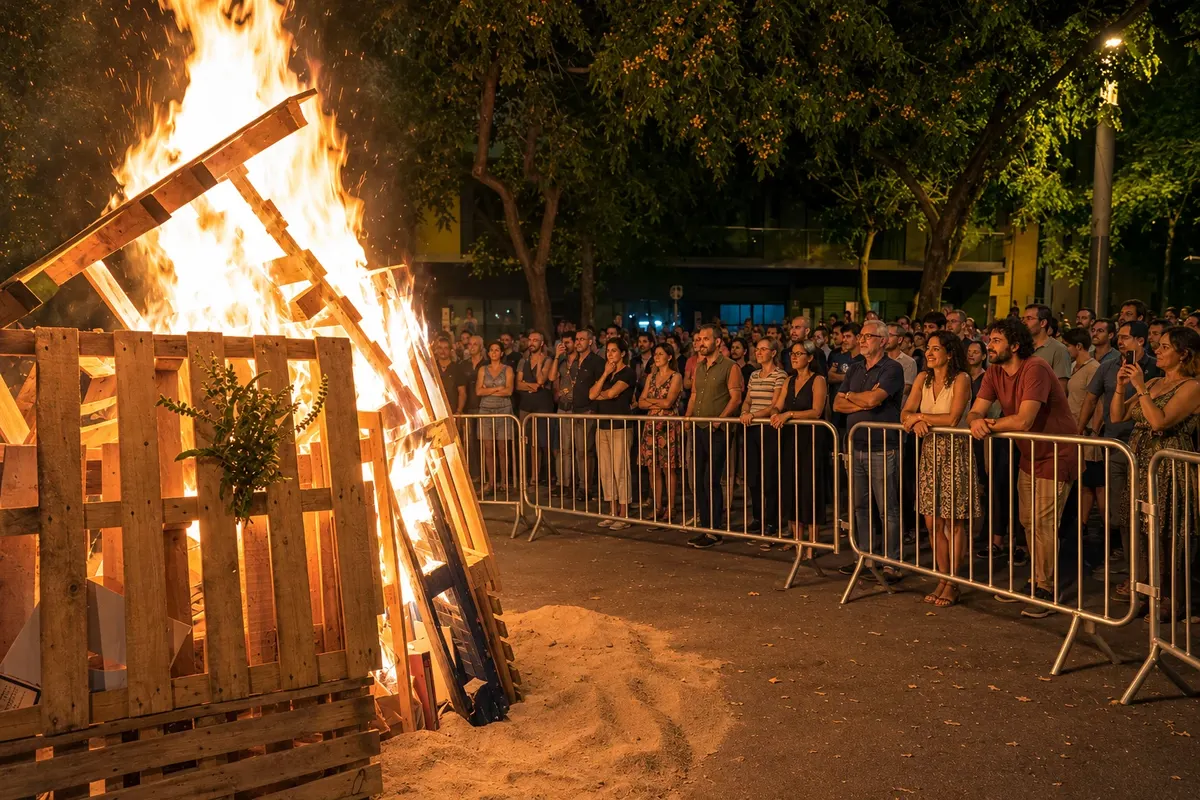
On St. John’s Eve, Barcelona receives the Flama del Canigó, a flame brought from the Pyrenean mountains that lights bonfires in every neighborhood, and experiences one of the shortest nights of the year with street dinners, fireworks, groups of devils, coca and cava in the squares and along the waterfront.

Tamborrada of San Sebastián January
Popular festival · San Sebastián

Tamborrada of San Sebastián

On January 20, the feast day of Saint Sebastian, the city's patron: the celebration begins at midnight between January 19 and 20 and ends at the following midnight.

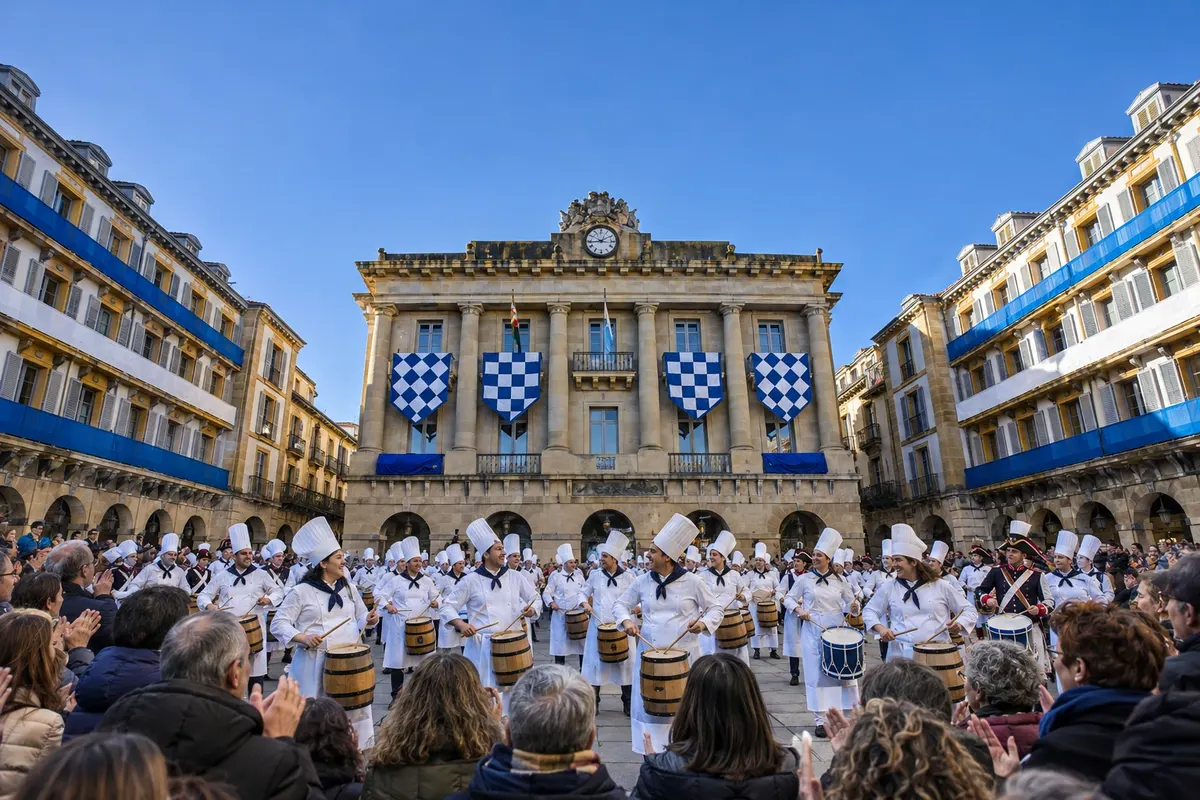
For 24 hours on January 20, San Sebastián, in the Basque Country, honors its patron saint to the sound of drums and barrels: uniformed companies parade through the city playing the marches of Raimundo Sarriegi, from the raising of the flag in Plaza de la Constitución until the lowering in the same square.

Carnival of Santa Cruz de Tenerife February/March
Popular festival · Santa Cruz de Tenerife

Carnival of Santa Cruz de Tenerife

At the end of winter, between February and March, following the movable Carnival calendar: the contests and the queen’s gala take place in the preceding weeks, and the streets celebrate from the opening cavalcade until the weekend after Ash Wednesday.

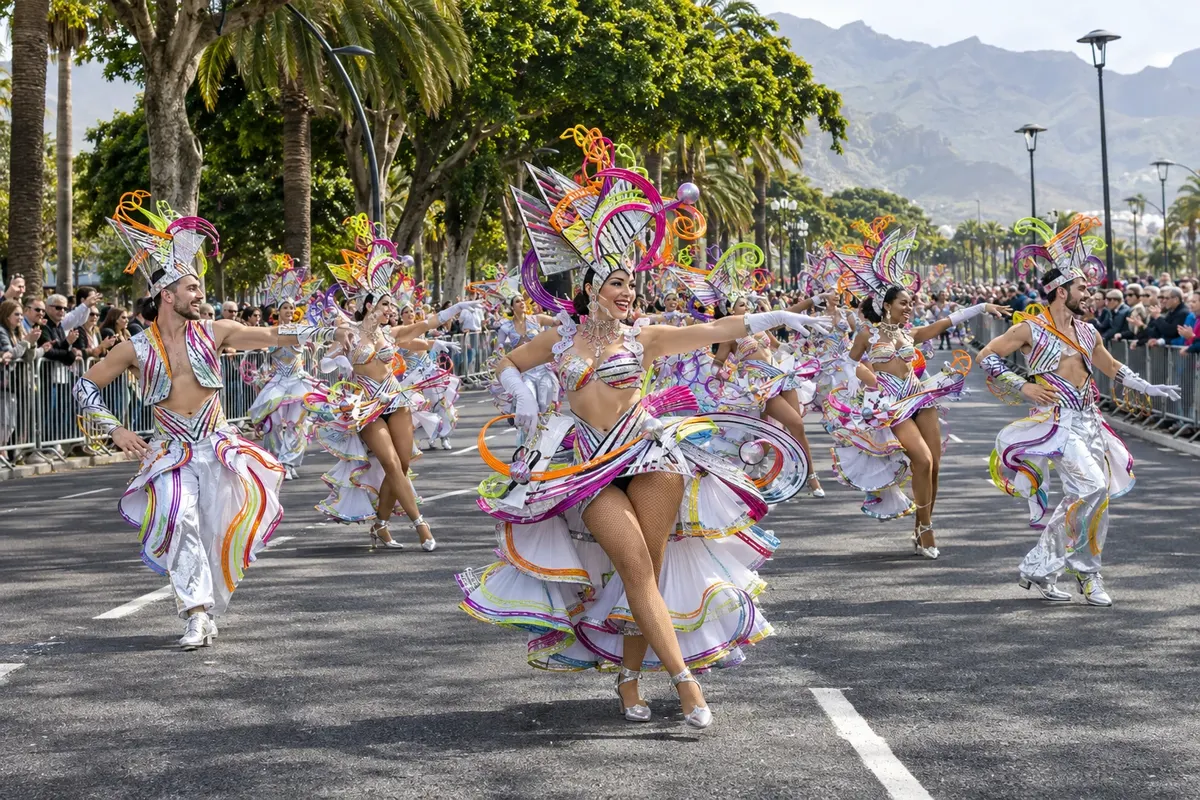
The capital of Tenerife’s Carnival, in the Canary Islands, with a monumental fantasy queen, murgas, comparsas and rondallas, the big Coso parade on Carnival Tuesday and balls that fill the squares and avenues of the center until dawn.

See the full calendar