The festival
What is Carnival of Santa Cruz de Tenerife
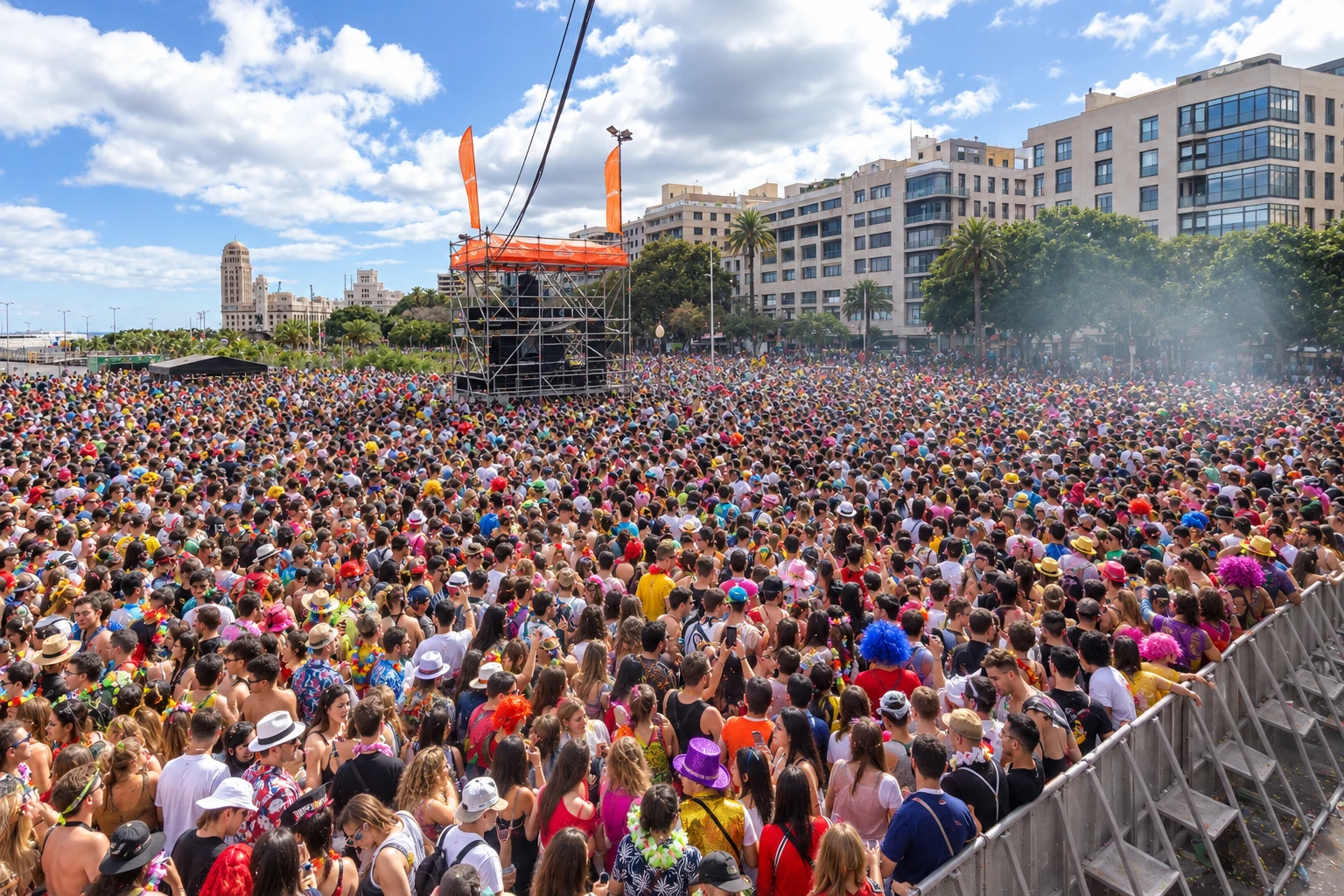
The Carnival of Santa Cruz de Tenerife is the biggest festival in the Canary Islands and one of Europe’s best‑known street carnivals. For about two weeks the island’s capital is in party mode: there are competitions for musical groups, a gala to elect the queen, parades, outdoor balls and a crowd in costume in the streets, by day and by night. The Spanish government recognizes the event as of international tourist interest, and each edition has a theme that inspires the city’s decoration and many costumes.
Carnival arrived with the settlers and merchants, and Santa Cruz, a port city, has always celebrated it with balls and masks. During the dictatorship, when the festival was banned in much of Spain, the city kept its celebrations under another name, the Fiestas de Invierno. Over time, the Canary Islands’ ties with the Caribbean and South America influenced the sound of the festival, adding Latin rhythms, salsa and percussion alongside Spanish music.
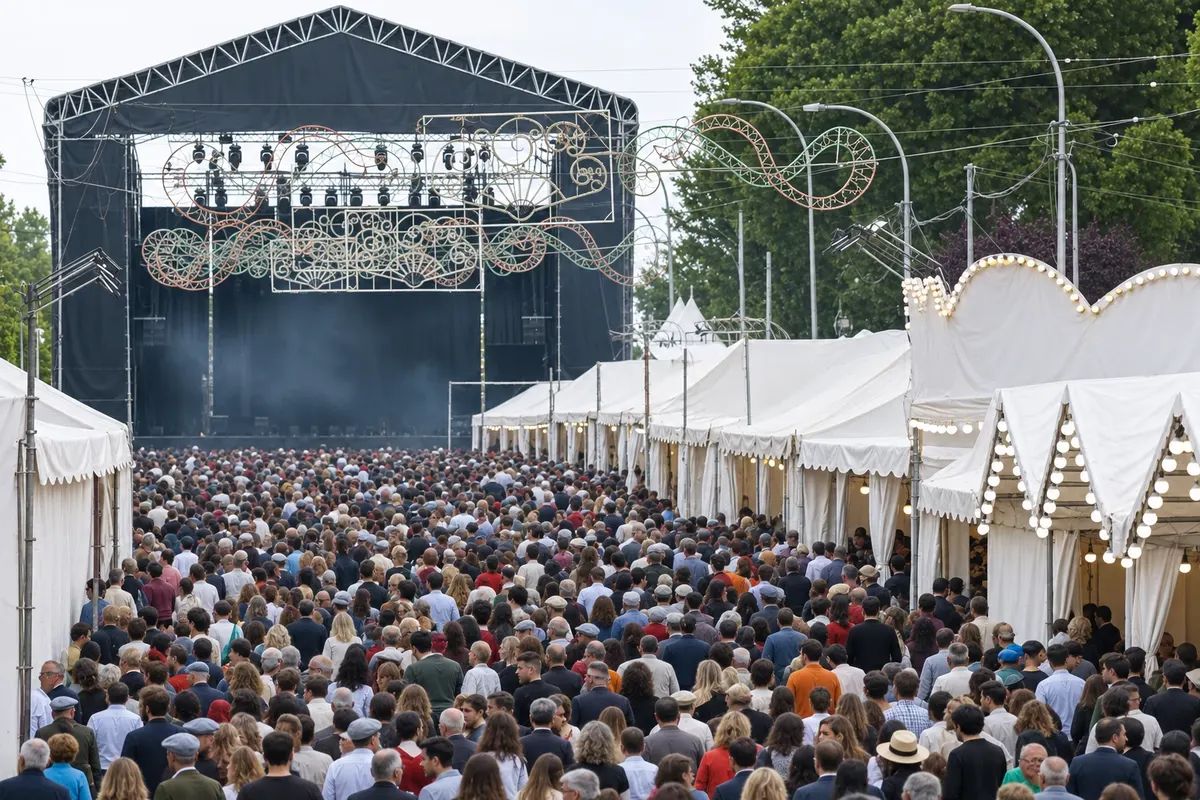
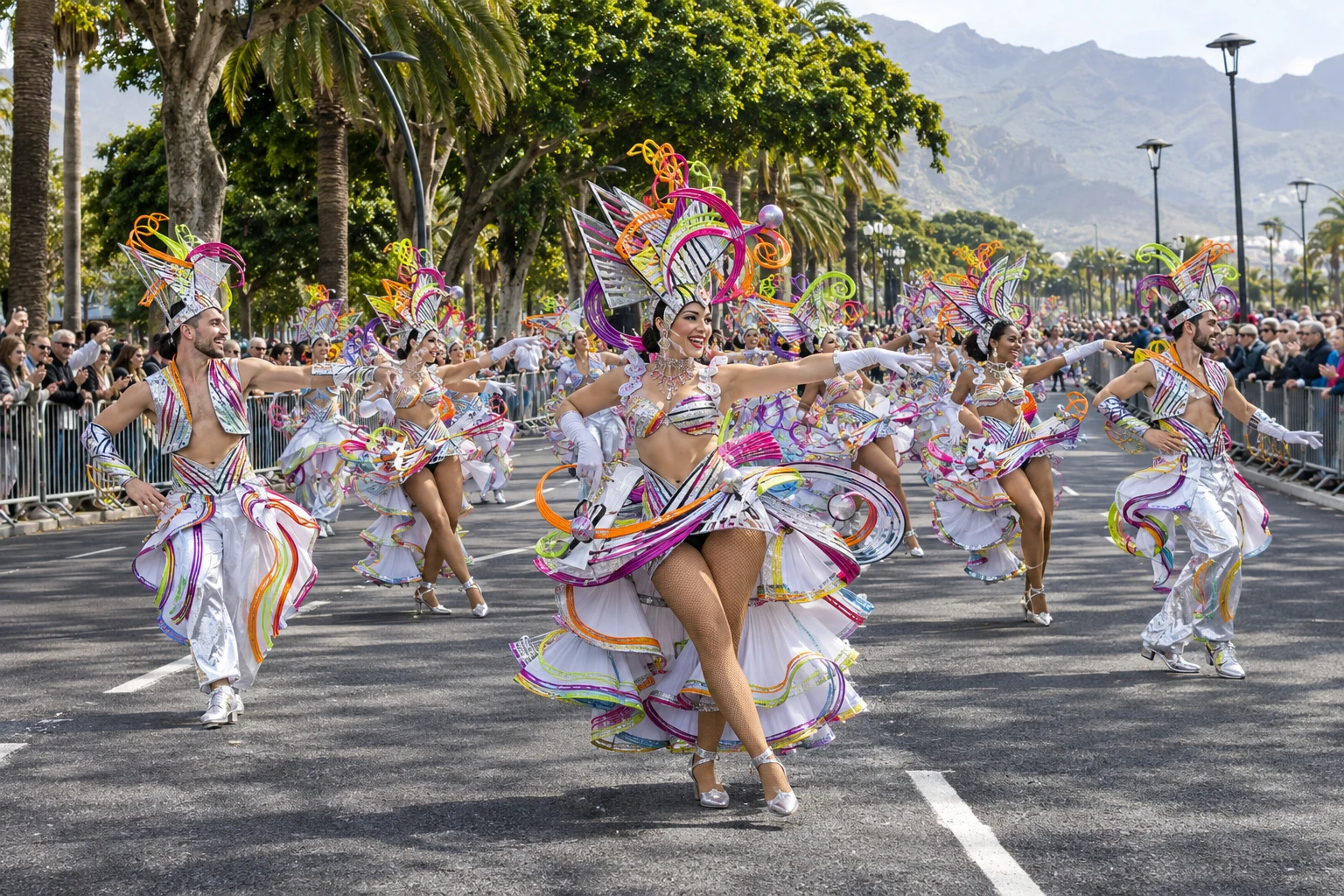
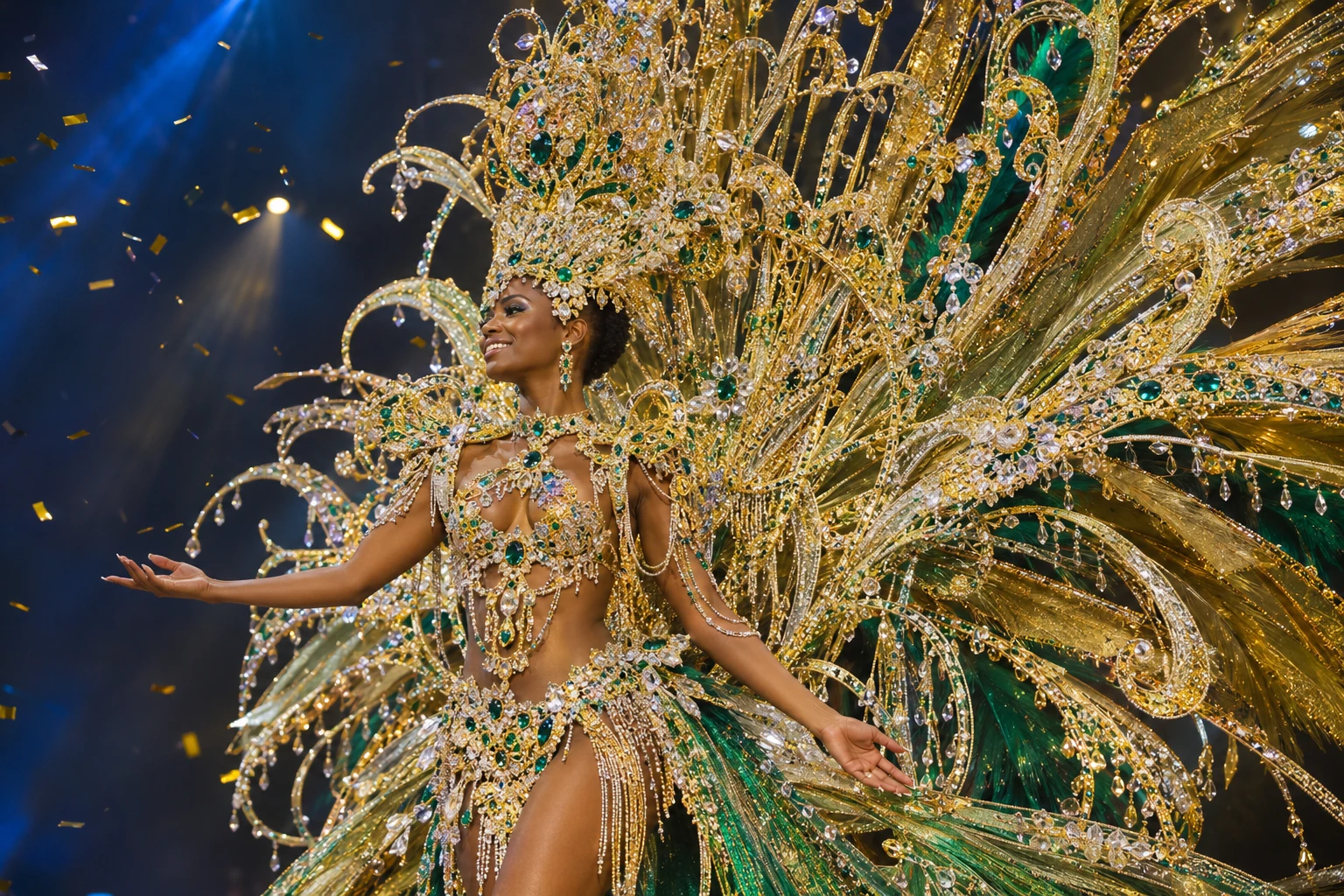
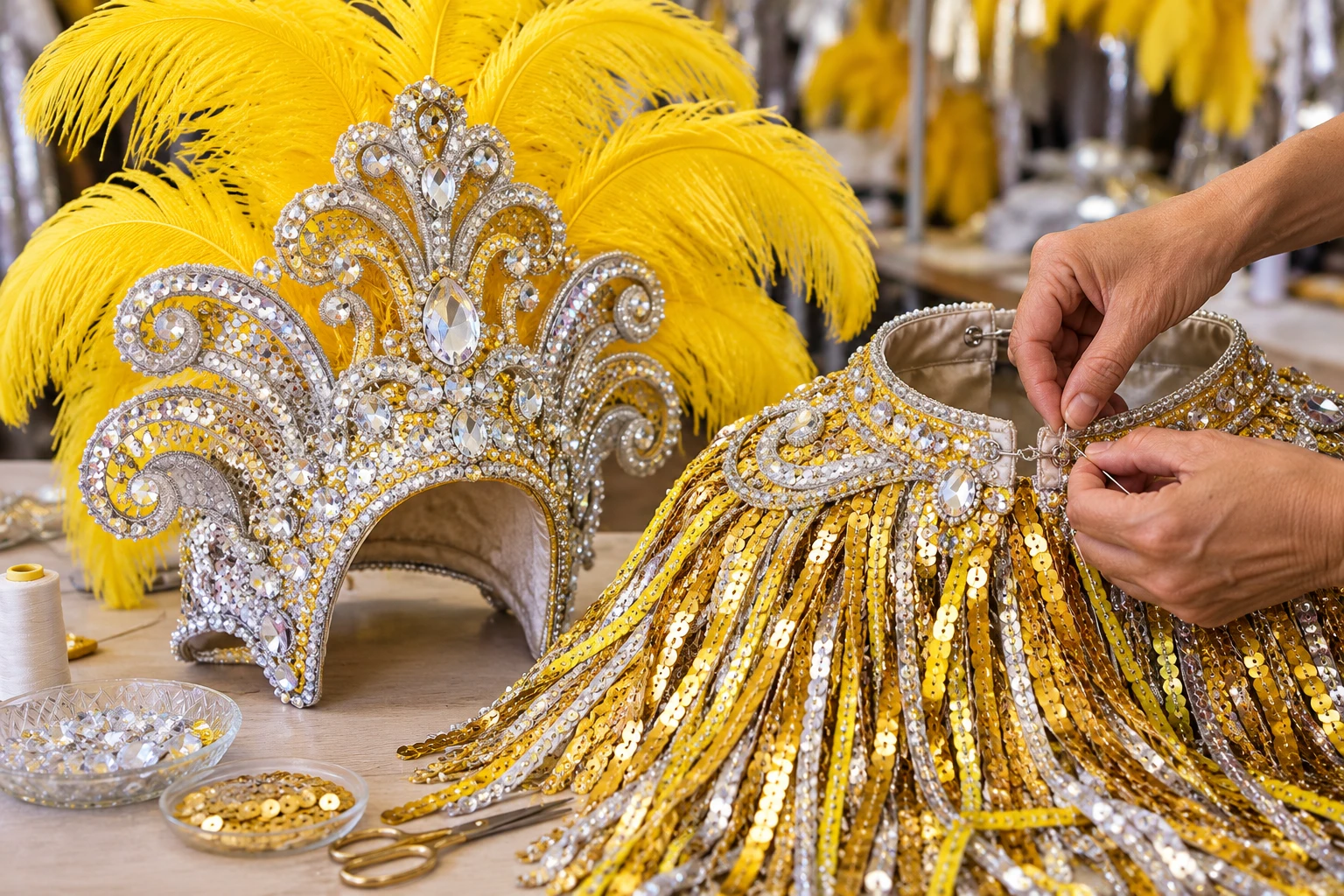
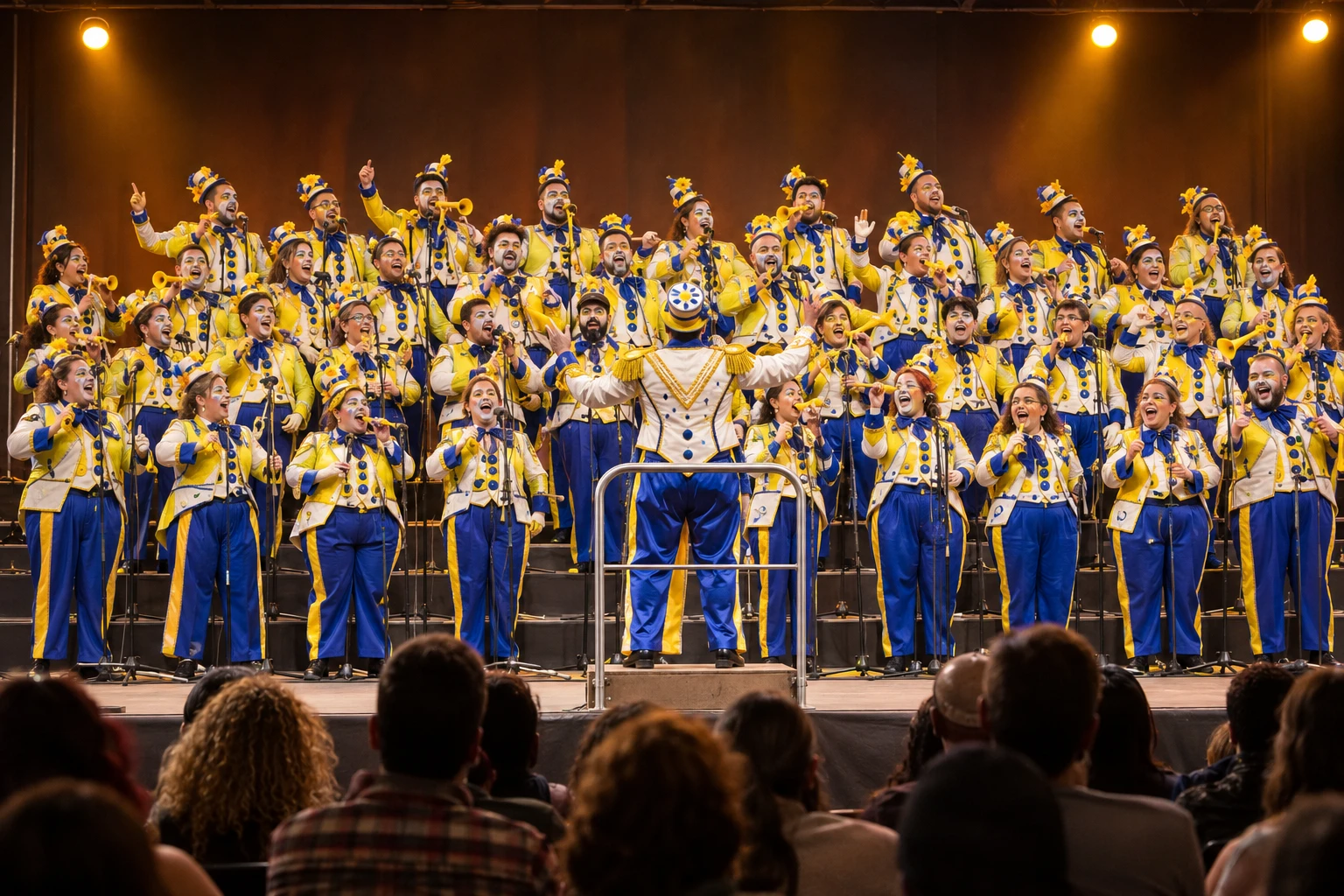
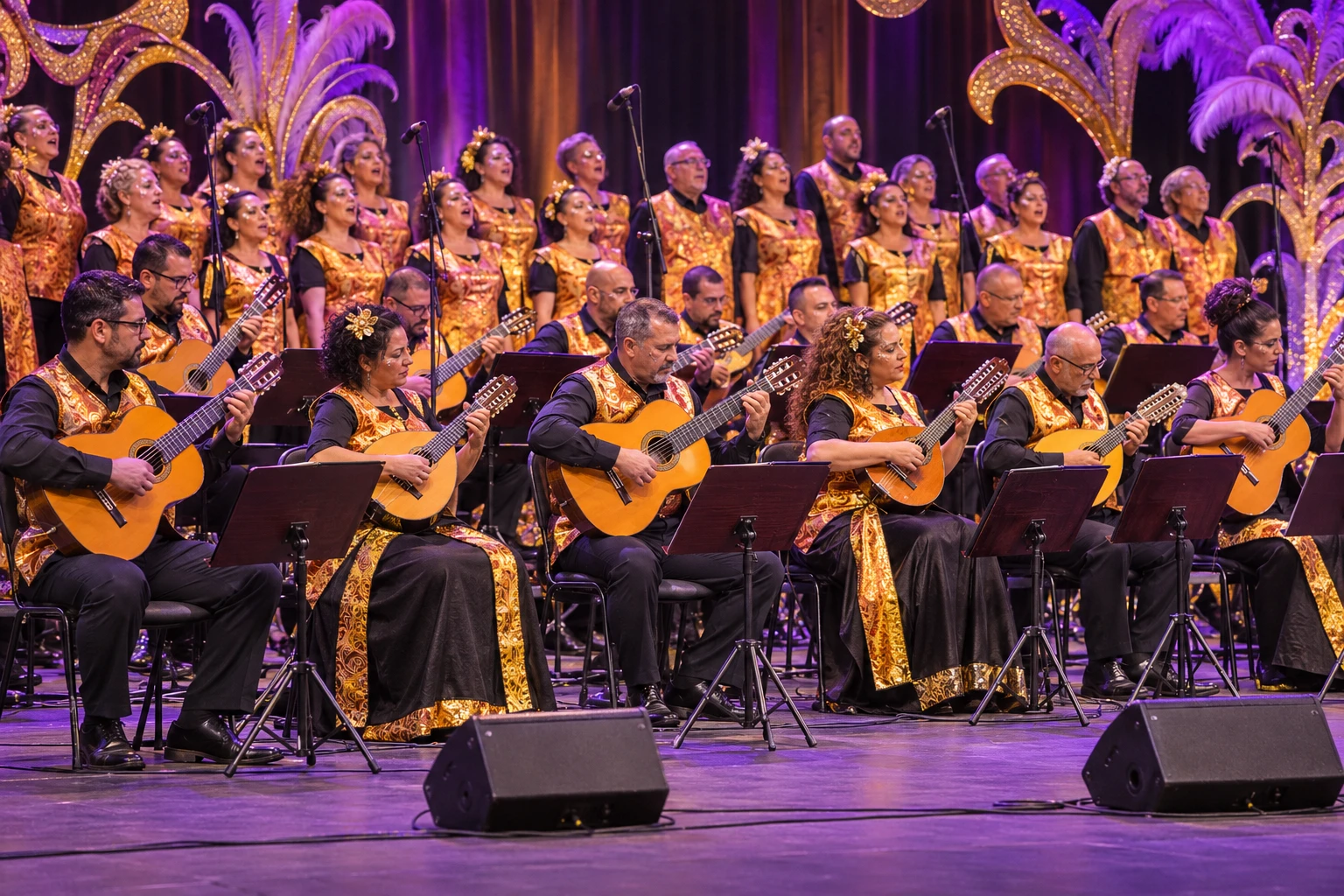
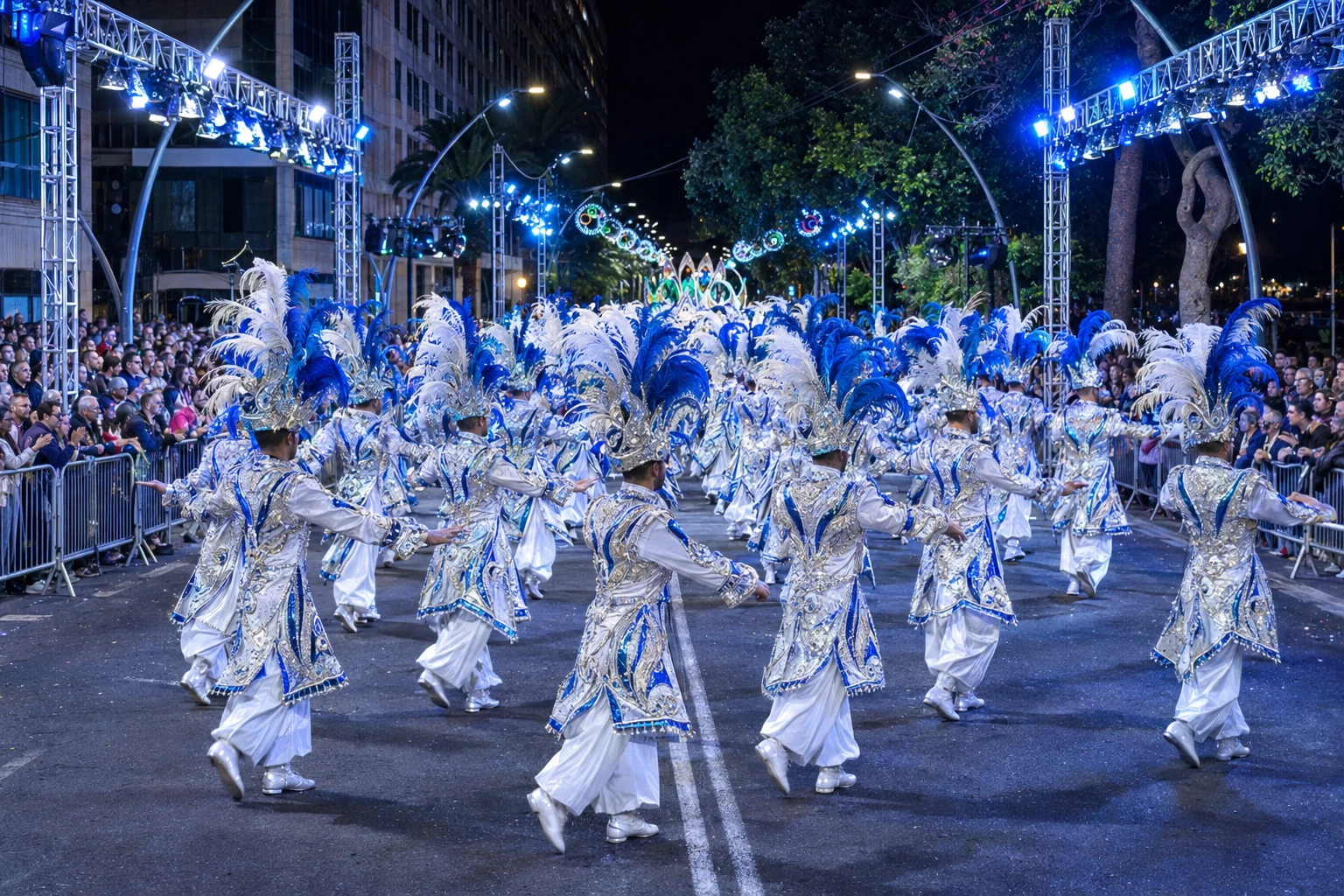
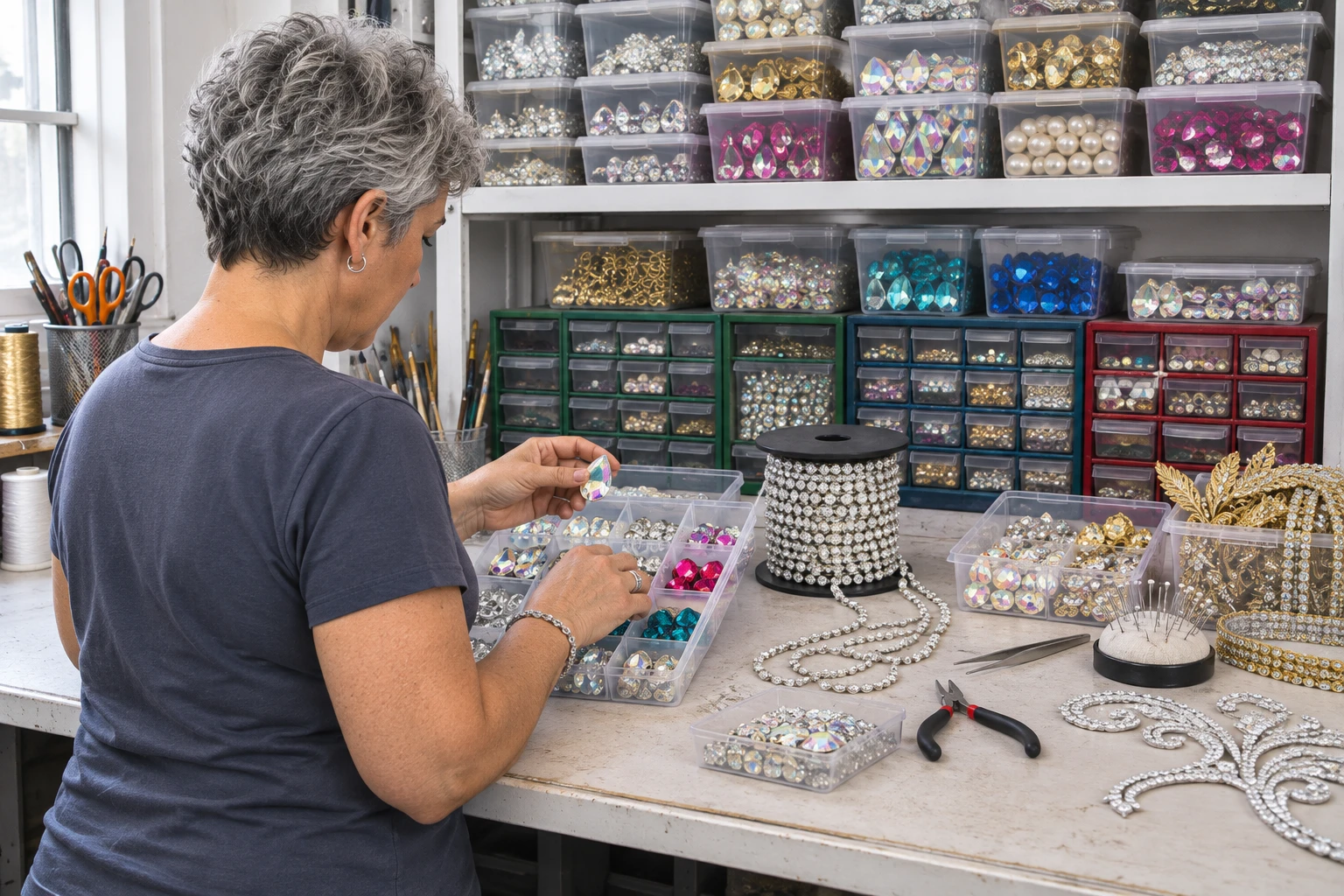
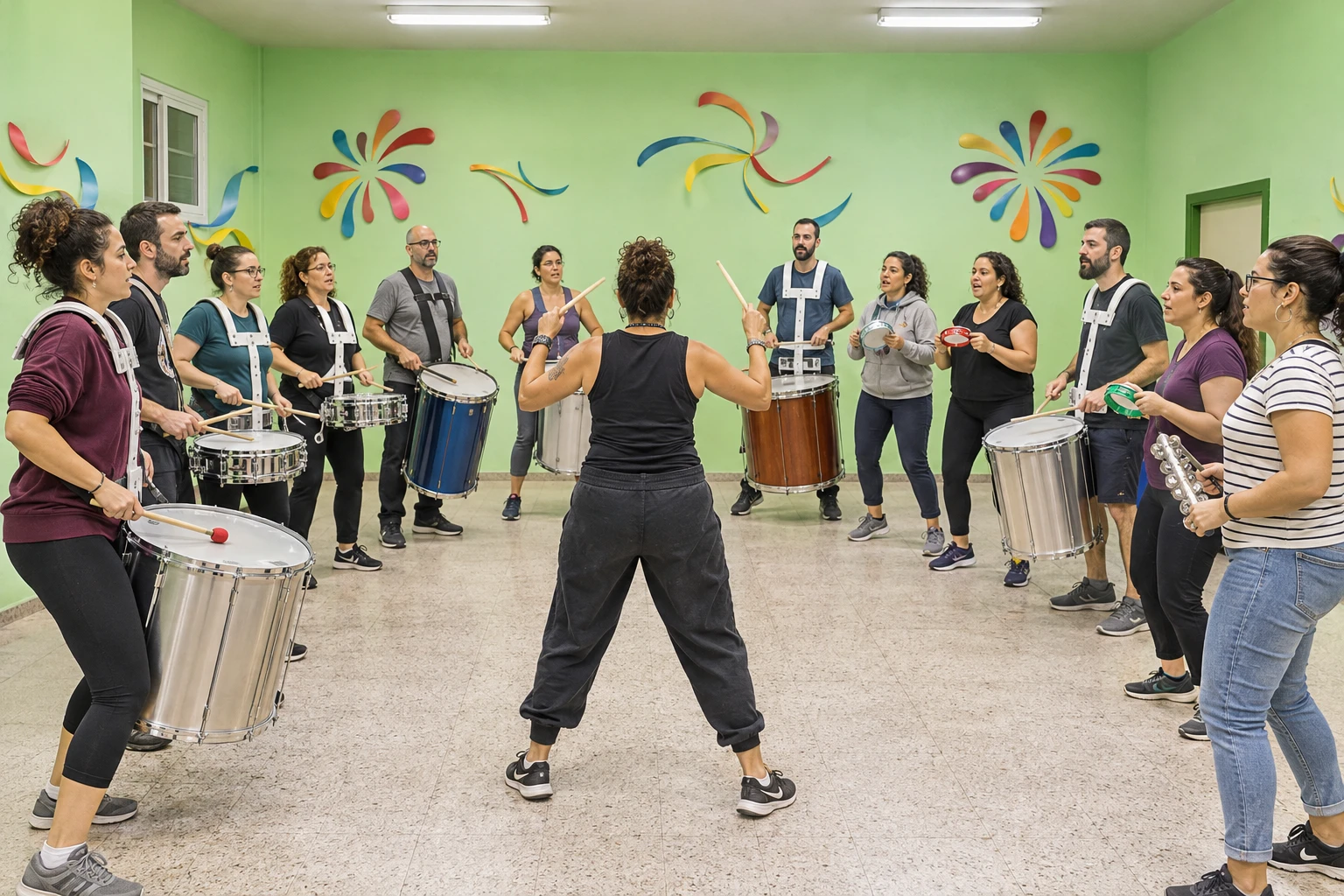
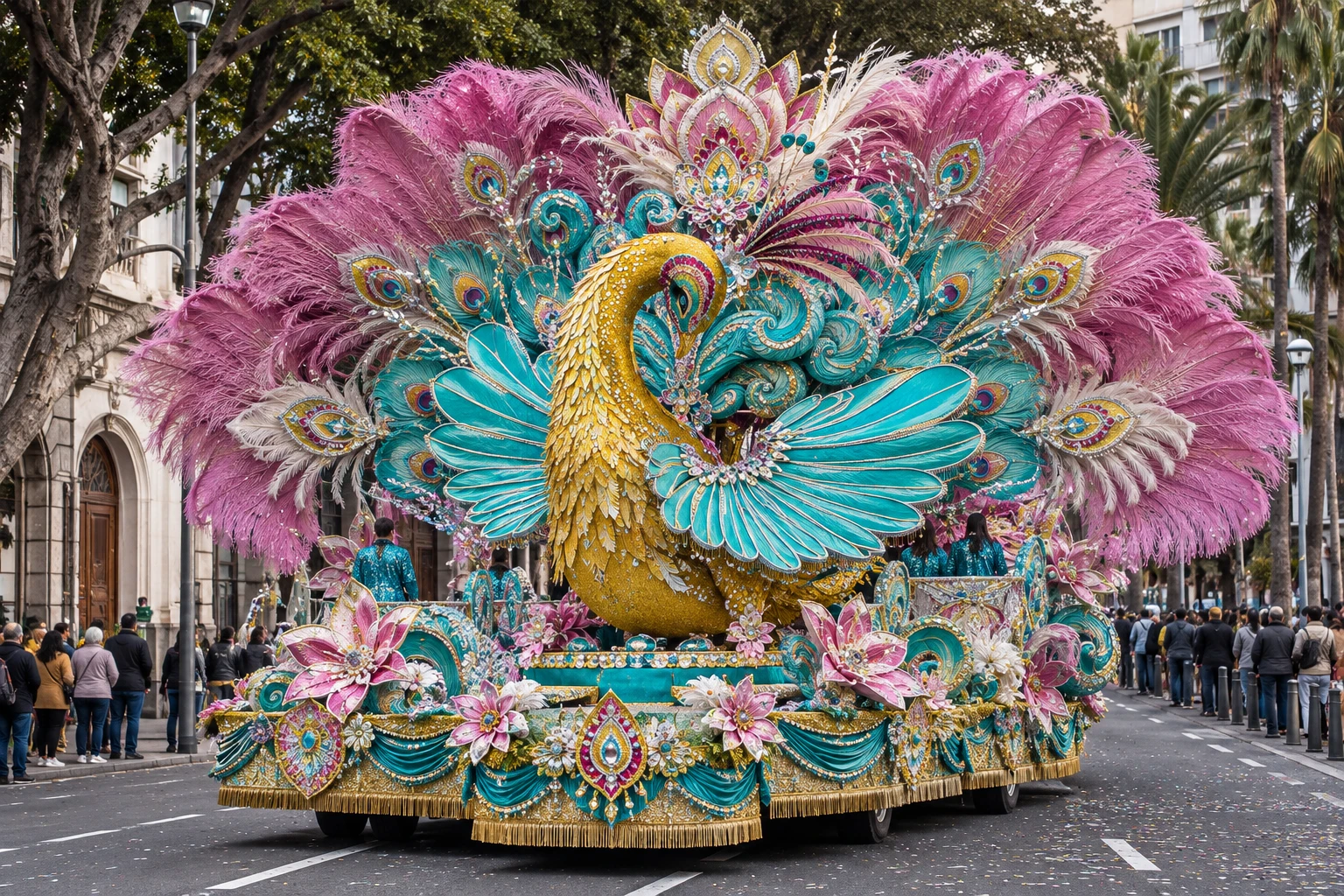
The program starts on the stages. Murgas, groups of humor and satire, sing topical lyrics in eye‑catching costumes; comparsas dance and play Latin rhythms wearing feathered, glittering outfits; rondallas, the oldest ensembles, perform lyrical pieces with string instruments; and musical bands complete the lineup. The contests take place at the city fairgrounds. The highlight of the stage events is the queen’s election gala, when contestants parade in enormous costumes—structures many meters wide mounted on wheels—created by local designers over months.
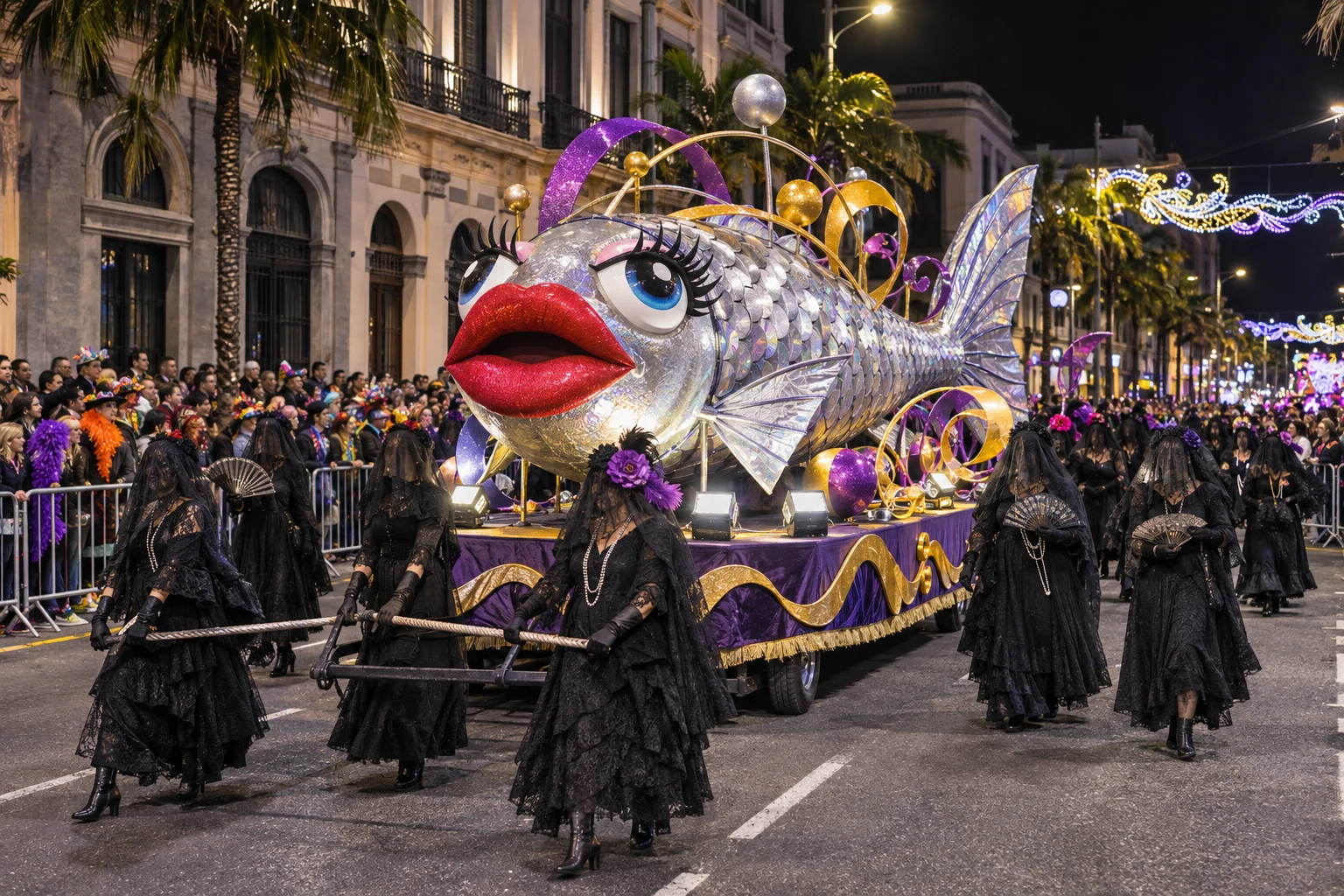
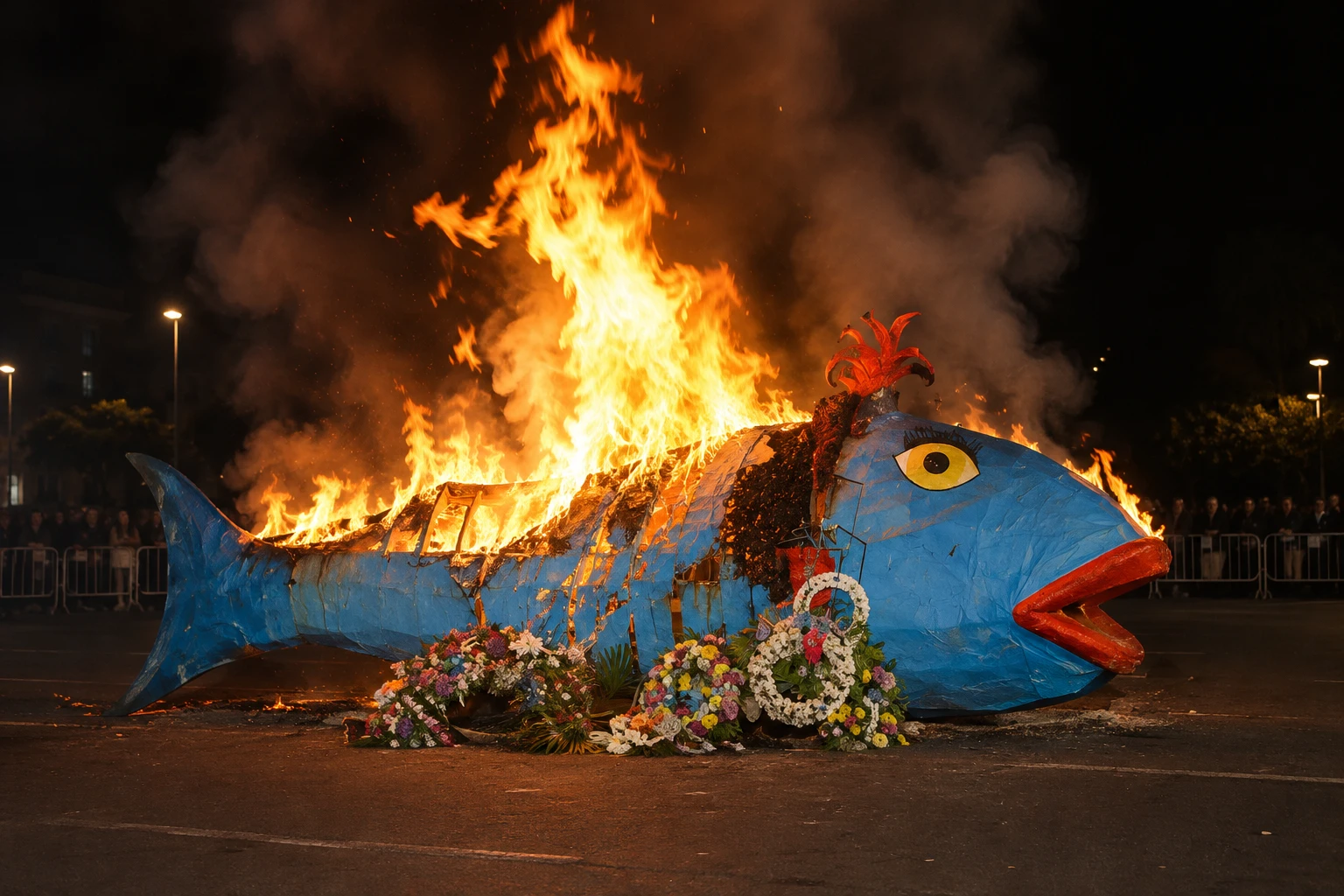
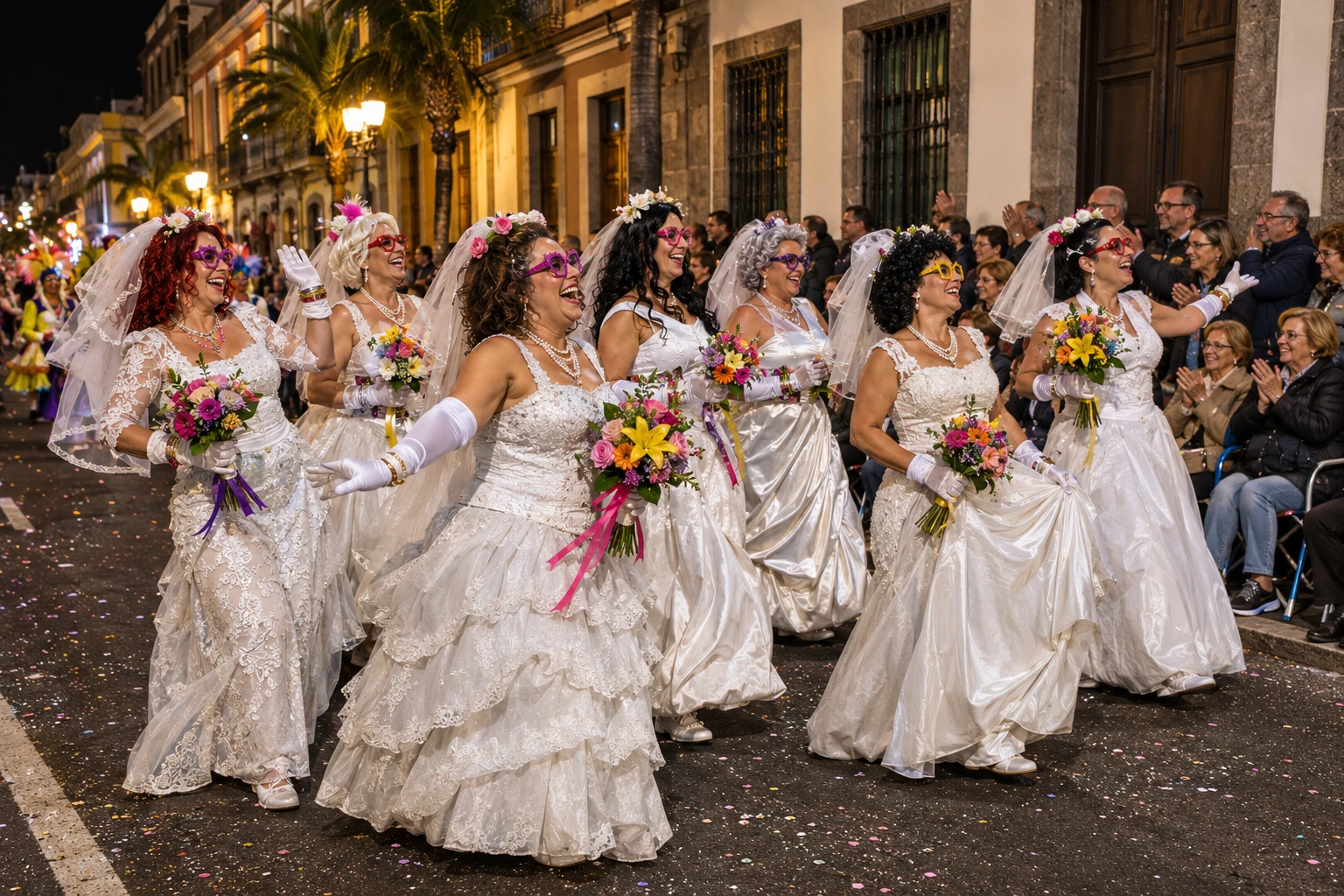
Then the streets take over. The announcing cavalcade opens the festivities, with the queen, the groups and the floats parading through the center, and the following nights feature balls with orchestras and stages in the squares and avenues such as Plaza de España, Plaza de la Candelaria and Avenida de Anaga. There is also the Carnival de Día, with daytime dances in the center. On Carnival Tuesday, the Coso Apoteosis brings together all the prizewinning groups, the queen and the floats in a long parade along the seafront, on Avenida Francisco La Roche and the Marítima. On Ash Wednesday, the Enterro de la Sardina stages a mock funeral, with supposed widows mourning, ending with the burning of a giant sardine, and the party continues the following weekend with the Piñata and a final Carnival de Día.
Santa Cruz lies in the northeast of Tenerife, between the sea and the Anaga mountains, with a center of squares, parks and modern buildings such as the Auditorio de Tenerife. The Canaries’ mild winter allows outdoor celebrations by day and night, and the festival combines the scale of large parades with street balls where any visitor in costume can join in.
How to enjoy it
The contests and the gala take place at the fairgrounds and require tickets; the parades, concerts and street balls are open to everyone. For the Coso Apoteosis, arrive early along the route or look for the chairs and grandstands the town hall sets up along the avenues. Come in costume: on ball nights and at the Carnival de Día, almost everyone wears a mask. To get around the center, walk or use the tram, the tranvía, which links Santa Cruz to San Cristóbal de La Laguna; on parade days there are traffic closures and changes to bus lines, the guaguas. In late February the Tenerife coast generally has pleasant afternoons and cooler nights; bring a light jacket for the early morning. If you want a calmer atmosphere you can alternate the festival with visits to La Laguna, the Anaga rural park or Las Teresitas beach.


 Brazil
 Argentina
 Bolivia
 Chile
 Colombia
 Ecuador
 Guyana
 French Guiana
 Falkland Islands (Malvinas)
 Paraguay
 Peru
 Suriname
 Uruguay
 Venezuela
 Germany
 Austria
 Belgium
 Croatia
 Denmark
 Finland
 France
 Greece
 the Netherlands
 Hungary
 Ireland
 Iceland
 Italy
 Luxembourg
 Norway
 Poland
 Portugal
 the United Kingdom
 the Czech Republic
 Sweden
 Switzerland
 Turkey
 Canada
 the United States
 Mexico
 the Dominican Republic
 South Africa
 Australia
 Fiji
 New Zealand
 Papua New Guinea



 March