The festival
What is Fallas of Valencia
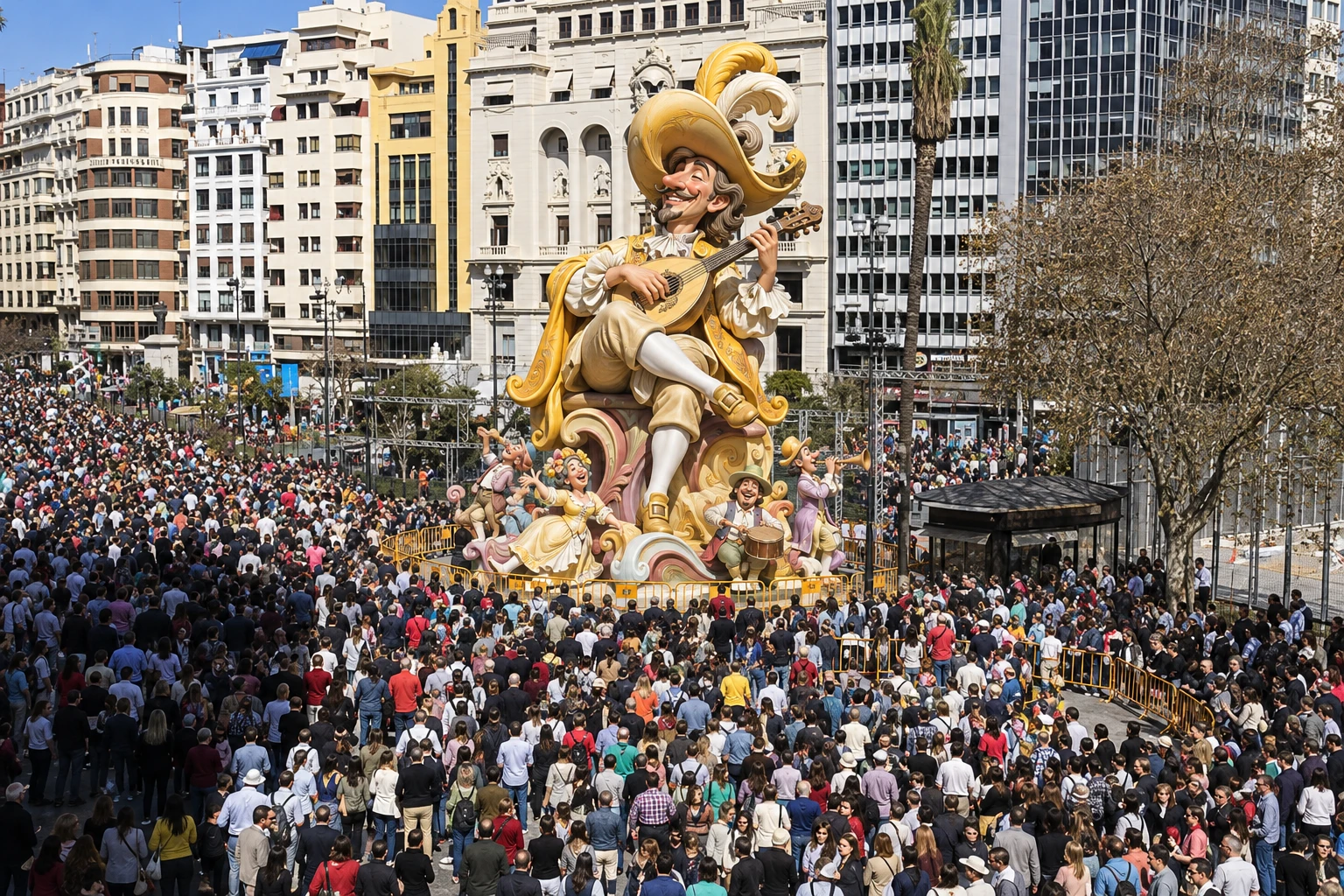
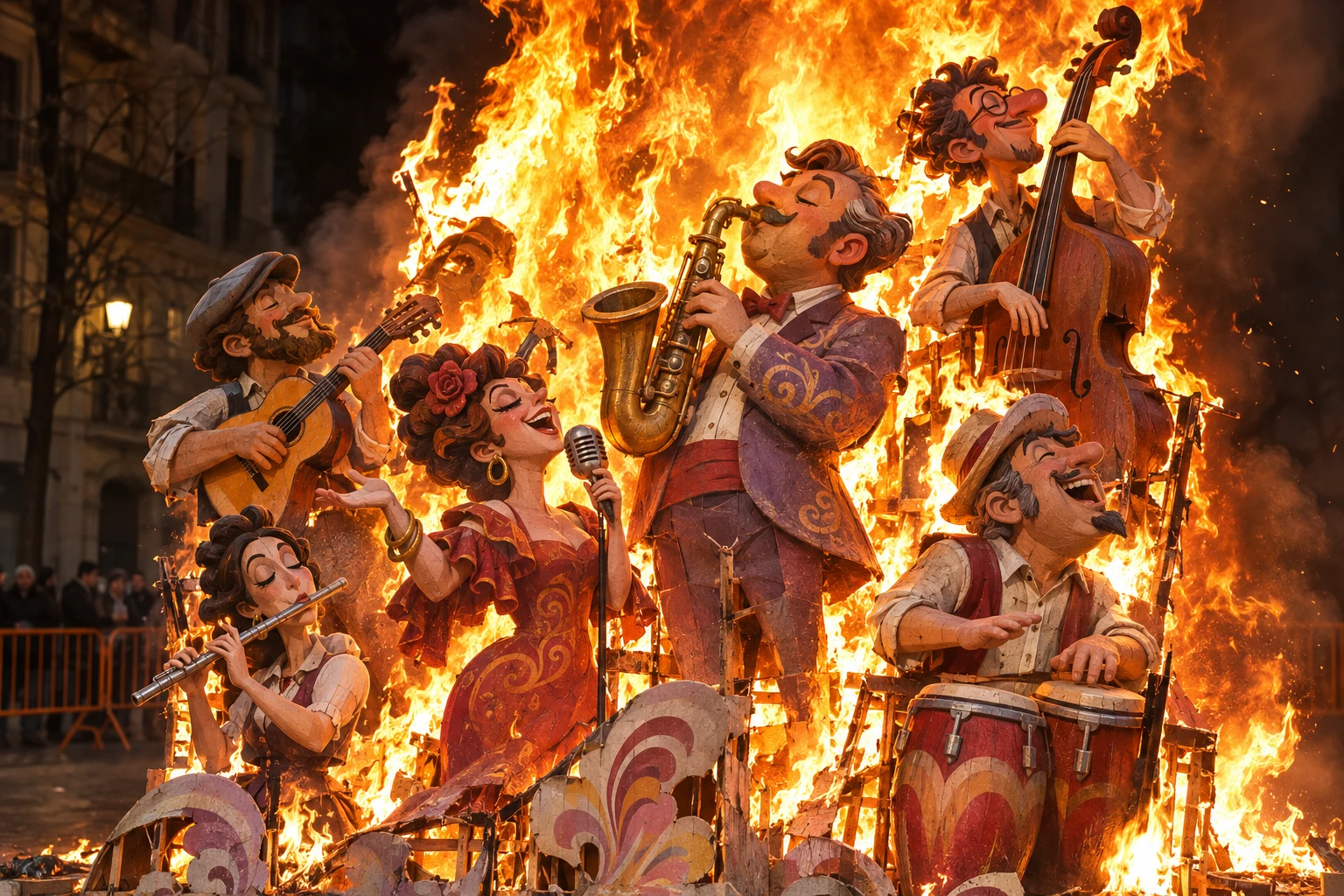
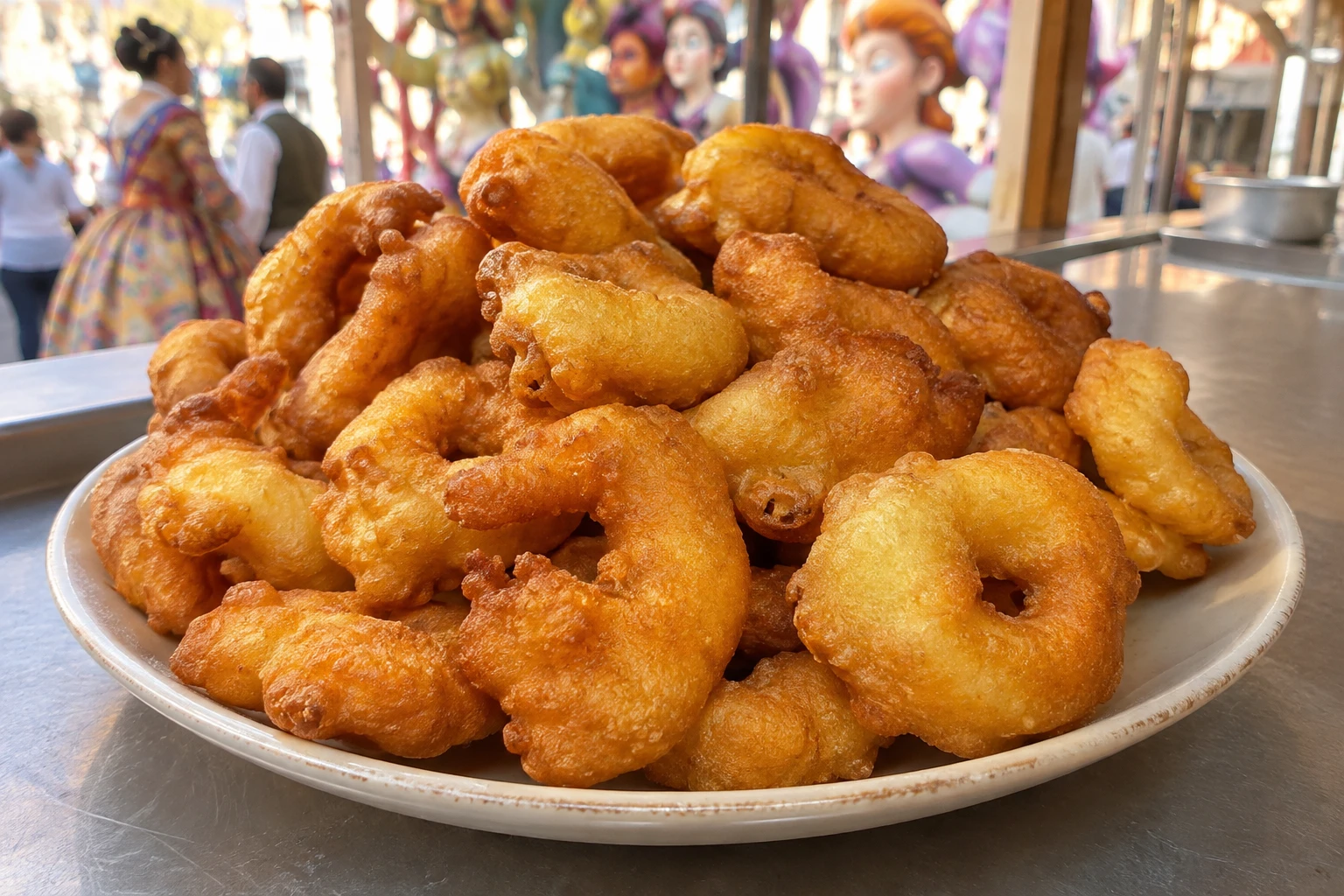
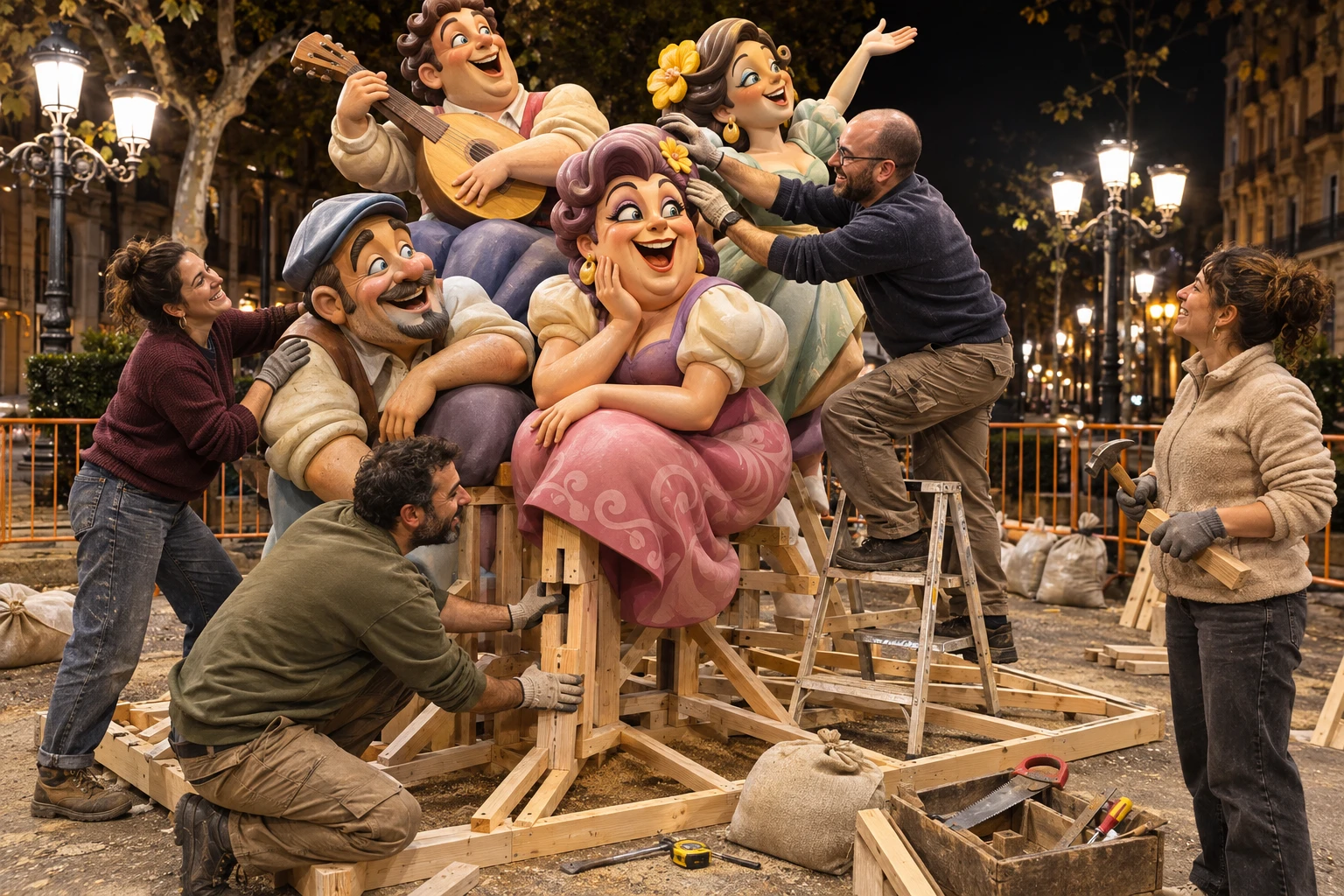
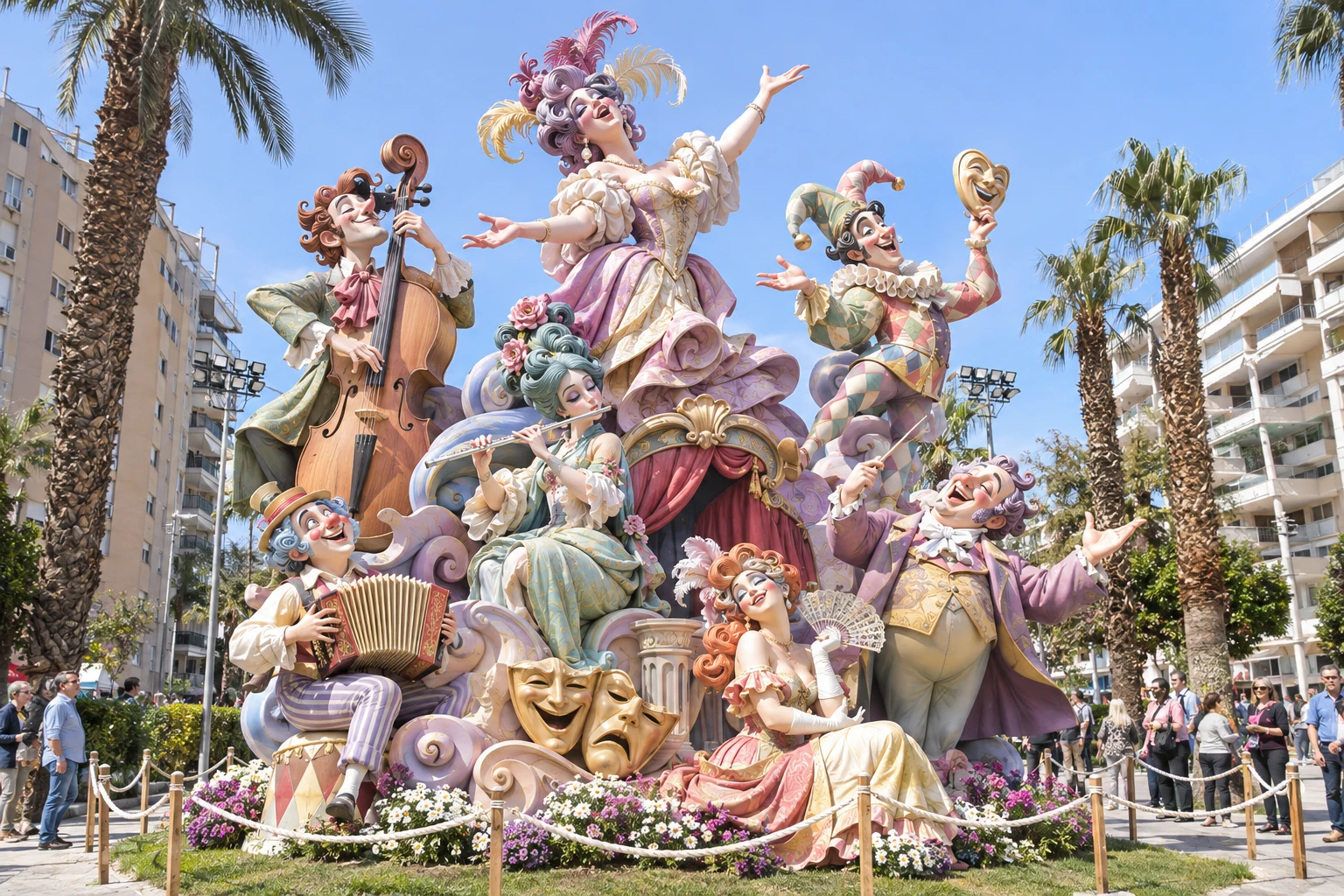
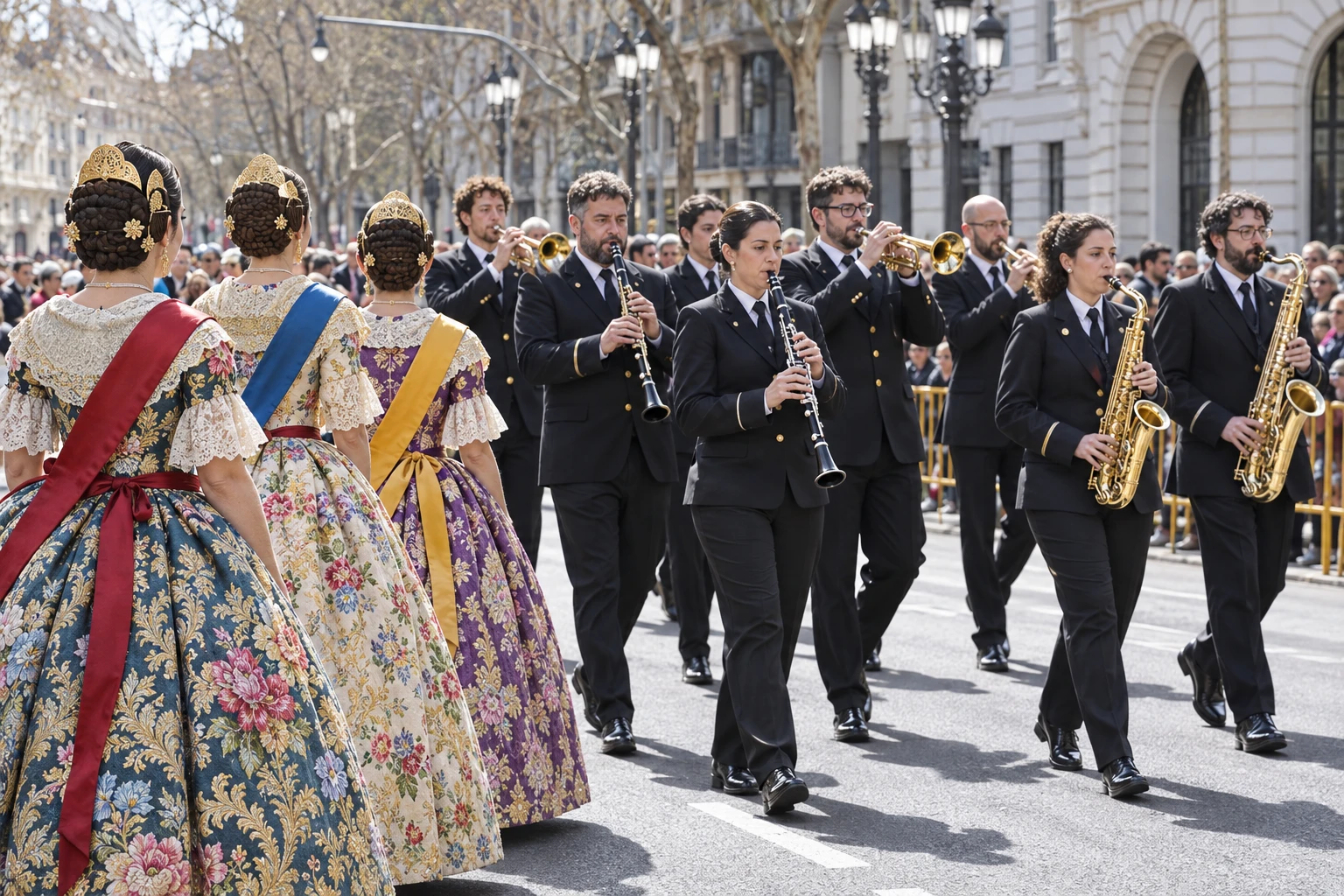
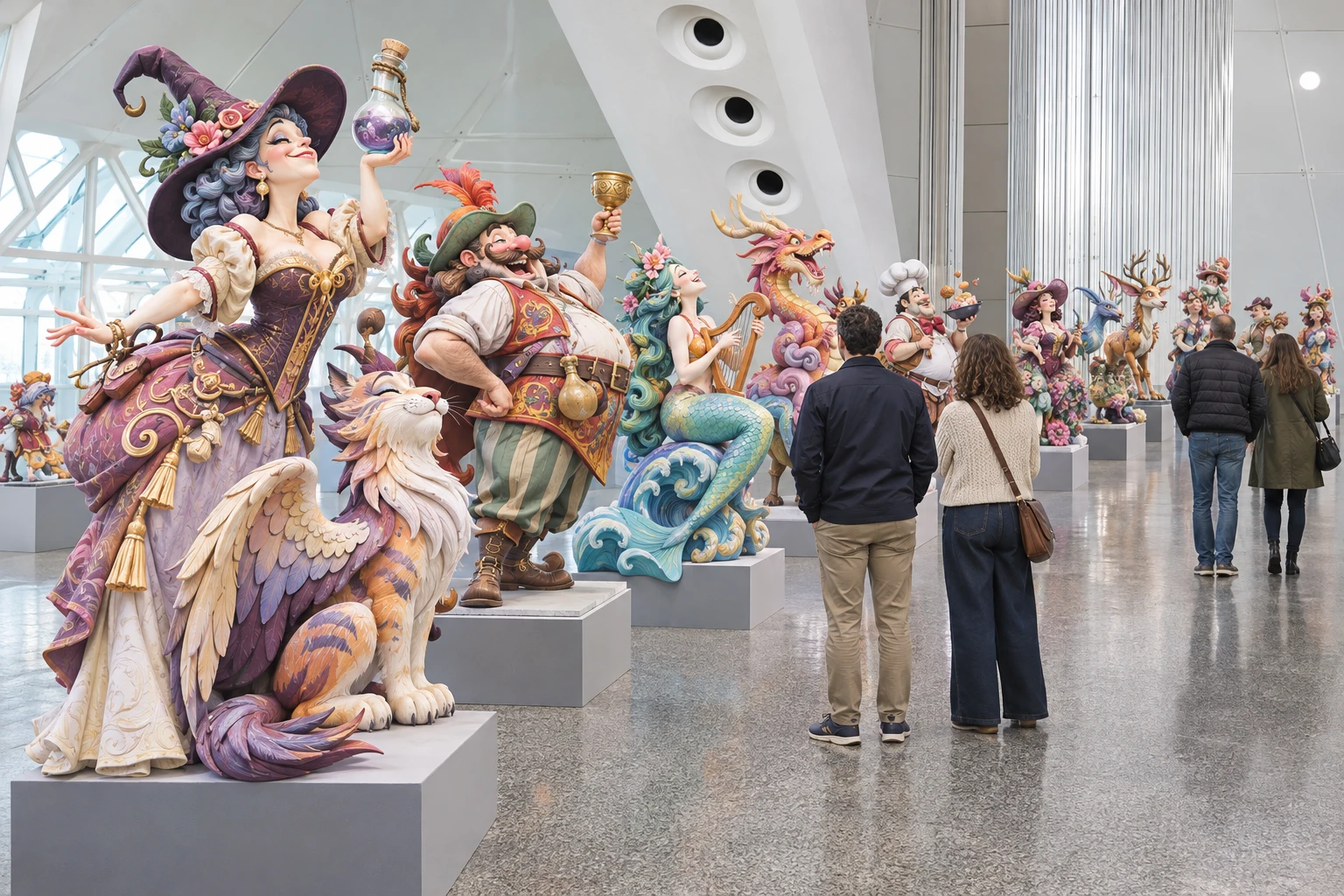
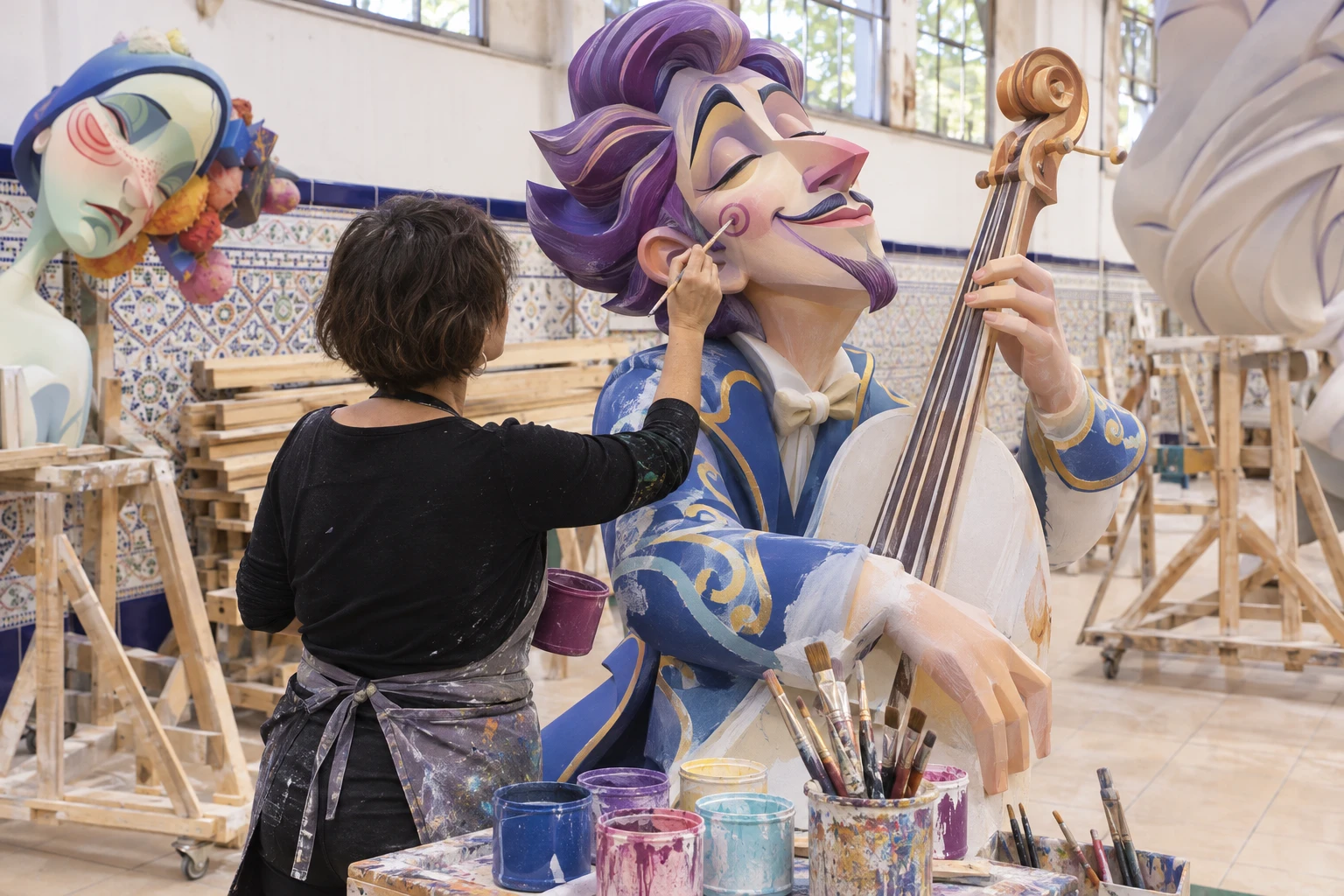
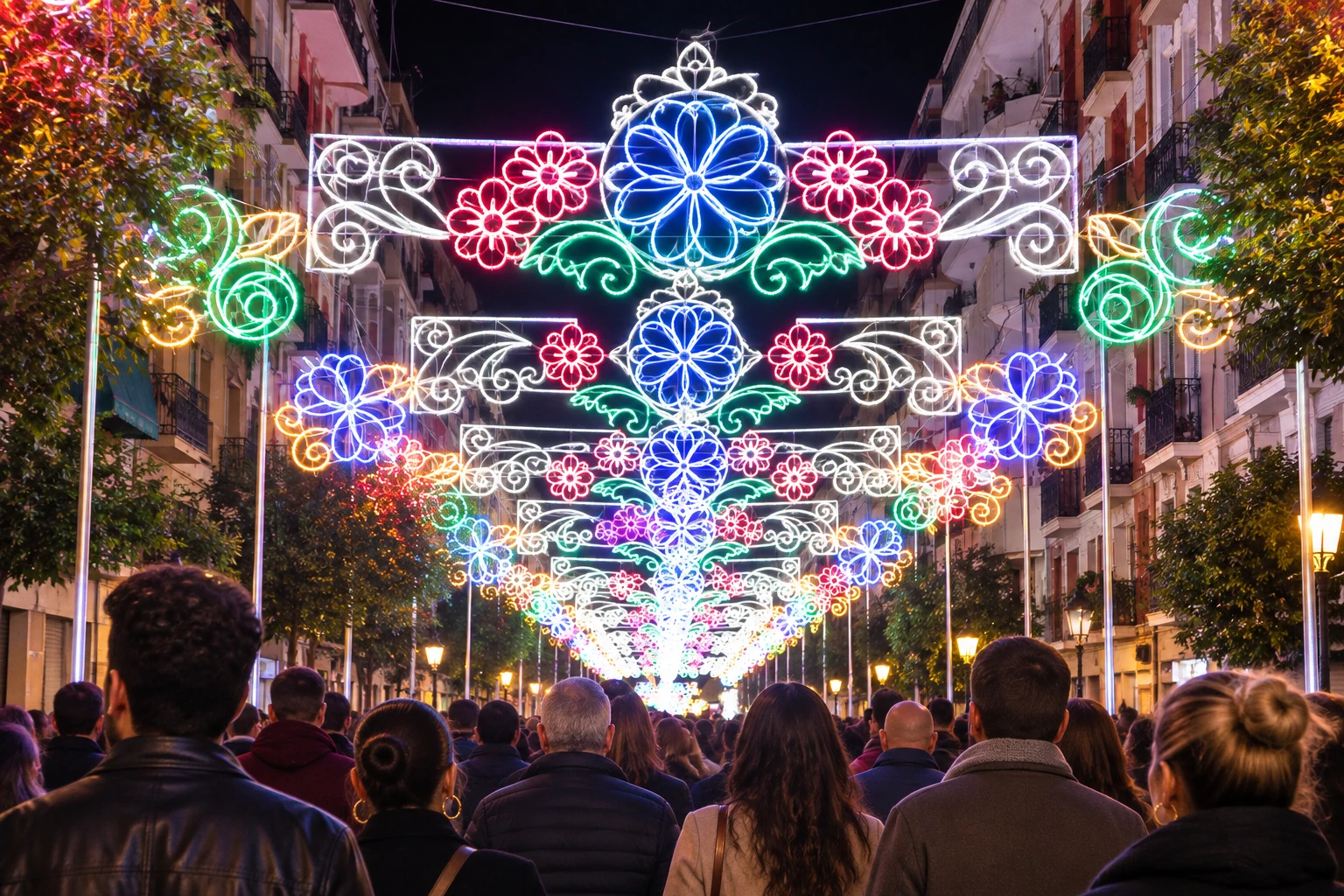
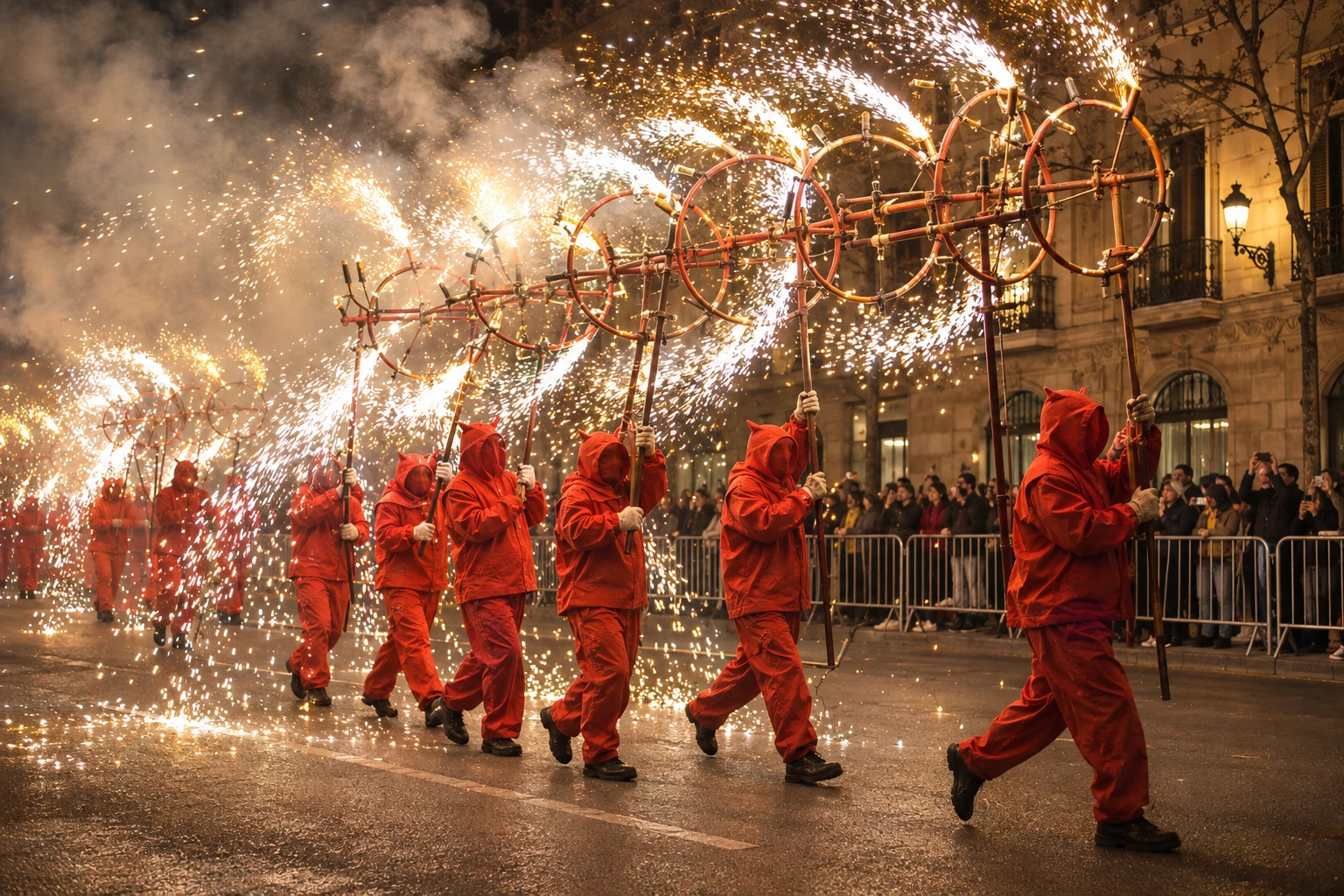
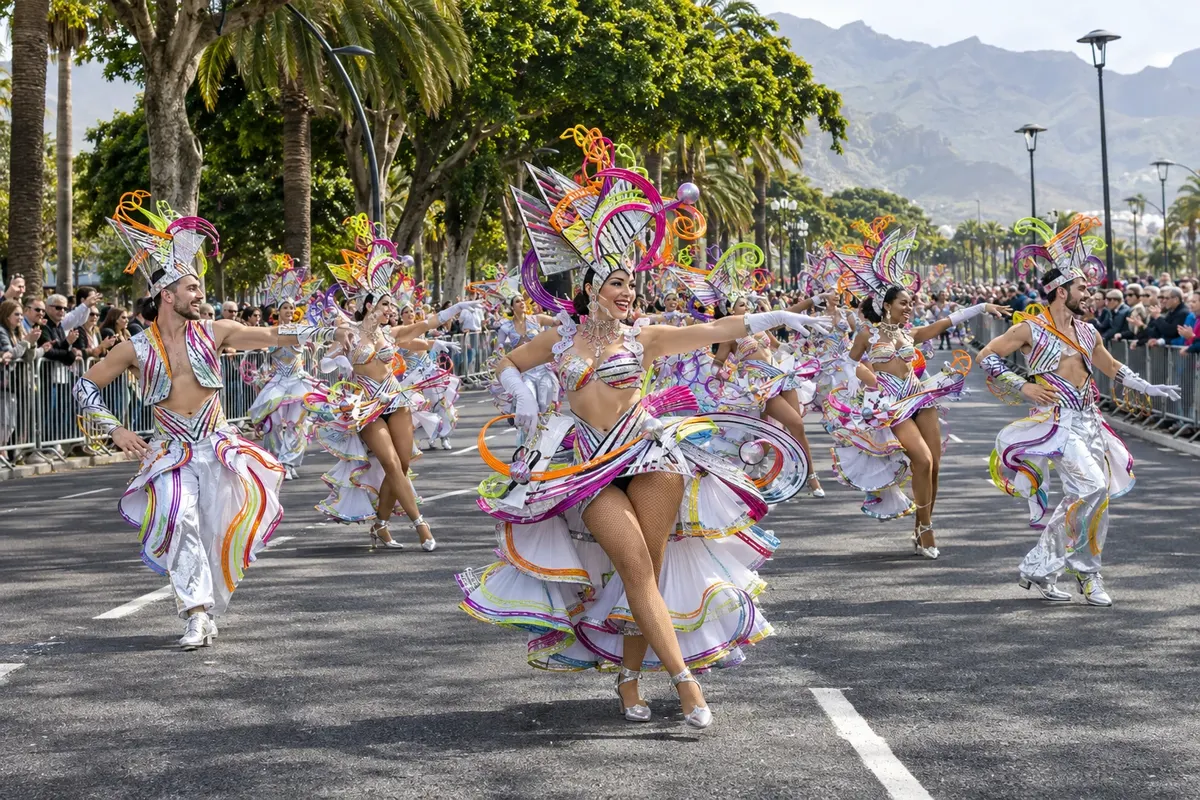
The Fallas are Valencia’s biggest festival and one of Spain’s best-known celebrations. In March, each neighborhood raises its falla in streets and squares — a large monument of wood, cardboard, cork and other materials made up of figures called ninots that satirize politics, customs, sports and city life. For several days Valencia becomes an open-air museum, with music in the streets, parades in traditional dress and gunpowder at every moment. On the night of March 19, Saint Joseph’s Day, the monuments are burned. In 2016 UNESCO declared the festival Intangible Cultural Heritage of Humanity.
The most accepted tradition links the origin to the city’s carpenters, who on the eve of Saint Joseph, their patron saint, burned scraps of wood and the supports they used to hang lamps in their workshops during winter. Over time these bonfires gained old clothes, dolls and figures that imitated well-known people, and the celebration became a good-humored critique of society. Today each falla is built by a neighborhood commission, with specialized artists who work year-round in workshops.
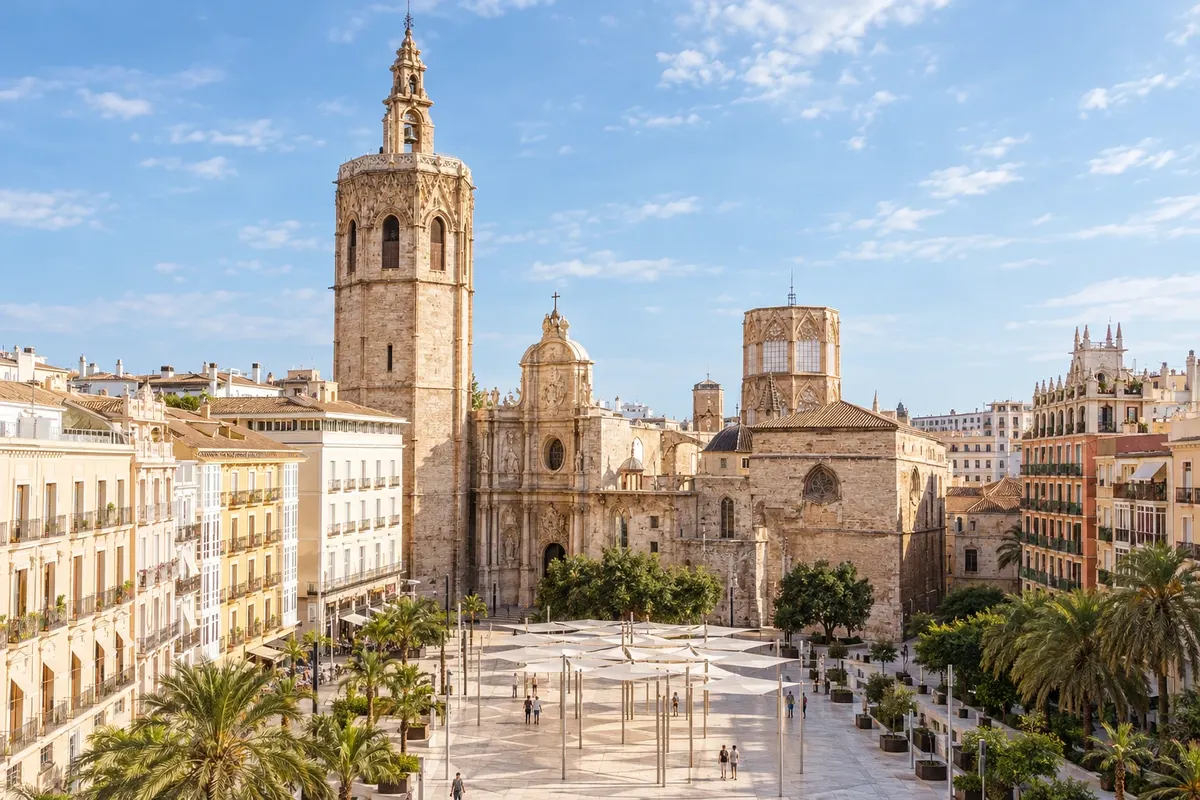
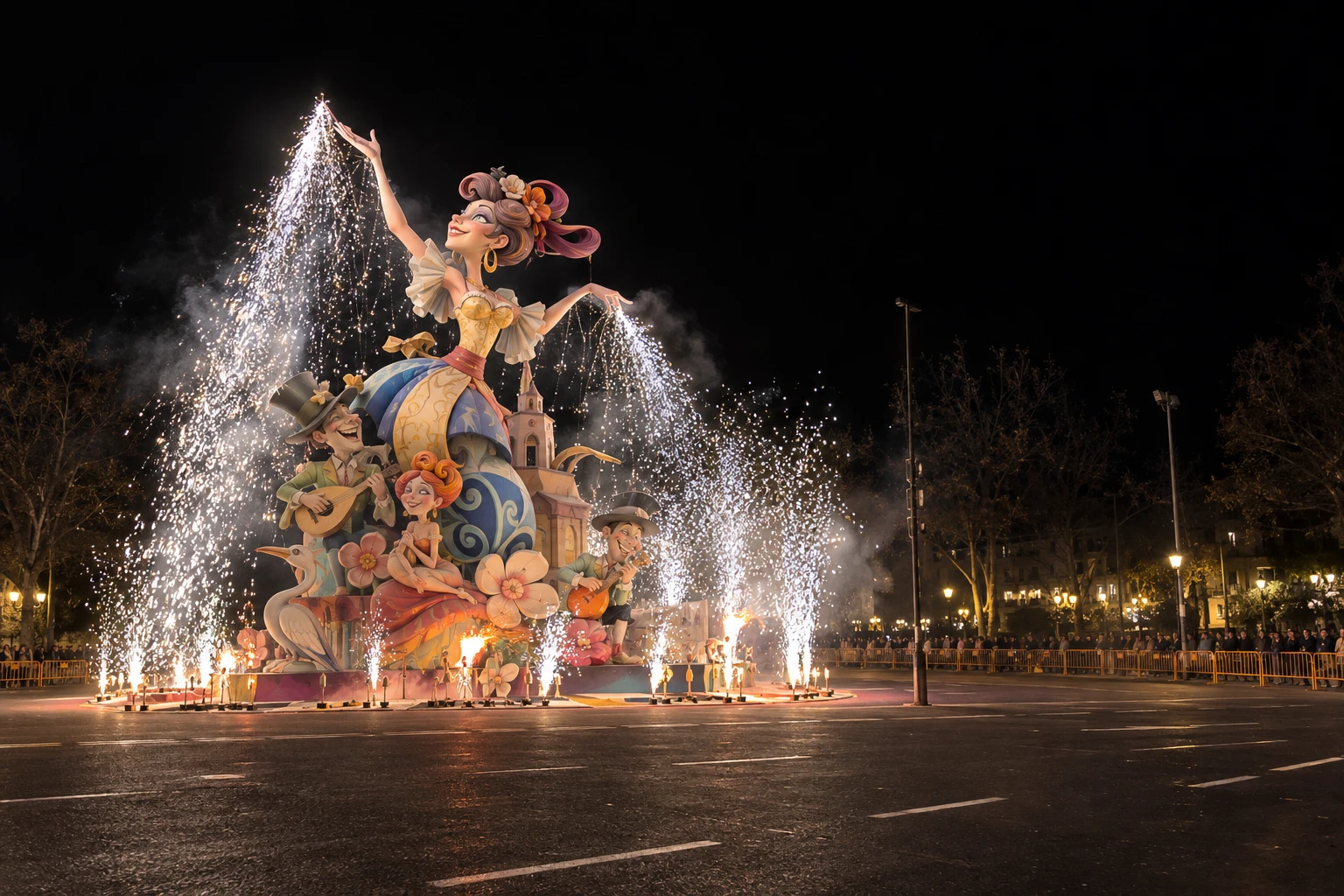
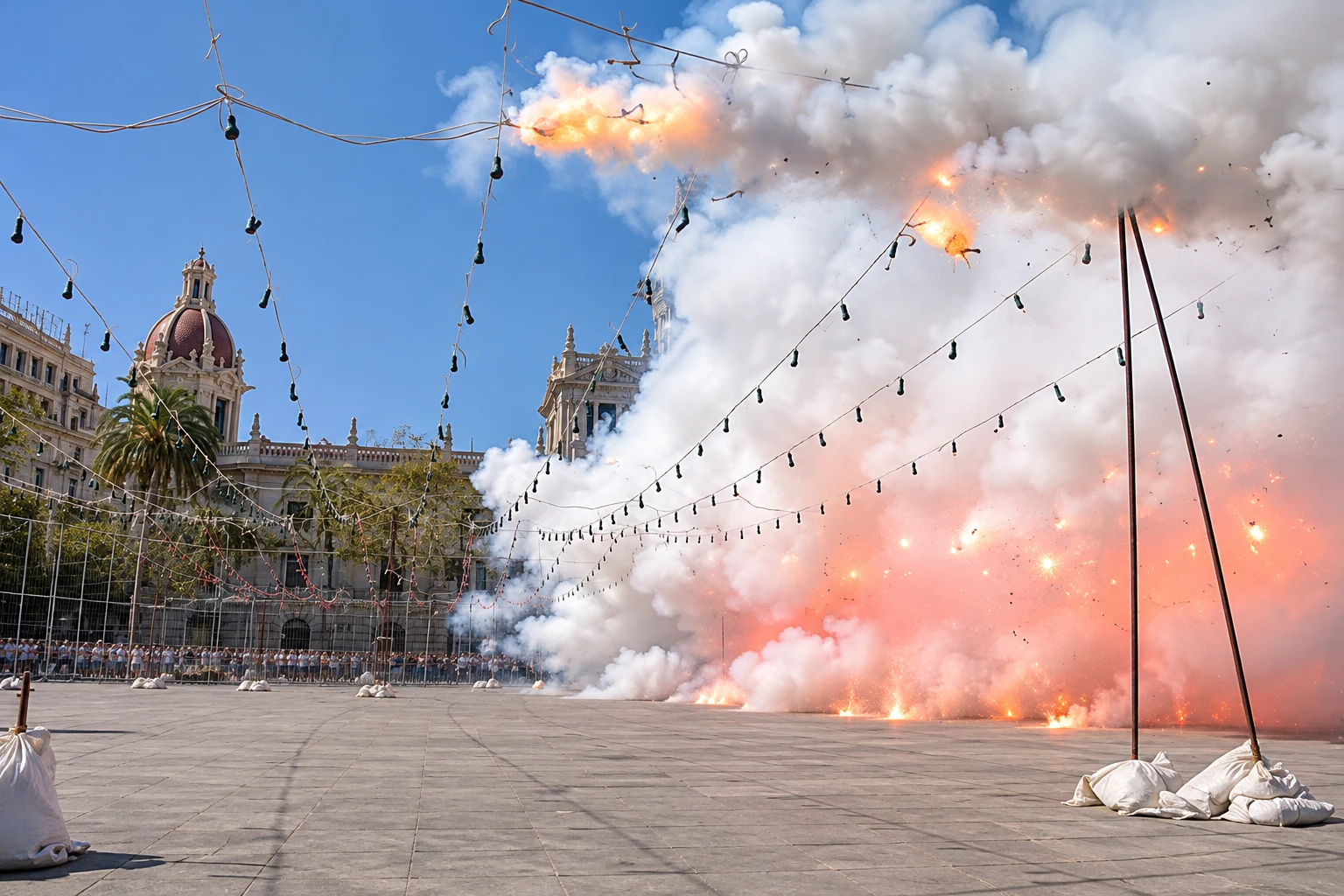
The festival officially begins with the Crida, the call made at the Torres de Serranos on the last Sunday of February. From March 1 to 19, every day the Plaça de l'Ajuntament hosts the mascletà, a gunpowder spectacle designed to be heard and felt, with explosions in an increasing rhythm that make the ground tremble; the falleras mayores give the signal to start from the town hall balcony. On the night of March 15 to 16 the plantà takes place, when the monuments are installed in the streets, and the following morning the jury chooses the winners in each category.
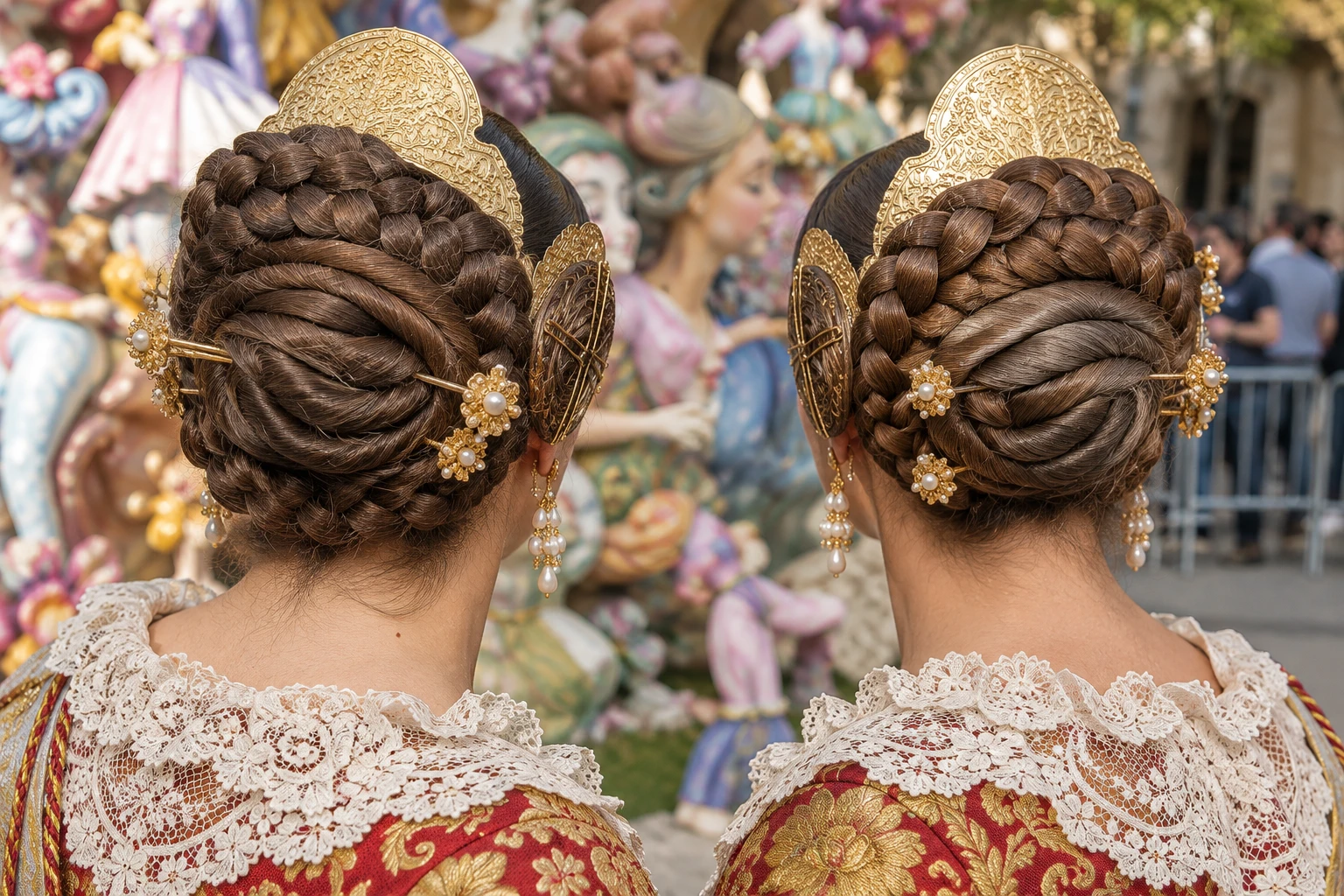
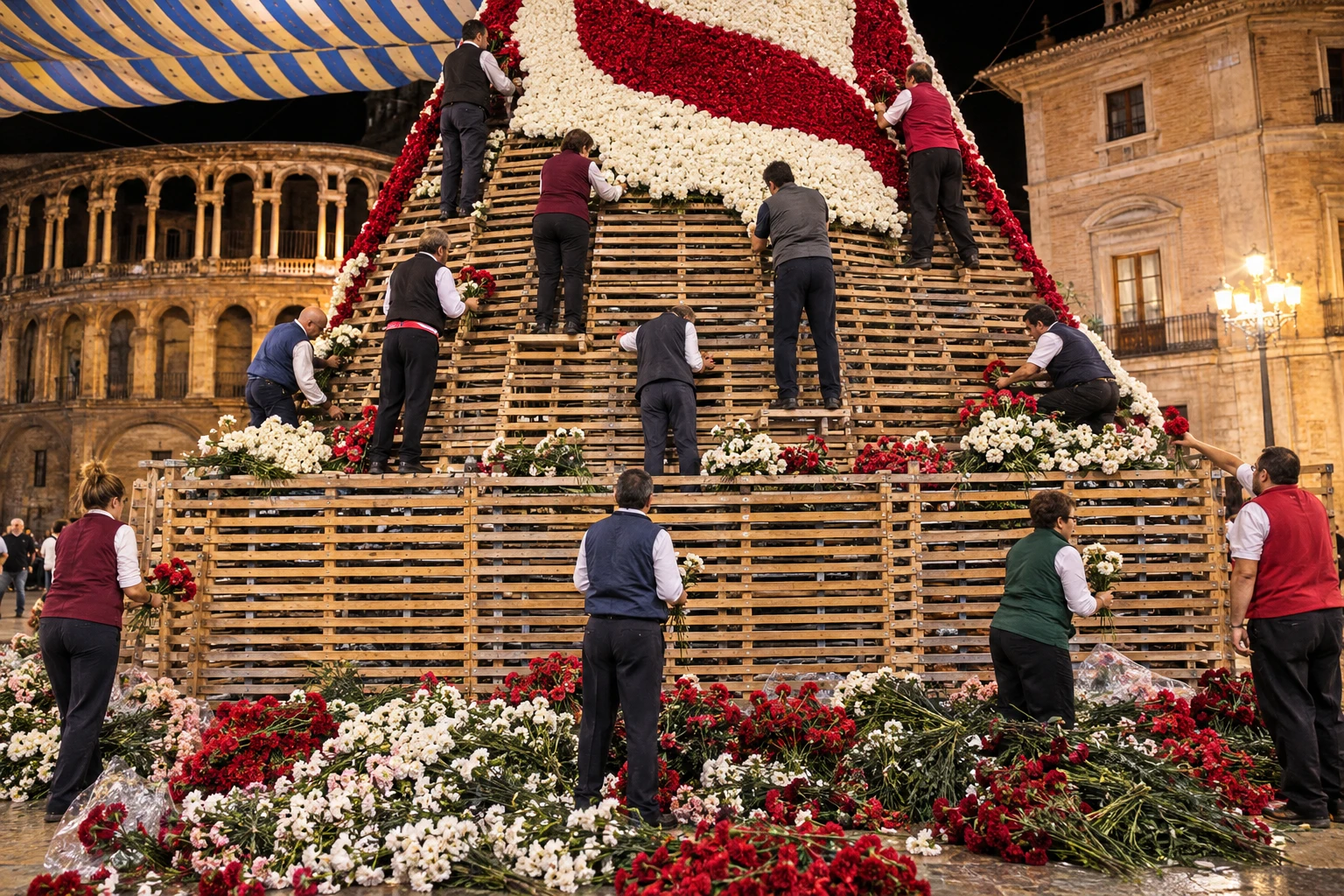
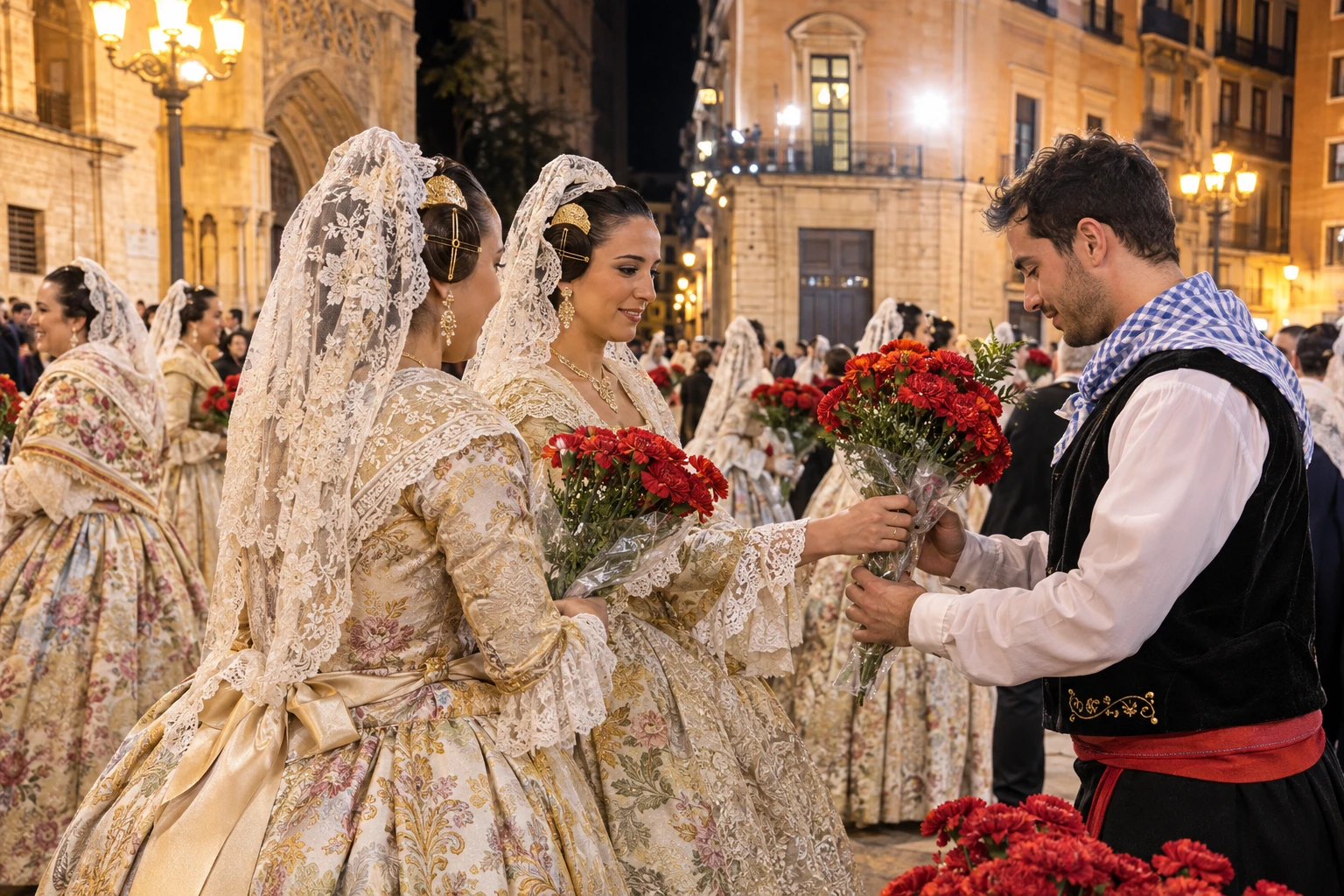
On March 17 and 18, falleros and falleras in traditional silk costumes and hairstyles with combs and jewelry march in long lines in the Oferenda of flowers to the Virgen de los Desamparados, the city’s patroness. With the branches they bring, artisans assemble a large floral mantle on the image displayed in the Plaza de la Virgen, next to the cathedral, which remains exposed for a few days. Nights feature fireworks in the old Turia riverbed, culminating with the Nit del Foc in the early hours of March 18 to 19, plus festivities, dances and concerts in the neighborhoods.
The cremà closes everything on the night of March 19. First the children’s fallas burn; then the large ones, in all neighborhoods, and lastly the one in the Plaça de l'Ajuntament. One ninot from each category, adult and child, is saved — chosen by public vote at the exhibition that gathers the figures from the fallas before the festival; the pardoned ninots go to the Museu Faller. For visitors, the Fallas bring together street art, tradition, music and a whole city involved in the celebration.


 Brazil
 Argentina
 Bolivia
 Chile
 Colombia
 Ecuador
 Guyana
 French Guiana
 Falkland Islands (Malvinas)
 Paraguay
 Peru
 Suriname
 Uruguay
 Venezuela
 Germany
 Austria
 Belgium
 Croatia
 Denmark
 Finland
 France
 Greece
 the Netherlands
 Hungary
 Ireland
 Iceland
 Italy
 Luxembourg
 Norway
 Poland
 Portugal
 the United Kingdom
 the Czech Republic
 Sweden
 Switzerland
 Turkey
 Canada
 the United States
 Mexico
 the Dominican Republic
 South Africa
 Australia
 Fiji
 New Zealand
 Papua New Guinea