San Sebastián

Popular festival · San Sebastián

Tamborrada of San Sebastián

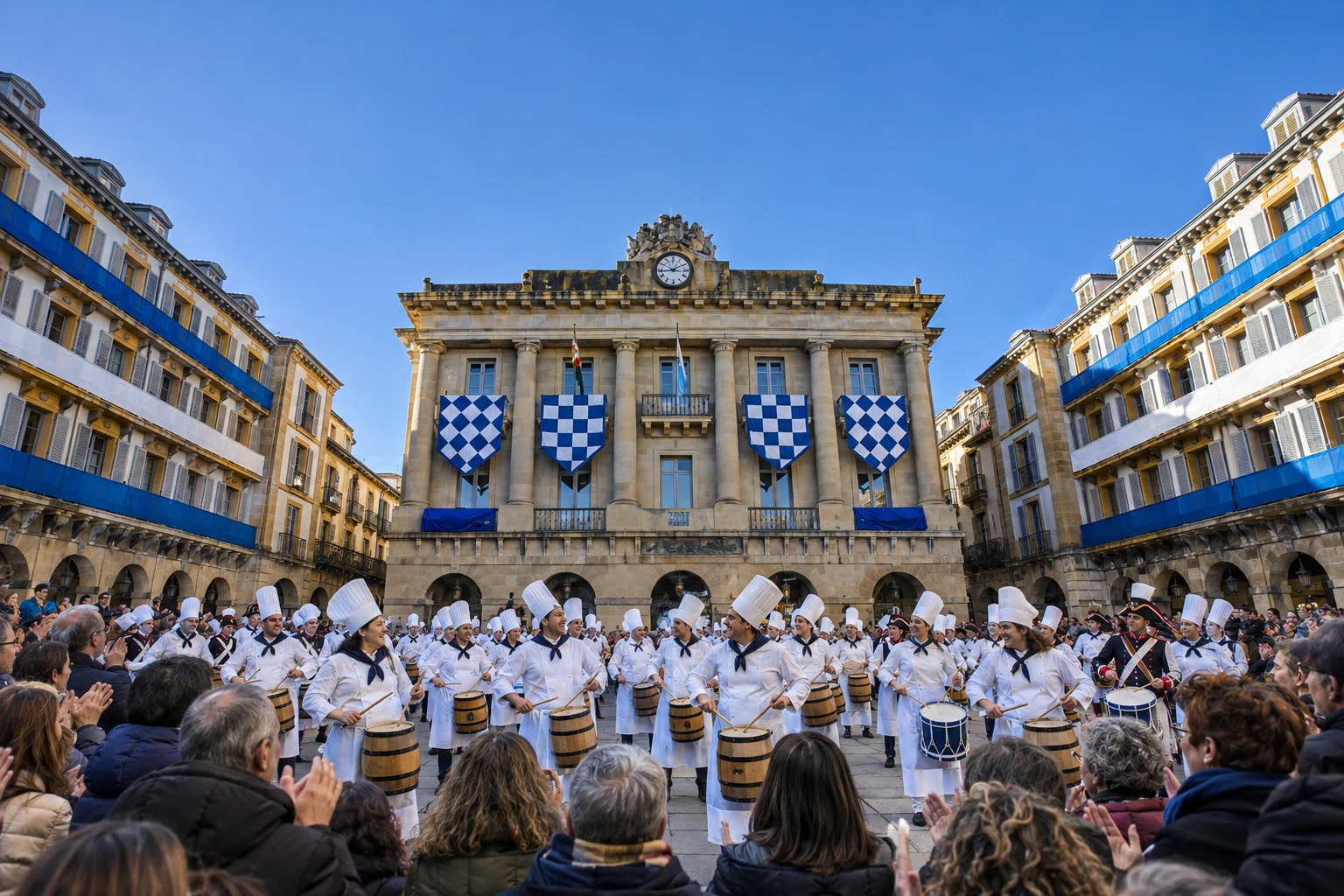
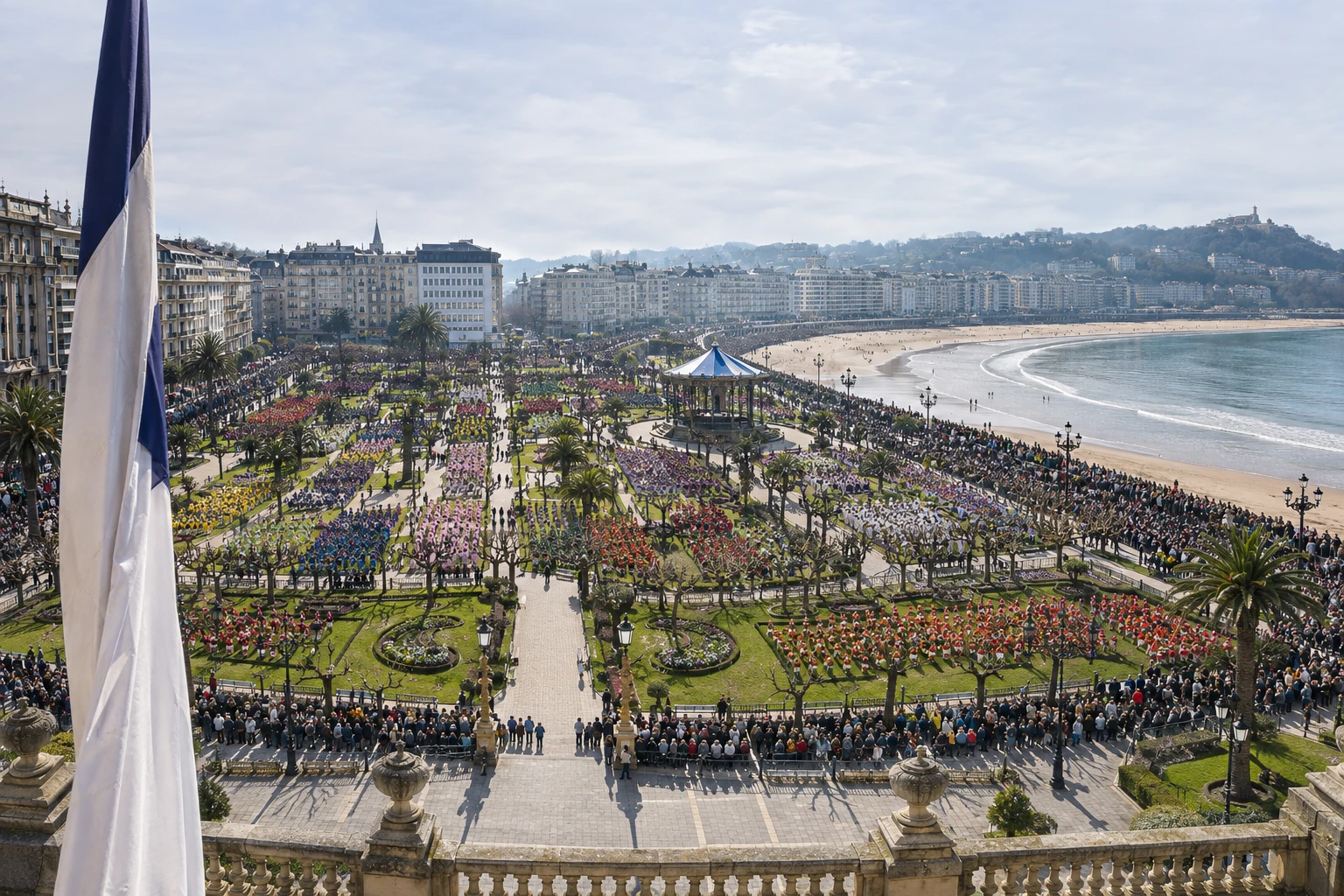
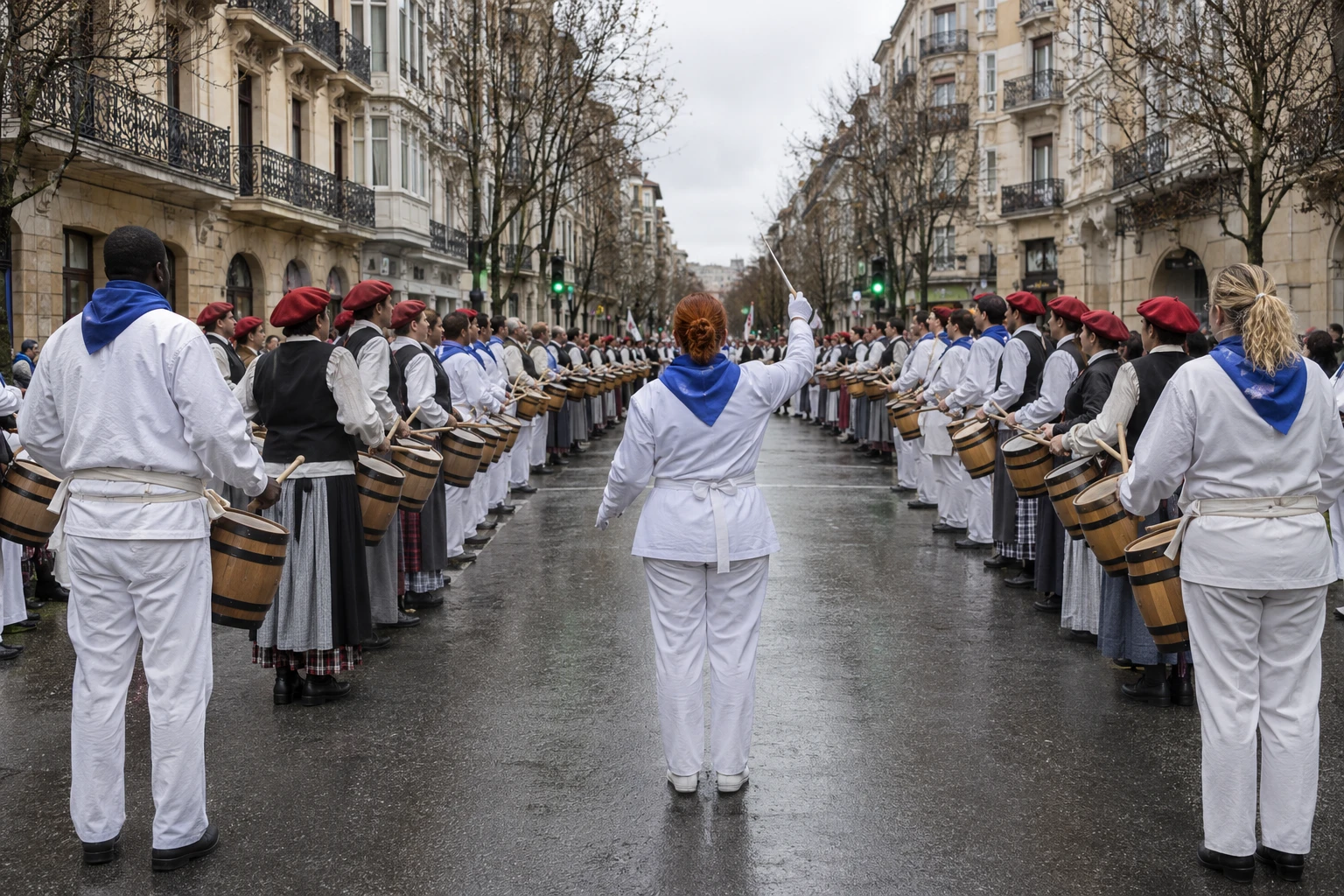
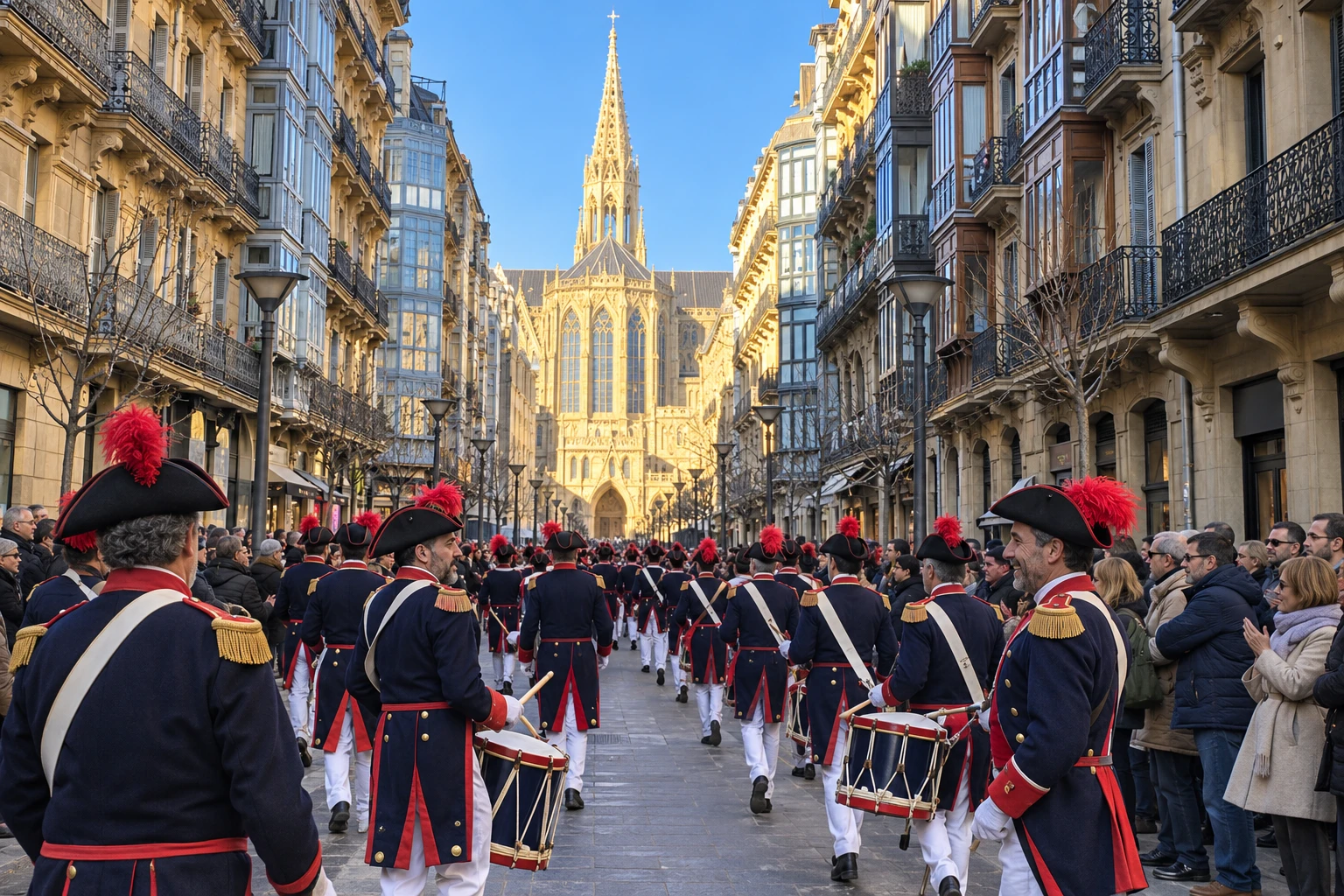
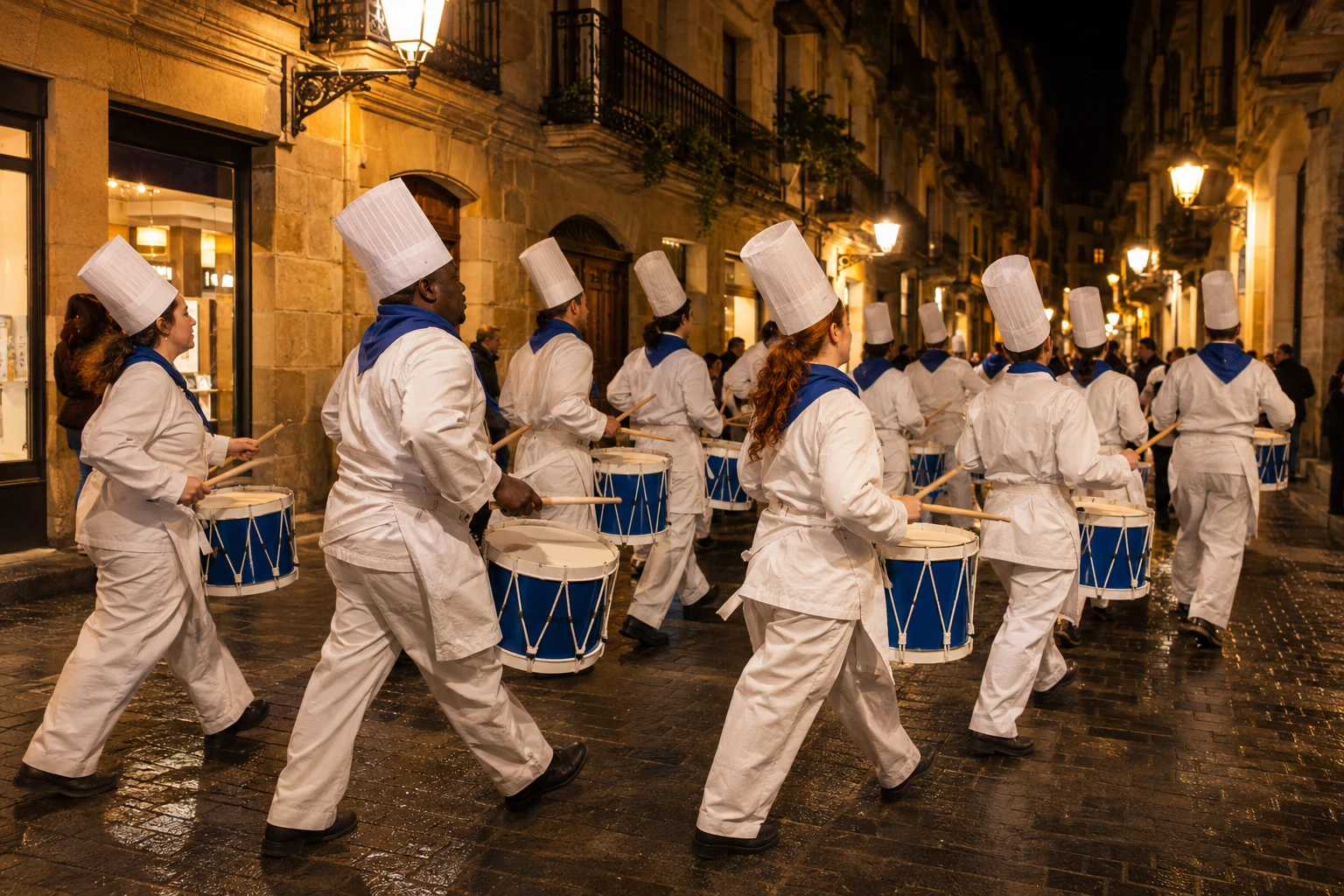
For 24 hours on January 20, San Sebastián, in the Basque Country, honors its patron saint to the sound of drums and barrels: uniformed companies parade through the city playing the marches of Raimundo Sarriegi, from the raising of the flag in Plaza de la Constitución until the lowering in the same square.

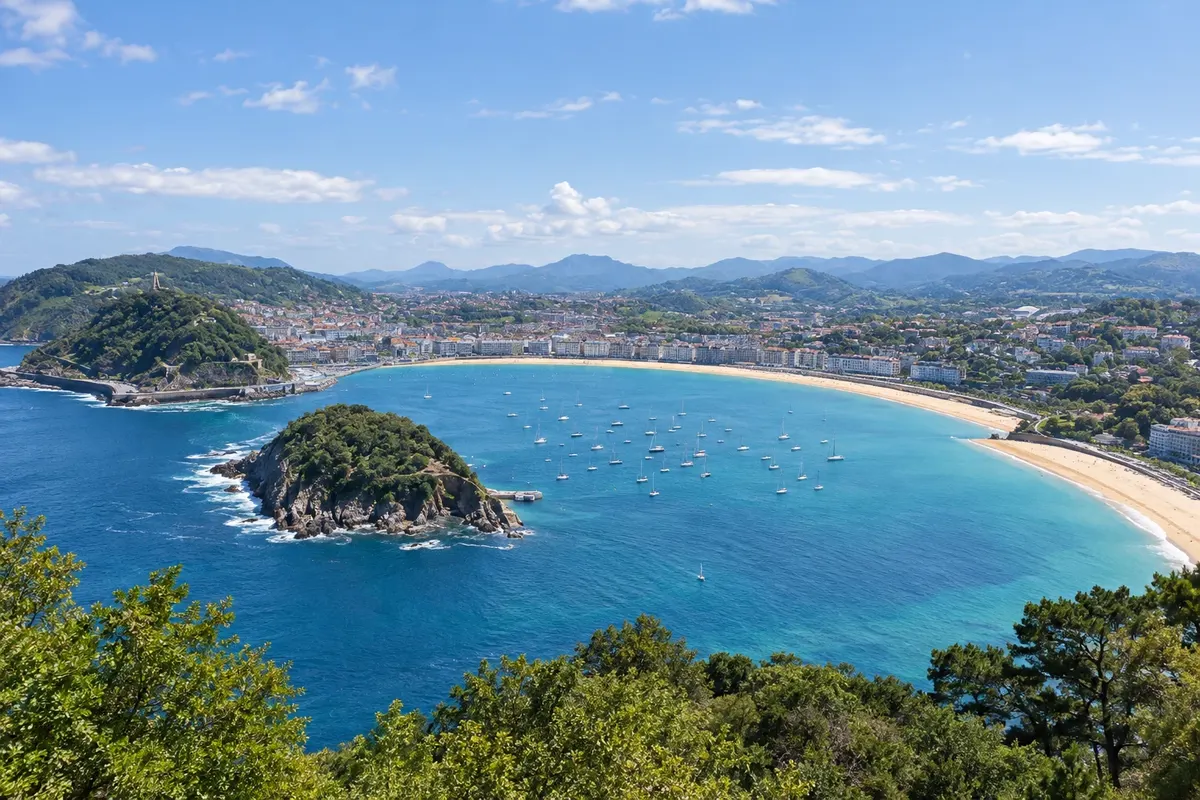
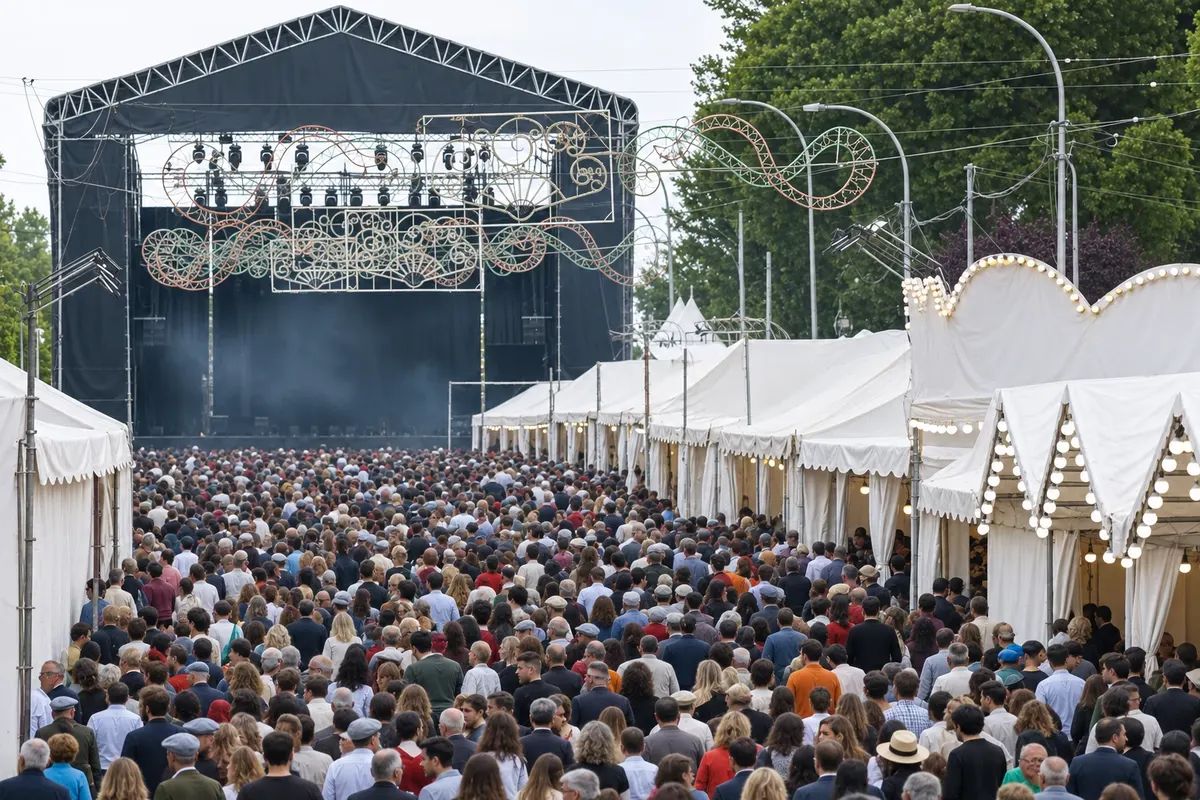
In the photo: San Sebastián

Illustrative images. The pictures in this guide are illustrations based on the real place, not photographs, and may differ from it.

Get it on Google Play

Click a photo to enlarge it.

Tamborrada of San Sebastián — San Sebastián
Tamborrada of San Sebastián
Tamborrada of San Sebastián — San Sebastián
Tamborrada of San Sebastián
Tamborrada of San Sebastián — San Sebastián
Tamborrada of San Sebastián

Tamborrada of San Sebastián — San Sebastián

When

On January 20, the feast day of Saint Sebastian, the city's patron: the celebration begins at midnight between January 19 and 20 and ends at the following midnight.

January

Where

Parte Vieja de San Sebastián

San Sebastián

País Basco

Organizer

Official website

Dates, program and tickets

Dates change every year: check this year's date before you travel.

The festival

What is Tamborrada of San Sebastián

The Tamborrada is San Sebastián’s major winter festival — Donostia in Basque. On January 20, the city’s patron saint day, companies of drums and barrels take the streets for a full day without pause, always playing the same melodies that every local knows by heart. For visitors, it’s a chance to see the city in celebration outside the beach season, on a day when almost every neighborhood has its own parade.

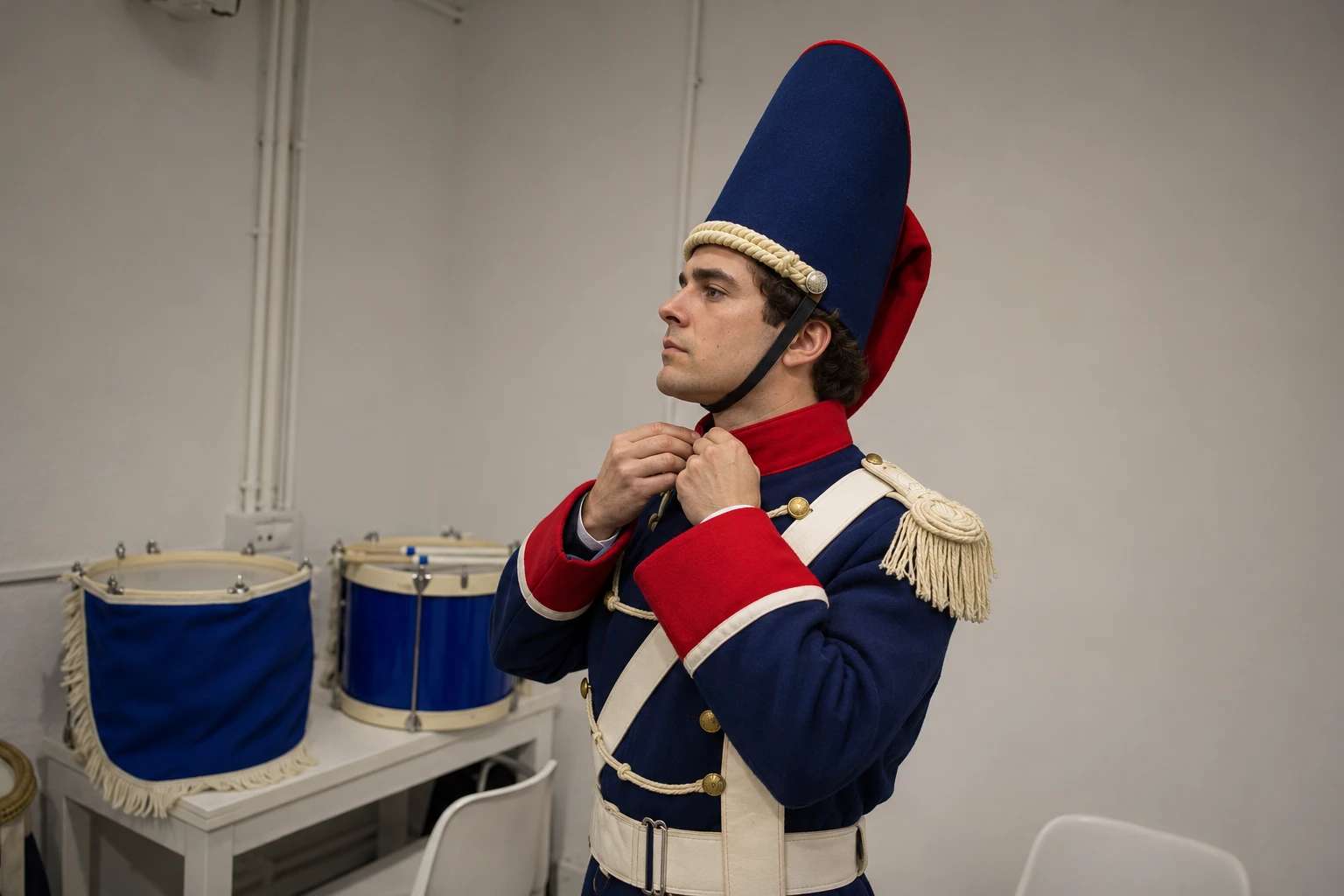
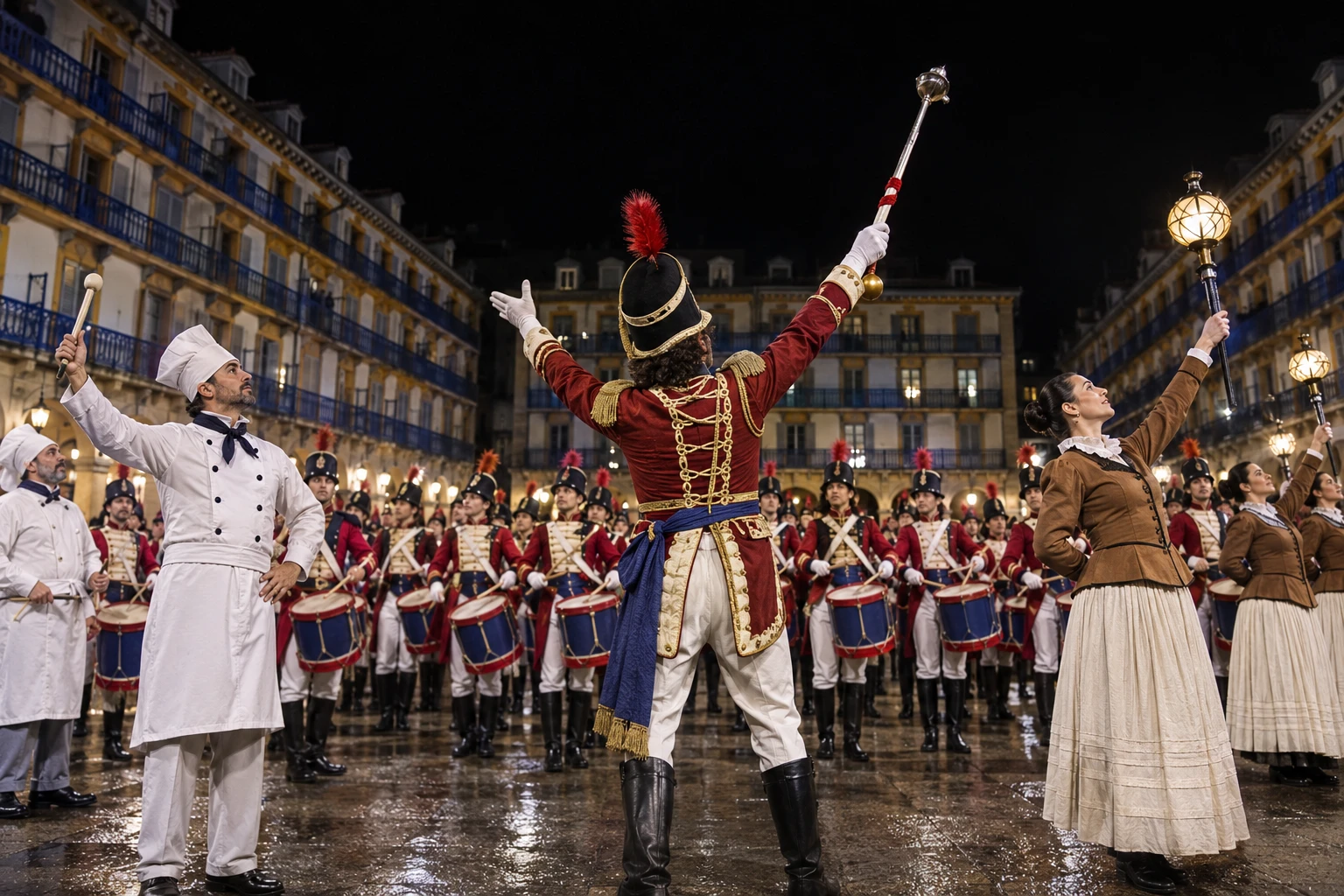
The tradition is old. In 1597, during a plague epidemic, the city vowed to carry the saint’s relic in procession each year on his day. The Tamborrada as it is known formed in the 1830s as a carnival troupe that paraded the streets to honor the patron; the custom stuck and eventually separated from Carnival. The uniforms follow the military cut of Gipuzkoan battalions from the Napoleonic wars, and many companies also dress as cooks, recalling the gastronomic societies that sustain the festival.

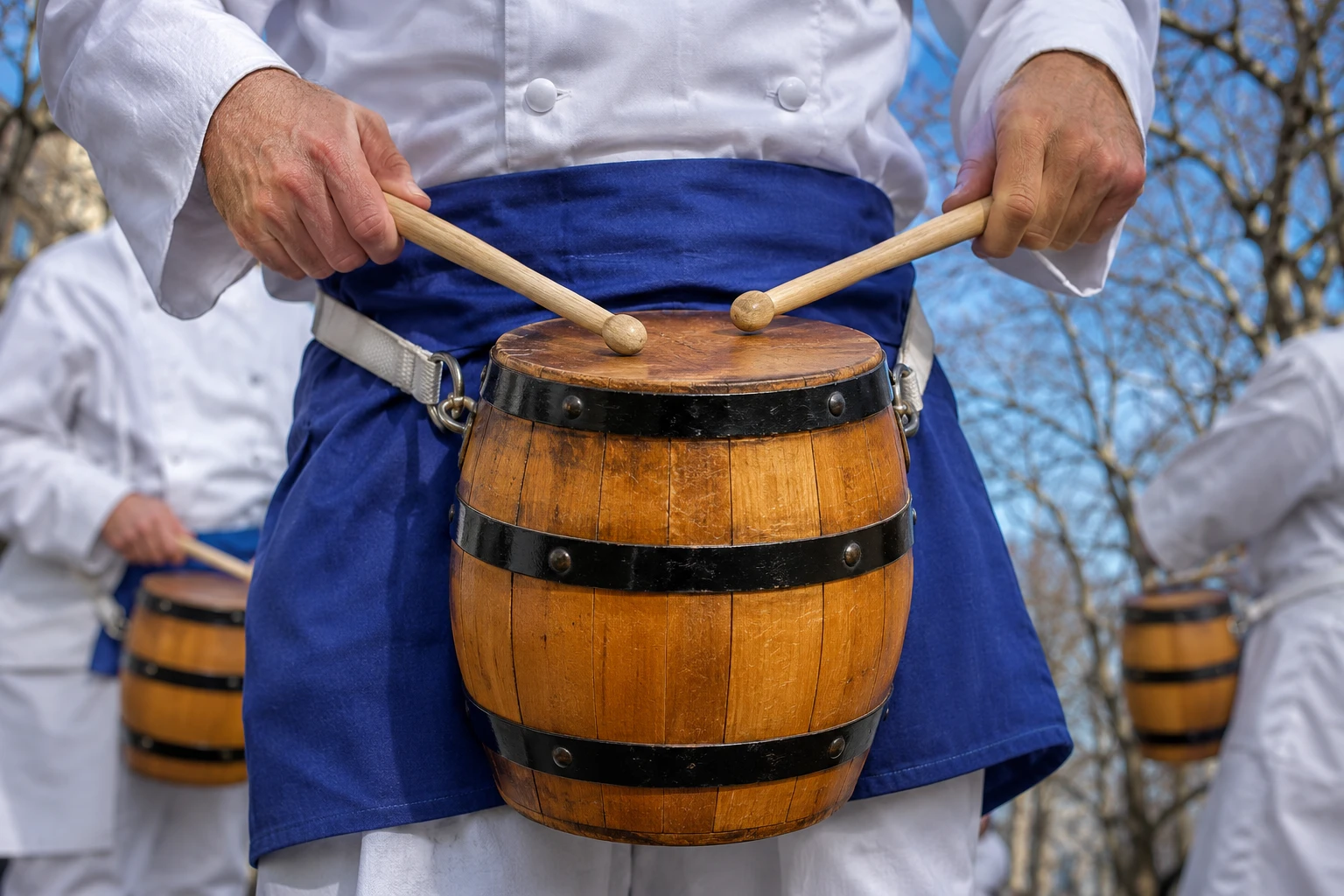
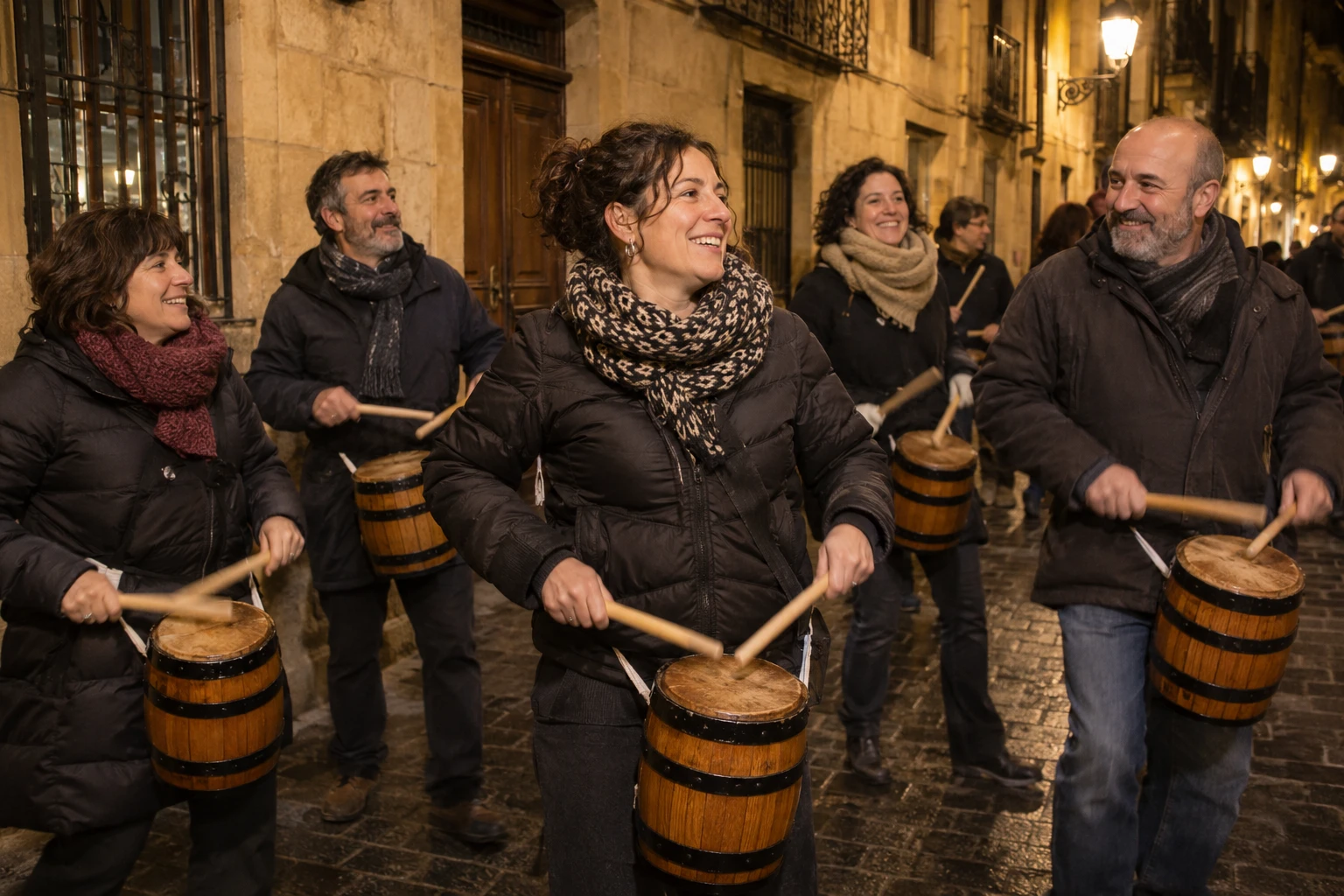
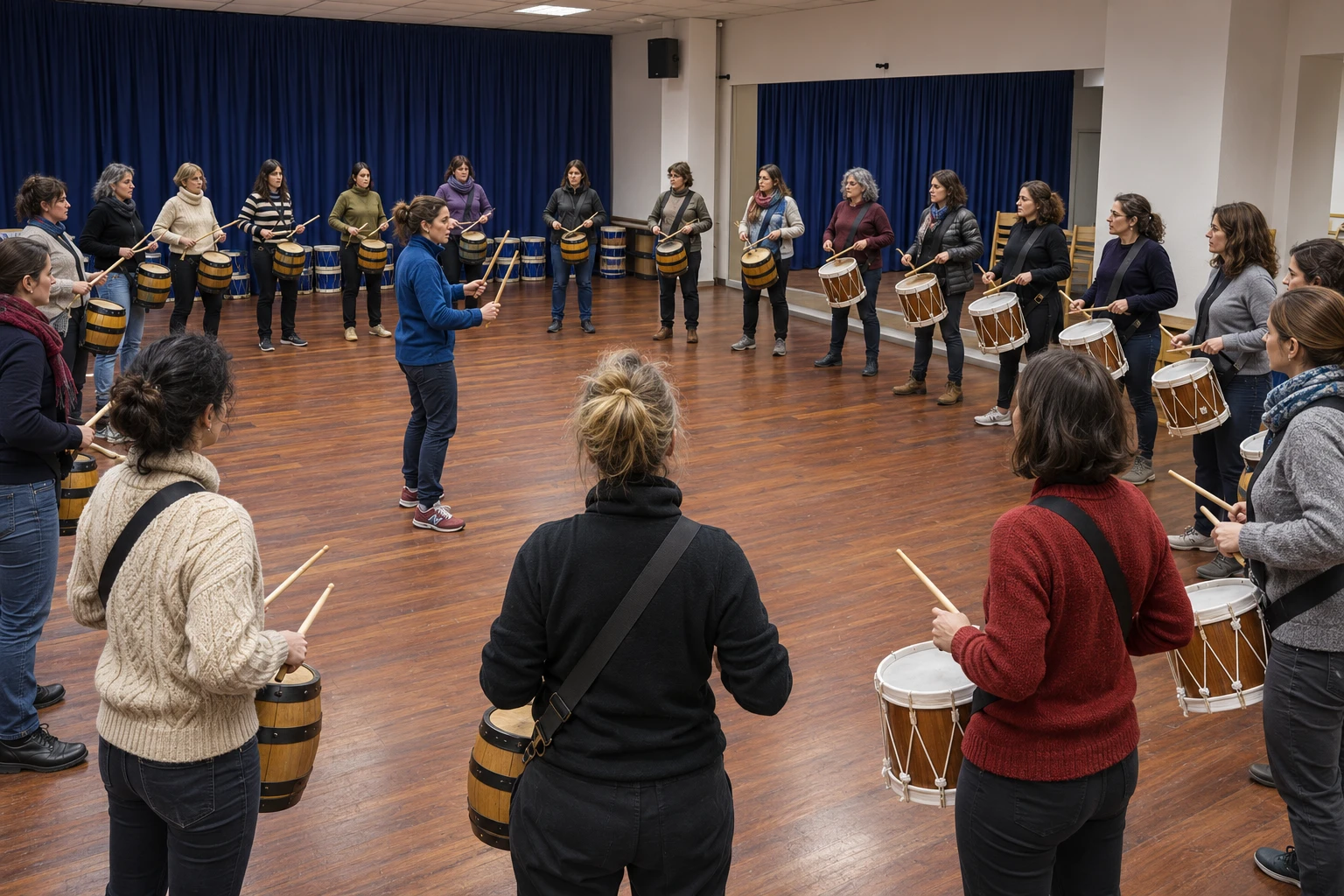
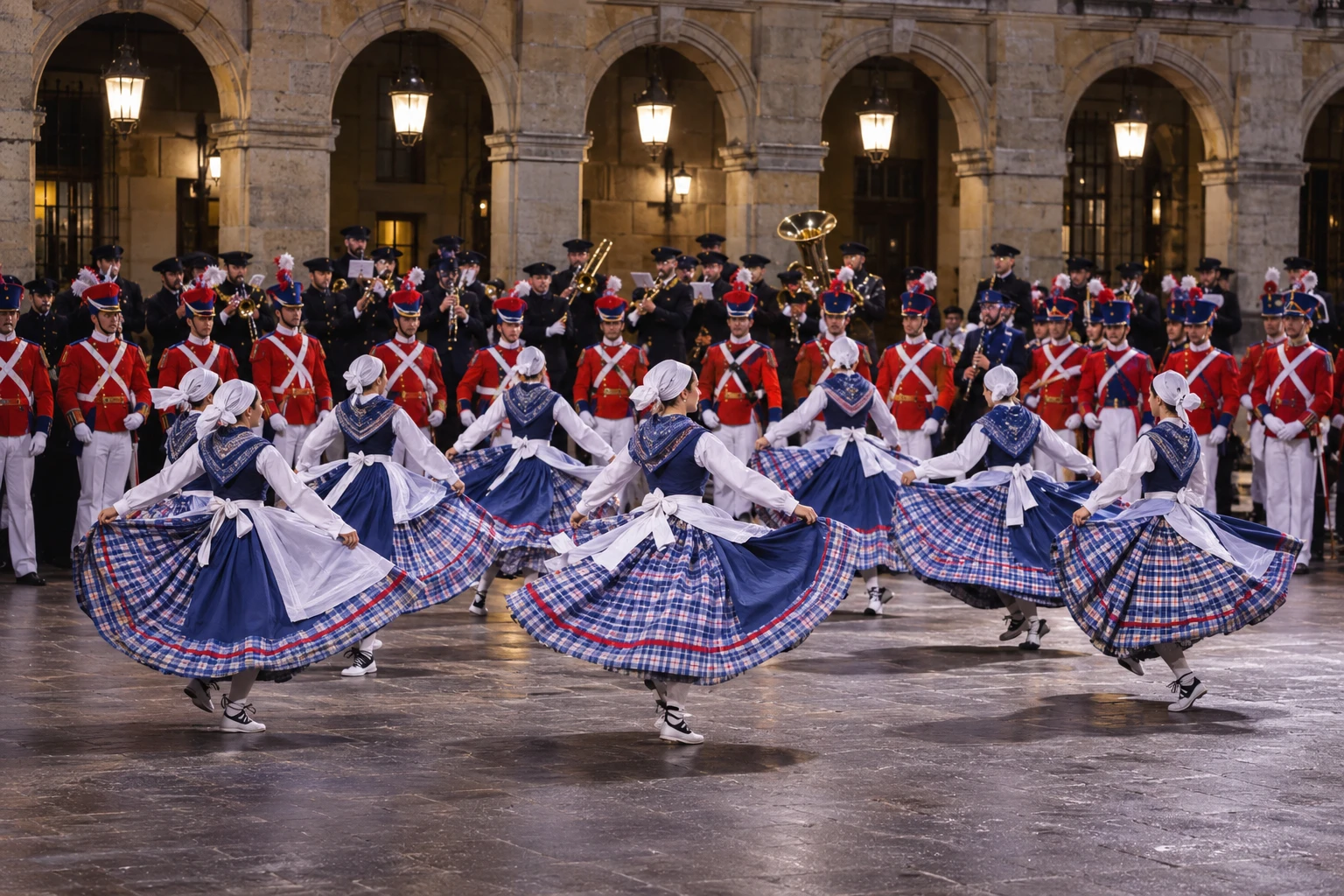
Each company brings together drums, which act as soldiers, and barrels, played with sticks by those dressed as cooks, along with a brass band, flag bearers and canteen attendants. The repertoire is by Raimundo Sarriegi, a 19th-century Donostia composer, led by the Marcha de San Sebastián. Companies belong to gastronomic societies, clubs, schools and neighborhood associations, and each has its own route, stops and time to march.

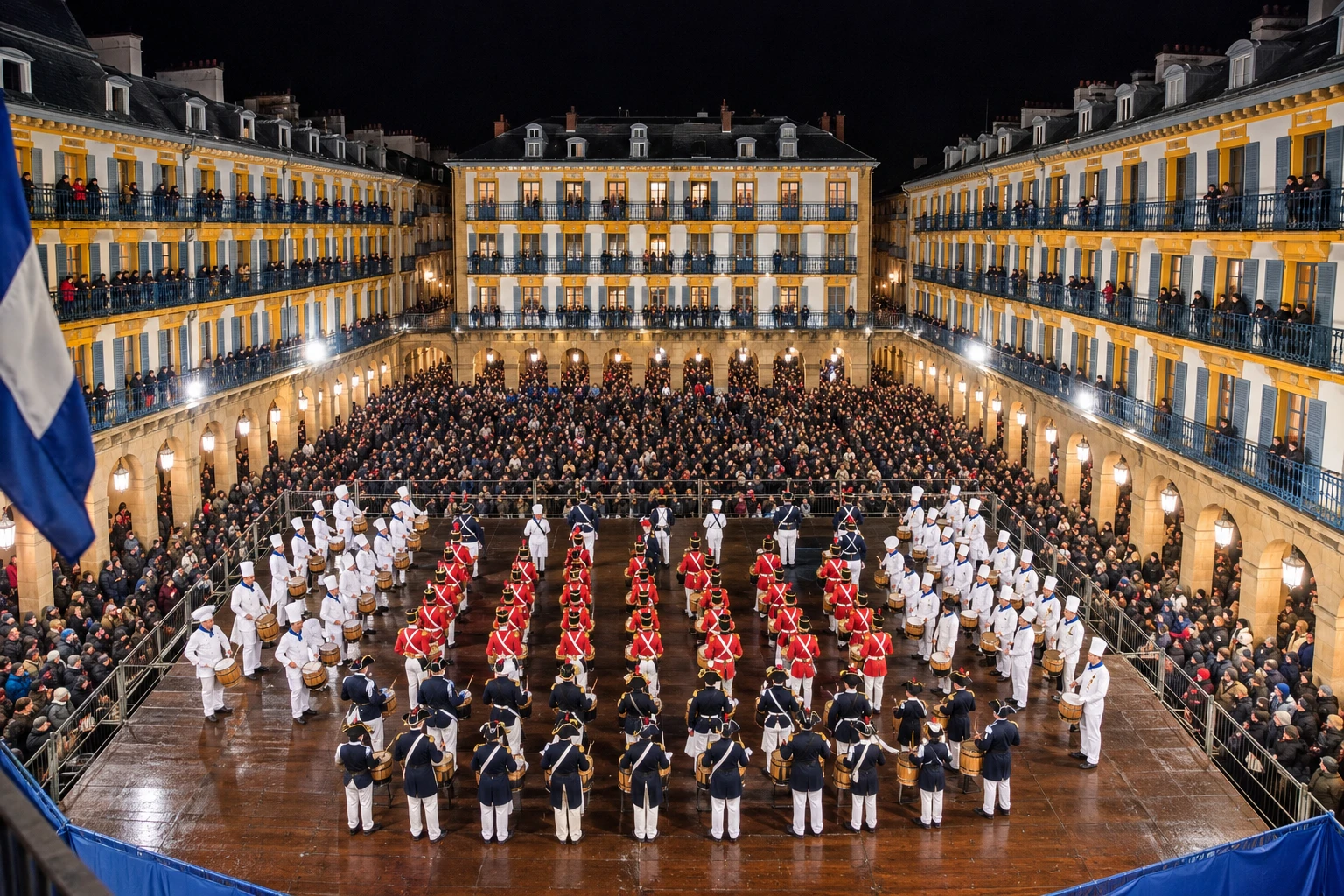
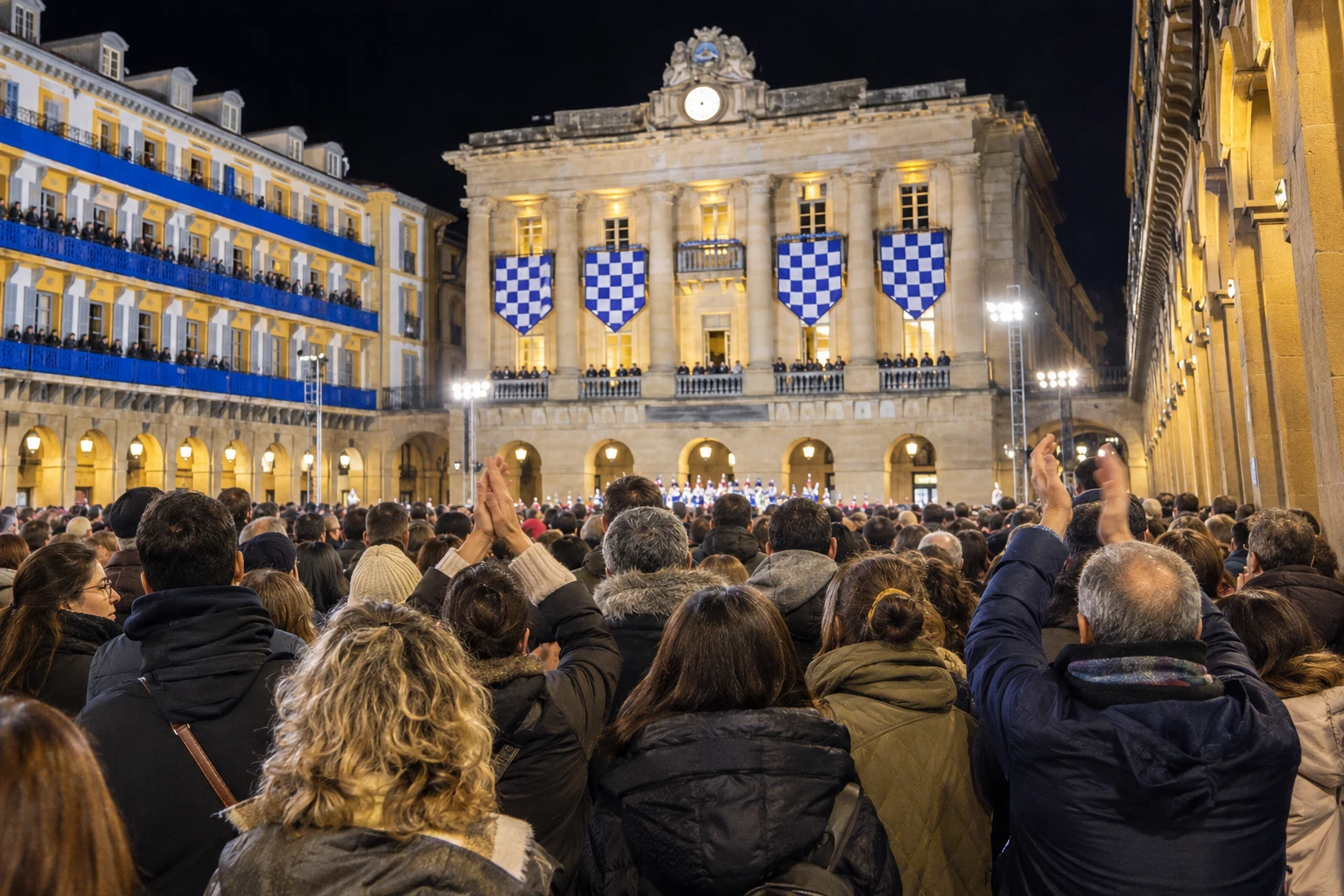
The most awaited moment is the flag raising. At midnight between January 19 and 20, in Plaza de la Constitución in the heart of the Parte Vieja, the mayor hoists the city’s blue-and-white flag while the Gaztelubide society’s company and drummers from other companies play the march and the whole square sings along. From that moment until the next midnight, drums are sounding somewhere in the city. At noon, schoolchildren parade in the Tamborrada Infantil, which sets off from the vicinity of the town hall, by the Alderdi Eder gardens, in front of La Concha bay.

The ending is as solemn as the start. At midnight on January 20, the Unión Artesana company lowers the flag in the same Plaza de la Constitución, and the festival does not return until the following year. Between those moments, the Parte Vieja, with its narrow streets, pintxo bars and gastronomic societies, is one of the best places to wander. The Tamborrada is worth the trip for anyone who enjoys local traditional festivals, live music and an entire city on the streets in a month when San Sebastián receives fewer visitors.

Share: WhatsApp

What not to miss

The flag raising in Plaza de la Constitución at midnight between January 19 and 20, with the square full and singing the Marcha de San Sebastián. The eve dinner, which many Donostiarras have in gastronomic societies and restaurants before going out for the flag raising. The adult companies’ parade through the streets of the Parte Vieja, the city center and the neighborhoods throughout the day, each with its own uniforms. The Tamborrada Infantil at noon by the town hall and Alderdi Eder, with children in uniform. The lowering of the flag by Unión Artesana in the same square on the night of January 20, which closes the festival.

How to enjoy it

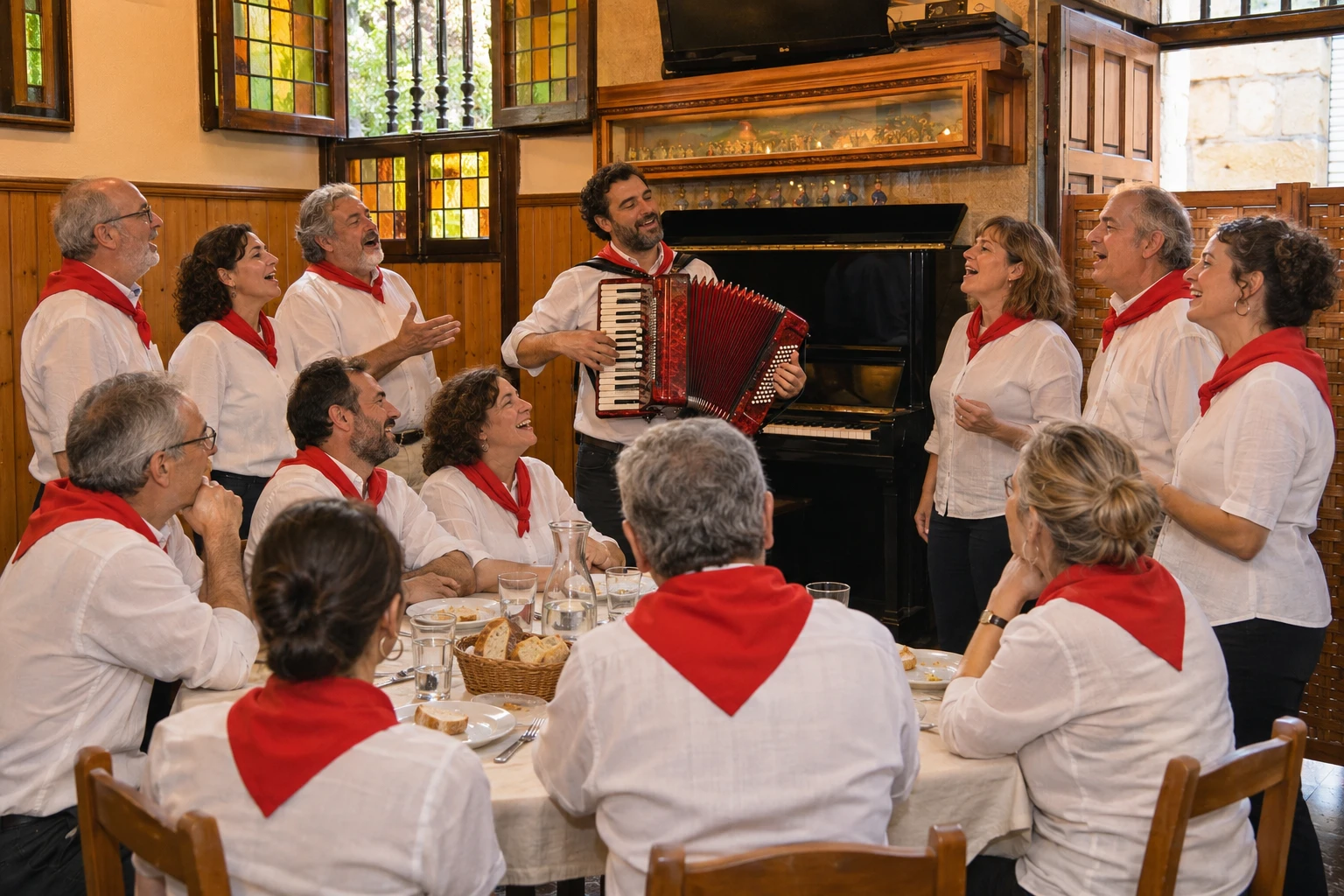
Plaza de la Constitución is small and fills up well before the flag raising and lowering; arrive very early or follow the event from the surrounding streets and from the big screens and broadcasts of the Basque television. Everything in the city center is within walking distance: companies pass through the Parte Vieja, the Boulevard, the town-hall area and the neighborhoods, and it’s common to encounter several during a walk. The municipal programme lists the routes and stops of each company. January is usually cold and rainy on the Basque coast, with short days; bring a waterproof coat, closed shoes and an umbrella. January 20 is a local holiday, and some shops close. Many stores sell toy drums and scarves, and it is customary for locals to accompany the marches by clapping or drumming along.


Plan ahead

Demand for accommodation rises on the night of January 19 and on January 20, especially in the Parte Vieja and the city center; book in advance. Restaurants and gastronomic societies usually have reservations made weeks ahead for the eve dinner. Check the San Sebastián city and tourism websites for the year’s programme, with the companies’ routes.

In the city

Make the most of San Sebastián

Your questions

Questions about Tamborrada of San Sebastián

When is the Tamborrada of San Sebastián?

Every January 20, the patron saint’s day. The celebration lasts 24 hours: it starts at midnight between January 19 and 20 with the flag raising in Plaza de la Constitución, and ends at the following midnight with the flag lowering.

What is the Tamborrada?

It is a parade of companies of drums and barrels, with soldier and cook uniforms, that play Raimundo Sarriegi’s marches through the city streets throughout Saint Sebastian’s day.

Where can I see the Tamborrada flag raising?

In Plaza de la Constitución, in the Parte Vieja. The square fills up early; those who cannot get in can follow from the surrounding streets or on Basque television, which usually broadcasts the event.

Is there a Tamborrada for children?

Yes. At noon on January 20, the Tamborrada Infantil gathers schoolchildren from the city, who parade in uniform from the area around the town hall.

Festivals and events in Spain

Other festivals

Carnival of Santa Cruz de Tenerife February/March
Popular festival · Santa Cruz de Tenerife

Carnival of Santa Cruz de Tenerife

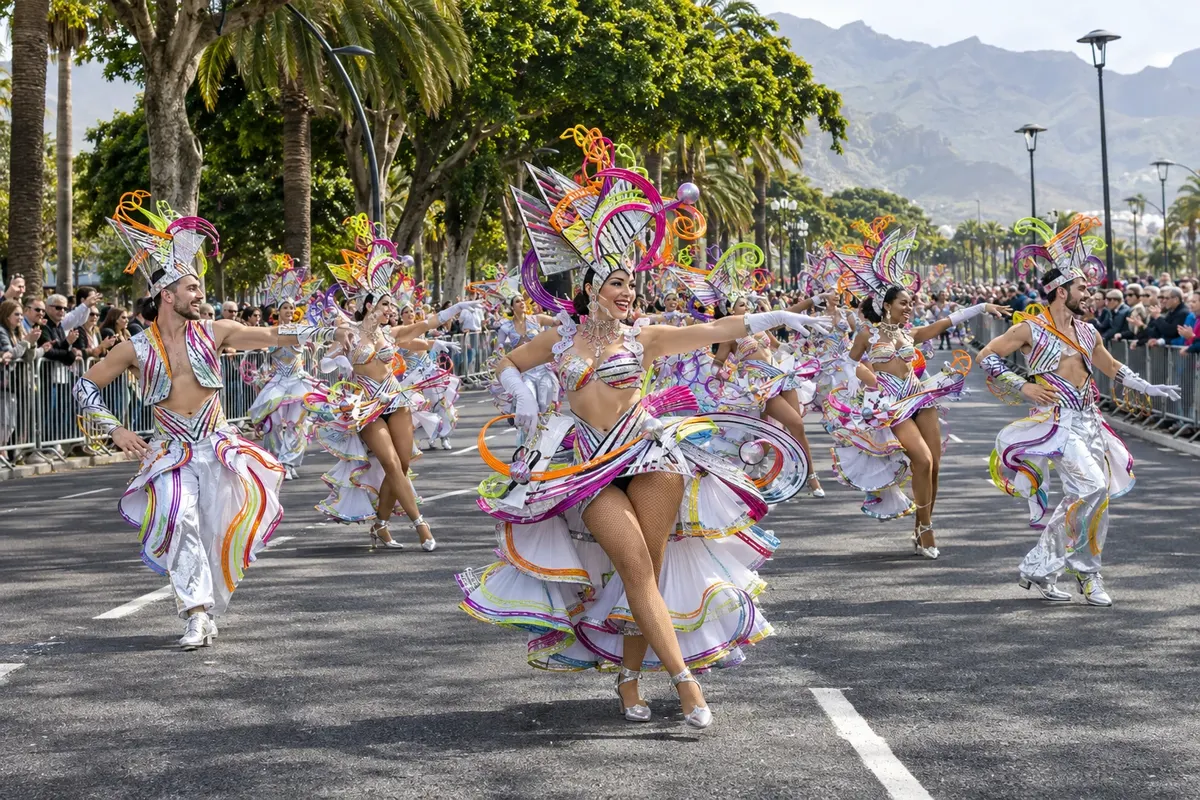
At the end of winter, between February and March, following the movable Carnival calendar: the contests and the queen’s gala take place in the preceding weeks, and the streets celebrate from the opening cavalcade until the weekend after Ash Wednesday.

The capital of Tenerife’s Carnival, in the Canary Islands, with a monumental fantasy queen, murgas, comparsas and rondallas, the big Coso parade on Carnival Tuesday and balls that fill the squares and avenues of the center until dawn.

Holy Week in Seville March/April
Religious festival · Seville

Holy Week in Seville

From Palm Sunday to Easter Sunday, in March or April depending on the date of Easter; smaller processions begin on the previous Friday, Friday of Sorrows.

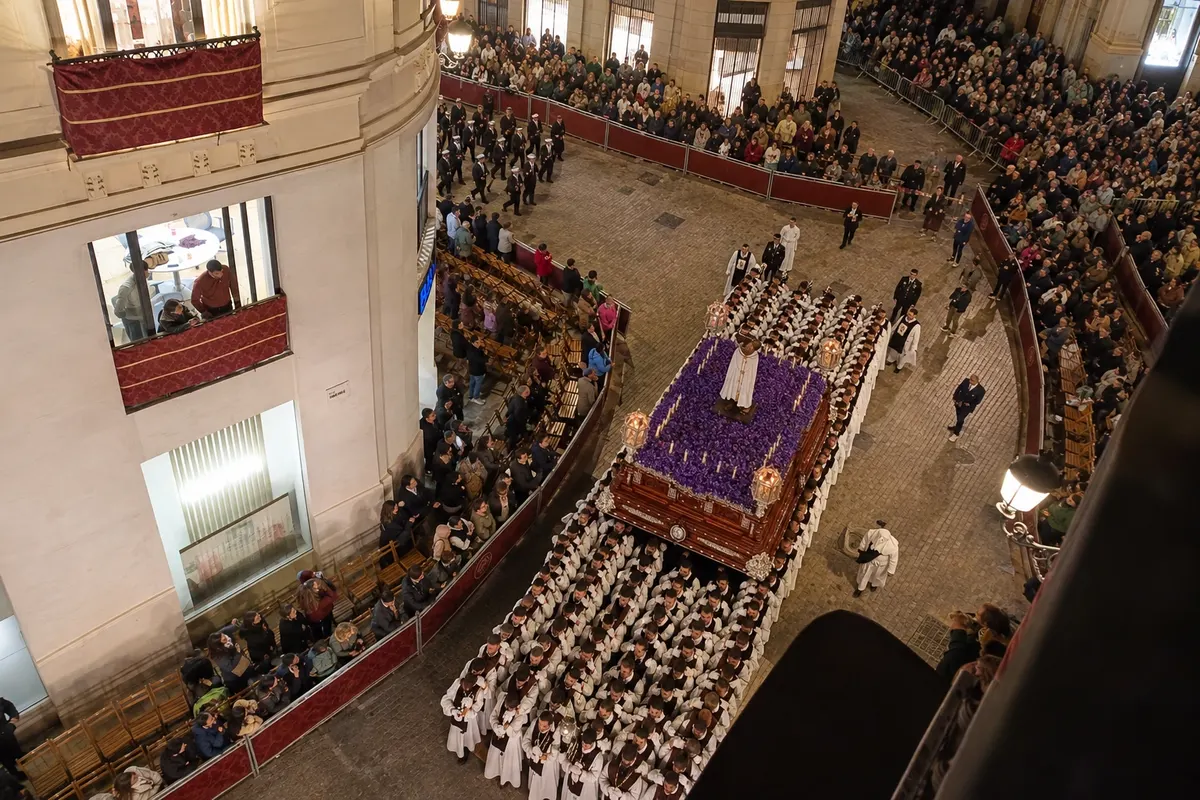
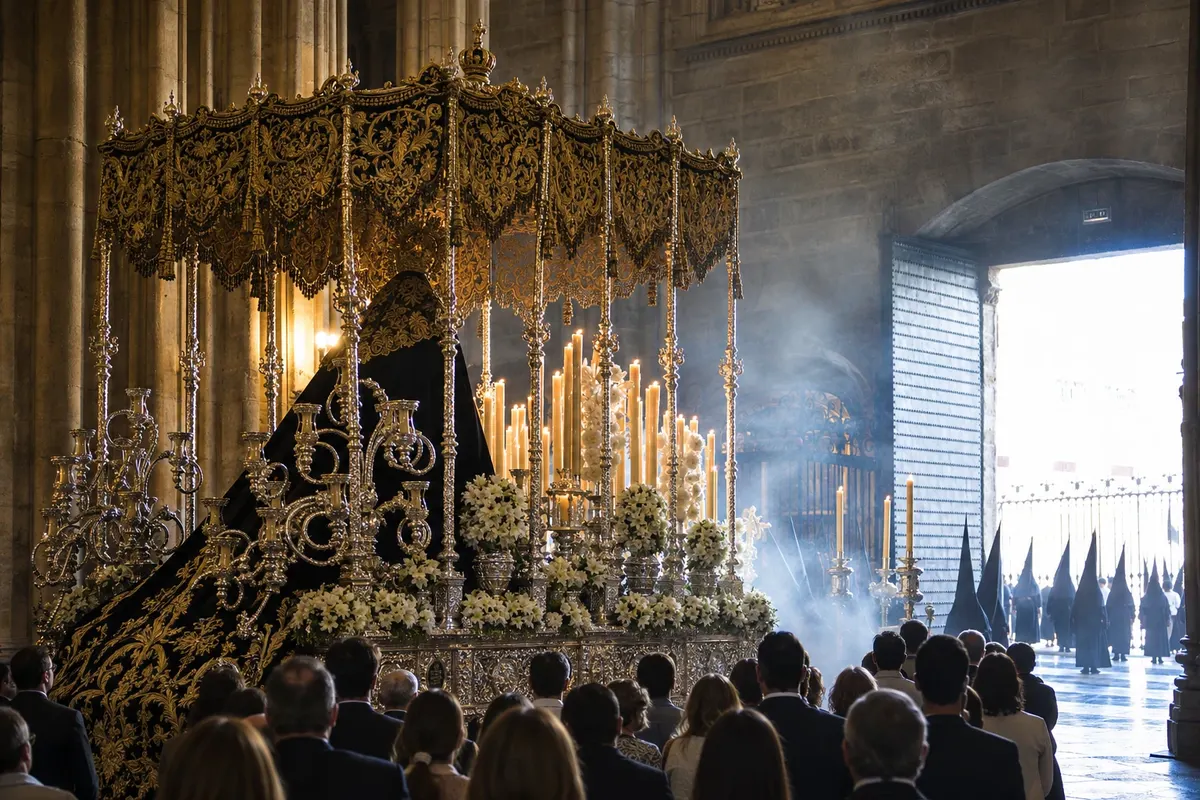
During Holy Week, the brotherhoods of Seville, the capital of Andalusia, carry images of Christ and the Virgin through the streets on gilded floats carried by costaleros and followed by long lines of penitents, on routes that pass by the cathedral day and night, until the early hours of Good Friday.

Festival of the Patios of Córdoba May
Culture · Córdoba

Festival of the Patios of Córdoba

In the first weeks of May, for about two weeks, after the Cruces de Mayo at the start of the month; the dates are set each year by the city council.

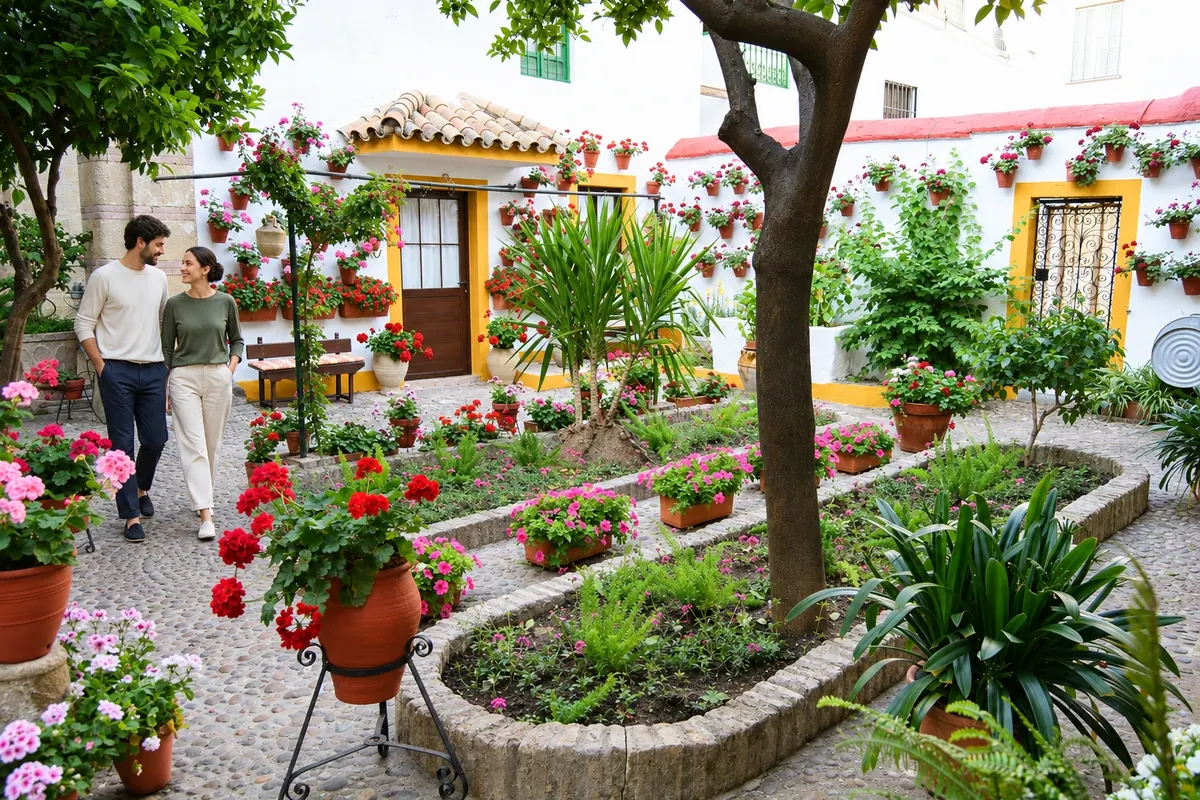
In May, residents of Córdoba in Andalusia open the patios of their homes—filled with pots of flowers—to the public in a municipal contest that has existed since 1921 and is on UNESCO’s list of intangible heritage; it takes place during the month of the Cruces de Mayo, the flowered balconies and the city fair.

See the full calendar