Bocadillo de calamares
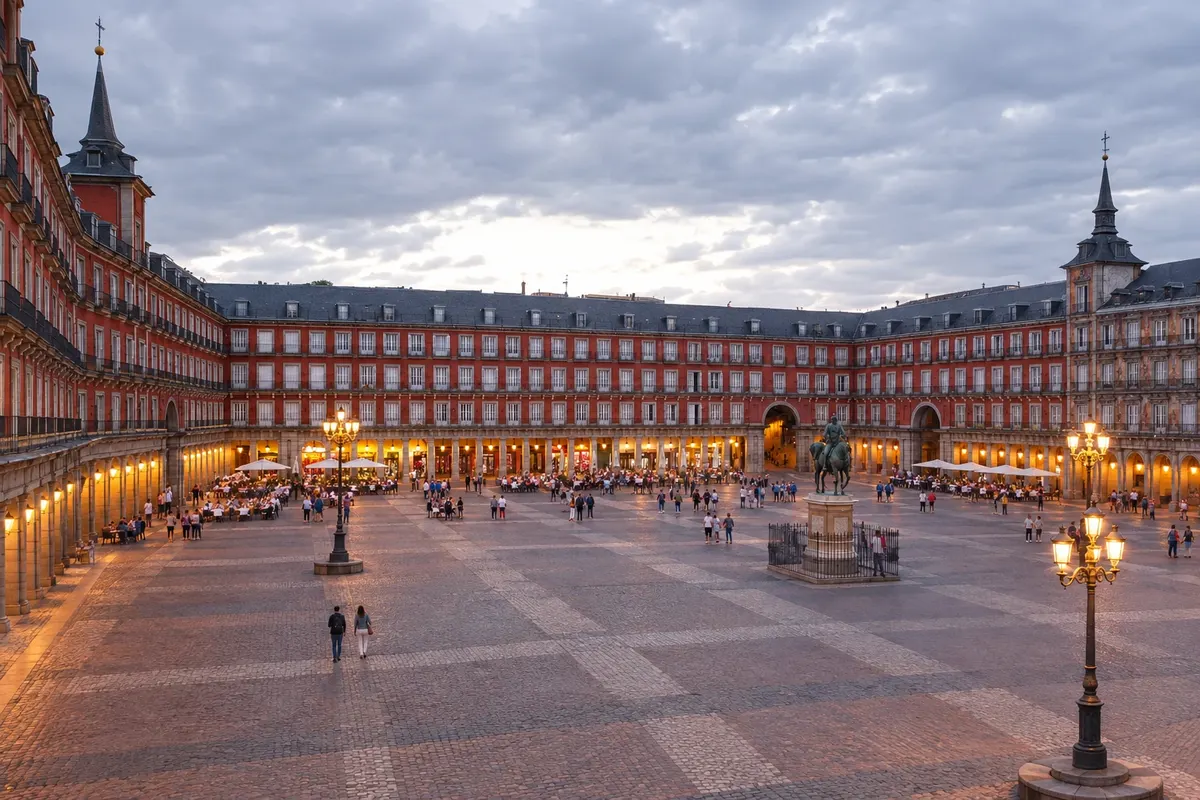
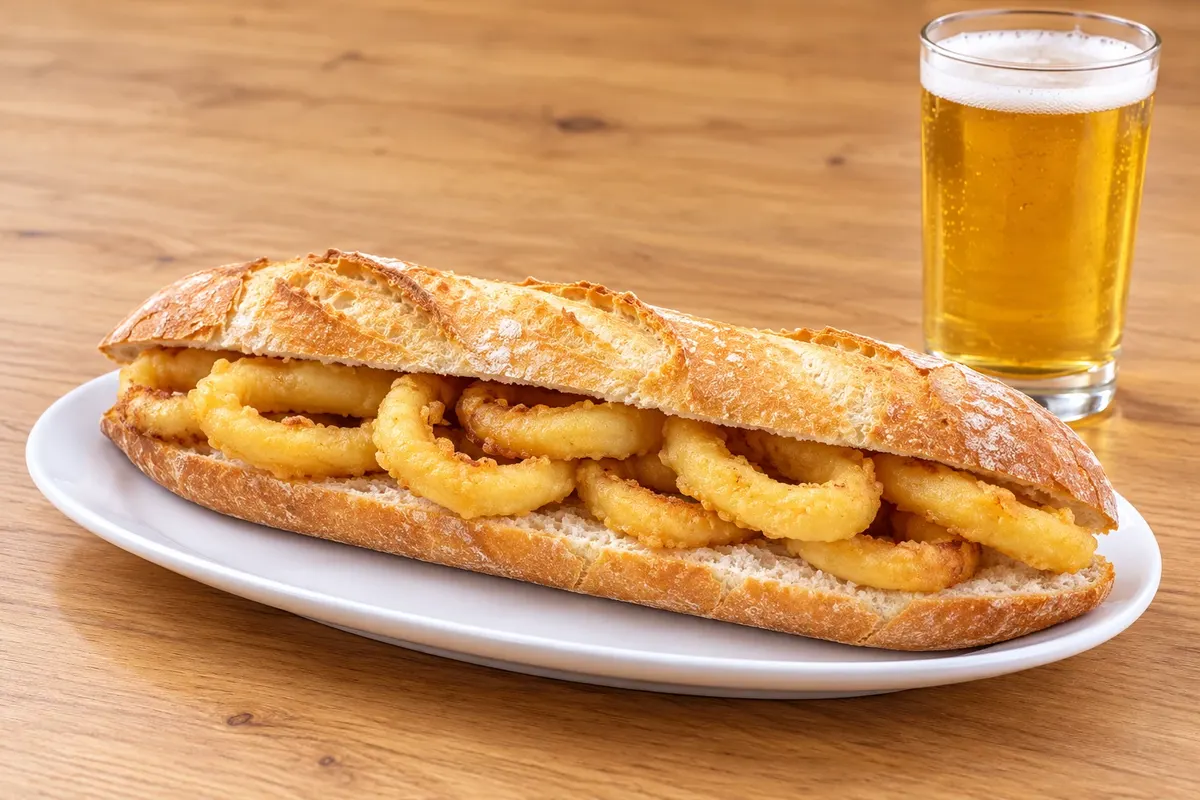
Baguette-style bread filled with breaded and fried squid rings, eaten standing at the bar. Madrid’s official tourism promotes it as a gastronomic icon of the city, typical of the bars around the Plaza Mayor.
Popular festival · Madrid
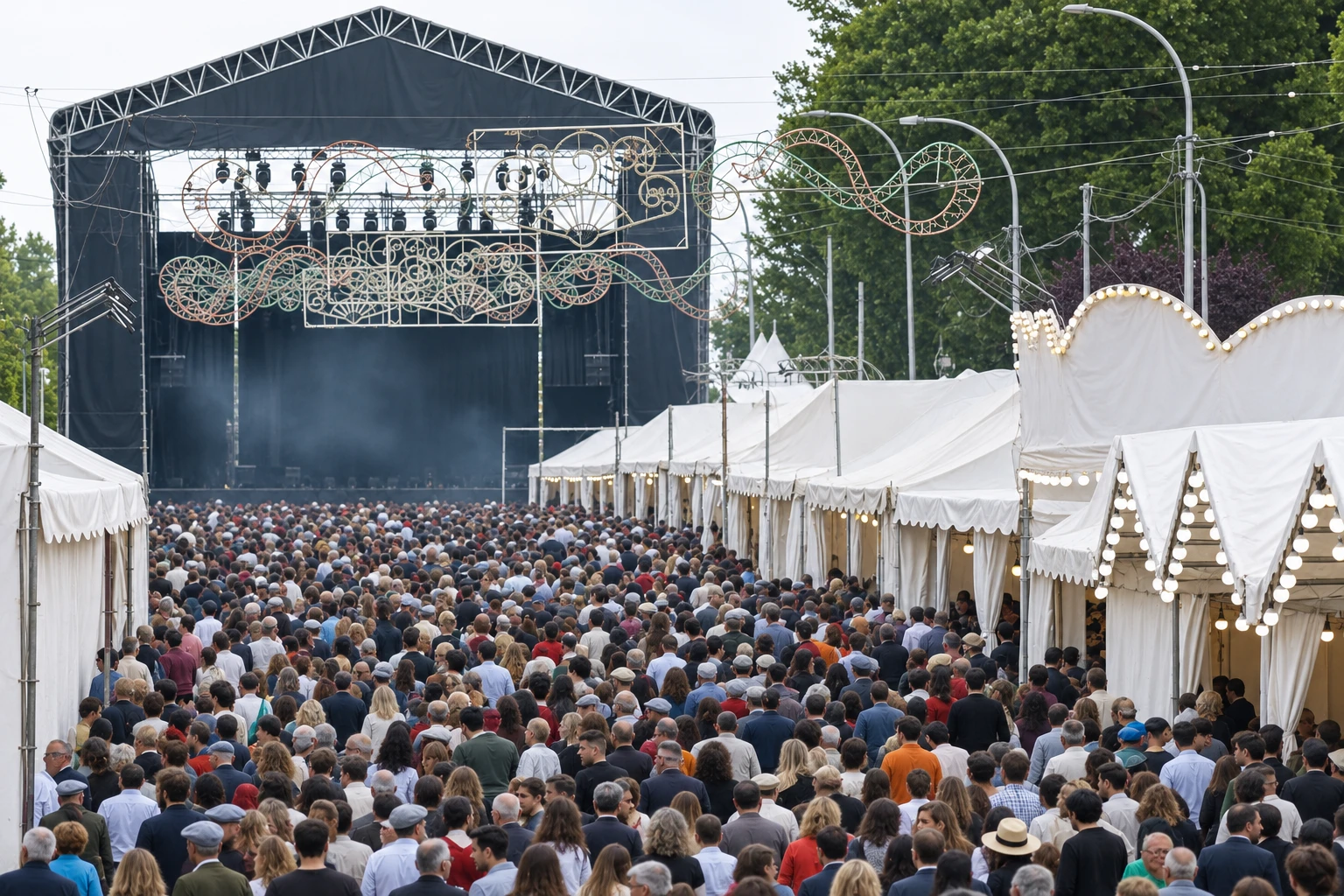
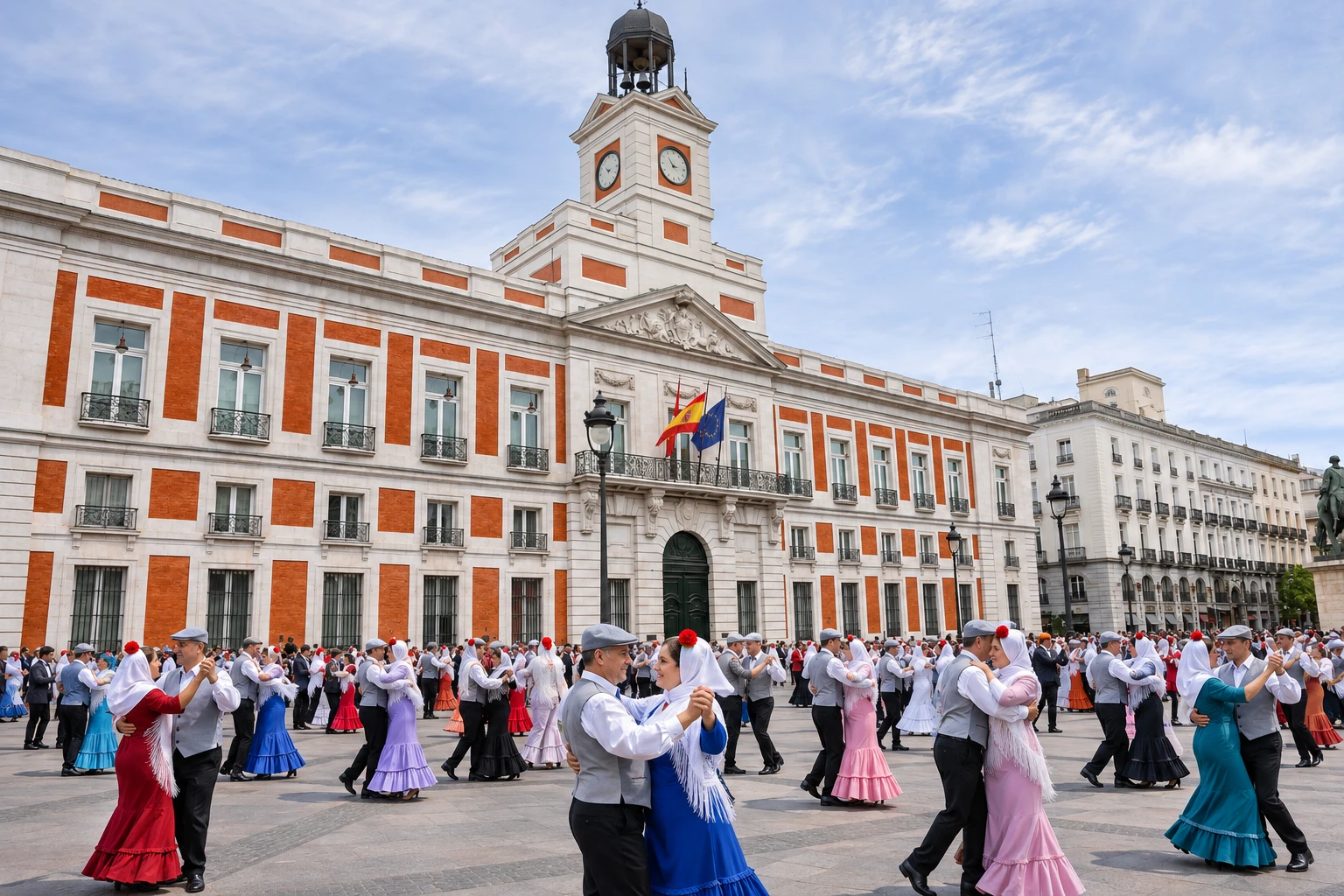
Madrid’s patron saint festivities around May 15: Madrileños dressed as chulapos dance the chotis, have picnics on the Pradera de San Isidro, drink water from the hermitage’s spring and eat rosquillas, with concerts and traditional events in the Plaza Mayor, Las Vistillas and neighborhoods.
In the photo: Madrid
Illustrative images. The pictures in this guide are illustrations based on the real place, not photographs, and may differ from it.
Click a photo to enlarge it.
San Isidro Festivities — Madrid
Around May 15, the day of Saint Isidro Labrador, patron saint of Madrid; the program lasts about a week before and after the date.
May
Dates change every year: check this year's date before you travel.
The festival
The San Isidro festivities are Madrid’s most traditional local celebrations, closely tied to the city’s customs. Around May 15, the feast day of the patron saint, Saint Isidro Labrador, the Spanish capital fills with popular music, dances, concerts and outdoor gatherings. It’s when many Madrileños take the chulapo and chulapa costume out of the closet, dance the chotis and spend the day on the Pradera de San Isidro, enjoying a neighborhood-party atmosphere in the middle of a big city.
Isidro was a farmer who, according to tradition, lived and died in Madrid in the 12th century and worked the fields of the Vargas family on the other side of the Manzanares River. Many miracles are attributed to him, almost all related to water: the best-known story says he made a spring gush by striking a rock with his staff to quench his master’s thirst. A hermitage dedicated to San Isidro was built on the site in the Carabanchel neighborhood, and the custom of drinking that miraculous water on the saint’s day gave rise to the pilgrimage. His canonization in 1622 confirmed Isidro as the city’s patron saint.
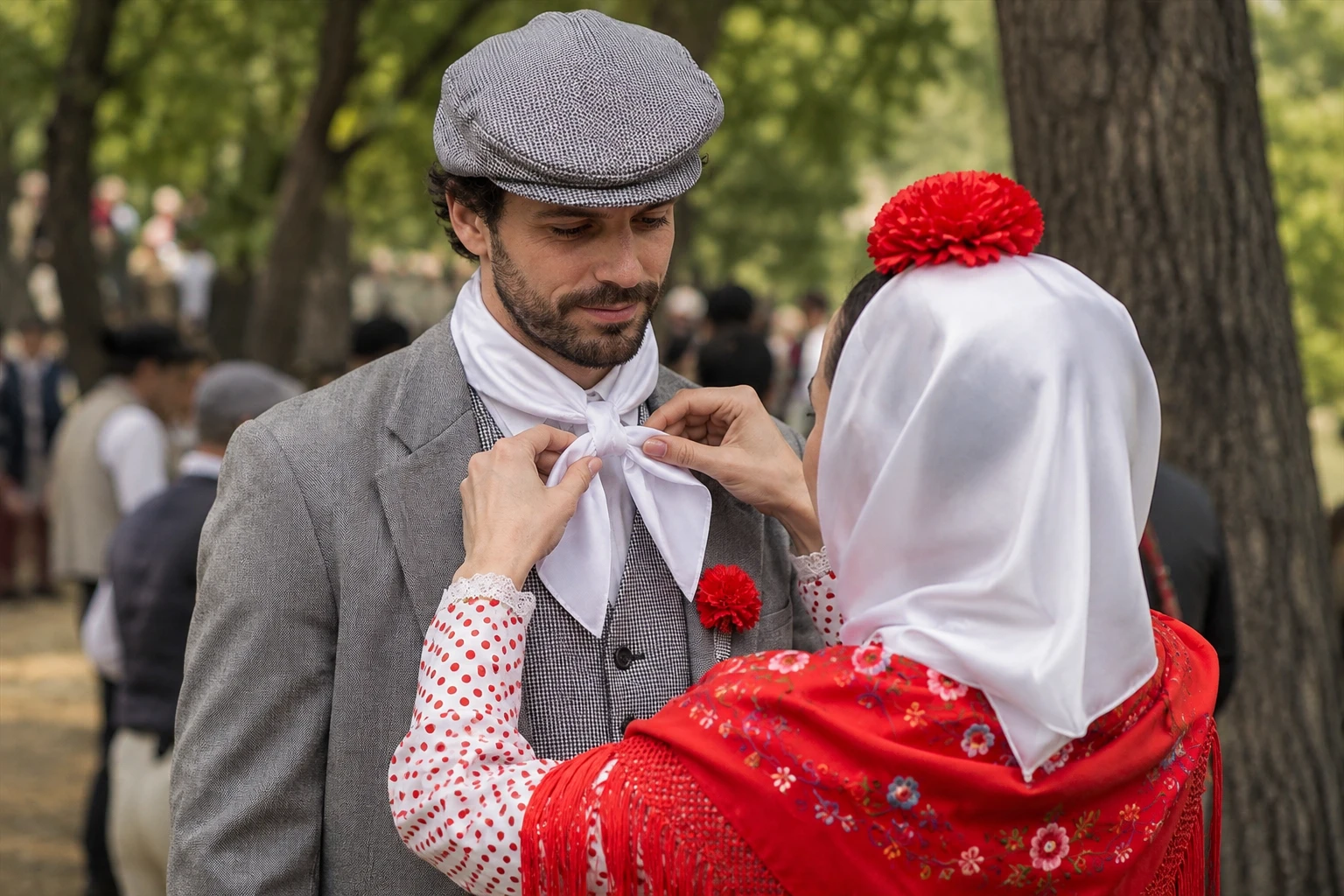
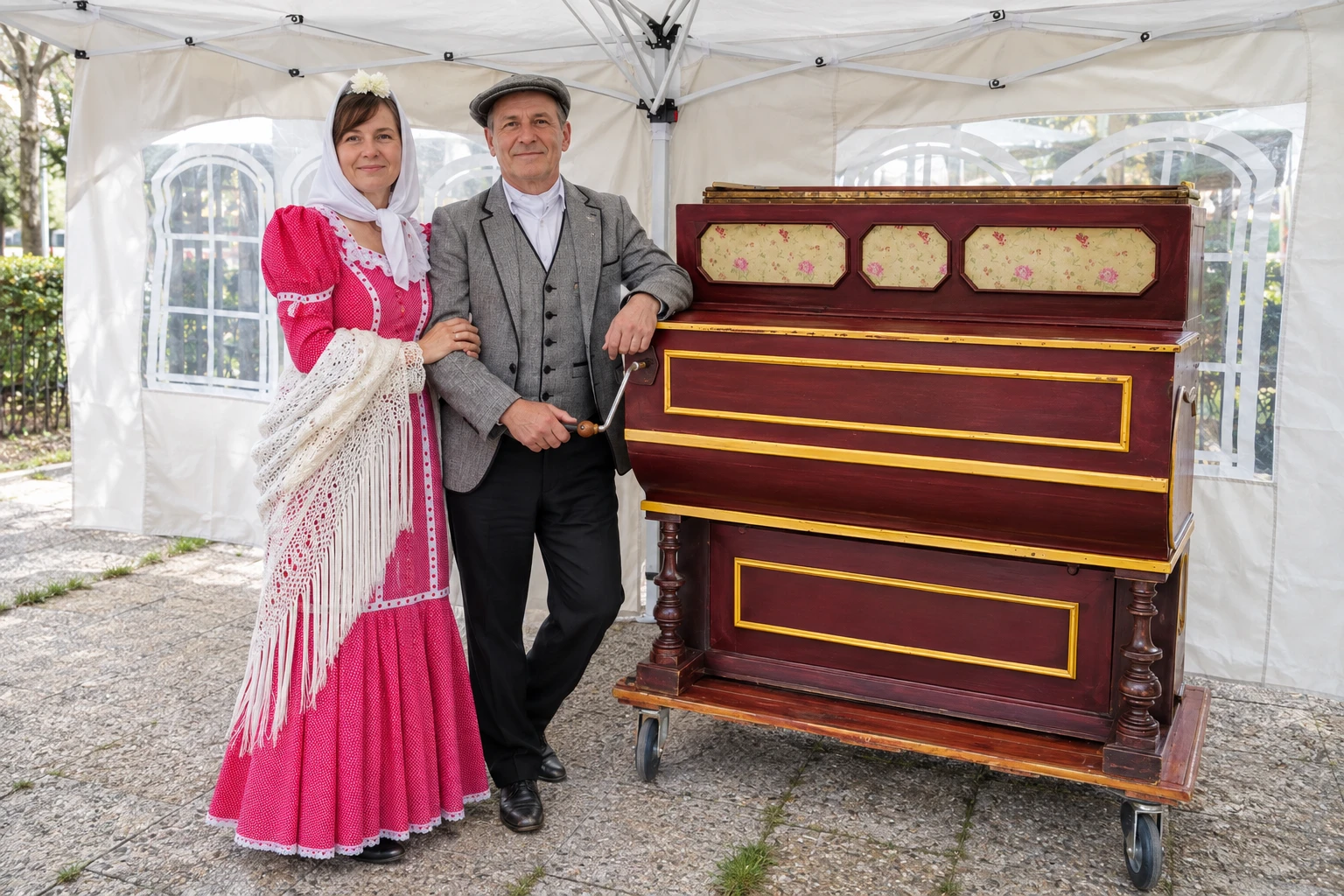
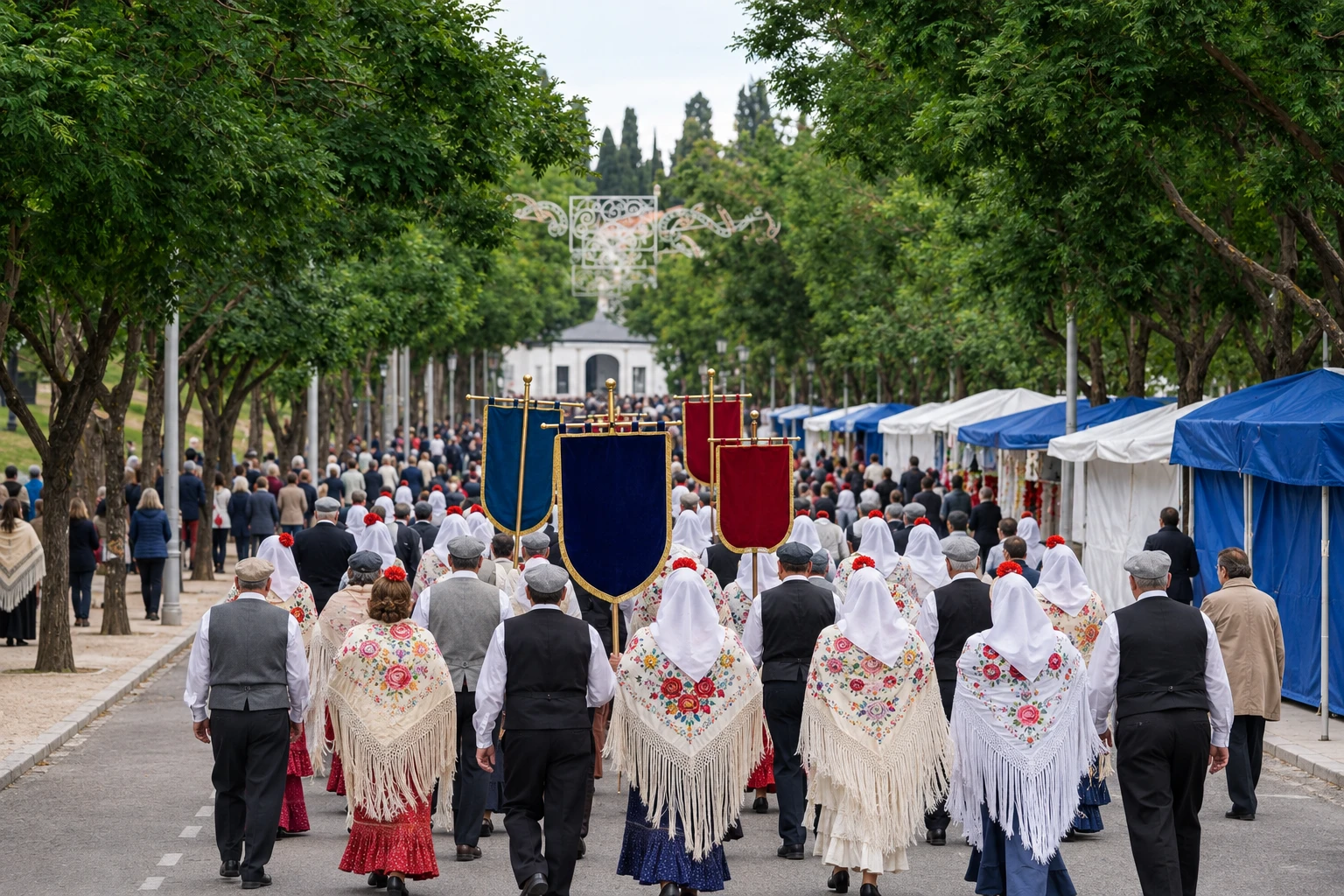
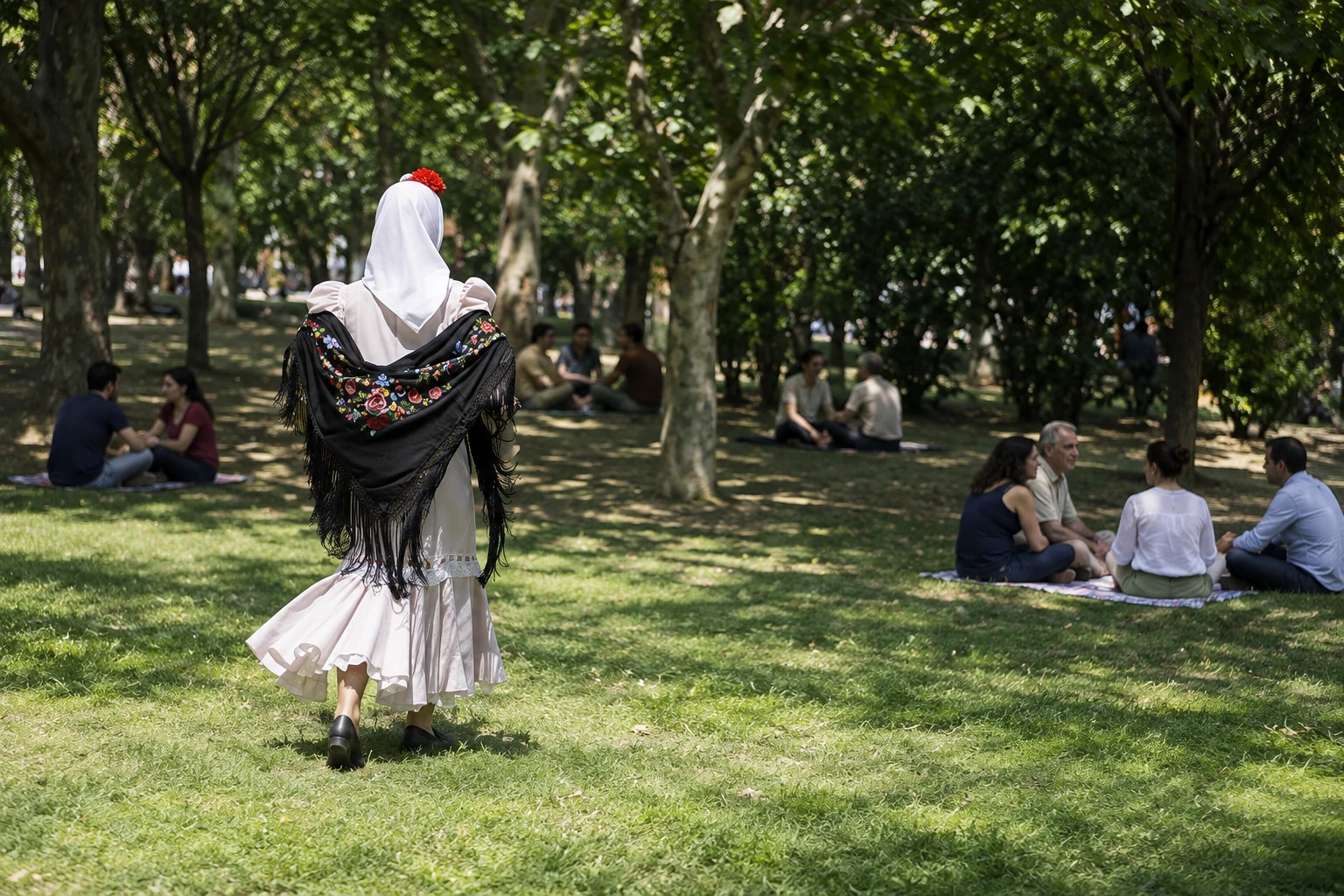
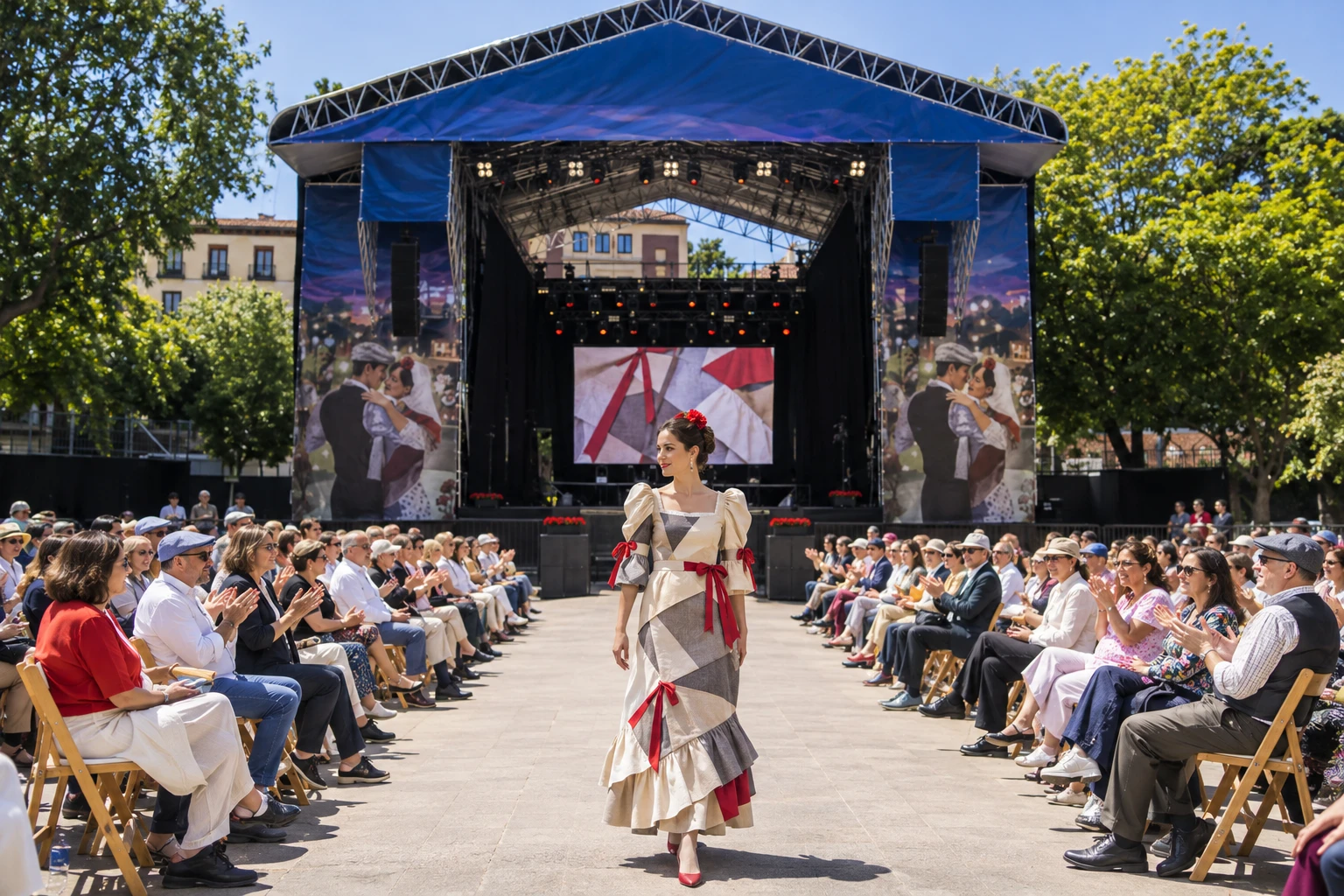
The heart of the festival is the pradera. On the 15th, Madrileños queue at the hermitage to drink the spring water, attend Mass and spend the day on the grass with food, music and dancing. Chulapos wear vests, checkered caps called parpusa, and a carnation in the lapel; chulapas wear a manila shawl, a headscarf and a fitted polka-dot or printed dress. Folk groups dance in front of the hermitage and the chulapo and chulapa of the year are elected. On the eve and the days before, religious acts take place, such as the blessing of the water and services at the Royal Collegiate Church of San Isidro and the Cuadra de San Isidro chapel, which preserves the memory of the house where the saint lived and opens to the public only on that day.
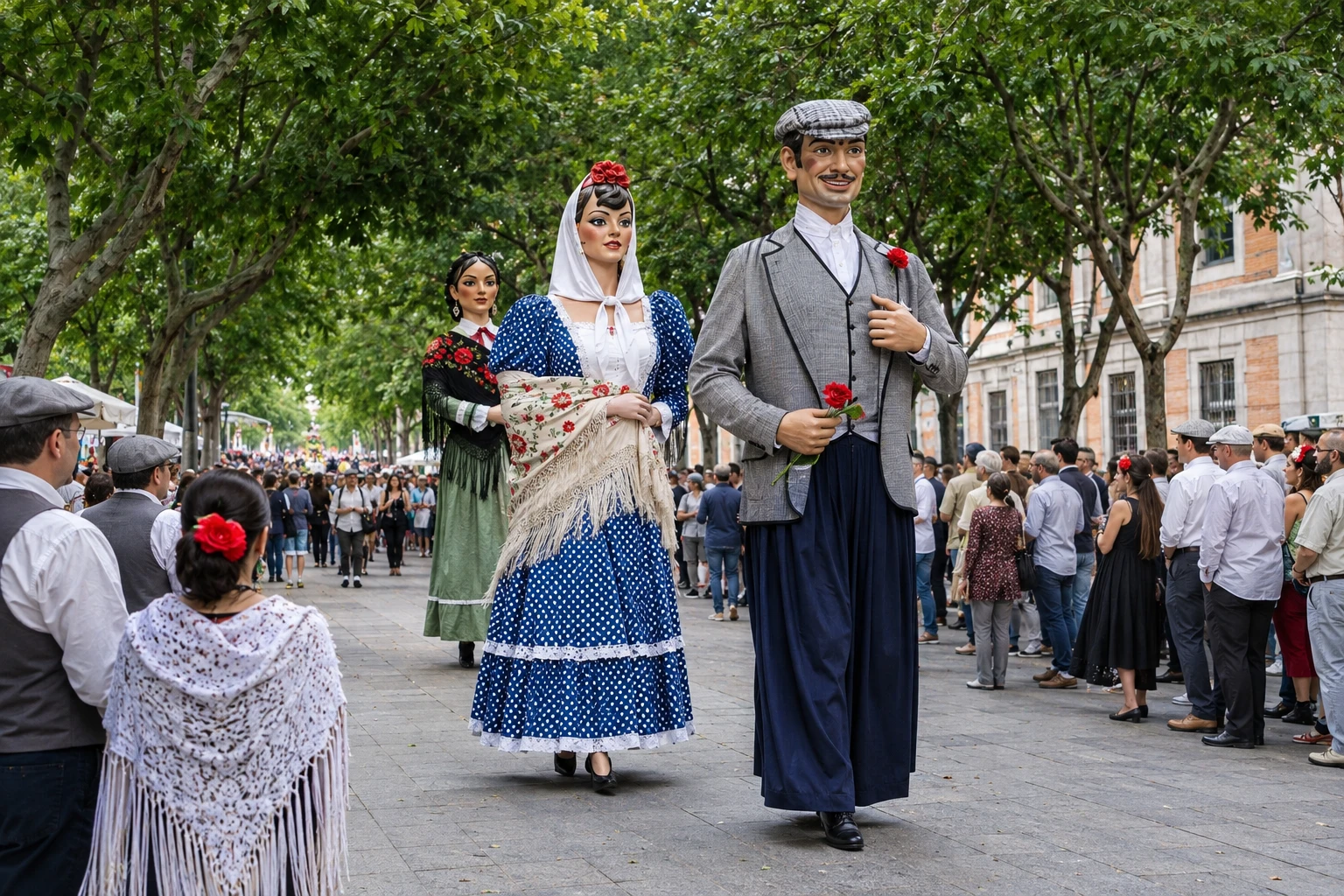
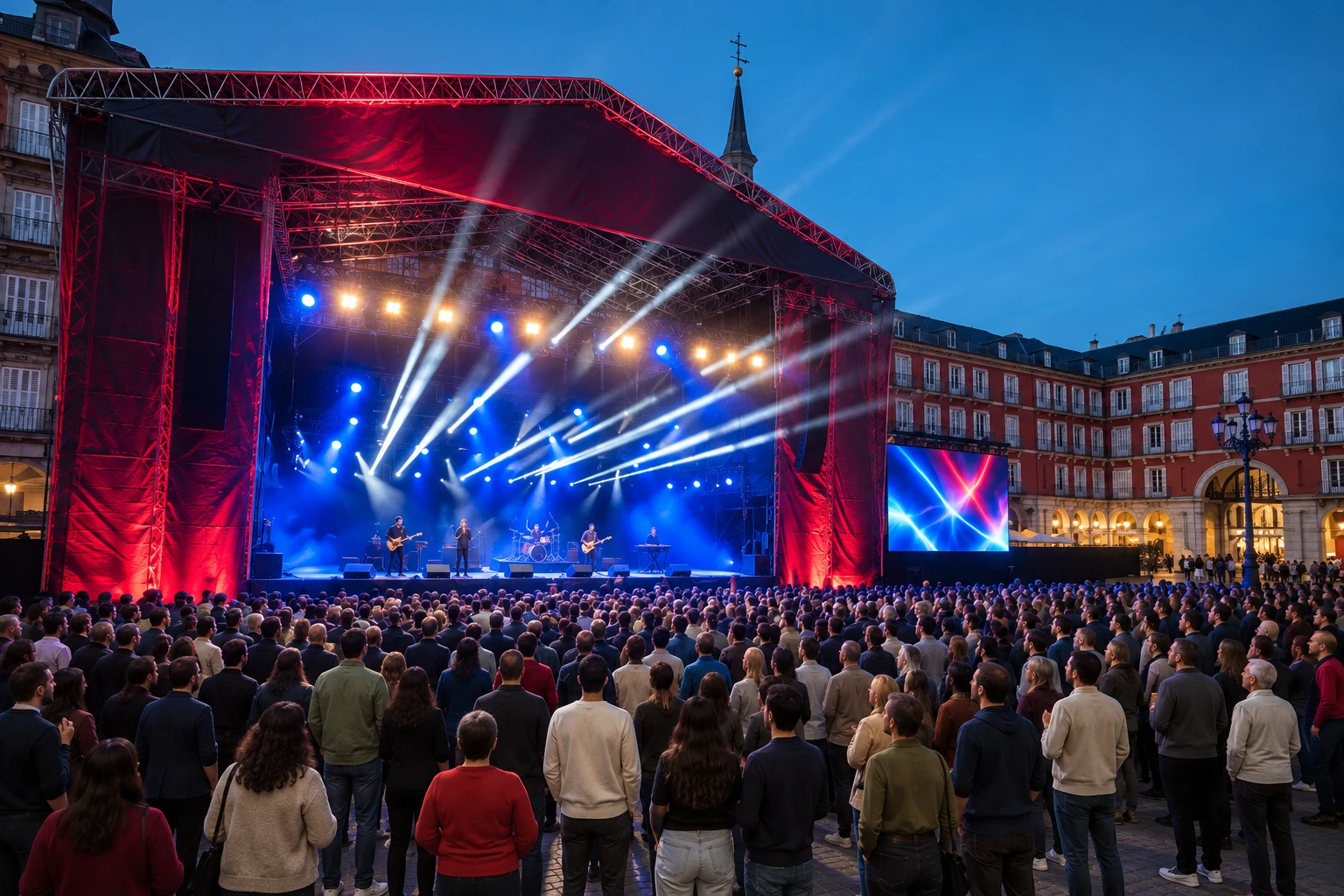
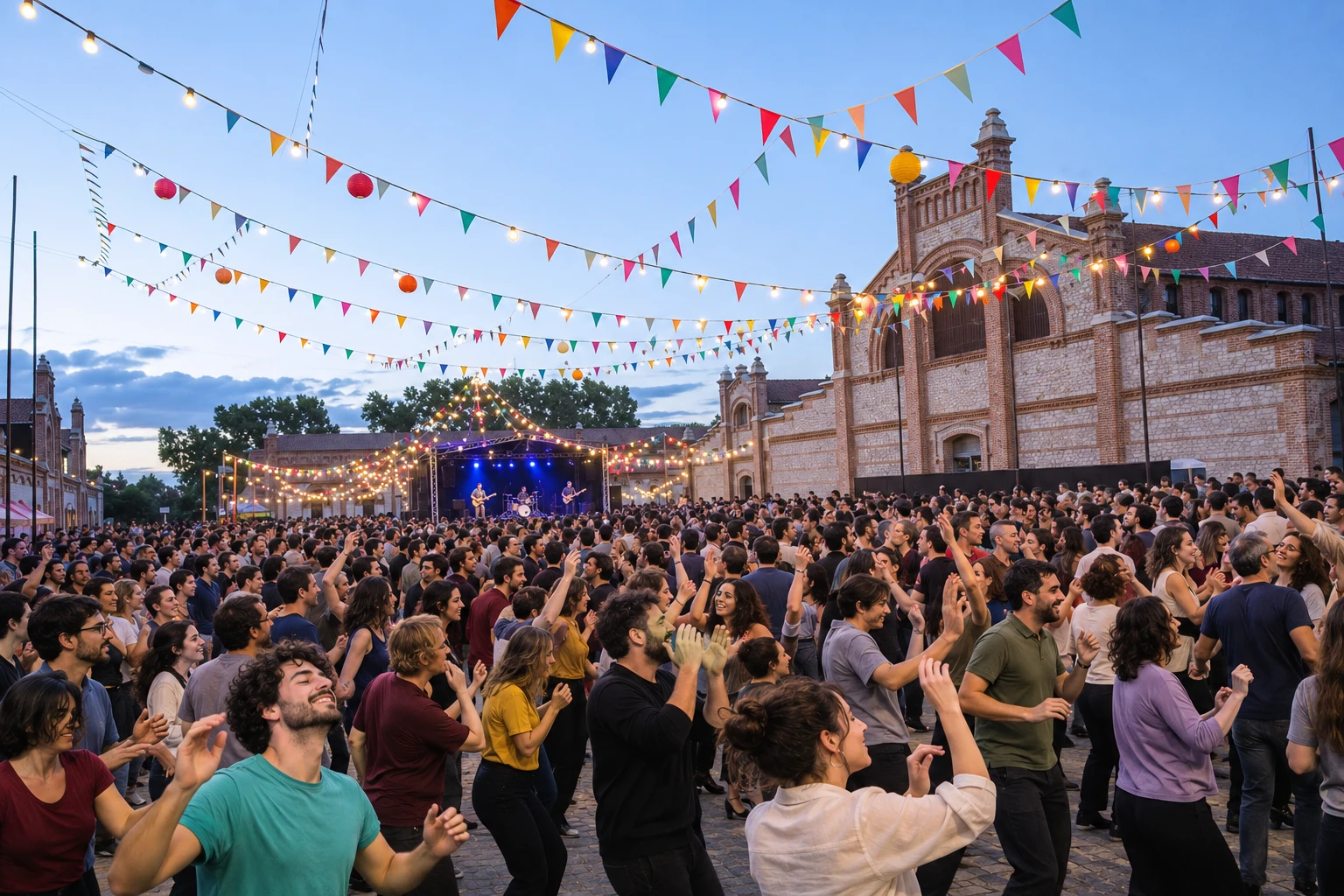
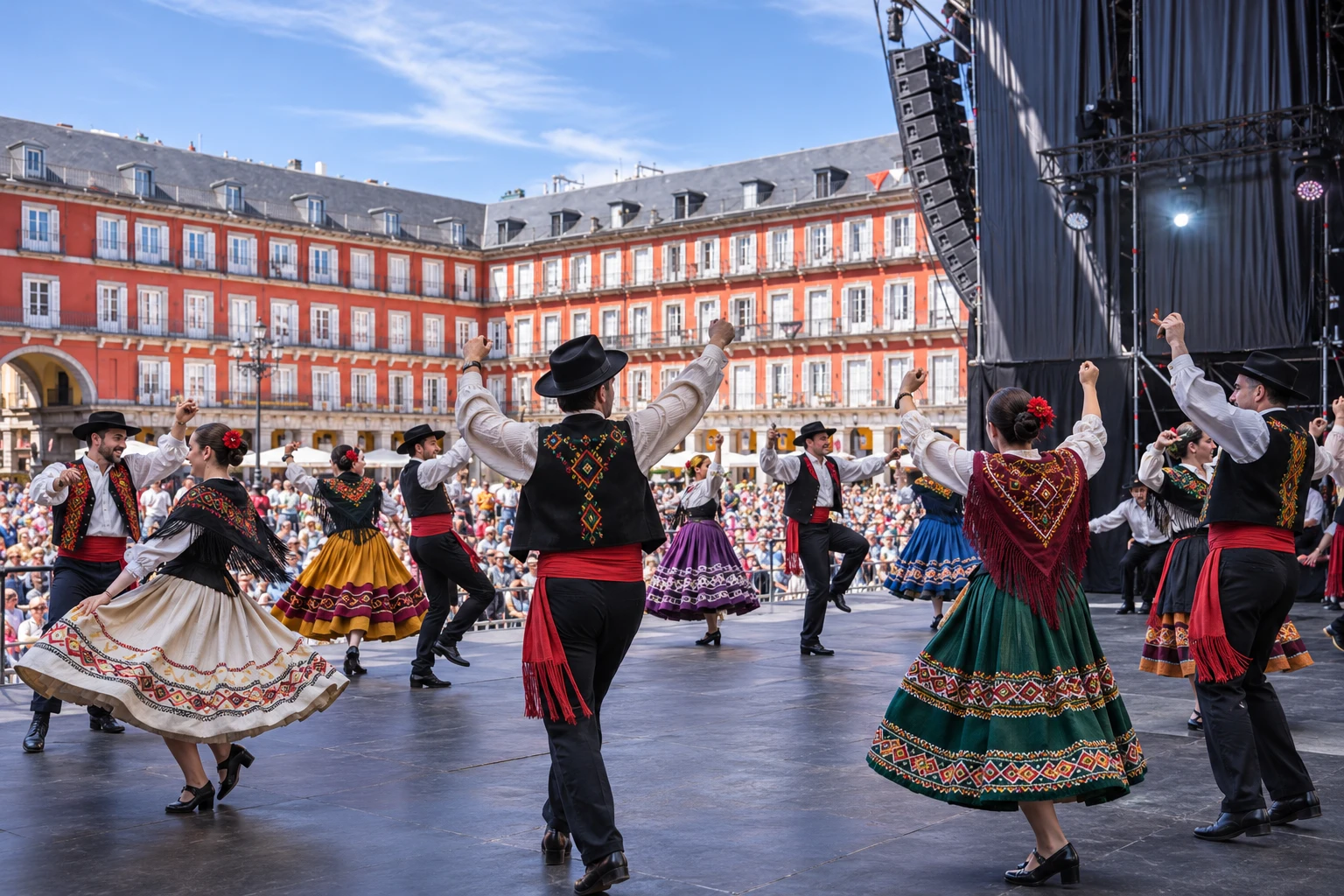
In the center, the festivities begin with the proclamation read in the Plaza de la Villa and continue with zarzuela and popular music concerts in the Plaza Mayor, the Las Vistillas gardens and other city stages, parades of gigantes and cabezudos, chotis and pasodoble dances to the sound of the small street organ (organillo), and activities for all ages. The neighborhoods of La Latina and the old town, where the saint supposedly lived, host many of the events.
For visitors, San Isidro shows a lesser-known side of Madrid: a city that preserves popular festivals with their own costumes, dances and foods, close to the major museums and the Royal Palace. May is also a pleasant month for walking around the city, with mild days and long evenings.
The May 15 pilgrimage to the Pradera de San Isidro, with picnics on the grass and chulapos dancing in front of the hermitage. The queue to drink the spring water at the hermitage of San Isidro. The proclamation of the festivities in the Plaza de la Villa. Zarzuela and popular music concerts in the Plaza Mayor and the Las Vistillas gardens. Chotis dances to the organillo. Gigantes and cabezudos parading through the center. Visiting the Cuadra de San Isidro chapel, open only on the saint’s day, and the Royal Collegiate Church of San Isidro, where the patron’s remains are kept. The Museo de San Isidro, dedicated to the city’s and the saint’s history.
The program is split between the city center and Carabanchel; check the official schedule to choose concerts and events for each day. For the pradera, use the metro: Marqués de Vadillo station is a short walk from the hermitage; on festival days, streets in the area are closed to traffic. May 15 is a local holiday in Madrid and the busiest day at the pradera; the days before are calmer. You don’t need to dress up, but many visitors buy a carnation or a scarf to join the spirit. Bring sunscreen, a hat and water for the afternoon on the grass, and a light jacket for the evening concerts. The concerts and dances in the squares are open to the public.
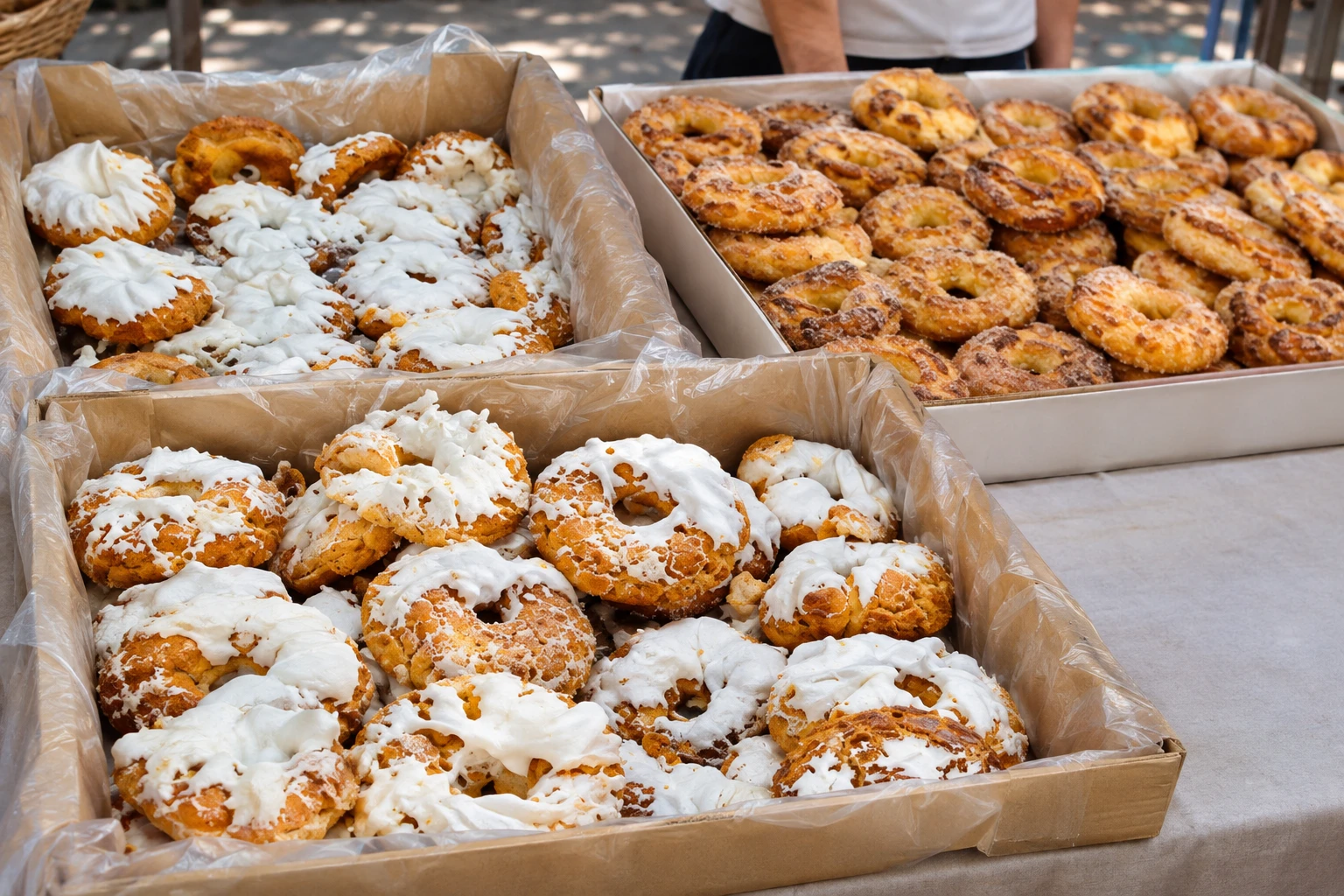
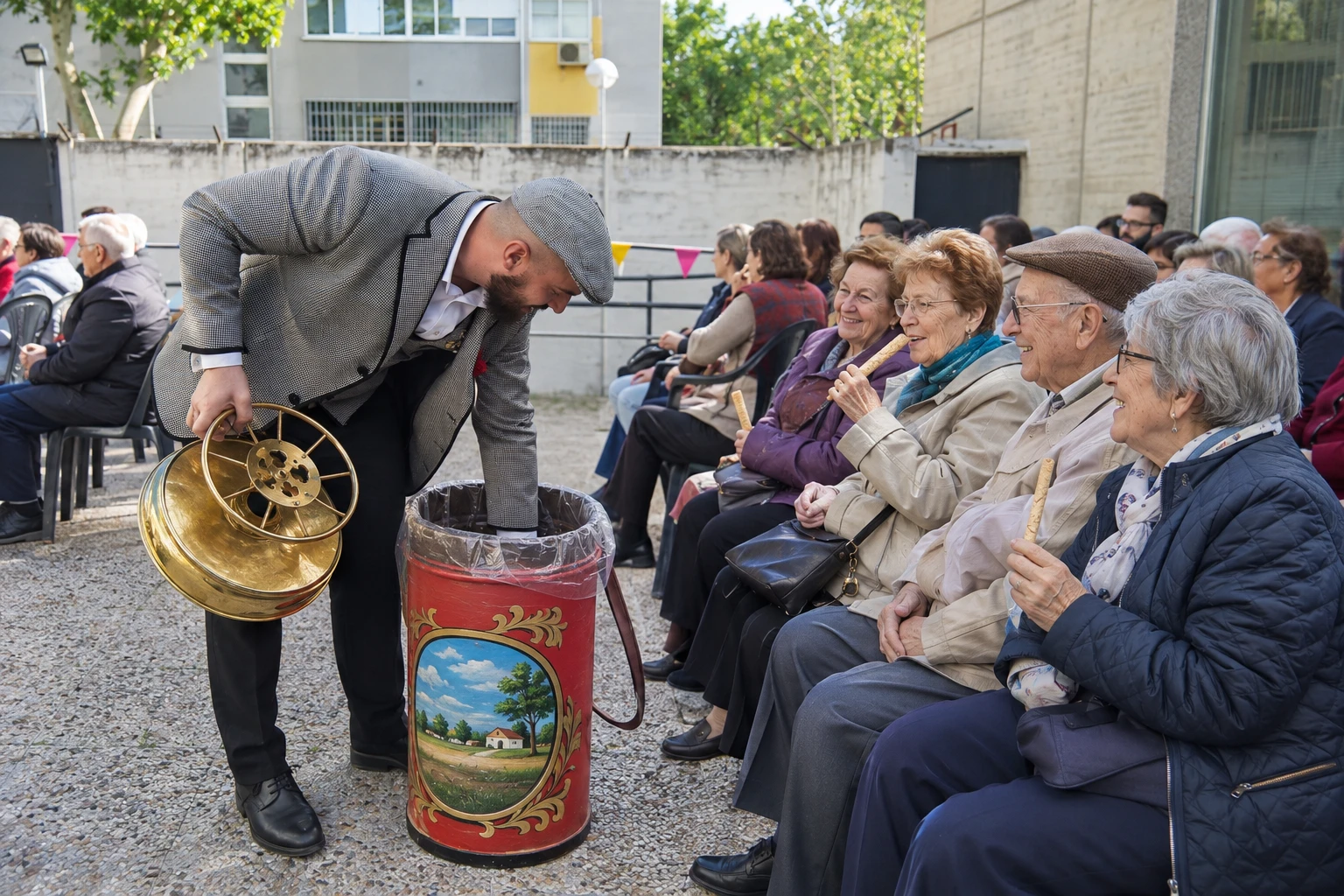
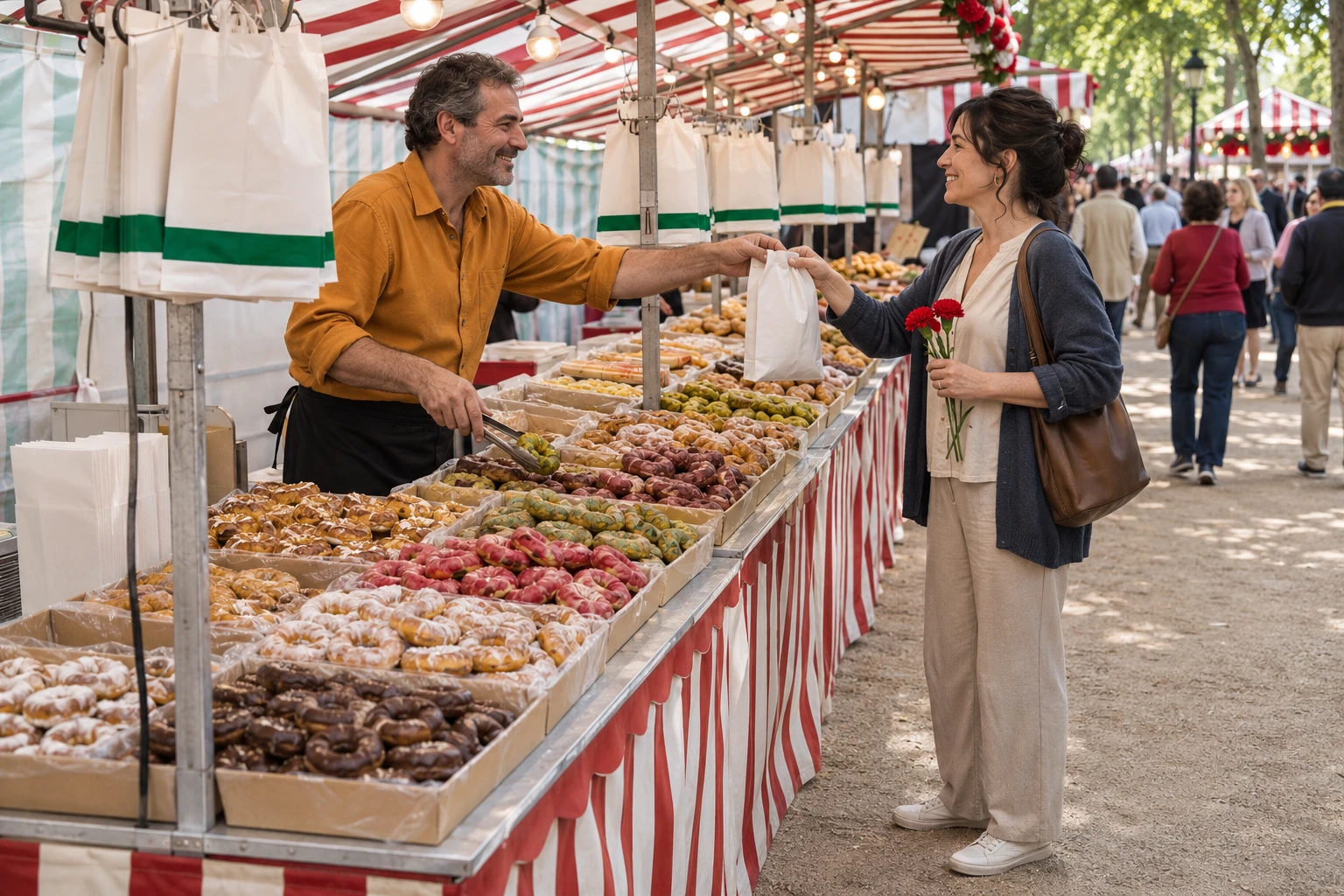
San Isidro rosquillas are the festival’s sweet and fill the city’s bakeries in May: tontas (plain), listas (with sugar glaze), Santa Clara (with dry meringue) and francesas (with almonds). To drink, San Isidro lemonade made with wine, lemon, sugar and chopped fruit. At the pradera and stalls you will also find barquillos, thin rolled wafers sold by barquilleros, and fried calamari sandwiches, Madrid classics.

May is a busy month in Madrid, and rooms near Puerta del Sol are more in demand during the festival weeks and other city events; book in advance. Main concerts in the squares do not require tickets, but they fill up early. The full schedule, with stages and times, is published on the esMadrid portal.
In the city
Flavors of Spain

Baguette-style bread filled with breaded and fried squid rings, eaten standing at the bar. Madrid’s official tourism promotes it as a gastronomic icon of the city, typical of the bars around the Plaza Mayor.

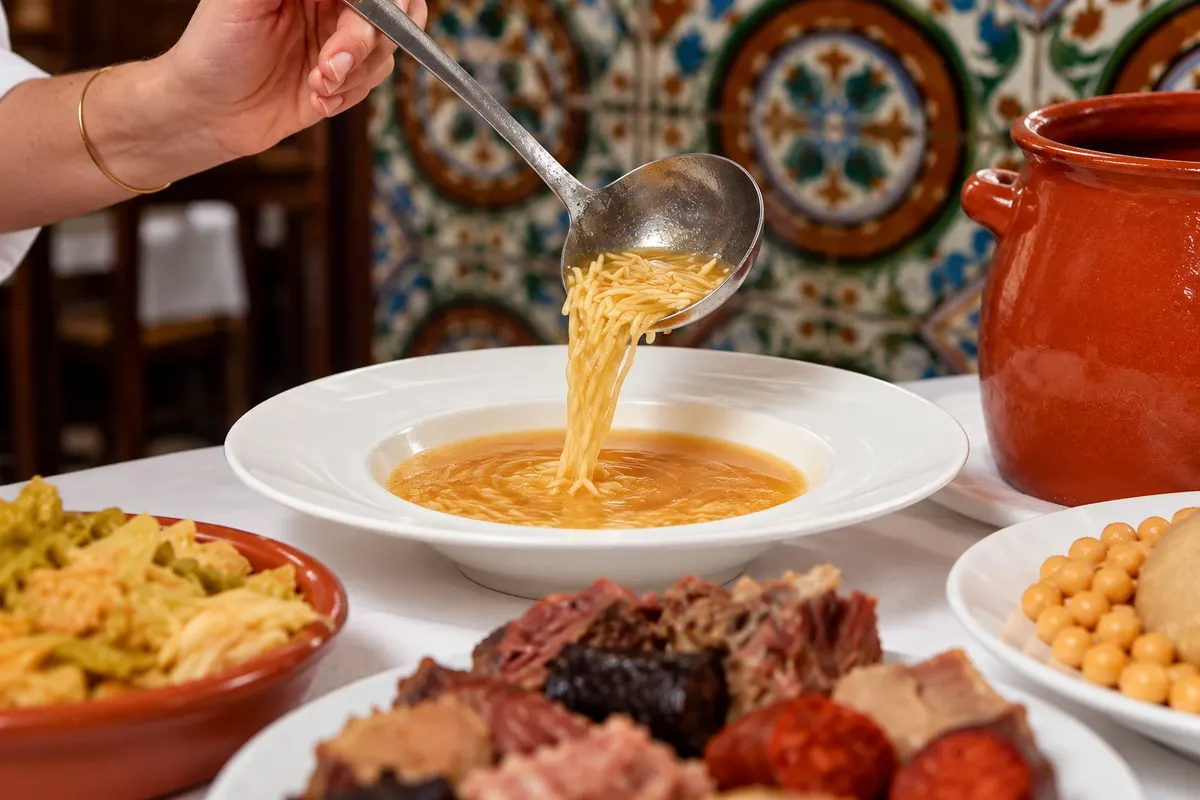
Chickpea stew with meats, cured sausages and vegetables, served in stages called vuelcos: first the soup, then the chickpeas with the vegetables and finally the meats. It was declared an Intangible Cultural Interest asset by the Community of Madrid.
May
Your questions
Around May 15, the day of the patron saint, Saint Isidro Labrador. The schedule of concerts, dances and traditional events usually covers about a week around that date.
They are Madrileños wearing the city’s traditional costume: vest, checkered cap and a carnation for men; manila shawl, headscarf and a fitted dress for women. At San Isidro festivities, they dance the chotis.
On May 15, the pilgrimage gathers Madrileños on the lawn around the saint’s hermitage in Carabanchel to drink the spring water, picnic, dance and watch folk groups.
They are the festival’s pastries: tontas (without topping), listas (with icing), Santa Clara (with dry meringue) and francesas (with almonds). They appear in Madrid’s bakeries in May.
Festivals and events in Spain
JanuaryOn January 20, the feast day of Saint Sebastian, the city's patron: the celebration begins at midnight between January 19 and 20 and ends at the following midnight.
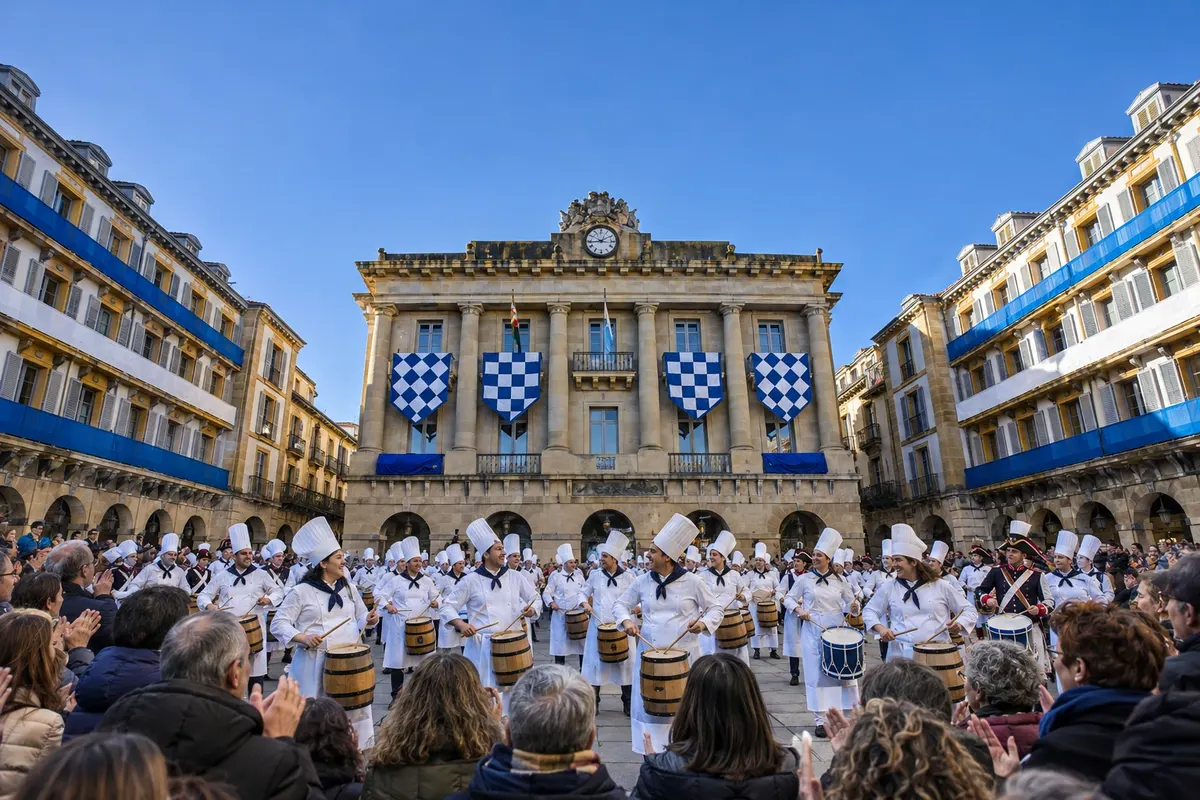
For 24 hours on January 20, San Sebastián, in the Basque Country, honors its patron saint to the sound of drums and barrels: uniformed companies parade through the city playing the marches of Raimundo Sarriegi, from the raising of the flag in Plaza de la Constitución until the lowering in the same square.
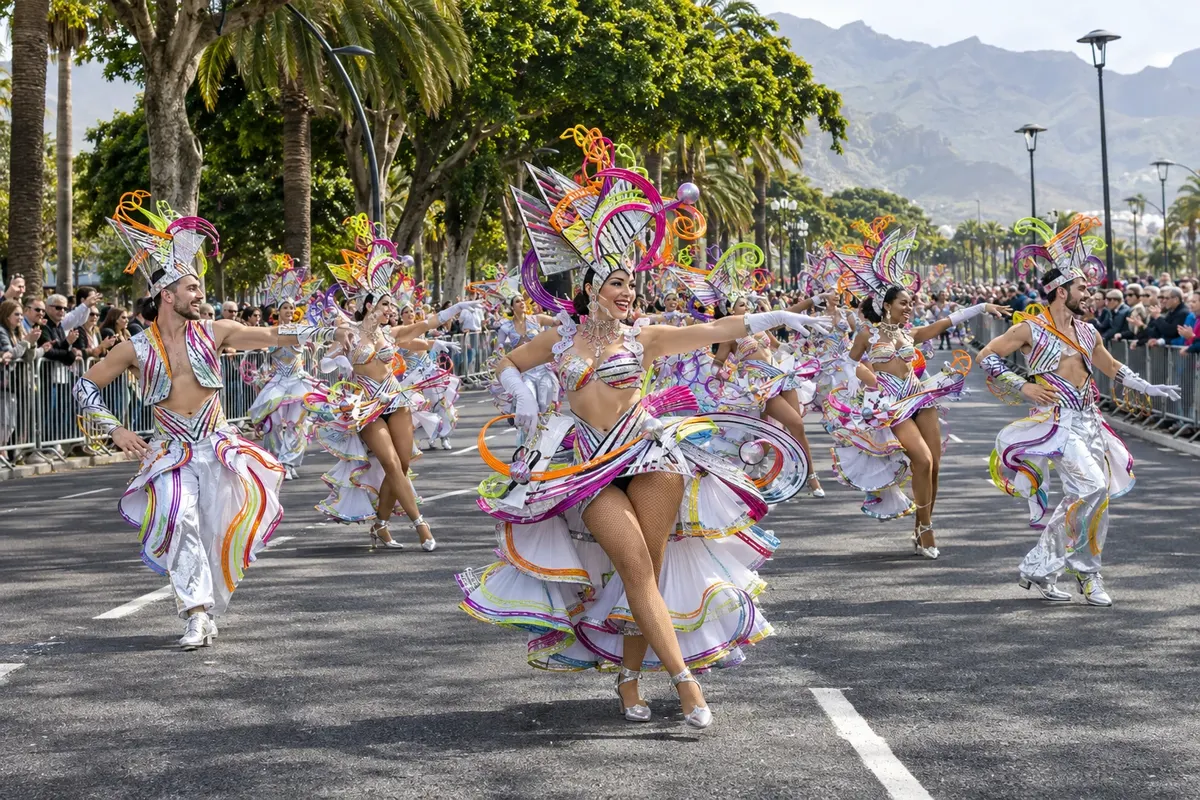
February/MarchAt the end of winter, between February and March, following the movable Carnival calendar: the contests and the queen’s gala take place in the preceding weeks, and the streets celebrate from the opening cavalcade until the weekend after Ash Wednesday.
The capital of Tenerife’s Carnival, in the Canary Islands, with a monumental fantasy queen, murgas, comparsas and rondallas, the big Coso parade on Carnival Tuesday and balls that fill the squares and avenues of the center until dawn.
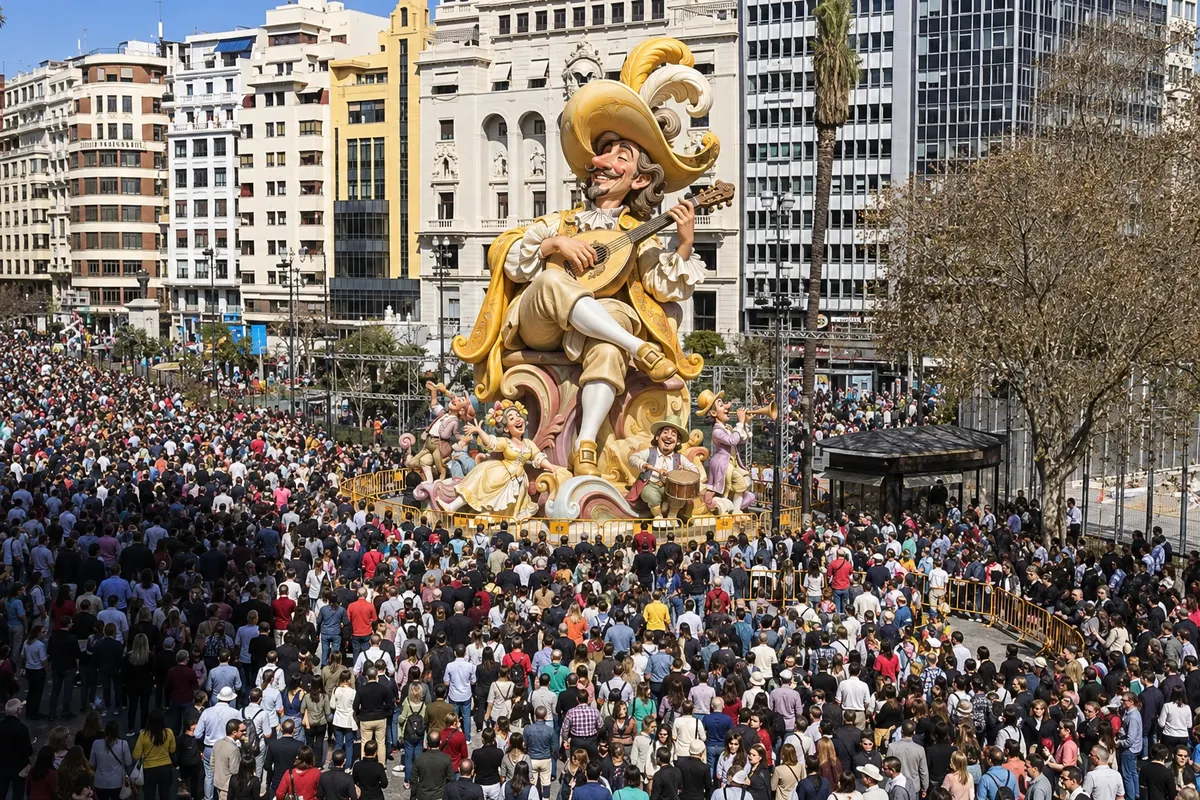
MarchFrom March 1 to 19, with the main days from March 15 to 19; the official opening, the Crida, is on the last Sunday of February.
Valencia’s festival, Intangible Cultural Heritage of Humanity by UNESCO, in which hundreds of satirical monuments of wood, cardboard and cork are erected in the streets, visited for days and burned on the night of March 19 amid fireworks, music and flowers.
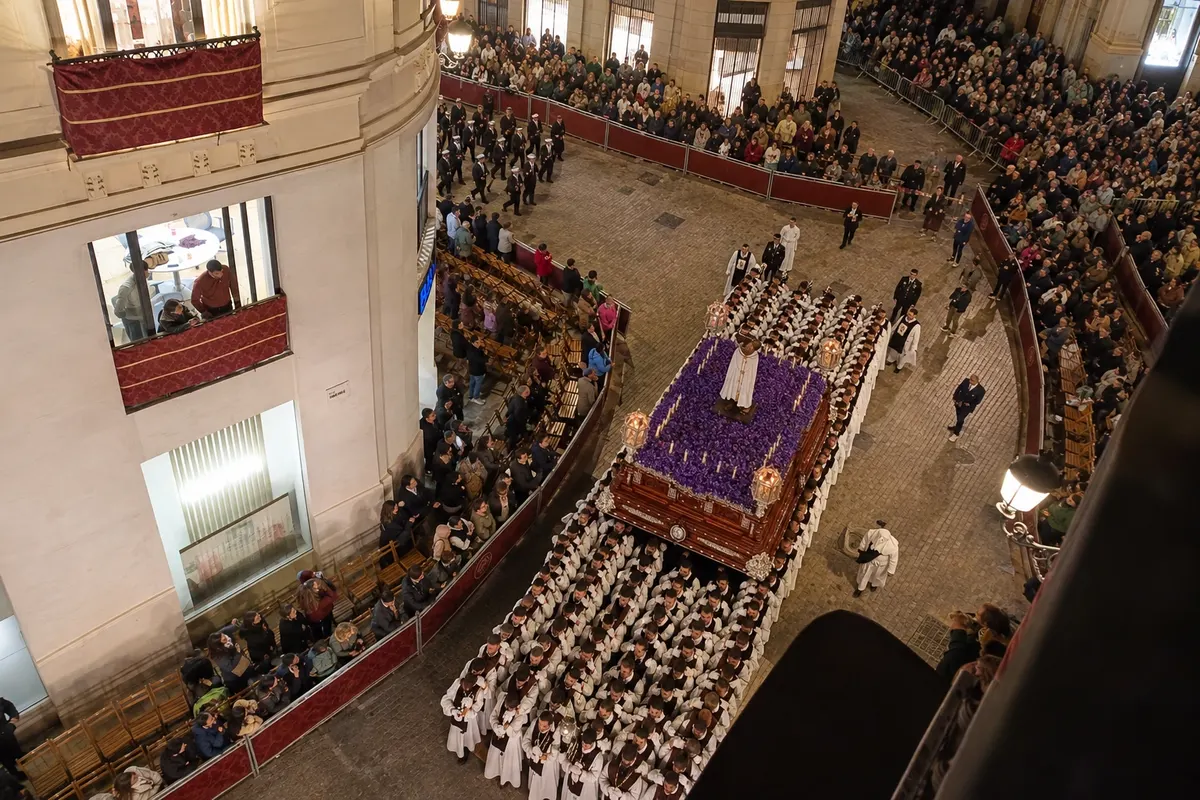
March/AprilIn the week before Easter, from Palm Sunday to Resurrection, in March or April.
During Málaga’s Holy Week on the Costa del Sol, the brotherhoods carry enormous floats through the city center, borne on the shoulders of hundreds of porters, accompanied by marching bands, daytime and nighttime processions, and moments unique to the city, such as the Legion’s landing at the port on Holy Thursday.
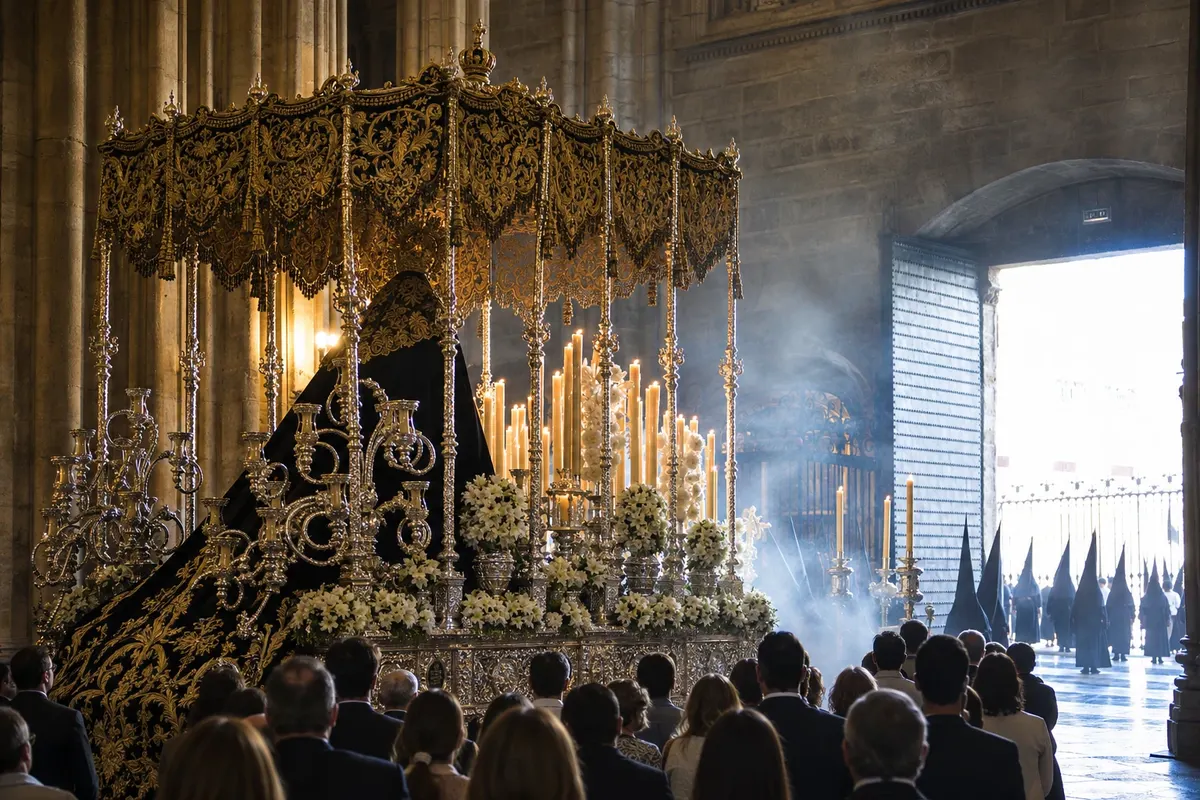
March/AprilFrom Palm Sunday to Easter Sunday, in March or April depending on the date of Easter; smaller processions begin on the previous Friday, Friday of Sorrows.
During Holy Week, the brotherhoods of Seville, the capital of Andalusia, carry images of Christ and the Virgin through the streets on gilded floats carried by costaleros and followed by long lines of penitents, on routes that pass by the cathedral day and night, until the early hours of Good Friday.