Barcelona

Popular festival · Barcelona

Sant Joan Night in Barcelona

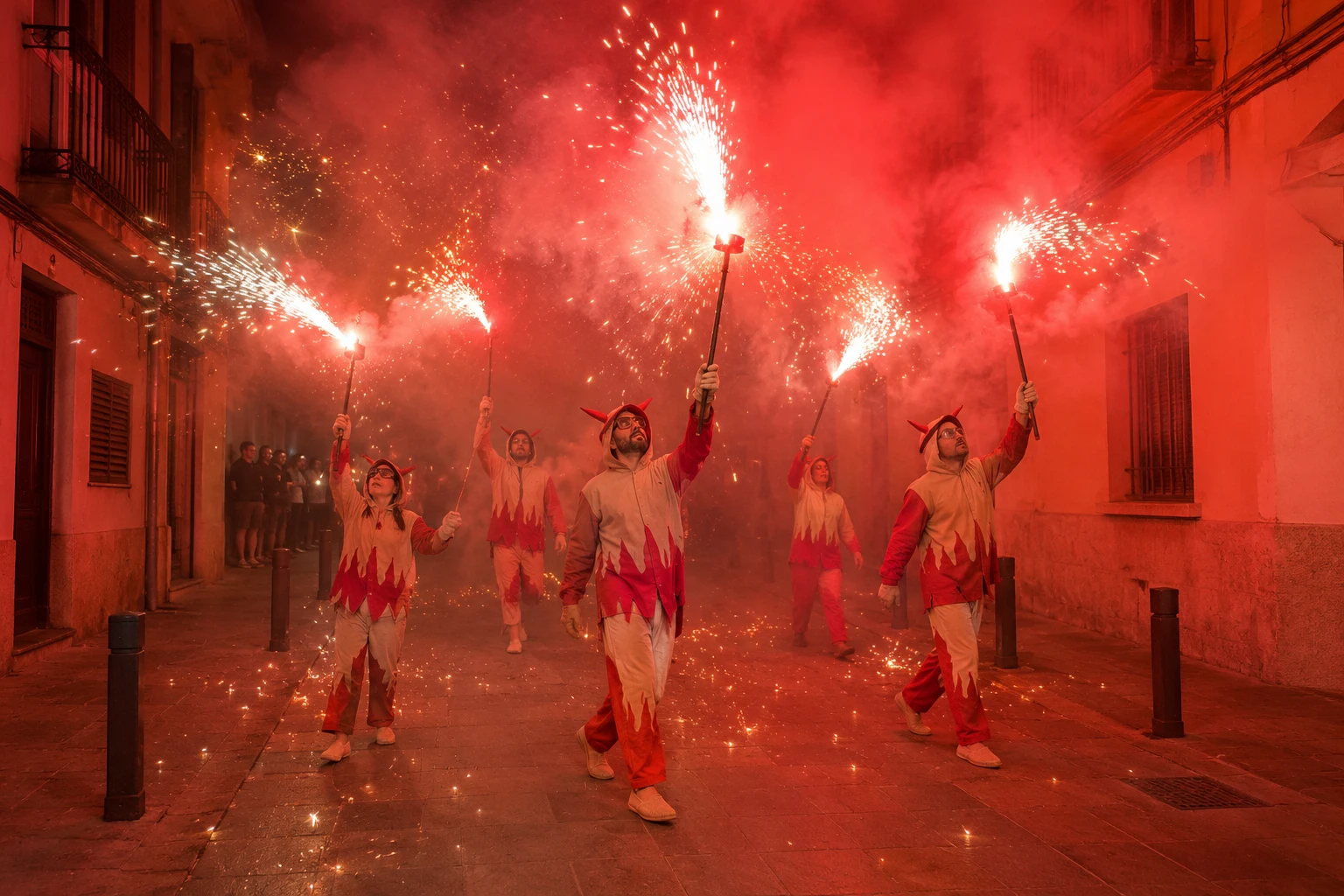
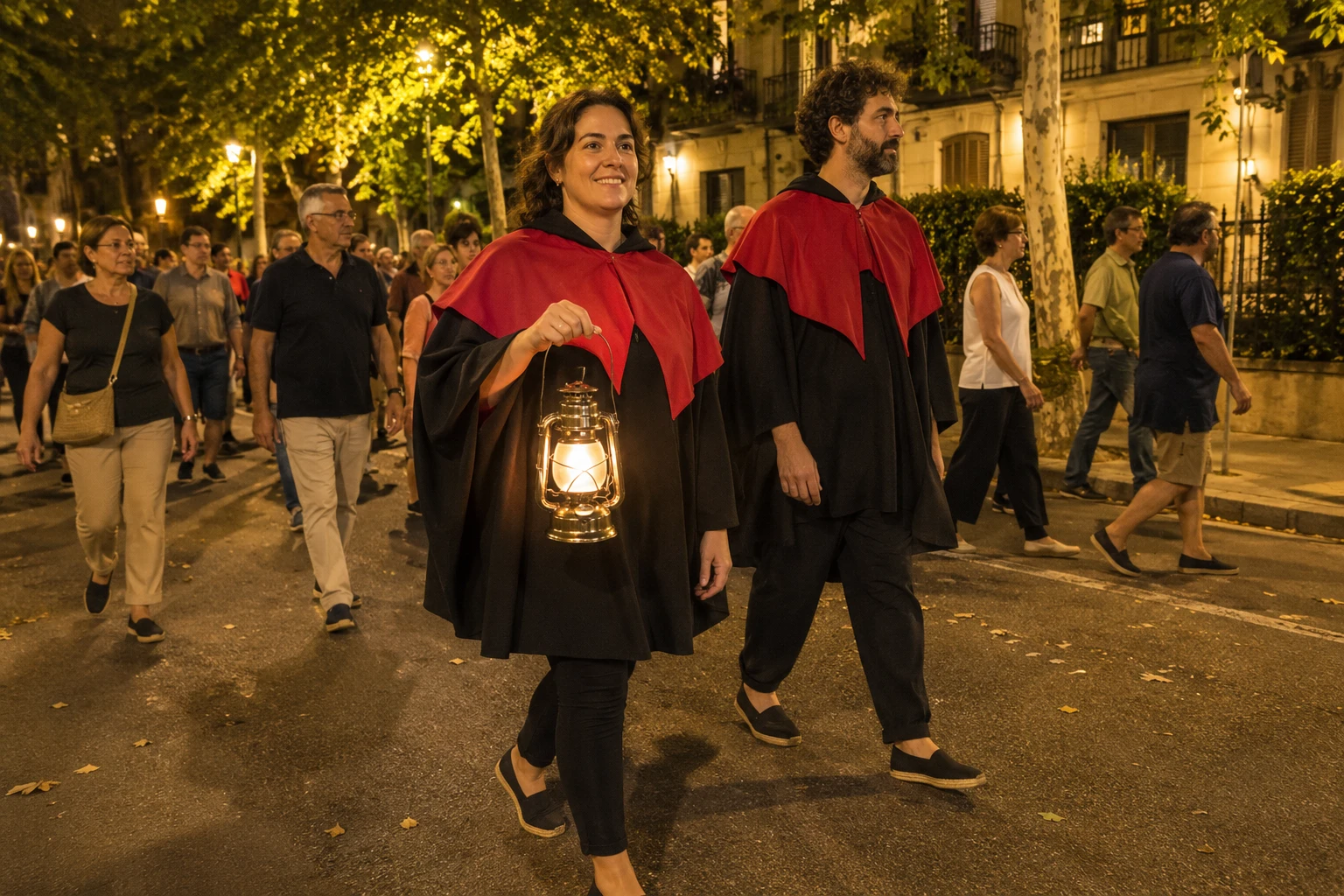
On St. John’s Eve, Barcelona receives the Flama del Canigó, a flame brought from the Pyrenean mountains that lights bonfires in every neighborhood, and experiences one of the shortest nights of the year with street dinners, fireworks, groups of devils, coca and cava in the squares and along the waterfront.

In the photo: Barcelona

Illustrative images. The pictures in this guide are illustrations based on the real place, not photographs, and may differ from it.

Get it on Google Play

Click a photo to enlarge it.

Sant Joan Night in Barcelona — Barcelona
Sant Joan Night in Barcelona
Sant Joan Night in Barcelona — Barcelona
Sant Joan Night in Barcelona
Sant Joan Night in Barcelona — Barcelona
Sant Joan Night in Barcelona
Sant Joan Night in Barcelona — Barcelona
Sant Joan Night in Barcelona

Sant Joan Night in Barcelona — Barcelona

When

On the night of June 23–24, the eve of St. John, one of the shortest nights of the year; St. John’s Day, June 24, is a public holiday in Catalonia.

June

Where

Barcelona

Catalunha

Organizer

Official website

Dates, program and tickets

Dates change every year: check this year's date before you travel.

The festival

What is Sant Joan Night in Barcelona

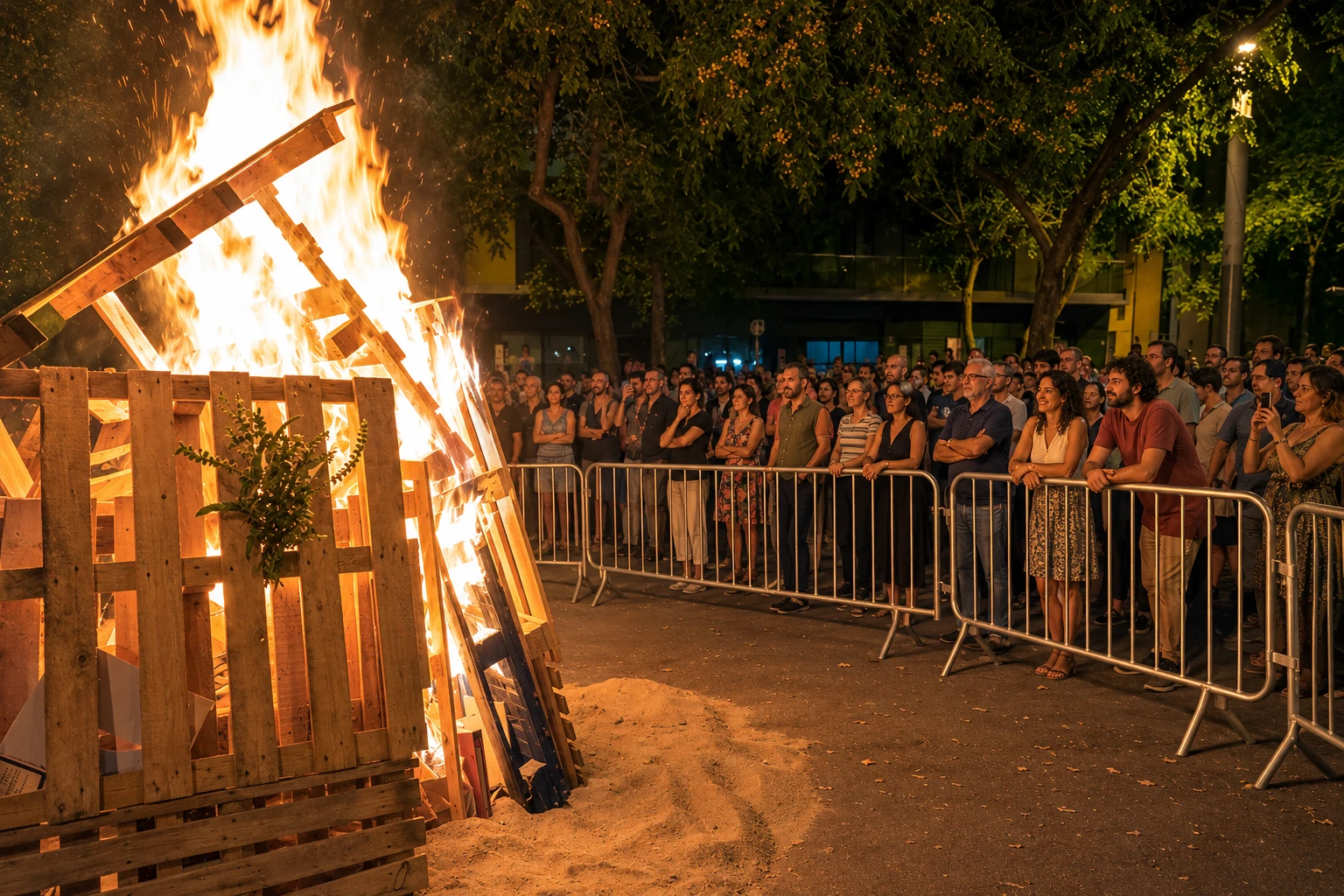
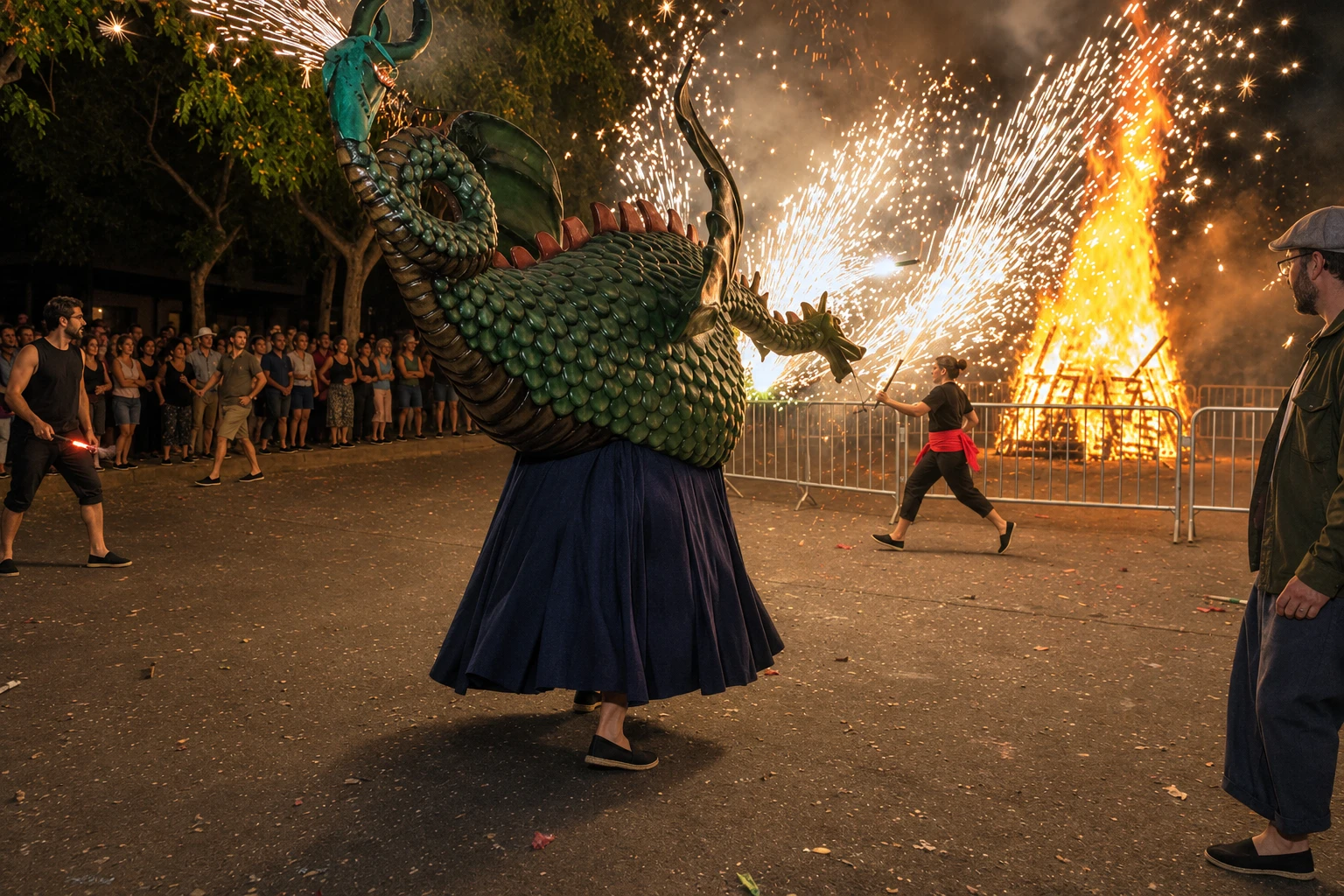
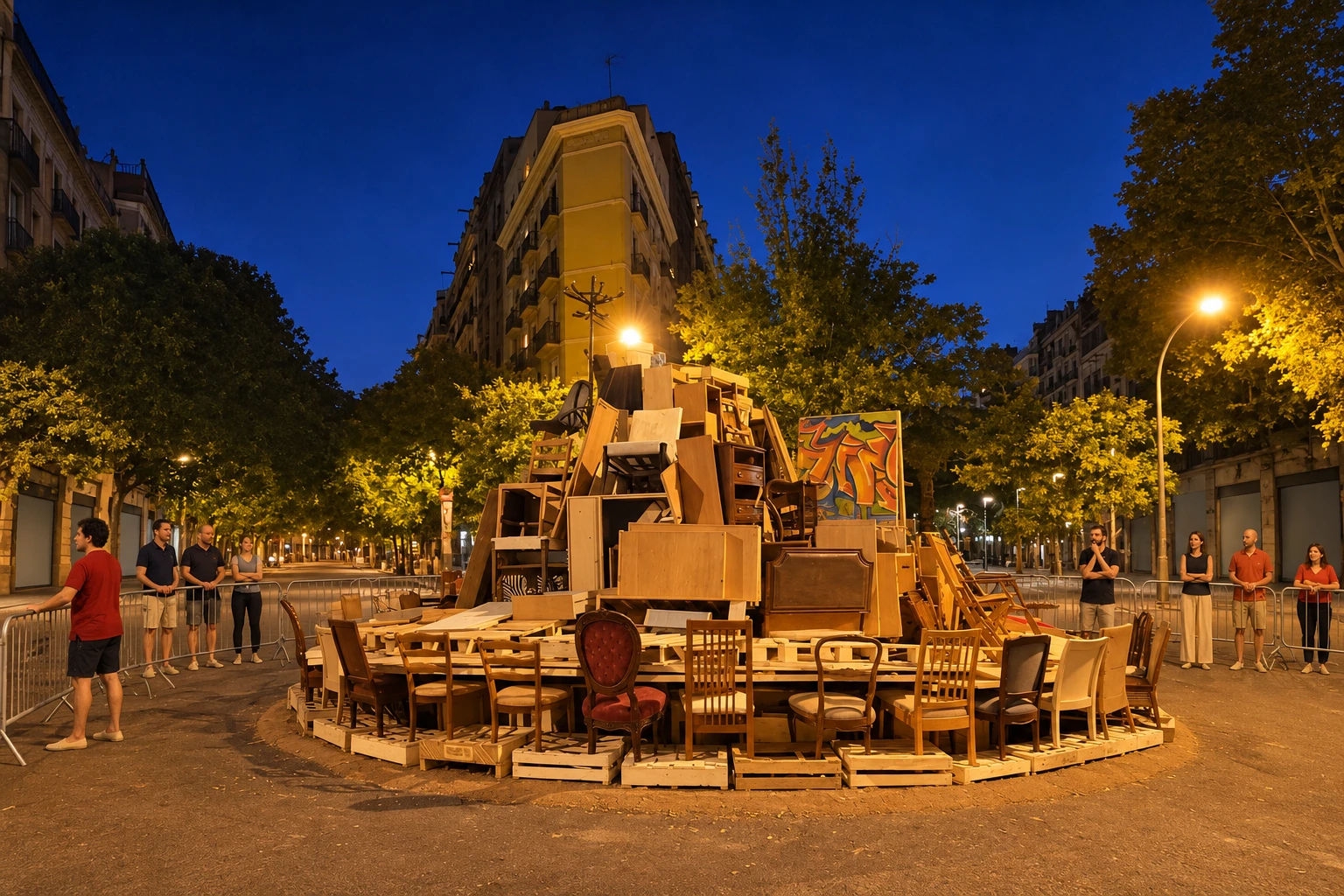
La Revetlla de Sant Joan, St. John’s Eve, is one of the most celebrated nights in Barcelona and throughout Catalonia. On the night of June 23–24 the city marks the arrival of summer with fire: neighborhood bonfires, fireworks, small firecrackers and groups of devils and dragons that dance among sparks. There isn’t a single central party: each neighborhood, each street and each association organizes its own, and residents gather for outdoor dinners, dancing and waiting for dawn.

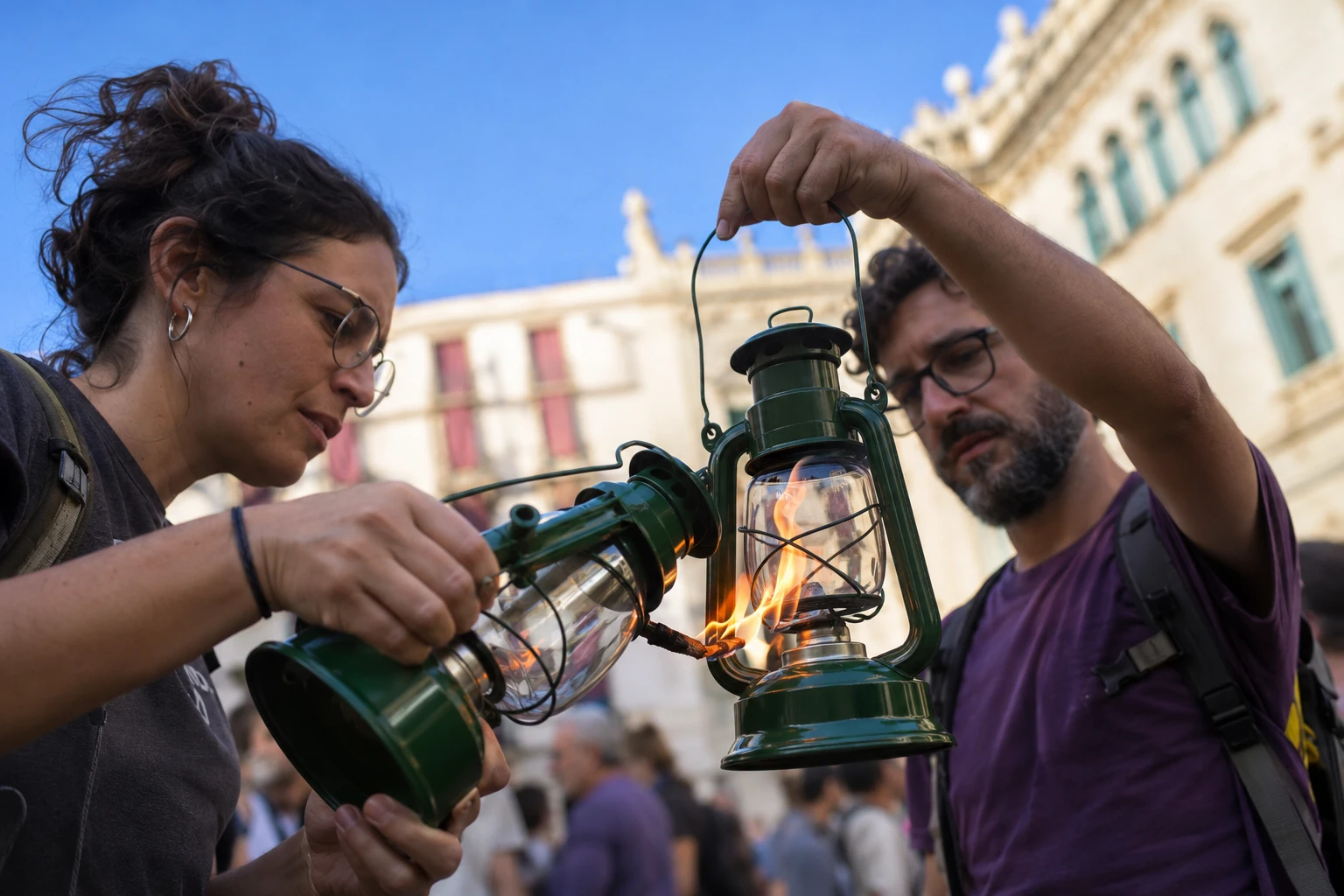
The tradition of lighting bonfires on the solstice night is ancient and was absorbed into the Christian calendar as the eve of Saint John the Baptist. In Catalonia it gained its own symbol in the 20th century: the Flama del Canigó. Since the 1950s the fire has been lit on the summit of Canigó, a Pyrenean mountain linked to Catalan identity and celebrated by the poet Jacint Verdaguer, and carried in relay by volunteers to Catalan-speaking towns and villages. The flame burns year-round in Perpinyà and is rekindled on the peak shortly before the festival.

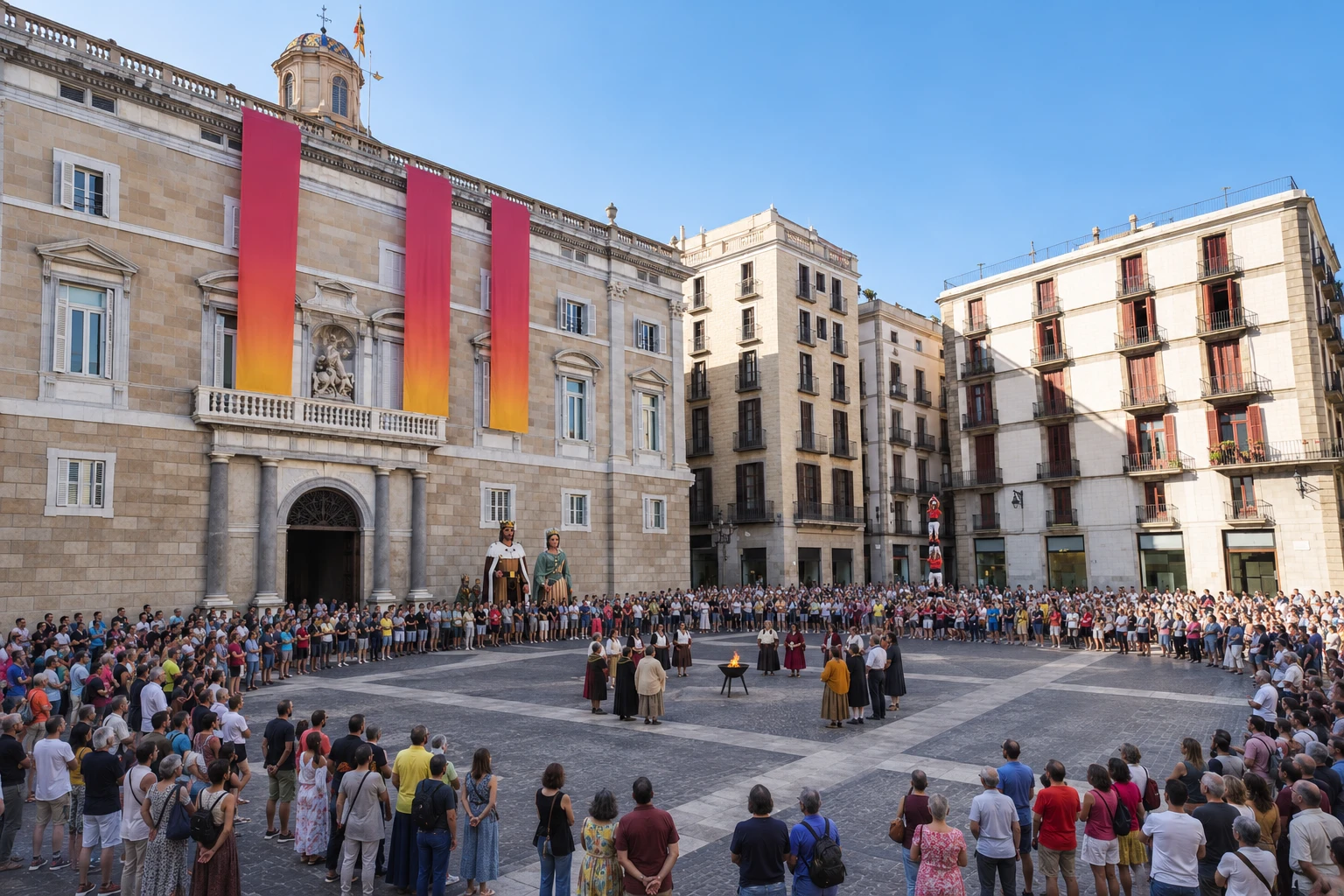
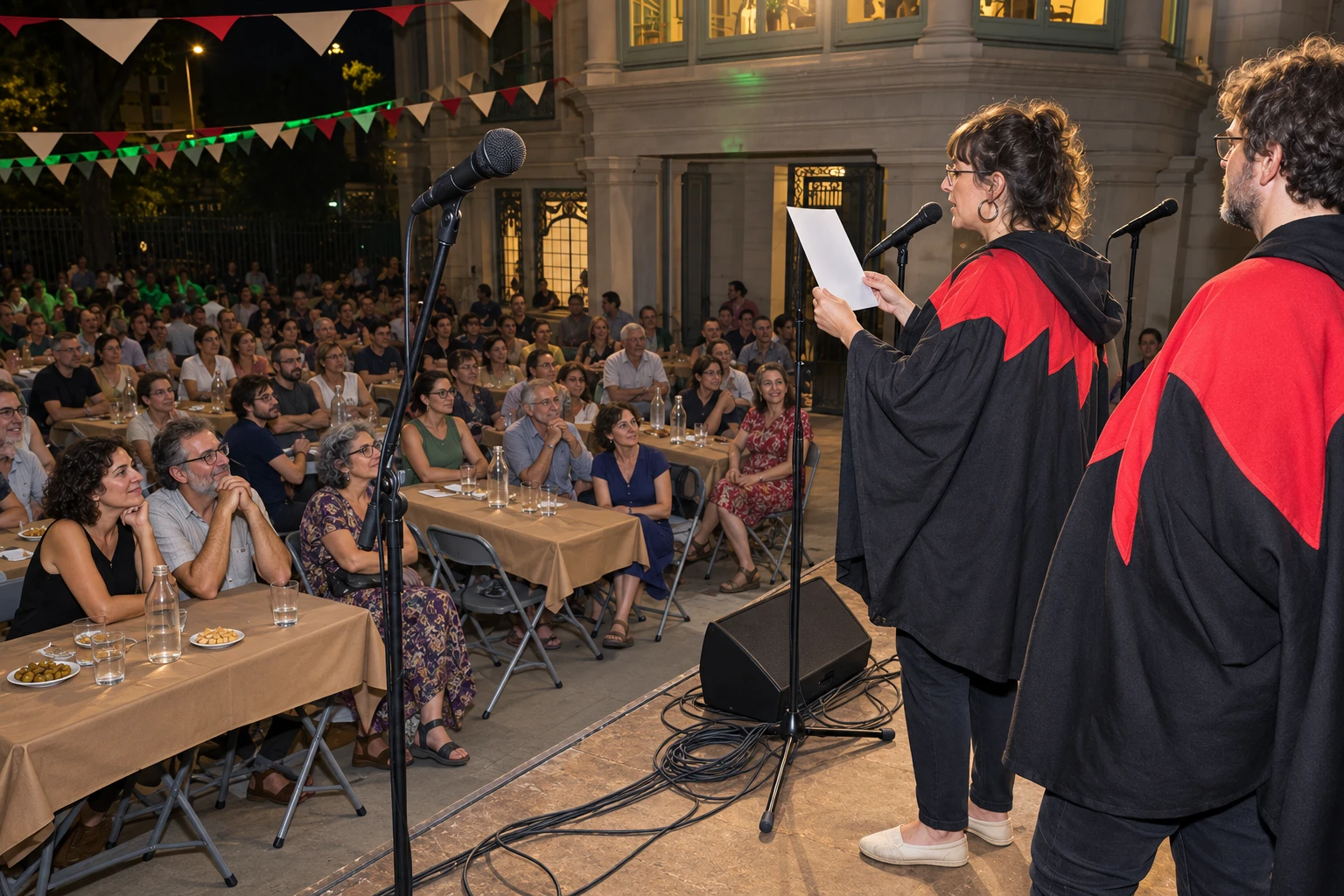
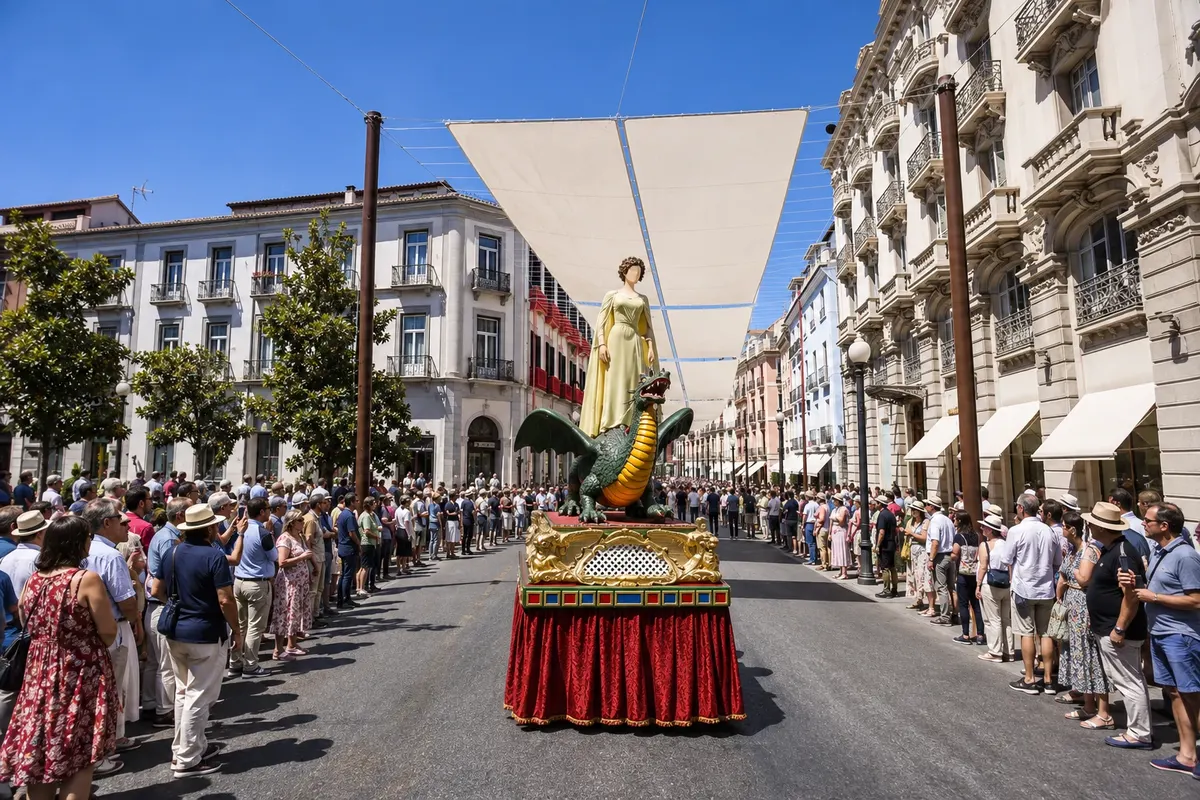
In Barcelona, the Flame arrives on the afternoon of June 23 at the Plaça de Sant Jaume in the old town, in front of the city hall and the Catalan government. The reception includes sardanes, the Catalan circle dance, gigantes, the city’s eagle and sometimes castellers forming a human tower in tribute to the fire. After a message is read, neighborhood representatives light torches and carry the flame to ignite the bonfires across the city.

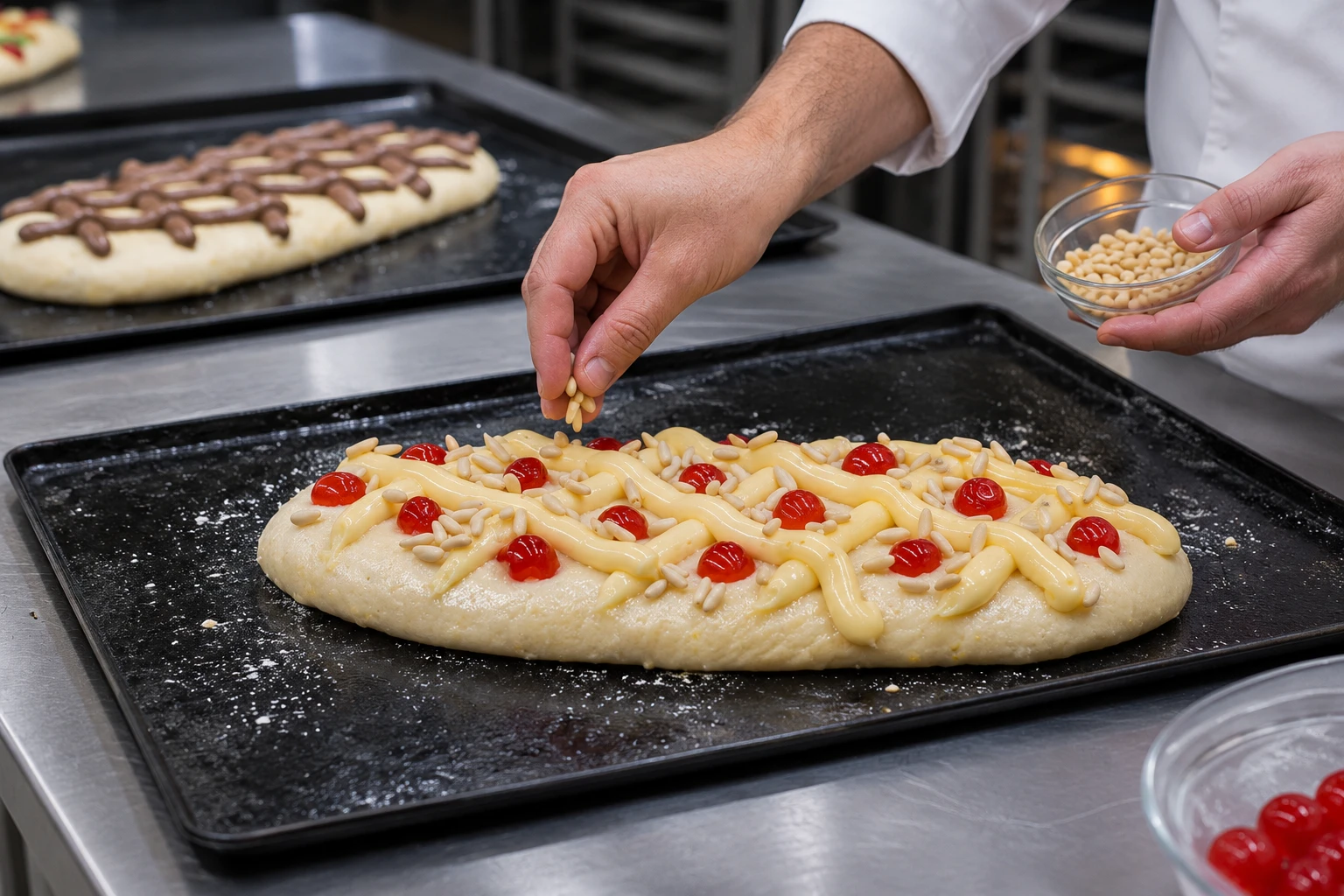
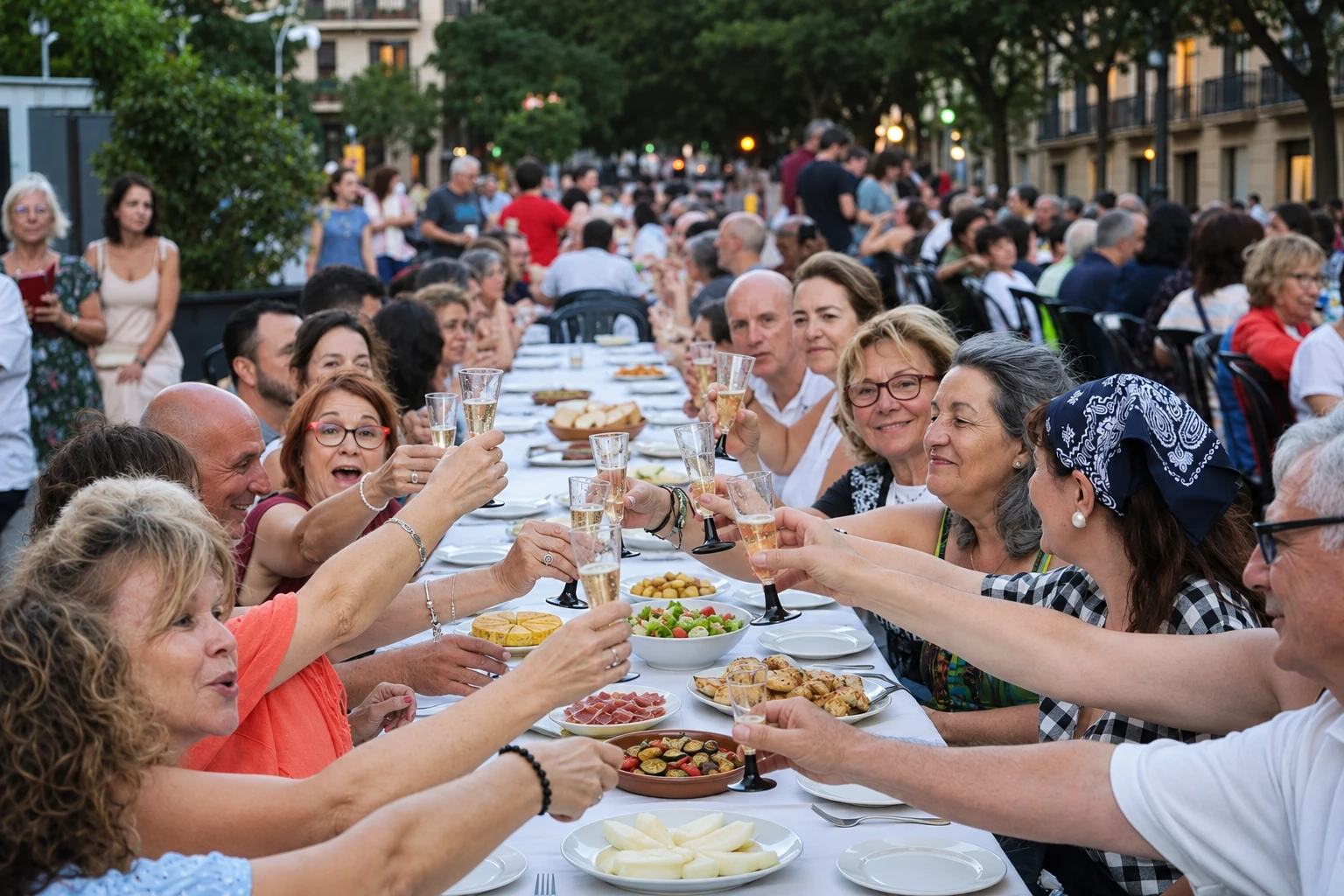
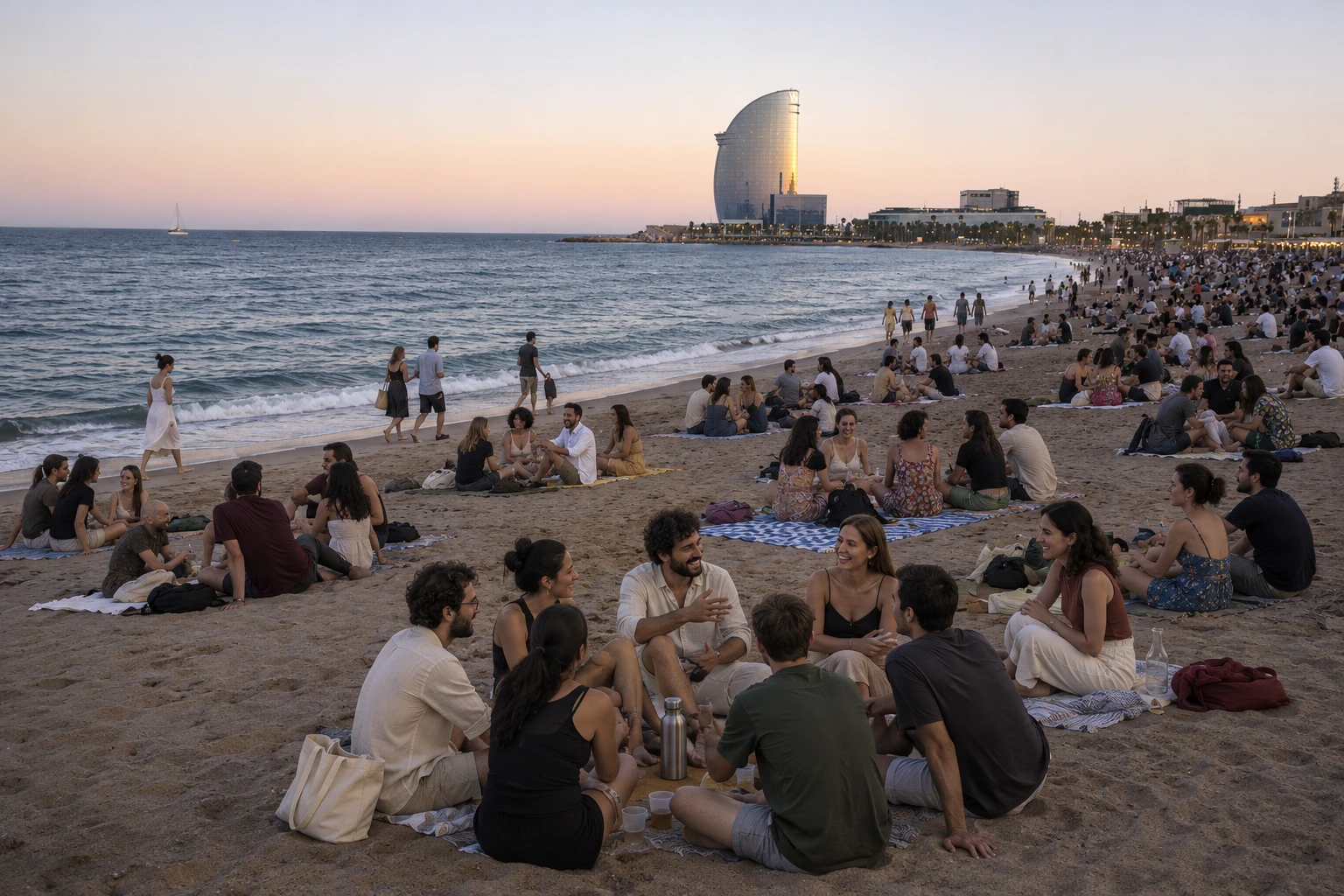
The night continues in different rhythms. In the neighborhood squares of Gràcia, Sants, Poblenou, Sant Andreu and the Raval there are bonfires, correfocs, concerts, communal dinners and dancing until dawn. Many Barcelonans go to the waterfront, where the beaches fill with groups of people, with music and fireworks in the distance. On the table you’ll find coca de Sant Joan, a sweet dough topped with candied fruit and pine nuts, and cava, the Catalan sparkling wine.

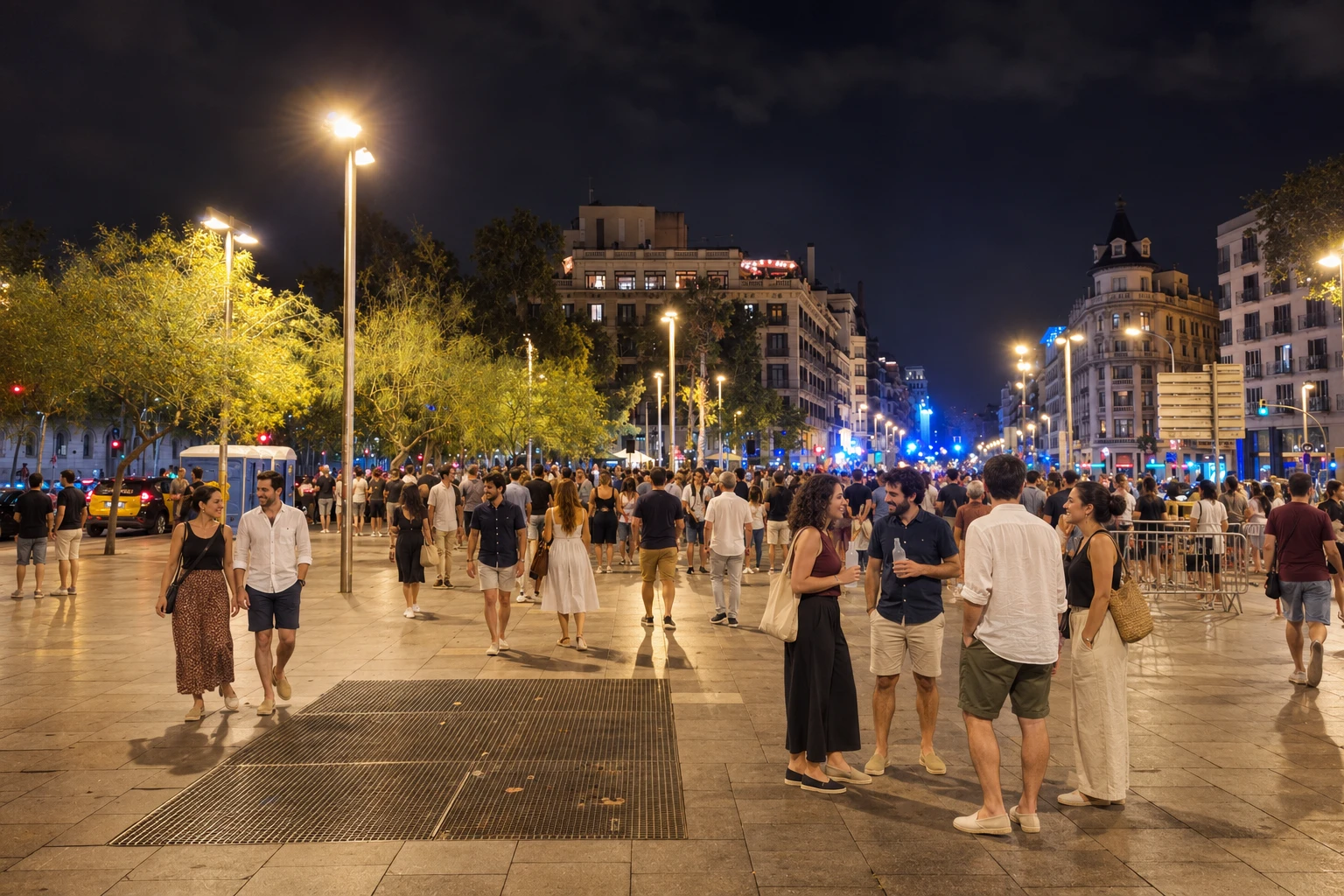
For visitors, Sant Joan night is a way to see Barcelona in neighborhood celebration, away from the usual monument routes, on a night when the whole city seems to be out on the street. The following morning, a public holiday, starts slowly after a night many end only at sunrise.

Share: WhatsApp

What not to miss

The arrival of the Flama del Canigó at Plaça de Sant Jaume on the afternoon of June 23, with sardanes, gigantes and the city’s eagle. The departure of the groups that carry the flame to the neighborhoods. The lighting of a neighborhood bonfire, with the reading of the Flame’s message. A correfoc, with devils and dragons throwing sparks through the streets. A street dinner with neighbors in squares such as those in Gràcia or Poblenou. The waterfront at dawn, with crowded beaches and fireworks in the distance. Coca de Sant Joan with cava at midnight or at sunrise.

How to enjoy it

Each neighborhood’s program is published by the city council in the days before; choose one or two neighborhood parties and get around on foot or by metro, which usually runs special service that night. On the beaches, municipal rules prohibit lighting bonfires, setting off small firecrackers and smoking, and ask that trash be placed in containers installed for the celebration; the official bonfires are in the neighborhood squares. The night is long: rest in the afternoon, bring water and light clothing, and expect shops to be closed on the morning of the St. John holiday.

What to eat

Coca de Sant Joan is the night’s sweet: a soft, flattened dough topped with candied fruit and pine nuts, or with pork crackling, or filled with cream or whipped cream, sold in bakeries across Catalonia in the days before. It is paired with cava, the Catalan sparkling wine. At street dinners and family tables you’ll also find salads, Catalan cured sausages such as fuet, and pa amb tomàquet (bread with tomato).


Plan ahead

June is already high season in Barcelona, and accommodation near the center and the beaches tends to be in higher demand that week; book in advance. Neighborhood parties do not require tickets, but some communal dinners ask for prior reservation with the organizing association. The Barcelona city council publishes the list of bonfires and parties by district a few days before.

In the city

Make the most of Barcelona

June

Around the same time

Your questions

Questions about Sant Joan Night in Barcelona

When is Sant Joan night in Barcelona?

On the night of June 23–24, St. John’s Eve. The celebration begins in the afternoon with the arrival of the Flama del Canigó in the center and continues until dawn. The following day is a public holiday and the city wakes up late.

What is the Flama del Canigó?

It is a fire lit on the summit of Canigó, a Pyrenean mountain, and carried in relay to Catalan-speaking towns. In Barcelona it arrives at Plaça de Sant Jaume and lights the neighborhoods’ bonfires.

Can you light a bonfire on the beach in Barcelona on St. John?

No. Municipal regulations forbid lighting bonfires, setting off small firecrackers and smoking on the beaches. Official bonfires are held in neighborhood squares, organized by associations.

What is eaten on Sant Joan night?

Coca de Sant Joan, a sweet dough topped with candied fruit and pine nuts or filled with cream, served with cava, the Catalan sparkling wine.

Festivals and events in Spain

Other festivals

Tamborrada of San Sebastián January
Popular festival · San Sebastián

Tamborrada of San Sebastián

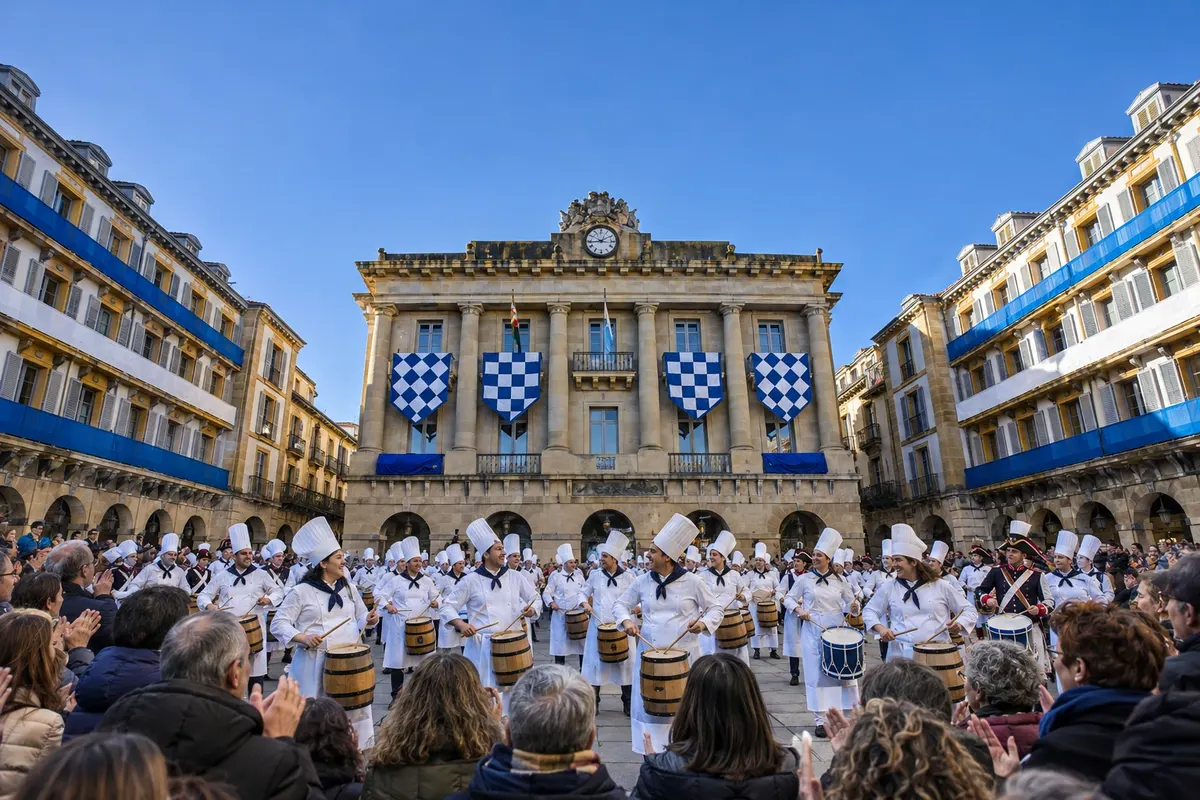
On January 20, the feast day of Saint Sebastian, the city's patron: the celebration begins at midnight between January 19 and 20 and ends at the following midnight.

For 24 hours on January 20, San Sebastián, in the Basque Country, honors its patron saint to the sound of drums and barrels: uniformed companies parade through the city playing the marches of Raimundo Sarriegi, from the raising of the flag in Plaza de la Constitución until the lowering in the same square.

Carnival of Santa Cruz de Tenerife February/March
Popular festival · Santa Cruz de Tenerife

Carnival of Santa Cruz de Tenerife

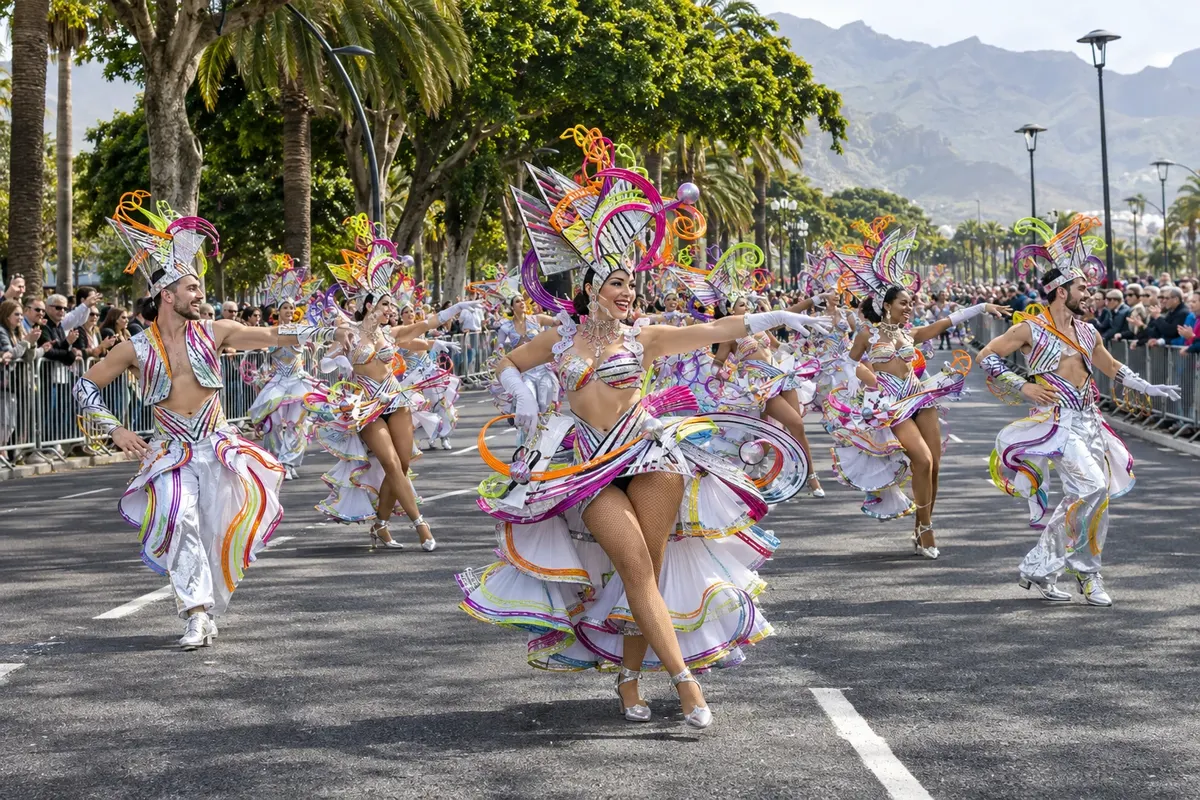
At the end of winter, between February and March, following the movable Carnival calendar: the contests and the queen’s gala take place in the preceding weeks, and the streets celebrate from the opening cavalcade until the weekend after Ash Wednesday.

The capital of Tenerife’s Carnival, in the Canary Islands, with a monumental fantasy queen, murgas, comparsas and rondallas, the big Coso parade on Carnival Tuesday and balls that fill the squares and avenues of the center until dawn.

Holy Week in Seville March/April
Religious festival · Seville

Holy Week in Seville

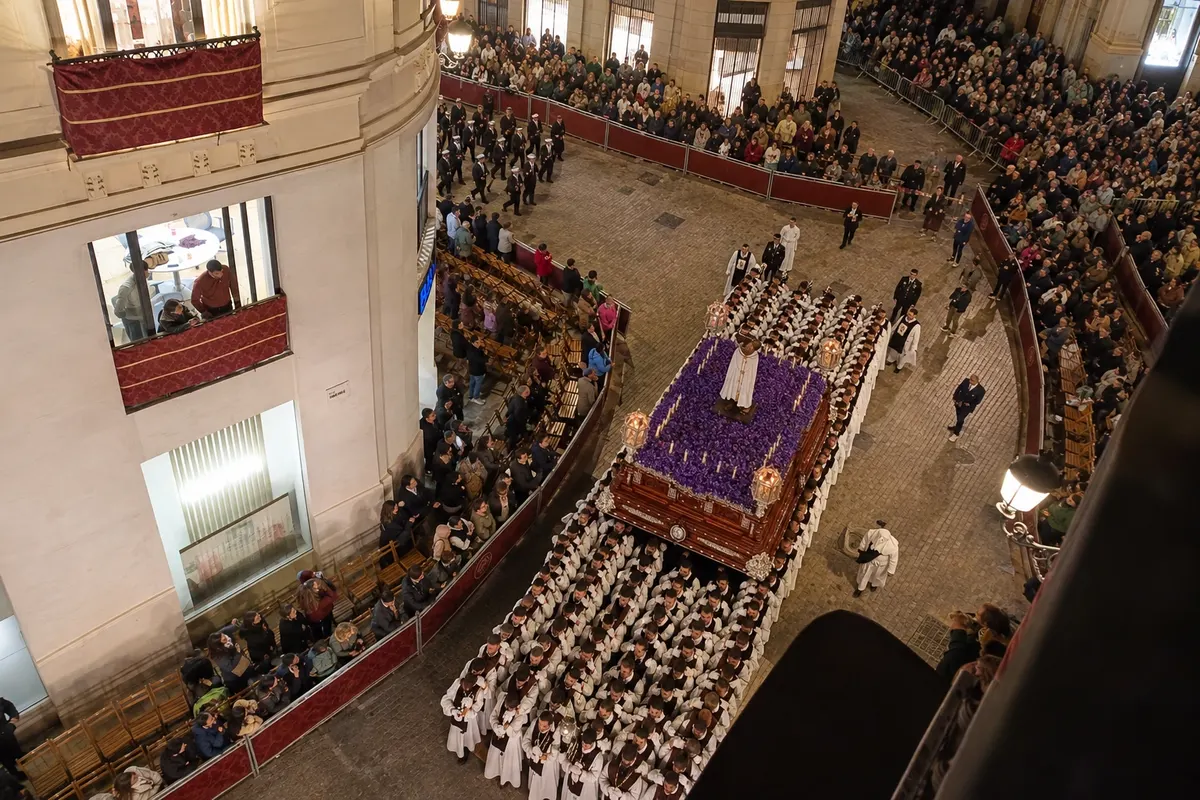
From Palm Sunday to Easter Sunday, in March or April depending on the date of Easter; smaller processions begin on the previous Friday, Friday of Sorrows.

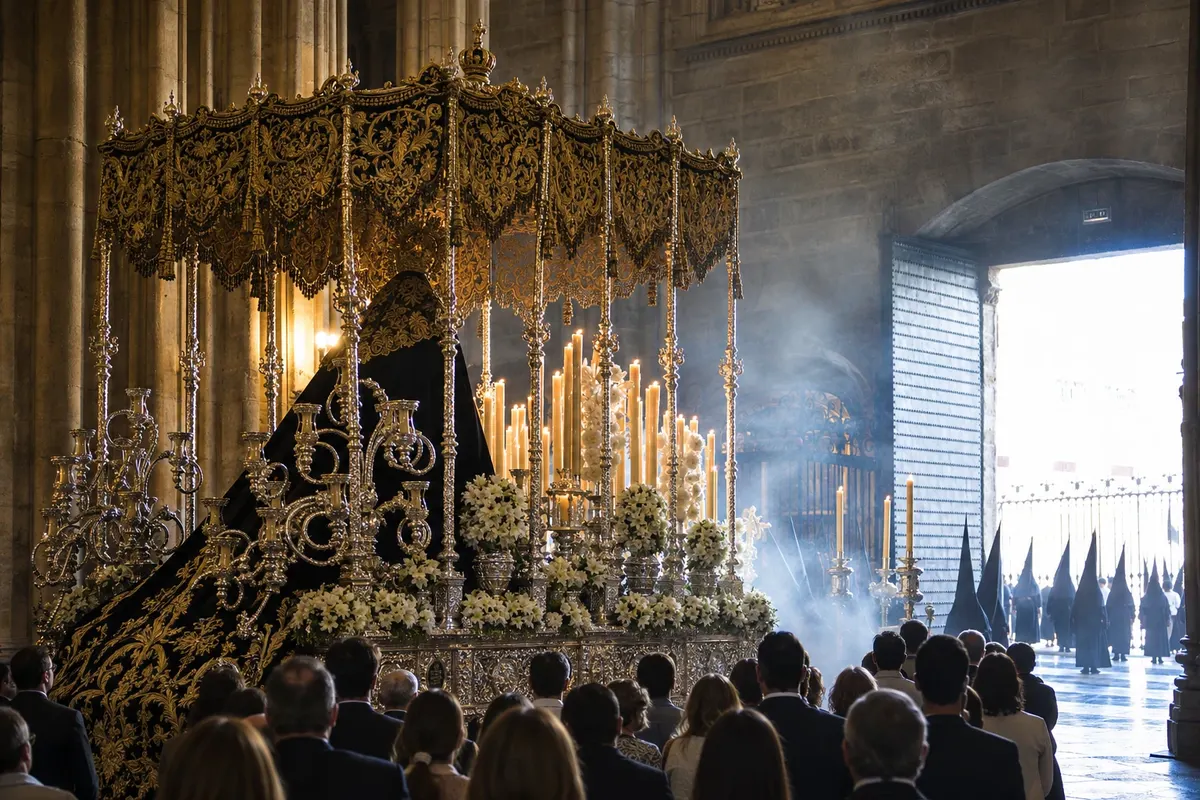
During Holy Week, the brotherhoods of Seville, the capital of Andalusia, carry images of Christ and the Virgin through the streets on gilded floats carried by costaleros and followed by long lines of penitents, on routes that pass by the cathedral day and night, until the early hours of Good Friday.

Seville April Fair April/May
Popular festival · Seville

Seville April Fair

In April or May, one or two weeks after Holy Week, depending on the date of Easter; it lasts about a week, from the night of the pescaíto and the alumbrao until the fireworks on the last night.

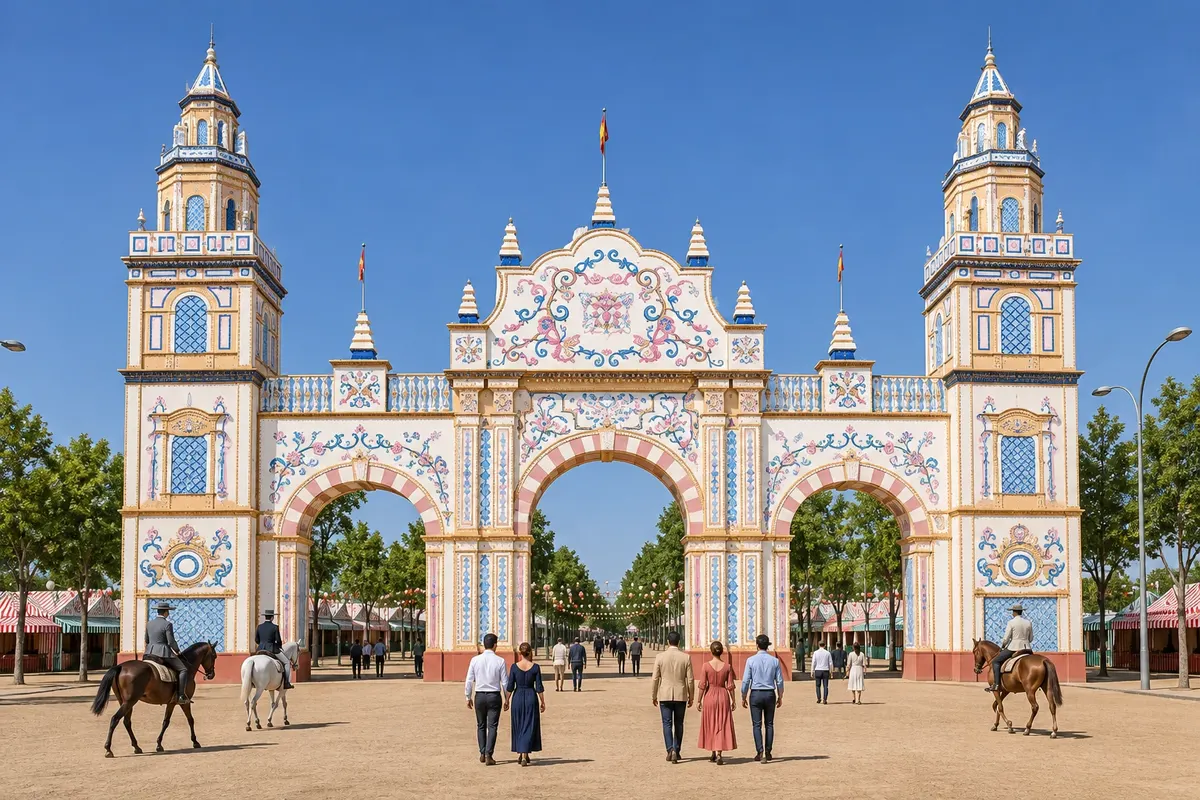
A weeklong party in Seville’s fairground, between Los Remedios and the Guadalquivir: streets of decorated casetas with lanterns, a noon parade of horses and carriages, flamenco-style dresses, sevillanas danced until the early hours, and the amusement park on the Calle del Infierno.

See the full calendar