Alicante

Popular festival · Alicante

Hogueras de San Juan de Alicante

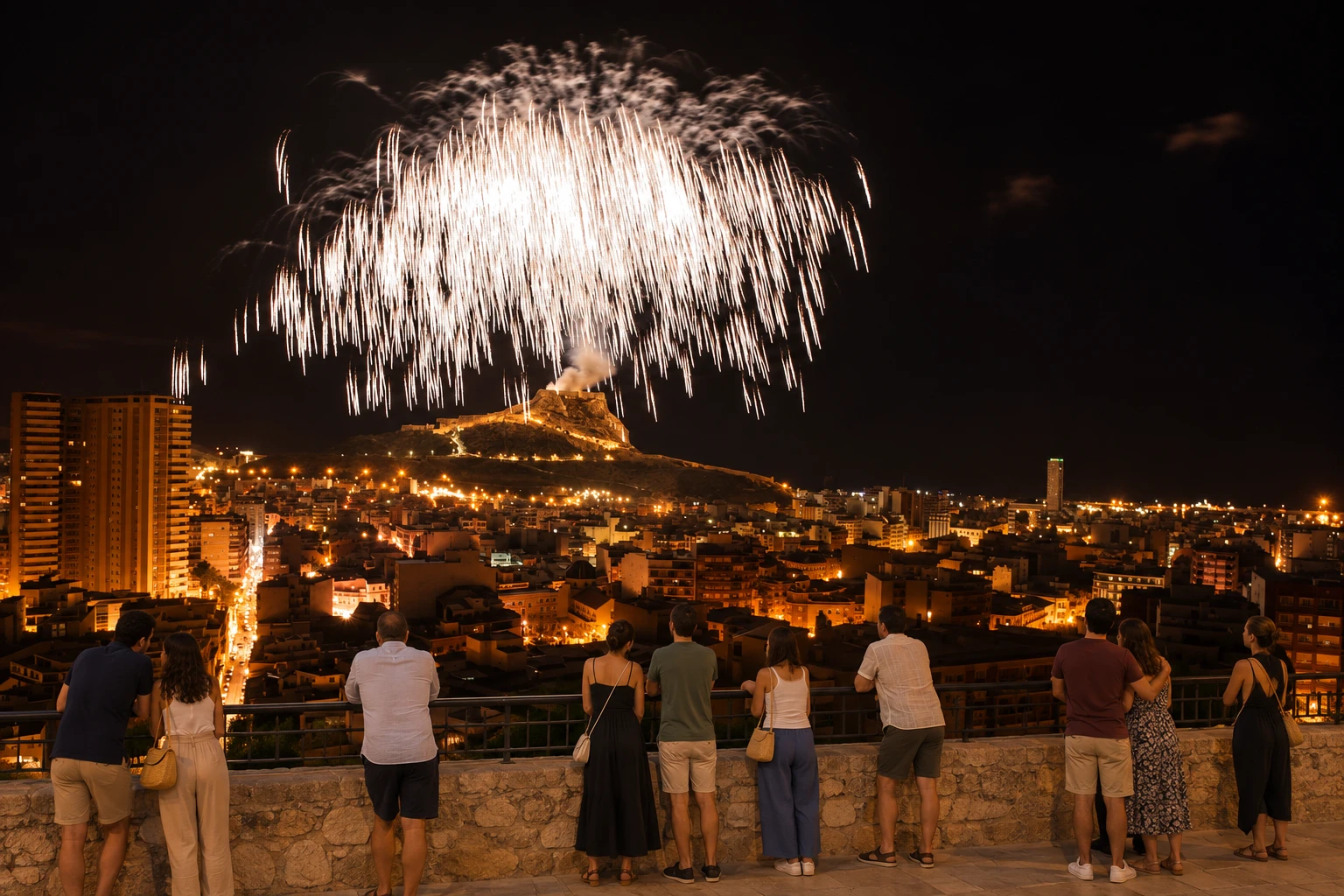
Alicante’s official festival on the Costa Blanca: satirical sculptures erected in the neighborhoods are burned on St. John’s night after a large palm-shaped fireworks display launched from Castillo de Santa Bárbara, with mascletàs, parades and a floral offering.

In the photo: Alicante

Illustrative images. The pictures in this guide are illustrations based on the real place, not photographs, and may differ from it.

Get it on Google Play

Click a photo to enlarge it.

Hogueras de San Juan de Alicante — Alicante
Hogueras de San Juan de Alicante
Hogueras de San Juan de Alicante — Alicante
Hogueras de San Juan de Alicante
Hogueras de San Juan de Alicante — Alicante
Hogueras de San Juan de Alicante
Hogueras de San Juan de Alicante — Alicante
Hogueras de San Juan de Alicante

Hogueras de San Juan de Alicante — Alicante

When

From June 20 to 24, with the cremà on the night of June 24–25, St. John’s night; the mascletàs at Plaza de los Luceros begin a few days earlier.

June

Where

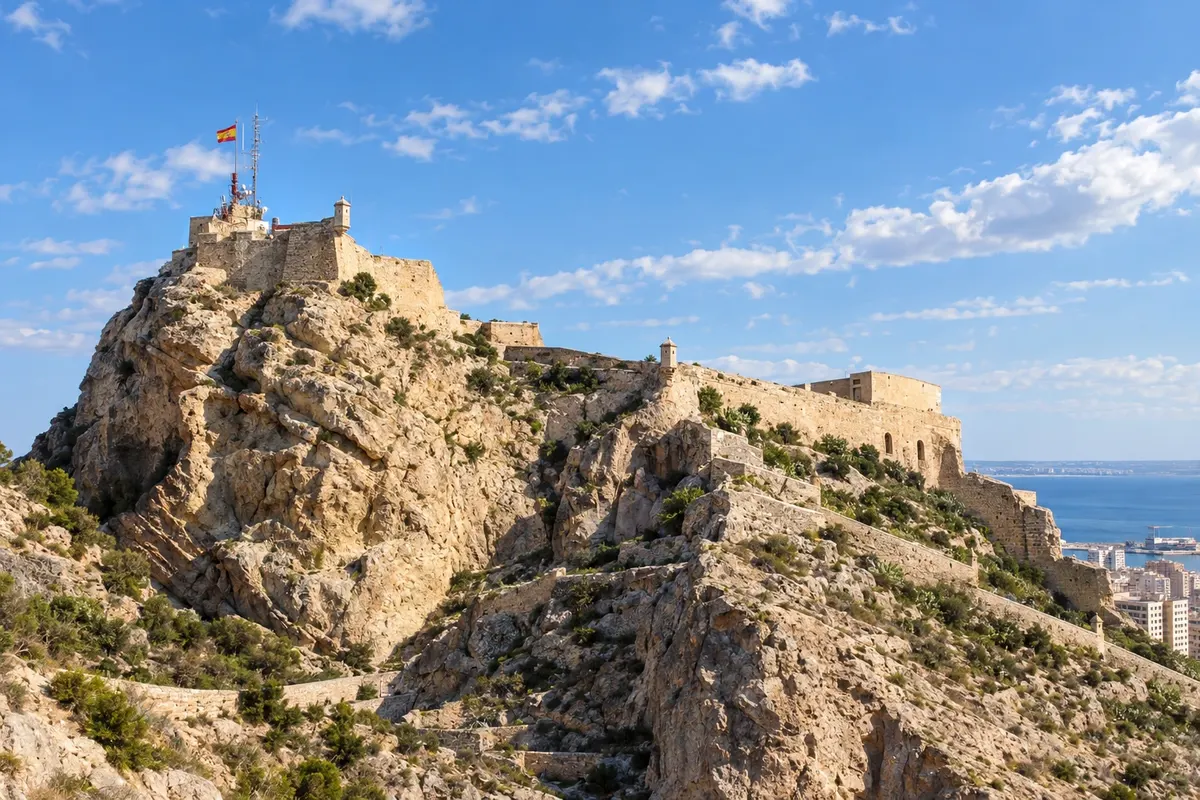
Castillo de Santa Bárbara

Alicante

Comunidade Valenciana

Organizer

Official website

Dates, program and tickets

Dates change every year: check this year's date before you travel.

The festival

What is Hogueras de San Juan de Alicante

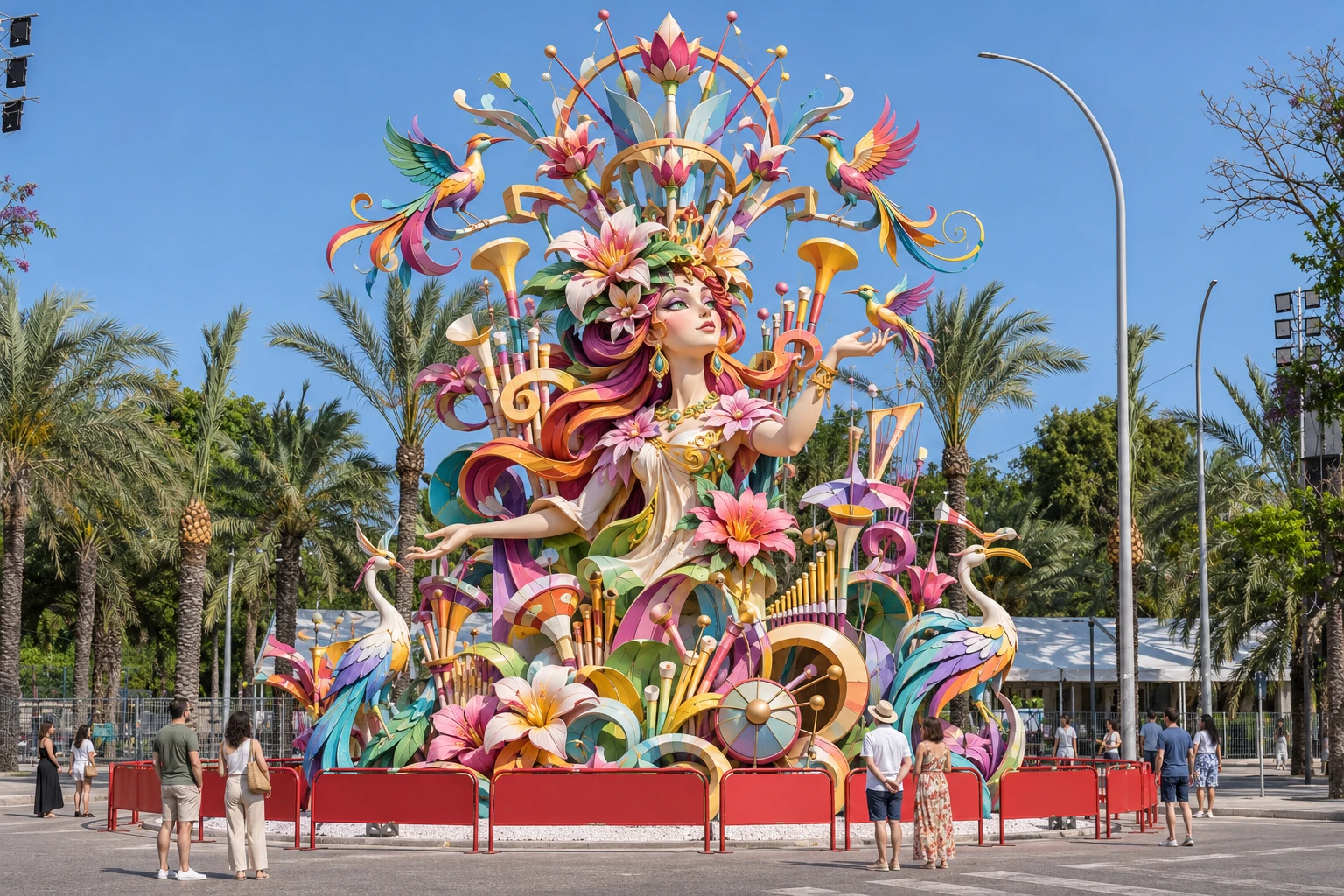
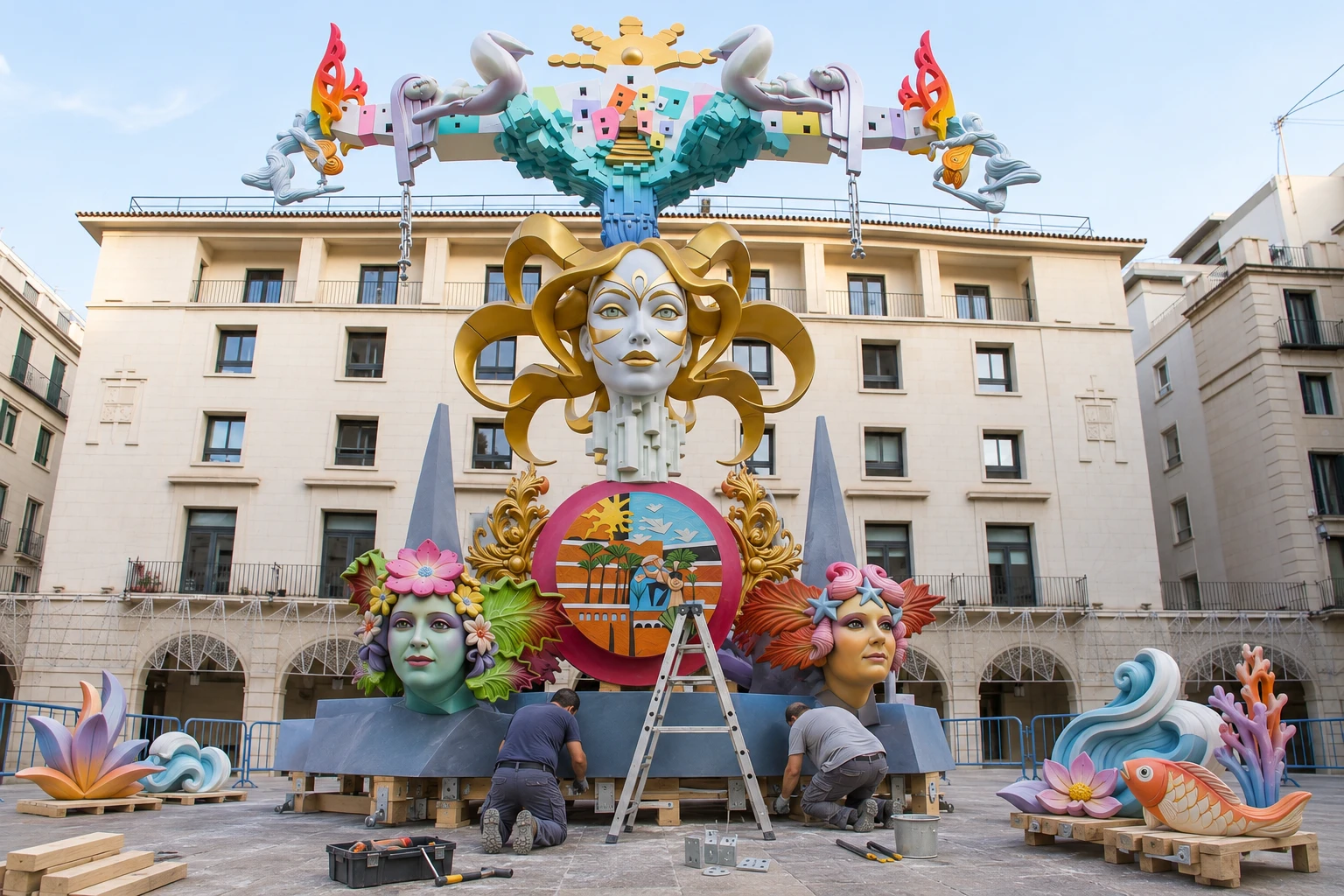
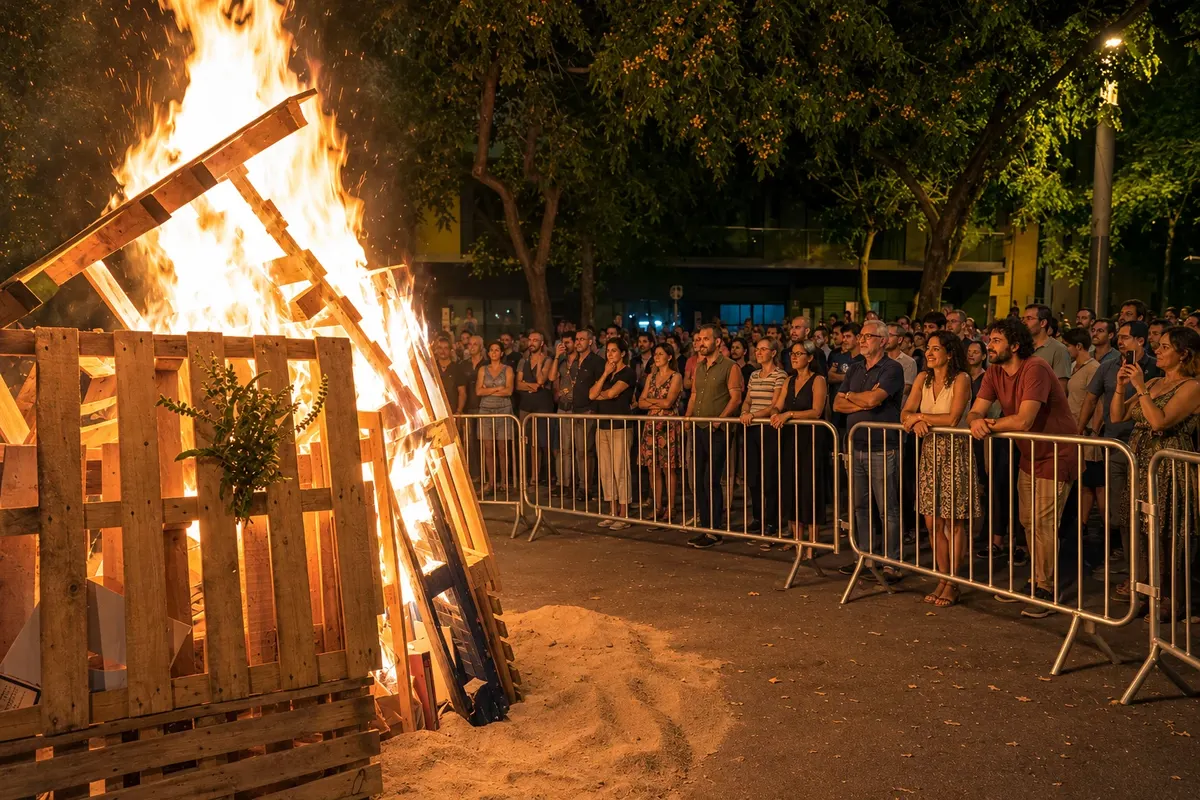
The Hogueras de San Juan, Fogueres de Sant Joan in Valencian, or Bonfires of Saint John, are Alicante’s official festival and mark the start of summer. From June 20 to 24, each neighborhood erects a hoguera on its corners and squares — a monument of wood, cardboard and cork made up of satirical figures, the ninots, that humorously critique politics, customs and city life. On the night of the cremà, from June 24 to 25, the monuments are burned. They hold the title of international tourist interest and are also recognized as intangible cultural heritage.

The tradition comes from the old custom of burning old and useless objects on solstice bonfires at the start of summer. In the 20th century, Alicante residents, also inspired by Valencia’s Fallas, transformed those bonfires into artistic monuments, and the festival was made official in the 1920s. Today, each neighborhood committee works year-round with specialized artists, and the monuments, adult and children’s, compete for prizes by category.

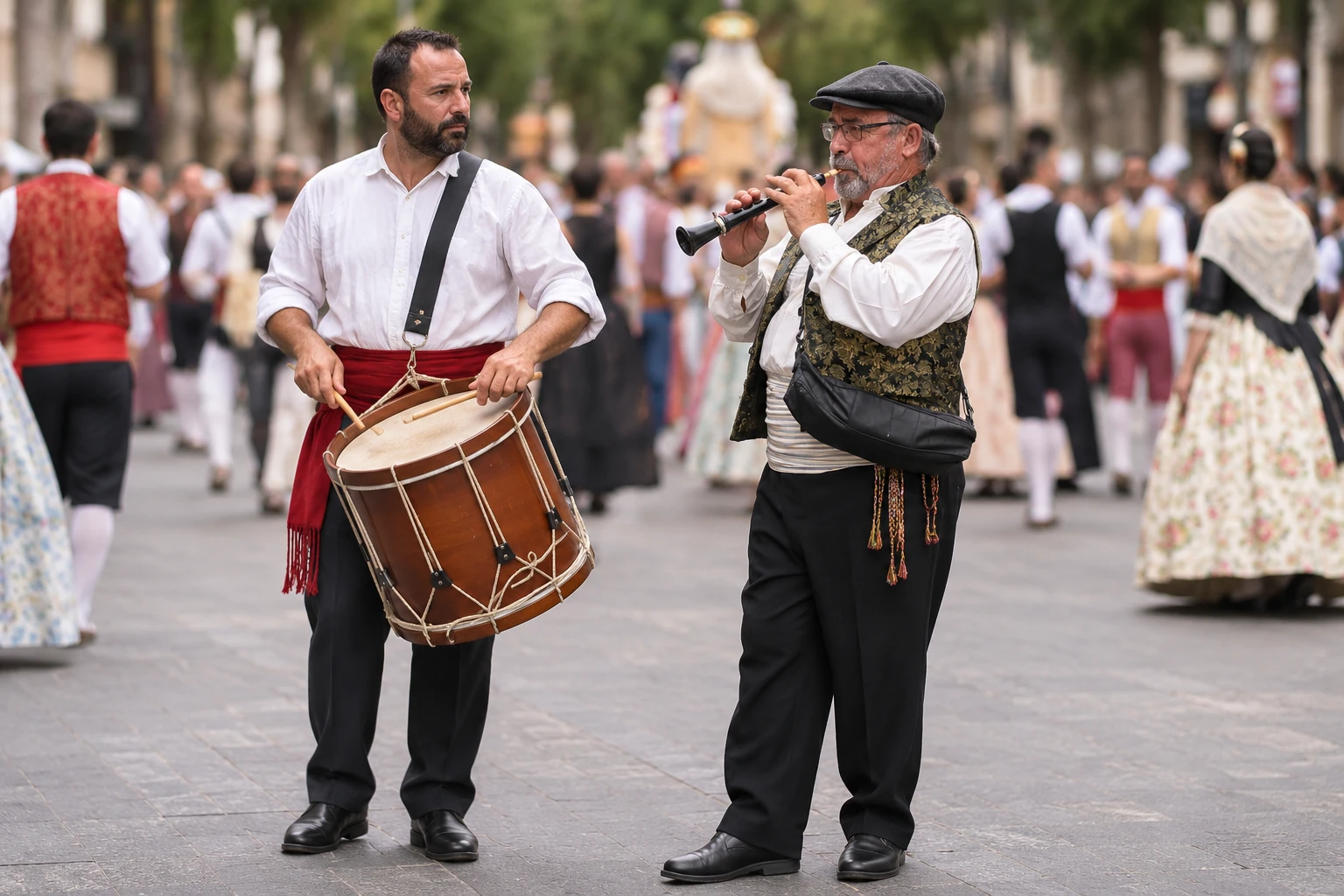
The festival begins before the main days. In the preceding days, committees parade with bands through the city, and an exhibition gathers figures from all the hogueras so visitors can choose the single one that will be spared from the flames. From mid-June, every day the Plaza de los Luceros hosts a mascletà — a daytime pyrotechnic blast valued for its rhythm and vibration — as fireworks makers compete. On the night of June 19–20, the plantà installs the structures in the neighborhoods, and Alicante starts to display ephemeral art on every corner.

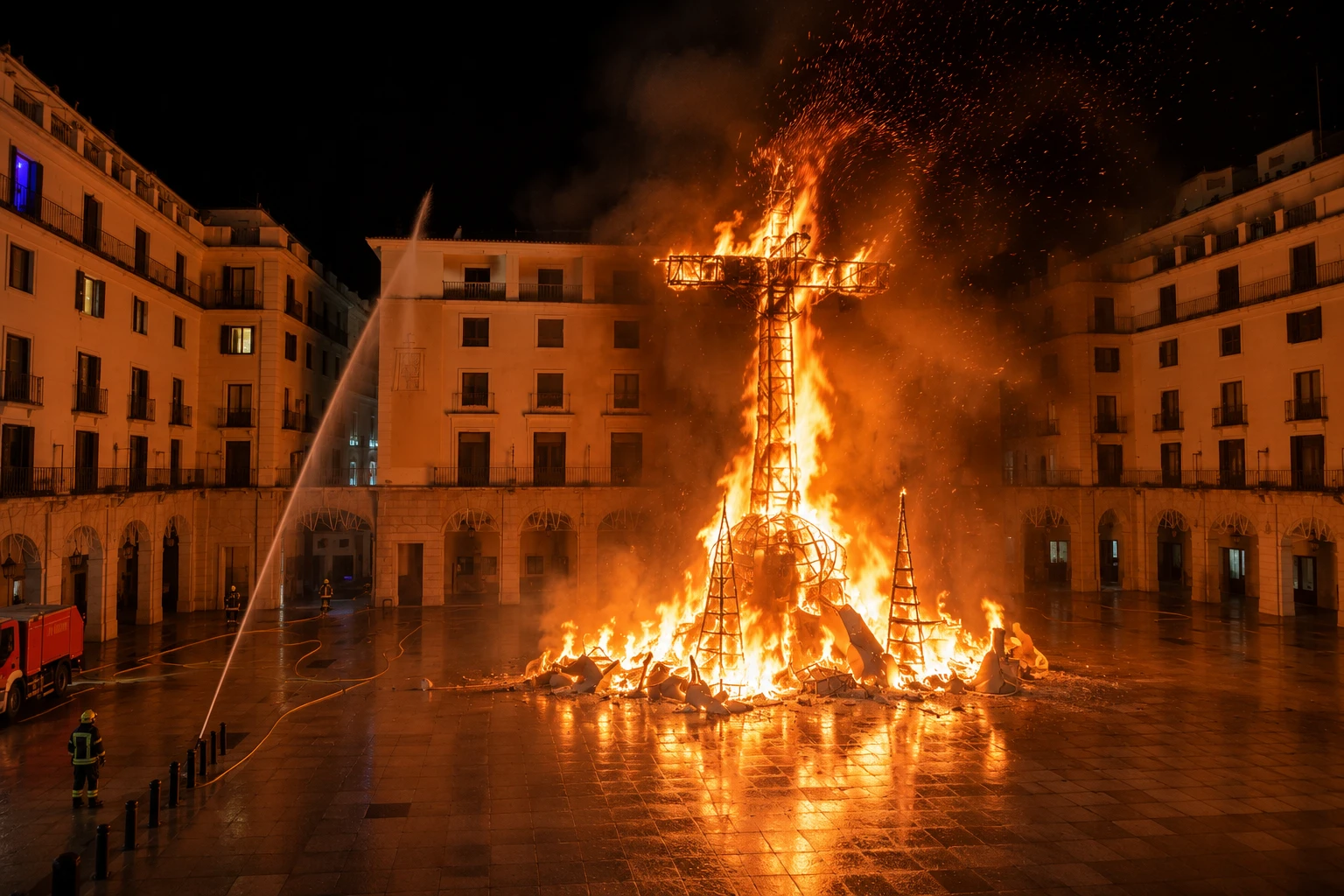
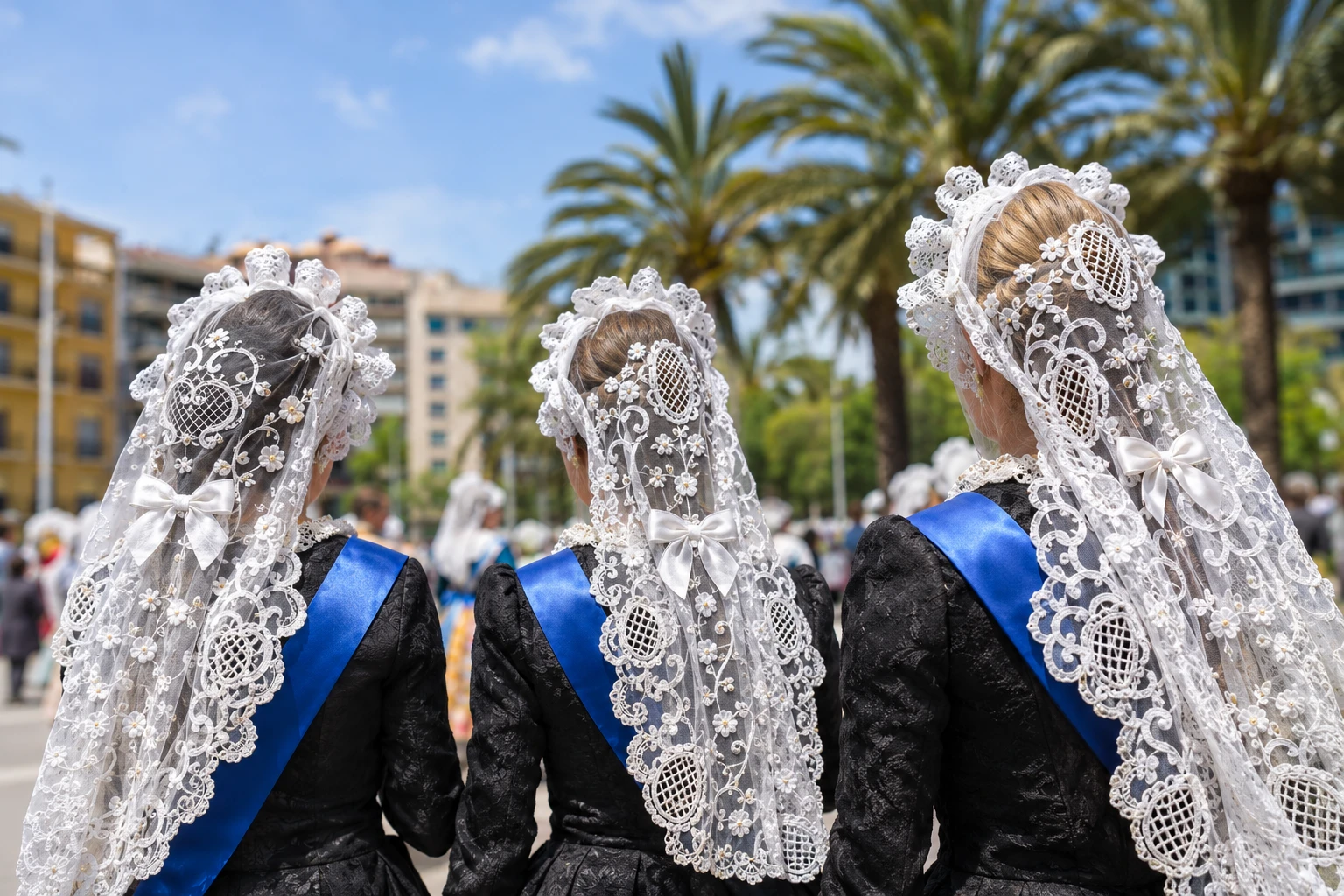
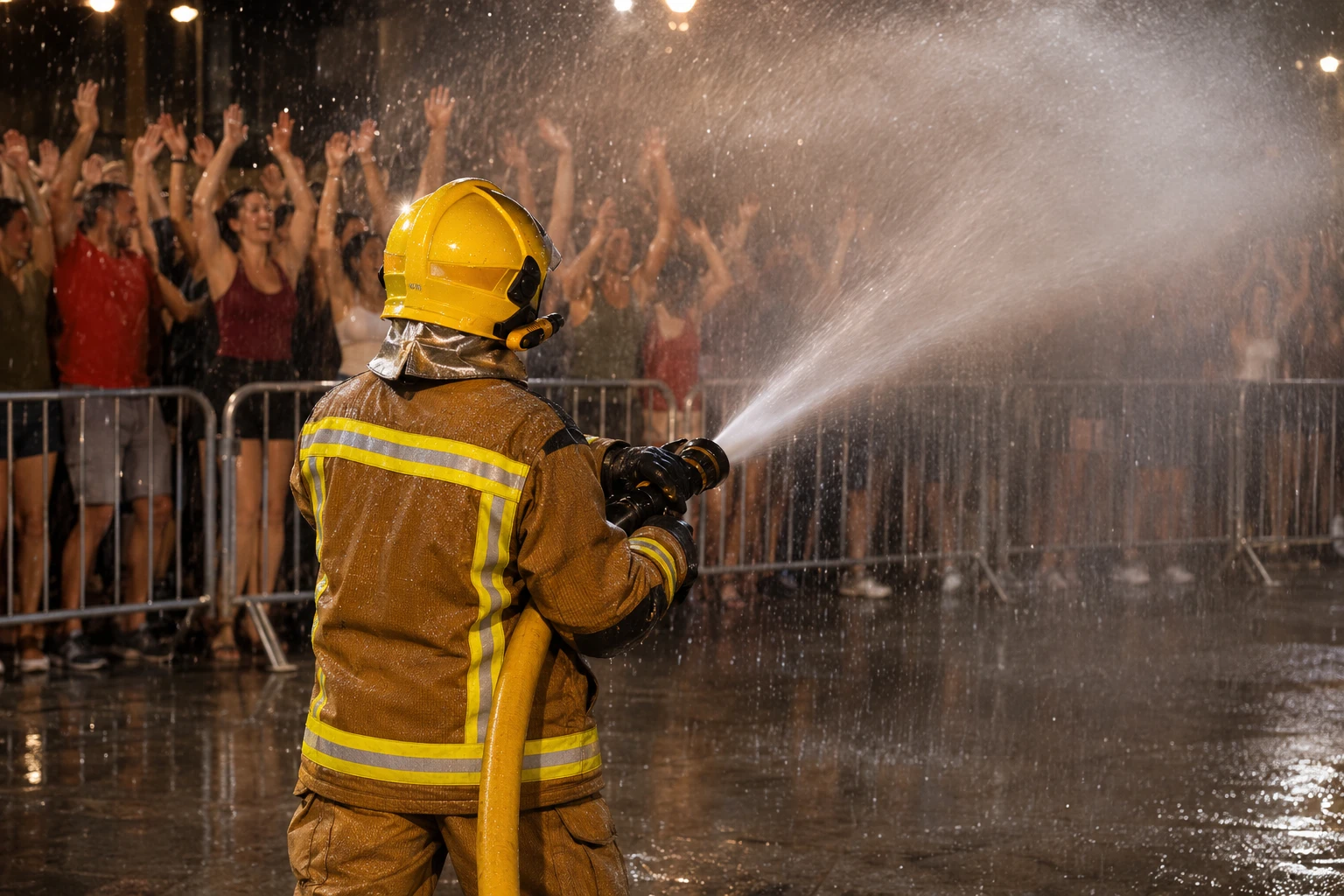
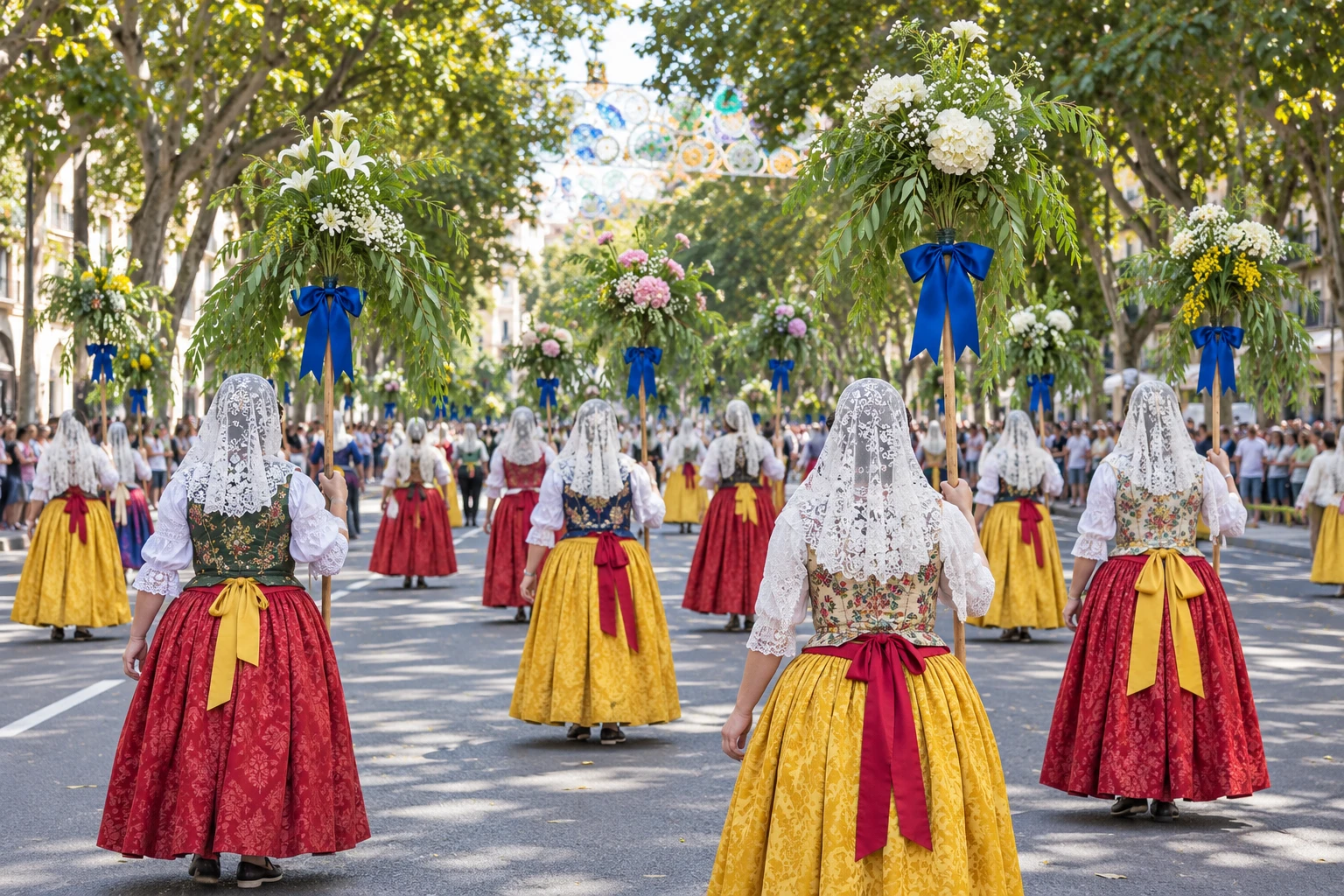
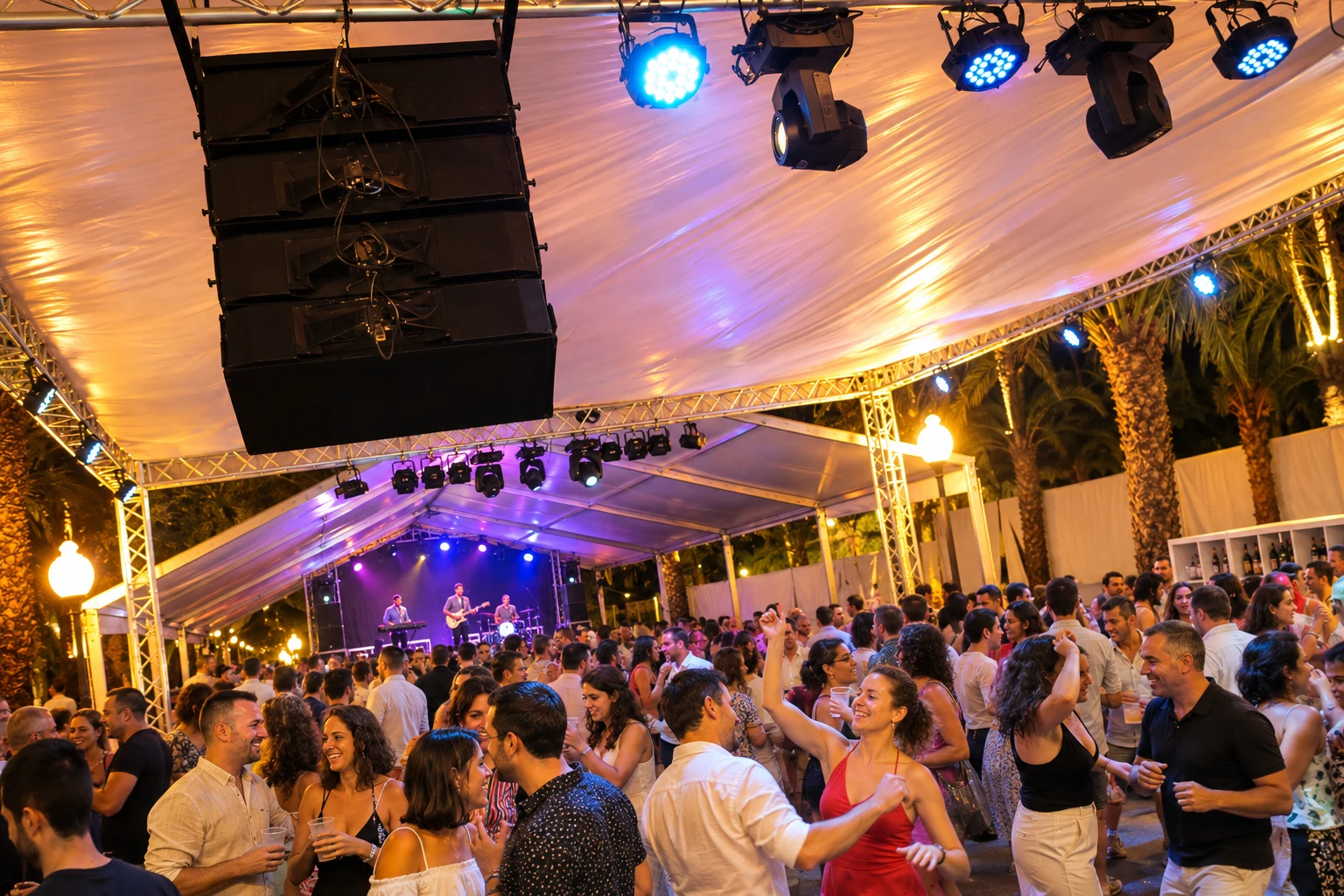
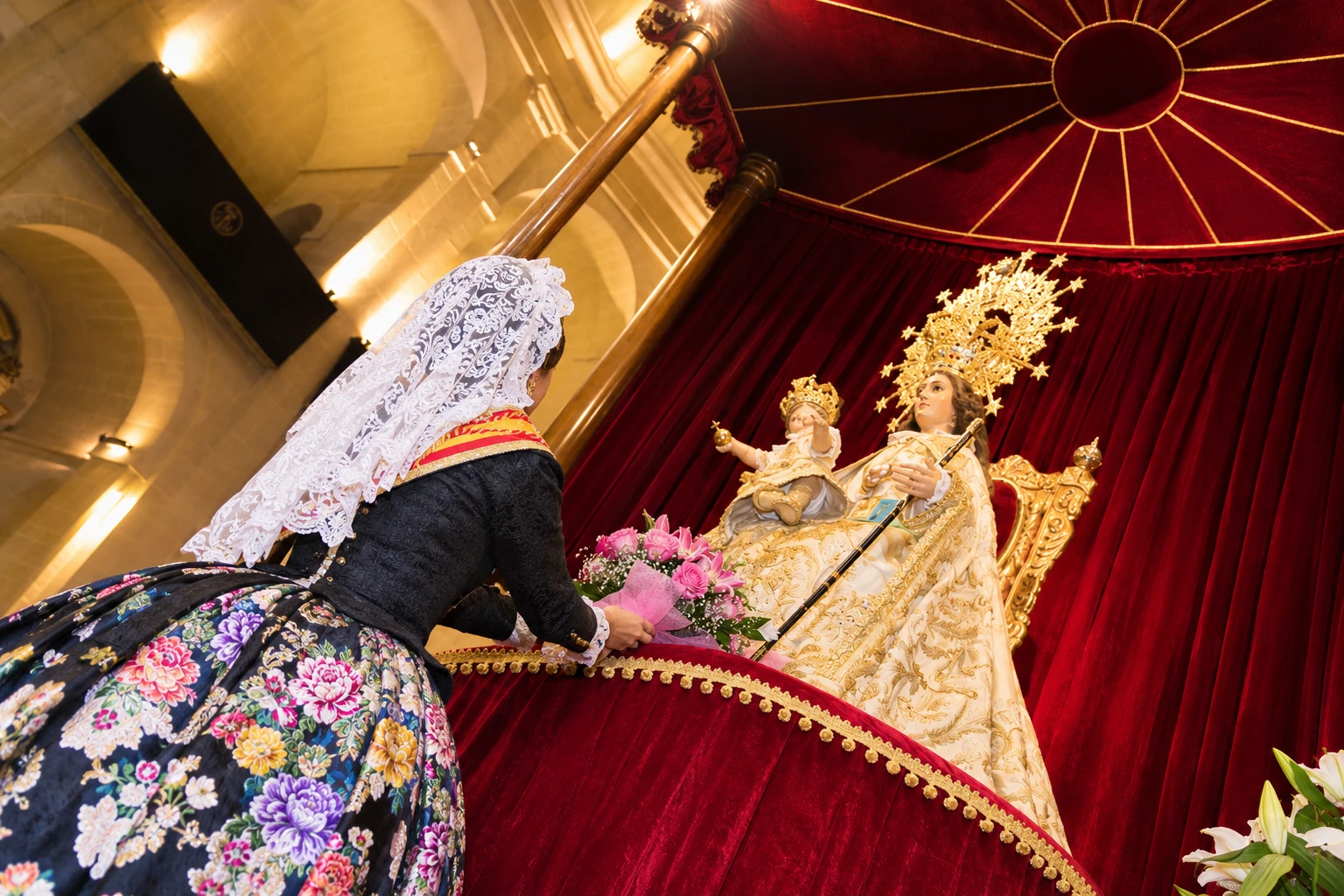
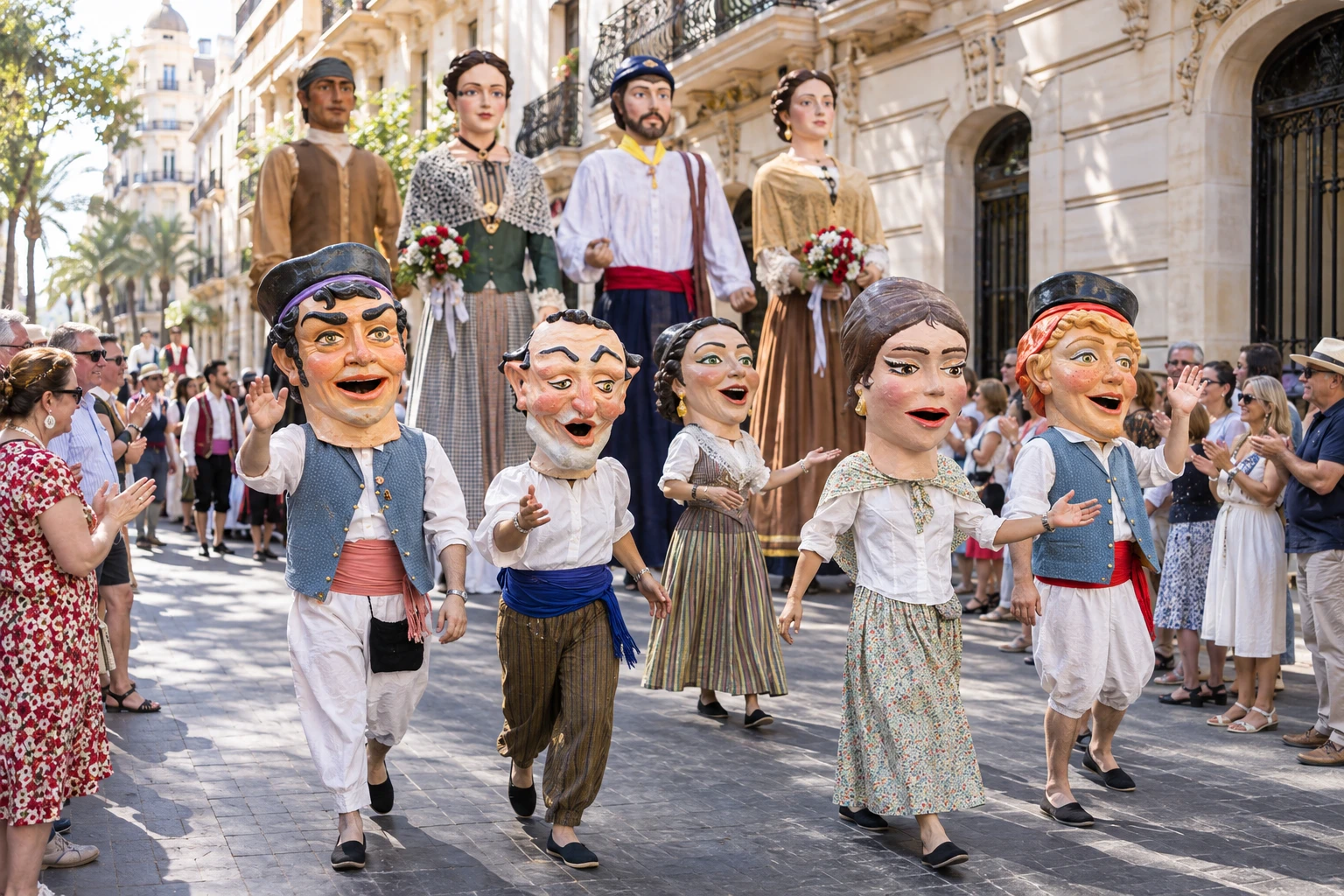
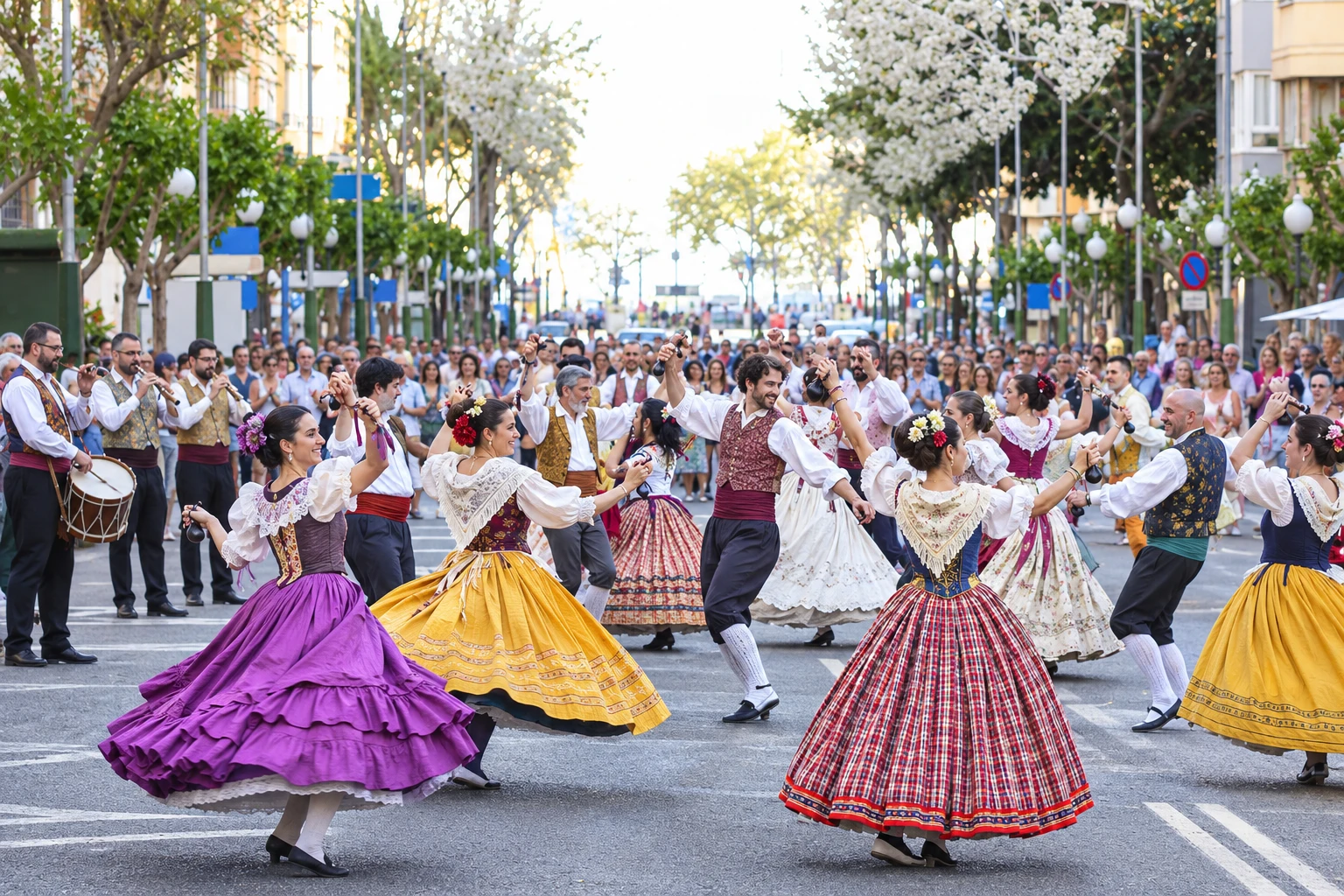
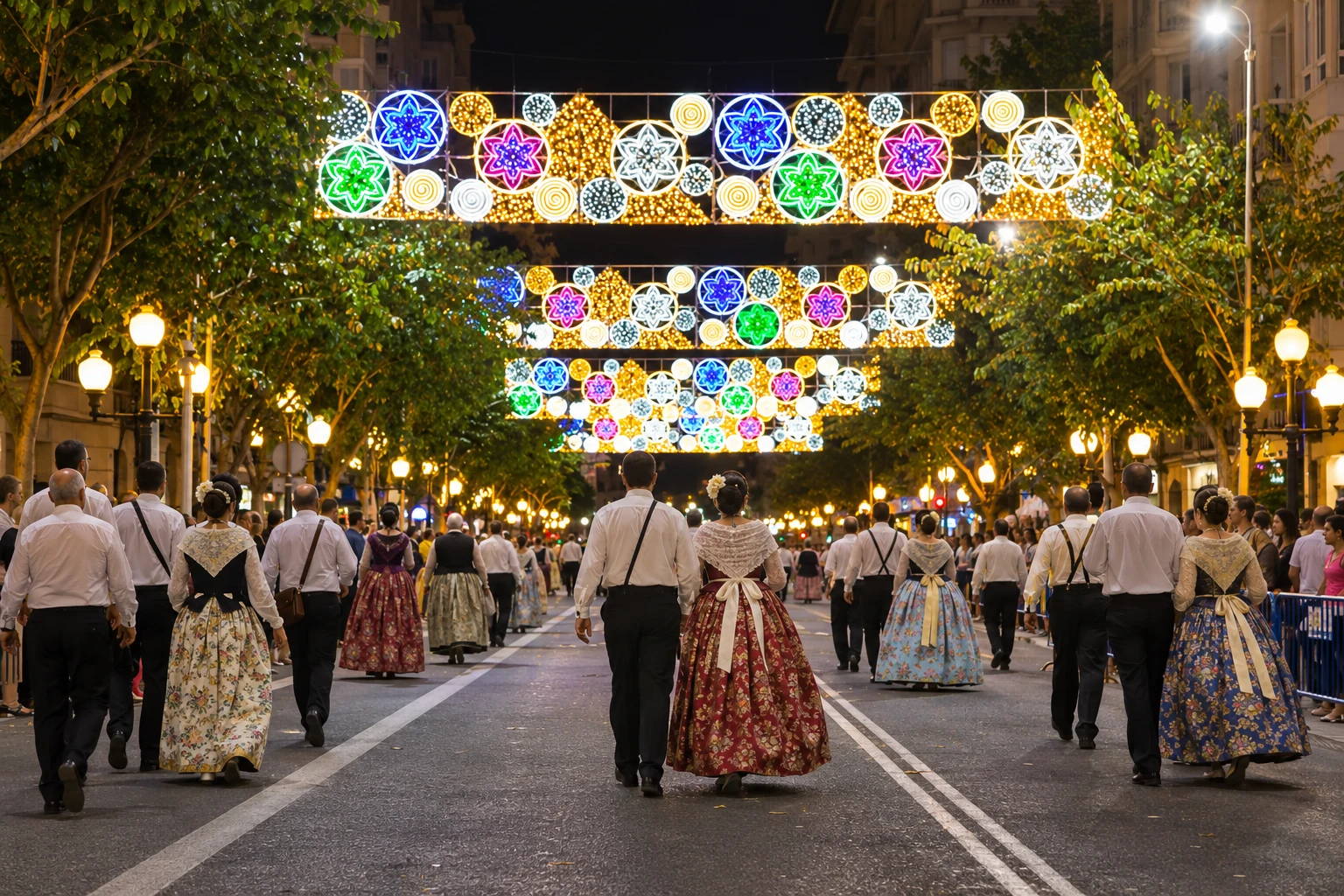
From June 20 to 24 the program fills Alicante: the barracas and racós, the committees’ party spaces with music and food, stay open late; foguerers and foguereres, in traditional Alicante costume, bring flowers to the Virgen del Remedio in the Oferenda, which creates a large floral mantle in front of the co-cathedral of San Nicolás; and there are folk parades, traditional dances such as the Dansà d’Alacant, and processions of giants and big-headed figures. On the night of June 24, at midnight, a large palm-shaped fireworks display launched from the top of Mount Benacantil, where Castillo de Santa Bárbara stands, signals the start of the cremà: first the official hoguera in Plaza del Ayuntamiento burns and then those in all the neighborhoods. While the fire burns, firefighters spray water on the public in the banyà to cool the night.

After the cremà the festival continues at sea: on the following nights, pyrotechnic teams from various countries compete in a contest over Postiguet Beach near the city centre. For visitors, the Hogueras combine street art, gunpowder and a seaside city at the very start of summer.

Share: WhatsApp

What not to miss

A mascletà at Plaza de los Luceros, on one of the contest days. The night of the plantà, with the hogueras arriving in the neighborhoods. A walk through the neighborhoods to see the prize-winning adult and children’s hogueras. The barracas and racós of the committees, with music and a festive atmosphere at night. The Oferenda of flowers to the Virgen del Remedio, with traditional Alicante costumes. The palm-shaped fireworks launched from Mount Benacantil at midnight on June 24, seen from the seafront or the centre. The cremà of the official hoguera in Plaza del Ayuntamiento and the firefighters’ banyà. The fireworks over the Postiguet on the following nights. The Museo de Fogueres, with the ninots saved from the fire.

How to enjoy it

You can walk around Alicante’s centre and neighborhoods; the tram, the TRAM, links the centre to the beaches and the northern neighborhoods, with special schedules on St. John’s night. For the mascletà, arrive at Plaza de los Luceros in advance or watch from the surrounding streets; the sound is intense and many people use earplugs. For the cremà, find a spot near a neighborhood hoguera in good time and wear light clothes that can get wet in the banyà. The palm-shaped fireworks are well seen from Postiguet Beach, the Explanada de España and several points in the centre. The official map of the hogueras helps plan a route through the neighborhoods. June in Alicante is usually hot and sunny: always carry water, a cap and sunscreen.

What to eat

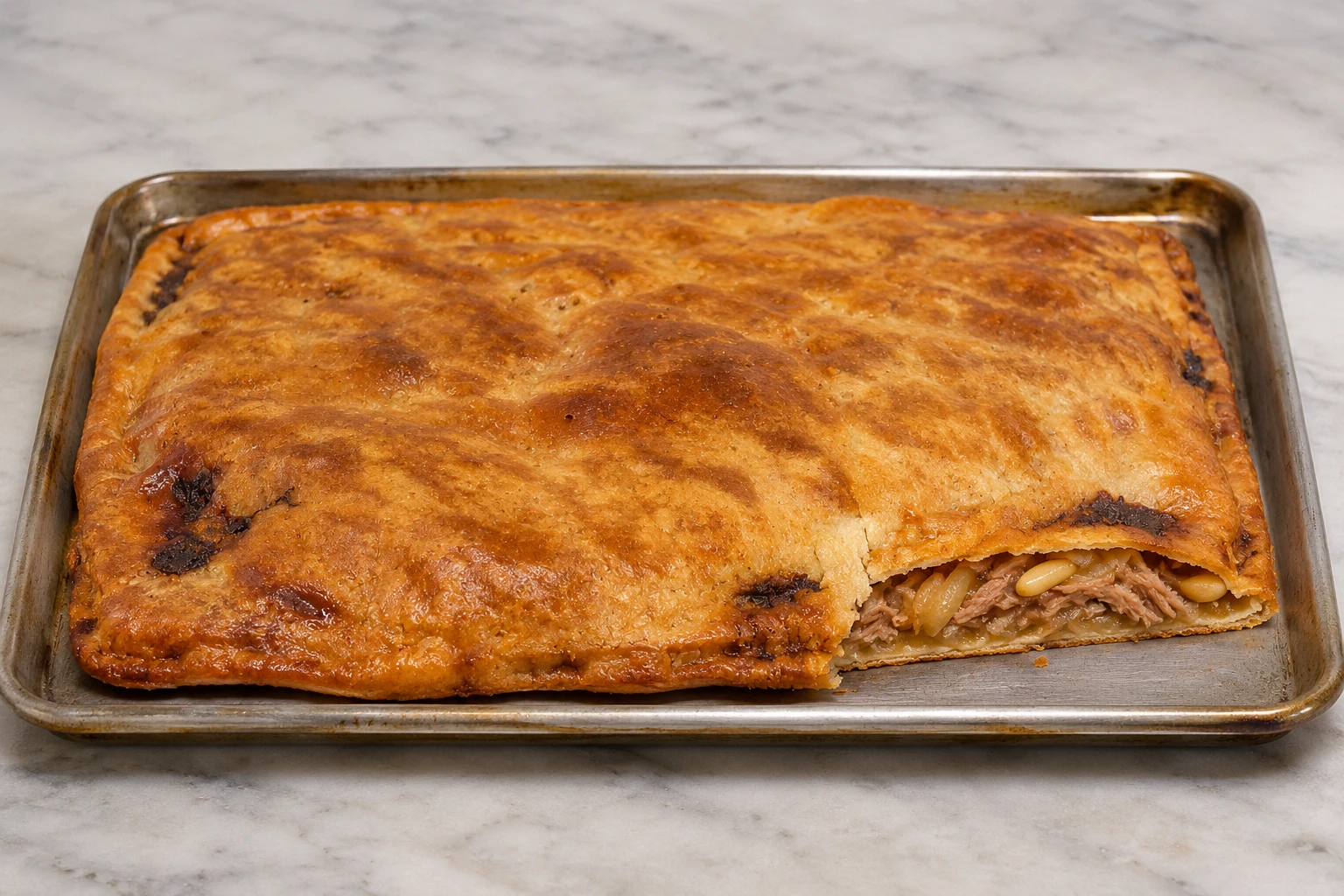
Coca amb tonyina, a savoury thin-crust tart with tuna, onion and pine nuts, is the dish most associated with St. John’s night in Alicante, alongside brevas, the first figs of summer. In the barracas and racós the committees serve rice dishes and cold cuts, and restaurants offer arroz a banda and other regional rice dishes. The turrones of Xixona and Alicante, made nearby, are a sweet souvenir of the city.


Plan ahead

Alicante receives many visitors in June, and hotels in the centre and on the seafront fill up during the festival and on St. John’s night; book in advance. The Fogueres federation and Alicante tourism publish the annual program, with the mascletà schedule and the map of the monuments.

In the city

Make the most of Alicante

June

Around the same time

Your questions

Questions about Hogueras de San Juan de Alicante

When are the Hogueras de San Juan de Alicante?

From June 20 to 24. The hogueras are burned on St. John’s night, from June 24 to 25, and the daily mascletàs at Plaza de los Luceros begin a few days earlier.

What is the palm-shaped fireworks of the Hogueras of Alicante?

It is a large fireworks display shaped like a palm tree, fired from Mount Benacantil, where Castillo de Santa Bárbara stands, at midnight on June 24. It signals the start of the burning of the hogueras.

What is the difference between the Hogueras of Alicante and the Fallas of Valencia?

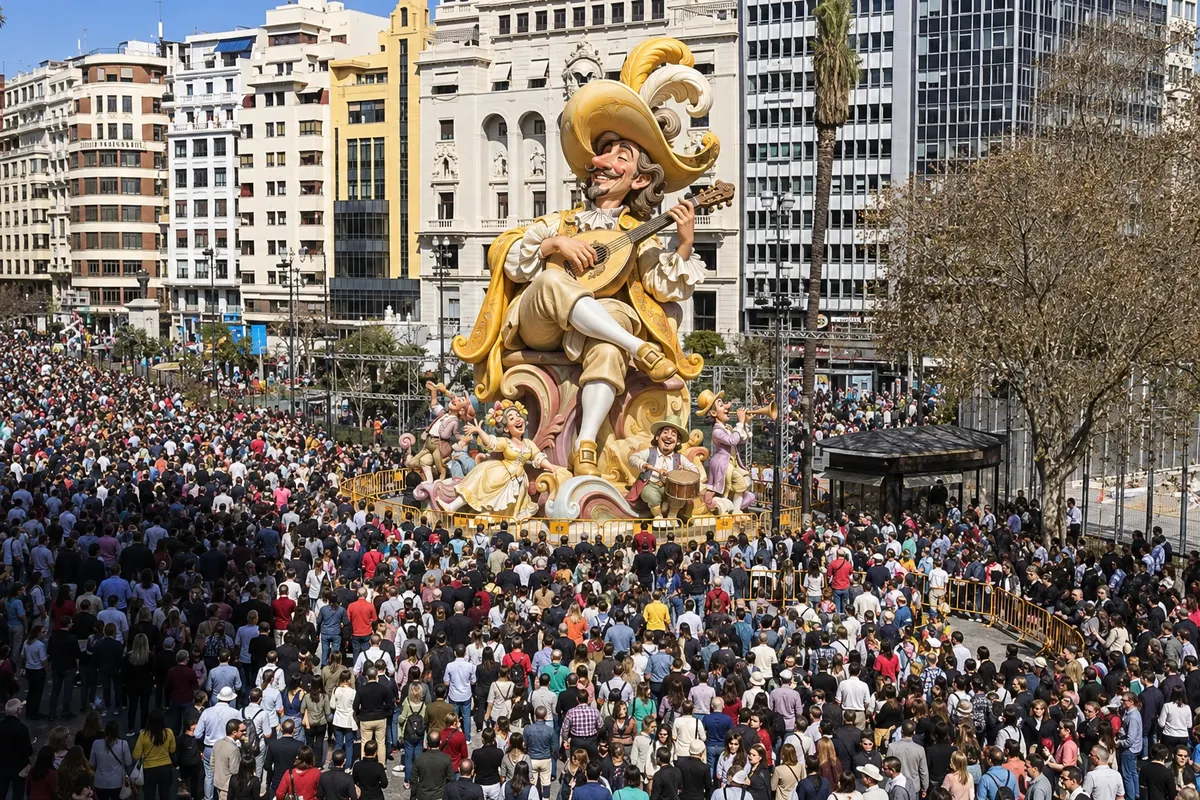
Both burn satirical monuments, but the Fallas are in March on Saint Joseph’s Day, while the Hogueras of Alicante are in June on St. John’s night, linked to the arrival of summer.

What is the banyà?

It is the bath firefighters give to the public during the cremà, spraying water over those close to the hogueras to cool the June night.

Festivals and events in Spain

Other festivals

Tamborrada of San Sebastián January
Popular festival · San Sebastián

Tamborrada of San Sebastián

On January 20, the feast day of Saint Sebastian, the city's patron: the celebration begins at midnight between January 19 and 20 and ends at the following midnight.

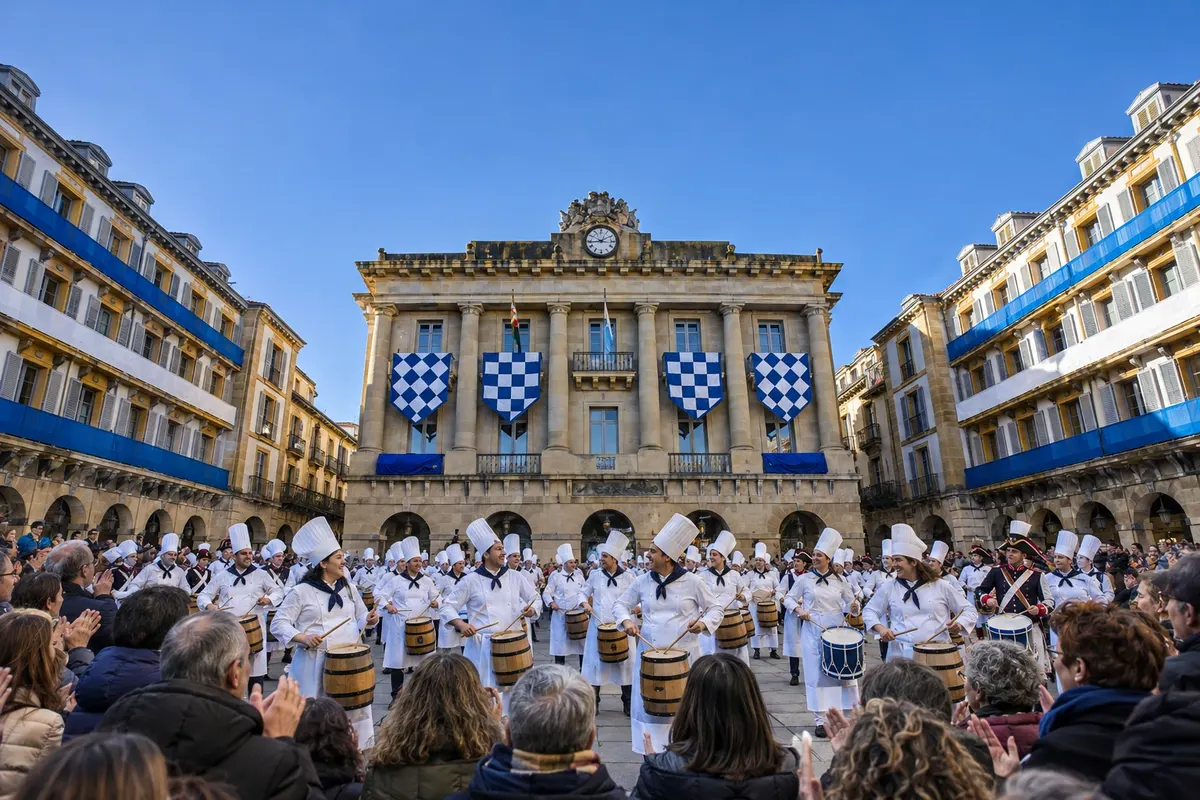
For 24 hours on January 20, San Sebastián, in the Basque Country, honors its patron saint to the sound of drums and barrels: uniformed companies parade through the city playing the marches of Raimundo Sarriegi, from the raising of the flag in Plaza de la Constitución until the lowering in the same square.

Carnival of Santa Cruz de Tenerife February/March
Popular festival · Santa Cruz de Tenerife

Carnival of Santa Cruz de Tenerife

At the end of winter, between February and March, following the movable Carnival calendar: the contests and the queen’s gala take place in the preceding weeks, and the streets celebrate from the opening cavalcade until the weekend after Ash Wednesday.

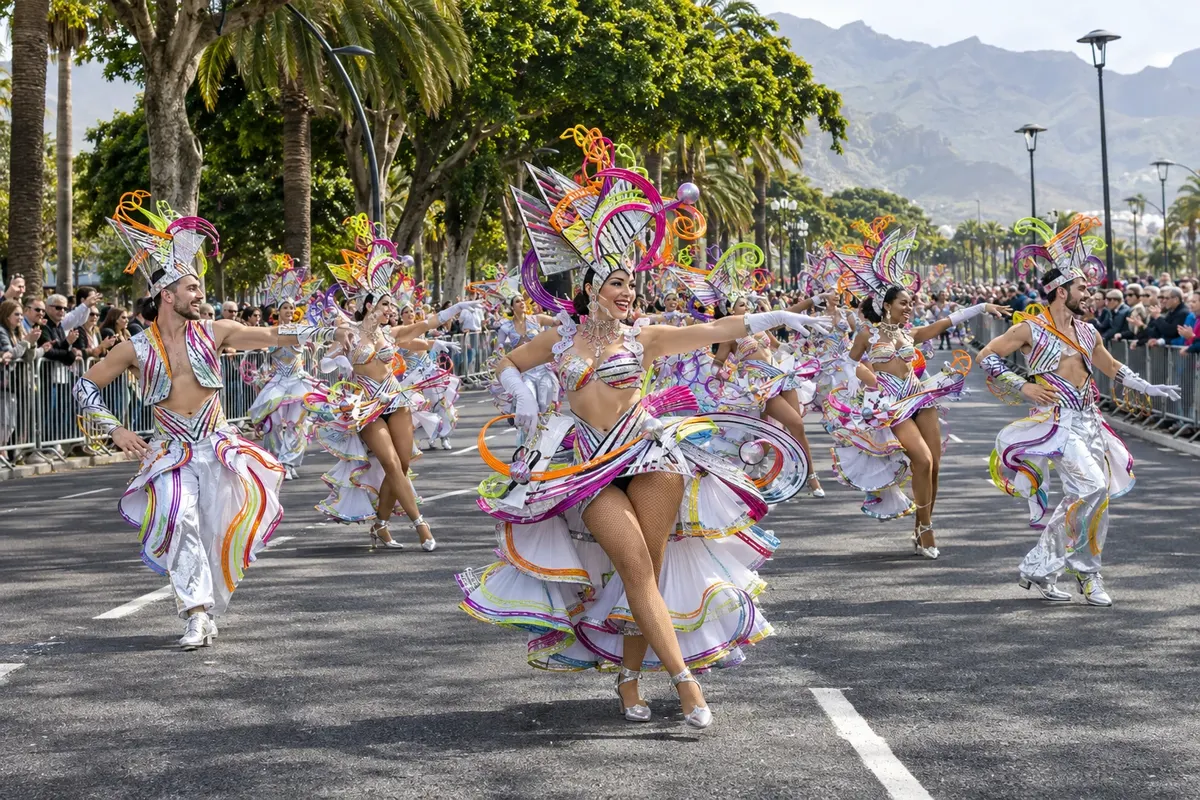
The capital of Tenerife’s Carnival, in the Canary Islands, with a monumental fantasy queen, murgas, comparsas and rondallas, the big Coso parade on Carnival Tuesday and balls that fill the squares and avenues of the center until dawn.

Holy Week in Seville March/April
Religious festival · Seville

Holy Week in Seville

From Palm Sunday to Easter Sunday, in March or April depending on the date of Easter; smaller processions begin on the previous Friday, Friday of Sorrows.

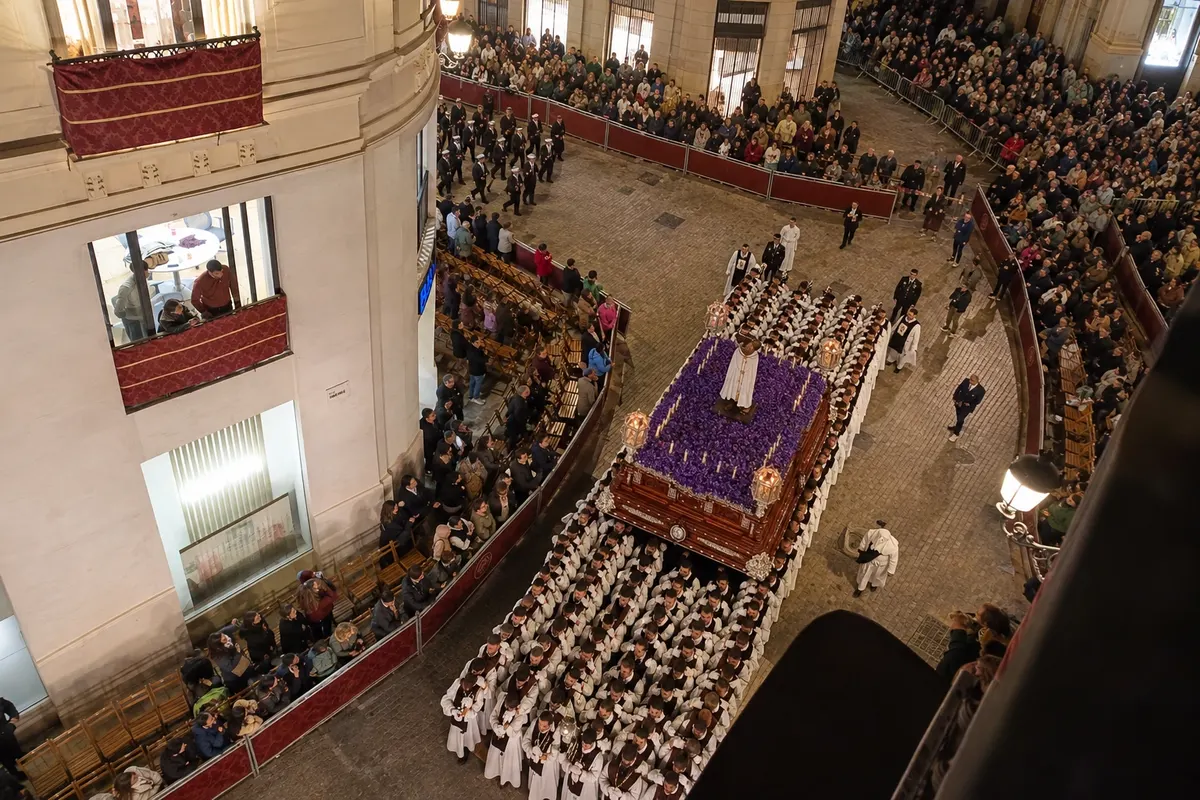
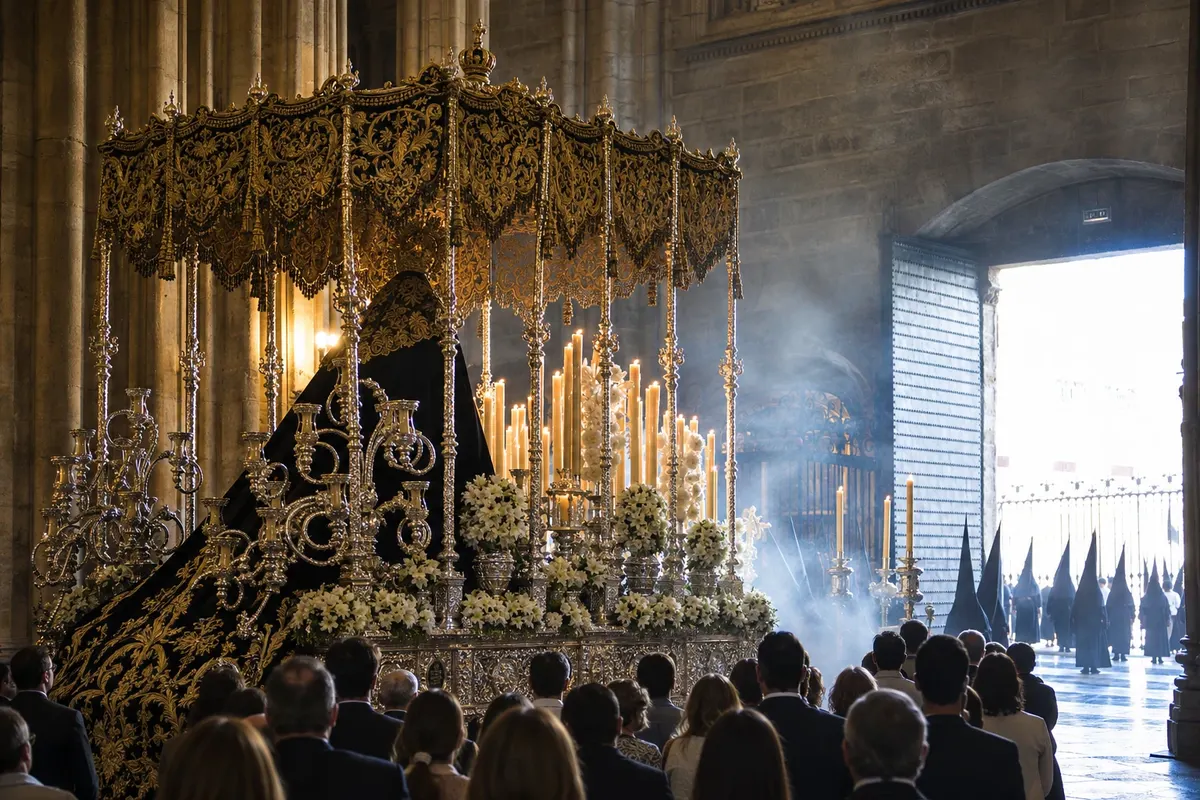
During Holy Week, the brotherhoods of Seville, the capital of Andalusia, carry images of Christ and the Virgin through the streets on gilded floats carried by costaleros and followed by long lines of penitents, on routes that pass by the cathedral day and night, until the early hours of Good Friday.

Seville April Fair April/May
Popular festival · Seville

Seville April Fair

In April or May, one or two weeks after Holy Week, depending on the date of Easter; it lasts about a week, from the night of the pescaíto and the alumbrao until the fireworks on the last night.

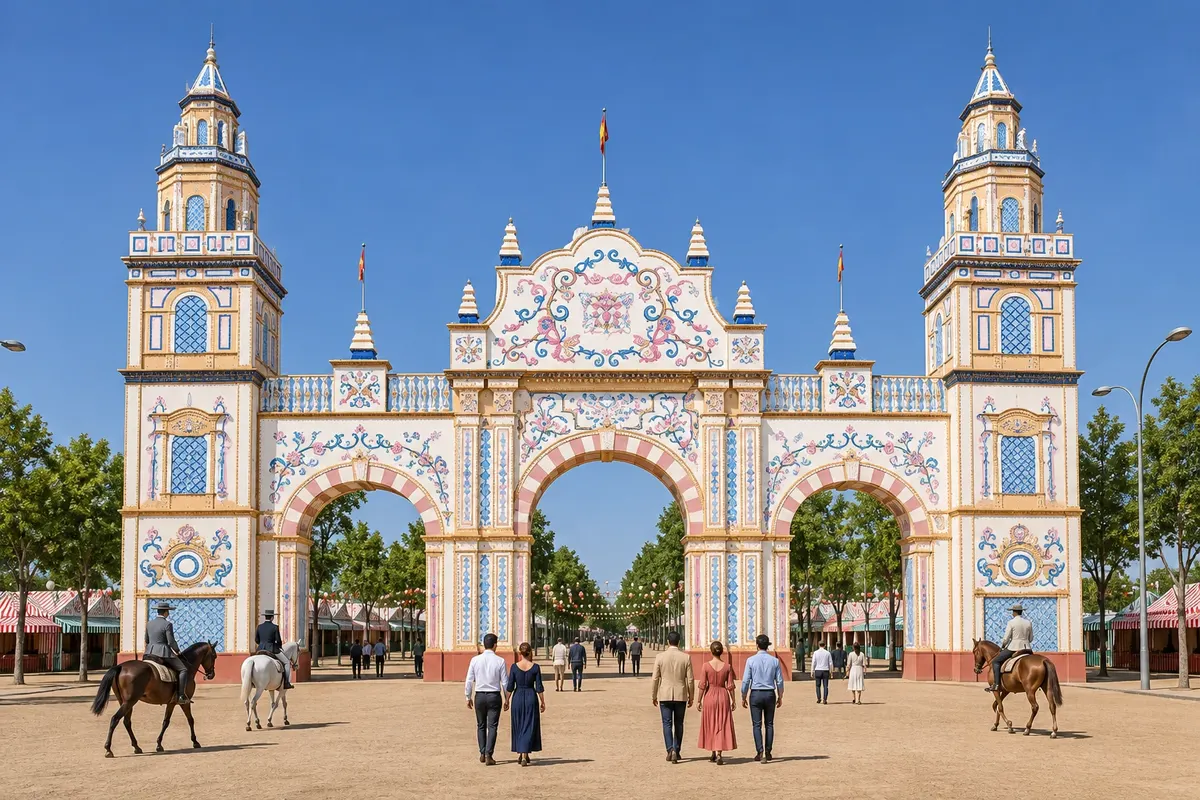
A weeklong party in Seville’s fairground, between Los Remedios and the Guadalquivir: streets of decorated casetas with lanterns, a noon parade of horses and carriages, flamenco-style dresses, sevillanas danced until the early hours, and the amusement park on the Calle del Infierno.

See the full calendar