Dish · Obalno-kraška
Jota
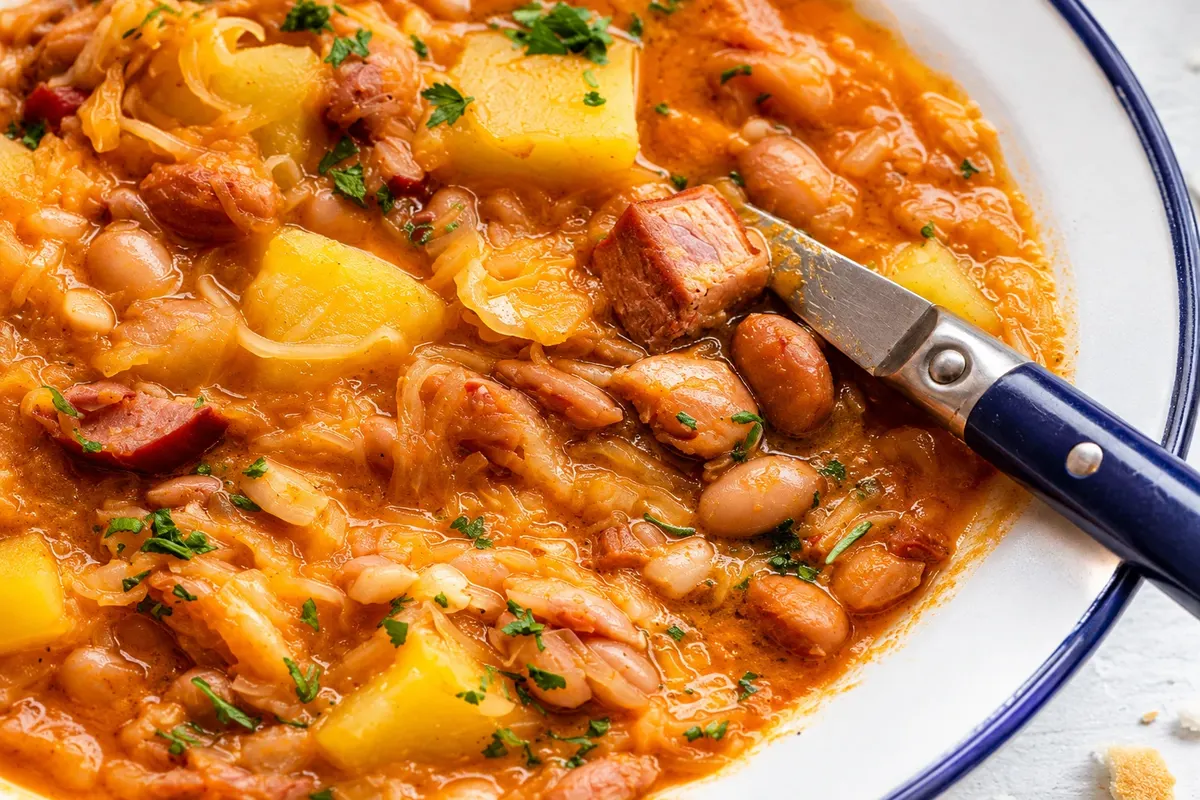
Thick soup of beans, potatoes and sauerkraut or fermented turnip, cooked with smoked pork. It’s the spoon food of western Slovenia, and the Karst version, with sauerkraut and potatoes, is the best known.

 Search
 Brazil
 Argentina
 Bolivia
 Chile
 Colombia
 Ecuador
 Guyana
 French Guiana
 Falkland Islands (Malvinas)
 Paraguay
 Peru
 Suriname
 Uruguay
 Venezuela
 Germany
 Austria
 Belgium
 Croatia
 Denmark
 SlovakiaSlovenia
 Spain
 Finland
 France
 Greece
 the Netherlands
 Hungary
 Ireland
 Iceland
 Italy
 Luxembourg
 Norway
 Poland
 Portugal
 the United Kingdom
 the Czech Republic
 Sweden
 Switzerland
 Turkey
 Canada
 the United States
 Mexico
 the Dominican RepublicTurkey
 South Africa
 Australia
 Fiji
 New Zealand
 Papua New Guinea
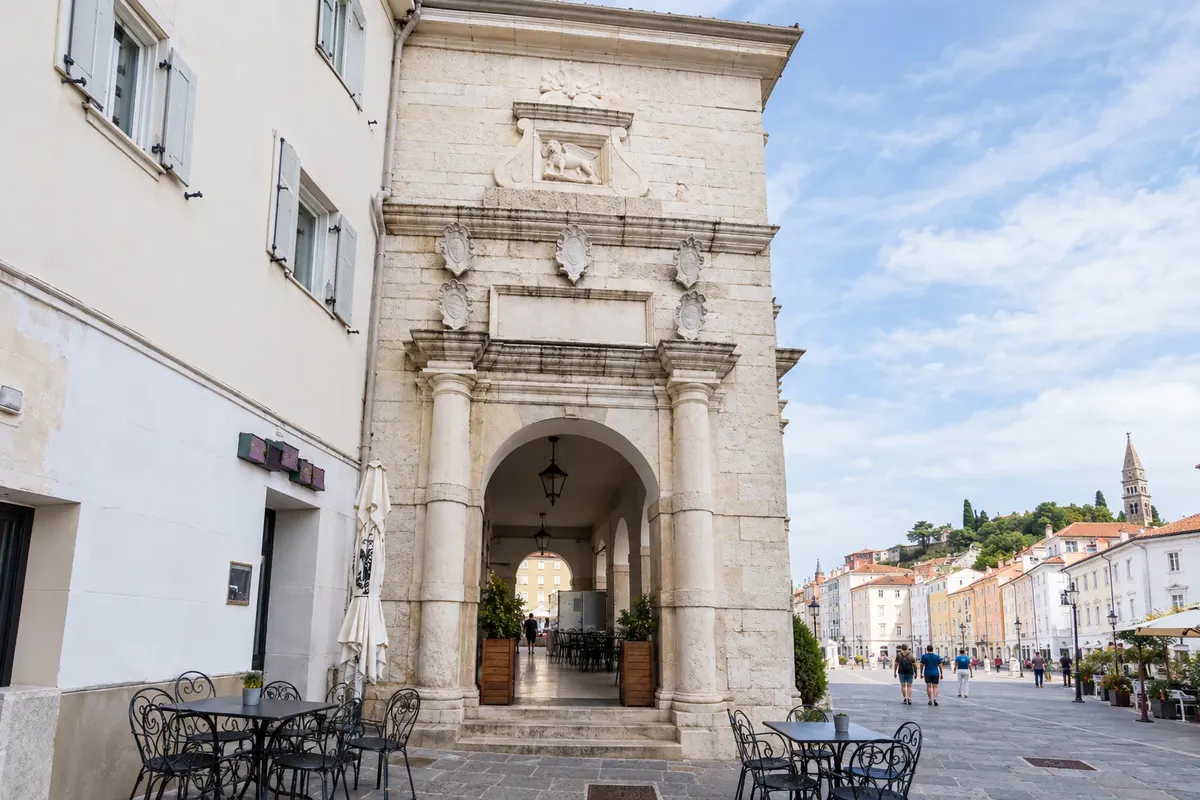
Region · Mediterranean and Karst Slovenia
The 47 km of Slovenian coast, including Piran, Izola, Koper and Portorož, the Sečovlje salt pans, the Škocjan Caves, Lipica and the stone villages of the Karst.
In the photo: St. George’s Gate in Piran.
Illustrative images. The pictures in this guide are illustrations based on the real place, not photographs, and may differ from it.

The region
Obalno-kraška combines the Slovenian coast on the Gulf of Trieste and the Karst plateau (Kras) that extends inland. The coast is about 47 km long, between Italy and Croatia, and the towns of Koper, Izola and Piran preserve the architecture from the period when they belonged to Venice. In the coastal municipalities, Italian is an official language alongside Slovenian, and signs appear in both languages.
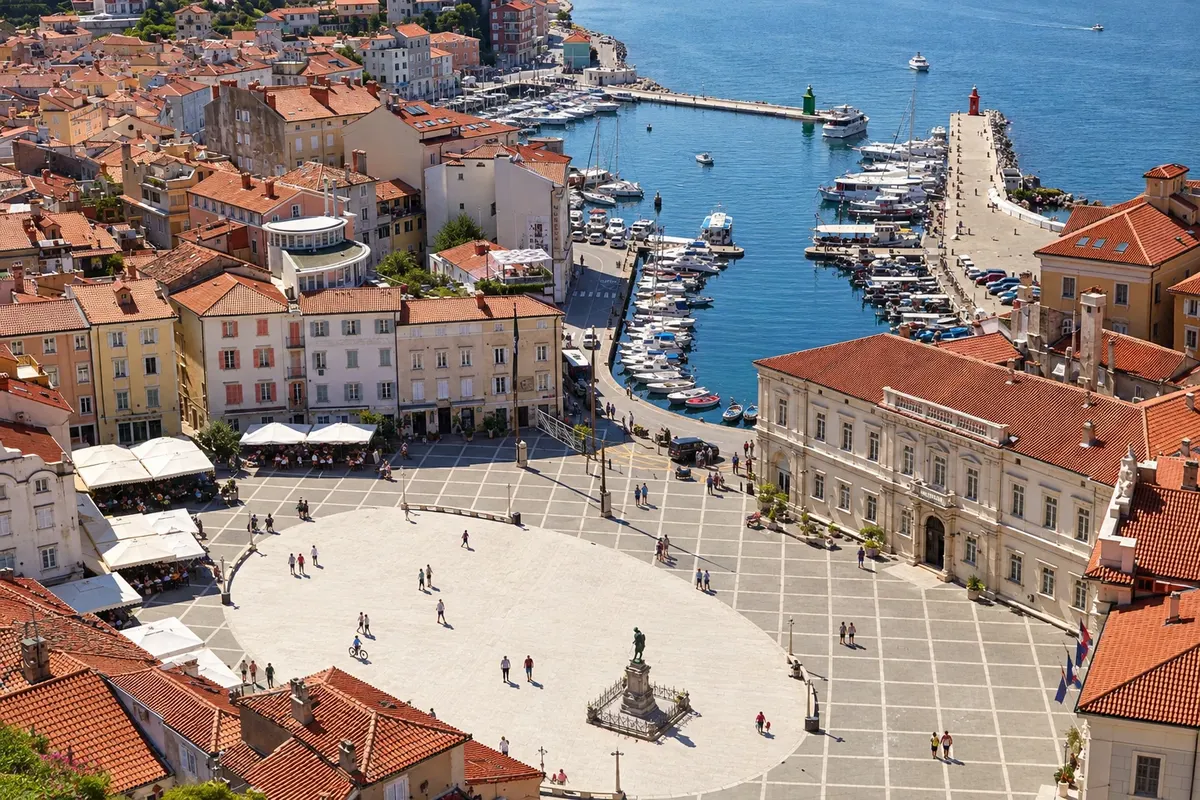
Piran spreads over a narrow peninsula around Tartini Square, named for the violinist and composer Giuseppe Tartini, who was born in the town. From the bell tower of the Church of St. George you can see the town and the sea. Next door, Portorož is a beach resort and spa town, and further south are the Sečovlje salt pans, a nature park where salt is harvested by traditional methods. Koper, the largest town, has a historic centre with the Praetorian Palace, and Izola is a fishing town.
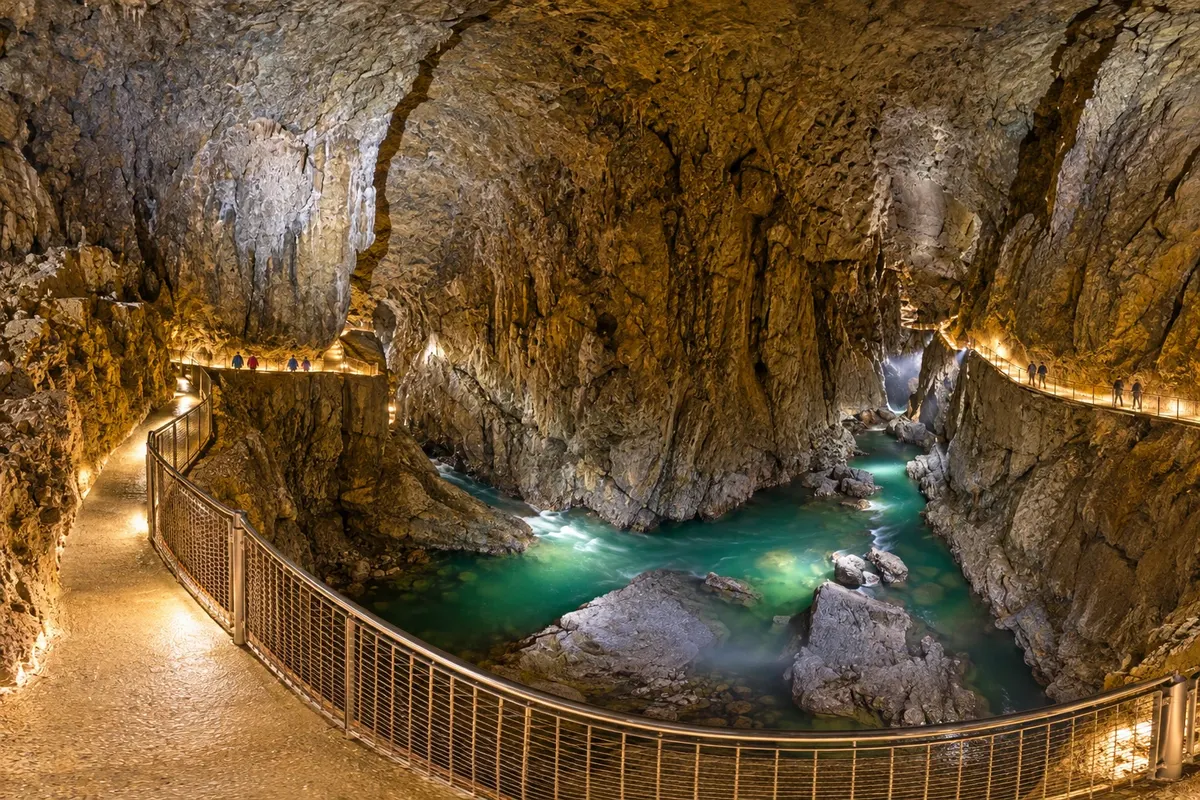
The Karst plateau gave its name to this type of landscape in several languages. In the Škocjan Caves, a UNESCO World Heritage Site since 1986, the Reka River runs through an underground canyon crossed by a bridge. In Lipica, a stud farm founded in 1580 gave rise to the Lipizzaner horse, still bred there today.
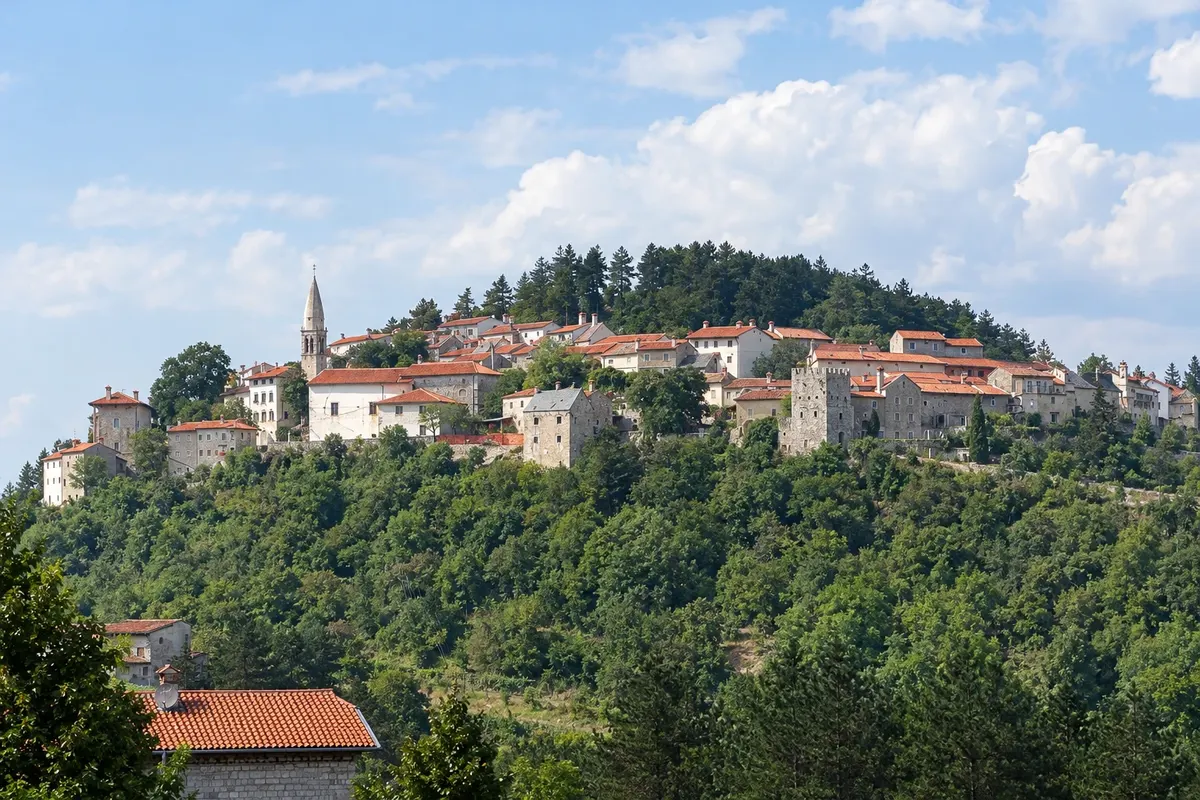
The Karst villages are built of limestone, such as Štanjel, perched on a hill with a castle and garden. In Hrastovlje, the Church of the Holy Trinity, surrounded by a wall, has frescoes from 1490 depicting the Dance of Death. The teran wine, from the refošk grape, and the dry-cured ham kraški pršut are typical regional products.
Flavors of Slovenia
Thick soup of beans, potatoes and sauerkraut or fermented turnip, cooked with smoked pork. It’s the spoon food of western Slovenia, and the Karst version, with sauerkraut and potatoes, is the best known.
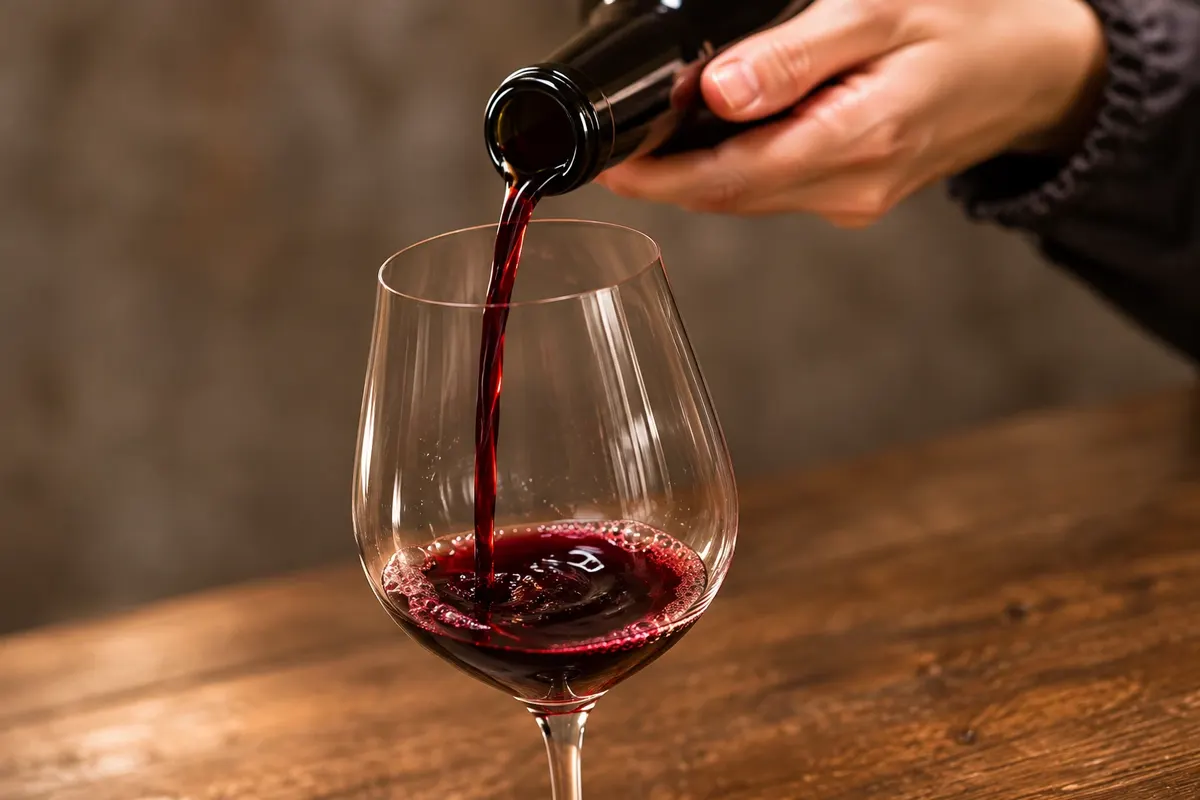
Dark, acidic red wine from the Karst plateau, made only with the refošk grape grown in the region’s red soil. It has Slovenia’s recognized traditional designation PTP and pairs with the ham and dishes of the Karst.
Destinations
Cities
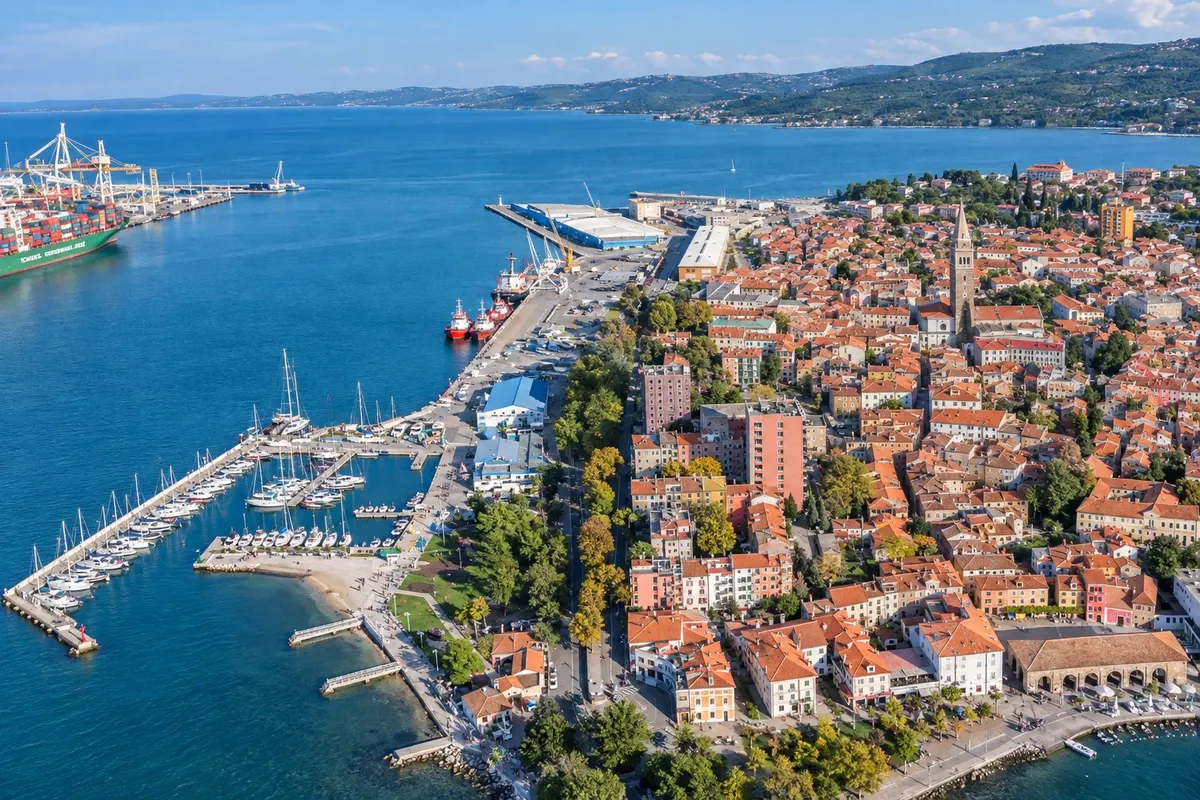
The largest city on the Slovenian coast and home to the country's main port. The historic center, on a former island, surrounds Tito Square with the Venetian Praetor's Palace, the Loggia and the cathedral with its bell tower, as well as the regional museum. Inland is the fortified church of Hrastovlje.
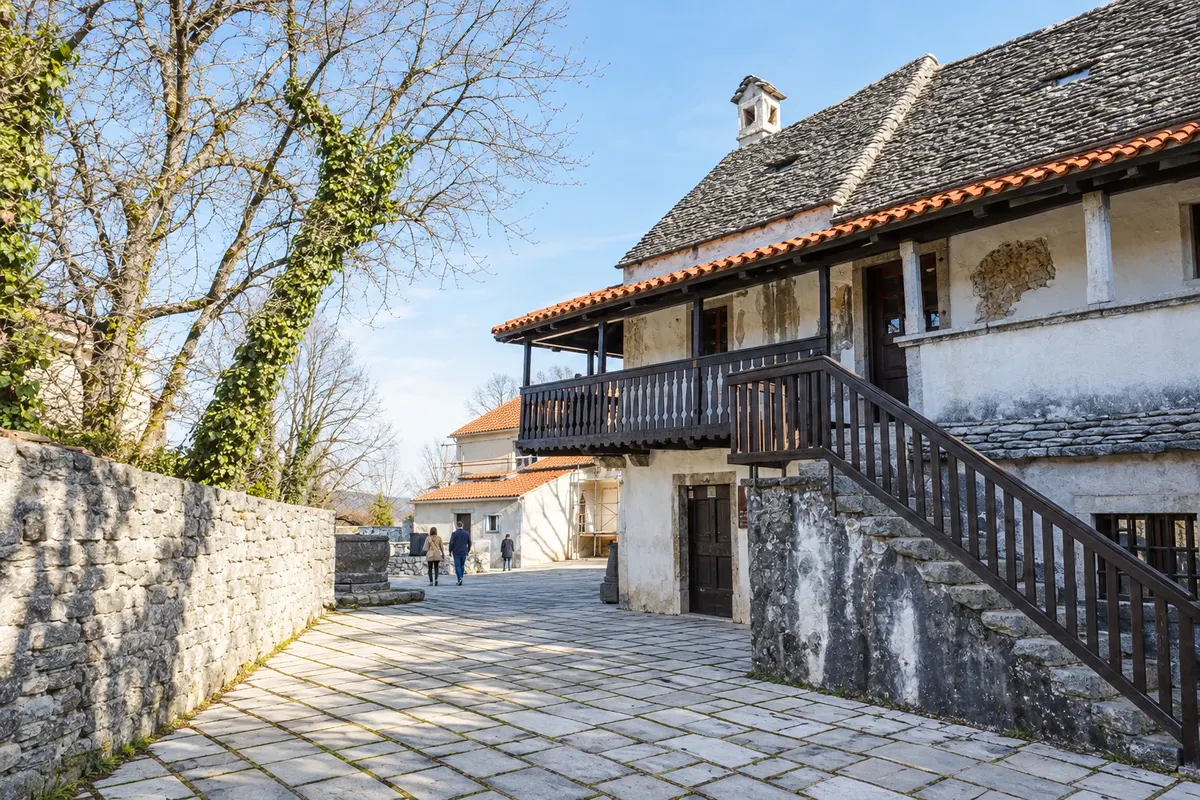
Small Karst town, railway junction and A1 motorway exit, about 5 km from the Škocjan Caves. It serves as a base to visit the caves and the sinkhole trail, and is a short distance from Lipica, Sežana and the coast.
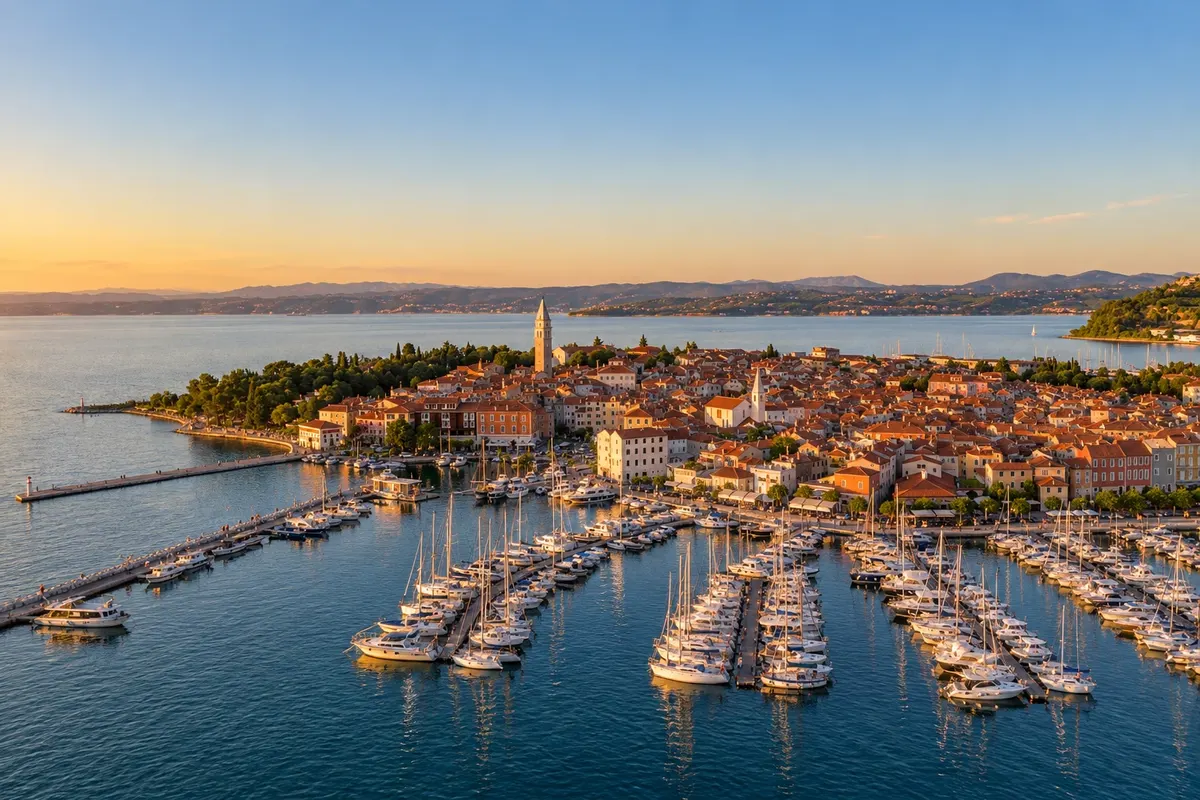
A fishing town between Koper and Piran that used to be an island until it was connected to the mainland in the early 19th century. It has narrow streets, a fishing port, seafood restaurants on the waterfront, the bay of St. Simon with remains of a Roman harbor, and a section of the old Parenzana railway that is now a cycling path.
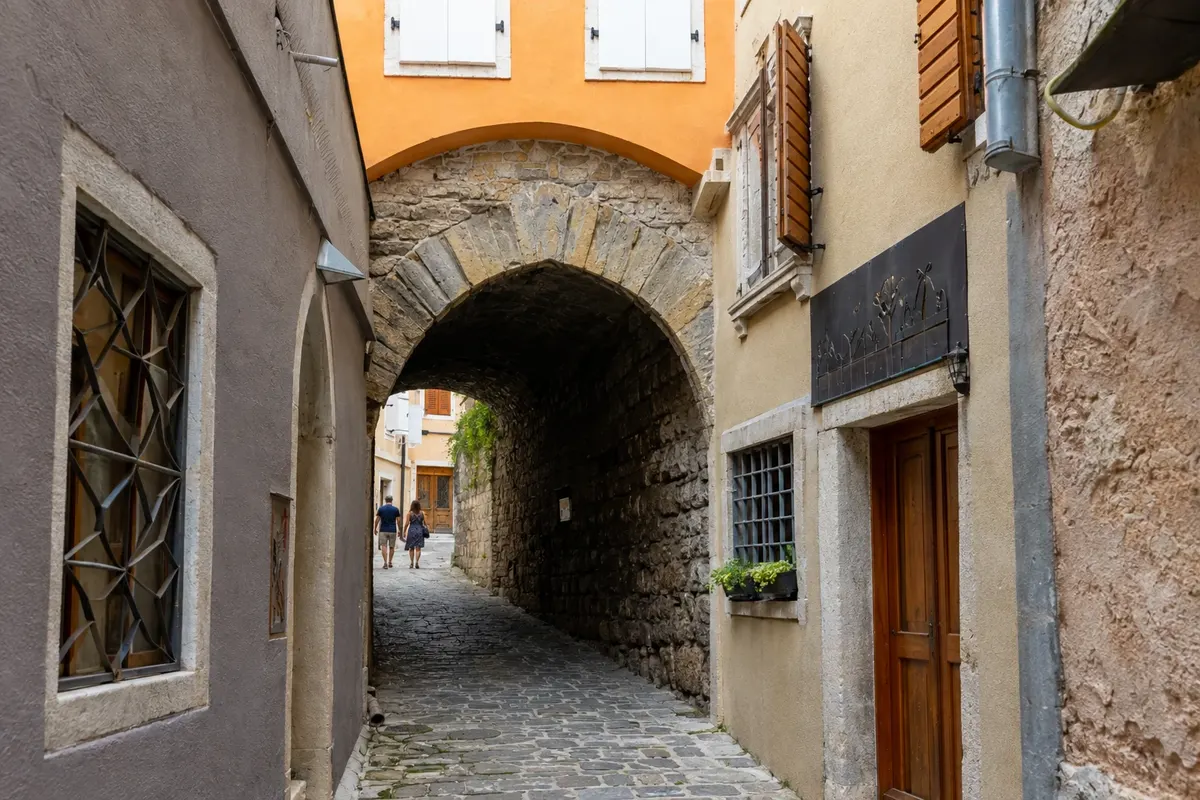
City at the tip of a narrow peninsula in the Gulf of Trieste, with the best-preserved historic center on the Slovenian coast. It has Tartini Square, the Church of St. George with a Venetian-inspired bell tower, and the walls on the hilltop. It is bilingual, in Slovene and Italian, and closed to cars.
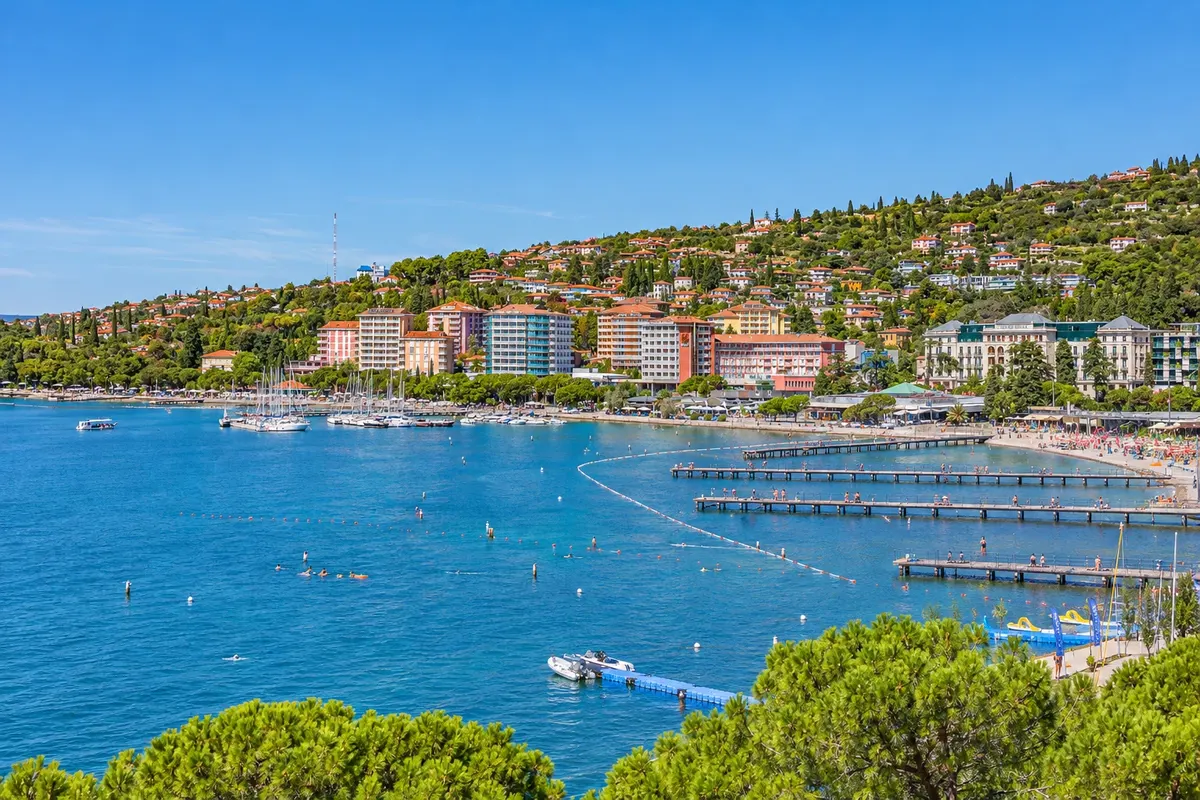
Seaside locality with a spa tradition in the bay next to Piran, in the same municipality. It has the main urban beach on the coast, a long promenade, the Lucija marina and, on the Seča peninsula, the Forma Viva sculpture park. The Sečovlje salt pans lie just to the south.
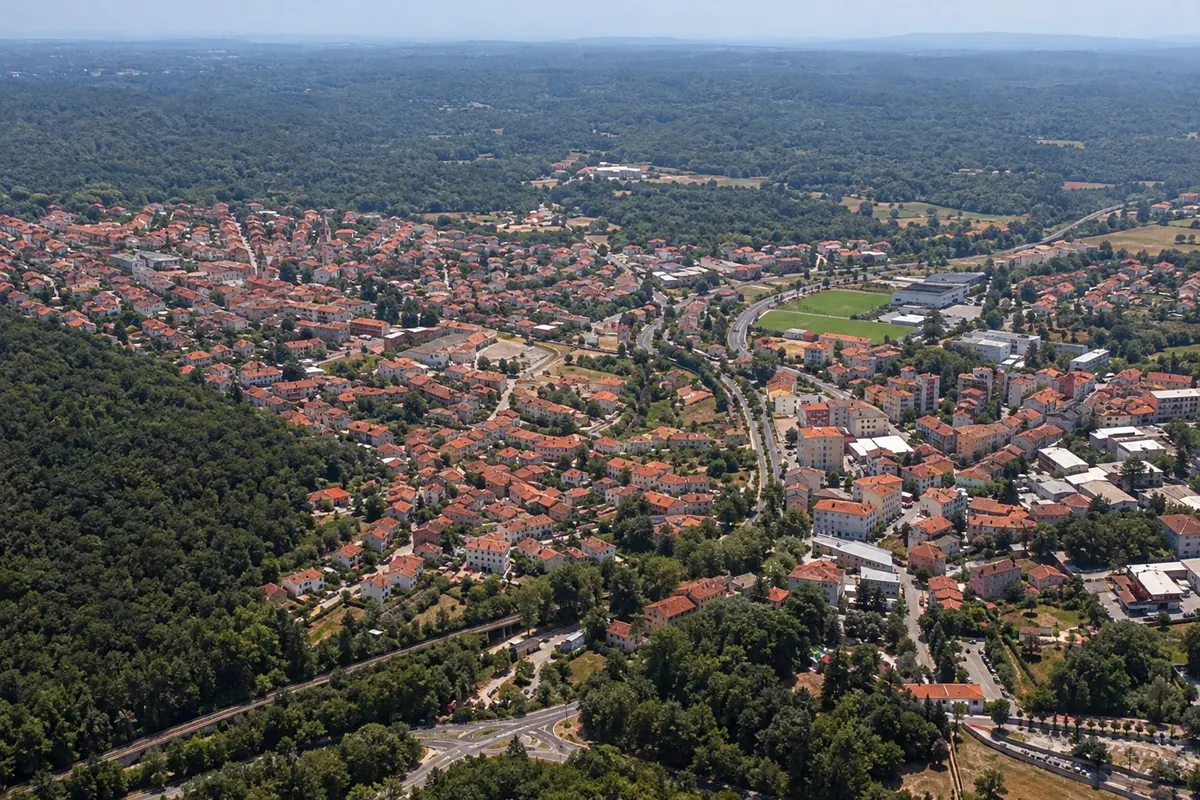
A town of about 6,000 inhabitants on the Karst plateau, next to the Italian border and about 17 km from Trieste. It grew with the railway between Vienna and Trieste, which has had a station here since 1857. It is the base for the Lipica stud farm and the Vilenica cave, a few kilometres away, and has in its centre the botanical garden of the Mirasasso villa, created in the 19th century by a family of Trieste merchants.
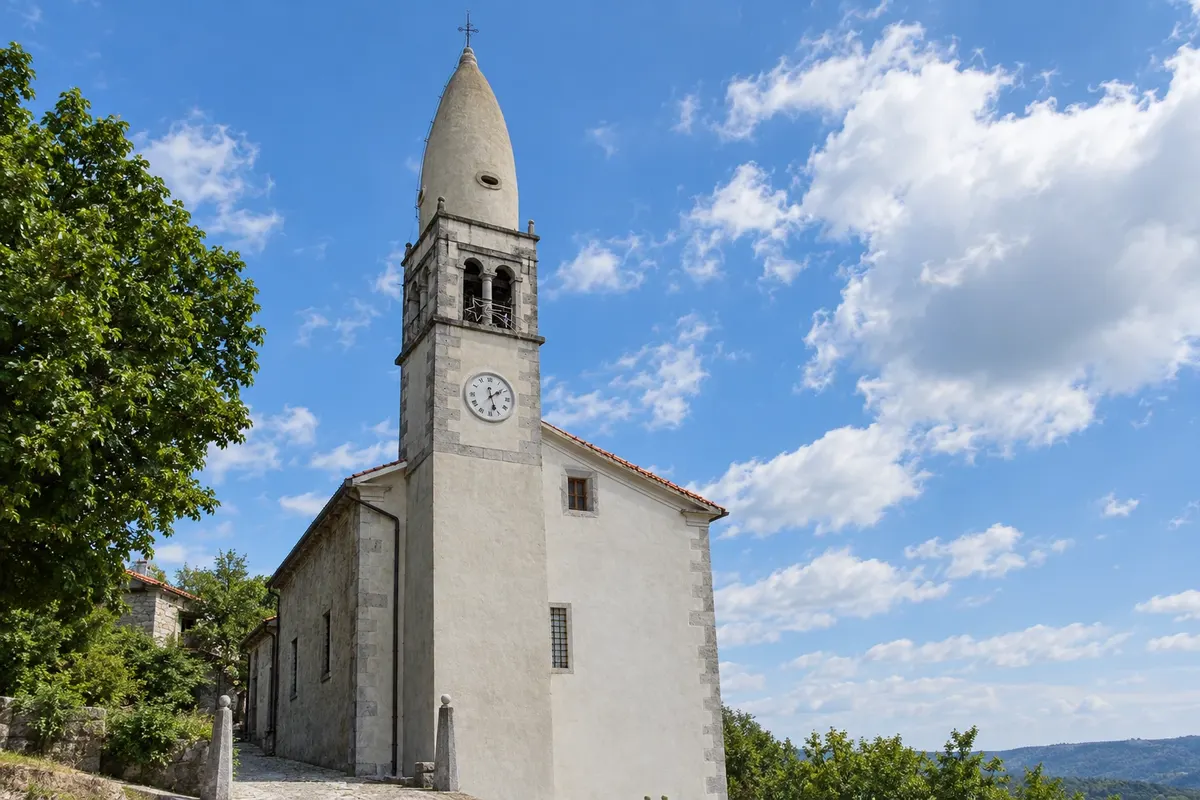
A stone village perched on a Karst hill in the municipality of Komen, one of the oldest settlements in the region. Surrounded by 15th-century walls, it has narrow streets, the Church of St. Daniel with a lemon-shaped tower, and a castle with an art gallery. Below the walls lies the Ferrari Garden, designed by Max Fabiani, who served as Štanjel’s mayor between the wars.
For the beach, the months are June to September, with warmer sea and crowded towns, especially in July and August. May, June and September have warm days and fewer people. The salt harvest at the Sečovlje salt pans usually runs from spring to the end of summer. The Škocjan Caves and Lipica are open year-round. In winter, the bora wind can blow strongly across the Karst.
Trieste (TRS), in Italy, is the nearest airport, about an hour from Koper; Ljubljana (LJU) and Venice also serve the coast. The A1 motorway, which comes from the capital, goes via Postojna and Divača to Koper. Trains from Ljubljana go to Koper and Divača, and frequent buses connect Koper, Izola, Portorož and Piran. There are also buses from Trieste to the Slovenian coast.
Your questions
Two days let you see Piran, Izola and Koper, which are only a few kilometres apart, and stroll through the Sečovlje salt pans. A third day allows a visit to the Škocjan Caves, Lipica or Štanjel in the Karst, all less than an hour from the coast.
Not many. Most of the coast has rocky, pebble beaches or concrete platforms with steps into the sea, as in Piran and Izola. Portorož has an artificial sand strip, and Strunjan has sections of natural beach along the cliffs.
The Škocjan Caves, a UNESCO site, are known for the underground canyon of the Reka River, visited on foot with a guide. Postojna Cave, about 30 km away, is partly explored by a small train and features chambers with limestone formations. Many travellers visit both in the same day.
On the coast, no: frequent buses link Koper, Izola, Portorož and Piran, and Piran’s centre is closed to cars. For the Karst, a car is convenient because the stone villages, Lipica and many wineries lie off the main lines; the Škocjan Caves are a few kilometres from Divača station.