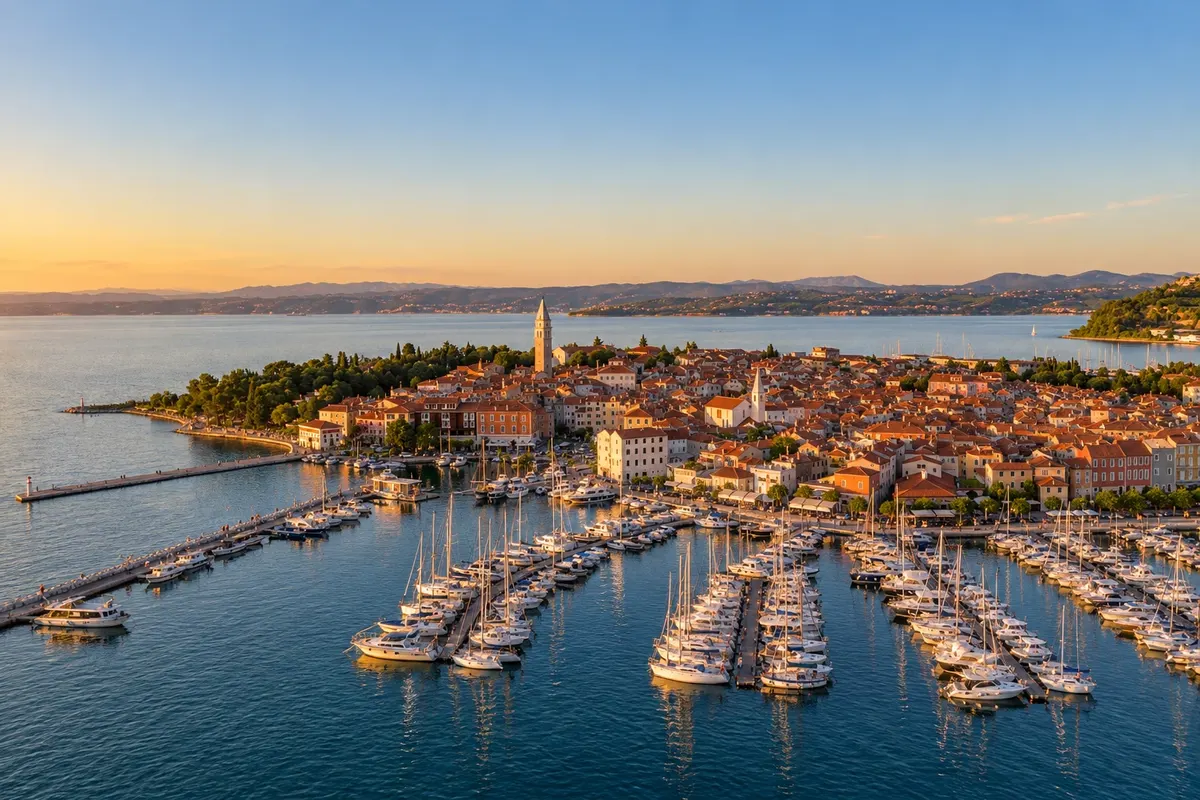
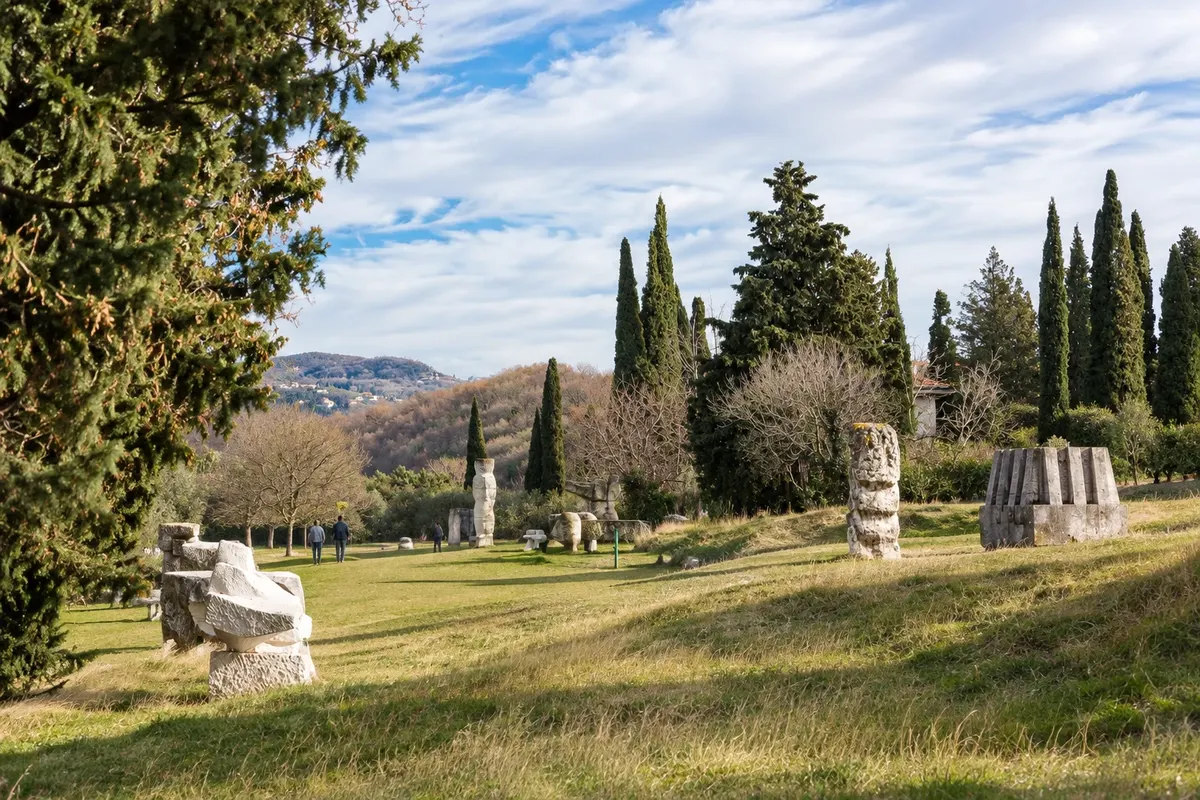
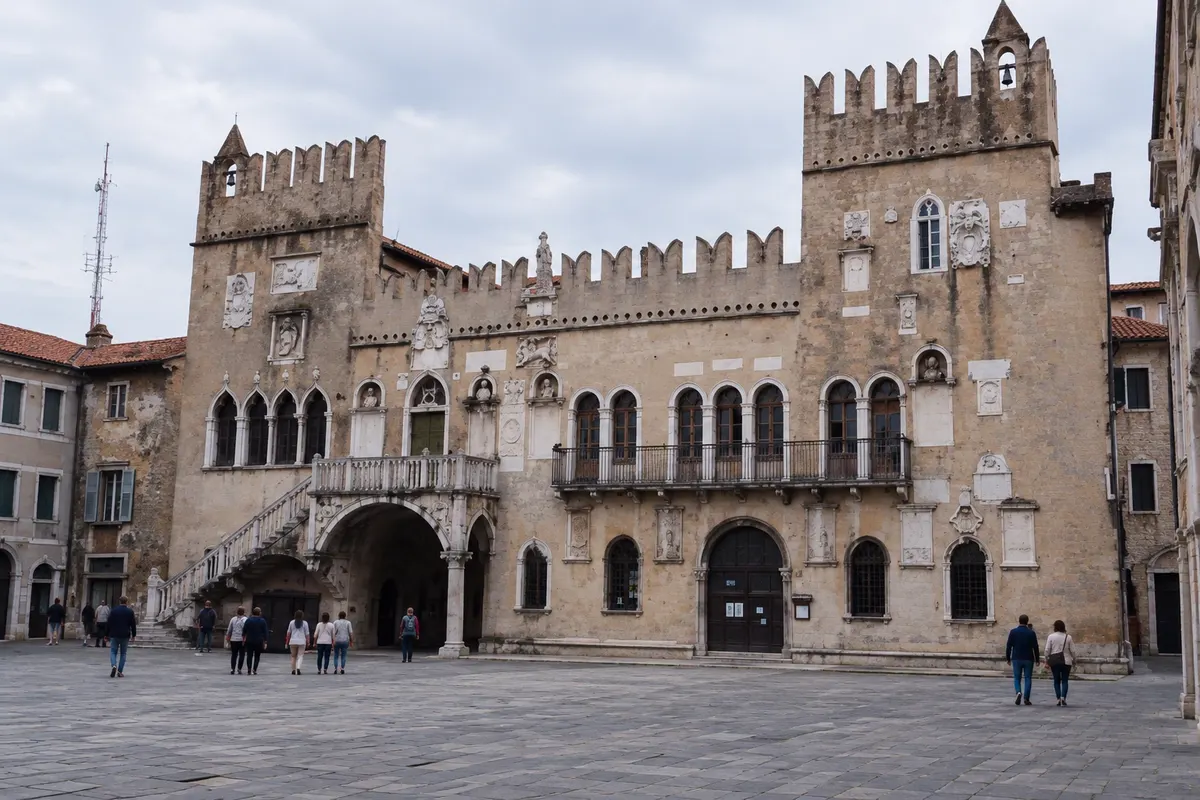
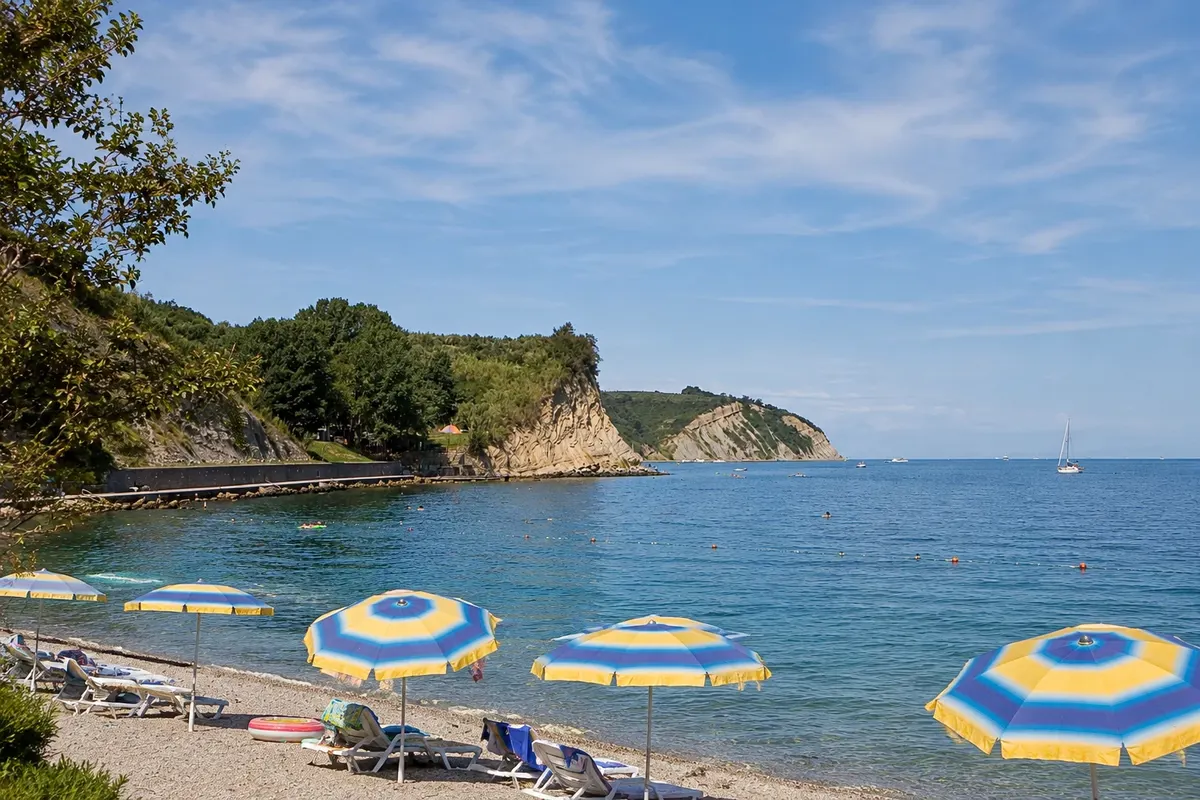
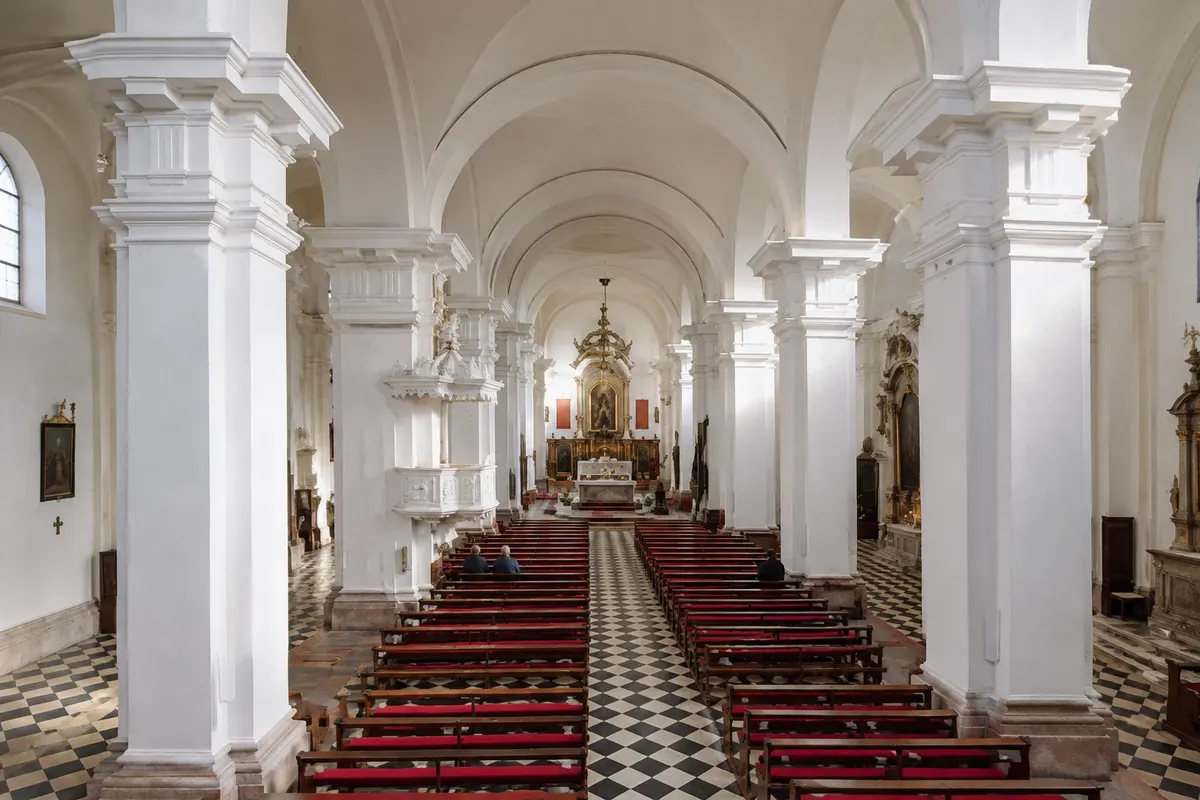
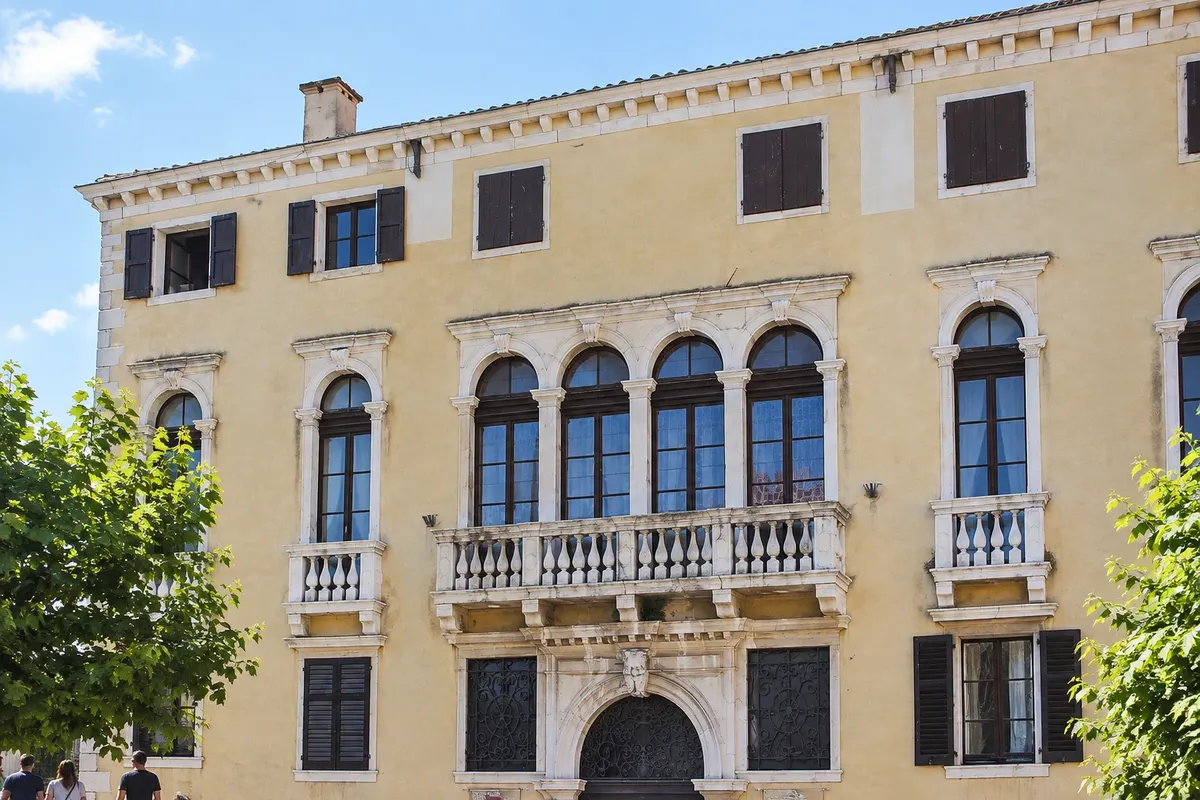
Slovenia has about 47 km of coastline at the northern tip of the Istrian peninsula, between Trieste in Italy and the border with Croatia. For five centuries the coastal towns were part of the Republic of Venice, and you can see that in the squares, the churches with bell-tower spires, and the winged lions on façades. Italian is an official language alongside Slovene in the coastal municipalities, and the signs are bilingual.
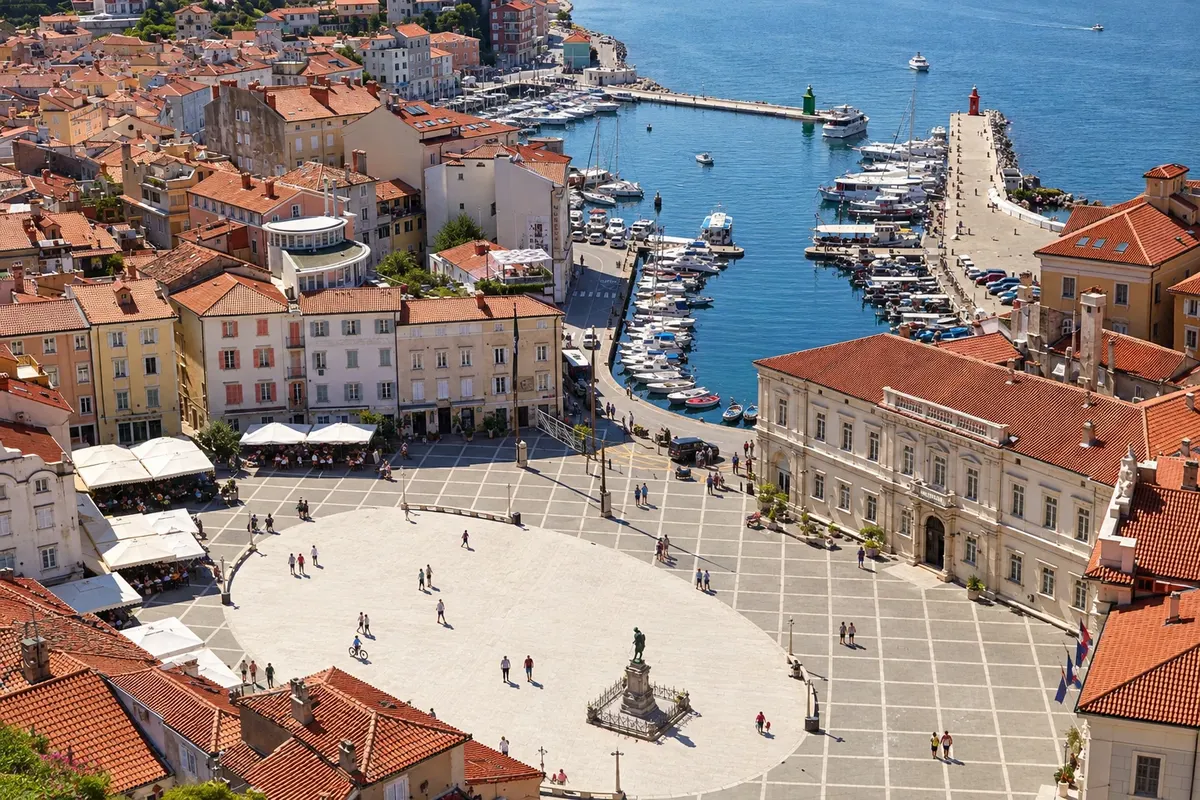
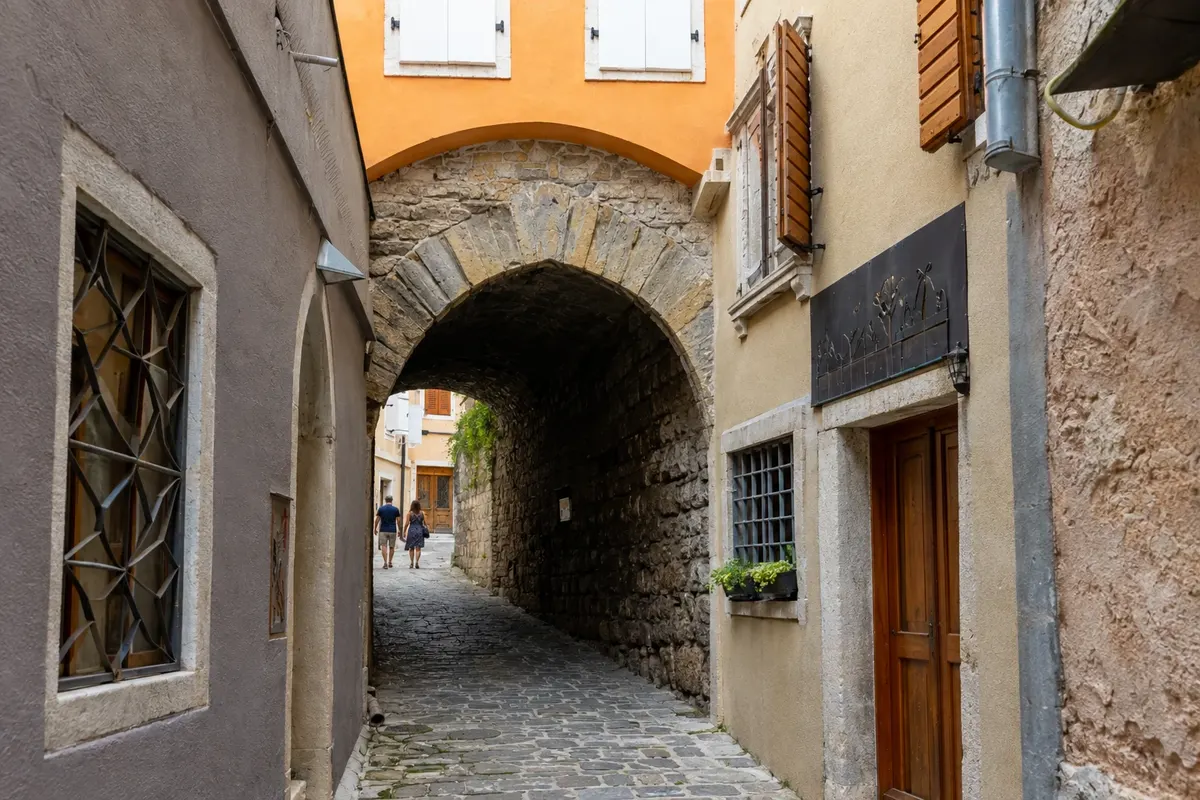
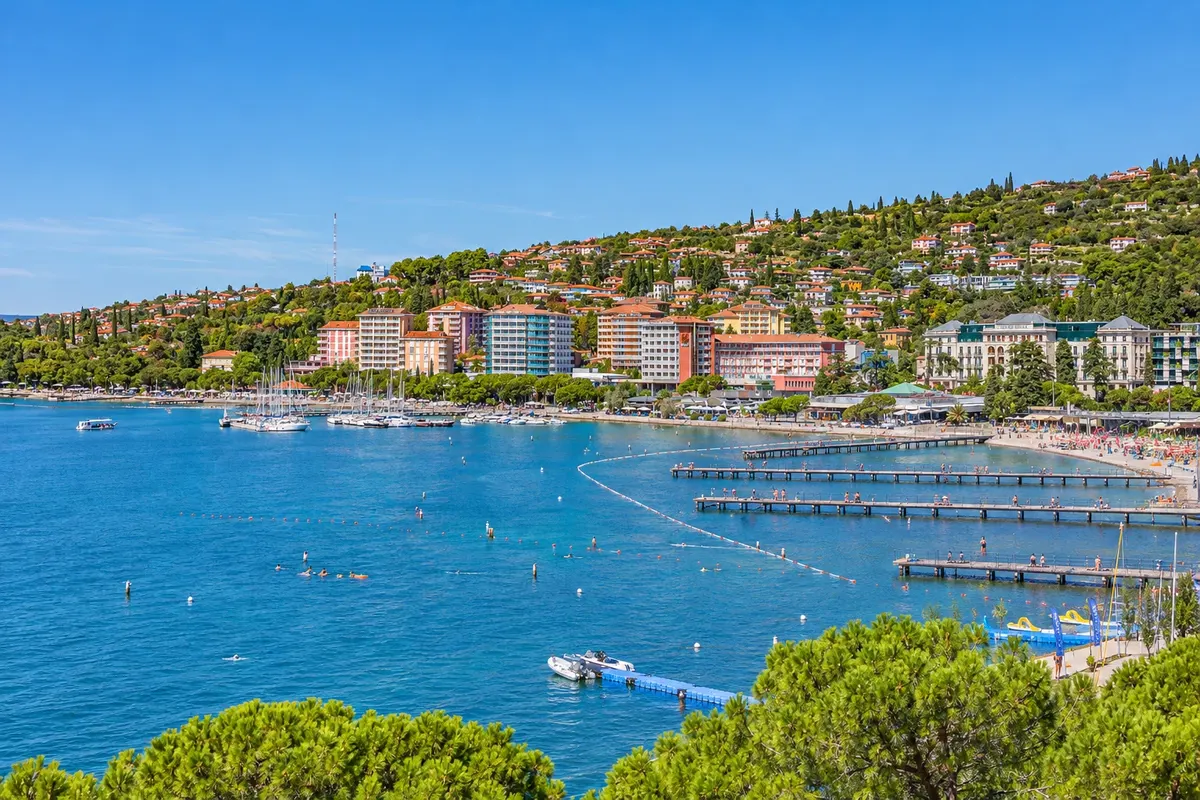
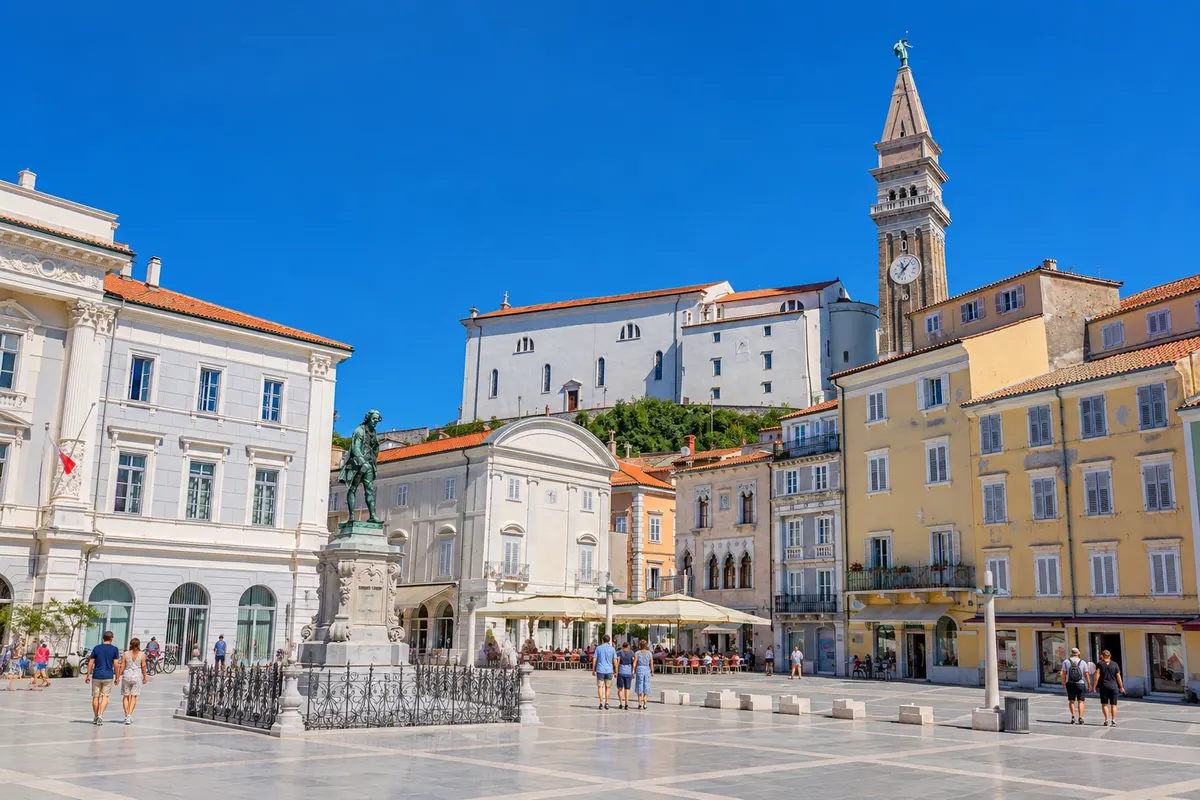
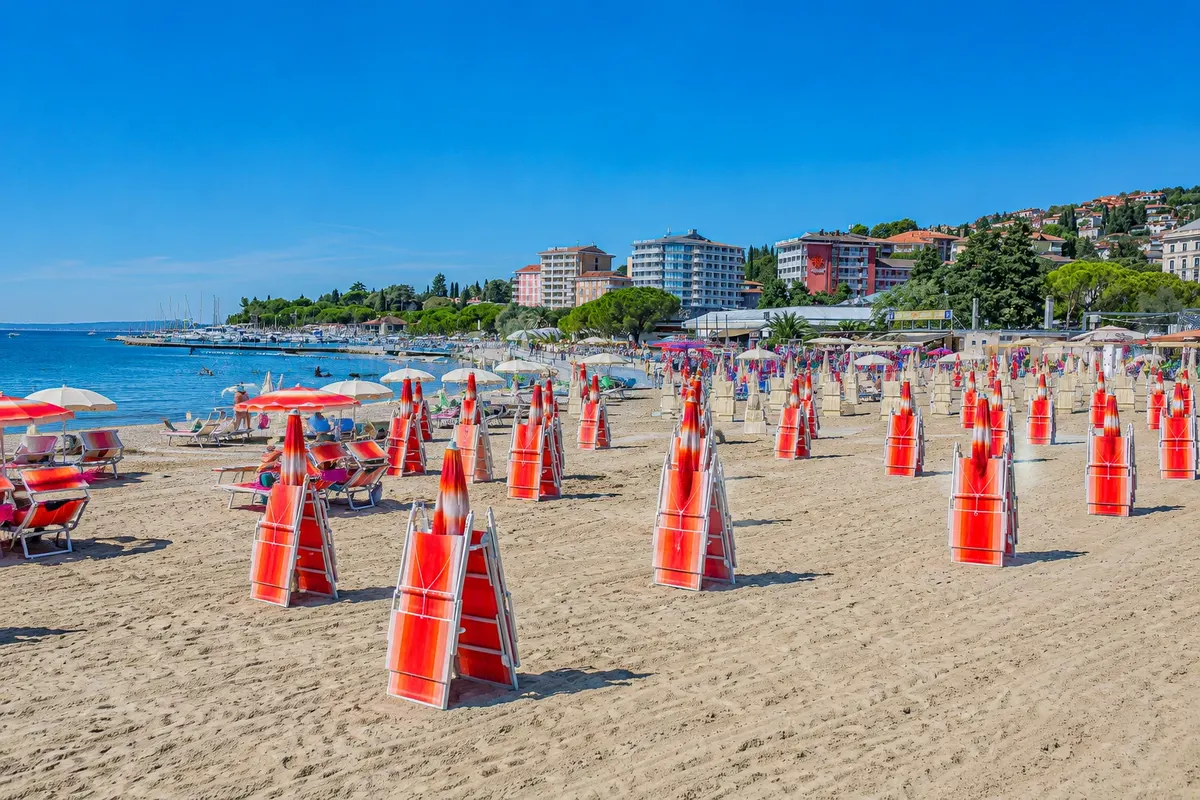
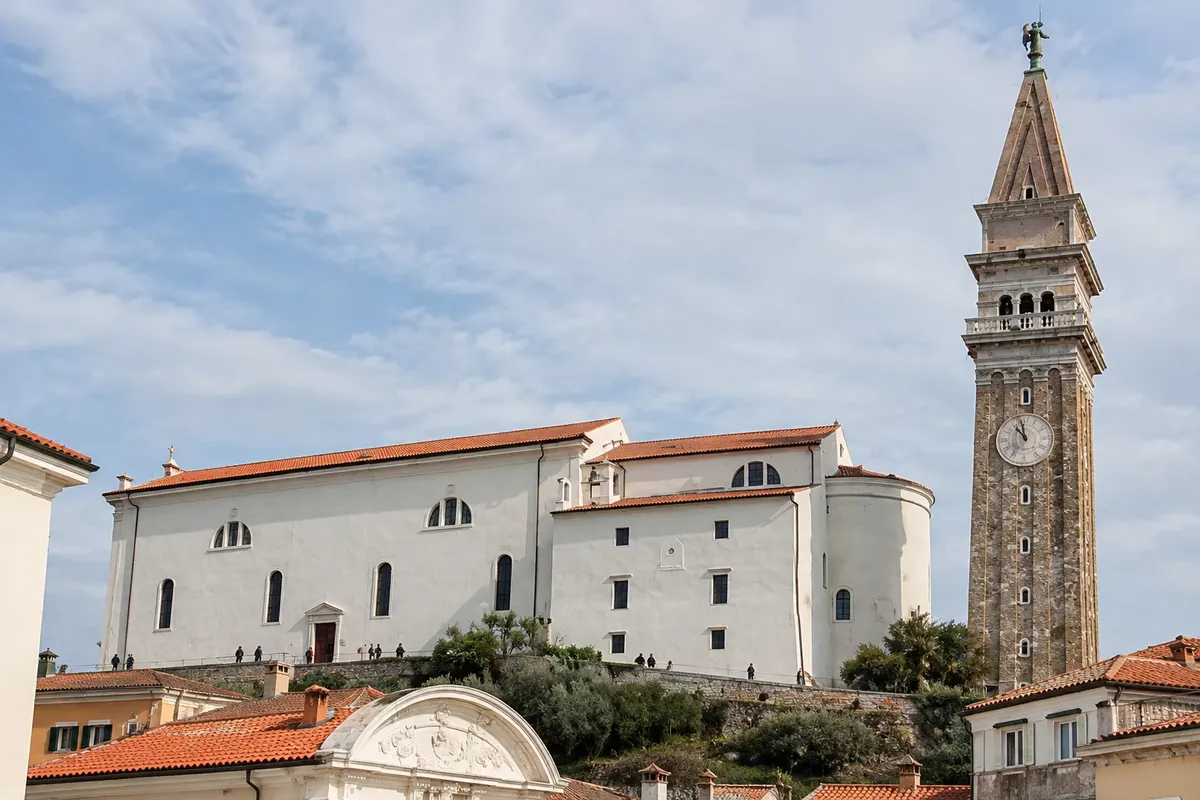
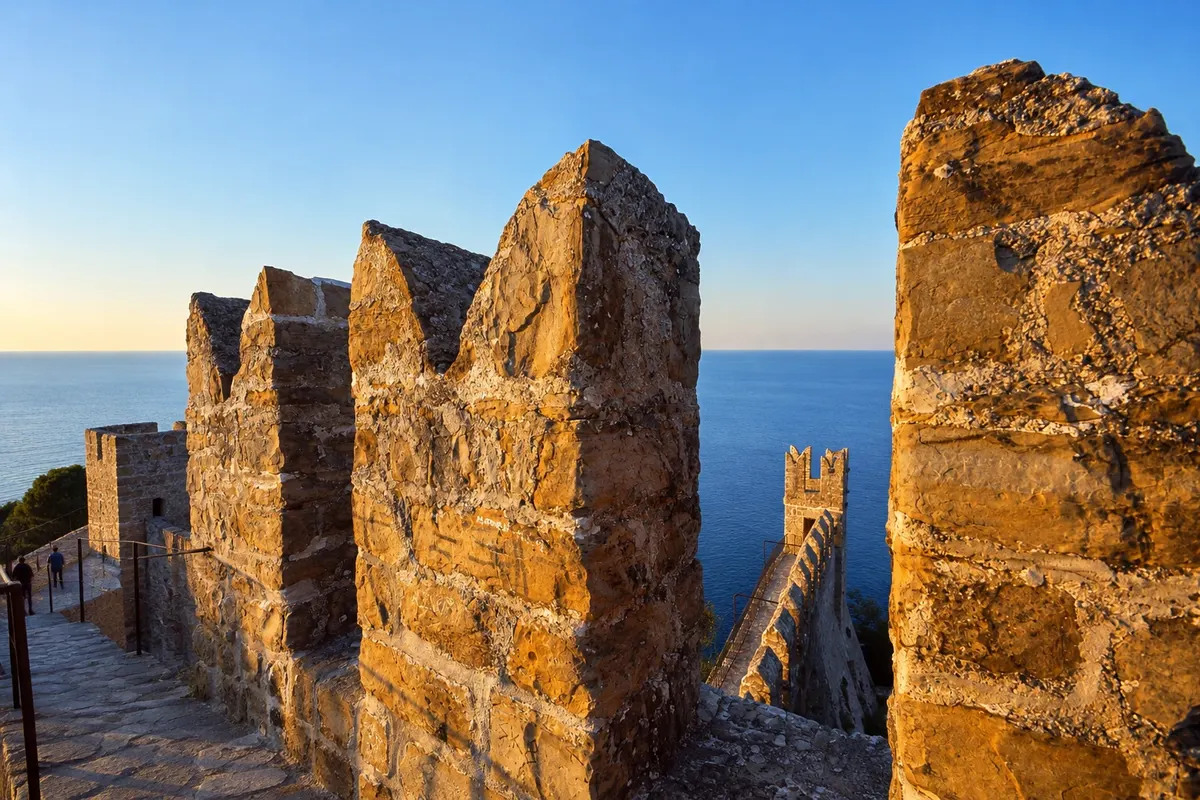
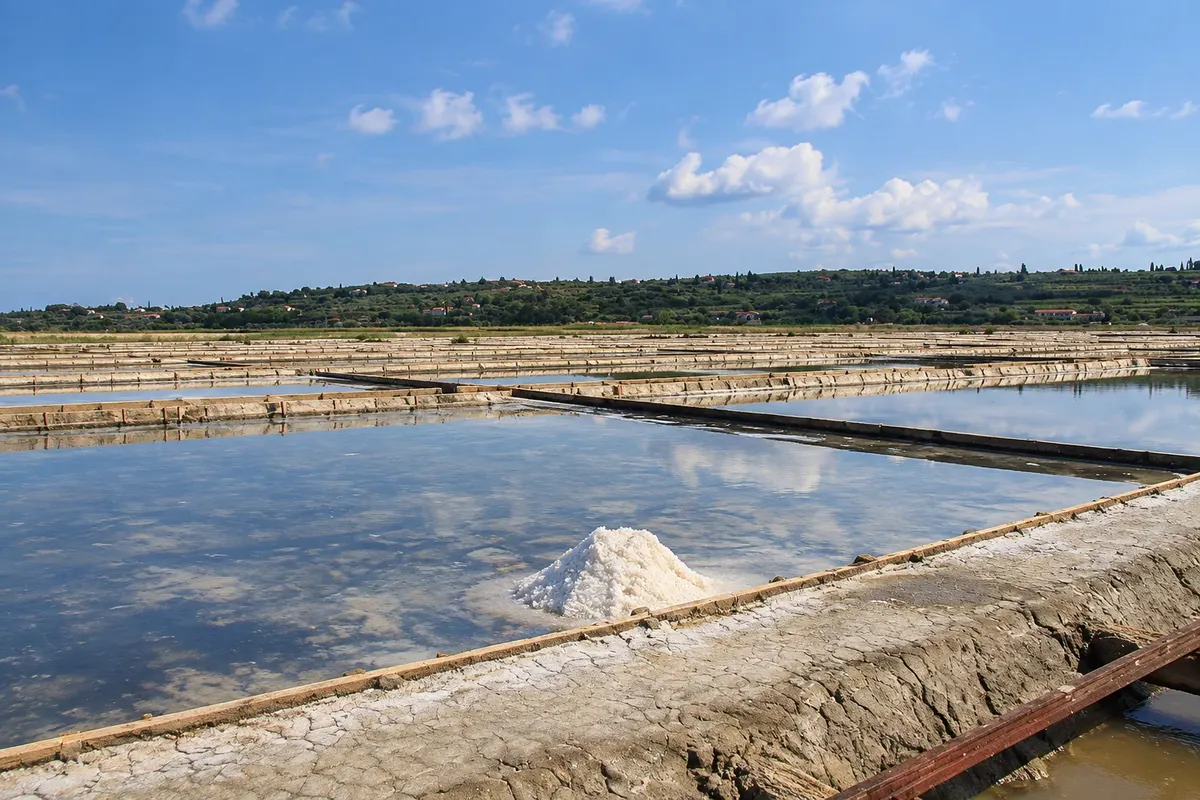
Piran sits on the tip of a narrow peninsula, with stone streets rising up to the church of St. George and the town walls. At the center, Tartini Square, shaped like an ellipse, stands on the site of an old dock. Nearby, Portorož is the beach and spa area, with treatments based on brine and mud from the salt pans, and to the south the Sečovlje salt pans still produce salt using traditional methods.
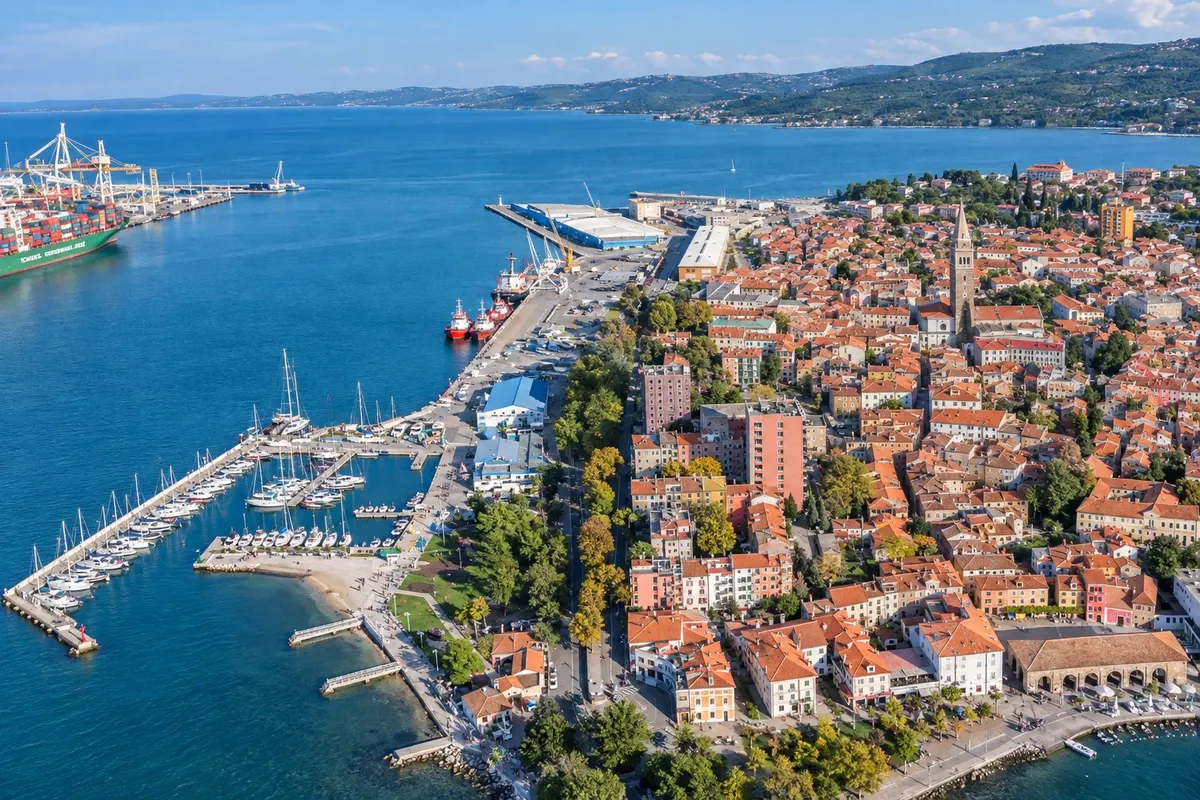
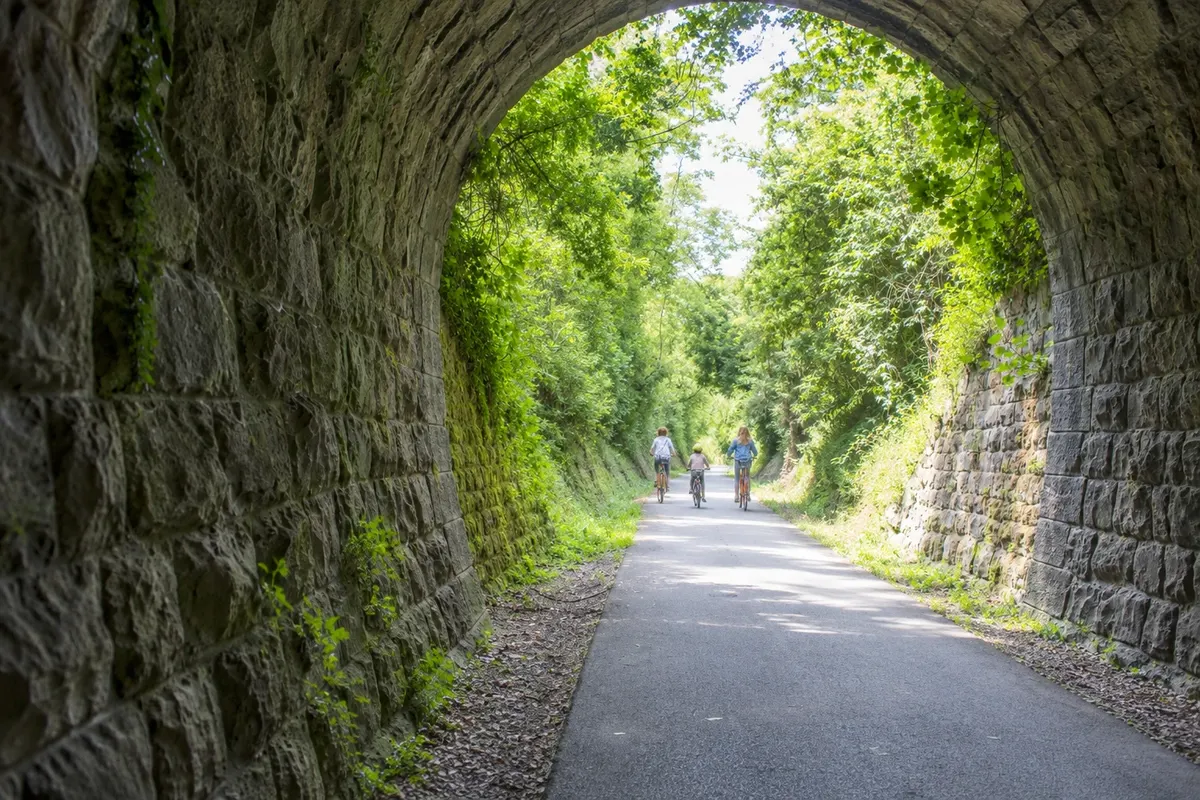
Koper, the largest town on the coast and home to the country’s only container port, preserves a Venetian-style historic center around the main square. Izola, between the two, originated as an island and retains its fishing port and narrow streets. An old railway, the Parenzana, has been converted into a cycling and walking trail linking the towns.
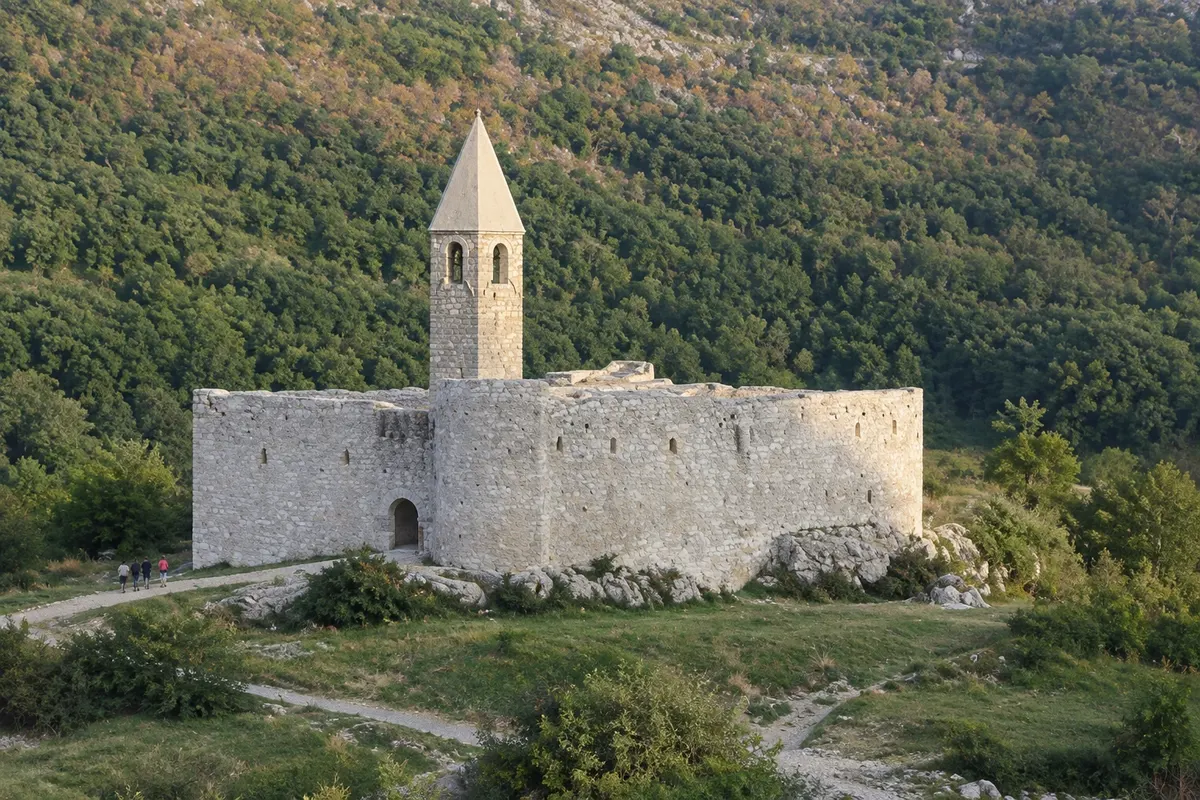
In the inland area about 20 km from Koper, the fortified church of Hrastovlje preserves frescoes from 1490 featuring a Dance of Death.
This destination brings together 4 cities: Piran, Portorož, Koper, Izola.


 Brazil
 Argentina
 Bolivia
 Chile
 Colombia
 Ecuador
 Guyana
 French Guiana
 Falkland Islands (Malvinas)
 Paraguay
 Peru
 Suriname
 Uruguay
 Venezuela
 Germany
 Austria
 Belgium
 Croatia
 Denmark
 Slovakia
 Spain
 Finland
 France
 Greece
 the Netherlands
 Hungary
 Ireland
 Iceland
 Italy
 Luxembourg
 Norway
 Poland
 Portugal
 the United Kingdom
 the Czech Republic
 Sweden
 Switzerland
 Turkey
 Canada
 the United States
 Mexico
 the Dominican Republic
 South Africa
 Australia
 Fiji
 New Zealand
 Papua New Guinea