Ajdovi žganci
Buckwheat flour cooked in water and fluffed into small clumps with a fork, served with pork cracklings. For a long time it was the everyday food of the central and alpine regions, and it is considered a national Slovenian dish.
Flavors · Obalno-kraška
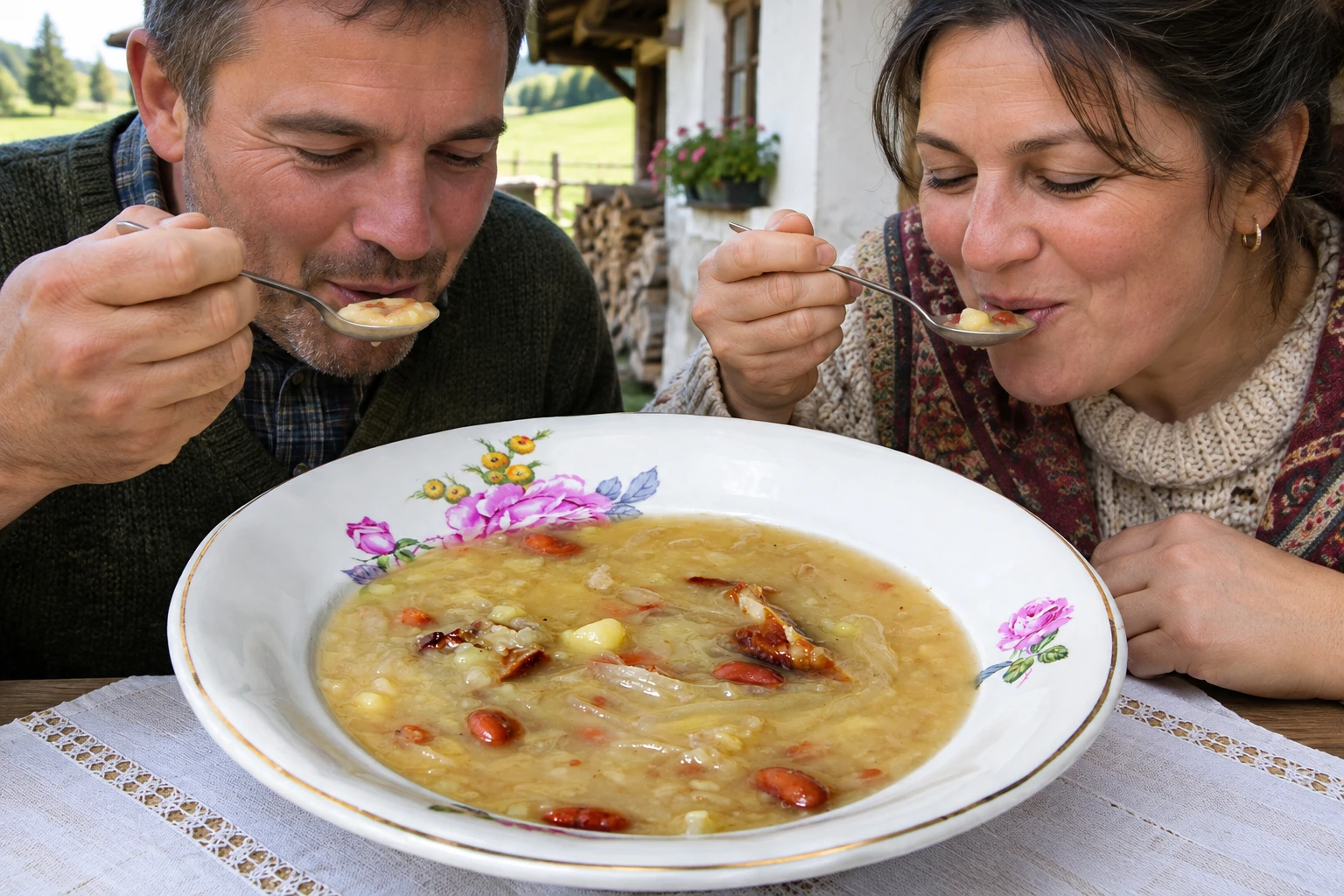
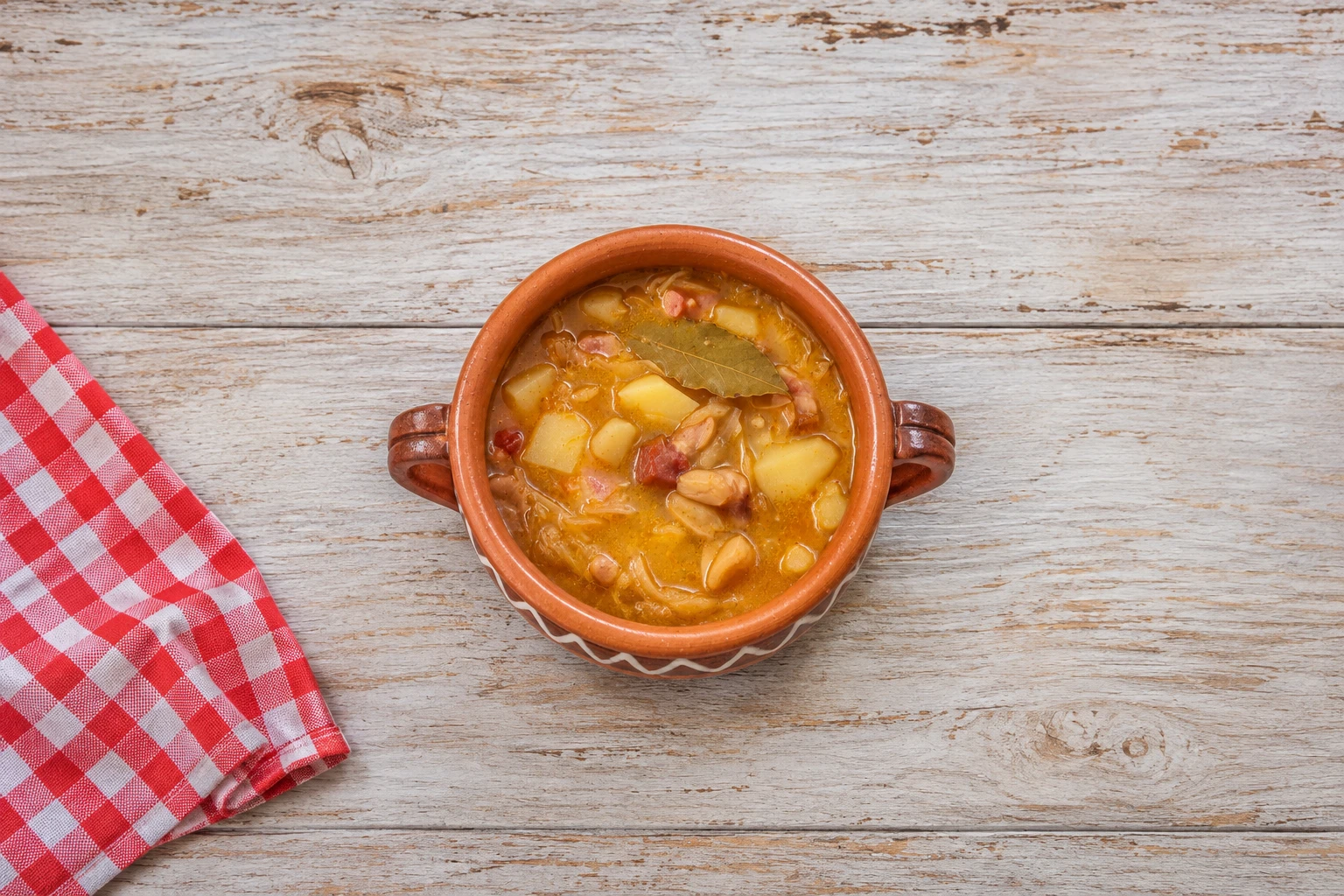
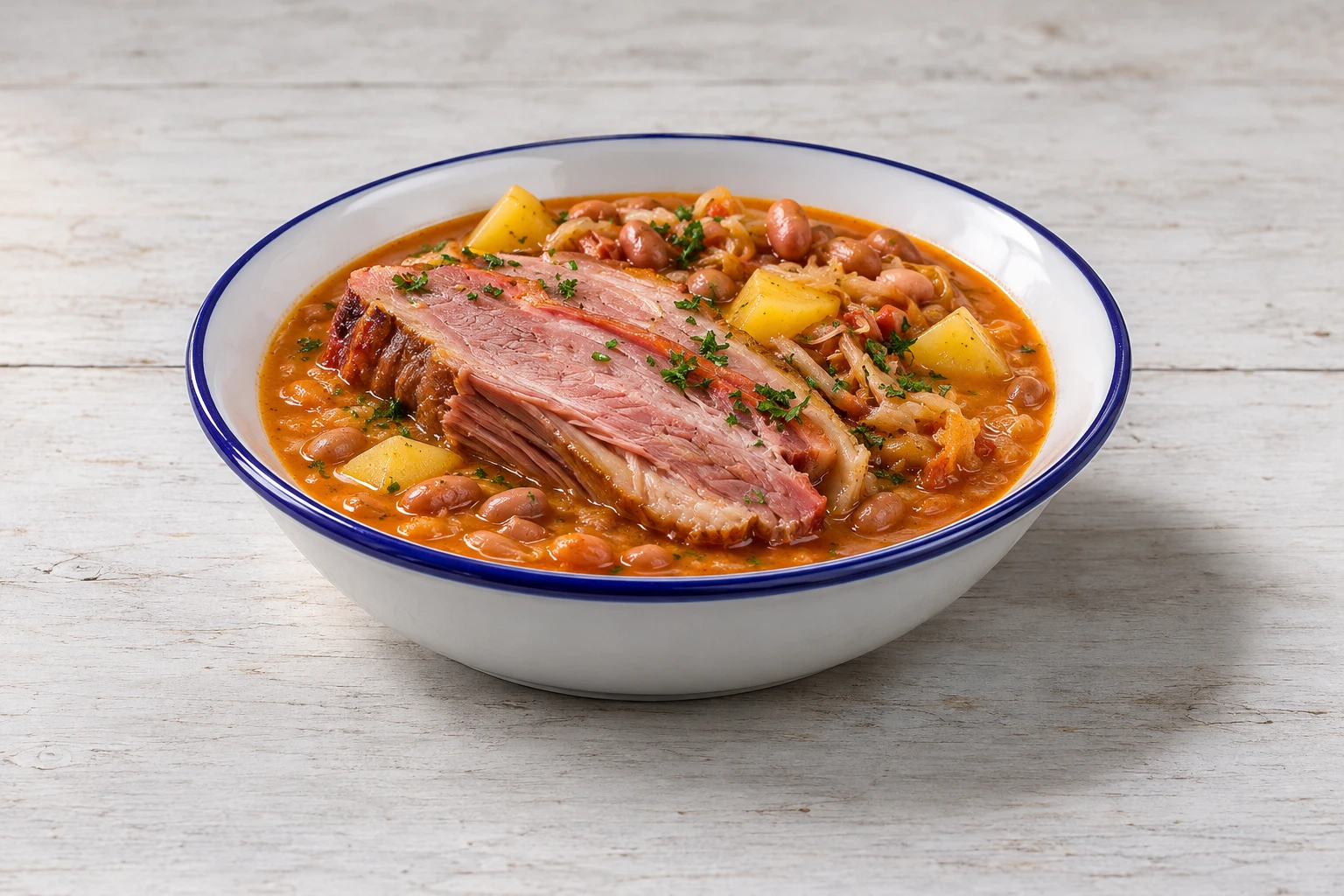
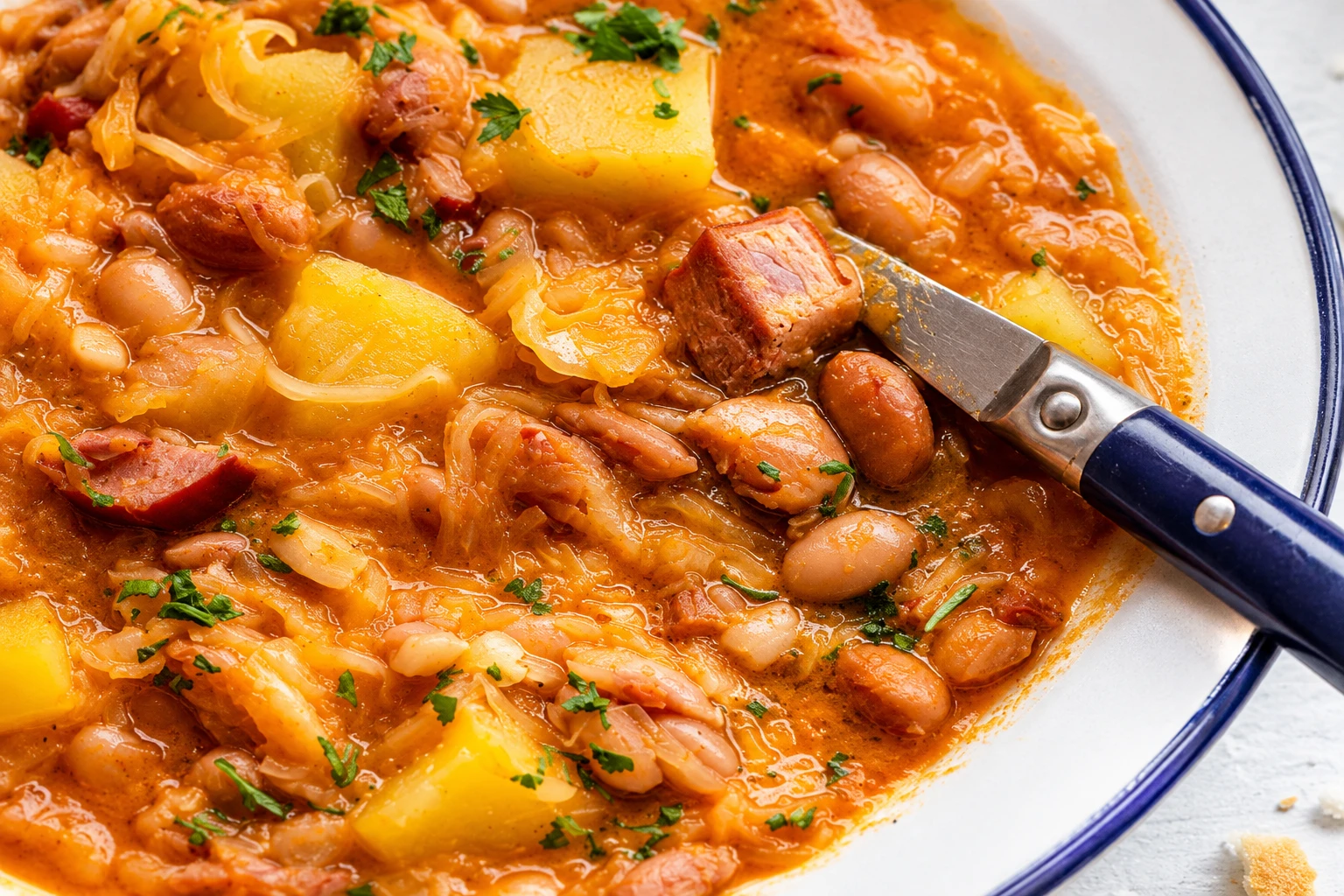
Thick soup of beans, potatoes and sauerkraut or fermented turnip, cooked with smoked pork. It’s the spoon food of western Slovenia, and the Karst version, with sauerkraut and potatoes, is the best known.
Traditional dish from Obalno-kraška
Also known as: kraška jota (jota do Carste); jota s kislim zeljem; jota s kislo repo
Illustrative images. The pictures in this guide are illustrations based on the real place, not photographs, and may differ from it.
Click a photo to enlarge it.
Jota — Obalno-kraška, Slovenia
Jota is a thick soup, almost a stew, eaten with a spoon. The base is cooked beans, potatoes and sauerkraut, or fermented turnip (kisla repa), simmered with bay leaf and garlic and thickened at the end with a roux. Smoked pork — rib, bacon or sausage — gives it a smoky flavor. Many recipes cook the beans, potatoes and sauerkraut separately and only combine everything at the end, and those who make it often say it tastes better the next day.
It is a dish of western Slovenia: from the Karst and the coast, from Goriška and the Soča valley. The name resembles the jota of Friuli, on the Italian side of the border, and sources believe the dish came from there and spread eastward. The Karst version, kraška jota, uses sauerkraut and potatoes; in other areas, such as the Soča valley, the version with fermented turnip is common.
Jota is eaten in the cold months, when cabbage and turnips harvested in autumn have already fermented. In the Karst it appears on local festival menus alongside cured ham and teran wine, and the region’s inns often serve it as a first course.

Obalno-kraška
Traditional soup of the west; associated with the Karst version (kraška jota), in the Obalno-kraška region.
Beans, potatoes, sauerkraut or fermented turnip, smoked pork (rib, bacon or sausage), garlic, bay leaf, pepper and a roux made with lard or oil.
Very hot, in a deep bowl, with bread; sometimes the meat or sausage is served on the side.
An autumn and winter dish; served in restaurants and country inns of western Slovenia.
Your questions
It is a thick soup of beans, potatoes and sauerkraut or fermented turnip, cooked with smoked pork. It is spoon food for the cold months in western Slovenia.
The Karst jota contains sauerkraut and potatoes; in other parts of the west, such as the Soča valley, the version with fermented turnip is common. Smoked meat and beans appear in almost all versions.
Mainly in autumn and winter, when cabbage and turnips harvested in the fall have fermented.
Flavors of Slovenia

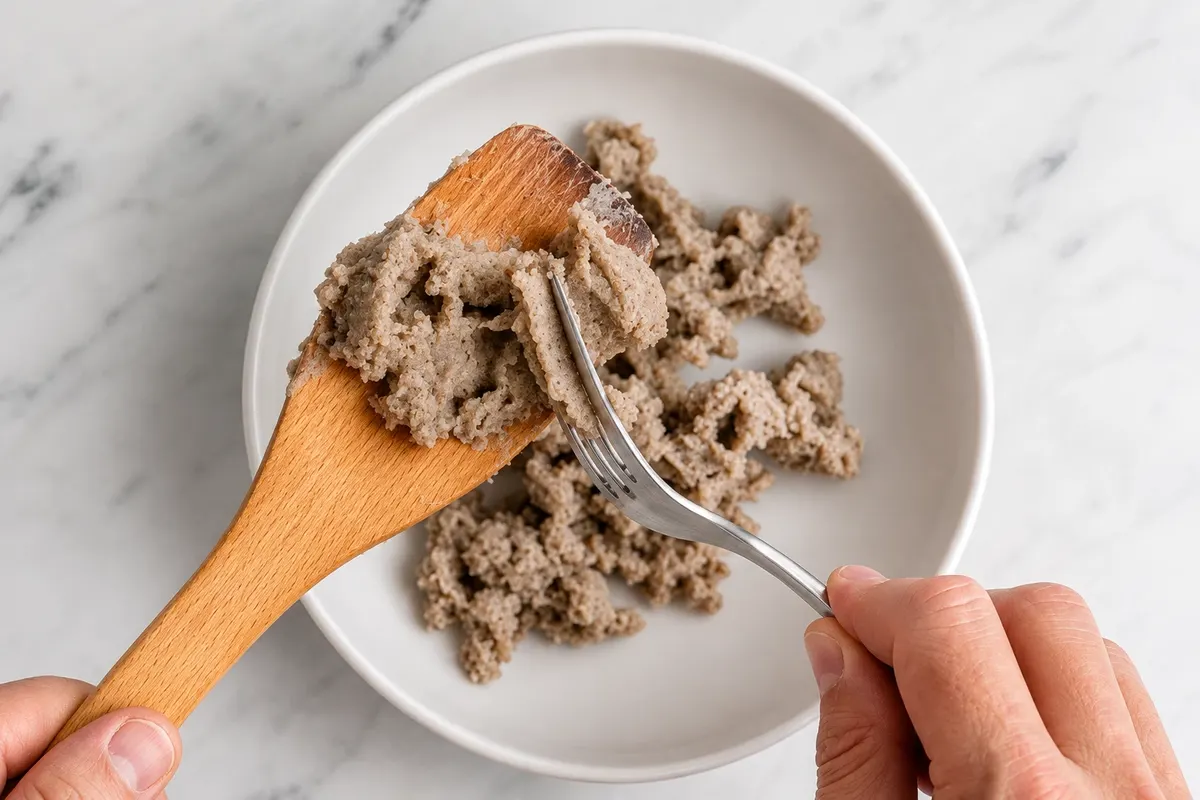
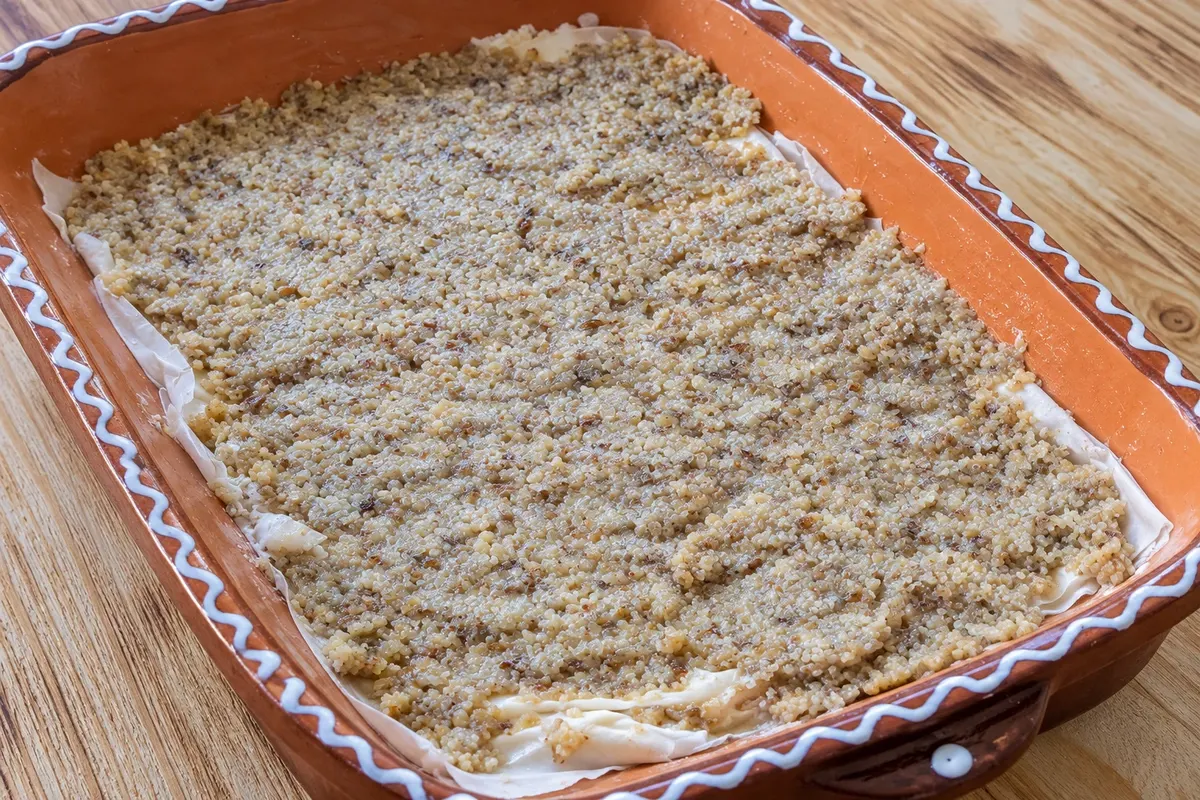
Buckwheat flour cooked in water and fluffed into small clumps with a fork, served with pork cracklings. For a long time it was the everyday food of the central and alpine regions, and it is considered a national Slovenian dish.

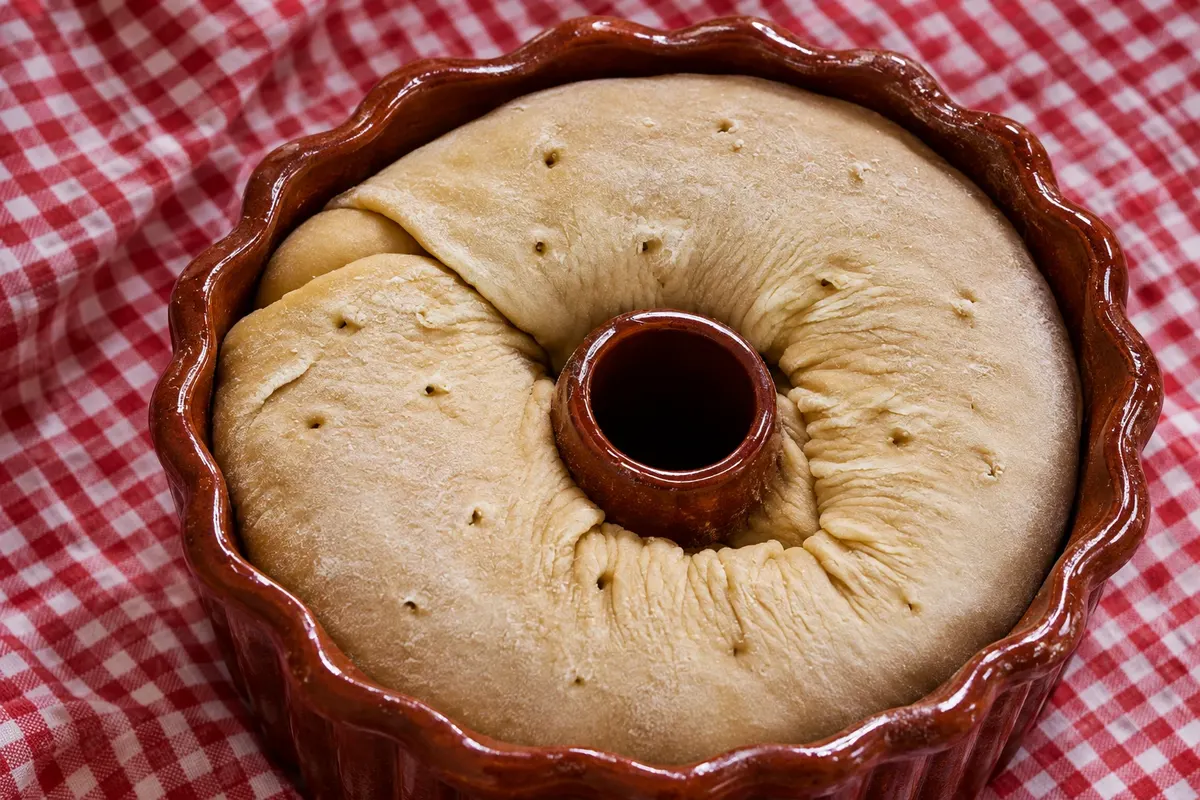
Sweet leavened dough, rolled out very thin, filled, rolled up and baked in a round pan with a hole in the middle. It is the festive pastry of Slovenian celebrations, with fillings of walnuts, tarragon, raisins or honey.

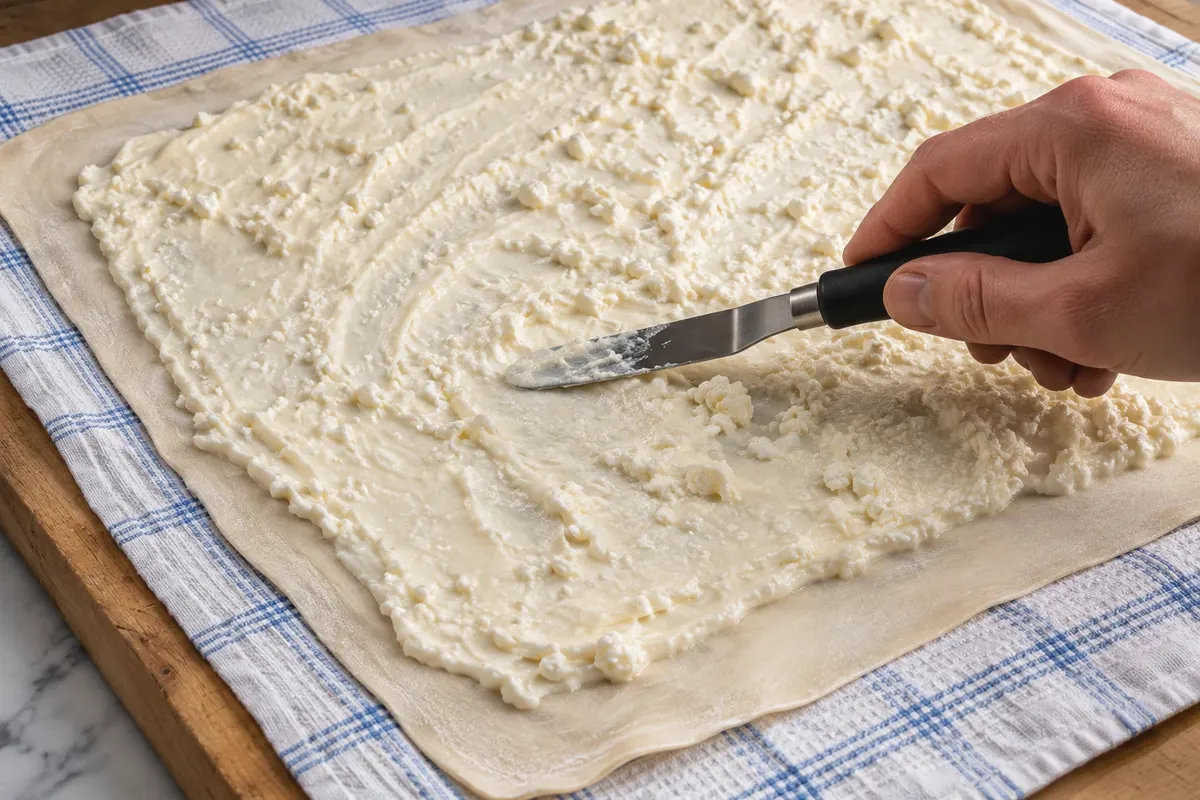
Thin dough rolls filled and cooked in water, steamed, or baked. They come in sweet and savory versions, with fillings such as fresh cottage cheese, tarragon, walnuts, apple and dozens of others, and are found in all regions of Slovenia.

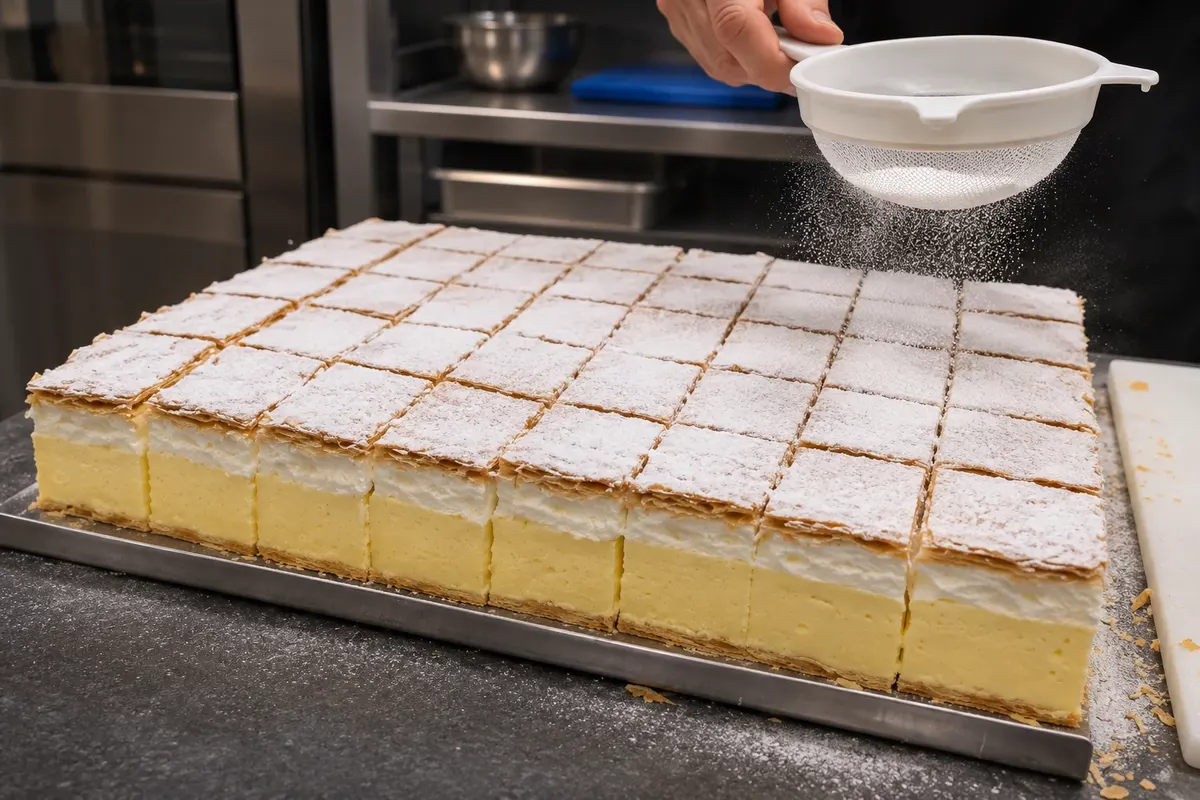
Sweet square from Bled: a puff pastry base, a tall layer of vanilla custard, another of whipped cream, and a thin pastry sheet on top, dusted with powdered sugar. It has been made by the lakeside since 1953.

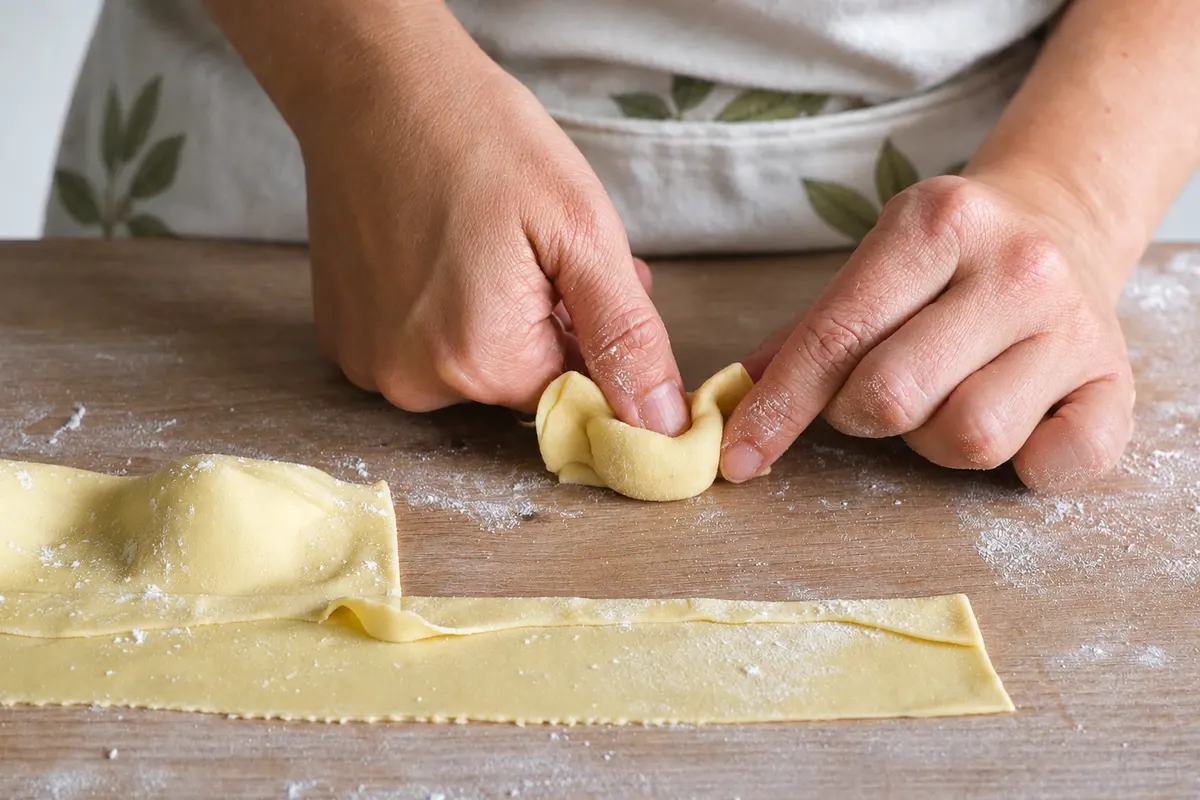
Small dumplings filled with potato, onion, bacon, and herbs, shaped like a little hat, from the old mining town of Idrija. The traditional accompaniment is bakalca, a lamb stew with vegetables.

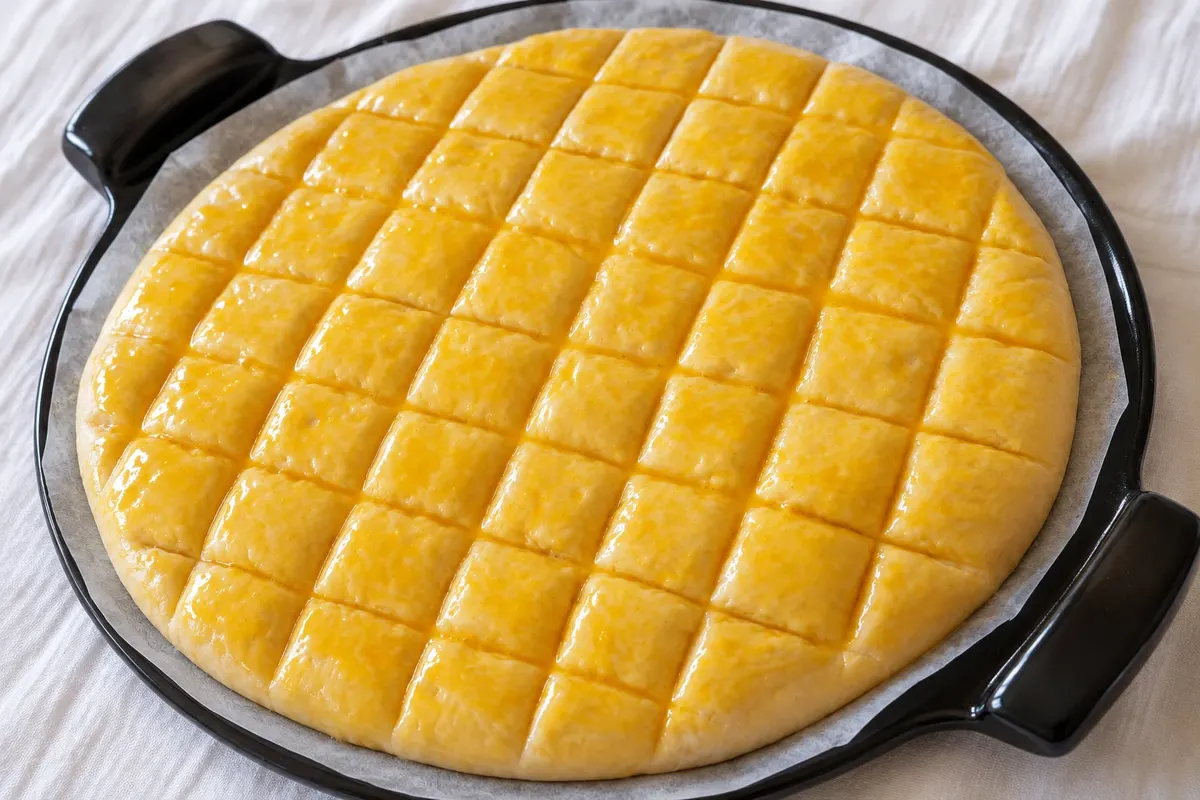
Round, flat bread from Bela krajina in southeastern Slovenia, brushed with egg, caraway and coarse salt, and marked with a grid of score lines. It is eaten warm, broken by hand, never cut with a knife.

Light, acidic wine from Dolenjska in southeastern Slovenia, made by a required blend of red and white grapes, with low alcohol content. It has the recognized traditional designation PTP and is the region’s everyday wine.

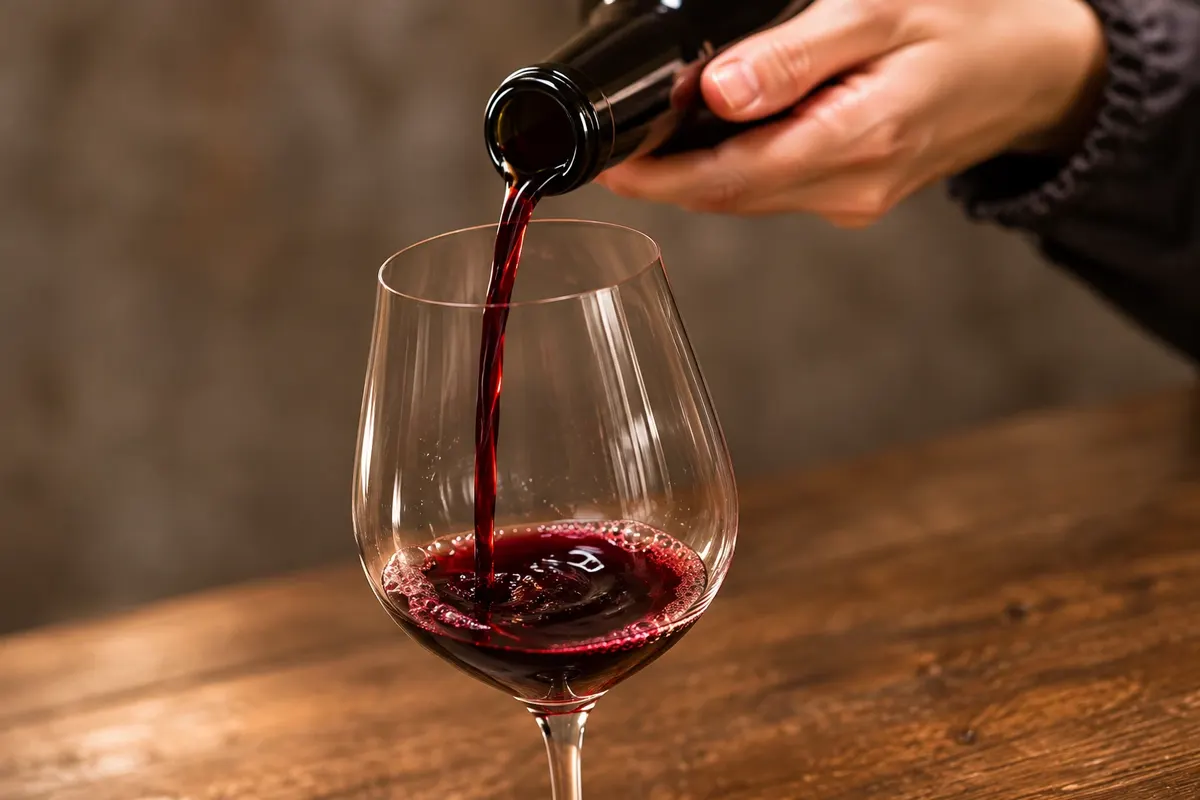
Dark, acidic red wine from the Karst plateau, made only with the refošk grape grown in the region’s red soil. It has Slovenia’s recognized traditional designation PTP and pairs with the ham and dishes of the Karst.

Layered Prekmurje cake from northeastern Slovenia: on a shortcrust base, sheets of stretched dough alternate four fillings — poppy seeds, fresh curd cheese, walnuts and apple — topped with cream.