Ajdovi žganci
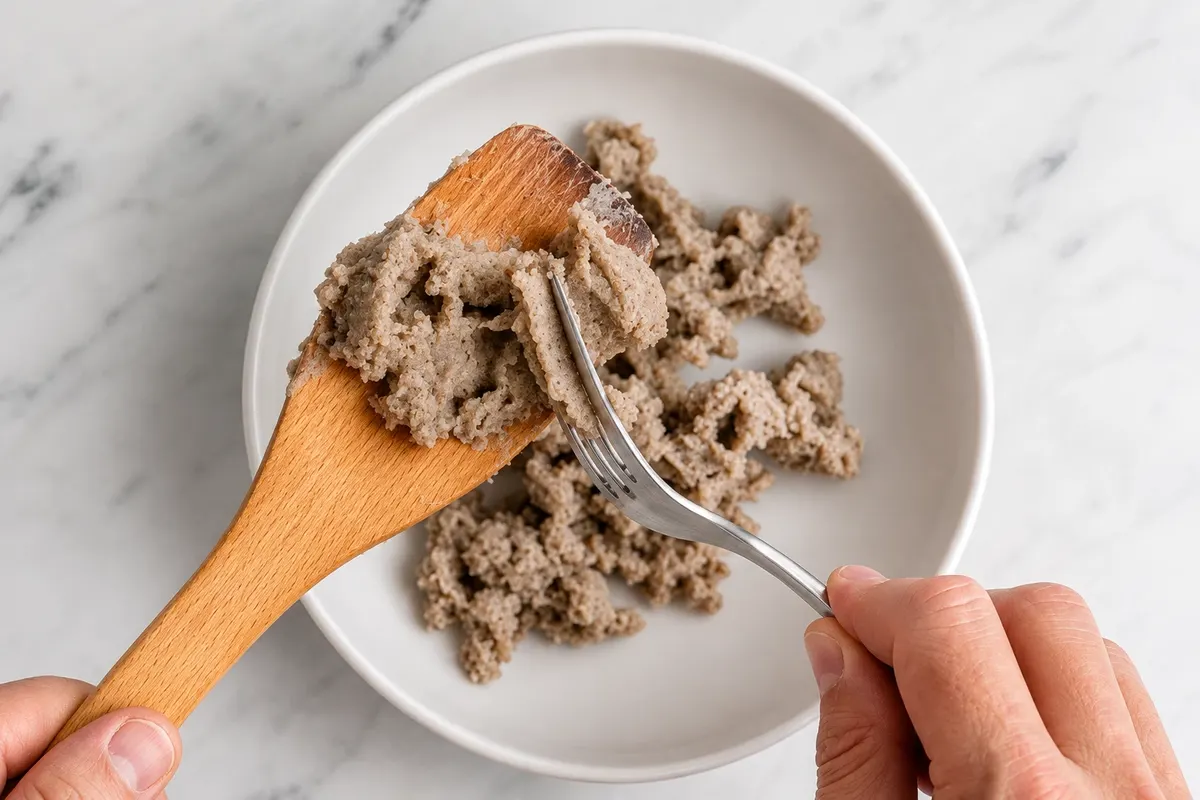
Buckwheat flour cooked in water and fluffed into small clumps with a fork, served with pork cracklings. For a long time it was the everyday food of the central and alpine regions, and it is considered a national Slovenian dish.
Flavors · Pomurska
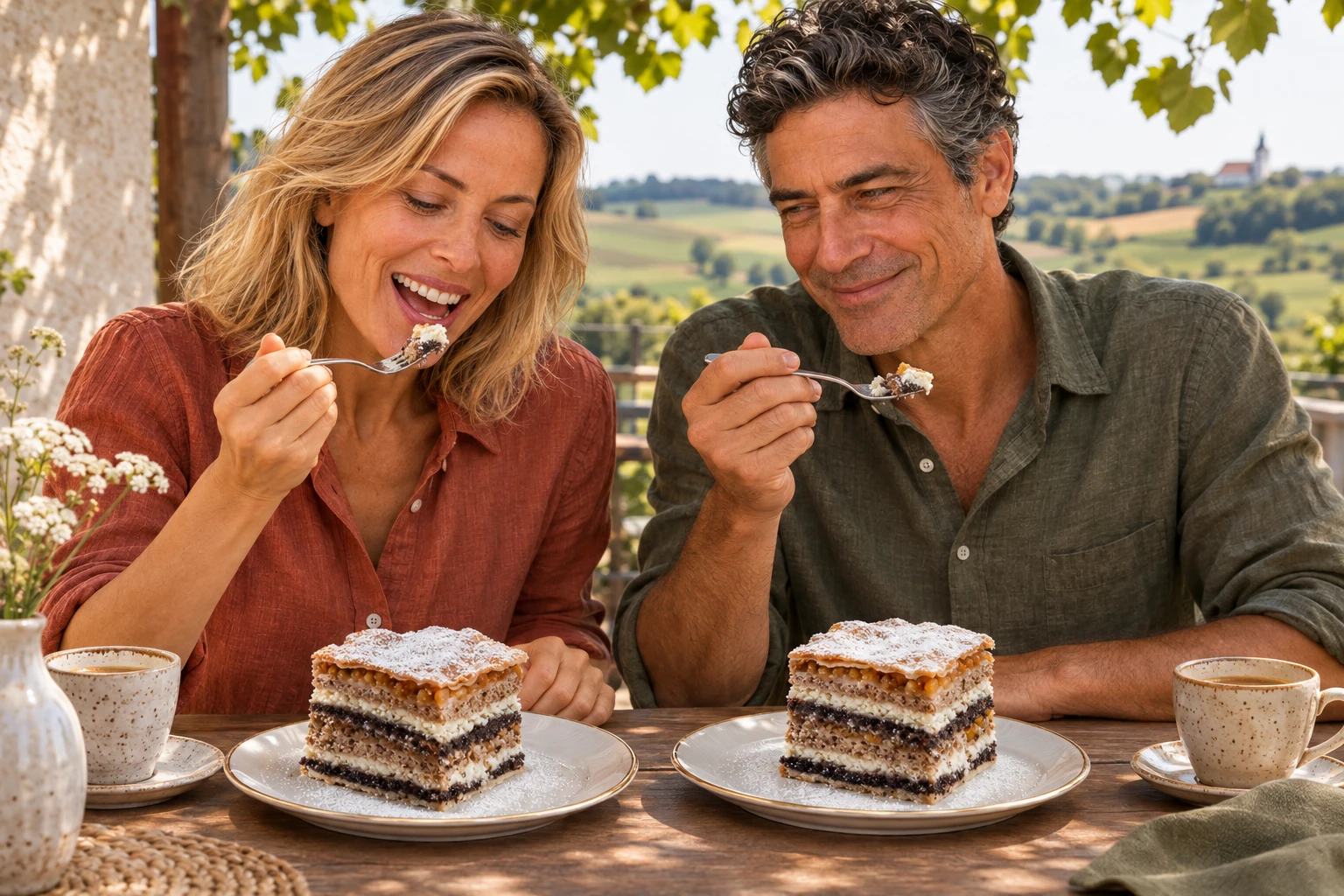
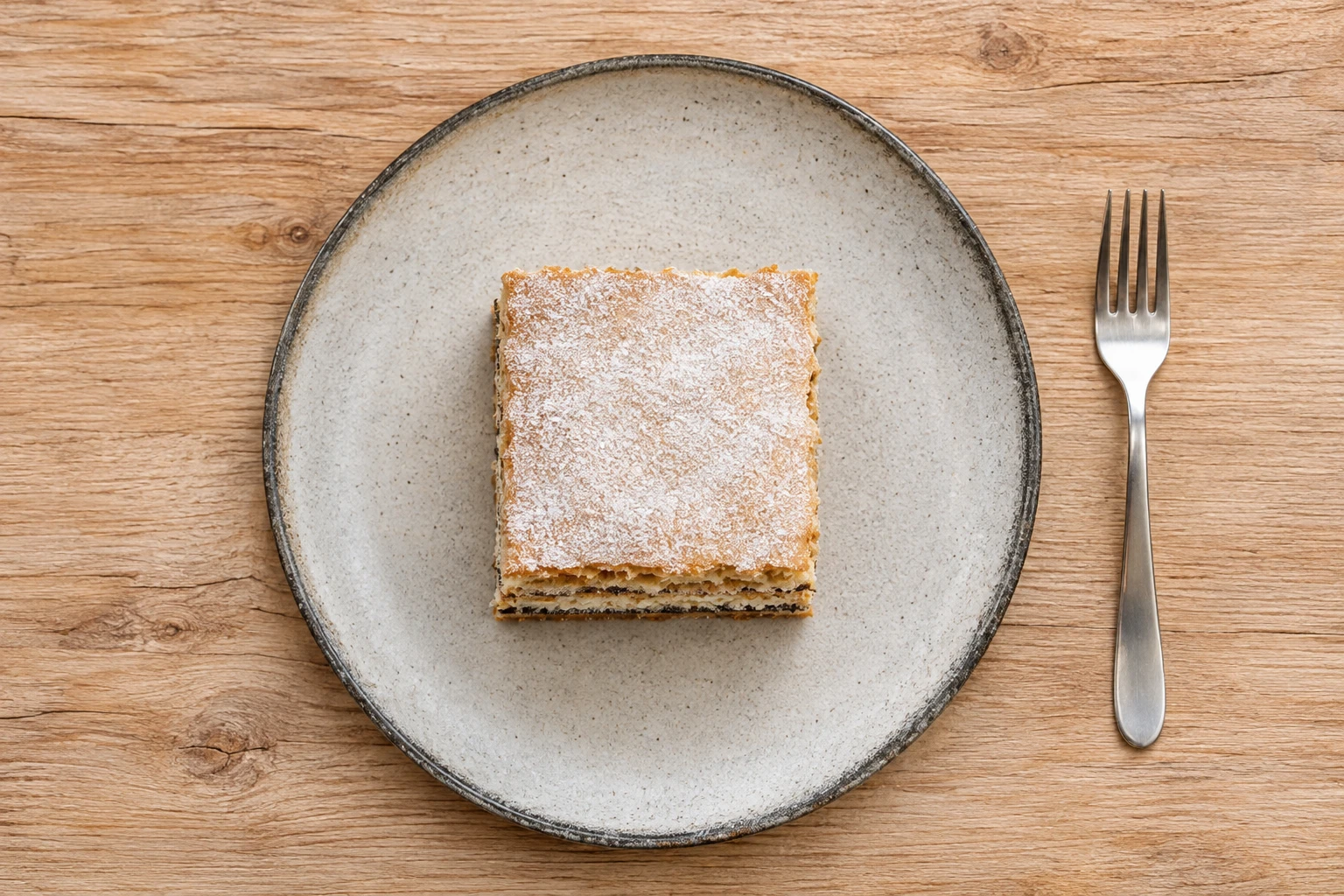
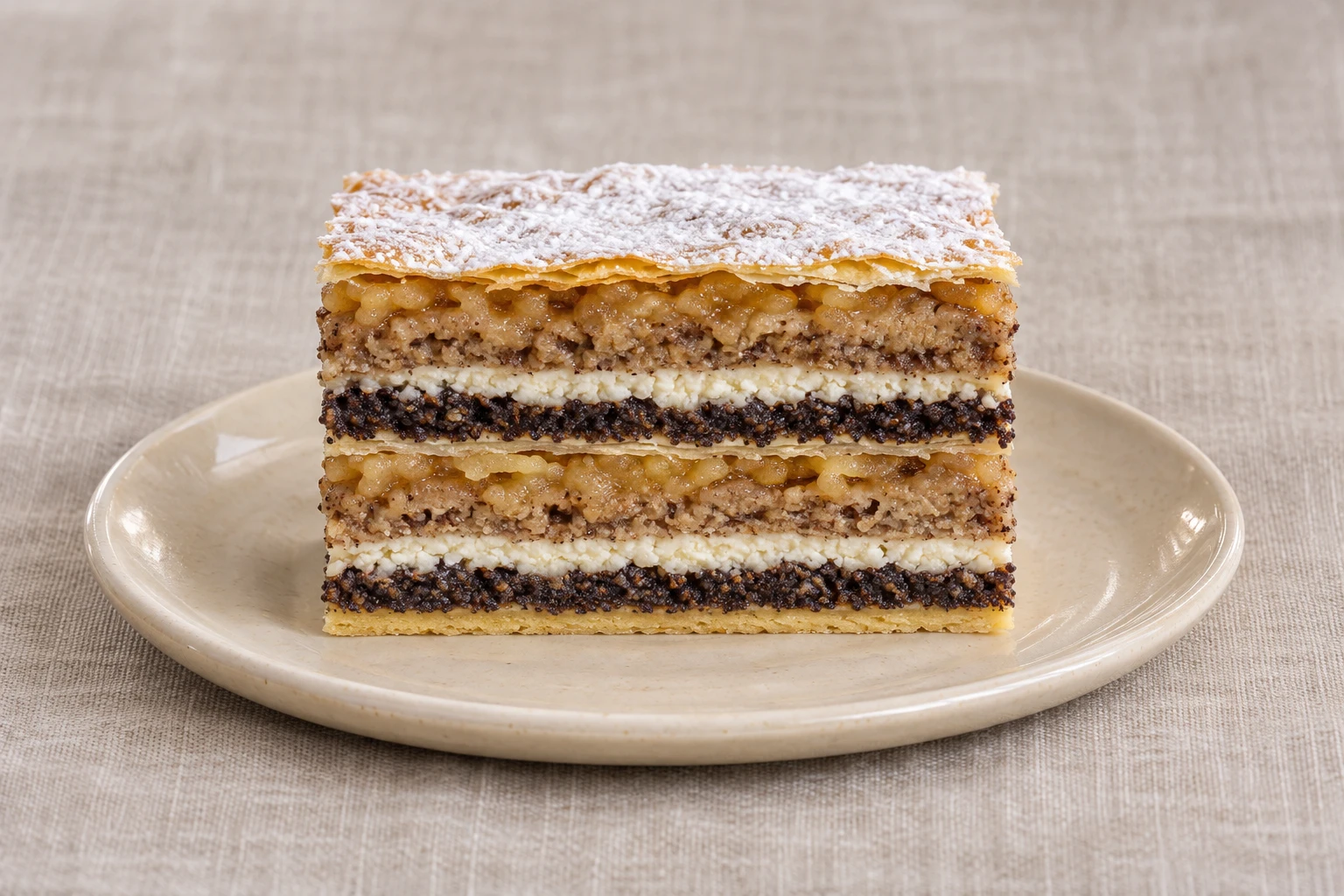
Layered Prekmurje cake from northeastern Slovenia: on a shortcrust base, sheets of stretched dough alternate four fillings — poppy seeds, fresh curd cheese, walnuts and apple — topped with cream.
Traditional sweet from Pomurska
Also known as: gibanica de Prekmurje
Illustrative images. The pictures in this guide are illustrations based on the real place, not photographs, and may differ from it.
Click a photo to enlarge it.
Prekmurska gibanica — Pomurska, Slovenia
Prekmurska gibanica is the best-known celebratory pastry of Prekmurje, the flat northeastern region bordering Hungary and Austria. It is assembled in a deep baking pan: first a shortcrust base; then very thin sheets of hand-stretched dough, each covered with a filling. There are four fillings, always the same — poppy seeds, fresh curd cheese, walnuts and apple — and the sequence repeats so each flavor appears twice. Between the layers and on top go cream and melted fat.
The name comes from the dialect word güba, meaning fold, because of the layers. The earliest known written mention is in an 1828 text by the priest and writer Jožef Košič, and the ethnologist Vilko Novak described the pastry and its preparation in the study Ljudska prehrana v Prekmurju (1947). In 2006 gibanica was included in the list of dishes representing the country’s culinary identity, and in 2010 it received the European Traditional Speciality Guaranteed label: only certified producers may sell it under that name.
In Prekmurje, gibanica is prepared mainly for major occasions: baptisms, weddings, parish festivals and other family gatherings. The approved specification details the order of the layers and the ingredients, and the recipe is also registered in the national intangible heritage register. Today it can be found in pastry shops and restaurants across the country, but it remains a symbol of Prekmurje.

Pomurska
Pastry of Prekmurje, the northeastern region corresponding to the Pomurska division.
Shortcrust base; hand-stretched wheat-flour dough sheets; fillings of ground poppy seeds, fresh curd cheese, ground walnuts and grated apple, sweetened; cream, egg and melted fat between the layers and on top.
Cut into tall squares, served warm or at room temperature to show the layers. Eaten as a dessert or with coffee.
Celebratory pastry: baptisms, weddings, parish festivals and large family gatherings; today also served year-round.
Your questions
There are four: poppy seeds, fresh curd cheese, walnuts and apple. They alternate between thin sheets of dough over a shortcrust base, and the sequence repeats, with cream on top.
From Prekmurje, the northeastern region of Slovenia along the borders with Hungary and Austria. The earliest known written mention is from 1828.
Yes. Since 2010 it has the European Traditional Speciality Guaranteed label, and only certified producers may sell it under the name prekmurska gibanica.
Flavors of Slovenia

Buckwheat flour cooked in water and fluffed into small clumps with a fork, served with pork cracklings. For a long time it was the everyday food of the central and alpine regions, and it is considered a national Slovenian dish.

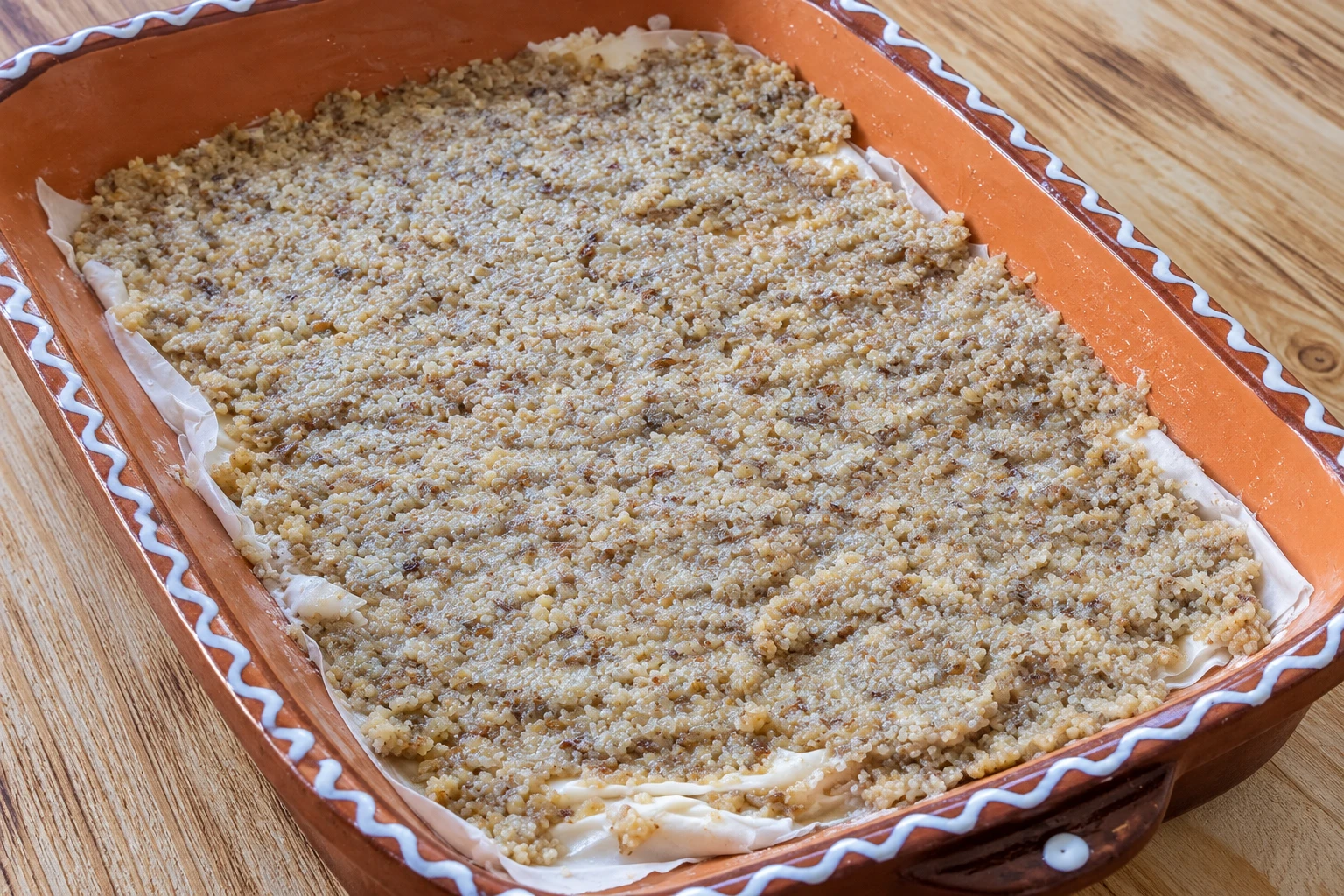
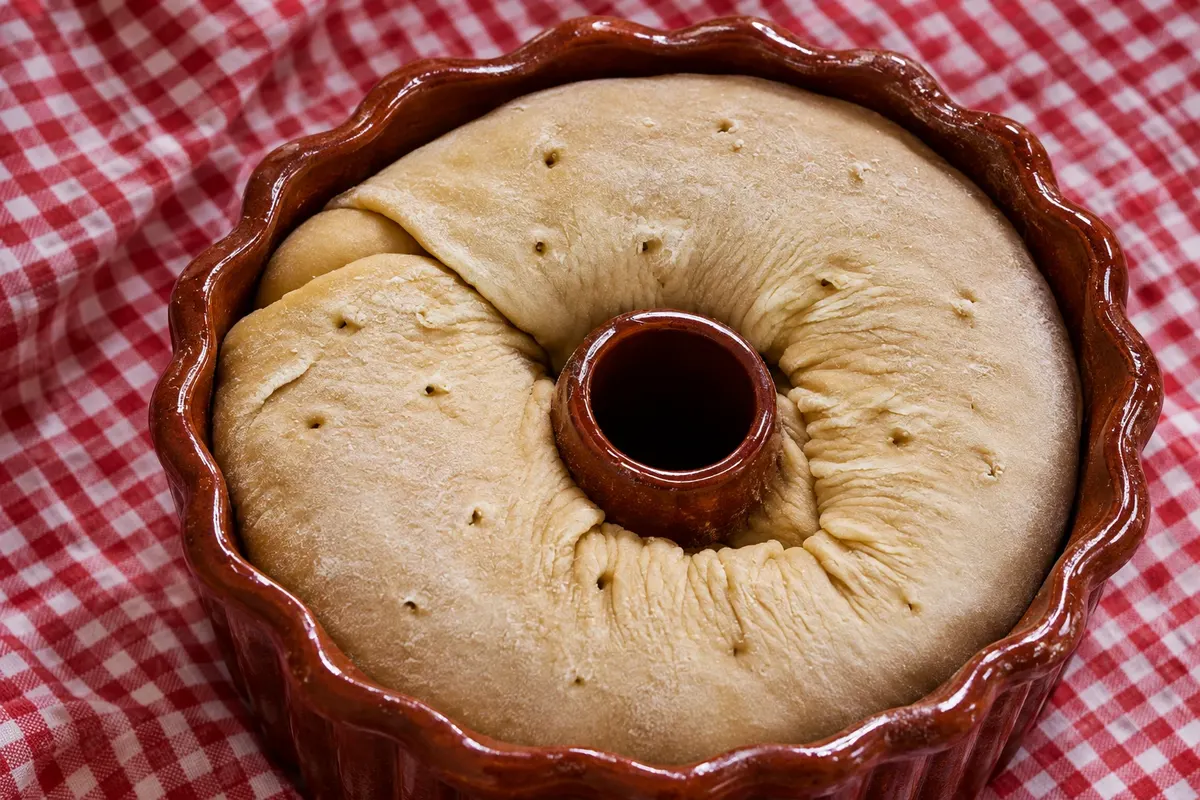
Sweet leavened dough, rolled out very thin, filled, rolled up and baked in a round pan with a hole in the middle. It is the festive pastry of Slovenian celebrations, with fillings of walnuts, tarragon, raisins or honey.

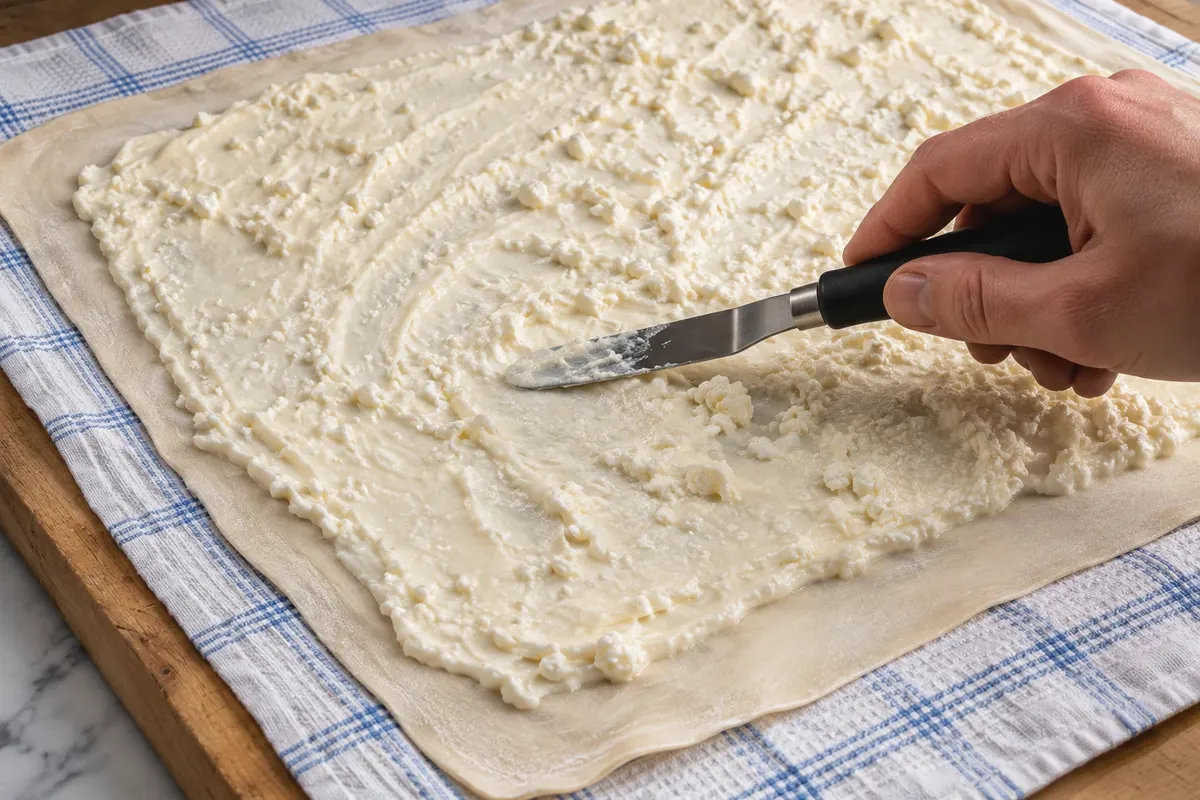
Thin dough rolls filled and cooked in water, steamed, or baked. They come in sweet and savory versions, with fillings such as fresh cottage cheese, tarragon, walnuts, apple and dozens of others, and are found in all regions of Slovenia.

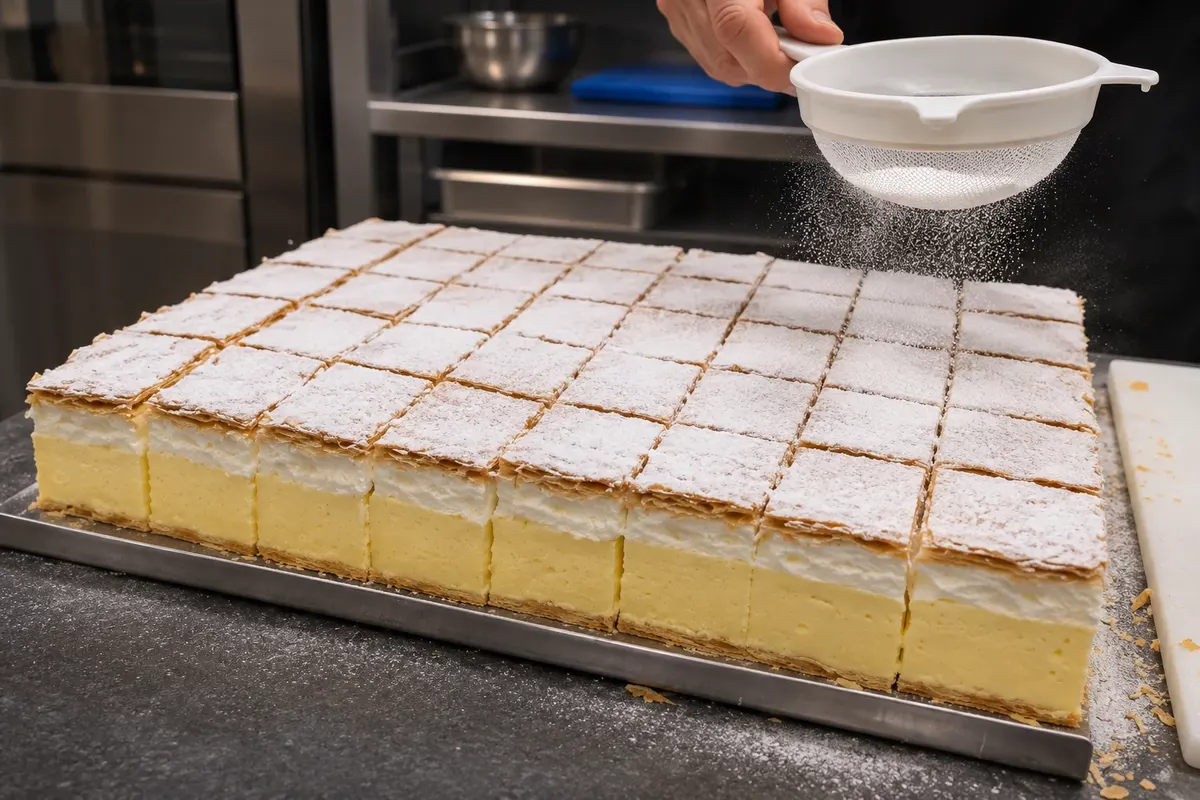
Sweet square from Bled: a puff pastry base, a tall layer of vanilla custard, another of whipped cream, and a thin pastry sheet on top, dusted with powdered sugar. It has been made by the lakeside since 1953.

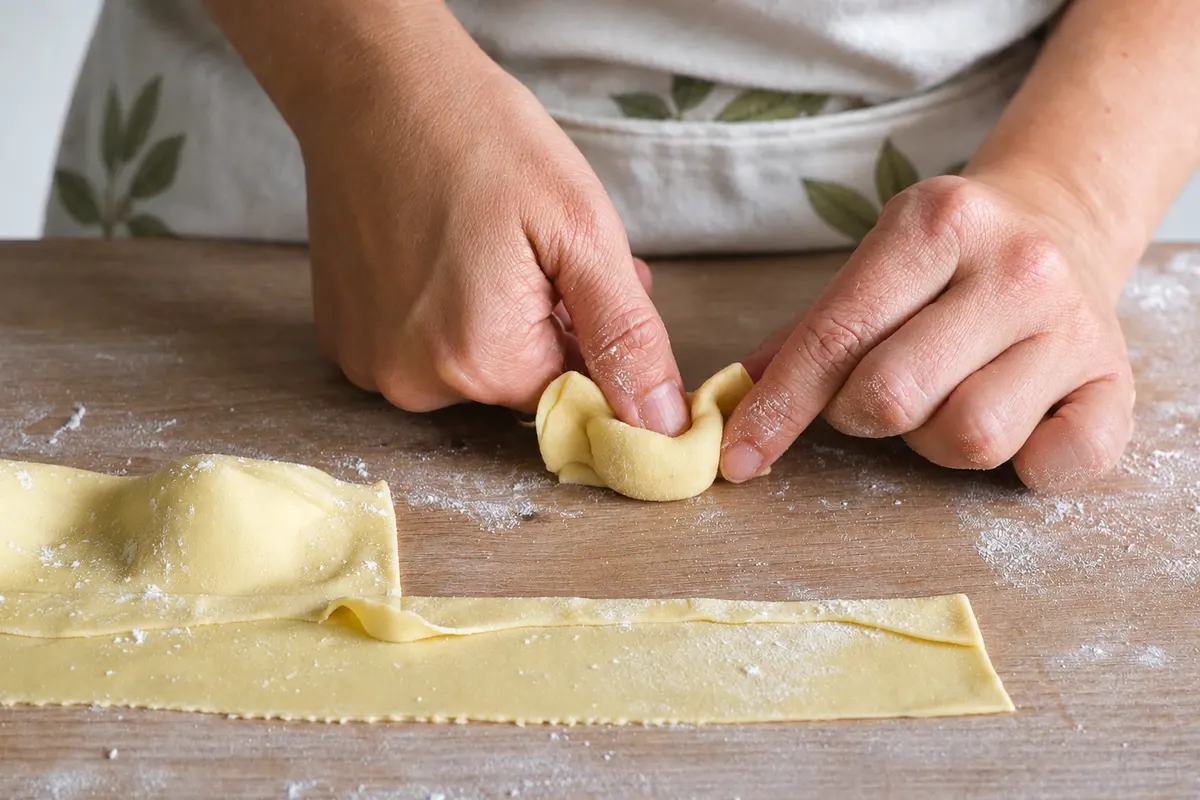
Small dumplings filled with potato, onion, bacon, and herbs, shaped like a little hat, from the old mining town of Idrija. The traditional accompaniment is bakalca, a lamb stew with vegetables.

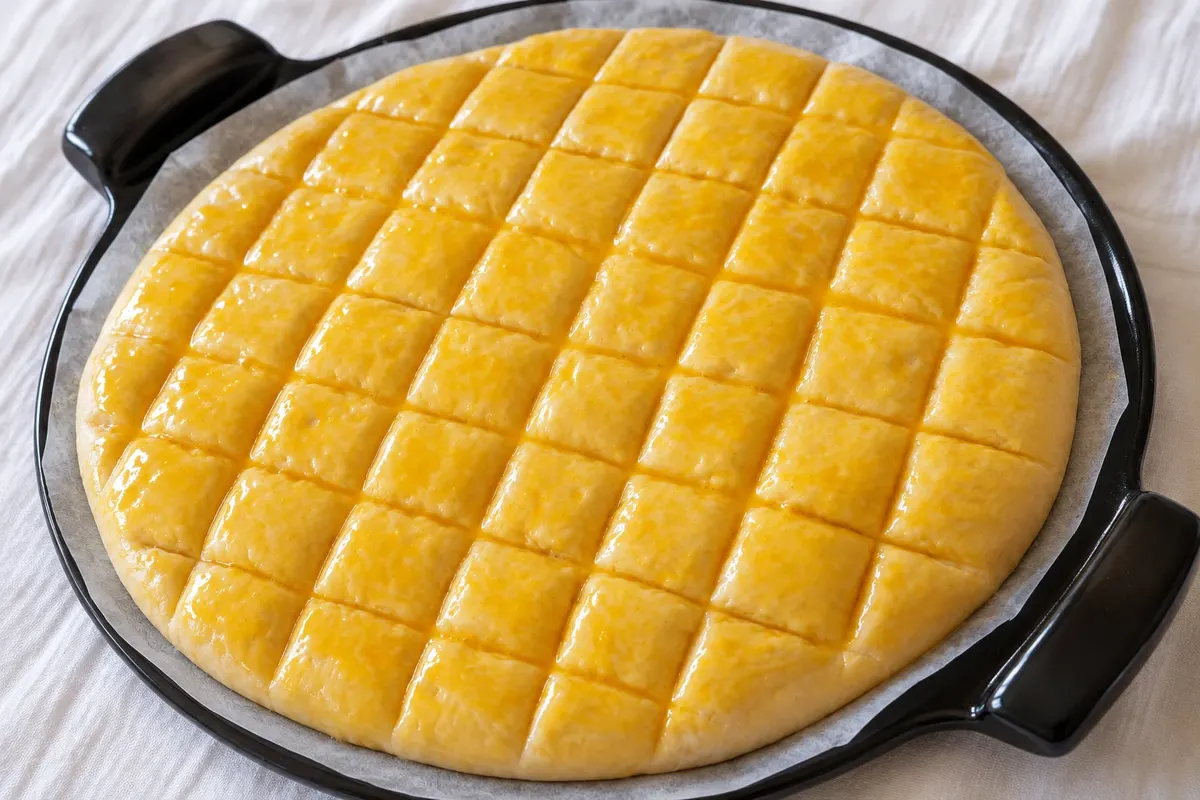
Round, flat bread from Bela krajina in southeastern Slovenia, brushed with egg, caraway and coarse salt, and marked with a grid of score lines. It is eaten warm, broken by hand, never cut with a knife.

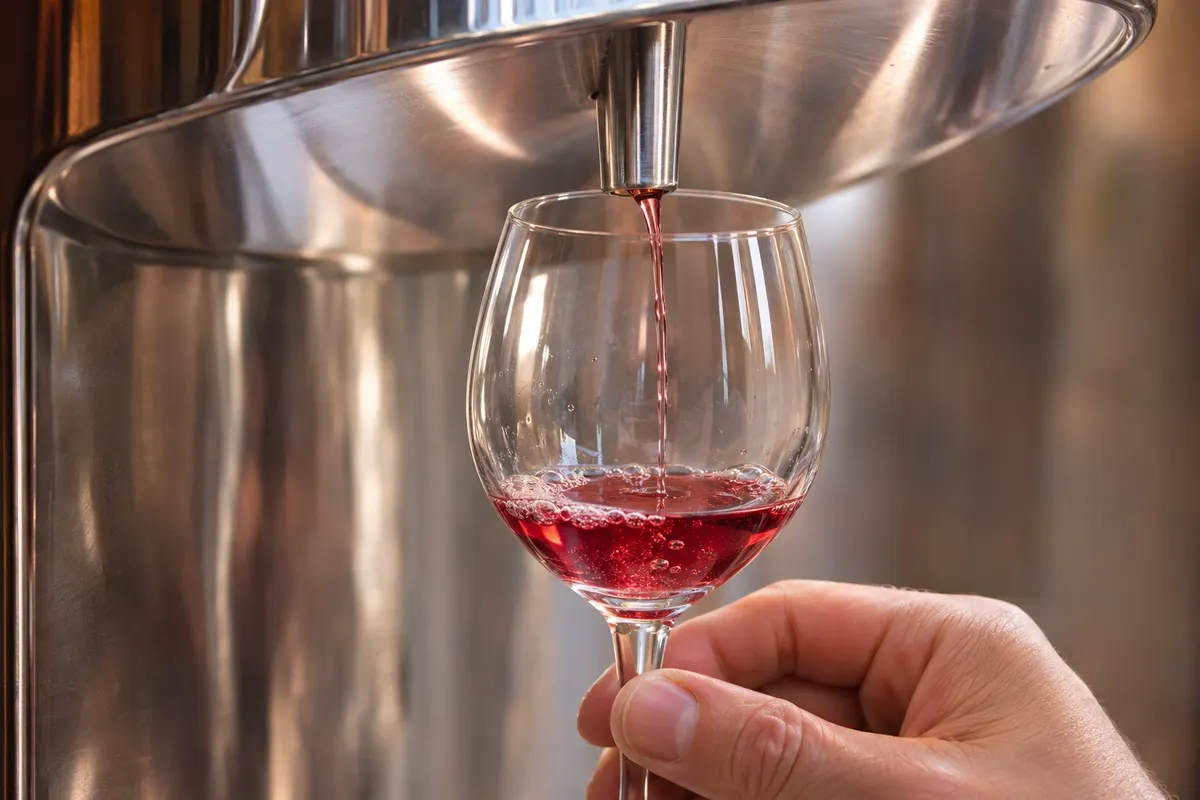
Light, acidic wine from Dolenjska in southeastern Slovenia, made by a required blend of red and white grapes, with low alcohol content. It has the recognized traditional designation PTP and is the region’s everyday wine.

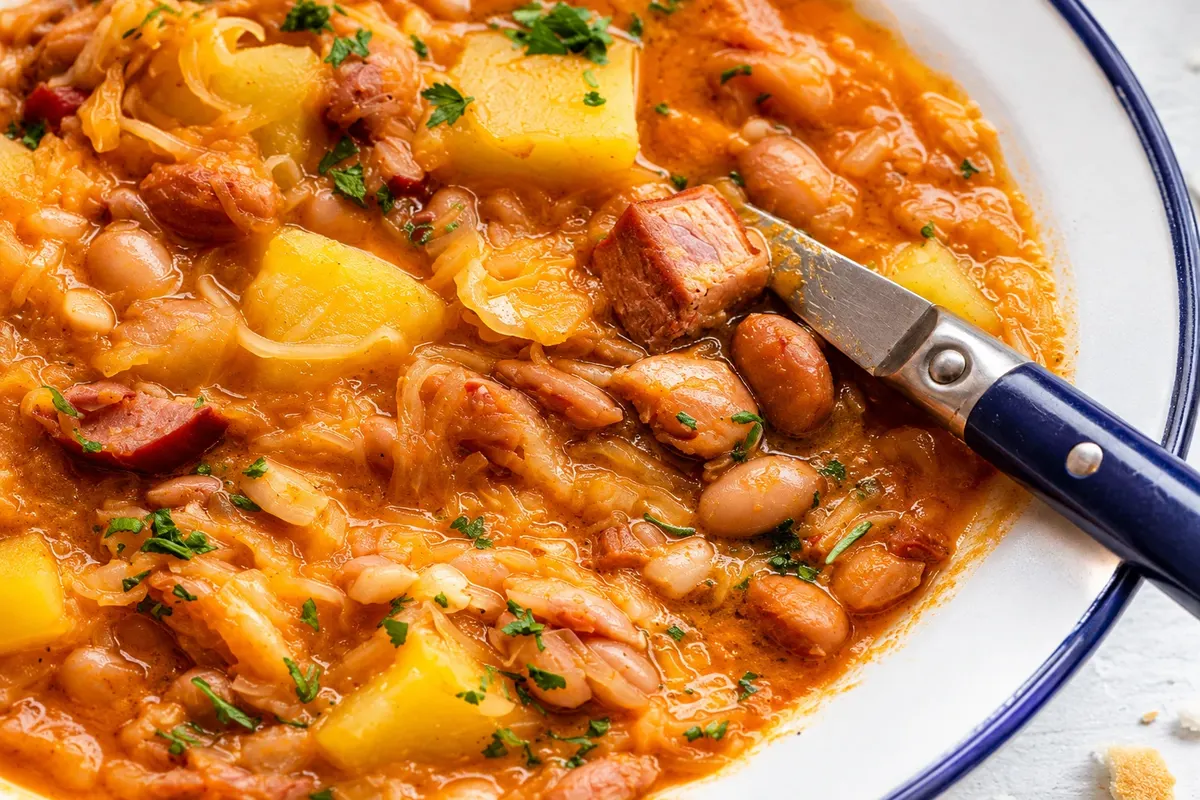
Thick soup of beans, potatoes and sauerkraut or fermented turnip, cooked with smoked pork. It’s the spoon food of western Slovenia, and the Karst version, with sauerkraut and potatoes, is the best known.

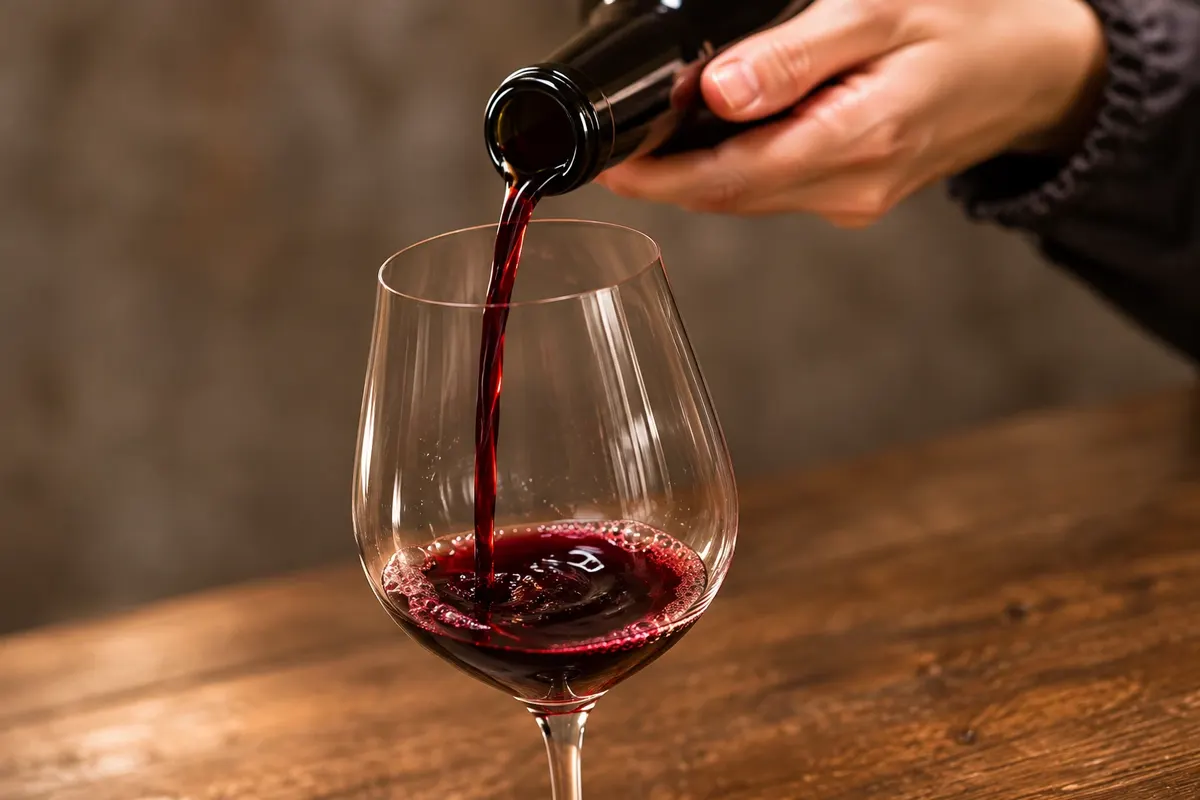
Dark, acidic red wine from the Karst plateau, made only with the refošk grape grown in the region’s red soil. It has Slovenia’s recognized traditional designation PTP and pairs with the ham and dishes of the Karst.