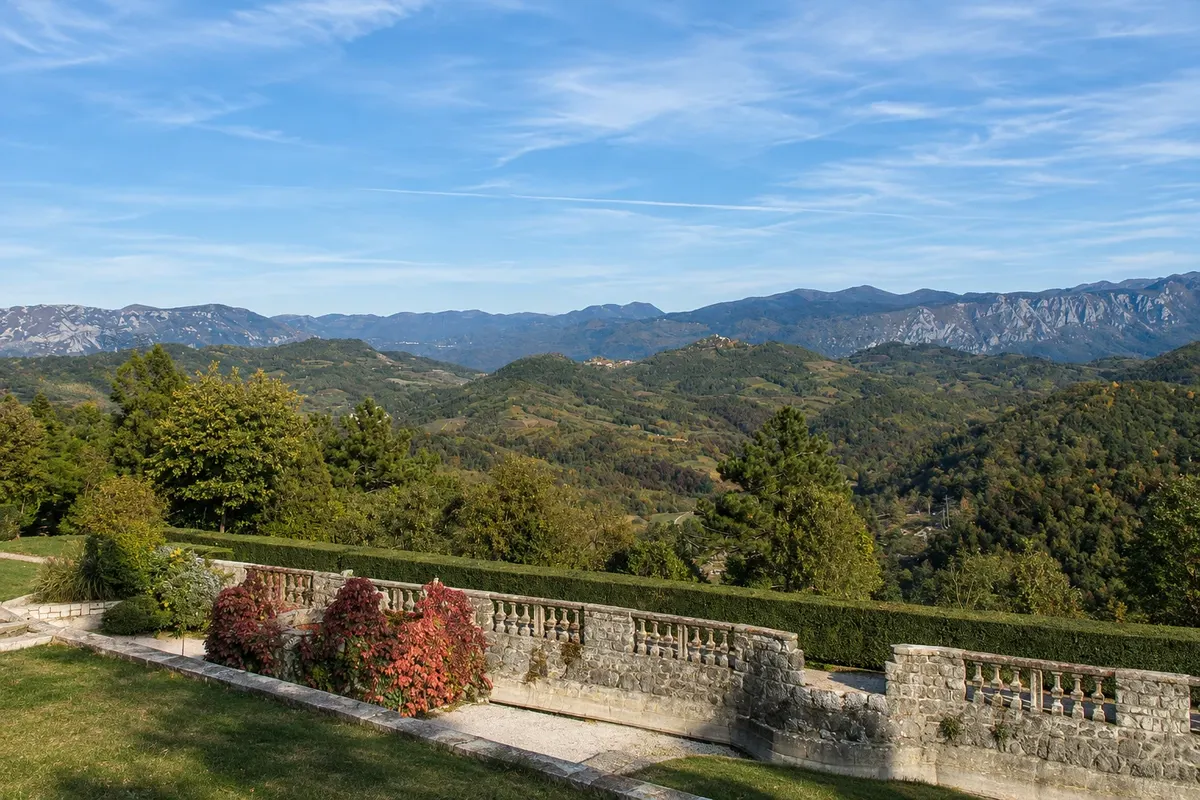
The Karst (Kras) is a limestone plateau in southwestern Slovenia, between the Gulf of Trieste and the Vipava Valley, next to the Italian border. It was here that geologists first described the landforms created by water in limestone, and the region’s name came to denote this type of landscape worldwide. The scenery is made up of oak and pine woods, dry stone walls, sinkholes and villages with stone houses.
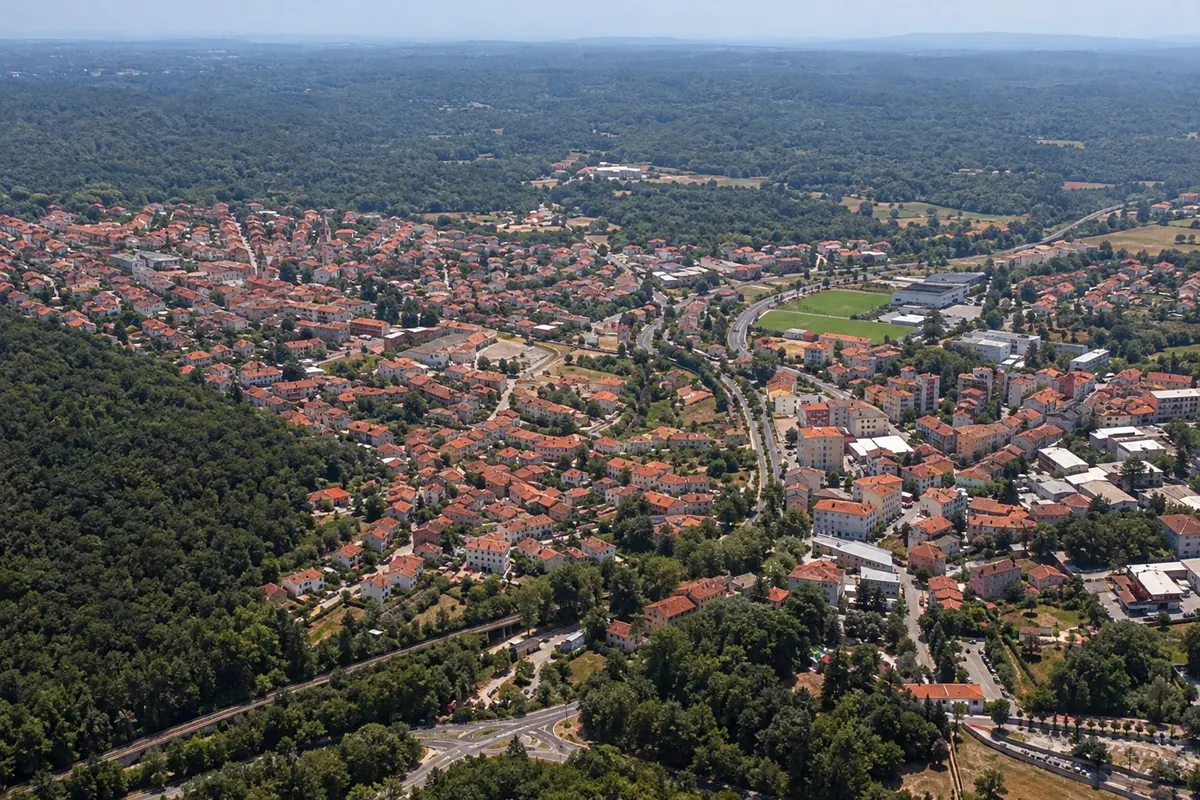
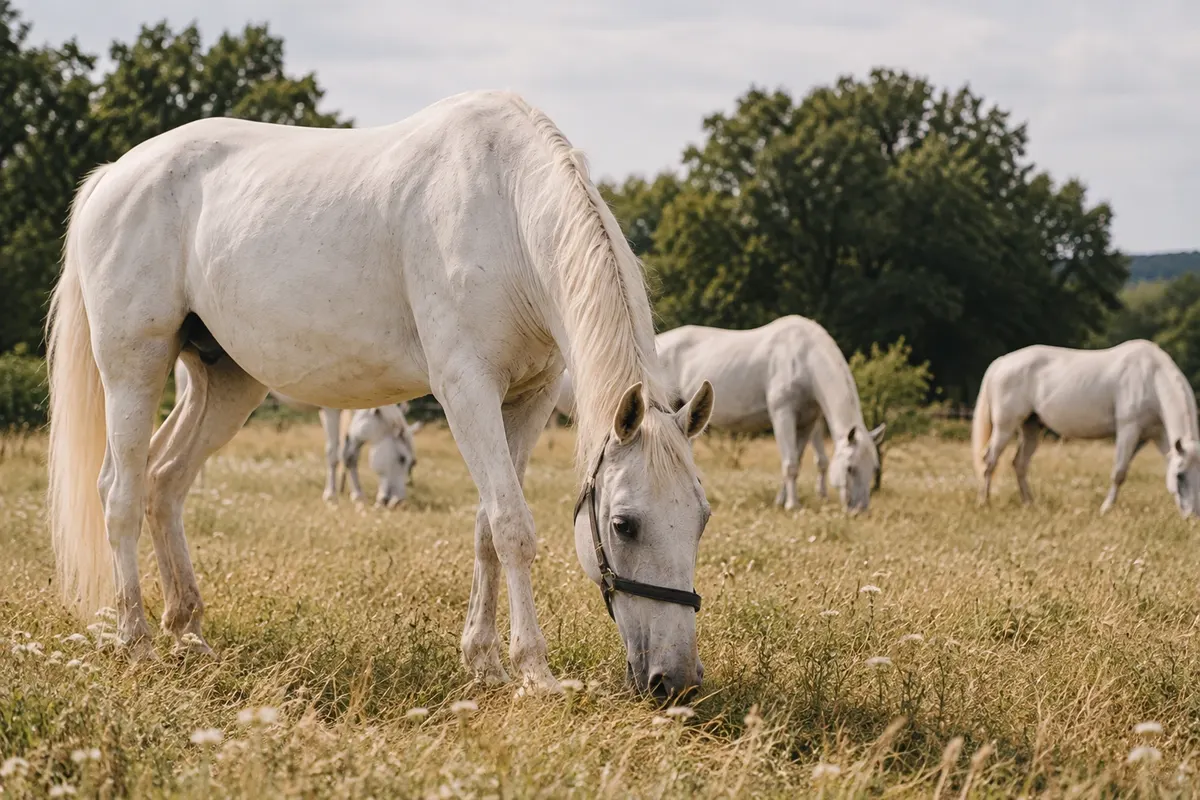
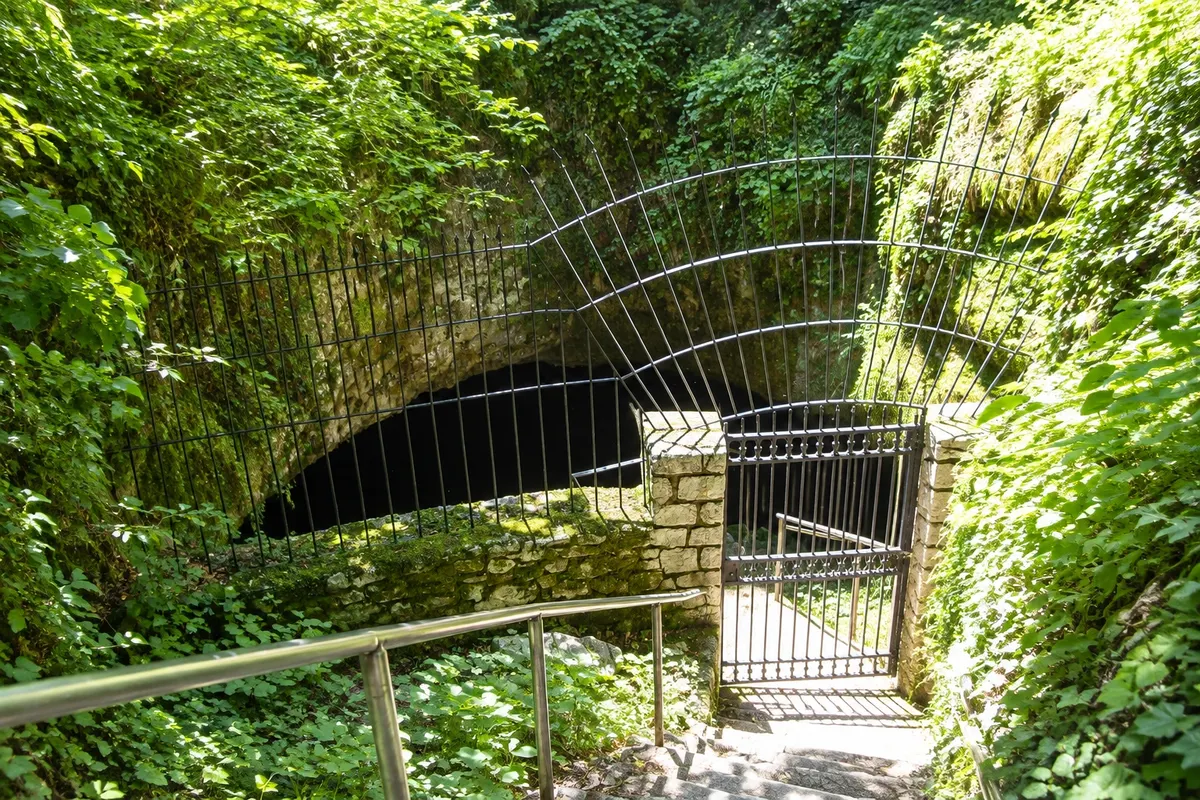
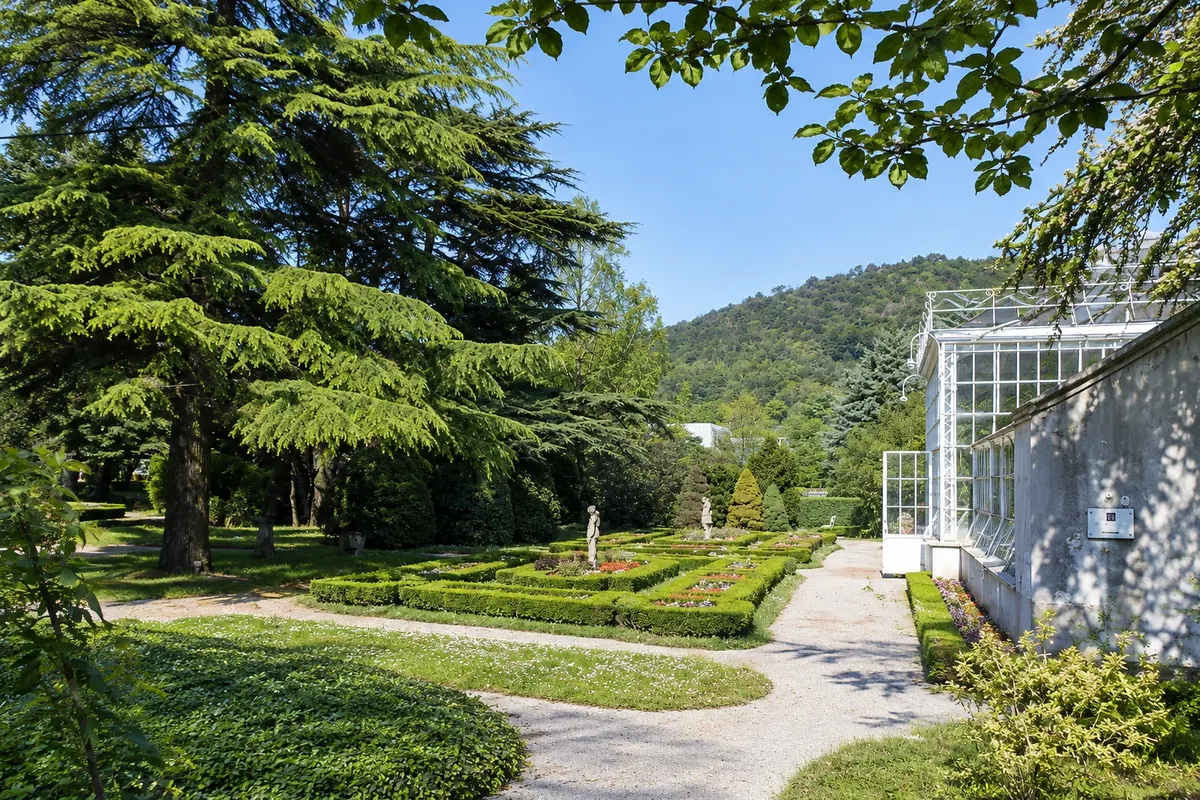
Sežana, the main town, lies at the border, about 17 km from Trieste, on the old railway between Vienna and Trieste. A few kilometres away are the Lipica stud farm, founded in 1580 by the Habsburgs and birthplace of the Lipizzaner horse, and the Vilenica cave, near Lokev, which has welcomed visitors since the 17th century. In the town centre, the botanical garden of the Mirasasso villa preserves plants brought from various parts of the world.
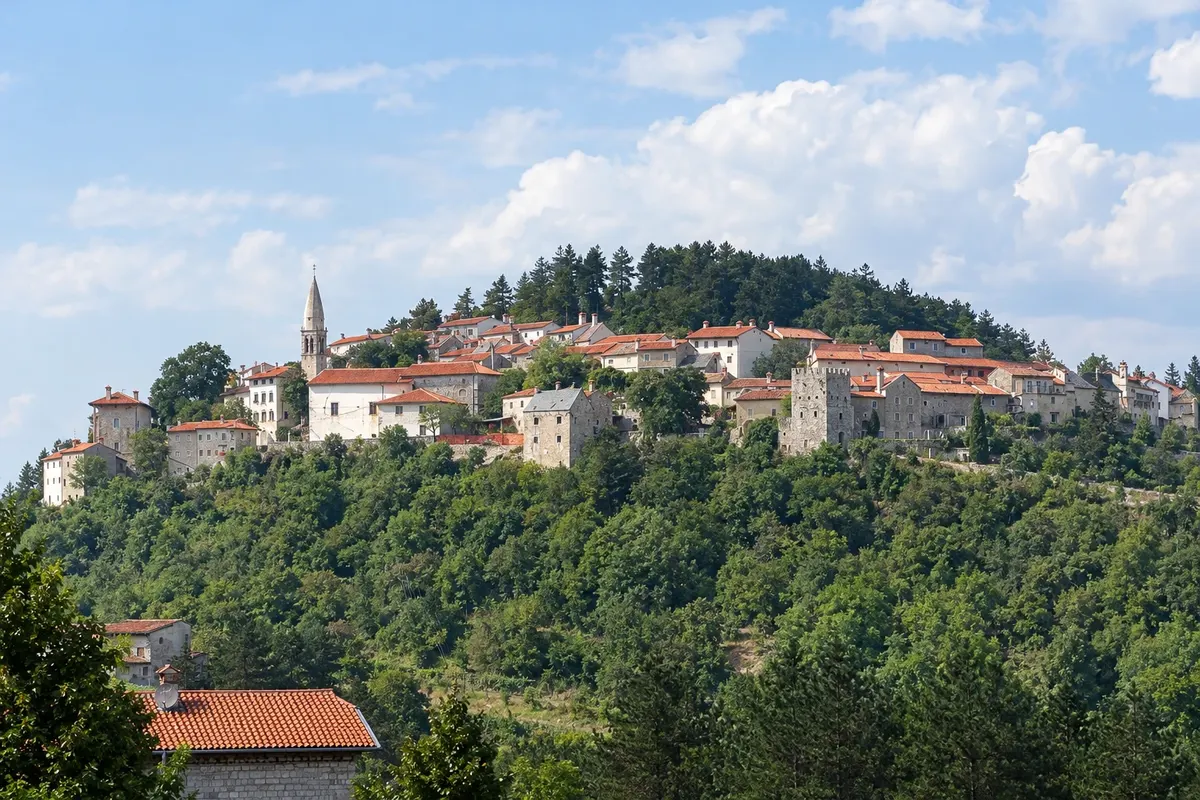
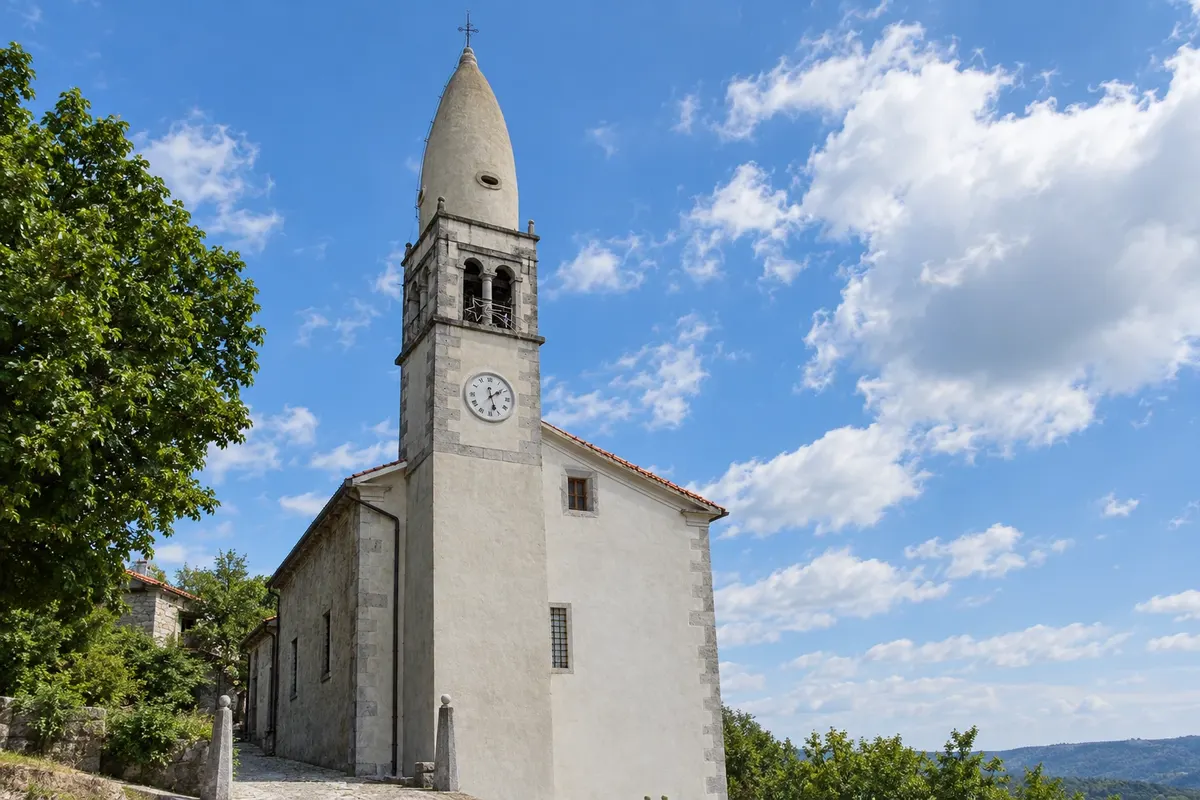
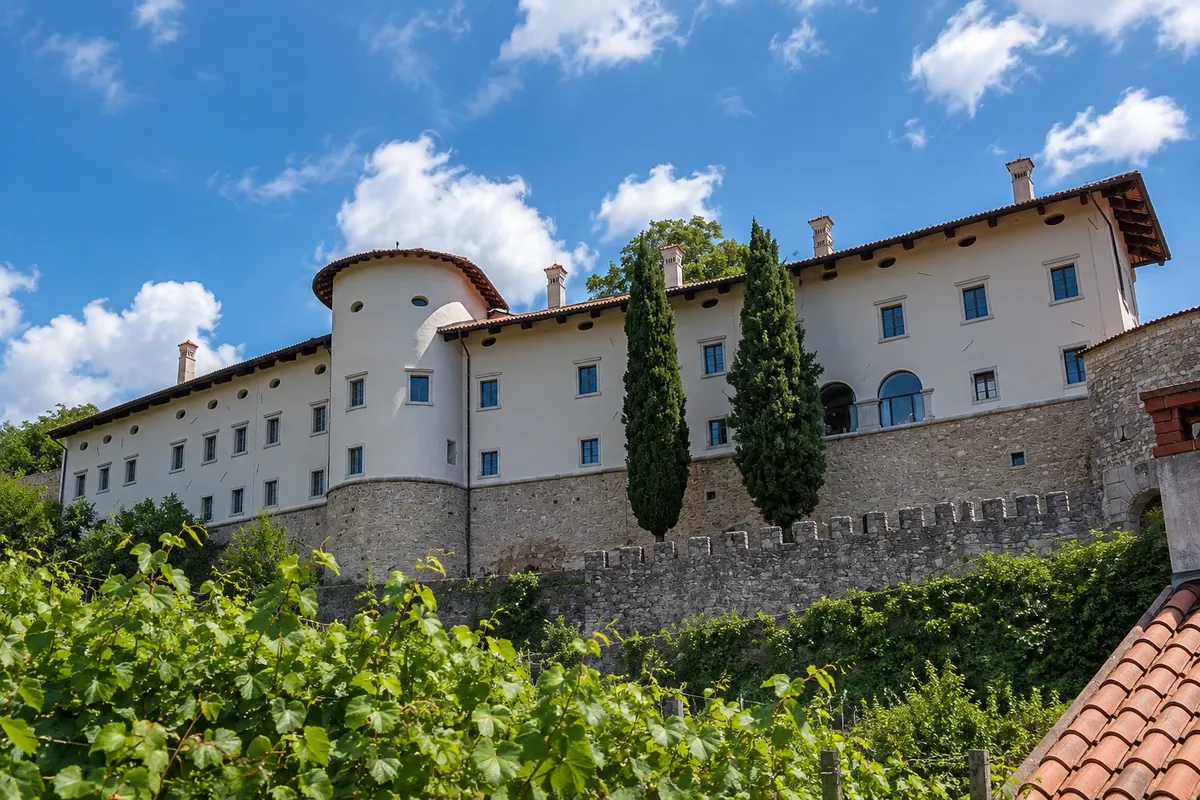
Further north, Štanjel crowns a hilltop, enclosed by 15th-century walls, with stone streets, a castle and the church of Saint Daniel, with a lemon-shaped tower. The architect Max Fabiani, who was the village mayor between the wars, designed the terraced Ferrari Garden there.
The Karst is also a land of wine and prosciutto. Teran, a deeply coloured red made from the refošk grape on the plateau’s red soils, and kraški pršut, ham cured by the bora wind, appear in the cellars and taverns of villages such as Tomaj, Dutovlje and Štanjel.
This destination brings together 2 cities: Sežana, Štanjel.


 Brazil
 Argentina
 Bolivia
 Chile
 Colombia
 Ecuador
 Guyana
 French Guiana
 Falkland Islands (Malvinas)
 Paraguay
 Peru
 Suriname
 Uruguay
 Venezuela
 Germany
 Austria
 Belgium
 Croatia
 Denmark
 Slovakia
 Spain
 Finland
 France
 Greece
 the Netherlands
 Hungary
 Ireland
 Iceland
 Italy
 Luxembourg
 Norway
 Poland
 Portugal
 the United Kingdom
 the Czech Republic
 Sweden
 Switzerland
 Turkey
 Canada
 the United States
 Mexico
 the Dominican Republic
 South Africa
 Australia
 Fiji
 New Zealand
 Papua New Guinea