

 Antarctica
 Argentina
 Bolivia
 Chile
 Colombia
 Ecuador
 Guyana
 French Guiana
 Falkland Islands (Malvinas)
 Paraguay
 Peru
 Suriname
 Uruguay
 Venezuela
 Germany
 Austria
 Belgium
 Croatia
 Denmark
 Slovakia
 Slovenia
 Spain
 Finland
 France
 Greece
 the Netherlands
 Hungary
 Ireland
 Iceland
 Italy
 Luxembourg
 Norway
 Poland
 Portugal
 the United Kingdom
 the Czech Republic
 Sweden
 Switzerland
 Turkey
 Bermuda
 Canada
 the United States
 Greenland
 Mexico
 Saint Pierre and Miquelon
 the Dominican Republic
 Japan
 South Africa
 Egypt
 Australia
 Fiji
 New Zealand
 Papua New Guinea
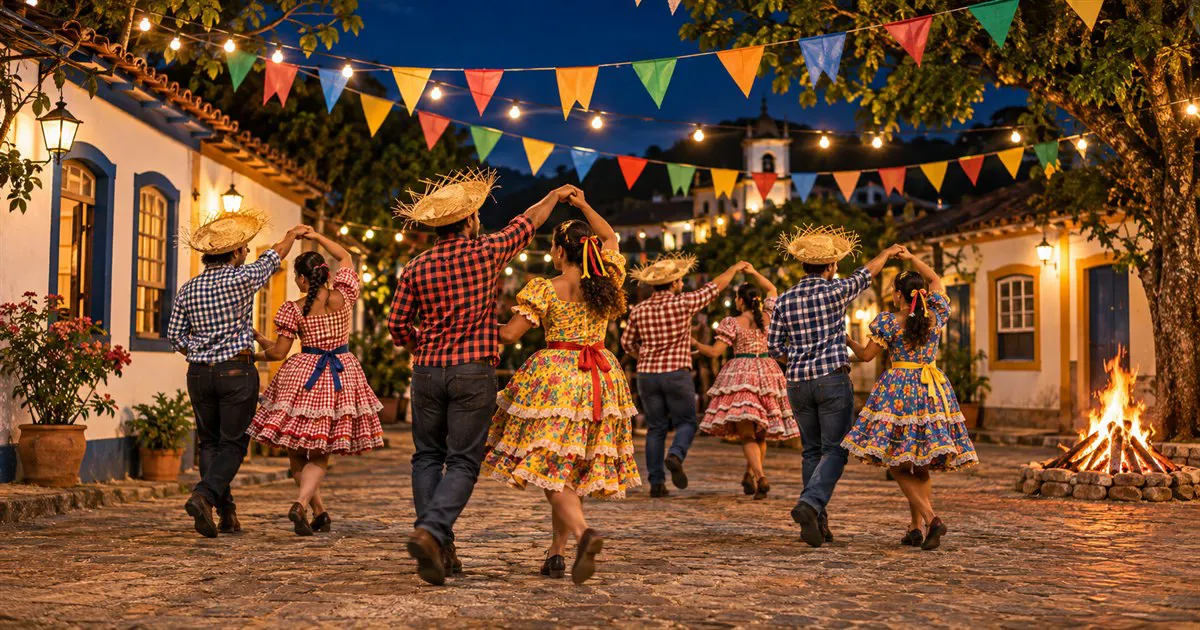
Illustrative images. The pictures in this guide are illustrations based on the real place, not photographs, and may differ from it.


Culture and history
Immigration and memory
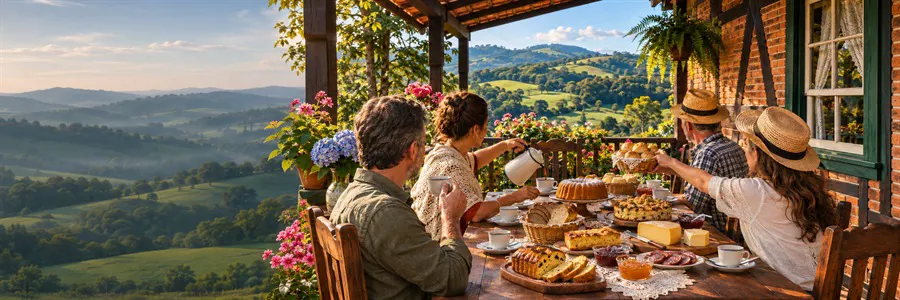
Half-timbered houses, immigration museums, indigenous villages and quilombos that welcome visitors: trips to get to know a people through the voice of those who inherited their history.
From the 19th century onward, millions crossed the ocean to start a new life in Brazil. Germans, Italians, Japanese, Poles, Ukrainians and Dutch, among other peoples, founded colonies, opened farms and left marks still visible in architecture, food, festivals and accents.
What to do
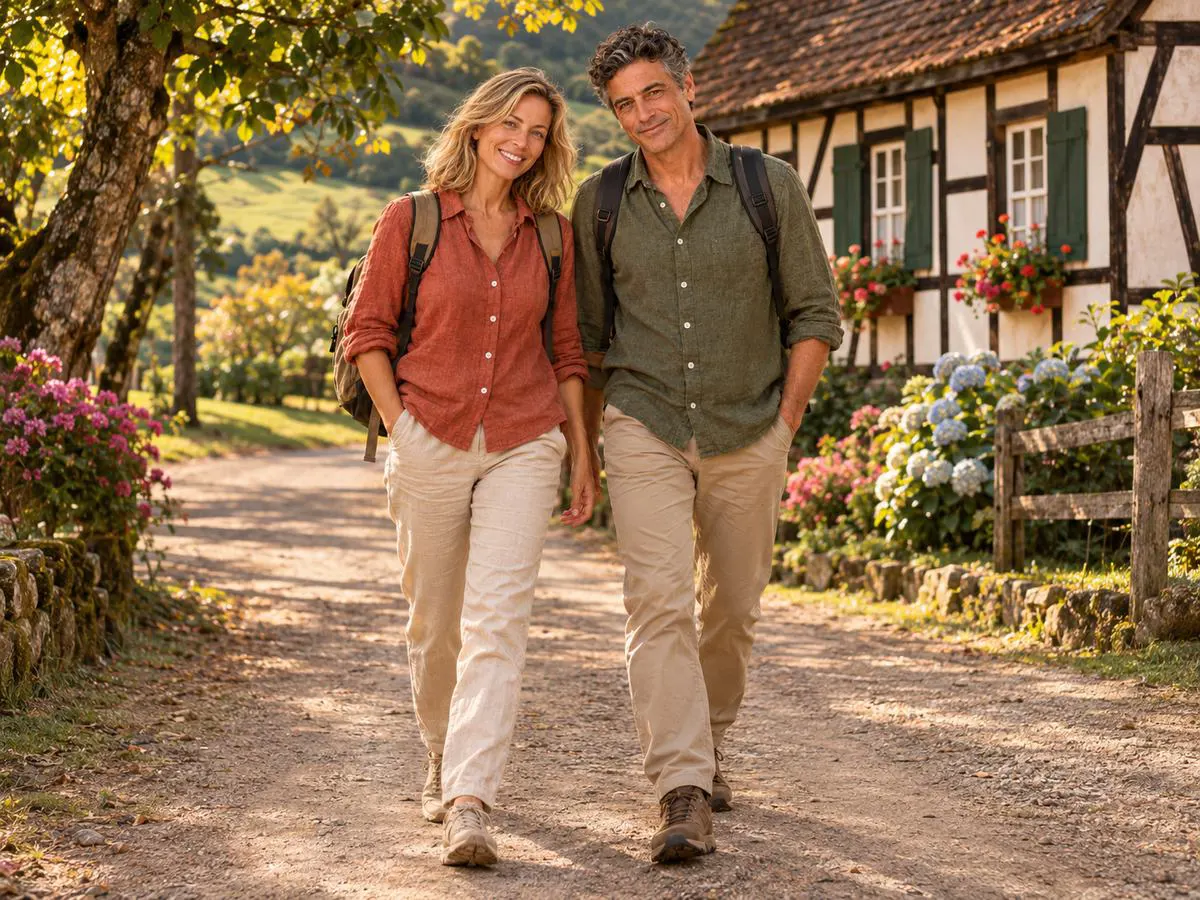
Immigrant colonies
Rural roads and streets of old houses, many still maintained by descendants of the founders.
Learn more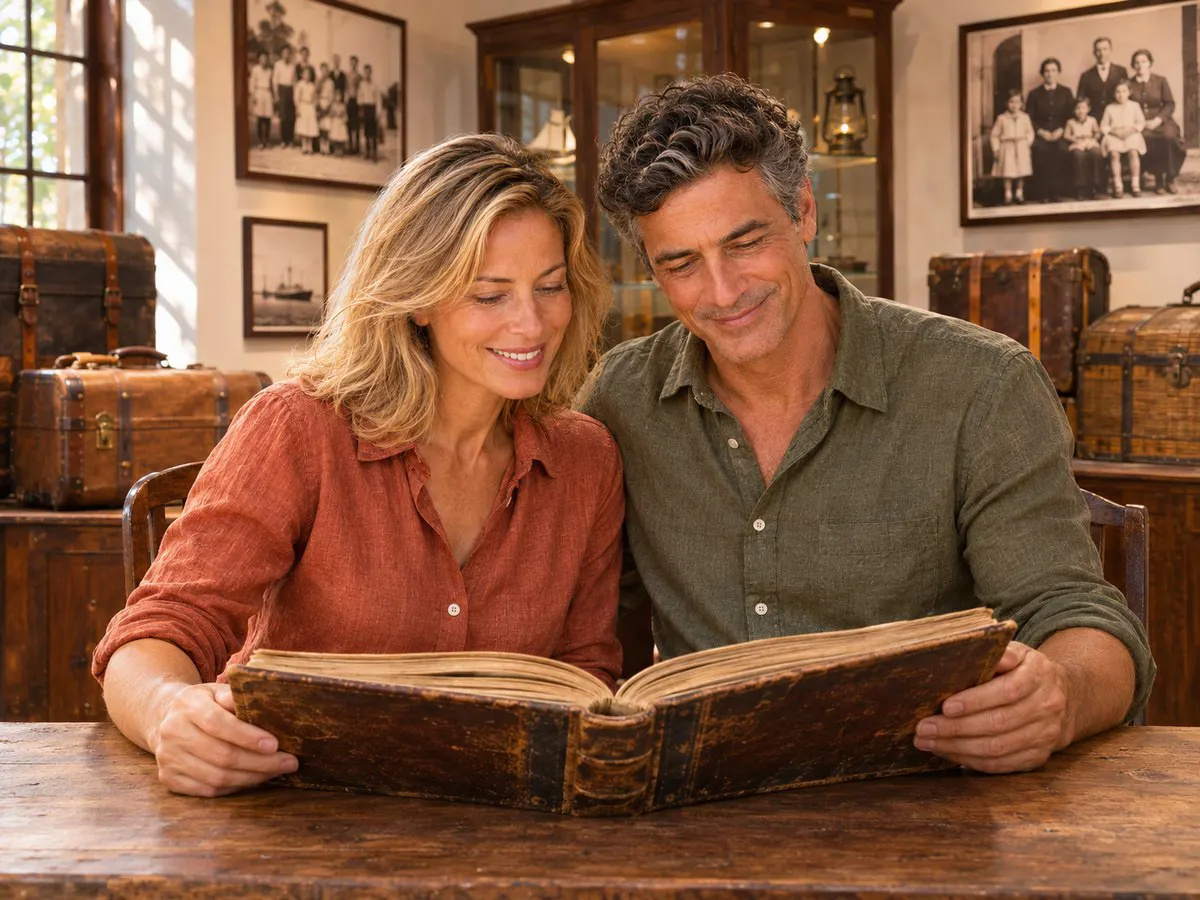
Immigration museums
Suitcases, photographs and registry books keep the record of those who came to restart their lives.
Learn more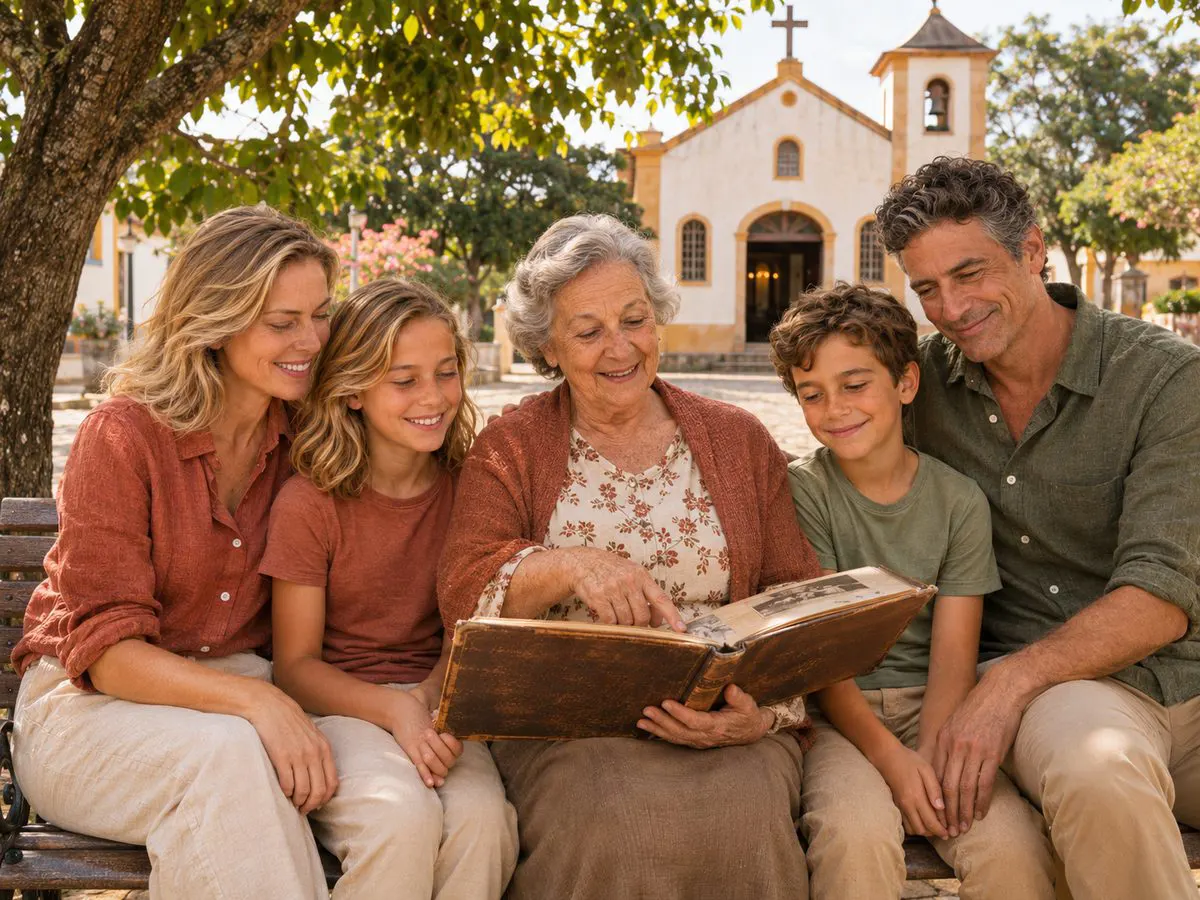
Roots tourism
Three generations on the same trip: the elders tell what they heard at home.
Learn more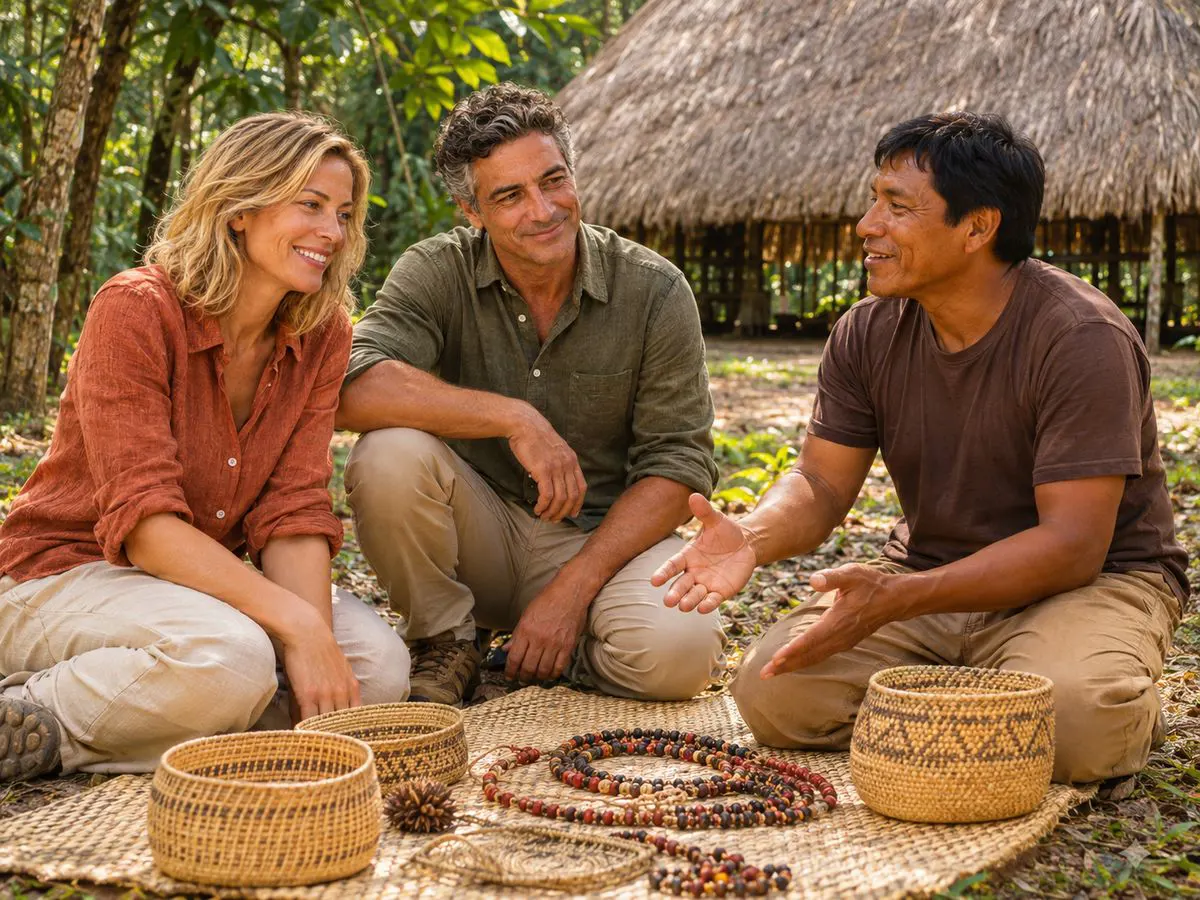
Indigenous villages
On scheduled days, the community presents its history, the forest, the singing and the food.
Learn more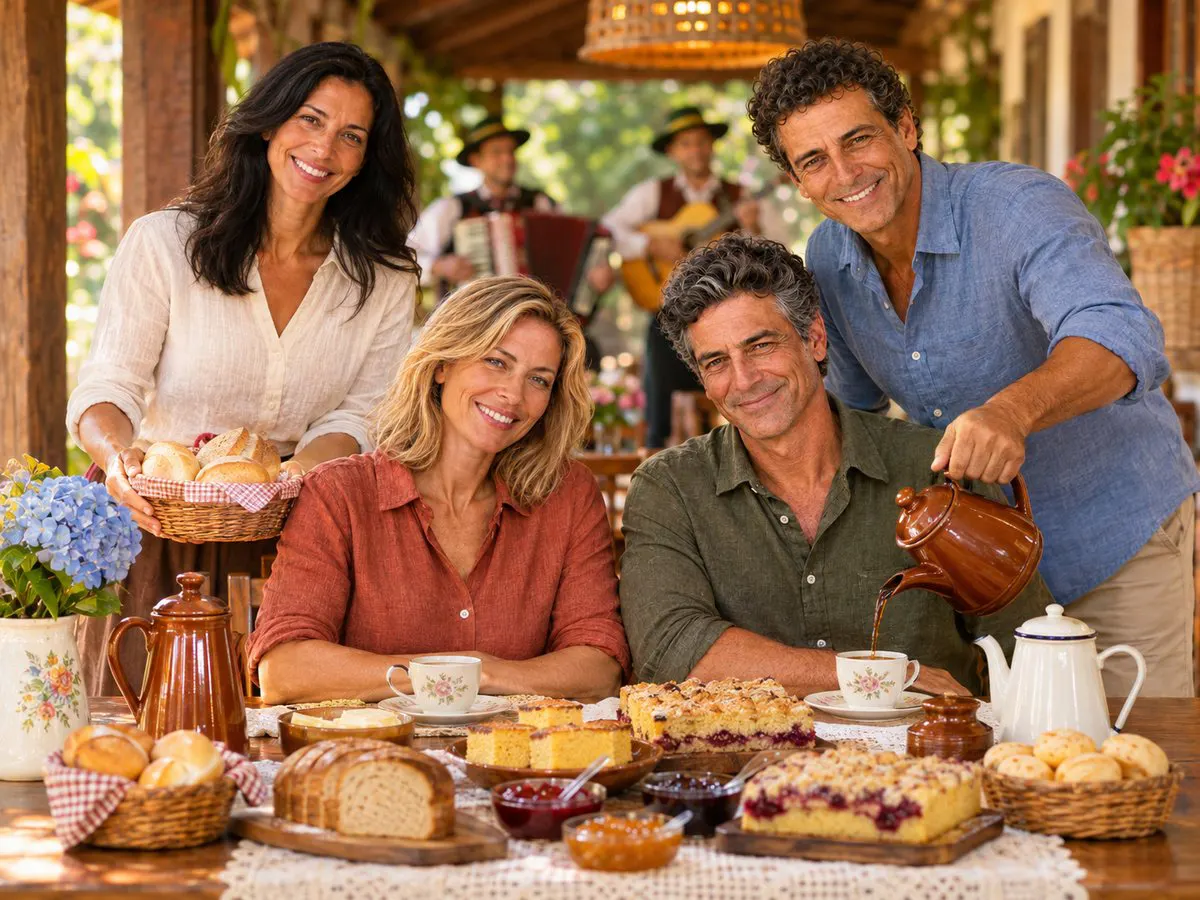
Tables and festivals of the colonies
Each people brought its cuisine and its festivities: bands, traditional dress and abundant tables.
Learn more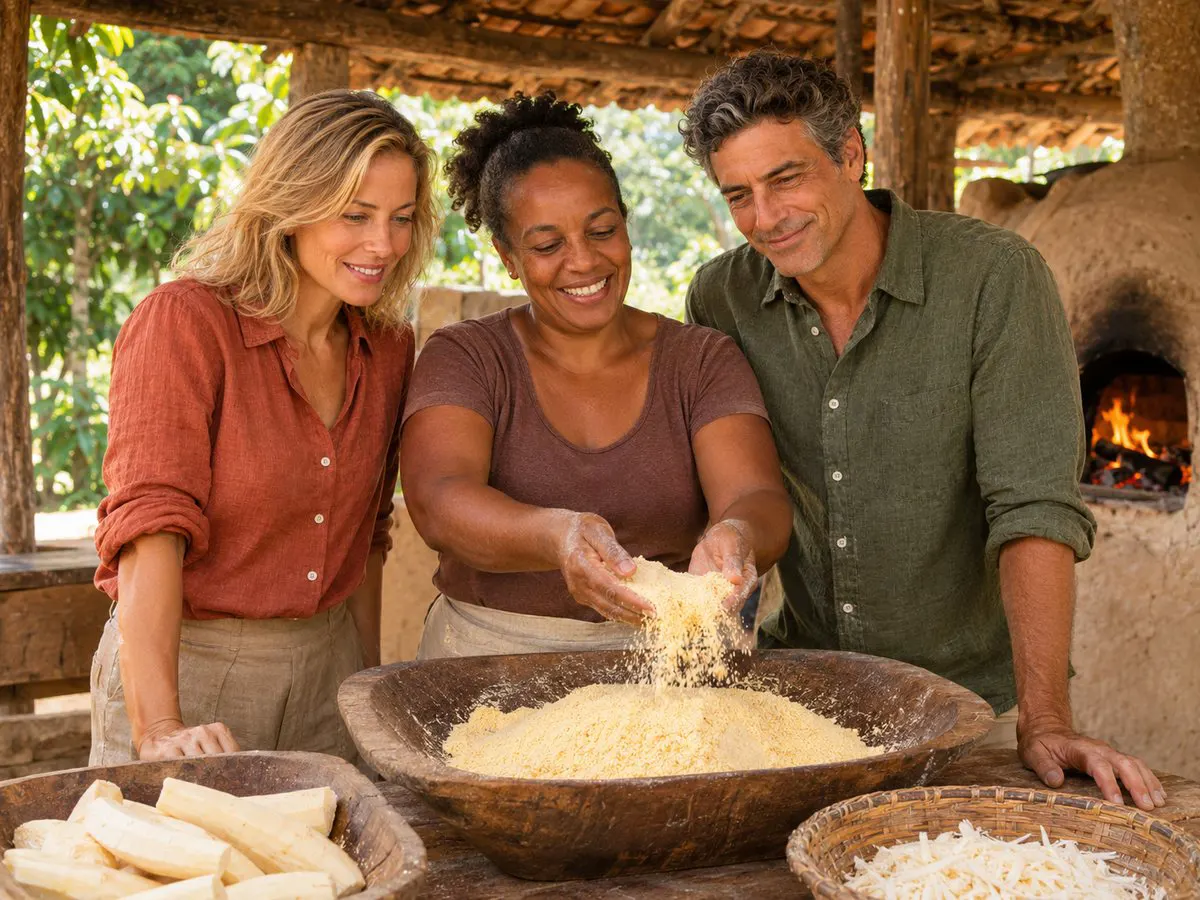
Quilombos
Residents lead the itinerary: the fields, the farinha house and the community lunch.
Learn moreWhere to go in Brazil
Pick a region or a state on the map, or type what you are looking for, to see the cities and who offers each activity.
- Macapá AP
- Manaus AM
- São Gabriel da Cachoeira AM
- Normandia RR
- Pacaraima RR
- Mateiros TO
- Cairu BA
- Entre Rios BA
- Itacaré BA
- Lençóis BA
- Porto Seguro BA
- Aquiraz CE
- Aracati CE
- São Luís MA
- Tibau do Sul RN
- Alto Paraíso de Goiás GO
- Cavalcante GO
- Teresina de Goiás GO
- Campo Grande MS
- Domingos Martins ES
- Marechal Floriano ES
- Venda Nova do Imigrante ES
- Conceição do Mato Dentro MG
- Santana do Riacho MG
- Angra dos Reis RJ
- Itatiaia RJ
- Paraty RJ
- Petrópolis RJ
- Bertioga SP
-
São Paulo SP
Immigration museums · Roots tourism · Indigenous villages · Tables and festivals of the colonies
- Ubatuba SP
- Arapoti PR
- Carambeí PR
- Castro PR
-
Curitiba PR
Immigration museums · Tables and festivals of the colonies · Immigrant colonies
- Palmeira PR
- Bento Gonçalves RS
- Caxias do Sul RS
- Gramado RS
- Ivoti RS
- Monte Belo do Sul RS
- Nova Petrópolis RS
- São Leopoldo RS
- Biguaçu SC
-
Blumenau SC
Tables and festivals of the colonies · Immigration museums · Immigrant colonies
- Campo Alegre SC
- Joinville SC
-
Pomerode SC
Immigrant colonies · Tables and festivals of the colonies · Immigration museums
- Rio dos Cedros SC
- Rodeio SC
- Timbó SC
Immigration and memory tourism is travel through these places and also through indigenous communities and quilombos that open their doors to visitors. In all of them, the story is told by those who inherited it: the family that preserves the great‑grandfather’s house, the village that presents its language, the quilombo that serves the food from the fields.
What immigration and memory tourism is
It is travel made to meet a people in the place where they live and the heritage they preserve. The Ministry of Tourism calls this segment ethnic tourism, part of cultural tourism: experiences with ethnic groups such as descendants of immigrants, indigenous communities and quilombola communities.
In Brazil, organized immigration began in the 19th century. In 1824, the first German settlers arrived in Rio Grande do Sul. From 1875, Italian families moved up into the Serra Gaúcha. In 1908, the ship Kasato Maru brought the first group of Japanese immigrants to the coast of São Paulo.
Indigenous peoples lived here long before, and quilombos formed over centuries. Some of these communities organize their own visits, with home guides, and decide what to show. When the traveler is tracing their own family history, it is usually called roots tourism.
Who it suits and at what stage of life
It suits those who have reached a moment of looking back: after retirement, after the loss of a grandparent, at the birth of a child or while applying for a second citizenship. The trip becomes meaningful when three generations go together and the elders tell what they heard at home.
It also appeals to those with no family link to the place. colony towns are small and well cared for, with good food, gardens and country roads, and work as a couples’ trip, with friends or family with children. The pace is calm and the physical effort is small.
Visits to villages and quilombos require a different mindset: listen more than speak, accept the community’s timing and have a genuine interest in a different way of life. For children and teenagers, it is often a living lesson in Brazil’s history.
Where to go: from southern colonies to villages and quilombos
São Leopoldo, in Rio Grande do Sul, is called the cradle of German colonization in Brazil: it was there that the first settlers disembarked in 1824, and the Museu Histórico Visconde de São Leopoldo preserves documents and objects from that arrival. In the Serra Gaúcha, Bento Gonçalves tells the story of Italian immigration on the Caminhos de Pedra route, a rural road with stone and wooden houses, mills, cantinas and studios maintained by descendants.
In Santa Catarina, Pomerode preserves a large set of half-timbered houses, and some residents still speak German and Pomeranian at home. Blumenau, founded in 1850 by German settlers, gathers museums about colonial life. In Paraná, the Parque Histórico de Carambeí reconstructs the village of Dutch settlers who arrived in 1911, with houses, a church and a mill.
In São Paulo, the Immigration Museum operates in the former Hospedaria de Imigrantes do Brás, through which, from the late 19th century, newcomers who went on to the coffee farms passed. The city also preserves the Liberdade neighborhood, linked to Japanese immigration, and Bixiga, of Italian tradition.
In Porto Seguro, Bahia, about 12 kilometers from the center, the Pataxó people welcome visitors in the Reserva da Jaqueira, an area of preserved forest, with a talk, singing, dancing and fish roasted in patioba leaf. In Cavalcante, in the Chapada dos Veadeiros, Goiás, the quilombola community Kalunga do Engenho II is the gateway to Cachoeira Santa Bárbara, visited only with a community guide.
When to go: each place’s calendar
Colony towns receive visitors year-round. In the South, winter, from June to August, has cold days and pairs well with the hearty food of the colonies; summer is hot and rainy. The Festa Pomerana in Pomerode usually takes place in January, and Blumenau’s Oktoberfest in October.
In Chapada dos Veadeiros, the dry season runs from May to September, with clear skies and firmer dirt roads; from October to April it rains more and the rivers rise. In the south of Bahia it’s warm year‑round, and from April to July it usually rains more.
Villages and quilombos have their own calendars of festivals, harvests and rituals, and on some days they do not receive visitors. Dates change every year: check before you go.
How to plan: itinerary, arranged visits and family research
An itinerary of four to seven days allows you to combine two or three nearby colony towns by car, with time for rural roads. Small museums and memory houses depend on volunteers and open for short periods.
A visit to a village or a quilombo is arranged in advance with the community association or with a local agency that works with them. It’s common to have a maximum number of visitors per day. Ask permission before photographing people, follow the guide’s instructions and buy crafts directly from the makers. The visit is paid separately: check the current rates.
Anyone searching for ancestors should start at home, gathering full names, approximate dates and the port or city of arrival. With this information, research continues in passenger lists, lodging registers, state public archives, notary offices and church baptism and marriage books.
Immigration and traditional cultures around the world
In New York, United States, Ellis Island shows how one of the great entry points for immigrants worked; it is now a museum. Across the ocean, Genoa in Italy and Hamburg in Germany have museums dedicated to those who left, and in Kobe, Japan, the building that housed families before embarkation to Brazil has been preserved as a memory center.
In Rotorua, New Zealand, Maori villages welcome visitors with guides who live there and present the songs, earth‑steam cooking and the community’s history.
Frequently asked questions
Which Brazilian towns were founded by German colonists?
São Leopoldo, in Rio Grande do Sul, and Pomerode and Blumenau, in Santa Catarina, are among the most visited. There are dozens of others, mainly in the three Southern states and in Espírito Santo.
Where can you see Italian immigration in Brazil?
In the Serra Gaúcha, on routes like Caminhos de Pedra in Bento Gonçalves, and in the city of São Paulo, in the Bixiga neighborhood and the Immigration Museum. There are also Italian colonies in Santa Catarina and Espírito Santo.
Where can you learn about Japanese immigration?
In São Paulo, in the Liberdade neighborhood and the museum dedicated to Japanese immigration. The first group arrived in 1908, and there are Japanese communities in several states.
What is a half‑timbered house?
It’s a house built with a framework of interlocking wooden beams that remain visible, with walls filled with bricks or clay. The technique came with German settlers and is common in Santa Catarina and Rio Grande do Sul.
Is it possible to visit an indigenous village?
Yes, in communities that have decided to receive visitors and organize visits, usually on scheduled days with a guide from the village. In Porto Seguro, Bahia, the Pataxó receive visitors at the Jaqueira Reserve. You must not enter indigenous land without the community’s authorization.
What is a visit to a quilombo like?
Residents lead the itinerary, which usually includes the farm fields, the farinha house and the craftwork, and ends with a community lunch. The visit is arranged in advance with the local association or with an agency that works with them.
What is ethnic tourism?
It’s the term the Ministry of Tourism uses for immersive visits with ethnic groups, such as indigenous communities, quilombolas and descendants of immigrants. It’s part of cultural tourism.
How can I find where my ancestors arrived in Brazil?
With the full name and an approximate date, you can consult passenger lists, immigrant lodging registers and state public archives. Immigration museums usually have a research department that requires an appointment.
Is this a good trip to take with grandparents?
Yes. In colony towns the pace is calm, distances are short and museums and old houses often evoke memories. Traveling with three generations is one of the richest ways to do this route.
More in Culture and history
Beyond the guide


