

 Antarctica
 Argentina
 Bolivia
 Chile
 Colombia
 Ecuador
 Guyana
 French Guiana
 Falkland Islands (Malvinas)
 Paraguay
 Peru
 Suriname
 Uruguay
 Venezuela
 Germany
 Austria
 Belgium
 Croatia
 Denmark
 Slovakia
 Slovenia
 Spain
 Finland
 France
 Greece
 the Netherlands
 Hungary
 Ireland
 Iceland
 Italy
 Luxembourg
 Norway
 Poland
 Portugal
 the United Kingdom
 the Czech Republic
 Sweden
 Switzerland
 Turkey
 Bermuda
 Canada
 the United States
 Greenland
 Mexico
 Saint Pierre and Miquelon
 the Dominican Republic
 Japan
 South Africa
 Egypt
 Australia
 Fiji
 New Zealand
 Papua New Guinea
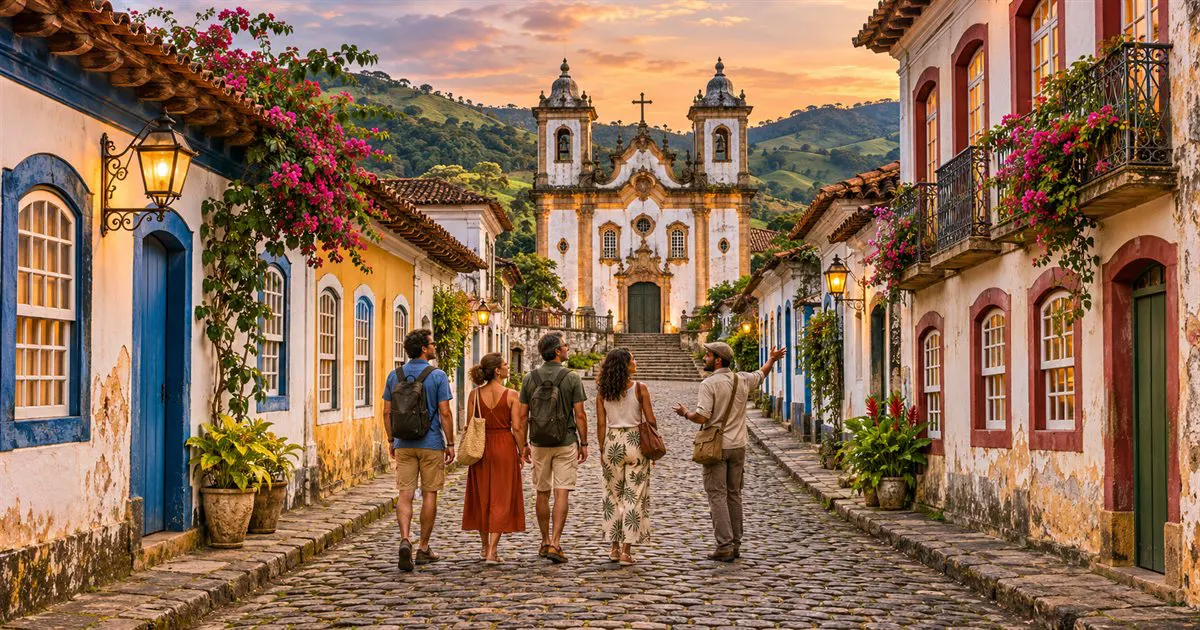
Illustrative images. The pictures in this guide are illustrations based on the real place, not photographs, and may differ from it.


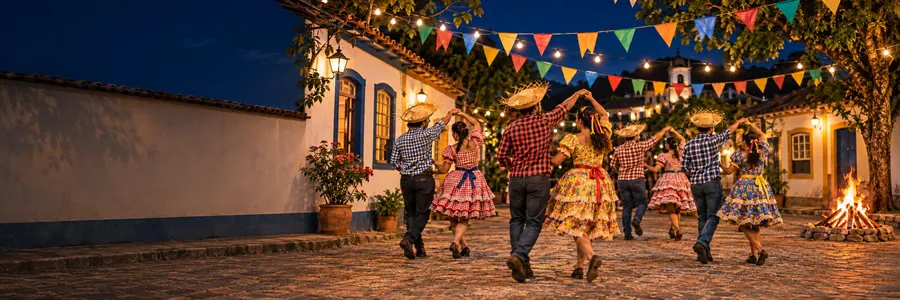
Culture and history
Popular festivals
Carnival, São João, bumba meu boi, immigrant and harvest festivals: trips where the street is the stage and the date dictates the itinerary.
Traveling to a popular festival means choosing the date before the place. Carnival, São João, bumba meu boi, the Parintins Festival and Oktoberfest transform entire towns for days or weeks, and visitors who arrive at those times find music in the streets, food made for the occasion, and locals who have waited all year for that moment.
What to do
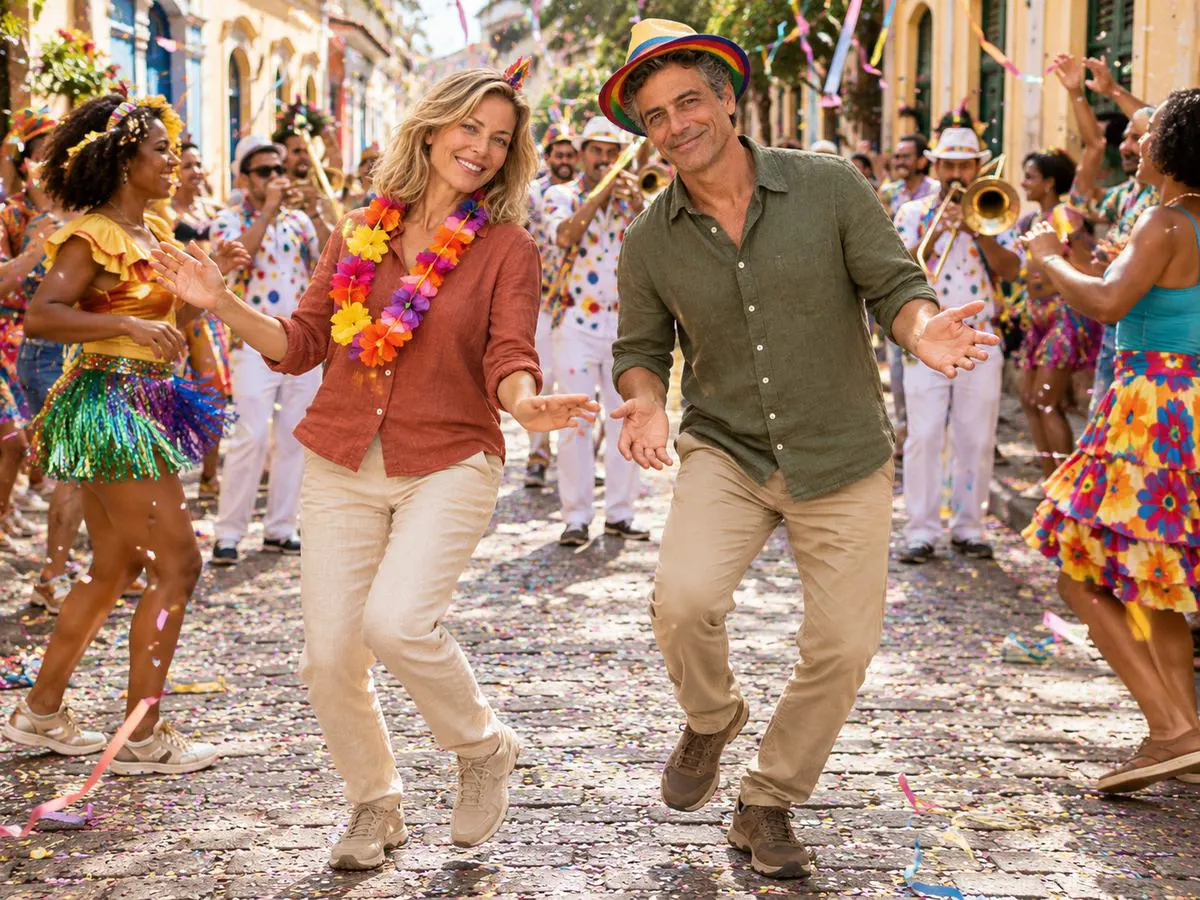
Carnival
Samba schools, street blocs, trios elétricos and frevo, in February or March.
Learn more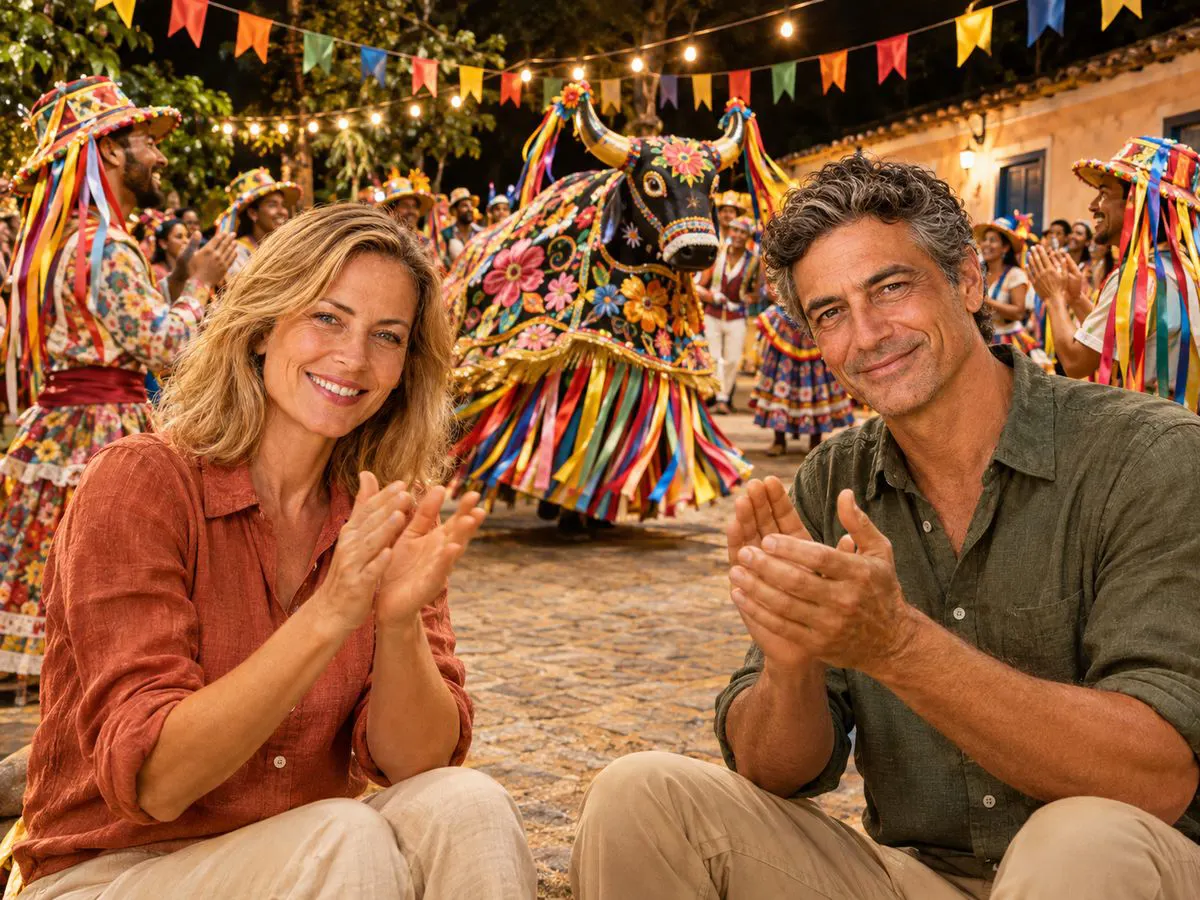
Bumba meu boi and boi-bumbá
Music, dance and costume tell the story of an ox that dies and comes back to life.
Learn more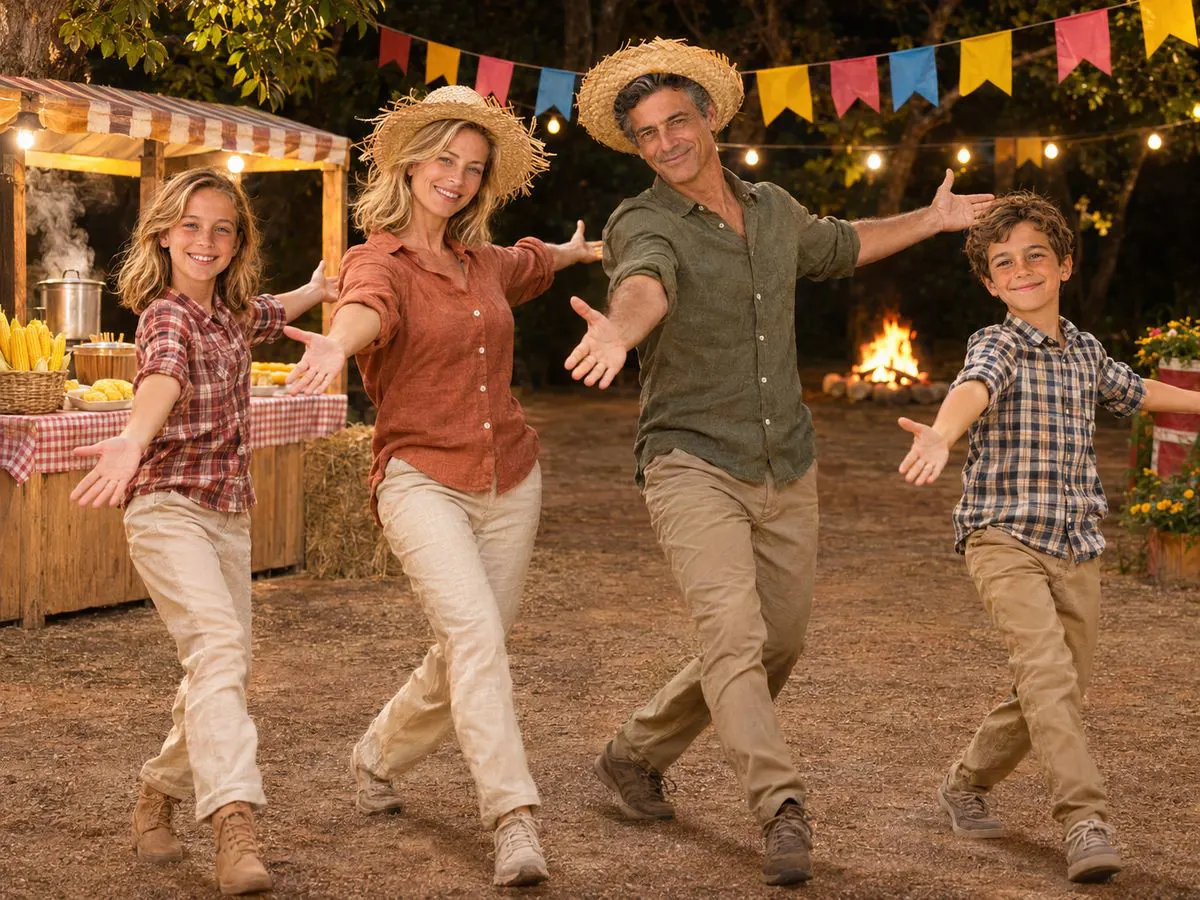
June festivals (Festas juninas)
Forró, quadrilhas, bonfires and corn-based foods in the month of São João.
Learn more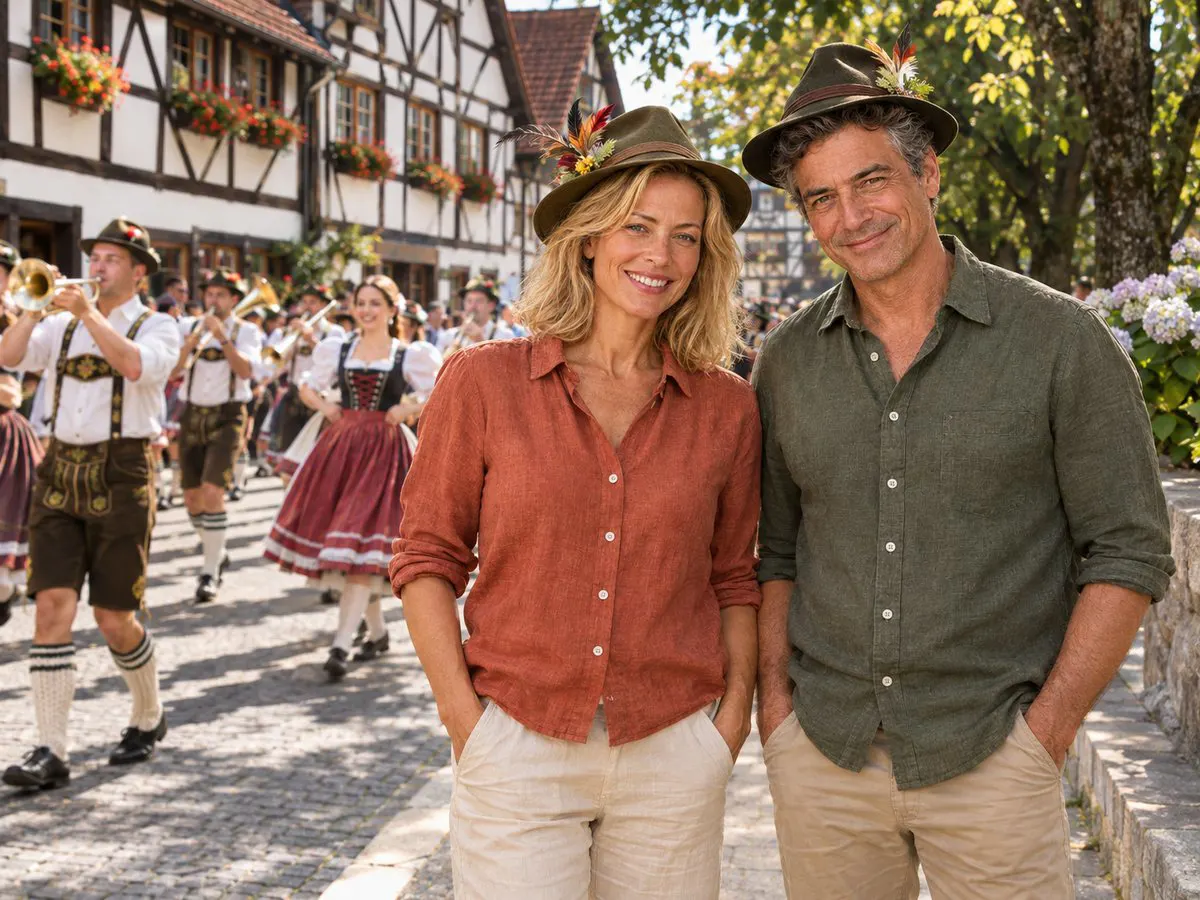
Immigrant festivals
Parades, bands, dances and traditional costumes celebrate the heritage of the peoples who settled the South.
Learn more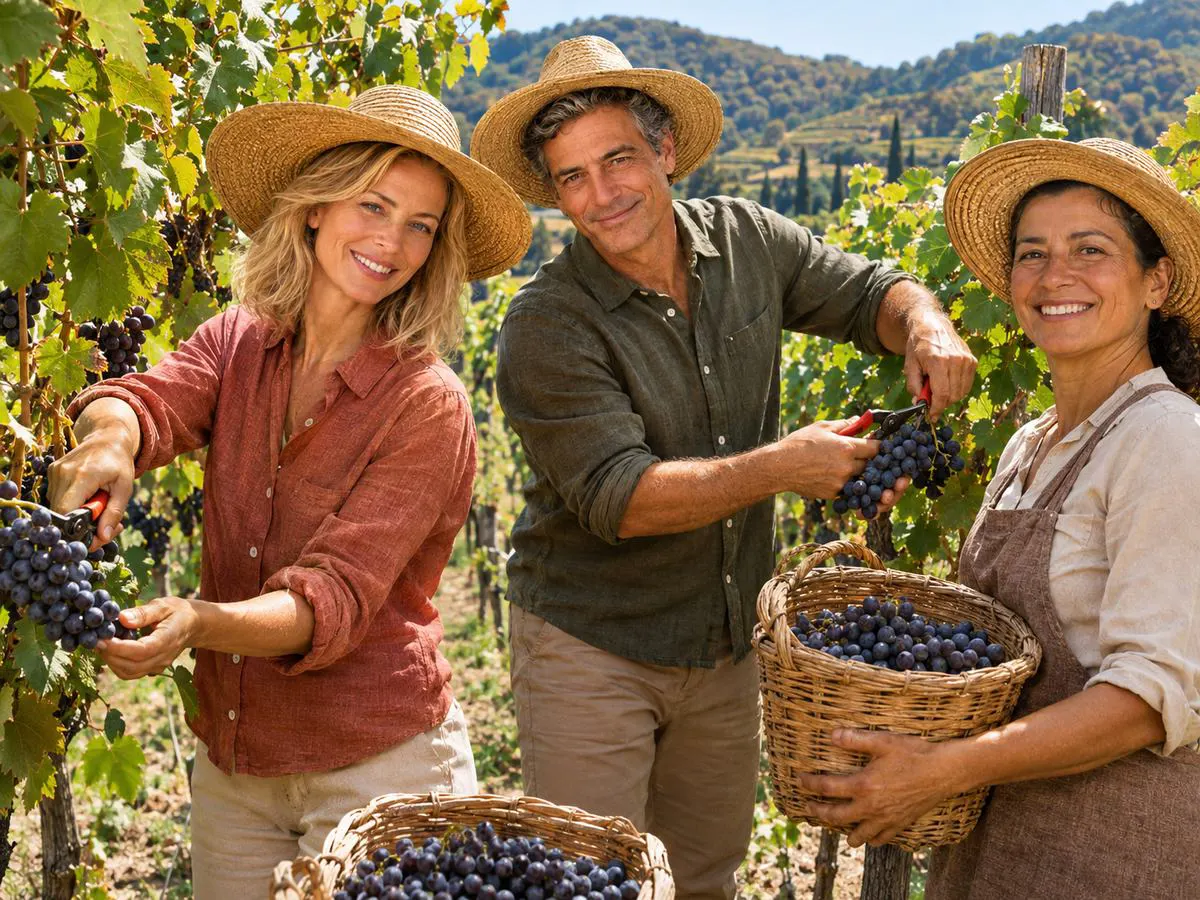
Harvest festivals
Grapes, apples, pine nuts and other farm products give their names to festivals that mark the harvest.
Learn more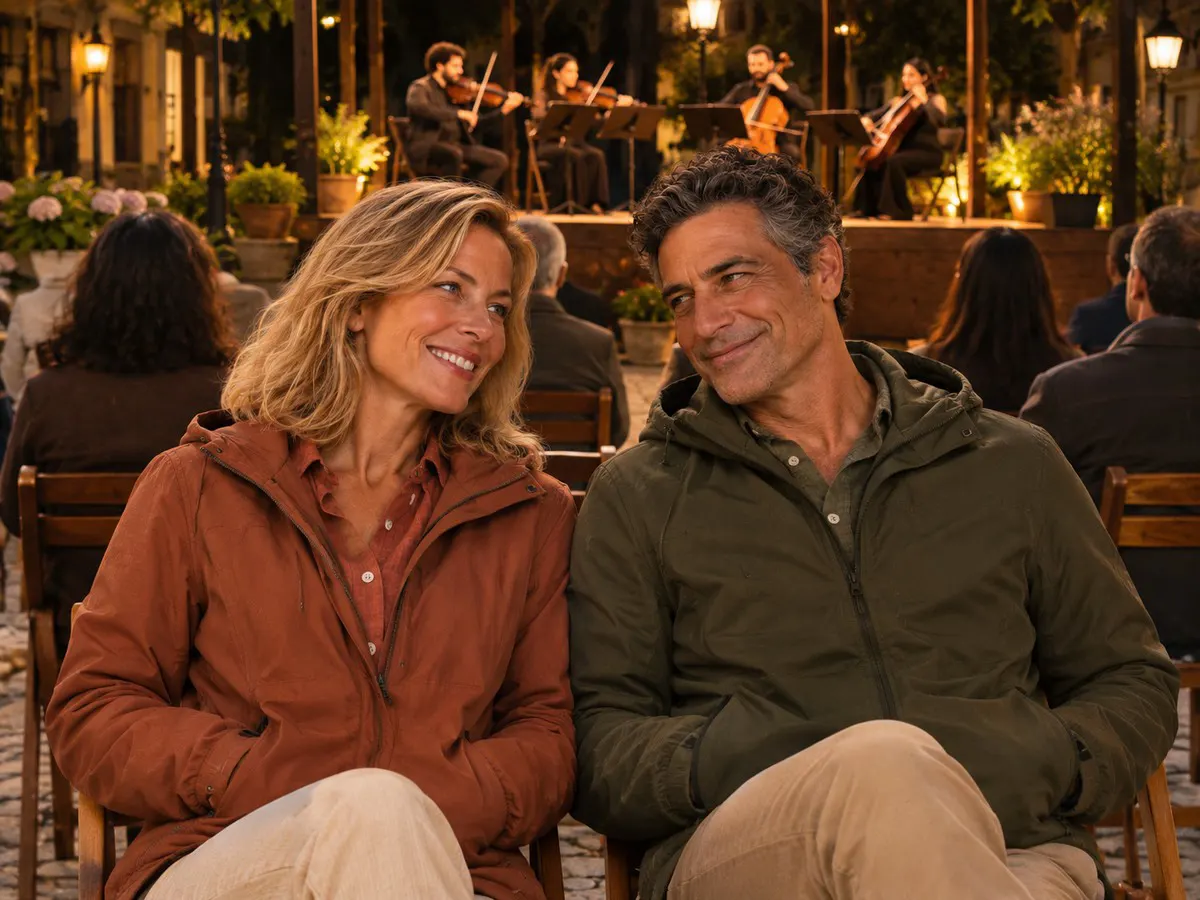
Festivals
Winter festivals, music, film or dance festivals, on dates that repeat every year.
Learn moreWhere to go in Brazil
Pick a region or a state on the map, or type what you are looking for, to see the cities and who offers each activity.
- Parintins AM
- Salvador BA
-
São Luís MA
Bumba meu boi and boi-bumbá · June festivals (Festas juninas)
- Campina Grande PB
- Caruaru PE
- Olinda PE
- Corumbá MS
- Venda Nova do Imigrante ES
- Tiradentes MG
- Rio de Janeiro RJ
- Olímpia SP
- São Paulo SP
- Curitiba PR
- Bento Gonçalves RS
- Caxias do Sul RS
- Garibaldi RS
- Gramado RS
- Blumenau SC
- Lages SC
- Pomerode SC
In Brazil there are big festivals in every region and in almost every month. Some originated from agricultural work, others arrived with immigrants, and others blend devotion and play. What they have in common is the need for planning: the town fills up, accommodation sells out early, and the liveliest part of the festival is usually where the local people are.
What it means to travel for a popular festival
A popular festival is a celebration performed by the community itself, repeated every year, with music, dance, food, costumes and rituals passed from parents to children. Unlike a concert, it happens mostly in the street, and the visitor takes part: follows the bloco, dances the quadrilha, joins the procession.
On this kind of trip, the attraction has a fixed start and end date. So you plan the itinerary in reverse of the usual order: first the calendar, then transport and lodging, and only then the sightseeing for free days.
In the Ministry of Tourism’s classification, festivals are part of cultural tourism. Some, such as frevo and the bumba meu boi of Maranhão, are recognized by UNESCO as intangible heritage. Pilgrimages, processions and other religious festivals belong to spiritual travel.
Who it suits and at what stage of life
It suits people who enjoy crowds, loud music and improvisation. It’s the classic trip for groups of friends and for those wanting to celebrate an occasion, like a milestone birthday or a graduation. It also attracts those interested in culture who want to see in person a tradition they only knew from television.
Families with children do well when they choose the times of day: children’s blocos, school quadrilhas, afternoon parades, open rehearsals. Those who prefer quiet don’t have to give up: many festivals have calmer parts, such as food fairs and performances on smaller stages.
For people who moved away from their hometown, the festival is also a reunion. Much of the São João audience consists of people who travel every year to see family on that date.
Where to go: popular festivals by region
At Carnival, each city has its own style. In Rio de Janeiro, samba schools parade in the Sambódromo of Marquês de Sapucaí, and blocos take the streets from the previous weeks. In Salvador, trios elétricos run the circuits from Barra to Ondina and Campo Grande, followed by crowds. In Olinda, the celebration climbs and descends the historic center’s hills to the sound of frevo, with giant puppets and cord-free blocos that anyone can join.
In June, Campina Grande, in Paraíba, and Caruaru, in Pernambuco, hold São João festivities that last about a month. In São Luís, Maranhão, bumba meu boi occupies the arraiais throughout the month, and the celebration ends on June 30 with the meeting of the groups in honor of São Marçal.
At the end of June, the island of Parintins, on the Amazon River, hosts the Folkloric Festival. For three nights, the bois Garantido, red, and Caprichoso, blue, compete for the title in the Bumbódromo with allegories, toadas and supporters who do not boo the opponent: they remain silent. You reach the island by boat or plane.
In October, Blumenau, in Santa Catarina, holds Oktoberfest with parades, bands and German traditional dress. In the Serra Gaúcha, the Festa da Uva celebrates the harvest between January and March in the years it is held, and mountain towns in the South and Southeast concentrate winter festivals in July.
Calendar: when each festival takes place
The year begins with the vindima, from January to March, and with Carnival, in February or March. June concentrates São João and bumba meu boi and ends with Parintins. July is the month of winter festivals, and October is the month of immigrant festivals in the South.
Dates shift slightly from year to year, especially those tied to Easter, like Carnival: it’s wise to confirm the event’s calendar before buying tickets. Lavagens, processions and pilgrimages, which also draw crowds to the streets, follow the religious calendar.
How to plan a trip to a festival
Lodging is the first step. At major festivals, rooms near the circuit sell out months in advance, and many properties only sell packages for every day. Staying in a more distant neighborhood or in a nearby town works, provided the return transport at night is organized.
Stands, boxes, and some street blocks require separate paid tickets and are sold in advance; the street party itself does not charge an entrance fee. Pack lightweight clothes, closed shoes that are already broken in, a rain poncho, and keep only a few items in your pockets.
Reserving one or two days without festivities helps you get to know the city and rest. It’s also wise to agree on meeting points with your group: in the middle of the crowd, phone service doesn’t always work.
Popular festivals around the world
Traveling according to the date applies in other countries. In Seville, Spain, the Feria de Abril sets up a city of casetas with music and dance. In Munich, Germany, the original Oktoberfest runs from the second half of September into early October.
In Venice, Italy, the masked Carnival takes place in February or March. In Kyoto, Japan, the Gion Matsuri fills the month of July with processions of wooden floats. In all of them, the rule is the same as at Brazilian festivals: book early and arrive before the main day.
Frequently asked questions
What are the main popular festivals in Brazil?
Carnival, the June festivals (festas juninas), Maranhão’s bumba meu boi, the Parintins Folklore Festival, and Blumenau’s Oktoberfest are among the best known. There are also cavalhadas, congadas, folias de reis, harvest festivals and many local festivals across the country.
When is Carnival?
In February or March, on the days before Ash Wednesday. The date changes each year because it depends on Easter. Street blocs and rehearsals usually begin weeks earlier.
Where is the best-known São João in Brazil?
Campina Grande, in Paraíba, and Caruaru, in Pernambuco, hold the largest June festivals, with about a month of programming in June. Both feature forró, quadrilhas and corn-based foods.
When is the Parintins Festival?
At the end of June, over three consecutive nights. The Garantido and Caprichoso oxen perform at the Bumbódromo on the island of Parintins, in Amazonas.
When does bumba meu boi happen in São Luís?
In June, during the June festival season. Groups perform in the city’s arraiais throughout the month, and the celebrations end on the 30th, Saint Marçal’s day.
When is Blumenau’s Oktoberfest?
In October, lasting more than two weeks. The festival includes parades through the city center, bands and traditional German attire.
How far in advance should you book accommodation?
For the larger festivals, it’s best to book several months in advance. Close to the date you’ll only find rooms far from the main circuit or in neighboring towns, so you’ll need to plan transportation.
Can you take children to a popular festival?
Yes, if you choose calmer times of day and quieter spaces. Children usually do well at kid-friendly blocs, quadrilhas, afternoon parades and food fairs.
Do you need to pay to participate?
The street party does not charge entrance. Stands, boxes, some blocs and the tickets for the Bumbódromo and Sambódromo are paid separately: check the edition’s price table.
More in Culture and history
Beyond the guide


