Oudenaarde

Sports · Oudenaarde

Tour of Flanders

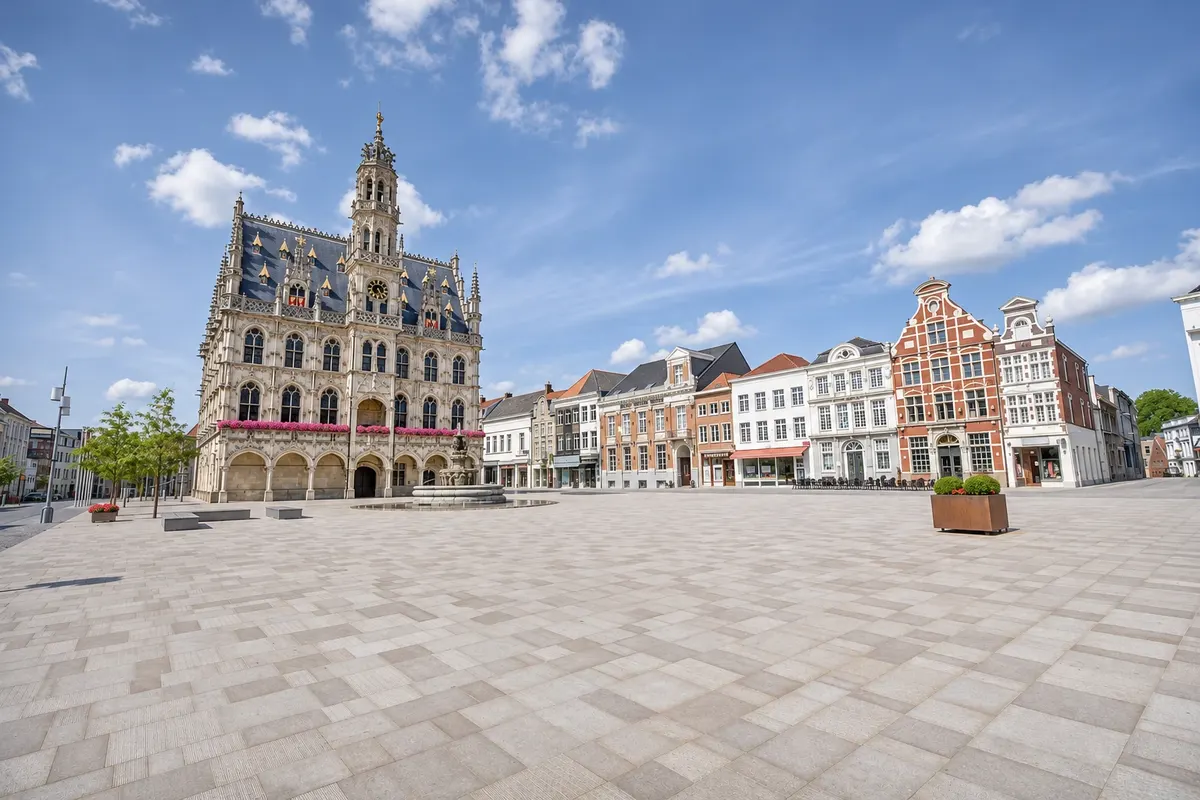
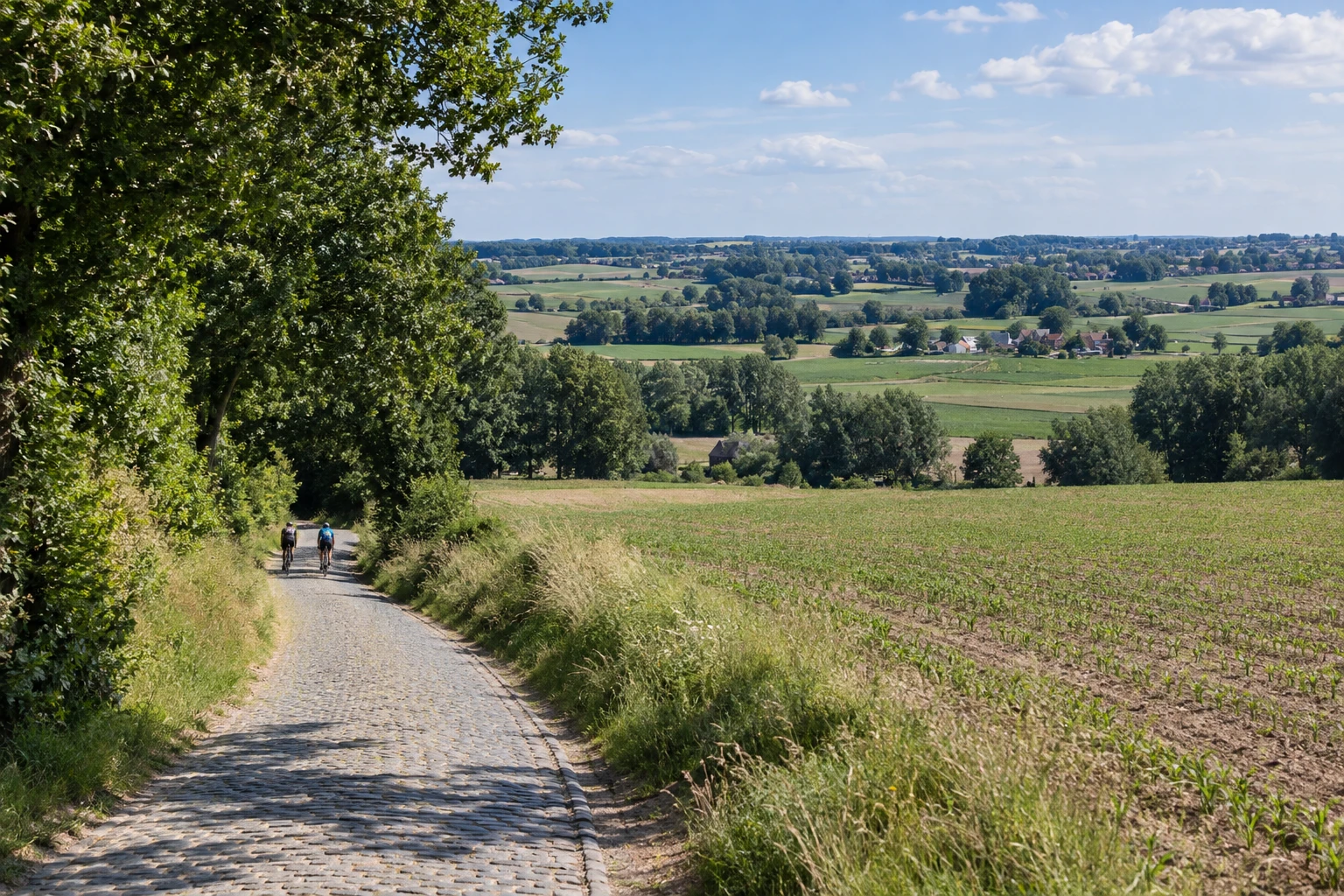
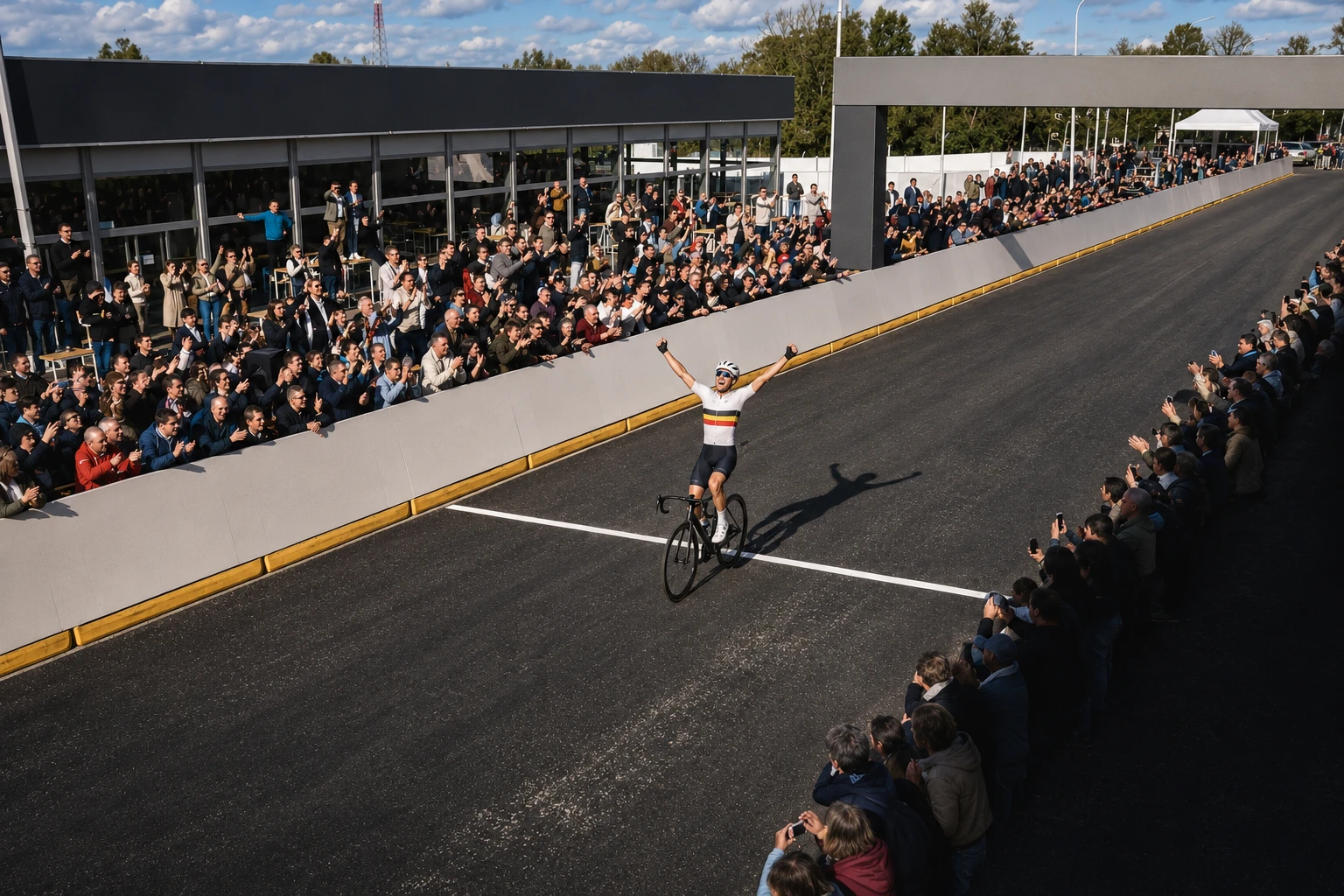
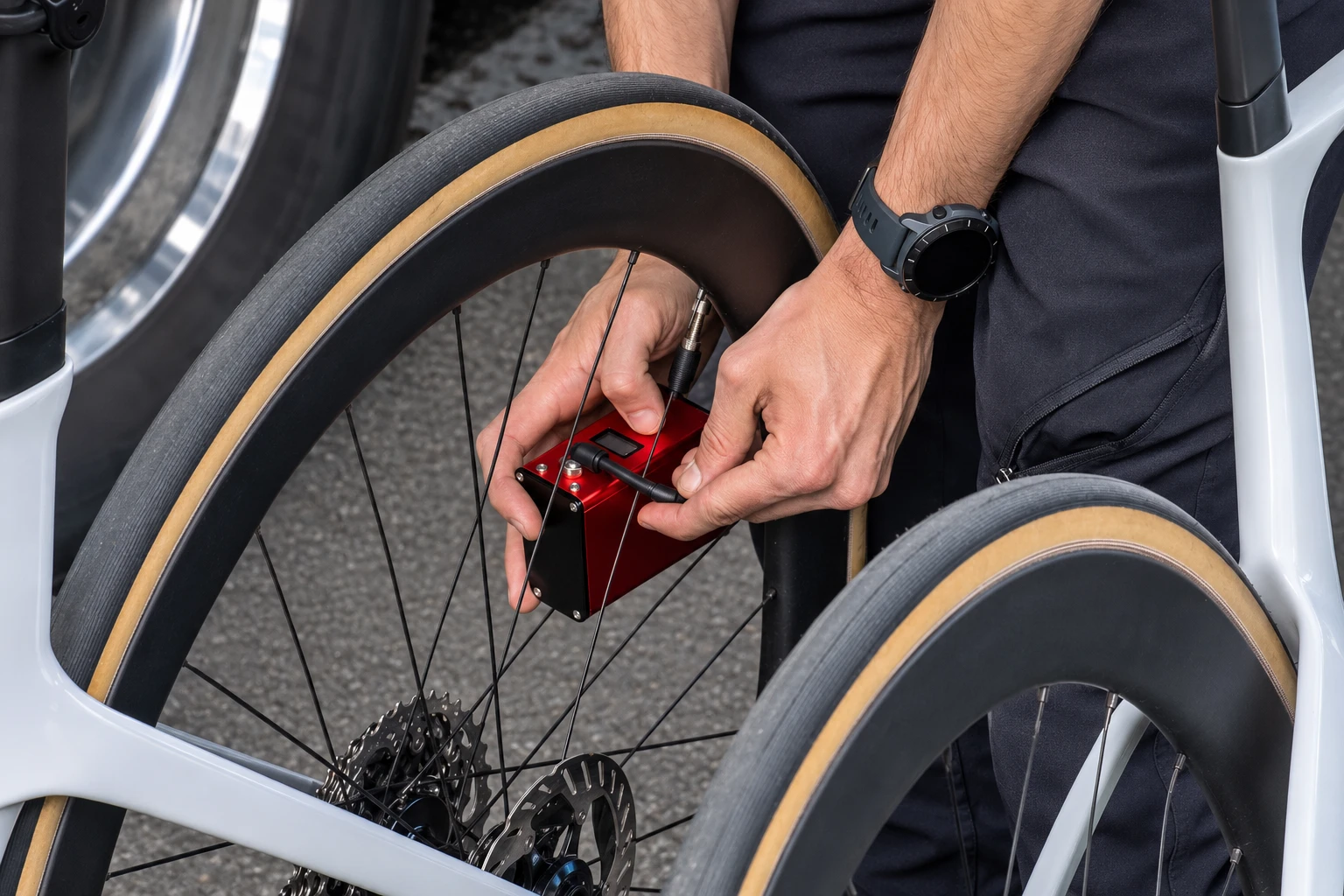
The Tour of Flanders, one of Belgium’s cycling classics, finishes in Oudenaarde, in the heart of the Flemish Ardennes, after taking on cobbled climbs such as the Oude Kwaremont and the Paterberg. On race weekend, the whole city celebrates cycling.

In the photo: Oudenaarde

Illustrative images. The pictures in this guide are illustrations based on the real place, not photographs, and may differ from it.

Get it on Google Play

Click the picture to enlarge it.

Flandres Oriental
Flandres Oriental
Tour of Flanders — Oudenaarde
Tour of Flanders
Tour of Flanders — Oudenaarde
Tour of Flanders
Tour of Flanders — Oudenaarde
Tour of Flanders
Tour of Flanders — Oudenaarde
Tour of Flanders

Tour of Flanders — Oudenaarde

When

On a Sunday in early April or late March, with events in Oudenaarde starting on Saturday.

March/April

Where

Oudenaarde

Flandres Oriental

Organizer

Official website

Dates, program and tickets

Dates change every year: check this year's date before you travel.

The festival

What the Tour of Flanders is

First held in 1913, the Ronde van Vlaanderen is one of the world’s great cycling classics. This one-day race crosses Flanders and is decided in the hills of the Flemish Ardennes, on short, steep cobbled climbs.

Since 2012, the race has finished in Oudenaarde, a historic tapestry-making town on the banks of the Scheldt, amid these hills. It is also home to the Tour of Flanders Centre, a museum next to the market square dedicated to the race and to Flemish cycling culture.

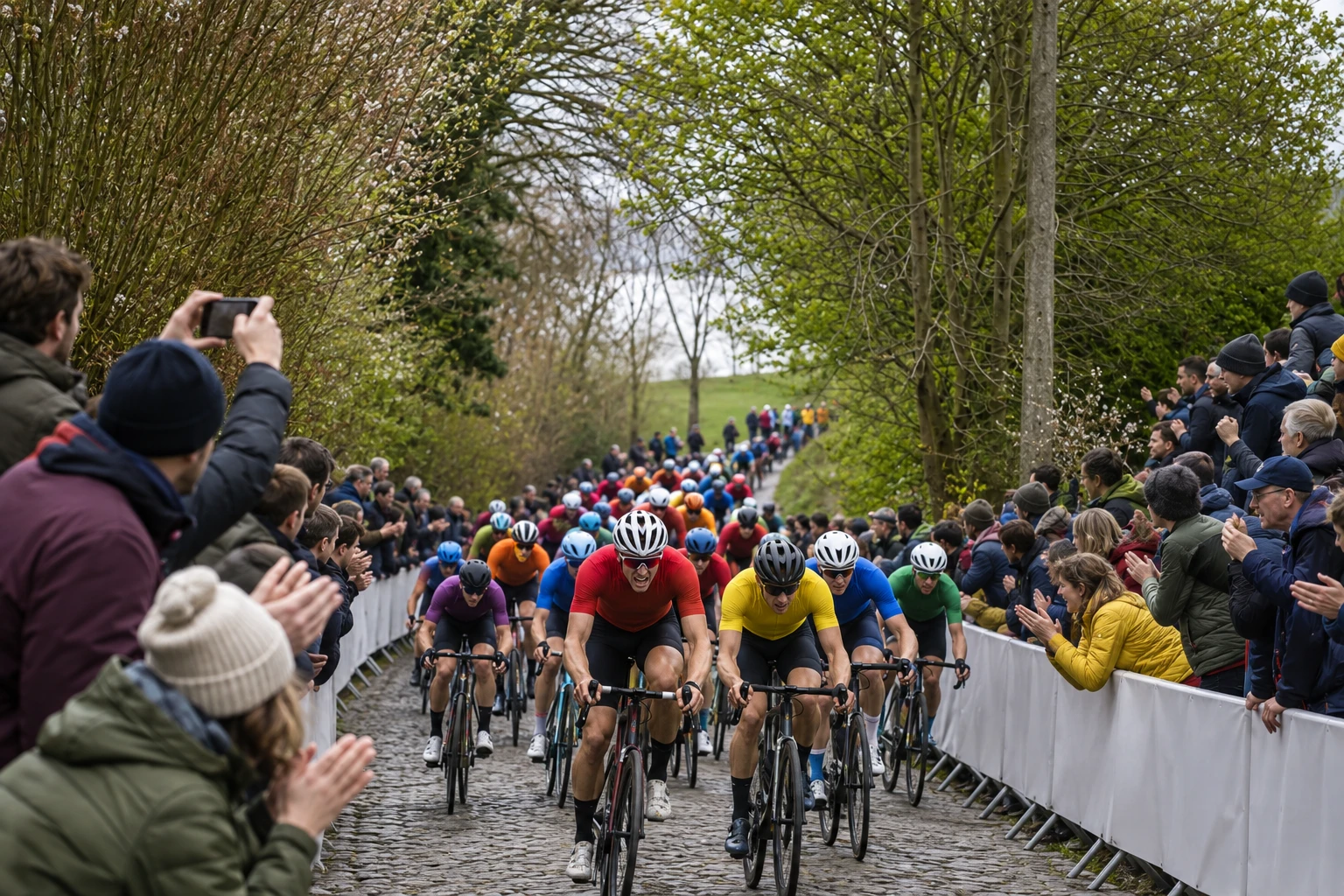
The weekend begins on Saturday, when amateur cyclists ride sections of the course as part of We Ride Flanders. On Sunday, the women’s race starts in Oudenaarde’s market square, and the men’s race reaches town in the afternoon after hours on the road. Spectators gather along climbs such as the Oude Kwaremont, the Paterberg and the Koppenberg to watch the riders pass.

For the Flemish, watching the Ronde from the roadside with friends and a beer is a family tradition, and many people choose the same climb every year.

It’s worth the trip to experience Belgian cycling’s big day, ride the famous climbs and explore Oudenaarde and the Flemish Ardennes.

Share: WhatsApp

What not to miss

The riders passing on a cobbled climb such as the Oude Kwaremont or the Paterberg. The finish on Minderbroedersstraat in Oudenaarde. The Tour of Flanders Centre, the museum dedicated to the race. The We Ride Flanders ride on Saturday, if you’d like to cycle.

How to enjoy it

Choose a climb where you can watch the riders pass and get there early, or watch the race from the finish area. Check the race guide for special bus services and directions to the spectator areas. Bring a waterproof jacket for the April weather in Flanders.

What to eat

Fries, sausages and barbecued meat at the food stands along the climbs, and Oudenaarde’s brown beer, Oudenaards bruin.

Plan ahead

Check the race website for the date and route. Book accommodations in or around Oudenaarde well in advance. There is train service between Ghent and Oudenaarde.

In the city

Make the most of Oudenaarde

March/April

Around the same time

Your questions

Questions about Tour of Flanders

Where does the Tour of Flanders finish?

The race has finished in Oudenaarde, in the Flemish Ardennes, since 2012. The finish line is near the town center, and the women’s race starts in the market square.

When is the Tour of Flanders?

On a Sunday in early April or late March. On the Saturday before the race, amateur cyclists ride sections of the course as part of We Ride Flanders.

Where can I watch the race?

On cobbled climbs such as the Oude Kwaremont and the Paterberg, or in the finish area in Oudenaarde. Before you head out, check the race guide for access routes and special bus services.

Festivals and events in Belgium

Other festivals

Marches of Entre-Sambre-et-Meuse May/June/July/August/September/October
Religious festival · Hainaut

Marches of Entre-Sambre-et-Meuse

From May to October, on weekends and public holidays, depending on the schedule for each march.

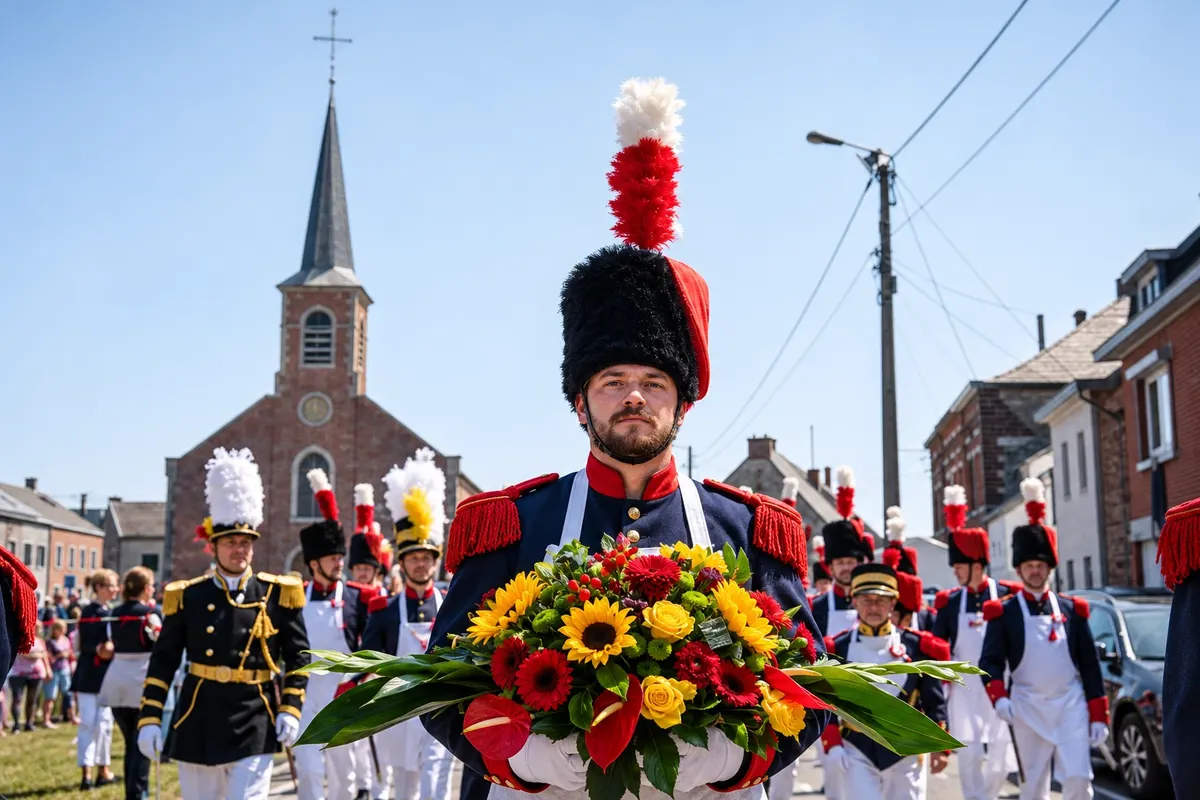
From May to October, villagers between the Sambre and Meuse rivers in southern Wallonia take part in processions to the sound of drums, fifes, and blank gunfire. Companies of marchers escort them in uniforms inspired by those of the First and Second French Empires. Fifteen of these marches are on UNESCO’s Intangible Cultural Heritage list.

See the full calendar

Beyond the guide