Hainaut

Religious festival · Hainaut

Marches of Entre-Sambre-et-Meuse

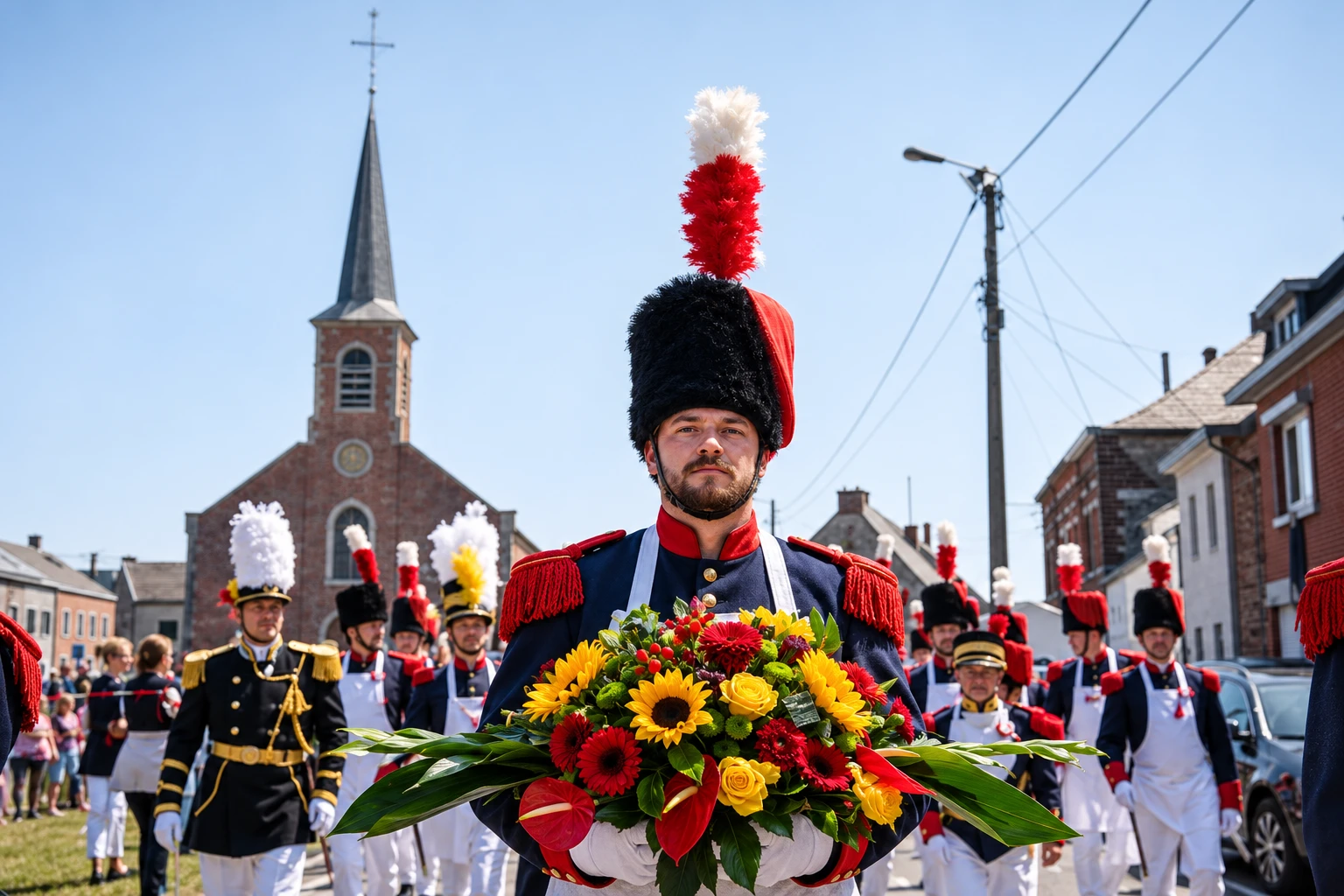
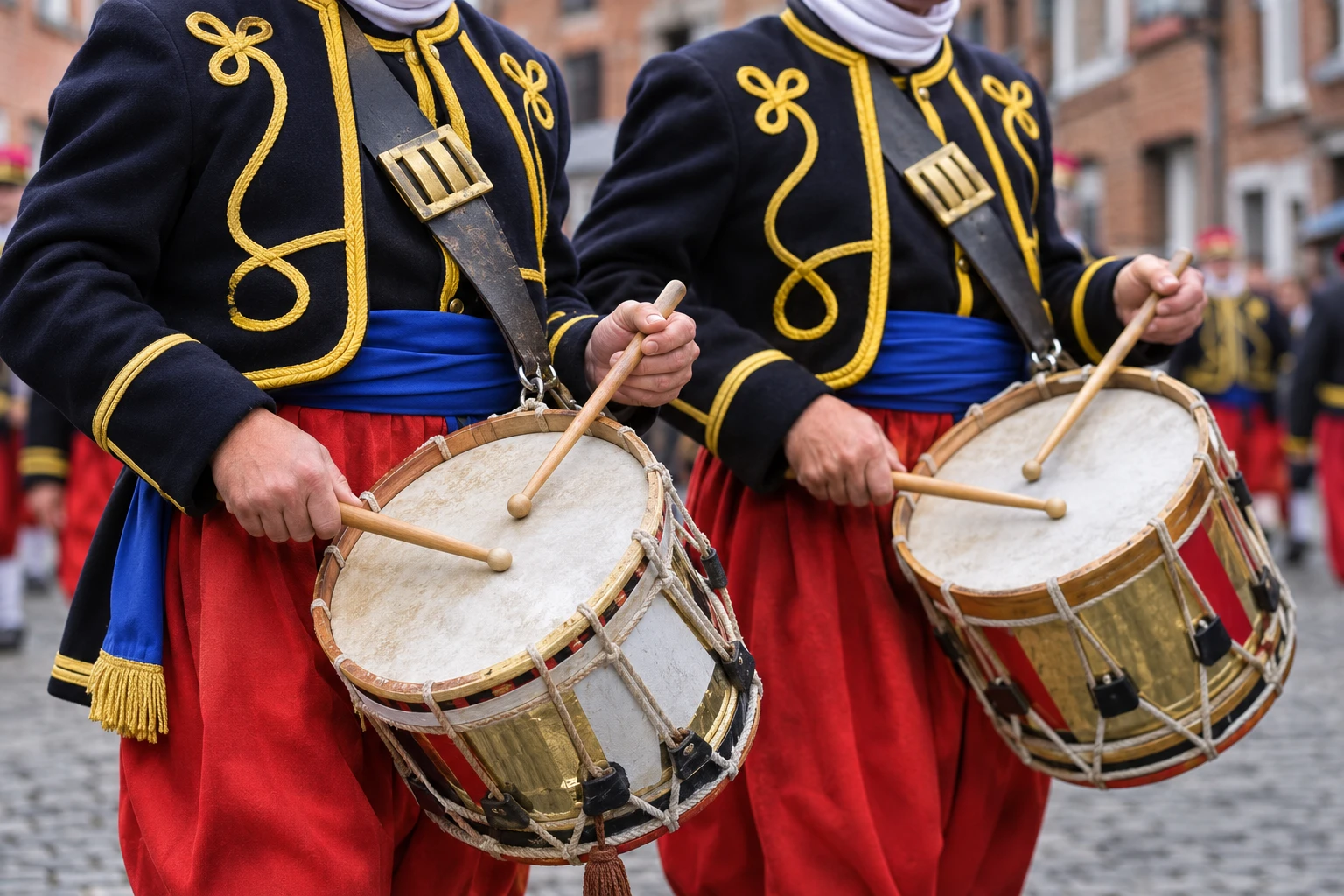
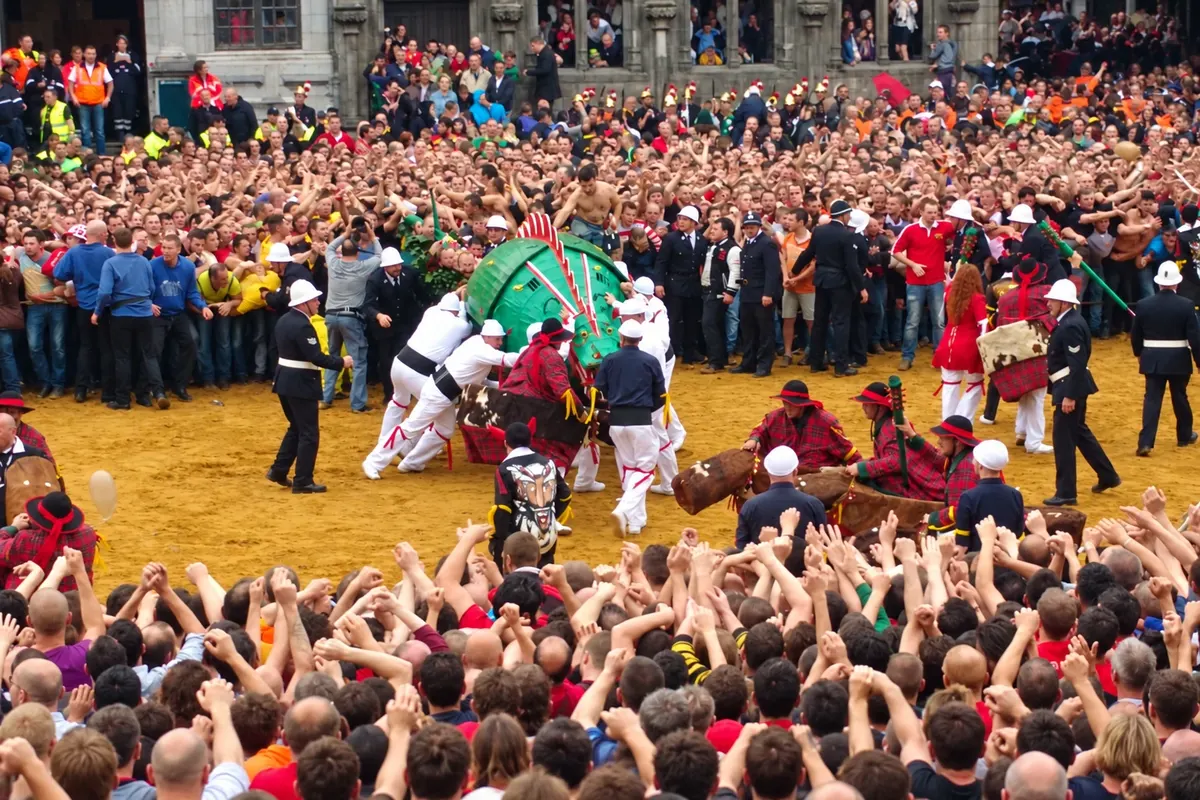
From May to October, villagers between the Sambre and Meuse rivers in southern Wallonia take part in processions to the sound of drums, fifes, and blank gunfire. Companies of marchers escort them in uniforms inspired by those of the First and Second French Empires. Fifteen of these marches are on UNESCO’s Intangible Cultural Heritage list.

In the photo: Hainaut

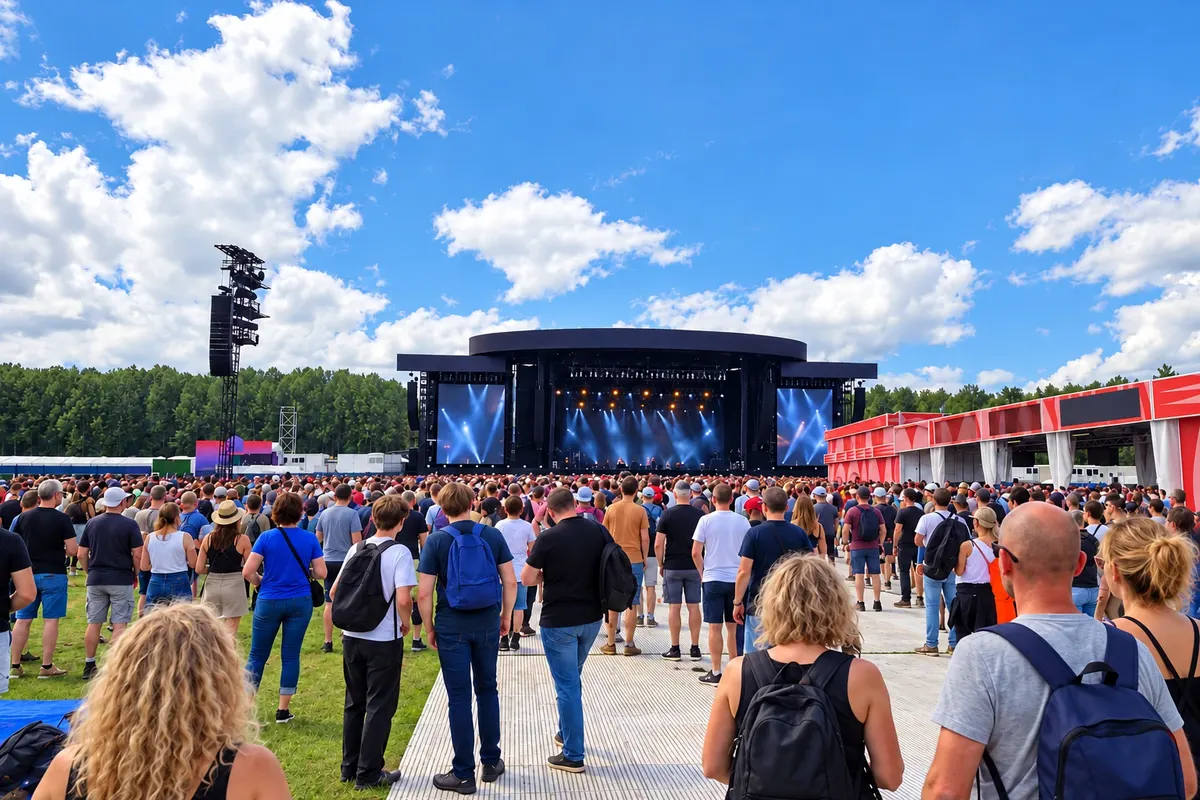
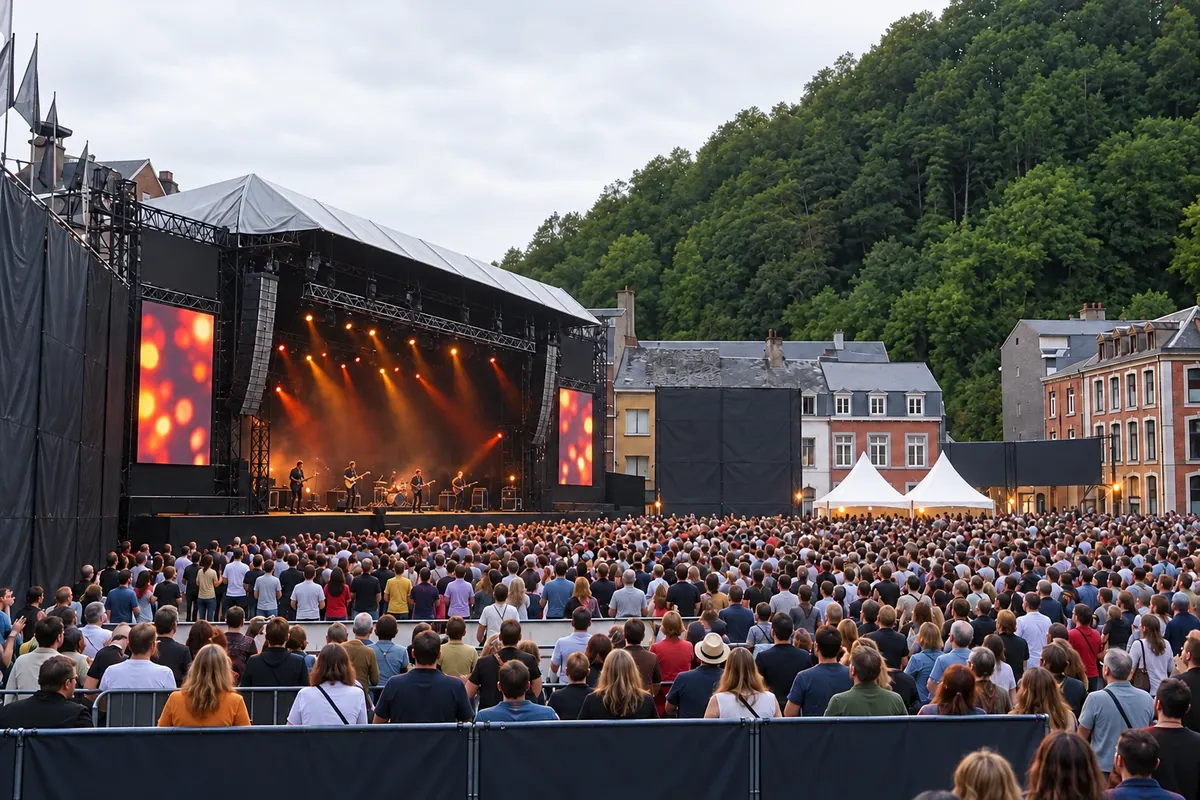
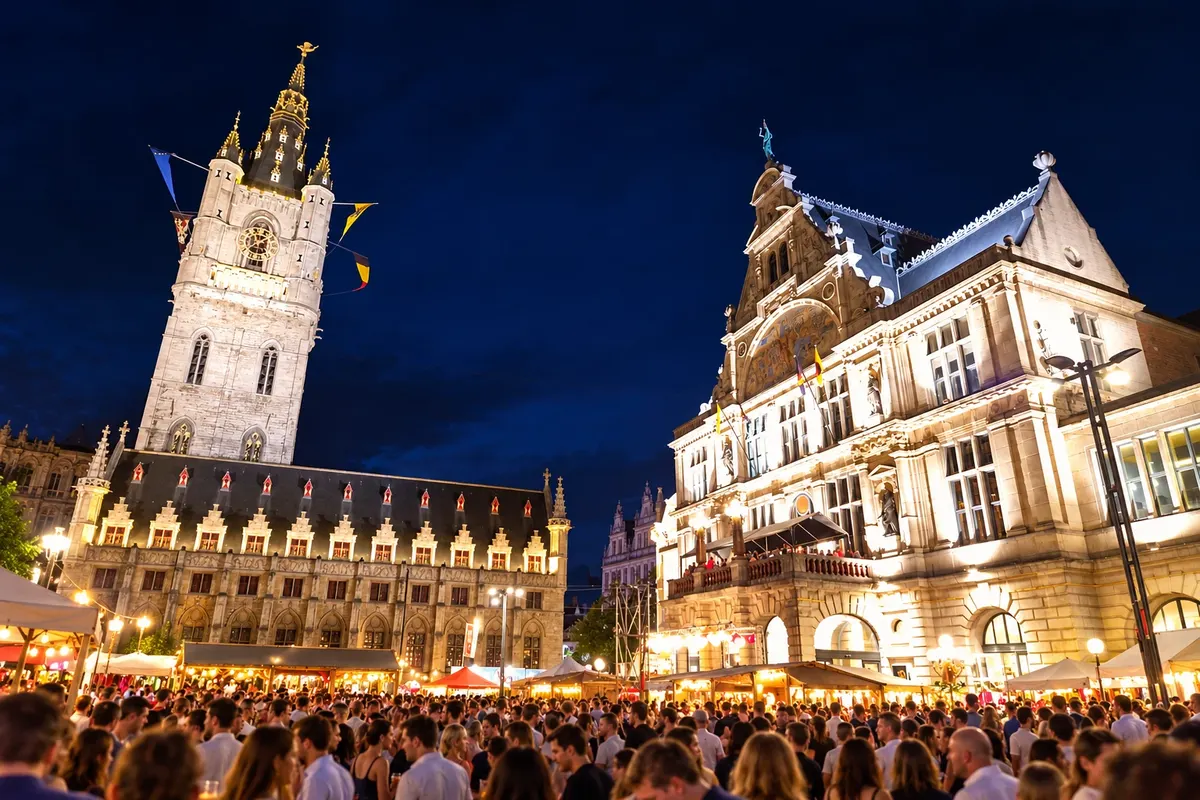
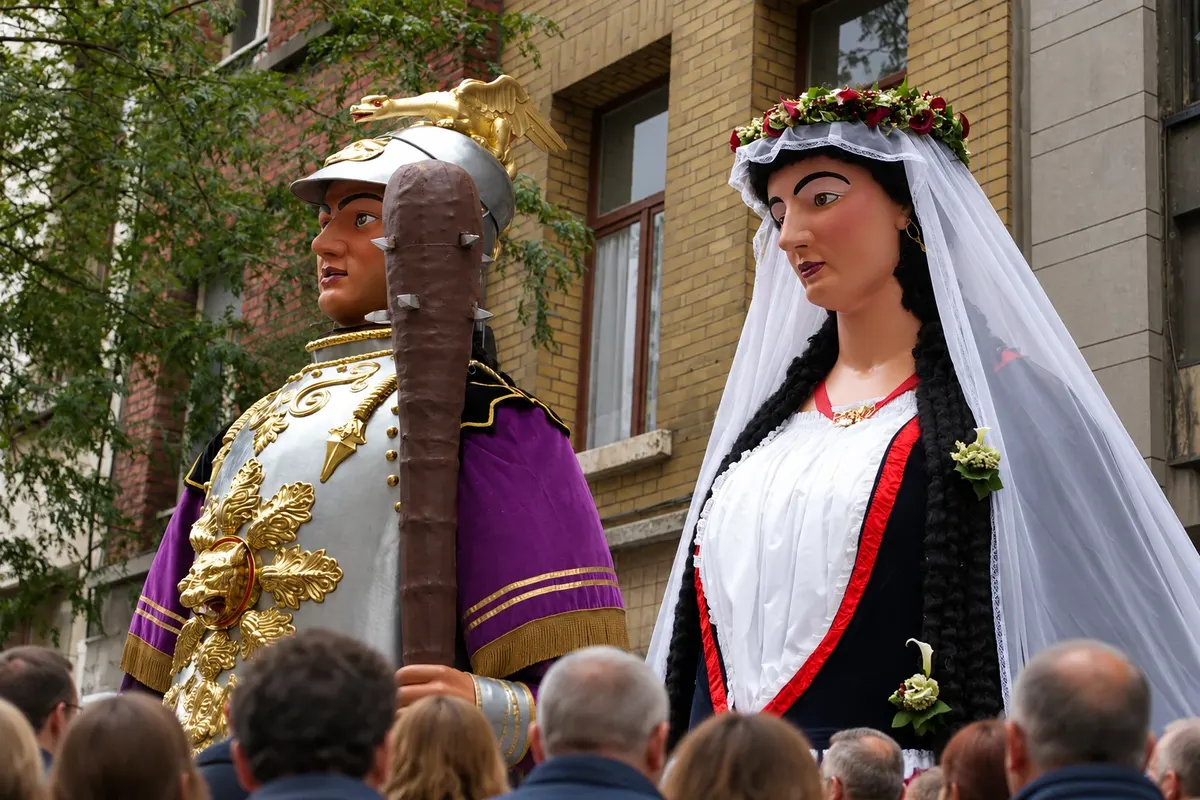
Illustrative images. The pictures in this guide are illustrations based on the real place, not photographs, and may differ from it.

Get it on Google Play

Click the picture to enlarge it.

Marches of Entre-Sambre-et-Meuse — Hainaut
Marches of Entre-Sambre-et-Meuse
Marches of Entre-Sambre-et-Meuse — Hainaut
Marches of Entre-Sambre-et-Meuse
Marches of Entre-Sambre-et-Meuse — Hainaut
Marches of Entre-Sambre-et-Meuse
Marches of Entre-Sambre-et-Meuse — Hainaut
Marches of Entre-Sambre-et-Meuse

Marches of Entre-Sambre-et-Meuse — Hainaut

When

From May to October, on weekends and public holidays, depending on the schedule for each march.

May/June/July/August/September/October

Where

Hainaut

Organizer

Official website

Dates, program and tickets

Dates change every year: check this year's date before you travel.

The festival

What the Marches of Entre-Sambre-et-Meuse is

Entre-Sambre-et-Meuse is a region of fields, woods, and stone villages between the Sambre River to the north and the Meuse to the east, in the provinces of Hainaut and Namur. Many parishes in the region have their own march: a religious procession in honor of the local patron saint, with villagers themselves forming the military escort.

The tradition grew out of the armed escorts that protected processions and relics. The marches regained popularity in the 19th century. Today the companies parade in outfits modeled on uniforms of the First and Second French Empires. Their ranks include grenadiers, zouaves, sappers, and voltigeurs, as well as mounted officers, drummers, and fifers.

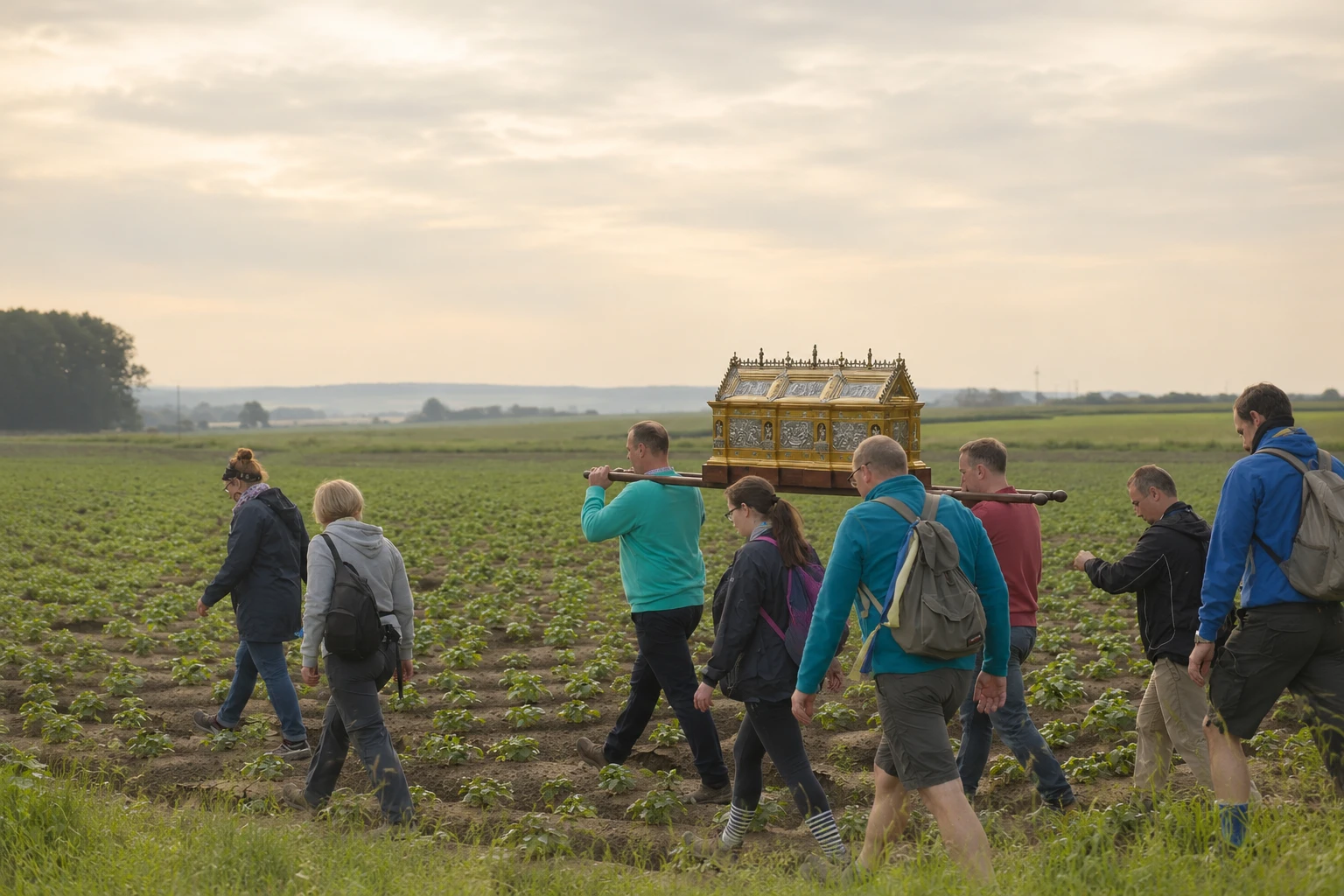
In 2012, UNESCO added fifteen of the region’s marches to its Representative List of the Intangible Cultural Heritage of Humanity. Among them are the Sainte-Rolende march in Gerpinnes, Saint-Roch in Thuin, Notre-Dame in Walcourt, Saint-Feuillen in Fosses-la-Ville, and the Madeleine march in Jumet, in Charleroi. The Gerpinnes march begins before dawn on Pentecost Monday and accompanies the saint’s reliquary along a route of about 35 kilometers through the villages.

The marches bring together men, women, and children of all ages, and the companies spend the year preparing. On march days, the whole village comes out into the streets. The best-known marches draw spectators from the surrounding area and across Wallonia.

It’s worth making the trip to see a living tradition that brings faith, music, and history together in rural Wallonia, and to explore the villages and abbeys of Entre-Sambre-et-Meuse.


Share: WhatsApp

What not to miss

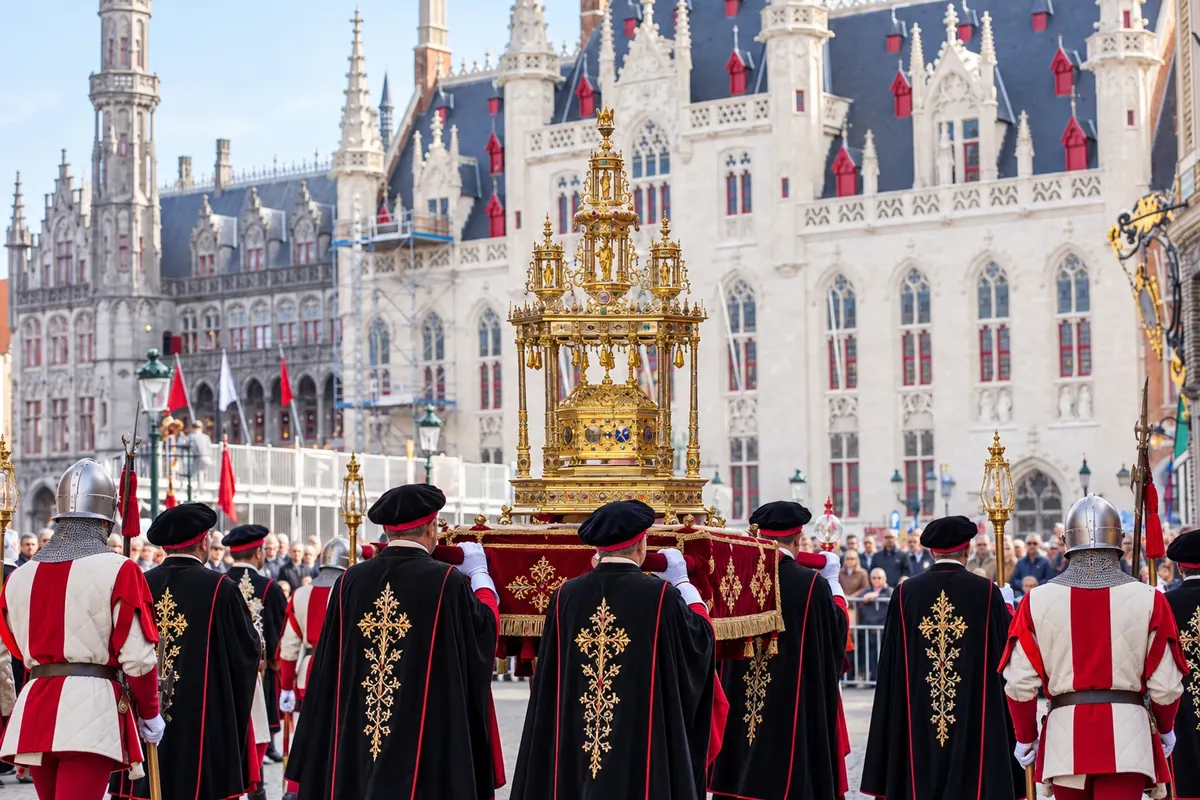
The reliquary leaving the church, escorted by the companies. Parades with drums, fifes, and blank gunfire. The major marches in Gerpinnes, Thuin, Walcourt, and Jumet. The companies entering the villages at the end of the route.

How to enjoy it

Choose one of the major marches and check the marches association’s calendar for the date and times. Watch the procession as it sets out or as it arrives: these are its most beautiful moments. Respect the religious aspect of the event: it’s a procession as well as a celebration.

What to eat

On march days, look for local beers and Walloon tarts at cafés and stalls. Small servings of spirits are also offered at gatherings of Sainte-Rolende marchers.

Plan ahead

The association for the folk marches of Entre-Sambre-et-Meuse publishes the full calendar on its website each year. Charleroi is the nearest major city to use as a base for the marches in Hainaut, and Namur is the nearest for those in the province of Namur.

May/June/July/August/September/October

Around the same time

Your questions

Questions about Marches of Entre-Sambre-et-Meuse

What are the marches of Entre-Sambre-et-Meuse?

They are religious processions in honor of the villages’ patron saints. Companies of local residents in historical uniforms escort the processions to the sound of drums and fifes.

When do the marches take place?

From May to October, depending on the schedule for each march. The Sainte-Rolende march in Gerpinnes takes place on Pentecost Monday.

Does UNESCO recognize the marches as cultural heritage?

Yes. In 2012, UNESCO added fifteen of the region’s marches to its Representative List of the Intangible Cultural Heritage of Humanity.

Festivals and events in Belgium

Other festivals

See the full calendar

Beyond the guide