Mons

Religious festival · Mons

Ducasse de Mons (Doudou)

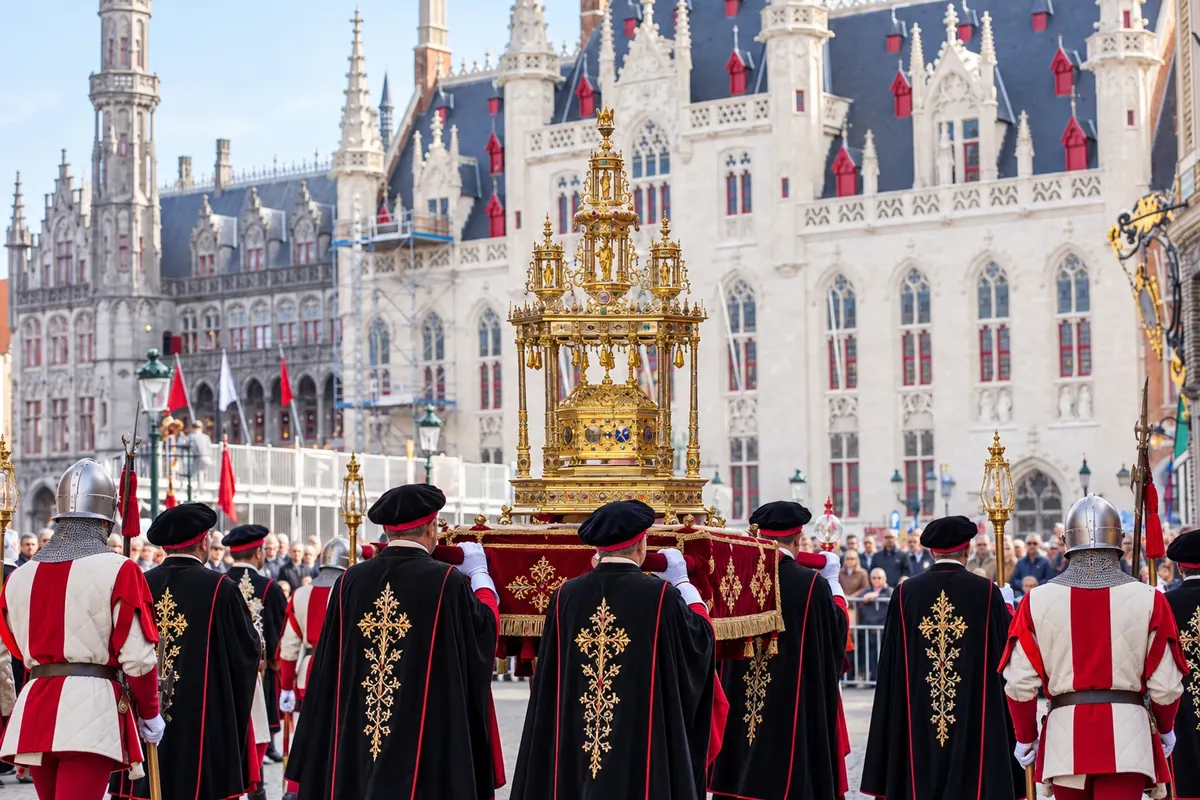
On Trinity weekend, Mons carries the relic of Saint Waltrude on a gilded carriage through the streets and stages the Lumeçon, Saint George’s fight with the dragon, on the Grand-Place.

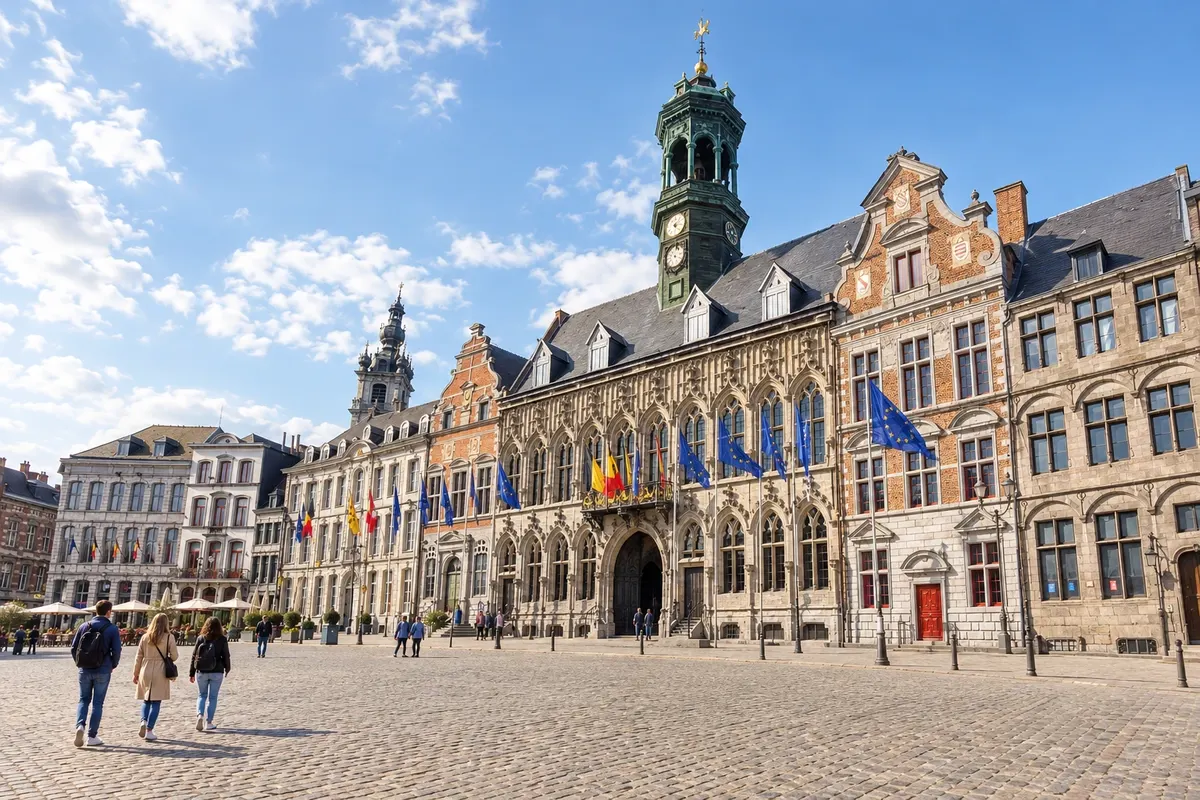
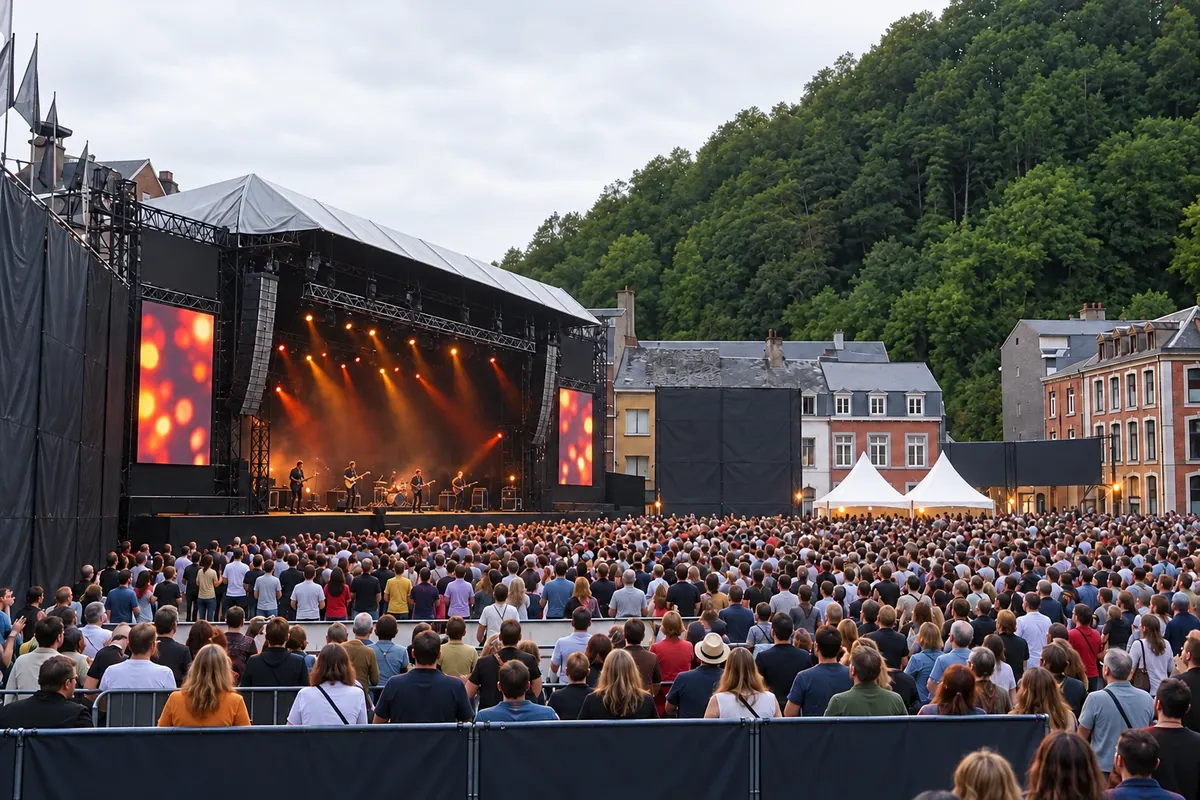
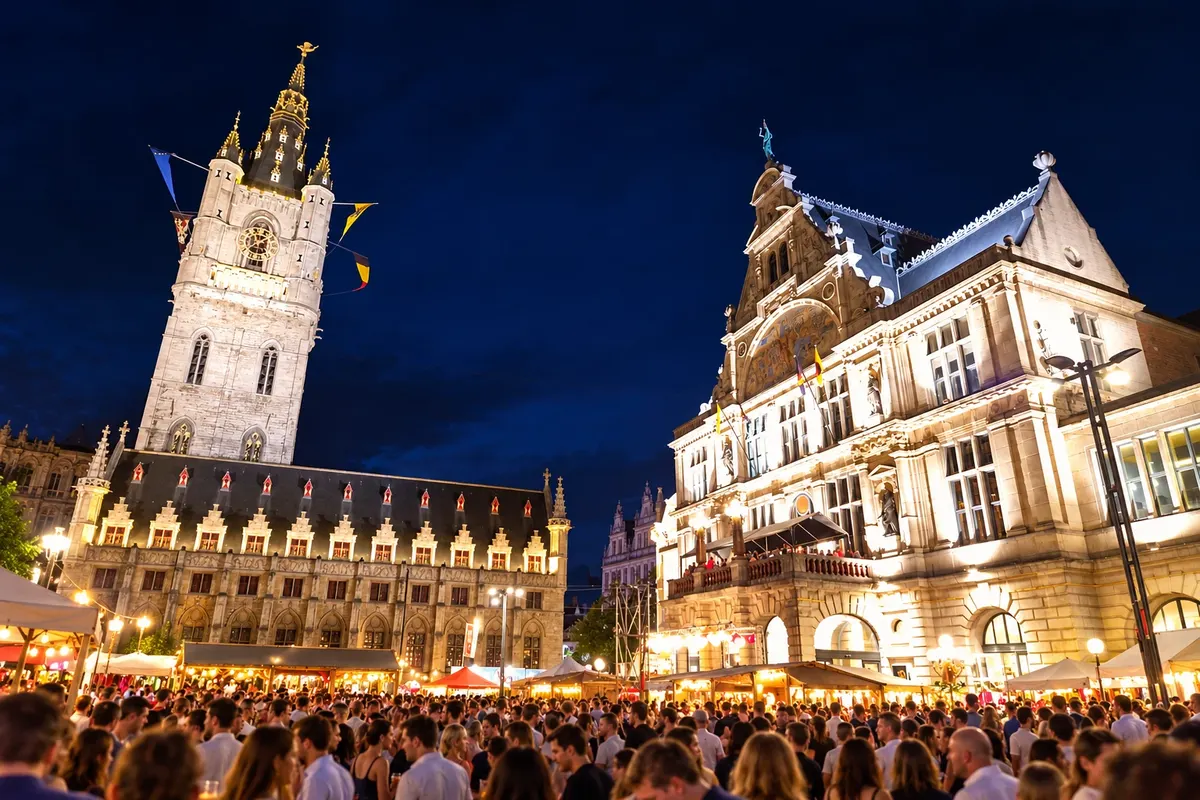
In the photo: Mons

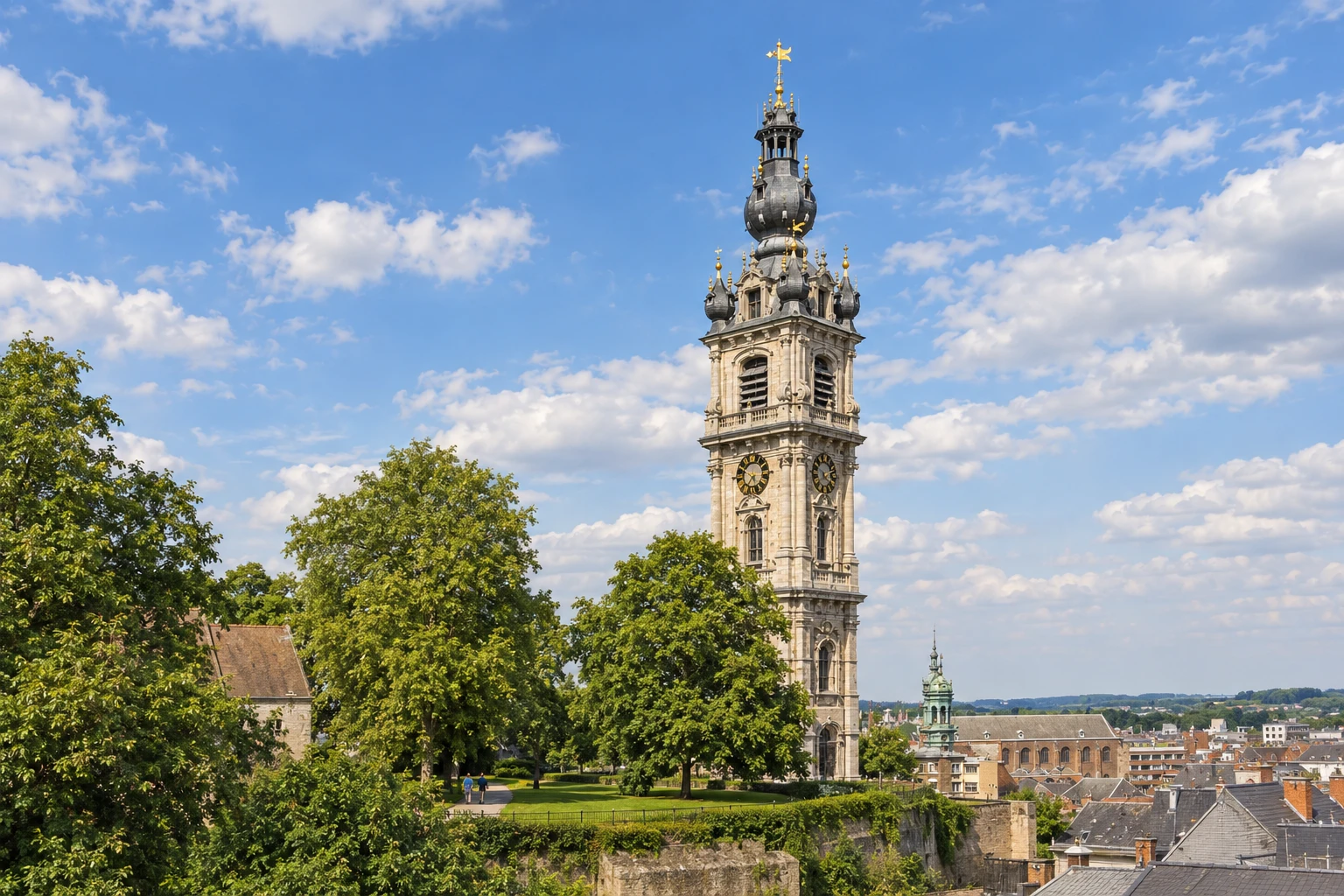
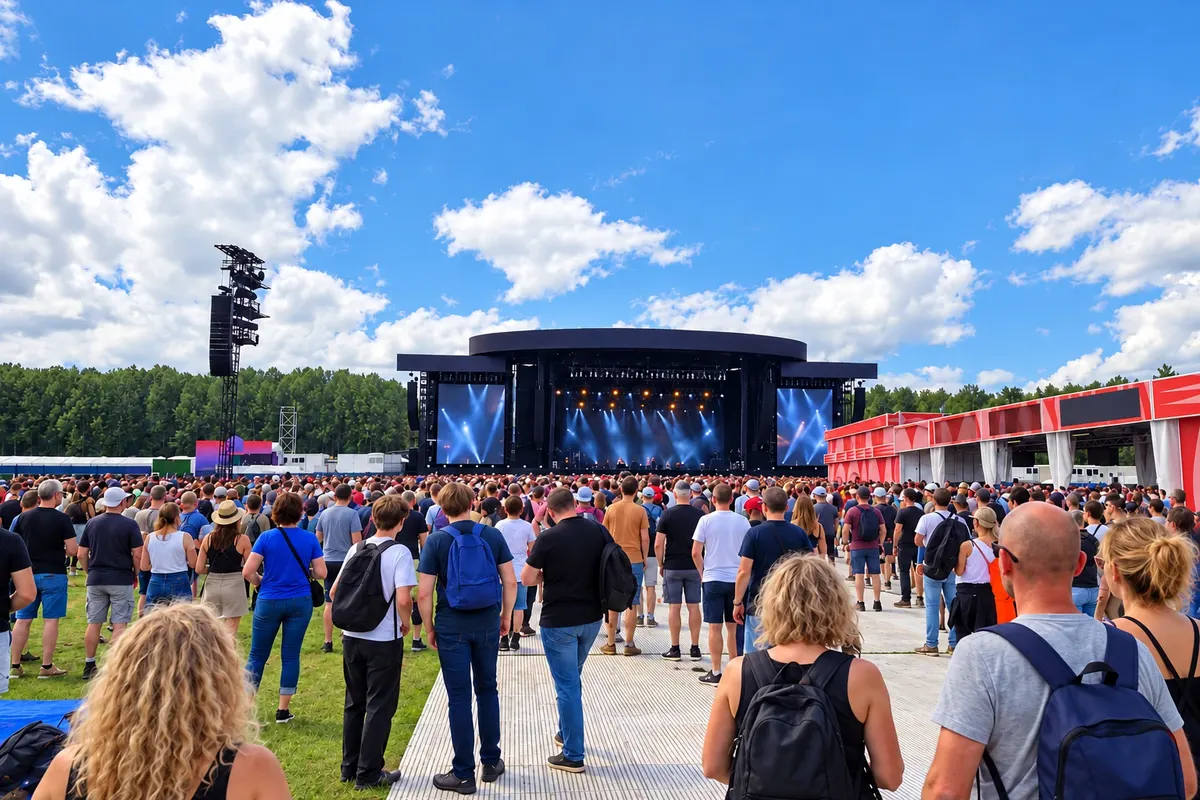
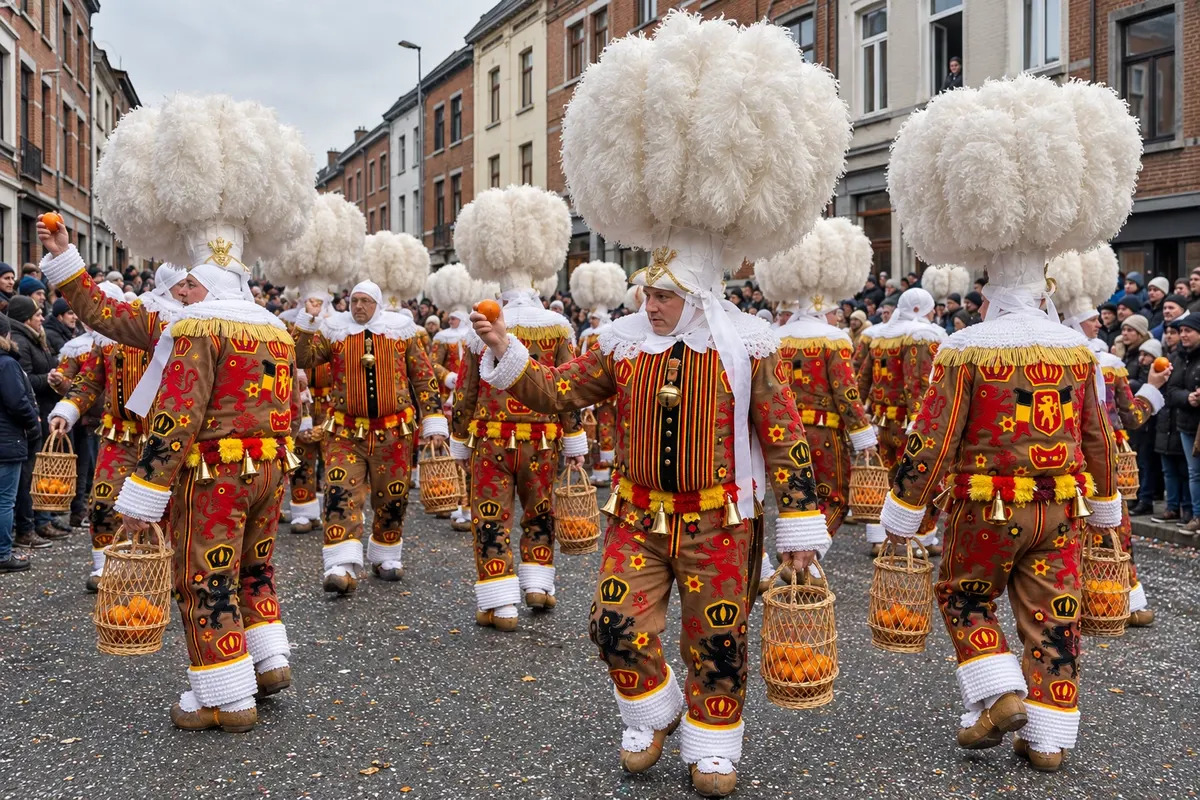
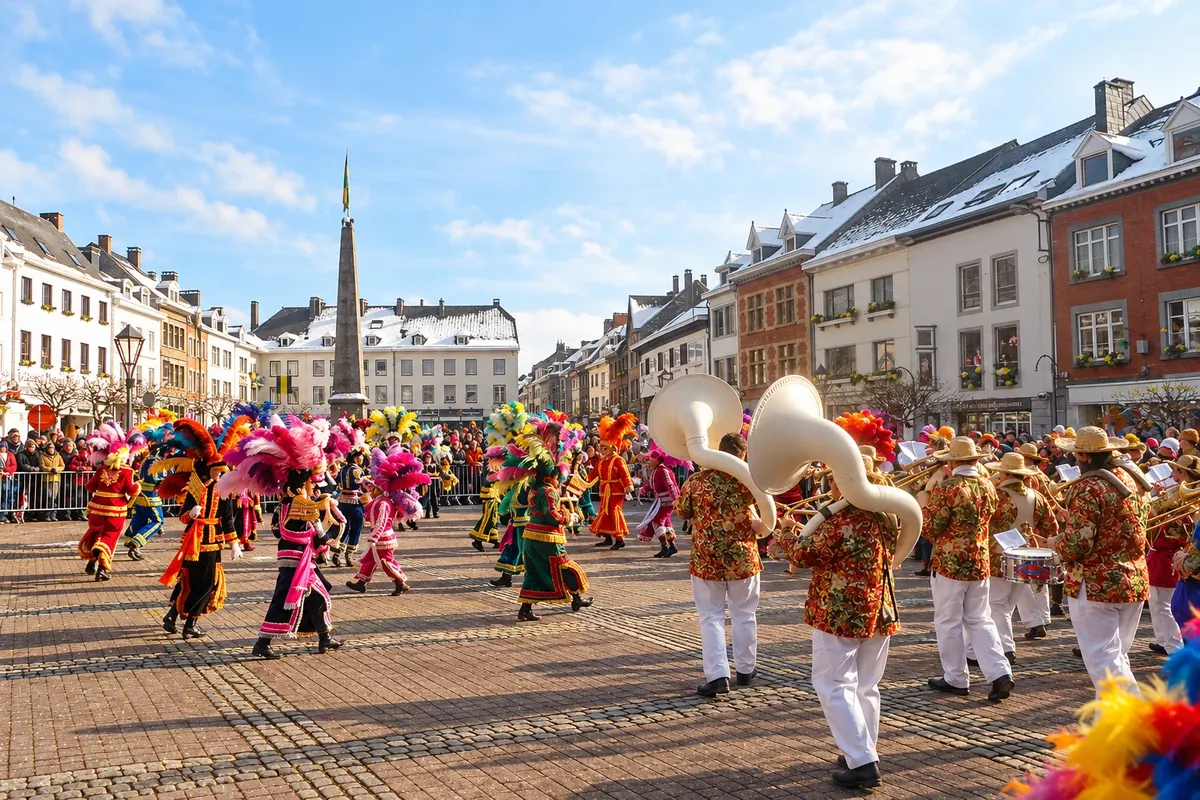
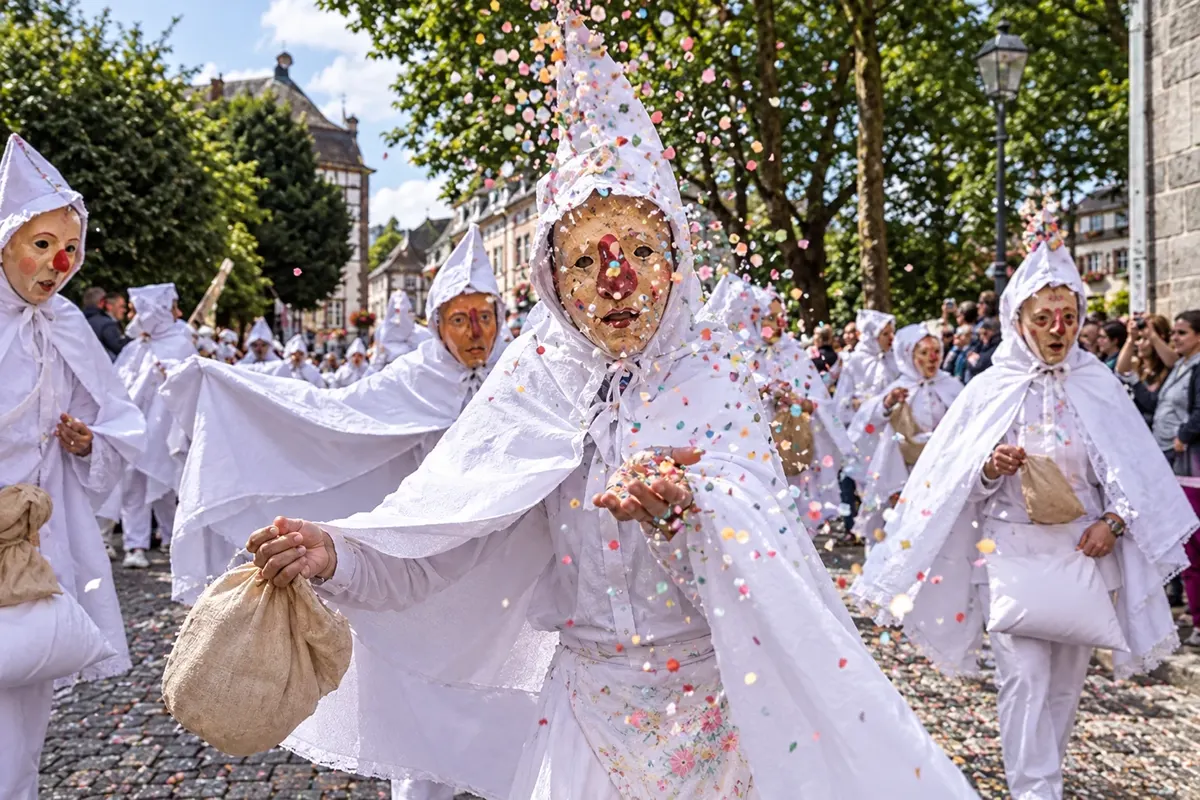
Illustrative images. The pictures in this guide are illustrations based on the real place, not photographs, and may differ from it.

Get it on Google Play

Click a photo to enlarge it.

Hainaut
Hainaut
Ducasse de Mons (Doudou) — Mons
Ducasse de Mons (Doudou)
Ducasse de Mons (Doudou) — Mons
Ducasse de Mons (Doudou)
Ducasse de Mons (Doudou) — Mons
Ducasse de Mons (Doudou)

Ducasse de Mons (Doudou) — Mons

When

On the weekend of the Holy Trinity, the Sunday after Pentecost, between May and June, depending on the date of Easter.

May/June

Where

Grand-Place de Mons

Mons

Hainaut

Organizer

Official website

Dates, program and tickets

Dates change every year: check this year's date before you travel.

The festival

What is Ducasse de Mons (Doudou)

The Ducasse de Mons, known as Doudou because of the song that accompanies the whole festival, combines a religious procession and a staged combat. The annual procession on Trinity Sunday has been recorded since the 14th century, linked to the city’s patron saint, Saint Waltrude (Sainte Waudru). In 2005 UNESCO recognized the ducasse as part of a group of Belgian and French festivals of processionary giants and dragons.

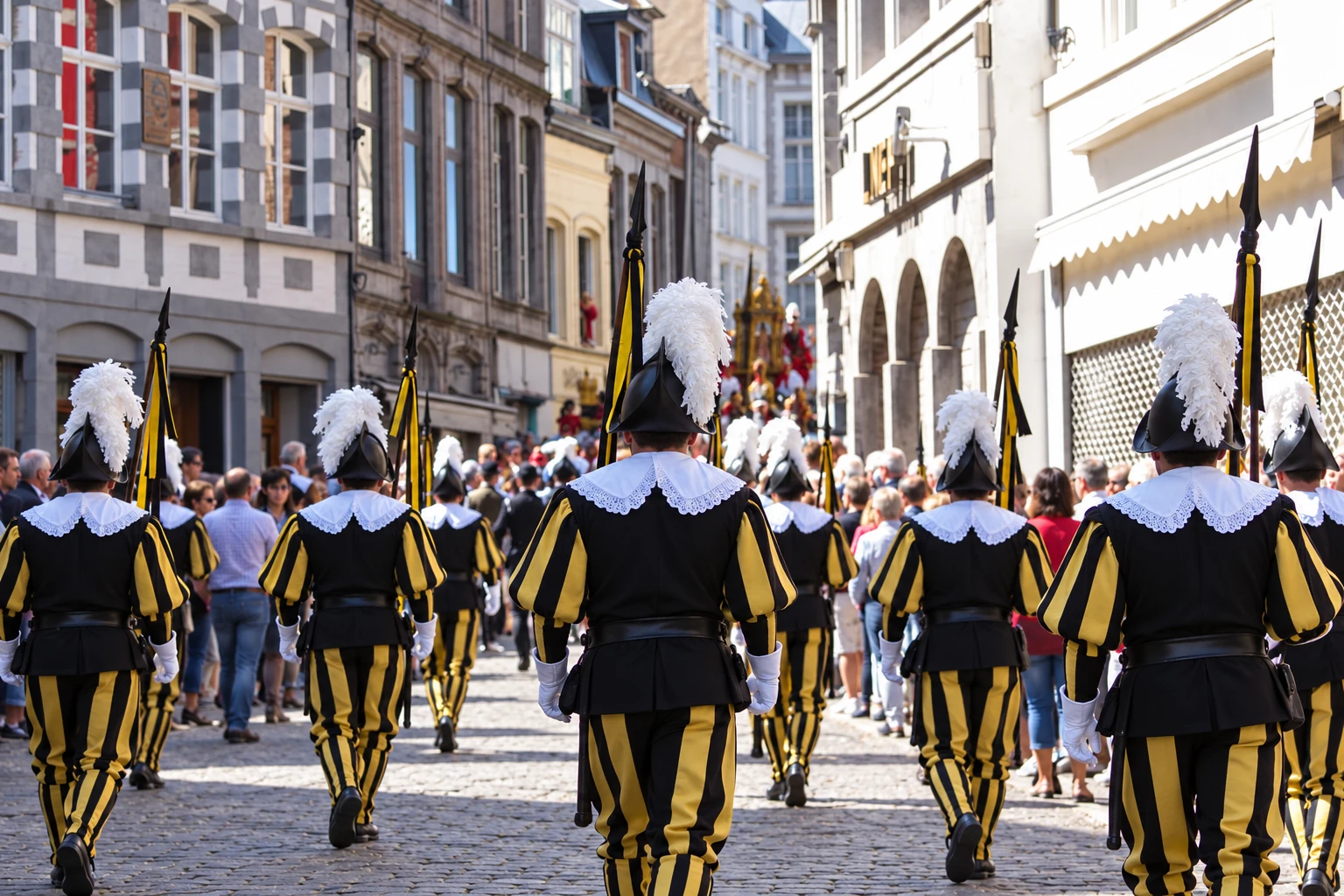
On Saturday evening, the reliquary with the saint’s relics is lowered from the top of the Collégiale Sainte-Waudru in a solemn ceremony. On Sunday morning the reliquary is placed on the Car d’Or, an 18th-century gilded carriage, and travels the streets in a procession with confraternities, historical groups and Saint George on horseback. At the end, the carriage must climb the collegiate’s ramp in a single attempt, pulled by horses and pushed by the crowd: tradition says that if it stops, the town will have bad luck.

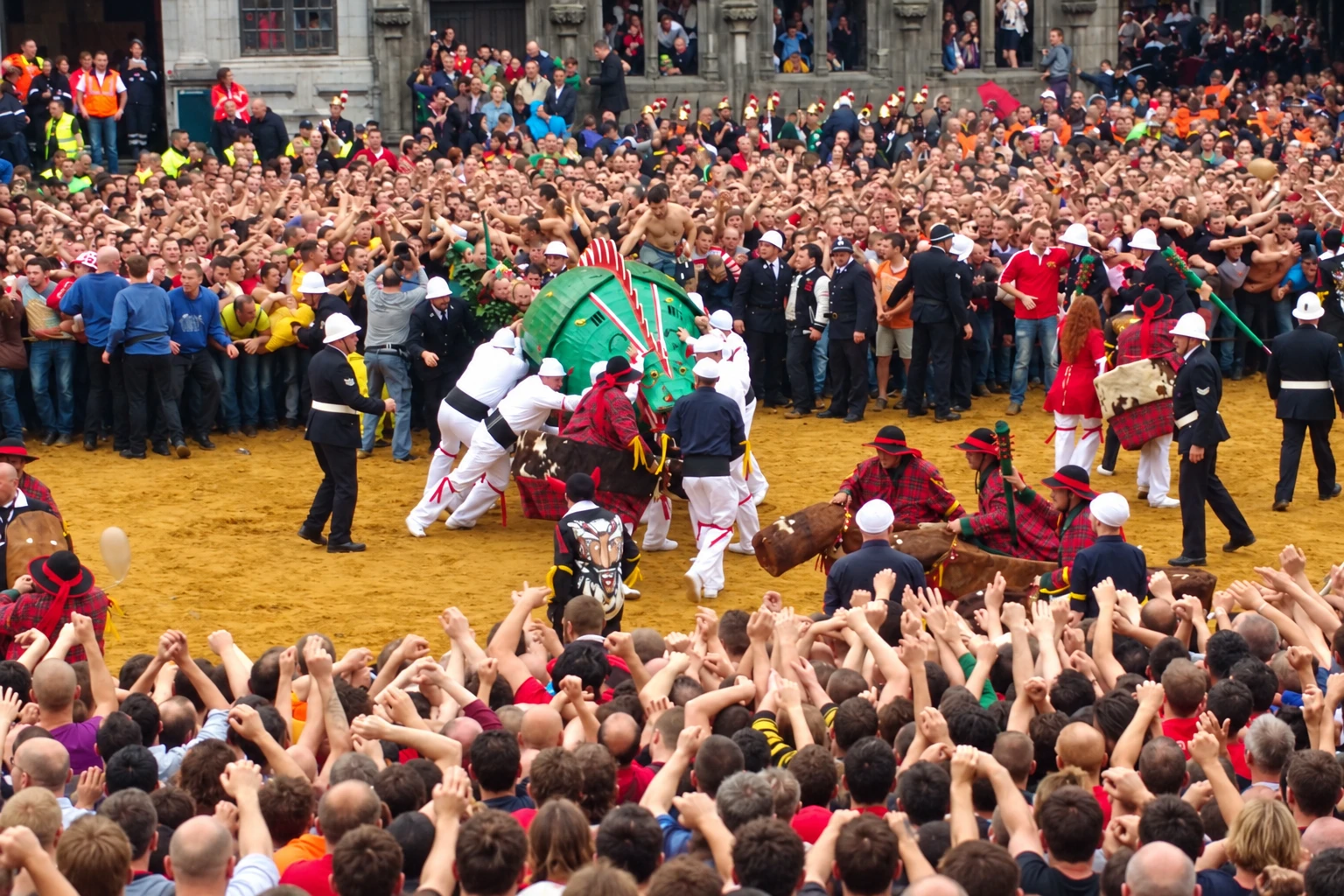
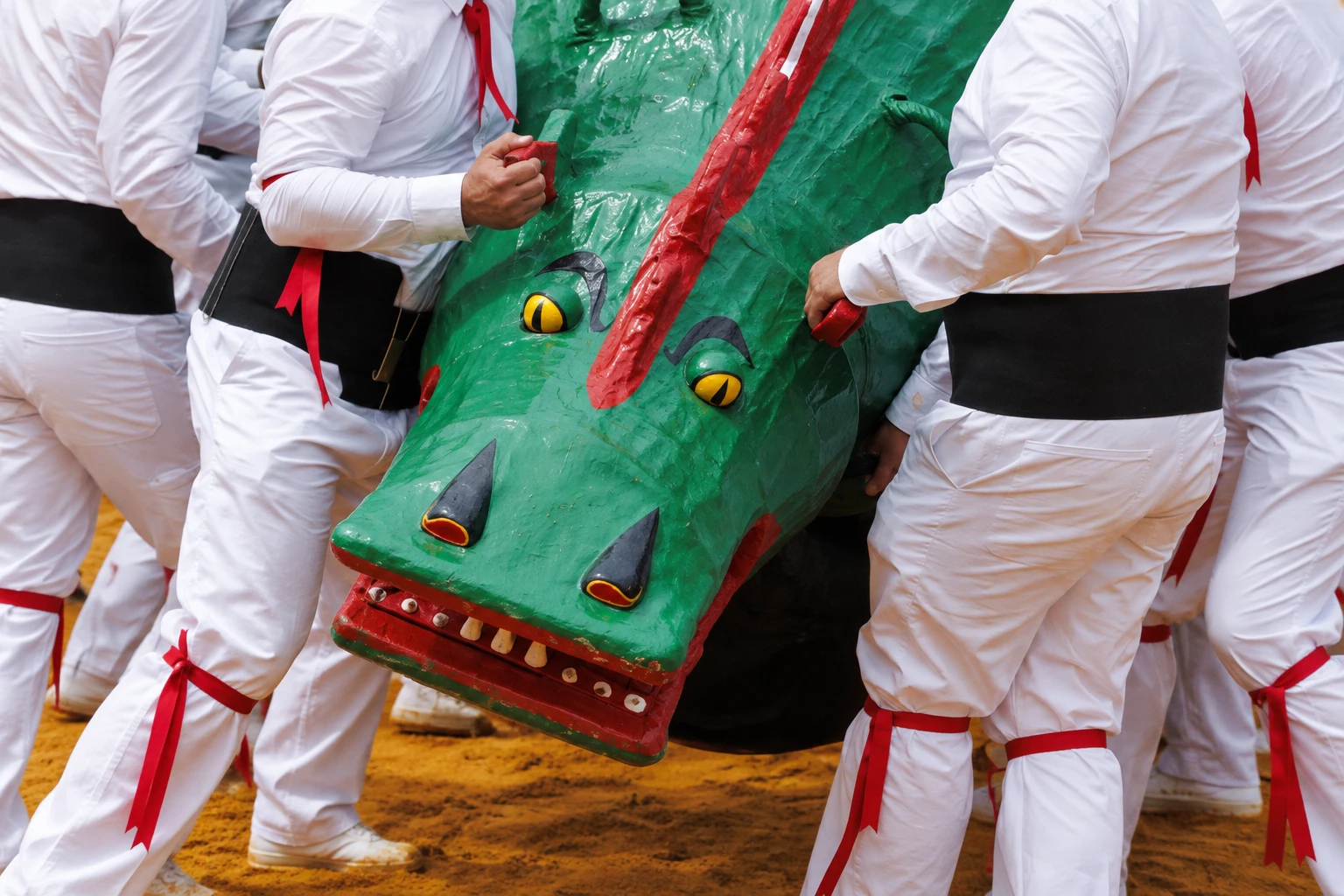
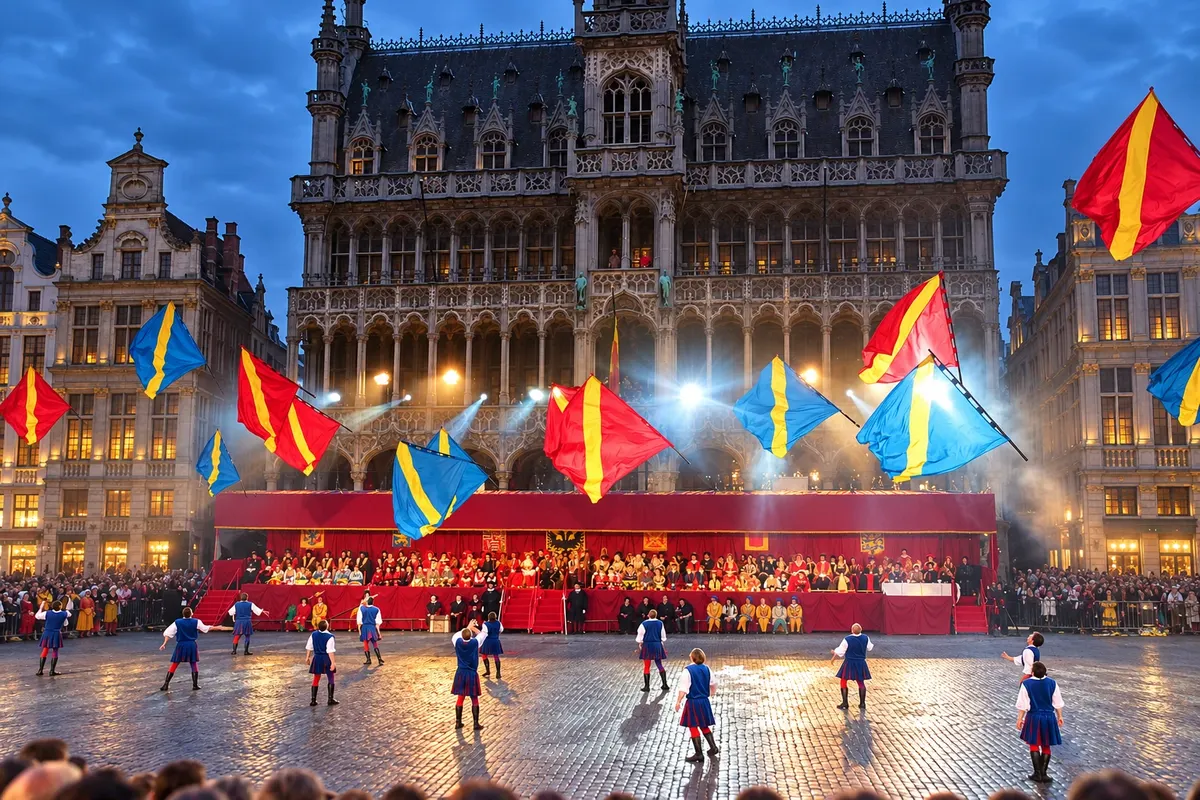
In the early afternoon, the Grand-Place becomes an arena for the combat called the Lumeçon. Saint George and his allies face the dragon, the Biète, whose tail spins over the public. Whoever manages to pull a strand of mane from the tail keeps it as a lucky charm for the year. Everything happens to the sound of the Doudou, sung nonstop by the crowd until Saint George’s victory.

In the following days there is the popular ducasse, with a fair, concerts and bars around the town, and on the following Sunday the Petit Lumeçon, a children’s version. The Musée du Doudou, next to the Grand-Place, tells the story of the festival all year round.

Share: WhatsApp

What not to miss

The lowering of Saint Waltrude’s reliquary in the collegiate on Saturday evening. The Car d’Or procession and the collegiate ramp ascent on Sunday morning. The Lumeçon combat on the Grand-Place in the early afternoon on Sunday.

How to enjoy it

For the Lumeçon, the Grand-Place fills up early; those who want a close view arrive hours before, and there are reserved spots in stands and windows. Watching the ramp ascent and then running to the square is difficult: choose one of the two moments. Go by train, because the center is closed to cars. The Musée du Doudou helps to understand the ritual before the festival.

Plan ahead

Mons has limited accommodation for Trinity weekend; book well in advance or stay in Brussels and take the train on the day. Check the program published by the city, which changes some details each year.

In the city

Make the most of Mons

May/June

Around the same time

Your questions

Questions about Ducasse de Mons (Doudou)

When is the Doudou of Mons?

On the weekend of the Holy Trinity, the Sunday after Pentecost, between May and June. The main day is Sunday, with the morning procession and the Lumeçon in the early afternoon.

What is the Lumeçon?

It is the staged combat between Saint George and the dragon on Mons’s Grand-Place, on the Sunday of the ducasse. The public tries to pull strands of mane from the dragon’s tail, kept as lucky charms.

Why is the festival called Doudou?

The name comes from the Doudou song, played and sung by the crowd during the procession and the combat.

Festivals and events in Belgium

Other festivals

See the full calendar