Binche

Popular festival · Binche

Binche Carnival

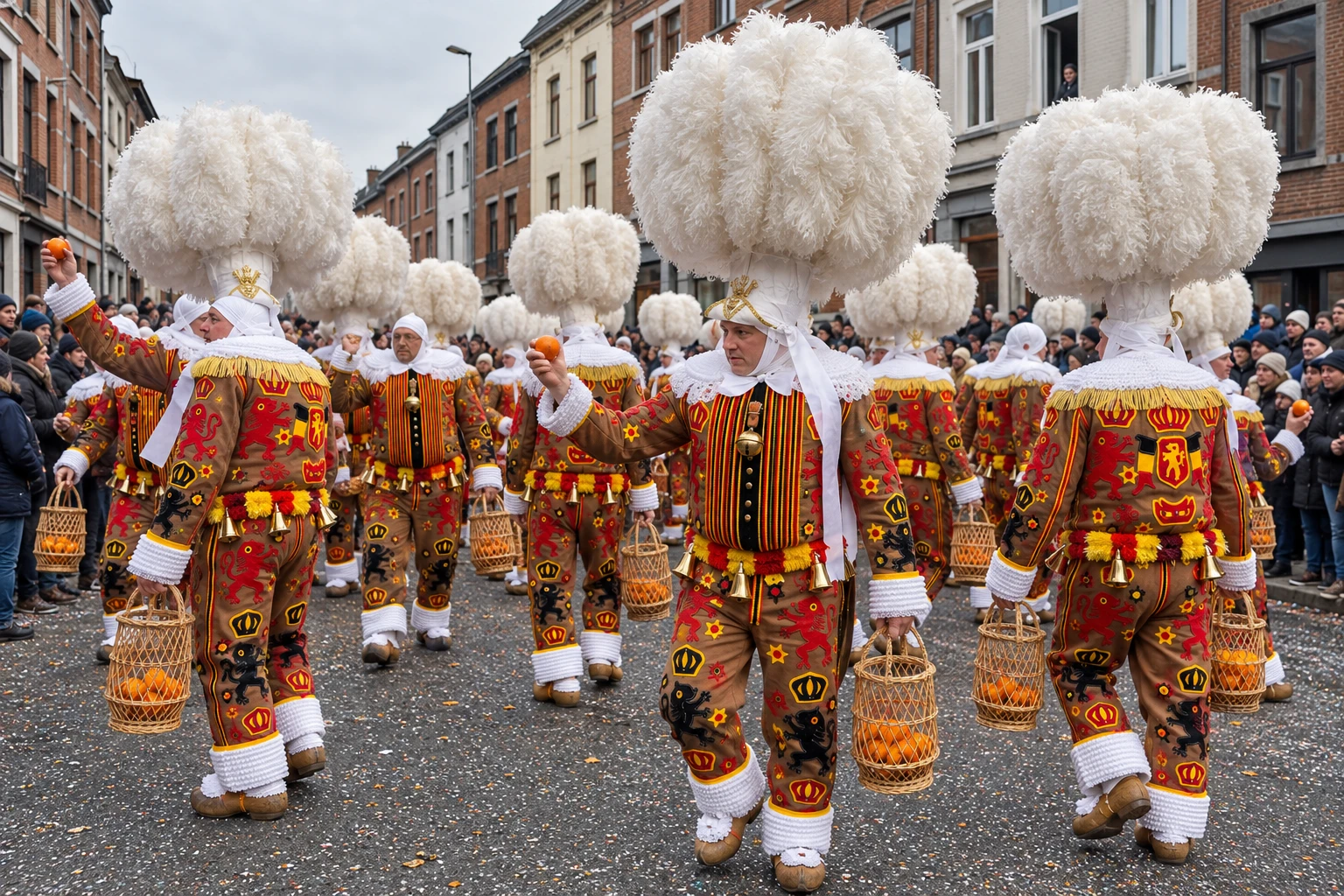
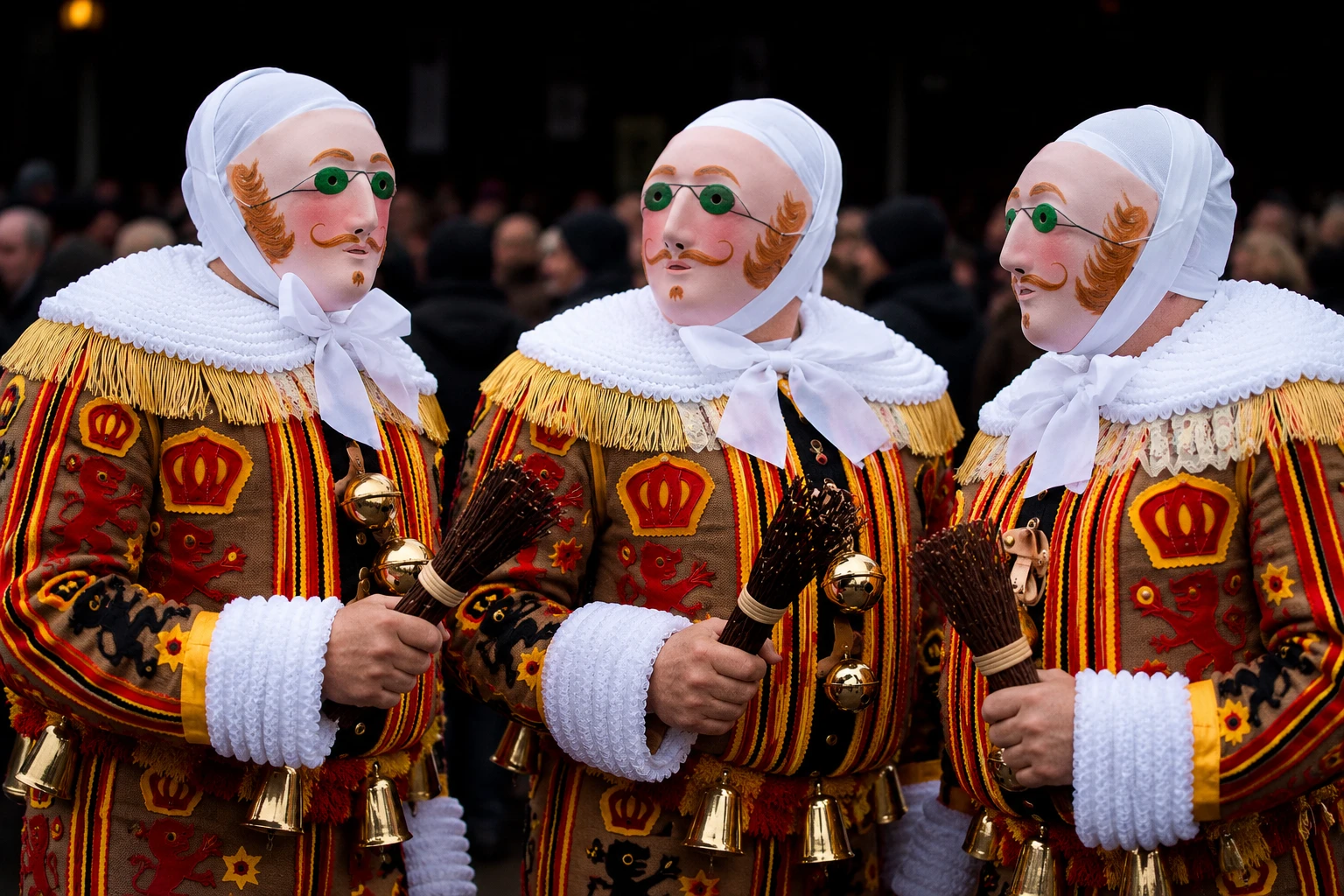
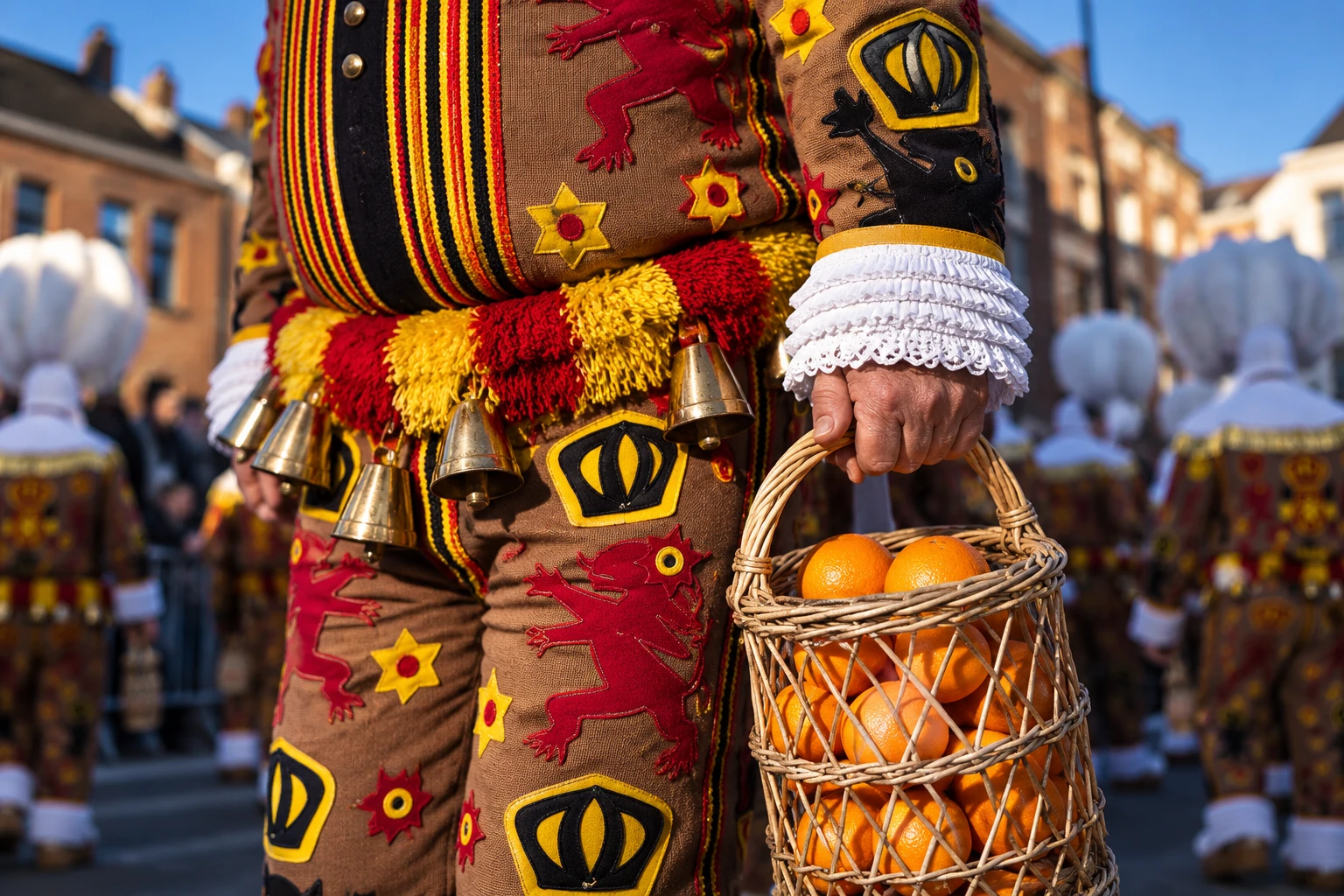
The Binche carnival, in the province of Hainaut, culminates on Shrove Tuesday with the Gilles, figures wearing wax masks and ostrich-feather hats who dance through the streets to the sound of drums and throw oranges to the crowd.

In the photo: Binche

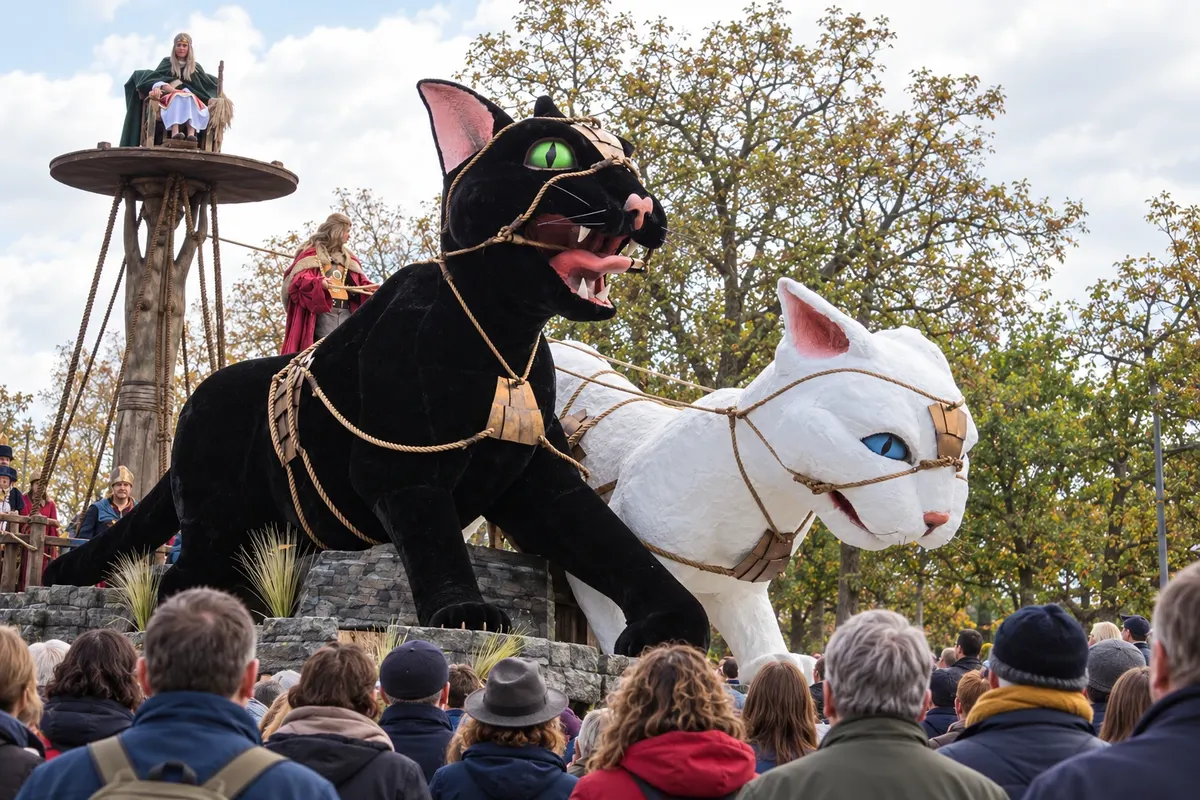
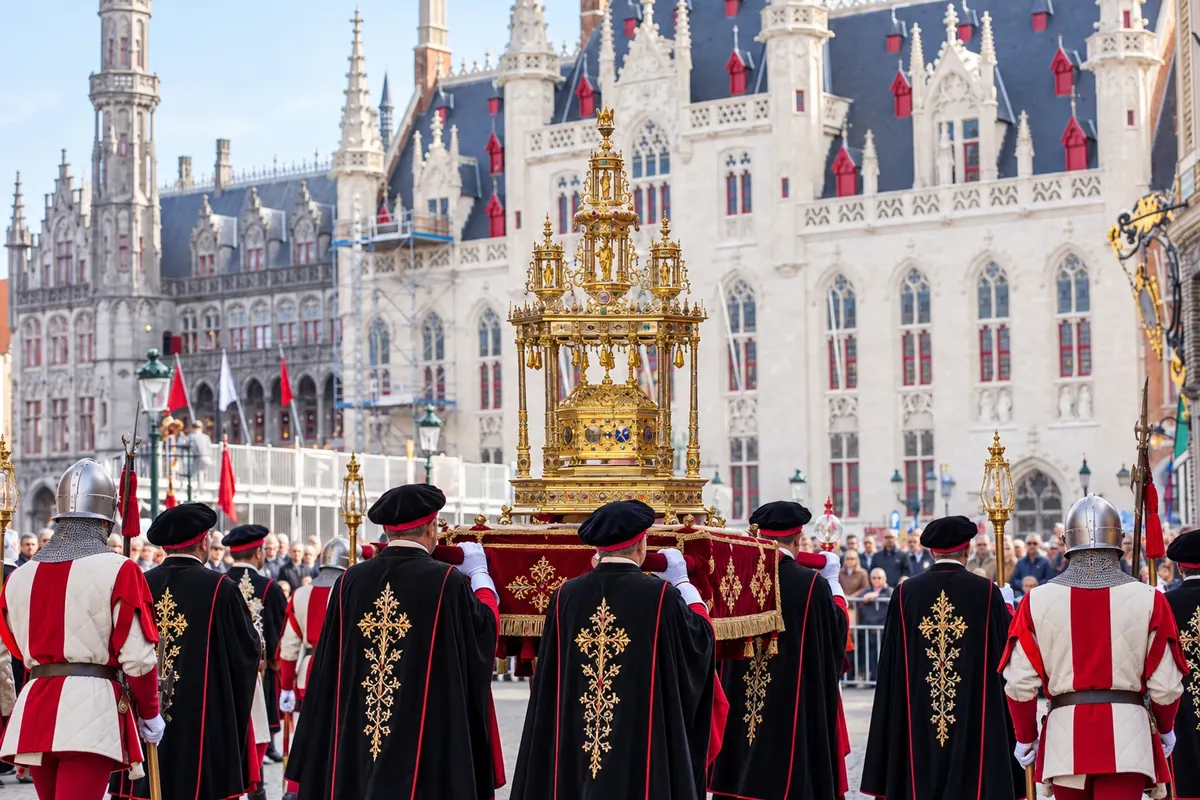
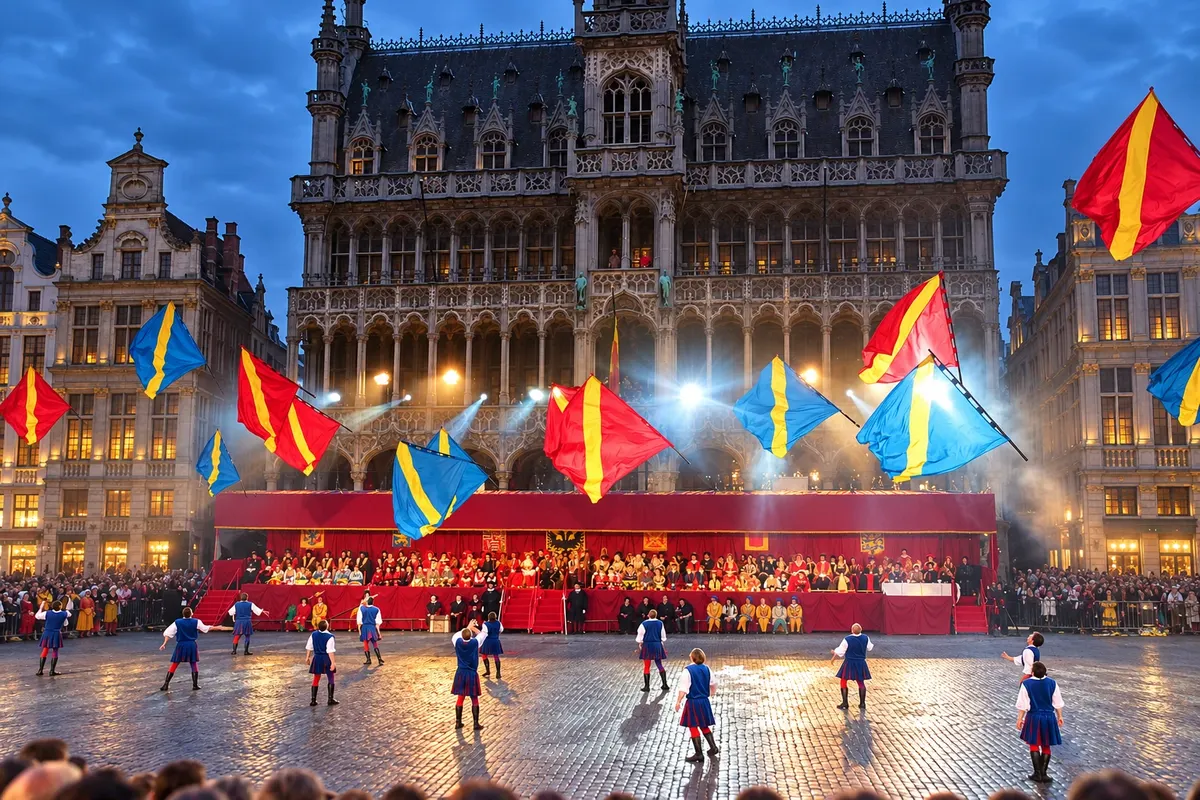
Illustrative images. The pictures in this guide are illustrations based on the real place, not photographs, and may differ from it.

Get it on Google Play

Click a photo to enlarge it.

Hainaut
Hainaut
Binche Carnival — Binche
Binche Carnival
Binche Carnival — Binche
Binche Carnival
Binche Carnival — Binche
Binche Carnival

Binche Carnival — Binche

When

From Carnival Sunday to Shrove Tuesday, the three days before Ash Wednesday, in February or March depending on the date of Easter.

February/March

Where

Grand-Place de Binche

Binche

Hainaut

Organizer

Official website

Dates, program and tickets

Dates change every year: check this year's date before you travel.

The festival

What is Binche Carnival

Binche is a small town in Hainaut, south of Brussels, that spends the whole year preparing its carnival. The festival lasts the three days before Ash Wednesday and is recognized by UNESCO as intangible cultural heritage of humanity, proclaimed in 2003 and included on the Representative List in 2008.

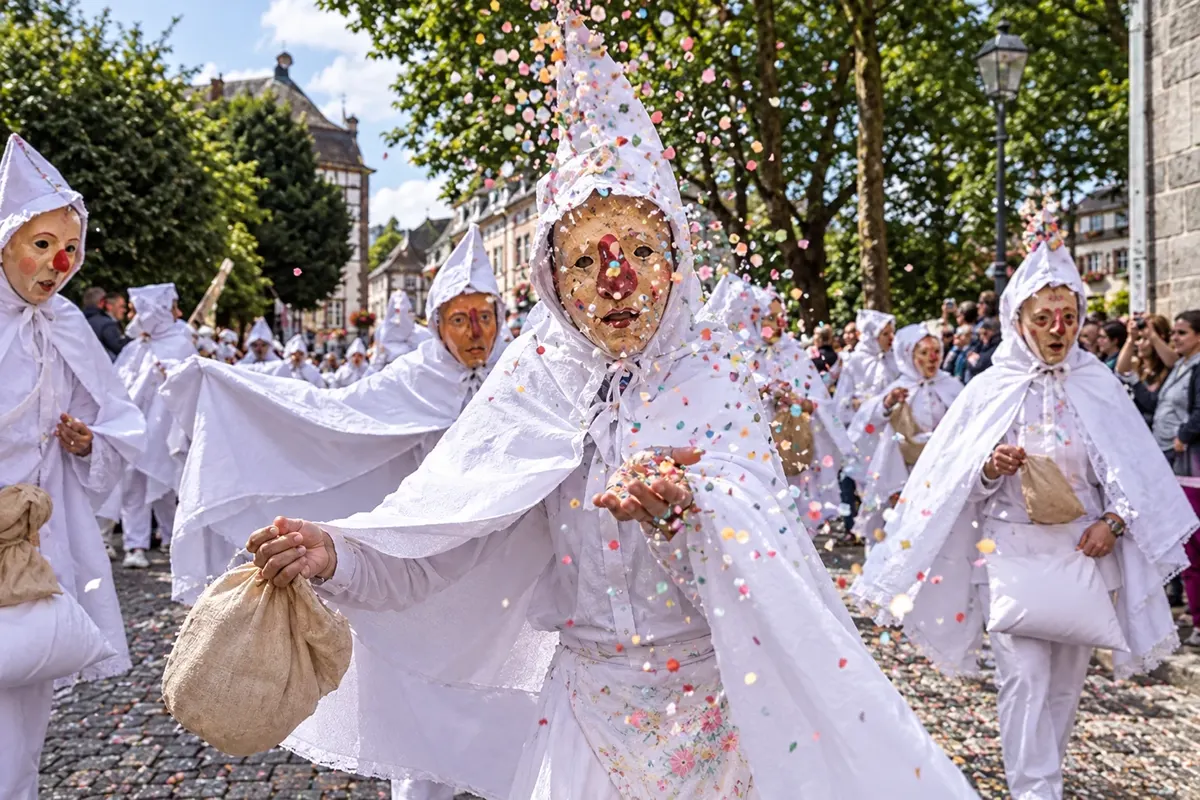
The oldest references to the Binche carnival date back to the late Middle Ages. A legend links the Gilles’ costumes to festivities offered by Mary of Hungary to Emperor Charles V in 1549, but historians note that the town had been celebrating the start of Lent long before that. In the weeks beforehand there are drum rehearsals in the streets and the night of the Trouilles de Nouilles, when much of the town goes out masked.

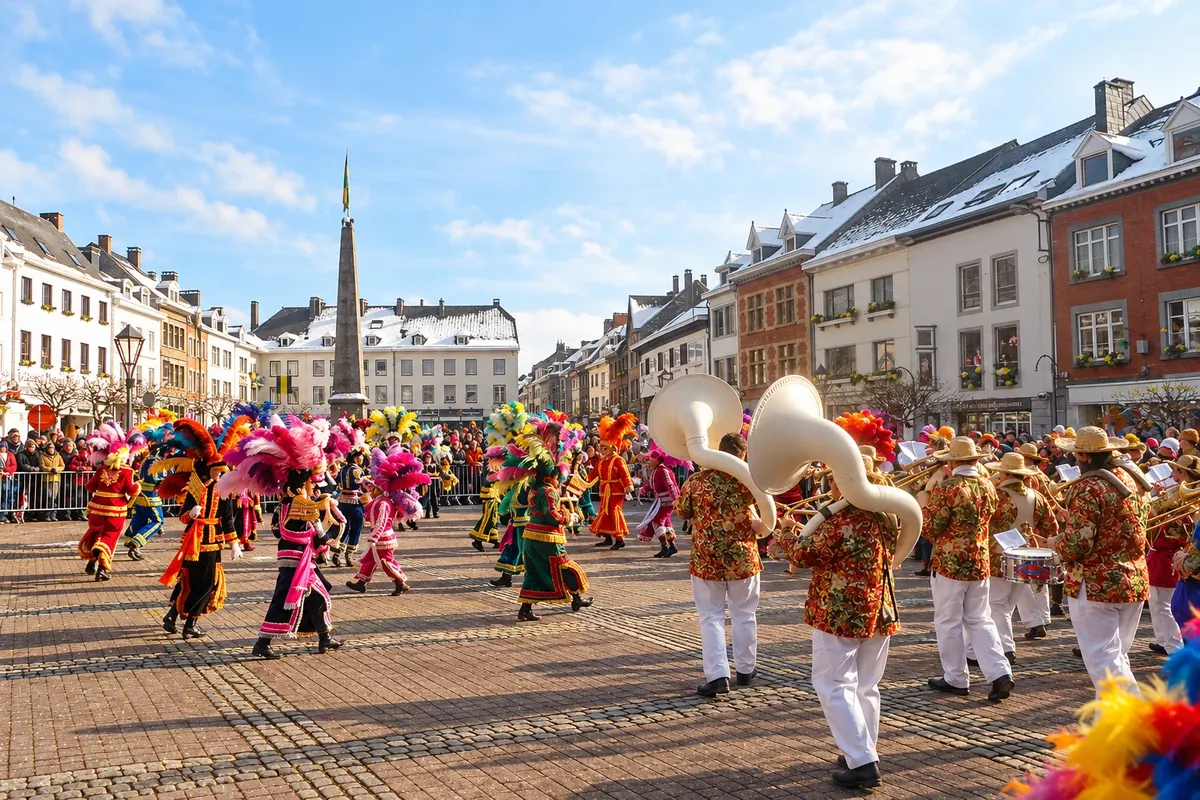
Fat Sunday brings together costumed groups, including the Mam’selles, men dressed in extravagant women’s clothing. Monday is the day for children and fancy dress groups. On Shrove Tuesday, from dawn, the Gilles are fetched from their homes and parade through the streets wearing a padded jute blouse stuffed with straw in the colors of the Belgian flag, clogs, bells and the wax mask. In the afternoon they swap the mask for the large ostrich-feather hat and march to the Grand-Place, throwing oranges to spectators.

The Gilles’ dance, slow and marked by drums and wind instruments, follows a ritual passed from father to son in local societies. The day ends with the final rondeau on the Grand-Place and fireworks. For visitors, it is a chance to see a carnival that has changed little in centuries and that the town lives as a rite rather than as a show.

Share: WhatsApp

What not to miss

The departure of the Gilles wearing wax masks on Shrove Tuesday morning. The afternoon procession with the feathered hats and the throwing of oranges. The final rondeau on the Grand-Place and the fireworks at dusk. On Sunday, the Mam’selles and the costumed groups.

How to enjoy it

Shrove Tuesday is the main day; arrive early to follow the Gilles from the start. There is a train connection between Brussels and Binche, and extra trains usually run on the day of the festival; the centre is closed to cars. Wear comfortable clothes and shoes to stand for many hours in the February or March cold. An orange thrown by the Gilles is received as a sign of luck; you should not throw it back.

Plan ahead

Binche has limited accommodation; many visitors stay in Mons, Charleroi or Brussels and take the train on the day. Book in advance if you want to sleep nearby. Check the official programme and the extra train timetables before travelling.

In the city

Make the most of Binche

February/March

Around the same time

Your questions

Questions about Binche Carnival

When is the Binche Carnival?

On the three days before Ash Wednesday, from Sunday to Shrove Tuesday, in February or March. The main day is Shrove Tuesday.

Who are the Gilles of Binche?

They are the central characters of the carnival: men wearing a padded blouse in Belgium’s colours, clogs, bells and a wax mask, who in the afternoon wear a large ostrich-feather hat and dance to the sound of drums.

Why do the Gilles throw oranges?

Throwing oranges is part of the ritual of the afternoon procession on Shrove Tuesday and is received by the public as a sign of luck.

Festivals and events in Belgium

Other festivals

See the full calendar