Het feest
Wat is Marches of Entre-Sambre-et-Meuse?
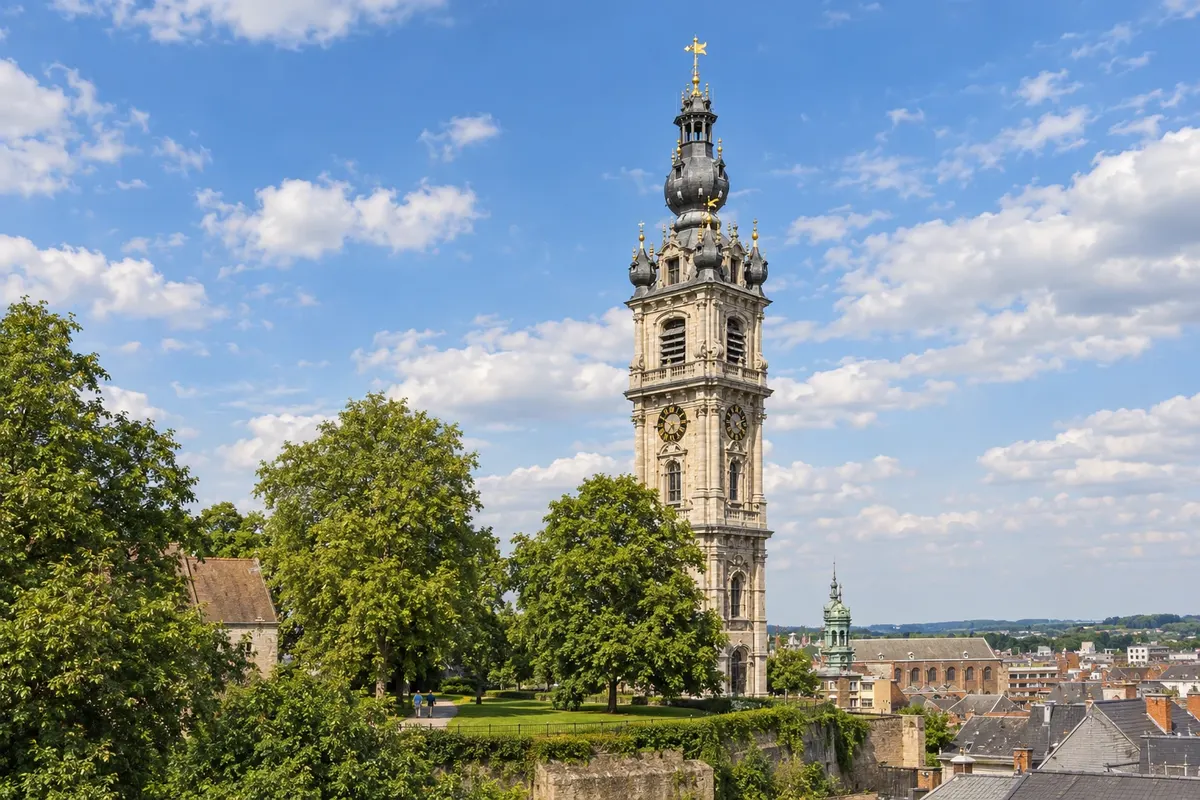
Entre-Sambre-et-Meuse is a region of fields, woods, and stone villages between the Sambre River to the north and the Meuse to the east, in the provinces of Hainaut and Namur. Many parishes in the region have their own march: a religious procession in honor of the local patron saint, with villagers themselves forming the military escort.
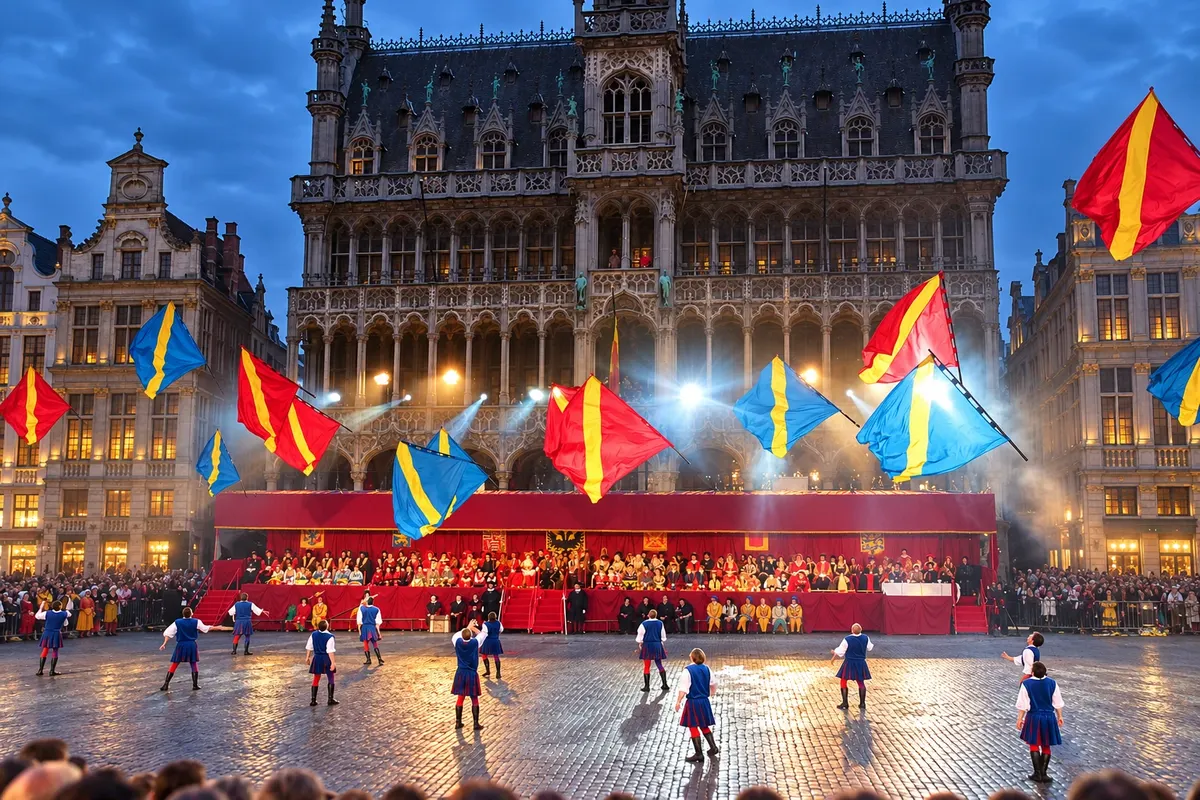
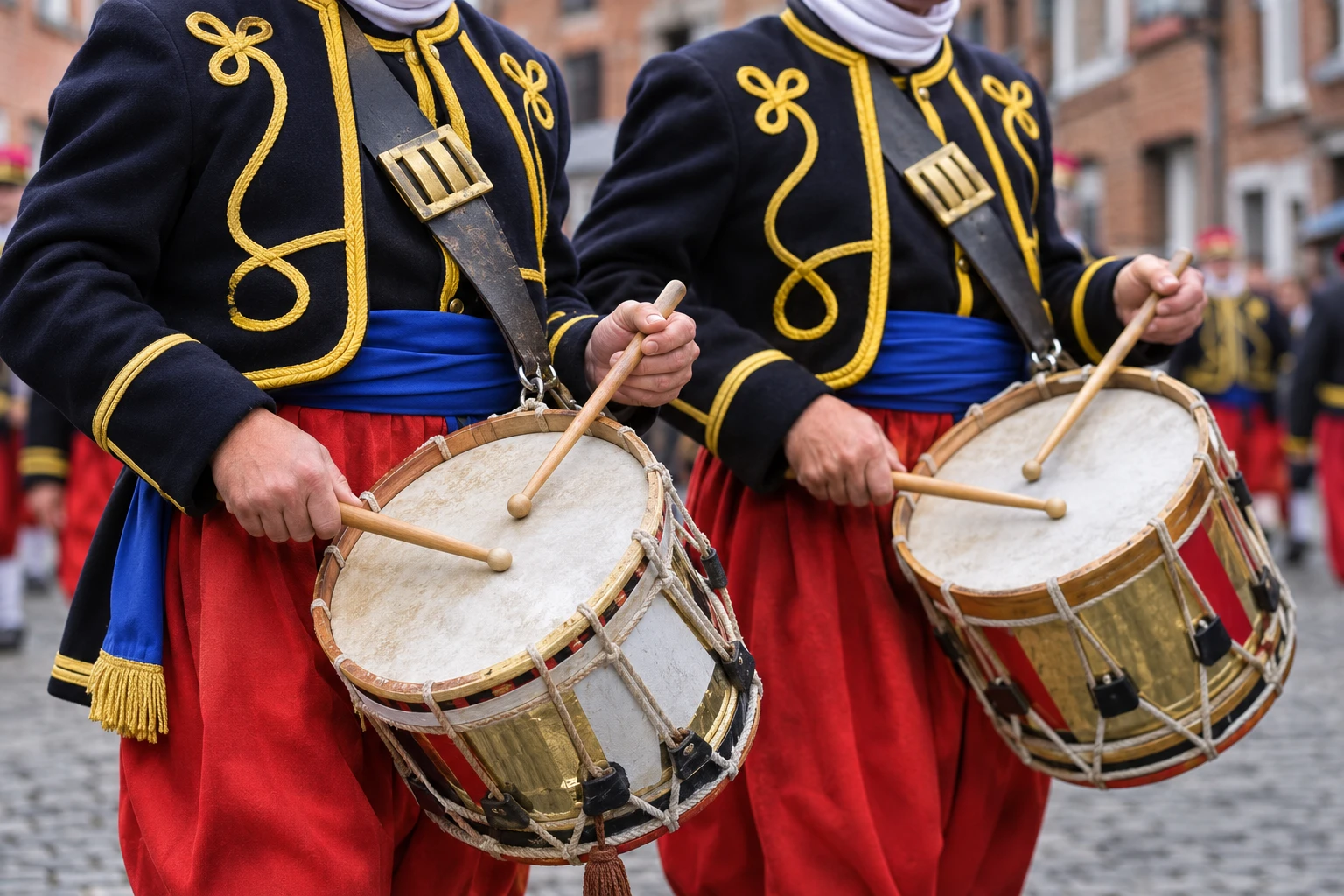
The tradition grew out of the armed escorts that protected processions and relics. The marches regained popularity in the 19th century. Today the companies parade in outfits modeled on uniforms of the First and Second French Empires. Their ranks include grenadiers, zouaves, sappers, and voltigeurs, as well as mounted officers, drummers, and fifers.
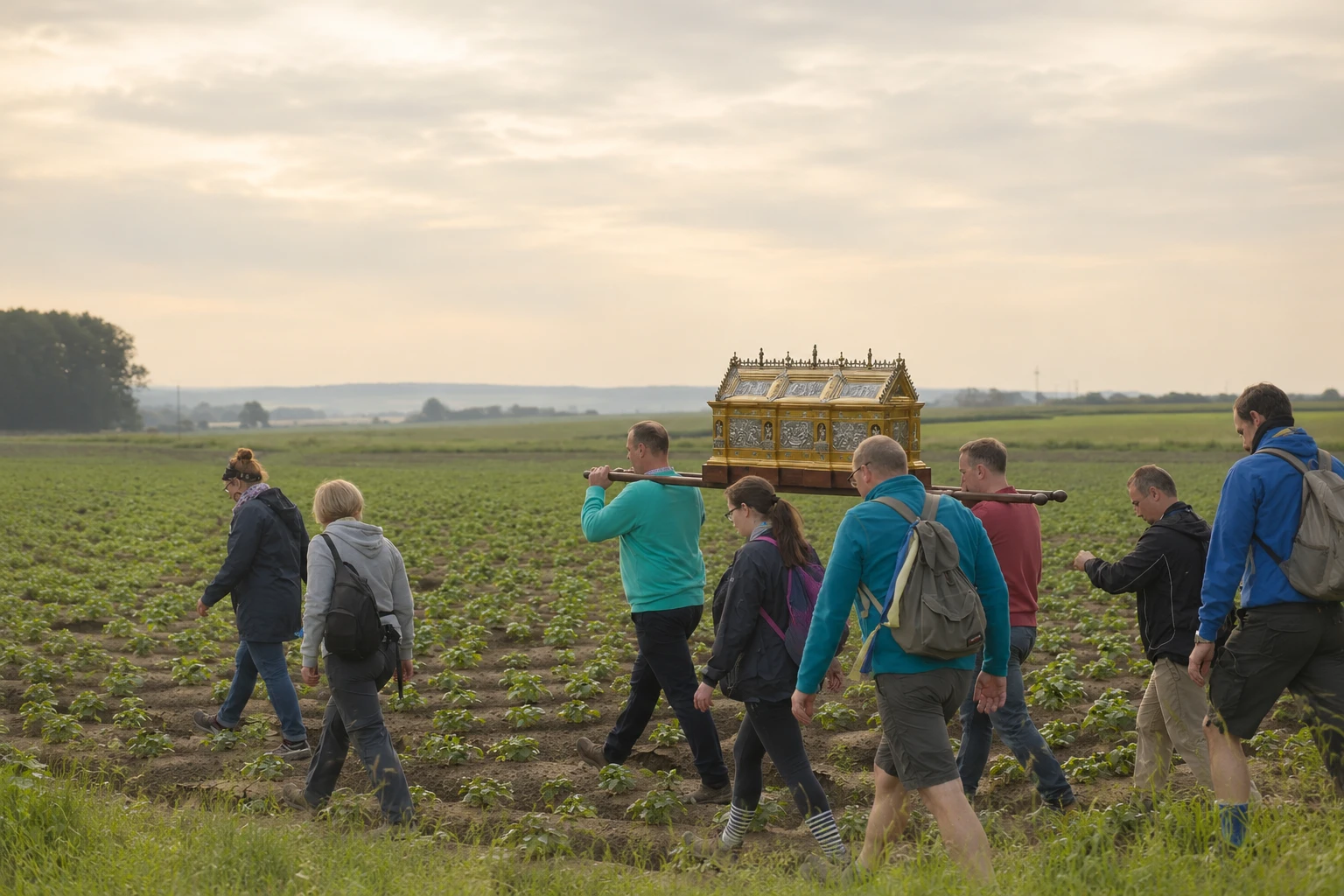
In 2012, UNESCO added fifteen of the region’s marches to its Representative List of the Intangible Cultural Heritage of Humanity. Among them are the Sainte-Rolende march in Gerpinnes, Saint-Roch in Thuin, Notre-Dame in Walcourt, Saint-Feuillen in Fosses-la-Ville, and the Madeleine march in Jumet, in Charleroi. The Gerpinnes march begins before dawn on Pentecost Monday and accompanies the saint’s reliquary along a route of about 35 kilometers through the villages.
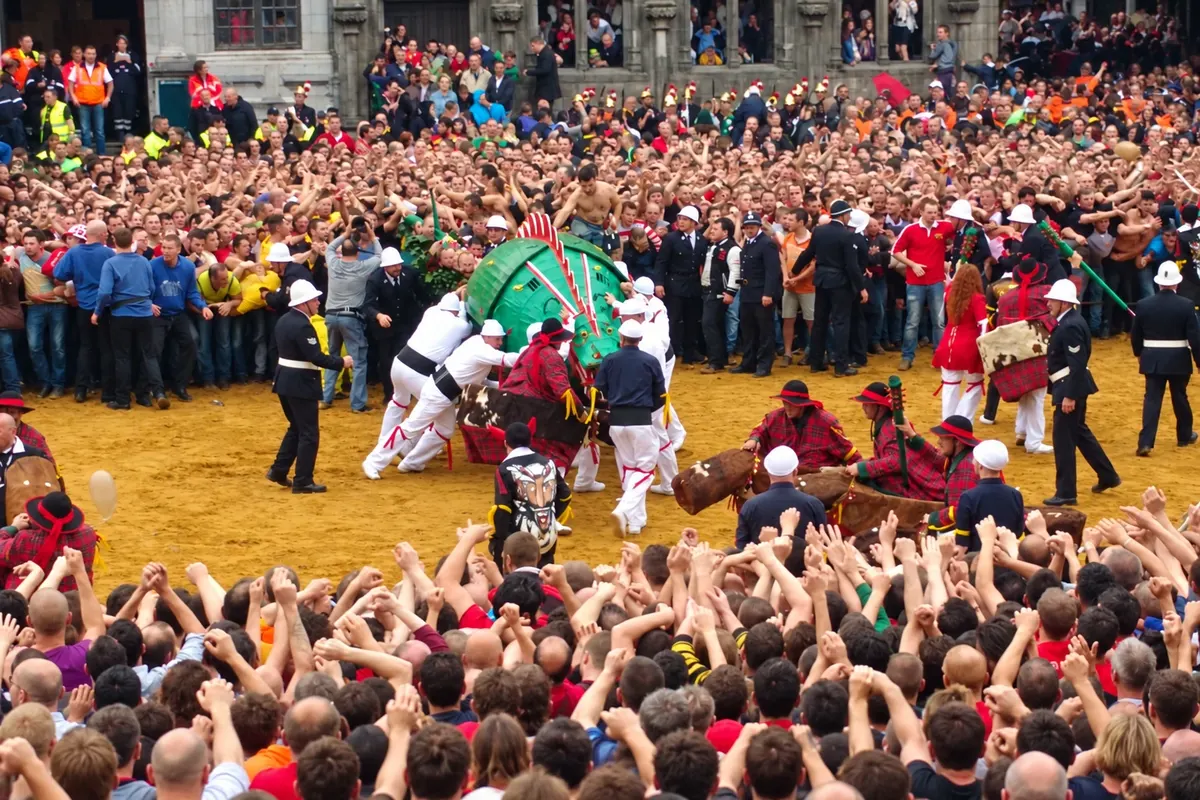
The marches bring together men, women, and children of all ages, and the companies spend the year preparing. On march days, the whole village comes out into the streets. The best-known marches draw spectators from the surrounding area and across Wallonia.
It’s worth making the trip to see a living tradition that brings faith, music, and history together in rural Wallonia, and to explore the villages and abbeys of Entre-Sambre-et-Meuse.


 Brazilië
 Het zuidpoolcontinent
 Argentinië
 Bolivia
 Chili
 Colombia
 Ecuador
 Guyana
 Frans-Guyana
 Falklandeilanden
 Paraguay
 Peru
 Suriname
 Uruguay
 Venezuela
 Duitsland
 Oostenrijk
 Kroatië
 Denemarken
 Slowakije
 Slovenië
 Spanje
 Finland
 Frankrijk
 Griekenland
 Nederland
 Hongarije
 Ierland
 IJsland
 Italië
 Luxemburg
 Noorwegen
 Polen
 Portugal
 Verenigd Koninkrijk
 Tsjechië
 Zweden
 Zwitserland
 Turkije
 Bermuda
 Canada
 Verenigde Staten
 Groenland
 Mexico
 Saint-Pierre en Miquelon
 Dominicaanse Republiek
 Japan
 Zuid-Afrika
 Egypte
 Australië
 Fiji
 Nieuw-Zeeland
 Papoea-Nieuw-Guinea




 mei/juni