Eupen

Popular festival · Eupen

Eupen Carnival

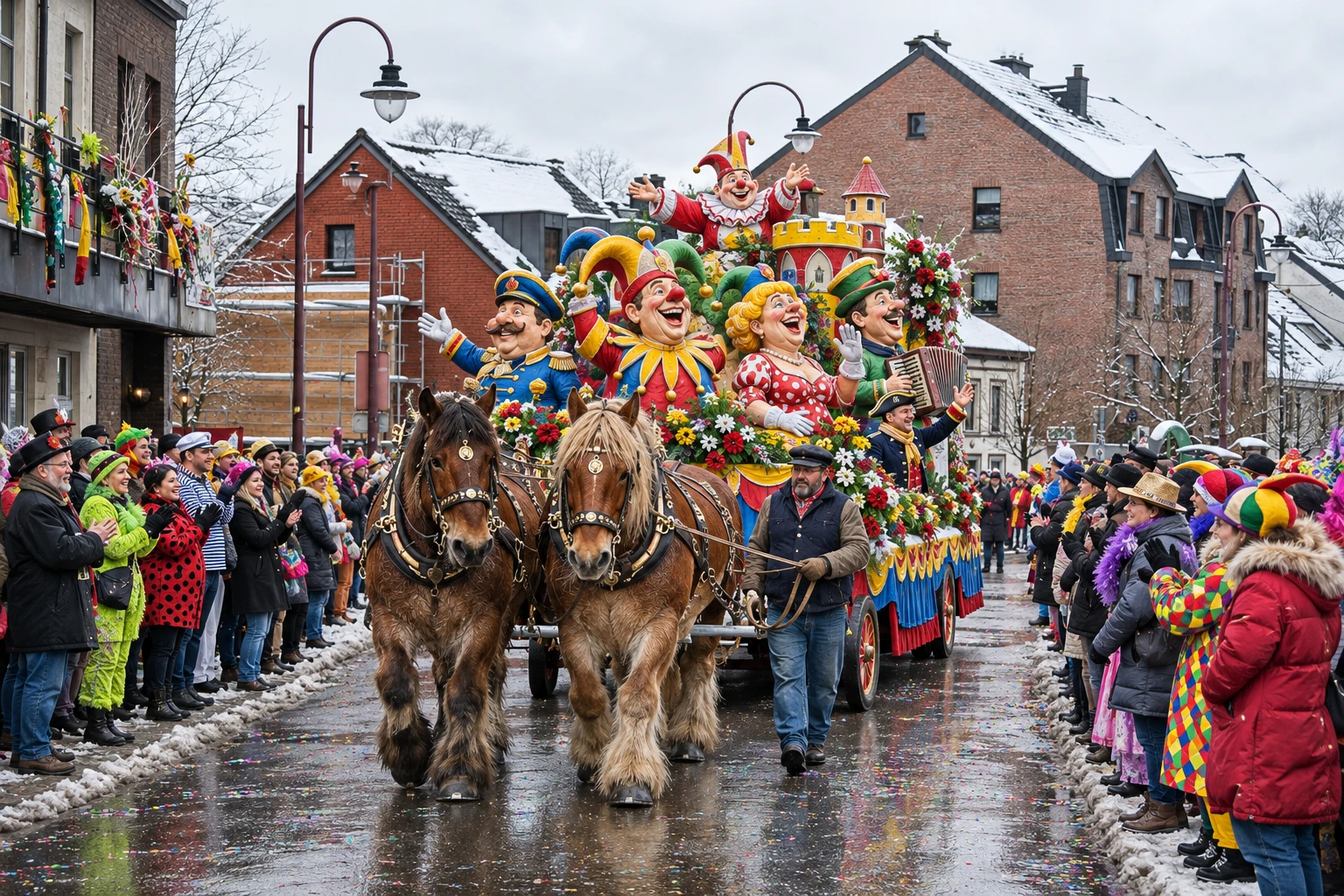
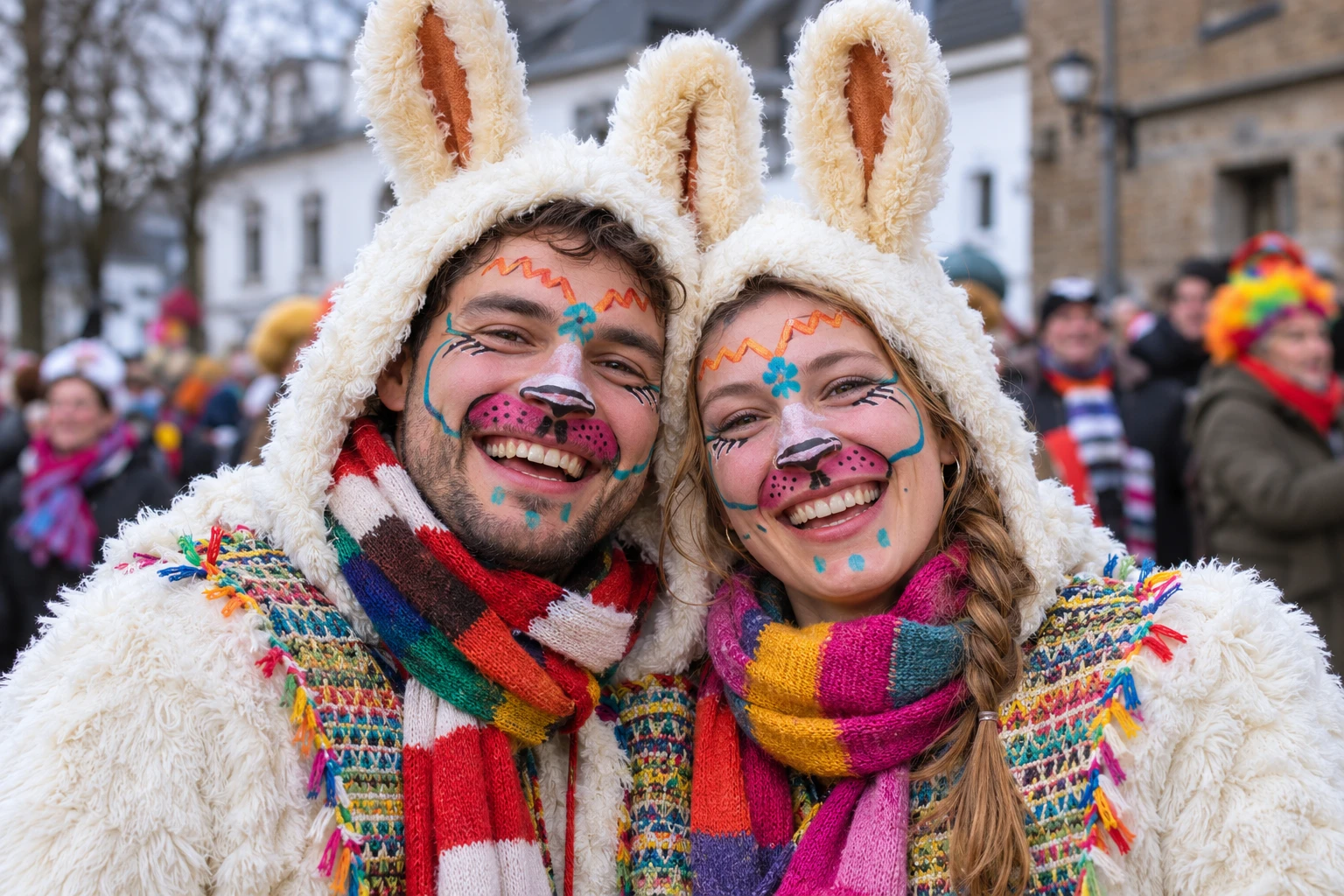
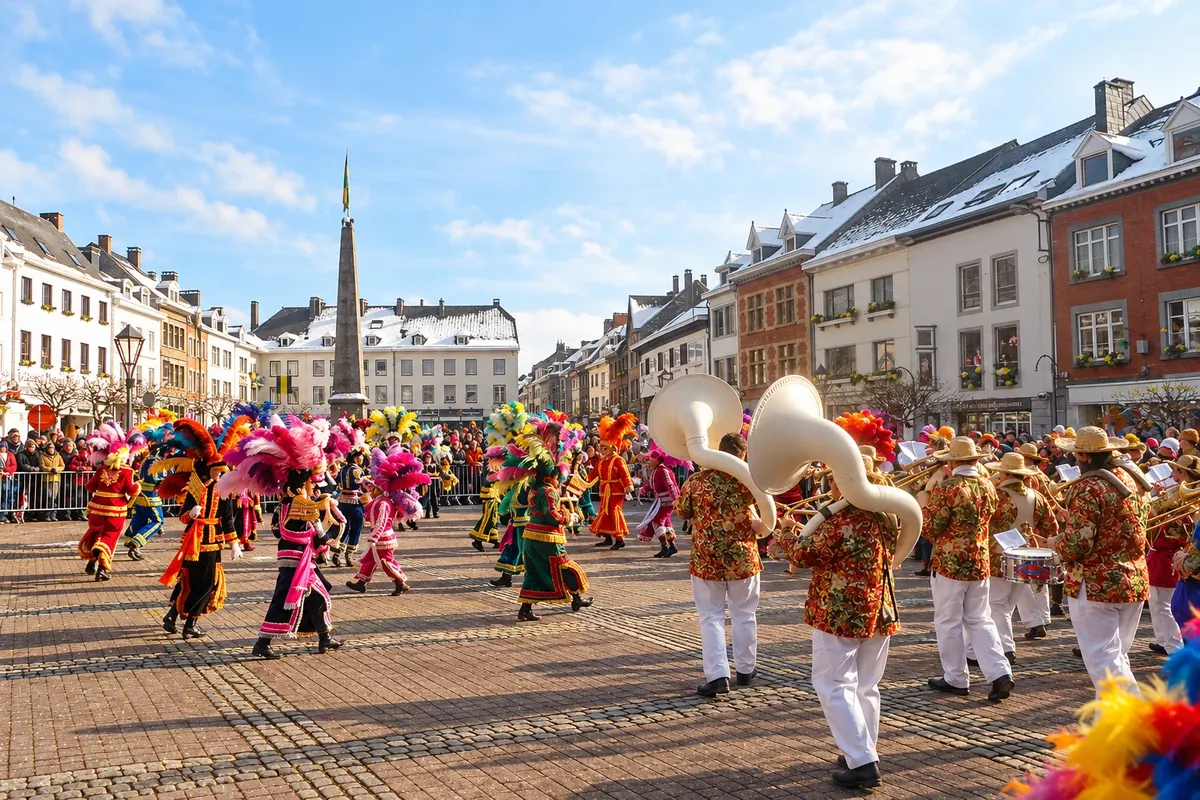
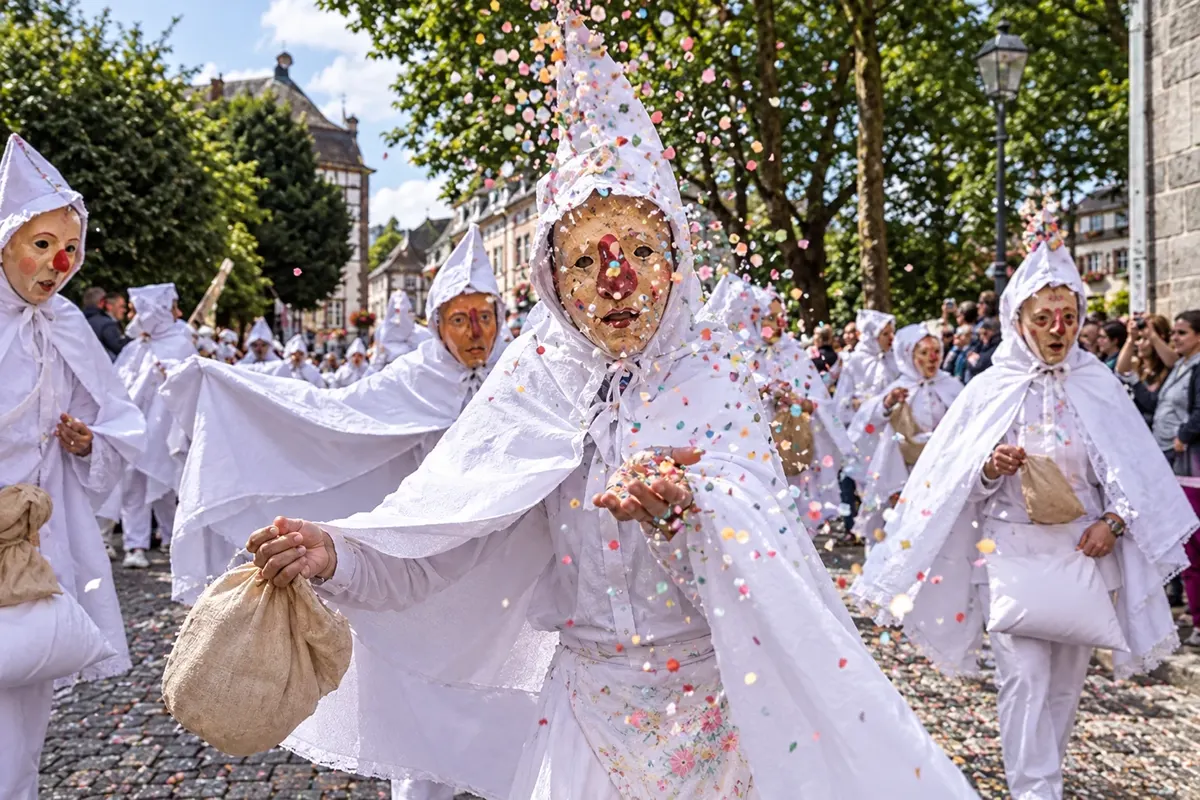
Eupen, the capital of Belgium’s German-speaking Community, celebrates Carnival in the Rhineland tradition, with a prince, guards and the cry of “Alaaf!” On Carnival Monday, the city hosts one of the largest parades in eastern Belgium, with floats, bands and groups in costume.

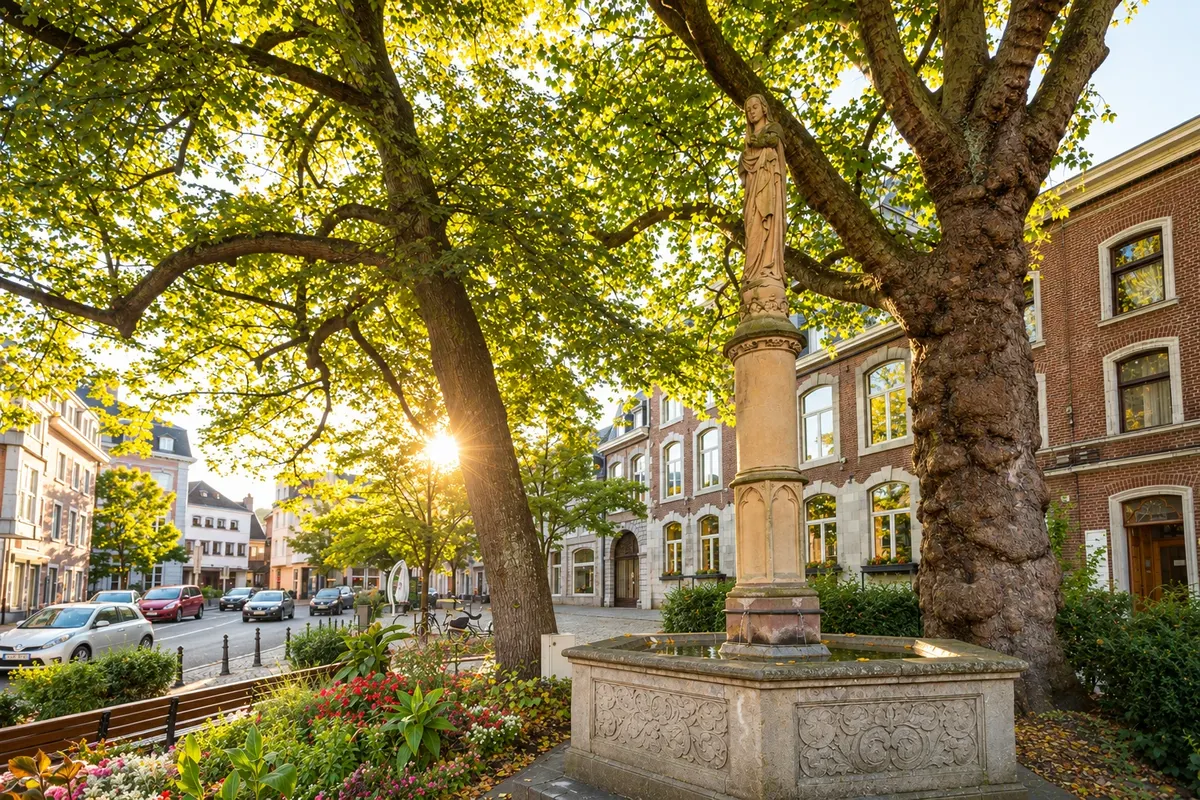
In the photo: Eupen

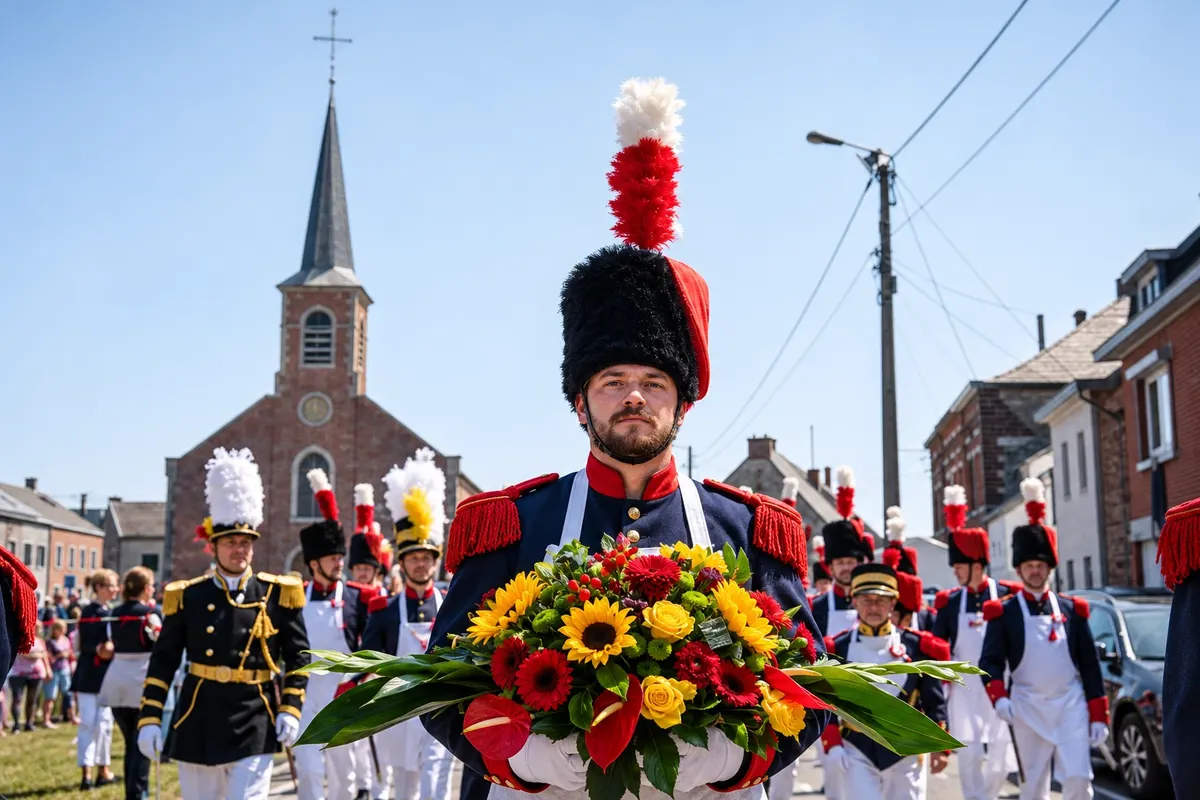
Illustrative images. The pictures in this guide are illustrations based on the real place, not photographs, and may differ from it.

Get it on Google Play

Click the picture to enlarge it.

Liège
Liège
Eupen Carnival — Eupen
Eupen Carnival
Eupen Carnival — Eupen
Eupen Carnival
Eupen Carnival — Eupen
Eupen Carnival
Eupen Carnival — Eupen
Eupen Carnival

Eupen Carnival — Eupen

When

In the days leading up to Ash Wednesday, with the main parade on Carnival Monday.

February/March

Where

Eupen

Liège

Organizer

Official website

Dates, program and tickets

Dates change every year: check this year's date before you travel.

The festival

What the Eupen Carnival is

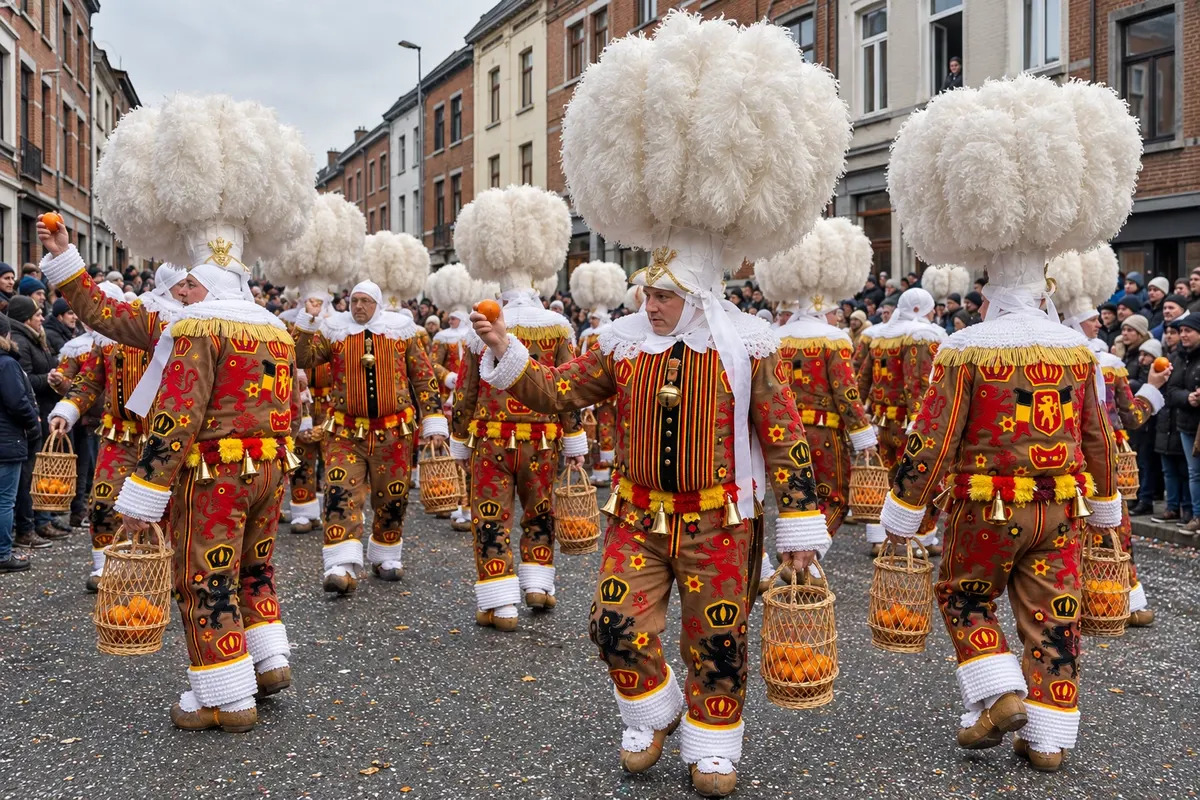
In eastern Belgium, near the German border, lies a small German-speaking region. Its capital, Eupen, is a city of hills and merchants’ houses on the edge of the High Fens forest. Carnival here is quite different from the celebrations featuring the Gilles in Binche. Eupen follows the Rhineland tradition shared by Cologne and Aachen, with carnival societies, guards in uniform, comic speeches and the cry of “Alaaf!”

The season opens in November. The Carnival Prince is proclaimed later. Together with his pages, he represents the city’s Carnival until Ash Wednesday. Throughout the winter, the carnival societies hold balls and comedy shows, and downtown shop windows are decorated for Carnival.

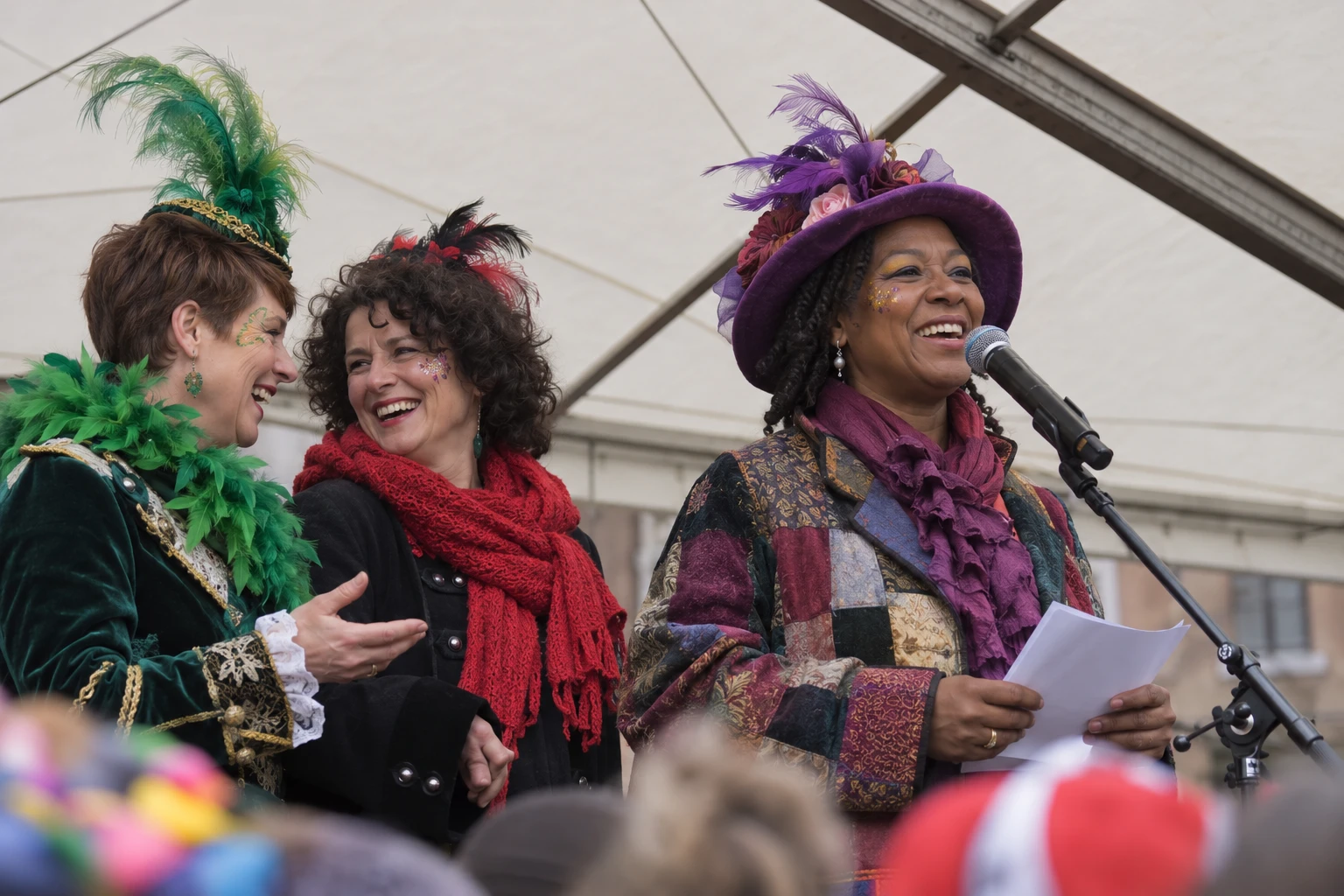
The street festivities begin on the Thursday before Carnival. It’s the day of the Altweiber, when women in costume take over city hall and are symbolically given control of the city. The surrounding villages hold parades over the weekend. On Monday, known as Rosenmontag, Eupen’s grand parade makes its way through the city with floats, groups on foot, bands and horses, as participants hand out candy to spectators.

The whole city dresses up, and people come to Eupen from across the German-speaking Community and neighboring regions to see the parade. Afterward, the celebrations continue in bars and squares into the evening.

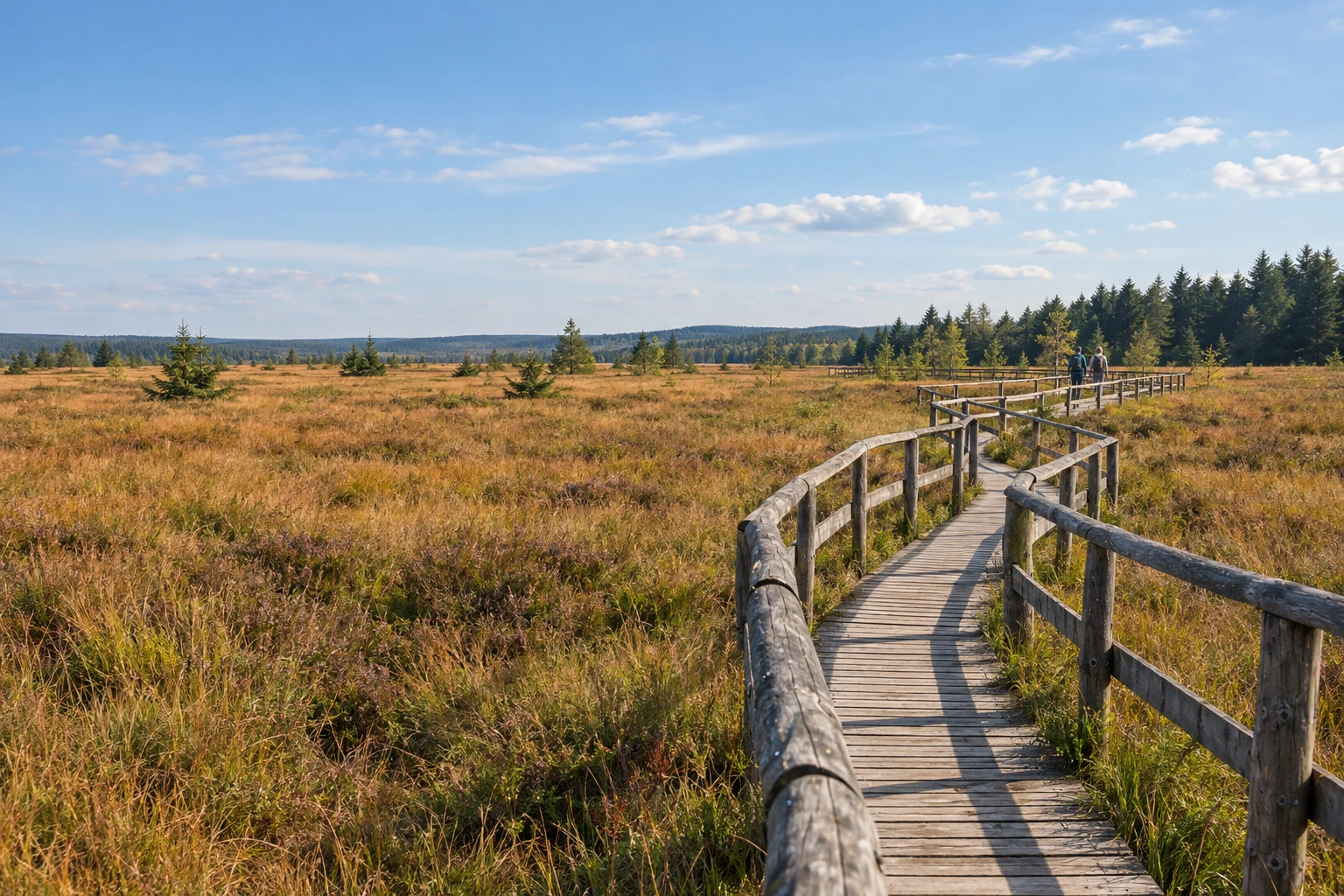
It’s worth the trip to experience a Carnival unlike those elsewhere in Belgium, hear the German spoken in the east of the country and combine the festivities with a visit to the High Fens.

Share: WhatsApp

What not to miss

The Carnival Monday parade, featuring the prince’s float. The Altweiber takeover of city hall on Thursday. The spectators’ costumes, every bit as elaborate as those worn by the parade groups. The celebrations in the squares after the parade.

How to enjoy it

Wear a costume: almost everyone watching the parade in Eupen dresses up. Get to the parade route early to find a spot on the sidewalk. Bring warm clothes, since Carnival takes place in winter. Use the weekend to see the parades in the neighboring villages.

What to eat

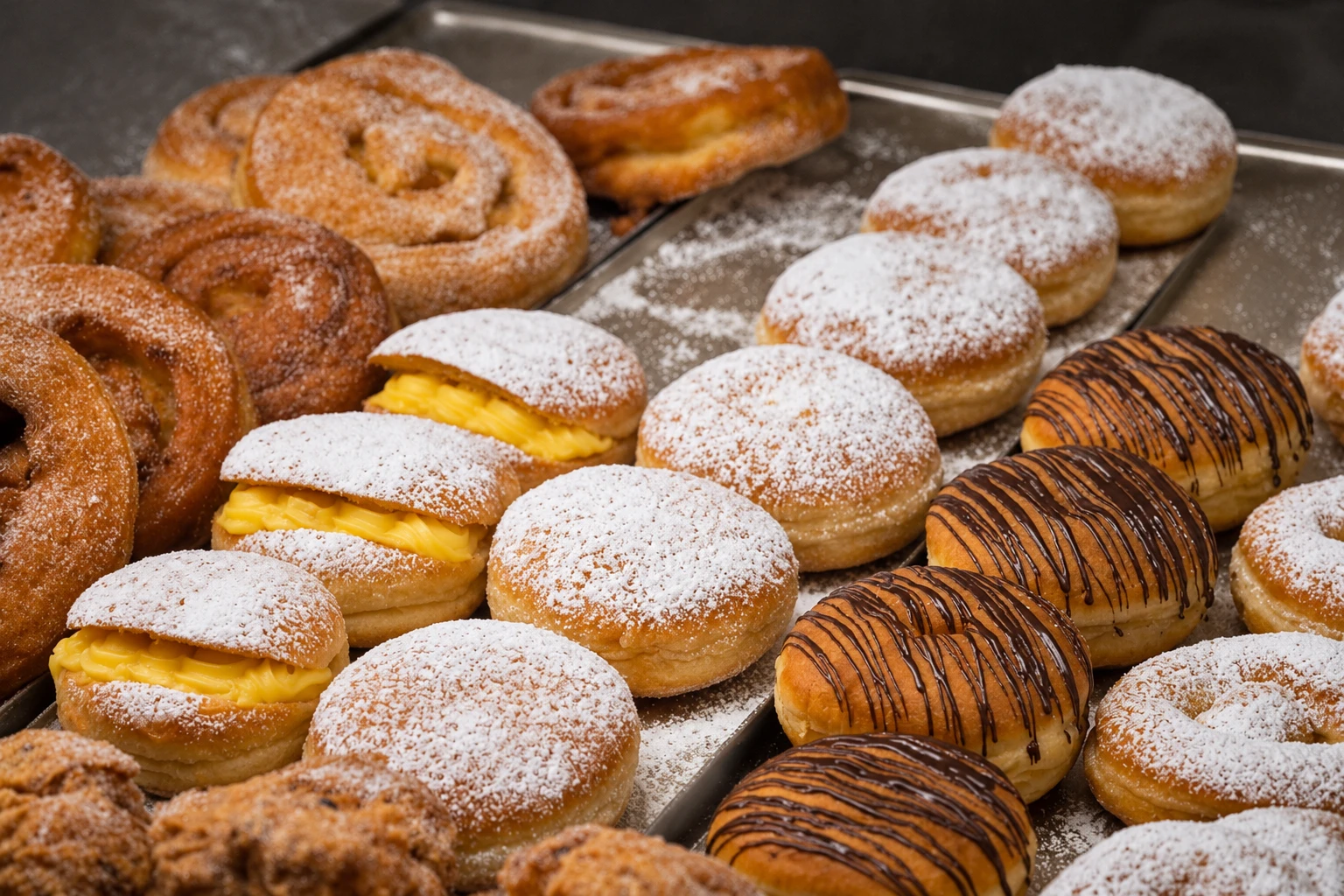
The Carnival stalls serve grilled sausages, fries and seasonal fried treats such as filled Berliner doughnuts, along with regional beers.

Plan ahead

Eupen has a train connection to Liège and is close to the German border, near Aachen. Check the Carnival schedule before you travel.

In the city

Make the most of Eupen

February/March

Around the same time

Your questions

Questions about Eupen Carnival

What is Carnival in Eupen like?

It’s a Rhineland-style Carnival, like those in Cologne and Aachen, with a Carnival Prince, carnival societies, balls, the cry of “Alaaf!” and parades with floats.

What is the main day of Eupen Carnival?

Carnival Monday, known as Rosenmontag, when the grand parade makes its way through the city. On the Thursday before, the Altweiber take over city hall.

What language is spoken at Eupen Carnival?

German. Eupen is the capital of Belgium’s German-speaking Community.

Festivals and events in Belgium

Other festivals

Marches of Entre-Sambre-et-Meuse May/June/July/August/September/October
Religious festival · Hainaut

Marches of Entre-Sambre-et-Meuse

From May to October, on weekends and public holidays, depending on the schedule for each march.

From May to October, villagers between the Sambre and Meuse rivers in southern Wallonia take part in processions to the sound of drums, fifes, and blank gunfire. Companies of marchers escort them in uniforms inspired by those of the First and Second French Empires. Fifteen of these marches are on UNESCO’s Intangible Cultural Heritage list.

See the full calendar

Beyond the guide