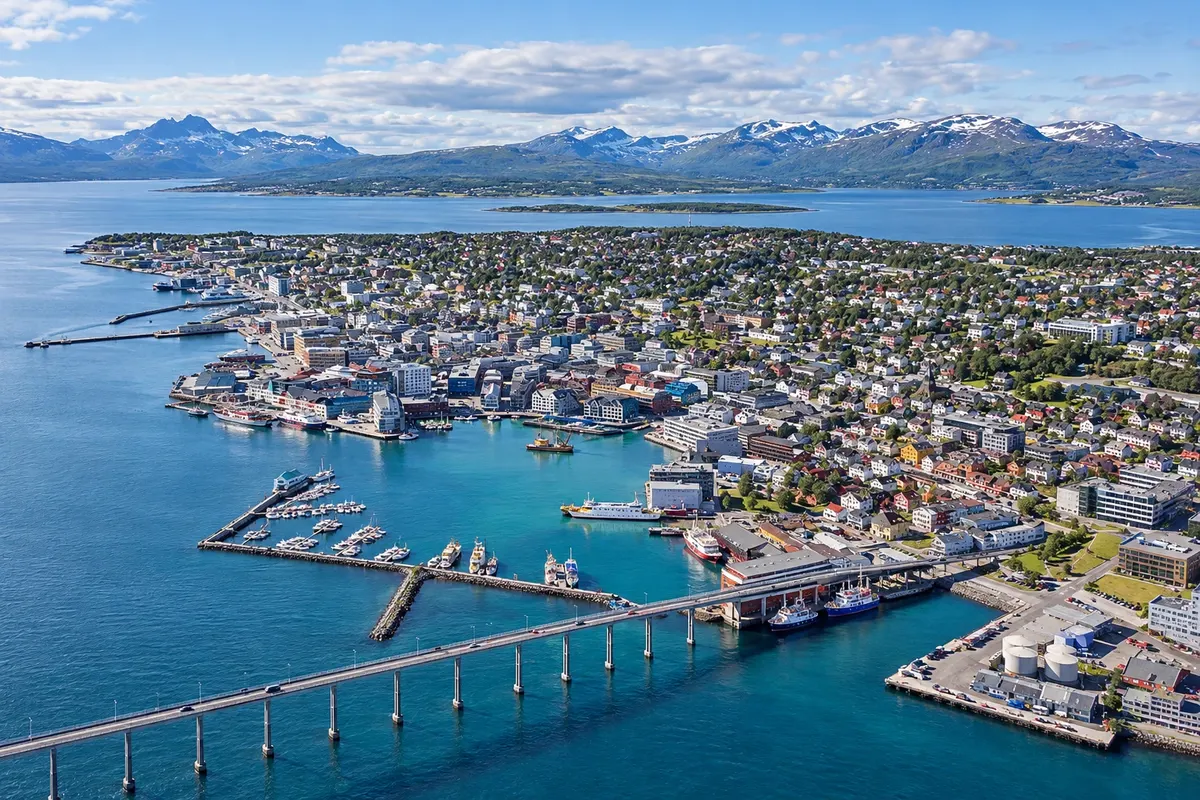
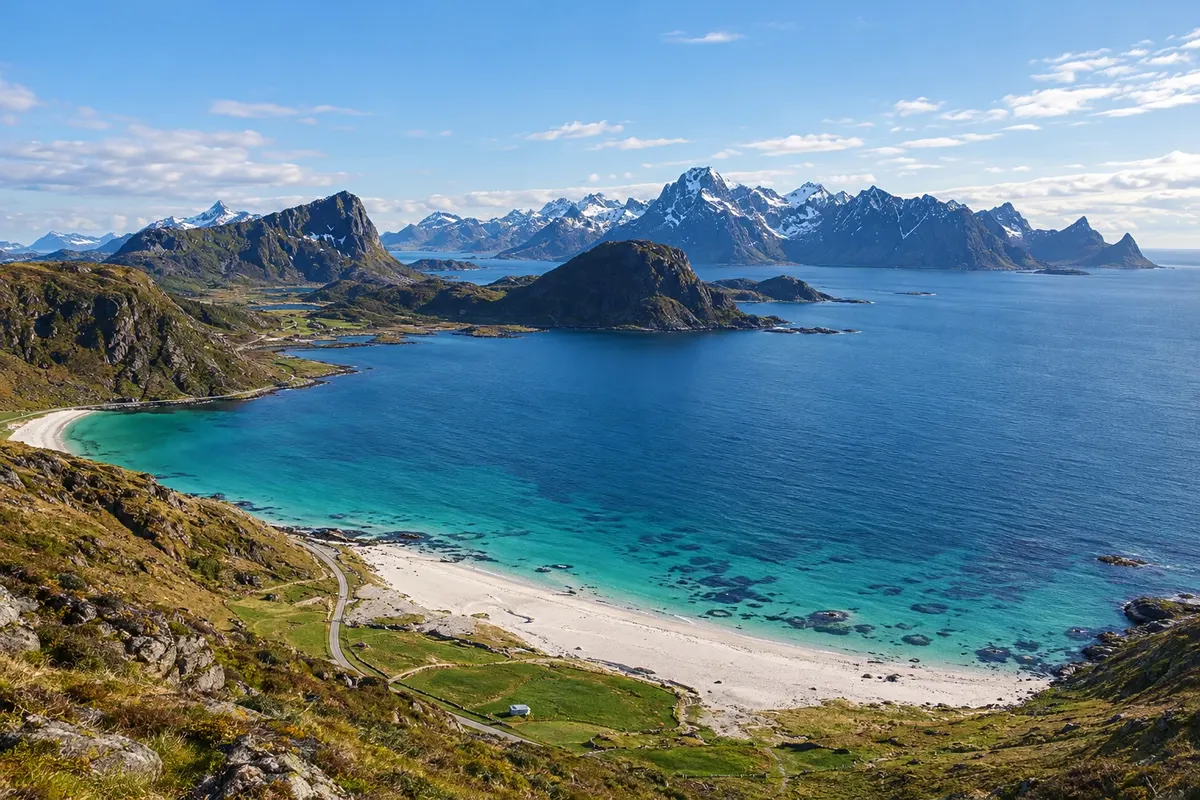
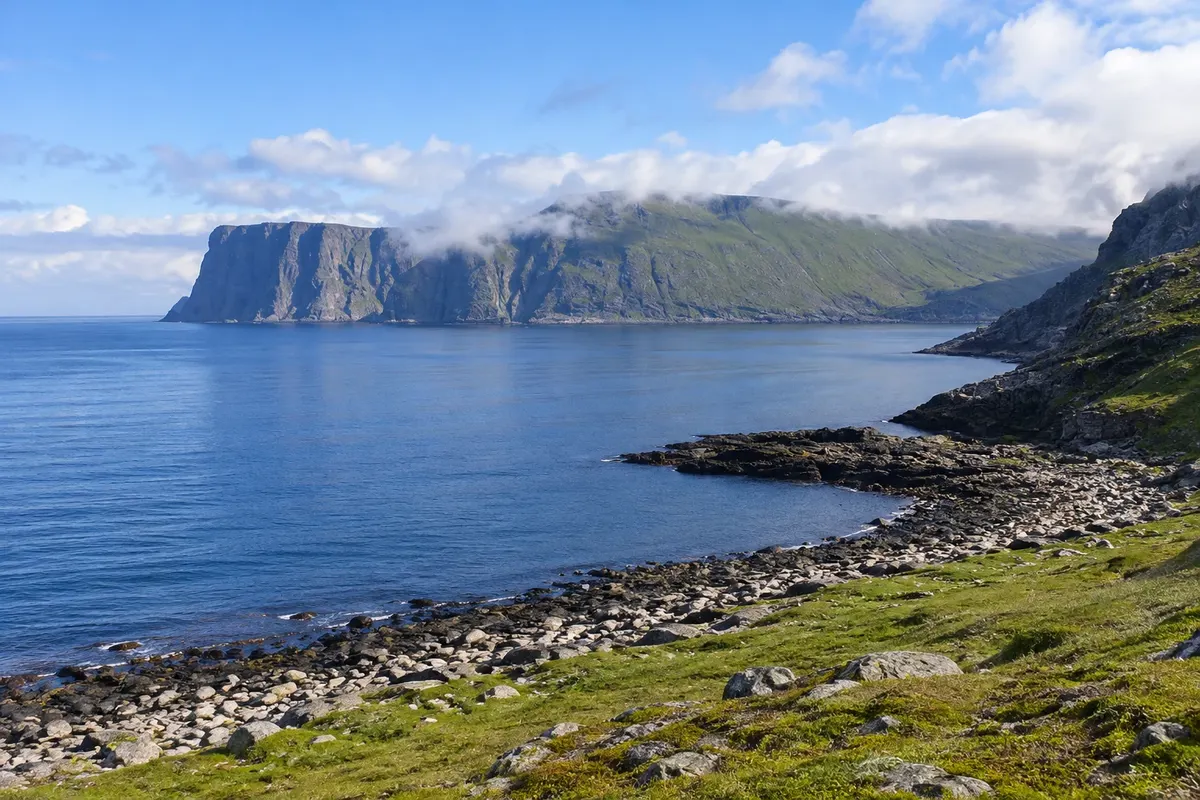
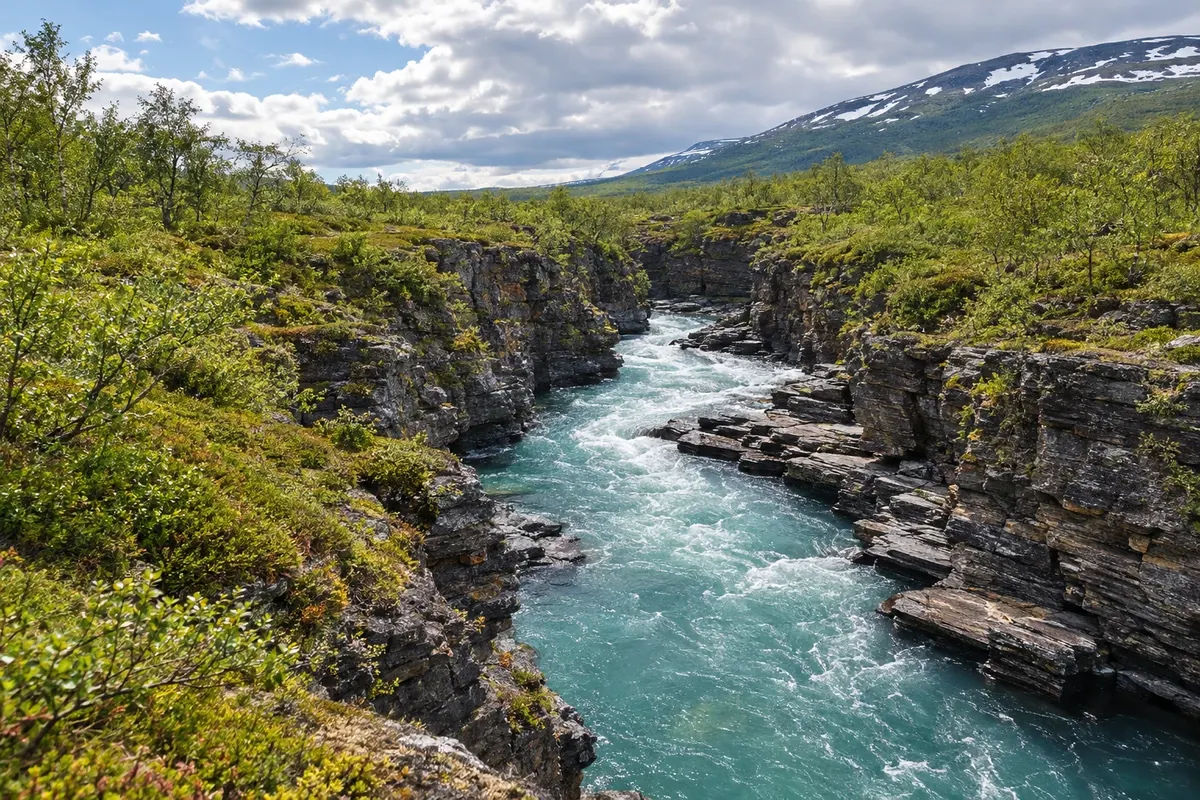
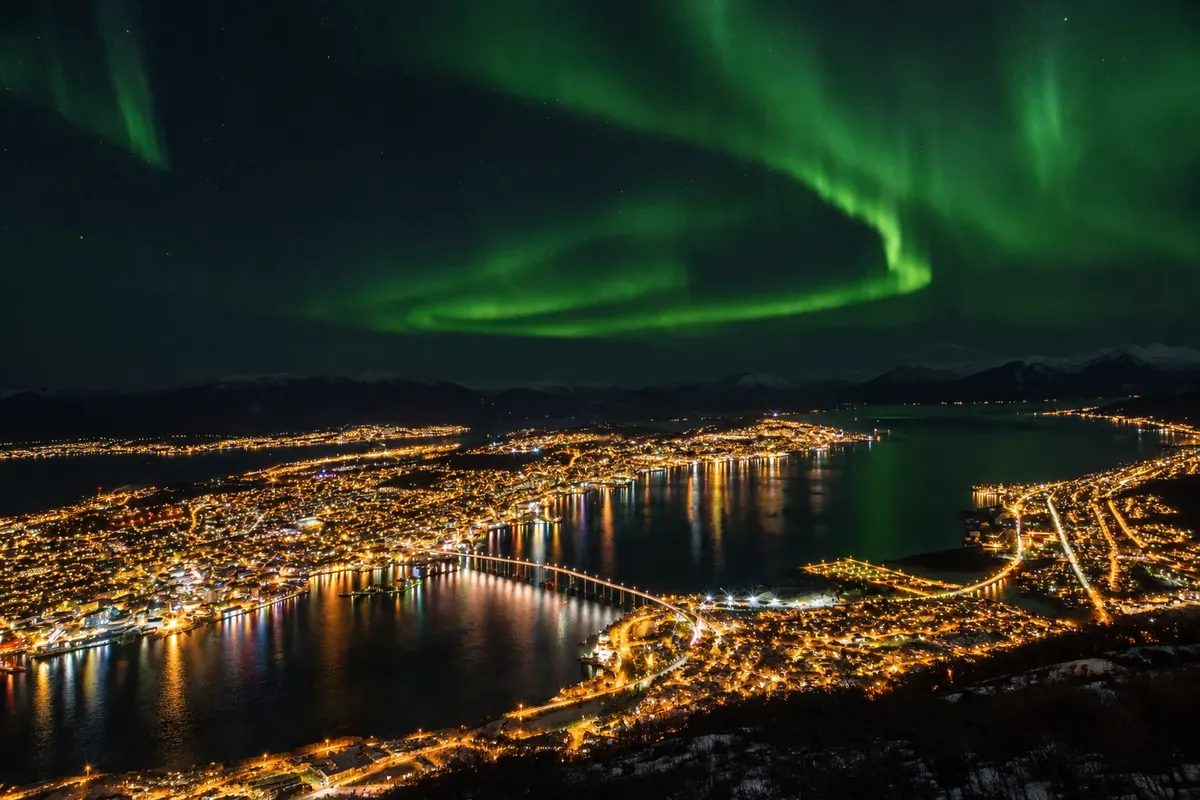
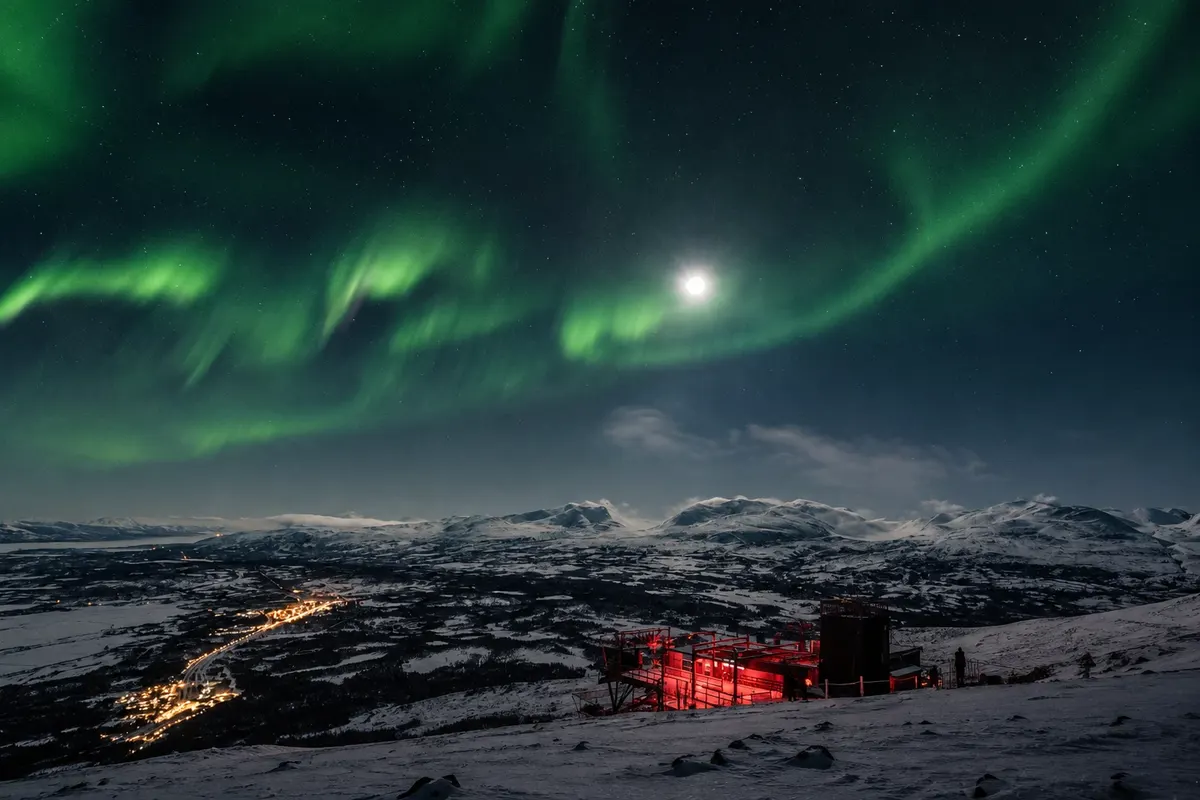
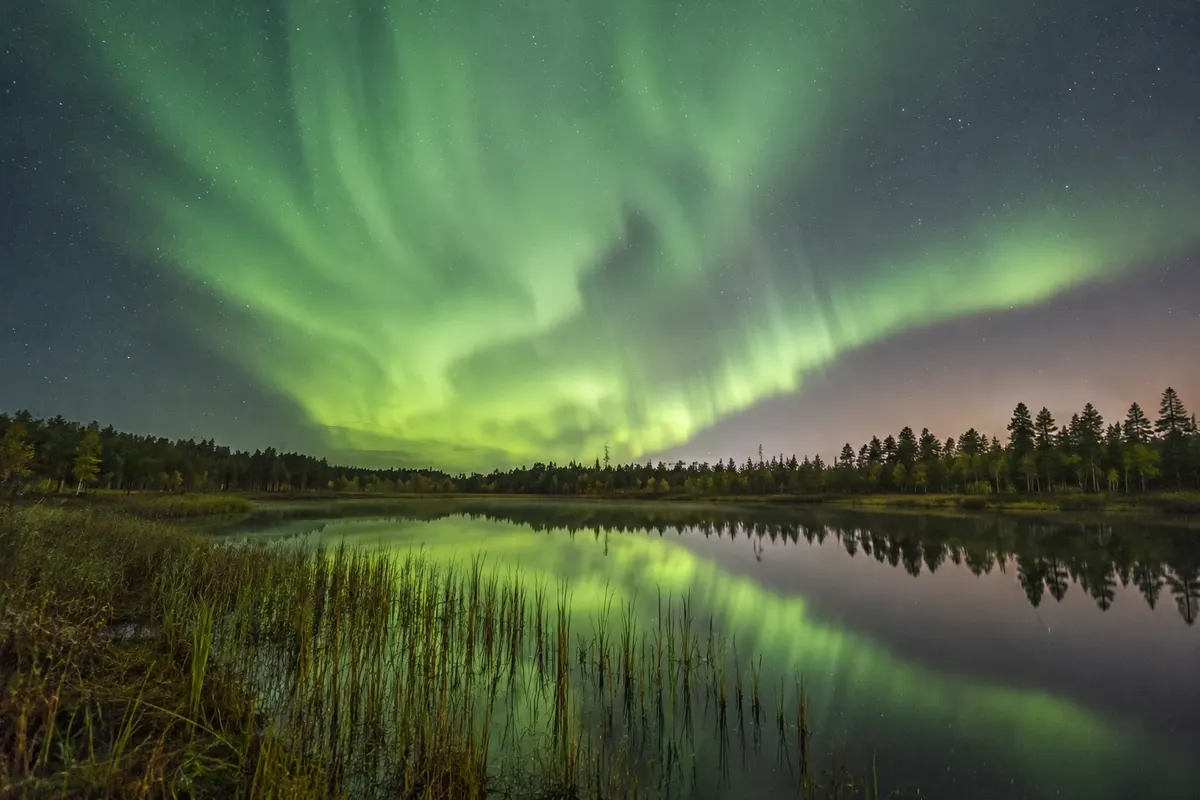
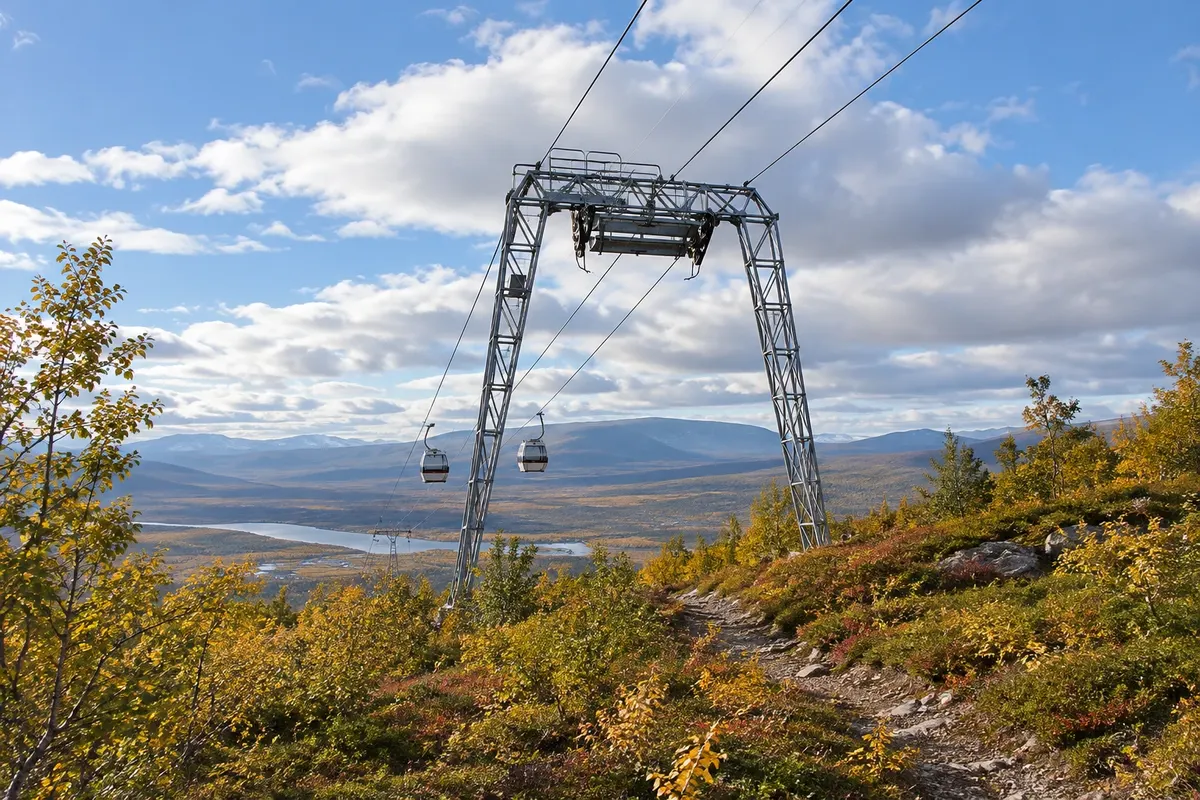
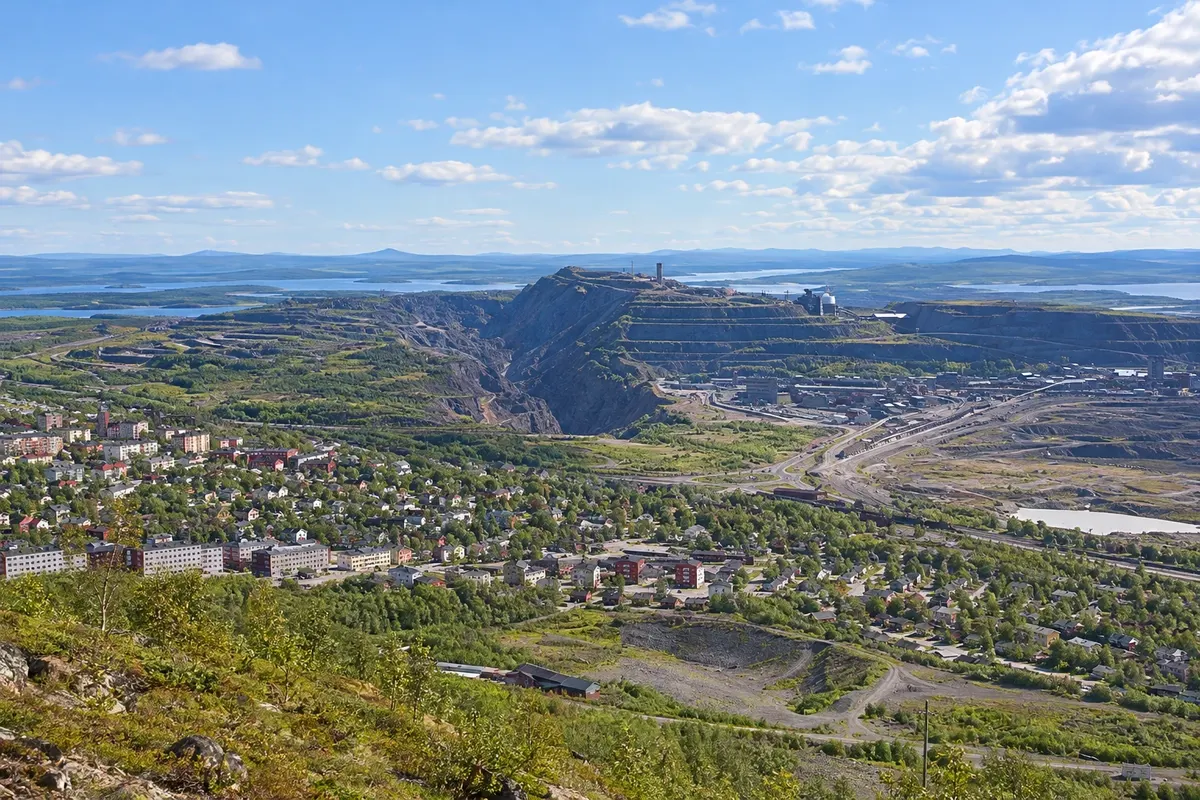
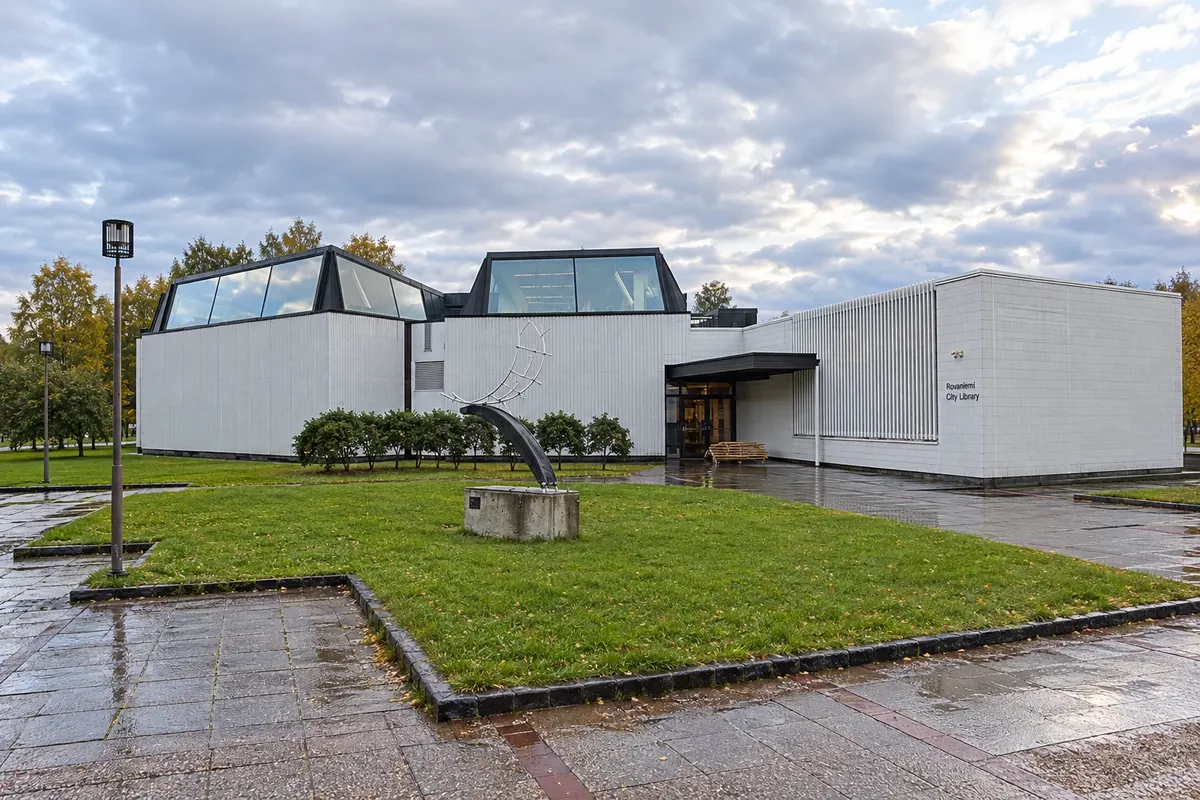
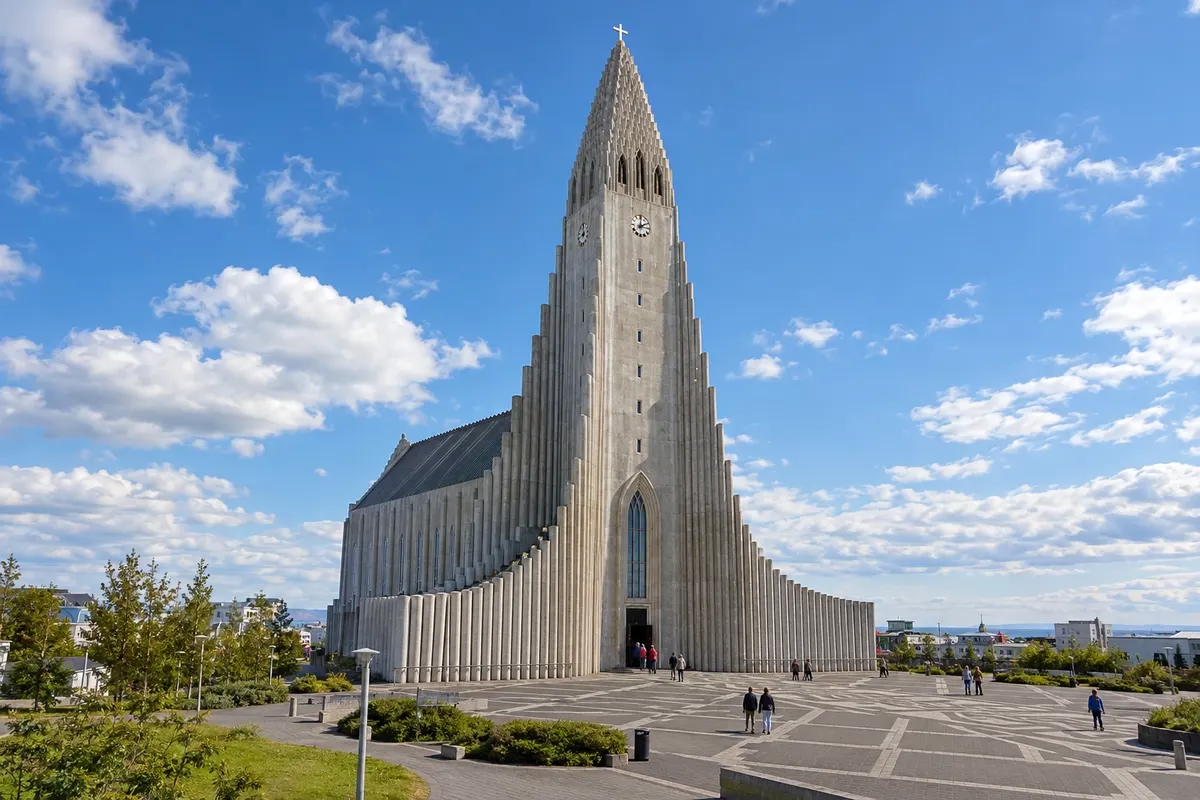
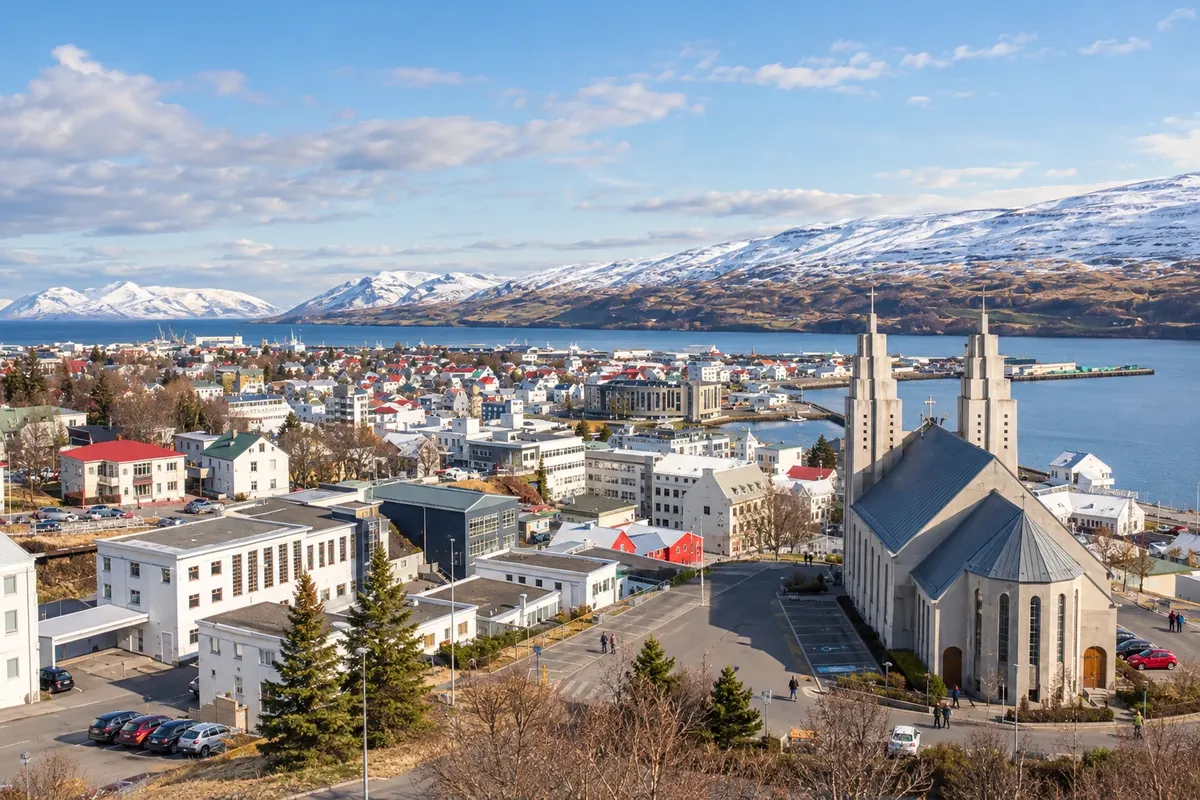
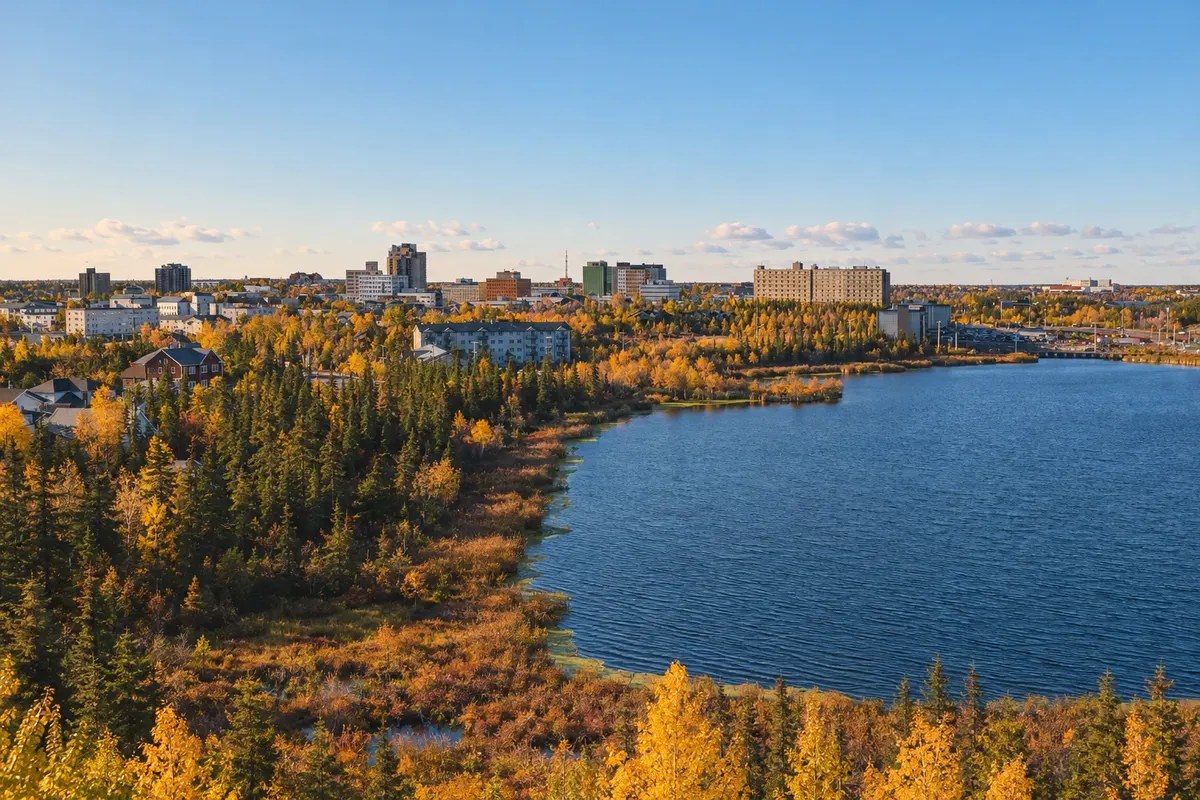
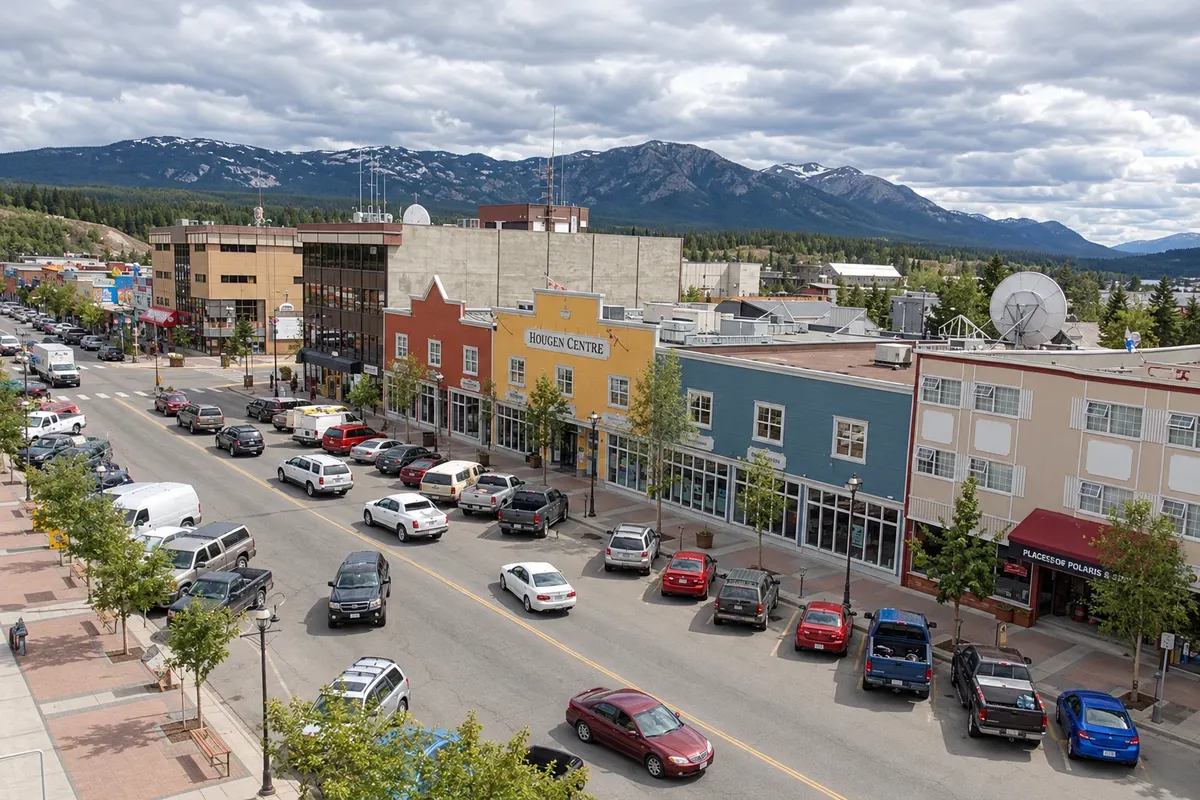
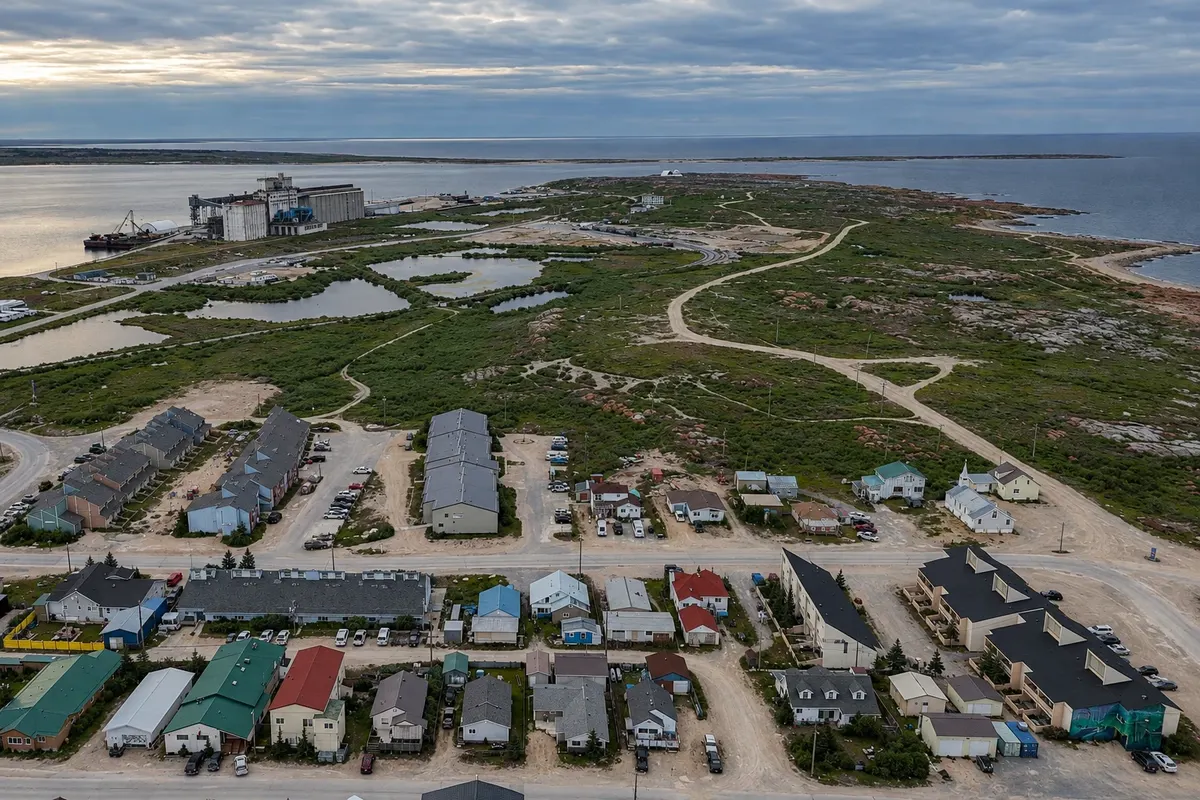
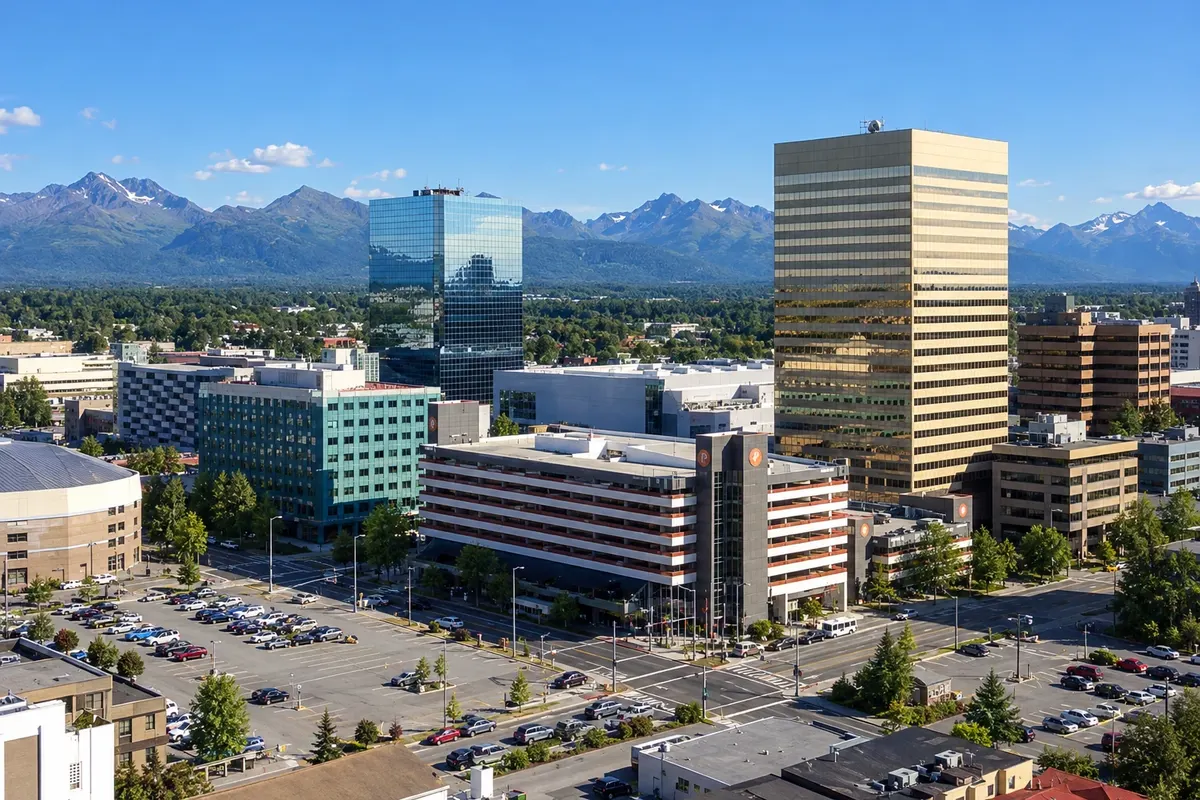
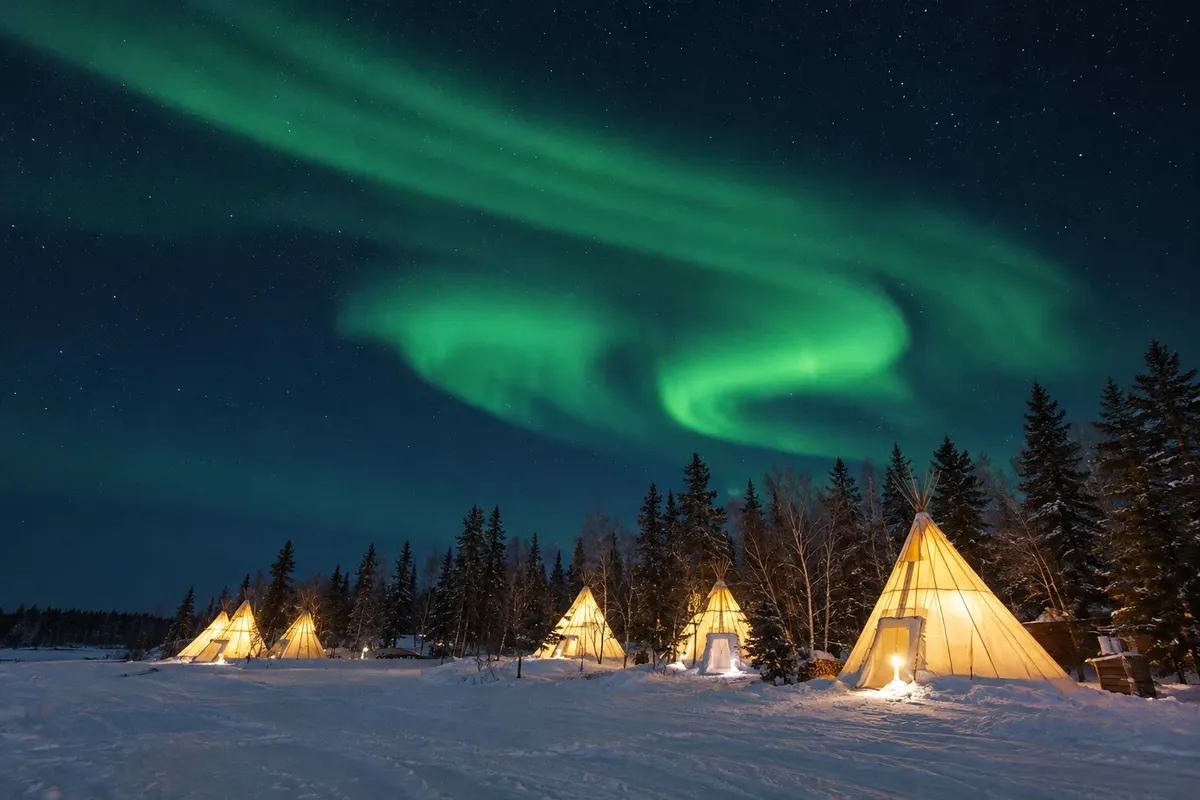
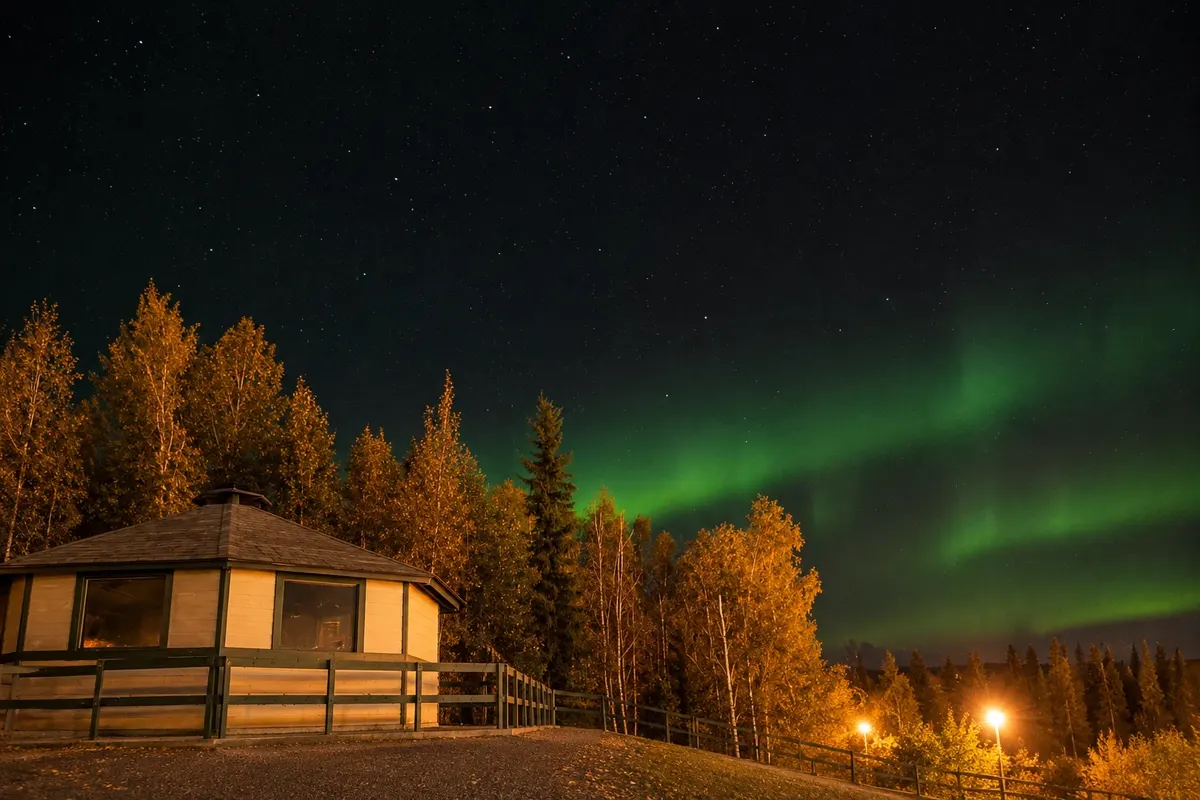
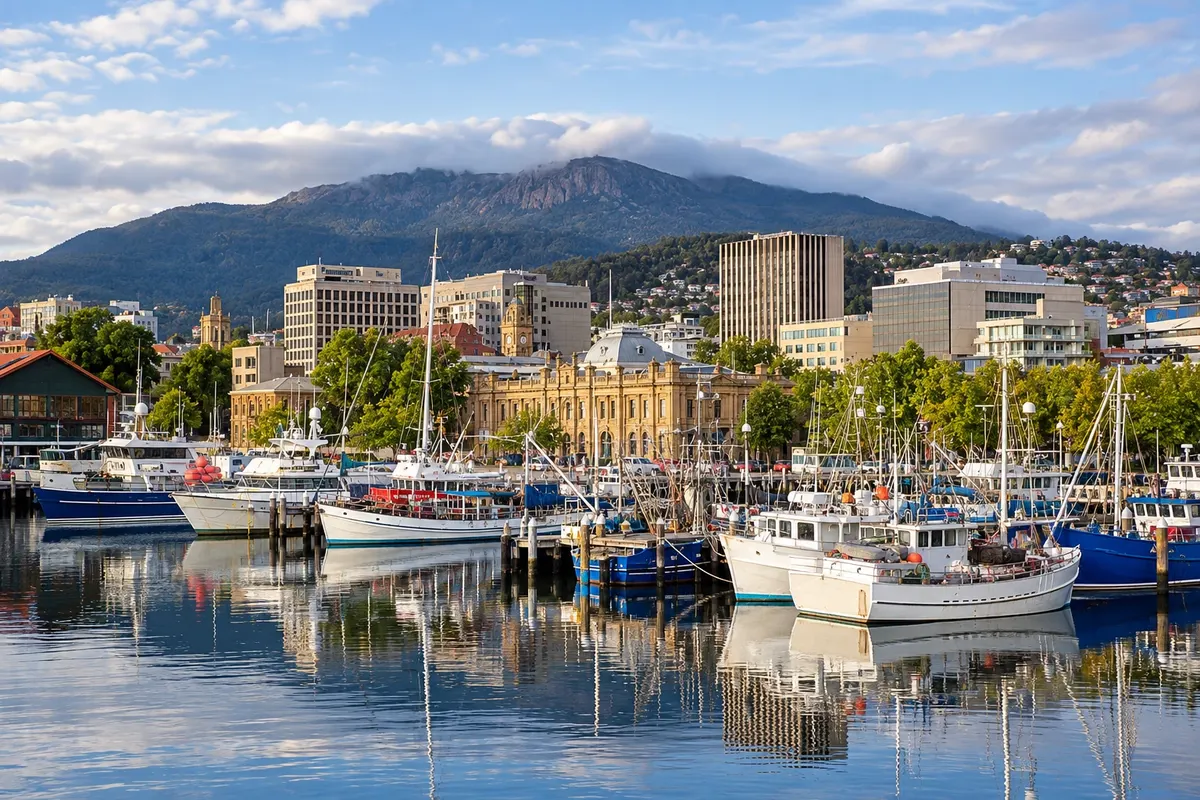
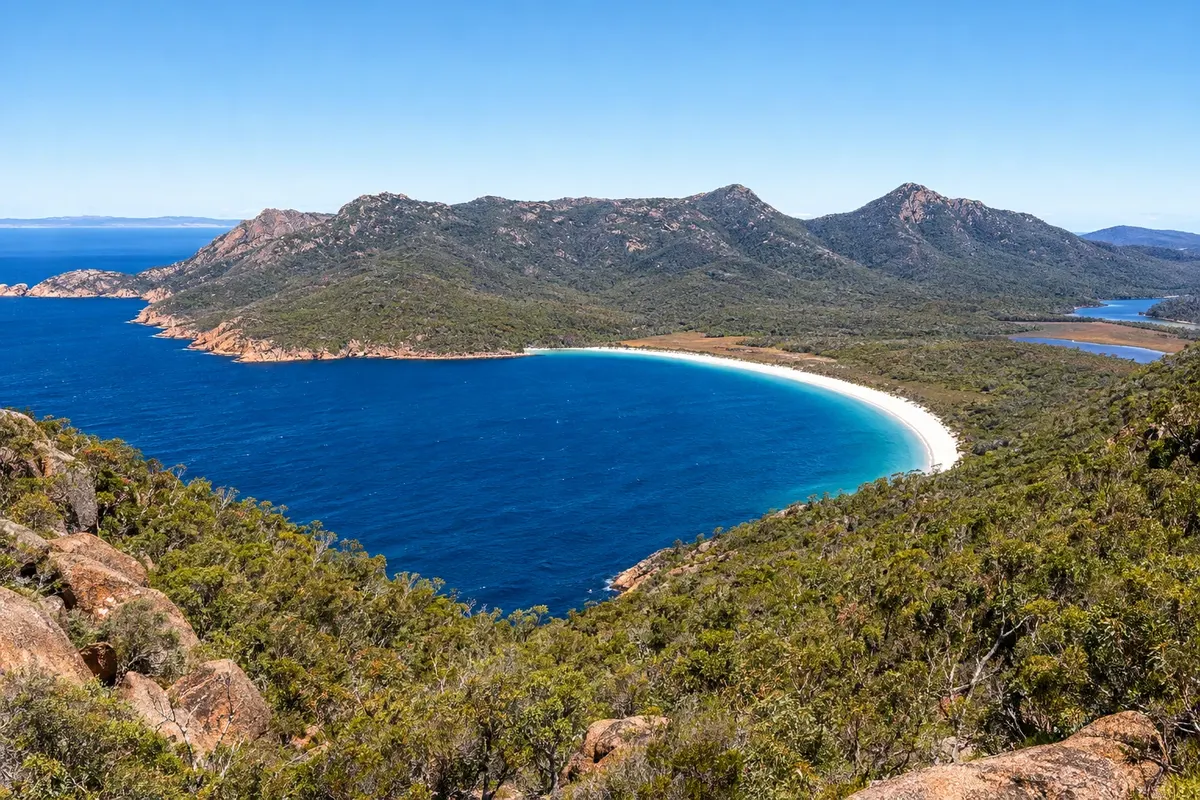
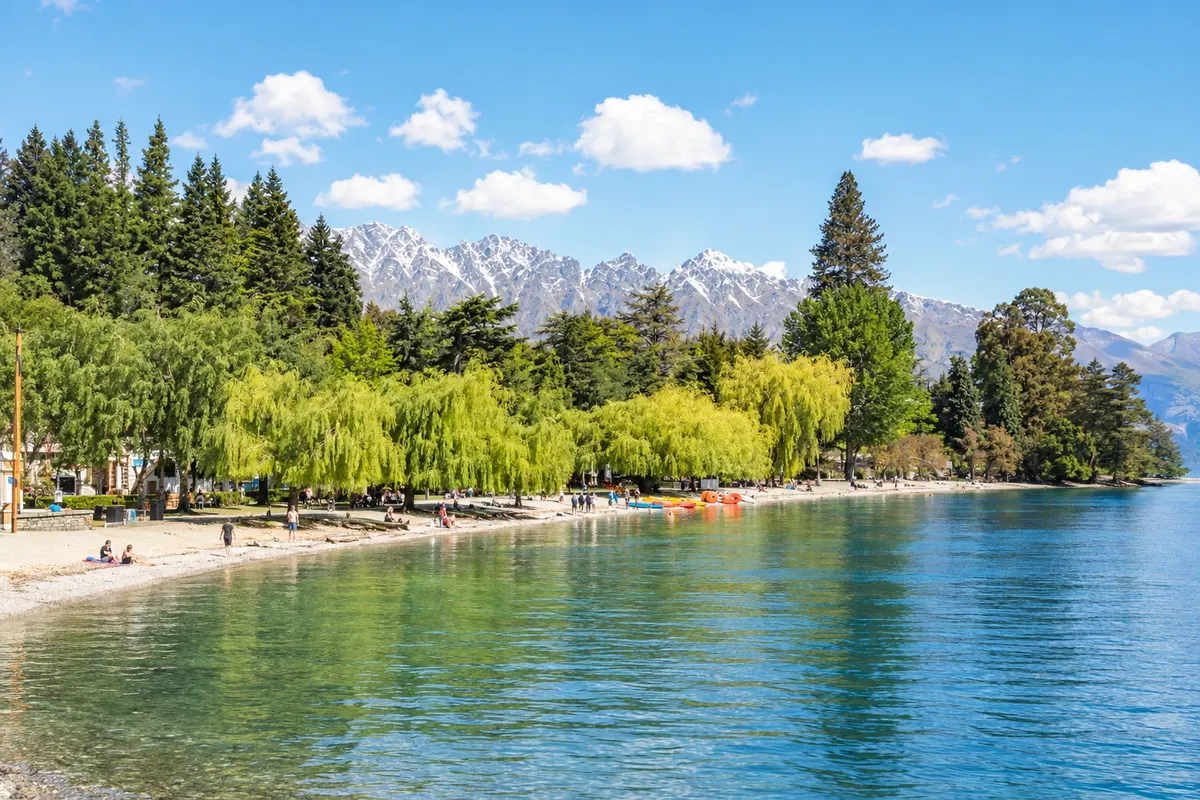
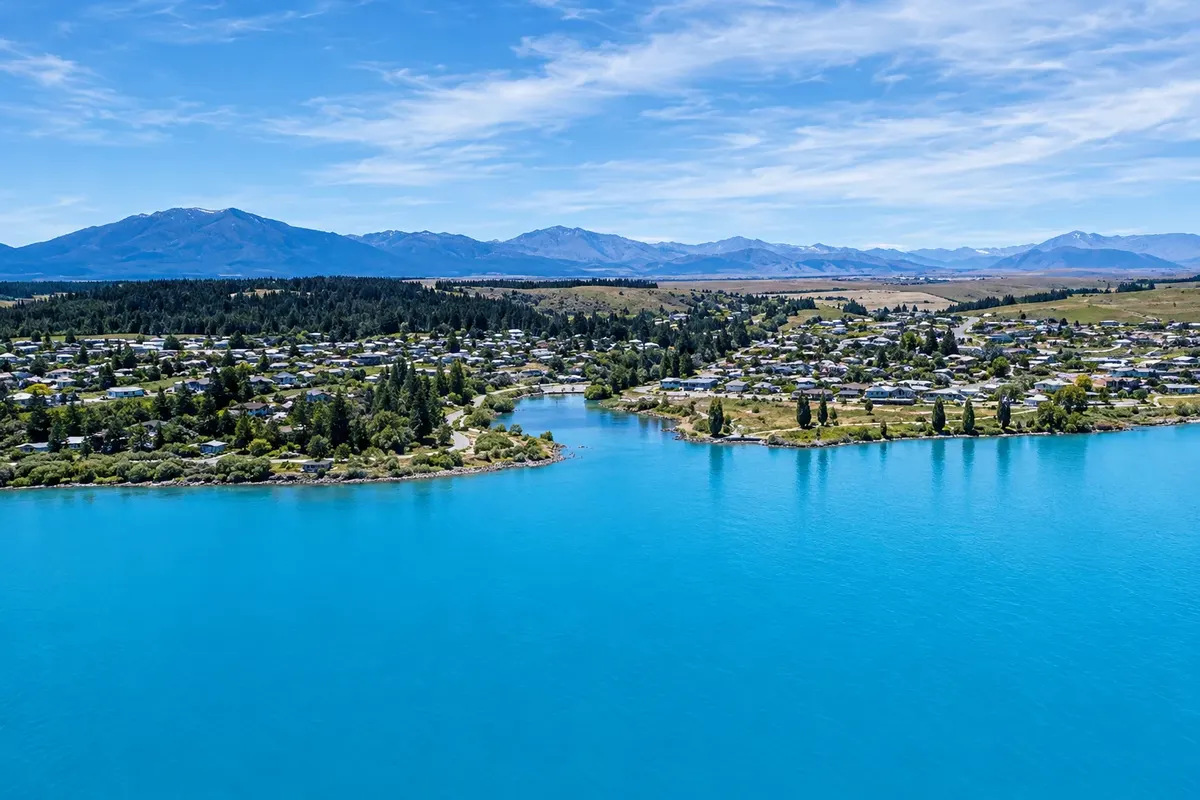
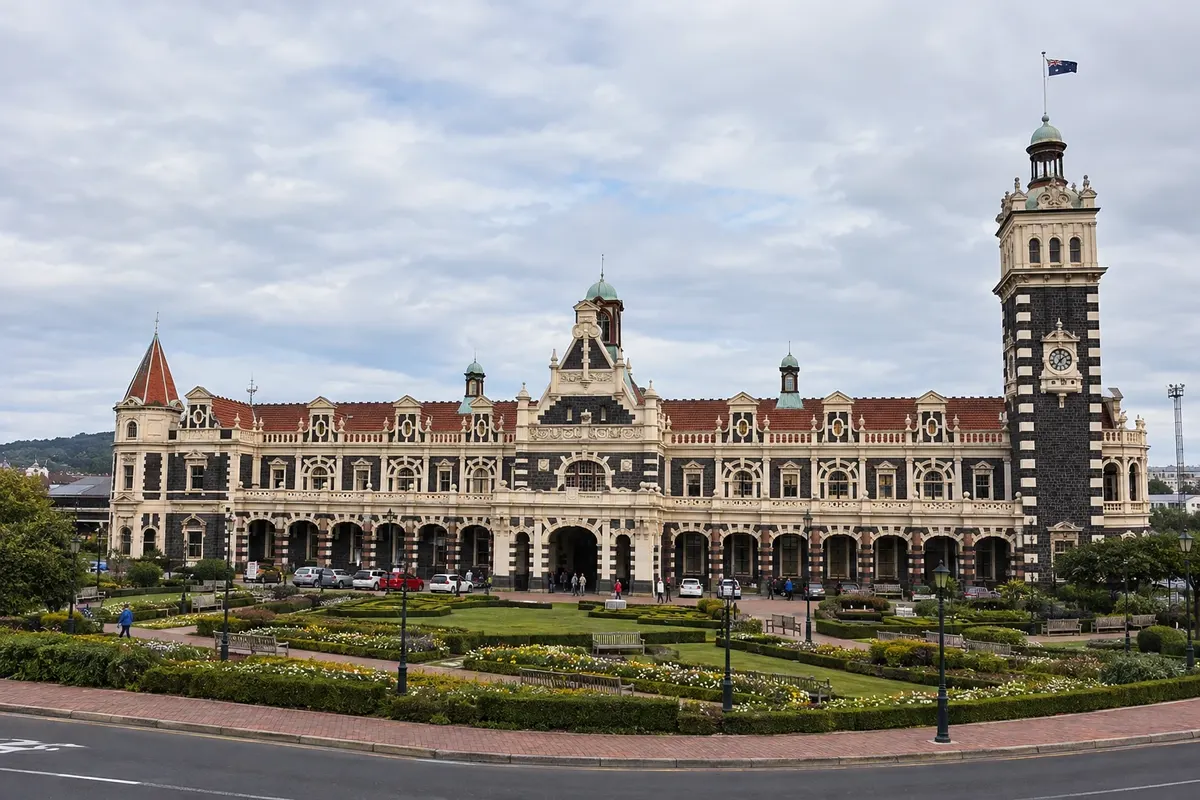
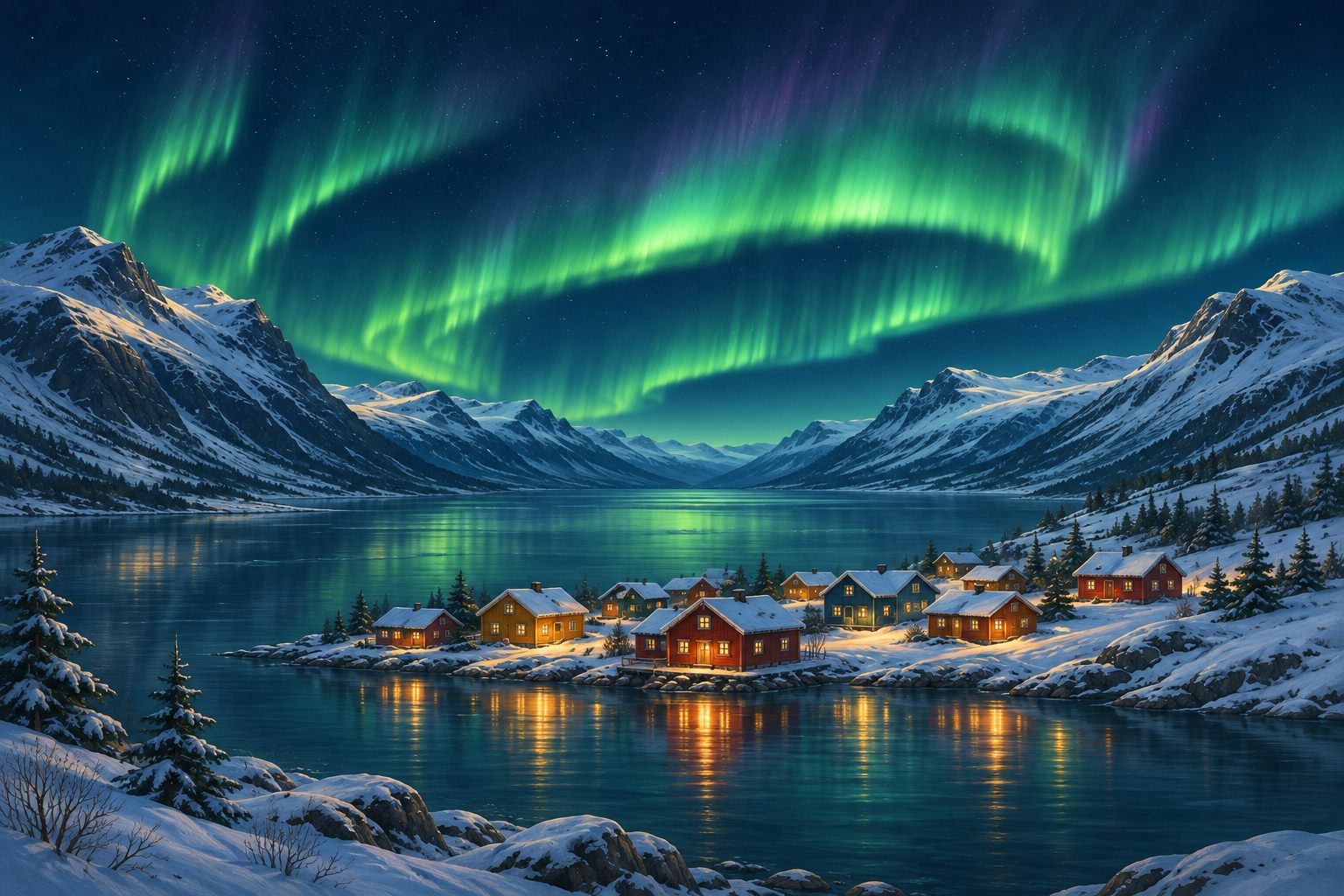
Illustrative images. The pictures in this guide are illustrations based on the real place, not photographs, and may differ from it.

Get it on Google Play

Earth and travel

Aurora borealis and australis

How auroras form, why they appear in a ring around the poles, and in which destinations, at what times of year, and with what strength you can see each one.

Share: WhatsApp

Where the aurora appears

Now: Kp 2.7 (moderate, the most common)

measured at 21:00 UTC on November 5

  • Fri, Nov 6: up to Kp 5
  • Sat, Nov 7: up to Kp 4

NOAA forecast, updated every 3 hours. It is not a guarantee: the aurora also needs clear skies and a dark night.

OverheadOn the horizonNot visible

The ring surrounds the magnetic pole, which is not the map's pole: that's why the aurora reaches farther south in Canada than in Russia.

    Magnetic pole: IGRF-14 model (2025). Storm strength by NOAA's Kp index (US Space Weather Prediction Center): the current Kp and the forecast for the coming days are read from NOAA every 3 hours. Map: Natural Earth.

    What an aurora is

    The aurora appears when particles from the Sun strike the air near the poles.
    The aurora appears when particles from the Sun strike the air near the poles.

    The Sun constantly emits a stream of charged particles, the solar wind. Earth’s magnetic field deflects most of them, but some are funneled toward the polar regions. There, at about 100 to 300 kilometers altitude, these particles collide with the atmospheric gases and make them glow: that is an aurora.

    The color depends on the gas and the altitude. Green, the most common, comes from oxygen at roughly 100 to 200 kilometers; red comes from oxygen at higher altitudes; and purple and blue tones come from nitrogen. In the north it is called aurora borealis, and in the south, aurora australis.
    The ring around the poles

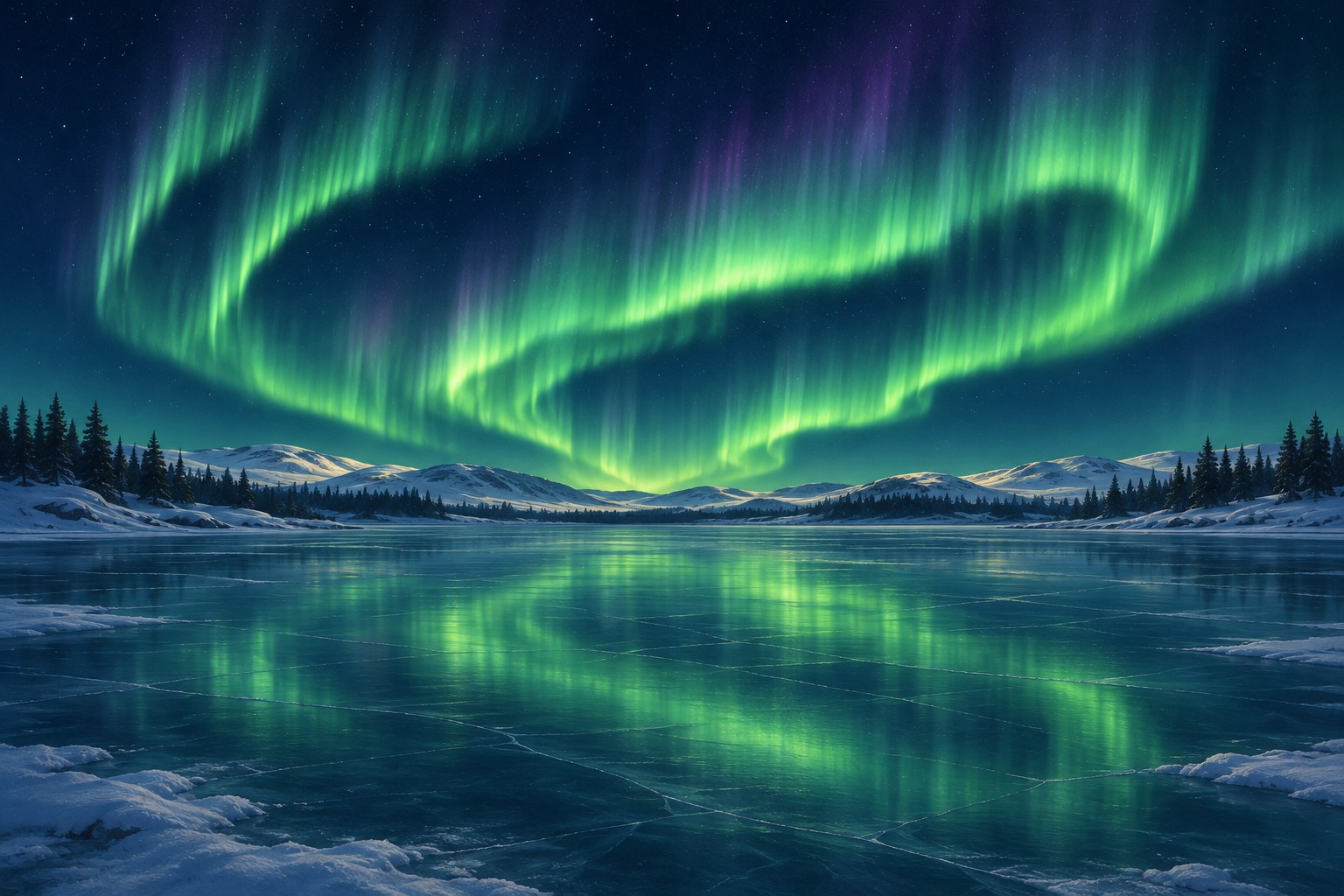
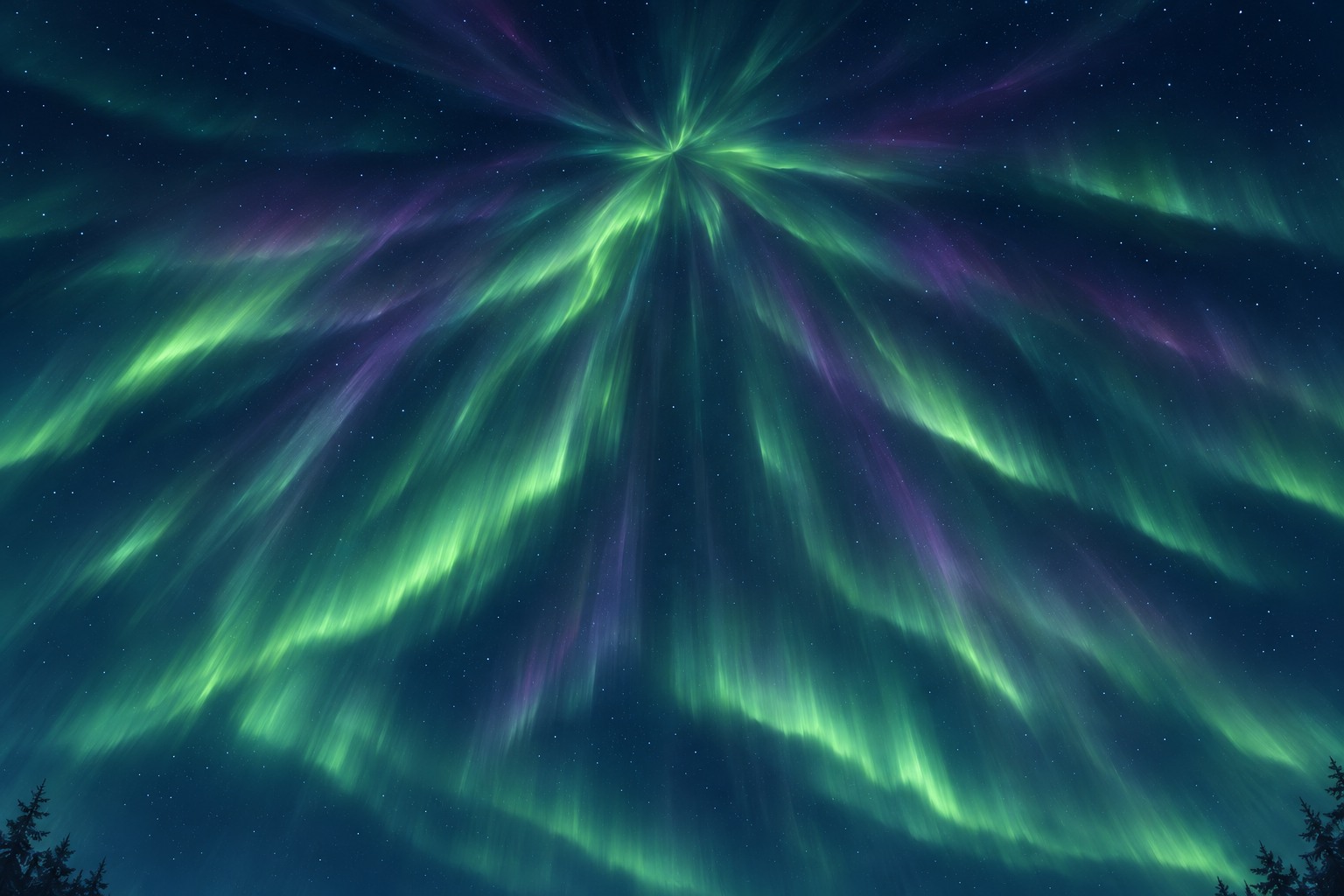
    When the halo of the aurora sits directly over the observer, the rays seem to emanate from a point high in the sky.
    When the halo of the aurora sits directly over the observer, the rays seem to emanate from a point high in the sky.

    The aurora appears in a ring around each magnetic pole, the auroral oval, which usually lies between about 65 and 70 degrees magnetic latitude. The magnetic pole is not the same as the map pole: in the north it is over Canada, so the aurora reaches farther south in North America than in Europe and Asia.

    Activity strength is measured by the Kp index, from 0 to 9. On quiet days the oval stays near the poles; during geomagnetic storms it expands toward the equator. In the major May 2024 storm, auroras were seen as far south as Mexico and southern Europe.

    When to see them

    The long, dark nights of winter are the best time to see the aurora.
    The long, dark nights of winter are the best time to see the aurora.

    You need dark skies. In the north the season runs from September to March: in summer, the midnight sun prevents true darkness. In the south the best period is March to September. Near the equinoxes, in March and September, activity tends to be higher.

    On a good night the prime hours are between 9 p.m. and 2 a.m. You also need clear skies and, preferably, little moonlight. An aurora can last minutes or hours, and sometimes appears and disappears several times in the same night.

    The solar cycle

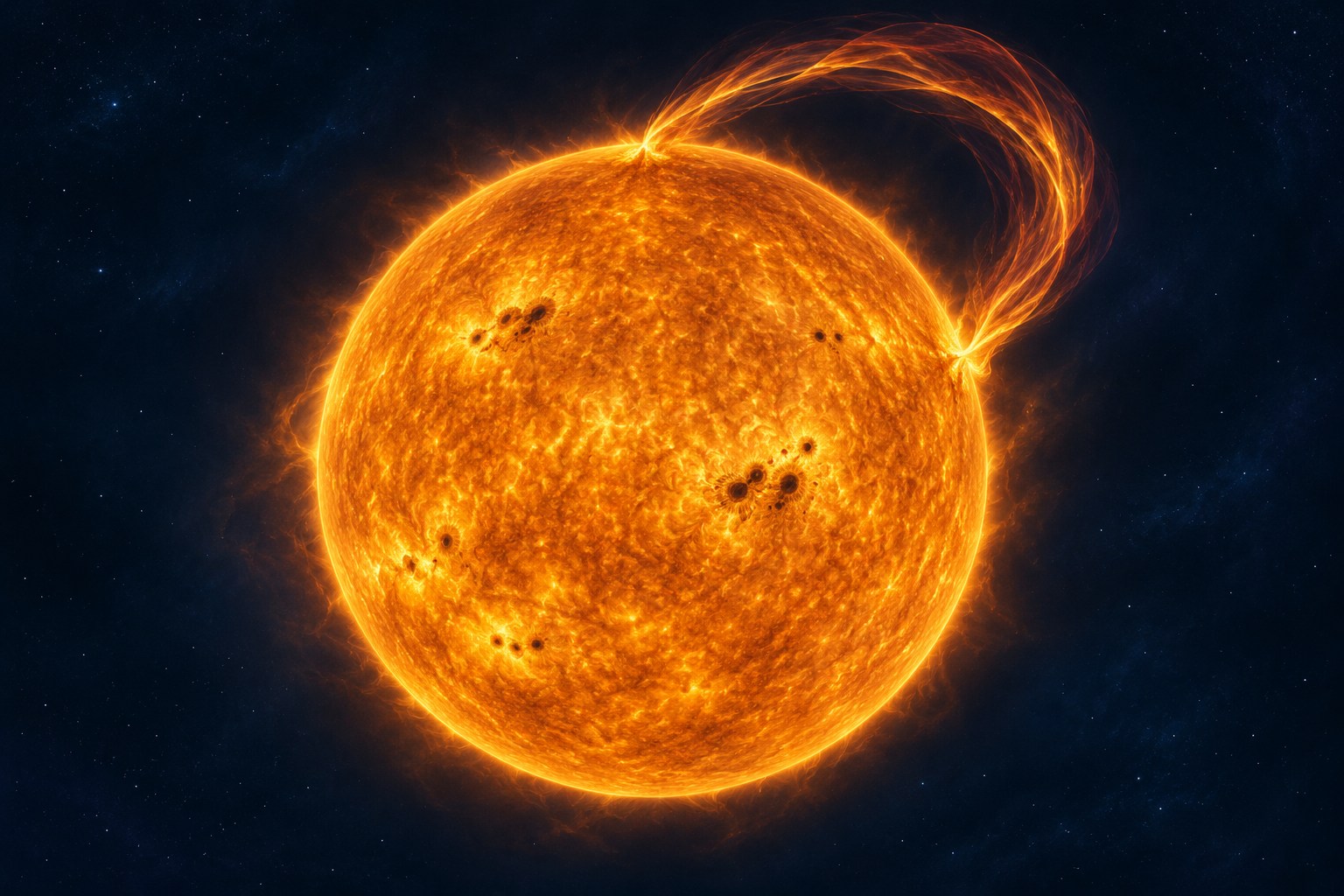
    The Sun goes through cycles of about 11 years, with more or fewer sunspots.
    The Sun goes through cycles of about 11 years, with more or fewer sunspots.

    The Sun has an approximately 11-year cycle, with quieter phases and more active phases featuring more sunspots and eruptions. The peak of the current cycle was around 2024–2025, and the following years often still bring strong storms and good auroras.

    Even in quiet years, at destinations that lie under the oval, like Tromsø or Yellowknife, auroras appear on a good share of dark, clear nights during the season.

    The aurora australis

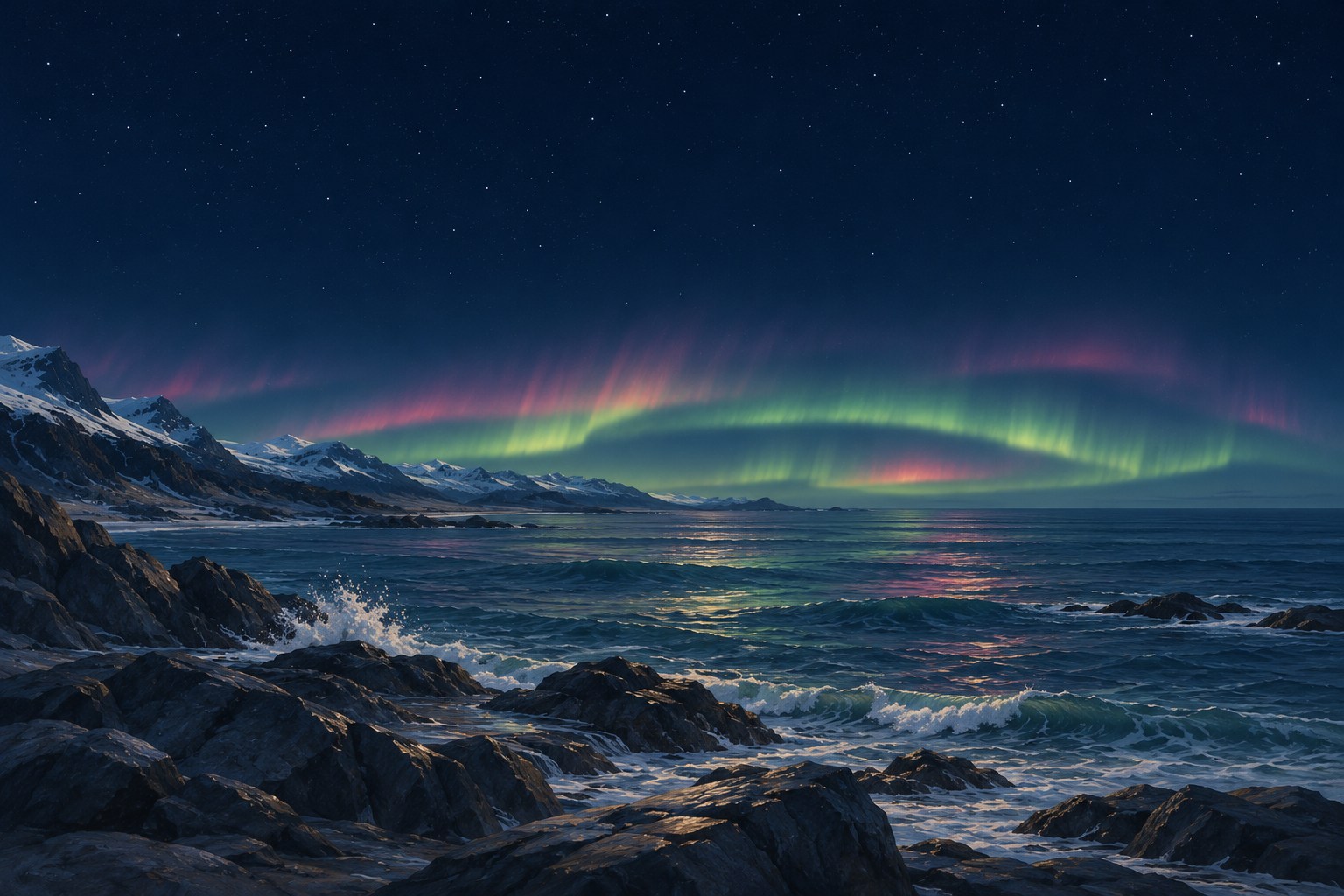
    In the Southern Hemisphere, the southern aurora appears on the horizon facing south.
    In the Southern Hemisphere, the southern aurora appears on the horizon facing south.

    In the southern hemisphere the oval lies mostly over Antarctica and the ocean, with little land beneath it. The most visited places are Tasmania in Australia, and the south of New Zealand’s South Island, such as Tekapo, Queenstown and Dunedin, which can see the aurora australis on the southern horizon during stormy nights.

    In South America, despite its proximity to Antarctica, Ushuaia rarely sees auroras: the southern magnetic pole is on the opposite side, near Australia, which places Patagonia far from the oval.

    Tips for seeing the aurora on a trip

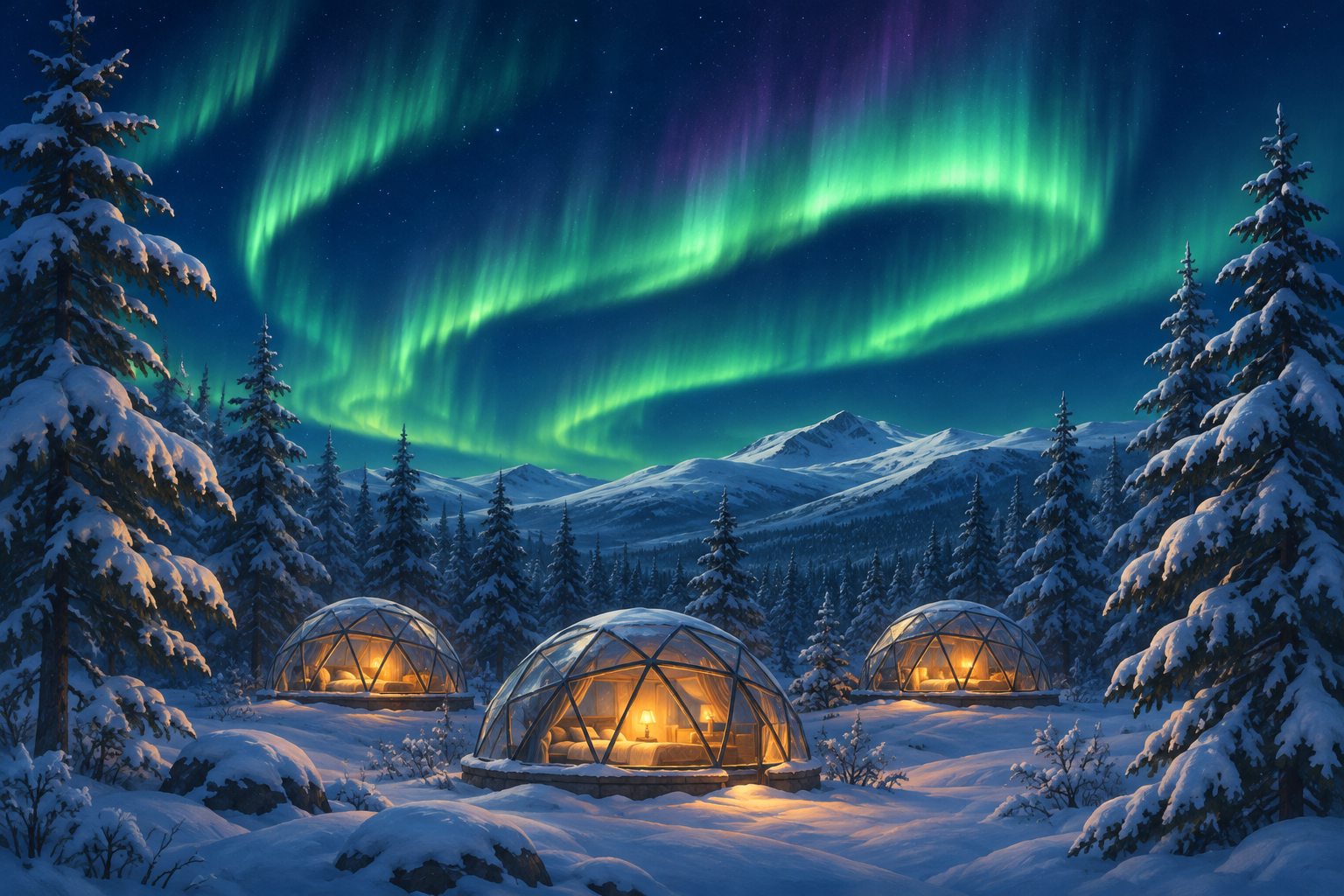
    Clear skies and being away from city lights: the first tips for seeing the aurora.
    Clear skies and being away from city lights: the first tips for seeing the aurora.

    Stay at least three or four nights to increase your chances of catching a clear sky. Get away from city lights, let your eyes adjust to the dark, and follow Kp index forecasts from NOAA, the U.S. space weather service, which are published for the coming days.

    Abisko, in Sweden, is famous for clear skies; Tromsø has easy flights and aurora-chasing tours; Yellowknife in Canada sees auroras on a large share of winter nights; and in Iceland you can often see auroras not far from Reykjavík. Pack clothing for extreme cold: many nights fall below −10 °C.

    A phone camera often sees the aurora better than the eye: in night mode, with the device supported, the green shows up stronger than it does to the naked eye.

    No destination guarantees the aurora. It depends on the Sun's activity, clear skies and a dark night, and it may not appear even in season and at the best places. Aurora-hunting tours follow the forecast, but they cannot guarantee it either.

    Where to see it on your trip

    Places in the guide related to this topic.

    Northern lights in northern Europe

    Tromsø
    Norway

    Tromsø

    Lofoten
    Norway

    Lofoten

    Nordkapp
    Honningsvåg, Norway

    Nordkapp

    Abisko
    Sweden

    Abisko

    Aurora boreal em Tromsø
    Tromsø, Norway

    Aurora boreal em Tromsø

    Aurora boreal em Abisko
    Abisko, Sweden

    Aurora boreal em Abisko

    Aurora boreal em Rovaniemi
    Rovaniemi, Finland

    Aurora boreal em Rovaniemi

    Aurora Sky Station
    Abisko, Sweden

    Aurora Sky Station

    Kiruna
    Sweden

    Kiruna

    Rovaniemi
    Finland

    Rovaniemi

    Reykjavík
    Iceland

    Reykjavík

    Akureyri
    Iceland

    Akureyri

    Northern lights in North America

    Yellowknife
    Canada

    Yellowknife

    Whitehorse
    Canada

    Whitehorse

    Churchill
    Canada

    Churchill

    Anchorage
    the United States

    Anchorage

    Aurora boreal em Yellowknife
    Yellowknife, Canada

    Aurora boreal em Yellowknife

    Aurora boreal em Fairbanks
    Fairbanks, the United States

    Aurora boreal em Fairbanks

    Southern lights

    Hobart
    Australia

    Hobart

    Tasmânia
    Australia

    Tasmânia

    Queenstown
    New Zealand

    Queenstown

    Tekapo
    New Zealand

    Tekapo

    Dunedin
    New Zealand

    Dunedin

    Frequently asked questions

    What causes the aurora borealis?

    Particles from the solar wind, guided by Earth’s magnetic field to the polar regions, collide with atmospheric gases at 100 to 300 kilometers altitude and make them glow.

    What is the difference between aurora borealis and australis?

    They are the same phenomenon: the borealis occurs around the North Pole, and the australis around the South Pole.

    What is the best time to see the aurora borealis?

    From September to March, when nights are dark in the north. Activity tends to be higher near the equinoxes, in March and September.

    Where to see the aurora borealis?

    Under the auroral oval: northern Norway, Sweden and Finland, Iceland, northern Canada and Alaska. Tromsø, Abisko, Rovaniemi and Yellowknife are among the best-known destinations.

    Can you see the aurora from Brazil?

    It is extremely rare. Brazil is very far from the magnetic poles, and only extreme storms would push the glow, low on the horizon, as far as the far south of the country.

    What is the Kp index?

    It’s a scale from 0 to 9 that measures disturbance of Earth’s magnetic field. The higher the Kp, the farther from the poles the aurora appears.

    What time does the aurora appear?

    Generally between 9 p.m. and 2 a.m., but it can arise at any time during the dark night, lasting minutes or hours.

    Where to see the aurora australis?

    In Tasmania, Australia, and the south of New Zealand, such as Tekapo, Queenstown and Dunedin, from March to September, on nights of geomagnetic storms.

    Back to Abisko