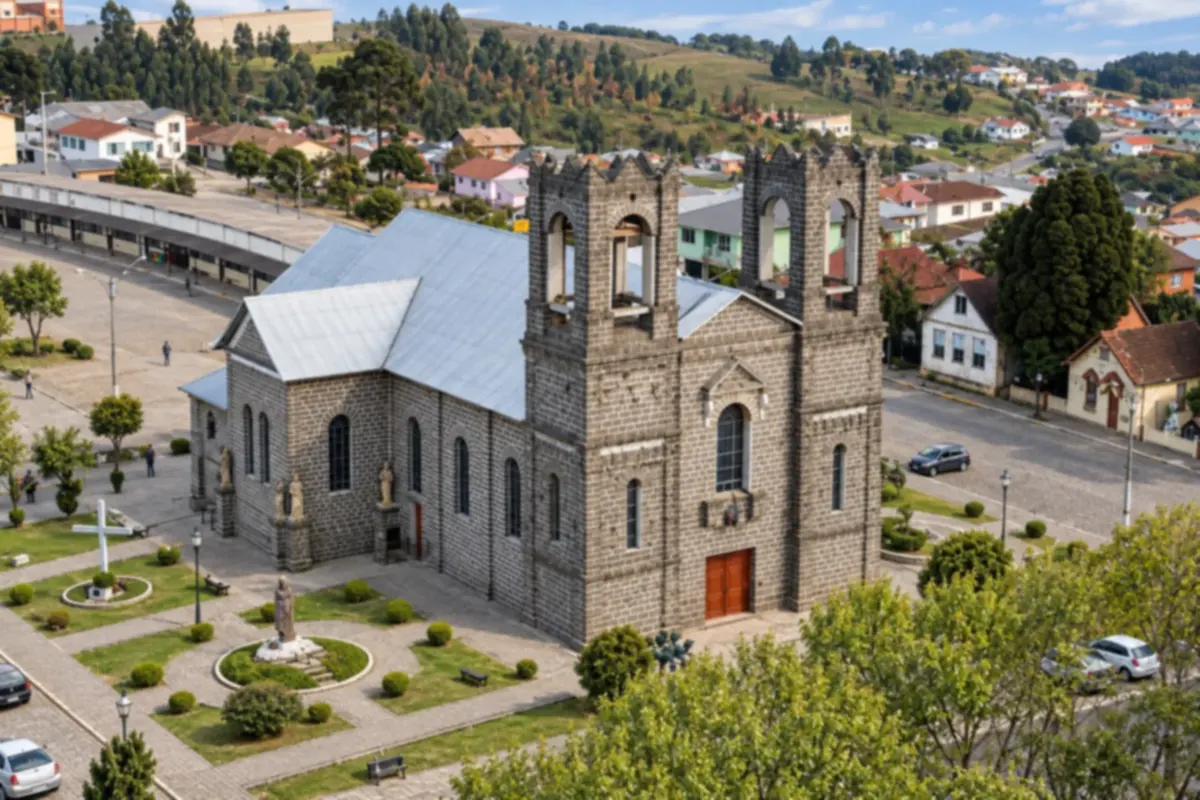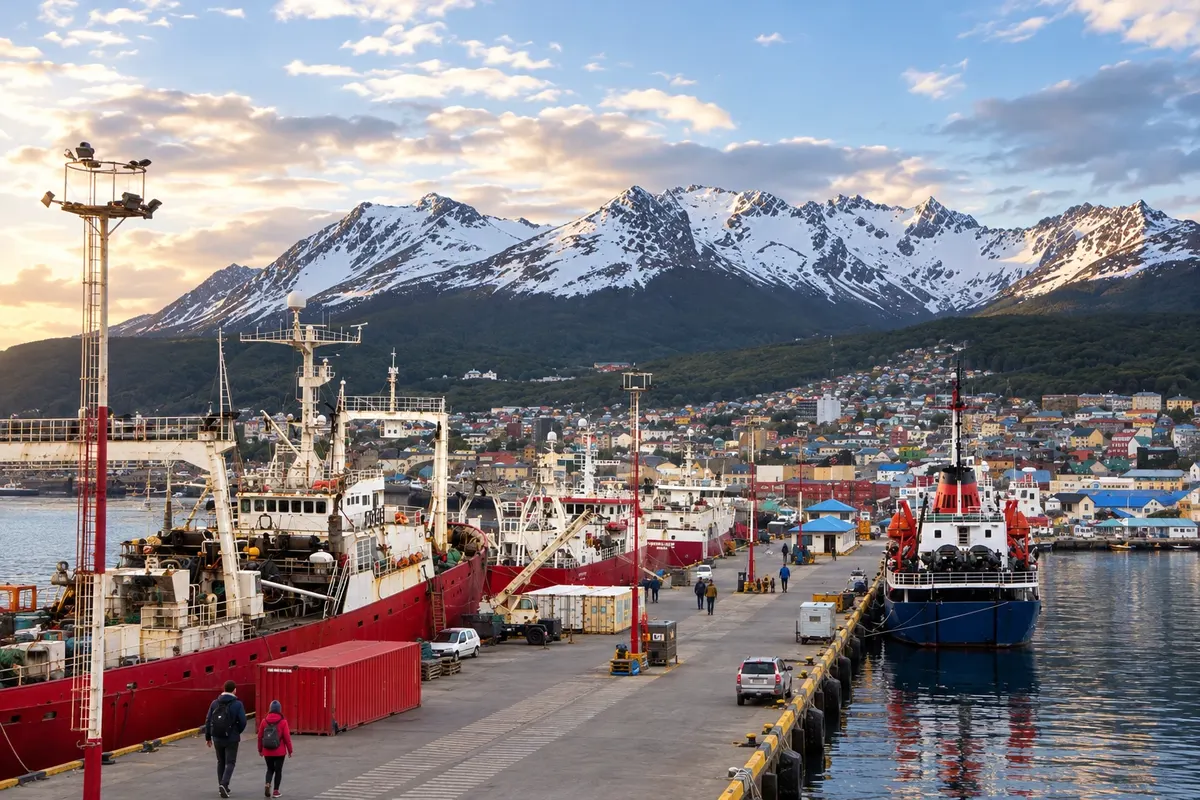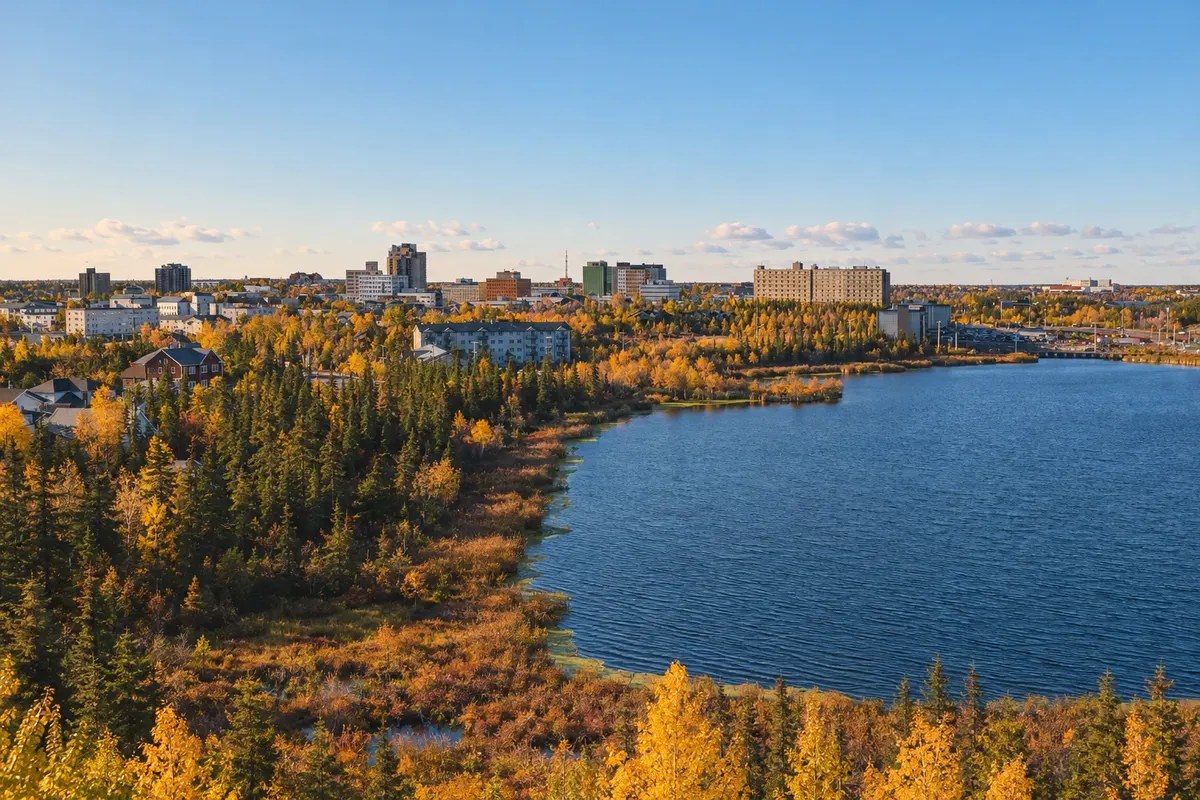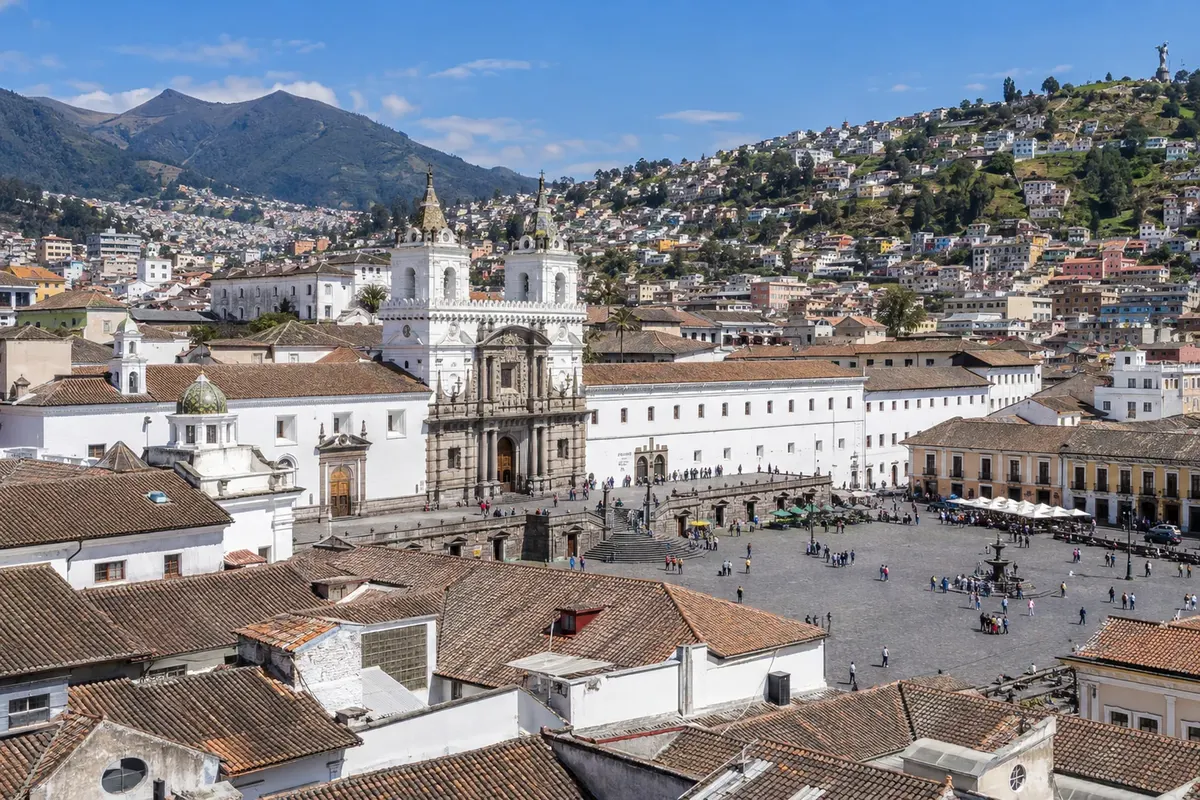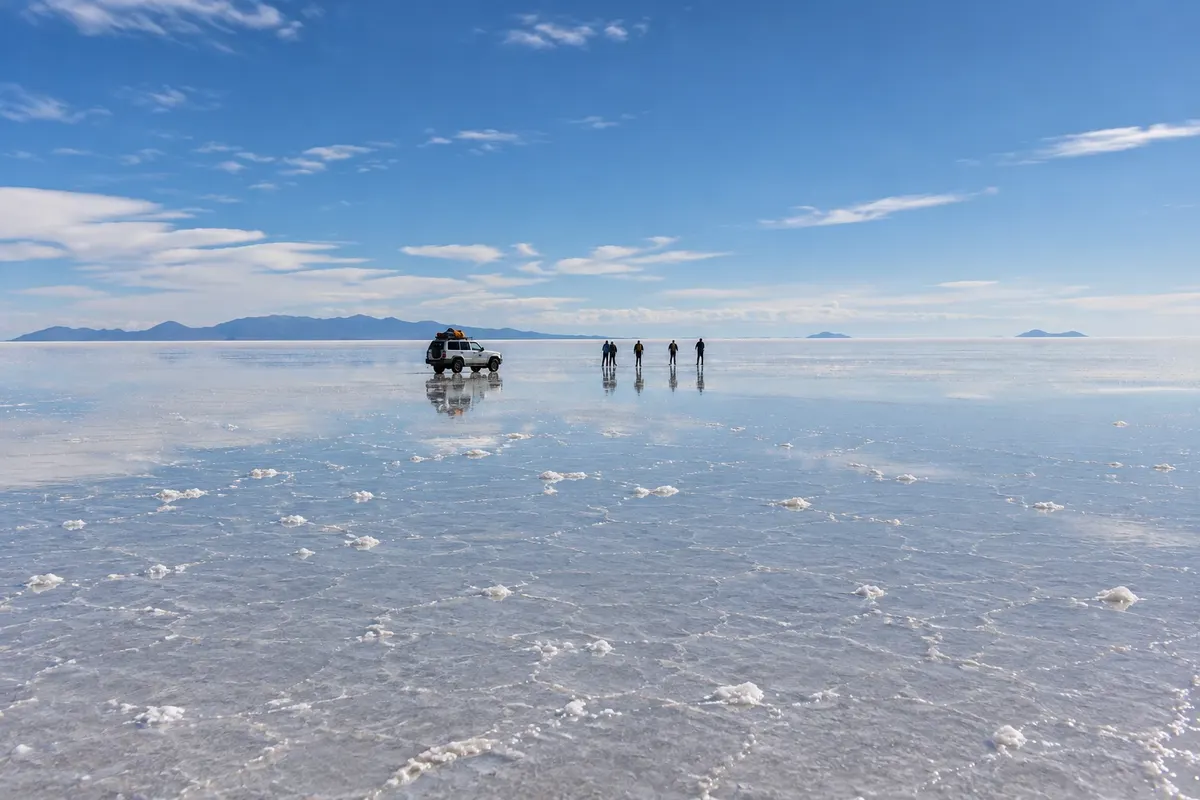




Illustrative images. The pictures in this guide are illustrations based on the real place, not photographs, and may differ from it.

Get it on Google Play

Earth and travel

The extremes of the Earth

The hottest, coldest, driest, wettest, highest and deepest places on the planet, with Brazil’s records and the destinations where you can experience each extreme.

Share: WhatsApp

Tap a point on the map. Points with a white border are Brazil's records.

From the coldest cold to the hottest heat

Between the air's cold and heat records there are almost 146 degrees: more than between freezing and boiling water.

Records: World Meteorological Organization (weather and climate extremes archive), NOAA, INMET and IBGE. Map: Natural Earth.

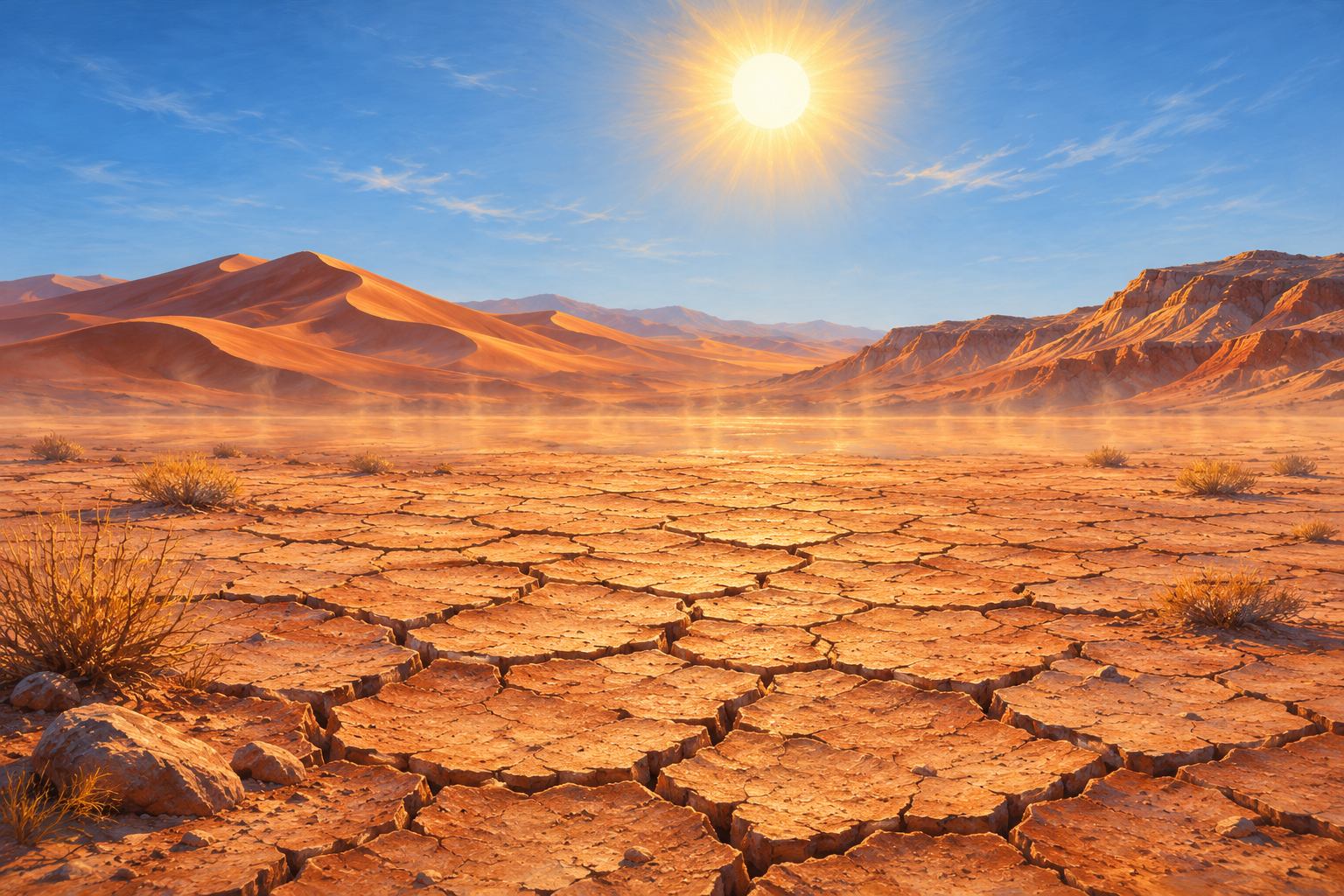
The hottest place

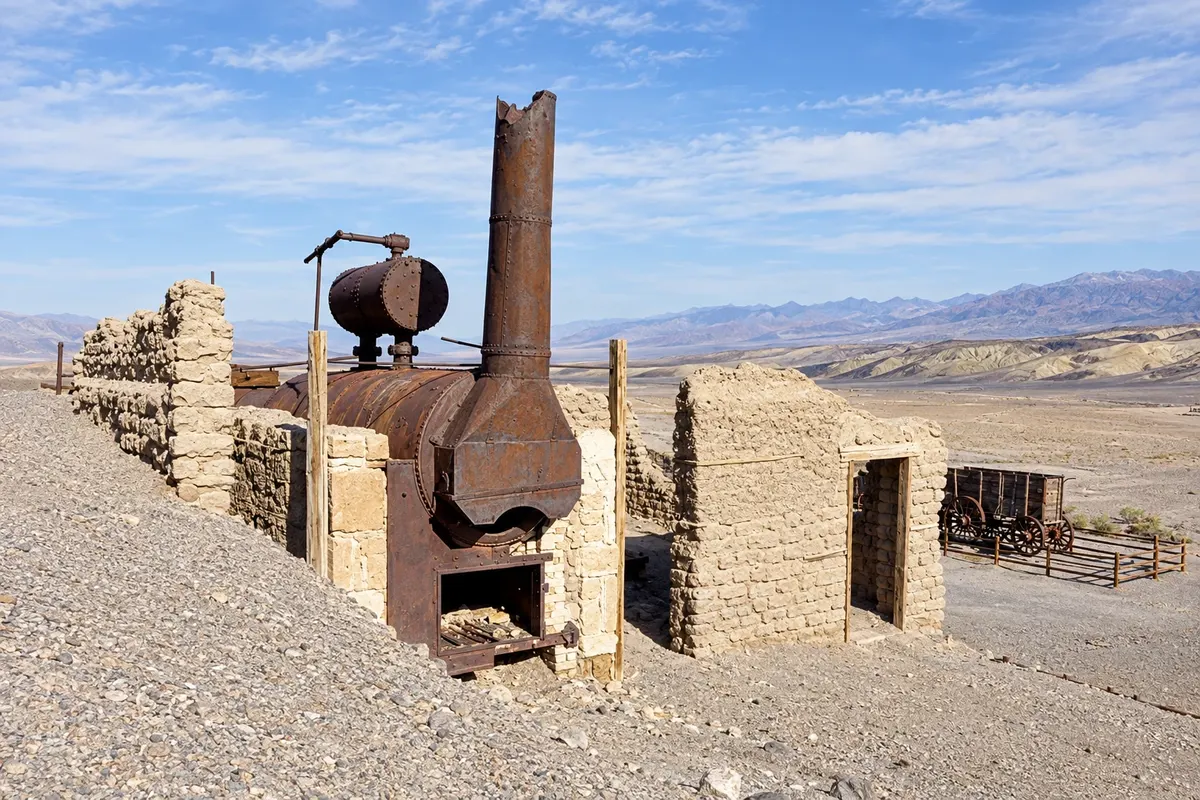
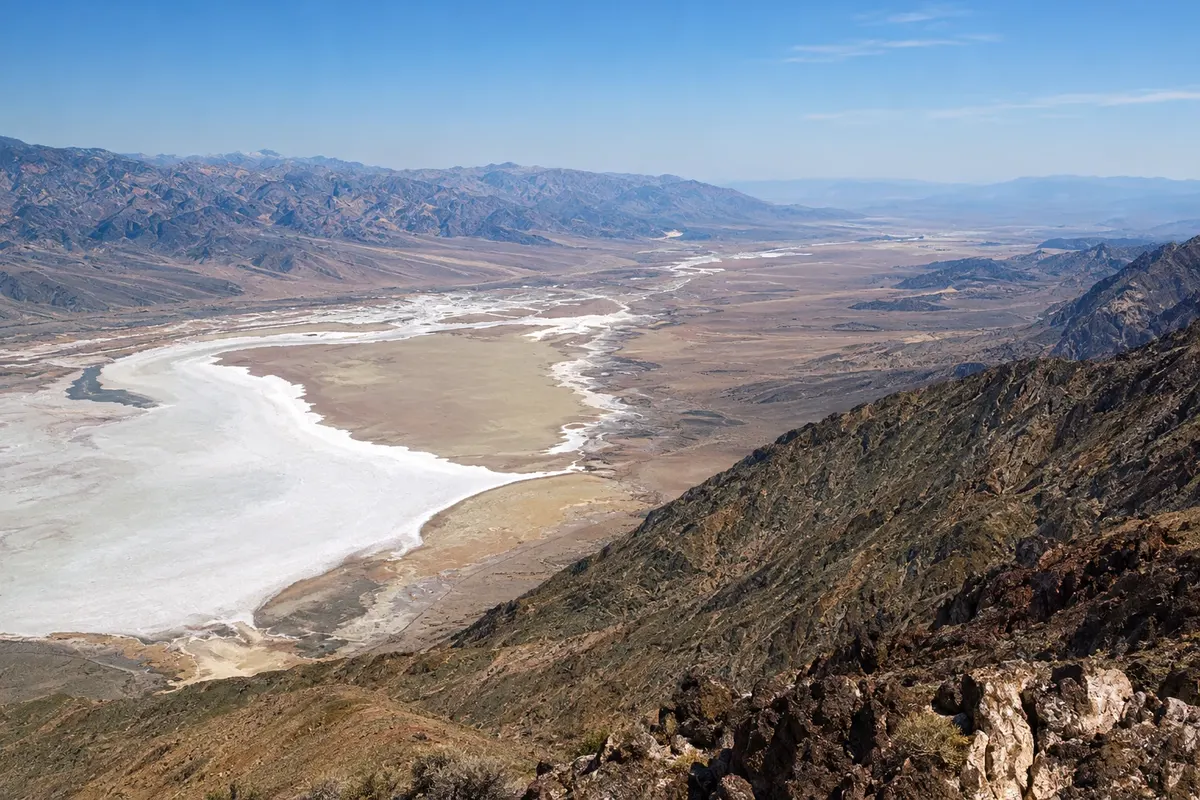
Death Valley, in the United States, holds the heat record: 56.7 °C in 1913.

The official air temperature record is 56.7 °C, at Furnace Creek in Death Valley, United States, on July 10, 1913. Many experts question that old measurement, and the 54.4 °C recorded at the same location in 2020 and 2021 are considered the highest reliable temperatures measured with modern instruments.

On the ground, the heat is even greater: satellites have measured more than 70 °C on the surface of the Lut Desert in Iran. And the hottest permanently inhabited place on average is Dallol, Ethiopia, where the annual average temperature has reached about 35 °C.
The coldest place

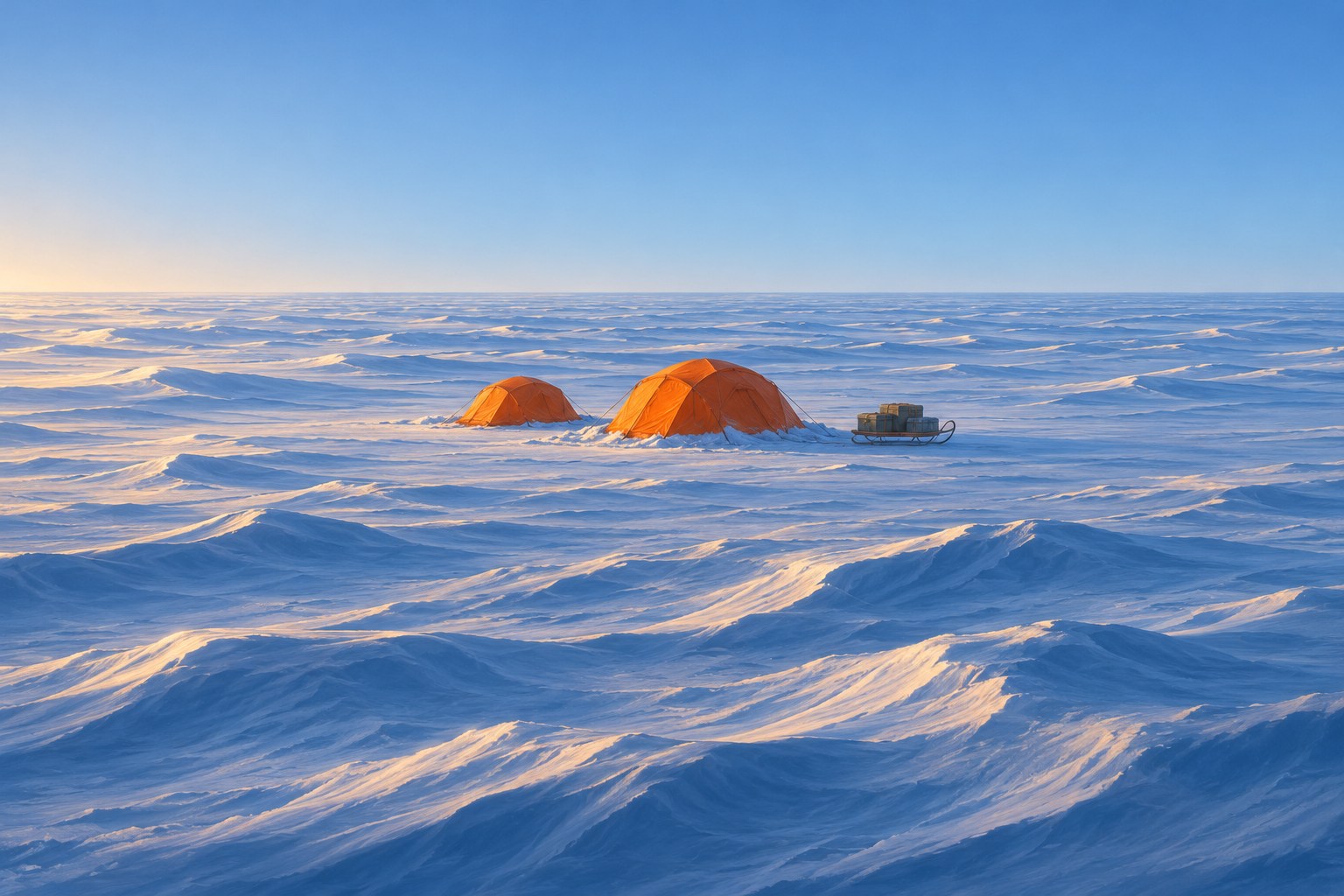
At Vostok Station in Antarctica, the thermometer registered −89.2 °C in 1983.

The lowest air temperature recorded by a thermometer was −89.2 °C at Vostok Station, on the Antarctic ice sheet, on July 21, 1983. Satellites have detected even colder spots on the Antarctic plateau, near −94 °C.

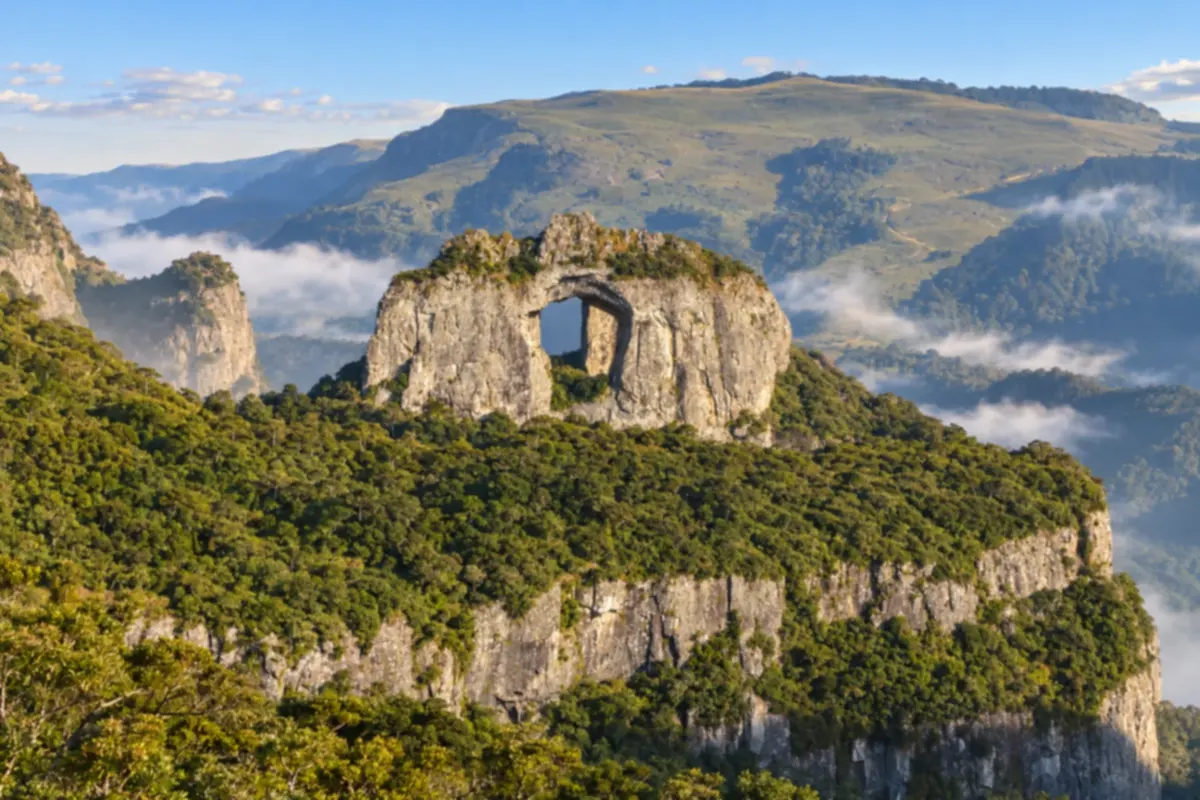
Among places where people live, the coldest are in Siberia: Oymyakon, Russia, recorded −67.7 °C in 1933. In Brazil, the coldest nights occur in the Serra Catarinense, in Urubici and São Joaquim, where frost is common in winter and it sometimes snows.

The driest and the wettest

From the driest desert to the rainiest mountains, the climate changes with the terrain and the wind.

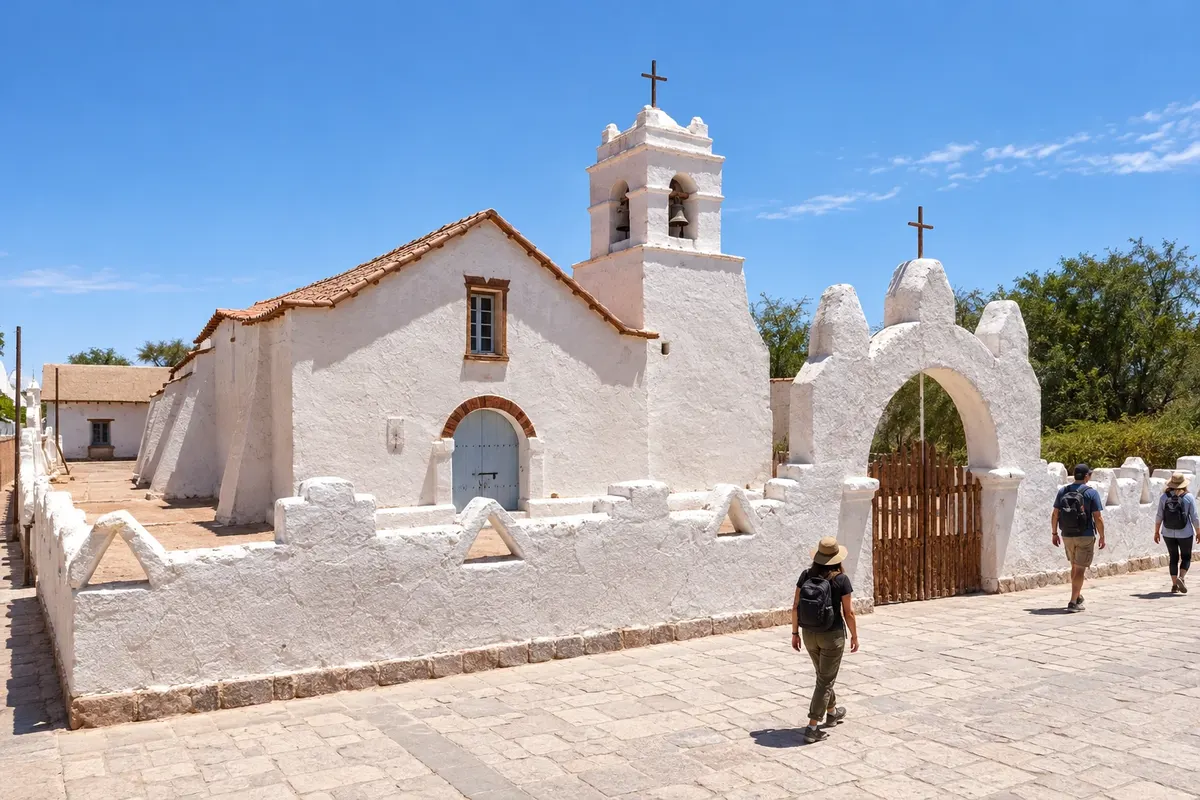
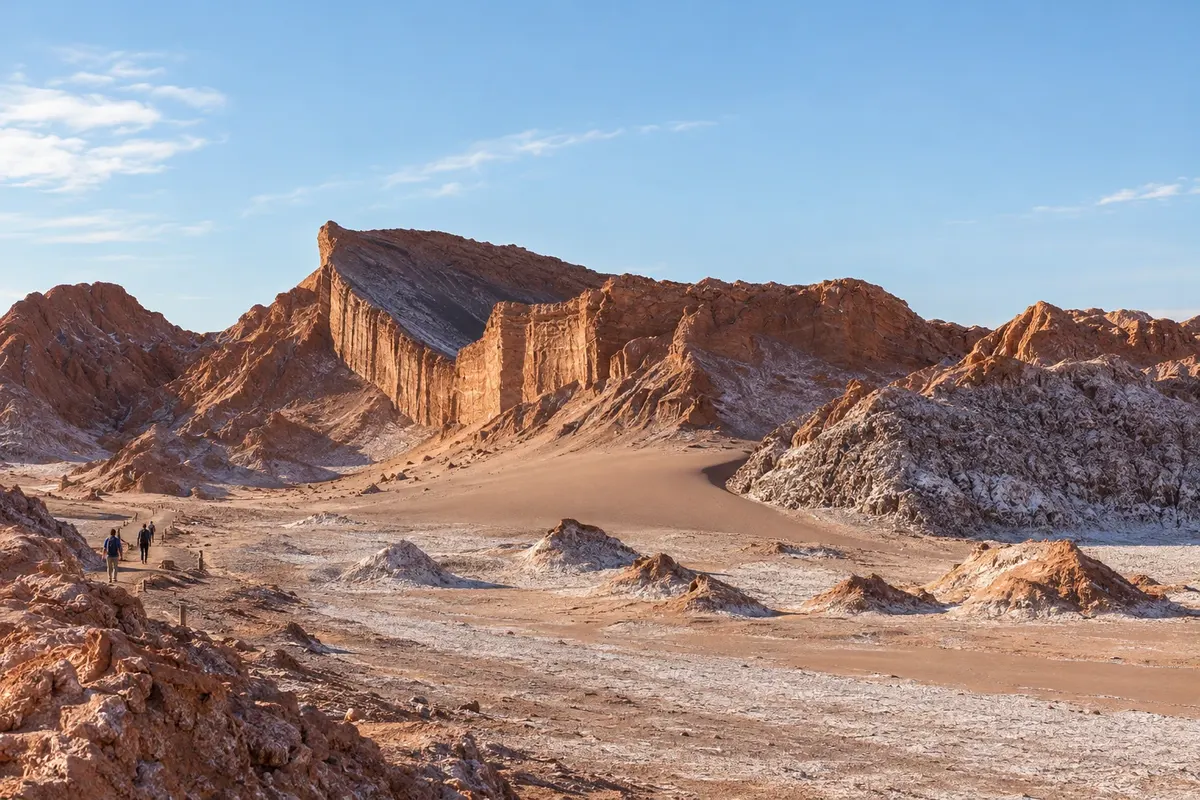
The Atacama Desert in Chile is the driest desert outside the polar regions: in Arica, the average is less than 1 millimeter of rain per year. The almost always clear skies are why so many observatories are located in the region. In Brazil, the city with the least rainfall is Cabaceiras, in the Cariri of Paraíba, with about 330 millimeters per year.

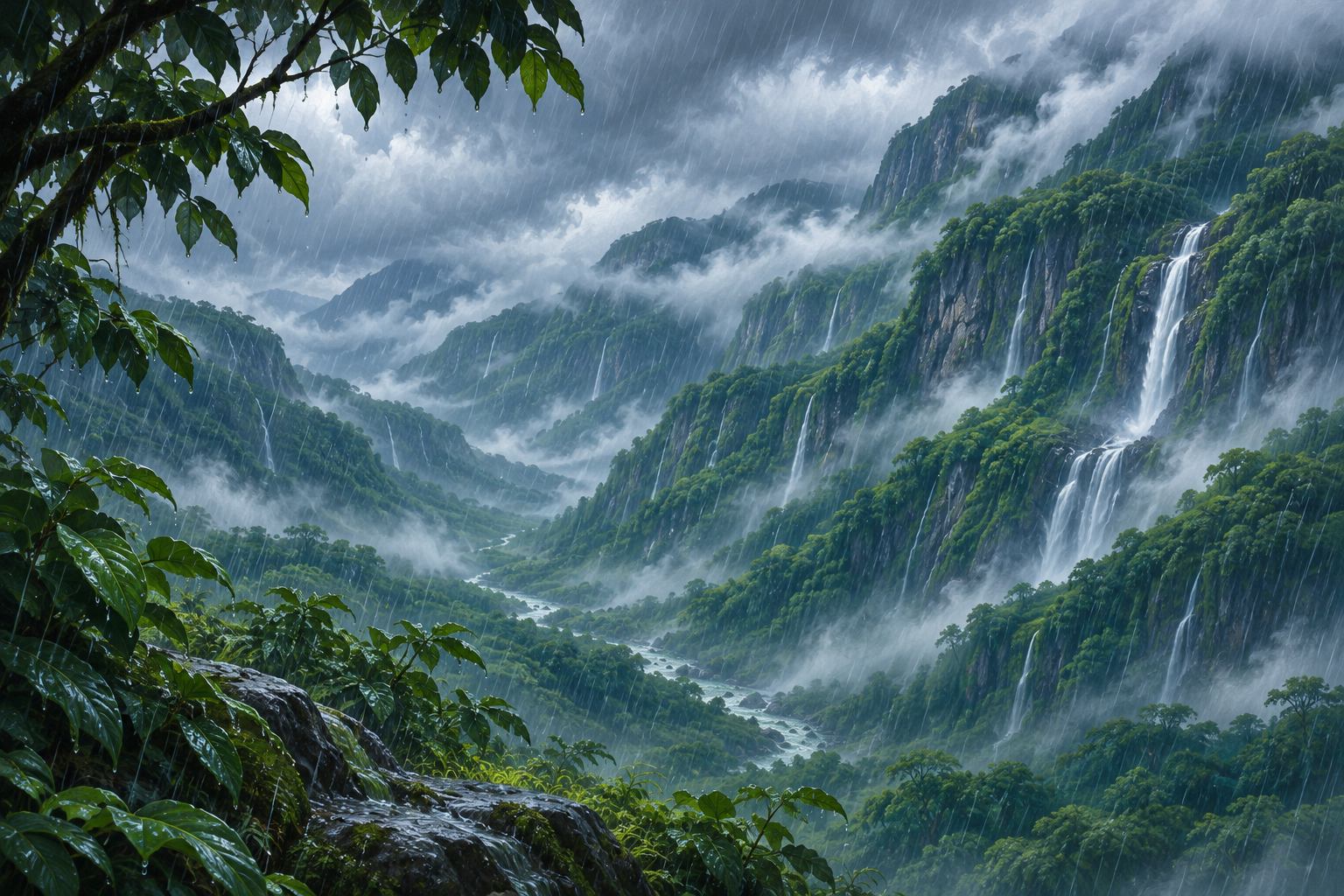
At the other extreme, Mawsynram, in the mountains of northeastern India, receives on average about 11,800 millimeters of rain per year, brought by the monsoons. Neighboring Cherrapunji holds the record for a single year: 26,461 millimeters between 1860 and 1861. The record for a single day is Réunion Island, with 1,825 millimeters in 24 hours, in 1966.

The highest and the deepest

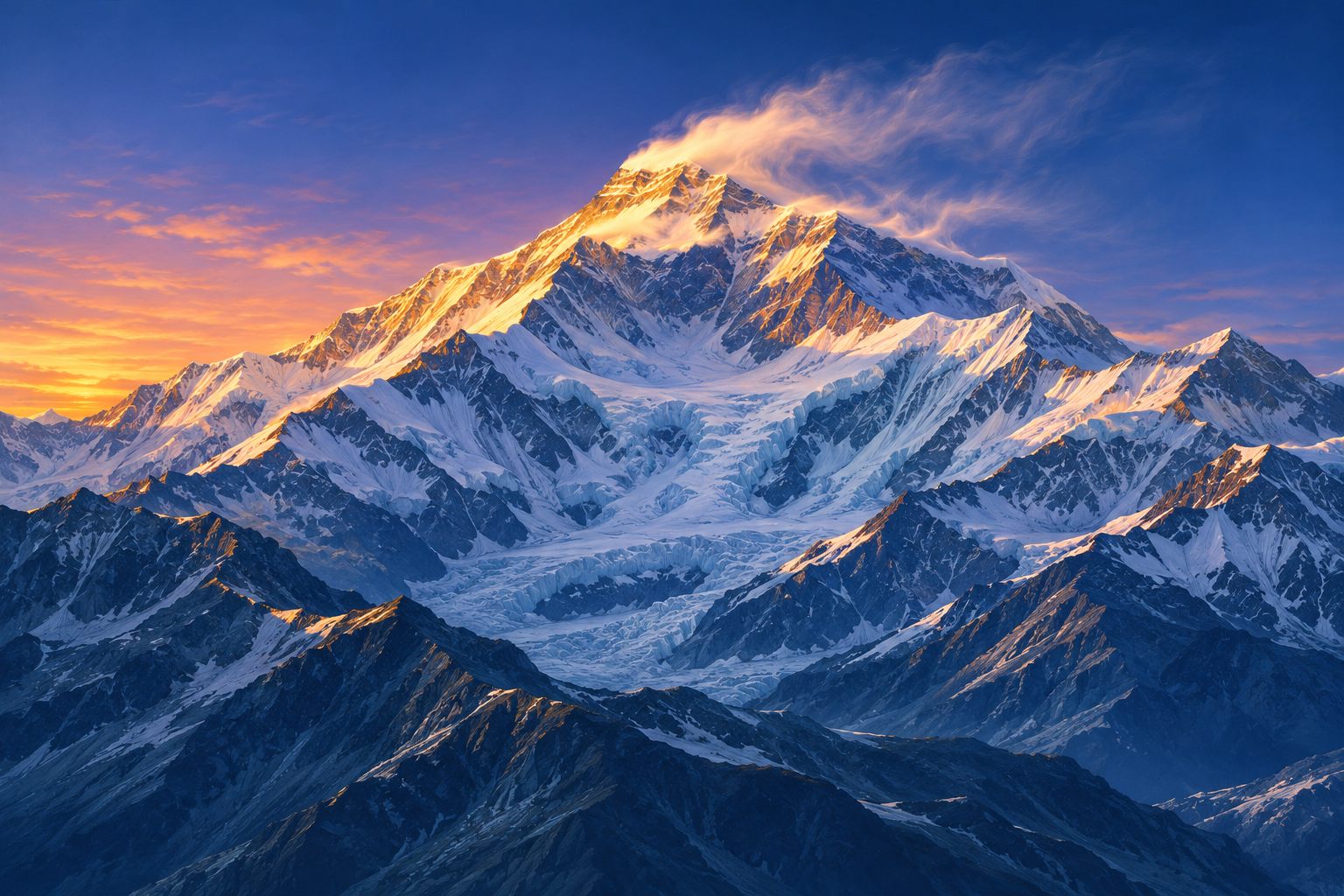
Between the summit of Everest and the bottom of the Mariana Trench there are almost 20 kilometers.

Mount Everest, on the border between Nepal and China, is 8,849 meters, the greatest height above sea level. But because the Earth bulges slightly at the equator, the summit of Chimborazo in Ecuador, at 6,263 meters, is the surface point farthest from the planet’s center.

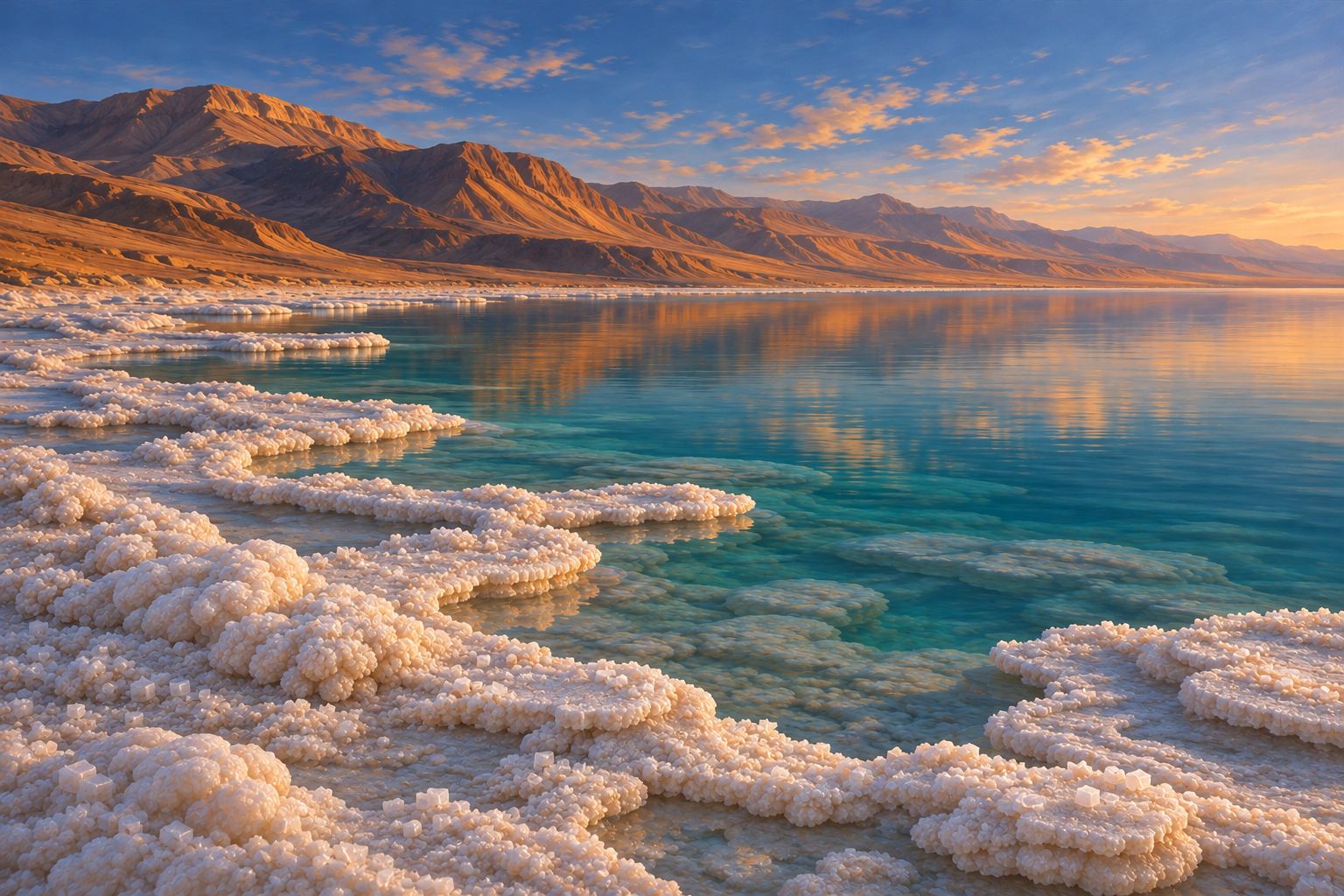
The deepest point in the oceans is the Challenger Deep in the Mariana Trench in the Pacific, at about 10,935 meters. On land, the lowest point is the shore of the Dead Sea, between Israel and Jordan, at about 430 meters below sea level. In Brazil, the highest point is Pico da Neblina in Amazonas, at 2,995 meters.

The strongest wind and other records

The strongest wind gust measured outside a tornado was 408 km/h on Barrow Island, Australia, during Cyclone Olivia in 1996. Brazil’s heat record is 44.8 °C, in Araçuaí, in the Jequitinhonha Valley, Minas Gerais, in November 2023.

Records are verified by the World Meteorological Organization, which maintains an official archive of weather and climate extremes and sometimes cancels old records when measurement errors are found.

Extremes in travel

At the Dead Sea, the water is so salty that a person floats effortlessly.

Many of these places can be visited, with caution. Death Valley is near Las Vegas and is best visited in winter: in summer, the heat is dangerous even for people who only step out of the car. In the Atacama, the altitude and dry air require plenty of water and sunscreen.

To feel real cold without leaving Brazil, the Serra Catarinense is the choice in winter, from June to August. And for extremes of light and darkness, the auroras and the midnight sun of northern Europe are on other pages in this series.

Where to see it on your trip

Places in the guide related to this topic.

Heat and desert

Furnace Creek
the United States

Furnace Creek

Las Vegas e o Vale da Morte
the United States

Las Vegas e o Vale da Morte

San Pedro de Atacama
Chile

San Pedro de Atacama

Deserto do Atacama
Chile

Deserto do Atacama

Cold, frost and snow

Urubici
Brazil

Urubici

São Joaquim
Brazil

São Joaquim

Ushuaia
Argentina

Ushuaia

Rovaniemi
Finland

Rovaniemi

Yellowknife
Canada

Yellowknife

The highest and lowest points

Ecuador
Country

Ecuador

Salar de Uyuni
Bolivia

Salar de Uyuni

Rain and rainforest

Belém
Brazil

Belém

Macapá
Brazil

Macapá

Frequently asked questions

What is the hottest place on Earth?

The official air record is 56.7 °C in Death Valley, United States, in 1913. On the ground surface, satellites have measured more than 70 °C in the Lut Desert, Iran.

What is the coldest place on Earth?

Vostok Station in Antarctica, where a thermometer recorded −89.2 °C in 1983. Among inhabited places, Oymyakon in Siberia has reached −67.7 °C.

What is the driest place in the world?

The Atacama Desert in Chile is the driest outside the polar regions: in Arica it rains on average less than 1 millimeter per year.

Where does it rain the most in the world?

Mawsynram in northeastern India, with about 11,800 millimeters per year on average. Neighboring Cherrapunji holds the single-year record, with more than 26,000 millimeters.

What is the highest point on Earth?

Mount Everest, at 8,849 meters above sea level. Measured from the center of the Earth, the farthest point is the summit of Chimborazo in Ecuador.

What is the deepest point on Earth?

The Challenger Deep in the Mariana Trench in the Pacific Ocean, at about 10,935 meters depth.

What is the highest temperature ever recorded in Brazil?

44.8 °C, in Araçuaí, Minas Gerais, on November 19, 2023, according to INMET stations.

What is the highest point in Brazil?

Pico da Neblina in Amazonas, on the border with Venezuela, at 2,995 meters.