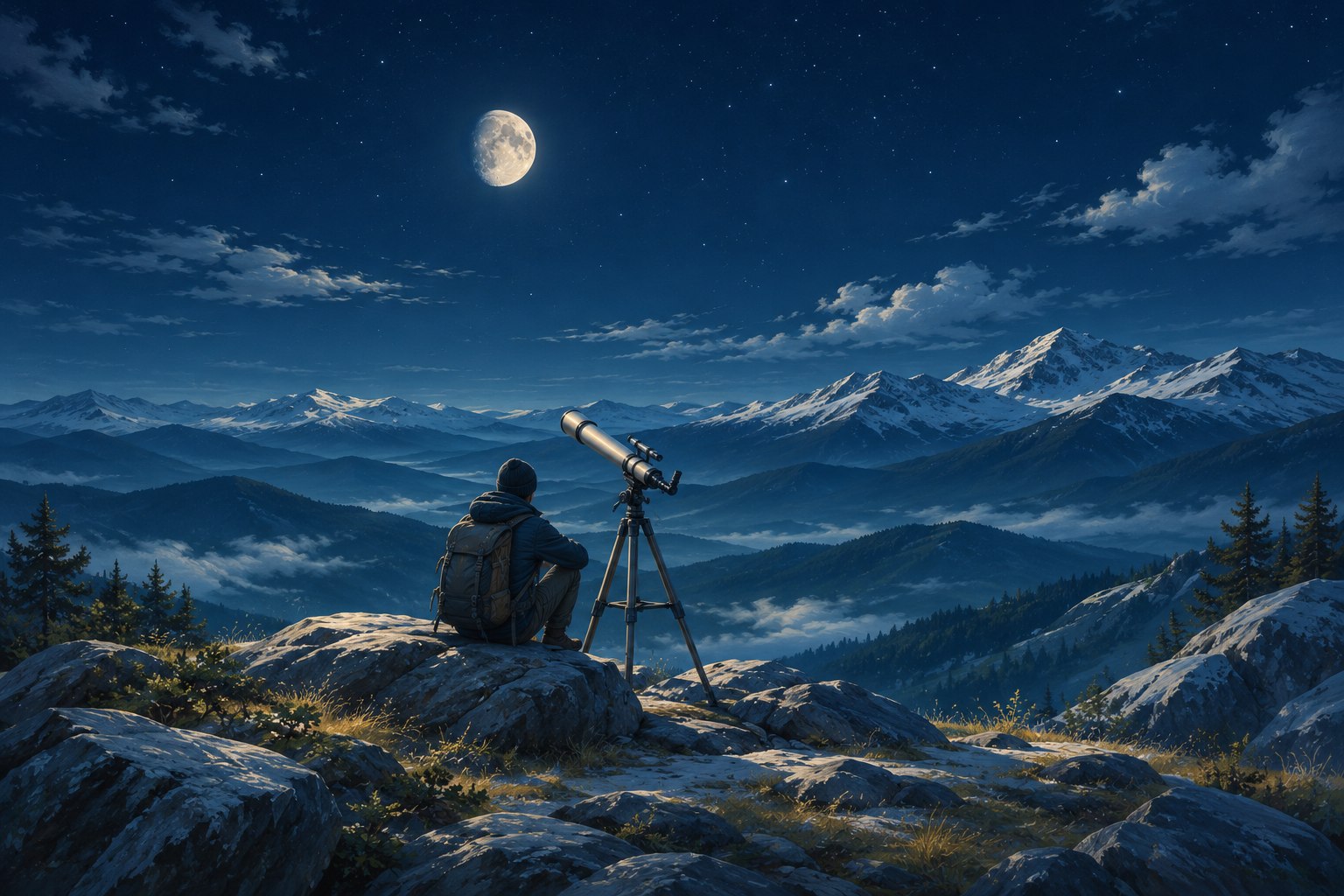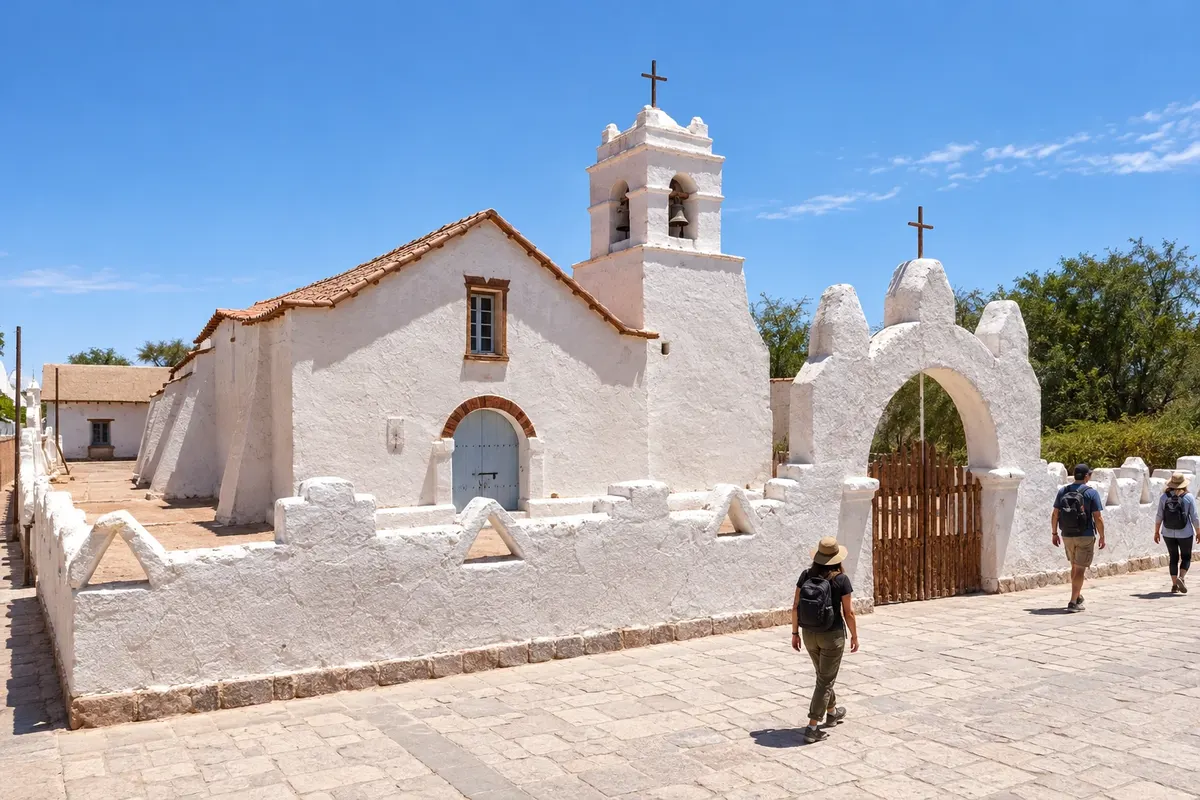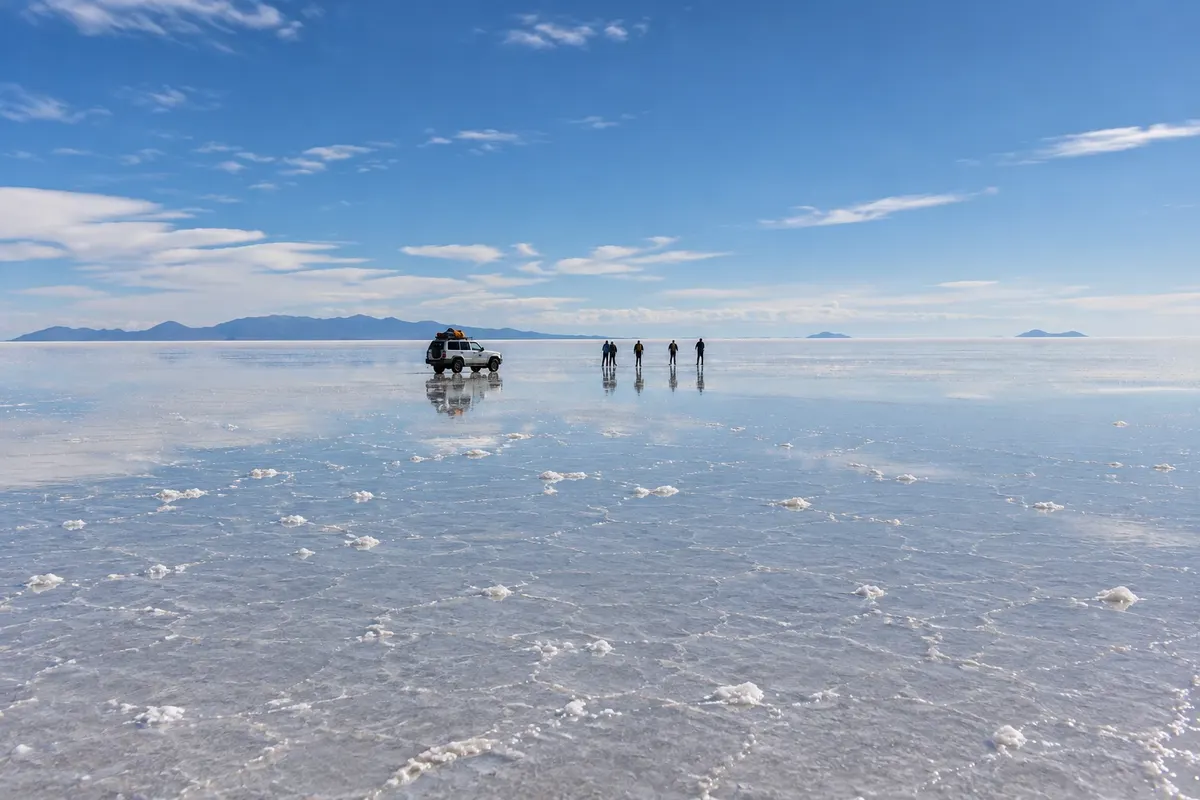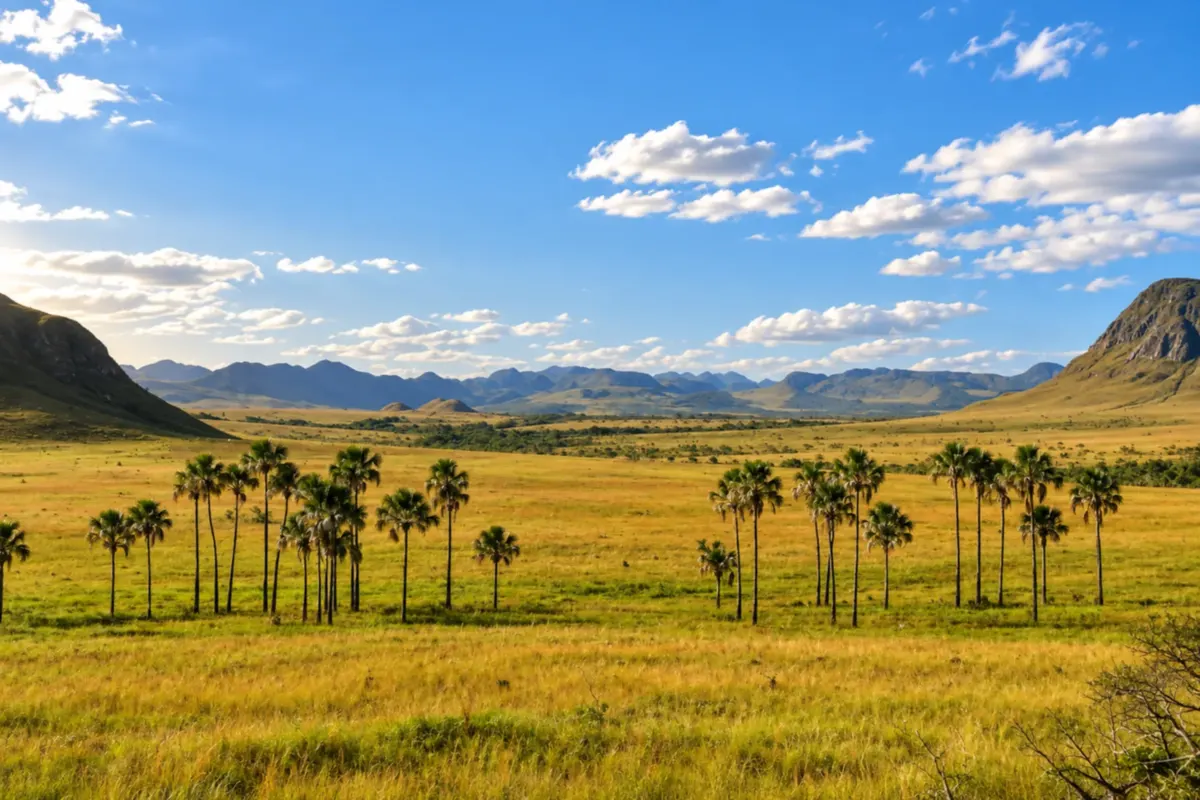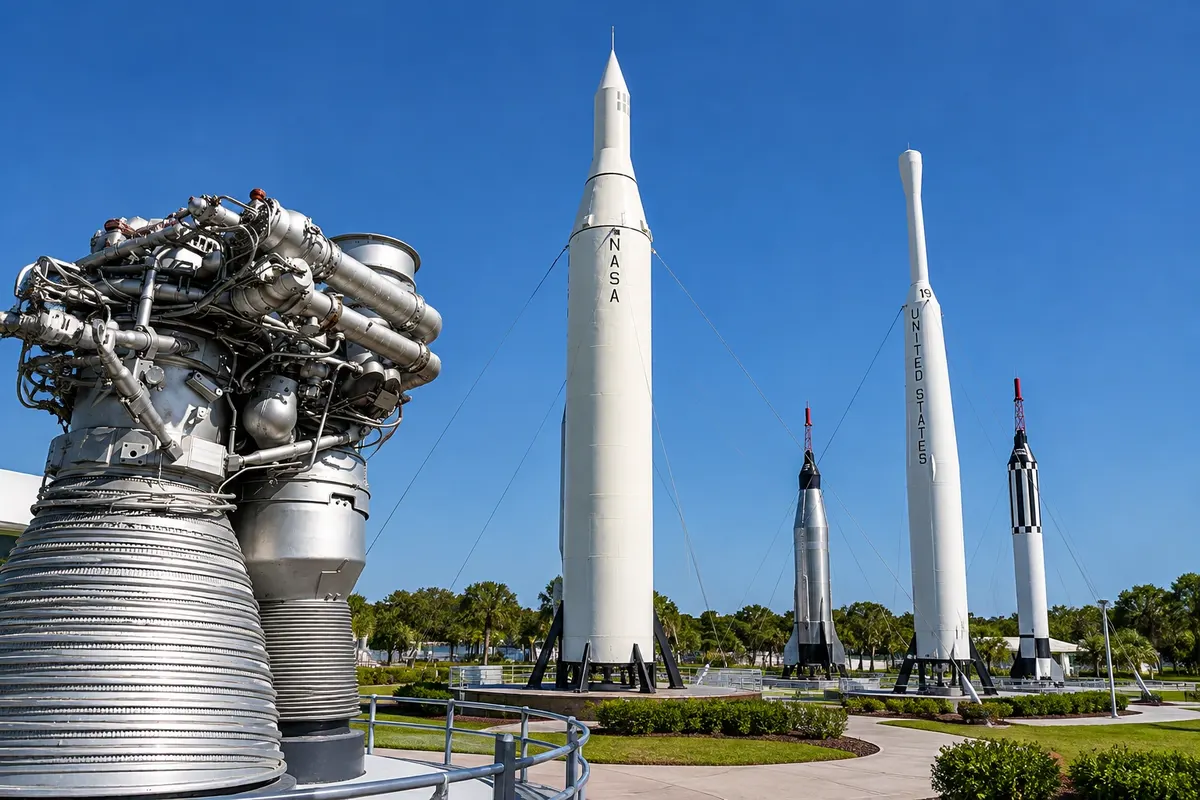




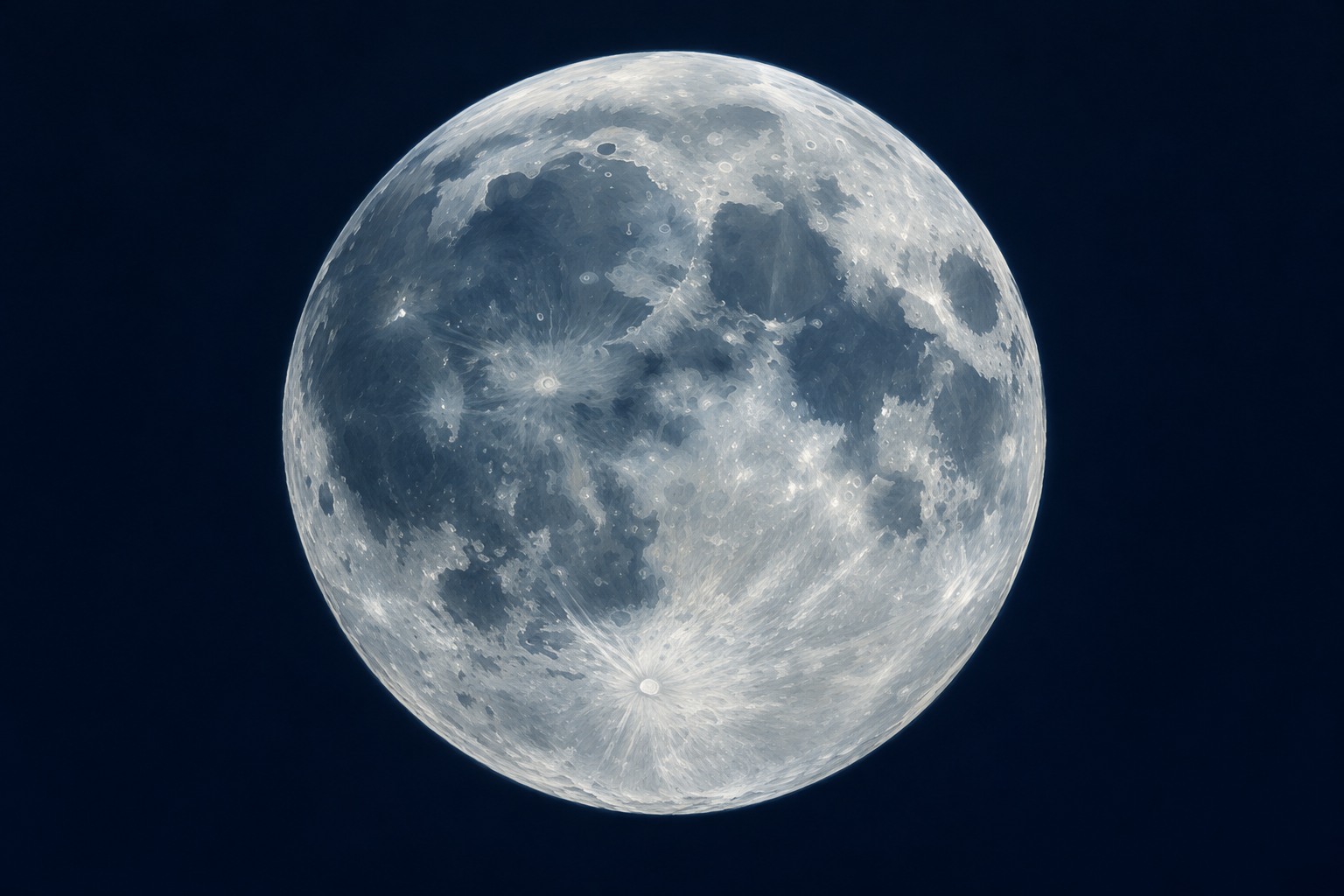
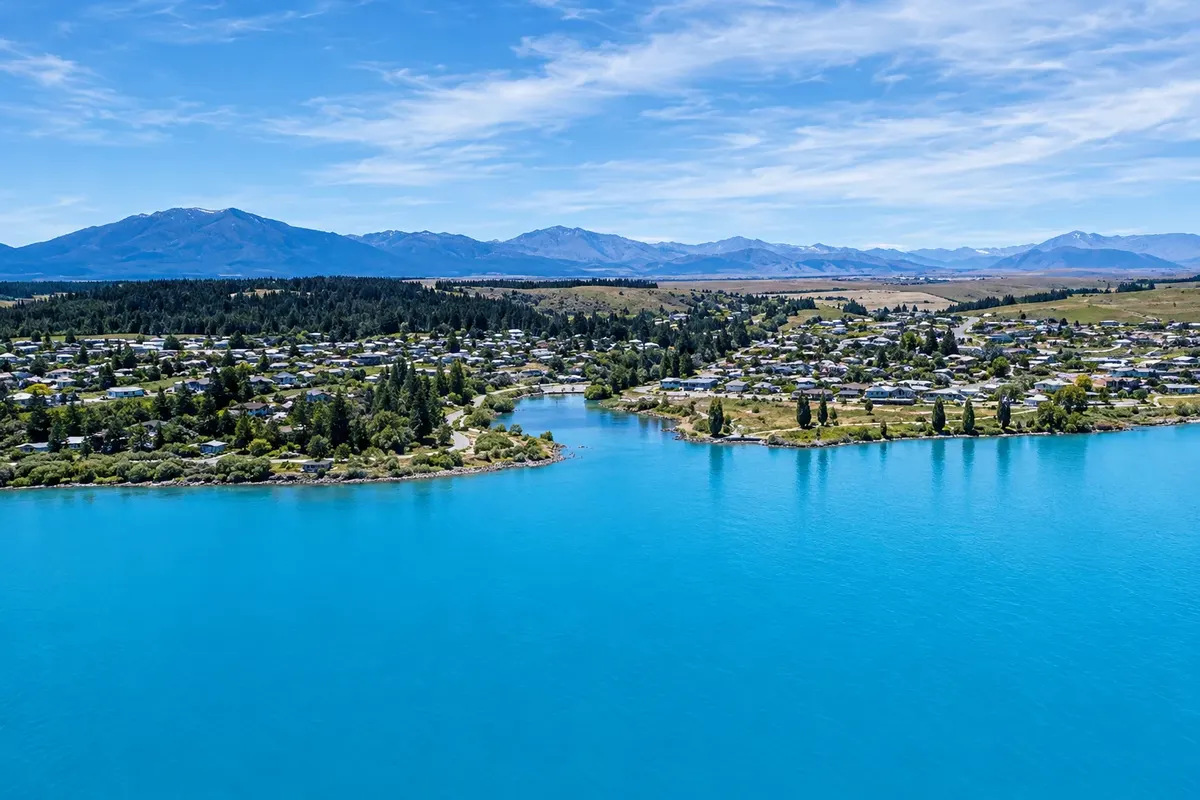
Illustrative images. The pictures in this guide are illustrations based on the real place, not photographs, and may differ from it.

Get it on Google Play

Earth and travel

Map of the Moon

Spin the Moon with your finger and see where humans and probes landed, the large lava plains, and the side we never see from Earth.

Share: WhatsApp

Spin the Moon with your finger or mouse

Tap a colored dot to see the mission that landed there.

The Moon is 3,474 km across, a little over a quarter of Earth, and always shows us the same side.
Perigee (closest)356,000 km
Average384,000 km
Apogee (farthest)406,000 km

NASASoviet UnionChinaIndiaJapanPrivate companies

Moon image: CGI Moon Kit, NASA/Goddard (LRO data), public domain. Landing sites: NASA, CNSA, ISRO, JAXA and the mission companies. The globe's lighting only adds depth; it is not today's sky.

The distance between Earth and the Moon
The Moon is, on average, about 384,000 kilometers from Earth.

The Moon’s orbit is an ellipse, so the distance changes throughout the month. At its closest point, perigee, it comes to about 356,000 kilometers; at its farthest, apogee, it’s about 406,000 kilometers. The average is 384,400 kilometers.

When a full Moon coincides with perigee, it can appear up to 14% larger and 30% brighter than at apogee: this is called a supermoon.

Light takes just over 1 second to travel from there to here. A plane flying at 900 km/h would take about 18 days, and Apollo 11 took about 3 days. The Moon is also receding from Earth by about 3.8 centimeters per year.
The Moon in numbers

Near the horizon, the full Moon appears larger, but that’s an optical illusion.

The Moon is 3,474 kilometers in diameter, a little more than a quarter of Earth. Gravity there is about one-sixth of ours: someone who weighs 70 kg here would see the scale read about 12 kg.

A lunar day lasts 29.5 Earth days, with roughly two weeks of daylight and two weeks of darkness. With no atmosphere to protect it, the surface rises to about 120 °C in sunlight and falls below −130 °C at night.

There is also no wind or rain, so the footprints left by the astronauts remain there.

The maria, the craters and the far side

The Moon’s 'seas' are dark plains of ancient lava, not bodies of water.

The maria are the dark patches visible to the naked eye: plains of ancient lava that cooled billions of years ago. Craters come from meteorite impacts; Tycho crater, with bright rays around it, can even be seen with binoculars.

The Moon takes the same time to rotate on its axis as to orbit Earth, so it always shows the same face to us. The far side was only photographed in 1959 by the Soviet probe Luna 3, and it has few maria and many more craters.

In 2019, the Chinese probe Chang'e 4 made the first landing on the far side, and in 2024 Chang'e 6 returned the first soil samples from that side.

Missions that have landed

Luna 2, from the Soviet Union, was the first object to reach the Moon, in 1959, and Luna 9 made the first soft landing, in 1966. From 1969 to 1972, six Apollo missions took 12 astronauts to the surface, starting with Apollo 11.

After decades without landings, China returned to the Moon with Chang'e 3 in 2013. In 2023, India became the first country to land near the south pole with Chandrayaan-3. In 2024 came Japan’s SLIM and Odysseus, the first spacecraft from a private company to land on the Moon.

In April 2026, the Artemis II mission took four astronauts around the Moon, the first crewed trip there since 1972. The program’s next phase prepares to return people to the surface.

Seeing the Moon on your trip

A pair of binoculars or a small telescope already reveals the Moon’s craters.

The maria are visible to the naked eye and the craters with a simple pair of binoculars. The best time to see relief is near the waxing or waning crescent, along the line between the lit and dark parts, where craters cast shadows. The full Moon is beautiful but flattens surface features.

Destinations with dark skies, away from city lights, are excellent for this and for viewing the stars and the Milky Way.

Where to see it on your trip

Places in the guide related to this topic.

Dark skies for the Moon and stars

San Pedro de Atacama
Chile

San Pedro de Atacama

Salar de Uyuni
Bolivia

Salar de Uyuni

Alto Paraíso de Goiás
Brazil

Alto Paraíso de Goiás

Jalapão
Brazil

Jalapão

Tekapo
New Zealand

Tekapo

Tenerife
Spain

Tenerife

The space race up close

Kennedy Space Center Visitor Complex
the United States

Kennedy Space Center Visitor Complex

Houston
the United States

Houston

Frequently asked questions

What is the distance from Earth to the Moon?

On average, 384,400 kilometers. Because the Moon’s orbit is an ellipse, the distance varies from about 356,000 kilometers at perigee to about 406,000 kilometers at apogee.

What are perigee and apogee?

Perigee is the point in the orbit where the Moon is closest to Earth, and apogee is the point where it is farthest. The Moon passes both on each orbit, which takes about 27.5 days.

What is a supermoon?

It is a full Moon that occurs near perigee. It can appear up to 14% larger and 30% brighter than a full Moon at apogee.

Why do we always see the same side of the Moon?

Because the Moon takes the same time to rotate on its axis as it does to orbit Earth. That way, the same side always faces us.

How many people have walked on the Moon?

Twelve astronauts, all American, on six Apollo missions between 1969 and 1972. The first was Apollo 11, with Neil Armstrong and Buzz Aldrin.

Where did Apollo 11 land?

In the Sea of Tranquility, a dark plain on the near side of the Moon visible from Earth, on July 20, 1969.

How long does it take to get to the Moon?

The Apollo missions took about 3 days. Light makes the trip in just over 1 second, and a plane at 900 km/h, if it could go, would take about 18 days.

Is the Moon moving away from Earth?

Yes, about 3.8 centimeters per year. The measurement is made with lasers reflected from mirrors left on the Moon by the Apollo and Soviet missions.
How much would I weigh on the Moon?

About one-sixth of your Earth weight. Someone who weighs 70 kg here would see the scale read about 12 kg there.