The festival
What is Feast of Apostle James
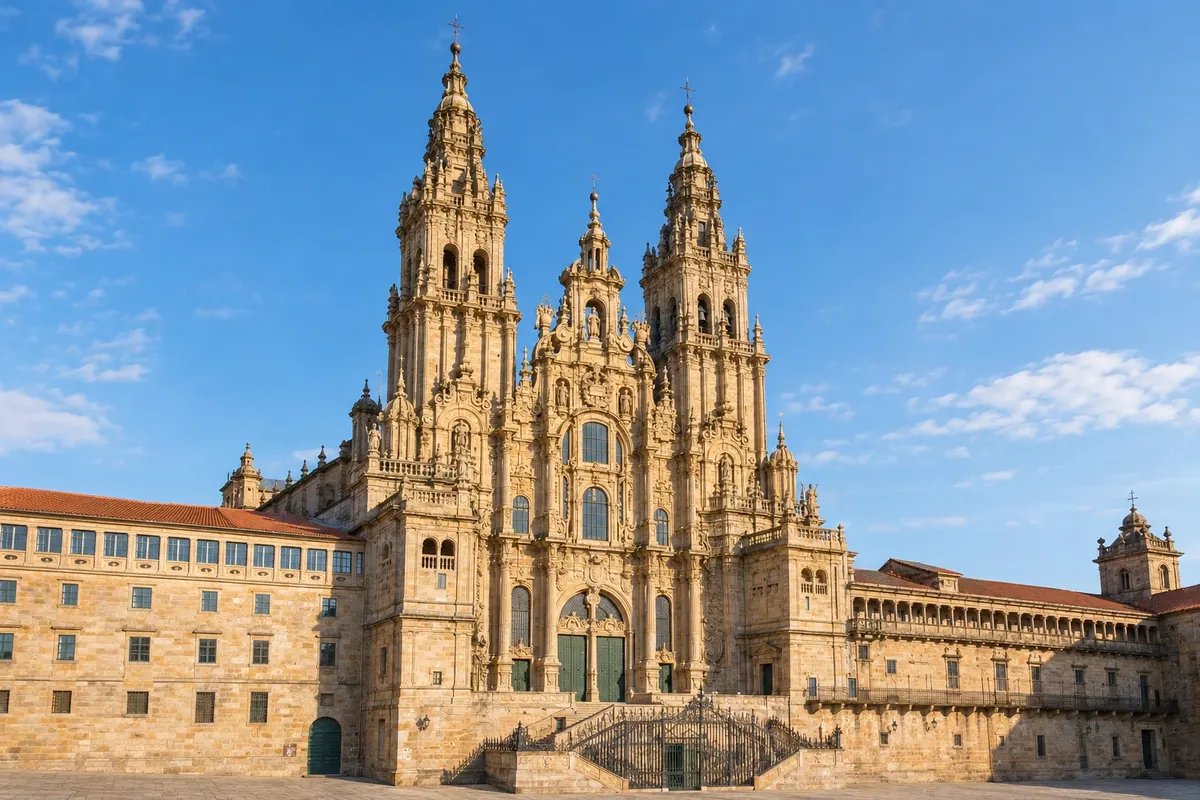
The Feast of the Apostle is the largest celebration in Santiago de Compostela and one of the most important in Galicia. Dedicated to Saint James the Greater, patron of the city, of Galicia and of Spain, whose tomb is traditionally said to lie under the cathedral, the festival occupies the second half of July and combines official religious solemnity with a long programme of music, theatre and popular culture. It is declared of international tourist interest and brings pilgrims on the Camino de Santiago, visitors and Galicians from across the region to the city during these days.
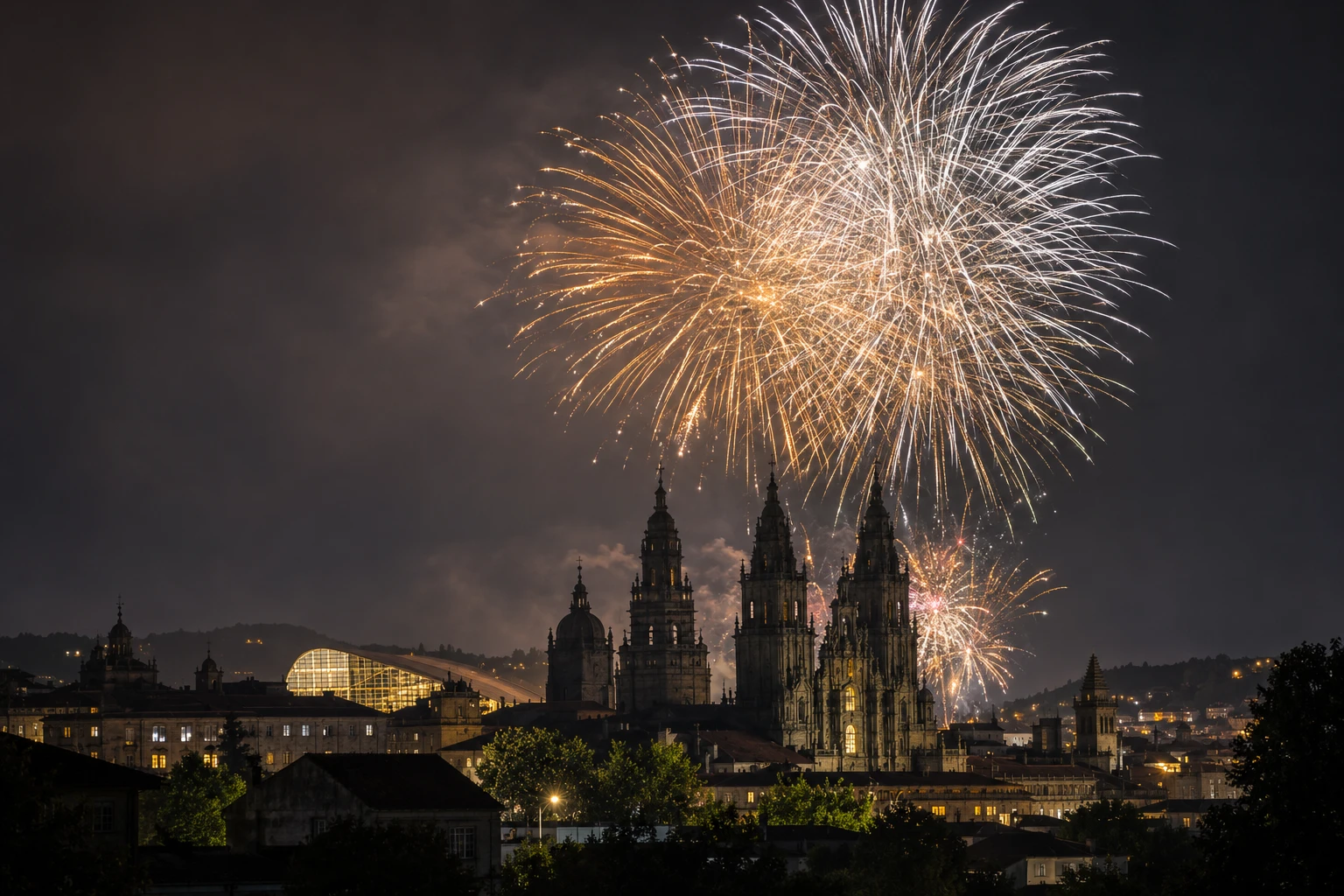
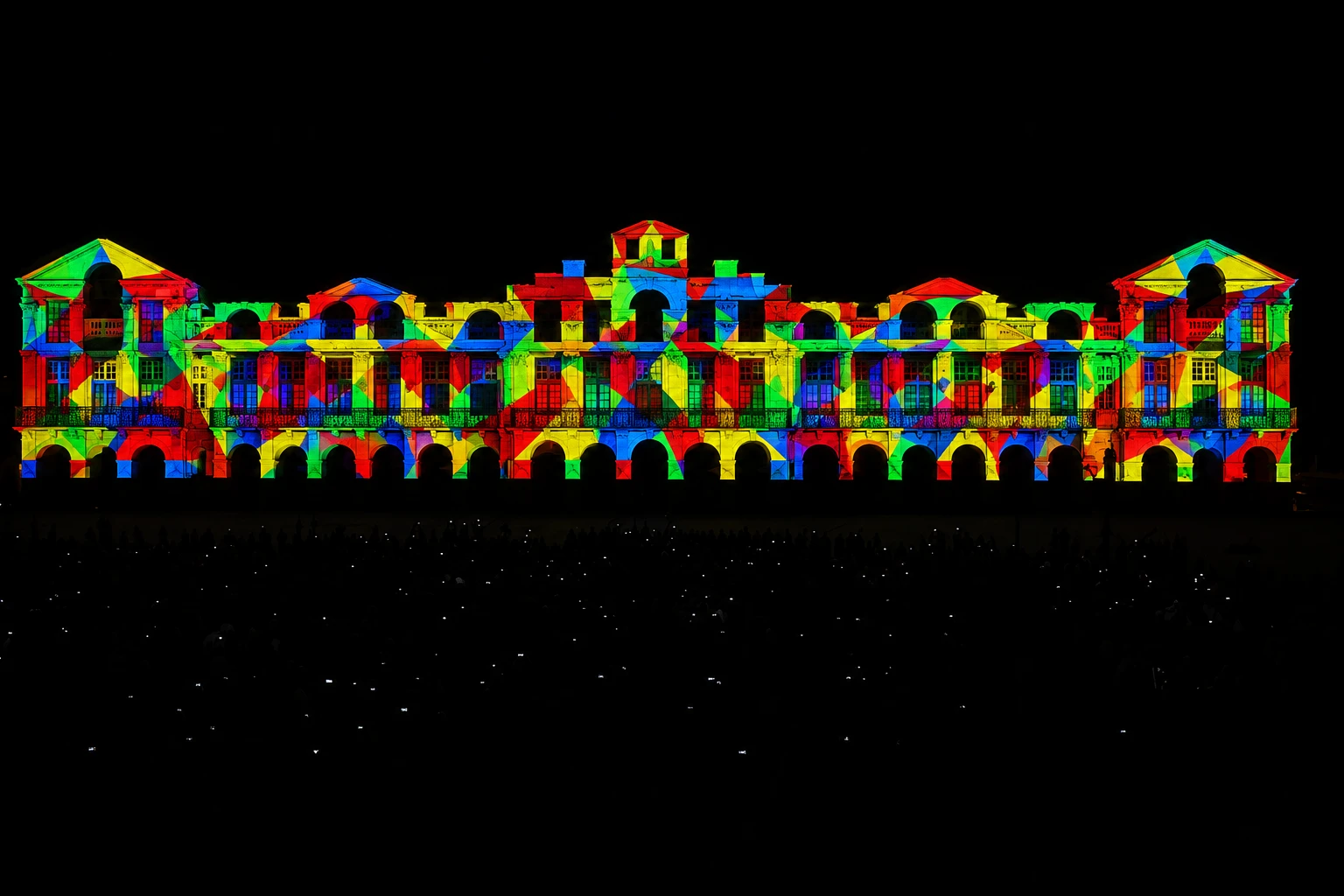
The two central days are July 24 and 25. On the night of the 24th, the Eve of the Apostle, Santiago watches fireworks in honour of the saint, a tradition documents trace back to the 17th century, when the Praza do Obradoiro was lit with coloured candles to announce the day. For a long time the highlight was the burning of a fireworks castle reproducing the cathedral’s old façade; the programme may combine fireworks launched from several points in the city, such as the Alameda and the Cidade da Cultura, with light projections and images onto the facades of the Obradoiro.
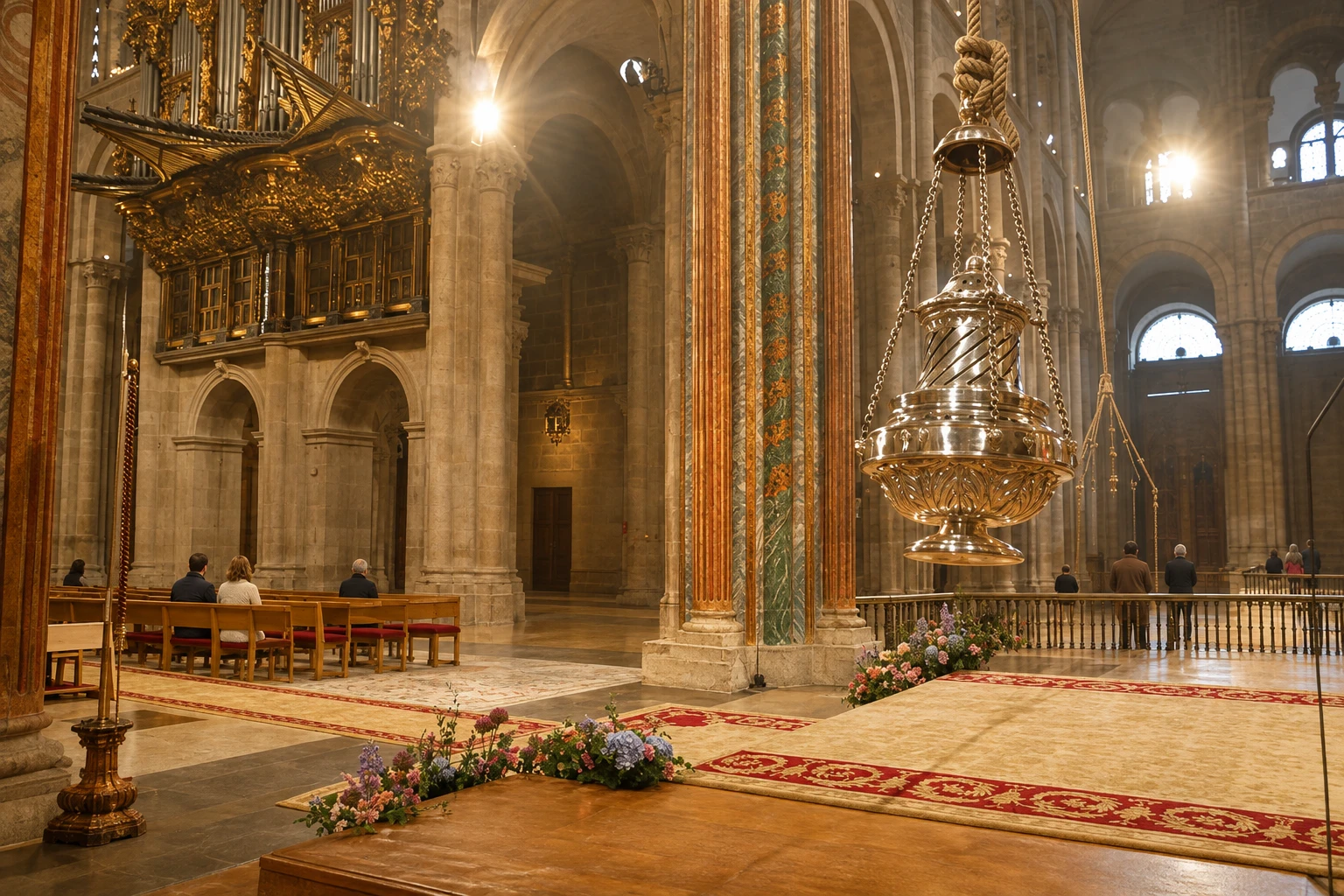
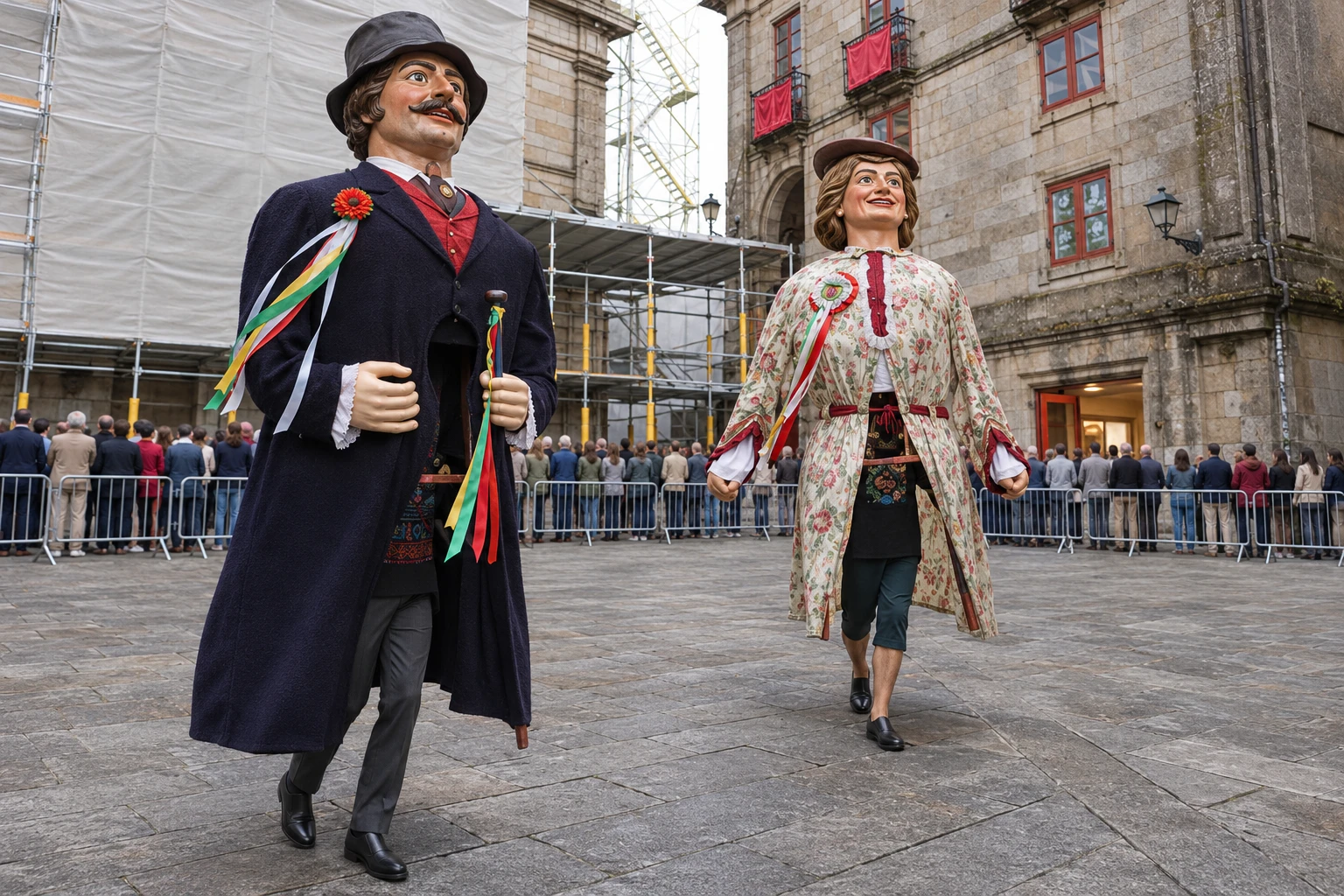
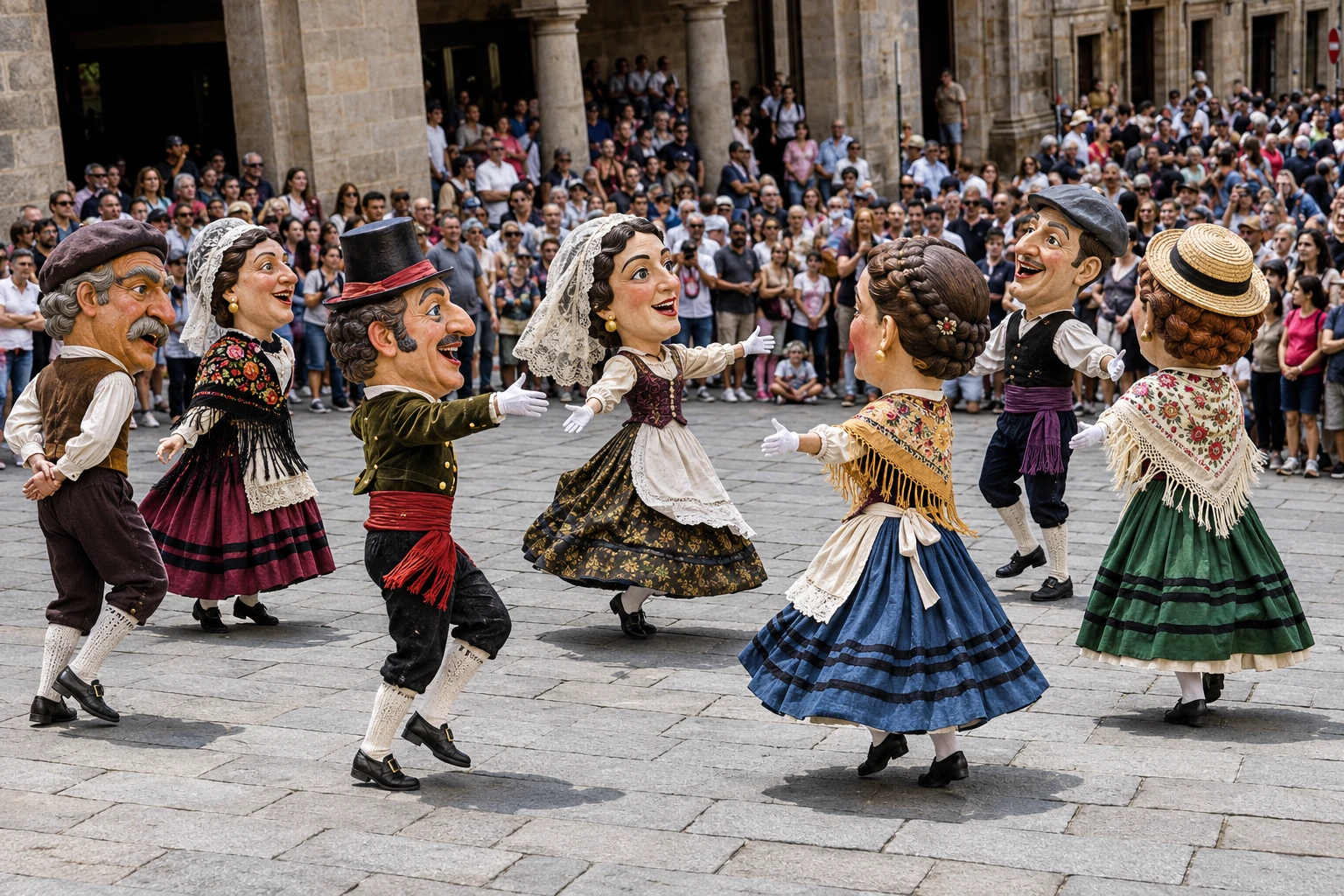
On the 25th, the cathedral celebrates the solemn mass, in which the king or a representative of the Royal Household makes the traditional offering to the Apostle, and the botafumeiro, a huge brass thurible, is traditionally swung from one side of the transept to the other, pulled by ropes and filling the temple with incense; operation depends on the cathedral’s conditions. The 25th is also Galicia Day, a regional holiday since 1979, with official acts and celebrations throughout the city, and the parade of gigantes and cabezudos walks through the old town streets.
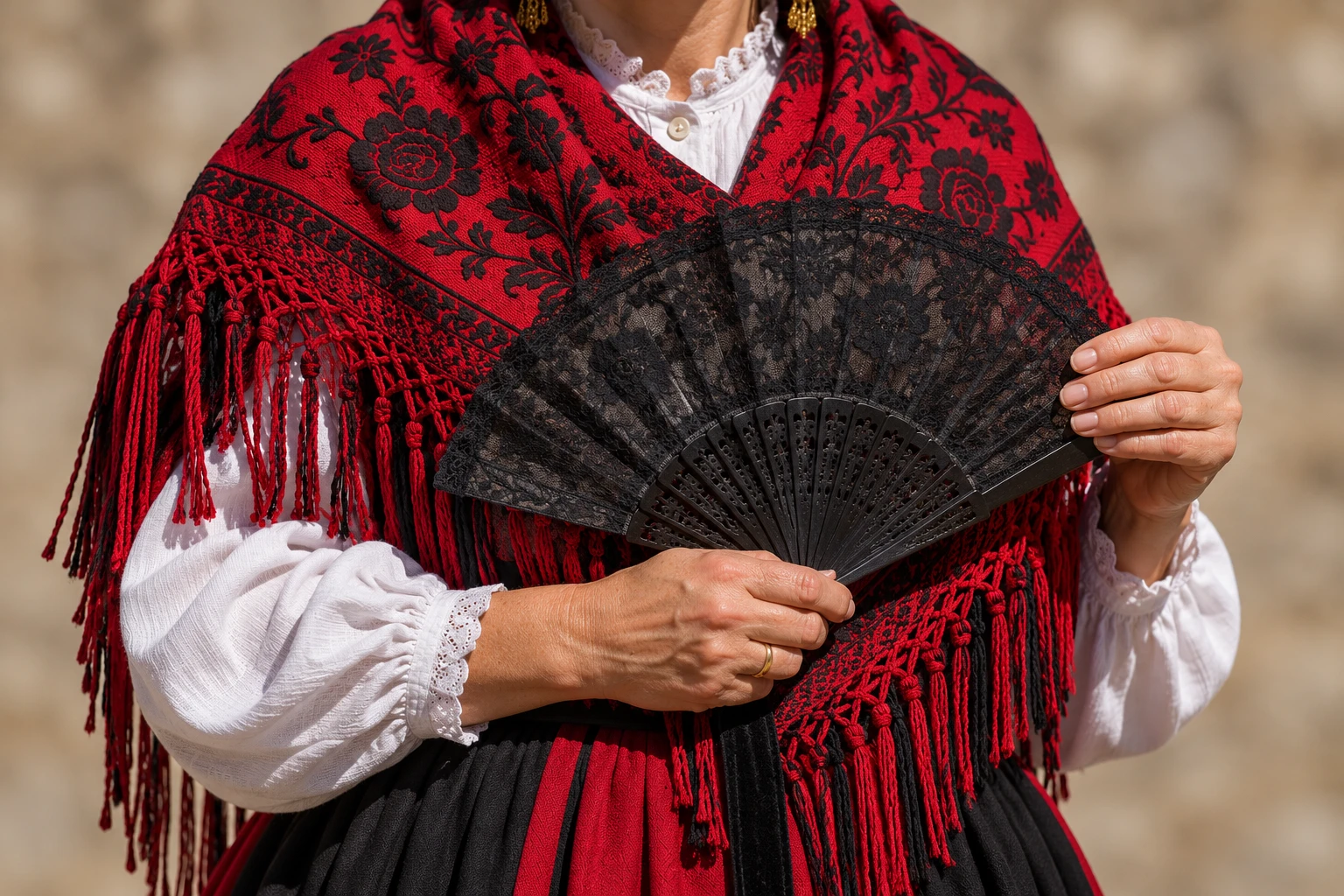
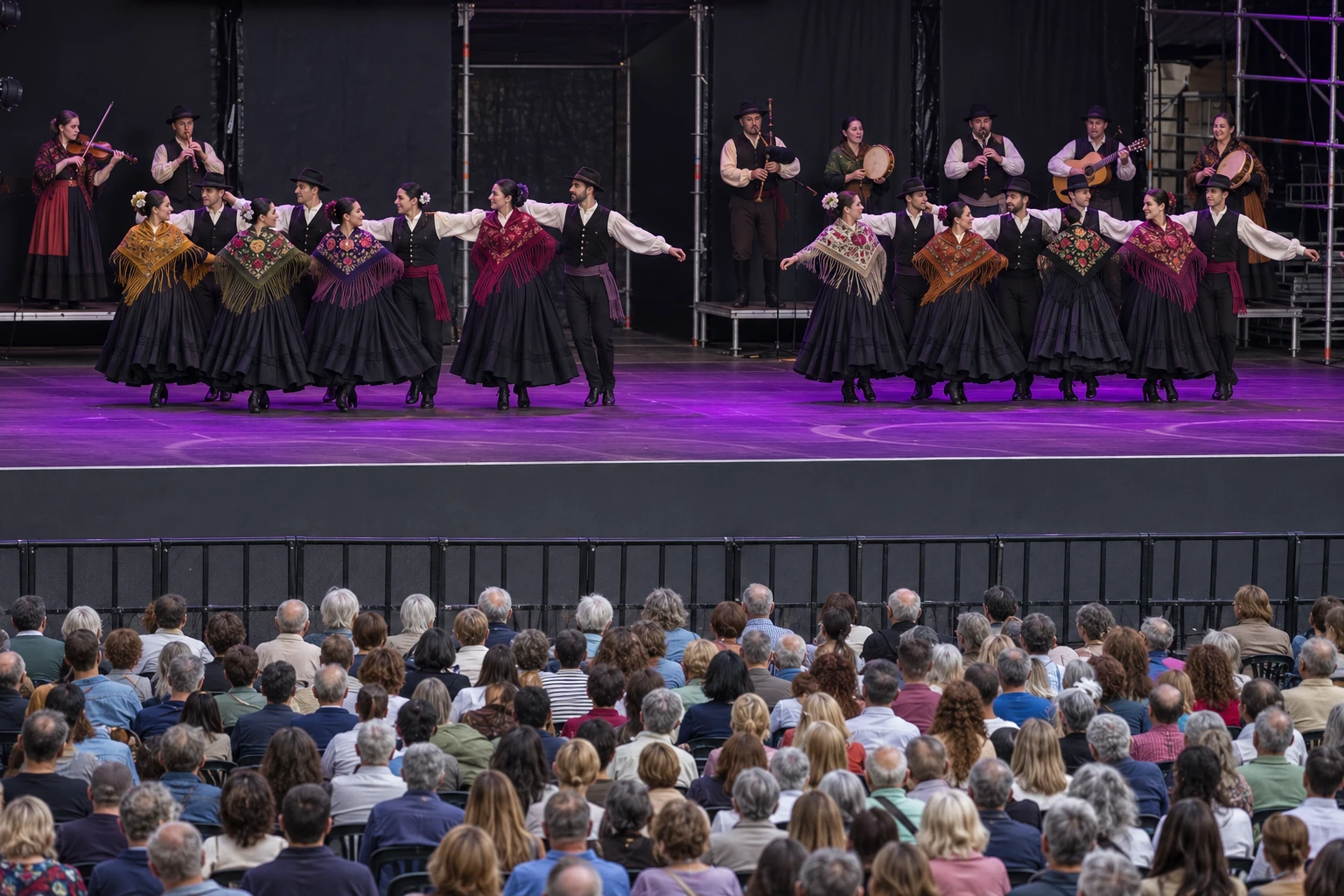
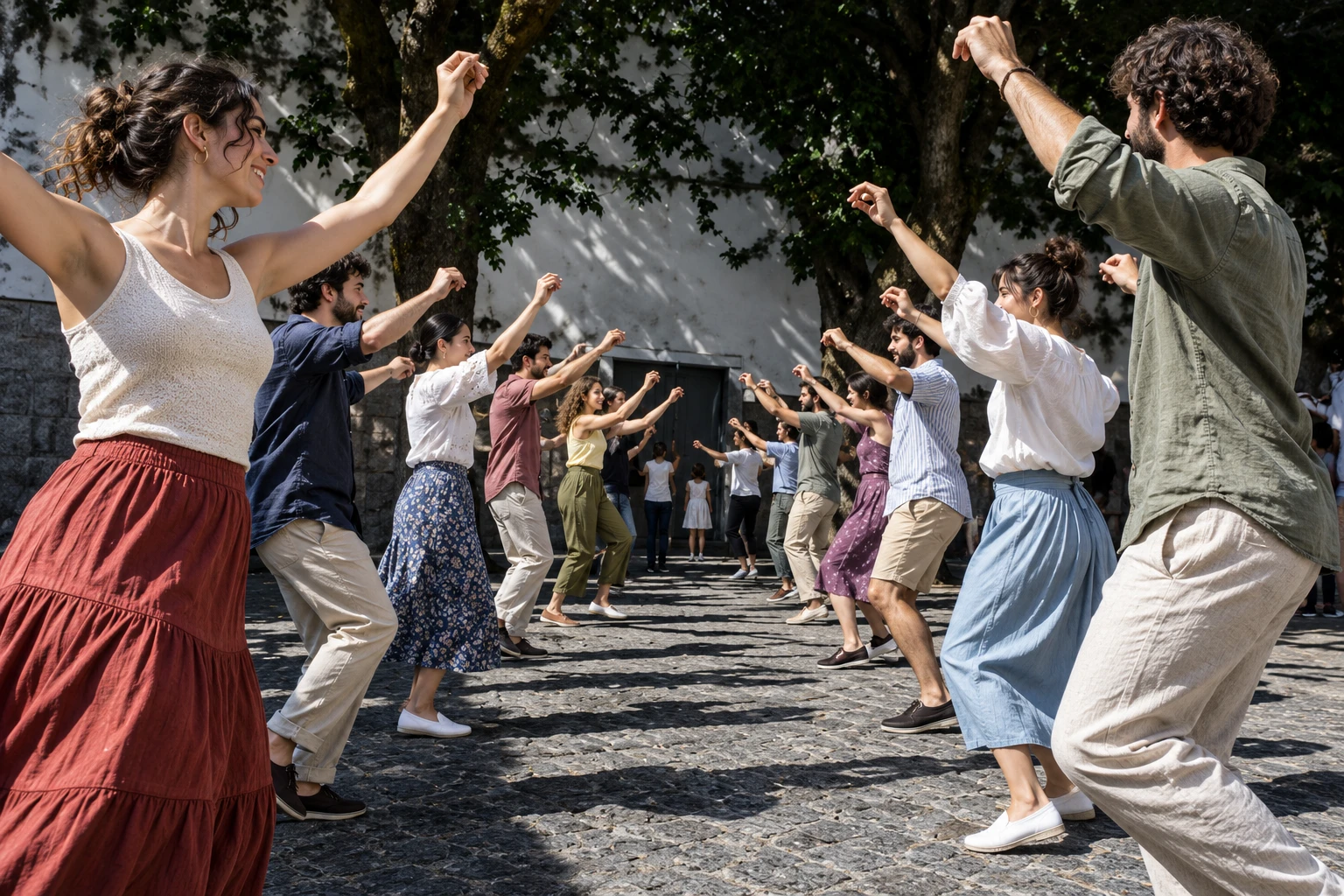
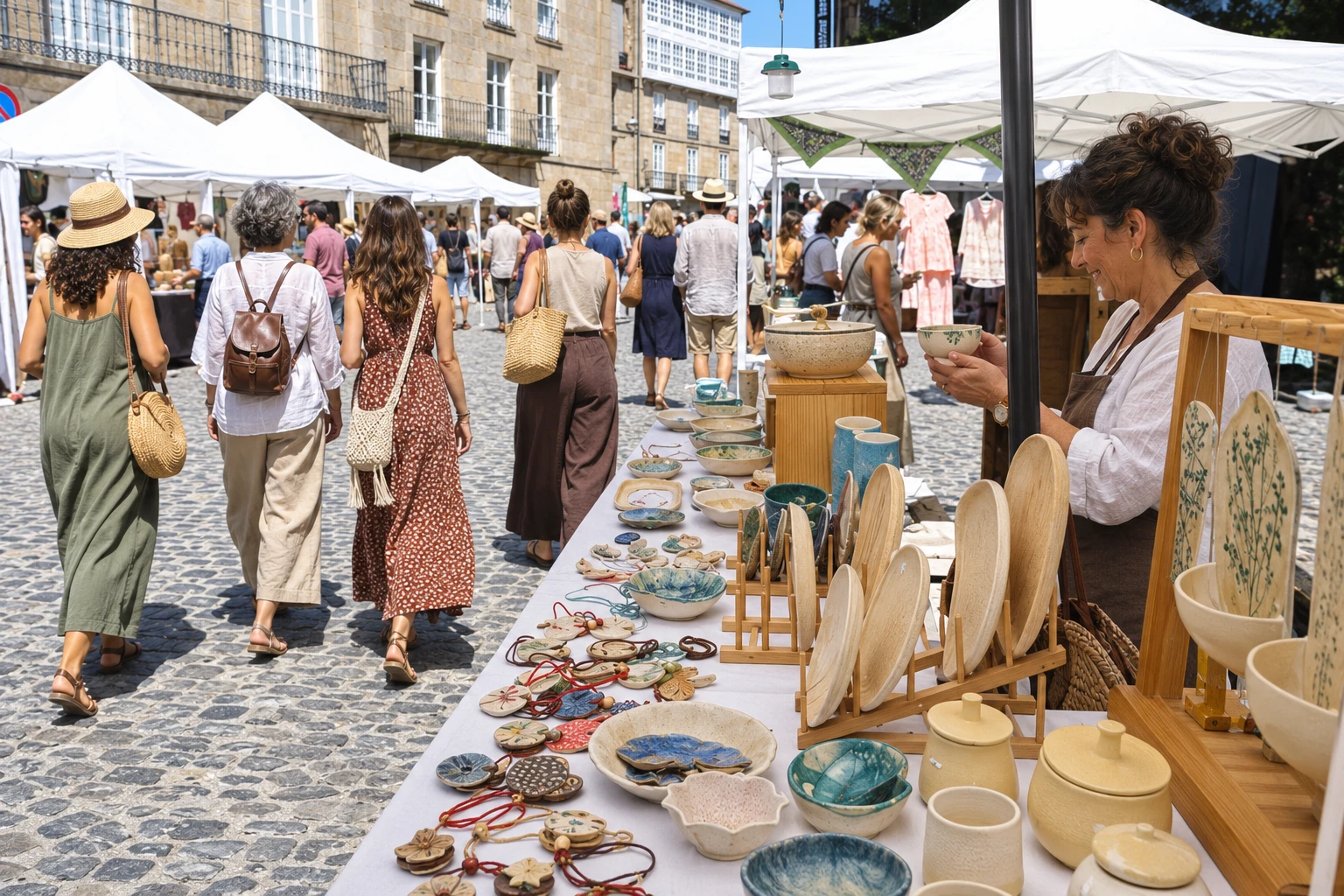
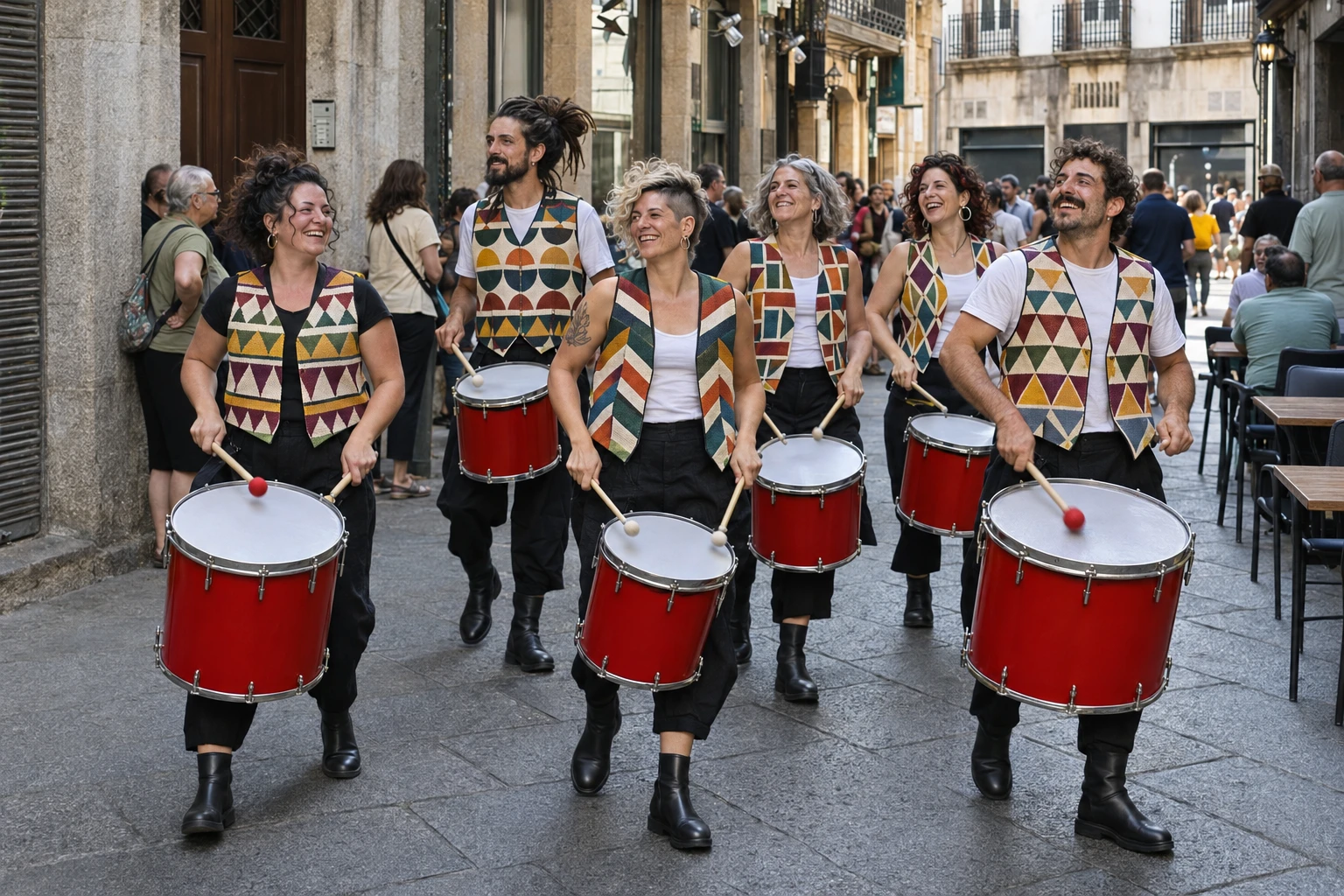
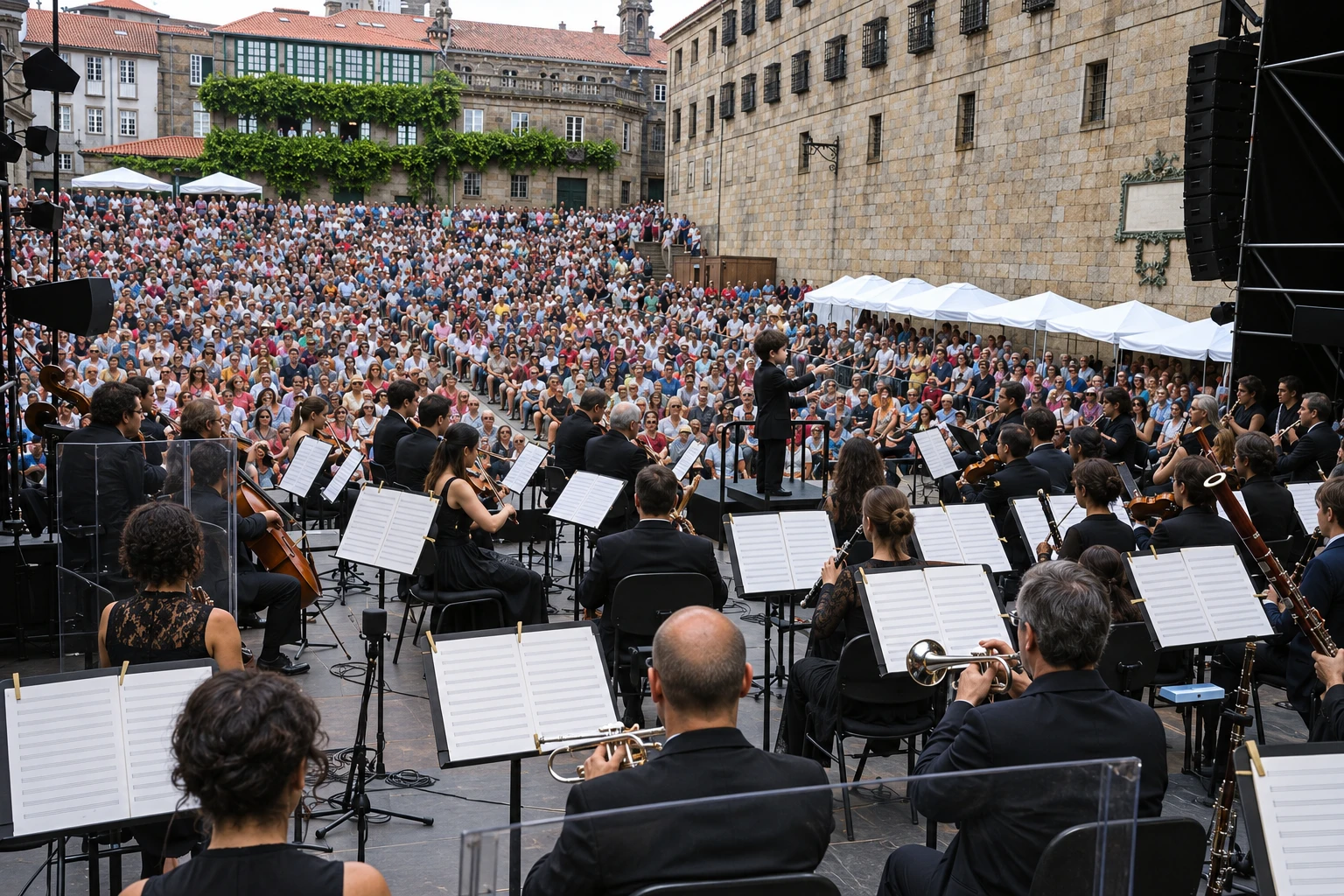
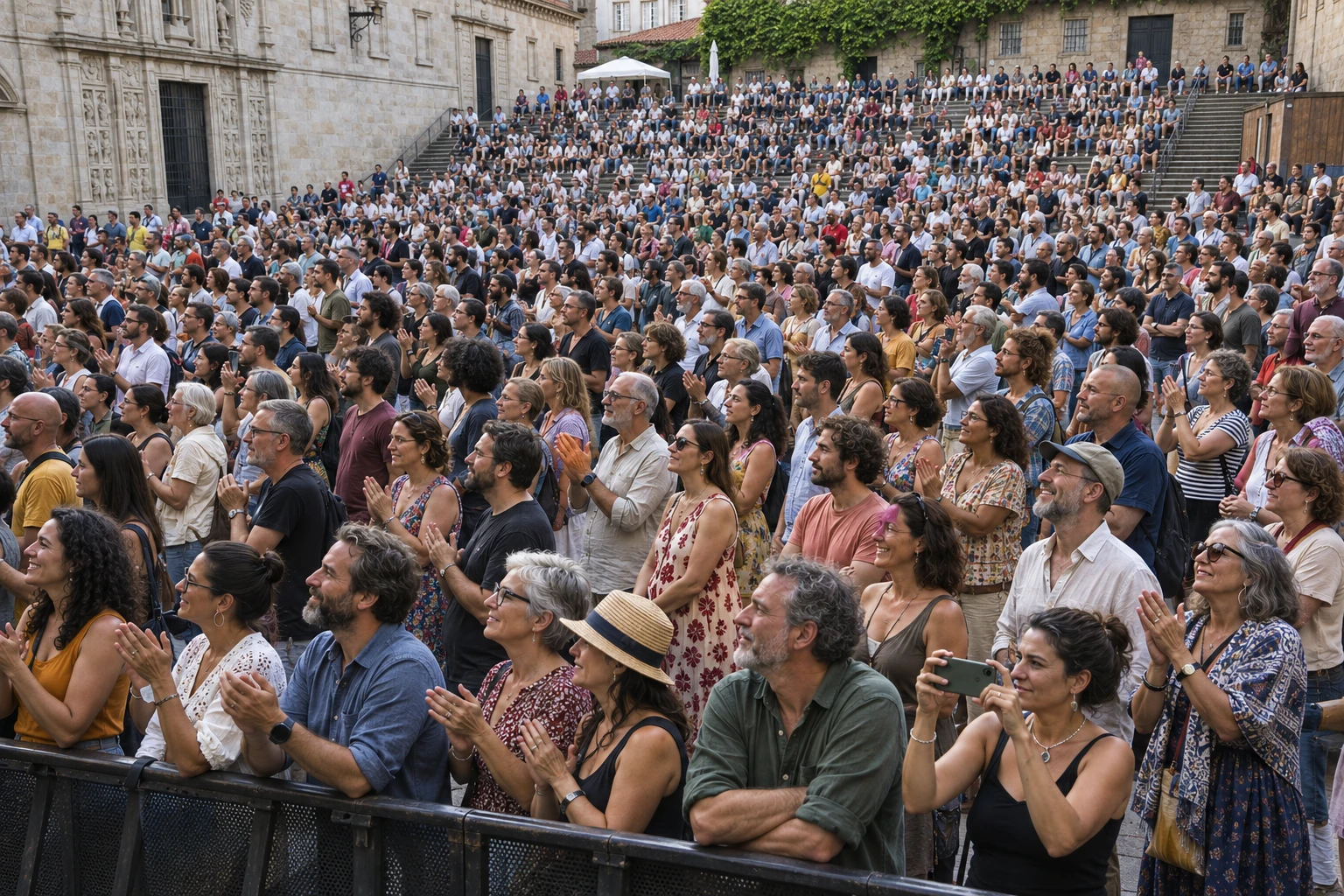
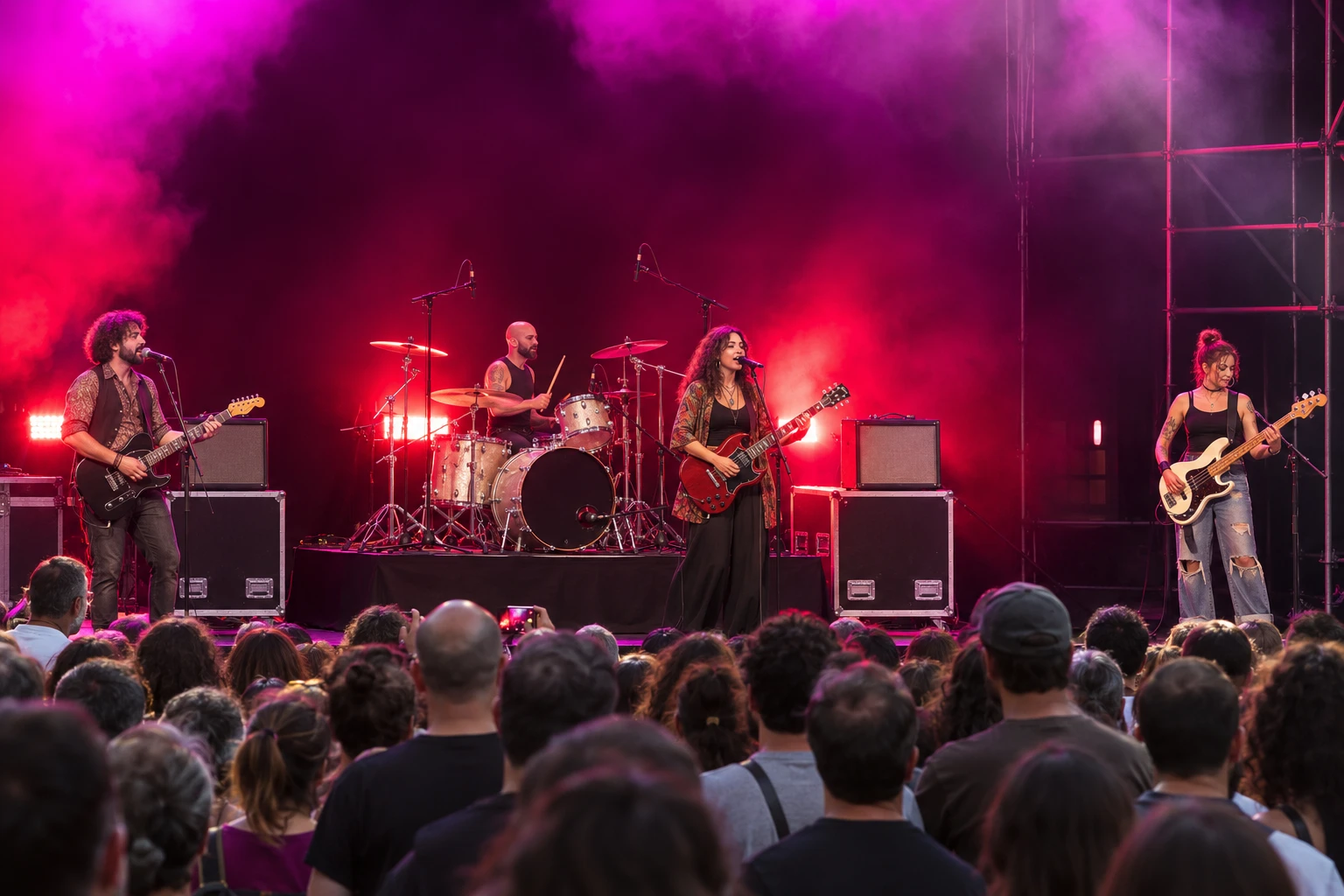
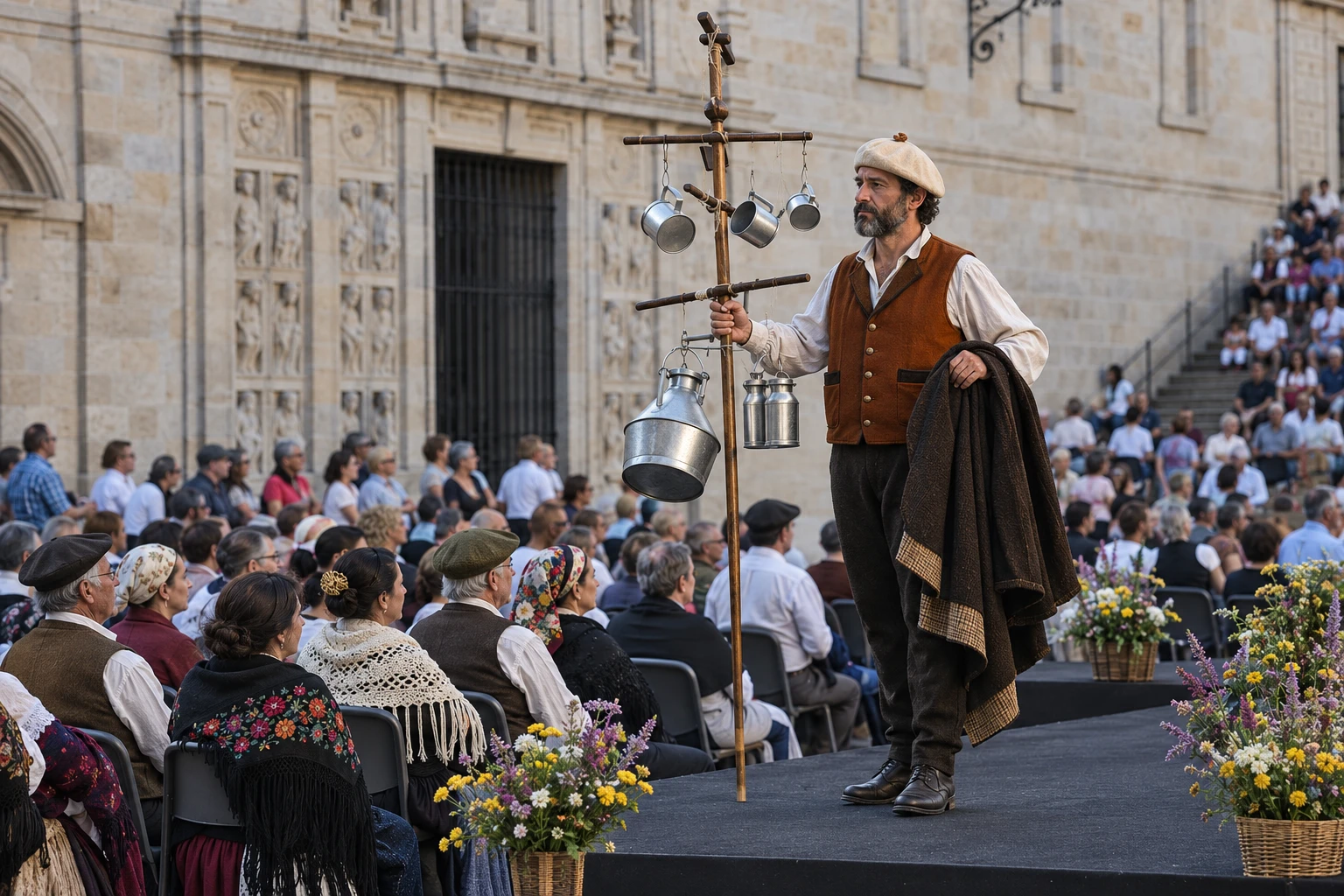
Throughout the fortnight, the squares and parks of the old town host classical, folk and pop concerts, orchestras in the Alameda, street theatre, children’s shows, parades of music bands from across Galicia and displays of traditional costumes and dances. The festival closes on July 31 with another night of fireworks.
In years when July 25 falls on a Sunday, the city celebrates the Jacobean Holy Year, or Xacobeo, which attracts even more pilgrims and extends the religious celebrations throughout the year. For visitors, July combines the arrival of pilgrims at the Praza do Obradoiro, the life of the stone streets of the old town, a World Heritage site, and a festival where religious tradition and cultural programming coexist.
How to enjoy it
The old town is pedestrian and explored on foot; for the fireworks on the 24th, pick a spot early in the Alameda, in Carlomagno Park or near the Cidade da Cultura, where some of the fireworks are launched, or a viewpoint with a view of the cathedral. The mass on the 25th gets very crowded: entry to the cathedral is limited and organised by the chapter, and many follow the ceremony from outside or on television. The official schedule lists day-by-day music and ceremonies, many of which are free. July brings mild, long days in Galicia, but rain can appear: bring a light jacket and an umbrella. If you’re doing part of the Camino de Santiago, plan your arrival to avoid the busiest days.
What to eat
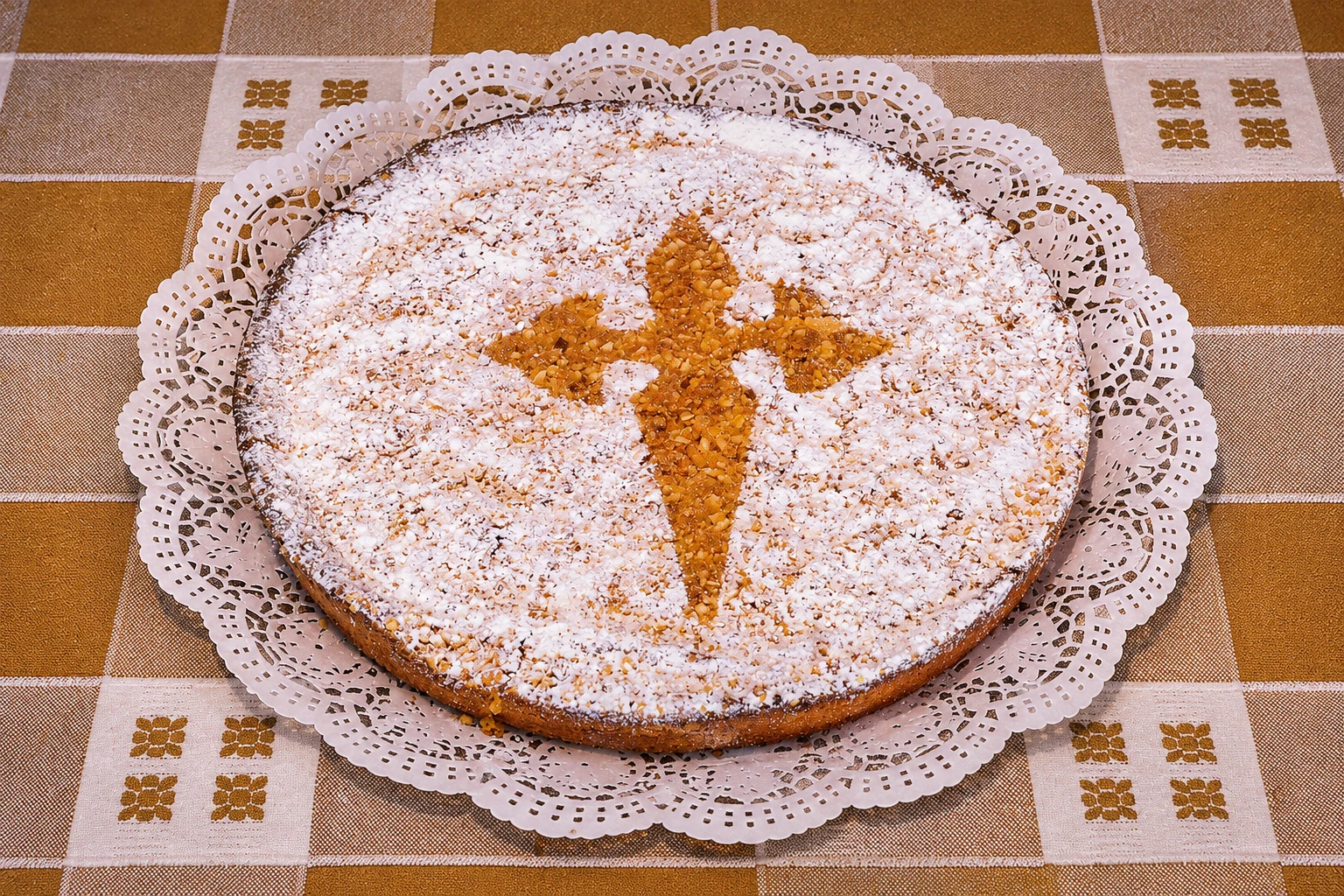
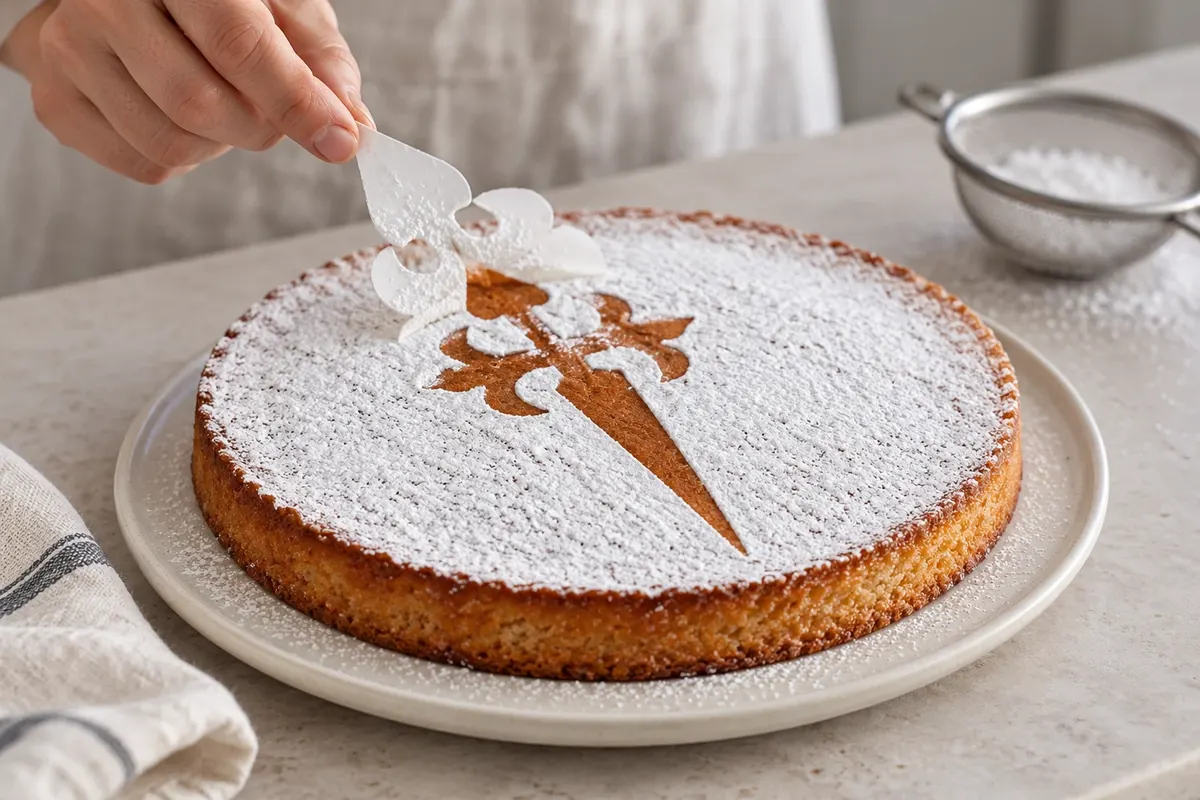
In Galicia, the festival goes through the table. Polbo á feira, cooked and served on wooden plates with olive oil, coarse salt and paprika, appears in restaurants and stalls. Tarta de Santiago, almond-based with the Apostle’s cross dusted in sugar, is the city’s sweet. To accompany these, empanadas galegas, shellfish, tetilla cheese and Galician wines such as albariño and ribeiro are common.


 Brazil
 Argentina
 Bolivia
 Chile
 Colombia
 Ecuador
 Guyana
 French Guiana
 Falkland Islands (Malvinas)
 Paraguay
 Peru
 Suriname
 Uruguay
 Venezuela
 Germany
 Austria
 Belgium
 Croatia
 Denmark
 Slovakia
 Finland
 France
 Greece
 the Netherlands
 Hungary
 Ireland
 Iceland
 Italy
 Luxembourg
 Norway
 Poland
 Portugal
 the United Kingdom
 the Czech Republic
 Sweden
 Switzerland
 Turkey
 Canada
 the United States
 Mexico
 the Dominican Republic
 South Africa
 Australia
 Fiji
 New Zealand
 Papua New Guinea