

 Brazil
 Antarctica
 Argentina
 Bolivia
 Chile
 Colombia
 Ecuador
 Guyana
 French Guiana
 Falkland Islands (Malvinas)
 Paraguay
 Peru
 Suriname
 Uruguay
 Venezuela
 Germany
 Austria
 Belgium
 Croatia
 Denmark
 Slovakia
 Spain
 Finland
 France
 Greece
 the Netherlands
 Hungary
 Ireland
 Iceland
 Italy
 Luxembourg
 Norway
 Poland
 Portugal
 the United Kingdom
 the Czech Republic
 Sweden
 Switzerland
 Turkey
 Bermuda
 Canada
 the United States
 Greenland
 Mexico
 Saint Pierre and Miquelon
 the Dominican Republic
 Japan
 South Africa
 Egypt
 Australia
 Fiji
 New Zealand
 Papua New Guinea
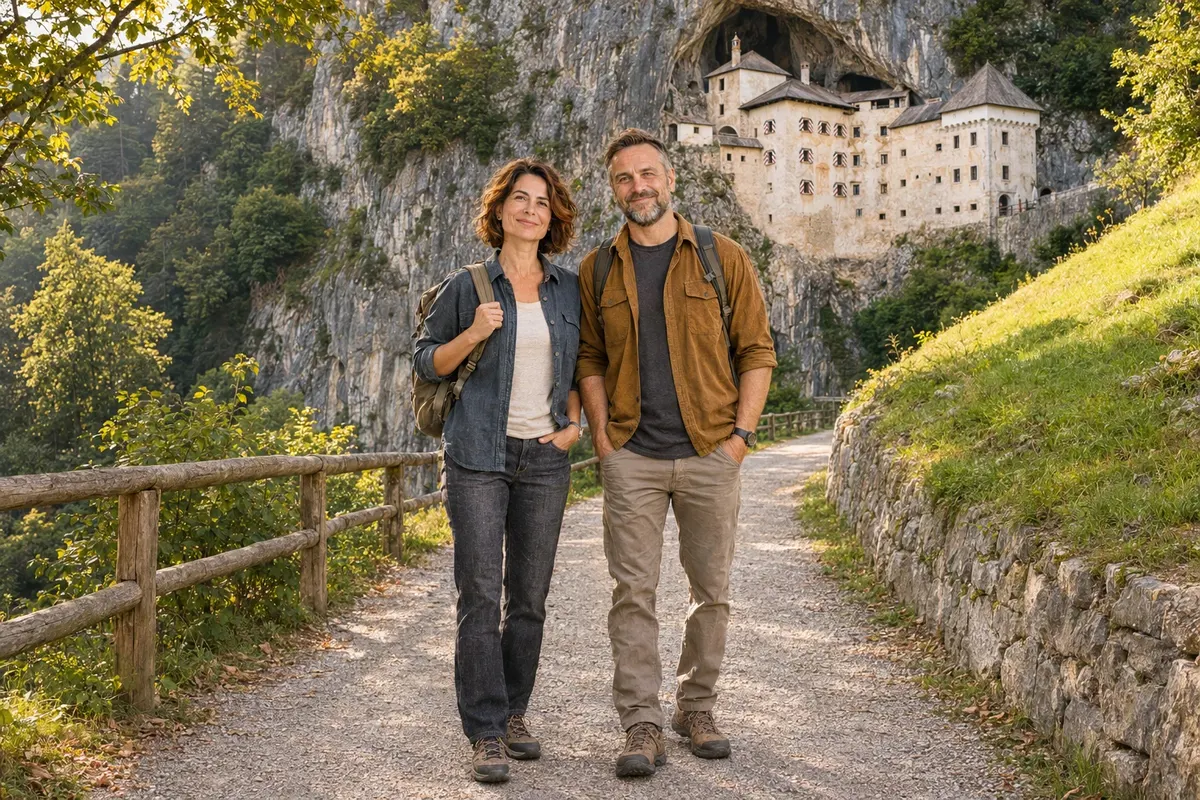
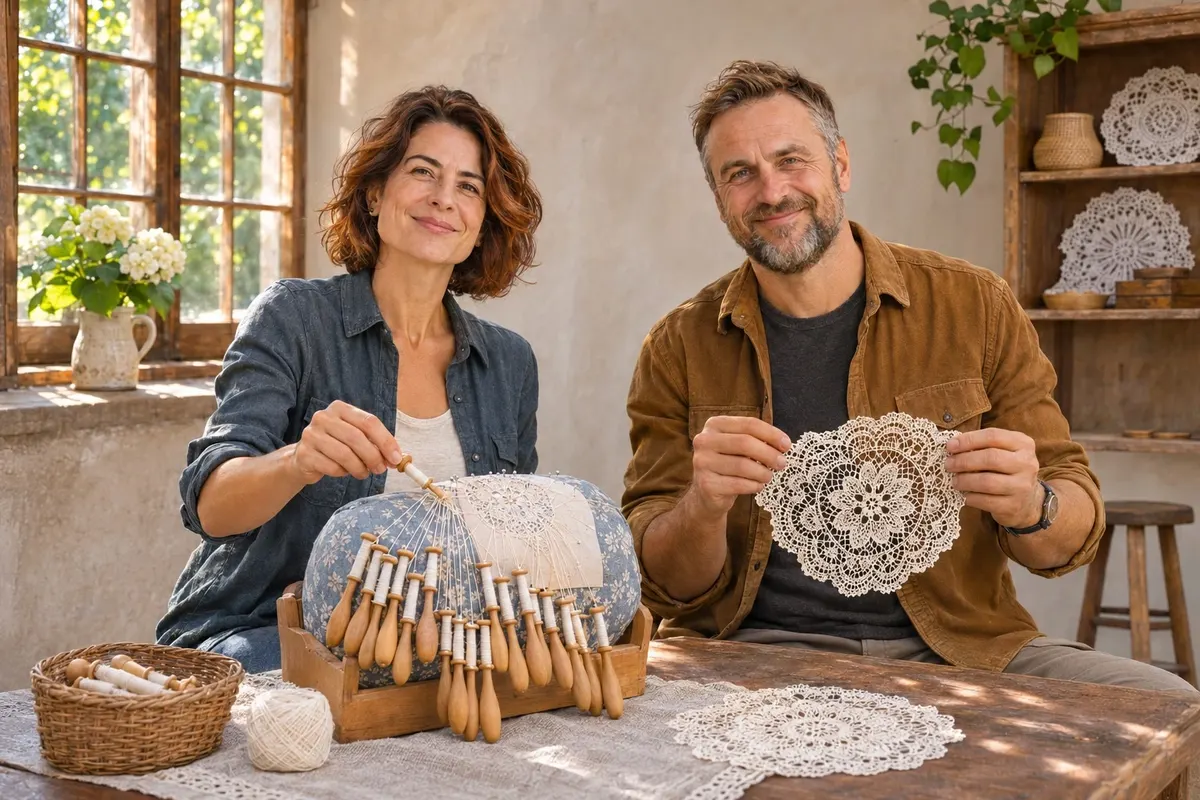
Illustrative images. The pictures in this guide are illustrations based on the real place, not photographs, and may differ from it.

Cultural and heritage travel
Museums of Slovenia in Kobarid, Ljubljana and Idrija
Kobarid, Ljubljana, and Idrija tell the story with war maps, drawings, and work objects.
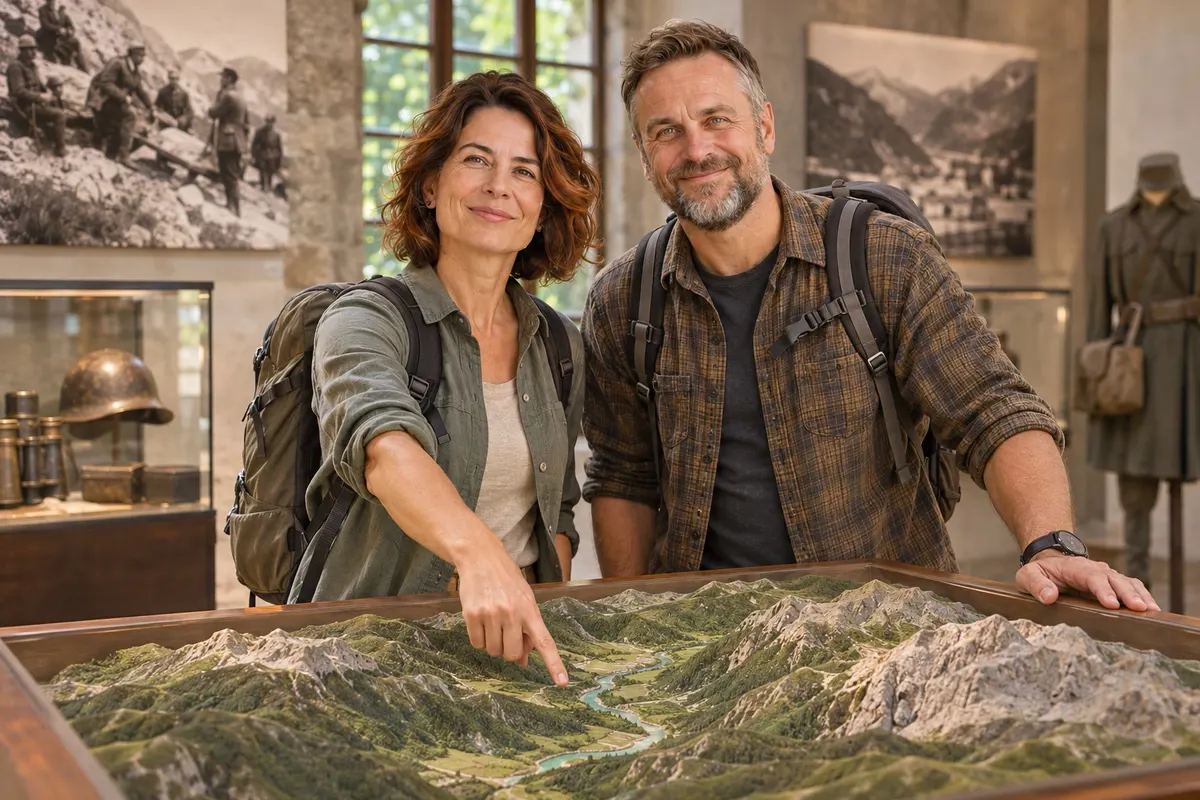
A relief map, a workbench, and a piece of lace tell very different stories about Slovenia. At the Kobarid museum, the relief helps to understand what it meant to spend a winter on the Soča front. In Jože Plečnik’s house in Ljubljana, the domestic space brings the visitor closer to the man who reshaped the riverbanks in the capital.
In Idrija, the building itself is an exhibit. Gewerkenegg Castle, now the municipal museum, served the administration of the mercury mine. Those choosing between these three towns can think about what they would like to do after the exhibition. Options include following a historical trail, crossing an architect’s bridges, or entering the galleries of an old mine.
Kobarid and the memory of the Soča front
The Kobarid museum devotes most of its exhibition to the First World War. At the entrance, maps place the visitor and portraits return faces to a history often told only with dates. Before reaching the Battle of Kobarid, take time in the rooms about life in winter and the work of those who kept the front supplied. The cold, the distances, and the difficulties of bringing provisions up the mountain make the valley’s geography more concrete.
The large relief map allows you to follow the movement of the battle. In another part of the exhibition, you hear a soldier’s letter being read aloud to his father. Allow time for both. One shows the scale of events; the other gives a measure of an individual’s experience. On your way out, look at the historical trail map to find the position of the Italian ossuary and decide whether you want to continue the visit on foot.
Ljubljana seen from Jože Plečnik’s house
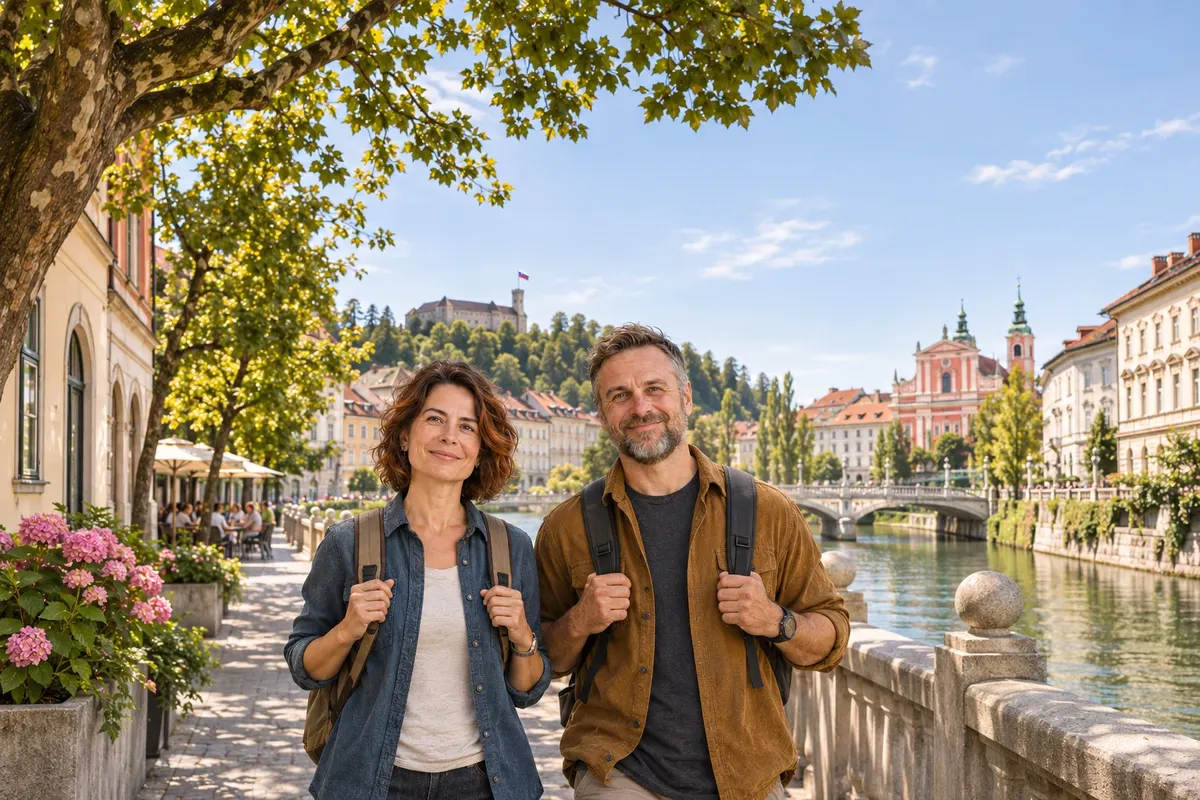
For those who have already crossed the Triple Bridge, visiting Plečnik’s house is an opportunity to see up close the distance between a drawing on paper and a work that today is part of so many people’s route. There are plans, models, and photographs that help recognize his interventions in the city. There are also ideas that remained on paper, a good reason to linger a little longer in the exhibition.
The visit to the rooms where Plečnik lived is guided and takes place in a small group. The preserved furniture and objects give a different scale to the architect’s work. It’s worth noting the curved shape of the annex he himself added to the house and then returning to the Ljubljanica’s bank to look at the market’s layout. Check the availability of the house visit when planning your day.
Idrija from Gewerkenegg Castle to the mercury mine
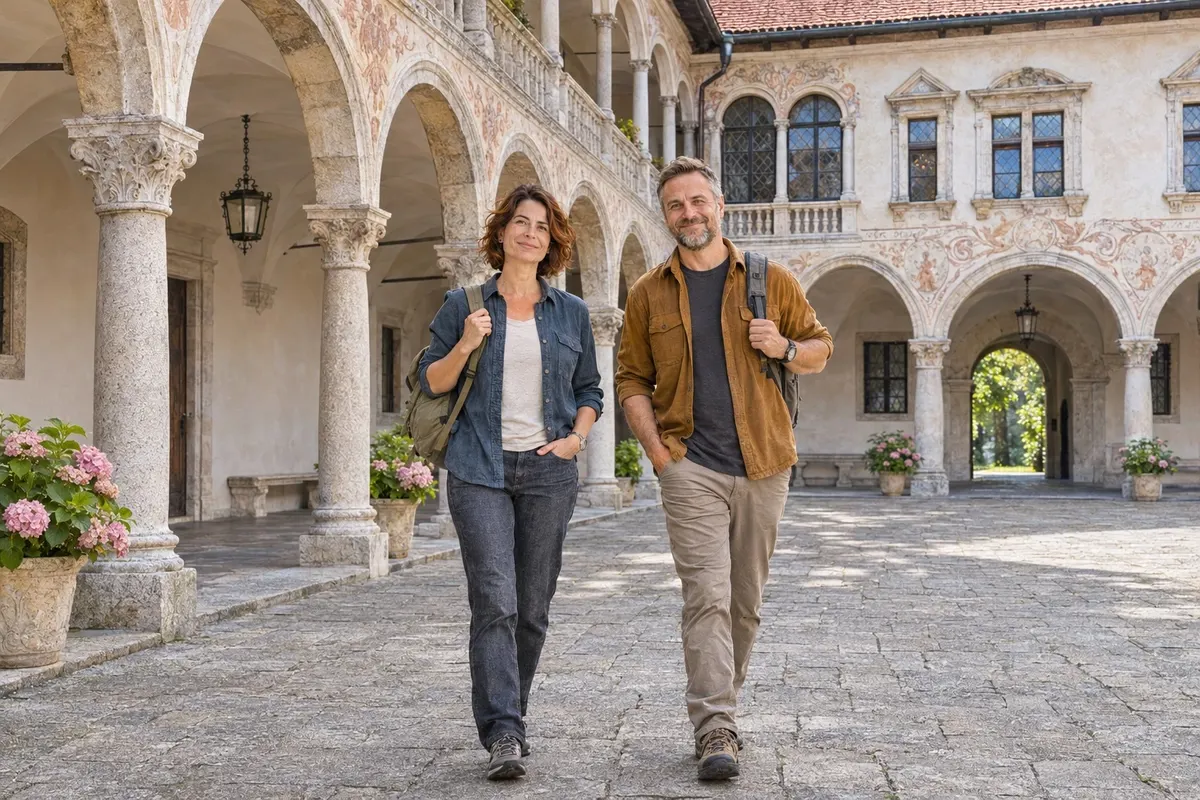
The arcaded courtyard might suggest a noble residence, but the castle was built for functions linked to the mine, including administering the operation and storing mercury. In the collections, look for the relationship between tools, the extracted materials, and the routine of those who worked underground. Then visit the section devoted to bobbin lace. The pieces show how the work done at home by lace makers supplemented miners’ family incomes.
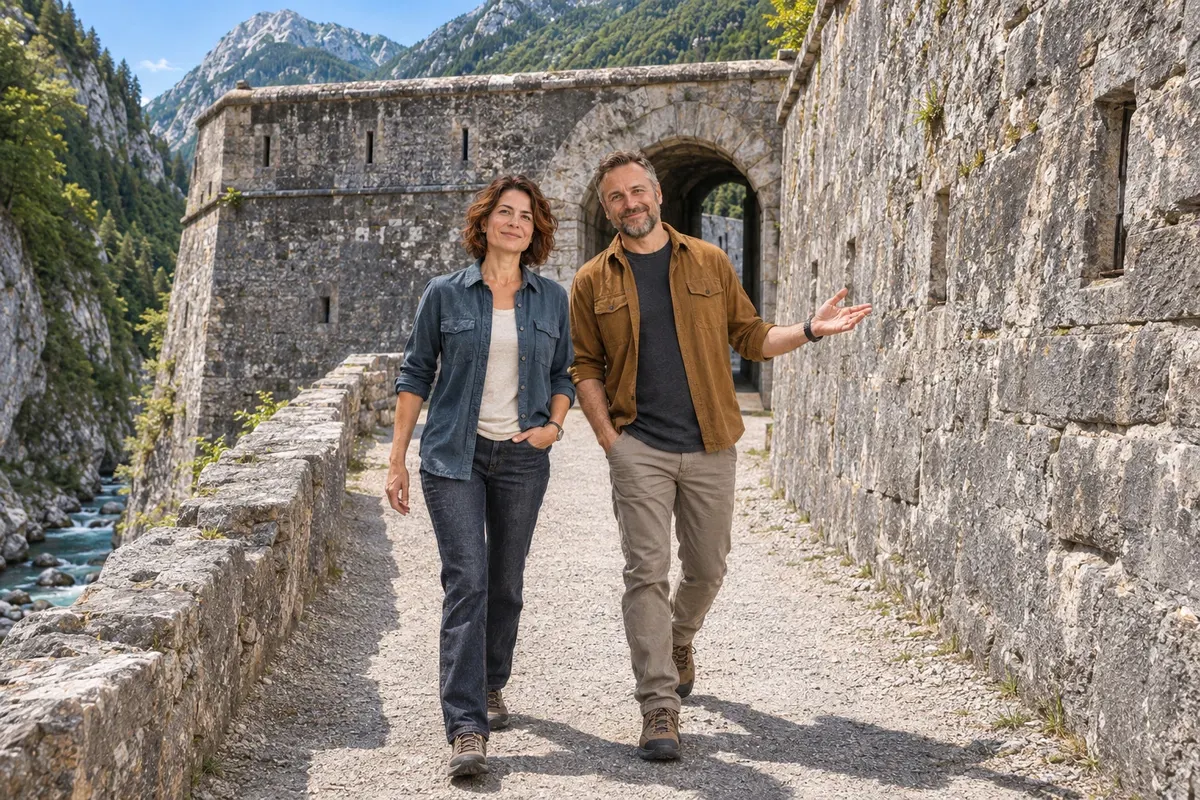
The underground visit takes place at another location. The historic entrance known as Antonijev rov gives access to a preserved part of the galleries. Check the route’s requirements and leave a gap of time between leaving the museum and meeting the mine guide. Those who prefer to remain on the surface can focus on the castle’s exhibitions, which address both the town and the mining industry.
How to enjoy the collections at your own pace
When checking each museum, distinguish between admission to the exhibition and activities with a guide, and ask about language. If someone in your group needs to avoid stairs, check access to the rooms of greatest interest. In Kobarid, for example, the permanent exhibition occupies floors without an elevator. The staff can advise on available resources and ground-floor activities.
Frequently asked questions
Which museum to visit to learn about the Soča front?
At the Kobarid museum there are maps, photographs, accounts, and a relief that presents the battle. The town’s historical trail allows you to extend the visit outdoors.
Is it possible to enter the house where Jože Plečnik lived?
Yes. The original rooms are visited with a guide, in small groups. The exhibition about the architect’s life and projects is also part of the house-museum.
Is Idrija’s municipal museum inside the mine?
The museum occupies Gewerkenegg Castle. The descent into the galleries begins at a separate entrance and must be planned separately.
Where to go: Museums
Pick a region or a state on the map, or type what you are looking for, to see the cities and who offers it in each.
-
Liubliana OS
Os museus da capital e a casa de Plečnik.
-
Idrija GR
O museu da cidade no castelo Gewerkenegg e a mina de mercúrio.
-
Kobarid GR
O museu de Kobarid, sobre a frente do Soča na Primeira Guerra.
More activities in Cultural and heritage travel
Beyond the guide


