

 Brazil
 Antarctica
 Argentina
 Bolivia
 Chile
 Colombia
 Ecuador
 Guyana
 French Guiana
 Falkland Islands (Malvinas)
 Paraguay
 Peru
 Suriname
 Uruguay
 Venezuela
 Germany
 Austria
 Belgium
 Croatia
 Denmark
 Slovakia
 Spain
 Finland
 France
 Greece
 the Netherlands
 Hungary
 Ireland
 Iceland
 Italy
 Luxembourg
 Norway
 Poland
 Portugal
 the United Kingdom
 the Czech Republic
 Sweden
 Switzerland
 Turkey
 Bermuda
 Canada
 the United States
 Greenland
 Mexico
 Saint Pierre and Miquelon
 the Dominican Republic
 Japan
 South Africa
 Egypt
 Australia
 Fiji
 New Zealand
 Papua New Guinea
Illustrative images. The pictures in this guide are illustrations based on the real place, not photographs, and may differ from it.

Travel for your moment in life · Culture and history
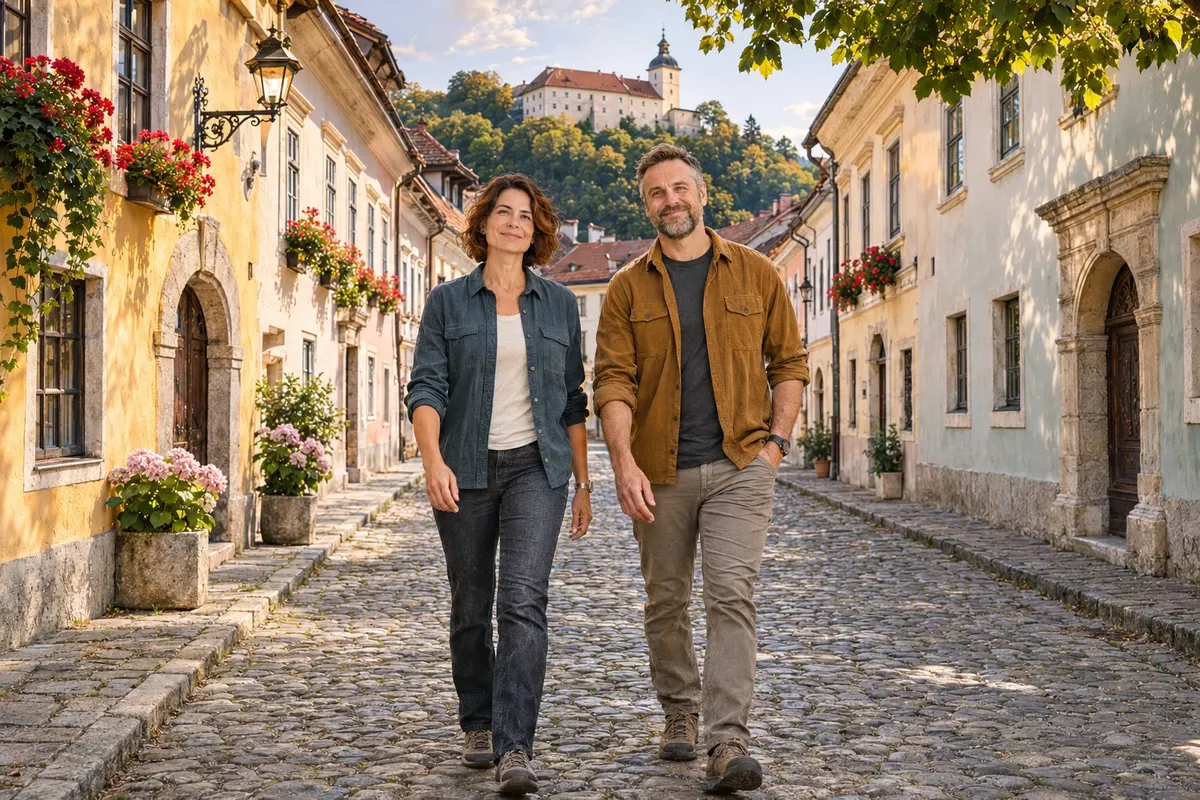
Types of travel
Culture and history
From Ljubljana’s bridges to Ptuj’s carnival masks, get to know cities through the hands of those who shaped them.
At the Triple Bridge in Ljubljana, try crossing on one side and returning by another. From each passage you see the connection between the square, the riverbanks, and the old town from a different angle. In Idrija, the scale of the visit shifts. The town’s history appears both in mercury mining and in the meticulous work of twisting bobbins to make lace. A cultural walk can start with an entire building or with an object that fits in the palm of your hand.
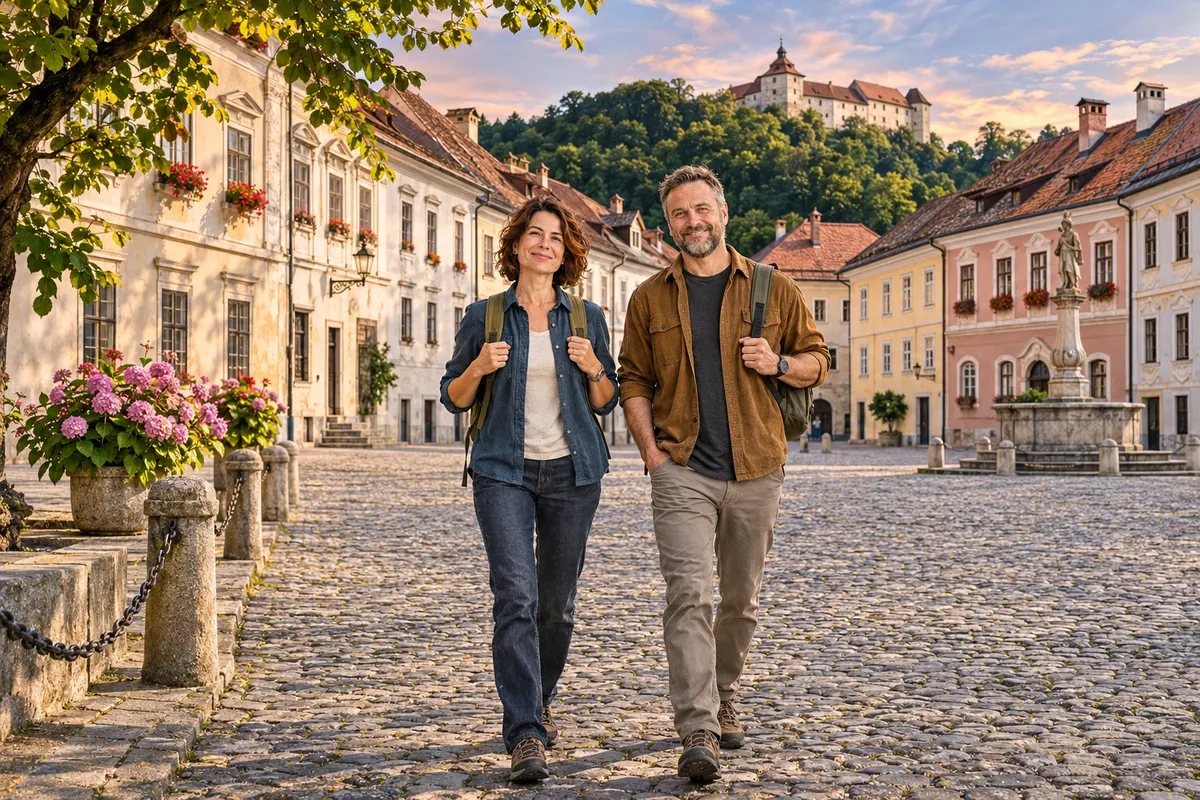
Cultural and heritage travel
Cultural and historical tourism follows the way a city was built and the crafts it has preserved. In Idrija, take time to watch the pattern of a lace and the movement of the bobbins. In Ljubljana, look for the bridge details that go unnoticed by those who only want to get to the other side.
Explore the Cultural and heritage travel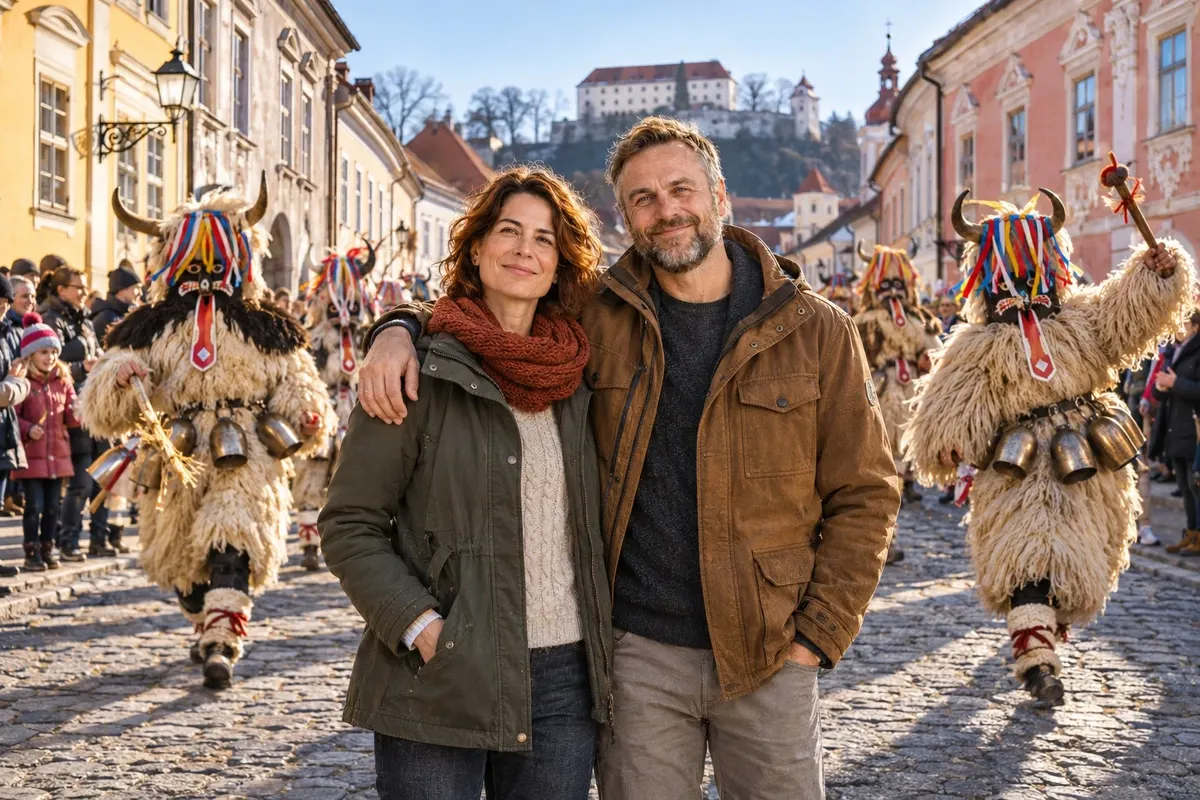
Popular festivals
Popular festivals bring visitors closer to the traditions residents put on the streets. At Ptuj’s carnival, it’s worth learning beforehand about the kurent figure. That way, when the bells announce the group, you’ll know what to look for in the masks, costumes, and movements of each participant.
Explore the Popular festivalsWhat a bridge or a mask can tell you about a city
In Ptuj, part of the local culture is known by ear. During Kurentovanje, the kurenti walk through the streets with large bells around their waists and covered in fur. The sound announces the passage of the masked figures to those still far from the procession. The festival places residents at the center of the visit and gives the places an appearance that exists only at that time of year.
How to choose between heritage and popular festival
If dates are flexible, think about what you’d like to see up close. To observe architecture, allow time to walk around Škofja Loka and study the relationship between the square, the houses, and the castle above. In Ljubljana, link the Triple Bridge to the Central Market and St. Nicholas Cathedral. It’s a walk you can pause for a coffee and resume without losing the thread of the route.
If your reason is Ptuj’s carnival, plan in the reverse order. Find the procession you want to see, book your stay, and decide the rest later. With children or people sensitive to noise, look for a spot where you can follow the kurenti and leave easily. Set aside another part of your stay to visit the castle and the town when the streets are quieter.
When to go and what the calendar changes
Bridges and squares allow you to get to know a historic city in any season. In winter, when it gets dark earlier, use the daylight hours to observe outdoor details. Keep an indoor visit as an option after confirming opening days. If a lace workshop is the reason to go to Idrija, ask in advance whether someone will be working during your visit.
Kurentovanje follows the carnival period, with its own program each year. A parade and a visit to the old town can even fall on the same day, but the crowds change access routes. When choosing where to stay, check how you will be able to return after the procession has passed.
Beyond the guide


