

 Brazil
 Antarctica
 Argentina
 Bolivia
 Chile
 Colombia
 Ecuador
 Guyana
 French Guiana
 Falkland Islands (Malvinas)
 Paraguay
 Peru
 Suriname
 Uruguay
 Venezuela
 Germany
 Austria
 Belgium
 Croatia
 Denmark
 Slovakia
 Spain
 Finland
 France
 Greece
 the Netherlands
 Hungary
 Ireland
 Iceland
 Italy
 Luxembourg
 Norway
 Poland
 Portugal
 the United Kingdom
 the Czech Republic
 Sweden
 Switzerland
 Turkey
 Bermuda
 Canada
 the United States
 Greenland
 Mexico
 Saint Pierre and Miquelon
 the Dominican Republic
 Japan
 South Africa
 Egypt
 Australia
 Fiji
 New Zealand
 Papua New Guinea
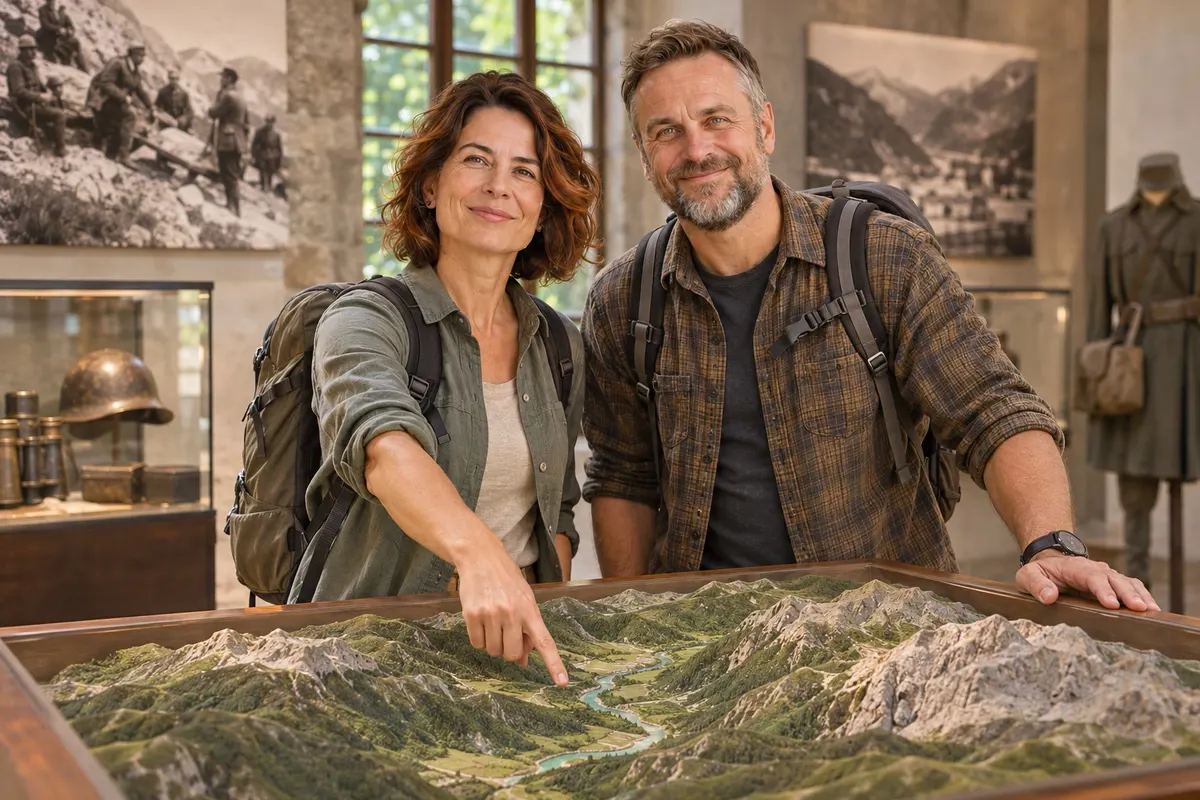
Illustrative images. The pictures in this guide are illustrations based on the real place, not photographs, and may differ from it.

Cultural and heritage travel
Slovenian handicrafts in Idrija and Radovljica
Follow the threads of Idrija lace and the painted scenes on the beehive panels in Radovljica.
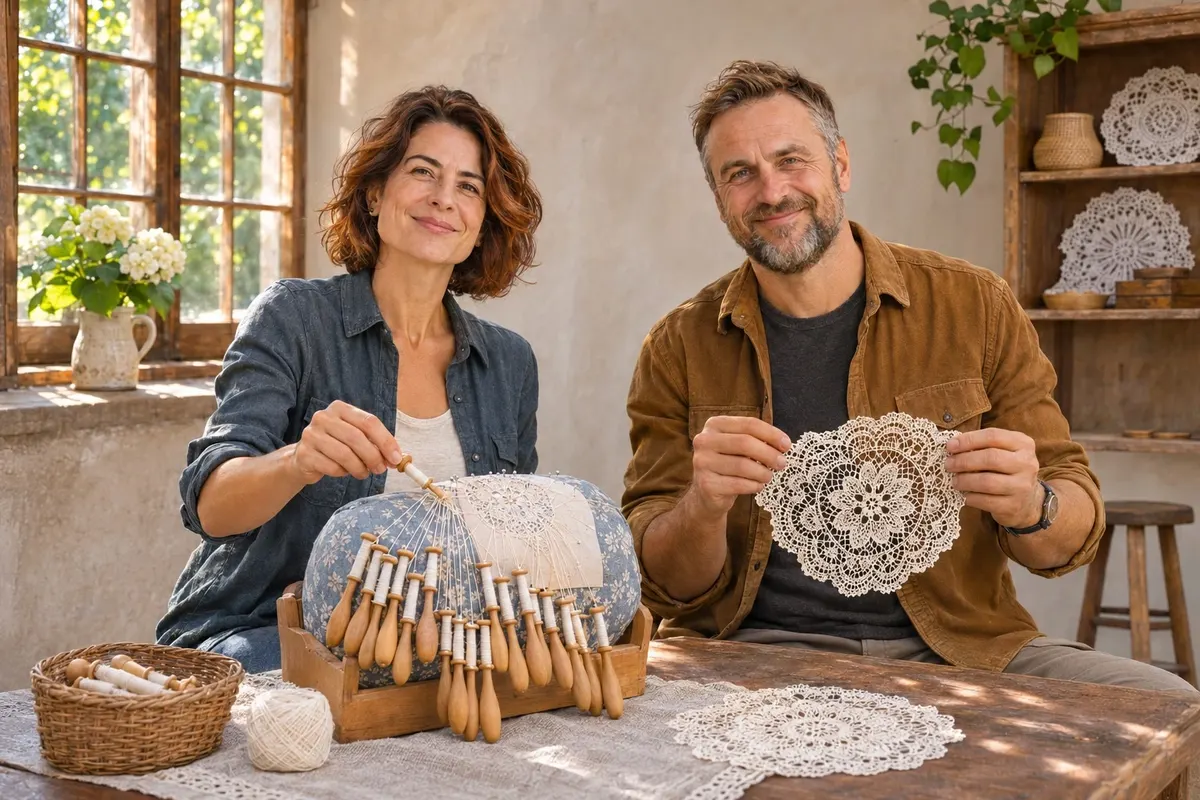
To see how Idrija lace is born, pick a pair of bobbins and try to follow them with your eyes. It’s hard to follow all of them at once. Gradually, the crossings of the threads form a narrow band that curves across the cushion. In Radovljica, the discovery begins with another small object: the board that closed the front of a hive and could carry an entire scene painted on the wood.
Lace and beehive painting were part of everyday life. In Idrija, the money earned from pieces helped support families connected to mining. In Radovljica, the panels now seen in the Beekeeping Museum were once outdoors, among the bees and those who tended them. Knowing the original use changes what you see in the display case.
Idrija and bobbin-lace work
Bobbin lace uses small wooden bobbins around which threads are wound. The lacemaker secures the pattern on a cushion, crosses the pairs and uses pins to hold the work in place. A distinctive trait of Idrija lace is the narrow band that outlines the motif. On a finished piece, look for the path of that band before examining the open spaces and the small joins that connect the curves.
The municipal museum, housed in Gewerkenegg Castle, links lace pieces to the stories of those who made them. The town’s lace school offers another perspective. Students’ work lets you see how the technique is still being learned. If you would like to try bobbins yourself, book a workshop in advance and confirm the language and whether beginners can participate.
How to enjoy the Idrija Lace Festival
Visitors to the festival should check the edition’s program to choose among exhibitions, demonstrations and hands-on activities. The difference matters when planning the day. A demonstration lets you follow the movements of an experienced person. In a workshop, much of the time can be spent getting the tension right on a few threads. For someone who has never held a bobbin, that first gesture already helps to understand the work behind a whole piece.
Outside the festival period, combine the museum’s historical collection with a visit to the school or a studio that is open to visitors. When talking with makers, ask where the design was started. That question usually prompts an explanation that goes beyond time spent and helps you recognize the hand of the person who made the piece.
Radovljica and the stories on beehive fronts
The beekeeping museum occupies the small palace on Linhart Square in Radovljica’s old town. Before looking at the paintings as pictures, find a wooden hive to understand the position of the front board. The low, wide shape left little space for the painter. Gestures, clothing and the figures’ positions had to be enough for the story to fit within that strip.
The collection includes religious images and scenes of everyday life. One of the oldest pieces shows Mary with the Child and bears the digits of the year divided between the two sides of the figure. As a family game, a good activity is to choose another panel, look first without reading and compare what each person understood with the museum’s description. The beekeeping tools displayed nearby return these images to the working environment they came from.
What to ask when choosing a souvenir
In Idrija, ask to see the lace laid flat on a background that contrasts with the thread and ask how to store it without deforming the design. When choosing a painted panel, ask where the scene came from and whether it was hand-painted or reproduced. Knowing who made the piece and what is depicted lets you take the object’s story home as well.
Frequently asked questions
Where to see bobbin lace in Slovenia?
In Idrija. The museum in Gewerkenegg Castle tells the story of the lacemakers, and the local school presents the technique and students’ work.
Do I need to go to the festival to learn about Idrija lace?
The museum’s collection can be visited at other times. To see demonstrations or practise with bobbins, check the schedule and arrange participation before the trip.
Where are the painted beehive panels located?
The Beekeeping Museum of Radovljica, on Linhart Square, houses original front panels. The paintings range from religious figures to small scenes of everyday life.
Where to go: Handicrafts
Pick a region or a state on the map, or type what you are looking for, to see the cities and who offers it in each.
-
Radovljica GO
O museu da apicultura e as tábuas pintadas das colmeias.
-
Idrija GR
A renda de bilros de Idrija e o festival da renda.
More activities in Cultural and heritage travel

Beyond the guide


