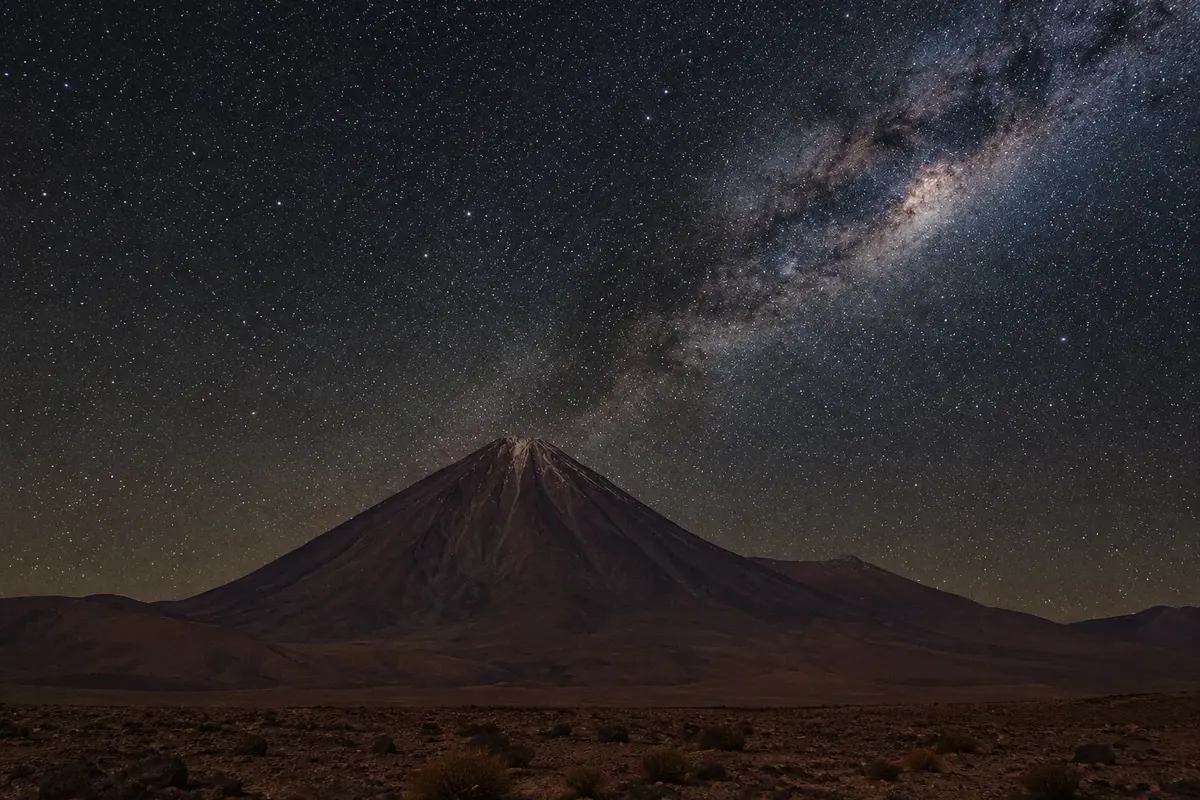
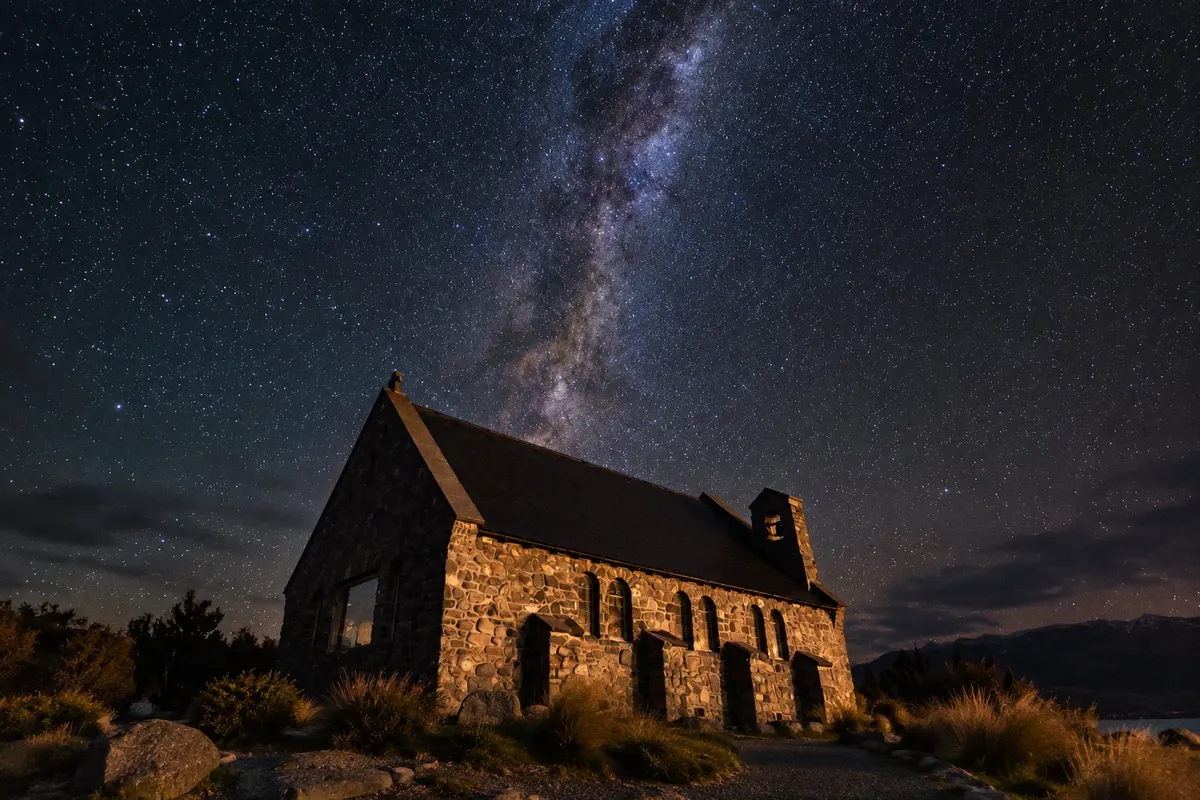
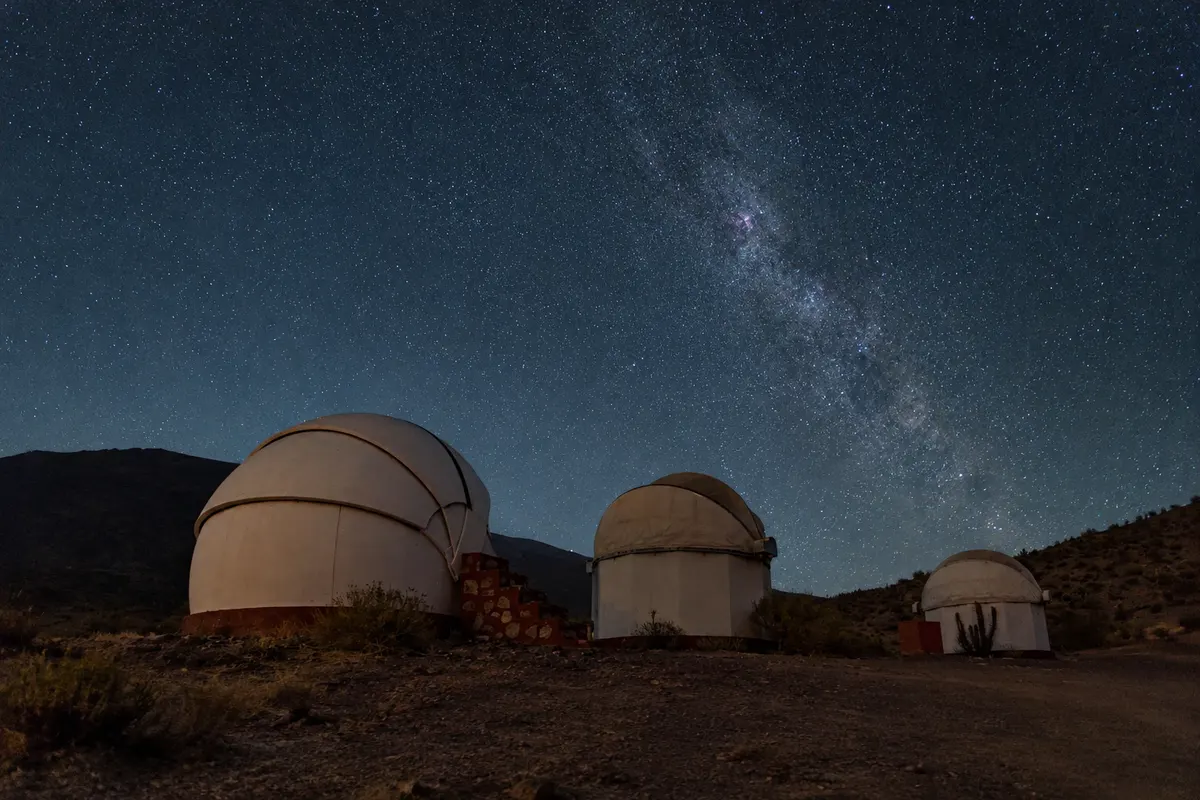
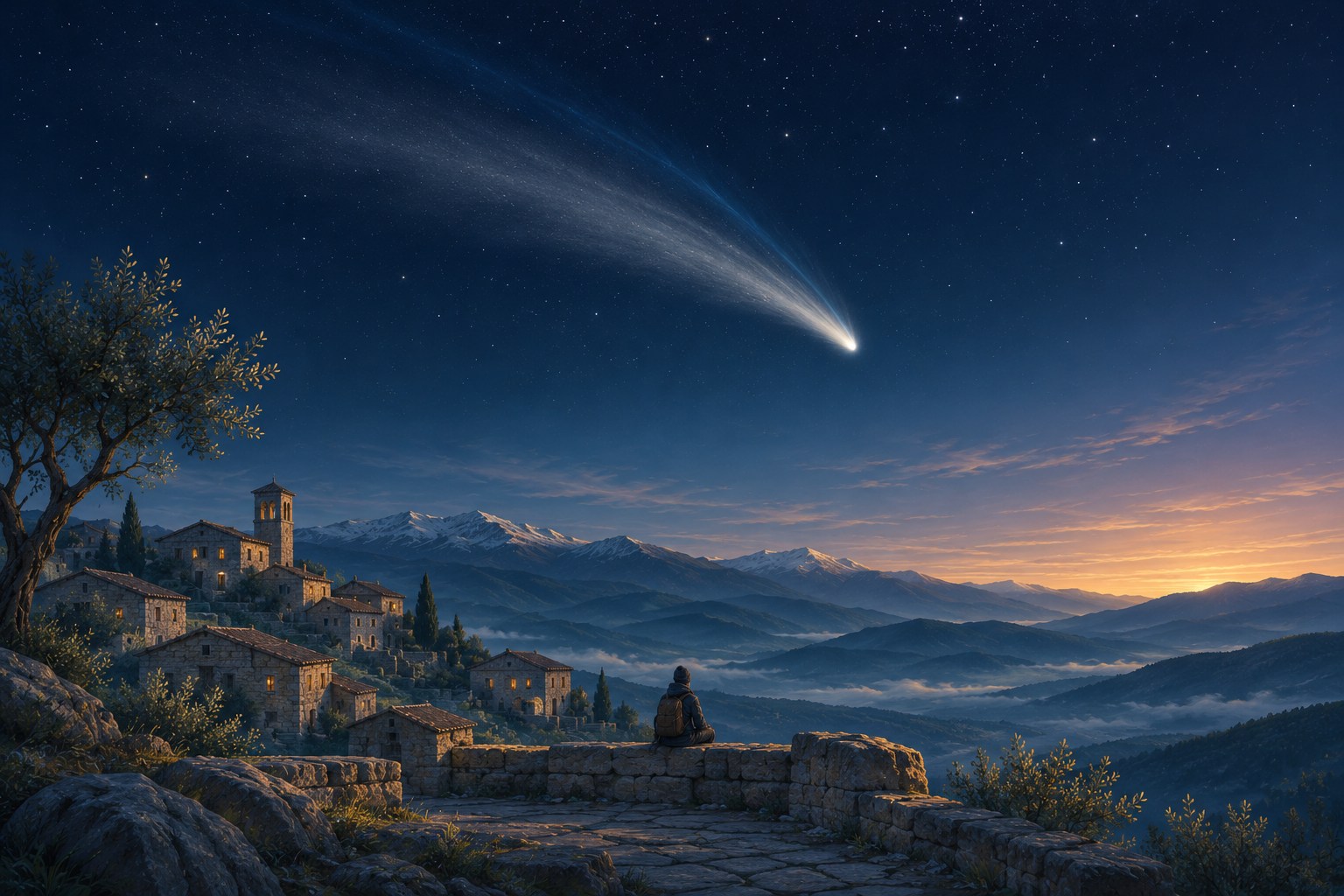
Illustrative images. The pictures in this guide are illustrations based on the real place, not photographs, and may differ from it.

Get it on Google Play

Earth and travel

Comets and Meteor Showers

Comets that return periodically, those that arrive with little warning, and the meteor showers they leave along Earth’s path, with dates and places to see them.

Share: WhatsApp

Upcoming comets calendar

The date is the closest pass to the Sun, when a comet usually shines brightest.

  • Enckereturns every 3.3 years
    February 10, 2027 · in 97 days

    The shortest-period comet among the well-known ones. Binoculars: in the north in January, in the south in late February.

  • Tempel-Tuttlereturns every 33 years
    May 2031 · in about 5 years

    Faint, but it is the comet that leaves the dust of the Leonids, in November.

  • Halleyreturns about every 76 years
    July 28, 2061 · in about 35 years

    The most famous: on its 2061 return it should be easy to see with the naked eye. It last came by in 1986.

  • Pons-Brooksreturns about every 71 years
    April 2095 · in about 68 years

    It came by in 2024, with outbursts that gave it a "horned" look.

  • Swift-Tuttlereturns about every 133 years
    July 2126 · in about 100 years

    The comet behind the Perseids, the August shower. It last came by in 1992.

This year's meteor showers

Each shower's peak, from today. The rate is per hour under ideal skies; in practice you see fewer.

  • Leonidsup to 15 per hour · in both hemispheres
    November 17, 2026 · in 12 days

    Comes from the comet Tempel-Tuttle.

  • Geminidsup to 150 per hour · in both hemispheres
    December 14, 2026 · in 39 days

    Comes from the asteroid Phaethon.

  • Quadrantidsup to 110 per hour · Northern Hemisphere only
    January 3, 2027 · in 59 days

    Comes from the asteroid 2003 EH1.

  • Lyridsup to 18 per hour · best in the Northern Hemisphere
    April 22, 2027 · in 168 days

    Comes from the comet Thatcher.

  • Eta Aquariidsup to 50 per hour · best in the Southern Hemisphere
    May 6, 2027 · in 182 days

    Comes from the comet Halley.

  • Perseidsup to 100 per hour · best in the Northern Hemisphere
    August 12, 2027 · in 280 days

    Comes from the comet Swift-Tuttle.

  • Orionidsup to 20 per hour · in both hemispheres
    October 21, 2027 · in 350 days

    Comes from the comet Halley.

Comet dates: perihelion predicted by the Minor Planet Center and NASA's JPL; they may shift by a few days with new observations. Meteor showers: International Meteor Organization.

What a comet is

What a comet is

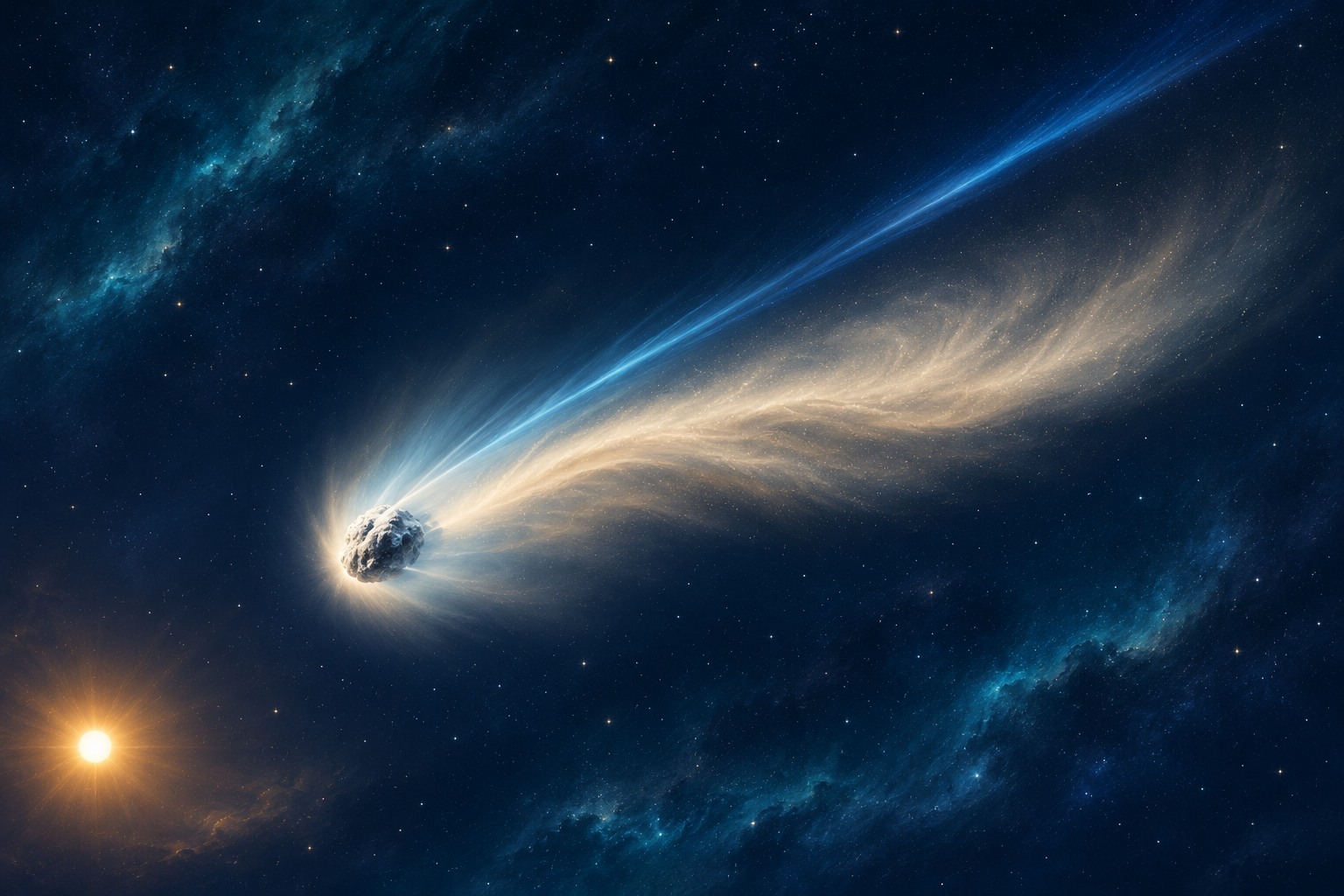
A comet is a block of ice, dust, and rock with a nucleus a few kilometers across that orbits the Sun in a very elongated path. Far from the Sun it is dark and frozen. As it approaches, heat turns part of the ice into gas, which carries dust away and forms the coma, the cloud around the nucleus, and the tail.

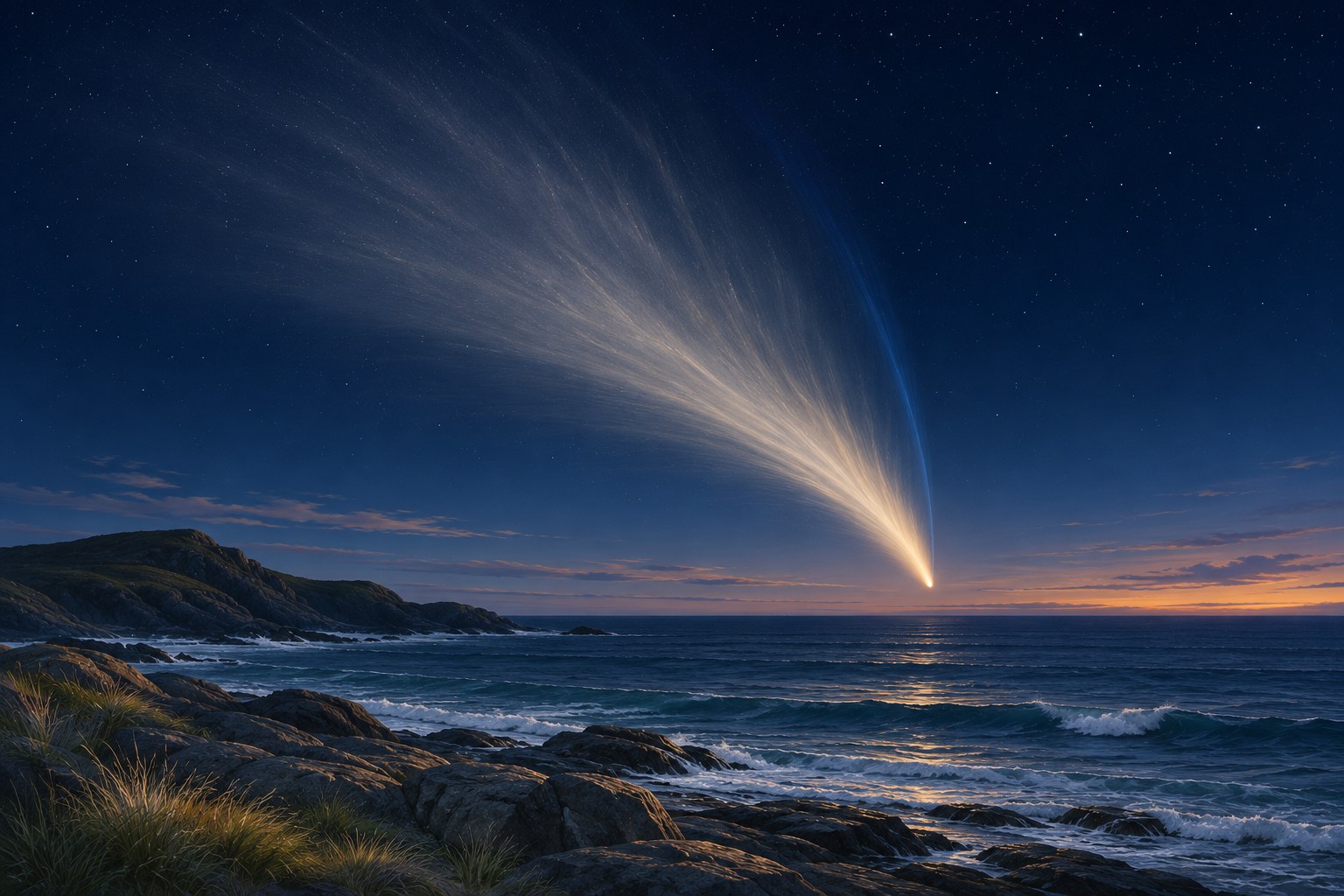
Many comets have two tails: a dust tail, broader and curved, and a gas tail, thinner and bluish. Both always point away from the Sun, pushed by sunlight and the solar wind, and can stretch for millions of kilometers.
Where comets come from

Where comets come from

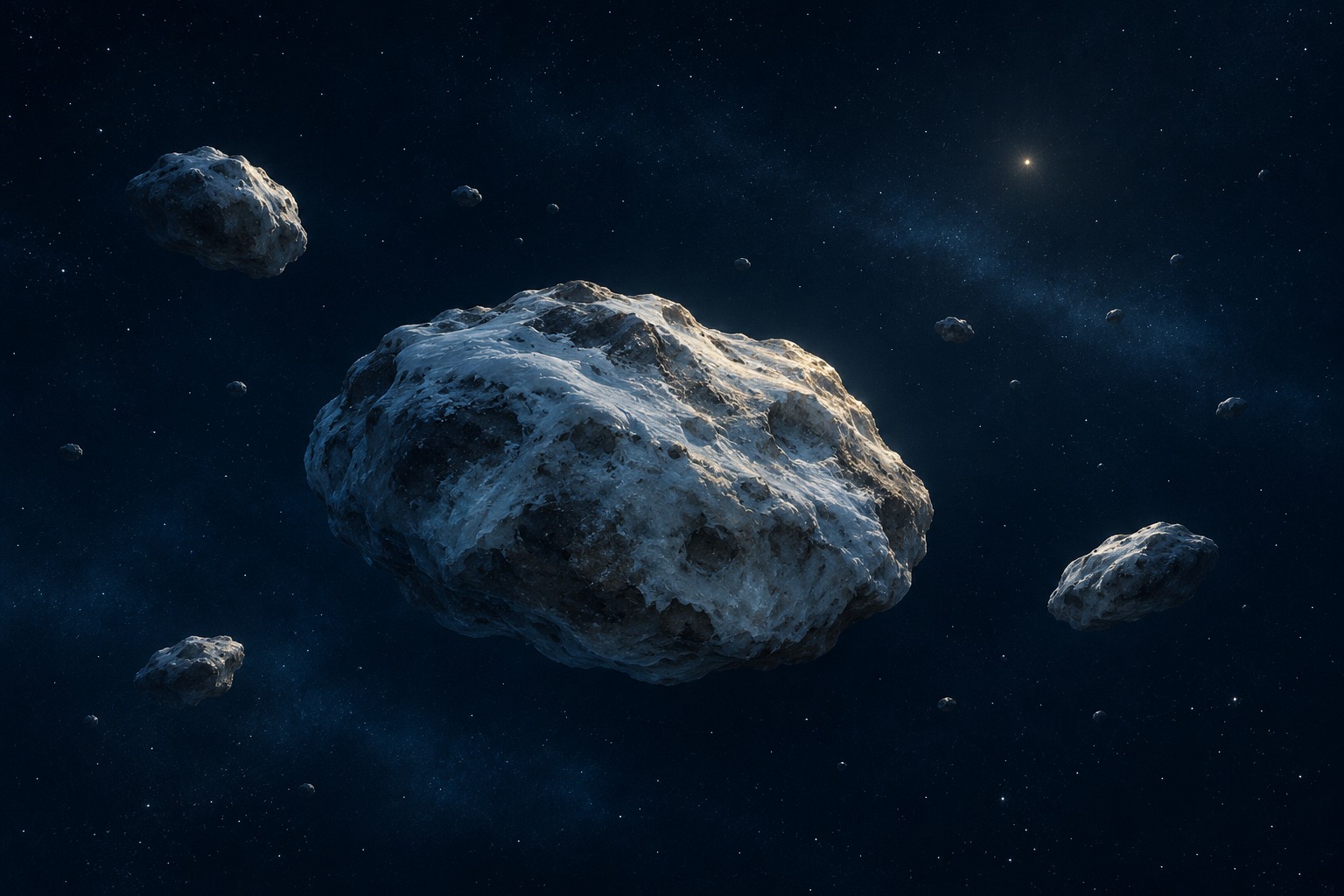
Comets are leftovers from the formation of the Solar System about 4.6 billion years ago. Short-period comets, which return in less than 200 years, generally come from the Kuiper Belt beyond Neptune. Long-period comets come from the Oort Cloud much farther out and take thousands of years to return; some pass only once.

The gravity of the planets, especially Jupiter’s, alters the orbits of comets that pass nearby: some become trapped in shorter orbits, others are ejected from the Solar System.

Periodic comets

Periodic comets

Halley is the most famous: it returns every 76 years on average and is the only short-period comet that typically becomes bright enough to see with the naked eye. It passed in 1986 and is expected to reach perihelion on July 28, 2061, in a position more favorable for viewing from Earth than last time.

Encke has the shortest return among well-known comets: it approaches the Sun every 3.3 years and, on the most favorable passages, can reach binocular visibility under a dark sky.

Other long-return comets mark generations: Swift-Tuttle, which passed in 1992, returns in 2126, and Tempel-Tuttle returns every 33 years. Even when distant, they leave dust that forms meteor showers.

Great comets that arrive without warning

Great comets that arrive without warning

The brightest comets tend to be long-period comets, discovered only months or even weeks before they brighten. Hale-Bopp in 1997 was visible to the naked eye for more than a year. McNaught in 2007 produced a huge tail in the southern hemisphere sky, and NEOWISE in 2020 was seen with the naked eye in the northern hemisphere.

A comet’s brightness is hard to predict: some disintegrate near the Sun and others become much brighter than expected. When a comet looks promising, follow the news in the weeks before and be ready to travel outside the city on the right nights.

Meteor showers

Meteor showers

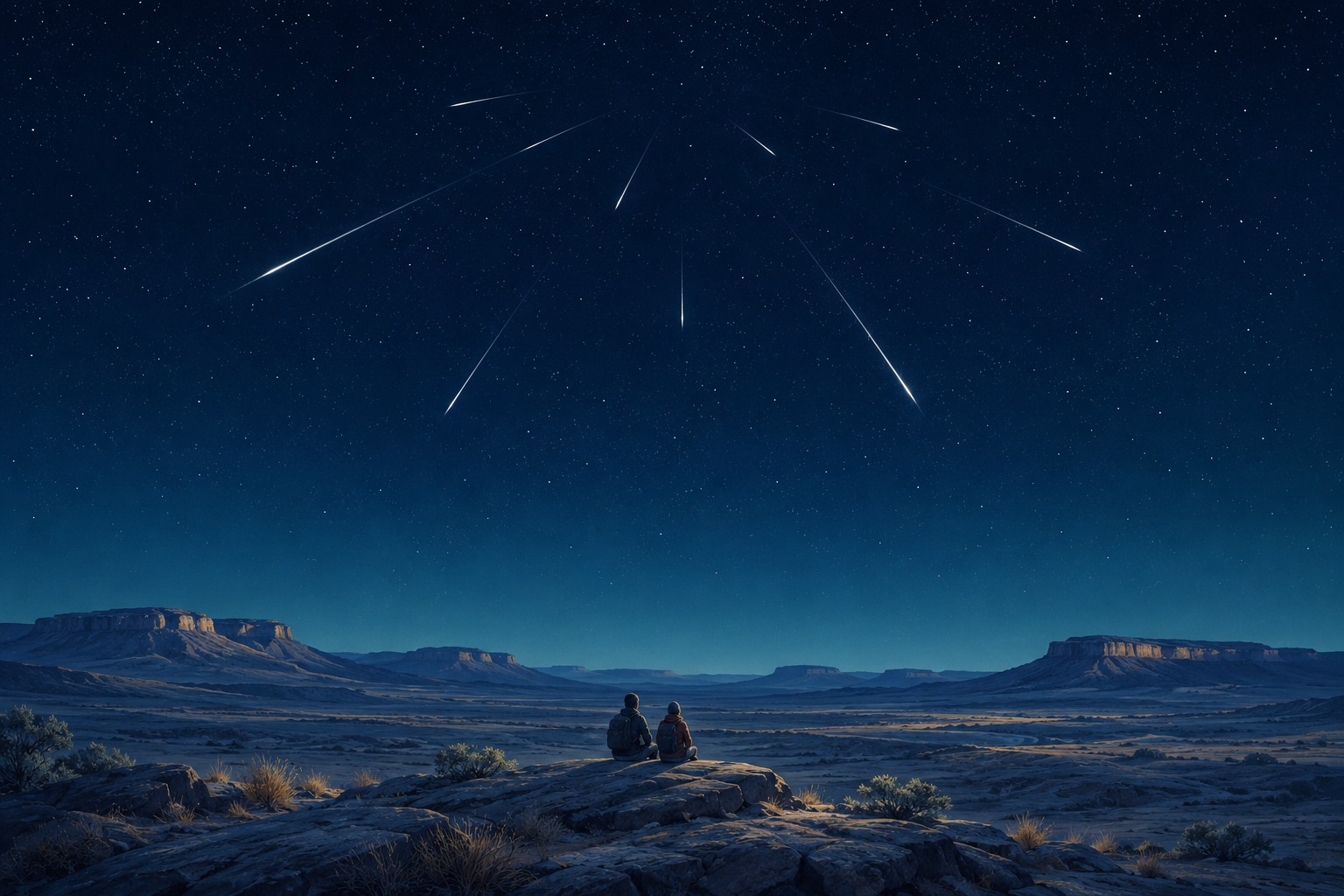
As a comet passes, it leaves a trail of dust along its path. When Earth crosses that trail, the grains enter the atmosphere at tens of kilometers per second and burn up, streaking the sky: those are shooting stars. Because Earth crosses the same trail at the same time each year, the showers recur on the same dates annually.

Halley, for example, produces two showers: the Eta Aquariids in May and the Orionids in October. The Perseids in August come from Swift-Tuttle, and the Leonids in November from Tempel-Tuttle. The Geminids in December are among the strongest of the year and originate from an asteroid, Phaethon.

The meteors in a shower appear to radiate from a single point in the sky, the radiant, which gives the shower its name: the Perseids seem to come from the constellation Perseus. They usually appear more often after midnight, when the radiant is high and there is no bright Moon.

From the south or the north

From the south or the north

Not every comet or shower is well seen from both hemispheres. When the radiant lies far to the north of the sky, as with the Perseids and the Quadrantids, the shower is little seen or not seen at all in the southern hemisphere; the Eta Aquariids, by contrast, are better in the southern hemisphere. The same applies to comets: near the Sun, some appear high in the northern sky and low or hidden in the south, or vice versa.

In Brazil, the Perseids appear low with few meteors, more visible in the North and Northeast. The Eta Aquariids, Orionids, and Geminids can be seen throughout the country.

Comets and shooting stars while traveling

Comets and shooting stars while traveling

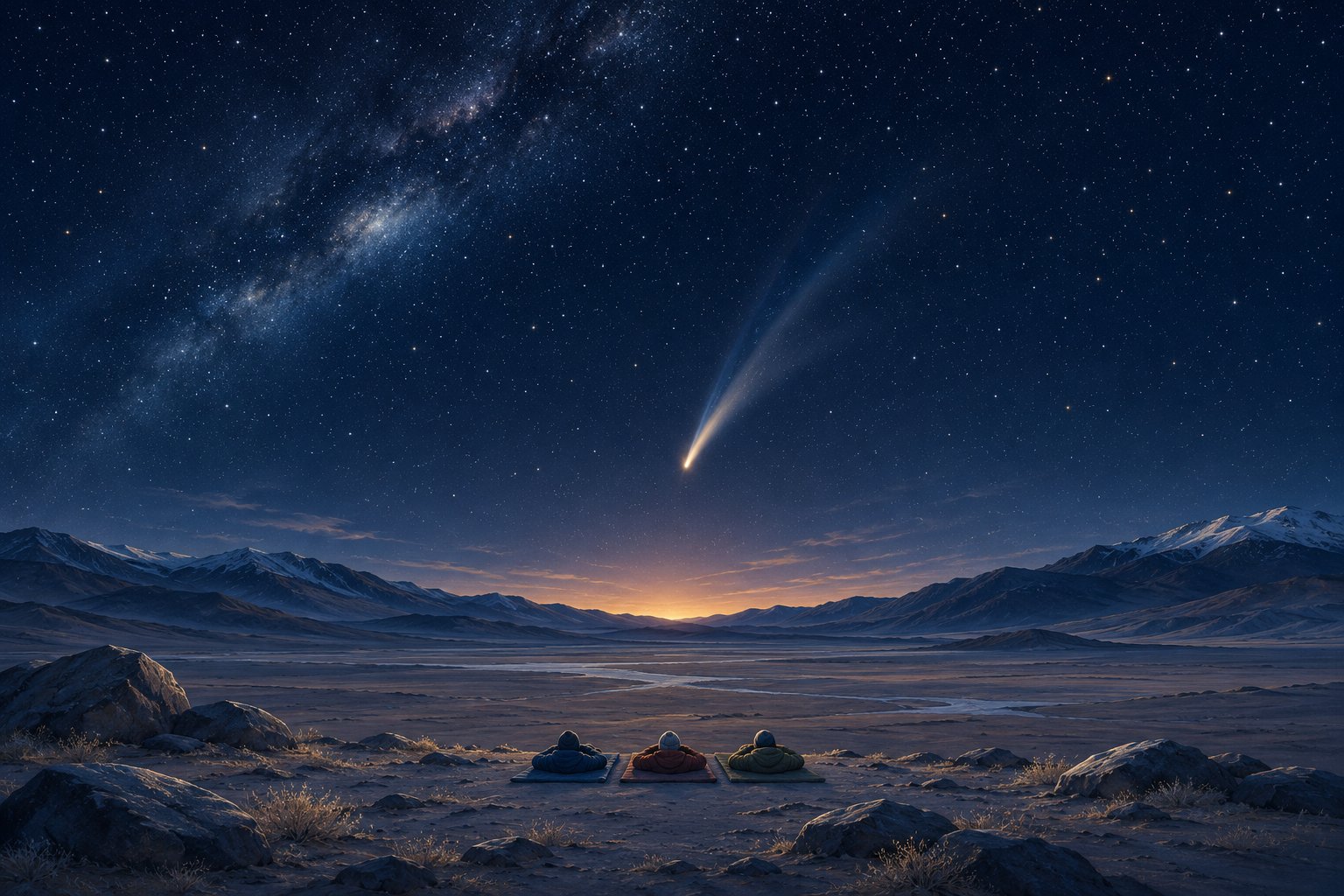
The key is a dark sky: away from city lights, with no bright Moon and clear weather. Dry climates, like the Atacama Desert and the Elqui Valley in Chile, have many clear nights per year; in Chapada dos Veadeiros in Brazil, the sky tends to be clearer during the dry season, from May to September.

You don’t need binoculars or a telescope to see meteors: lie back and look at the sky, let your eyes adapt to the dark for about 20 minutes, and be patient. For faint comets, binoculars help a lot, and at observatories open to visitors guides usually show where the comet is.

None of this is guaranteed: clouds, a full Moon and city lights greatly reduce what you see, and each meteor shower's rate is for a perfect sky. A comet's brightness is also only confirmed when it gets close to the Sun.

Where to see it on your trip

Places in the guide related to this topic.

Dark skies in the Southern Hemisphere

San Pedro de Atacama
Chile

San Pedro de Atacama

Vale do Elqui
Chile

Vale do Elqui

Alto Paraíso de Goiás
Brazil

Alto Paraíso de Goiás

Jalapão
Brazil

Jalapão

Lençóis Maranhenses
Brazil

Lençóis Maranhenses

Tekapo
New Zealand

Tekapo

Céu escuro do Atacama
San Pedro de Atacama, Chile

Céu escuro do Atacama

Céu escuro de Tekapo
Tekapo, New Zealand

Céu escuro de Tekapo

Céu escuro do Vale do Elqui
Vicuña, Chile

Céu escuro do Vale do Elqui

Dark skies in the Northern Hemisphere

Ilha do Havaí (Big Island)
the United States

Ilha do Havaí (Big Island)

Tenerife
Spain

Tenerife

Flagstaff
the United States

Flagstaff

Abisko
Sweden

Abisko

Observatories to visit

Observatorio Cerro Mamalluca
Vicuña, Chile

Observatorio Cerro Mamalluca

Observatorio del Pangue
Vicuña, Chile

Observatorio del Pangue

Mauna Kea
Hilo, the United States

Mauna Kea

Lowell Observatory
Flagstaff, the United States

Lowell Observatory

Observatório do Pico dos Dias
Brazópolis, Brazil

Observatório do Pico dos Dias

Frequently asked questions

When will Halley return?

Halley is expected to reach perihelion on July 28, 2061. It returns every 76 years on average and last passed in 1986.

What is the difference between a comet, a meteoroid, and a meteorite?

A comet is a block of ice and dust that orbits the Sun. A meteoroid—the shooting star—is the streak of light from a grain of dust burning in the atmosphere. A meteorite is the piece of rock that reaches the ground.

When are the meteor showers?

The main showers peak near these dates every year: Quadrantids, January 3; Lyrids, April 22; Eta Aquariids, May 6; Perseids, August 12; Orionids, October 21; Leonids, November 17; and Geminids, December 14.

Can you see a comet with the naked eye?

Only the brightest ones, which appear a few times per decade. Most require binoculars or a telescope under a dark sky.

Why does a comet’s tail point away from the Sun?

Because sunlight and the solar wind push gas and dust backward. That’s why, when the comet moves away from the Sun, the tail can lead it.

What is the best time to see meteor showers?

After midnight and until just before dawn, when the rainband’s brightness is highest. Choose a dark location on nights with little moonlight.

Back to Tekapo