

 Brazil
 Antarctica
 Argentina
 Bolivia
 Chile
 Colombia
 Ecuador
 Guyana
 French Guiana
 Falkland Islands (Malvinas)
 Paraguay
 Peru
 Suriname
 Uruguay
 Venezuela
 Germany
 Austria
 Croatia
 Denmark
 Slovakia
 Slovenia
 Spain
 Finland
 France
 Greece
 the Netherlands
 Hungary
 Ireland
 Iceland
 Italy
 Luxembourg
 Norway
 Poland
 Portugal
 the United Kingdom
 the Czech Republic
 Sweden
 Switzerland
 Turkey
 Bermuda
 Canada
 the United States
 Greenland
 Mexico
 Saint Pierre and Miquelon
 the Dominican Republic
 Japan
 South Africa
 Egypt
 Australia
 Fiji
 New Zealand
 Papua New Guinea
Illustrative images. The pictures in this guide are illustrations based on the real place, not photographs, and may differ from it.

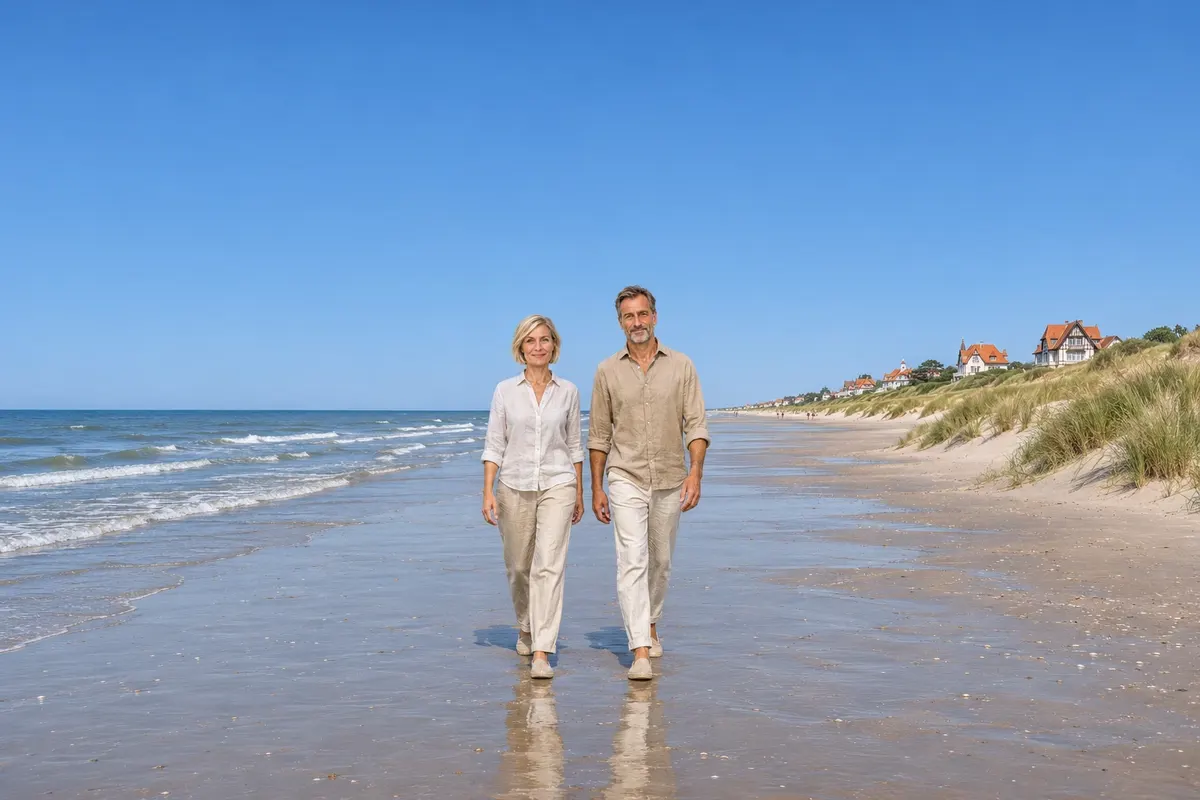
Nature
Sun and beach in Belgium
On the Belgian coast, you can get off the train in Ostend, step onto the sand in the morning and spend the afternoon among the dunes of another resort, with the tram making the connection.
In Blankenberge, the Belgium Pier juts out over the North Sea. Seen from up there, the path someone has just made across the sand can gradually disappear as the tide rises. That back-and-forth marks the day on Belgium’s beaches. Some people consult the tide table to walk farther, while others prefer a table on the promenade to watch the sea come closer.
Things to do
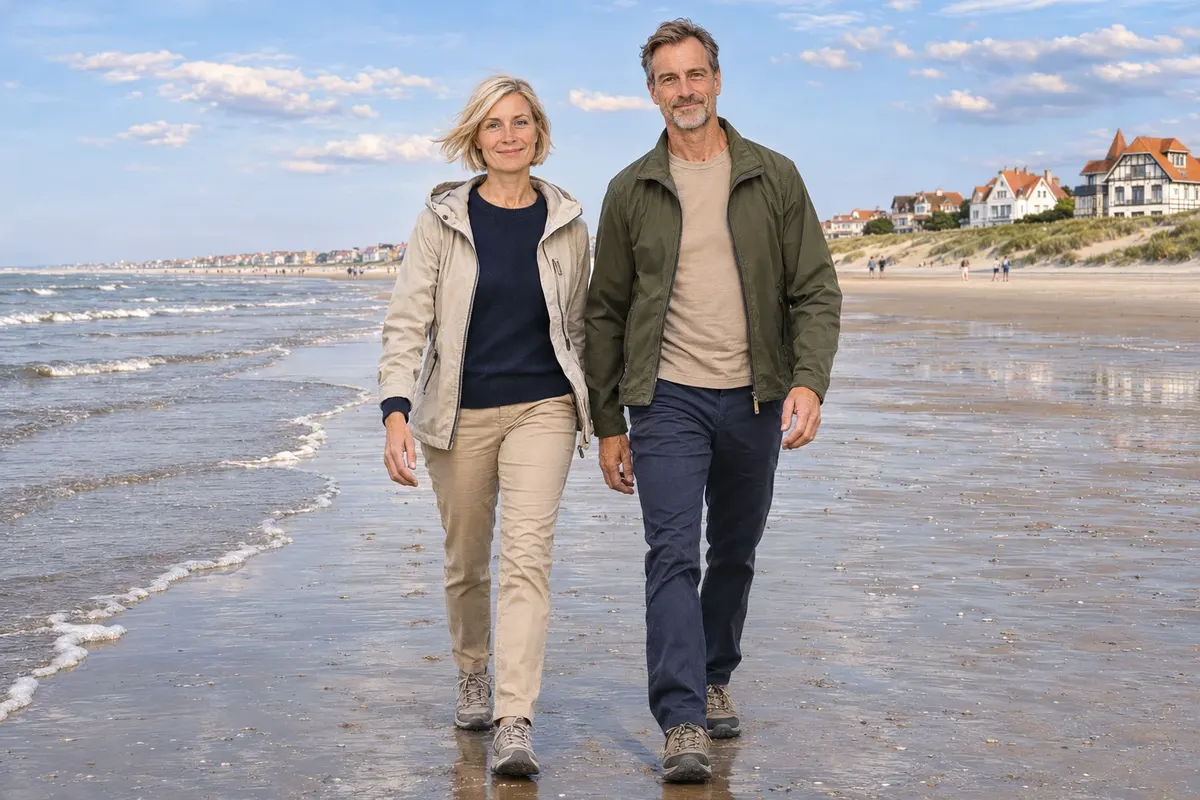
North Sea beaches
Choose your resort by the route you want to take between the town, the promenade, and the water.
Learn more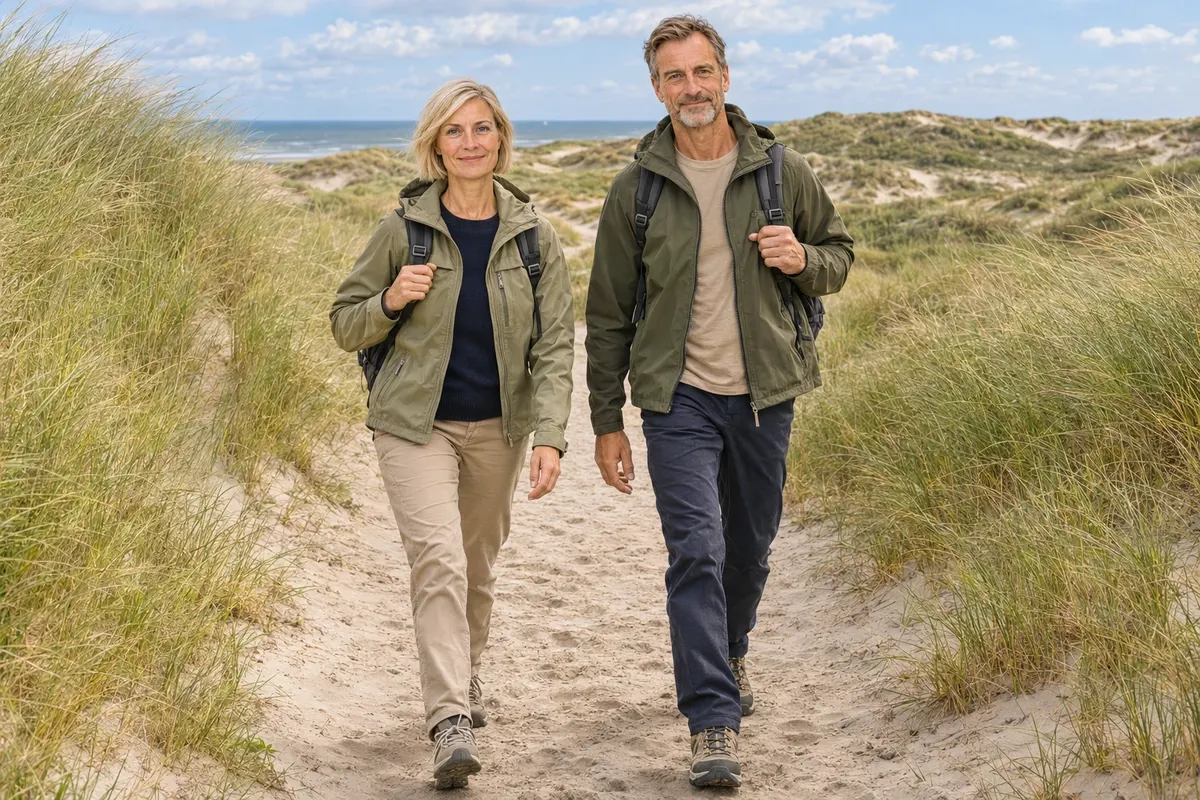
Dunes and coastal reserves
Follow the trails of Westhoek, enter the woods of De Haan, or walk with the tide in the Zwin.
Learn more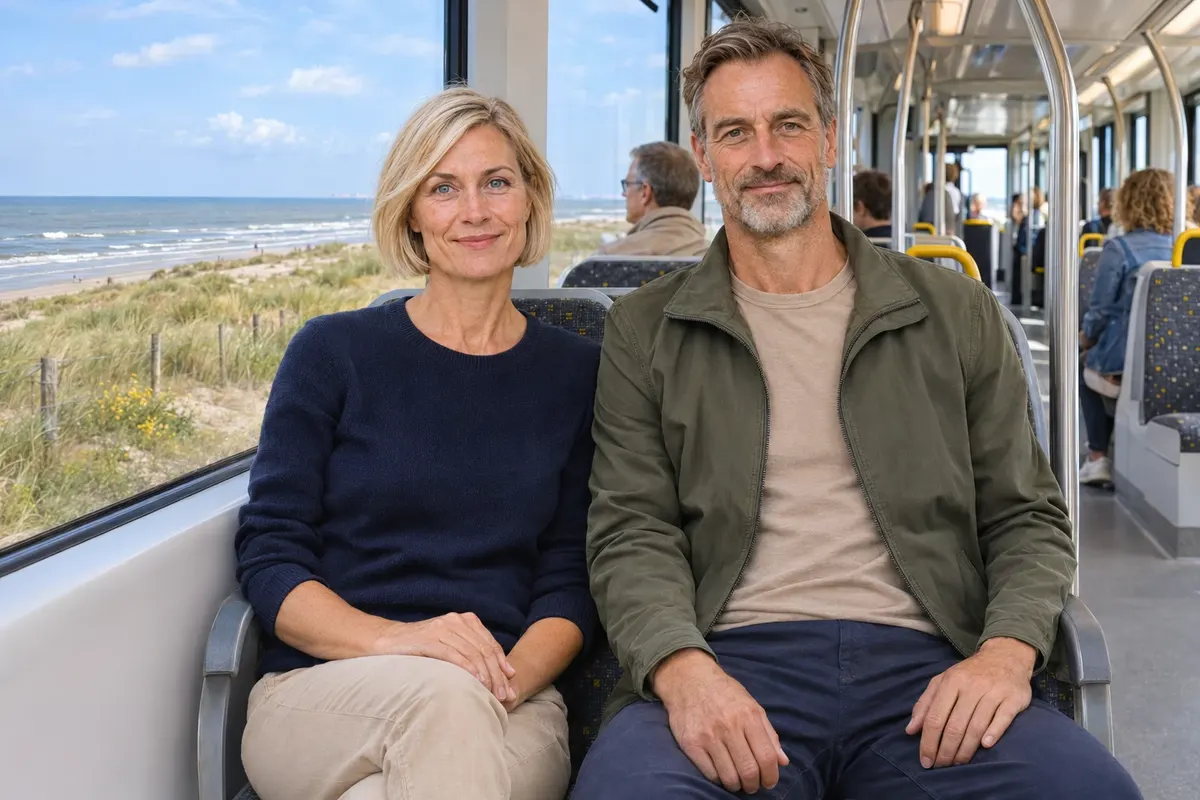
Coastal tram
Get off the Kusttram to walk, and take the tram to the next beach.
Learn more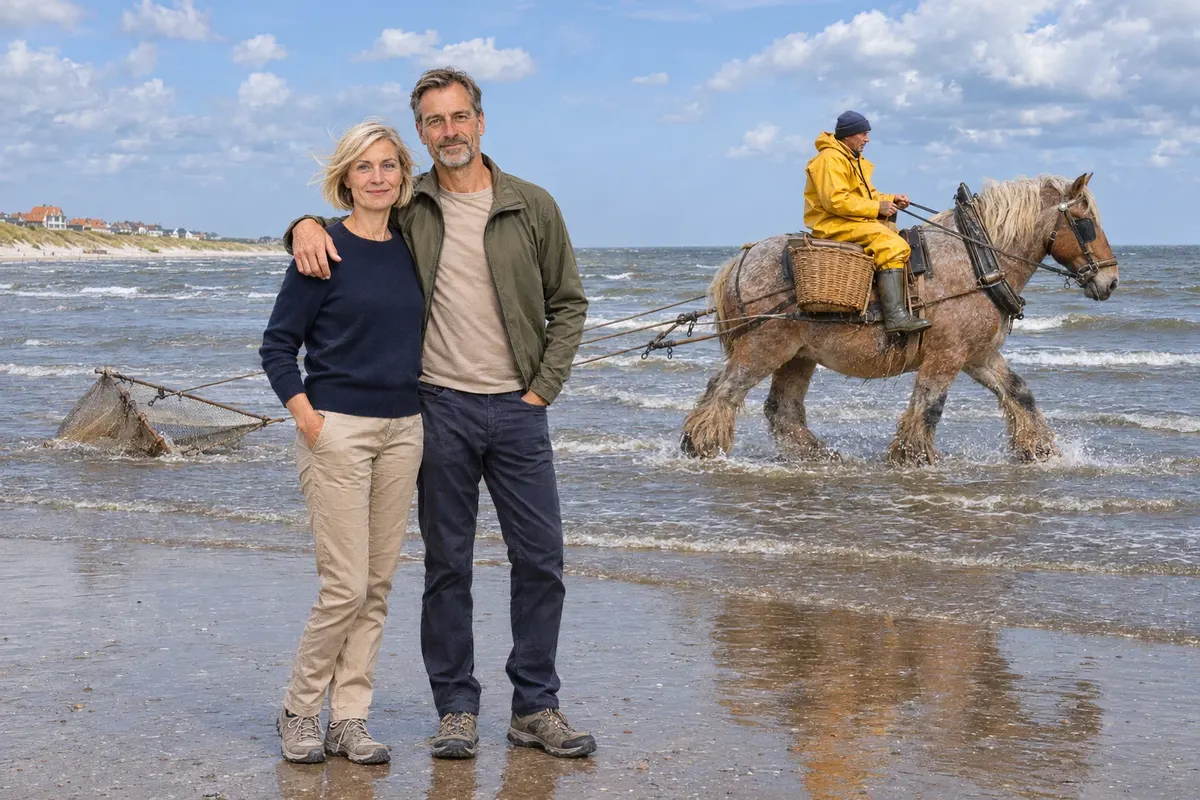
Horse-drawn shrimp fishing
Watch from the sand the teamwork of the fisherman and the draught horse.
Learn moreWhere to go in Belgium
Pick a region or type what you are looking for to see the cities and who offers each activity.
- Blankenberge WV
-
De Haan WV
North Sea beaches · Dunes and coastal reserves · Coastal tram
-
De Panne WV
North Sea beaches · Dunes and coastal reserves · Coastal tram
-
Knokke-Heist WV
North Sea beaches · Dunes and coastal reserves · Coastal tram
- Nieuwpoort WV
- Ostende WV
Sandy beaches continue along the Flemish coast, but what you find when you step out of the water varies a lot. In Ostend, the beach is part of the city center. In De Panne, the promenade can continue through the dunes of Westhoek. Between resorts runs the Kusttram, the coastal tram, which lets you decide where to spend the afternoon without needing to return to your starting point to get the car.
A day at the beach to the rhythm of the tide
To choose where to spread your towel, first look at the beach exit. At low tide, the sea pulls back and reveals a strip of wet sand, good for those who like to walk close to the water. The distance back to the promenade may feel much greater on the return. At high tide, the space shrinks and the same stretch takes on a different look.
In Ostend, the streets of the town centre open onto the seaside promenade. It’s a practical choice for those arriving by train, wanting to have lunch in town and return to the same beach. In Nieuwpoort, it’s worth taking the seafront promenade as a starting point and choosing when to go down to the sand only after feeling which way the wind is coming. In both cases, the promenade is also a pleasant stretch of beach for those who prefer walking on firm ground.
Three walks between dunes and salt water
Leaving De Panne toward the Westhoek reserve, you come across a dune field. The loose sand demands more from the legs than the compact strip by the water. Use the marked access points to move from one environment to the other. The grass that looks low from the beach helps hold the sand in place, and an informal path cuts right through that cover.
In the Duinbossen, in De Haan, the point of interest is the transition from the open dune to the wood. In the Zwin Nature Park, in Knokke-Heist, it is the salt water that shapes the walk. When the tide rises, it enters the plain through the channels. A viewing shelter gives you time to notice where birds look for food as the level changes. For those going to the Zwin, the access conditions to the plain are part of the route choice.
From the train in Ostend to the coastal tram
Ostend station makes it easy to reach the coast and continue along the Kusttram. Those heading for Knokke can get off at De Haan to walk and then resume the trip toward Blankenberge. In the direction of De Panne, Nieuwpoort offers a stop to stroll by the sea. Choosing one direction per day leaves more time to stay at the beach you liked.
Before boarding, check the map for the stop closest to the walk you chose. a town’s station, its centre and the strip of sand can be at different points. On the return, check the destination indicated on the vehicle. In urban sections, houses fill the window for part of the trip. To see the sea properly, allow time to get off.
Draft horses and shrimp fishing
One of the Belgian coast traditions can be seen from the sand when a demonstration is scheduled. The fisherman rides into the water and leads the draft horse along the beach. Behind them comes the net that collects the shrimp. On return, the public can notice the size of the net and the work involved in sorting the catch.
To include the fishing in an itinerary, start with the announced date and meeting point. Tide and sea conditions determine the sortie. Keep the corridor between the water and the dry sand clear for the horse, the fisherman and the equipment. A sideways position allows you to follow the whole passage and to continue seeing what happens when they return to the beach.
Which resort suits your outing
To alternate beach and architecture, choose De Haan. Leaving the seafront, the route can continue through the streets of the protected Concessie neighbourhood, with its coastal villas. To see the beach from another angle, choose Blankenberge. Belgium Pier works as a reference both for a walk over the sea and for planning where to meet after an afternoon on the sand.
Knokke-Heist works well to split your stay between beach and nature. Separate the promenade walk from the visit to the Zwin and check the transfer to the park. De Panne suits those who prefer to dedicate more time to sand and dunes. If your group has different paces, consider a first short walk near the resort and leave the extended route through the reserve for those who want to continue.
When to go and what to bring to the coast
In summer, long days allow for a morning at the beach and a tram ride at the end of the afternoon. To enter the sea, look for an area with authorised bathing and supervision in operation and follow the lifeguards’ guidance. Those travelling to see dunes, walk or photograph the changing tide can enjoy the coast in other seasons as well.
The wind makes a difference even when the sky is clear. A wind-cutting layer takes little space and is handy when getting out of the water or stopping on the pier. To estimate the reach of a walk, check the tide for the chosen beach and locate the return access. If the water is gaining ground, return along the promenade and save the next stretch of sand for another time.
Frequently asked questions
Which Belgian beach is practical for those arriving by train?
Ostend allows you to go from the station to the centre and walk on to the seafront. It’s possible to spend the day in town or board the Kusttram to visit another resort.
Where to combine beach and birdwatching?
In Knokke-Heist, reserve part of the day for the beach and another for the Zwin Nature Park. Check trail access and bring binoculars to observe the birds without leaving the path.
Can you visit more than one beach without a car?
Yes. A simple combination is to walk through the Concessie in De Haan and continue by tram to Blankenberge, where the pier marks arrival at the beach.
What to do on the Belgian coast when it’s windy?
In De Haan, alternate the exposed stretch of shoreline with the streets among the villas. Another option is to shorten the sand walk and make part of the route between resorts by tram.
Is low tide a good time to swim?
Low tide opens space for walking on the sand. For bathing, the reference is the local signage and the lifeguards’ instructions at that time.
Do you need to reserve a whole day for the dunes?
In De Haan, you can choose a short stretch through the Duinbossen. To explore Westhoek or cross the Zwin plain, check the reserve map and consider the terrain and viewing stops when planning the return.
More in Nature
Beyond the guide


