

 Brazil
 Antarctica
 Argentina
 Bolivia
 Chile
 Colombia
 Ecuador
 Guyana
 French Guiana
 Falkland Islands (Malvinas)
 Paraguay
 Peru
 Suriname
 Uruguay
 Venezuela
 Germany
 Austria
 Croatia
 Denmark
 Slovakia
 Slovenia
 Spain
 Finland
 France
 Greece
 the Netherlands
 Hungary
 Ireland
 Iceland
 Italy
 Luxembourg
 Norway
 Poland
 Portugal
 the United Kingdom
 the Czech Republic
 Sweden
 Switzerland
 Turkey
 Bermuda
 Canada
 the United States
 Greenland
 Mexico
 Saint Pierre and Miquelon
 the Dominican Republic
 Japan
 South Africa
 Egypt
 Australia
 Fiji
 New Zealand
 Papua New Guinea
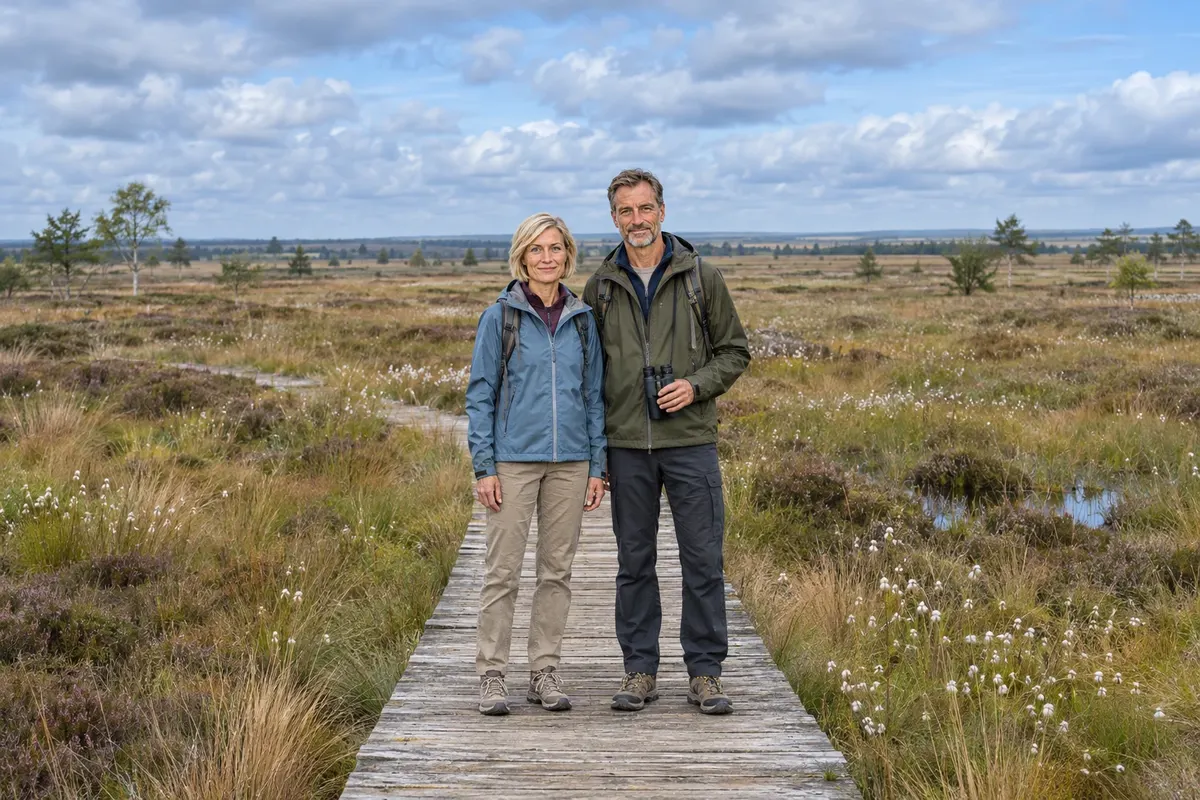
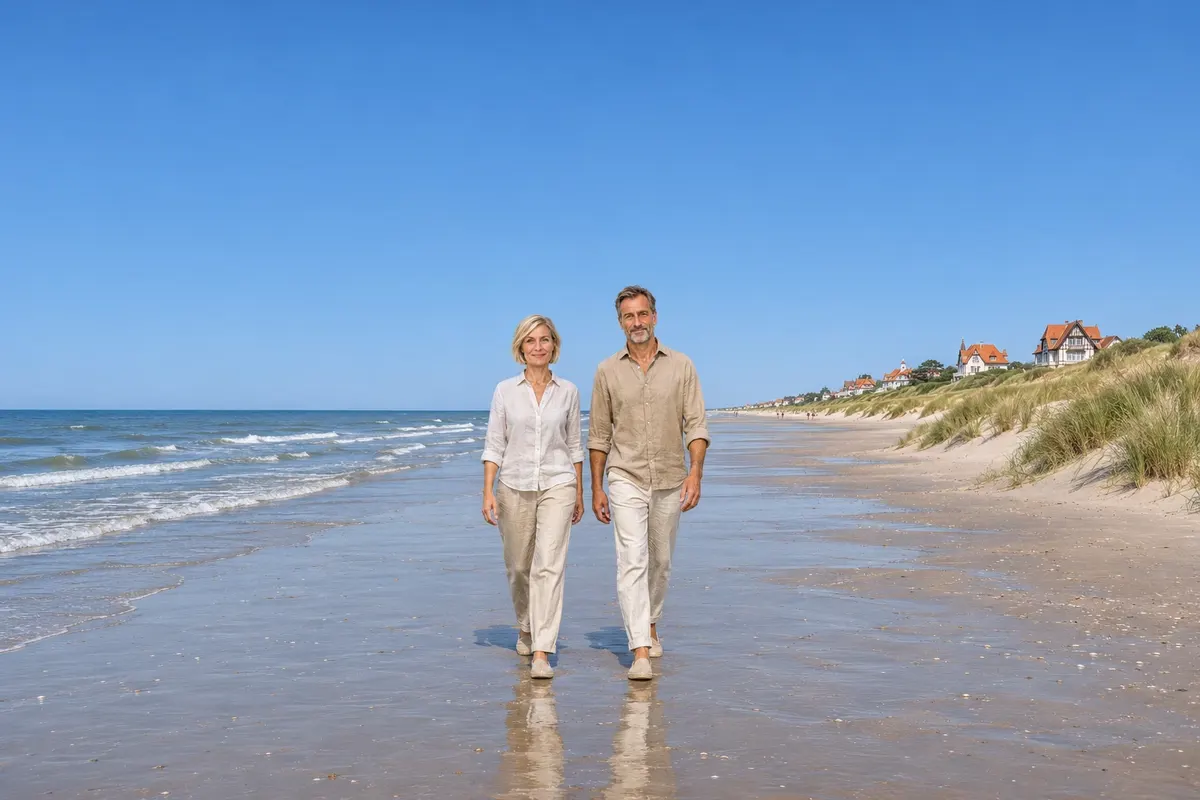
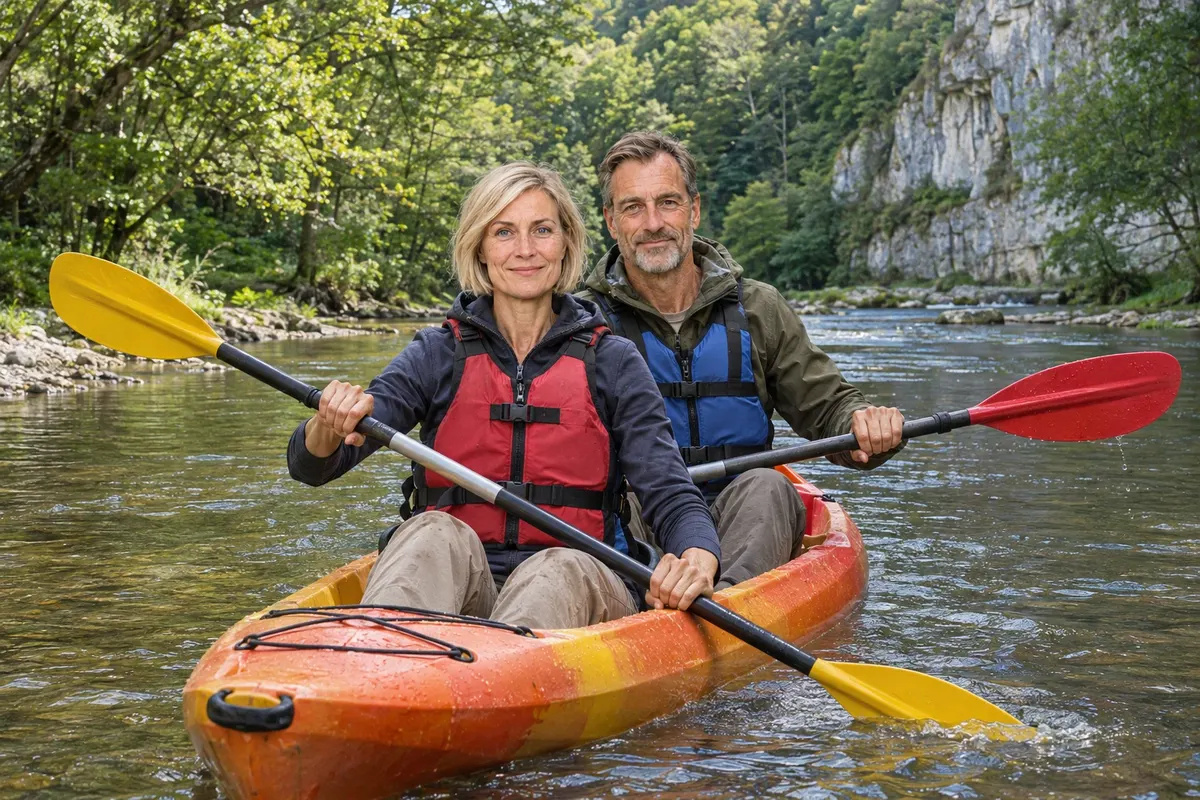
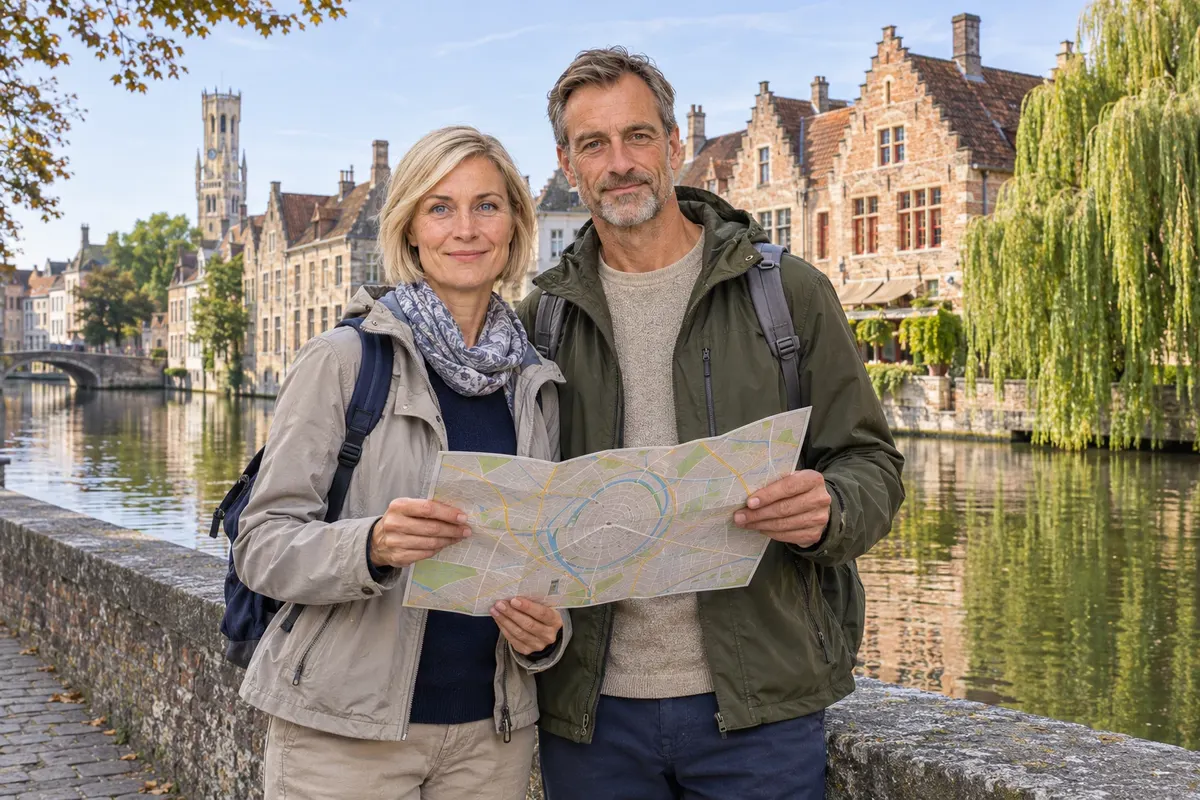
Illustrative images. The pictures in this guide are illustrations based on the real place, not photographs, and may differ from it.

Nature
Ecotourism in Belgium
From the top of a bend in the Semois, from the galleries opened by the Lesse River or from a bicycle saddle, the water helps explain the Belgian landscape.
From a Bouillon viewpoint, the forest looks like it occupies an island. Below, the Semois bends so tightly it almost encircles the slope. It’s a landscape to discover on foot: first follow the riverbank, then gain height to see the whole pattern. In Han-sur-Lesse, in the municipality of Rochefort, the opposite happens. To see where the Lesse flows you need to descend into the galleries of the Han Caves.
Things to do
Trails in the Ardennes
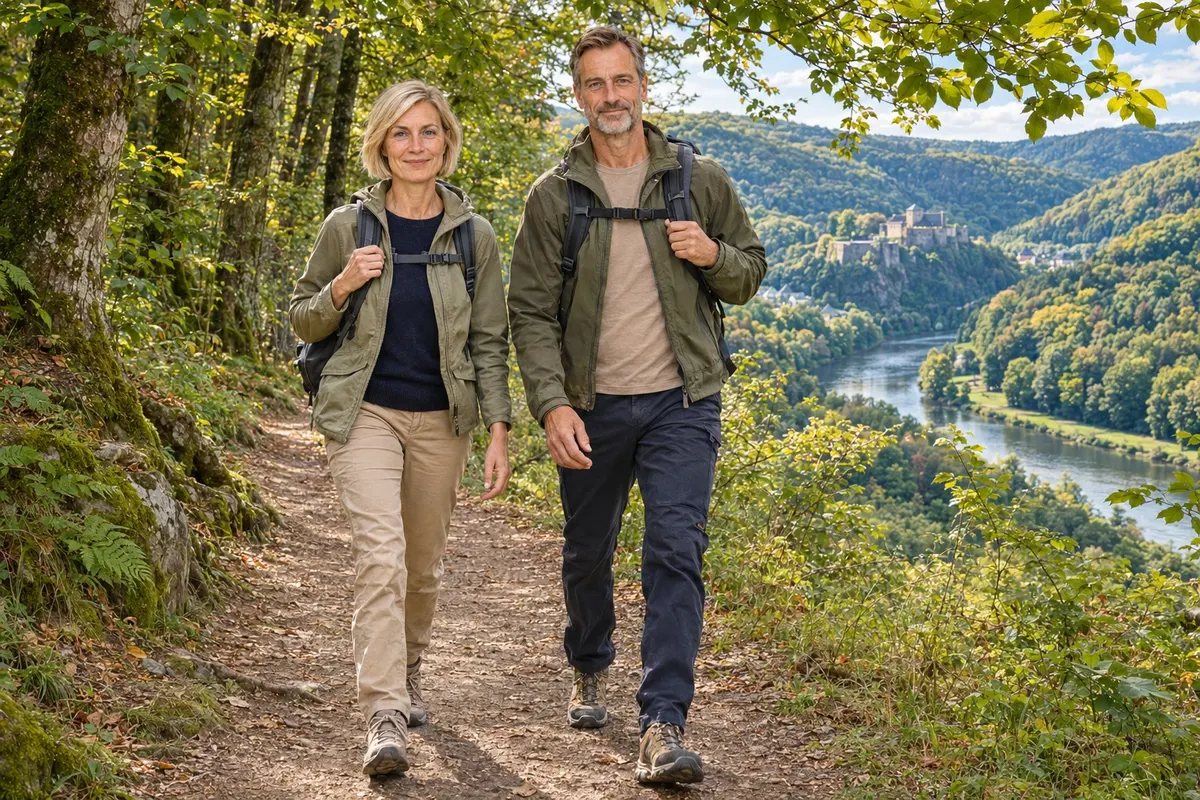
Choose from Semois viewpoints, Ourthe paths and themed routes in the Saint-Hubert forest.
Learn more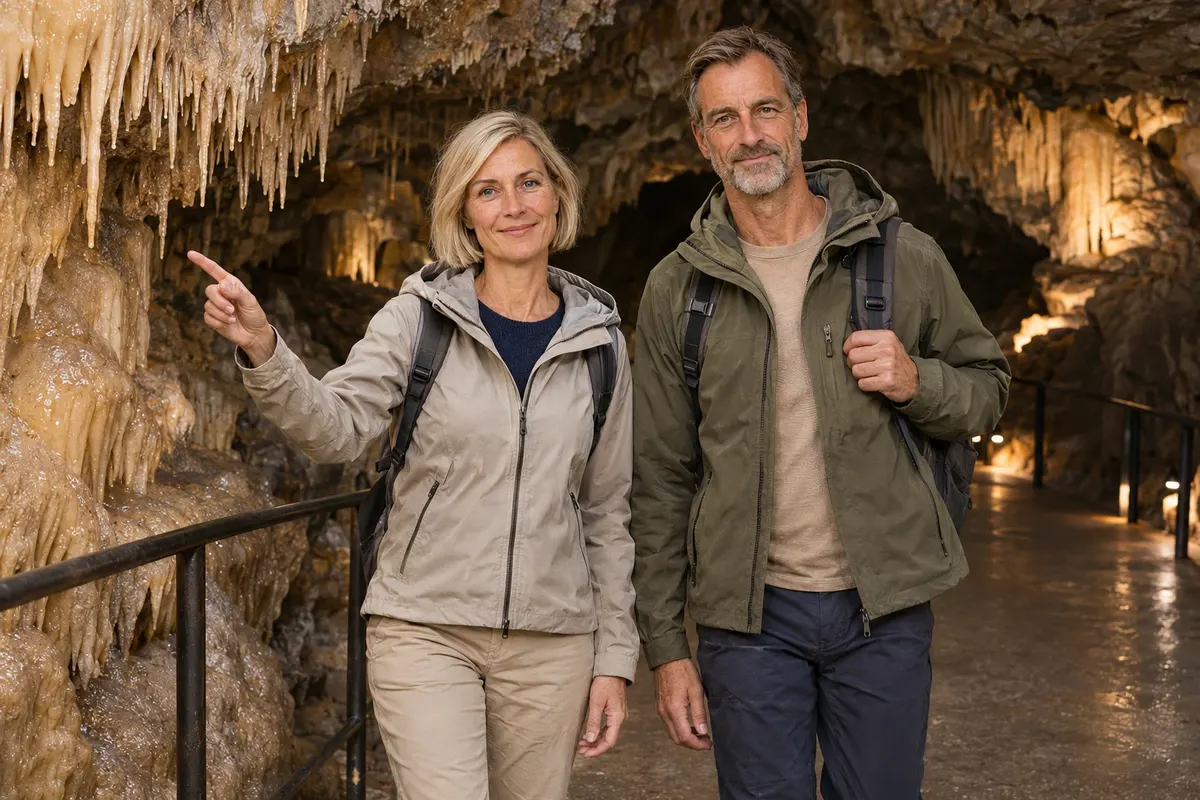
Caves
Follow the Lesse underground in Han or discover the shapes limestone has taken in the Dinant cave.
Learn more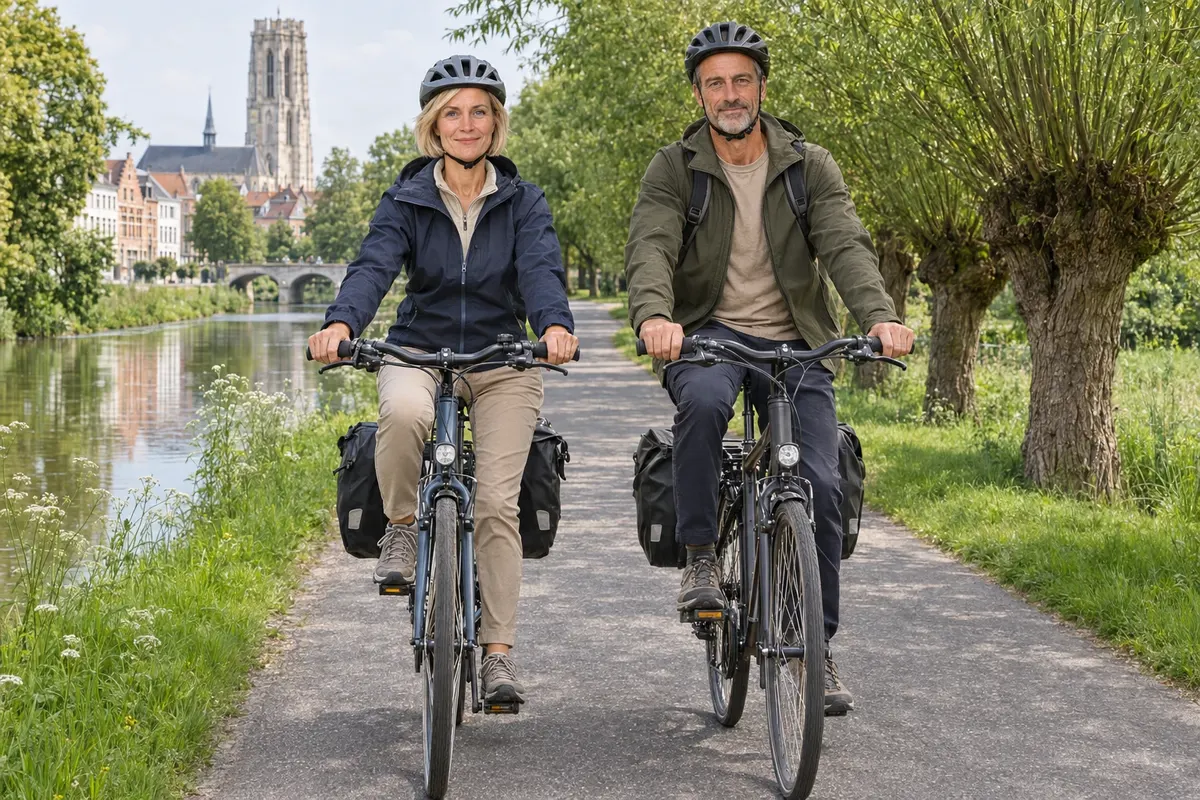
Cycle touring
Do a circuit along Mechelen’s rivers or travel in stages between the art cities to the coast.
Learn moreWhere to go in Belgium
Pick a region or type what you are looking for to see the cities and who offers each activity.
- Bruxelas BX
- Antuérpia AN
- Mechelen AN
- Gante OV
- Lovaina VB
- Bruges WV
- Ostende WV
- Bouillon LX
- La Roche-en-Ardenne LX
- Saint-Hubert LX
- Dinant NA
- Rochefort NA
The Ardennes concentrate good bases for those who want to hike. In Flanders, you can use the bicycle as your travel mode, leaving one art city and reaching the next after a day outdoors. There are also circuits that return to the same city. The choice depends on how you like to spend the day and how much of it you want to dedicate to the journey.
Hikes through the valleys and forests of the Ardennes
In Bouillon, La balade du Géant follows the Semois valley and leads to the Tombeau du Géant viewpoint. From above you can see the wooded hill that gave the place its name. If you’re going mainly for the view, check access to the viewpoint itself. If you take the full trail, you get, besides the panorama, the experience of descending to the valley floor and climbing up the slopes.
La Roche-en-Ardenne is a good base for those who want to choose their hike once in the region. The town is in the Ourthe valley and has marked trails nearby. Look at the route profile together with the map. Two paths of similar length can make for very different days when one follows the river and the other rises above the treetops.
In Saint-Hubert, the forest is the reason to walk. There are themed itineraries for those who like to stop and understand what they see along the way. On trail sheets, look for the symbol used at junctions and the exact starting point. Save the map on your phone before entering the woods so you can consult it even in sections without signal.
The caves of Rochefort and Dinant
At the Han Caves, in Han-sur-Lesse, the Lesse River crosses the limestone massif. During the guided visit, the water reappears within the rock and gives an idea of the force that carved the galleries. The tour takes place in the section prepared for visitors. It’s worth comparing visit options by the number of steps and the time spent underground.
In Dinant, the La Merveilleuse cave lets you combine the Meuse riverbank and an underground walk in the same town. Inside, drops leave mineral deposits on the ceiling, walls and floor. Some layers look like folded fabric, others resemble waterfalls frozen in time. A warm extra layer still makes sense even after a sunny morning by the river.
Flanders by bike, from riverbank to sea
Mechelen works well for a first day of bike touring. One circuit leaves the town, passes through Boom and returns to Mechelen following stretches along the rivers. On the bank of the Dijle you can see how the service path beside the water lends itself to cycling. Returning to the same point lets you leave luggage at your accommodation and take only what you need for the day.
The Art Cities Route suits a trip with a different pace. You can cycle the link between Brussels and Leuven or choose a stage farther west. Between Antwerp and Bruges, Ghent gives reason to split the ride and stay overnight along the way. From Bruges the route reaches the sea at Ostend. For those who want to stay in Leuven, there is also a local circuit inspired by painter Dieric Bouts and the brewing culture.
How to choose your base and divide the days
If the goal is to observe a valley from several angles, it’s worth sleeping in Bouillon or La Roche-en-Ardenne and reserving the morning for a walk. With children, a single stop they help choose, such as a viewpoint or a forest observation point, can be more rewarding than a long circuit. Also check the return route. In valleys, the ascent sometimes comes in the second half of the outing.
To combine different activities, use the cave reservation as a reference and leave the hike for a more flexible period. Locate the entrance before calculating travel time. Those heading to the Han Caves should use Han-sur-Lesse as their arrival reference, even if accommodation or the route map lists Rochefort.
On a bike crossing, first mark the town where you plan to finish the day. Add to the stage distance the detours to accommodation and the stops you want to make. If you also want to explore Ghent or Bruges on foot, a short stage leaves time to stow the bike and walk the town while there is still daylight.
When to go and what to bring for each outing
In late spring and summer, longer days allow for a long stop at a viewpoint or by the river. After rain, even a short trail can take longer because of slippery stones and exposed roots. In autumn, check local notices about forest sections closed on hunting days. In winter, plan your return with extra time before dark.
Well-broken-in shoes with good grip work for both slopes and the wet floors of caves. On the bike, a wind-cutting layer makes a difference on exposed banks and when approaching the coast. Reserve space for water and a snack. If you’ll be cycling on consecutive days, pack a dry change of clothes protected from the rain.
Caring for the landscape during your visit
A river bend looks best from the open viewpoint. Staying on the trail until there protects the slope plants and avoids creating shortcuts where rain would wash the soil away. In the forest, pause in silence to listen and observe. Leave branches, seeds and stones where they are and take back everything you brought for your snack.
Inside caves, follow the indicated passage and observe formations from a distance. The detail that seems within reach took a long time to grow. On the bike, slow down when passing pedestrians on the banks and stop off the path to take photos. Stopping for lunch or an overnight in a town you cross also helps keep part of your trip spending along the way.
Frequently asked questions
Where to start an ecotourism trip in Belgium?
Bouillon is a good first base if the plan is to hike to a viewpoint in the Ardennes. To cycle without changing accommodation, consider Mechelen. In Dinant, you can spend part of the day in the cave and still return to the Meuse’s banks.
Can you see the Ardennes without doing a long trail?
Yes. Compare the waymarked routes in Saint-Hubert and La Roche-en-Ardenne by distance and total ascent. Around Bouillon, the Tombeau du Géant viewpoint is also accessible by road.
What is the difference between the Han Caves and La Merveilleuse?
In Han-sur-Lesse, the Lesse’s underground course is part of the guided tour. In Dinant, La Merveilleuse stands out for the formations that hang from the ceiling or cover the walls. Check the access conditions for each circuit before booking.
Do you have to do the entire Art Cities Route?
You can choose a link between two cities, such as Brussels and Leuven, or split the trip into several stages. If you plan to return the bike to the starting point, plan the return before deciding where to finish your ride.
More in Nature
Beyond the guide


