

 Brazil
 Antarctica
 Argentina
 Bolivia
 Chile
 Colombia
 Ecuador
 Guyana
 French Guiana
 Falkland Islands (Malvinas)
 Paraguay
 Peru
 Suriname
 Uruguay
 Venezuela
 Germany
 Austria
 Croatia
 Denmark
 Slovakia
 Slovenia
 Spain
 Finland
 France
 Greece
 the Netherlands
 Hungary
 Ireland
 Iceland
 Italy
 Luxembourg
 Norway
 Poland
 Portugal
 the United Kingdom
 the Czech Republic
 Sweden
 Switzerland
 Turkey
 Bermuda
 Canada
 the United States
 Greenland
 Mexico
 Saint Pierre and Miquelon
 the Dominican Republic
 Japan
 South Africa
 Egypt
 Australia
 Fiji
 New Zealand
 Papua New Guinea
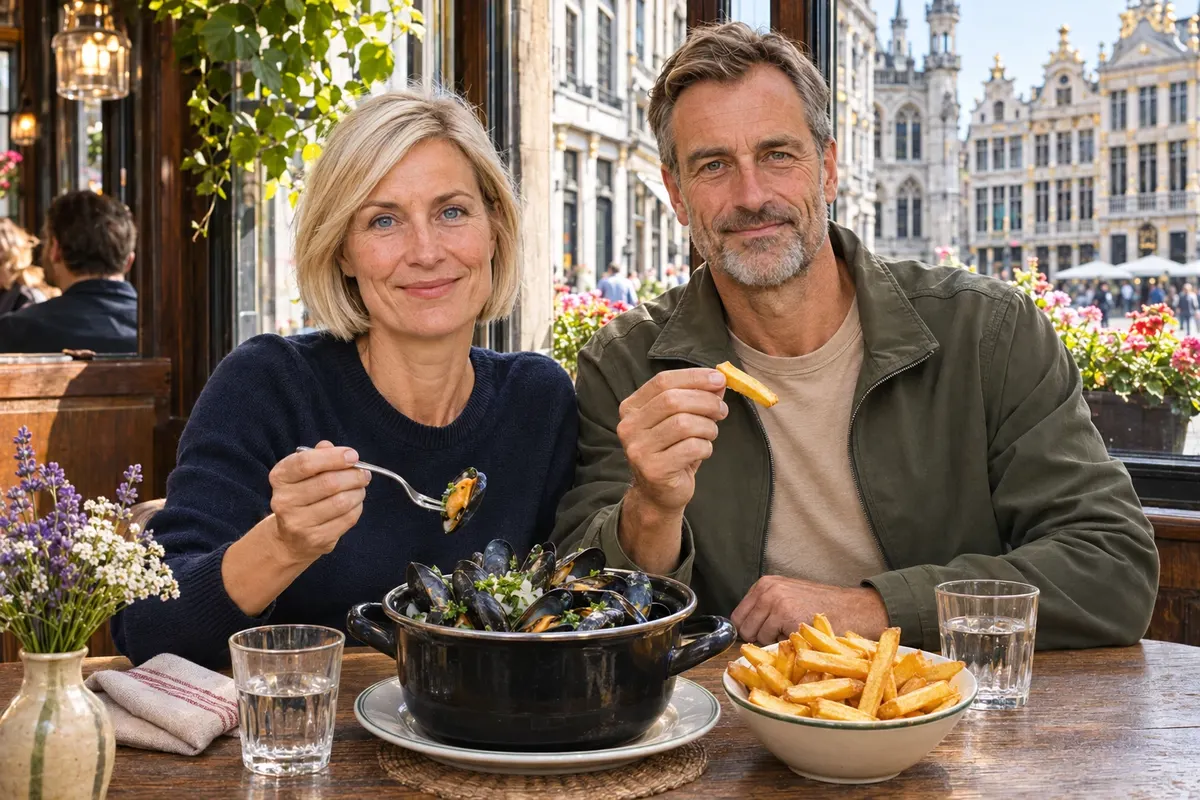
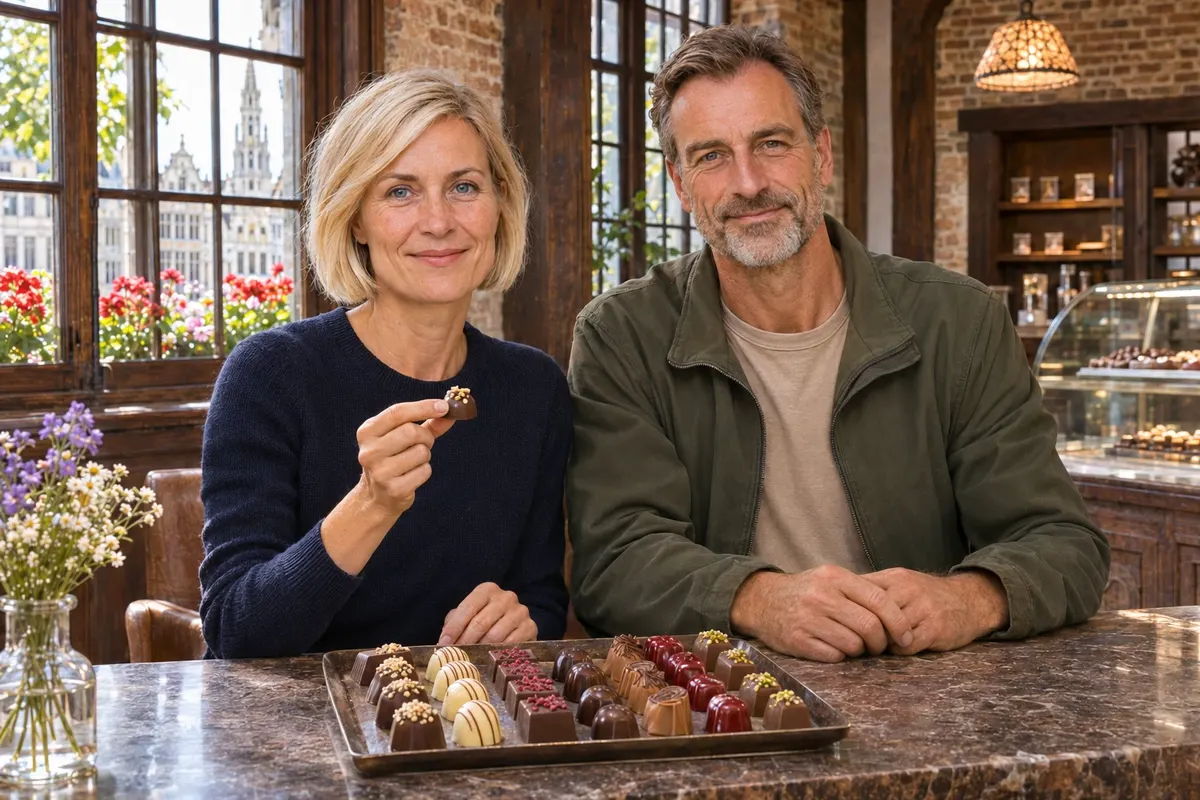
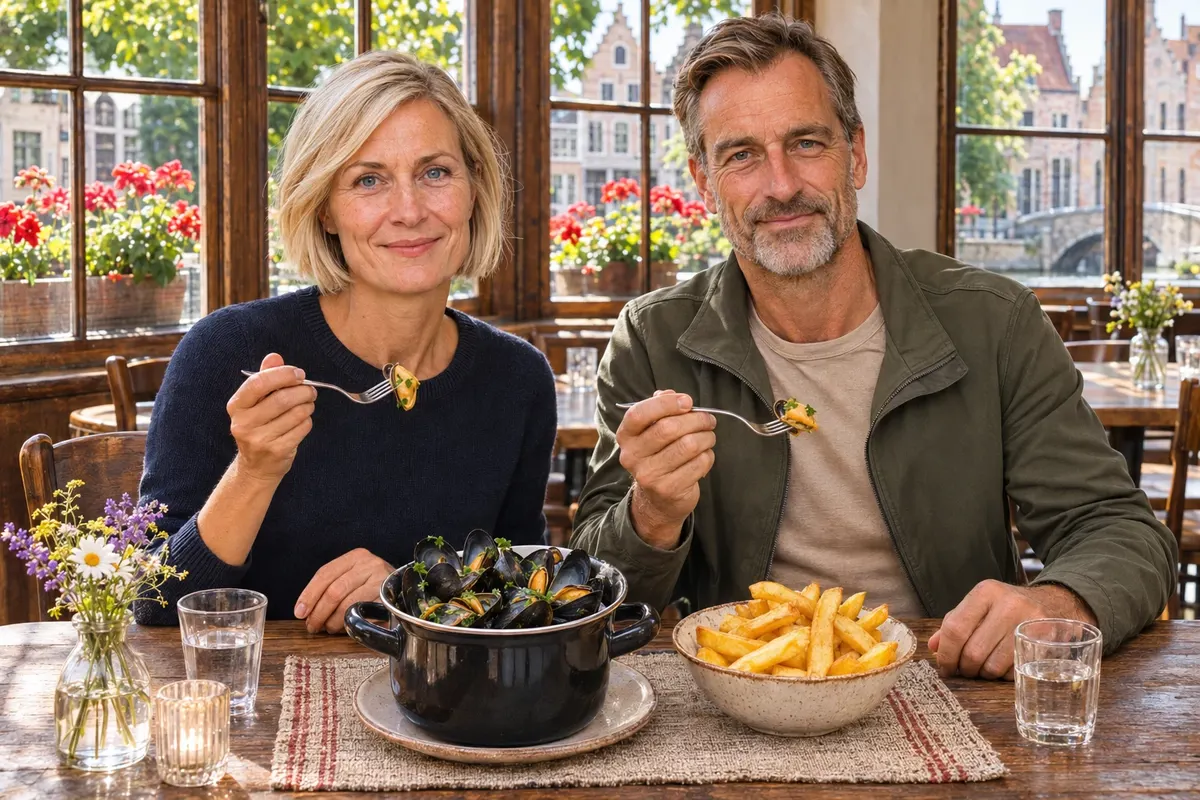
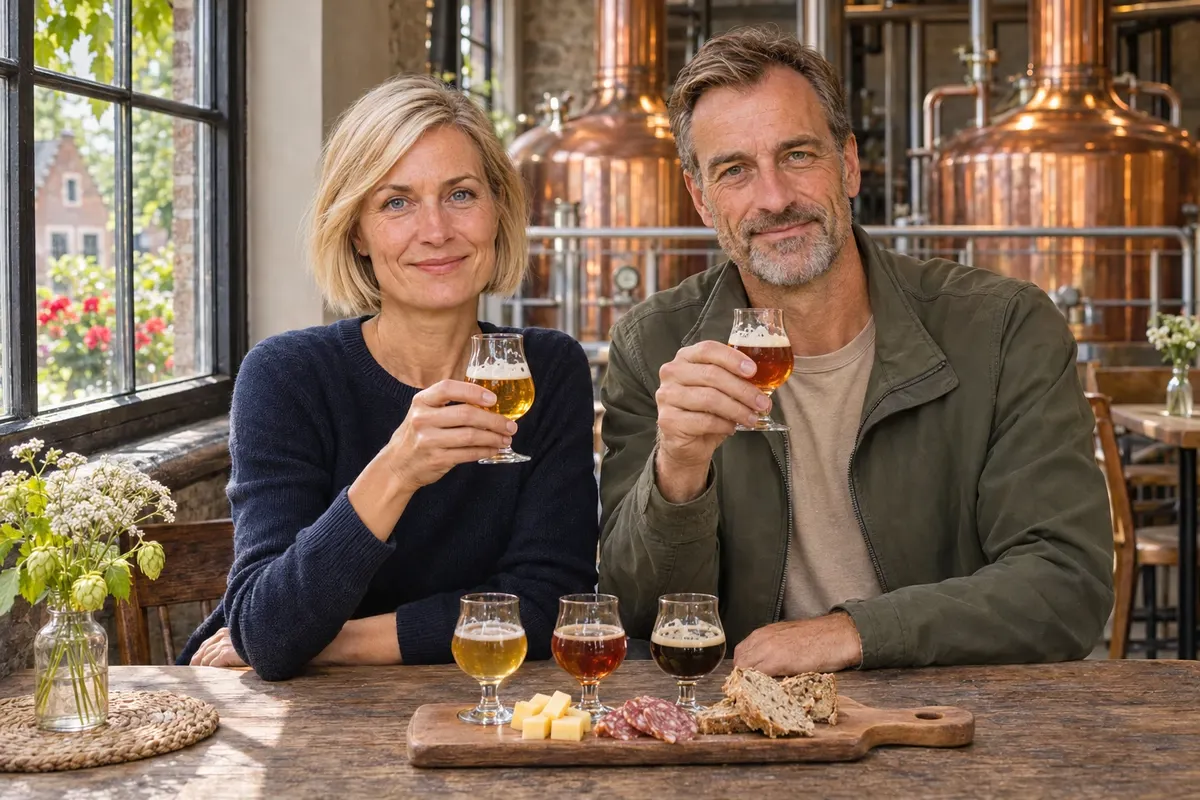
Illustrative images. The pictures in this guide are illustrations based on the real place, not photographs, and may differ from it.

Food and countryside
Gastronomic tourism in Belgium
See how a praline is filled in Bruges, taste the caramelized sugar of a Liège waffle and sit down for waterzooi in Ghent.
In the window of a pâtisserie in Dinant, it can be hard to imagine that the whole embossed design is edible. It’s the couque, a honey-and-flour biscuit that comes out of the mold with the figure impressed in the dough. In Antwerp, the outline of a little hand stands out among the sweets. Just stop in front of two shop windows to see how much of a Belgian city’s history fits into a recipe.
Where to go in Belgium
Pick a region or type what you are looking for to see the cities and who offers each activity.
- Bruxelas BX
- Antuérpia AN
- Gante OV
- Hasselt LI
- Bruges WV
- Liège LG
- Dinant NA
There are two good threads to follow on a gastronomic trip through Belgium. One leads to workshops and museums that show what happens to cocoa until you can open a box of pralines. The other goes through foods that carry the place name in their own name, from the Liège waffle to Ghent stew. Antwerp brings both experiences together and is a good choice if you plan to stay in a single city.
Belgian chocolate in three cities
In Brussels, Choco-Story Brussels is in the historic center. The visit follows the transformation of cacao and includes a praline demonstration. Pay attention to the moment when the chocolatier turns the mold and lets the excess run off. The chocolate left on the walls forms the shell that will receive the filling. Those who want to work with their own hands can choose a chocolate bar workshop and reserve time for it in addition to the museum tour.
In Bruges, Choco-Story also shows the craft up close. It’s a good stop before entering a chocolaterie, because it gives new meaning to choosing at the counter. After watching the bonbons being molded and unmolded, choose two with similar coatings and different fillings. By breaking each one you can see the thickness of the shell and notice how much of the texture comes from the center.
In Antwerp, Chocolate Nation presents production in an immersive route. It’s the choice for those curious about the whole journey of cacao, up to the chocolate ready to taste. If your interest is hands-on work, read the experience description when booking. Watching a demonstration, making a bar and tasting chocolates are three different ways to get to know the same ingredient.
From the waffle iron to the cookie mold
In Liège, look for the name gaufre de Liège. Pearl sugar is added to the dough before it goes to the hot iron. Part of it caramelizes and another part is still noticeable in the bite. That’s why it’s worth ordering your first waffle plain. Hold it by the edges and taste a piece while still warm, when it’s easier to distinguish the golden surface from the soft interior.
In Dinant, the dough made with wheat flour and honey receives the design of a wooden mold. Notice the lines of the petals, the feathers of a bird or the letters before breaking the couque. The cookie is very hard. The local way to eat it is to separate a small piece by hand and let it soften in your mouth. To take one as a gift, choose by the design and tell the recipient how to taste it.
A table in Ghent and a counter in Hasselt
In Ghent, look for waterzooi among the main courses. The stew has a clear, creamy broth, potatoes and vegetables, including leek and carrot. The recipe has roots in the river fish of Ghent and has also gained a chicken version. Knowing which place prepares which version is more important than looking for a single standard. Reserve lunch for it and keep a spoon handy to enjoy the broth together with the pieces.
In Hasselt, the Jenevermuseum explains how jenever is made, a cereal distillate flavored with juniper. The exhibition helps understand what happens between choosing the ingredients and the glass served at the tasting bar. Adults who want to taste can ask for guidance to recognize the aroma of the cereal or of the botanicals. Those who only visit still learn an important part of the city’s history.
Antwerp’s little hands
Antwerpse handjes appear in pastry shops with all five fingers well outlined. The shape refers to the legend of Brabo, a hero who supposedly threw a giant’s hand into the river. The sweet recalls that story in a size that fits in the palm of your hand. There are handjes made of cookie and of chocolate. Ask to see both before choosing a box.
To combine the two activities in Antwerp, start at Chocolate Nation and leave the handjes for the walk through the city. That way, the visit introduces the ingredient, and the bakery shows what it has to do with the place. As a pair, one idea is to split one handje of each version. The name and silhouette are the same, but one crumbles into crumbs and the other melts.
How to plan the food stops
If your day has a fixed time, build the itinerary from there. In Brussels, check the workshop schedule, language and participants’ ages before booking. In Bruges, see when the demonstration you want to watch takes place. Leave the choice of bonbons until after the visit, when you’ll know whether you prefer a softer filling or the bite of a simple bar.
For a family trip, the designs of the couques in Dinant and the handjes in Antwerp give children something to look for in the shop window. In Ghent, it’s worth reading the menu before sitting down, especially if someone only eats the fish or the chicken version. Travelers in a group can arrange a shared meal and leave the purchase of sweets to each person.
Save the local names on your phone to consult at the counter. Gaufre is the waffle, couque de Dinant identifies the molded cookie and Antwerpse handjes are the little hands. For those with allergies, the shape tells little about the ingredients. Ask about the filling and about contact with milk, nuts or other foods at the workbench. If you buy a box to travel with, ask the seller for storage instructions for those bonbons.
Frequently asked questions
Where to start a gastronomic itinerary in Belgium?
Brussels and Bruges are good bases to see how pralines are made. In Antwerp you can combine Chocolate Nation and the hand-shaped sweets in the same city. For an itinerary centered on a meal, choose Ghent and look for waterzooi on the menu.
What is the characteristic flavor of the Liège waffle?
The pearl sugar mixed into the dough gains a caramel flavor on the iron. Even without topping, the gaufre de Liège already has sweetness and small crunchy spots.
Which Belgian specialty to try besides chocolate and waffles?
In Dinant, the couque includes honey and flour and keeps the mold’s design. In Ghent, waterzooi makes a savory meal. In Hasselt, the specialty is a drink, jenever, whose production is explained at the city’s museum.
Which chocolate visit to choose for someone who likes to cook?
Choco-Story Brussels offers a workshop to make and decorate chocolate. In Bruges, the demonstration at Choco-Story lets you watch a professional’s movements. Check the product listed for the activity to choose between practicing and observing the preparation.
Do I need to visit every city to try Belgian food?
First choose what you want to taste. A lunch in Ghent gives you time to try the city’s stew, while a stroll in Liège can include a waffle between two visits. Each of these stops makes sense on its own.
More in Food and countryside
Beyond the guide


