

 Brazil
 Antarctica
 Argentina
 Bolivia
 Chile
 Colombia
 Ecuador
 Guyana
 French Guiana
 Falkland Islands (Malvinas)
 Paraguay
 Peru
 Suriname
 Uruguay
 Venezuela
 Germany
 Austria
 Croatia
 Denmark
 Slovakia
 Slovenia
 Spain
 Finland
 France
 Greece
 the Netherlands
 Hungary
 Ireland
 Iceland
 Italy
 Luxembourg
 Norway
 Poland
 Portugal
 the United Kingdom
 the Czech Republic
 Sweden
 Switzerland
 Turkey
 Bermuda
 Canada
 the United States
 Greenland
 Mexico
 Saint Pierre and Miquelon
 the Dominican Republic
 Japan
 South Africa
 Egypt
 Australia
 Fiji
 New Zealand
 Papua New Guinea
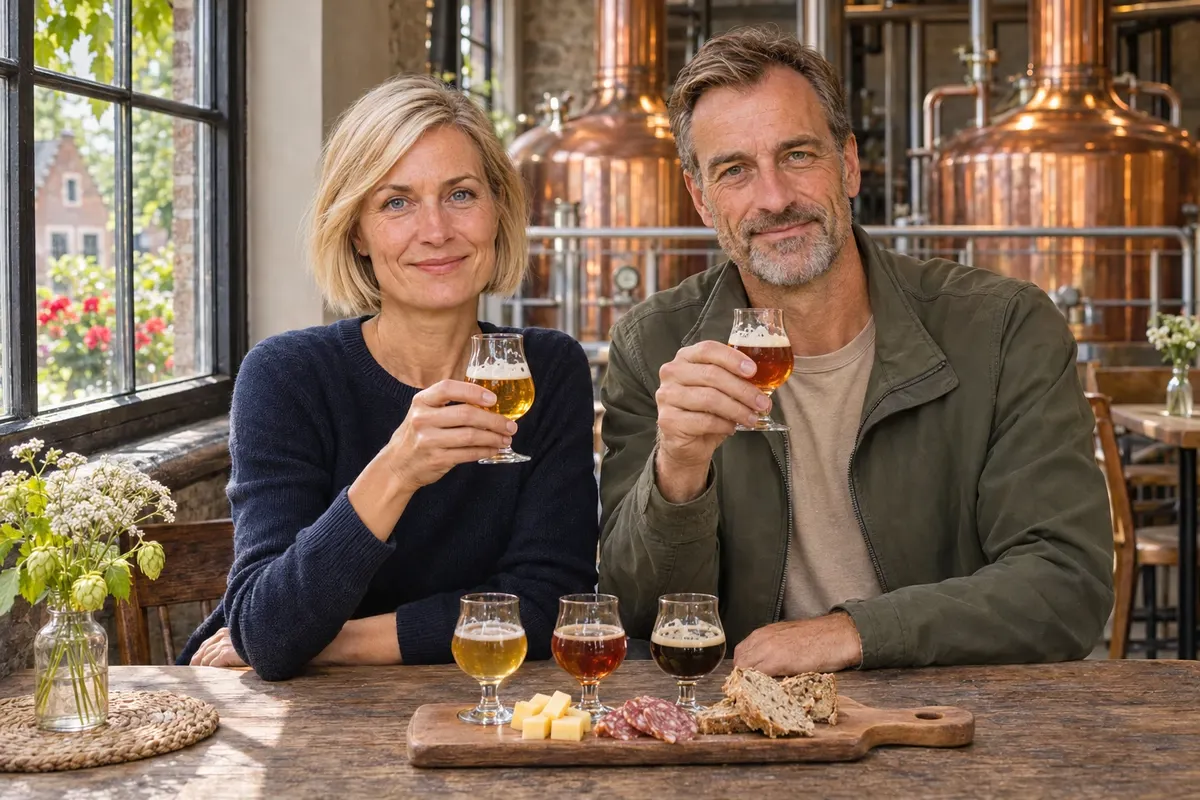
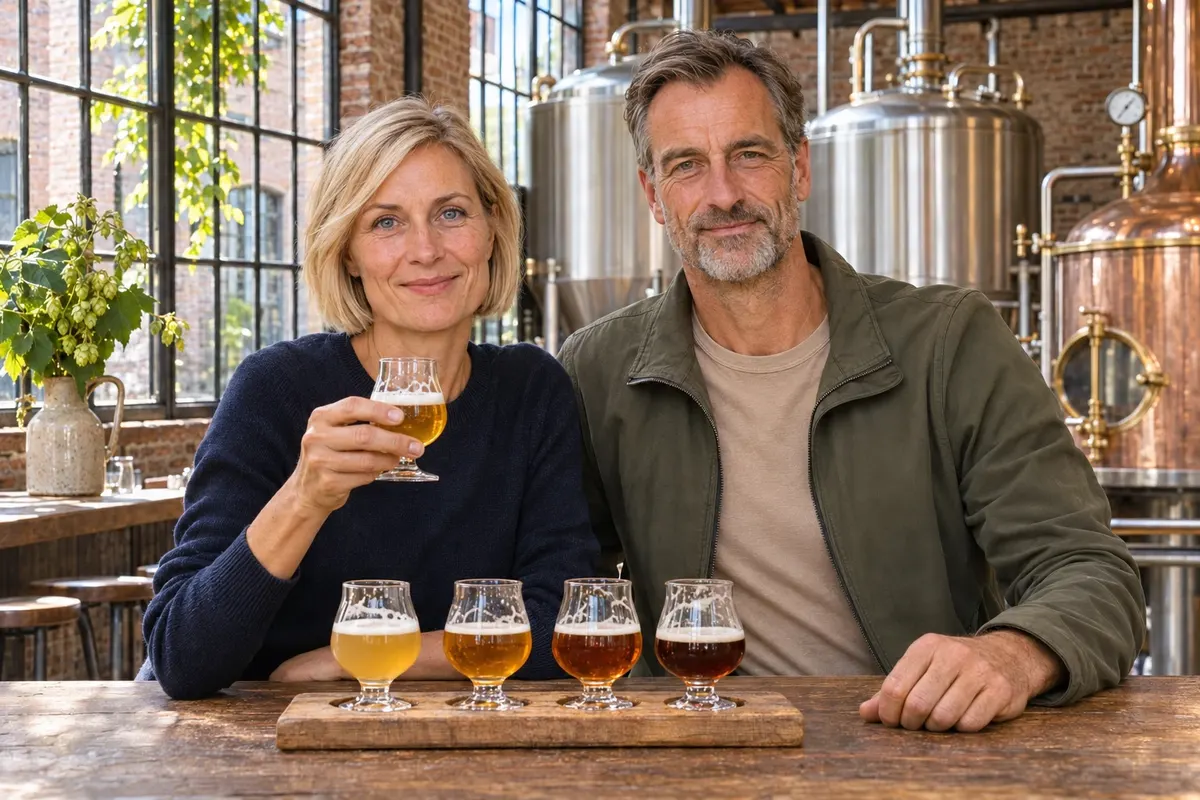
Illustrative images. The pictures in this guide are illustrations based on the real place, not photographs, and may differ from it.

Food and countryside
Wine Tourism and Drinks in Belgium
A beer from the barrel in Brussels, a glass of Bolleke in Antwerp, or a table in Mechelen. Each stop tells part of the story of beer in Belgium.
In Brussels, two beers made from the same wort can take very different paths. Lambic ages in barrels for a long time. When a brewer blends lambics of different ages and lets the blend ferment again in the bottle, the result is gueuze. At Cantillon, you can tour the brewery and then taste the difference between the two beers.
Where to go in Belgium
Pick a region or type what you are looking for to see the cities and who offers each activity.
- Bruxelas BX
- Antuérpia AN
- Mechelen AN
- Gante OV
- Bruges WV
- Damme WV
If you like the idea behind wine tourism—getting to know a drink in the place where it takes shape—Belgium offers a similar experience with beer. In Bruges, the route takes you to a brewery in the historic center. In Mechelen, it continues over a meal with a Gouden Carolus. In Ghent, the story unfolds in the streets on guided walks with stops for tastings.
Two ways to discover beer in Brussels
In the former Brussels Stock Exchange, Belgian Beer World explores the ingredients, brewing methods, and customs associated with Belgian beer. It’s a good place to start if you’ve ever opened a beer menu and felt lost among all the names. The exhibits give you an overview, and the visit ends on the terrace, with a view of the city center.
To explore one tradition in depth, it’s worth setting aside another part of the day for Cantillon, which is both a brewery and a museum. As you walk through the building, the purpose of each piece of equipment becomes clear. You can follow the wort, the sugary liquid extracted from grain, from the early stages of brewing to the barrel. If you’re short on time, choose between the two visits based on what you came to Brussels to learn.
At Cantillon, you’ll notice the acidity from your first sip of lambic. It’s a feature of the style. Spontaneous fermentation relies on yeasts and other microorganisms present in the brewery environment. When tasting gueuze, notice the bubbles and the dry finish, too. Both are clues to what happened after the lambics were blended and bottled.
Bruges and Damme on the same beer itinerary
In Bruges, De Halve Maan welcomes visitors on Walplein square. From here, it’s easy to walk between the canals, the brewery, and your lunch spot. Touring the brewery gives you a different perspective on the historic center: alongside its bridges, facades, and squares is a place where people still brew beer.
One unusual feature of Bruges illustrates the brewery’s connection to the city. An underground pipeline carries beer from the brewery to the bottling plant. After touring the premises, step back outside and picture both journeys: yours through the city center and the beer’s beneath it.
A stop in Damme adds Bryggja, a brewery on the local beer circuit, to your itinerary. Before leaving Bruges, contact the brewery to find out how you can see the brewing process on your chosen date. Once you’ve arranged the visit, it’s easier to decide how much time to spend in Damme and plan your return trip.
At the table in Mechelen and at the brewery in Antwerp
In Mechelen, you can combine a tour of Het Anker with a meal at its brasserie, the brewery’s restaurant. Gouden Carolus is a name you’ll come across both on the tour and on the beer menu. If you enjoy talking about food, schedule the tour close to mealtime and ask the staff which beer they suggest with your dish.
In Antwerp, De Koninck tells the story of an urban brewery through an interactive tour you can take at your own pace. One detail you’ll recognize afterward is the rounded glass used for Bolleke. The beer takes its name from the shape of the glass. Look for it the next time you see Bolleke on a menu in the city.
These two stops work well for couples or groups with different interests. In Antwerp, you can spend more time in one part of the exhibition and meet up with your companions farther along. In Mechelen, a meal gives you time to try the same beer before and after tasting the food.
Ghent on foot, one glass at a time
In Ghent, guided tasting tours connect beer history with the history of the city’s churches, abbeys, and streets. There’s time to walk between tastings, and your guide can explain how the spot where you’ve stopped relates to the story you’ve just heard. If it’s your first visit to Ghent, the walk also helps you find your way around the city center.
When choosing a tour, read the description to see whether it focuses on history, beer styles, or brewing techniques. Check the language and the meeting point. For anyone joining the group without drinking beer, some historical walks offer soft drinks at the stops. Check whether that option is available on the tour you plan to book.
What to notice during a tasting
Even a small sample is enough to notice differences. Look at the color and foam, bring the glass closer to take in the aroma, and only then take a sip. Try using everyday words to describe what lingers in your mouth. A hint of bread crust, an acidity that makes your mouth water, or a bitterness that takes a while to fade can all be good ways to start the conversation.
If there’s more than one sample, save a little of the first so you can come back to it. After tasting a more carbonated beer, for example, you may find the texture of the first one easier to notice. Make a note of the brewery’s name along with the beer’s so you can order one you liked again, especially if several beers on the menu have similar names.
How to fit the visits into your trip
Start with the city where you’re staying. In Brussels, a single afternoon visit may be enough. If you’re staying in Bruges, you can split the day between De Halve Maan and the canals. If you also want to see Damme, arrange both the transportation and the visit in advance. In Ghent, set aside time for the full walk, including the stops along the way.
Before booking for your group, check the language, the length of the tour, accessibility, and what the tasting includes. A tour through older brewing areas may involve stairs. If anyone has difficulty climbing stairs or needs breaks, the venue can explain the route. If you plan to taste beer, it’s best to walk back or take public transportation. If your group is traveling by car, decide beforehand who will drive and won’t drink.
Frequently asked questions
Where should you start a beer itinerary in Belgium?
In Brussels, Belgian Beer World can help you choose styles to explore over the next few days. If you’re already interested in lambic, start at Cantillon to see the barrels and taste the beer where it’s made.
Which brewery should you visit in central Bruges?
De Halve Maan is on Walplein and offers brewery tours. You can fit a visit into the same day as a walk through the historic center.
Where can you enjoy Belgian beer with a meal?
At Het Anker’s brasserie in Mechelen, you can enjoy Gouden Carolus beers with your meal. When planning your visit, check availability separately for the brewery tour and for a table.
Which tour is a good fit for solo travelers?
In Ghent, a guided walk brings together people interested in local history, with stops to taste beer and chat. In Antwerp, you can explore De Koninck at your own pace on an interactive tour.
More in Food and countryside
Beyond the guide


