Slastica · Dubrovnik
Dubrovačka rozata
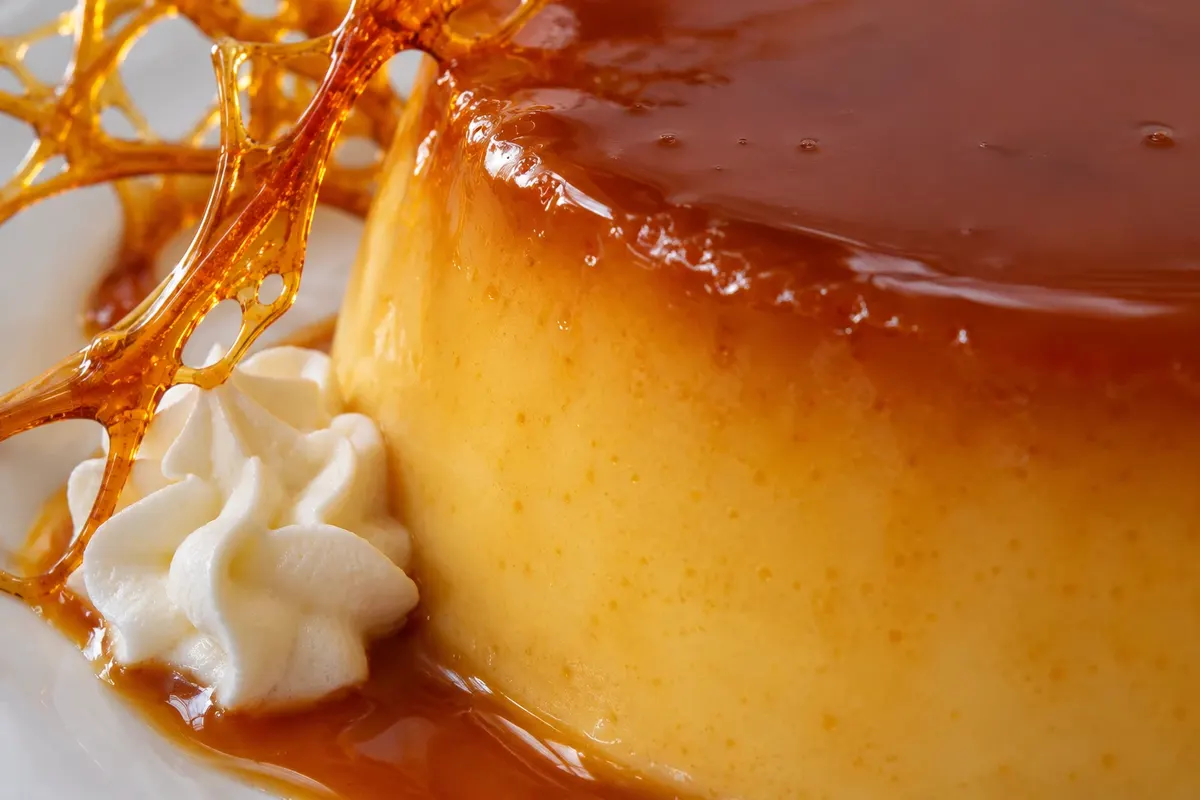
U Dubrovniku kušajte rozatu, kremu od jaja, mlijeka i šećera koja se kuha u vodenoj kupelji u kalupu obloženom karamelom. Prepoznatljivu aromu daje joj rozalin, dubrovački liker od ruža.

 Pretražite
 Brazil
 Antarktika
 Argentina
 Bolivija
 Čile
 Kolumbija
 Ekvador
 Gvajana
 Francuska Gijana
 Falklandski otoci
 Paragvaj
 Peru
 Surinam
 Urugvaj
 Venezuela
 Njemačka
 Austrija
 BelgijaHrvatska
 Danska
 Slovačka
 Slovenija
 Španjolska
 Finska
 Francuska
 Grčka
 Nizozemska
 Mađarska
 Irska
 Island
 Italija
 Luksemburg
 Norveška
 Poljska
 Portugal
 Ujedinjeno Kraljevstvo
 Češka
 Švedska
 Švicarska
 Turska
 Bermudi
 Kanada
 Sjedinjene Američke Države
 Grenland
 Meksiko
 Saint-Pierre i Miquelon
 Dominikanska Republika
 JapanTurska
 Južnoafrička Republika
 Egipat
 Australija
 Fidži
 Novi Zeland
 Papua Nova Gvineja
Kultura · Dubrovnik
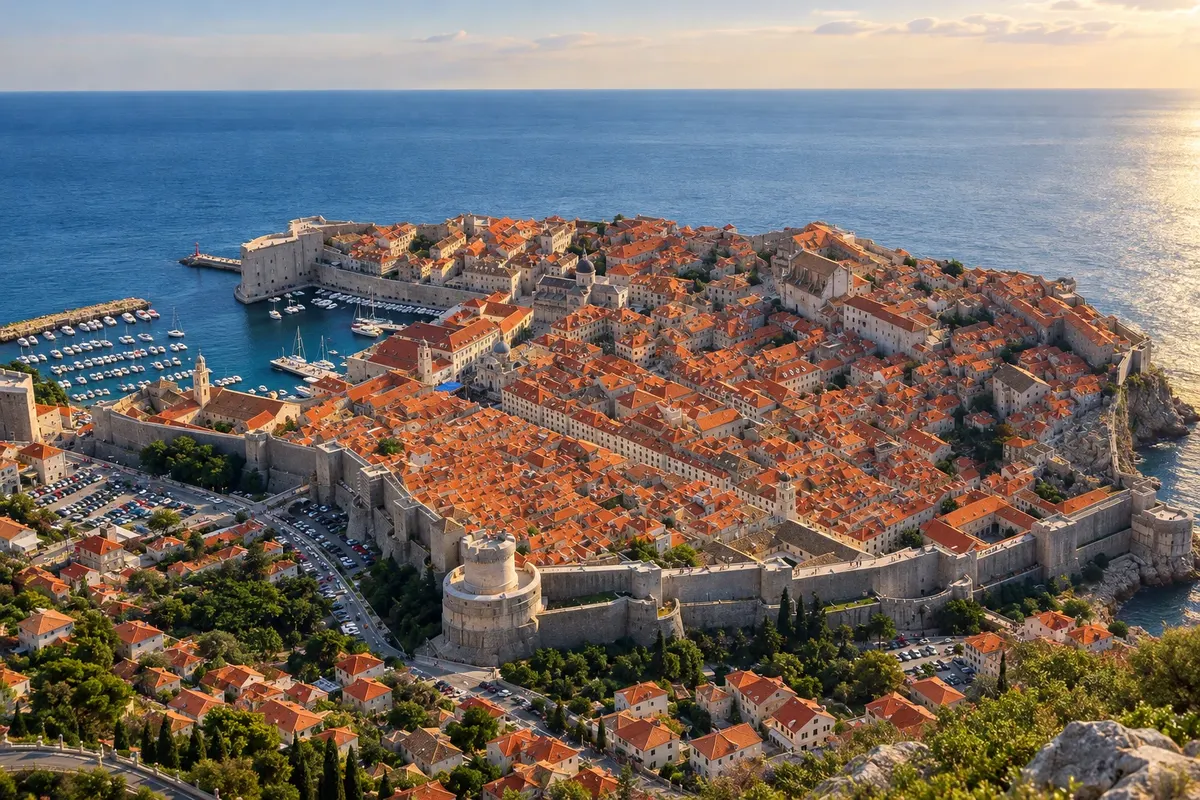
From July 10 to August 25, Dubrovnik’s squares, palaces, and fortresses become open-air stages for theater, music, opera, and dance during Croatia’s oldest cultural festival, founded in 1950.
Na fotografiji: Dubrovnik
Ilustrativni prikazi. Slike u vodiču izrađene su prema stvarnim mjestima. Pojedinosti na ilustracijama mogu se razlikovati od izgleda na terenu.

Kliknite na sliku za veći prikaz.
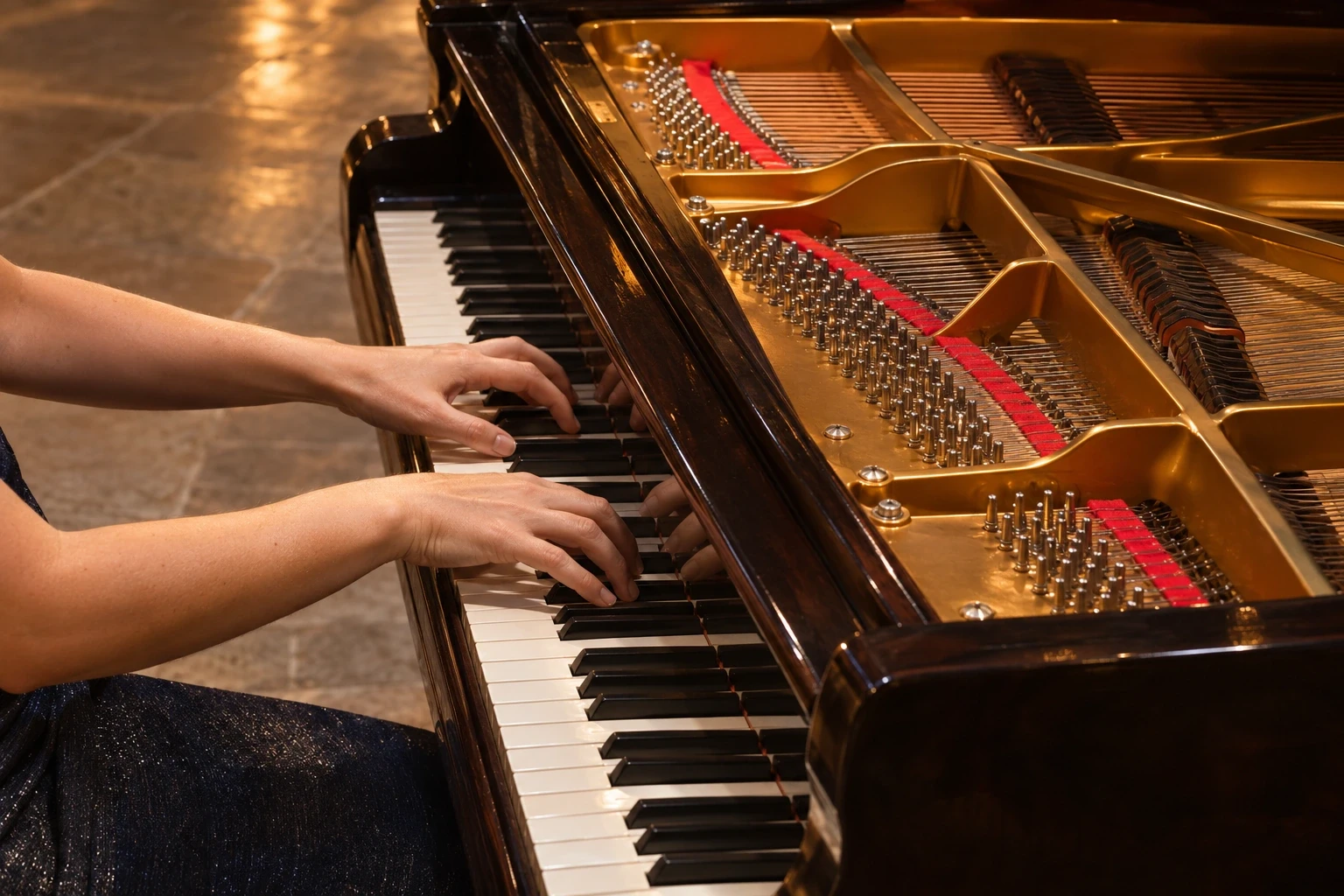
Dubrovnik Summer Festival — Dubrovnik
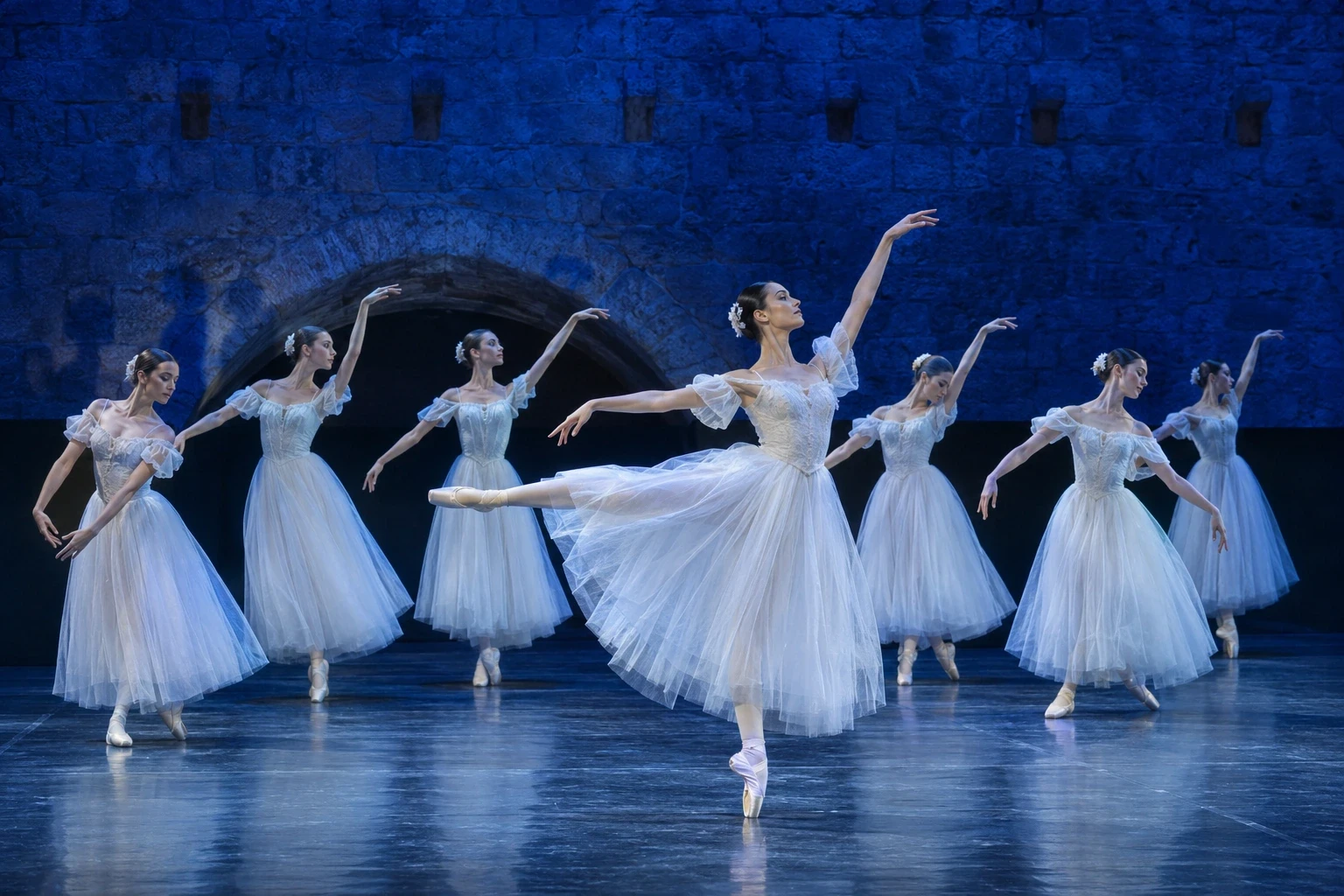
July 10 to August 25 every year.
srpanj/kolovoz
Datum se mijenja svake godine. Prije putovanja provjerite ovogodišnji termin.
O svečanosti
Dubrovnik, a walled city in southern Dalmatia, was an independent republic for centuries. Its squares, palaces, churches, and stone fortresses still stand by the sea. Since 1950, these places have been the setting for the Dubrovnik Summer Festival.
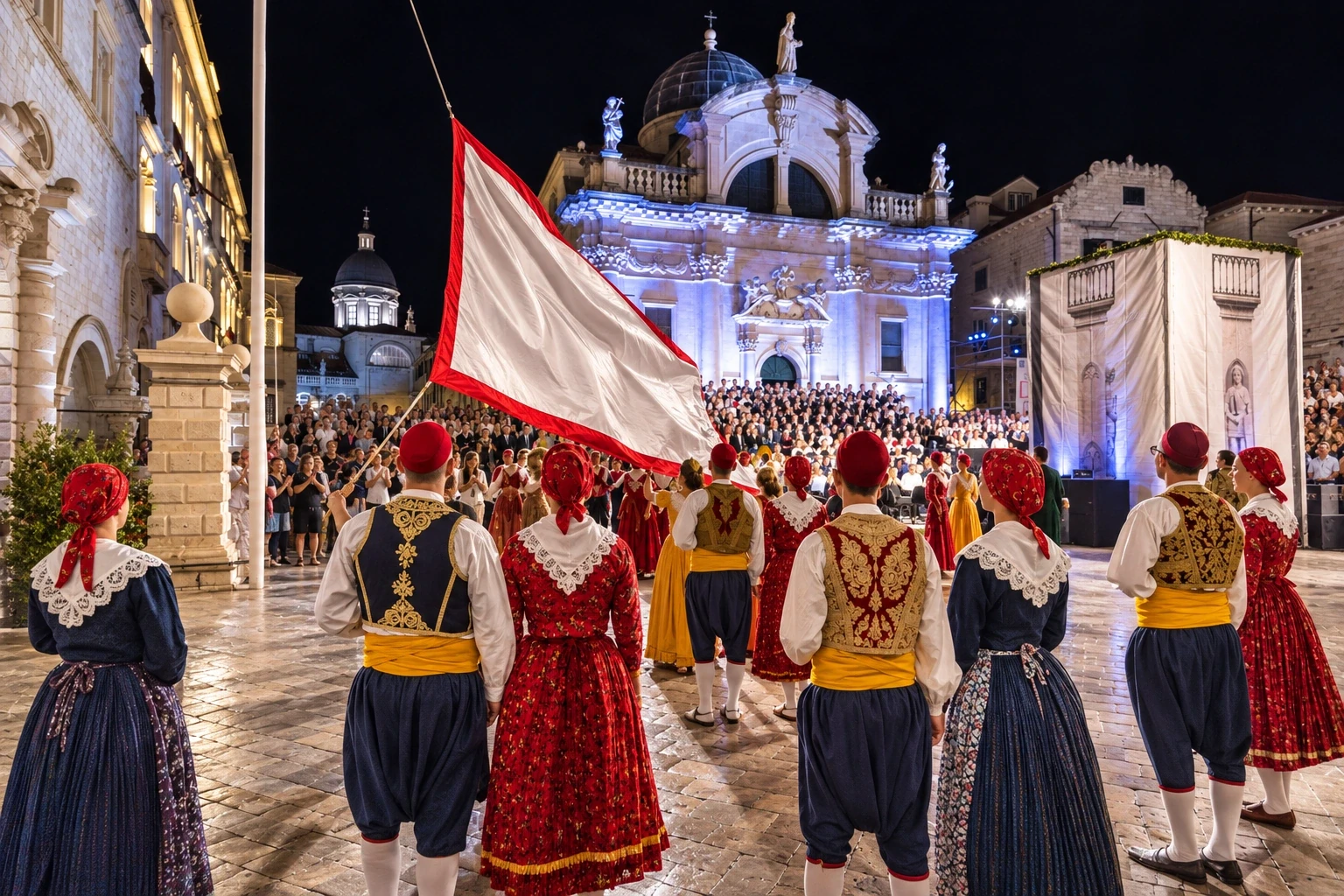
The festival runs for seven weeks, always from July 10 to August 25. The city’s tourism office describes it as Croatia’s oldest cultural and artistic event. The opening ceremony takes place in front of the Church of St. Blaise, with the raising of the Libertas flag and, depending on the program, fireworks.
The program features theater, classical concerts, opera, dance, and folk performances on stages set up in squares, in palace courtyards, in fortresses, and even on the island of Lokrum. In 1952, Lovrijenac Fortress, perched on a rock beside the sea, hosted a production of Hamlet. The play went on to become one of the festival’s hallmarks.
The program brings together Croatian and international artists, national theater and ballet companies, and orchestras, making the city’s spaces part of each performance.
It’s worth the trip to see a play or hear a concert on a summer evening inside Dubrovnik’s walls, with the Old Town as the backdrop.
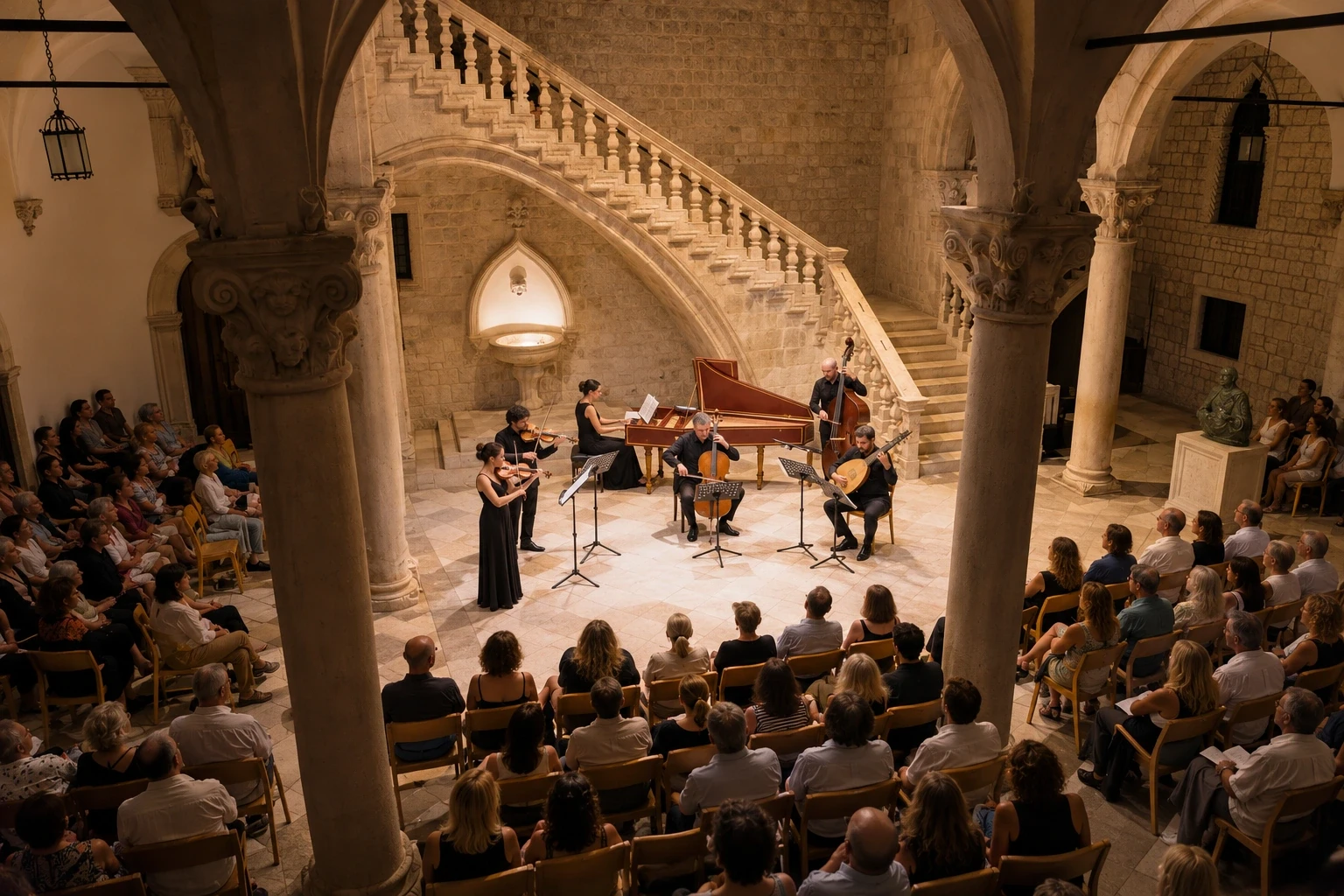
The opening ceremony on July 10 in front of the Church of St. Blaise. A play at Lovrijenac Fortress overlooking the sea. A concert in the atrium of the Rector’s Palace. A performance on the island of Lokrum.
Check the program for the year you plan to visit and buy tickets early, as seating is limited. Many performances take place in the evening, so use the daytime to visit the beach and walk the city walls, avoiding the afternoon heat.
Check the festival website for the program and tickets. July and August are peak season in Dubrovnik, so book your accommodations well in advance.
Hrvatske – domaći okusi
U Dubrovniku kušajte rozatu, kremu od jaja, mlijeka i šećera koja se kuha u vodenoj kupelji u kalupu obloženom karamelom. Prepoznatljivu aromu daje joj rozalin, dubrovački liker od ruža.
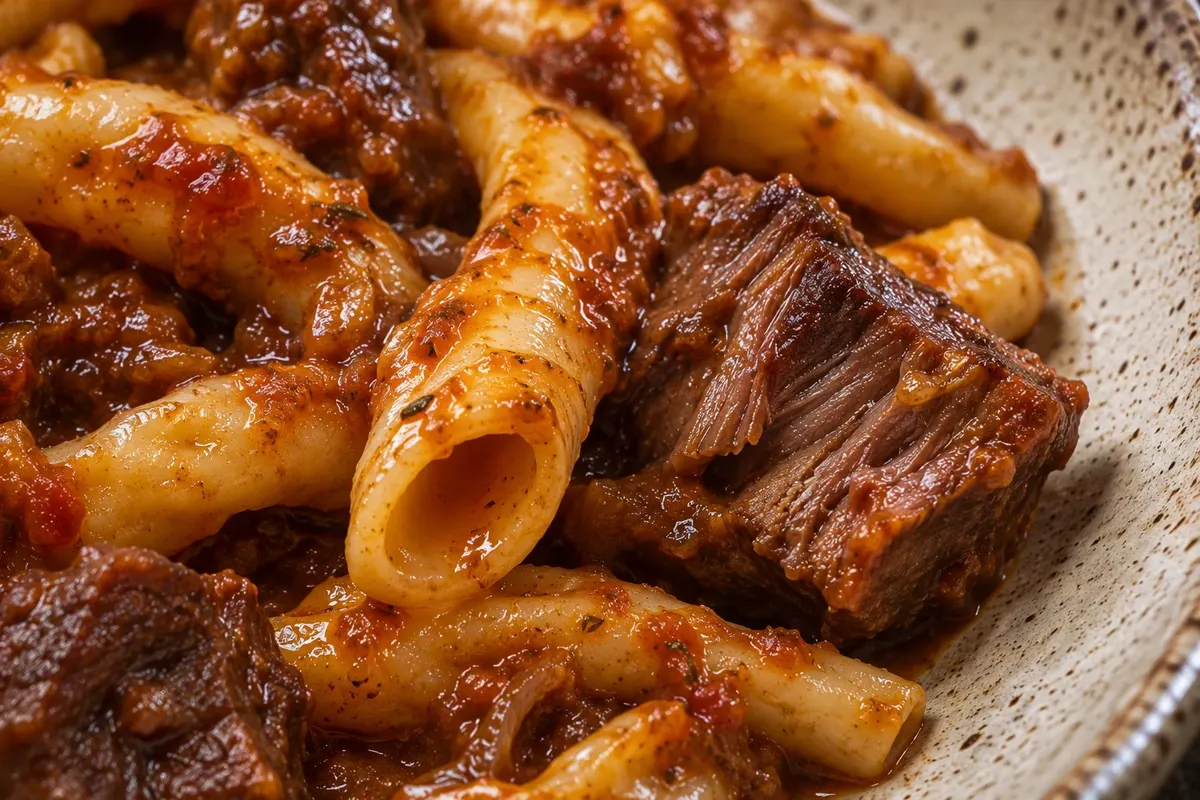
U Dubrovniku se o Festi svetoga Vlaha poslužuju šporki makaruli, deblja cjevasta tjestenina s tamnim umakom od polako kuhane govedine, vina i začina.
srpanj/kolovoz
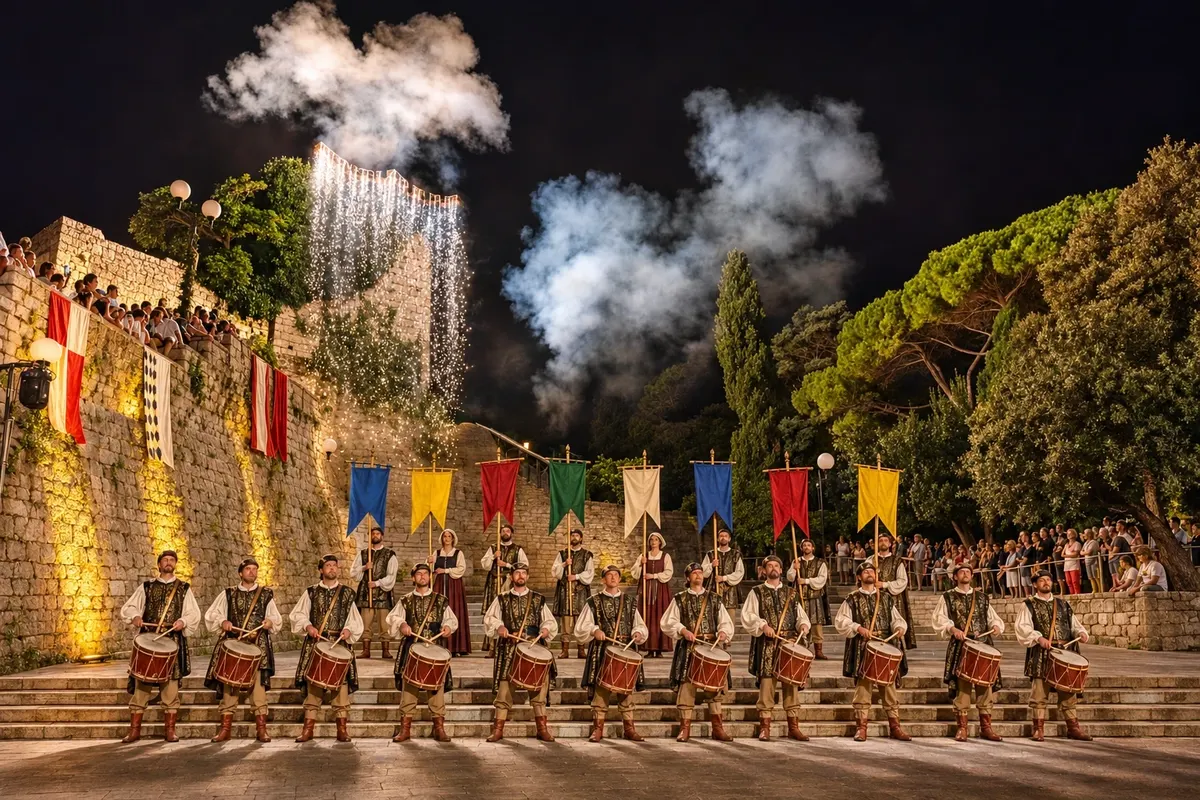 srpanj
July 25 to 27 every year.
From July 25 to 27, the town of Rab returns to the Middle Ages. Craftspeople practice traditional trades in the streets, people dress in period clothing, a procession honors St. Christopher, the town’s patron saint, and crossbowmen hold their tournament in the square. The celebration recalls a decision made by the town council in 1364.
 srpanj
For about a week in July.
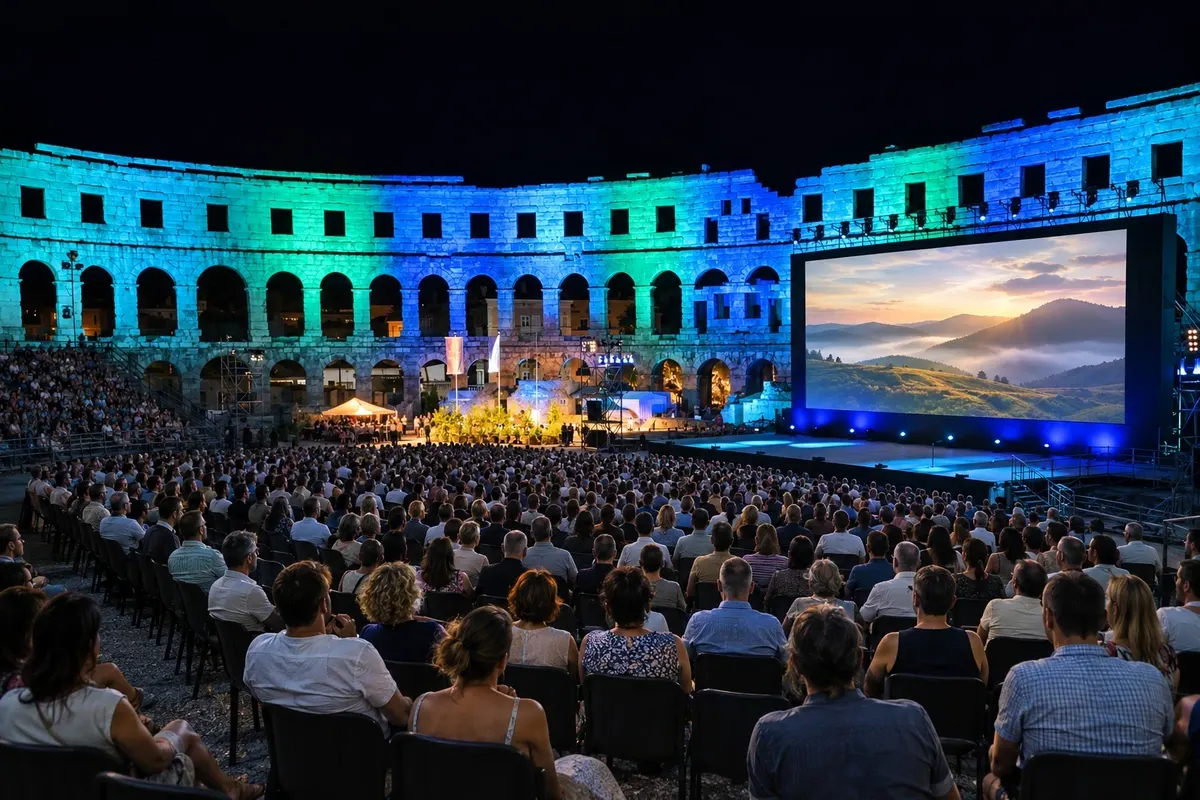
Every July, Pula’s Roman arena becomes an open-air cinema for Croatia’s oldest film festival. Founded in 1954, the festival is where the Golden Arenas, Croatia’s national film awards, are presented.
 srpanj
On July 29, the feast day of St. Theodore. There are also performances during the tourist season.
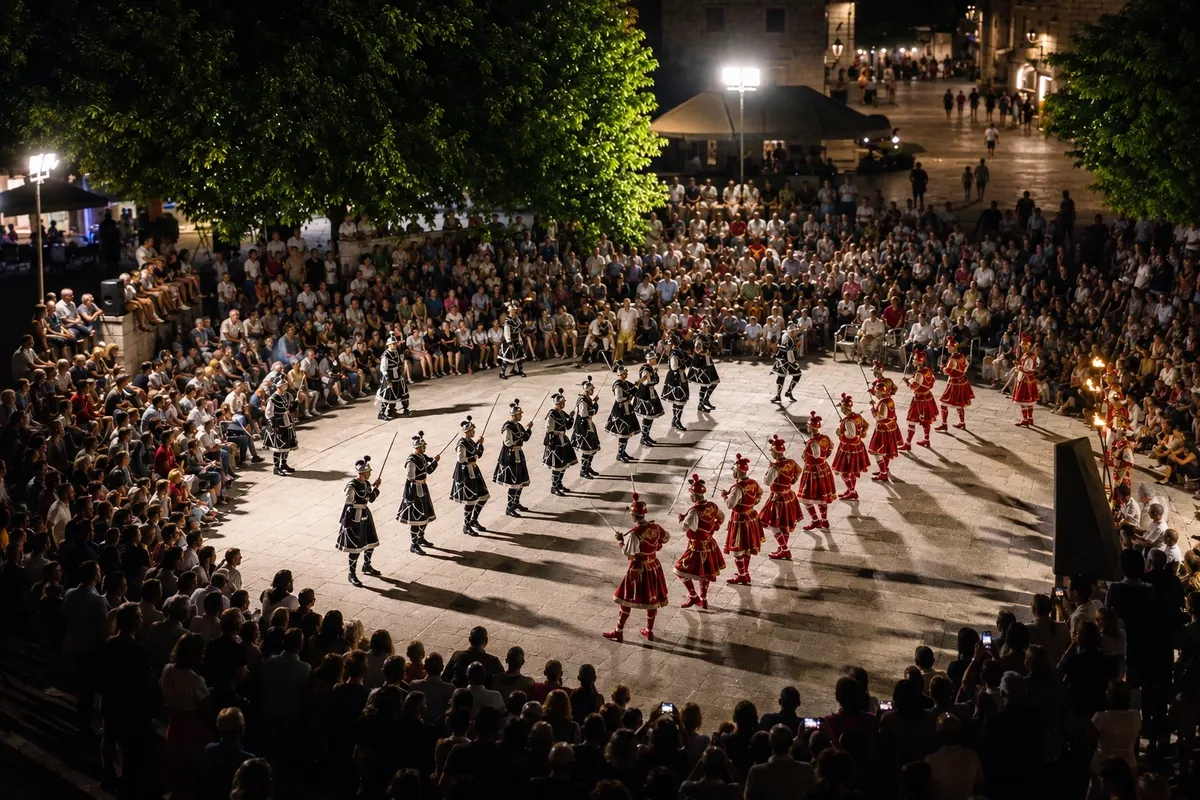
On July 29, both St. Theodore’s Day and Korčula’s town day, Korčula stages the moreška, a sword dance the town has kept alive for more than four centuries. Two kings and their armies fight over a young woman named Bula to the music of a wind band.
Pitanja i odgovori
Every year from July 10 to August 25.
On open-air stages in the Old Town’s squares, palaces, and fortresses, including Lovrijenac Fortress, and on the island of Lokrum.
In 1950. It’s Croatia’s oldest cultural festival.
u Hrvatskoj – svečanosti i događanja
 kolovoz/rujan
For five days from late August to early September.
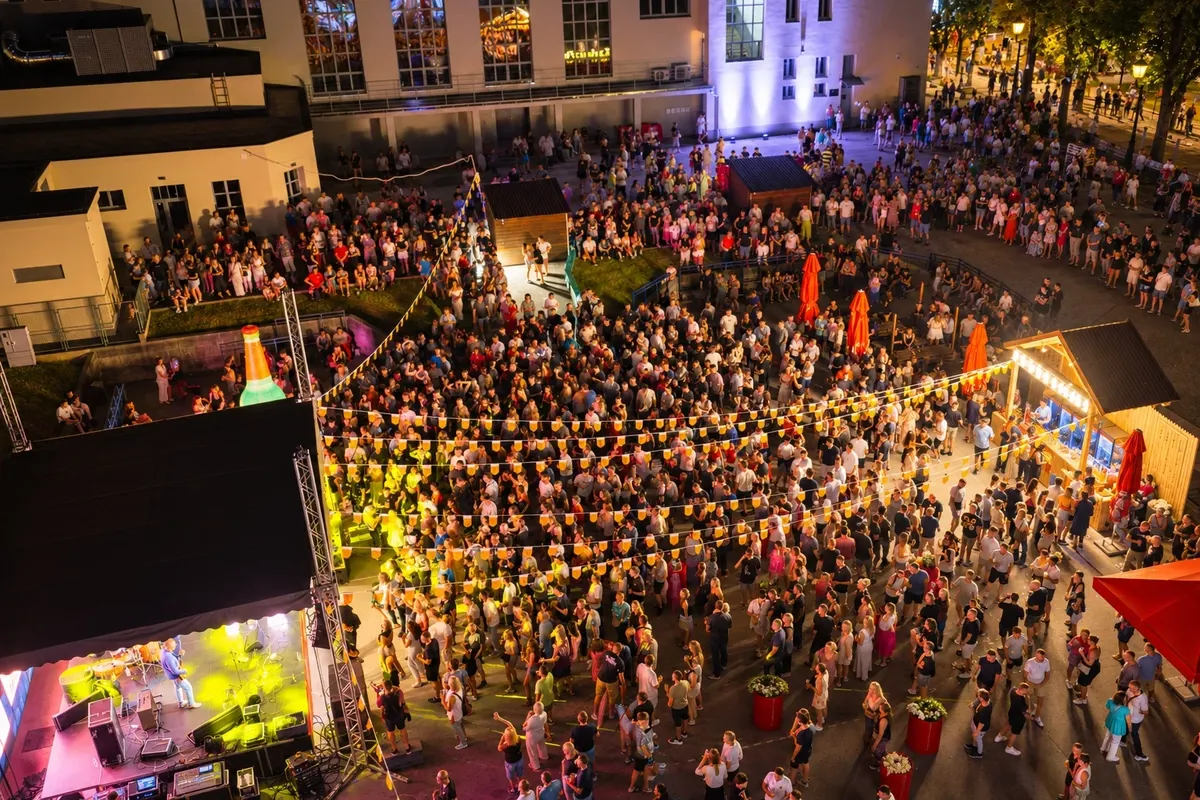
In late August, Karlovac, the city of beer and four rivers, hosts Croatia’s oldest and largest beer festival: five days of concerts, food, and beer from Croatia and abroad.
 kolovoz
On a Sunday within the first ten days of August. Competitions are held on the preceding Friday and Saturday, which also fall in August.
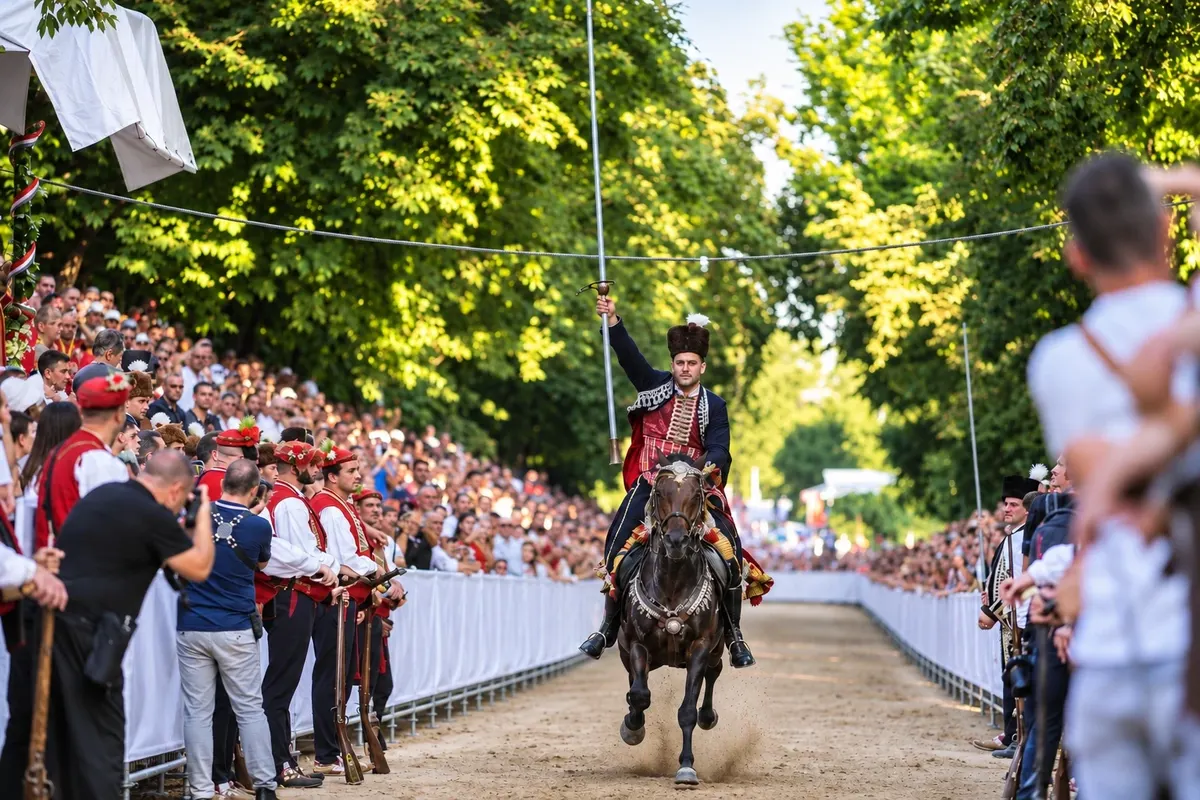
On the first Sunday in August, riders in historical dress gallop through Sinj and try to put their lances through a small iron ring called the alka. The UNESCO-listed tournament commemorates the town’s defense against the Ottoman army in 1715.
 kolovoz/rujan
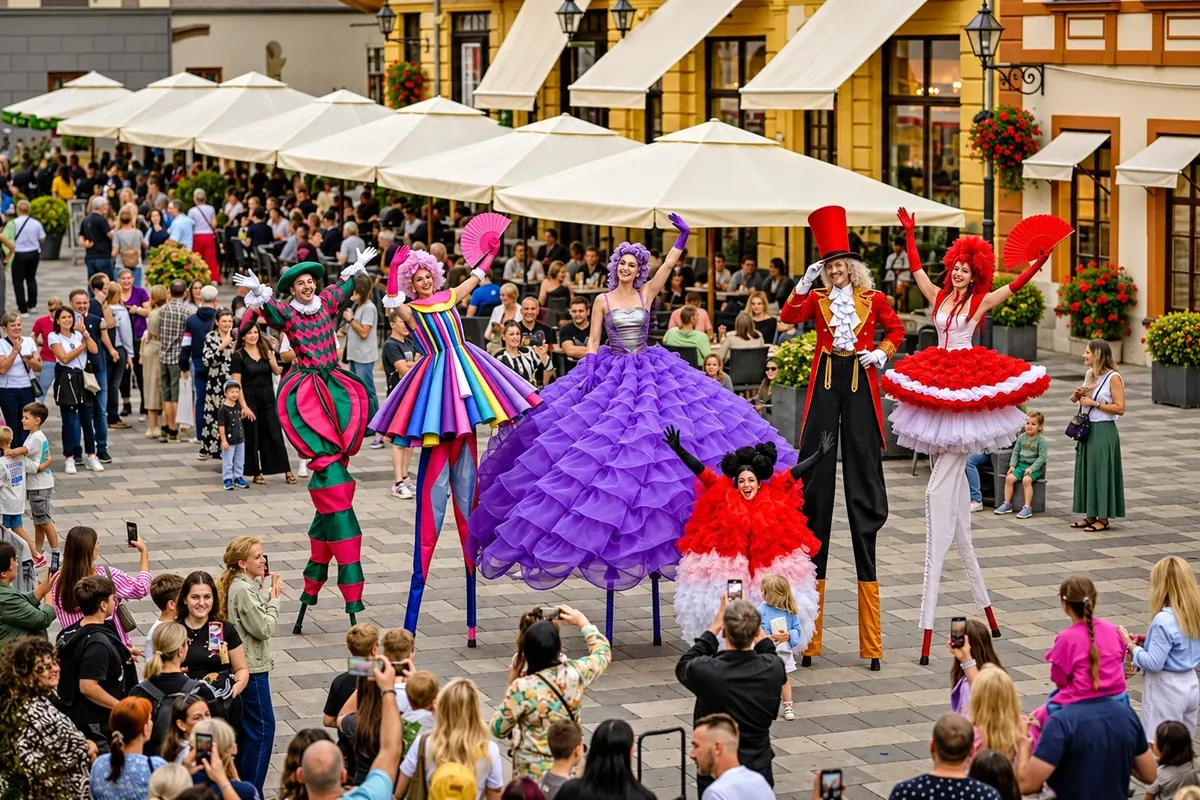
For ten days in the second half of August, sometimes extending into early September.
For ten days in late summer, the Baroque center of Varaždin hosts one of Croatia’s leading street festivals, with street performers, concerts, workshops, artisans, and regional food.
 siječanj/veljača/ožujak
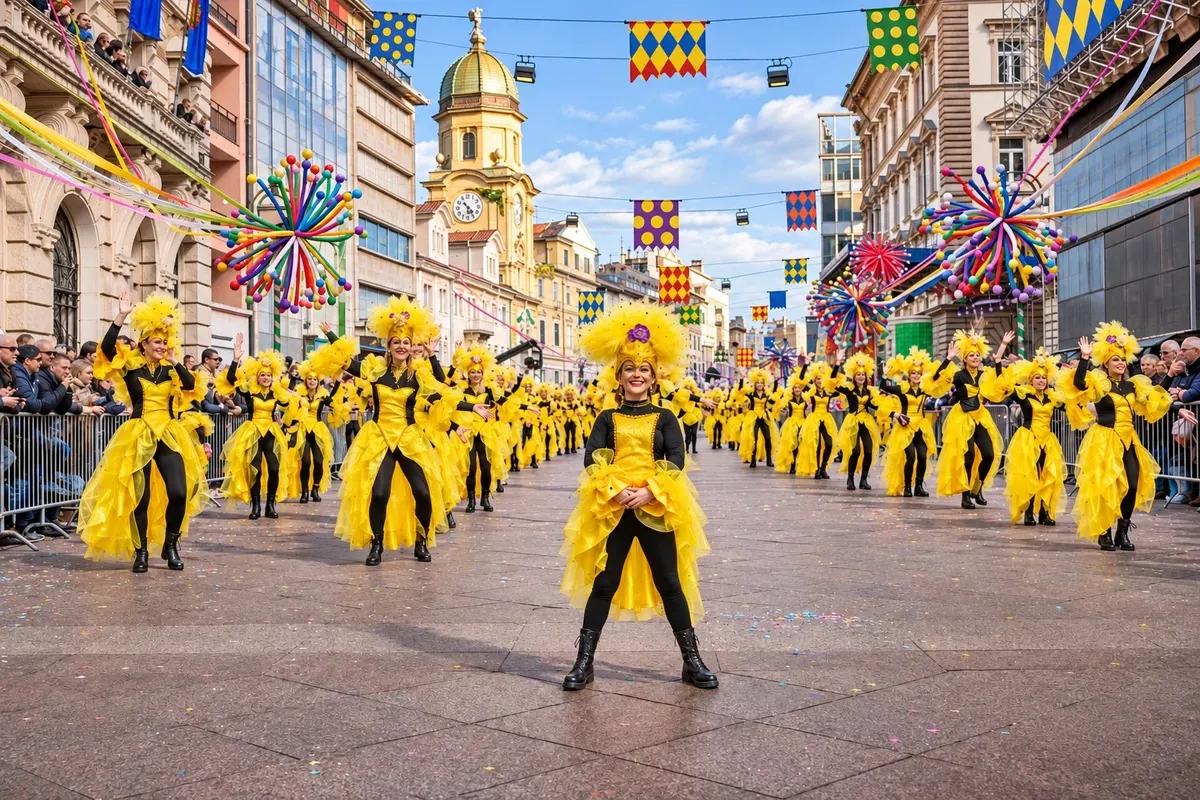
In the weeks leading up to Lent. The main parade takes place on the Sunday before Ash Wednesday.
In the weeks leading up to Lent, Rijeka hosts Croatia’s largest carnival, with masked groups, a children’s parade, and a grand international parade. The zvončari, bell ringers from nearby villages, close the parade in a tradition recognized by UNESCO.
 veljača
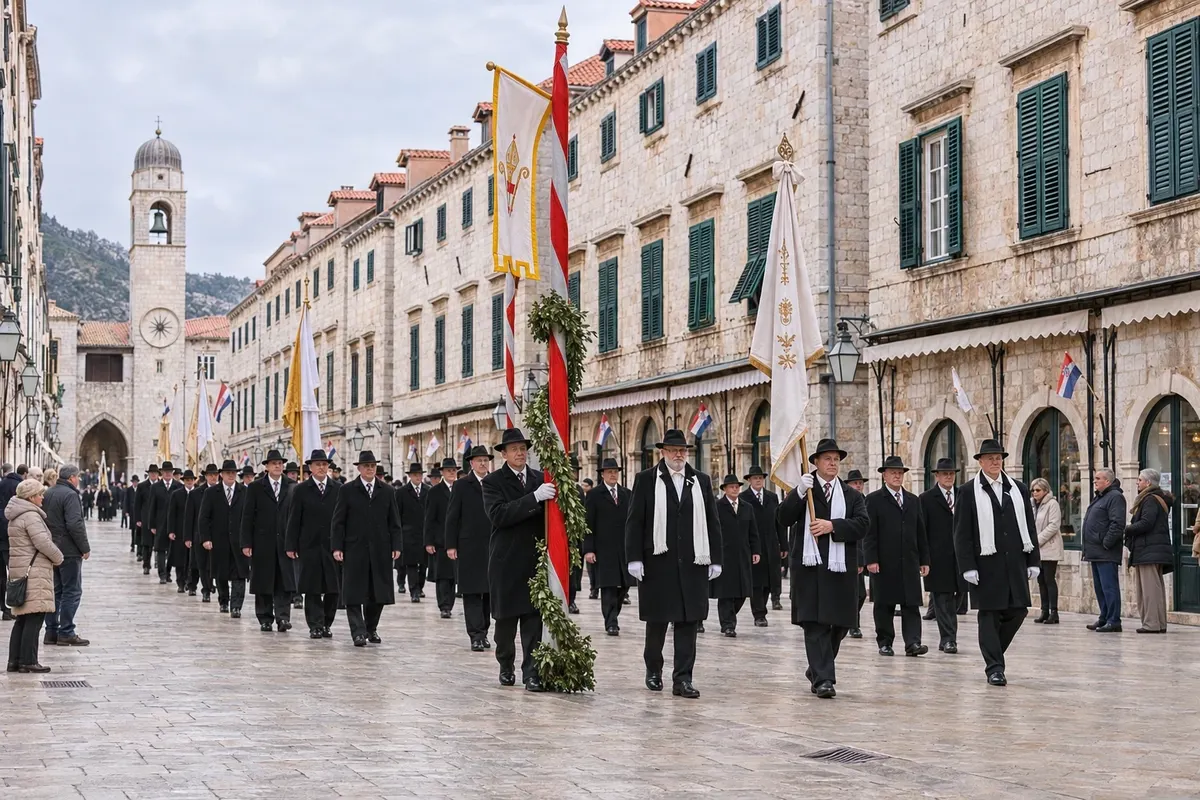
February 3, with festivities beginning the day before, on February 2.
On February 3, Dubrovnik honors its patron saint, St. Blaise, with an outdoor Mass and a procession carrying his relics along the Stradun. People in traditional dress and banners from neighboring parishes accompany the procession as part of this UNESCO-listed celebration.
 ožujak/travanj
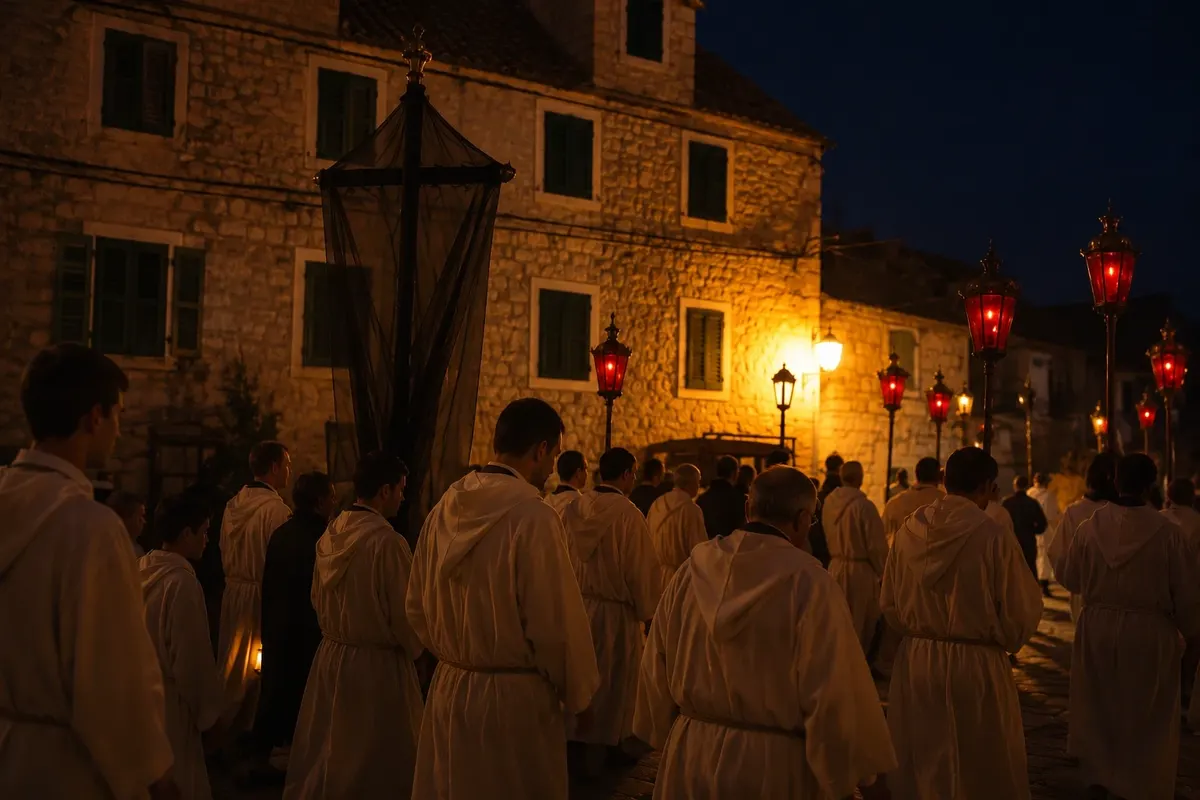
Overnight from Holy Thursday into Good Friday.
On Holy Thursday night, six villages in the central part of the island of Hvar set out in procession at the same time. Each follows its own cross on a 25-kilometer route through the other villages until dawn, in a five-century-old tradition recognized by UNESCO.
Istražite još


