Rijeka

Pučka svečanost · Rijeka

Rijeka Carnival

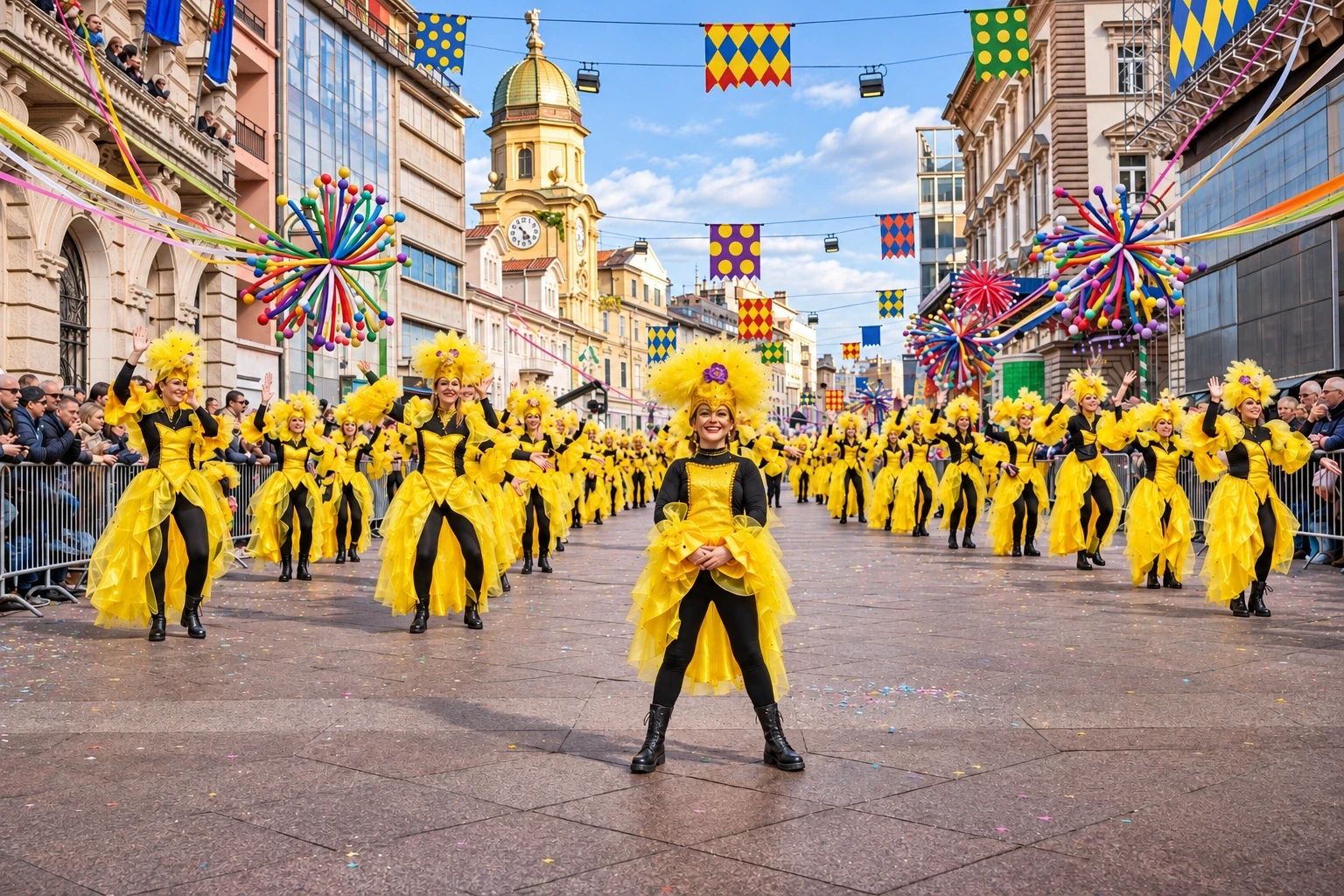
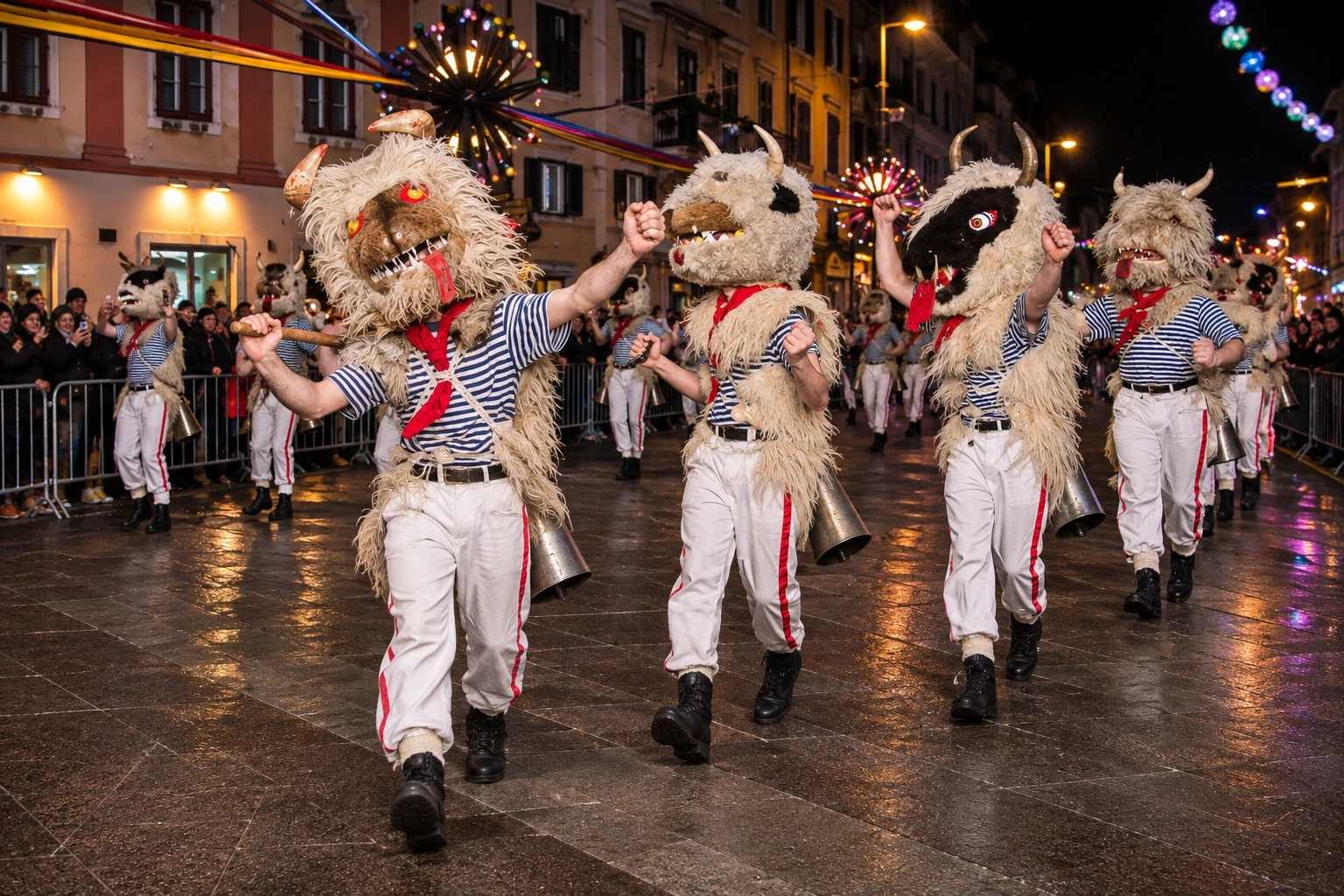
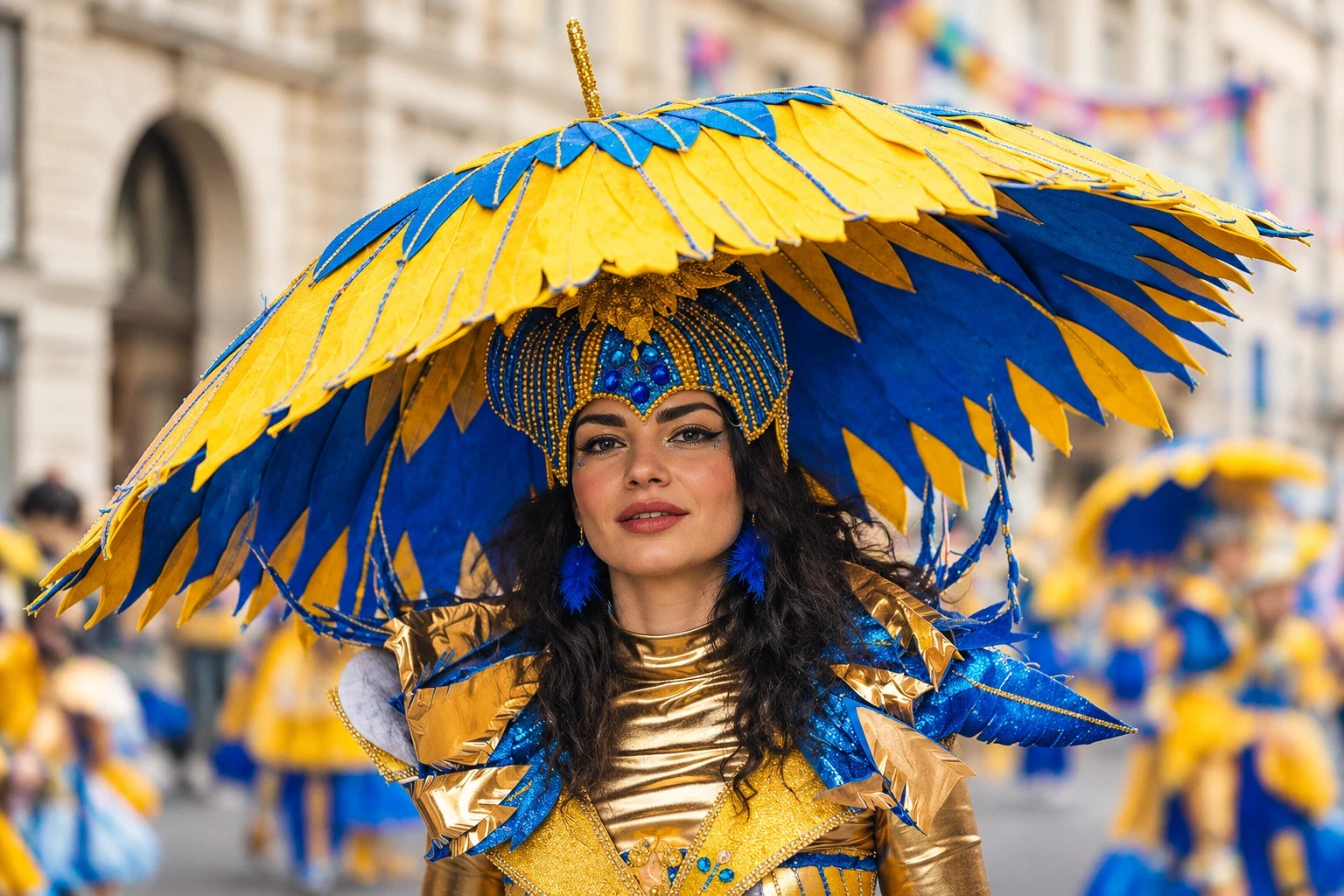
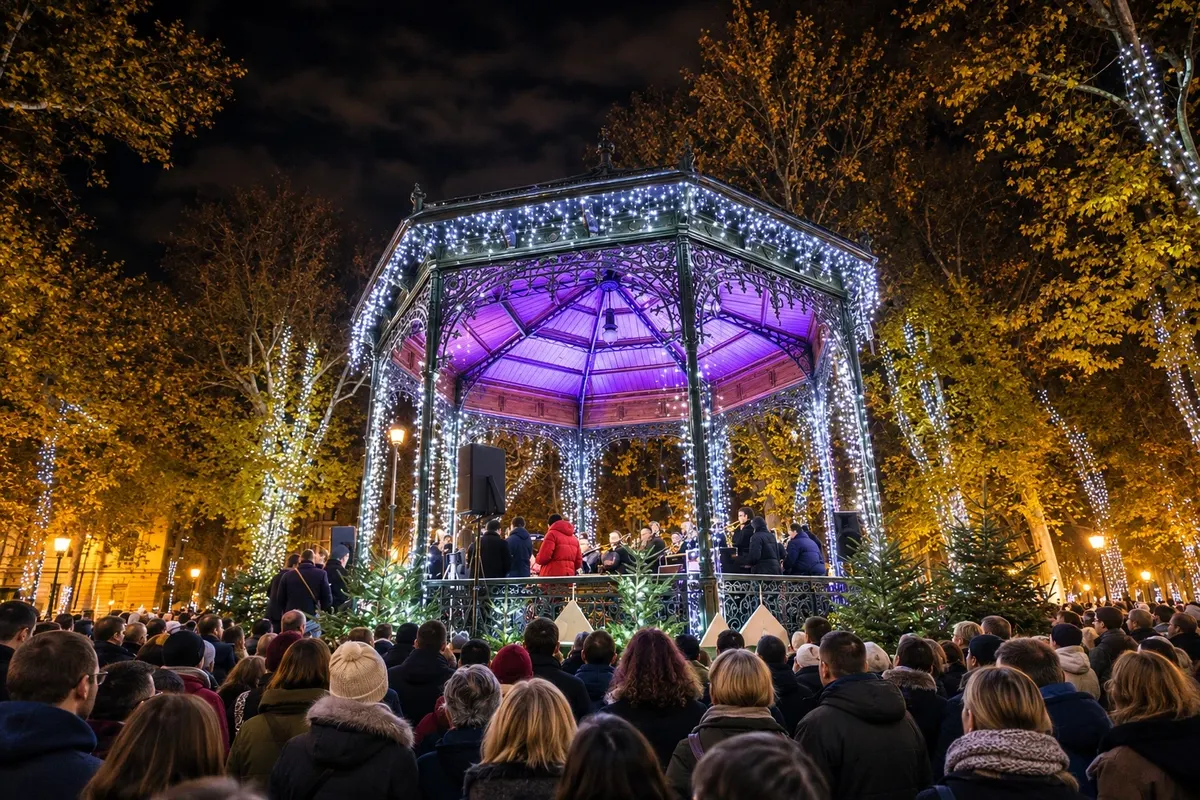
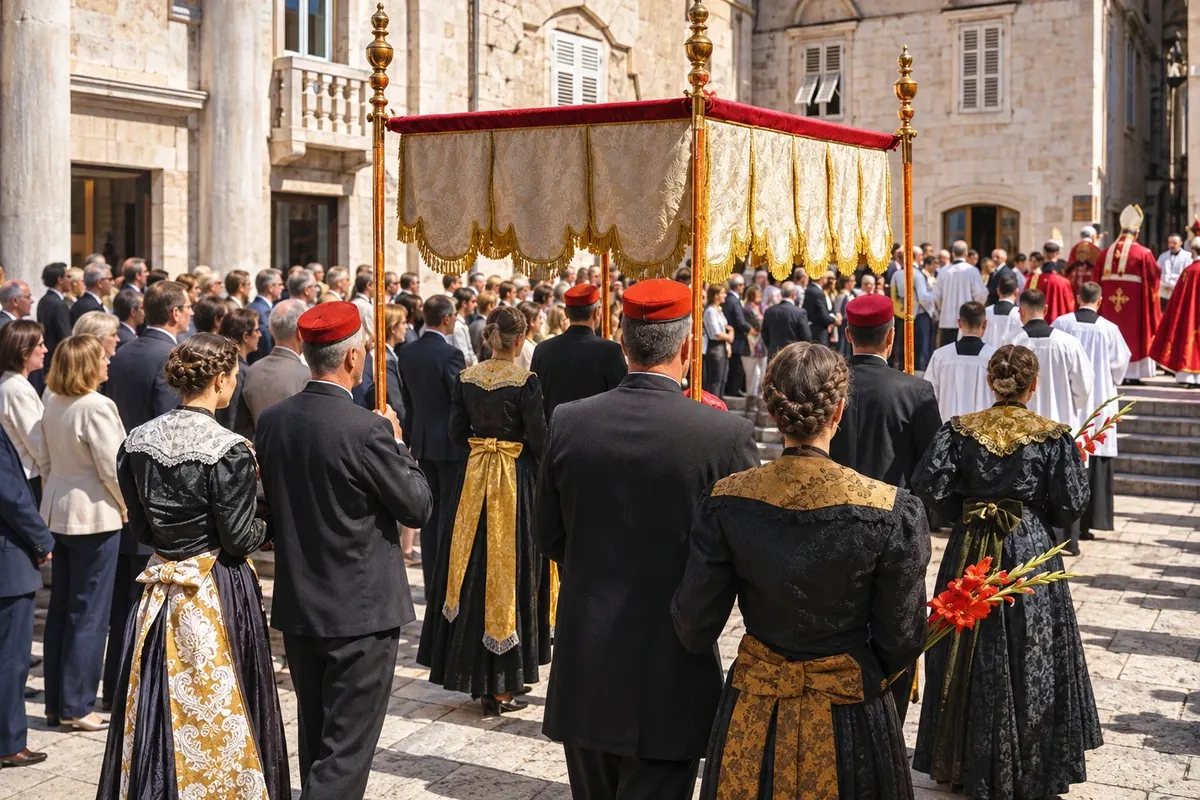
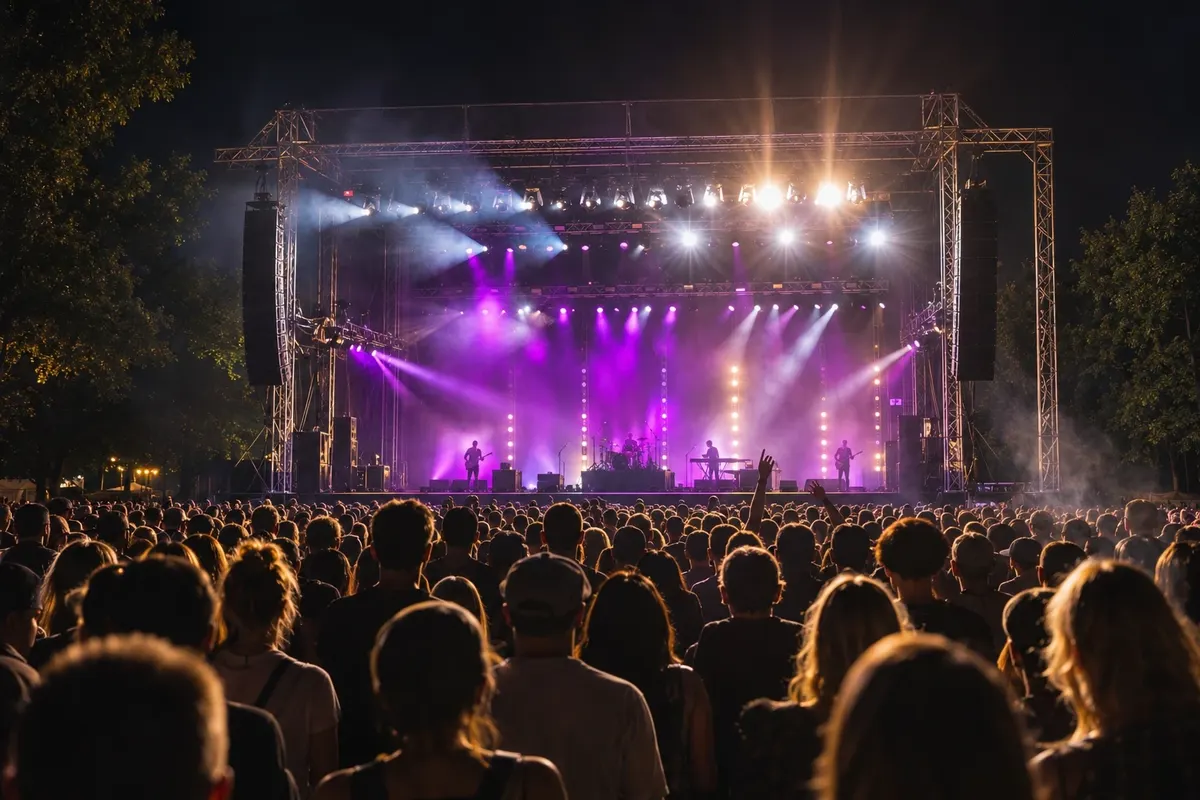
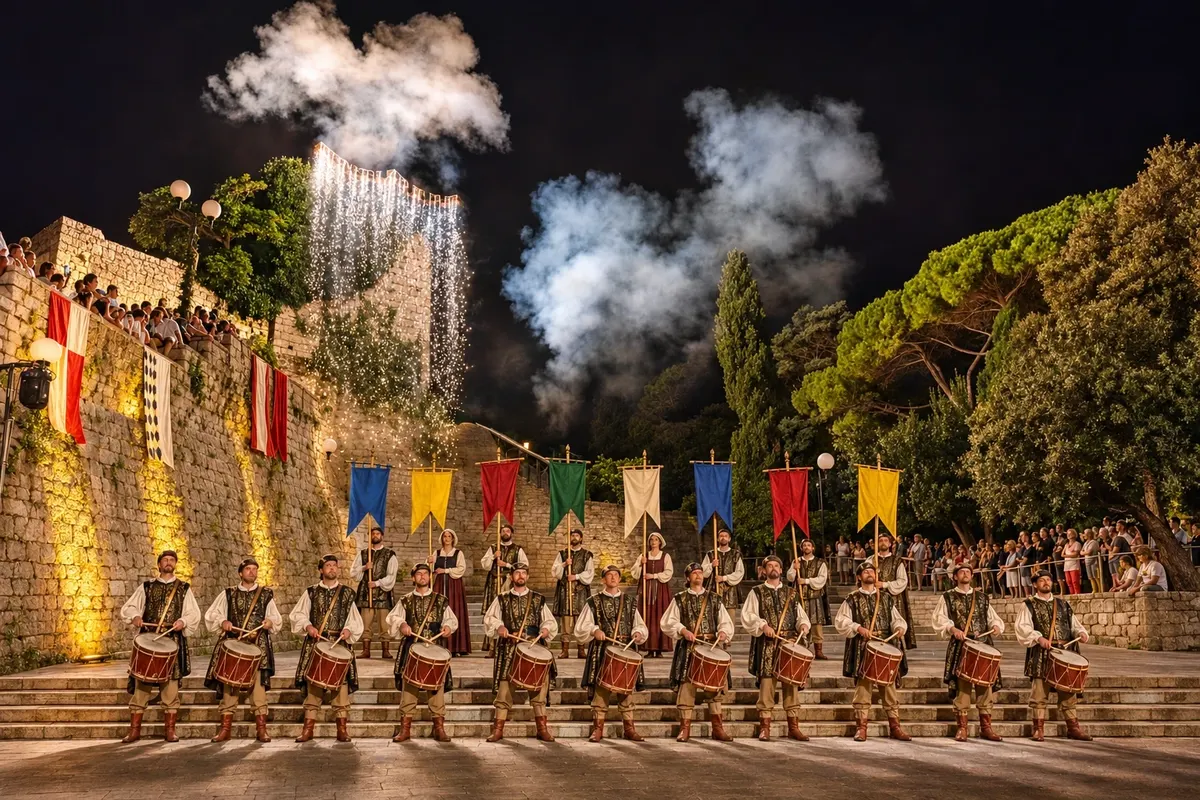
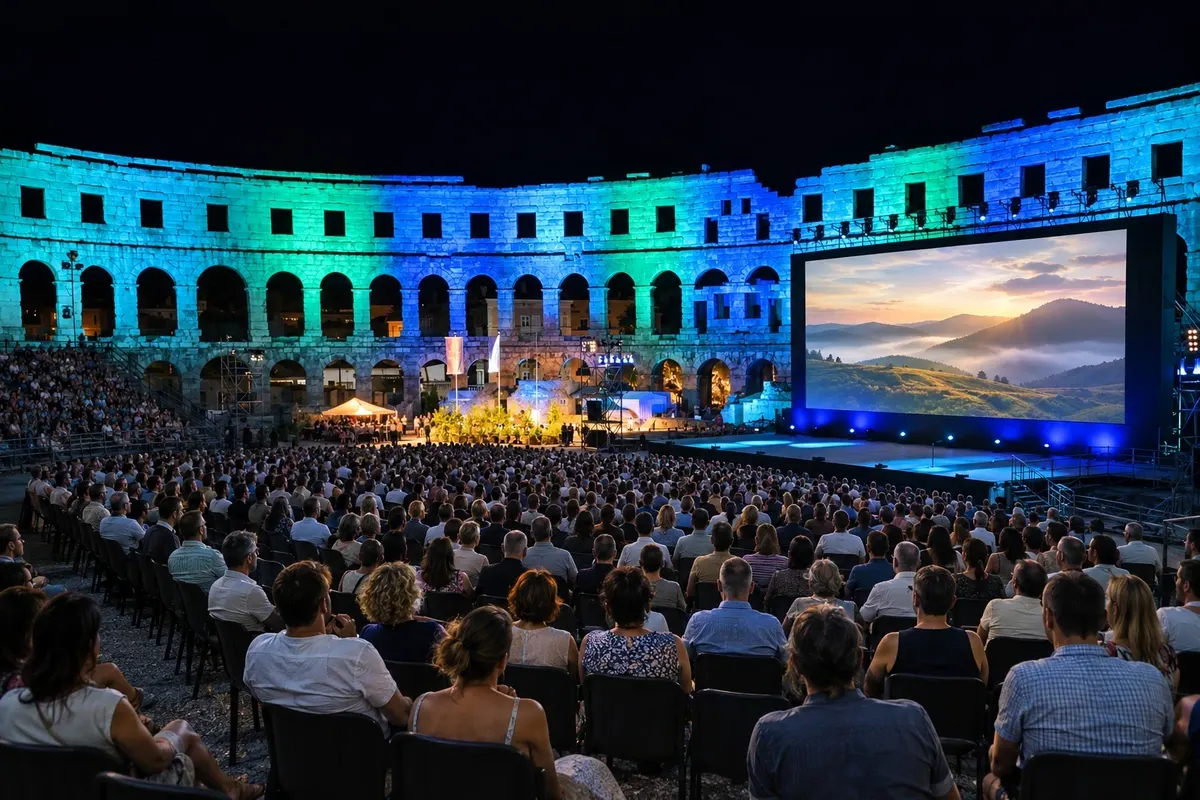
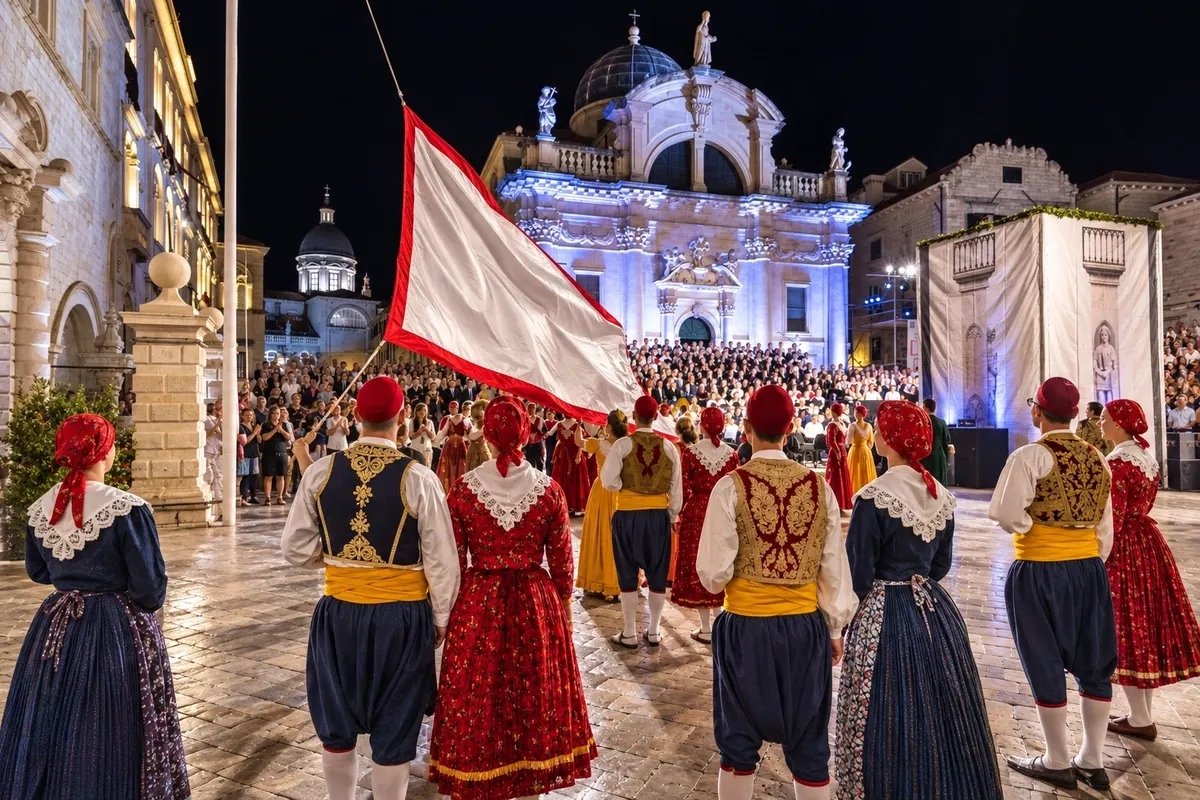
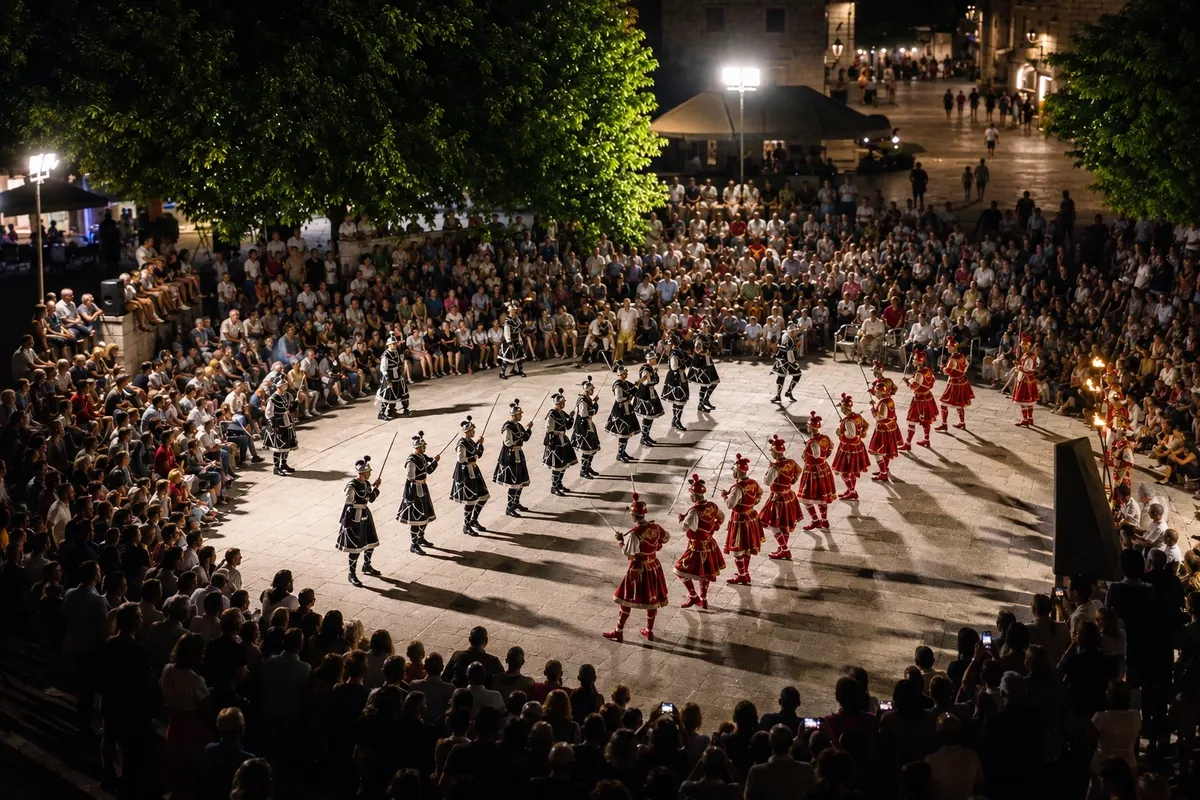
In the weeks leading up to Lent, Rijeka hosts Croatia’s largest carnival, with masked groups, a children’s parade, and a grand international parade. The zvončari, bell ringers from nearby villages, close the parade in a tradition recognized by UNESCO.

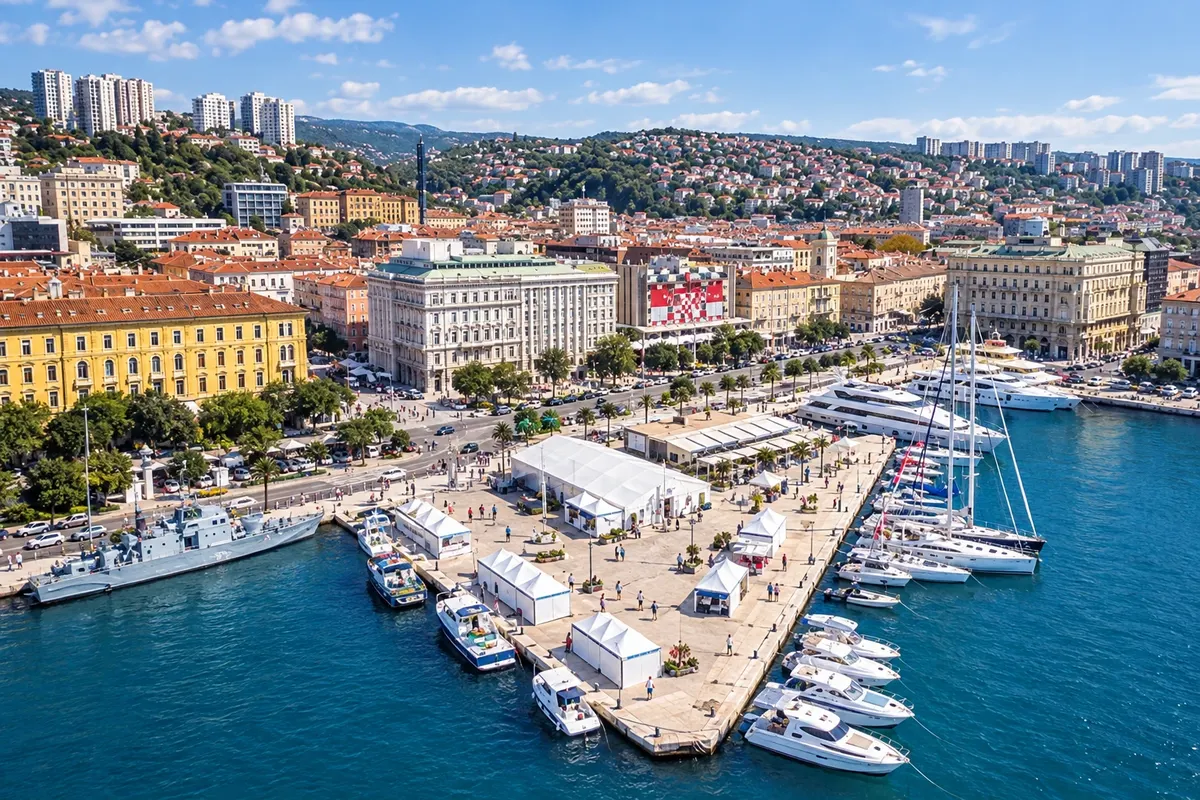
Na fotografiji: Rijeka

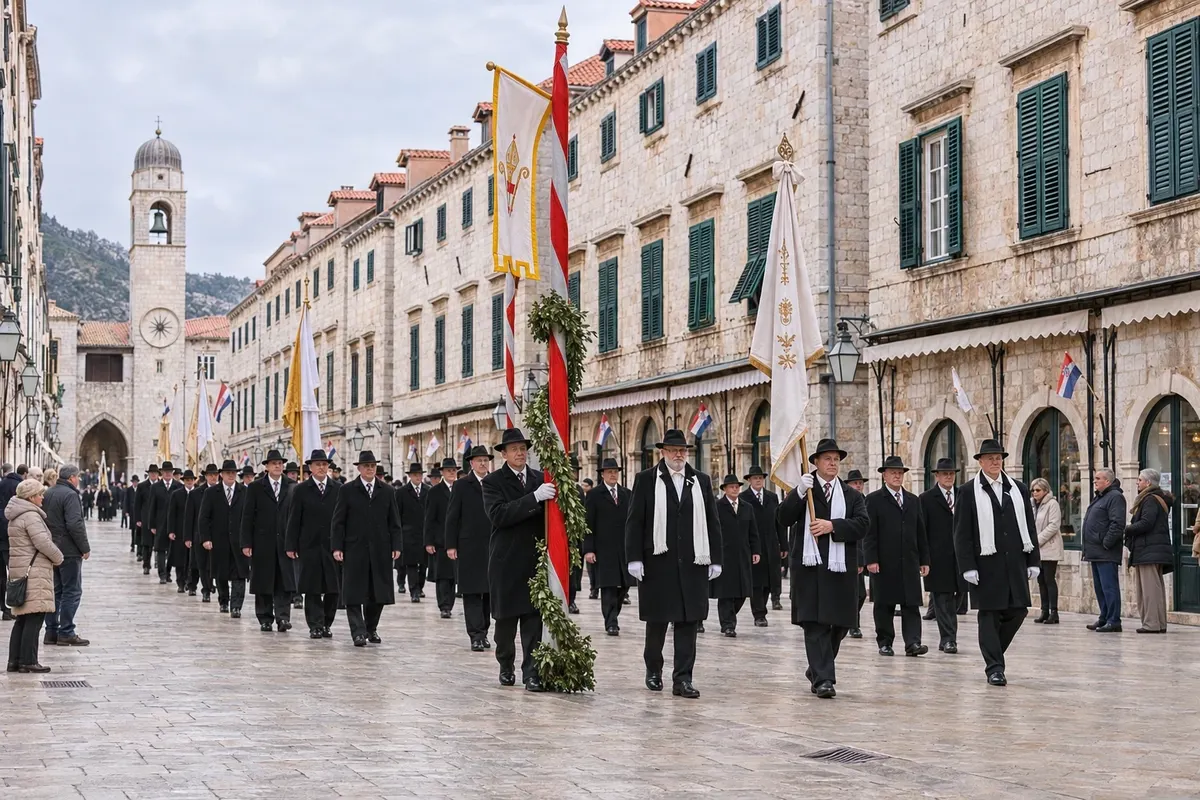
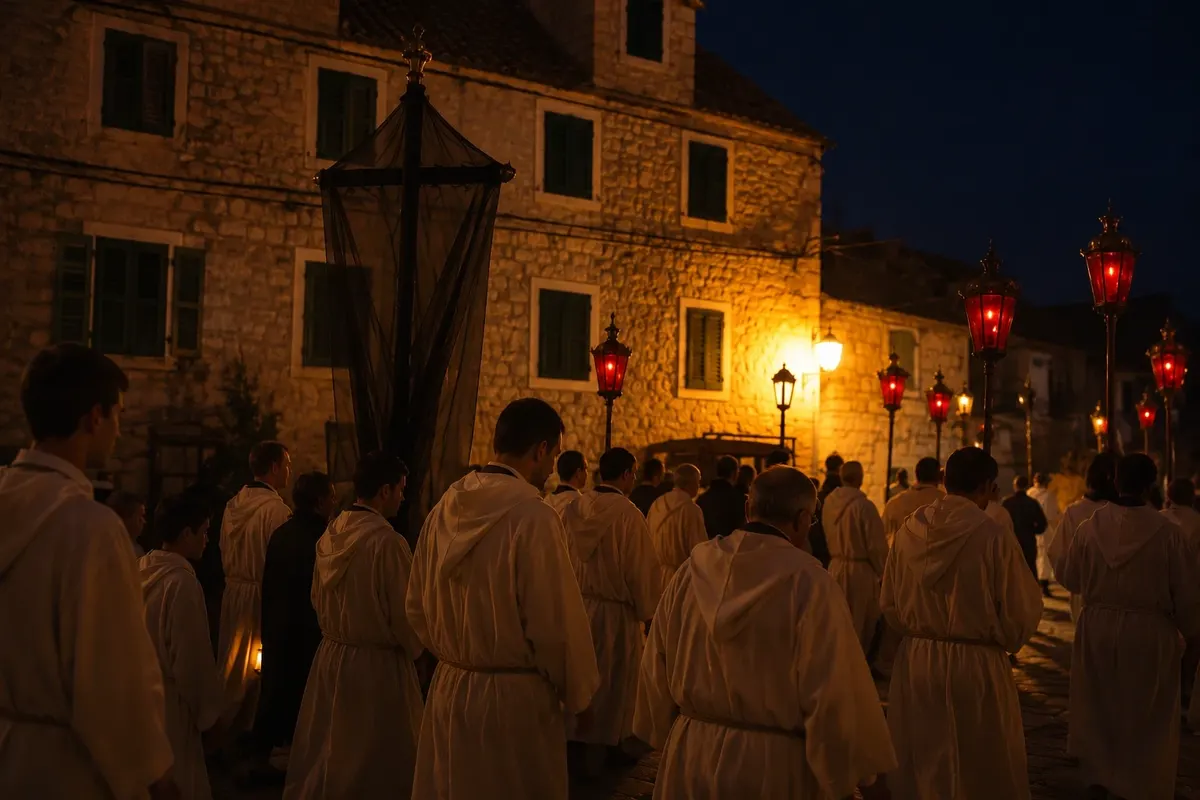
Ilustrativni prikazi. Slike u vodiču izrađene su prema stvarnim mjestima. Pojedinosti na ilustracijama mogu se razlikovati od izgleda na terenu.

Dostupno na Google Playu

Kliknite na sliku za veći prikaz.

Rijeka Carnival — Rijeka
Rijeka Carnival
Rijeka Carnival — Rijeka
Rijeka Carnival
Rijeka Carnival — Rijeka
Rijeka Carnival
Rijeka Carnival — Rijeka
Rijeka Carnival

Rijeka Carnival — Rijeka

Kada

In the weeks leading up to Lent. The main parade takes place on the Sunday before Ash Wednesday.

siječanj/veljača/ožujak

Gdje

Rijeka

Primorje-Gorski Kotar

Organizator

Službena stranica

Datumi, raspored i ulaznice

Datum se mijenja svake godine. Prije putovanja provjerite ovogodišnji termin.

O svečanosti

Rijeka Carnival – o čemu je riječ?

Rijeka is Croatia’s largest port and the capital of the Kvarner region on the northern Adriatic. At the heart of the city is the Korzo, a pedestrian street on the carnival parade route.

People have long worn masks for carnival on the Croatian coast, and Rijeka held carnival balls and parades in the days of the Austro-Hungarian Empire. The carnival was revived in its modern form in 1982, when three masked groups paraded down the Korzo. It grew into one of the country’s leading celebrations, and Rijeka is a member of the Federation of European Carnival Cities.

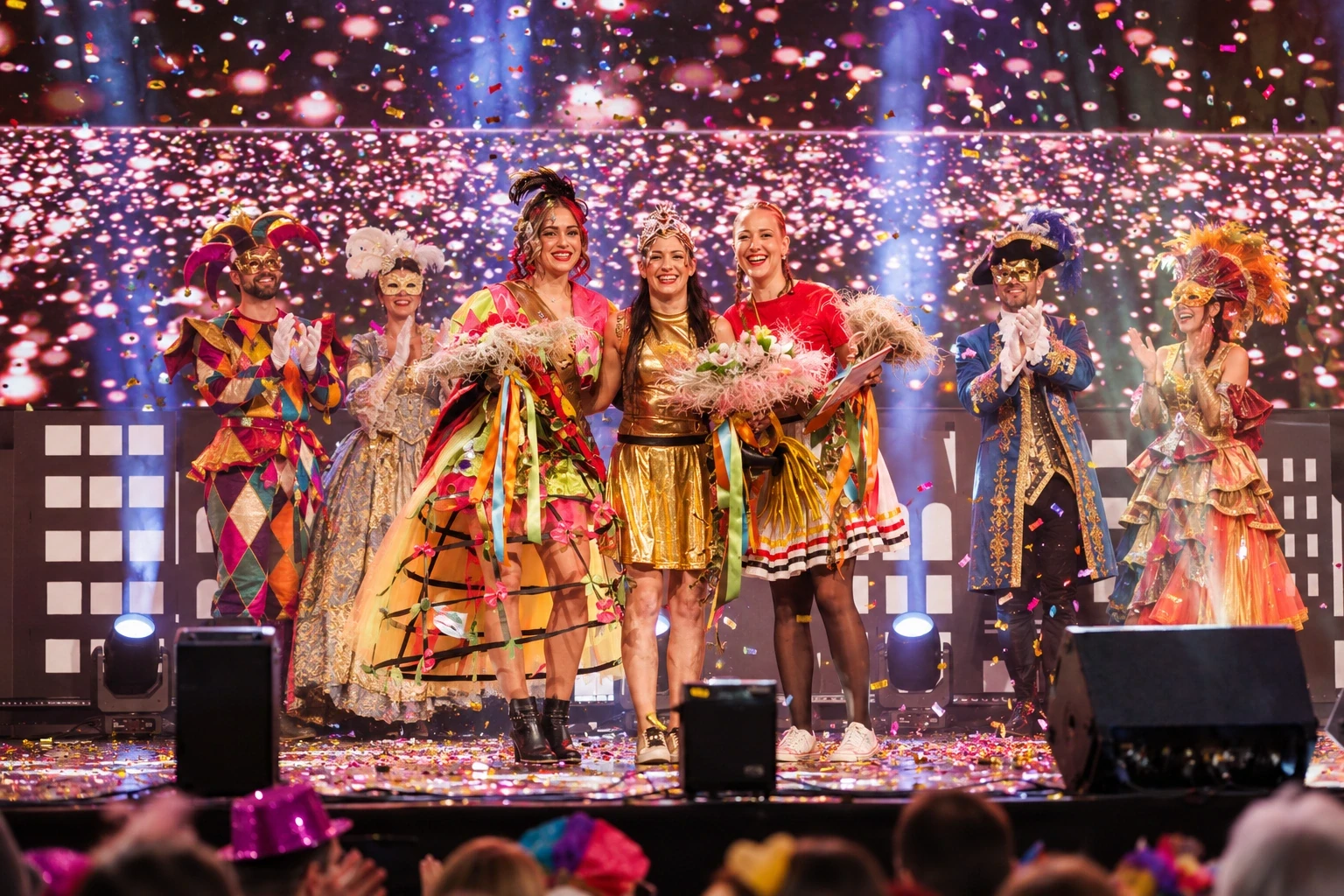
The season begins in January with the election of the carnival queen and the presentation of the keys to the city to the carnival master. There are masked balls and a children’s parade featuring schools and groups from across the country. The highlight is the International Carnival Parade on the Sunday before Ash Wednesday. Floats and costumed groups make their way through the city center all afternoon, many poking fun at the issues of the year.

The parade ends with the zvončari, men from villages in the Kastav area who wear sheepskins and carry large bells around their waists. Some wear masks shaped like animal heads. According to tradition, the sound of the bells drives away winter and evil spirits. The custom has been on UNESCO’s Representative List of the Intangible Cultural Heritage of Humanity since 2009.

Croatia’s largest carnival is worth the trip for its mix of city carnival groups, satire, and rural tradition, and for the chance to see the zvončari close the parade.

Podijelite WhatsApp

Što vrijedi doživjeti

The International Carnival Parade on the Sunday before Ash Wednesday. The zvončari as they close the parade. The children’s parade. The floats poking fun at the issues of the year.

Kako najbolje iskoristiti posjet

Pick a spot along the route early, as the streets in the city center fill up. The parade lasts all afternoon, and it’s worth staying until the end to see the zvončari. February is cold and windy in the Kvarner region, so bring warm clothing.

Što kušati

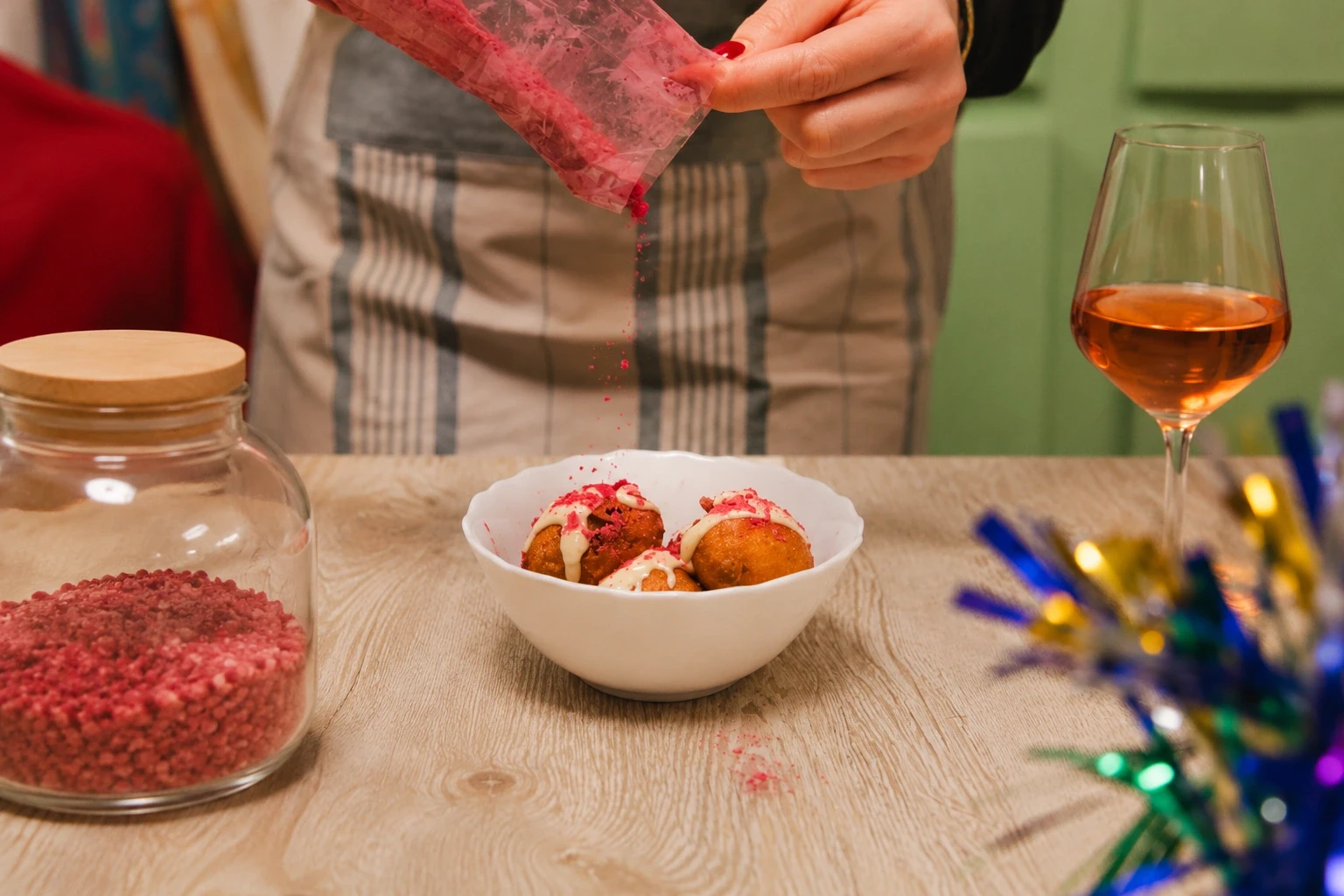
Fritule, small fritters served at carnival events.

Planirajte unaprijed

Check this year’s dates with the Rijeka Tourist Board, as they vary with the date of Easter. Book your accommodations well in advance for the weekend of the main parade.

siječanj/veljača/ožujak

U isto vrijeme

Pitanja i odgovori

Rijeka Carnival – česta pitanja

When is the Rijeka Carnival?

It takes place in the weeks leading up to Lent, starting in January. The main parade is on the Sunday before Ash Wednesday, so the dates vary each year with the date of Easter.

Who are the zvončari?

They are men from villages in the Kastav area who wear sheepskins and carry large bells around their waists. According to tradition, the bells drive away winter. The zvončari close the Rijeka parade, and their custom has been on UNESCO’s intangible cultural heritage list since 2009.

How far back does the Rijeka Carnival go?

The tradition goes back a long way, but the carnival was revived in its modern form in 1982, when three groups paraded down the Korzo.

u Hrvatskoj – svečanosti i događanja

Druge svečanosti

Pogledajte cijeli kalendar

Istražite još