Slastica · Dubrovnik
Dubrovačka rozata
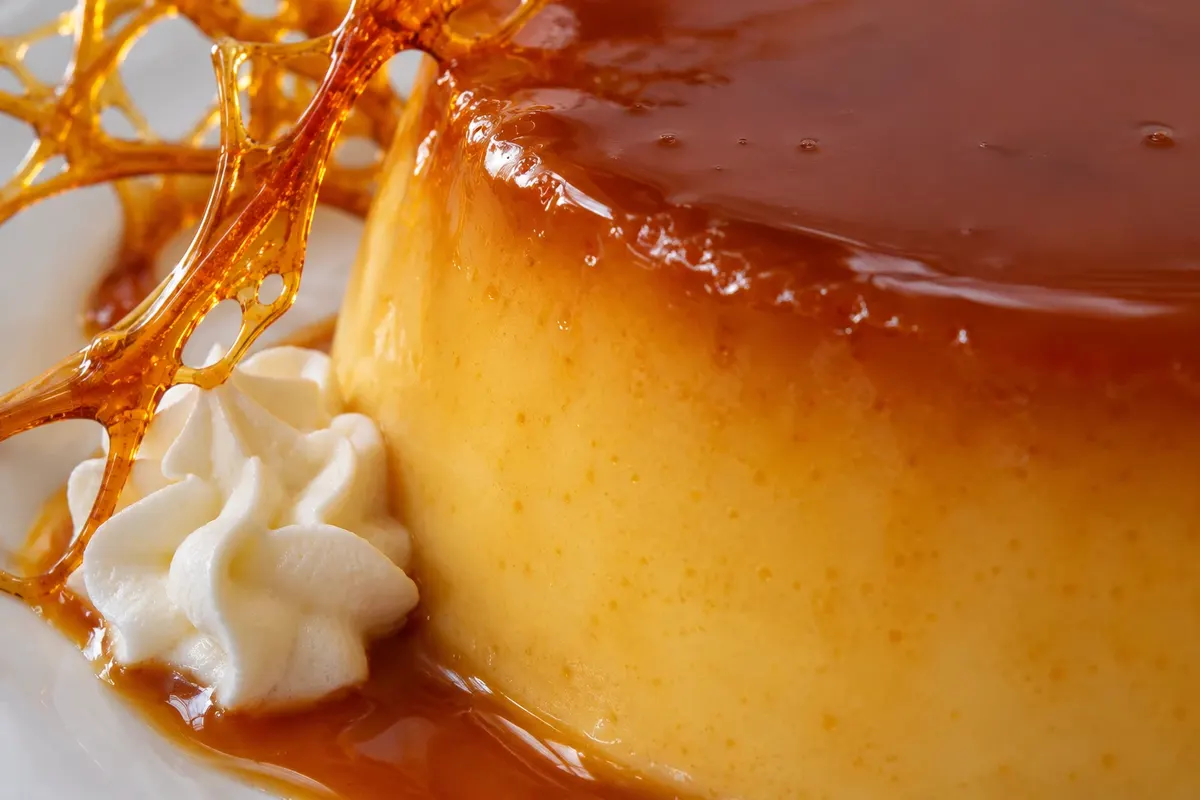
U Dubrovniku kušajte rozatu, kremu od jaja, mlijeka i šećera koja se kuha u vodenoj kupelji u kalupu obloženom karamelom. Prepoznatljivu aromu daje joj rozalin, dubrovački liker od ruža.

 Pretražite
 Brazil
 Antarktika
 Argentina
 Bolivija
 Čile
 Kolumbija
 Ekvador
 Gvajana
 Francuska Gijana
 Falklandski otoci
 Paragvaj
 Peru
 Surinam
 Urugvaj
 Venezuela
 Njemačka
 Austrija
 BelgijaHrvatska
 Danska
 Slovačka
 Slovenija
 Španjolska
 Finska
 Francuska
 Grčka
 Nizozemska
 Mađarska
 Irska
 Island
 Italija
 Luksemburg
 Norveška
 Poljska
 Portugal
 Ujedinjeno Kraljevstvo
 Češka
 Švedska
 Švicarska
 Turska
 Bermudi
 Kanada
 Sjedinjene Američke Države
 Grenland
 Meksiko
 Saint-Pierre i Miquelon
 Dominikanska Republika
 JapanTurska
 Južnoafrička Republika
 Egipat
 Australija
 Fidži
 Novi Zeland
 Papua Nova Gvineja
Vjerska svečanost · Dubrovnik
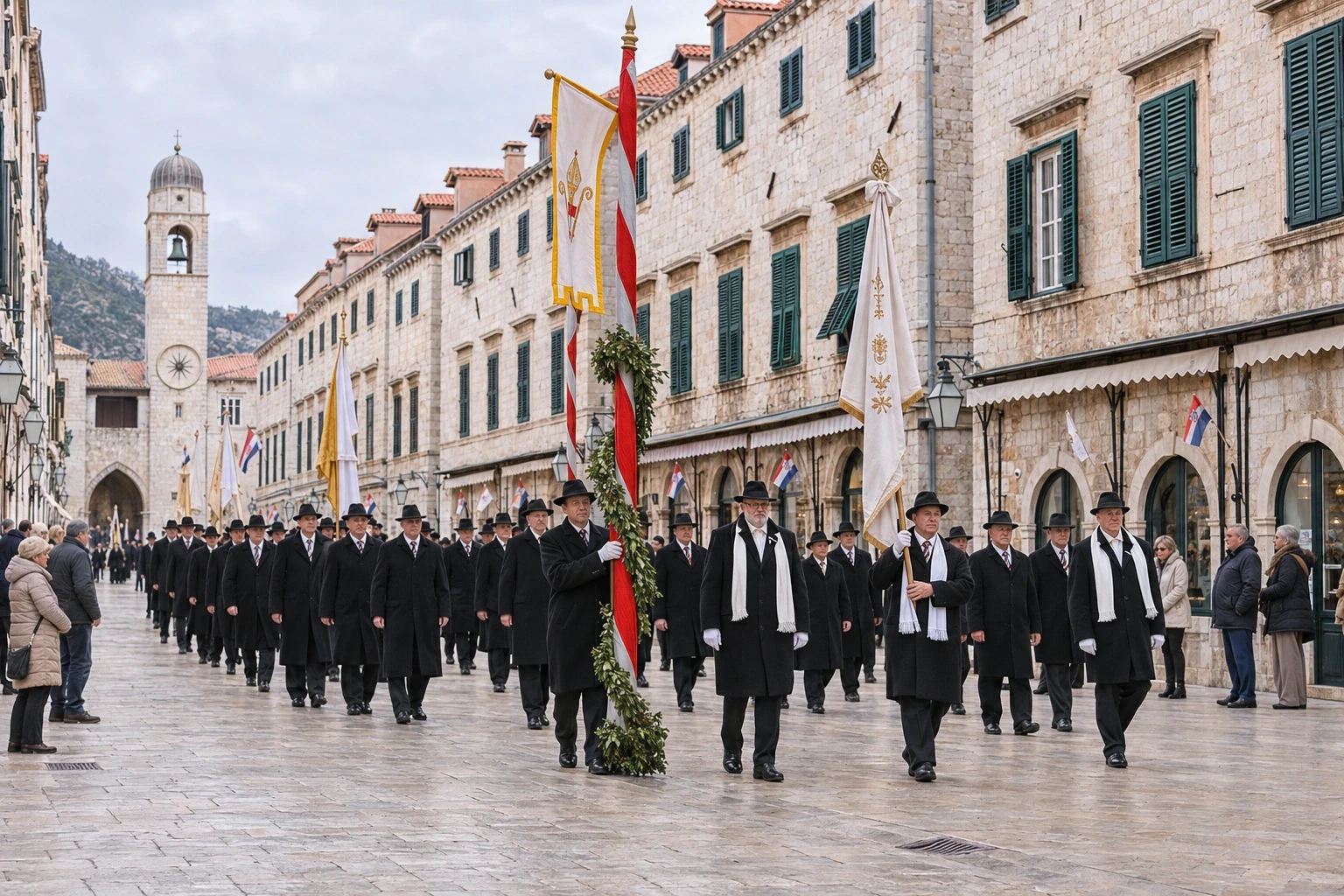
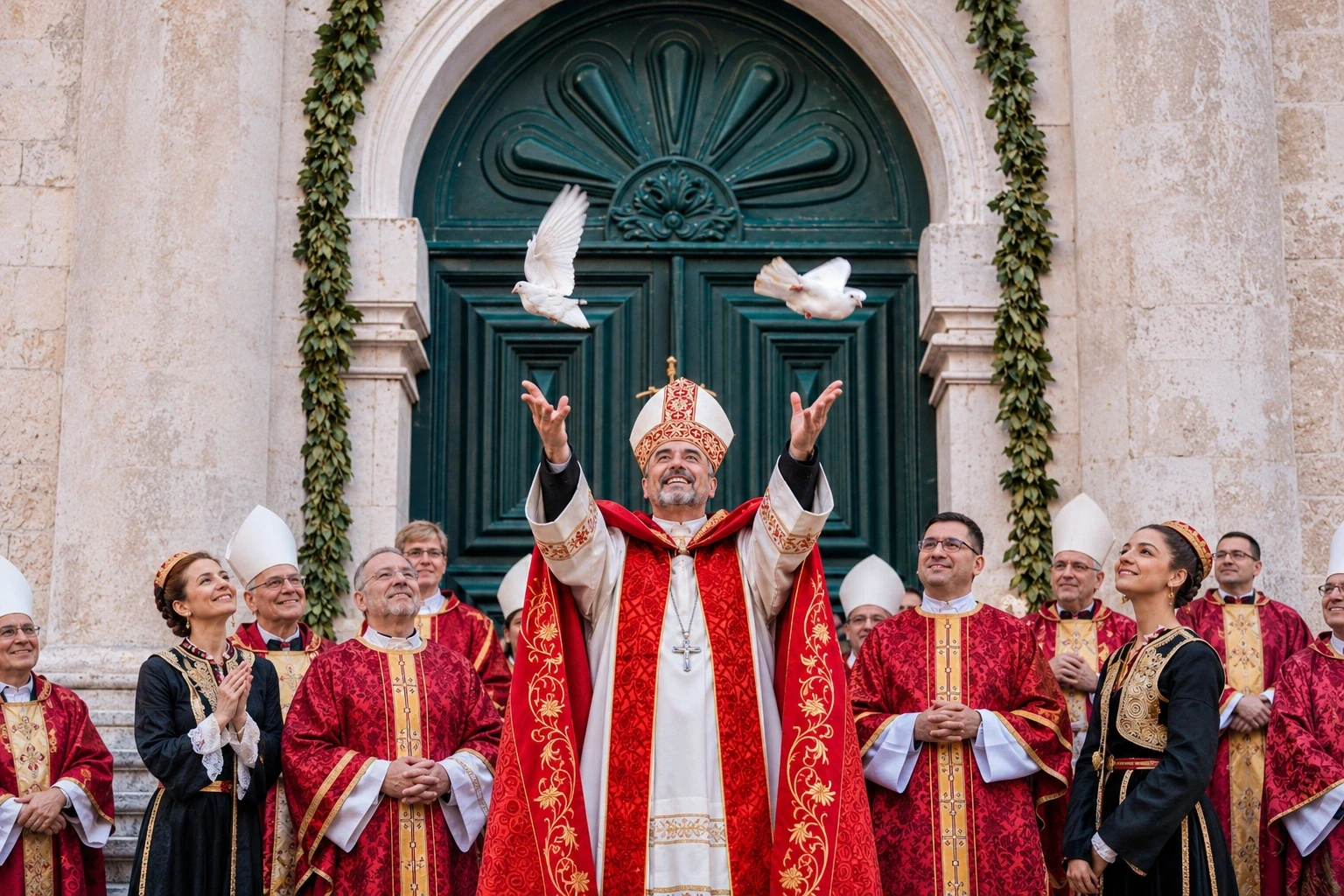
On February 3, Dubrovnik honors its patron saint, St. Blaise, with an outdoor Mass and a procession carrying his relics along the Stradun. People in traditional dress and banners from neighboring parishes accompany the procession as part of this UNESCO-listed celebration.
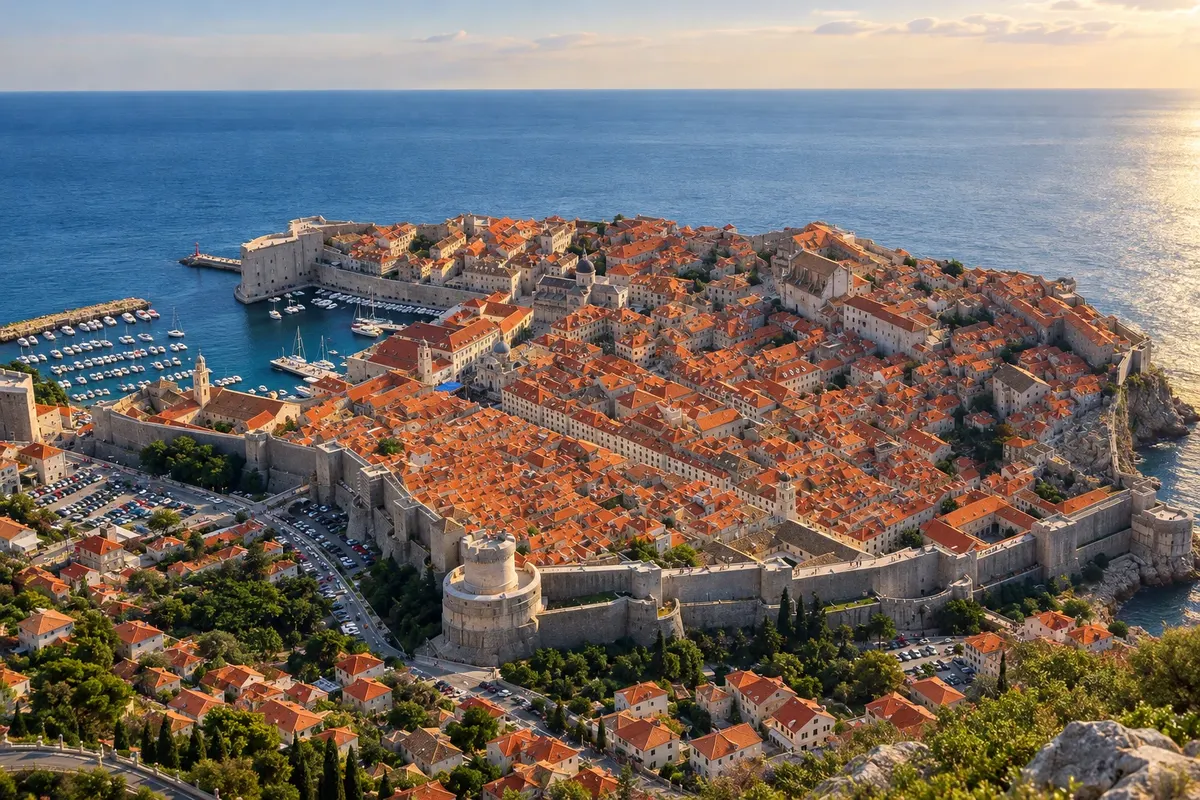
Na fotografiji: Dubrovnik
Ilustrativni prikazi. Slike u vodiču izrađene su prema stvarnim mjestima. Pojedinosti na ilustracijama mogu se razlikovati od izgleda na terenu.

Kliknite na sliku za veći prikaz.
Feast of St. Blaise — Dubrovnik
February 3, with festivities beginning the day before, on February 2.
veljača
Datum se mijenja svake godine. Prije putovanja provjerite ovogodišnji termin.
O svečanosti
St. Blaise, or sveti Vlaho, has been Dubrovnik’s patron saint for more than a thousand years. His image appears on the walls, gates, and coins of the former republic. According to tradition, the feast has been celebrated without interruption since 972. February 3 is also Dubrovnik’s City Day.
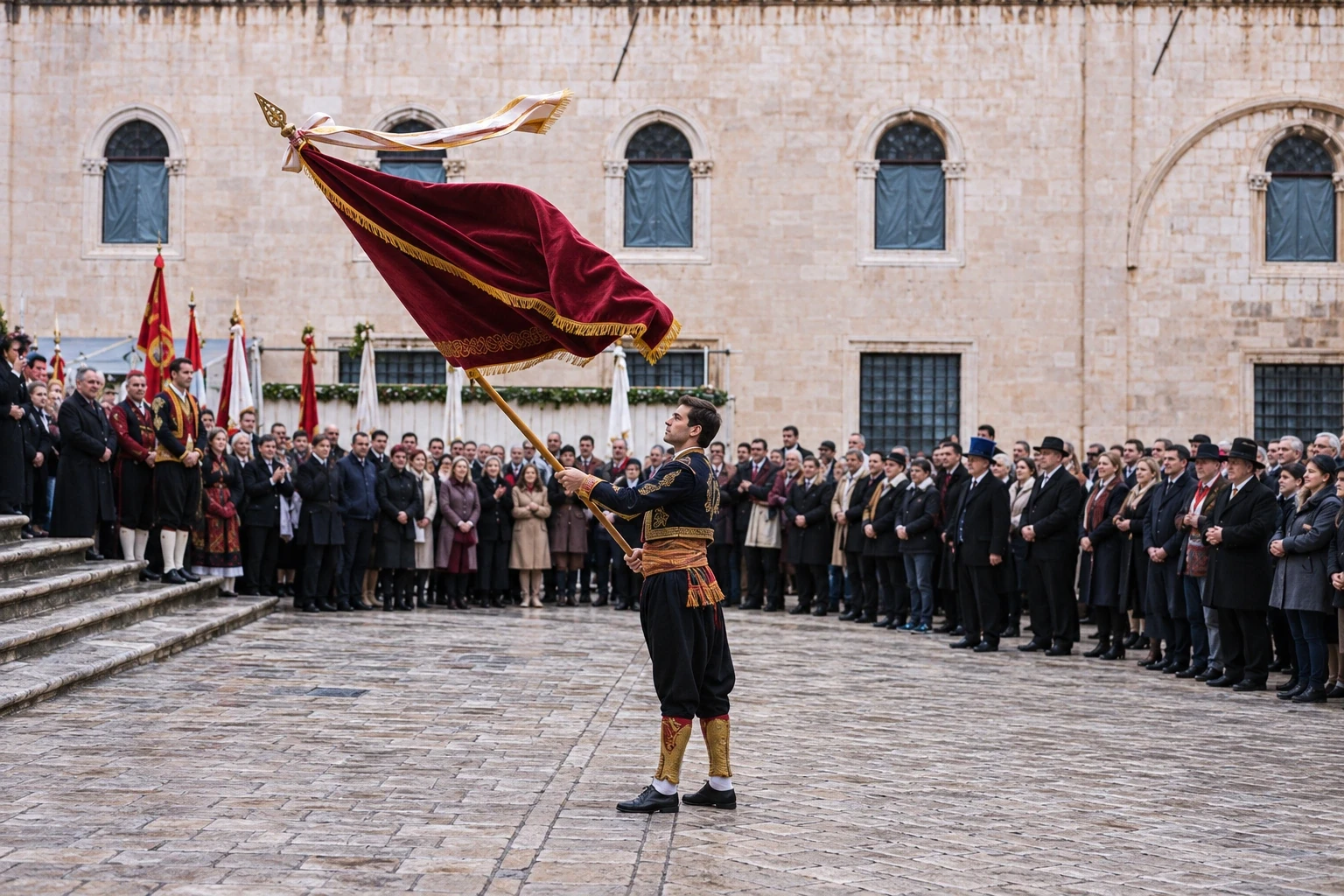
The festivities begin the day before, on February 2, which is Candlemas. White doves, symbols of freedom and peace, are released in front of the Church of St. Blaise, and the saint’s banner is raised on Orlando’s Column in the center of the Old Town.
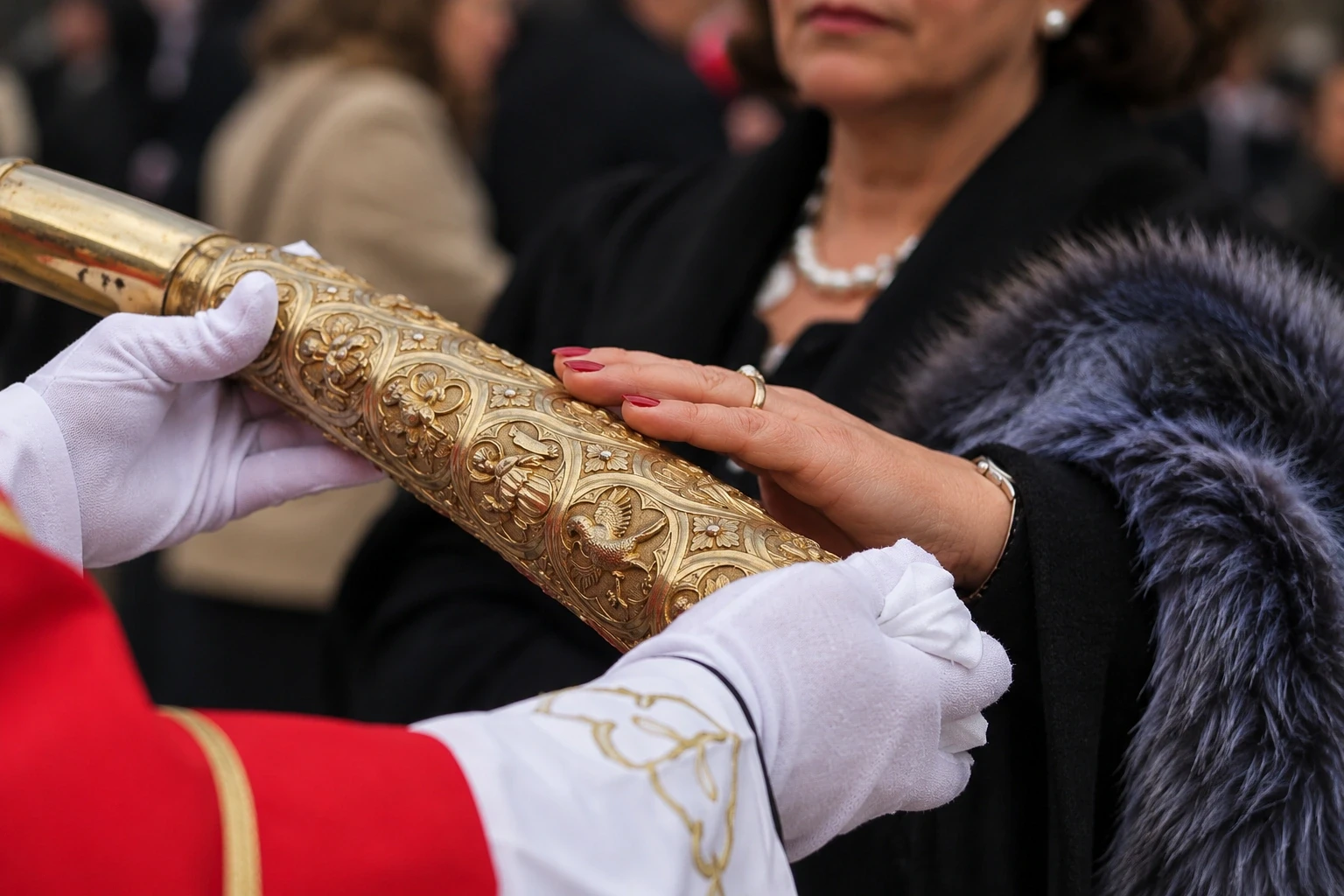
On the morning of February 3, an outdoor Mass is followed by the procession. The bishop and priests carry the saint’s reliquaries along the Stradun and through the streets of the Old Town, with the most precious relic carried beneath a canopy. People in traditional dress enter the city carrying banners from the surrounding parishes and salute the patron saint in front of his church. Throughout the day, priests bless the faithful by touching their throats with two crossed candles, as St. Blaise is regarded as a protector against throat ailments.
In 2009, the feast was inscribed on UNESCO’s Representative List of the Intangible Cultural Heritage of Humanity.
It’s worth the trip to see Dubrovnik in winter, without the summer crowds, on the day when people from across the city and the surrounding area gather in the Old Town to honor their patron saint.
The release of the doves and the raising of the saint’s banner on Orlando’s Column on the eve of the feast. The outdoor Mass and the procession carrying the relics along the Stradun on February 3. The arrival of the parish banners, carried by people in traditional dress. The blessing of throats at the Church of St. Blaise.
Get to the Stradun early on February 3 to see the procession up close. The Old Town fills up as the morning goes on. February can be cold and rainy on the coast, so bring warm clothing and a raincoat.
Check the year’s schedule with the Dubrovnik Tourist Board. Some hotels and restaurants close in winter, but there are still plenty of options in and around the city.
Hrvatske – domaći okusi
U Dubrovniku kušajte rozatu, kremu od jaja, mlijeka i šećera koja se kuha u vodenoj kupelji u kalupu obloženom karamelom. Prepoznatljivu aromu daje joj rozalin, dubrovački liker od ruža.
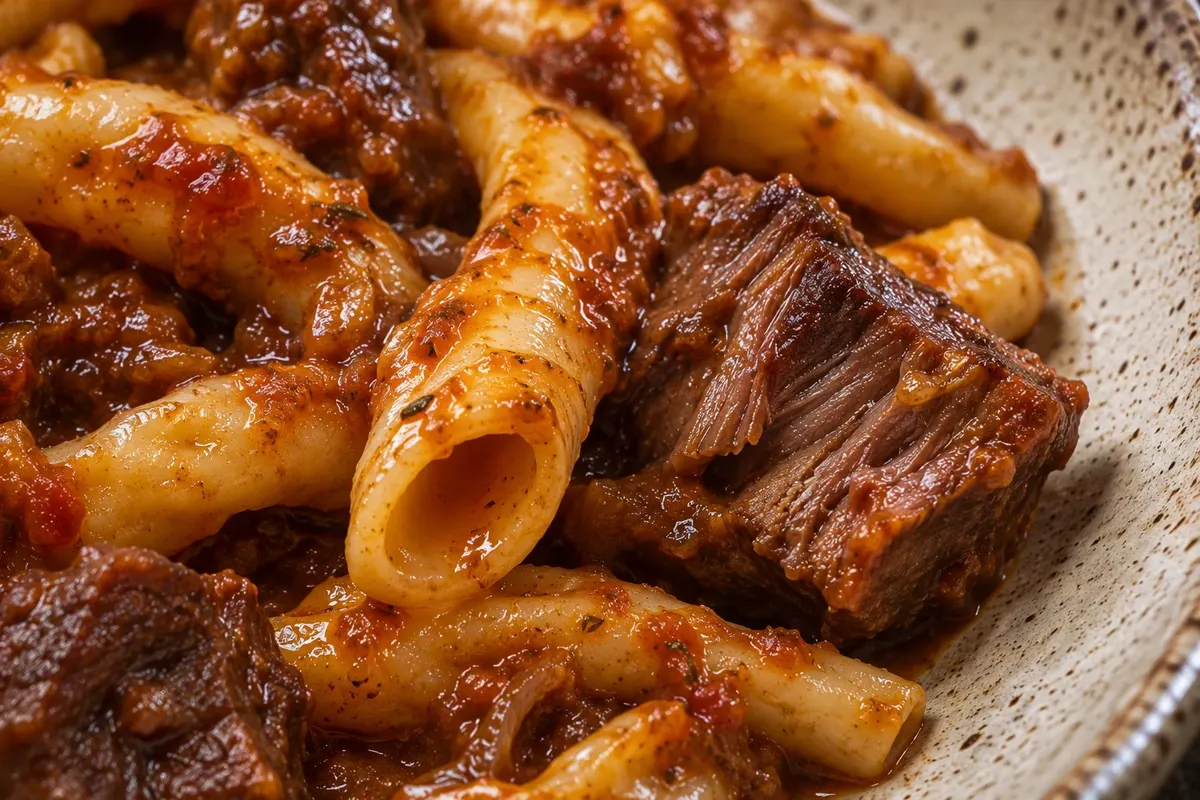
U Dubrovniku se o Festi svetoga Vlaha poslužuju šporki makaruli, deblja cjevasta tjestenina s tamnim umakom od polako kuhane govedine, vina i začina.
veljača
Pitanja i odgovori
February 3 is both the patron saint’s feast day and Dubrovnik’s City Day. The festivities begin the day before, on February 2, with the release of doves and the raising of the saint’s banner on Orlando’s Column.
There is an outdoor Mass and a procession carrying the saint’s relics along the Stradun, accompanied by banners from neighboring parishes.
Yes. It has been on UNESCO’s Representative List of the Intangible Cultural Heritage of Humanity since 2009.
u Hrvatskoj – svečanosti i događanja
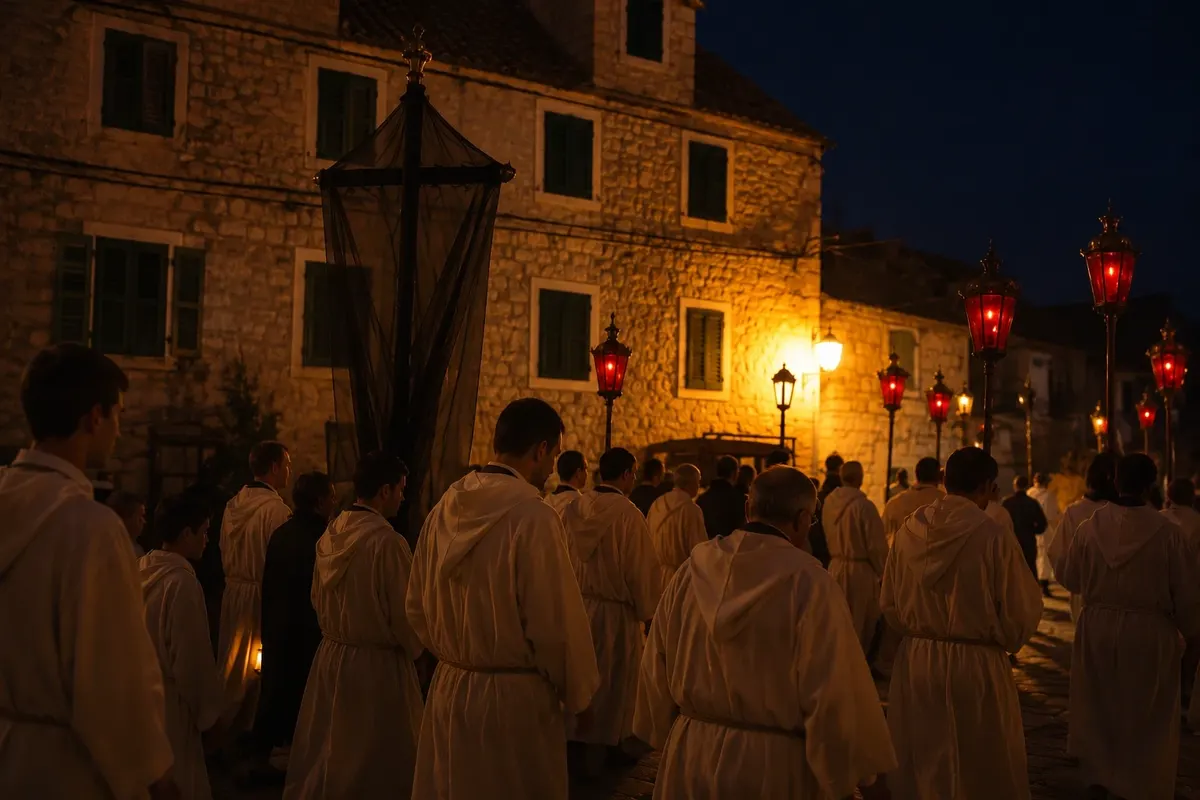 ožujak/travanj
Overnight from Holy Thursday into Good Friday.
On Holy Thursday night, six villages in the central part of the island of Hvar set out in procession at the same time. Each follows its own cross on a 25-kilometer route through the other villages until dawn, in a five-century-old tradition recognized by UNESCO.
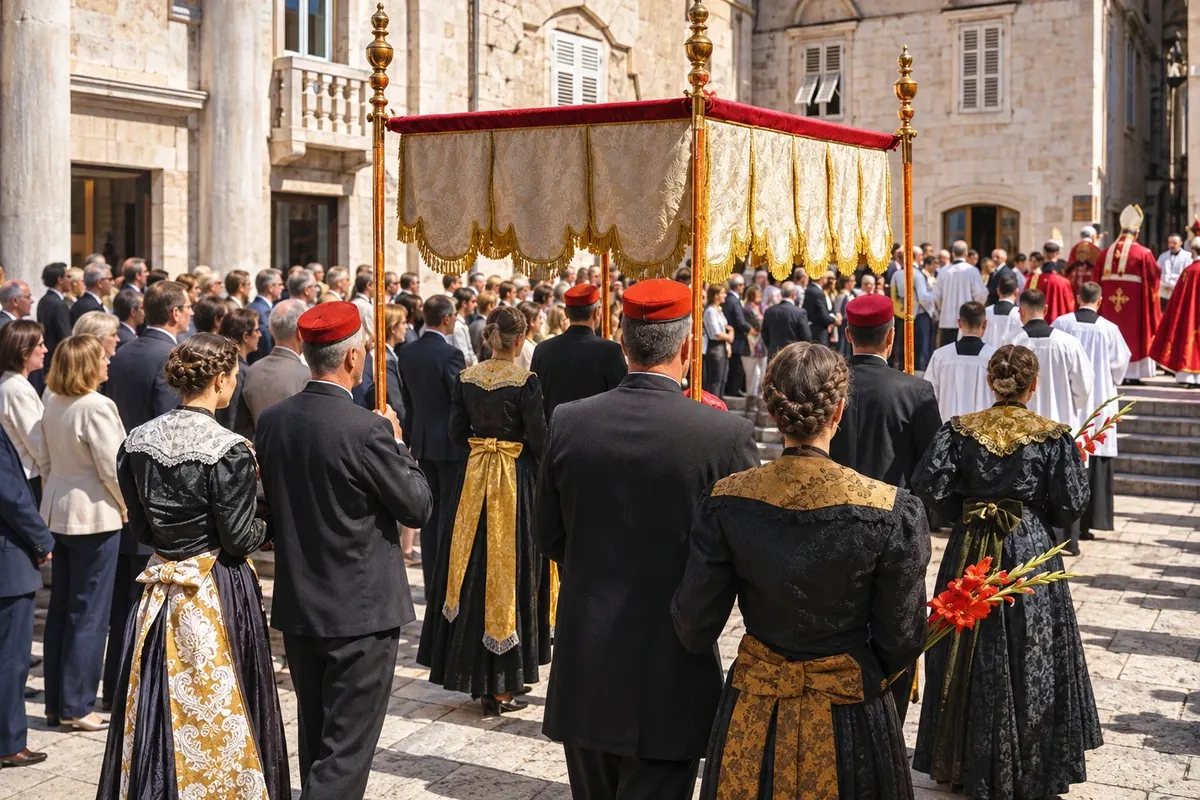 svibanj
May 7, with events in the week leading up to the feast and in the days that follow.
On May 7, Split honors its patron saint, Saint Domnius, and celebrates City Day. A procession carries the saint’s relics from the cathedral to the Riva for an outdoor Mass. A traditional woodcraft fair and concerts are also part of the week of festivities.
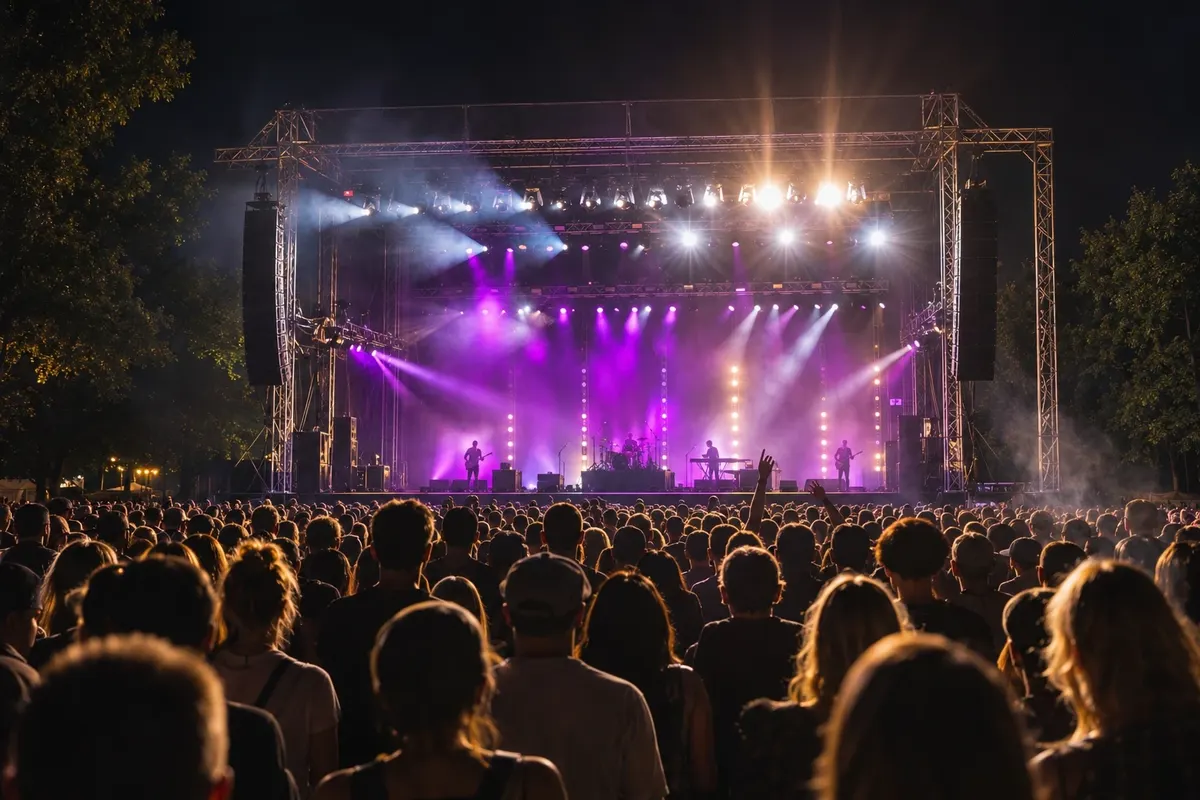 lipanj
Three days in late June.
In late June, the islands of Lake Jarun in Zagreb host INmusic, Croatia’s largest outdoor music festival, with three days of rock and contemporary music, Croatian and international bands, and lakeside camping.
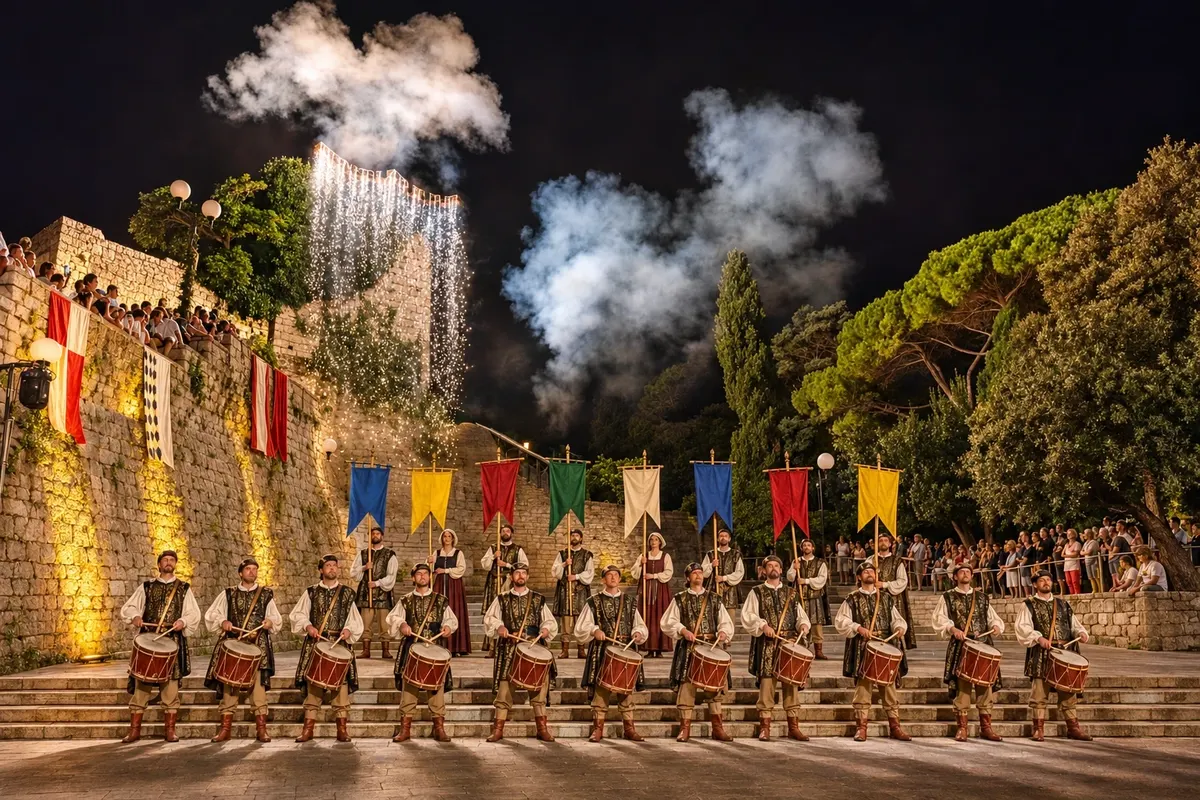 srpanj
July 25 to 27 every year.
From July 25 to 27, the town of Rab returns to the Middle Ages. Craftspeople practice traditional trades in the streets, people dress in period clothing, a procession honors St. Christopher, the town’s patron saint, and crossbowmen hold their tournament in the square. The celebration recalls a decision made by the town council in 1364.
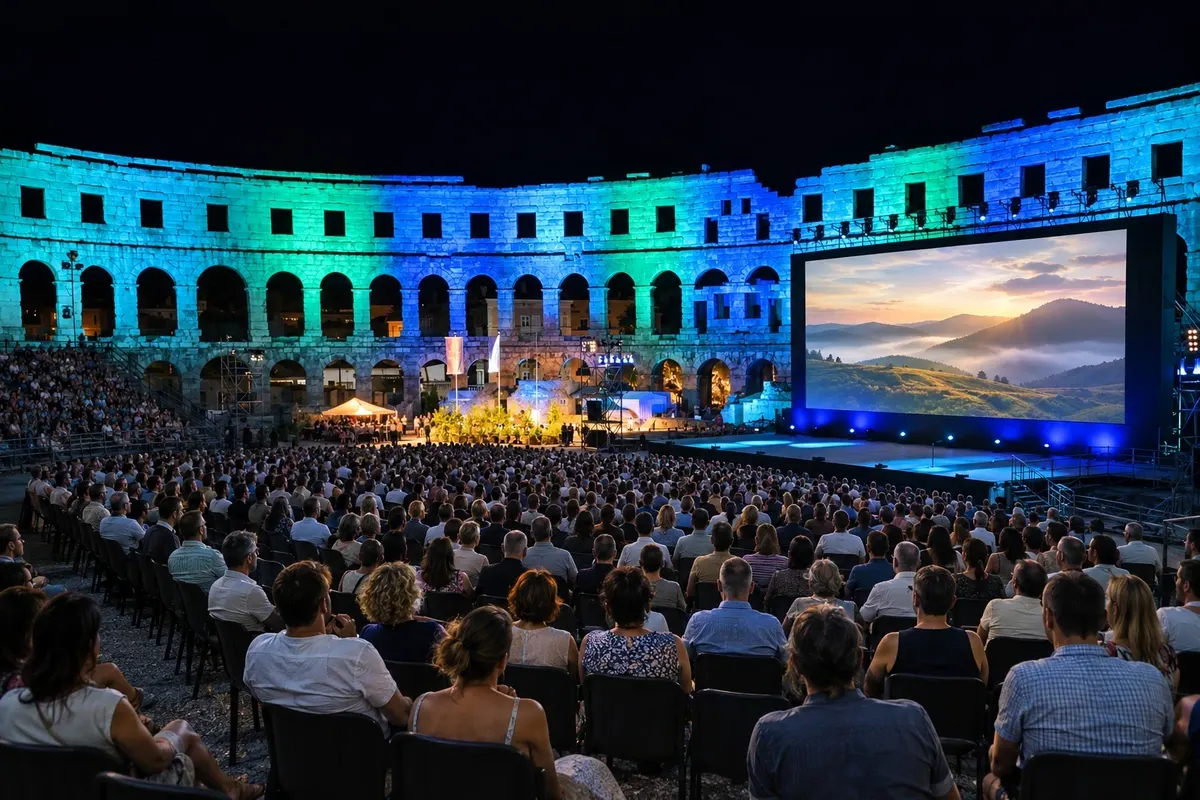 srpanj
For about a week in July.
Every July, Pula’s Roman arena becomes an open-air cinema for Croatia’s oldest film festival. Founded in 1954, the festival is where the Golden Arenas, Croatia’s national film awards, are presented.
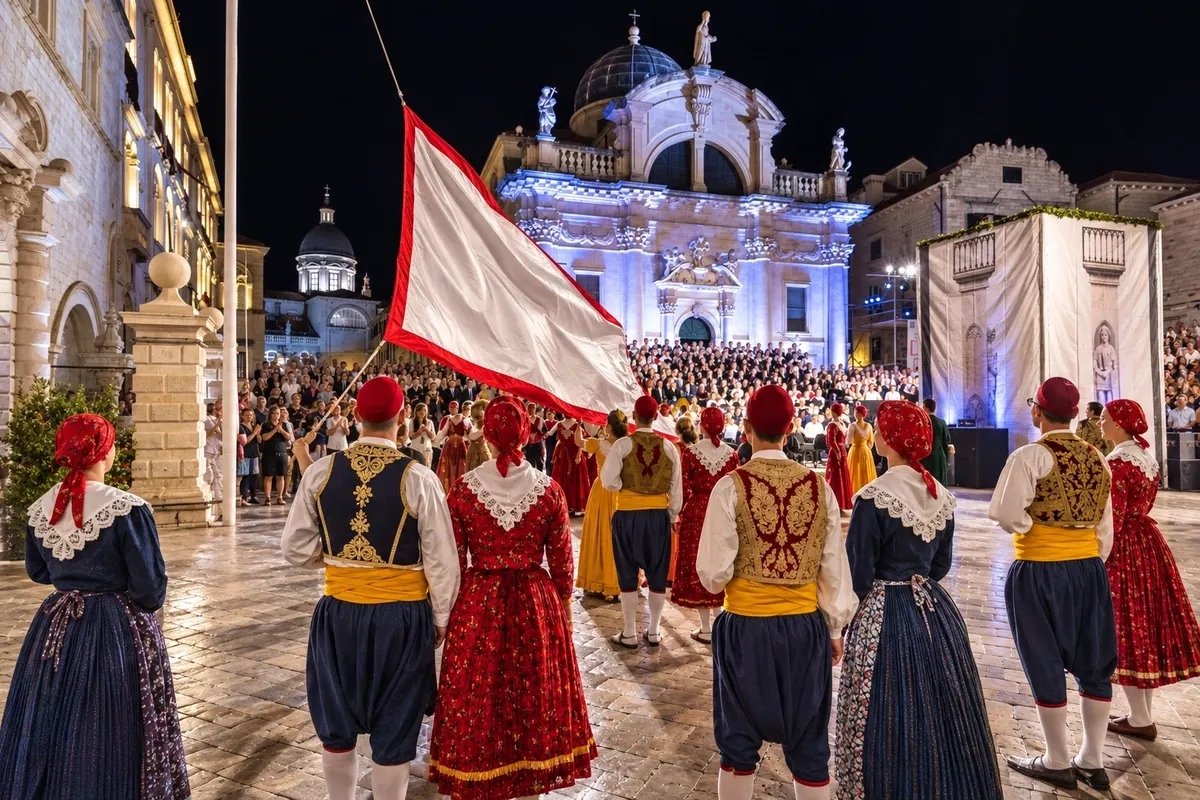 srpanj/kolovoz
July 10 to August 25 every year.
From July 10 to August 25, Dubrovnik’s squares, palaces, and fortresses become open-air stages for theater, music, opera, and dance during Croatia’s oldest cultural festival, founded in 1950.
Istražite još