Sweet · Dubrovnik
Dubrovačka rozata
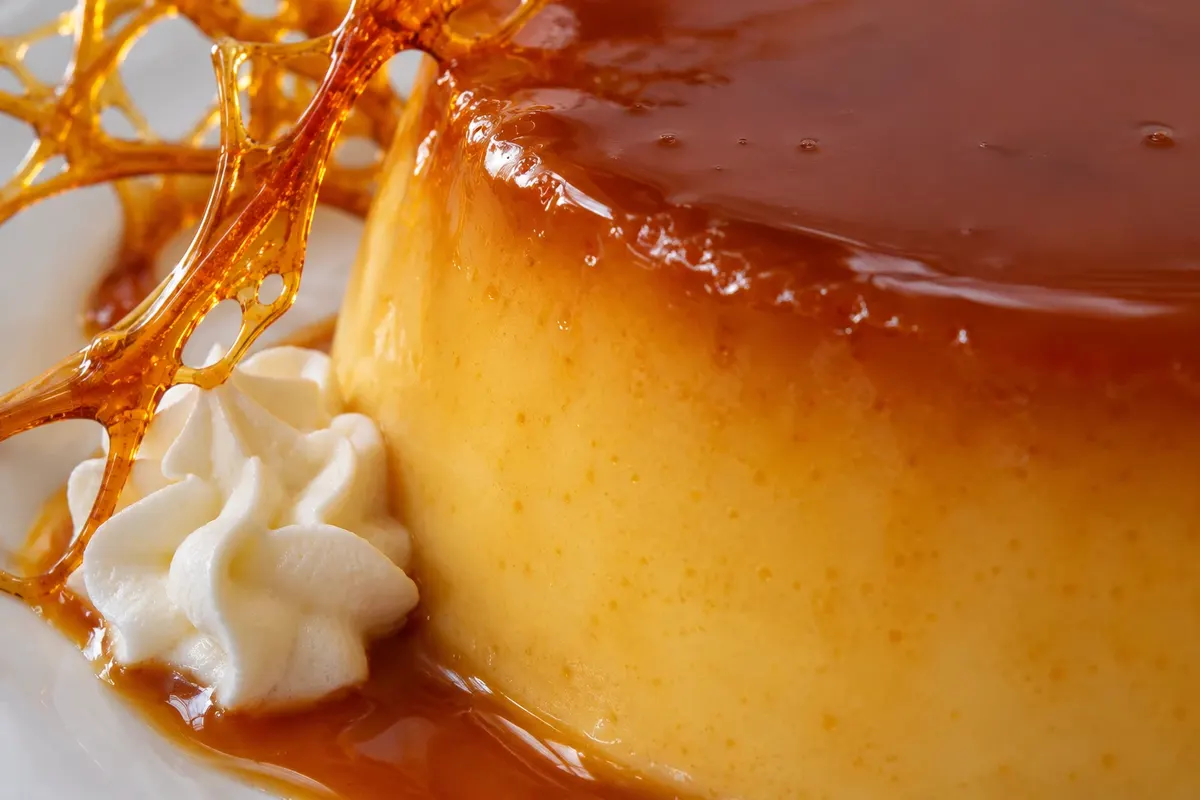
Egg custard made from eggs, milk and sugar baked in a water bath over a layer of caramel and scented with rozalin, Dubrovnik rose liqueur. It is the city’s most traditional dessert.

 Search
 Brazil
 Antarctica
 Argentina
 Bolivia
 Chile
 Colombia
 Ecuador
 Guyana
 French Guiana
 Falkland Islands (Malvinas)
 Paraguay
 Peru
 Suriname
 Uruguay
 Venezuela
 Germany
 Austria
 BelgiumCroatia
 Denmark
 Slovakia
 Slovenia
 Spain
 Finland
 France
 Greece
 the Netherlands
 Hungary
 Ireland
 Iceland
 Italy
 Luxembourg
 Norway
 Poland
 Portugal
 the United Kingdom
 the Czech Republic
 Sweden
 Switzerland
 Turkey
 Bermuda
 Canada
 the United States
 Greenland
 Mexico
 Saint Pierre and Miquelon
 the Dominican Republic
 JapanTurkey
 South Africa
 Egypt
 Australia
 Fiji
 New Zealand
 Papua New Guinea
Culture · Dubrovnik
From July 10 to August 25, Dubrovnik’s squares, palaces, and fortresses become open-air stages for theater, music, opera, and dance during Croatia’s oldest cultural festival, founded in 1950.
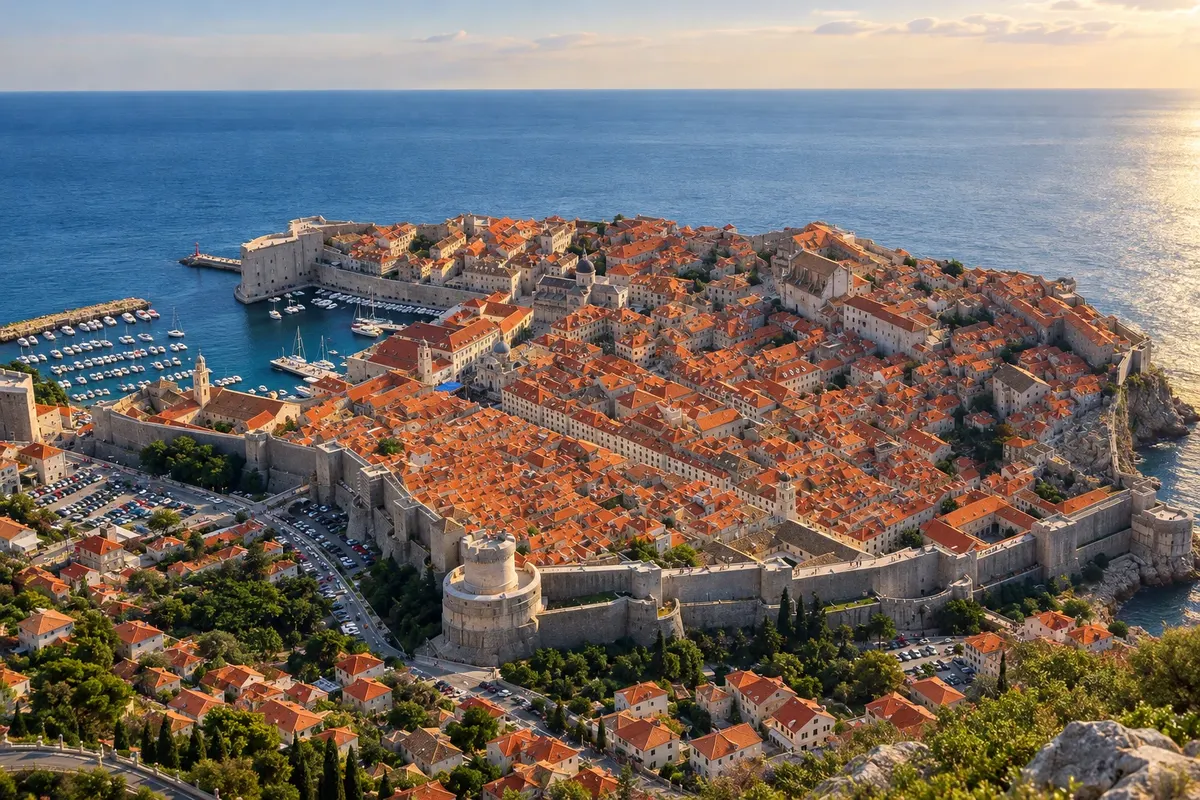
In the photo: Dubrovnik
Illustrative images. The pictures in this guide are illustrations based on the real place, not photographs, and may differ from it.

Click the picture to enlarge it.
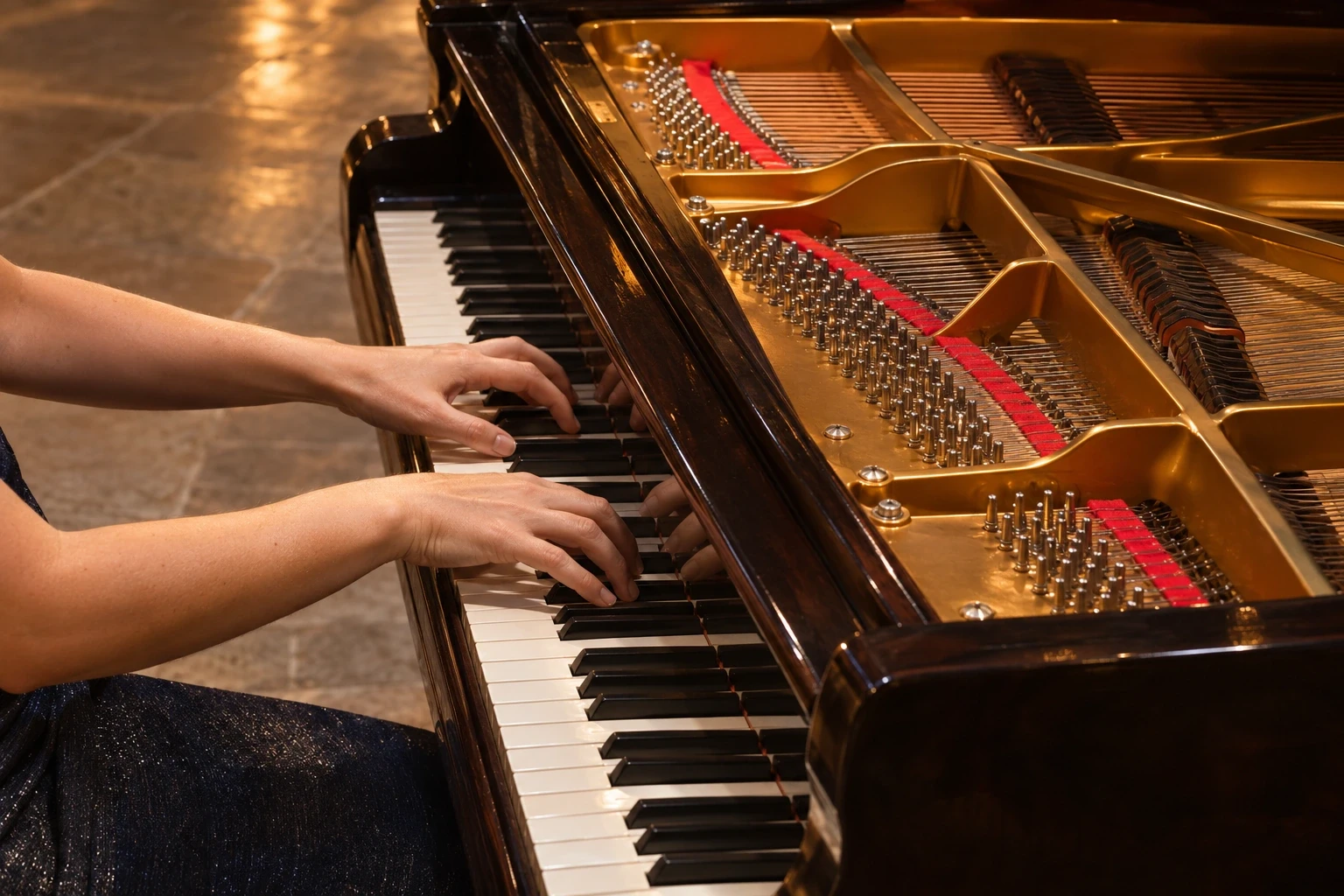
Dubrovnik Summer Festival — Dubrovnik
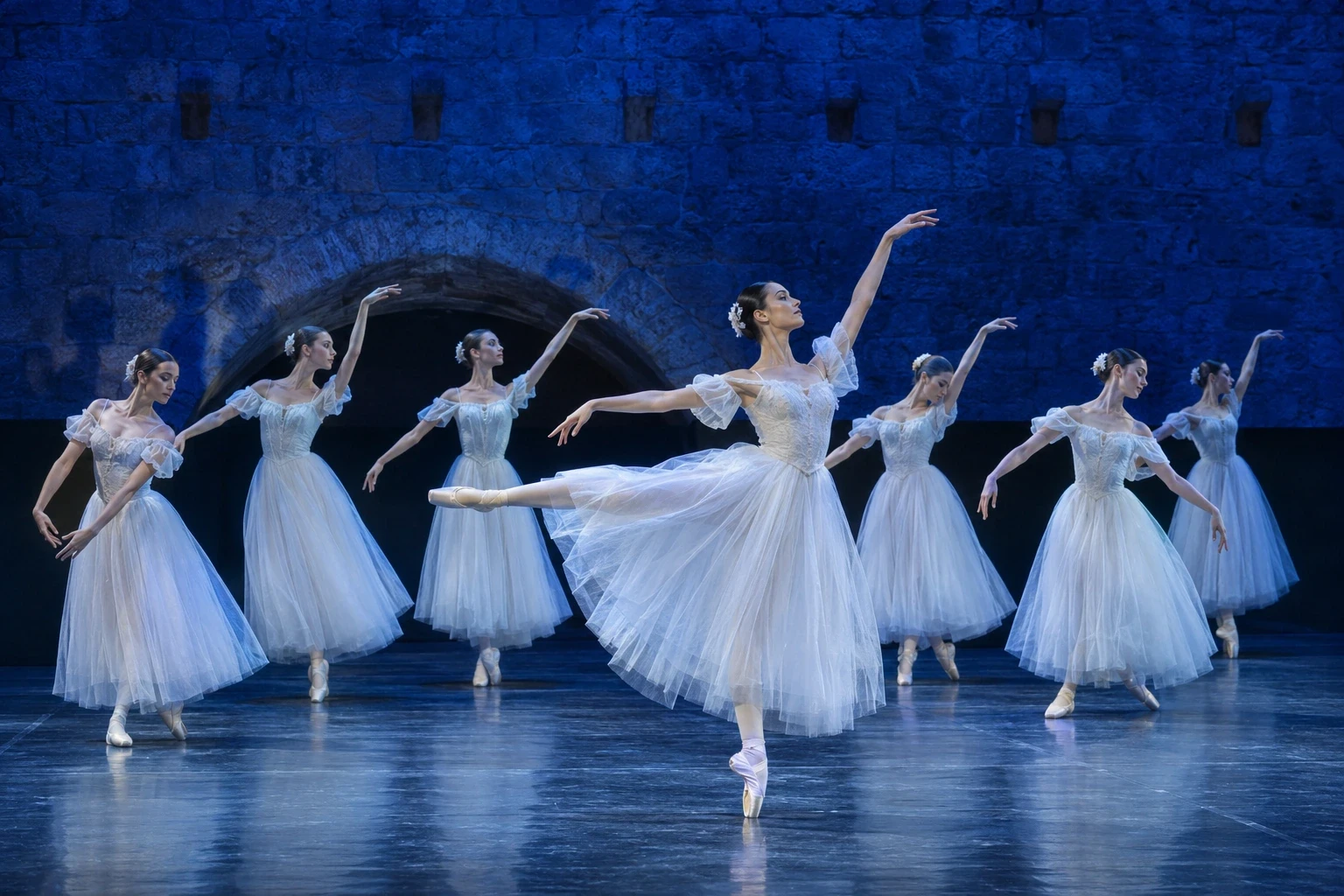
July 10 to August 25 every year.
July/August
Dates change every year: check this year's date before you travel.
The festival
Dubrovnik, a walled city in southern Dalmatia, was an independent republic for centuries. Its squares, palaces, churches, and stone fortresses still stand by the sea. Since 1950, these places have been the setting for the Dubrovnik Summer Festival.
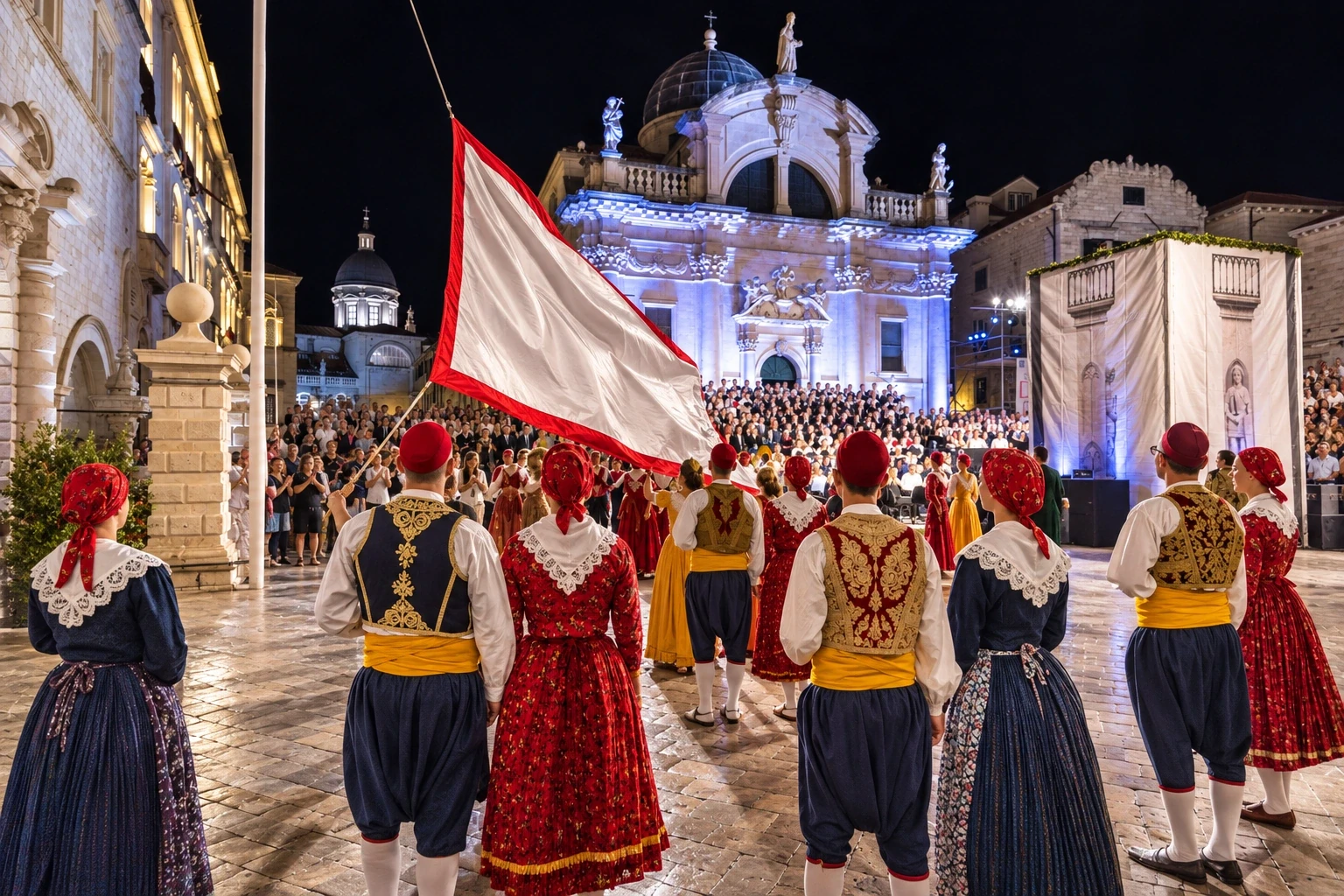
The festival runs for seven weeks, always from July 10 to August 25. The city’s tourism office describes it as Croatia’s oldest cultural and artistic event. The opening ceremony takes place in front of the Church of St. Blaise, with the raising of the Libertas flag and, depending on the program, fireworks.
The program features theater, classical concerts, opera, dance, and folk performances on stages set up in squares, in palace courtyards, in fortresses, and even on the island of Lokrum. In 1952, Lovrijenac Fortress, perched on a rock beside the sea, hosted a production of Hamlet. The play went on to become one of the festival’s hallmarks.
The program brings together Croatian and international artists, national theater and ballet companies, and orchestras, making the city’s spaces part of each performance.
It’s worth the trip to see a play or hear a concert on a summer evening inside Dubrovnik’s walls, with the Old Town as the backdrop.
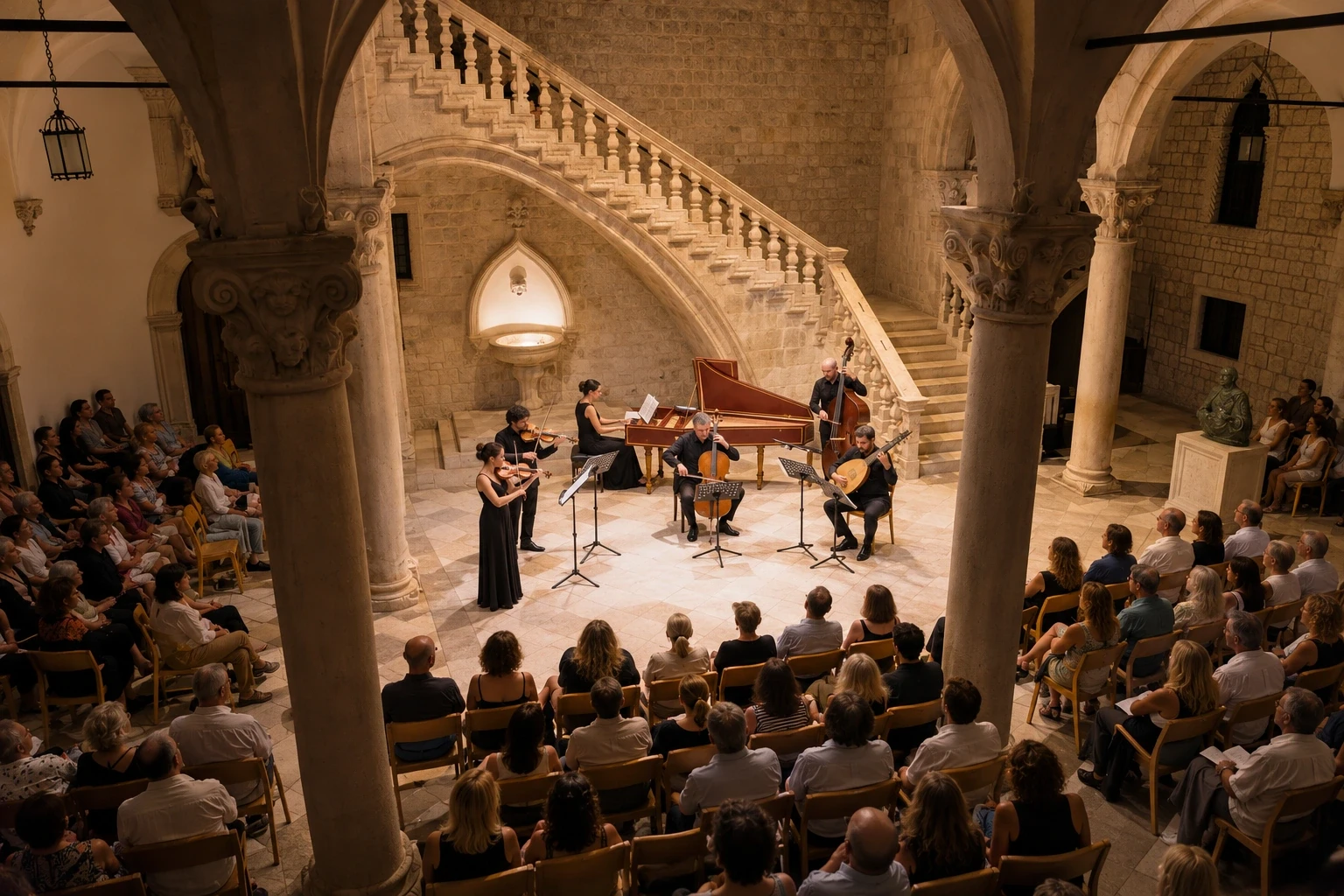
The opening ceremony on July 10 in front of the Church of St. Blaise. A play at Lovrijenac Fortress overlooking the sea. A concert in the atrium of the Rector’s Palace. A performance on the island of Lokrum.
Check the program for the year you plan to visit and buy tickets early, as seating is limited. Many performances take place in the evening, so use the daytime to visit the beach and walk the city walls, avoiding the afternoon heat.
Check the festival website for the program and tickets. July and August are peak season in Dubrovnik, so book your accommodations well in advance.
Flavors of Croatia
Egg custard made from eggs, milk and sugar baked in a water bath over a layer of caramel and scented with rozalin, Dubrovnik rose liqueur. It is the city’s most traditional dessert.
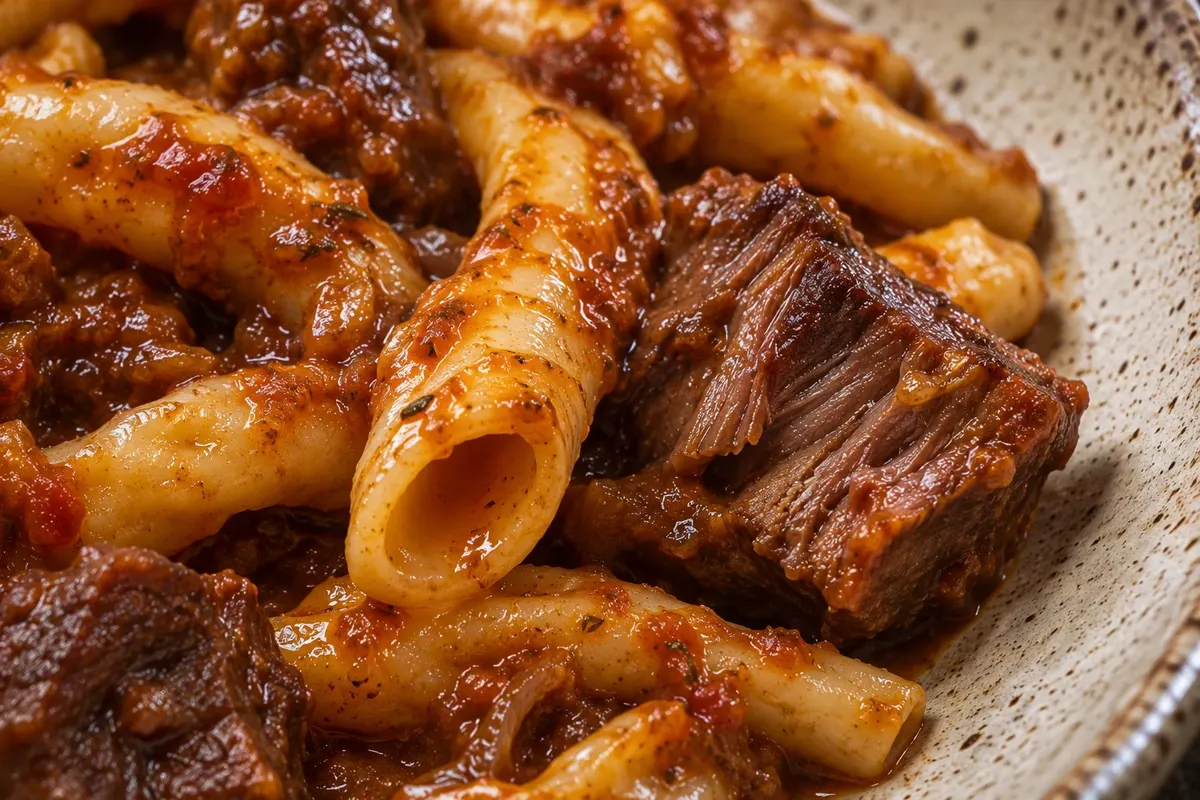
Thick tubular pasta, the makaruli, served with the sauce of a beef stew made with wine and spices. It’s the dish of the Feast of St. Blaise, patron saint of Dubrovnik.
July/August
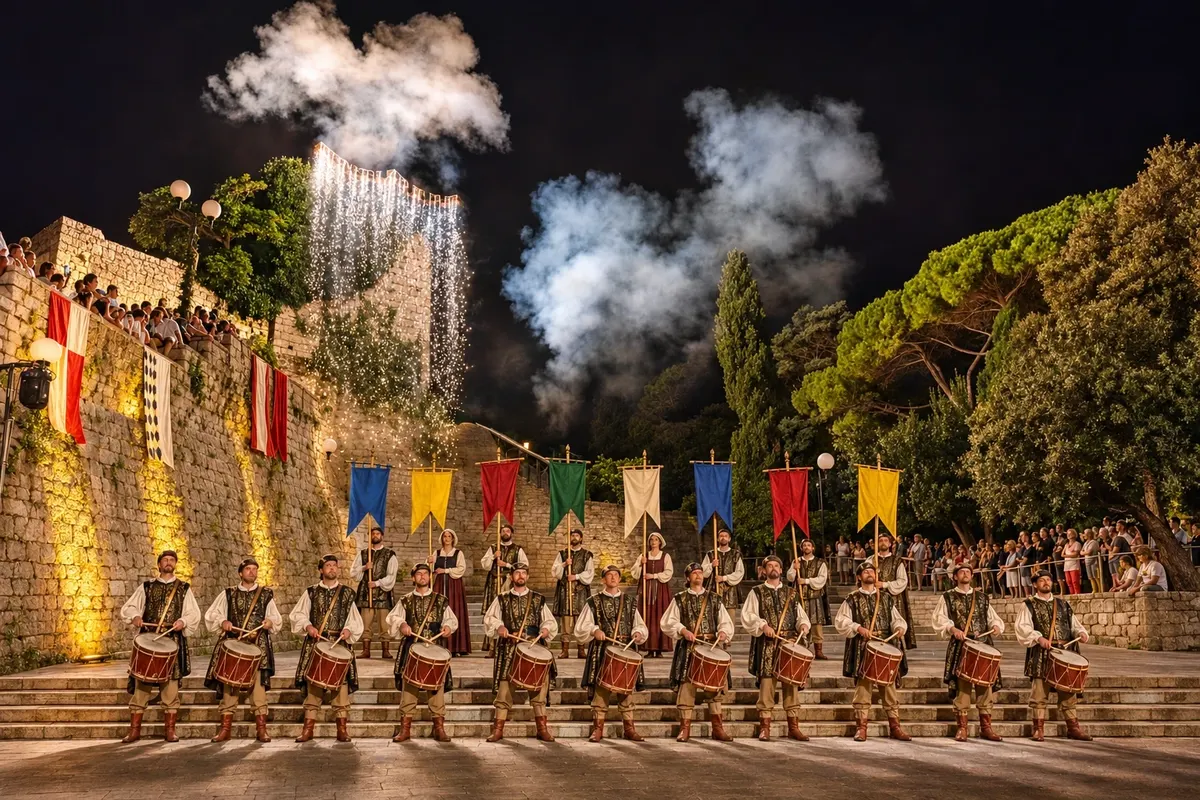 July
July 25 to 27 every year.
From July 25 to 27, the town of Rab returns to the Middle Ages. Craftspeople practice traditional trades in the streets, people dress in period clothing, a procession honors St. Christopher, the town’s patron saint, and crossbowmen hold their tournament in the square. The celebration recalls a decision made by the town council in 1364.
 July
For about a week in July.
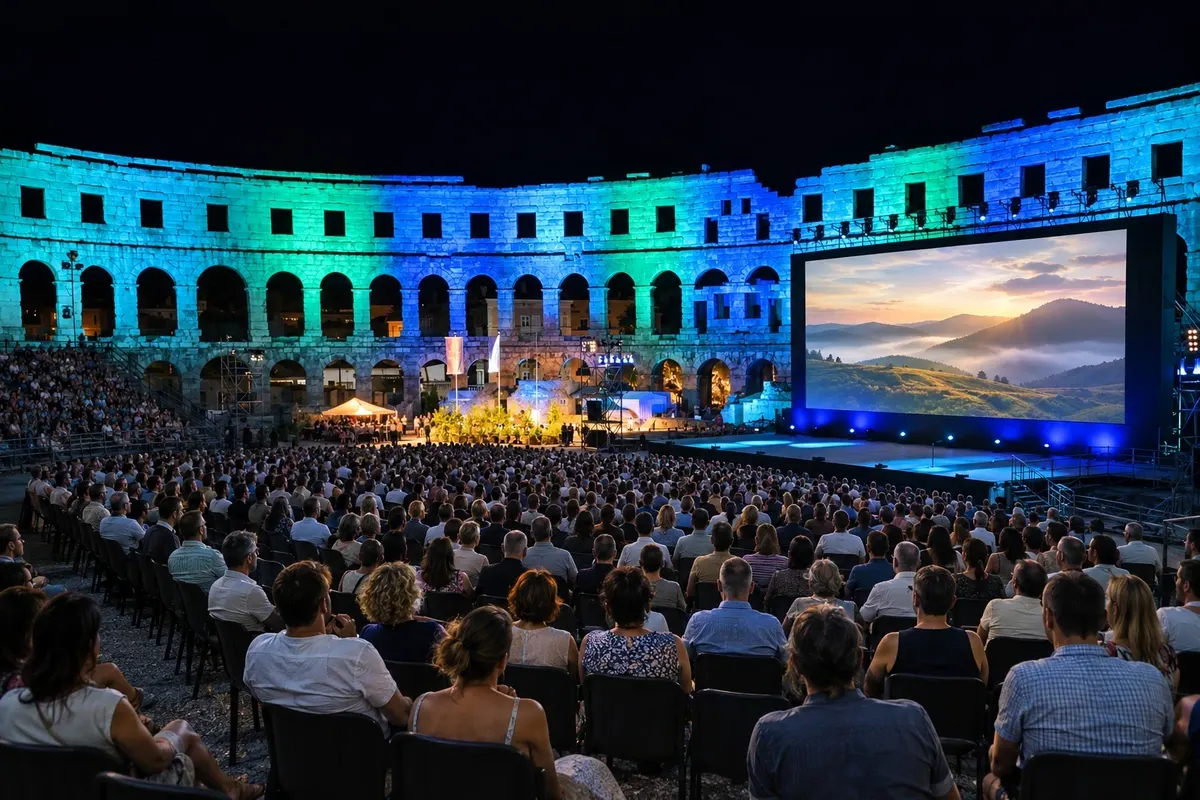
Every July, Pula’s Roman arena becomes an open-air cinema for Croatia’s oldest film festival. Founded in 1954, the festival is where the Golden Arenas, Croatia’s national film awards, are presented.
 July
On July 29, the feast day of St. Theodore. There are also performances during the tourist season.
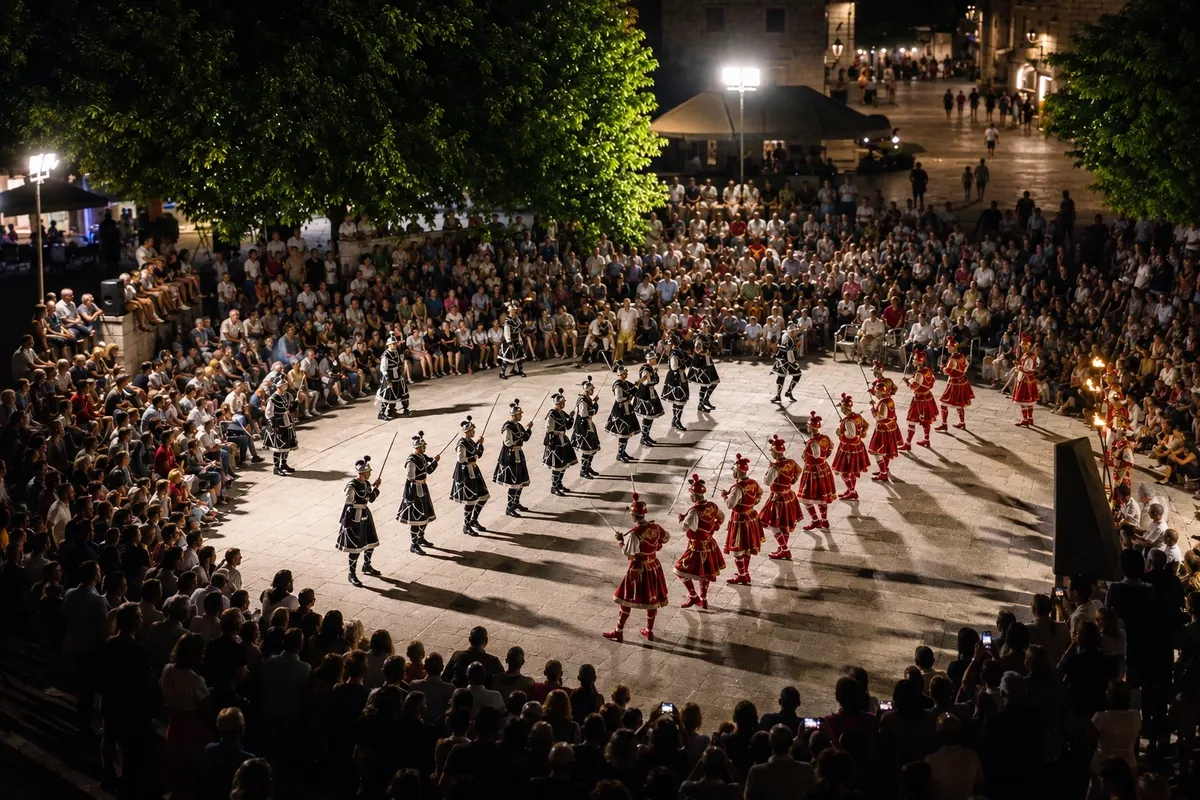
On July 29, both St. Theodore’s Day and Korčula’s town day, Korčula stages the moreška, a sword dance the town has kept alive for more than four centuries. Two kings and their armies fight over a young woman named Bula to the music of a wind band.
Your questions
Every year from July 10 to August 25.
On open-air stages in the Old Town’s squares, palaces, and fortresses, including Lovrijenac Fortress, and on the island of Lokrum.
In 1950. It’s Croatia’s oldest cultural festival.
Festivals and events in Croatia
 August/September
For five days from late August to early September.
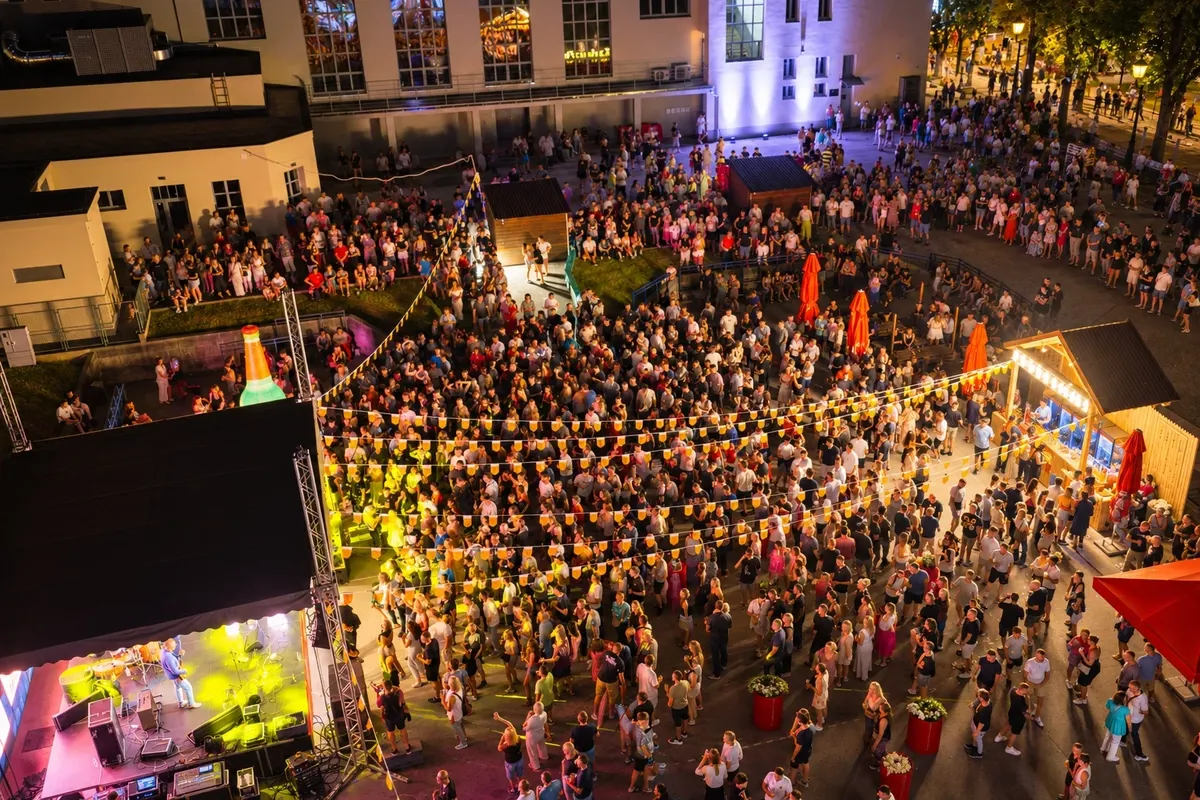
In late August, Karlovac, the city of beer and four rivers, hosts Croatia’s oldest and largest beer festival: five days of concerts, food, and beer from Croatia and abroad.
 August
On a Sunday within the first ten days of August. Competitions are held on the preceding Friday and Saturday, which also fall in August.
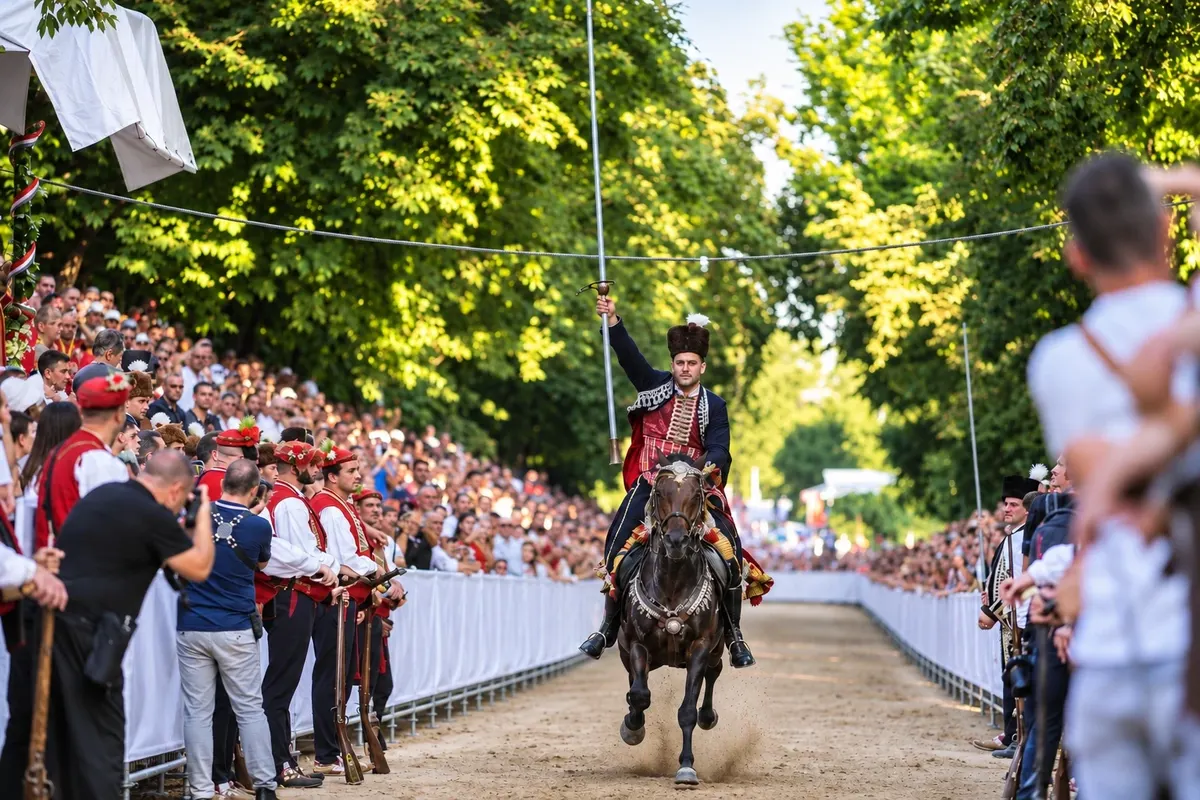
On the first Sunday in August, riders in historical dress gallop through Sinj and try to put their lances through a small iron ring called the alka. The UNESCO-listed tournament commemorates the town’s defense against the Ottoman army in 1715.
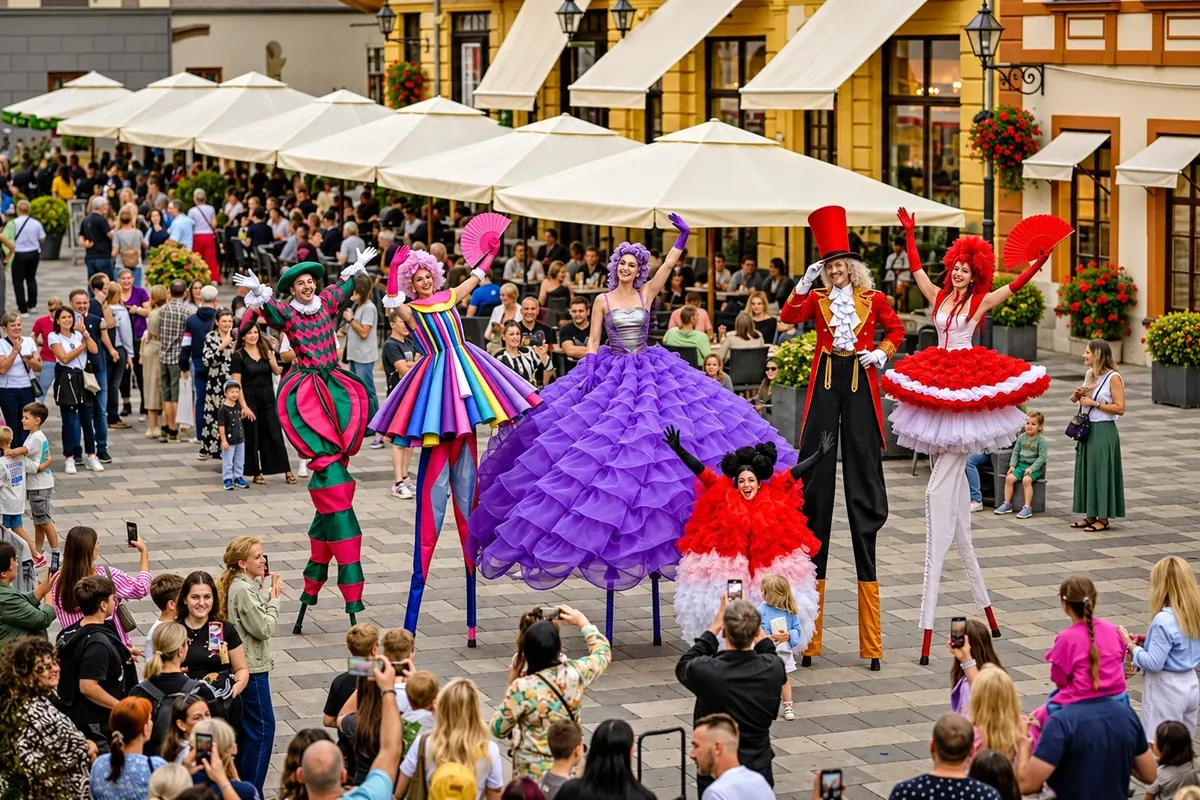 August/September
For ten days in the second half of August, sometimes extending into early September.
For ten days in late summer, the Baroque center of Varaždin hosts one of Croatia’s leading street festivals, with street performers, concerts, workshops, artisans, and regional food.
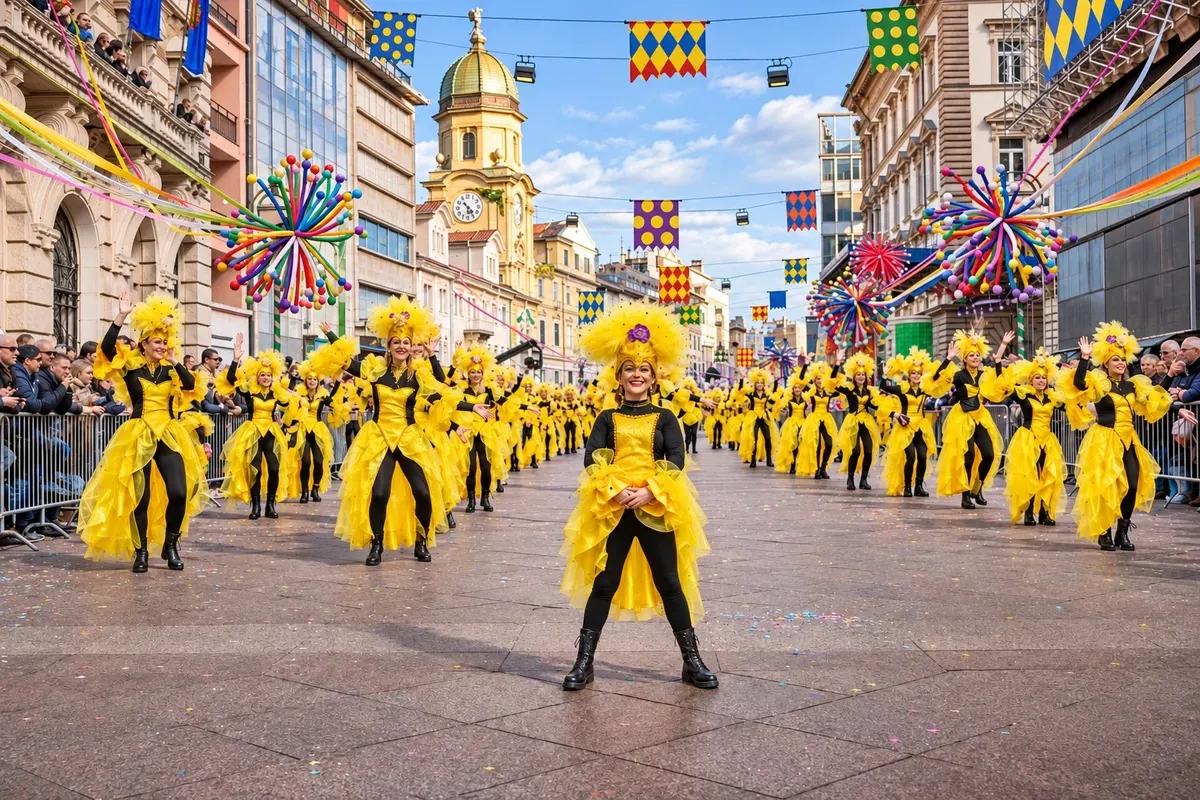 January/February/March
In the weeks leading up to Lent. The main parade takes place on the Sunday before Ash Wednesday.
In the weeks leading up to Lent, Rijeka hosts Croatia’s largest carnival, with masked groups, a children’s parade, and a grand international parade. The zvončari, bell ringers from nearby villages, close the parade in a tradition recognized by UNESCO.
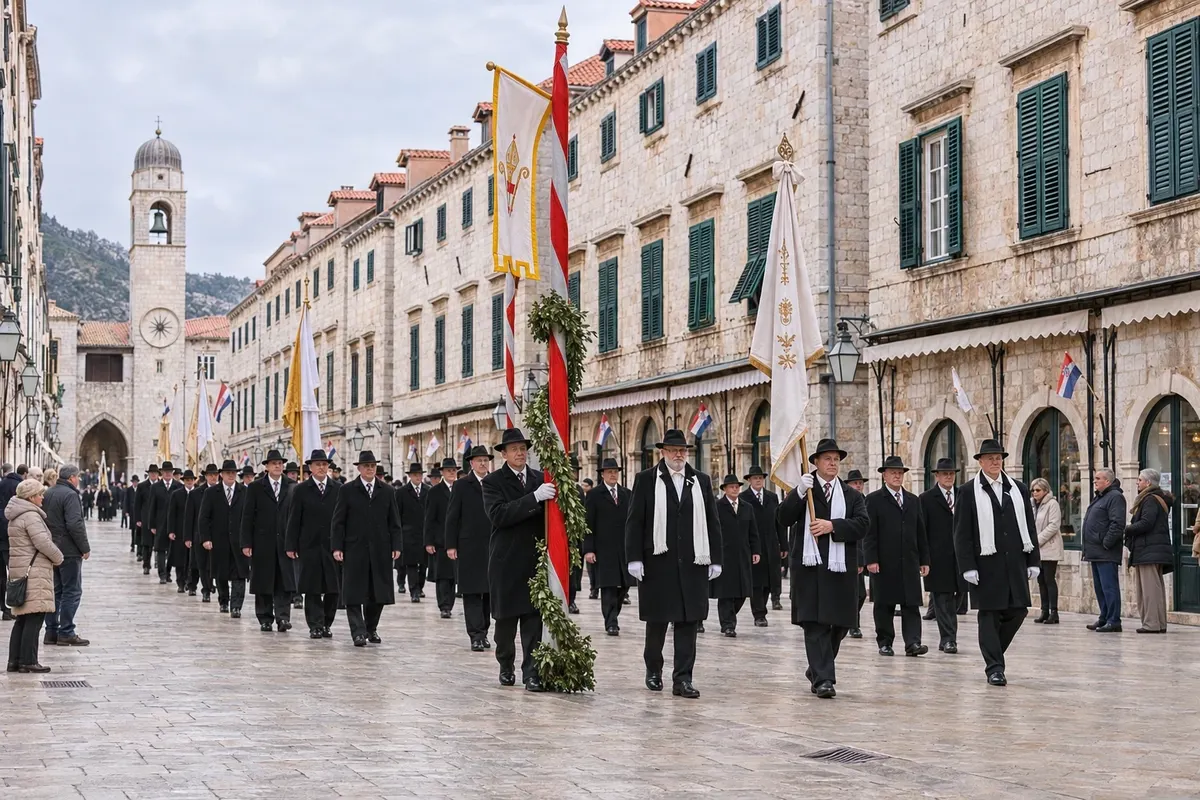 February
 3, with festivities beginning the day before, on February 2.
On February 3, Dubrovnik honors its patron saint, St. Blaise, with an outdoor Mass and a procession carrying his relics along the Stradun. People in traditional dress and banners from neighboring parishes accompany the procession as part of this UNESCO-listed celebration.
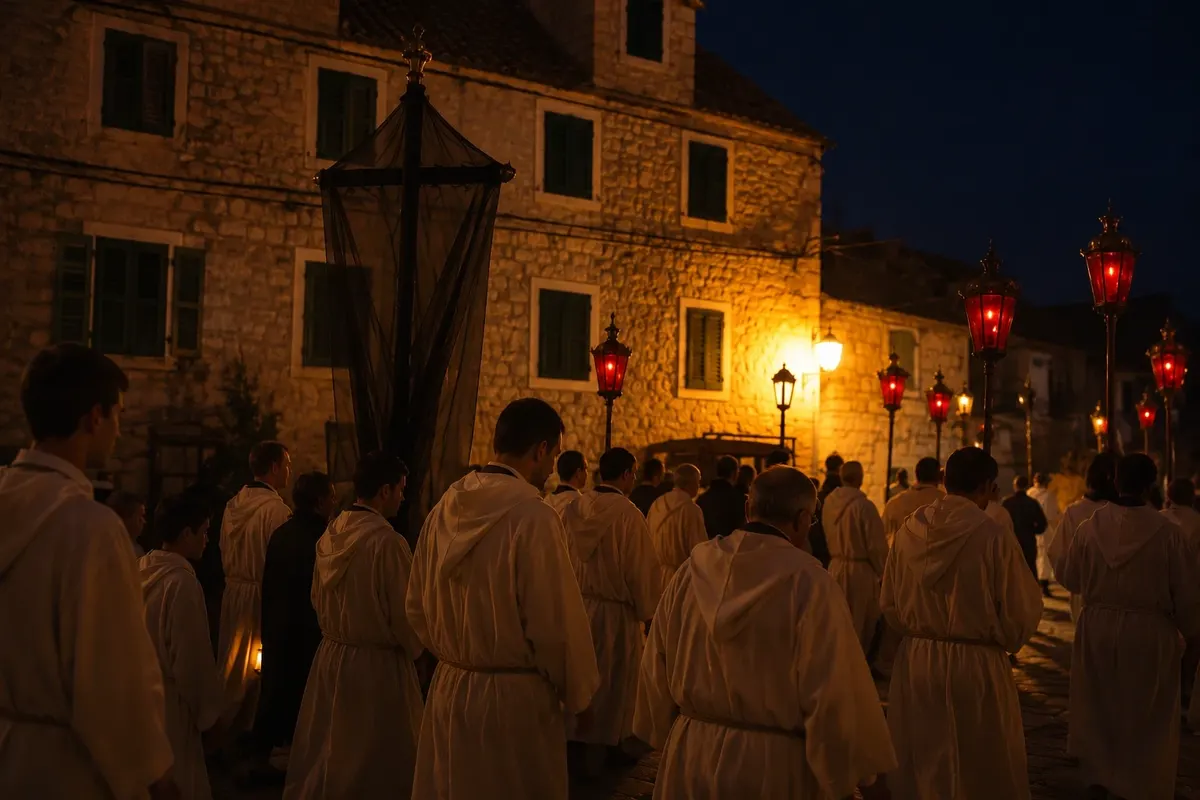 March/April
Overnight from Holy Thursday into Good Friday.
On Holy Thursday night, six villages in the central part of the island of Hvar set out in procession at the same time. Each follows its own cross on a 25-kilometer route through the other villages until dawn, in a five-century-old tradition recognized by UNESCO.
Beyond the guide


