Dish · Hvar
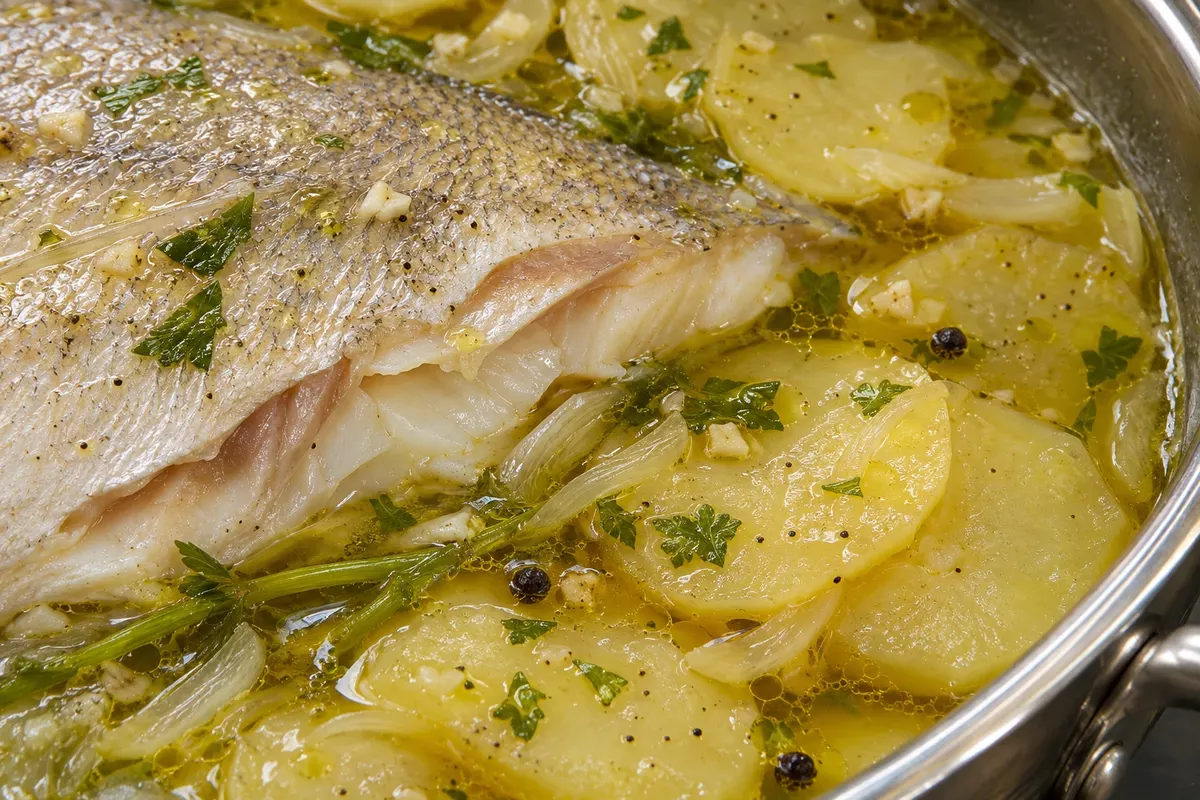
Hvarska gregada
Stew of white fish with potato, onion, garlic, parsley, olive oil and white wine, without tomato, cooked in a wide pan. It is the island of Hvar’s fish specialty.

 Search
 Brazil
 Antarctica
 Argentina
 Bolivia
 Chile
 Colombia
 Ecuador
 Guyana
 French Guiana
 Falkland Islands (Malvinas)
 Paraguay
 Peru
 Suriname
 Uruguay
 Venezuela
 Germany
 Austria
 BelgiumCroatia
 Denmark
 Slovakia
 Slovenia
 Spain
 Finland
 France
 Greece
 the Netherlands
 Hungary
 Ireland
 Iceland
 Italy
 Luxembourg
 Norway
 Poland
 Portugal
 the United Kingdom
 the Czech Republic
 Sweden
 Switzerland
 Turkey
 Bermuda
 Canada
 the United States
 Greenland
 Mexico
 Saint Pierre and Miquelon
 the Dominican Republic
 JapanTurkey
 South Africa
 Egypt
 Australia
 Fiji
 New Zealand
 Papua New Guinea
Religious festival · Hvar
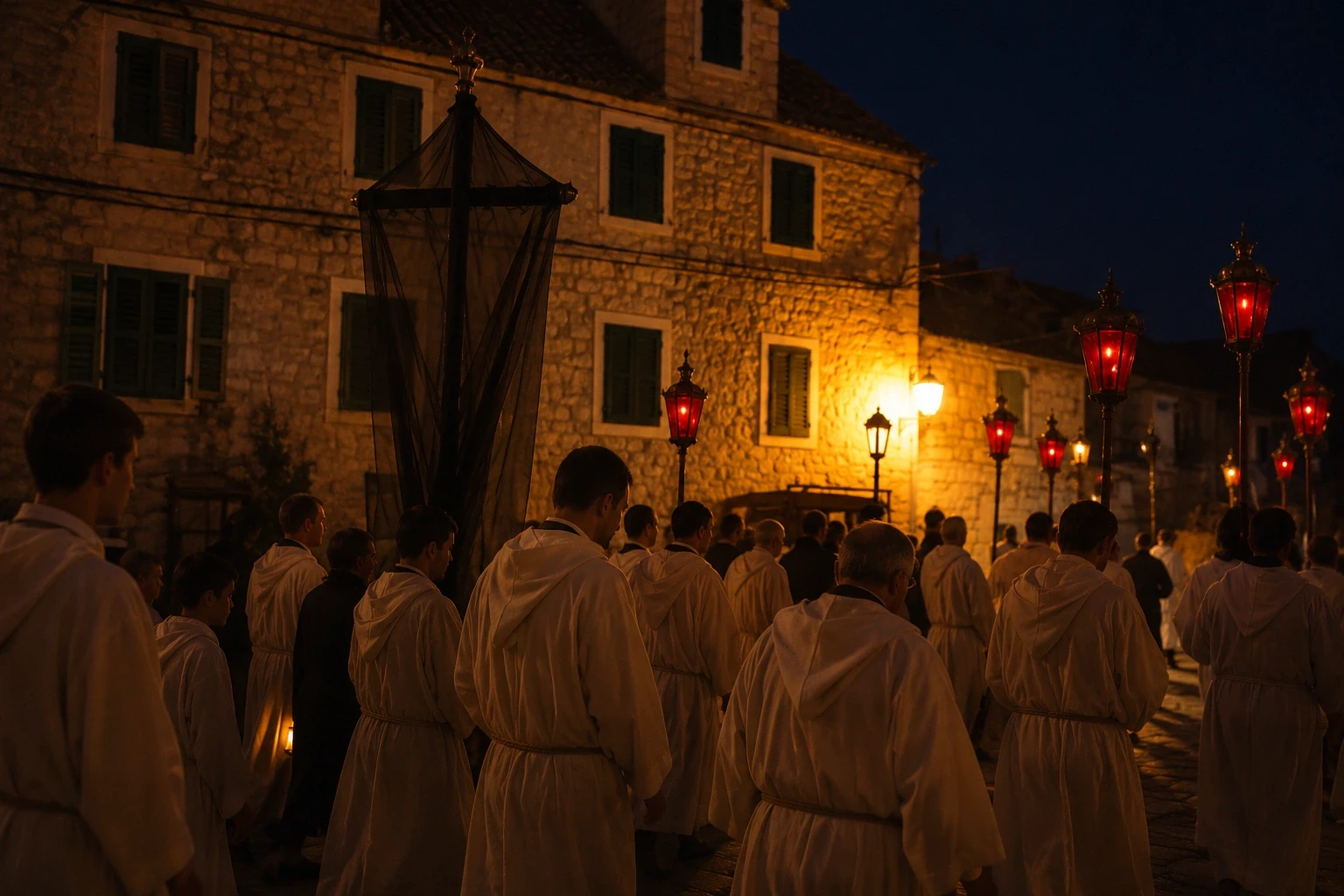
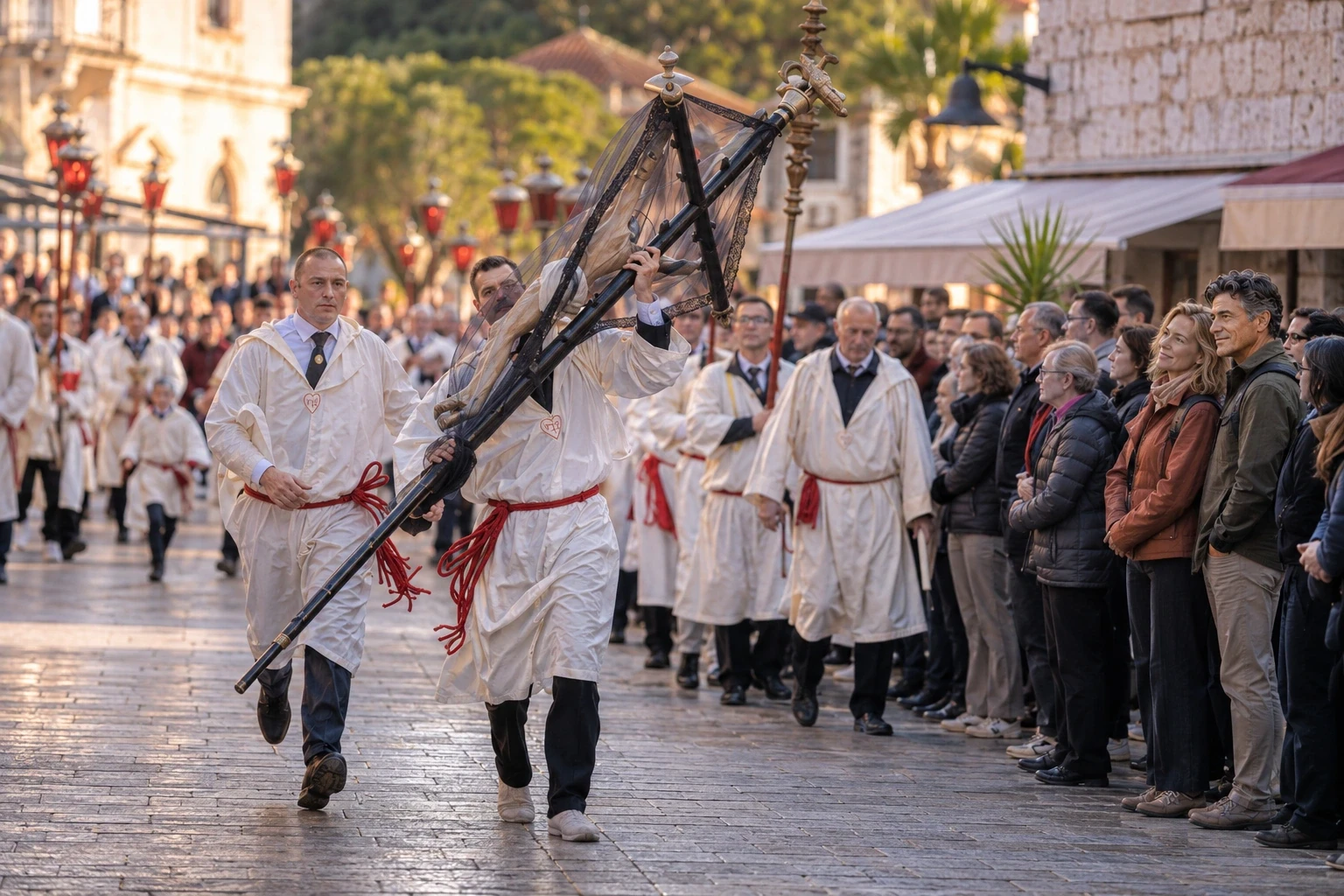
On Holy Thursday night, six villages in the central part of the island of Hvar set out in procession at the same time. Each follows its own cross on a 25-kilometer route through the other villages until dawn, in a five-century-old tradition recognized by UNESCO.
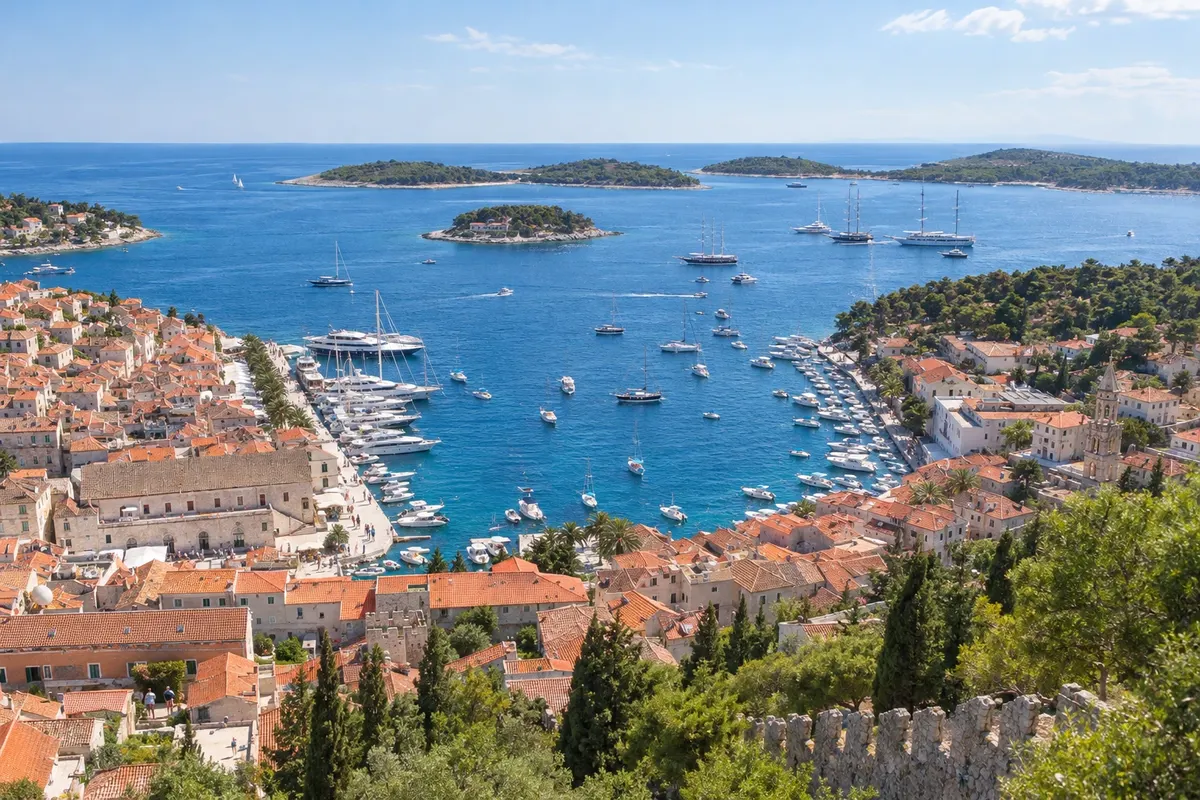
In the photo: Hvar
Illustrative images. The pictures in this guide are illustrations based on the real place, not photographs, and may differ from it.

Click the picture to enlarge it.
Za Križen Procession — Hvar
Overnight from Holy Thursday into Good Friday.
March/April
Dates change every year: check this year's date before you travel.
The festival
The Dalmatian island of Hvar has one of Croatia’s strongest Holy Week traditions. The Za Križen procession, whose name means “Following the Cross,” has taken place in the central part of the island for about five centuries.
After Mass on Holy Thursday night, six processions set out at the same time from the churches of Jelsa, Pitve, Vrisnik, Svirče, Vrbanj, and Vrboska. Each is led by a cross-bearer chosen years in advance, who carries a heavy cross and usually walks barefoot or in socks. Each procession follows a roughly 25-kilometer circuit through the other five villages, always in the same direction. The processions must not meet along the way.
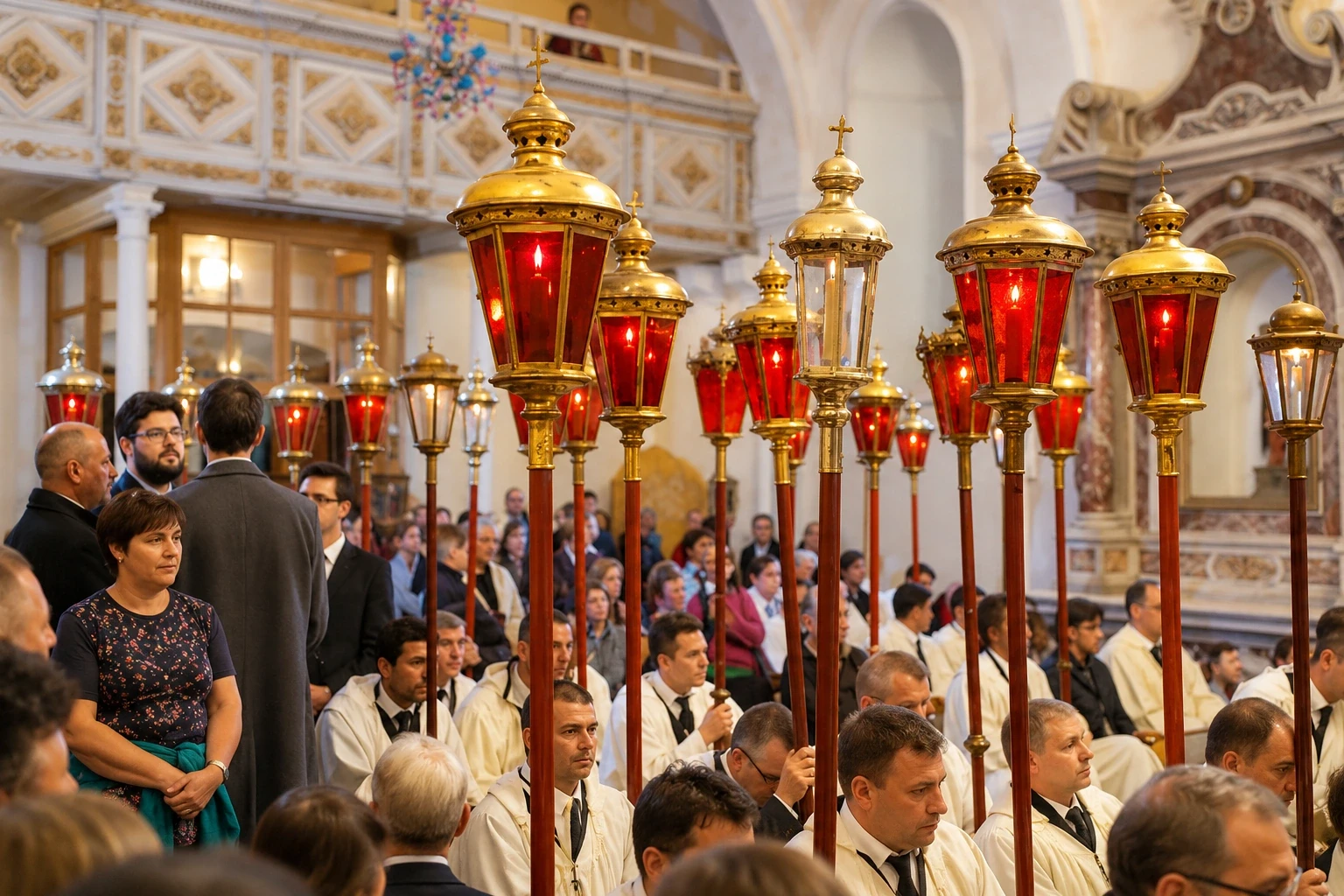
Throughout the night, singers from the religious brotherhoods chant the Gospin plač, the Lament of Our Lady, while candles and lanterns light the streets and churches of each village. At dawn on Good Friday, each procession returns to its own church. In Jelsa, the cross-bearer runs the last few meters of the route.
The island’s religious brotherhoods organize the procession. In 2009, it was inscribed on UNESCO’s Representative List of the Intangible Cultural Heritage of Humanity.
It’s worth the trip to experience Holy Week on a Dalmatian island, where the villages stay awake that night waiting for the crosses to pass.
The processions setting out at 10 p.m. in all six villages. The procession passing through Jelsa, the largest of the six villages, on the coast. The singing of the Gospin plač throughout the night. The processions returning to their churches at dawn.
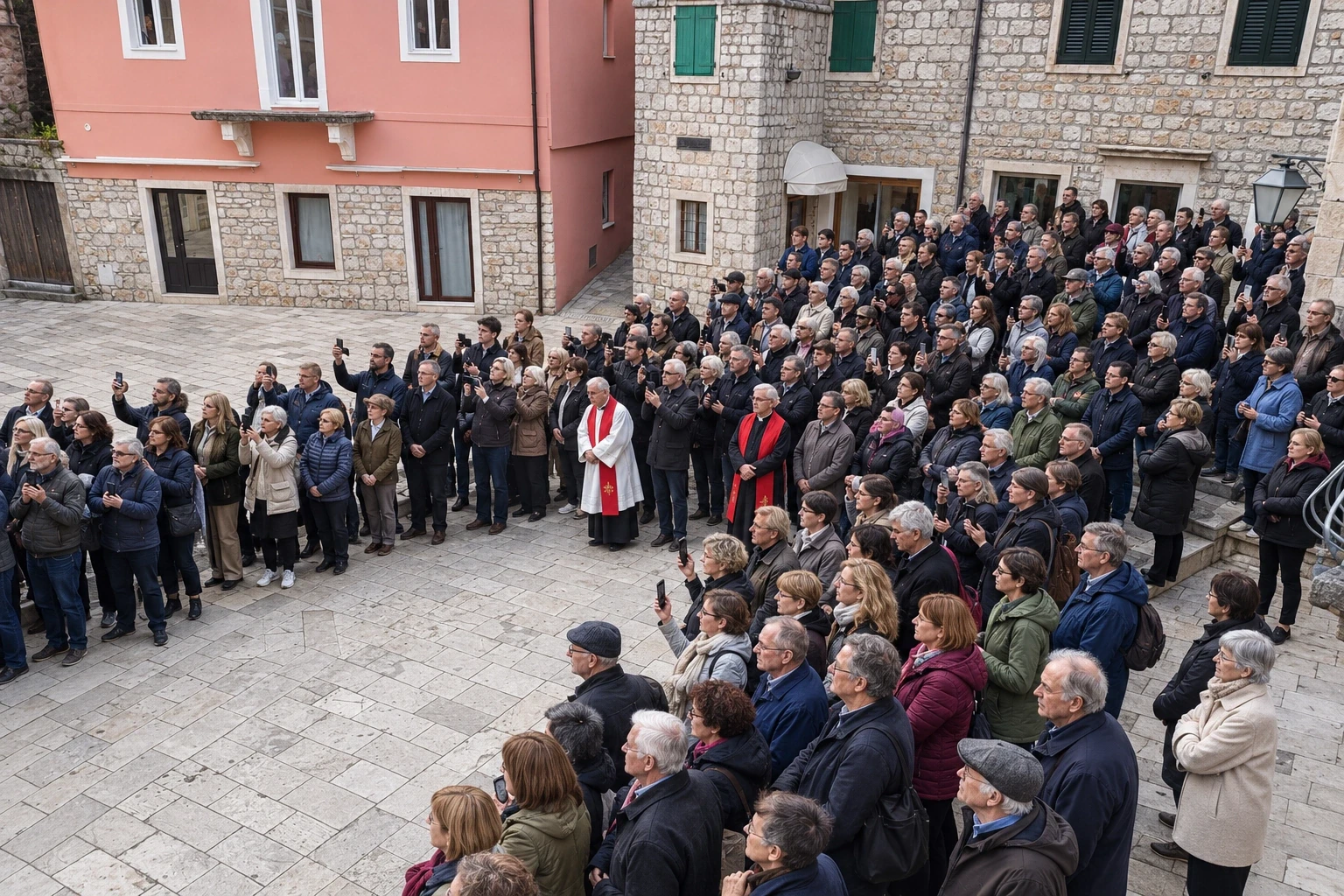
Choose a village to watch its procession set out and return, or watch the processions pass through Jelsa during the night. This is a religious ceremony: stay quiet, dress modestly, and turn off your flash when taking photos. Bring a warm layer, as nights are cold in March and April.
The date varies with Easter. Ferries run from Split to Stari Grad, and boats serve Jelsa and the town of Hvar. The villages that take part in the procession are in the central part of the island, between Stari Grad and Jelsa. Book your accommodation in advance: some hotels are closed in the off-season.
Flavors of Croatia
March/April
Your questions
Overnight from Holy Thursday into Good Friday. The date changes each year with Easter.
It passes through the villages of Jelsa, Pitve, Vrisnik, Svirče, Vrbanj, and Vrboska in the central part of the island of Hvar. Each village’s procession sets out from its own church and passes through the other five villages on a route of about 25 kilometers.
Yes. In 2009, it was inscribed on UNESCO’s Representative List of the Intangible Cultural Heritage of Humanity.
Festivals and events in Croatia
 February
 3, with festivities beginning the day before, on February 2.
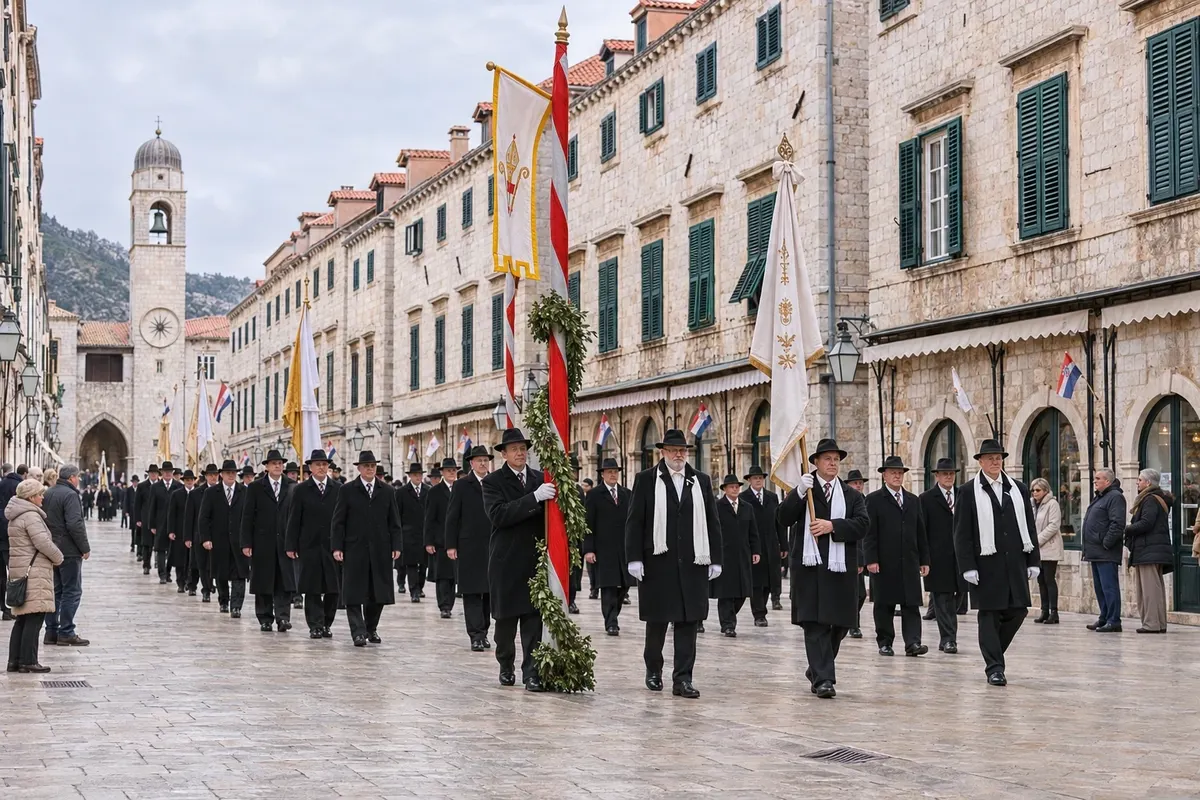
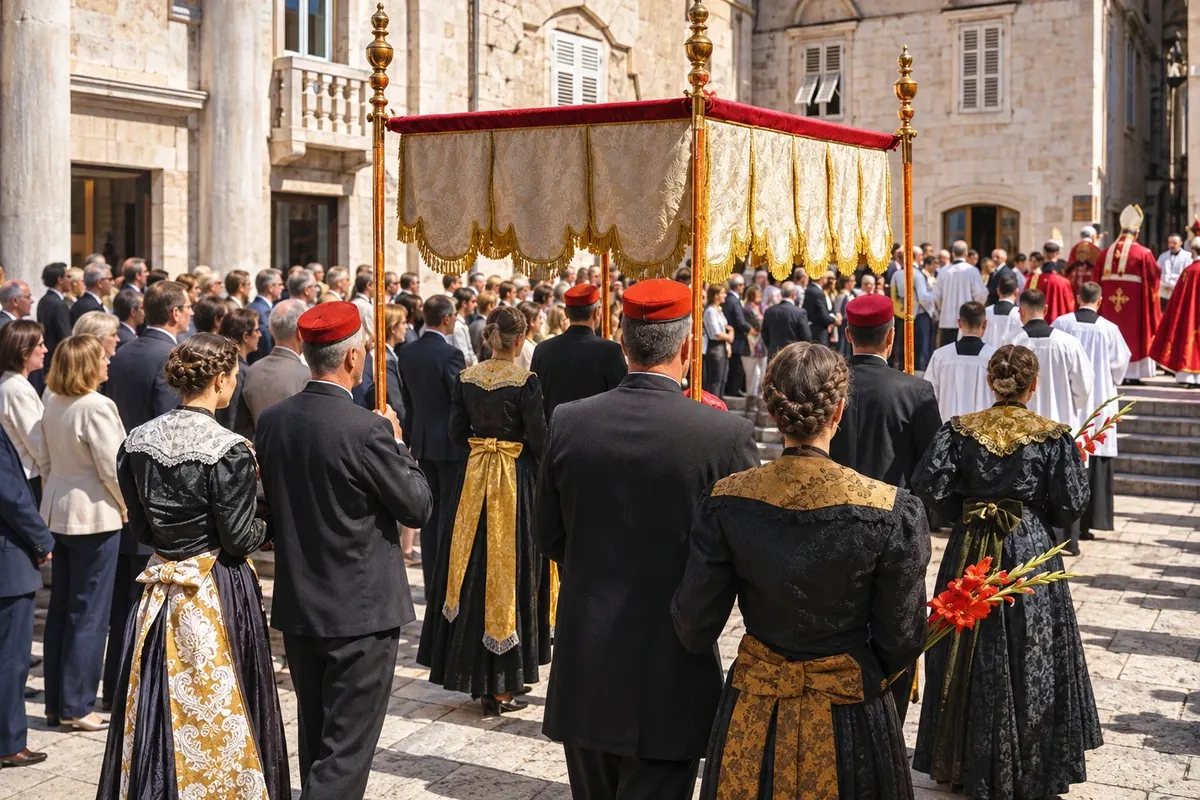
On February 3, Dubrovnik honors its patron saint, St. Blaise, with an outdoor Mass and a procession carrying his relics along the Stradun. People in traditional dress and banners from neighboring parishes accompany the procession as part of this UNESCO-listed celebration.
 May
May 7, with events in the week leading up to the feast and in the days that follow.
On May 7, Split honors its patron saint, Saint Domnius, and celebrates City Day. A procession carries the saint’s relics from the cathedral to the Riva for an outdoor Mass. A traditional woodcraft fair and concerts are also part of the week of festivities.
 June
Three days in late June.
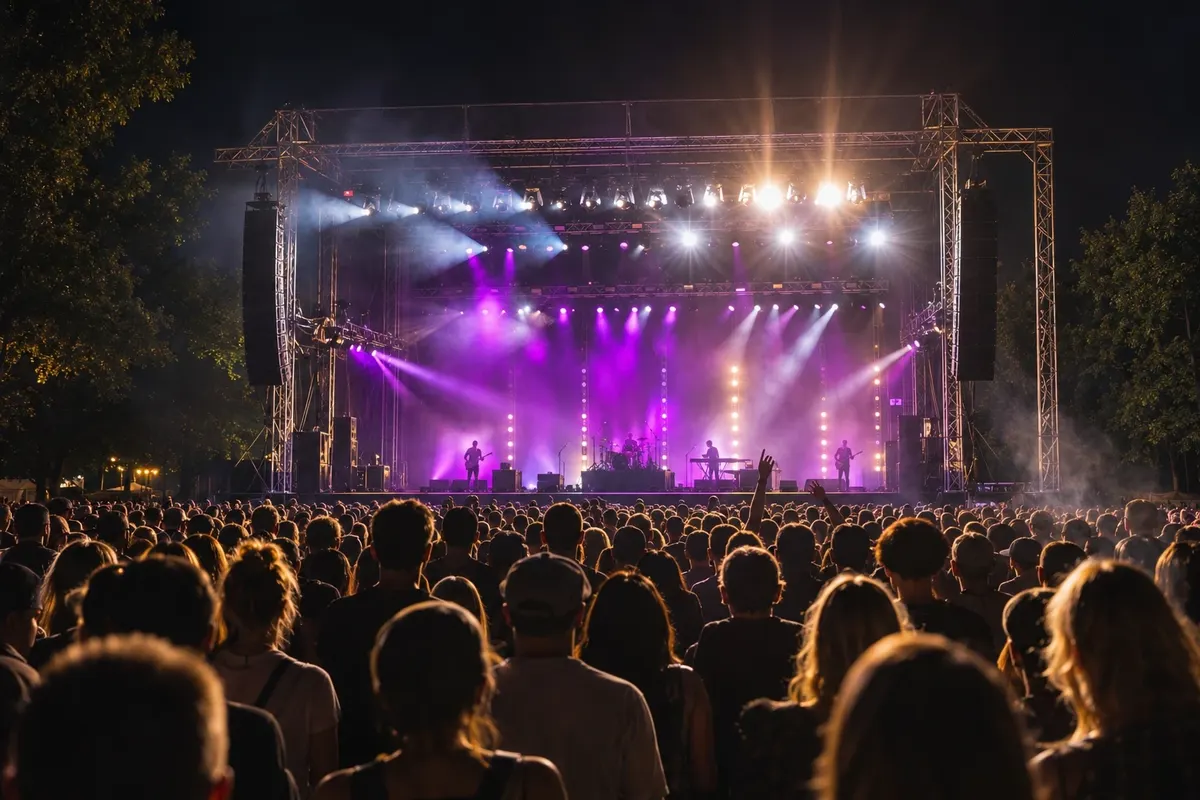
In late June, the islands of Lake Jarun in Zagreb host INmusic, Croatia’s largest outdoor music festival, with three days of rock and contemporary music, Croatian and international bands, and lakeside camping.
 July
July 25 to 27 every year.
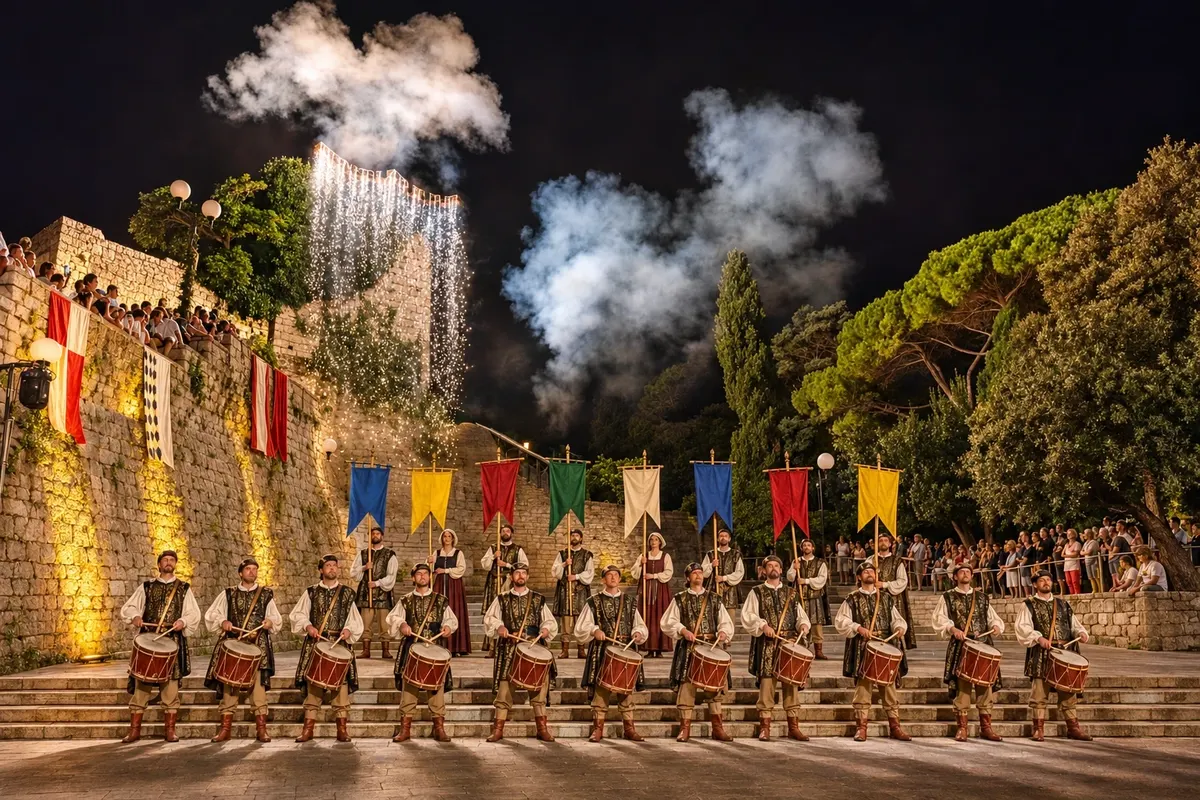
From July 25 to 27, the town of Rab returns to the Middle Ages. Craftspeople practice traditional trades in the streets, people dress in period clothing, a procession honors St. Christopher, the town’s patron saint, and crossbowmen hold their tournament in the square. The celebration recalls a decision made by the town council in 1364.
 July
For about a week in July.
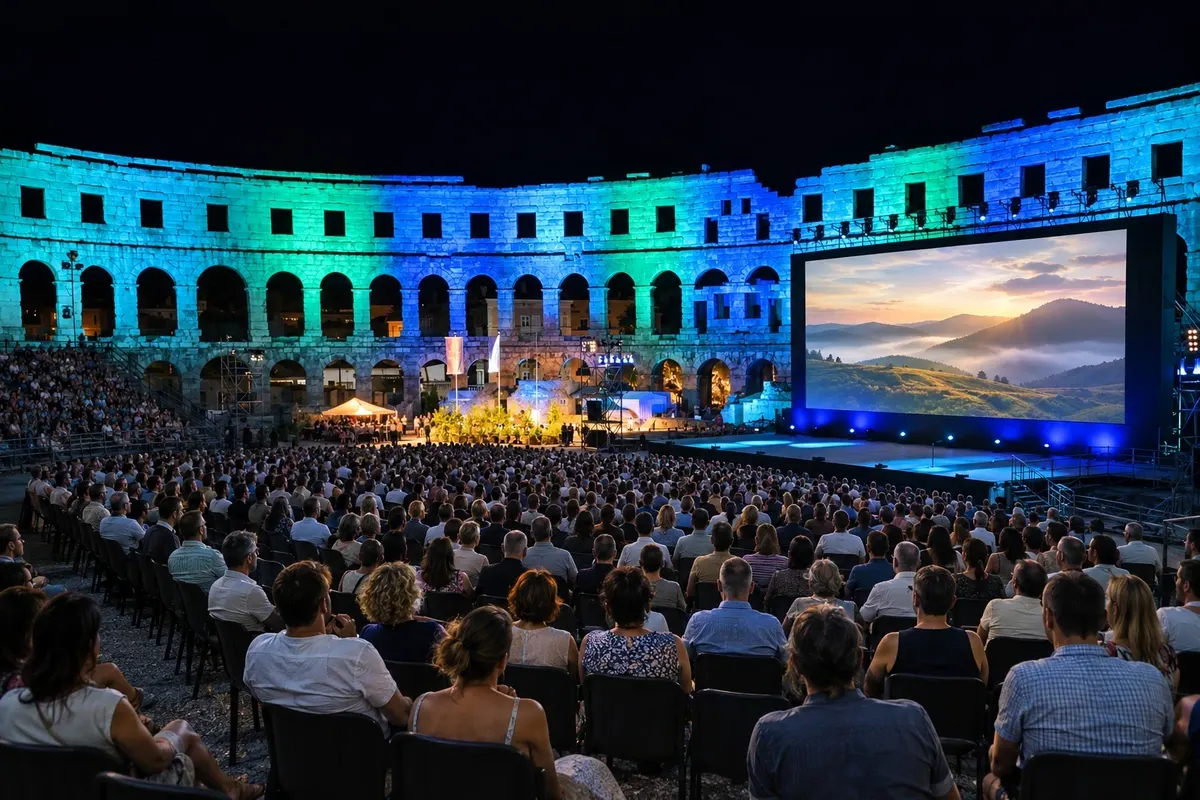
Every July, Pula’s Roman arena becomes an open-air cinema for Croatia’s oldest film festival. Founded in 1954, the festival is where the Golden Arenas, Croatia’s national film awards, are presented.
 July/August
July 10 to August 25 every year.
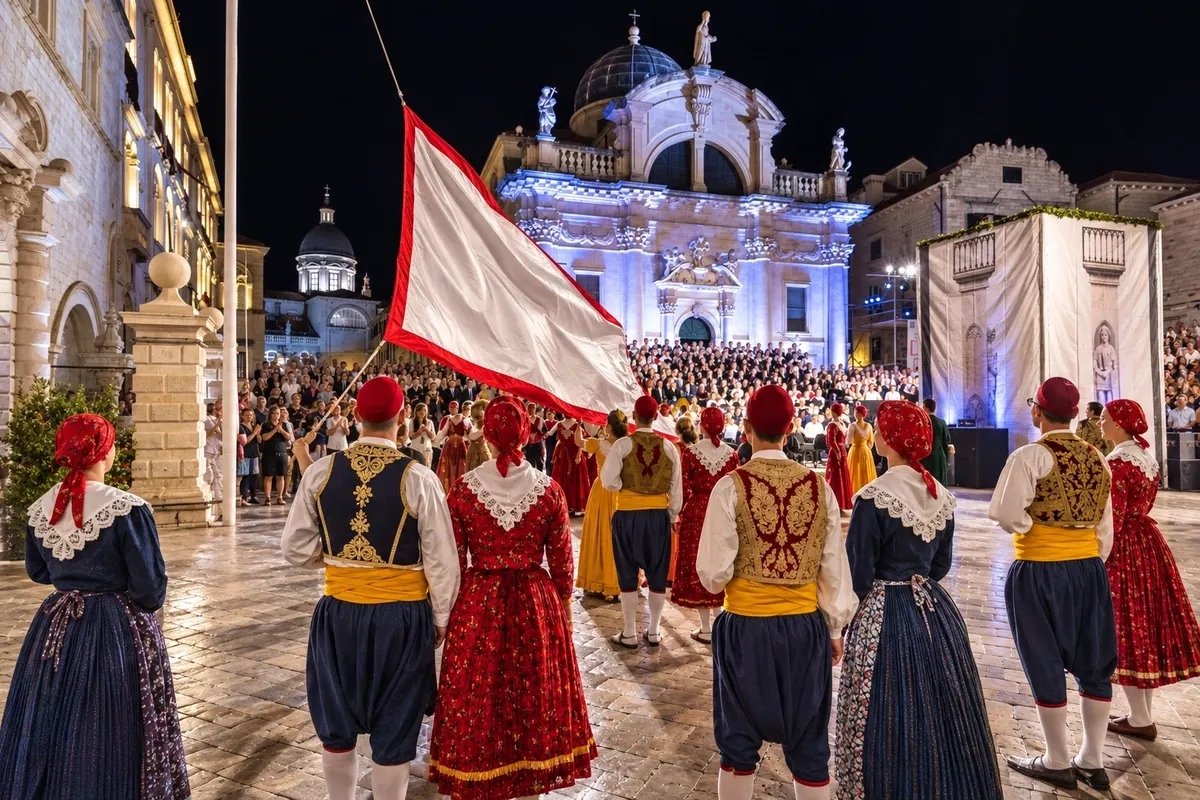
From July 10 to August 25, Dubrovnik’s squares, palaces, and fortresses become open-air stages for theater, music, opera, and dance during Croatia’s oldest cultural festival, founded in 1950.
Beyond the guide