Korčula

Popular festival · Korčula

The Moreška of Korčula

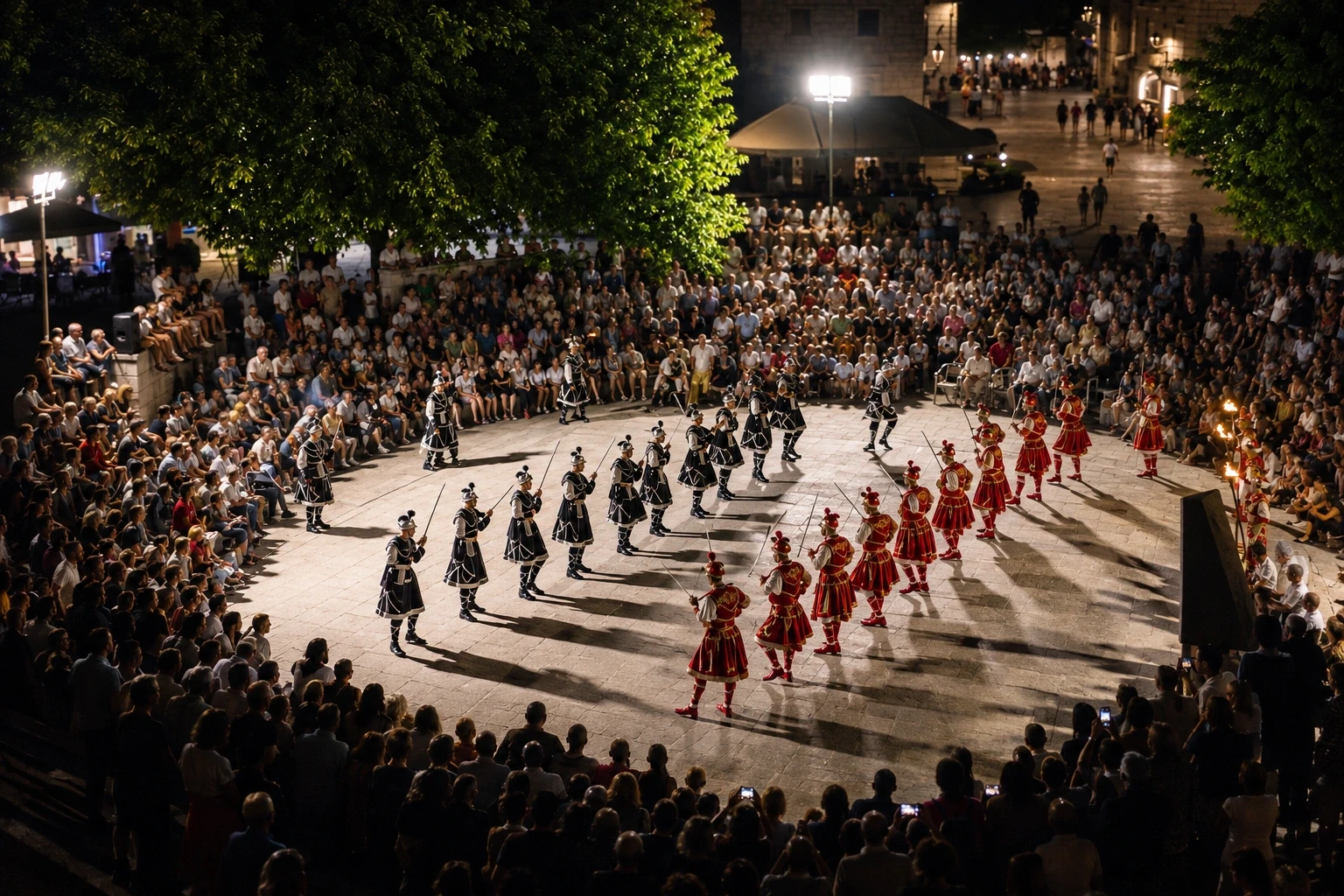
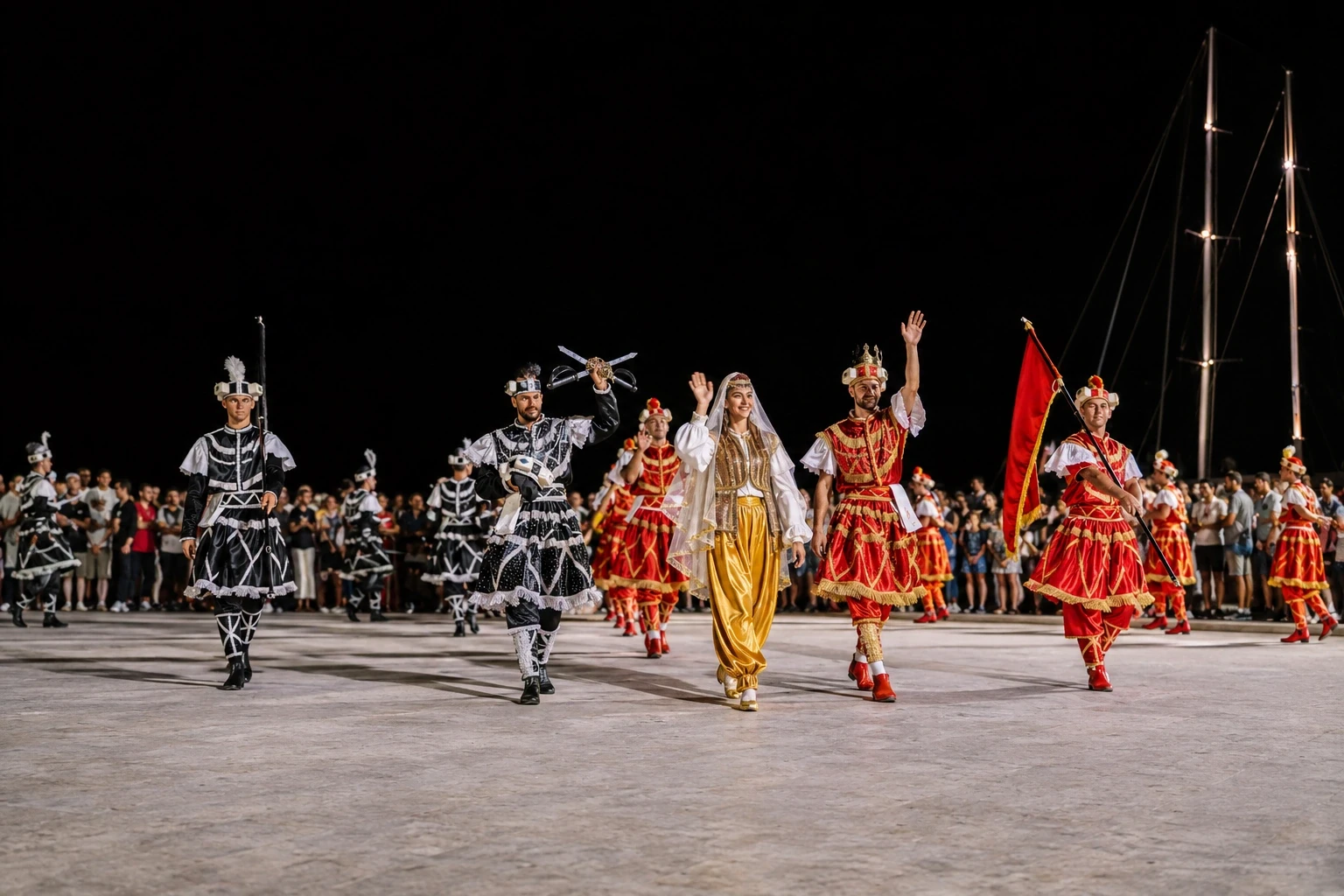
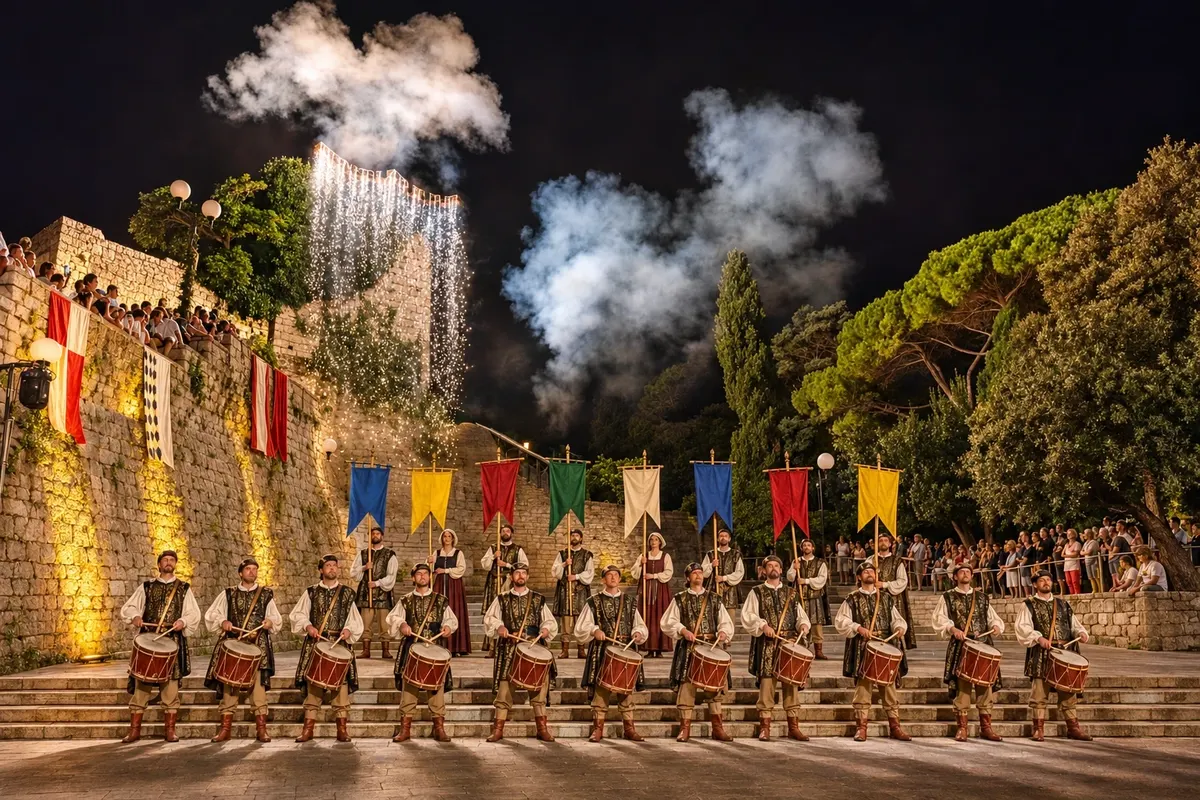
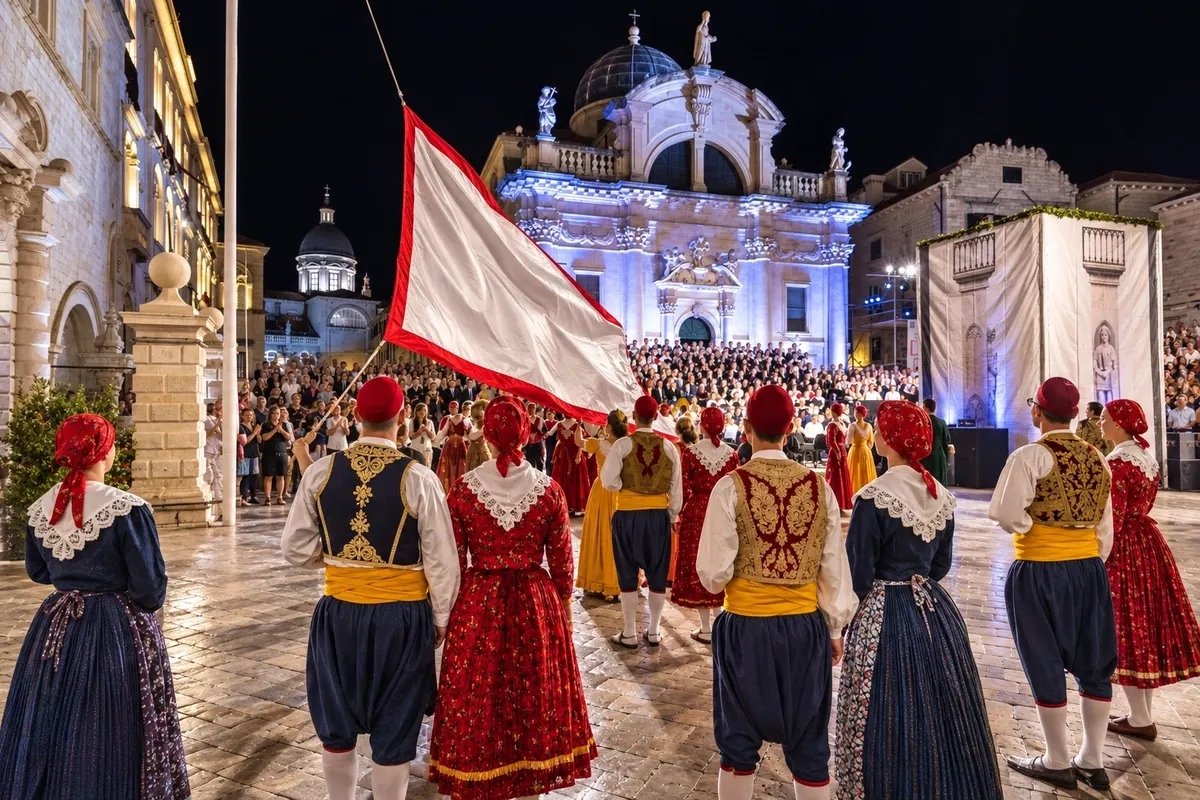
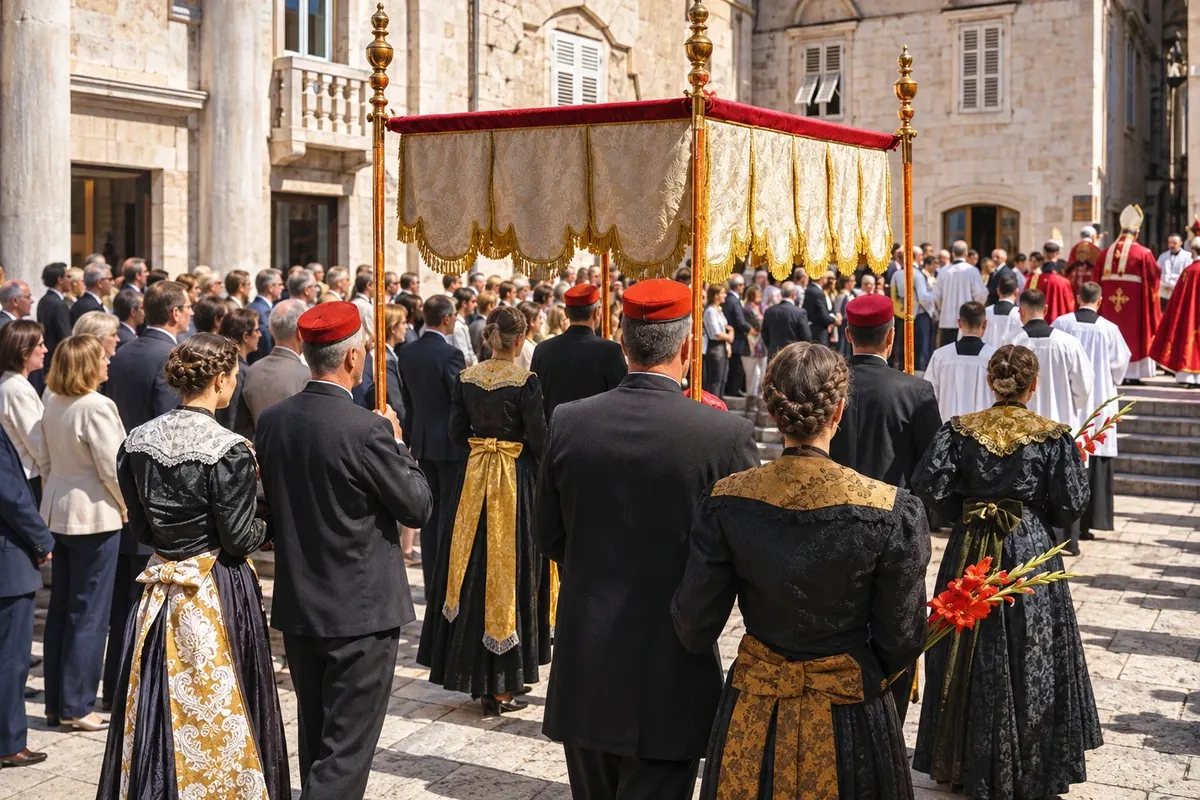
On July 29, both St. Theodore’s Day and Korčula’s town day, Korčula stages the moreška, a sword dance the town has kept alive for more than four centuries. Two kings and their armies fight over a young woman named Bula to the music of a wind band.

In the photo: Korčula

Illustrative images. The pictures in this guide are illustrations based on the real place, not photographs, and may differ from it.

Get it on Google Play

Click the picture to enlarge it.

The Moreška of Korčula — Korčula
The Moreška of Korčula
The Moreška of Korčula — Korčula
The Moreška of Korčula
The Moreška of Korčula — Korčula
The Moreška of Korčula

The Moreška of Korčula — Korčula

When

On July 29, the feast day of St. Theodore. There are also performances during the tourist season.

July

Where

Korčula

Dubrovnik-Neretva

Organizer

Official website

Dates, program and tickets

Dates change every year: check this year's date before you travel.

The festival

What the The Moreška of Korčula is

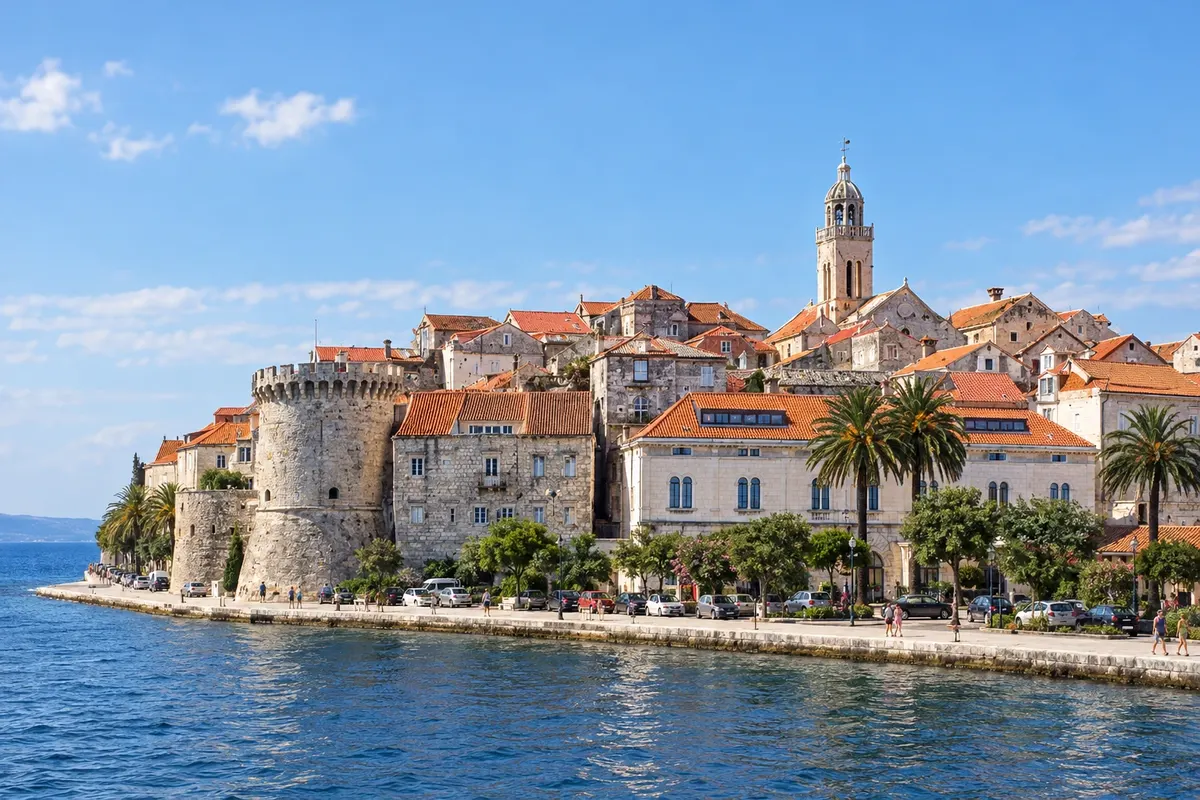
Korčula is the main town on the island of the same name in southern Dalmatia. Its fortified center sits on a small peninsula. The moreška, a sword dance once performed in several Mediterranean countries, survives only in Korčula.

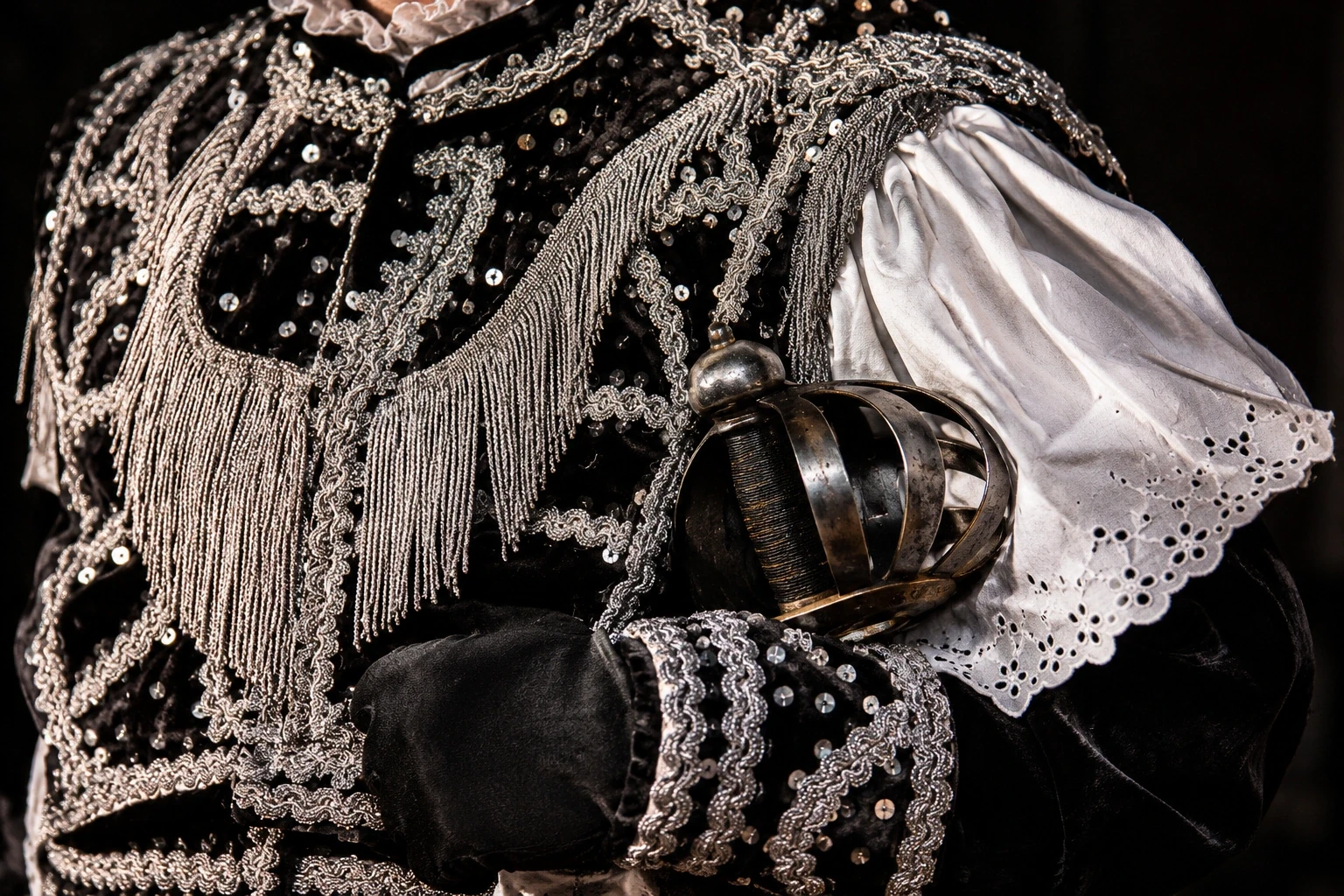
Records of the moreška in Korčula date back to the 17th century. The dance depicts the battle between two kings, the White King and the Black King, and their armies over a young woman named Bula. The dancers, known as moreškanti, each wield two swords and perform rhythmic combat sequences to the music of a wind band. Taking part in the dance is a source of pride for the town’s families.

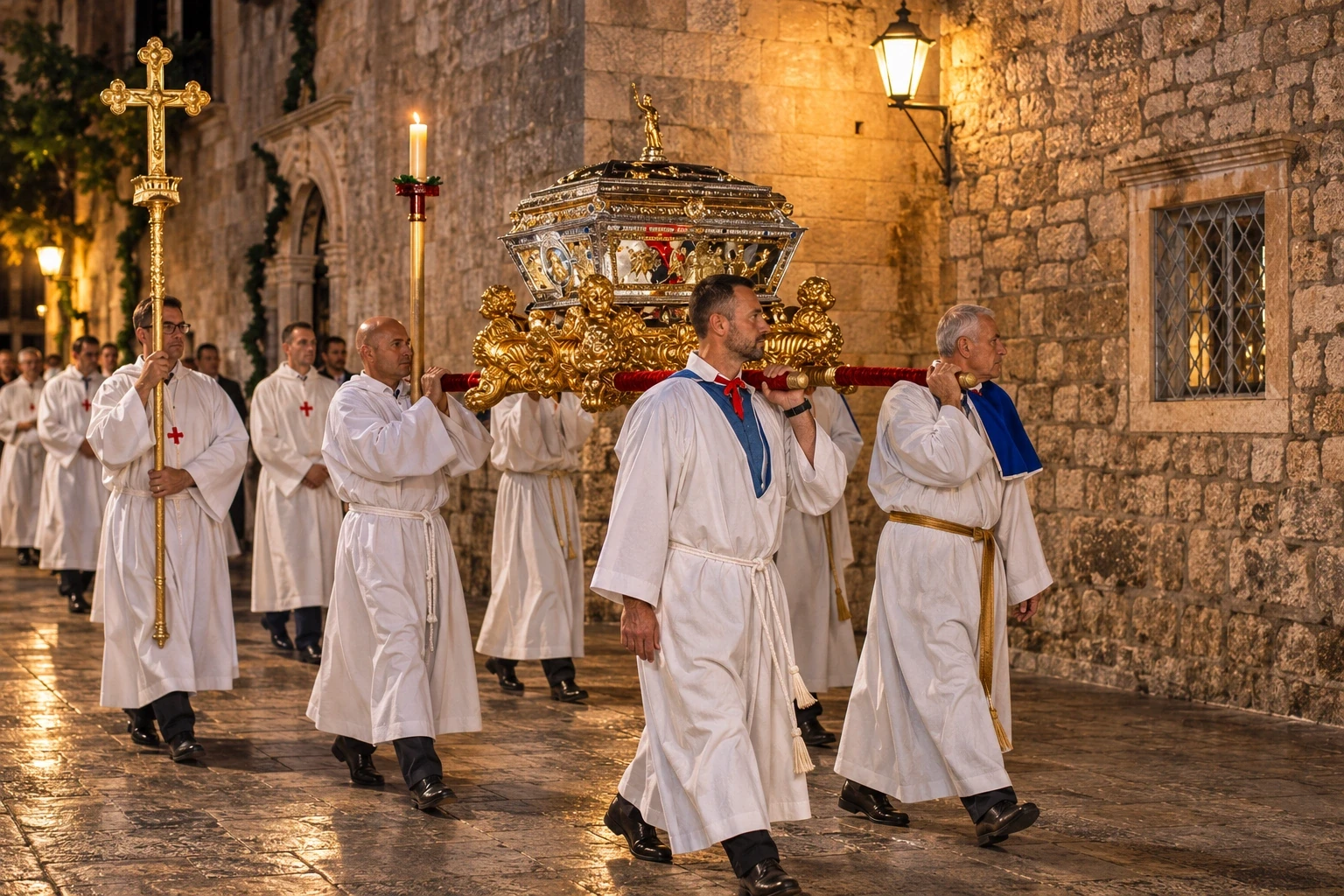
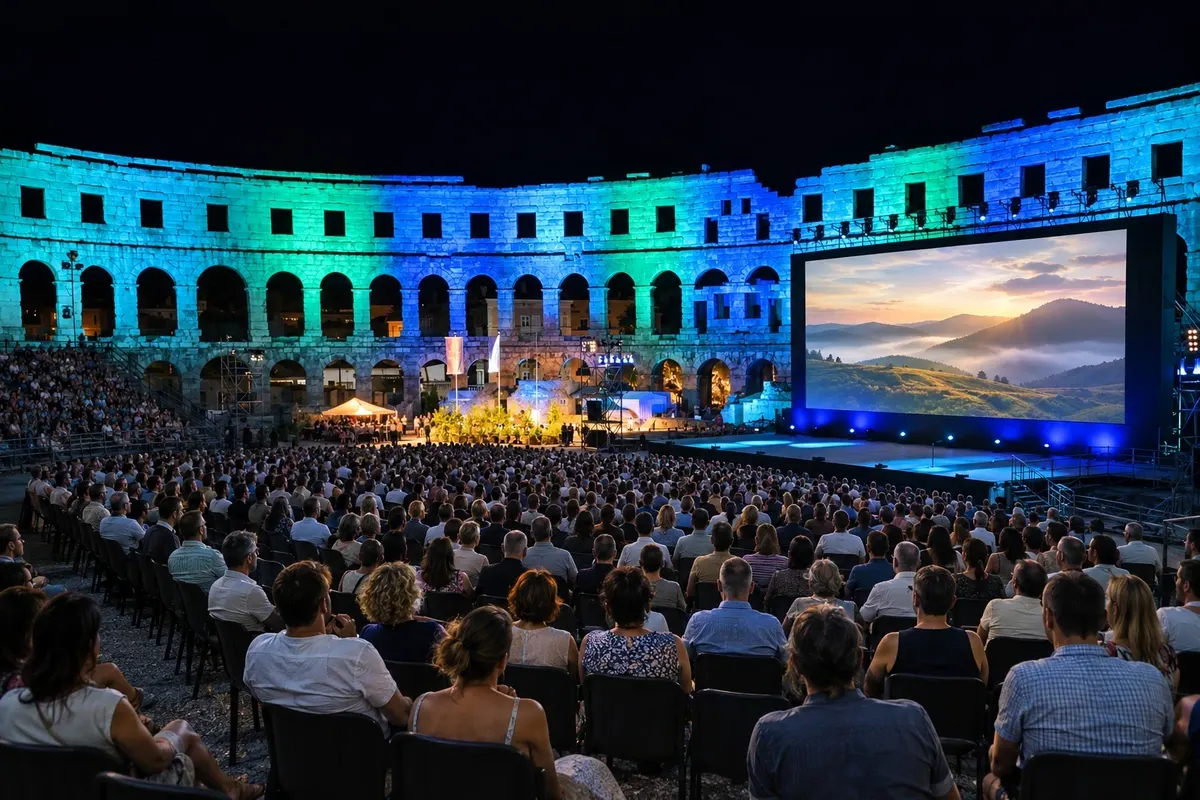
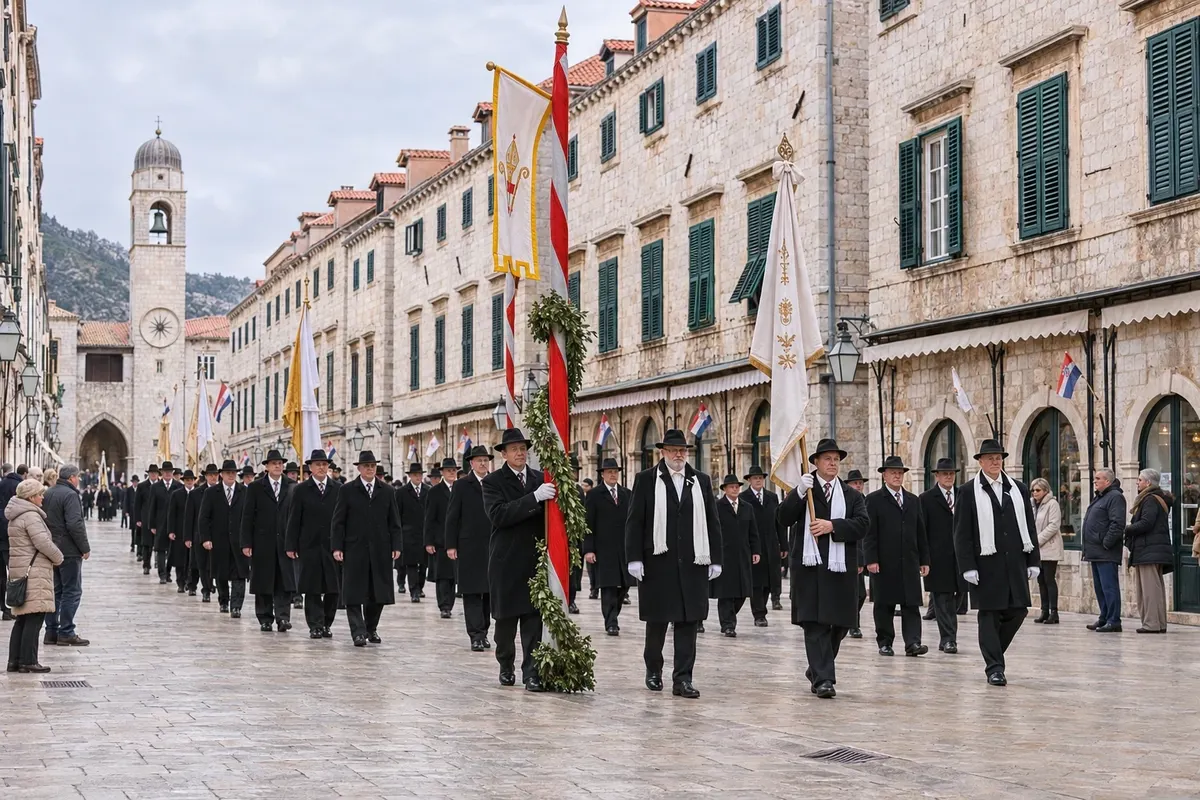
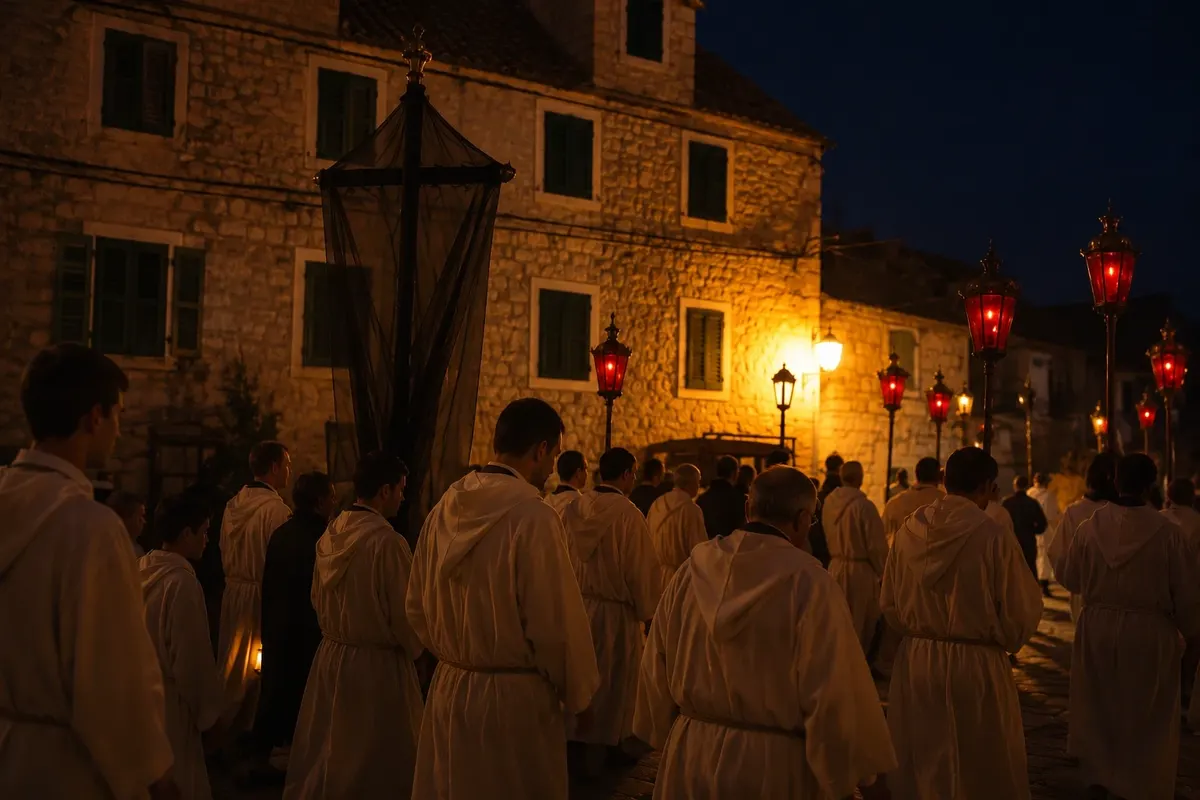
The most important performance takes place on July 29, both the feast day of St. Theodore, Korčula’s patron saint, and the town’s day of celebration. Korčula’s three historic religious brotherhoods also walk in procession through the streets that day. During the tourist season, there are additional performances at the town’s open-air cinema.

The moreška is a protected part of Croatia’s cultural heritage and one of the island’s symbols.

It’s worth making the trip to see the dance and the procession in the old town on the day Korčula celebrates its patron saint.

Share: WhatsApp

What not to miss

The moreška performance on July 29, St. Theodore’s Day. The procession of Korčula’s brotherhoods that same day. A walk through the old town and a visit to St. Mark’s Cathedral. The island’s other sword dances, known as kumpanija, in villages such as Blato and Vela Luka.

How to enjoy it

Buy your ticket in advance for the July 29 performance, the most popular of the season. If you can’t make it that day, catch one of the regular performances during the tourist season.

Plan ahead

Check the performance schedule with the Korčula tourist office. Boats serve the island from Split and Dubrovnik, and a ferry runs from Orebić on the Pelješac Peninsula. Book your accommodations early for a summer stay.

Flavors of Croatia

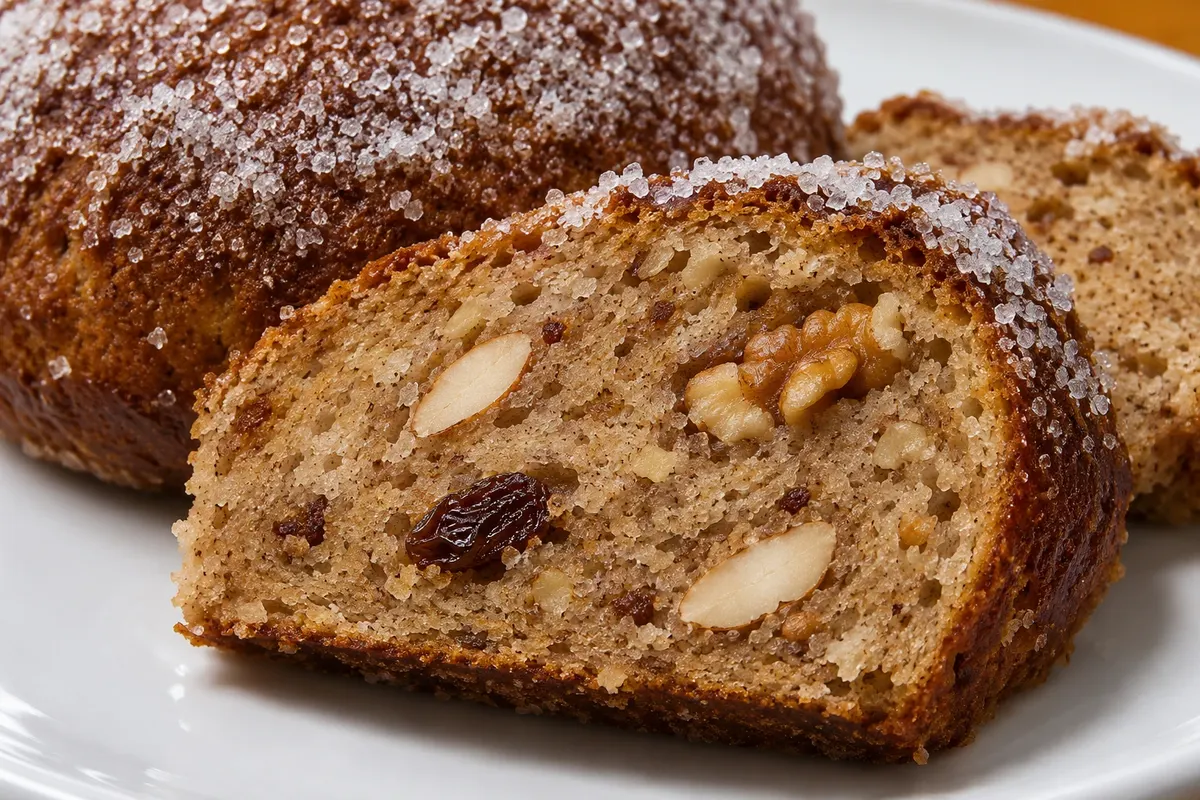
To try in Korčula

Discover other flavors of Croatia

July

Around the same time

Your questions

Questions about The Moreška of Korčula

When can you see the moreška in Korčula?

The most important performance takes place on July 29, St. Theodore’s Day. The Korčula tourist office publishes the other performance dates for the season.

What story does the moreška tell?

It depicts two kings and their armies fighting over a young woman named Bula. Each dancer uses two swords, and a wind band provides the music.

Where can you see the moreška on days other than St. Theodore’s Day?

Performances during the tourist season usually take place at Korčula’s open-air cinema. Check the schedule to confirm the venue and date.

Festivals and events in Croatia

Other festivals

See the full calendar

Beyond the guide