The cuisine
Traditional food of the Dominican Republic
Dominican Republic cuisine was born from the meeting of three heritages. From the Taínos, the island’s first inhabitants, came cassava, corn and annatto; from Spain came rice, cattle and the sauté of garlic, onion and cilantro; and enslaved Africans brought plantain, root vegetables, coconut and fried foods. Over the centuries, immigrants from the Canary Islands, the United States and the English-speaking Caribbean islands added their own recipes.
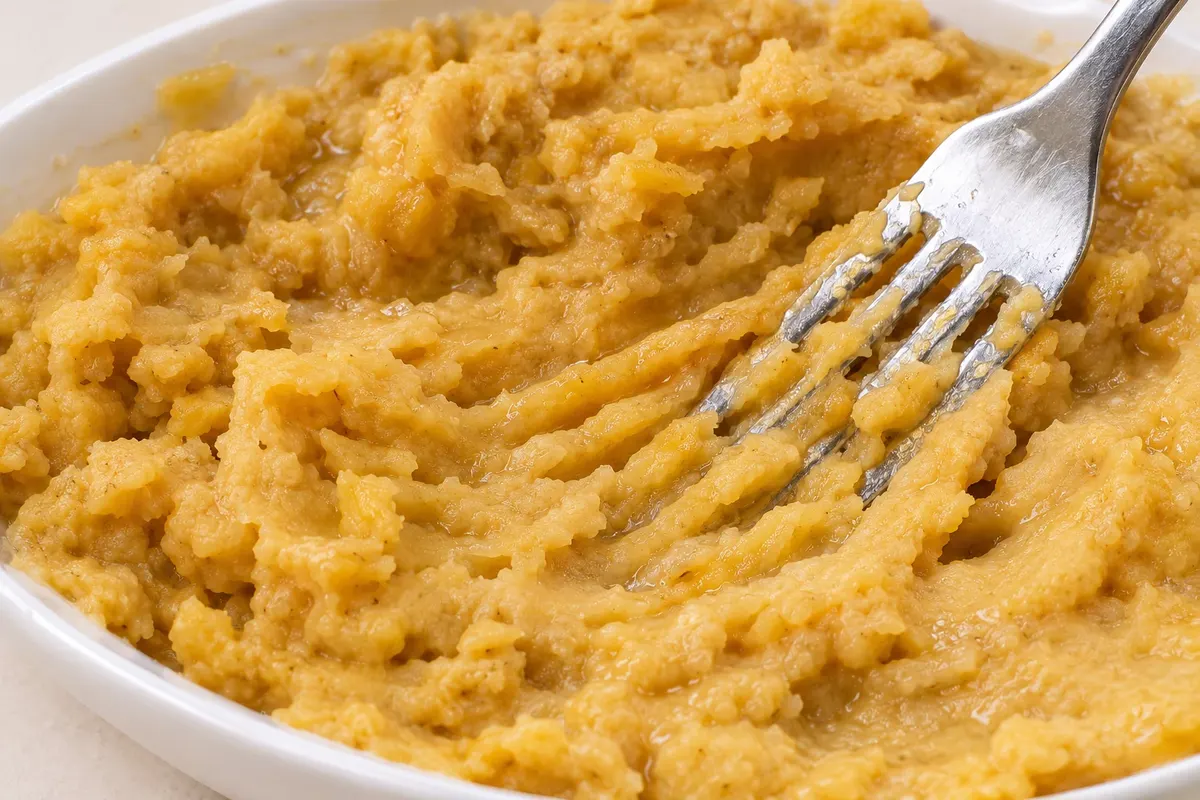
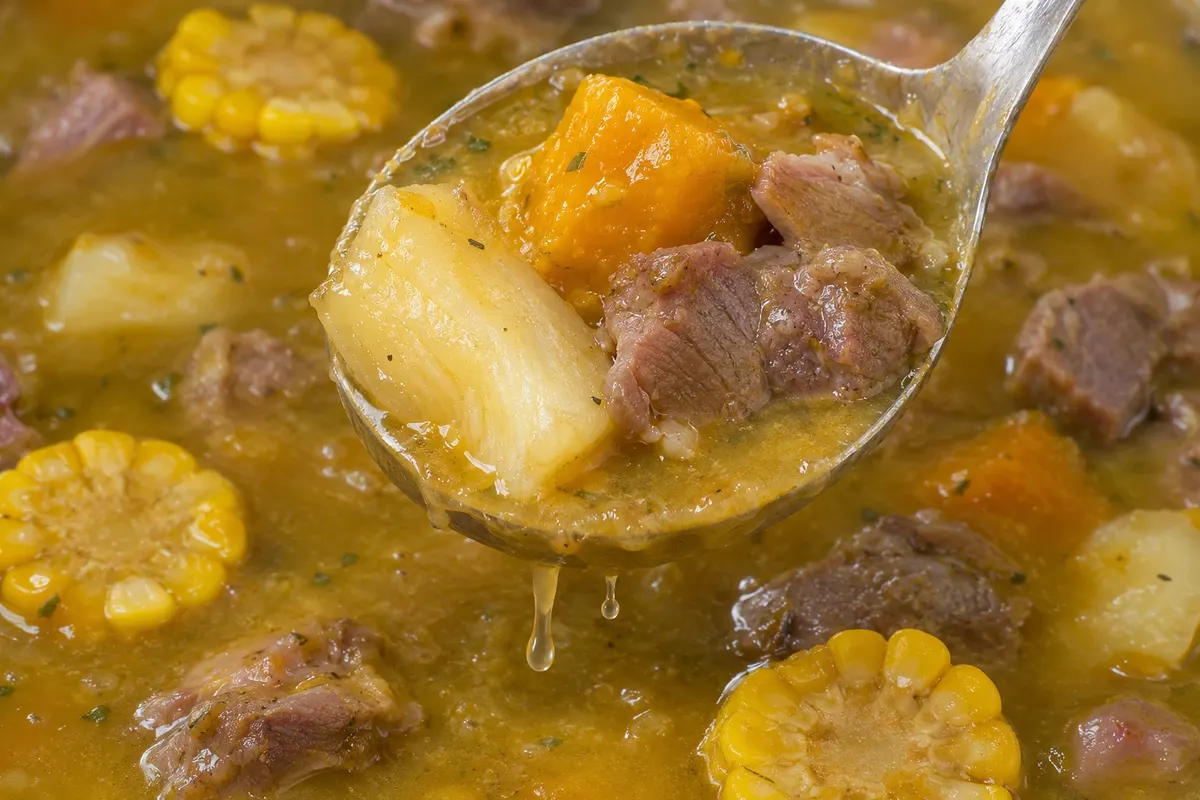
Everyday life has dishes that every Dominican recognizes. At lunch, La Bandera combines white rice, stewed beans and meat; for breakfast, green plantain mangú comes with pickled onion and often with fried cheese, salami and egg. At family gatherings, the sancocho pot brings together meats and tubers in a thick broth.
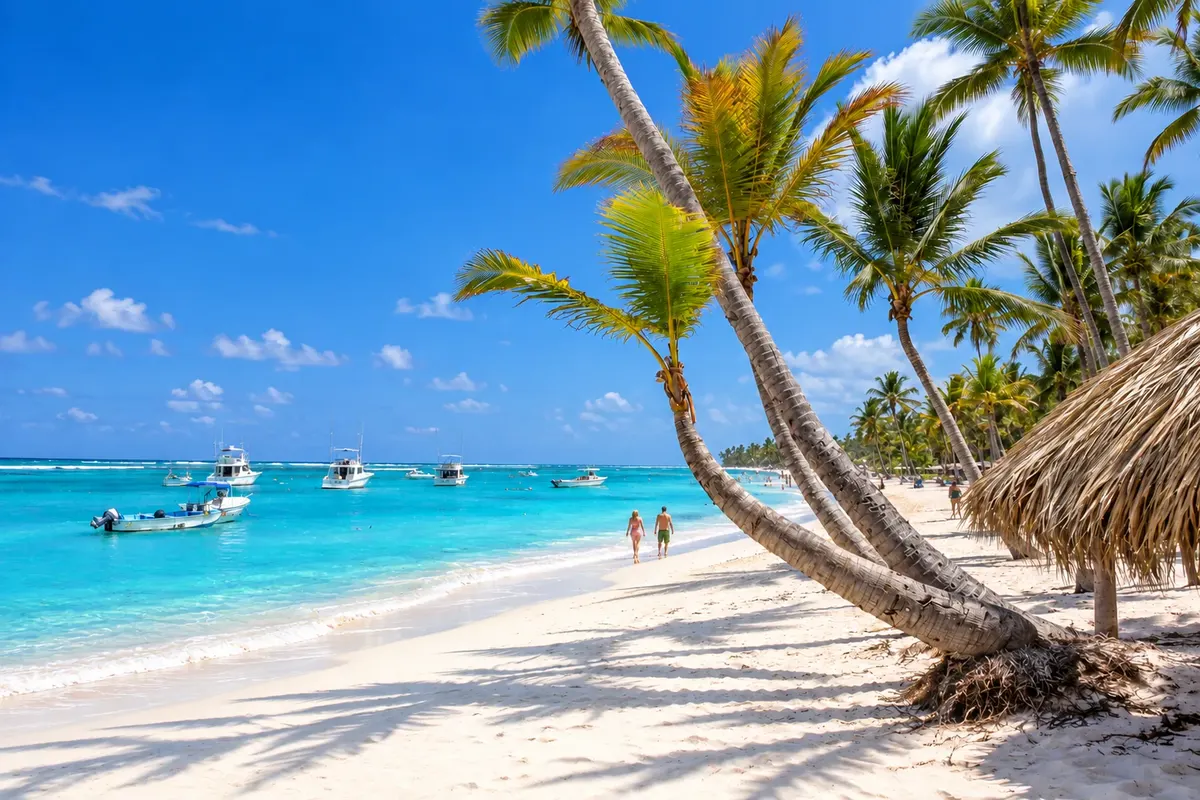
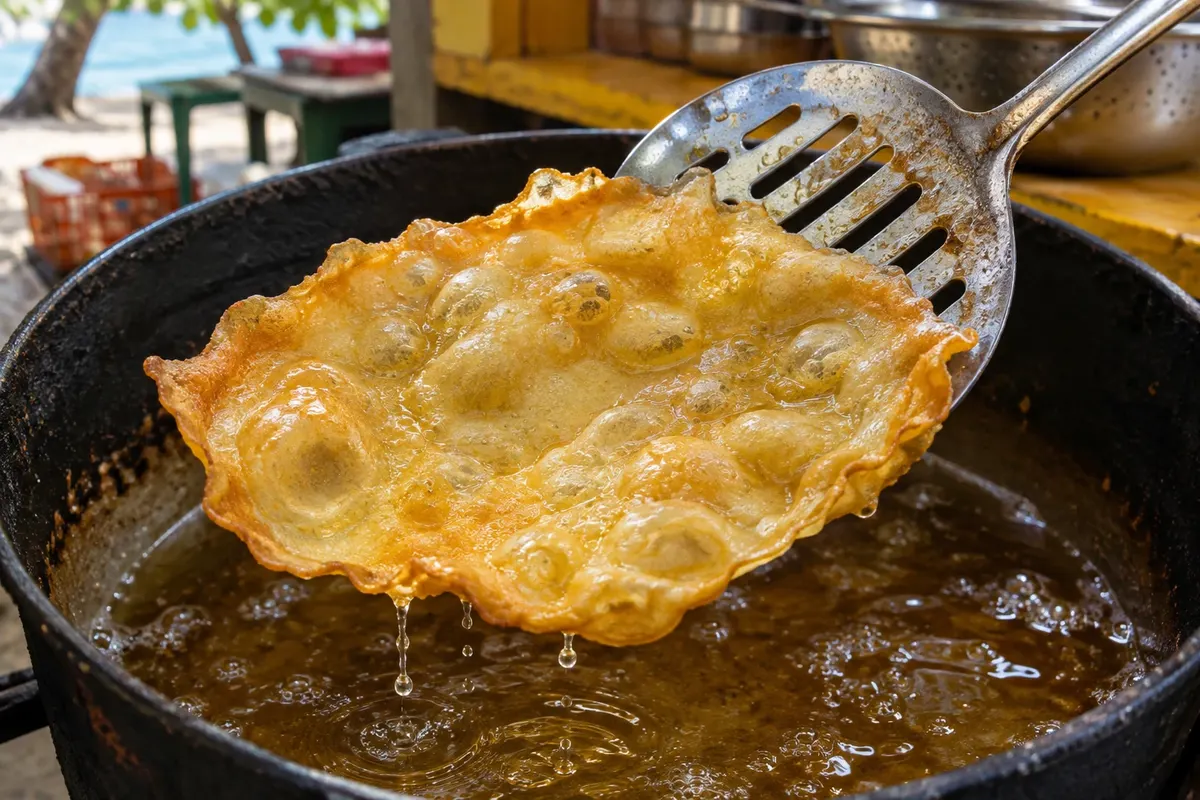
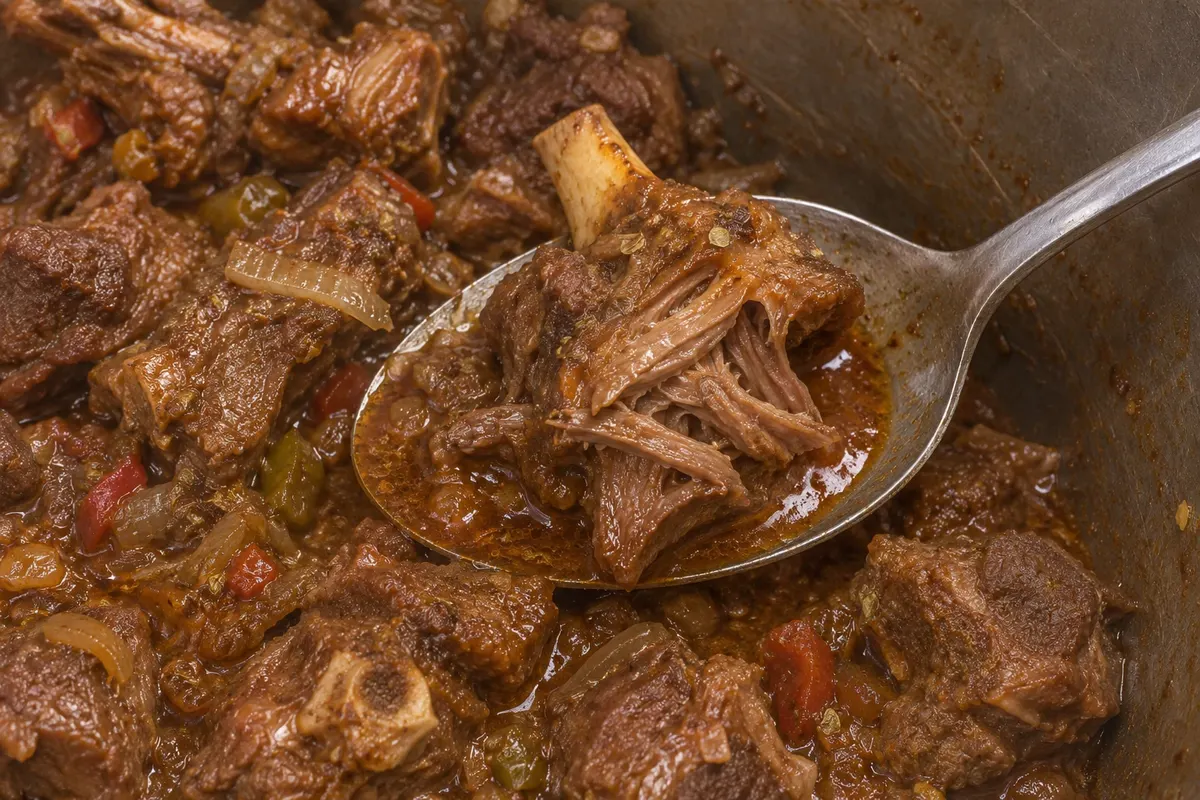
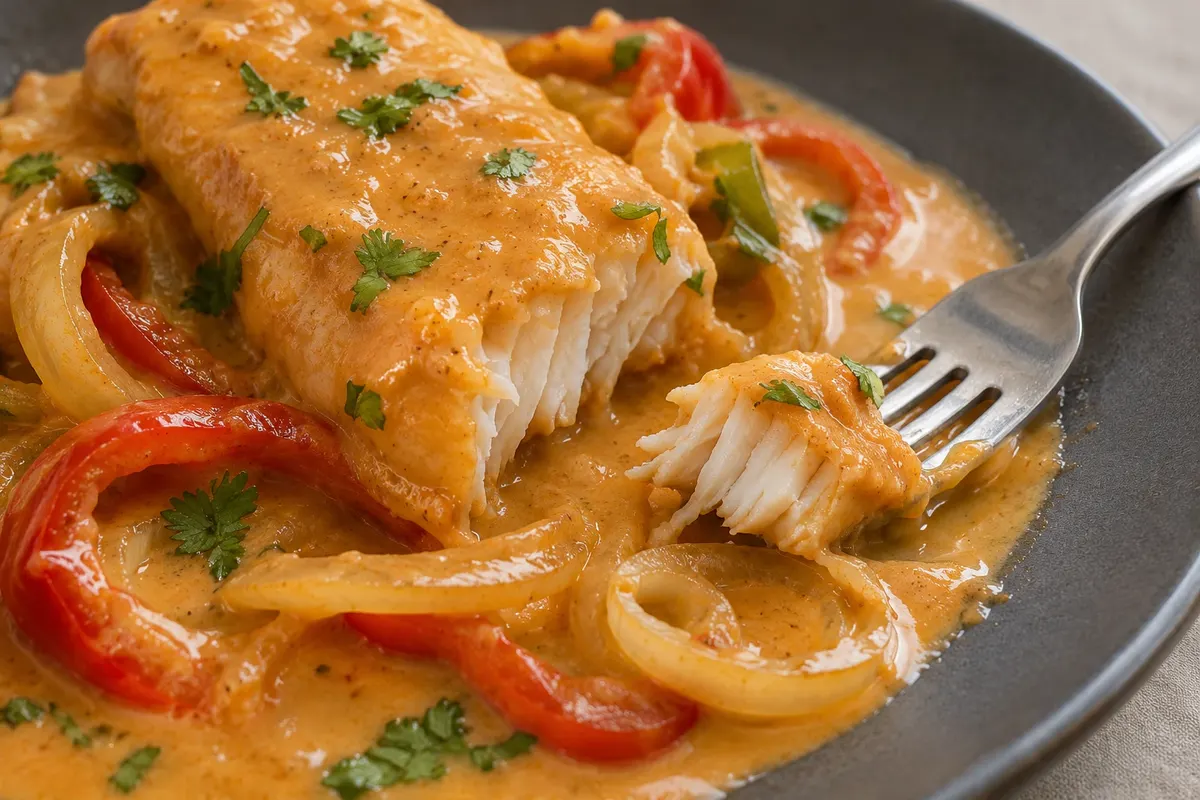
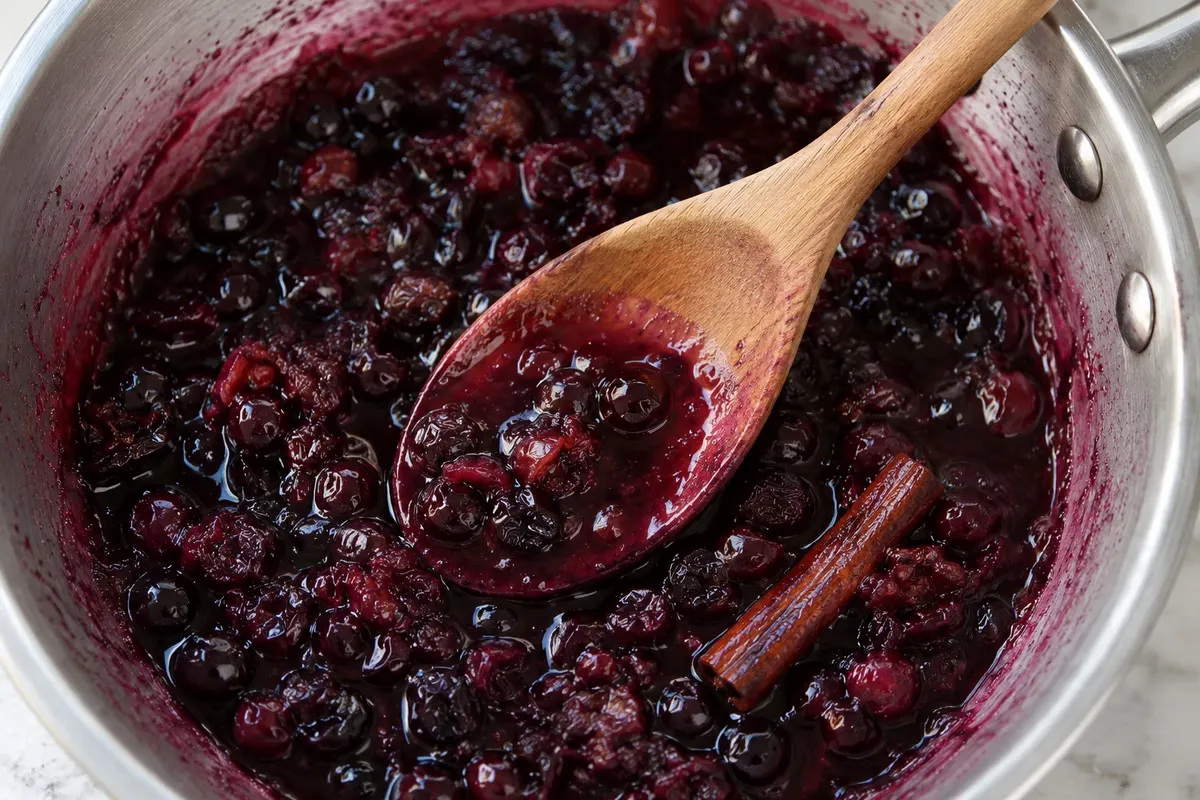
Regions have their own flavors. On the Samaná peninsula, descendants of 19th-century African American immigrants made pescado con coco a local staple. In the Línea Noroeste, in Monte Cristi, chivo liniero is stewed with oregano and pepper. In San Pedro de Macorís, the cocolos, who came from the English-speaking Caribbean islands to work in the sugar mills, made guavaberry the Christmas drink. In Boca Chica, the crispy yaniqueque accompanies beach days.
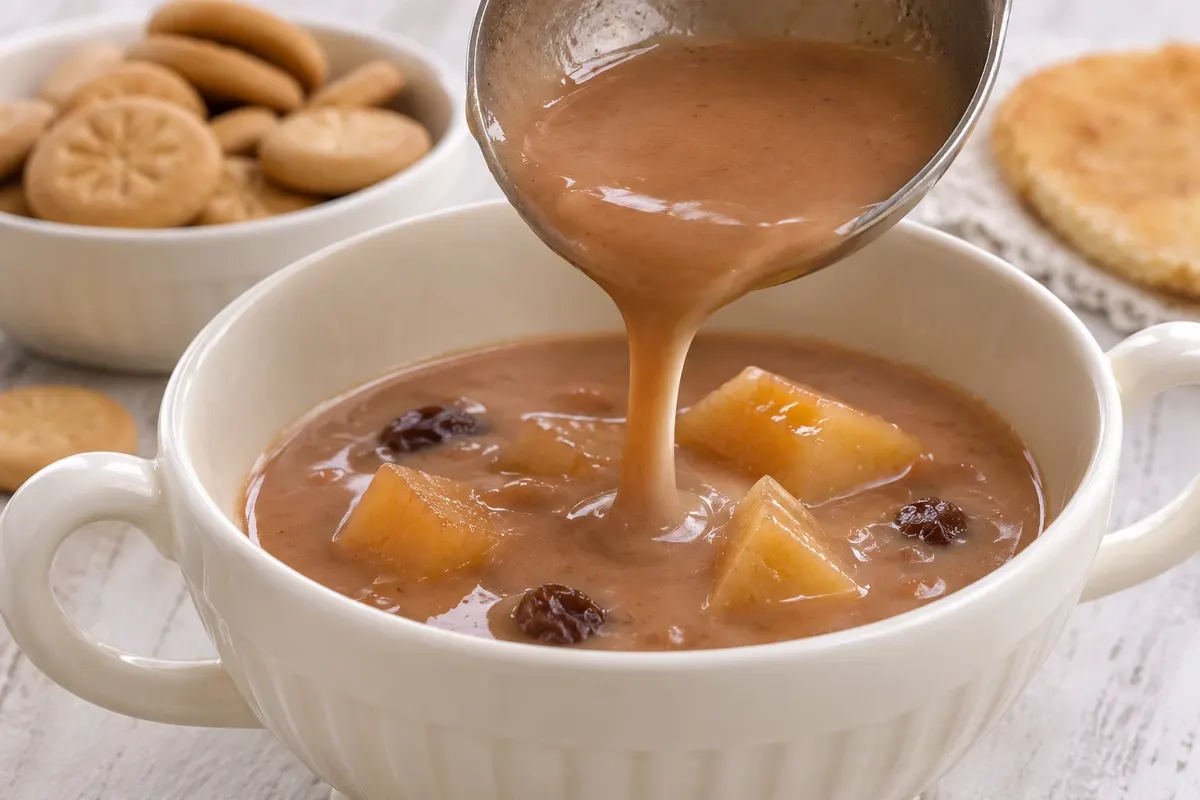
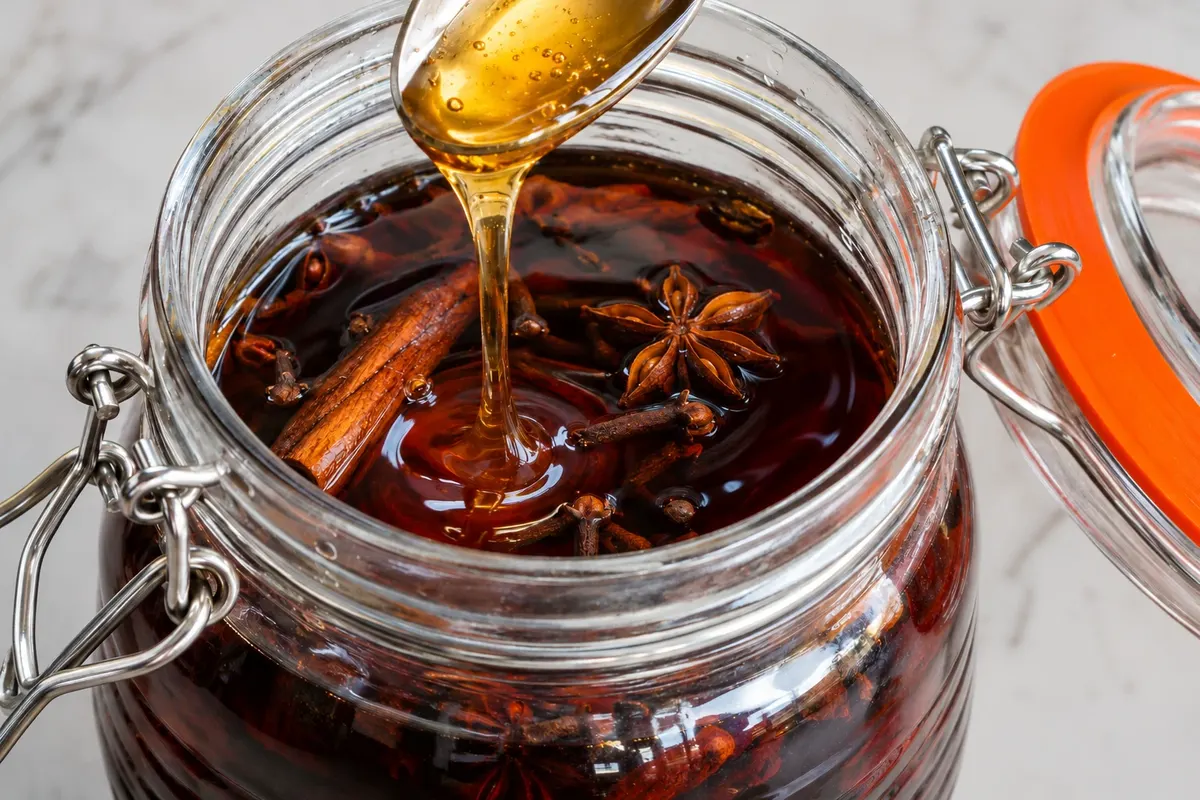
The calendar also has its sweets and drinks: habichuelas con dulce mark Lent and Holy Week, and mamajuana, herbs and bark macerated in rum, wine and honey, appears at friend gatherings and as souvenirs taken by travelers.


 Brazil
 Argentina
 Bolivia
 Chile
 Colombia
 Ecuador
 Guyana
 French Guiana
 Falkland Islands (Malvinas)
 Paraguay
 Peru
 Suriname
 Uruguay
 Venezuela
 Germany
 Austria
 Belgium
 Croatia
 Denmark
 Spain
 Finland
 France
 Greece
 the Netherlands
 Hungary
 Ireland
 Iceland
 Italy
 Luxembourg
 Norway
 Poland
 Portugal
 the United Kingdom
 the Czech Republic
 Sweden
 Switzerland
 Turkey
 Canada
 the United States
 Mexico
 South Africa
 Australia
 Fiji
 New Zealand
 Papua New Guinea