La Bandera Dominicana
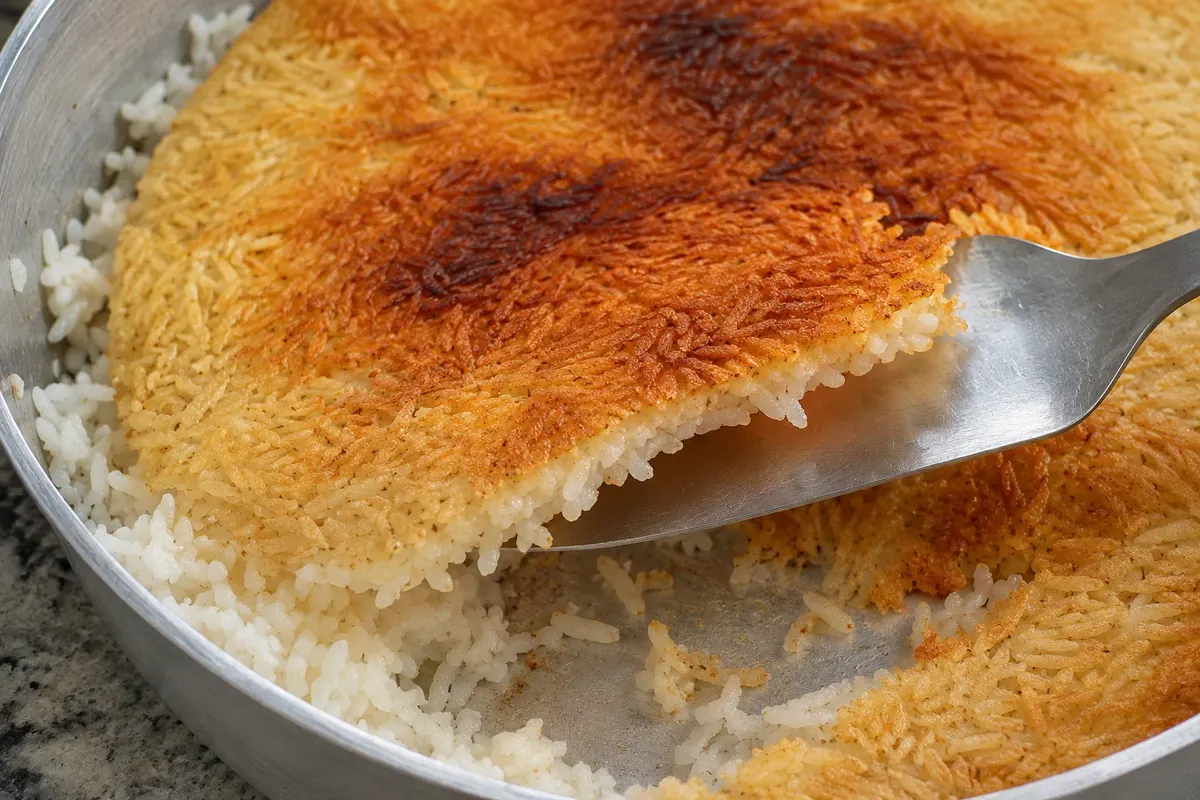
Everyday lunch: white rice, stewed beans and stewed meat, with salad and often tostones. The name evokes the colors of the national flag, and rice with beans is a foundation of the country’s culinary identity.
Flavors · the Dominican Republic
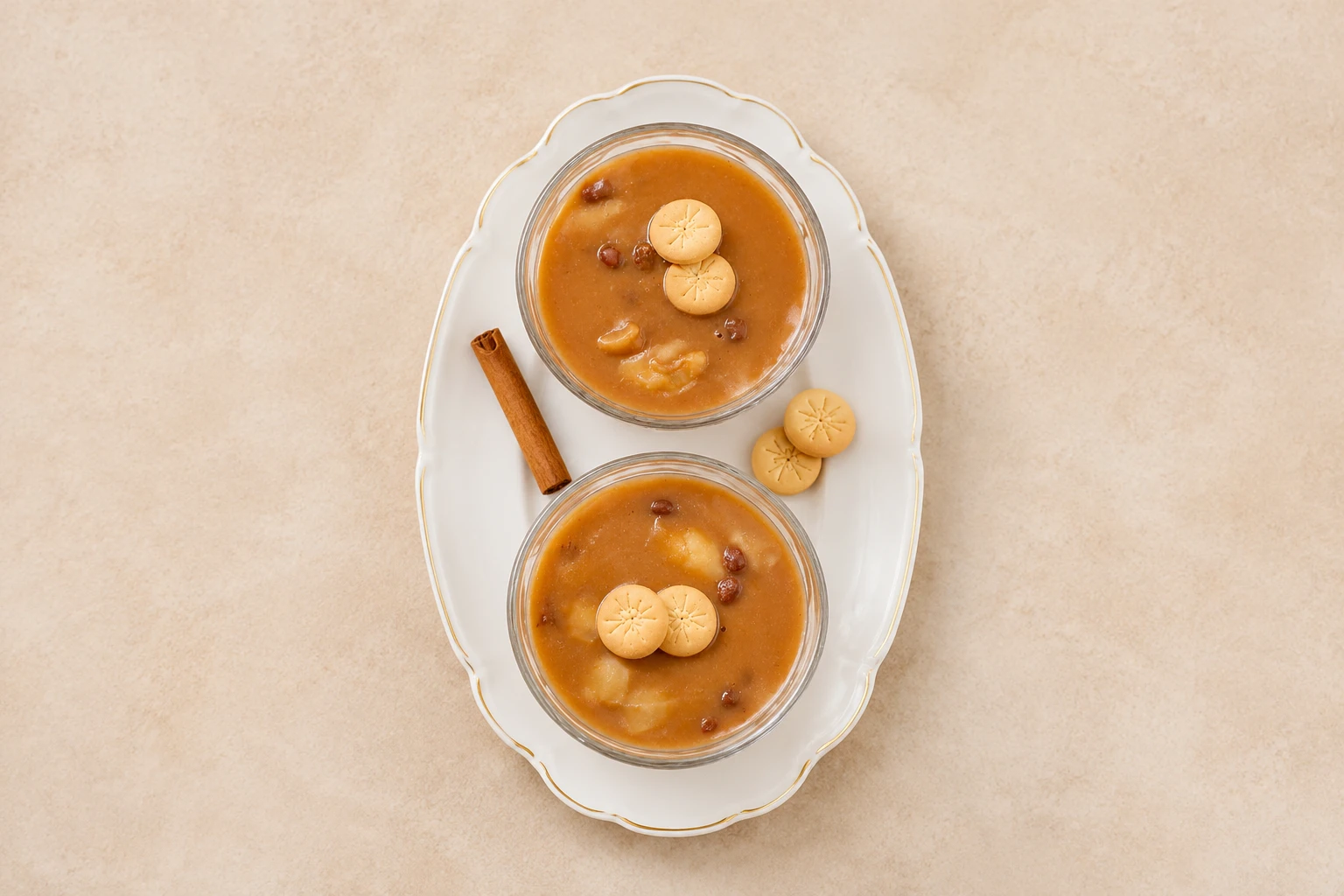
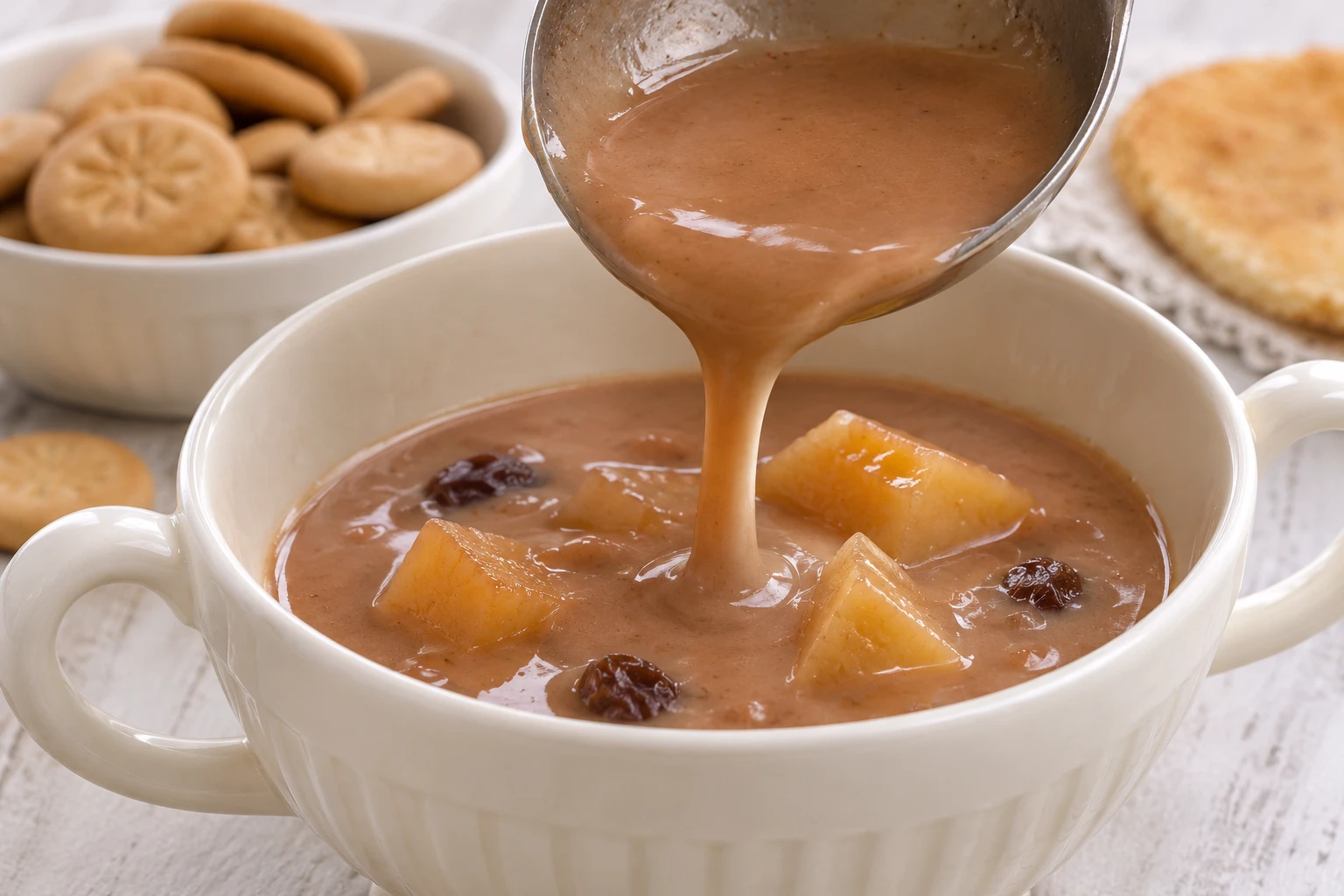
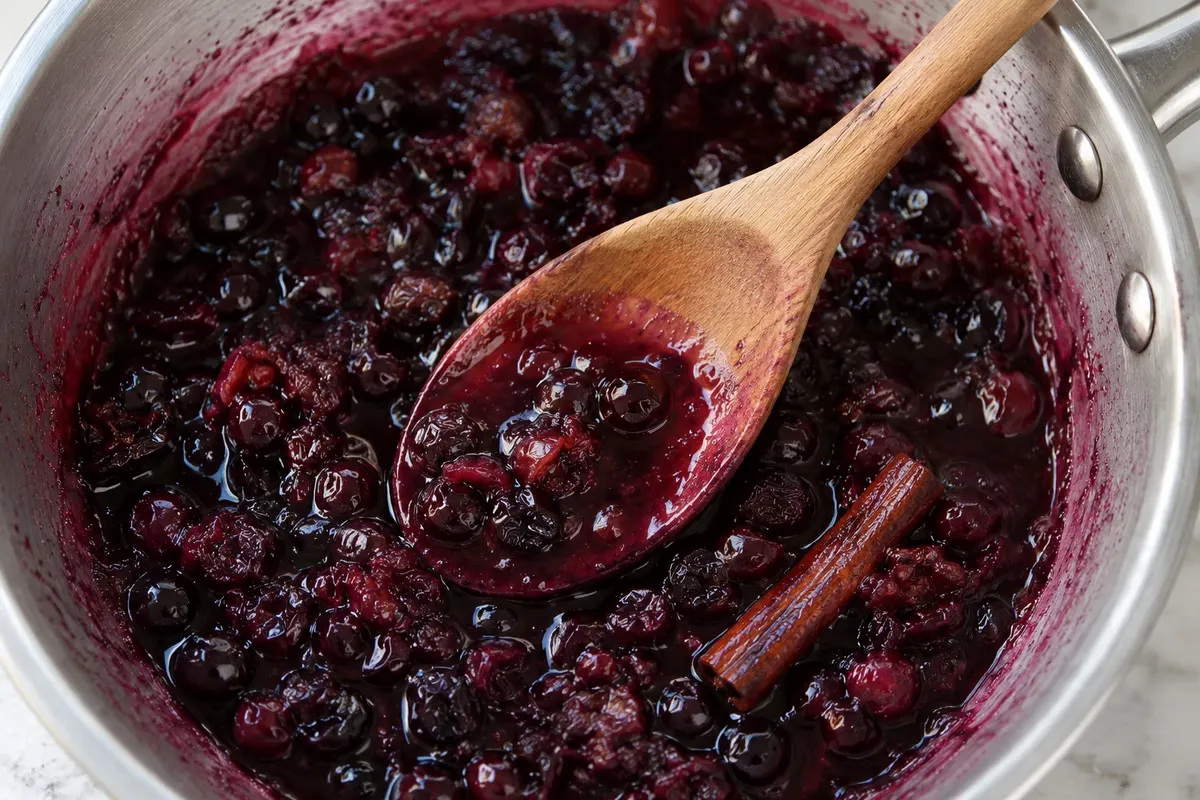
Sweet cream made from cooked red beans that are mashed and strained, mixed with coconut milk and evaporated milk, sugar, sweet potato, raisins and spices, served with little cookies on top. It is the Lent and Holy Week dessert throughout the country.
Traditional sweet from the Dominican Republic
Also known as: Habichuela con dulce
Illustrative images. The pictures in this guide are illustrations based on the real place, not photographs, and may differ from it.
Click a photo to enlarge it.
Habichuelas con dulce — the Dominican Republic
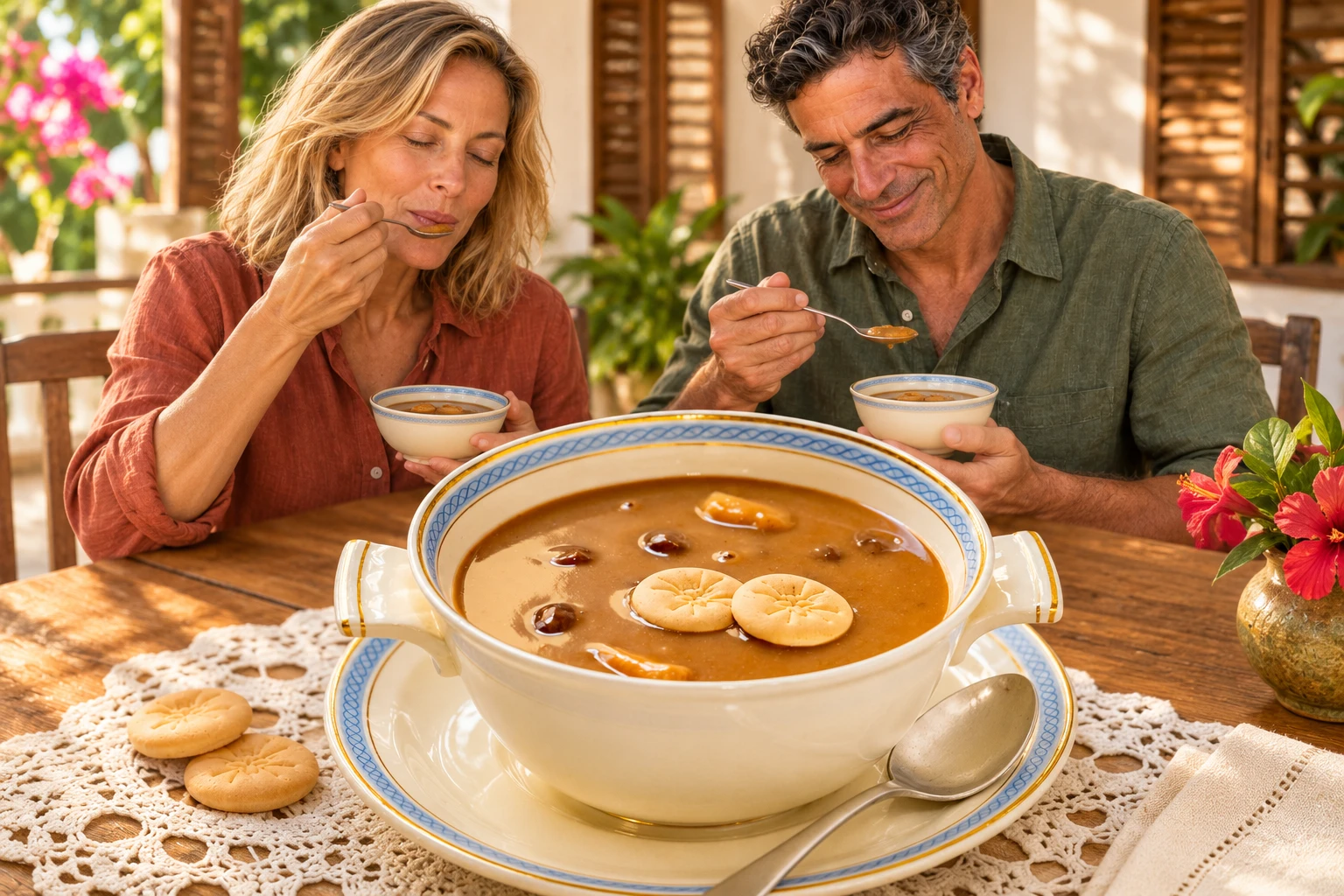
Habichuelas con dulce are the dessert that announces Lent in the Dominican Republic. From Ash Wednesday onward, pots appear in homes, and on Good Friday the dessert is served after a meatless lunch of fish or salted cod. It is customary to make large quantities and share them with neighbors and relatives.
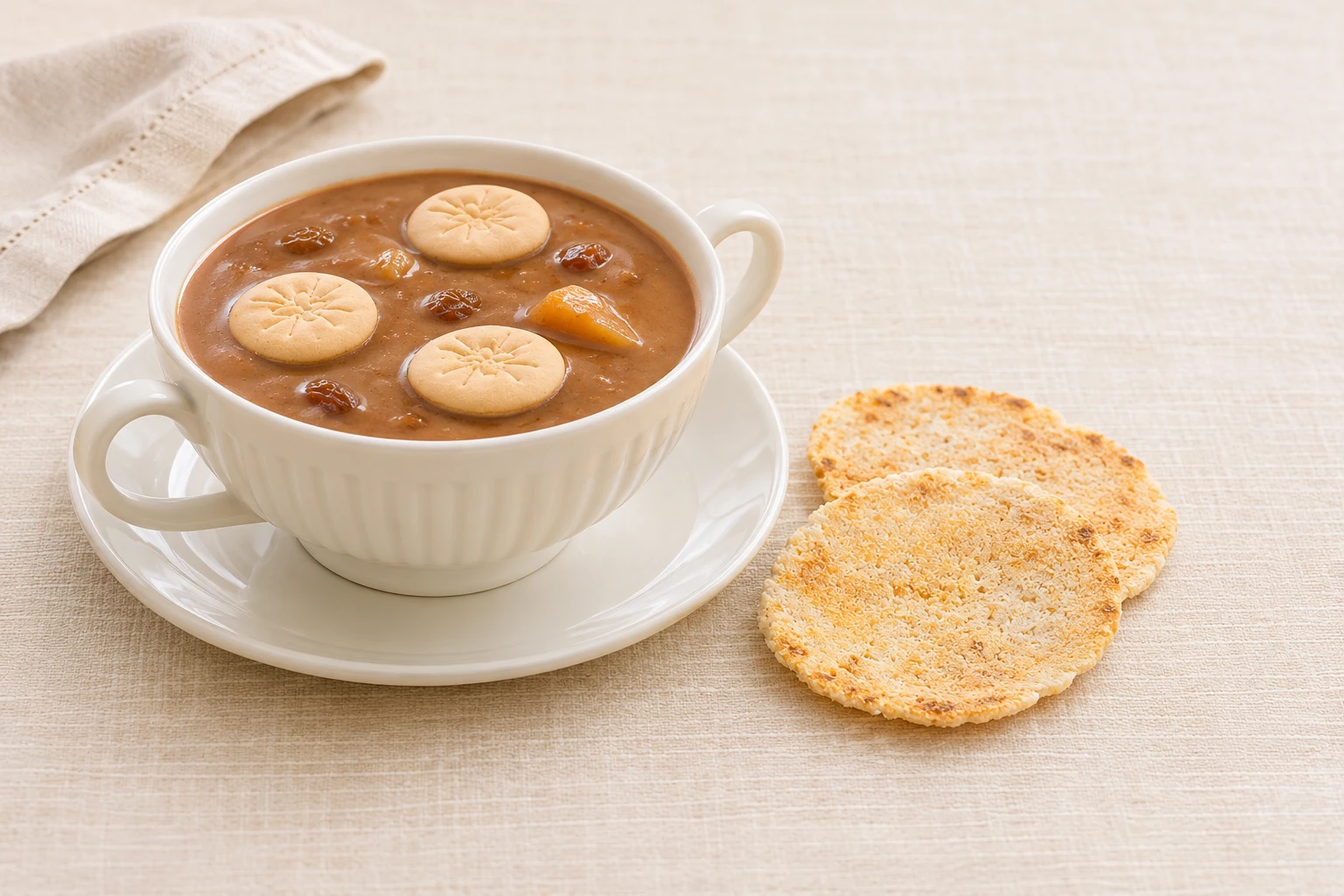
The preparation is laborious. The red beans are cooked until soft, mashed and strained, and the resulting purée is returned to the heat with coconut milk, evaporated milk, sugar, cinnamon, cloves, ginger, a pinch of salt, cubes of sweet potato and raisins. The result is a sweet, thick cream served hot or cold, with sweet cookies on top.
The origin is not settled. The most accepted account is that of historian José G. Guerrero, director of the Museo de Historia y Geografía: the French military officer Dorvo Soulastre, who arrived in Santo Domingo in 1798, recorded, days before Palm Sunday, small sugared beans served in the French style. Other accounts point to African, Canarian and wider Caribbean influences.
The dessert is a specialty of the Dominican Republic. There are regional variations: some families leave whole beans, others replace the cookies with toasted casabe, and in the south there are versions made with broad beans or pigeon peas (guandules).

the Dominican Republic
Lent and Holy Week dessert throughout the country, treated by Dominican sources as exclusive to the Dominican Republic.
Red beans, coconut milk, evaporated milk, sugar, sweet potato, raisins, cinnamon, cloves, ginger and salt; sweet cookies to serve.
In a glass or bowl, hot or chilled, with sweet cookies on top; many families share the dessert with neighbors.
Lent and Holy Week, especially on Good Friday.
Your questions
During Lent and Holy Week, especially on Good Friday.
Mashed and strained red beans with coconut milk, evaporated milk, sugar, sweet potato, raisins and spices.
It is not defined. The most accepted version, from historian José G. Guerrero, links the dessert to sugared beans recorded by a French military officer in Santo Domingo in 1798.
Flavors of the Dominican Republic

Everyday lunch: white rice, stewed beans and stewed meat, with salad and often tostones. The name evokes the colors of the national flag, and rice with beans is a foundation of the country’s culinary identity.

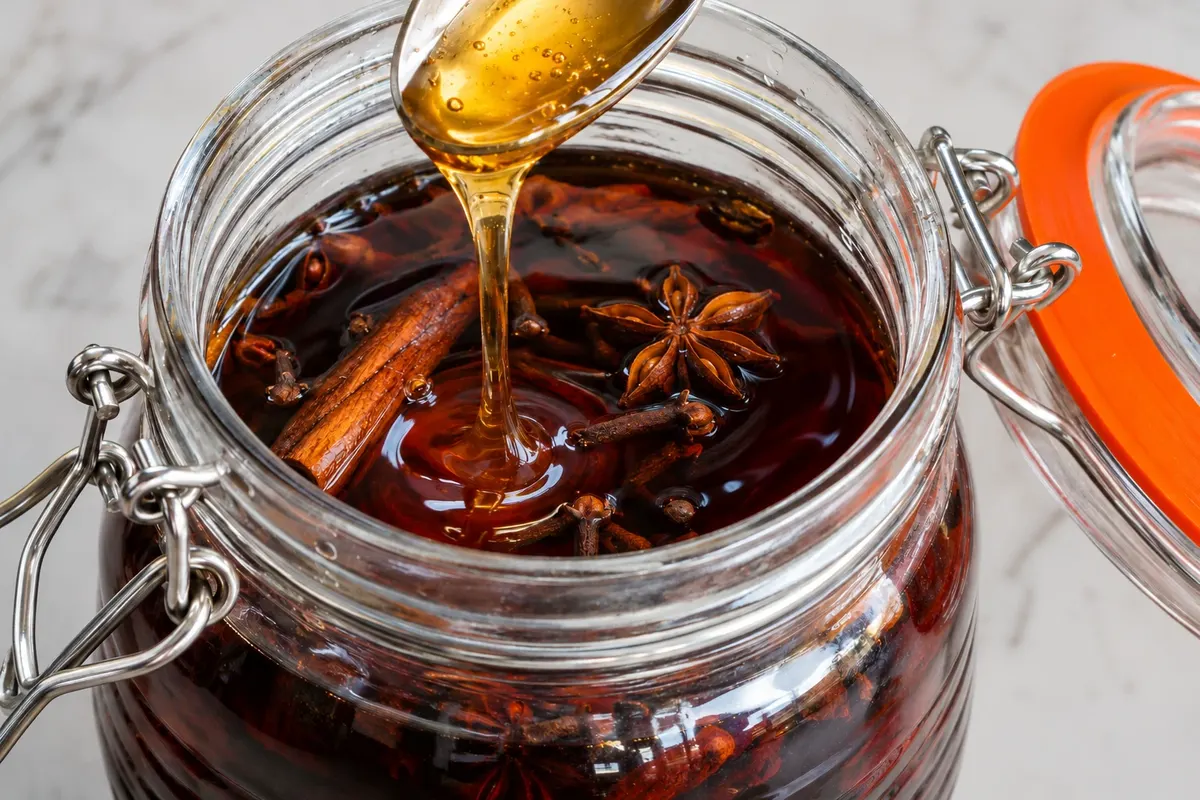
Drink made from peels, roots, herbs and spices macerated in a bottle with rum, red wine and honey. It went from a country home remedy to a signature Dominican drink, and the name comes from damajuana, the large glass carboy.

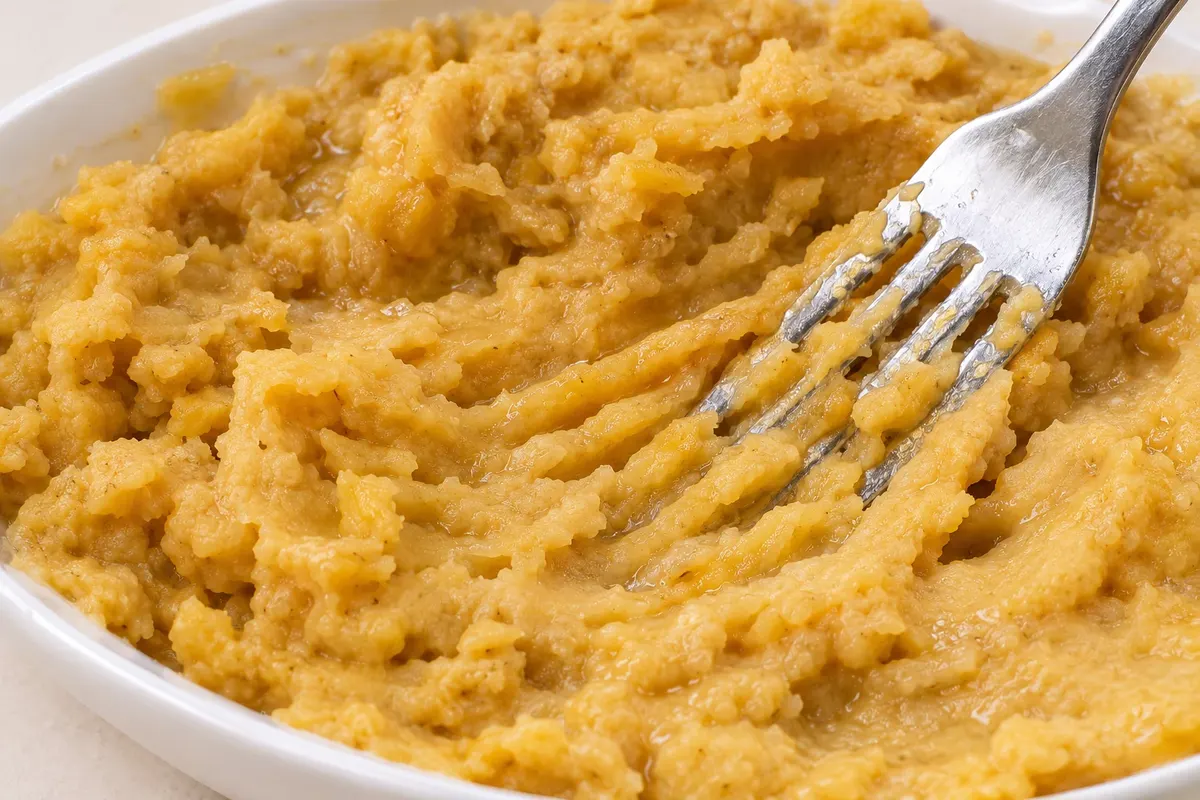
Mashed boiled green plantain mixed with butter or oil, topped with red onion in vinegar. It is the Dominican breakfast par excellence, often served with the tres golpes: fried cheese, salami and fried egg.

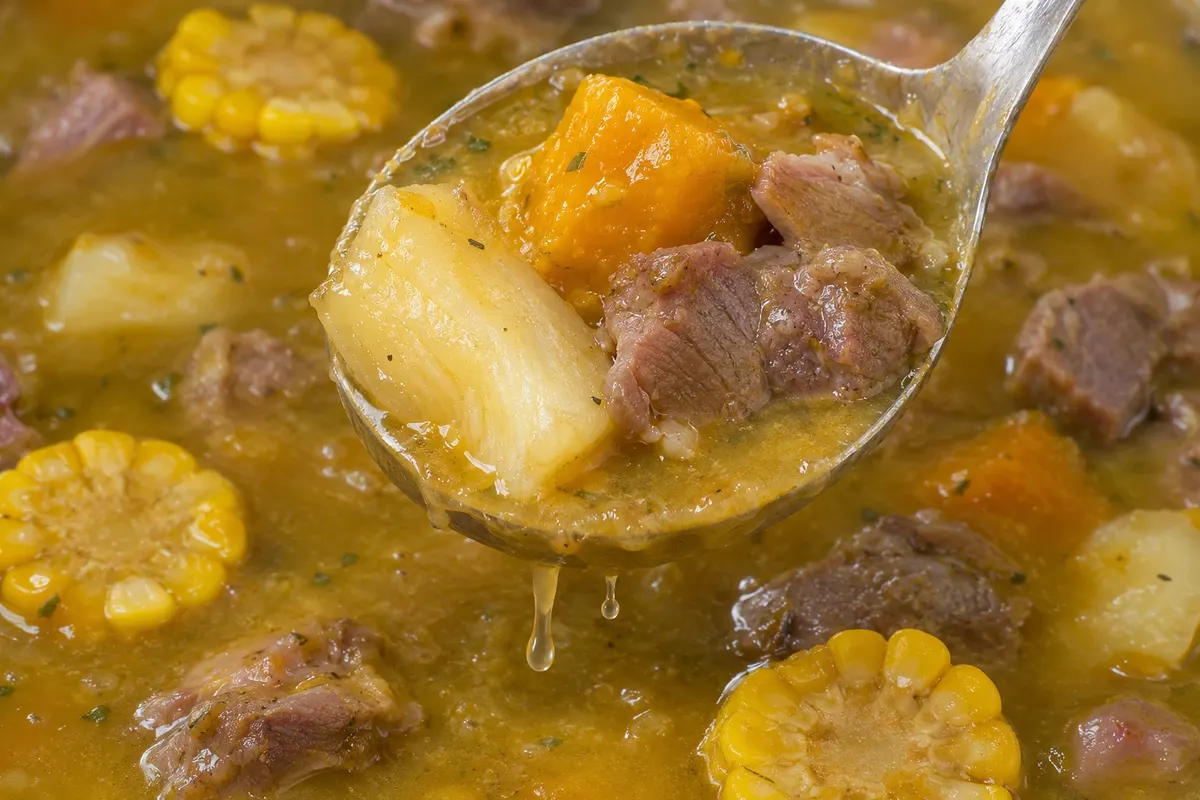
Thick broth of assorted meats and tubers such as plantain, cassava, yam and yautía, served with white rice and avocado. In the festive version it includes seven meats. It is part of the national identity and has a history linked to colonial times.

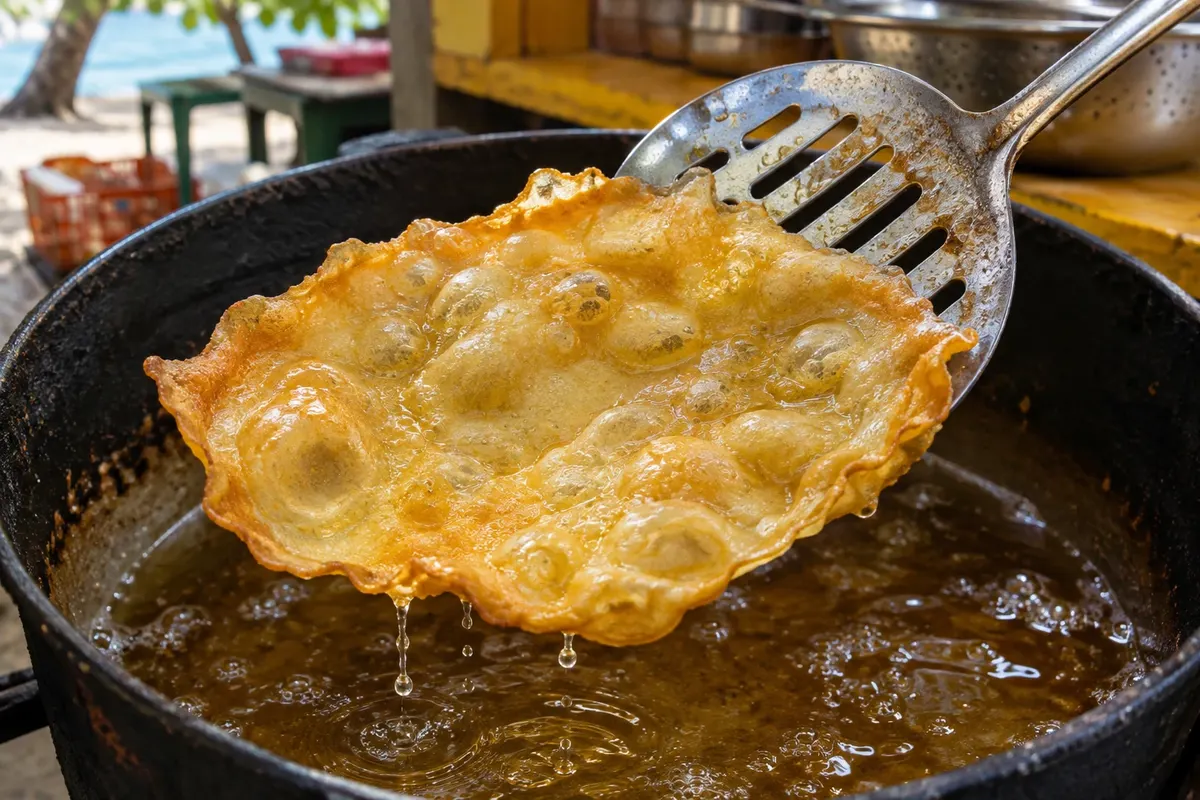
Thin, crispy fried wheat-flour dough, savory, about the size of a plate. It’s the beach snack associated with Boca Chica, and the name comes from the English johnnycake, brought by immigrants from the English-speaking islands of the Caribbean.

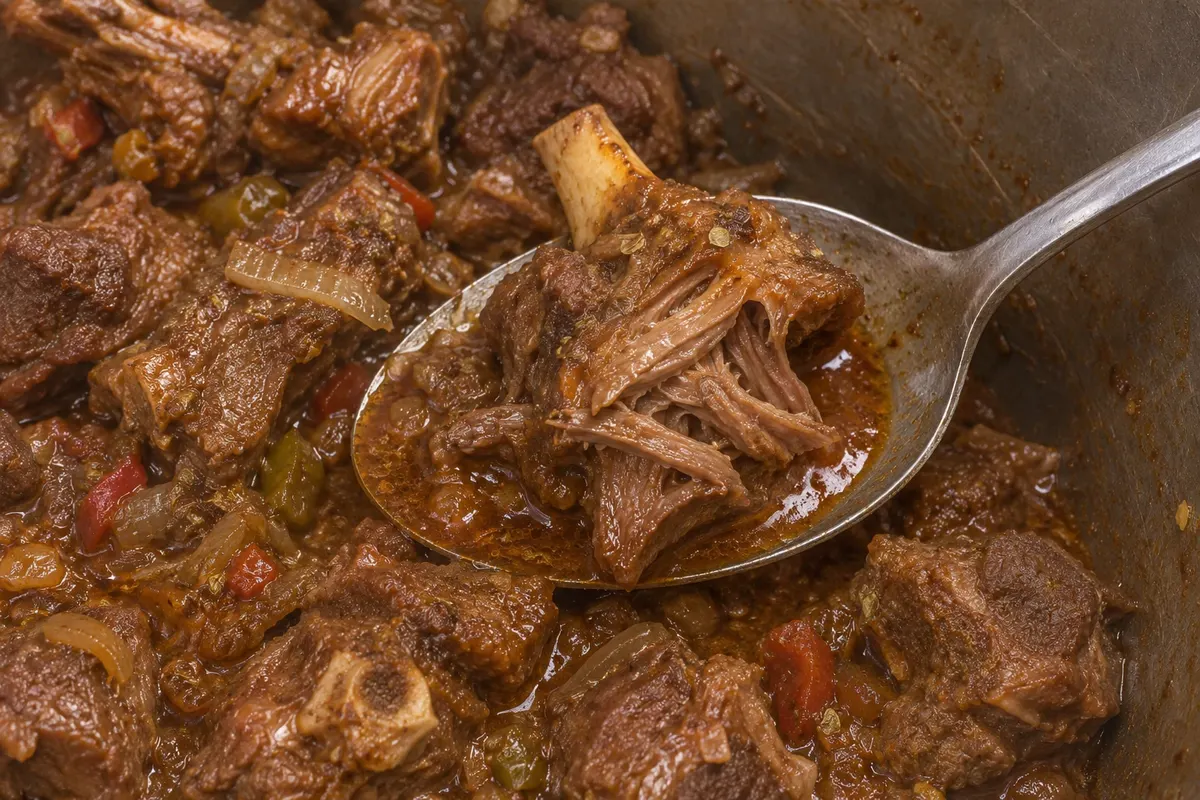
Stewed, spicy goat kid meat scented with oregano, ají and garlic, typical of the Línea Noroeste and Monte Cristi. Local belief holds that the region’s goats graze on wild oregano, which seasons the meat even before cooking.

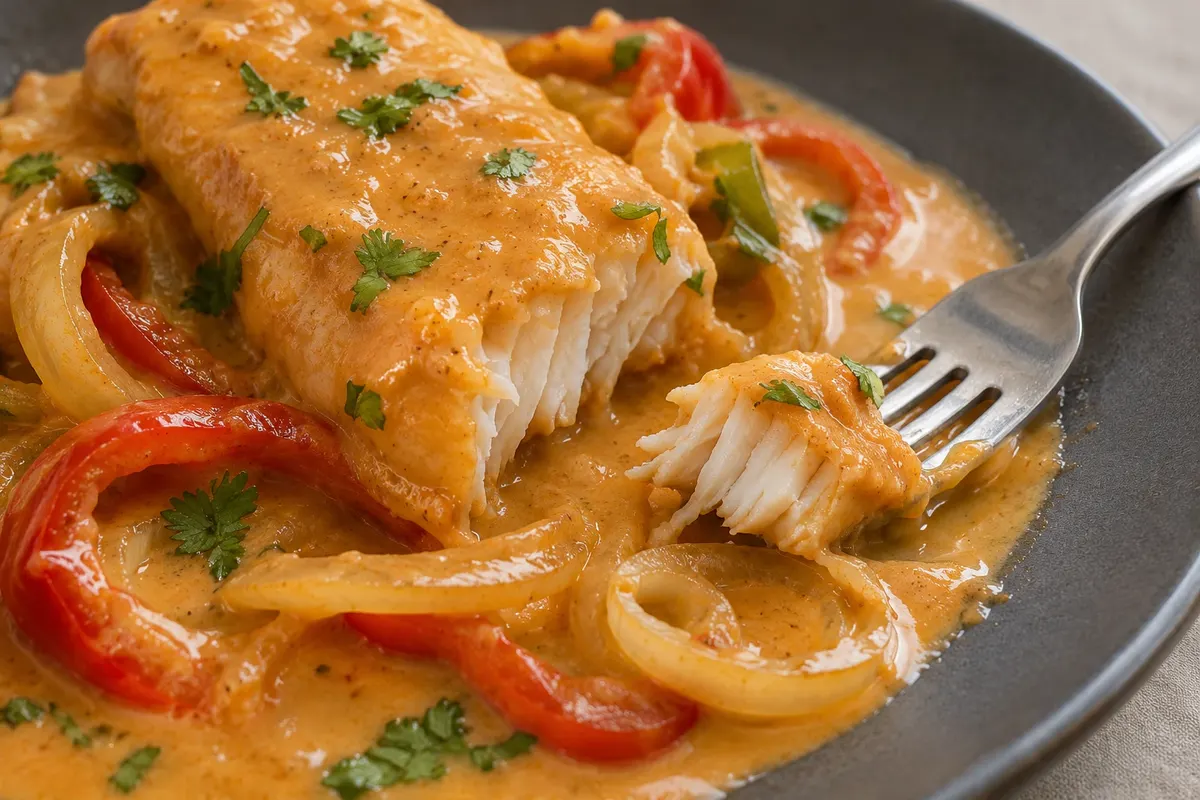
Fresh fish seasoned with lime and cooked in a coconut milk sauce with annatto, cilantro, onion and garlic. It is Samaná’s signature dish, where coconut defines the local cuisine.

Homemade liqueur made from the guavaberry fruit, cooked with spices and mixed with rum, drunk at Christmas. It was brought to San Pedro de Macorís by the cocolos, Afro-Caribbean immigrants who came to work in the sugar mills.