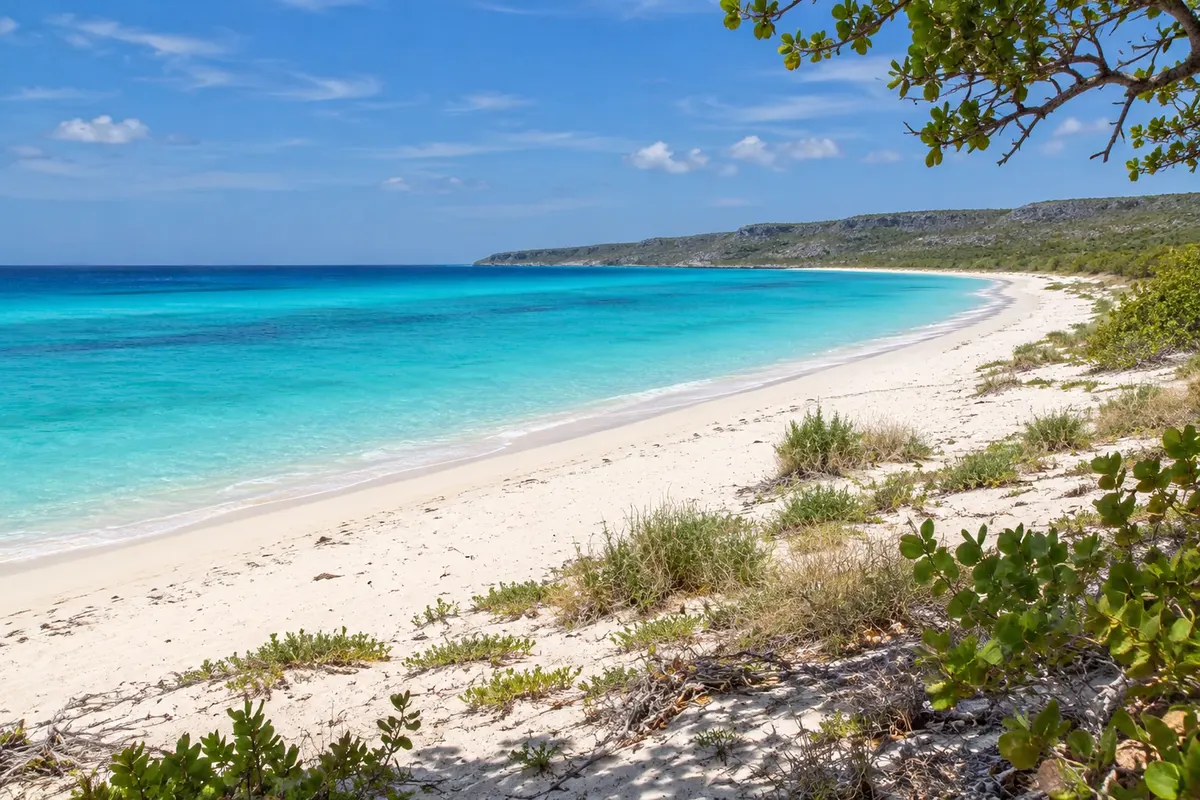
Guavaberry is the English name for arrayán (Myrciaria floribunda), a tree of the dry forests of the Caribbean whose small, round fruit—dark red or orange—has a sweet-and-tart flavor. In the English-speaking Caribbean islands, the fruit gave rise to a Christmas liqueur, and that custom reached the Dominican Republic with the cocolos.
Cocolos is the name given in the Dominican Republic to Afro‑Caribbean immigrants from islands such as Antigua, St. Kitts and Nevis, Montserrat, Dominica, St. Lucia and Tortola. From the 1880s onward they arrived in the province of San Pedro de Macorís to work in the sugar mills, cutting cane and in technical roles, because they spoke English. They brought their language, religion, the Guloyas dance and recipes such as guavaberry.
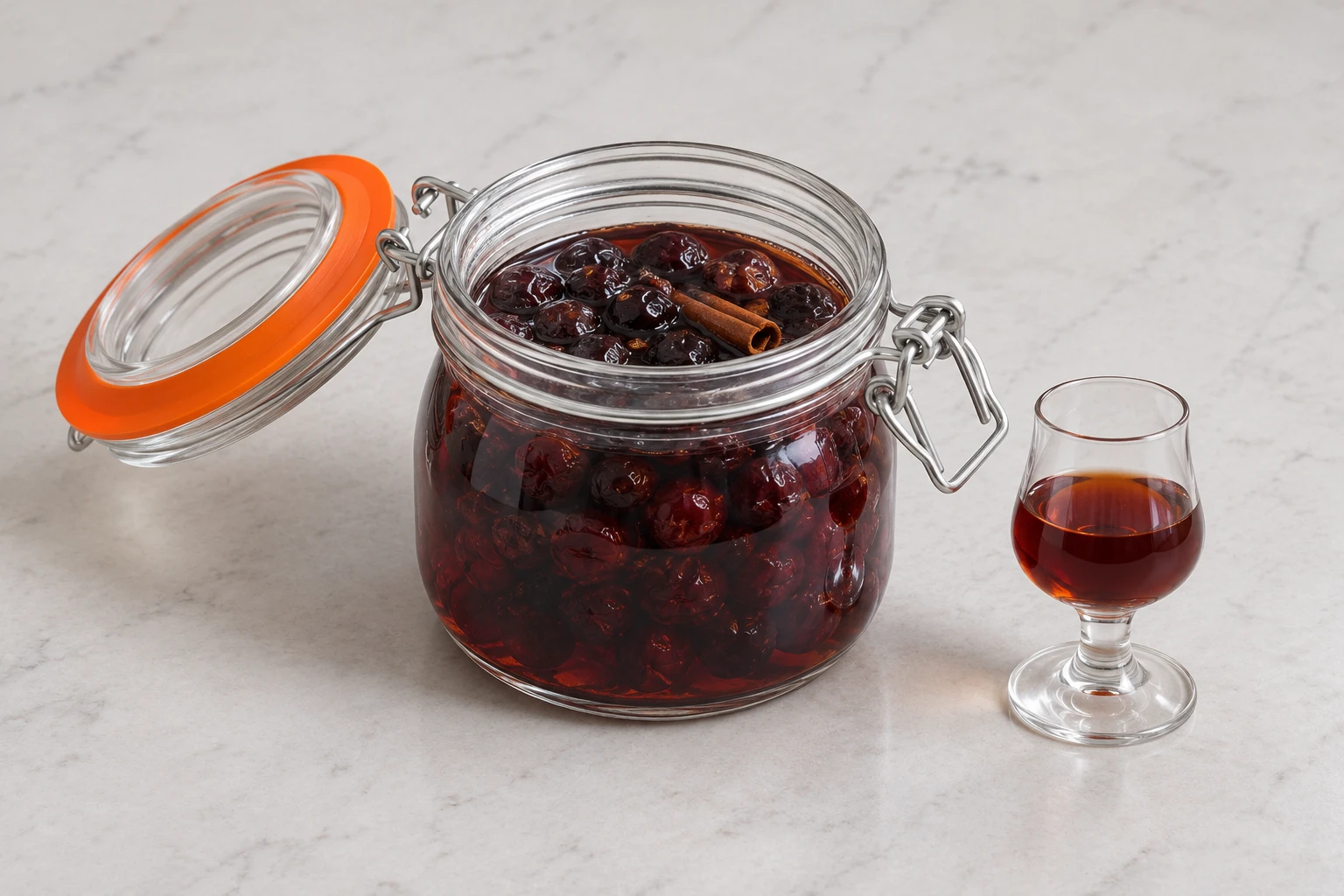
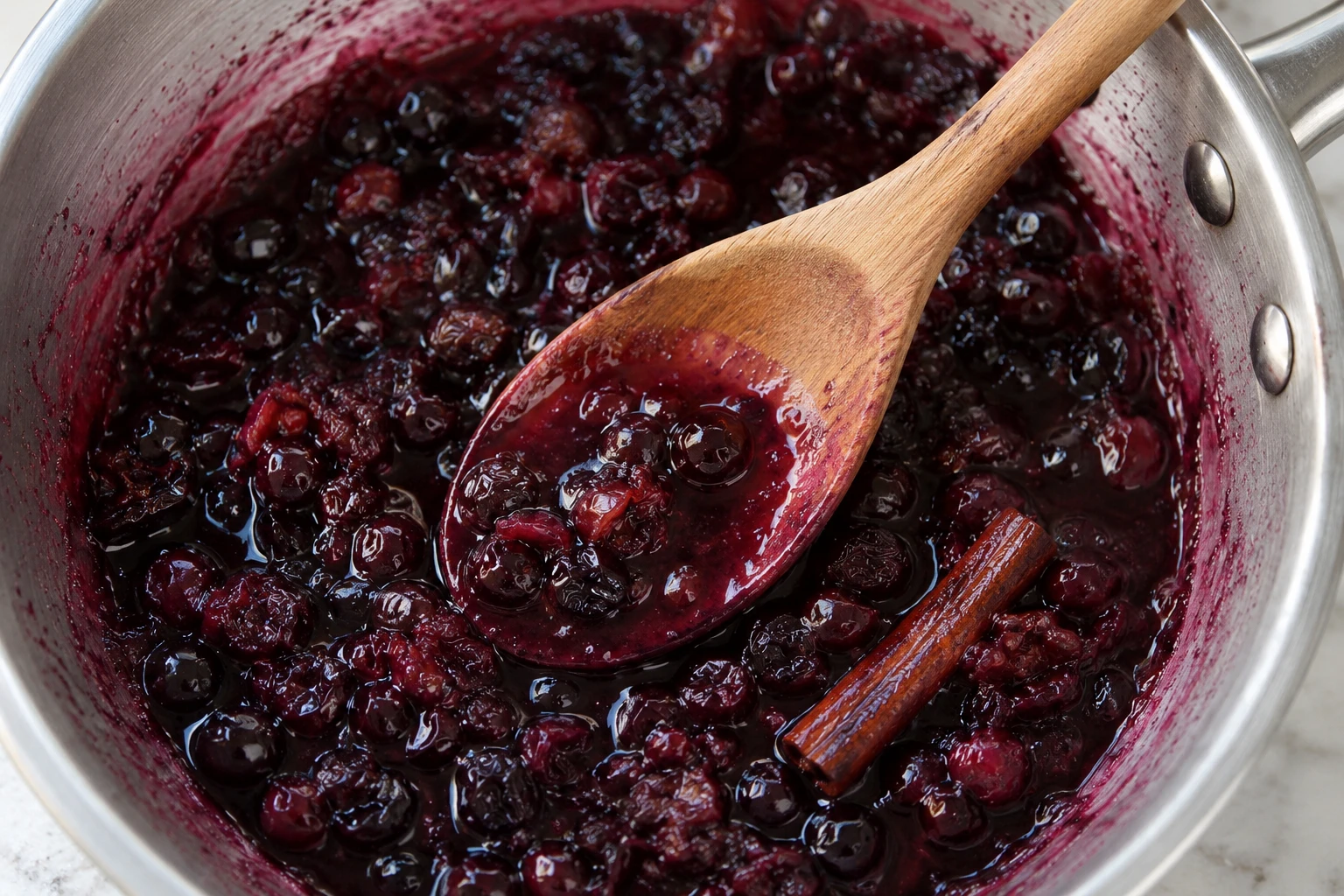
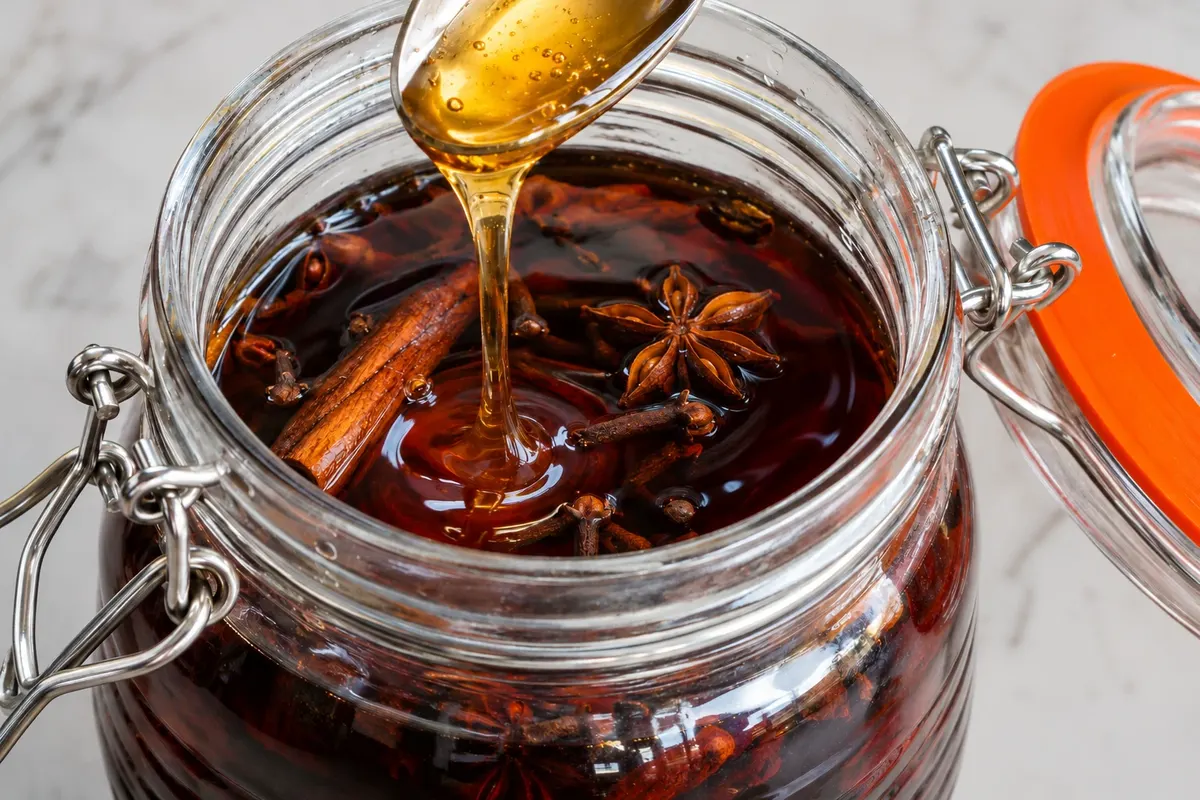
The fruit ripens at the end of the year, between October and December, in time for Christmas. For the liqueur, it is cooked with brown sugar, cinnamon, clove, allspice, ginger and sometimes raisins and vanilla, until it forms a kind of jam, which is then mixed with rum and left to rest before straining. Each family has its own recipe, and bottles of guavaberry are a traditional gift at the celebrations.
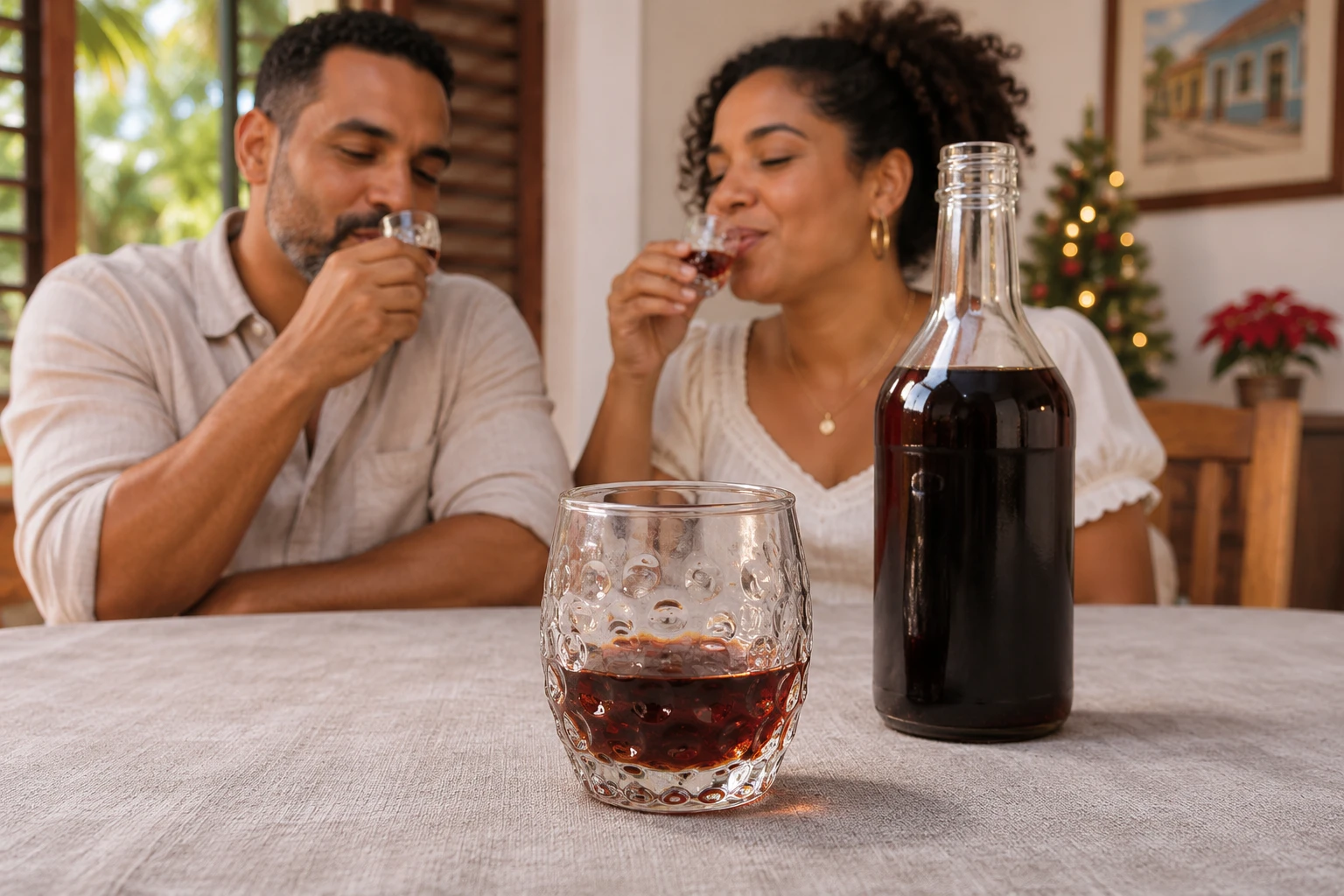
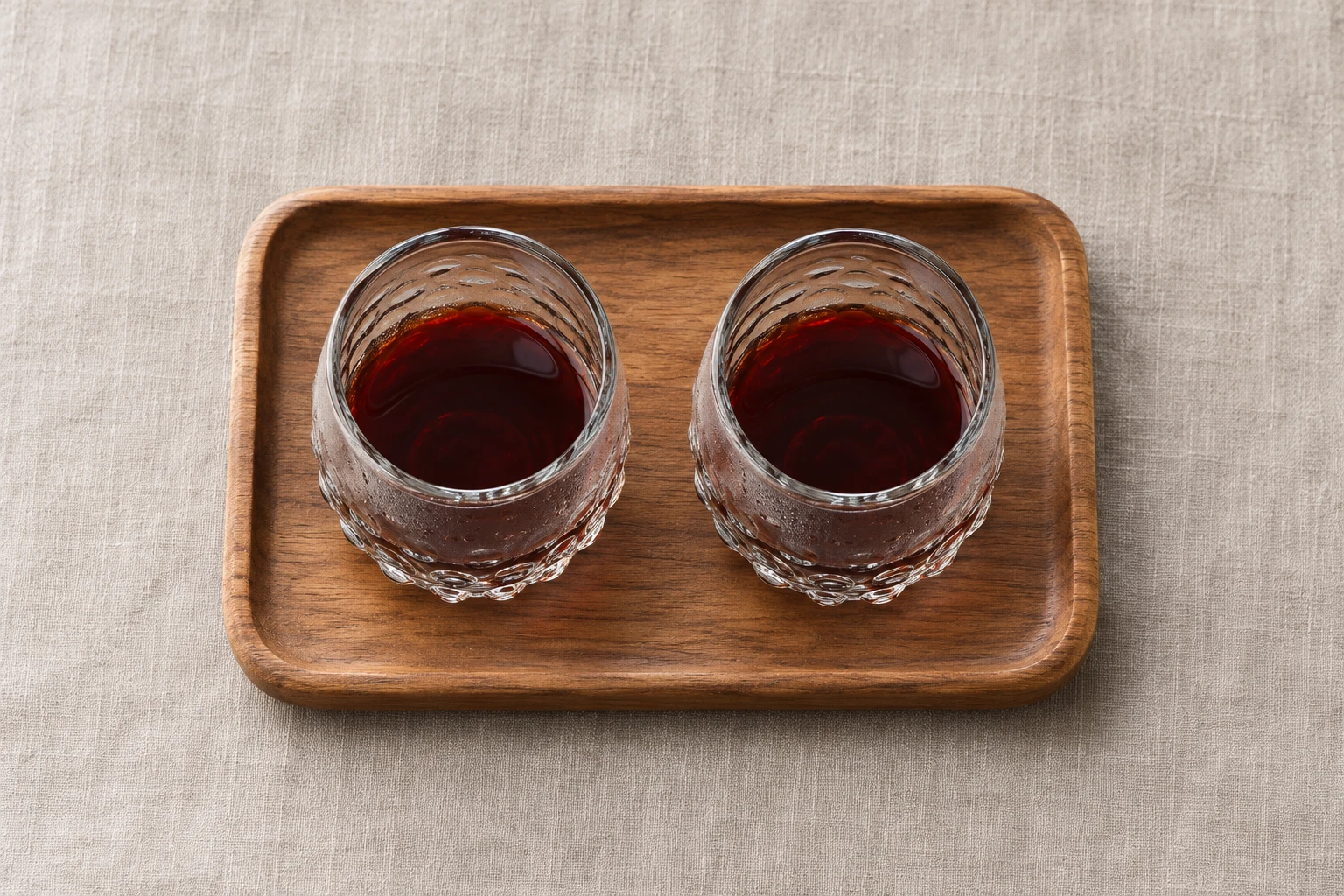
The liqueur became a symbol of Christmas for the cocolos of San Pedro de Macorís, where it also began to be produced on an industrial scale. In 1987, singer Juan Luis Guerra named an album Guavaberry in tribute to this cultural mix of Macorís. It is an alcoholic drink, served in small shots, chilled.


 Brazil
 Argentina
 Bolivia
 Chile
 Colombia
 Ecuador
 Guyana
 French Guiana
 Falkland Islands (Malvinas)
 Paraguay
 Peru
 Suriname
 Uruguay
 Venezuela
 Germany
 Austria
 Belgium
 Croatia
 Denmark
 Spain
 Finland
 France
 Greece
 the Netherlands
 Hungary
 Ireland
 Iceland
 Italy
 Luxembourg
 Norway
 Poland
 Portugal
 the United Kingdom
 the Czech Republic
 Sweden
 Switzerland
 Turkey
 Canada
 the United States
 Mexico
 South Africa
 Australia
 Fiji
 New Zealand
 Papua New Guinea