Ajdovi žganci
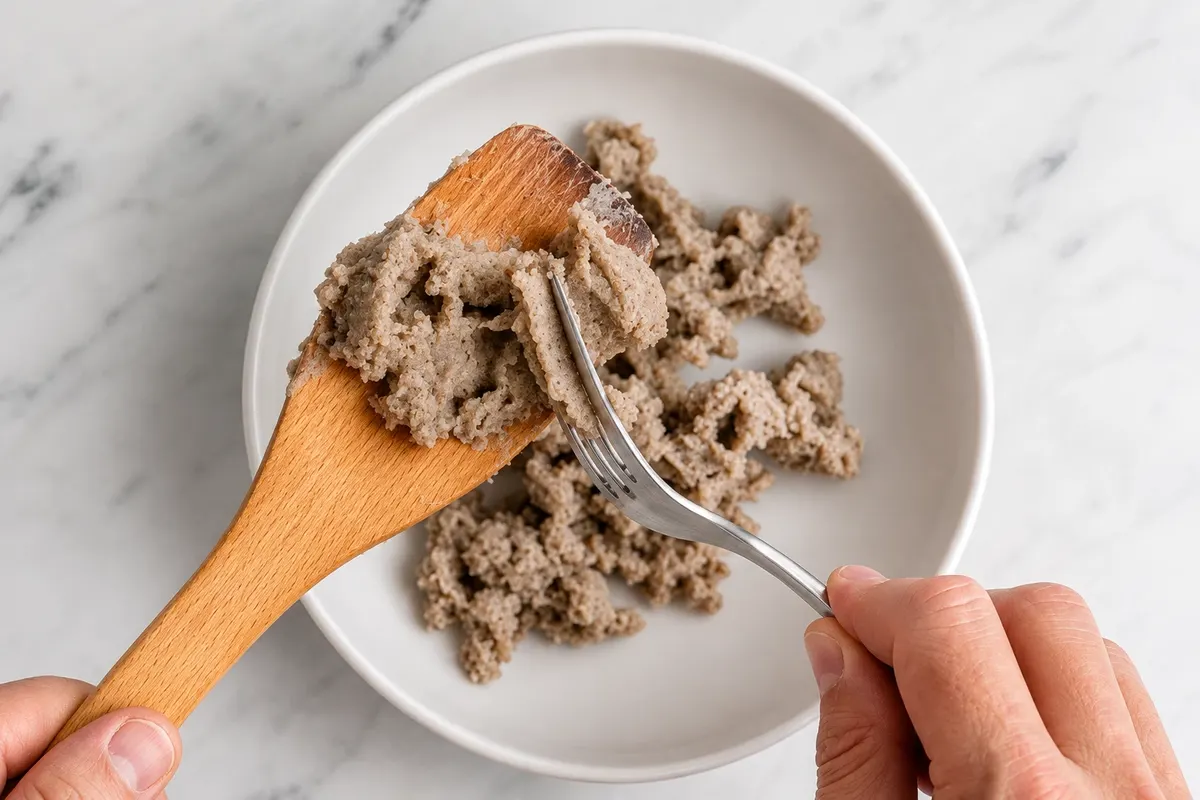
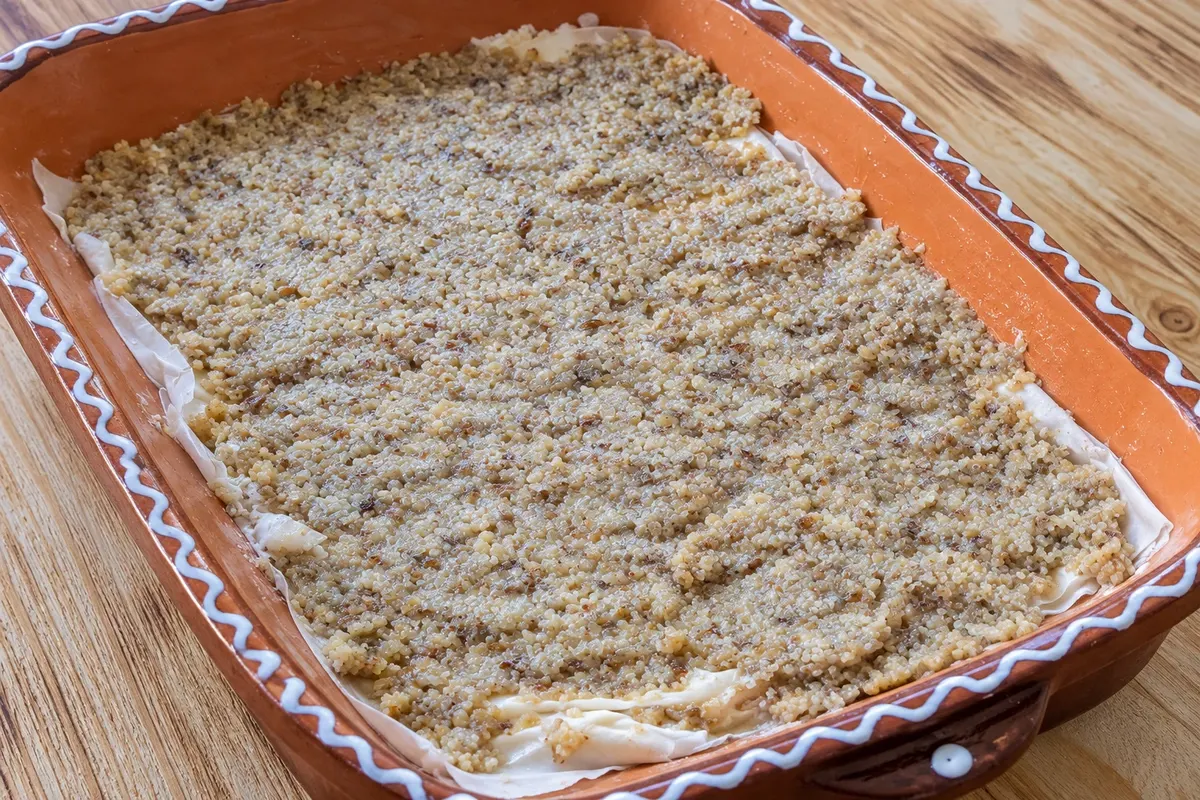
Buckwheat flour cooked in water and fluffed into small clumps with a fork, served with pork cracklings. For a long time it was the everyday food of the central and alpine regions, and it is considered a national Slovenian dish.
AntarcticaFlavors · Tržič
A mutton and vegetable stew seasoned with savory and juniper. It is the best-known dish in Tržič, the town of shoemakers at the foot of the Karawanks. According to tradition, it originated among the shepherds in the mountain pastures.
Traditional dish of Tržič, Gorenjska
Also known as: tržiške bržole
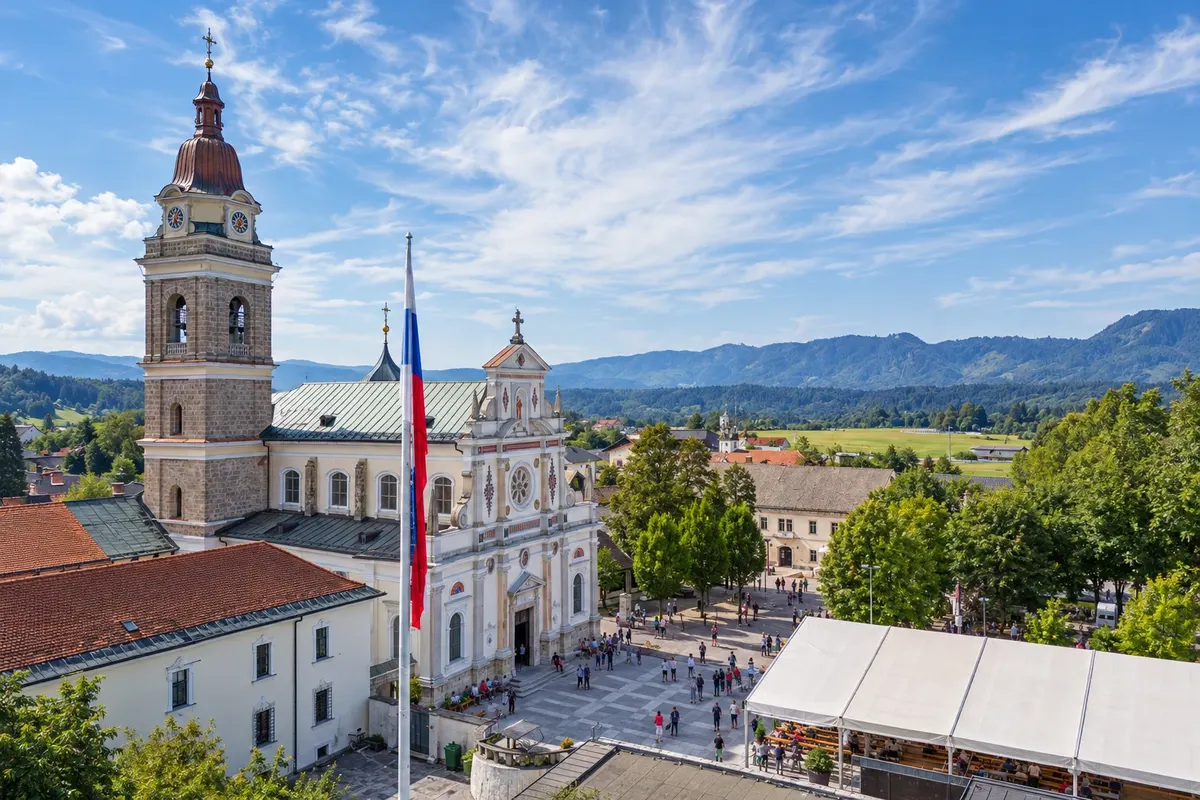
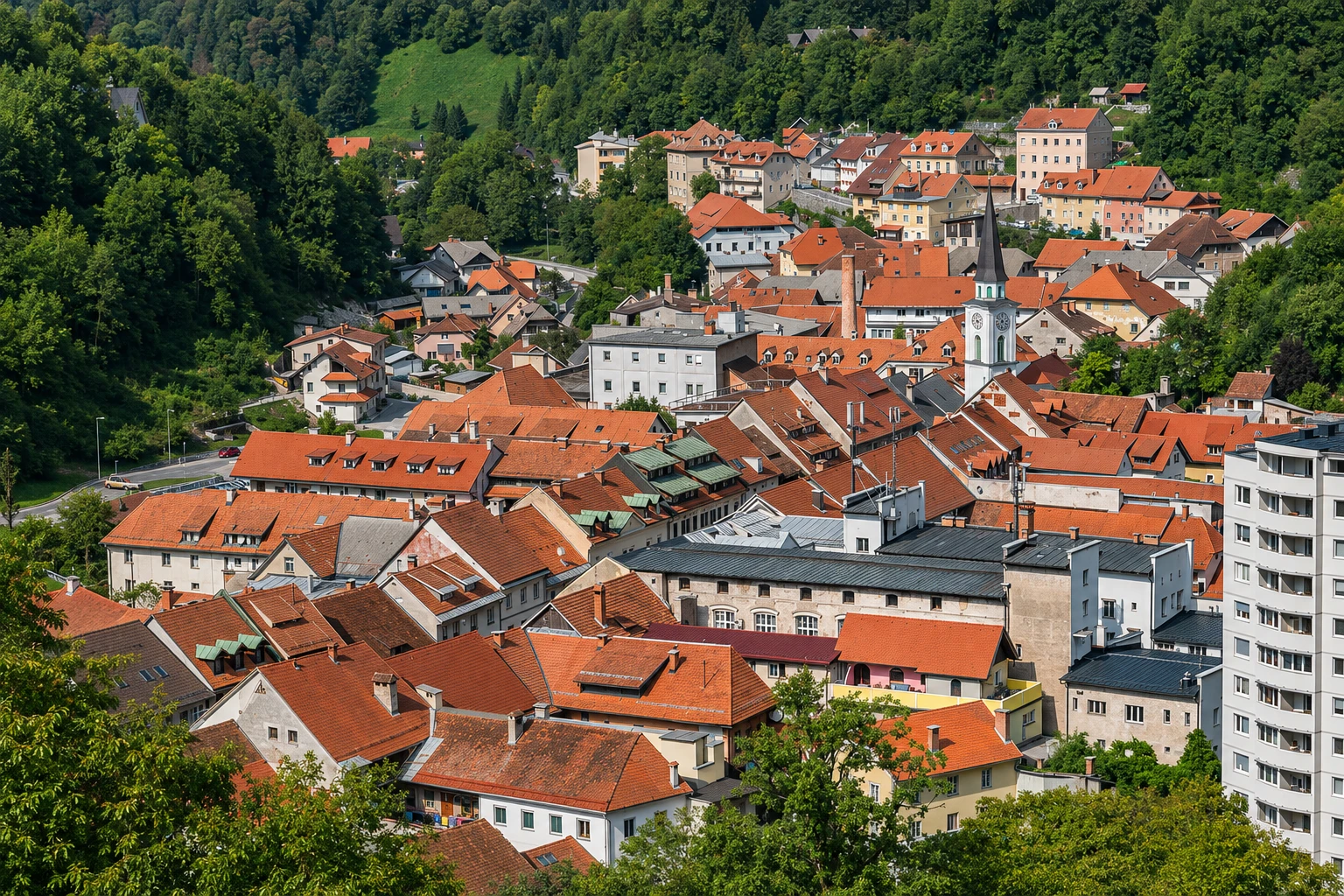
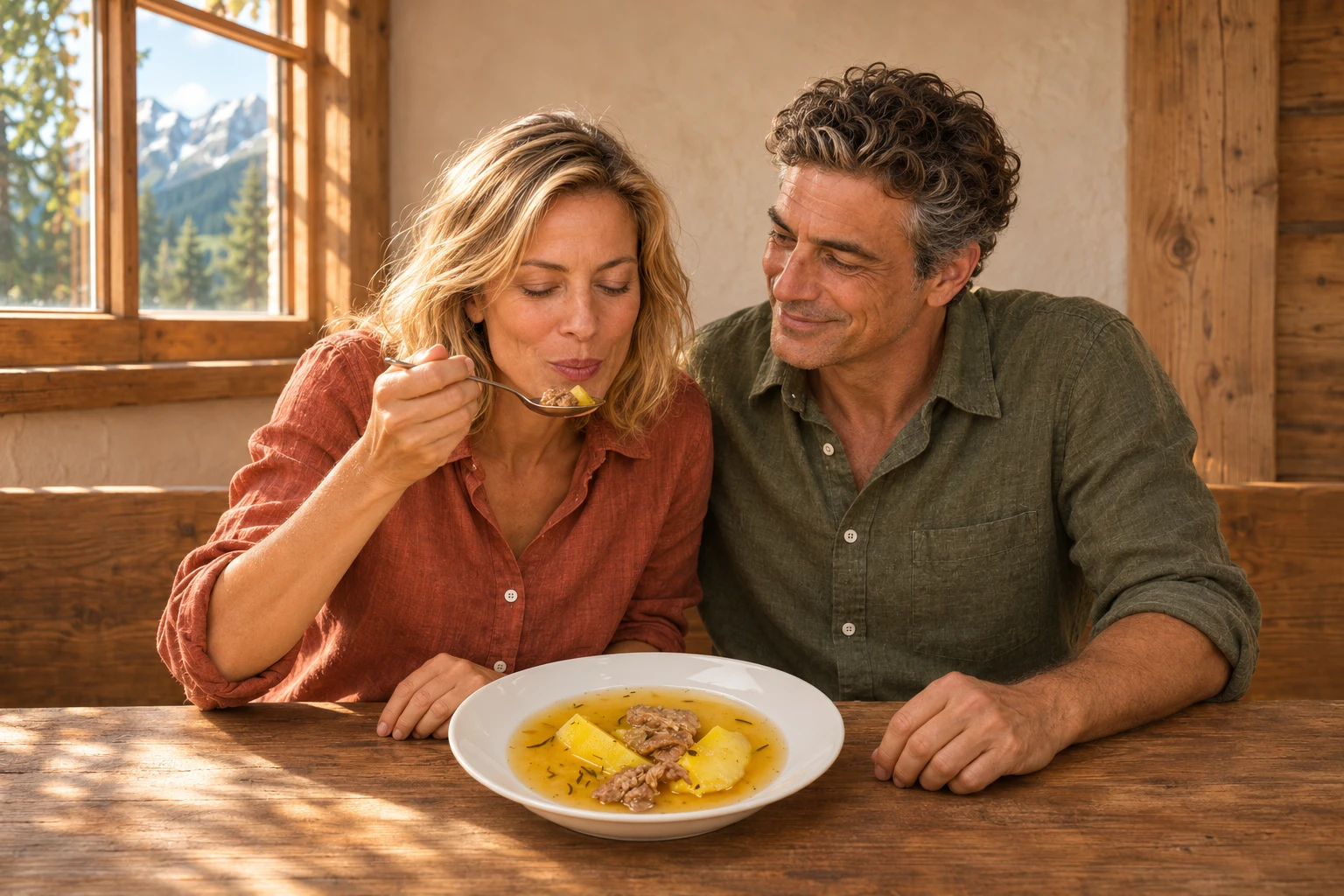
Illustrative images. The pictures in this guide are illustrations based on the real place, not photographs, and may differ from it.
Click the picture to enlarge it.
Tržiška bržola — Tržič, Slovenia
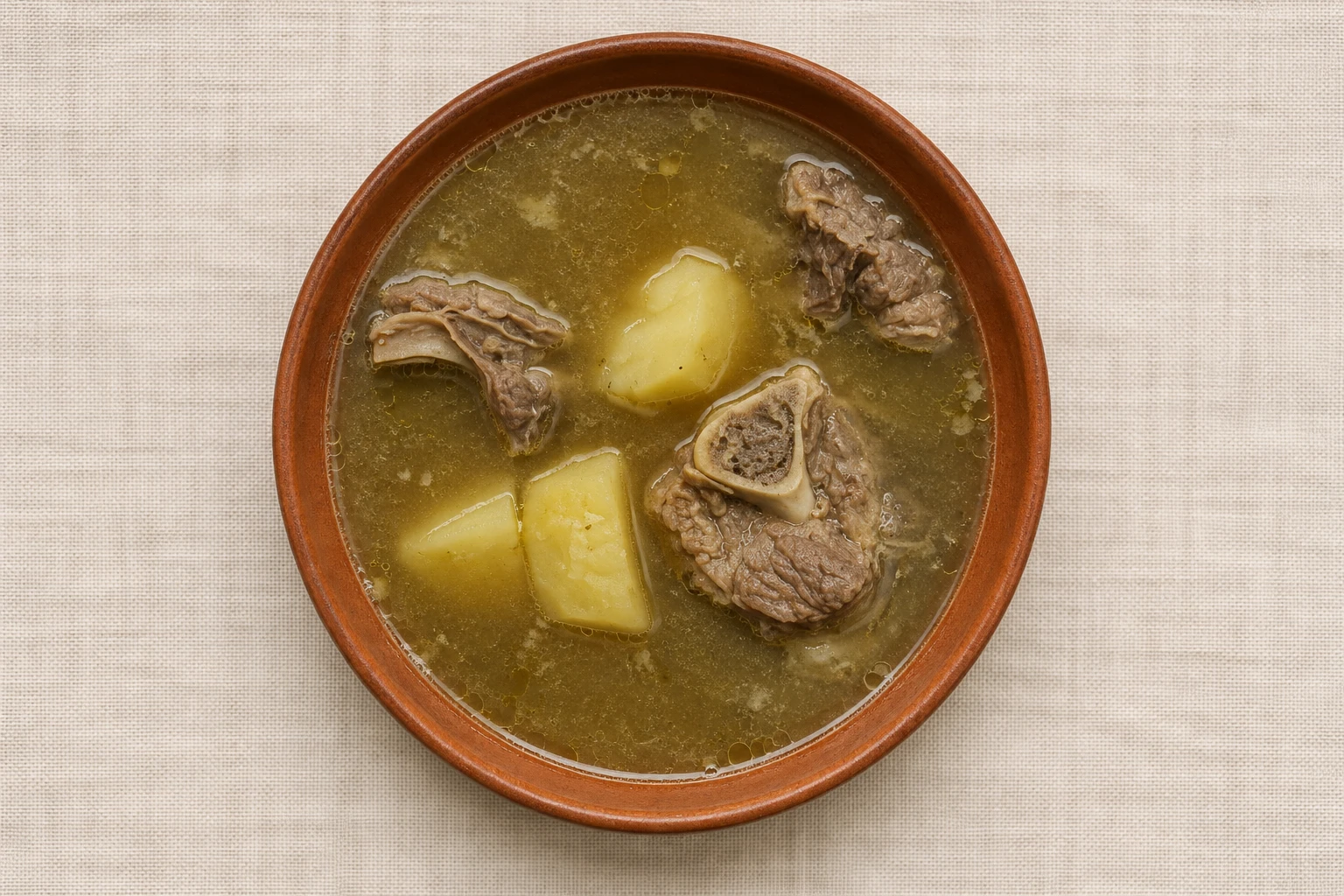
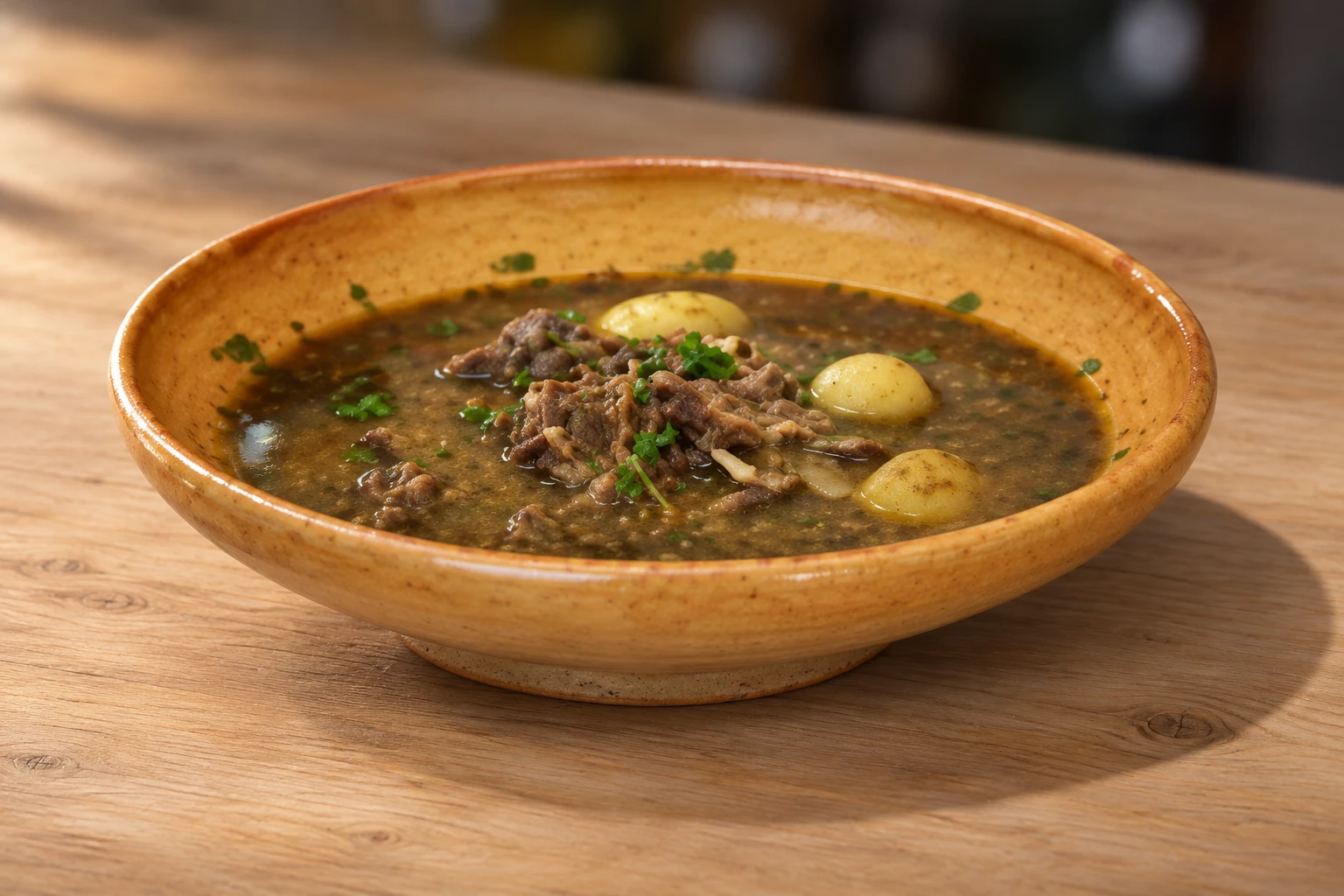
In the stew version of tržiška bržola, meat from a ewe or a ram is cooked slowly with vegetables and seasoned with savory and juniper berries. The result is a hearty stew with a robust flavor, known as Tržič’s most famous specialty.
A legend tells the story of its origins. A lively group of young men was spending the night in the Kofce pasture above Tržič. When their food ran out, they took a sheep and cooked it with the seasonings and herbs they found there. The stew is part of the tradition of the region’s mountain shepherds. In Tržič, records of the dish date back to the 19th century, including a mention in an 1856 poem by Vojteh Kurnik.
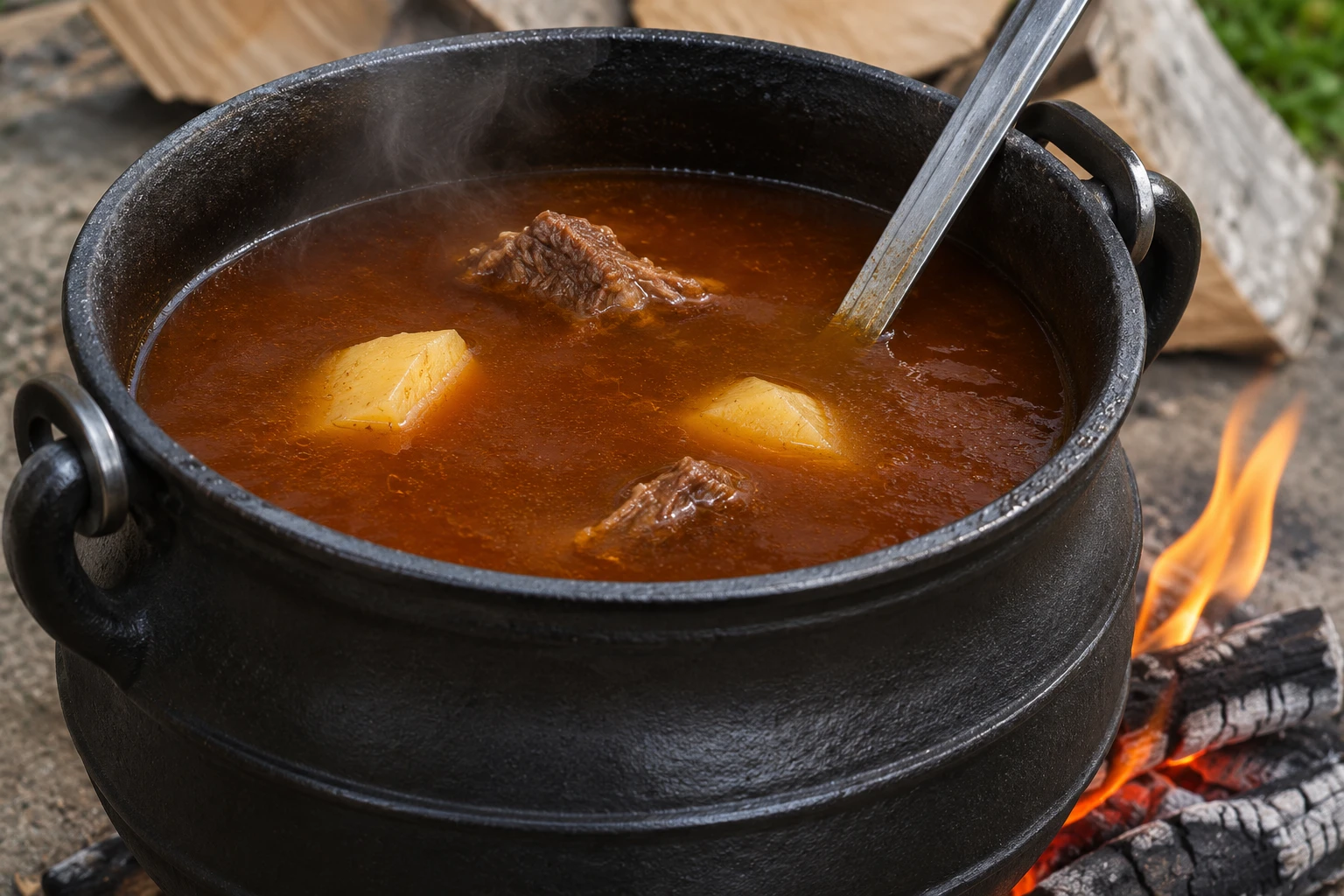
Tržič is known as the town of shoemakers, and bržola is part of its most famous festival: the town’s tourism association has held competitions in which teams cook bržola over an open fire during Šuštarska nedelja, or Shoemakers’ Sunday, celebrated in early September.

Tržič, Gorenjska
Tržič’s best-known dish, according to the town’s official tourism office. It is a traditional stew of the shepherds who tended flocks in the surrounding pastures, including the one at Kofce.
Pieces of meat from a ewe or a ram, onion, garlic, bone broth, savory, juniper berries, bay leaf, salt, and pepper. One local recipe serves the dish with small boiled potatoes.
Served hot and eaten with a spoon. In one local recipe, the potatoes are boiled separately and served whole with the stew.
The dish has been cooked over an open fire at competitions during Šuštarska nedelja in early September.
Your questions
The version eaten with a spoon is a stew made with meat from a ewe or a ram, vegetables, savory, and juniper. There is also a version made with braised meat and served on a plate with potatoes and sauce.
Teams have cooked the dish over an open fire at the competition held during Šuštarska nedelja in early September.
From the mountain pastures around Tržič. Legend has it that some young men ran out of food in the Kofce pasture and cooked a sheep with herbs they found there.
Flavors of Slovenia

Buckwheat flour cooked in water and fluffed into small clumps with a fork, served with pork cracklings. For a long time it was the everyday food of the central and alpine regions, and it is considered a national Slovenian dish.

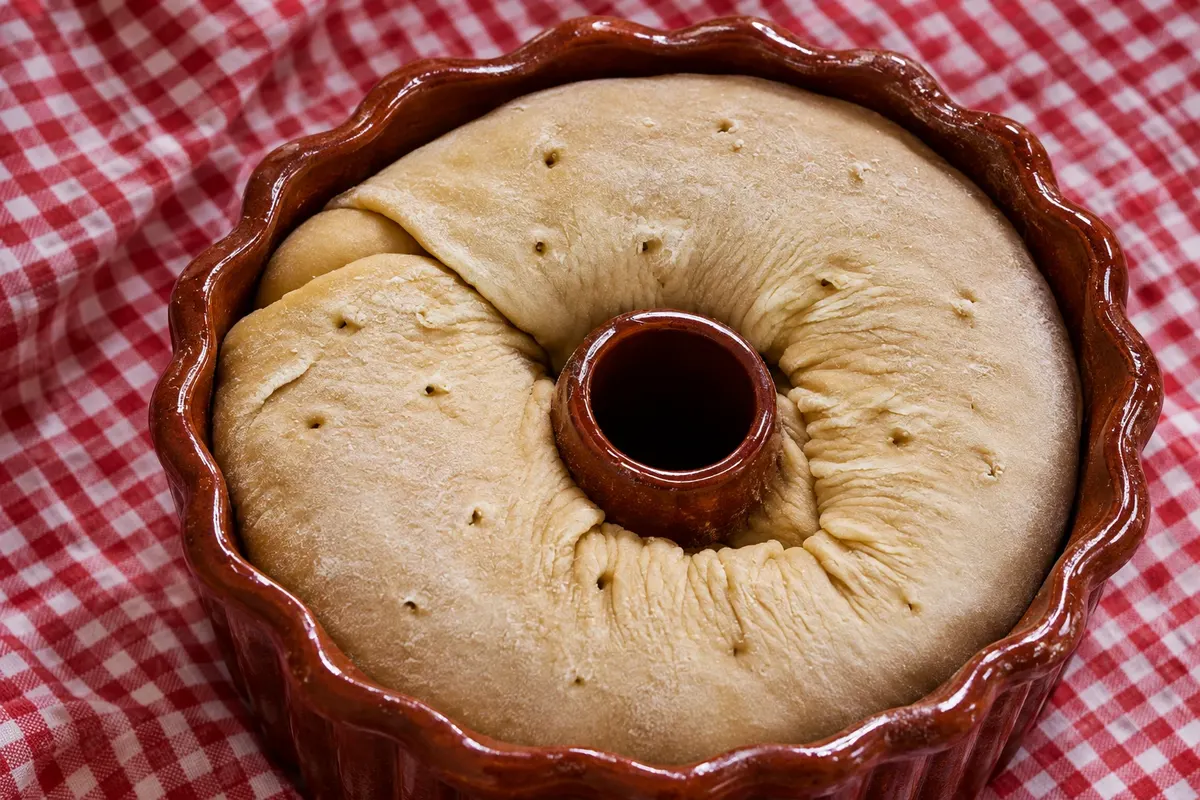
Sweet leavened dough, rolled out very thin, filled, rolled up and baked in a round pan with a hole in the middle. It is the festive pastry of Slovenian celebrations, with fillings of walnuts, tarragon, raisins or honey.

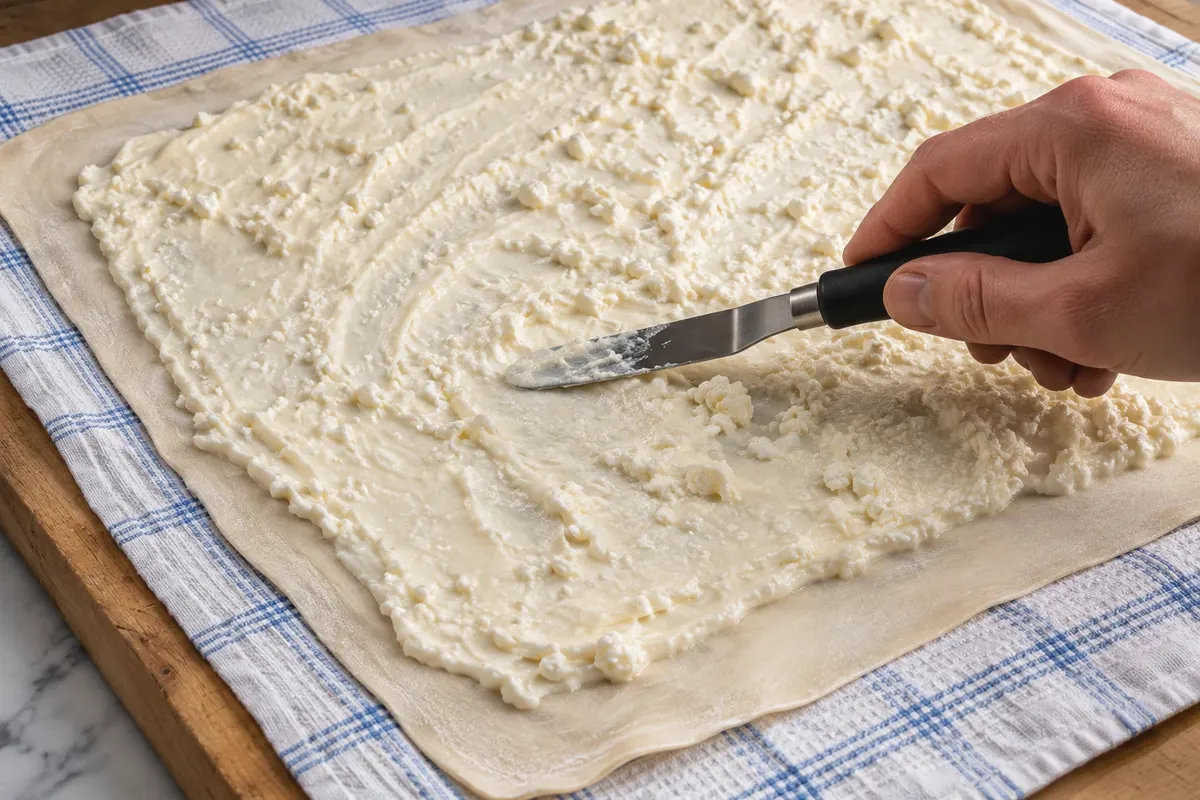
Thin dough rolls filled and cooked in water, steamed, or baked. They come in sweet and savory versions, with fillings such as fresh cottage cheese, tarragon, walnuts, apple and dozens of others, and are found in all regions of Slovenia.

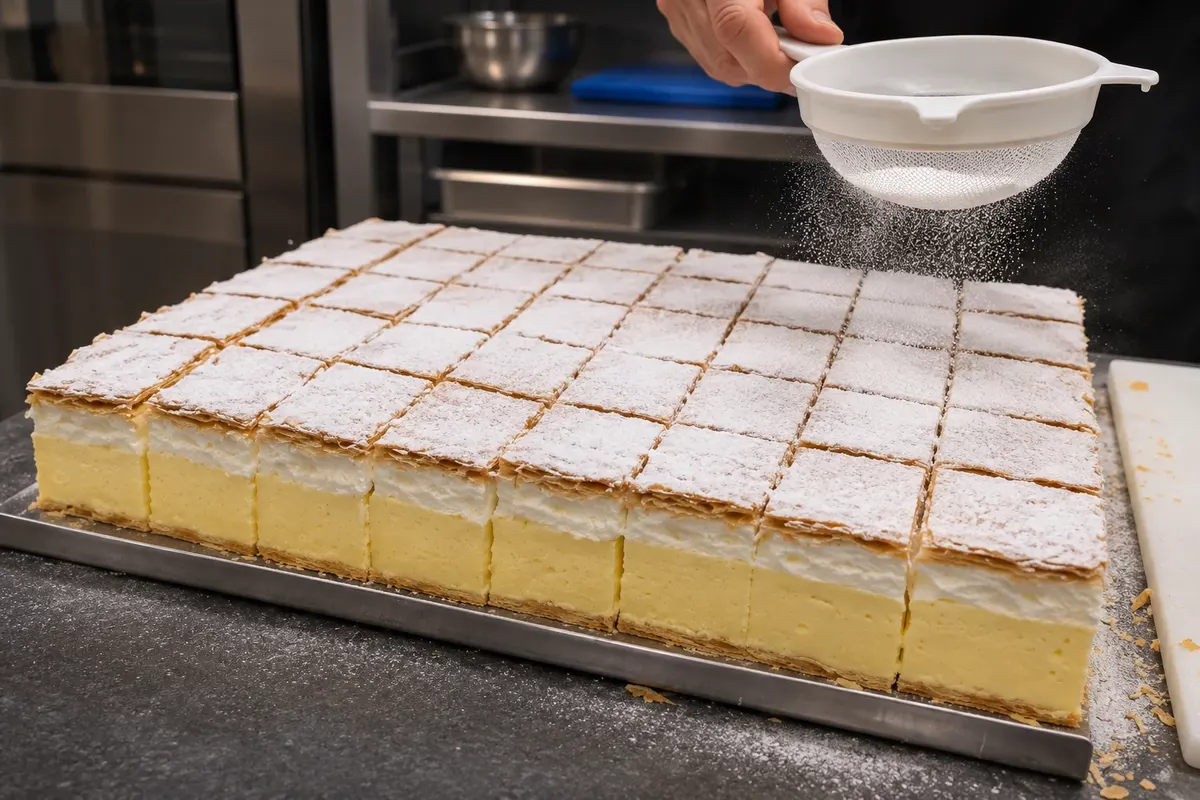
Sweet square from Bled: a puff pastry base, a tall layer of vanilla custard, another of whipped cream, and a thin pastry sheet on top, dusted with powdered sugar. It has been made by the lakeside since 1953.

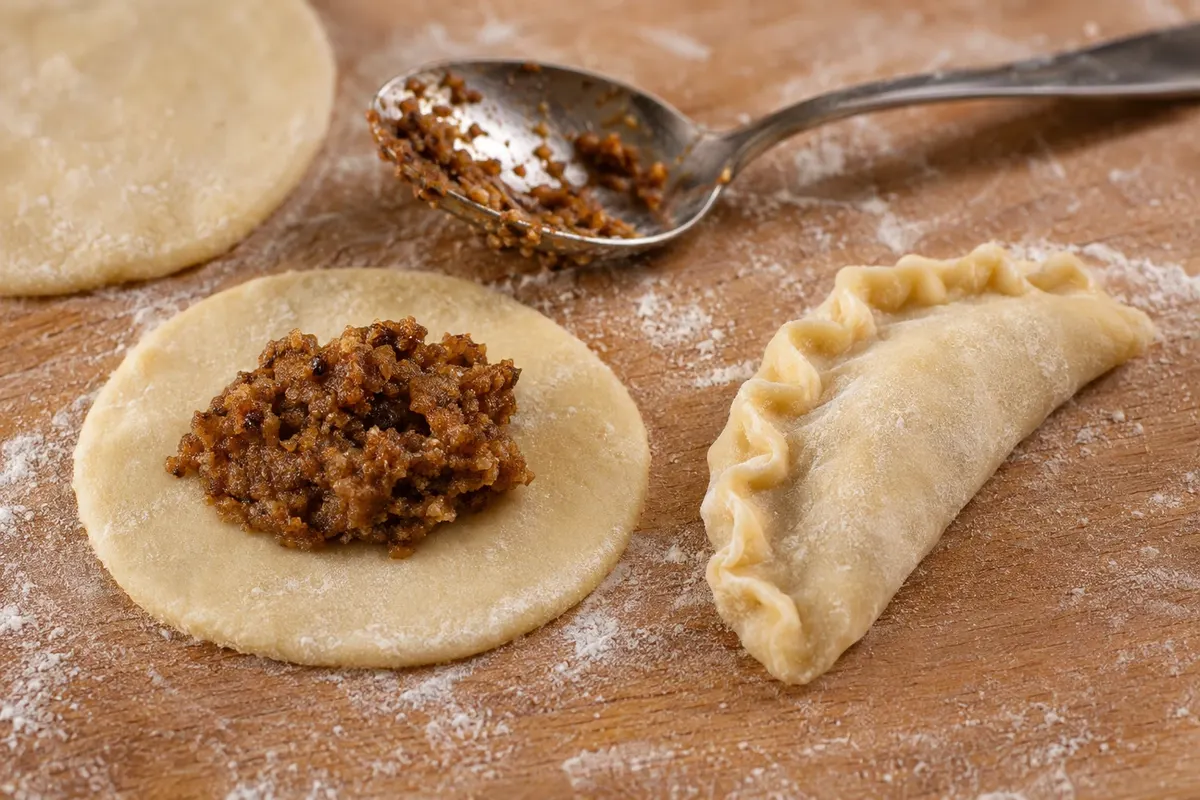
Little filled dough dumplings with dried pear, walnuts and raisins, boiled in water and served with melted butter, toasted breadcrumbs and cinnamon. They are Bovec’s best-known sweet, eaten on Christmas Eve.

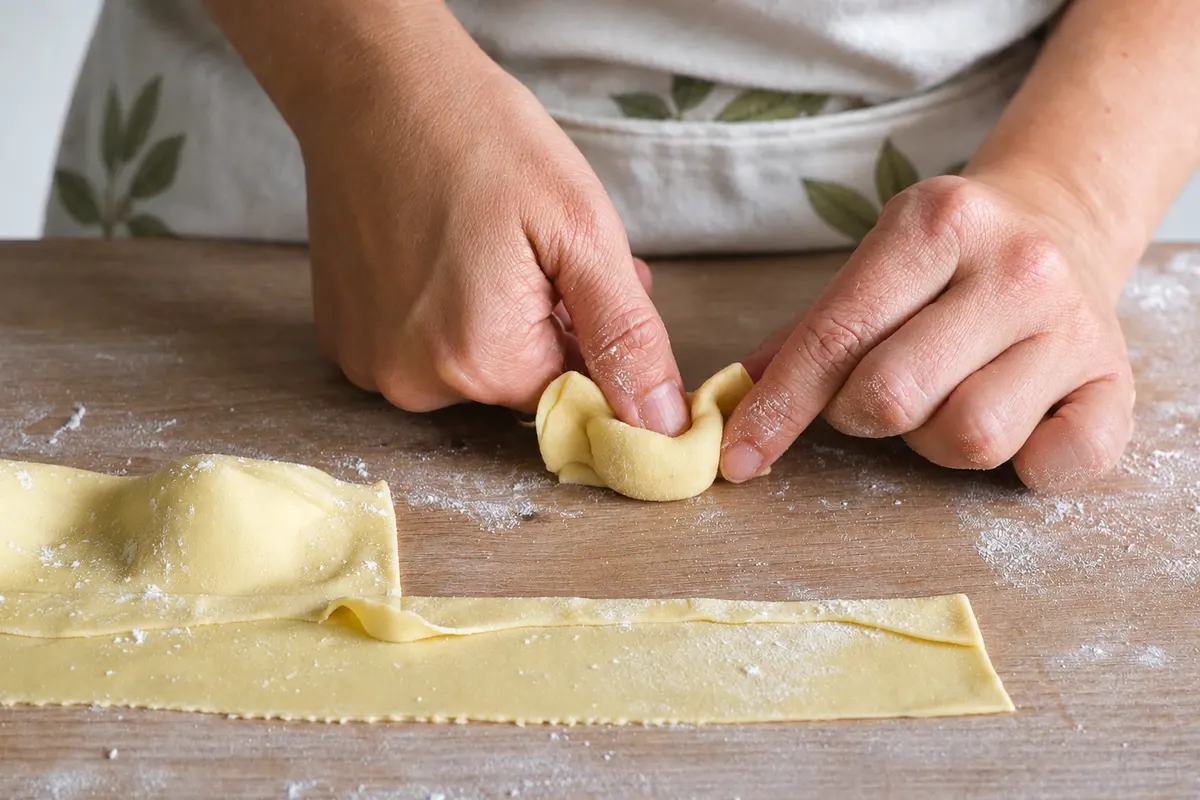
Small dumplings filled with potato, onion, bacon, and herbs, shaped like a little hat, from the old mining town of Idrija. The traditional accompaniment is bakalca, a lamb stew with vegetables.

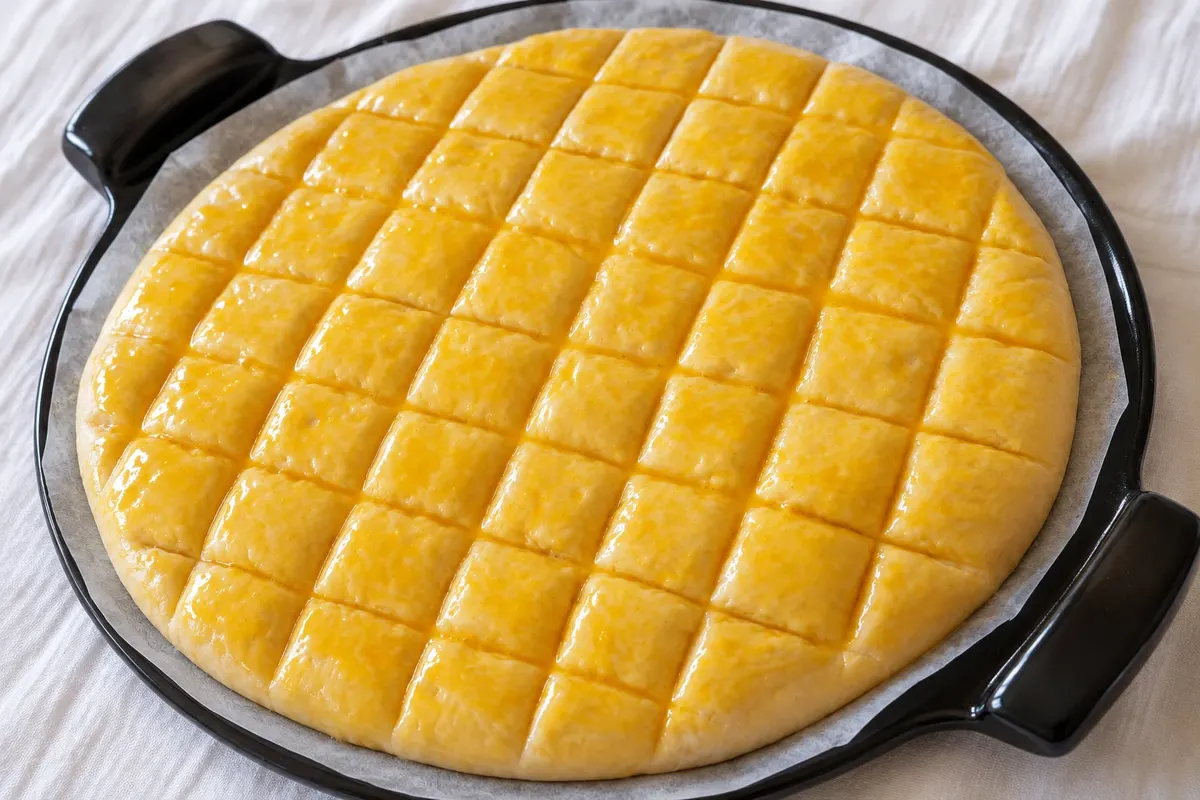
Round, flat bread from Bela krajina in southeastern Slovenia, brushed with egg, caraway and coarse salt, and marked with a grid of score lines. It is eaten warm, broken by hand, never cut with a knife.

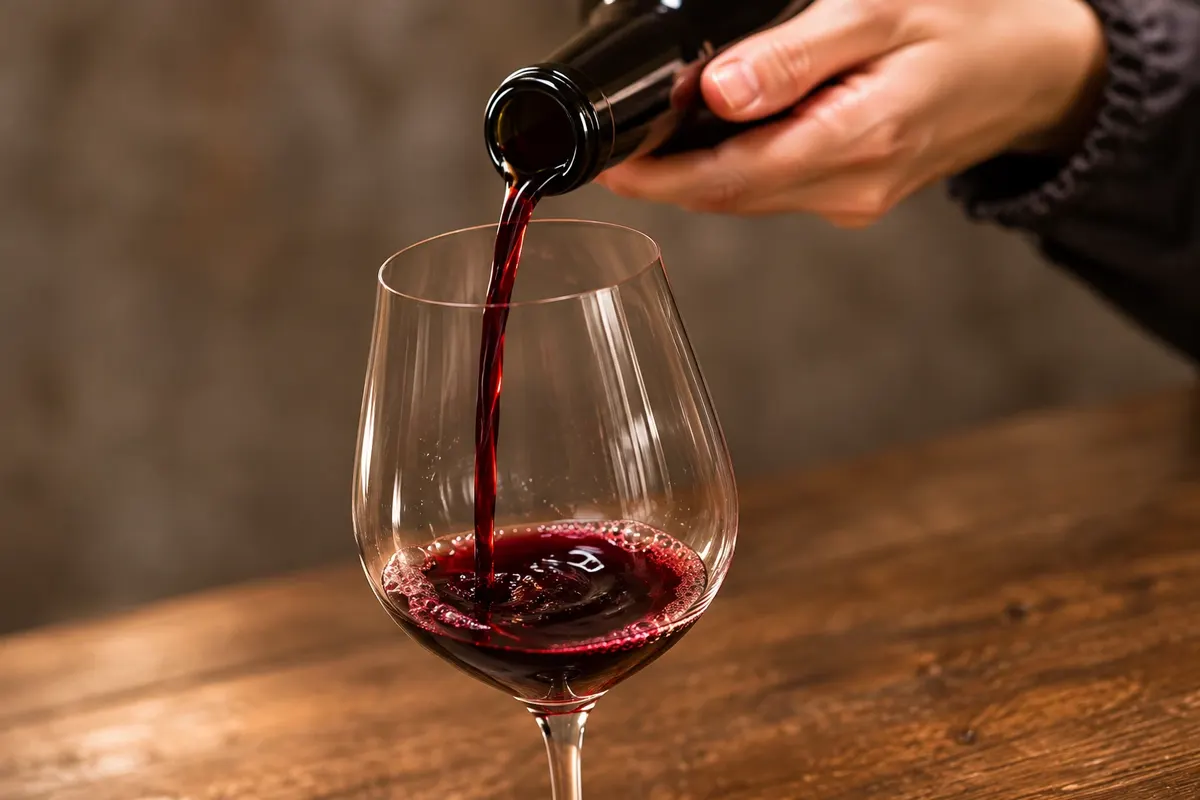
Light, acidic wine from Dolenjska in southeastern Slovenia, made by a required blend of red and white grapes, with low alcohol content. It has the recognized traditional designation PTP and is the region’s everyday wine.

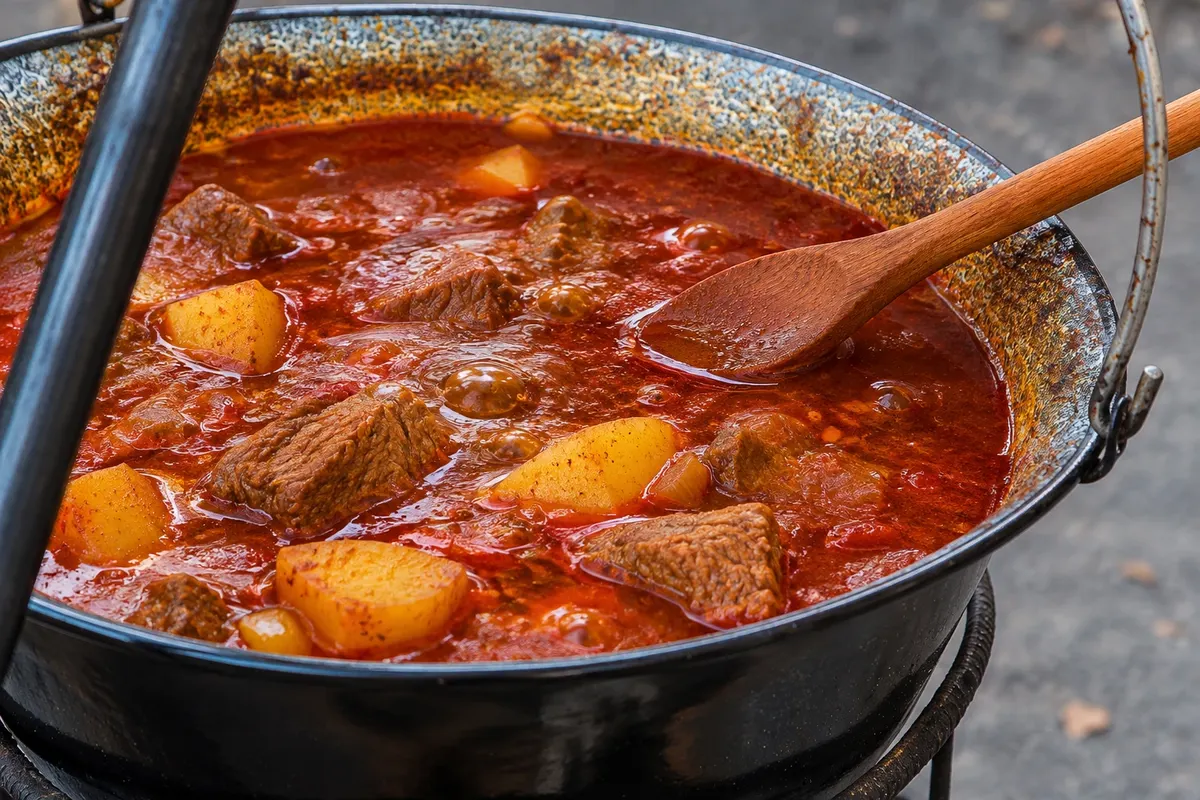
A hearty stew made with several kinds of meat, potatoes, onions, and paprika, slow-cooked in a cauldron over a wood fire. It’s the traditional dish for celebrations in Prekmurje. Lendava, which calls itself the world capital of bograč, hosts the country’s largest bograč competition.

A light sponge cake baked in a thin layer, filled with cranberry jam, folded in half, and topped with whipped cream. Created in the 1950s, it is the signature dessert of the mountain huts and hotels of Pohorje, the mountain range above Maribor.

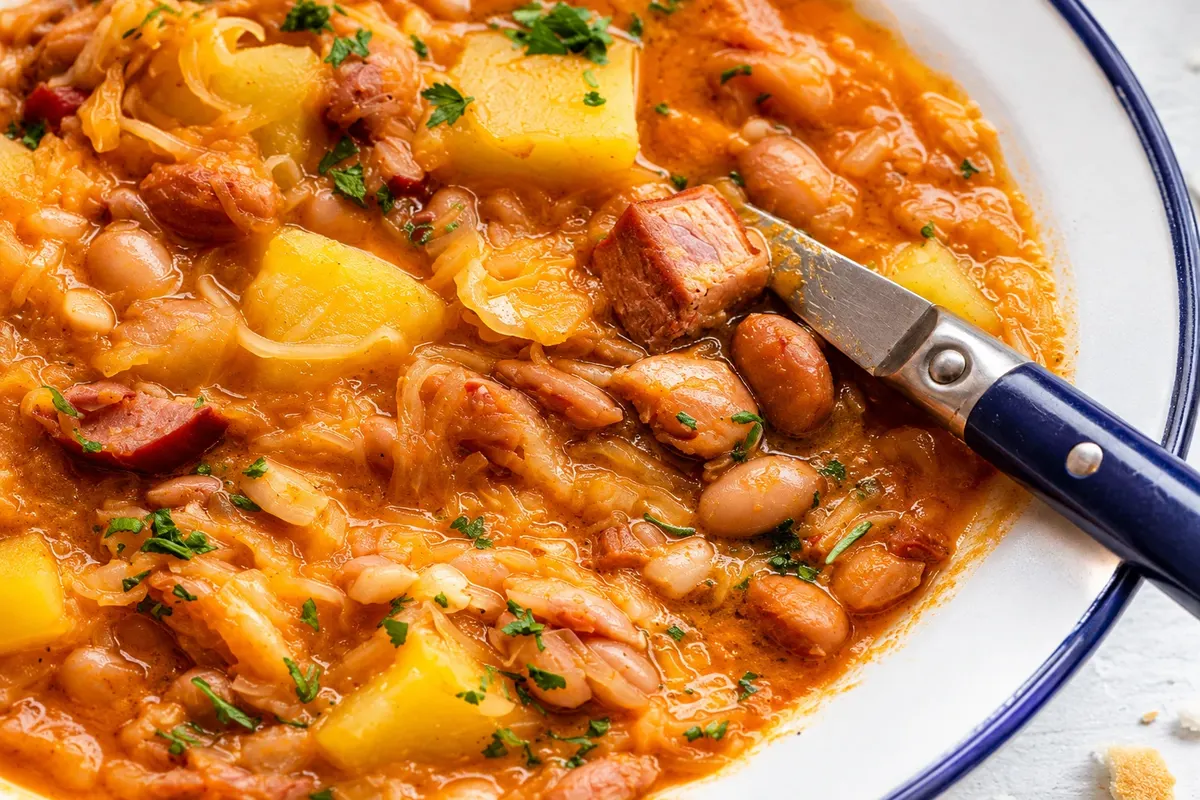
Thick soup of beans, potatoes and sauerkraut or fermented turnip, cooked with smoked pork. It’s the spoon food of western Slovenia, and the Karst version, with sauerkraut and potatoes, is the best known.

Dark, acidic red wine from the Karst plateau, made only with the refošk grape grown in the region’s red soil. It has Slovenia’s recognized traditional designation PTP and pairs with the ham and dishes of the Karst.

Layered Prekmurje cake from northeastern Slovenia: on a shortcrust base, sheets of stretched dough alternate four fillings — poppy seeds, fresh curd cheese, walnuts and apple — topped with cream.

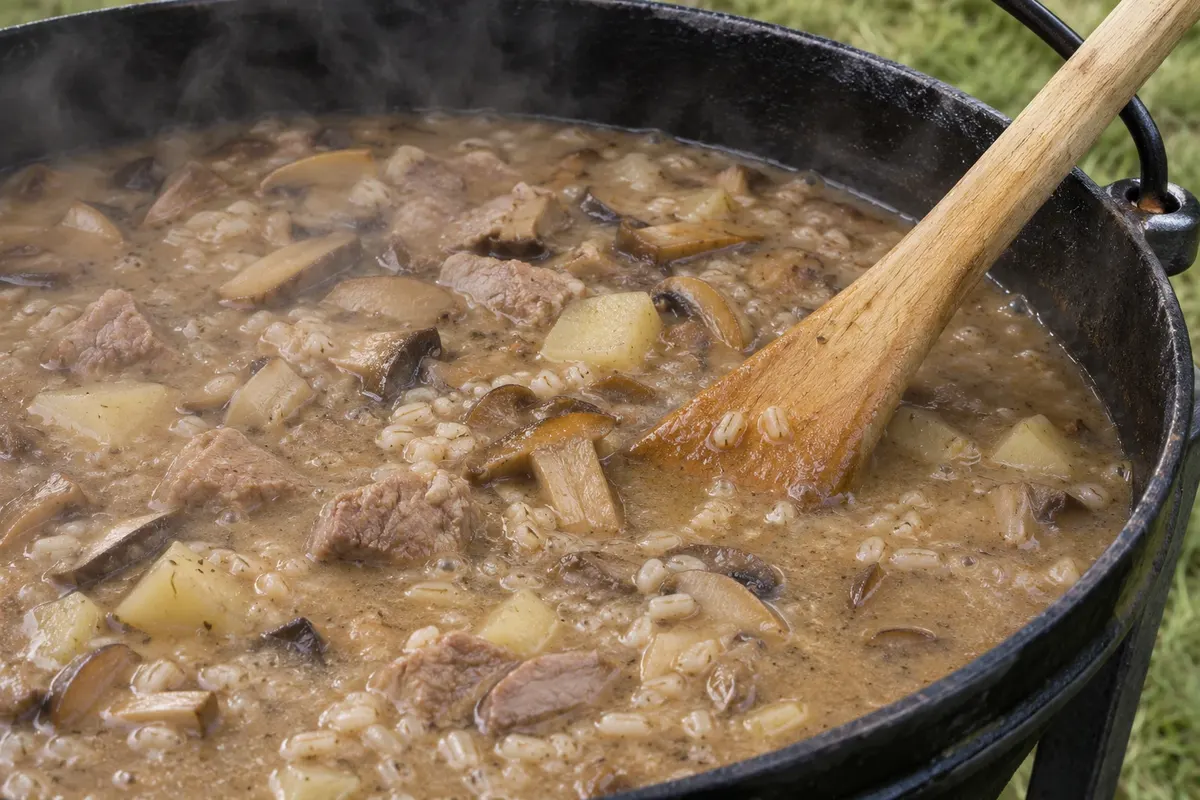
A hearty stew of three meats, potatoes, wild mushrooms, and pearl barley. The version created by Darinka Orlačnik, the cook at the hotel in Rogla, became a specialty of the Zreče Pohorje region.

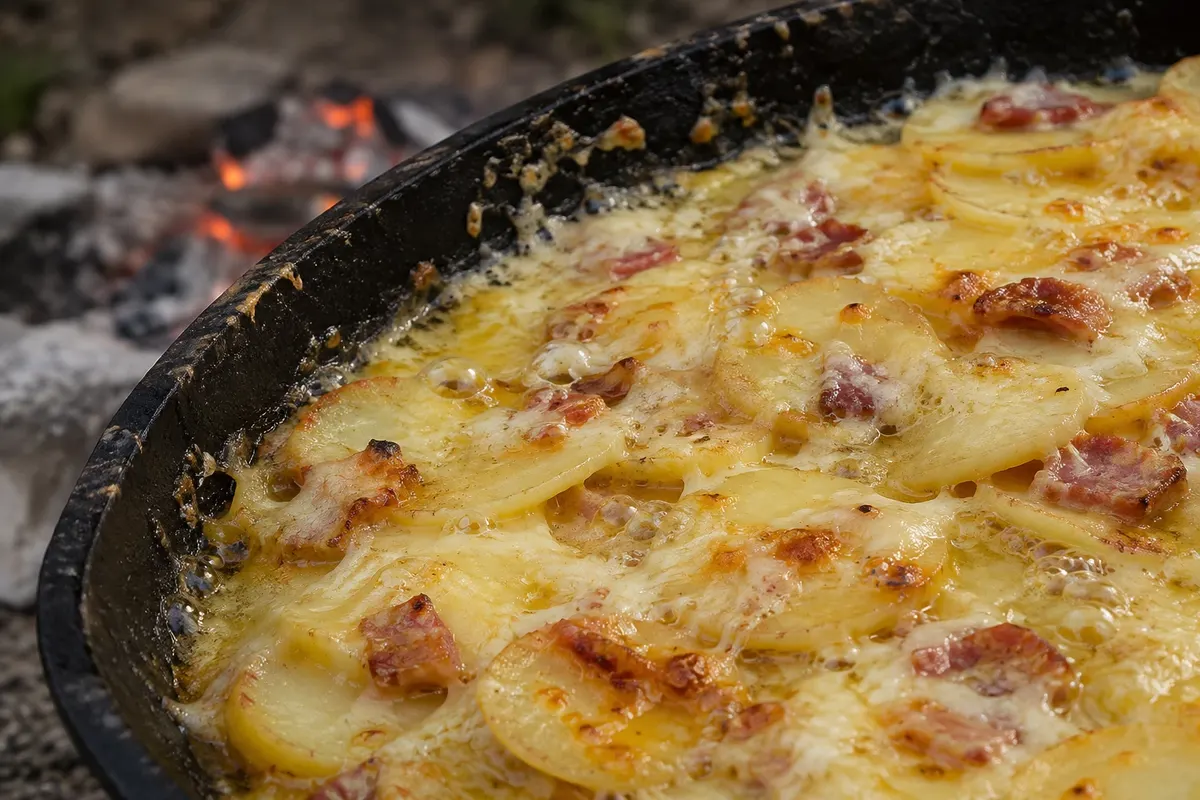
A dish of grated hard cheese and potatoes fried in a pan until they form a crust, sometimes with eggs or bacon. Once the food of shepherds and woodcutters from the Soča valley, it is now Tolmin’s specialty, celebrated at the FrikaFest.

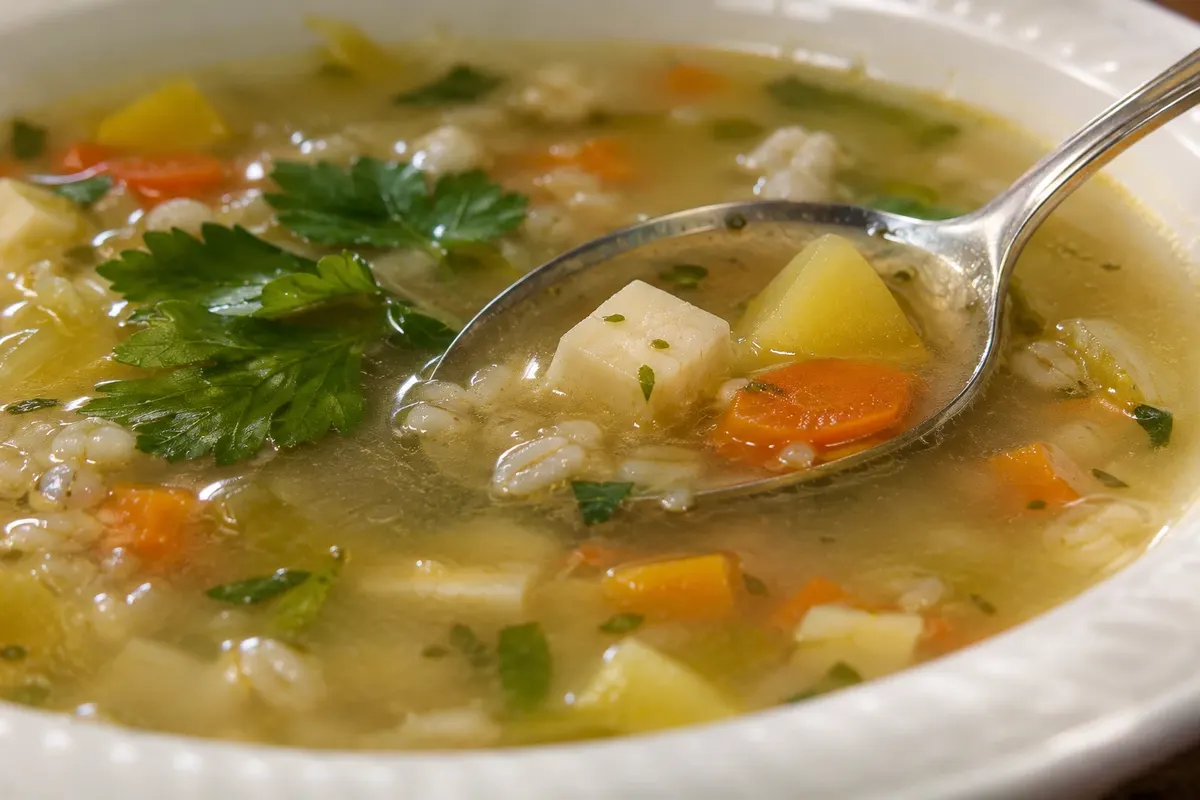
Thick celery and potato soup, often cooked with a pig’s trotter, served over corn polenta. It was the meal that housewives in the Vipava Valley prepared on grape-harvest days.
Beyond the guide