Ajdovi žganci
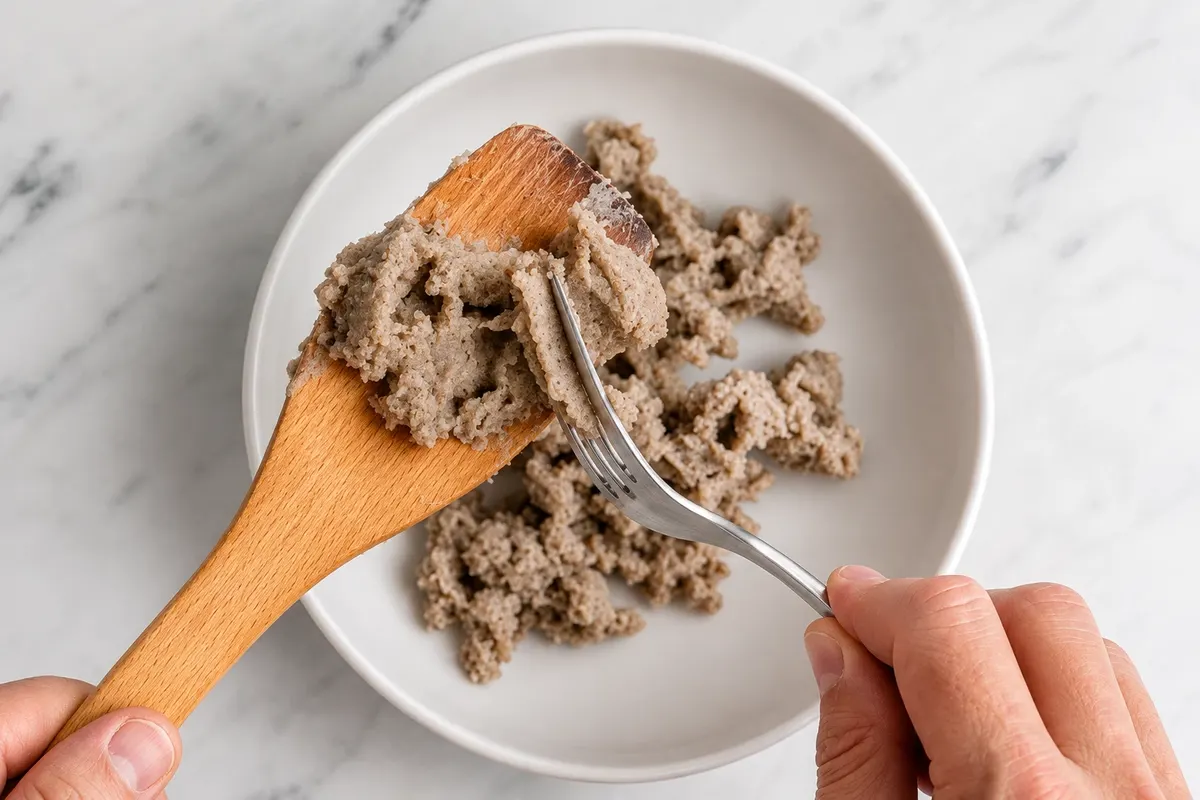
Buckwheat flour cooked in water and fluffed into small clumps with a fork, served with pork cracklings. For a long time it was the everyday food of the central and alpine regions, and it is considered a national Slovenian dish.
AntarcticaFlavors · Tolmin
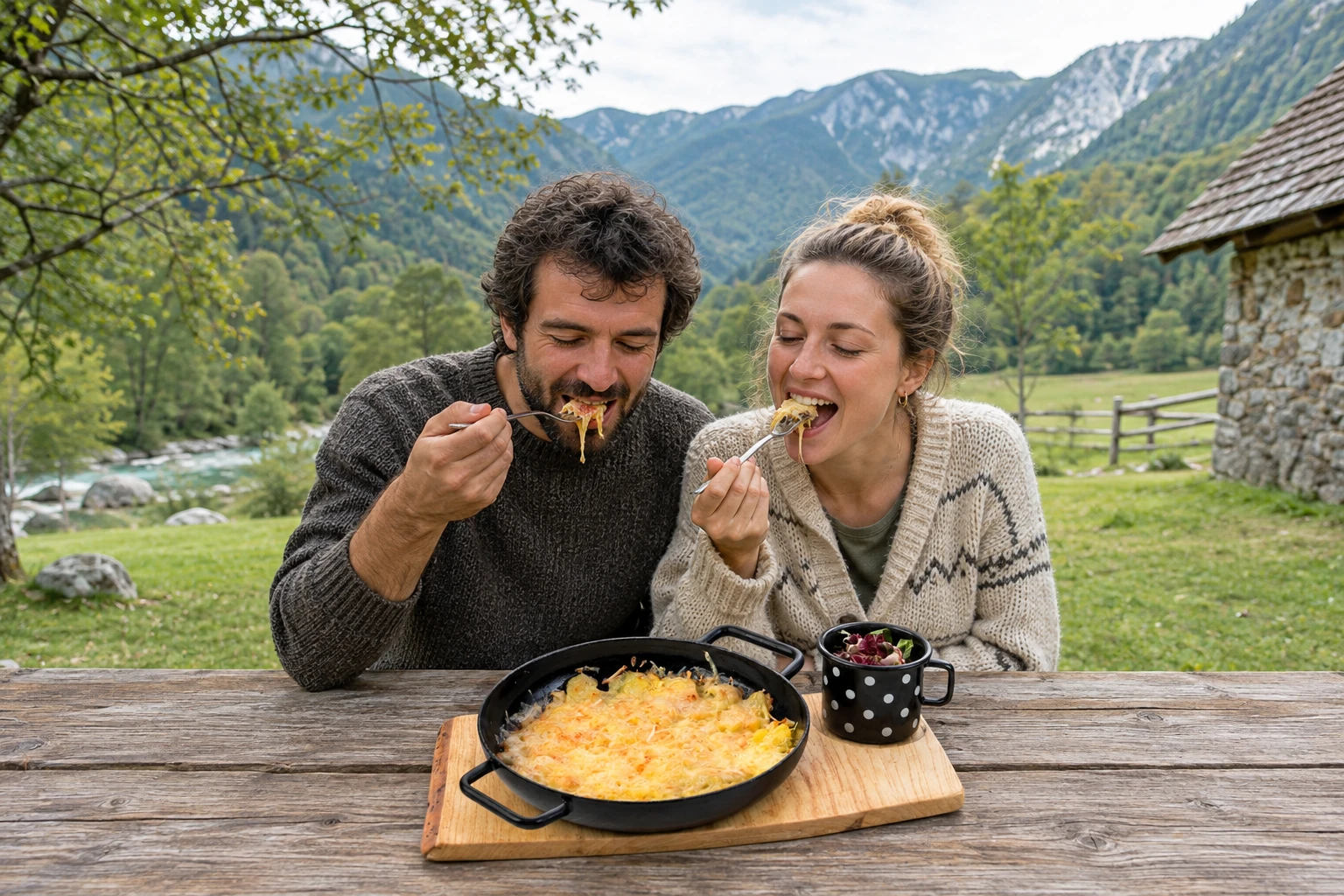
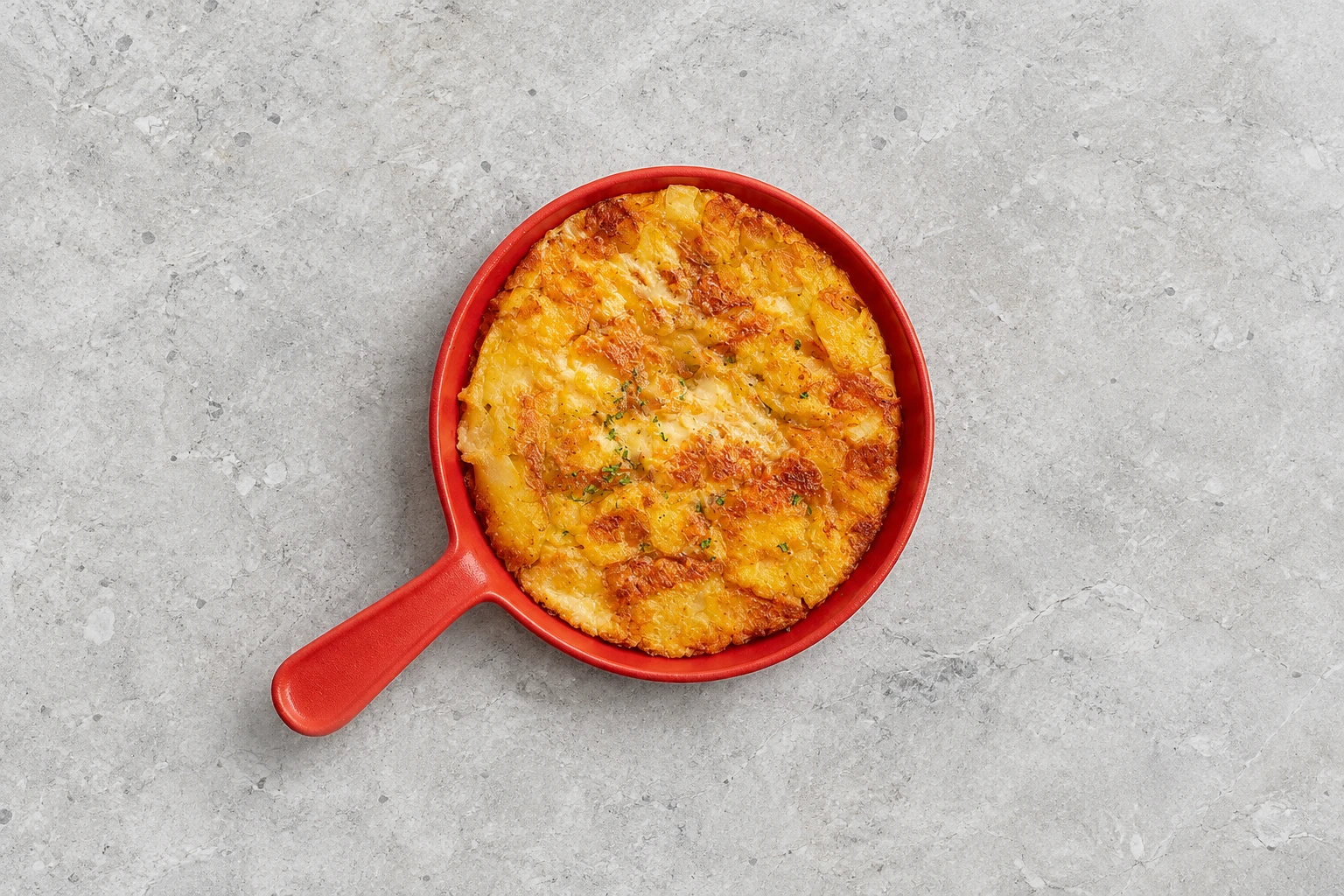
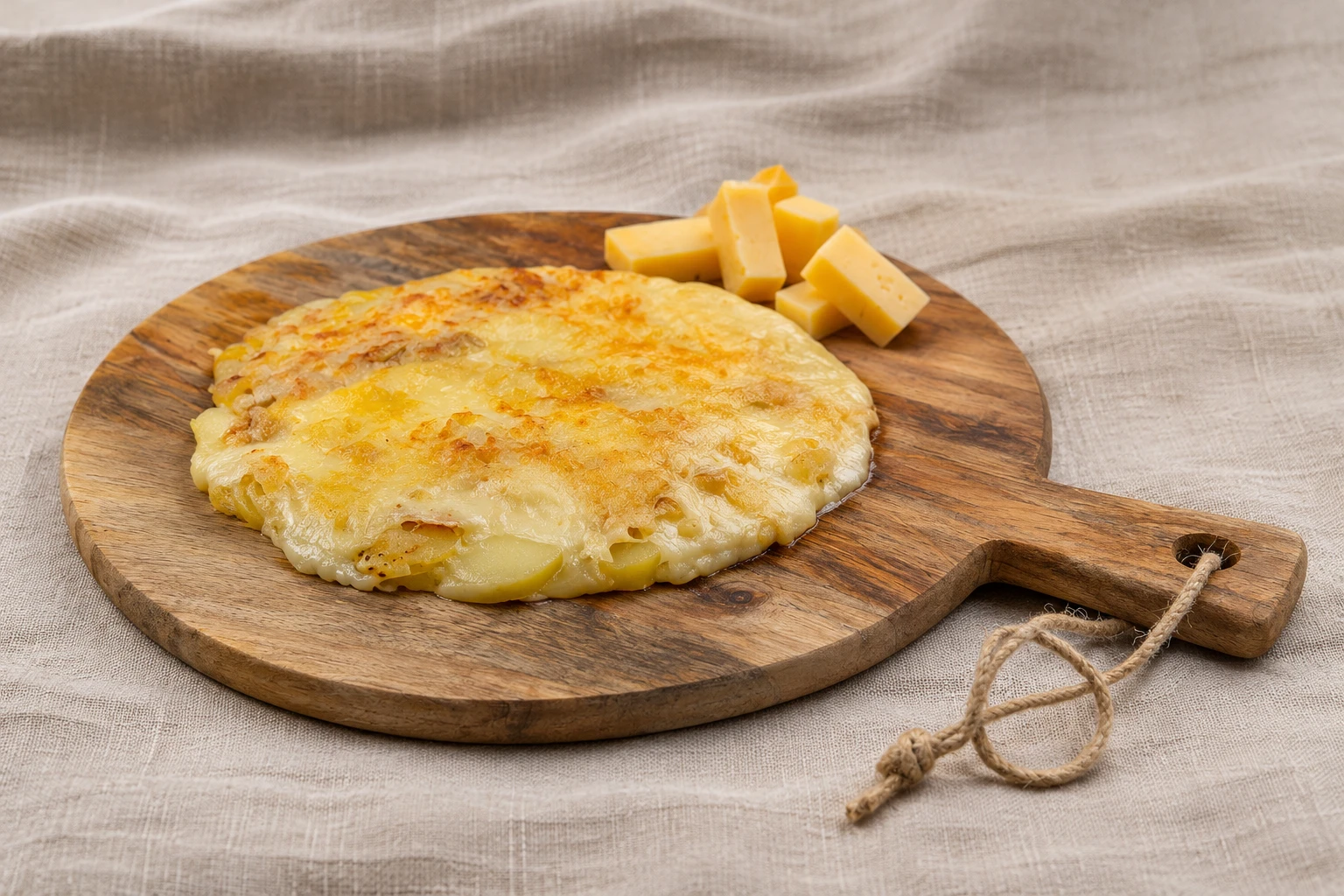
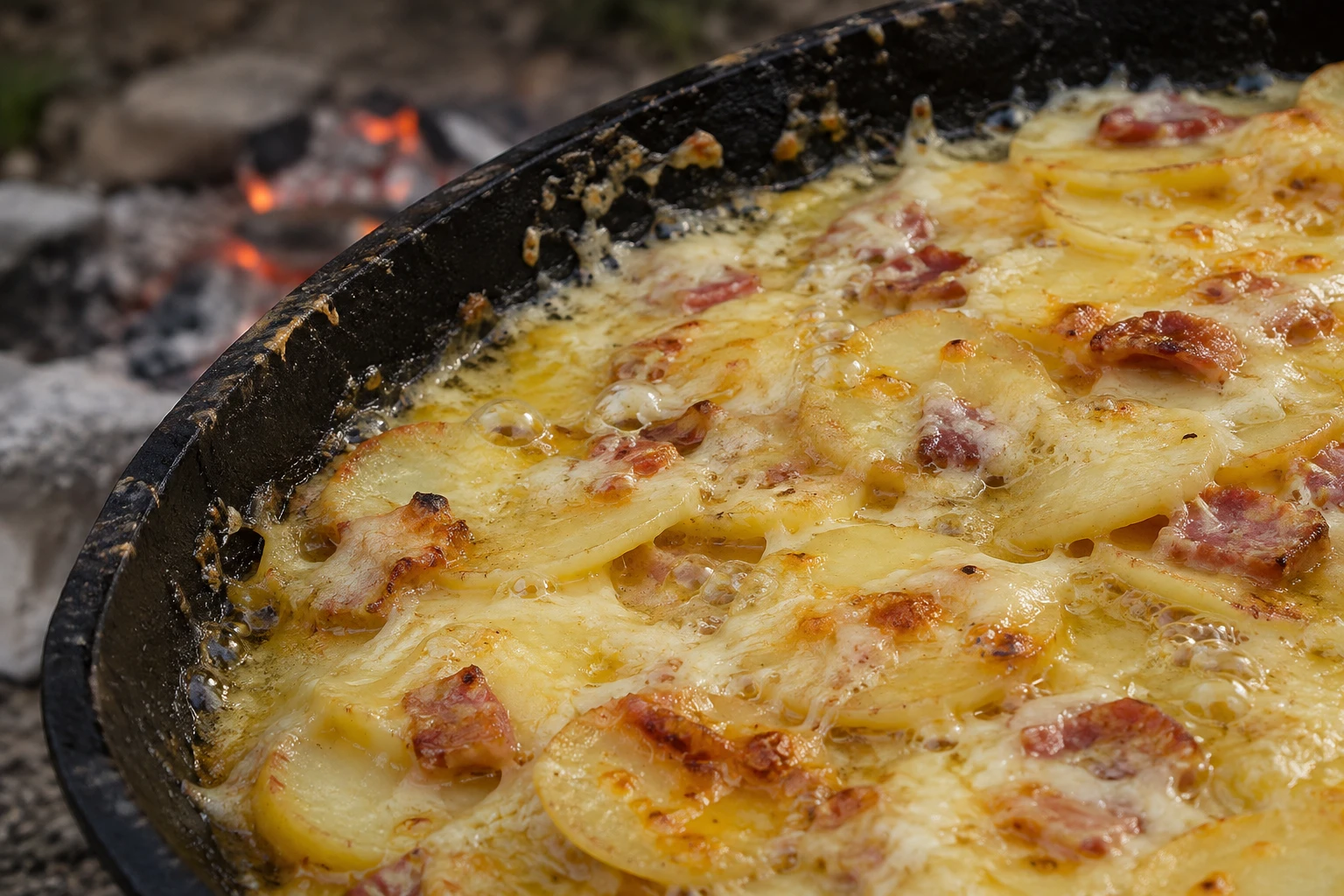
A dish of grated hard cheese and potatoes fried in a pan until they form a crust, sometimes with eggs or bacon. Once the food of shepherds and woodcutters from the Soča valley, it is now Tolmin’s specialty, celebrated at the FrikaFest.
Traditional dish of Tolmin, Goriška
Also known as: t'minska frika, tolminska frika
Illustrative images. The pictures in this guide are illustrations based on the real place, not photographs, and may differ from it.
Click the picture to enlarge it.
Frika — Tolmin, Slovenia
Frika is made in a pan with few ingredients. In Tolmin’s version, the potato is cut into thin slices and fried in fat or bacon; then hard cheese, grated or cubed, is added, which melts and combines with the potato. When one side turns golden, the frika is flipped whole, like a thick omelet, and browns on the other side. Each village and cook has their own way: there are frikas of only cheese and eggs, of cheese and potato, or with all three together, and some add onion, salami, or sausage.
The dish was the work food of shepherds on the mountain pastures and of the woodcutters of the Soča valley. It made use of pieces of old, hard cheese that melt well and fill you up on a cold day. Slovenian culinary expert Janez Bogataj connects frika to frico from the neighboring Carnia and Natisone valleys in Italian Friuli, from where the dish would have passed to Austrian Carinthia and the Soča valley. He also cites a mid-15th-century recipe for cheese fried in a pan by the cook Maestro Martino.
Tolmin cheese, tolminc, made from cow’s milk, is the most used. Tolminc has a protected designation of origin in the European Union since 2012. According to ethnologists, over the last fifty years frika ceased to be only work food and became a symbol of the town, appearing in restaurants and at festivals.
In October, Tolmin combines the farmers’ celebration with FrikaFest, a festival dedicated to frika and the valley’s cheeses, featuring cooking competitions, local producers, and tastings in the central square.

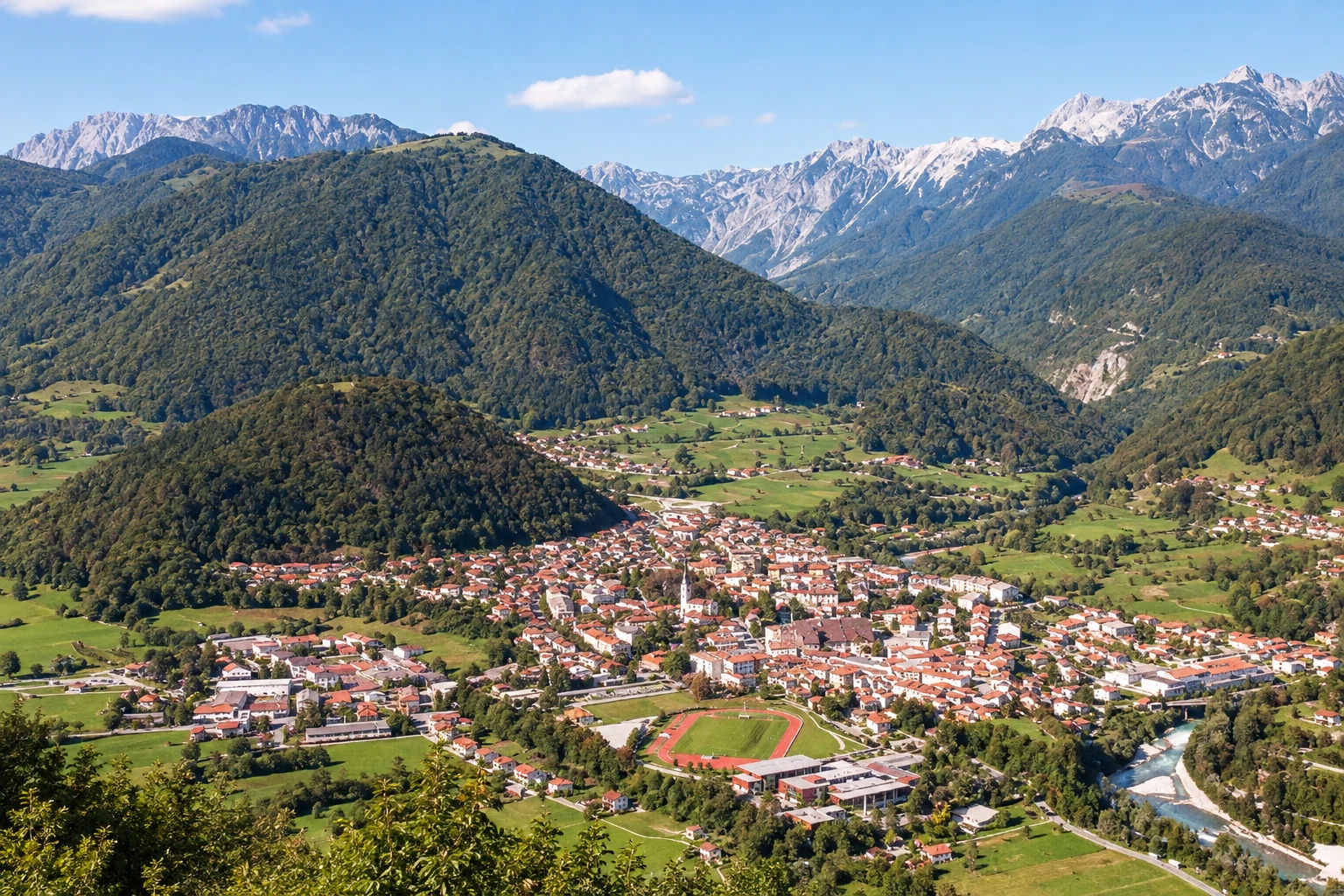
Tolmin, Goriška
A dish of shepherds and woodcutters from the Soča valley; Tolmin holds FrikaFest every October.
Grated or cubed hard cheese (especially tolminc), potatoes thinly sliced, fat or bacon, salt; depending on the place, eggs, onion, salami, or sausage.
Hot, straight from the pan, cut into pieces. It often comes with polenta and a seasonal salad, which balances the cheese.
Everyday food in the Soča valley, now also a festival dish; Tolmin’s FrikaFest takes place in October.
Your questions
Generally tolminc, a hard cow’s‑milk cheese from the Soča valley with protected designation of origin. In the past people made use of pieces of old, hard cheese.
It depends on the place. In the Soča valley there are frikas of cheese and potato, of cheese and eggs, or with all three. The most common version is cheese and potato.
In October, in Tolmin, together with the farmers’ celebration. Check the date each year on the Soča valley tourism website.
Flavors of Slovenia

Buckwheat flour cooked in water and fluffed into small clumps with a fork, served with pork cracklings. For a long time it was the everyday food of the central and alpine regions, and it is considered a national Slovenian dish.

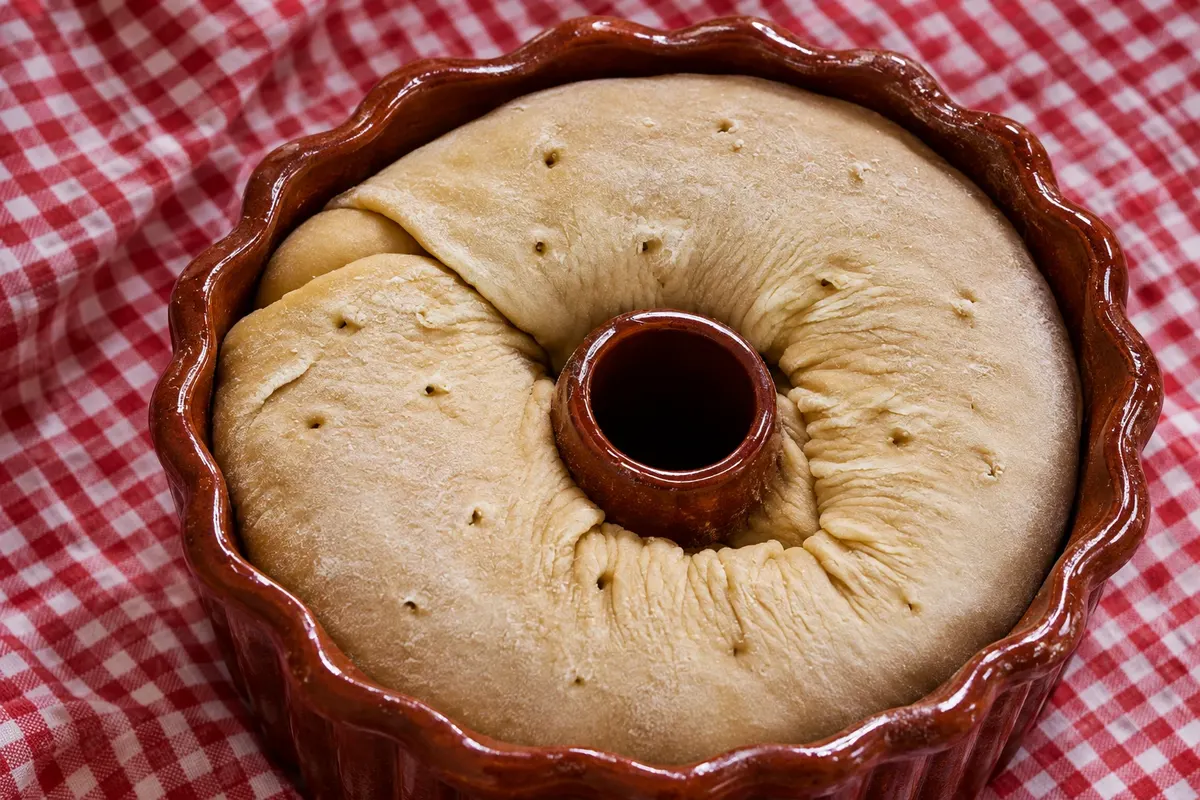
Sweet leavened dough, rolled out very thin, filled, rolled up and baked in a round pan with a hole in the middle. It is the festive pastry of Slovenian celebrations, with fillings of walnuts, tarragon, raisins or honey.

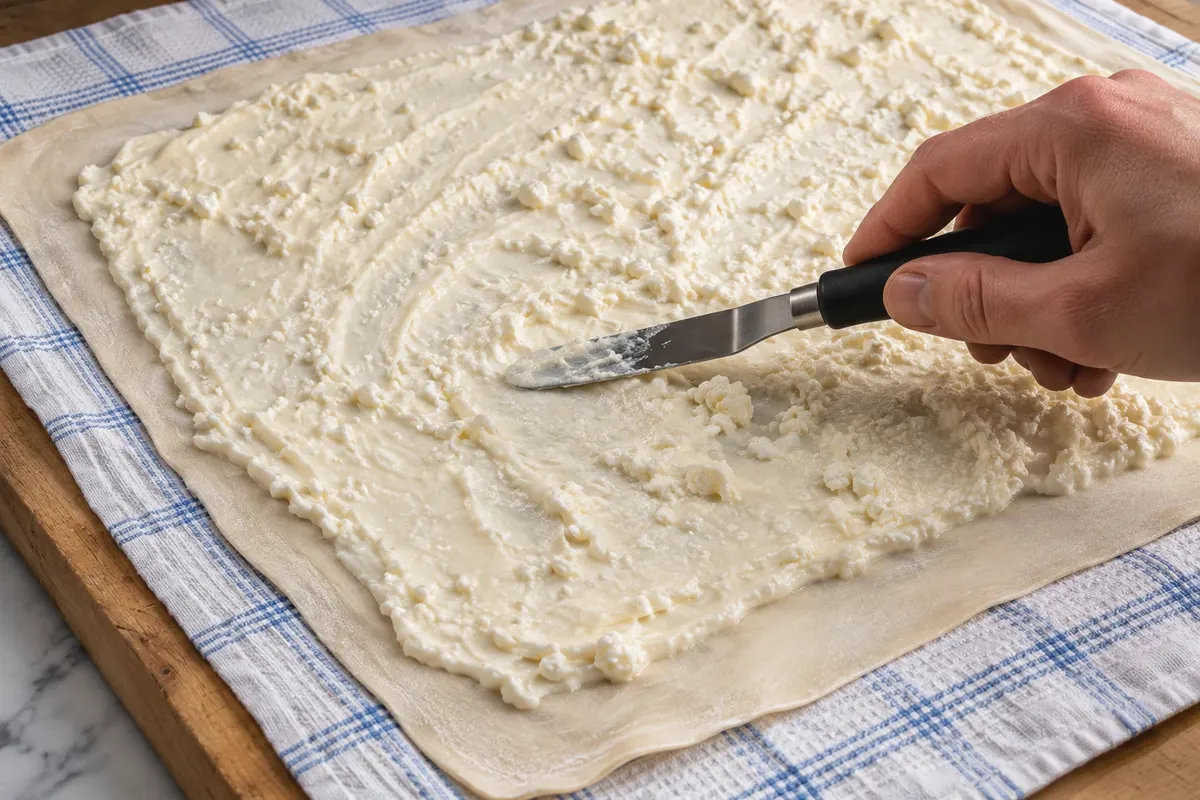
Thin dough rolls filled and cooked in water, steamed, or baked. They come in sweet and savory versions, with fillings such as fresh cottage cheese, tarragon, walnuts, apple and dozens of others, and are found in all regions of Slovenia.

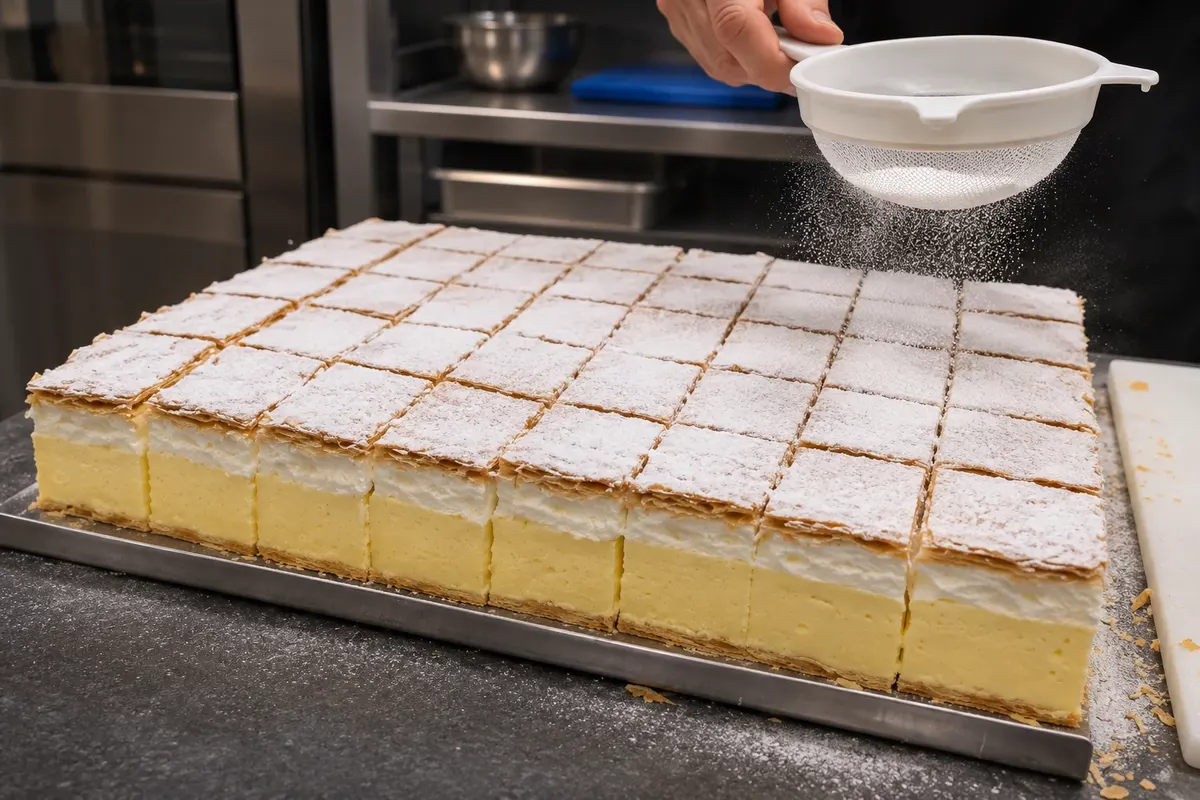
Sweet square from Bled: a puff pastry base, a tall layer of vanilla custard, another of whipped cream, and a thin pastry sheet on top, dusted with powdered sugar. It has been made by the lakeside since 1953.

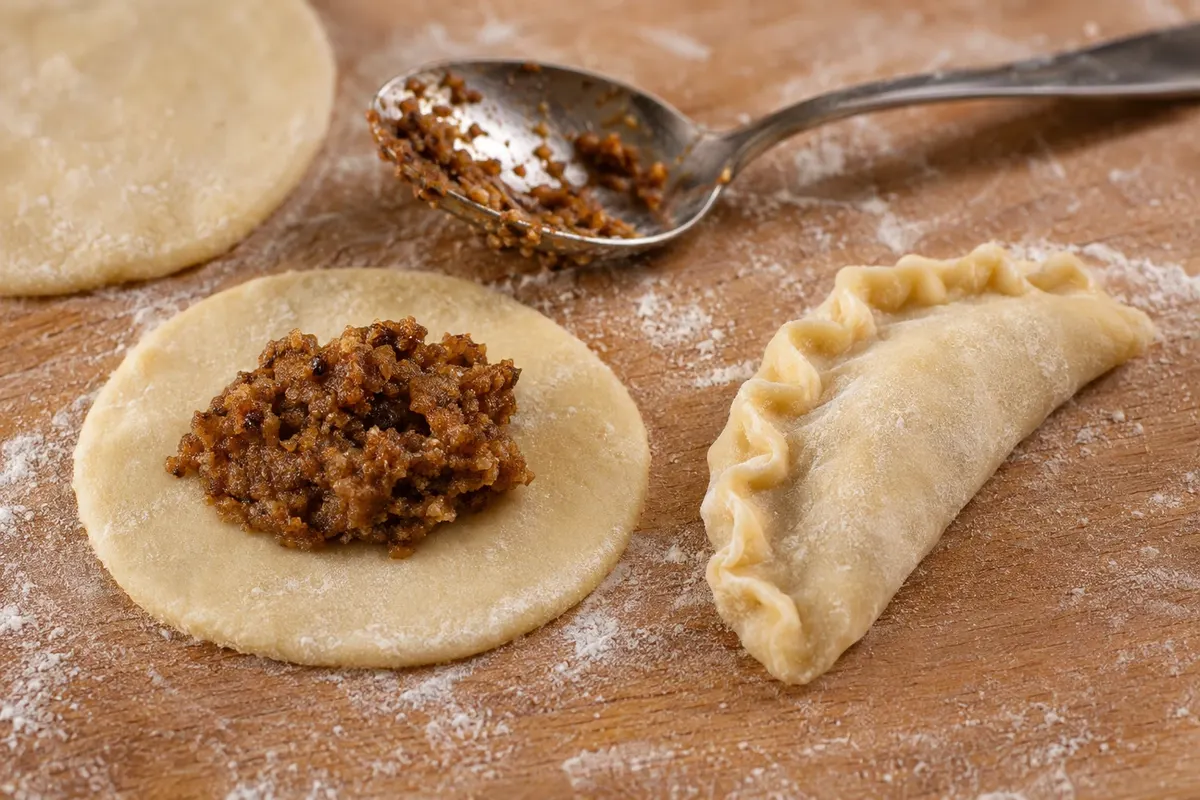
Little filled dough dumplings with dried pear, walnuts and raisins, boiled in water and served with melted butter, toasted breadcrumbs and cinnamon. They are Bovec’s best-known sweet, eaten on Christmas Eve.

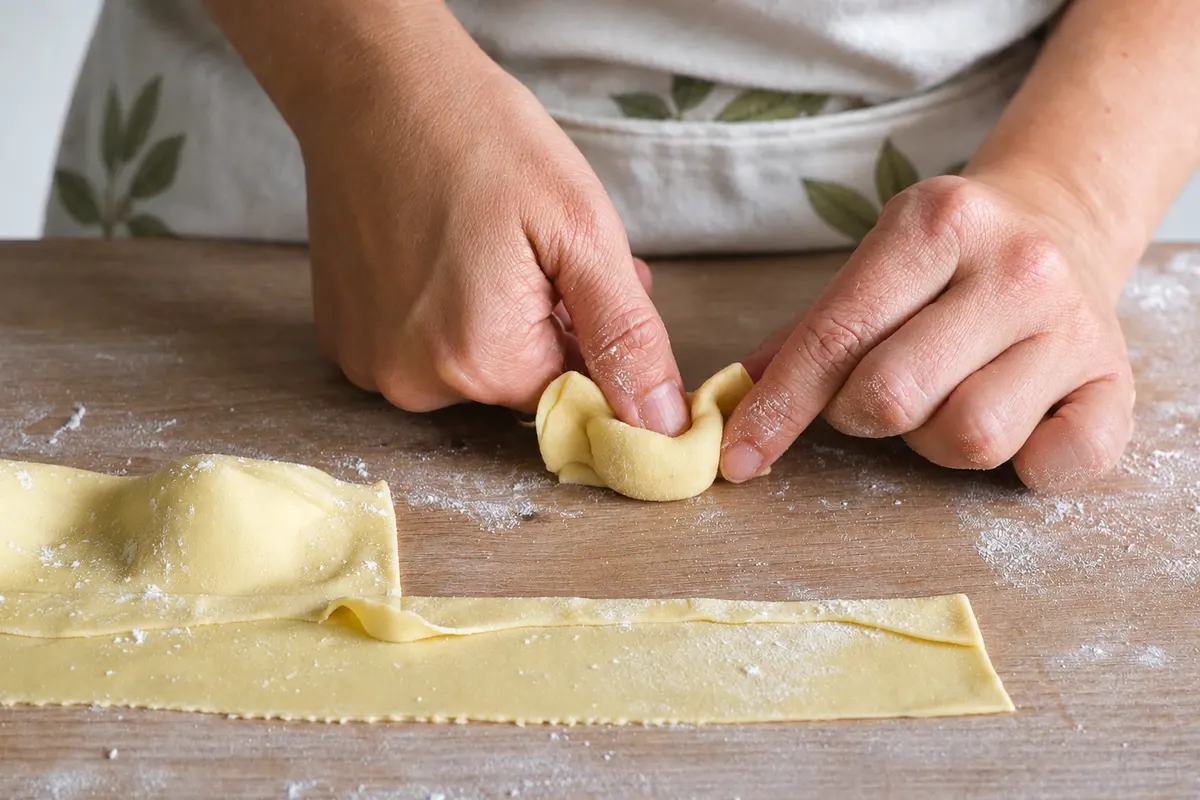
Small dumplings filled with potato, onion, bacon, and herbs, shaped like a little hat, from the old mining town of Idrija. The traditional accompaniment is bakalca, a lamb stew with vegetables.

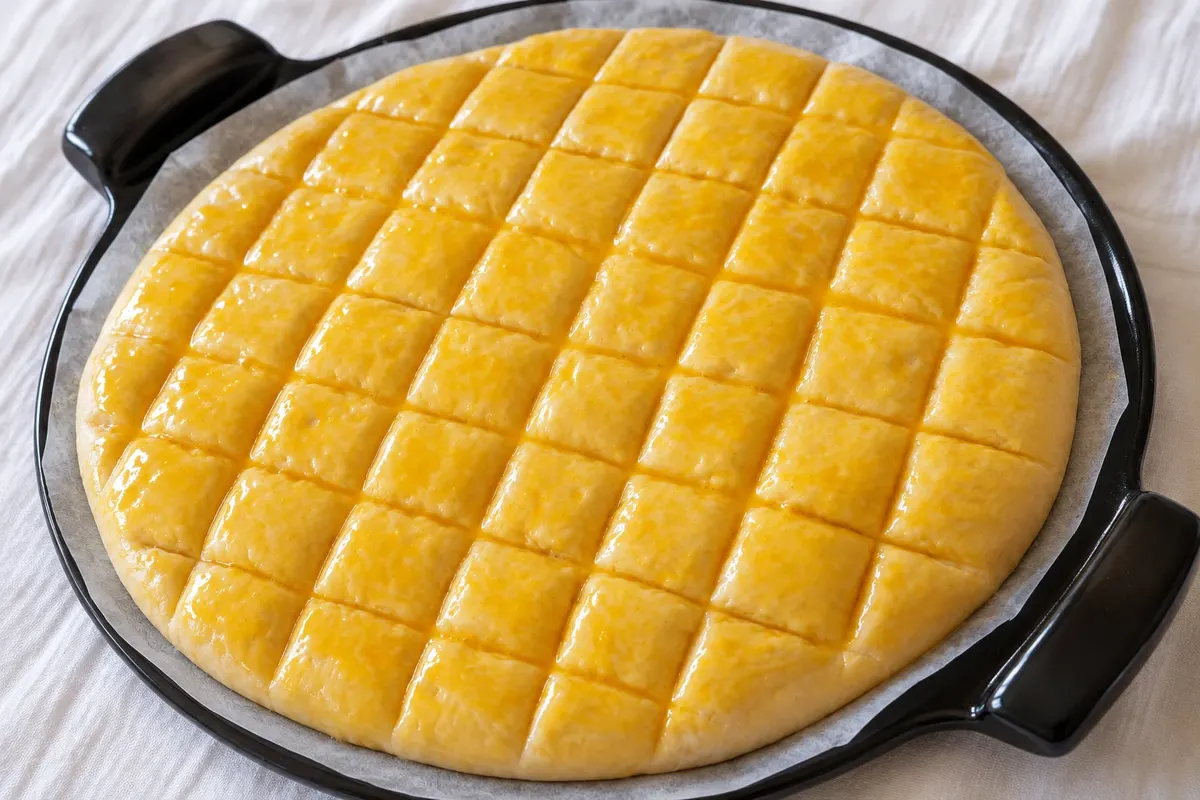
Round, flat bread from Bela krajina in southeastern Slovenia, brushed with egg, caraway and coarse salt, and marked with a grid of score lines. It is eaten warm, broken by hand, never cut with a knife.

Light, acidic wine from Dolenjska in southeastern Slovenia, made by a required blend of red and white grapes, with low alcohol content. It has the recognized traditional designation PTP and is the region’s everyday wine.

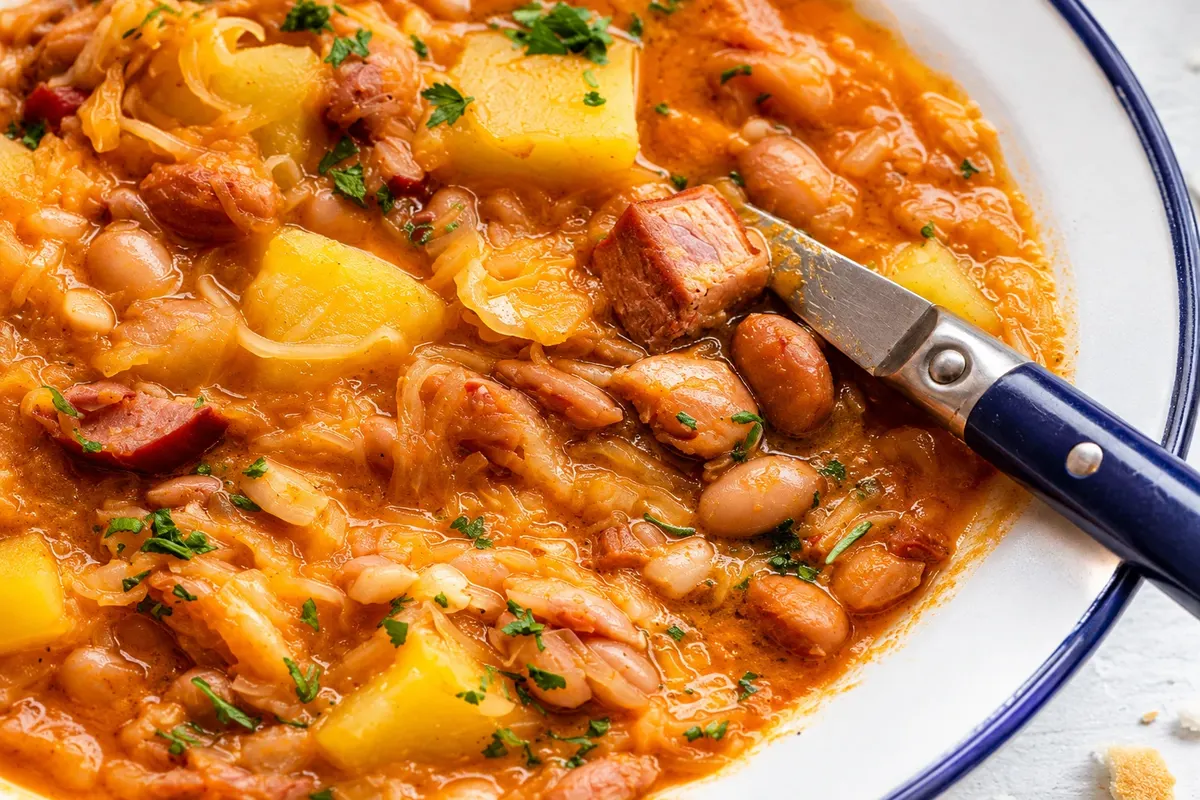
Thick soup of beans, potatoes and sauerkraut or fermented turnip, cooked with smoked pork. It’s the spoon food of western Slovenia, and the Karst version, with sauerkraut and potatoes, is the best known.

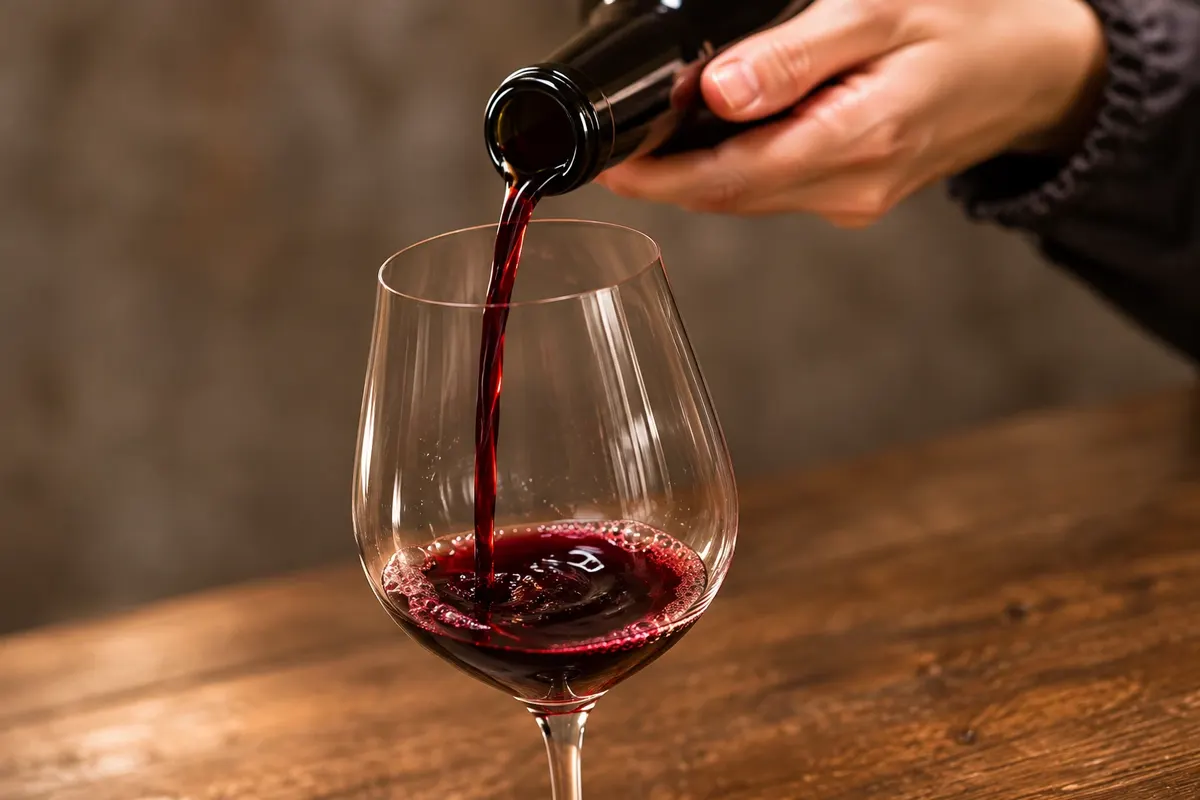
Dark, acidic red wine from the Karst plateau, made only with the refošk grape grown in the region’s red soil. It has Slovenia’s recognized traditional designation PTP and pairs with the ham and dishes of the Karst.

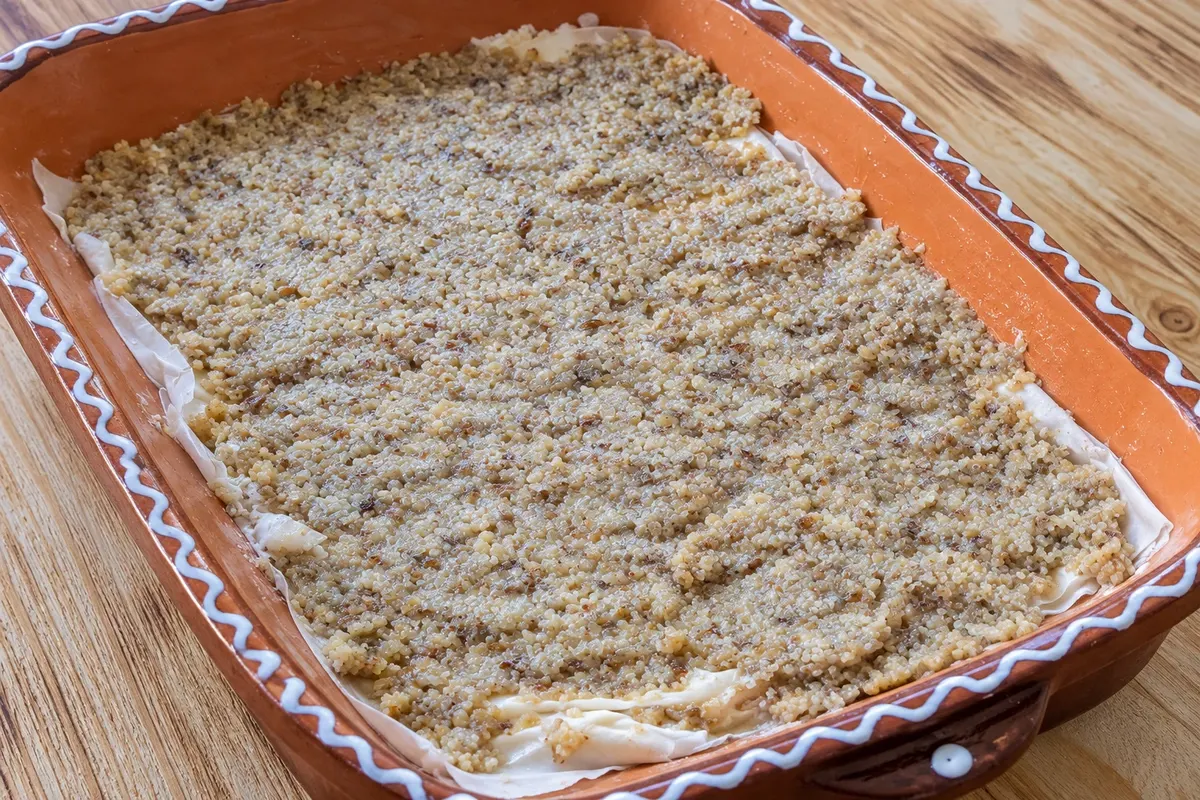
Layered Prekmurje cake from northeastern Slovenia: on a shortcrust base, sheets of stretched dough alternate four fillings — poppy seeds, fresh curd cheese, walnuts and apple — topped with cream.

Thick celery and potato soup, often cooked with a pig’s trotter, served over corn polenta. It was the meal that housewives in the Vipava Valley prepared on grape-harvest days.
Beyond the guide