3 cities

 Search
 Brazil
 Argentina
 Bolivia
 Chile
 Colombia
 Ecuador
 Guyana
 French Guiana
 Falkland Islands (Malvinas)
 Paraguay
 Peru
 Suriname
 Uruguay
 Venezuela
 Germany
 Austria
 Belgium
 Croatia
 DenmarkSlovakia
 Spain
 Finland
 France
 Greece
 the Netherlands
 Hungary
 Ireland
 Iceland
 Italy
 Luxembourg
 Norway
 Poland
 Portugal
 the United Kingdom
 the Czech Republic
 Sweden
 Switzerland
 Turkey
 Canada
 the United States
 Mexico
 the Dominican RepublicTurkey
 South Africa
 Australia
 Fiji
 New Zealand
 Papua New Guinea
Region · Central Slovakia
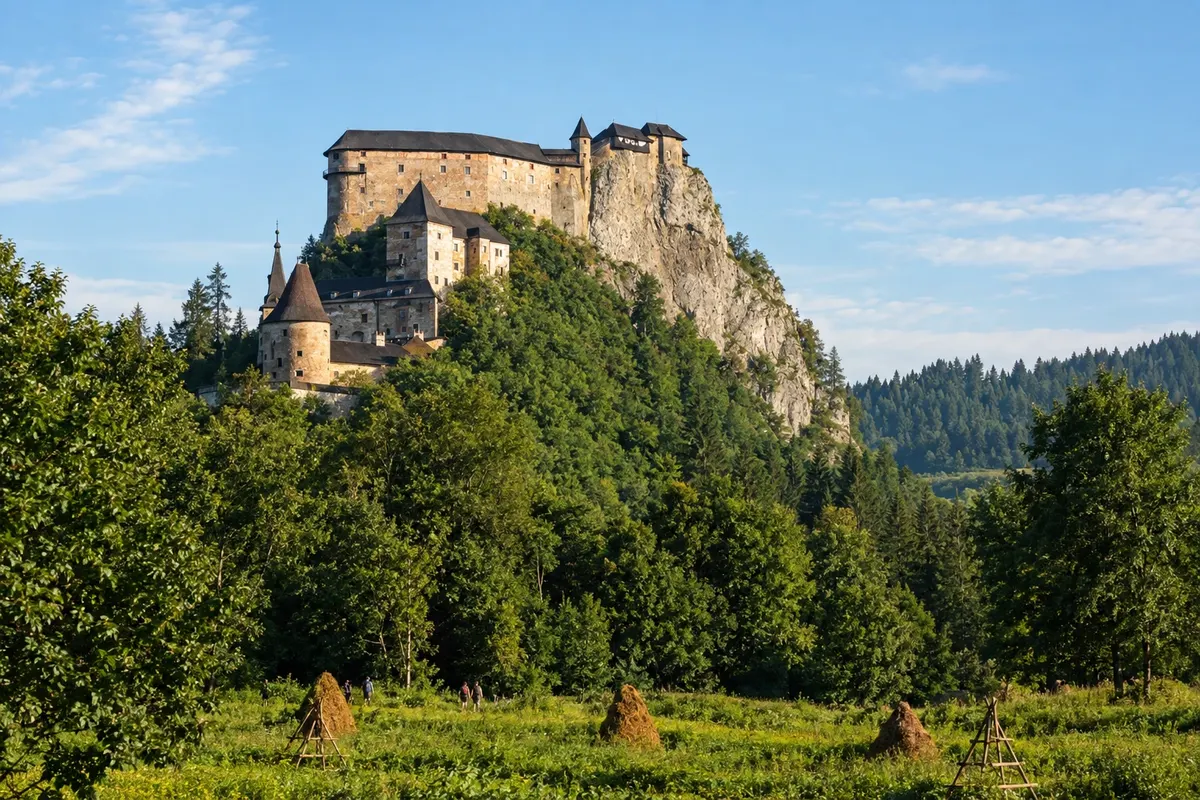
The mountains of the north: Malá Fatra and Terchová, Orava Castle, Liptov with Jasná and the Demänová caves, the village of Vlkolínec and the painted houses of Čičmany.
In the photo: Orava Castle, in Oravský Podzámok.
Illustrative images. The pictures in this guide are illustrations based on the real place, not photographs, and may differ from it.

The region
The Žilina region in the north of the country is surrounded by mountains: Malá Fatra and Veľká Fatra, the Western Tatras, the northern side of the Low Tatras and the Beskides, on the border with Poland and the Czech Republic. The Kysuce, Orava, Turiec and Liptov valleys each have their own traditions of wooden houses, music and sheep-milk cheeses.
Žilina, the capital, has an arcaded square and is the starting point for Malá Fatra National Park. In Terchová, where Juraj Jánošík — a hero of Slovak folk legends — was born in 1688, the trails of Vrátna dolina and the Jánošíkove diery gorges begin. Strečno Castle, above the Váh, lies on the route between Žilina and Terchová.
In the Orava valley, the castle stands on a rock above the river and was used as a setting for the 1922 film Nosferatu. In Zuberec, the Orava Village Museum brings together wooden houses moved from across the region, at the foot of the Roháče mountains in the Western Tatras.
In Liptov, the Jasná resort in the Demänová valley climbs to Chopok, at 2,024 m, in the Low Tatras, and welcomes skiers in winter and hikers in summer. In the same valley are the Cave of Freedom and the Demänová Ice Cave. Vlkolínec, on the slopes above Ružomberok, preserves the layout of a mountain village and is on the World Heritage list.
In Čičmany, the wooden houses are decorated with white geometric patterns, and Martin hosts Slovakia’s largest open-air museum. The region’s cuisine includes bryndzové halušky, small potato gnocchi with the sheep cheese bryndza, and smoked cheeses such as oštiepok.
Destinations
Cities
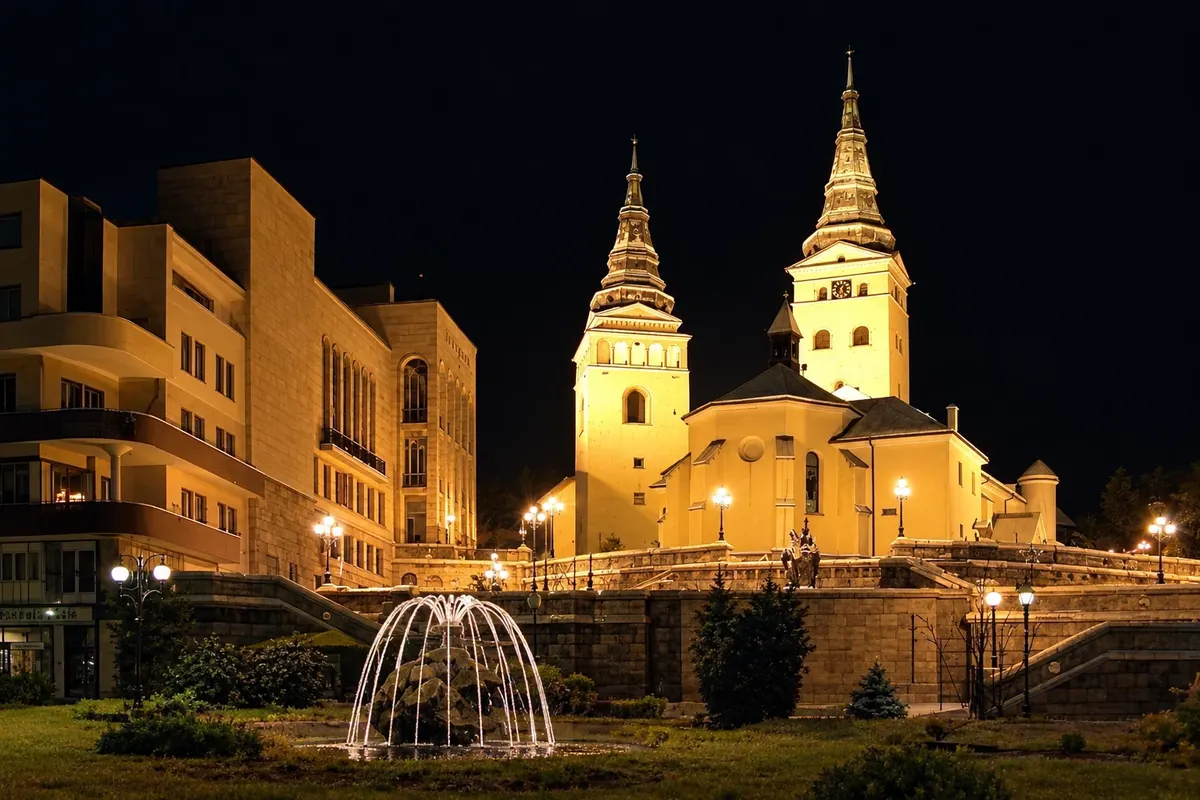
Capital of the Žilina Region and one of Slovakia’s largest cities, located in the Váh valley. The historic center includes Mariánske námestie (Marian Square), a square with arcades, and Andreja Hlinku Square, beneath the Cathedral of the Holy Trinity and the Burian Tower. The New Synagogue, designed by Peter Behrens, became an arts center. Nearby are Budatín and Strečno castles, and Malá Fatra National Park begins about 20 km away.
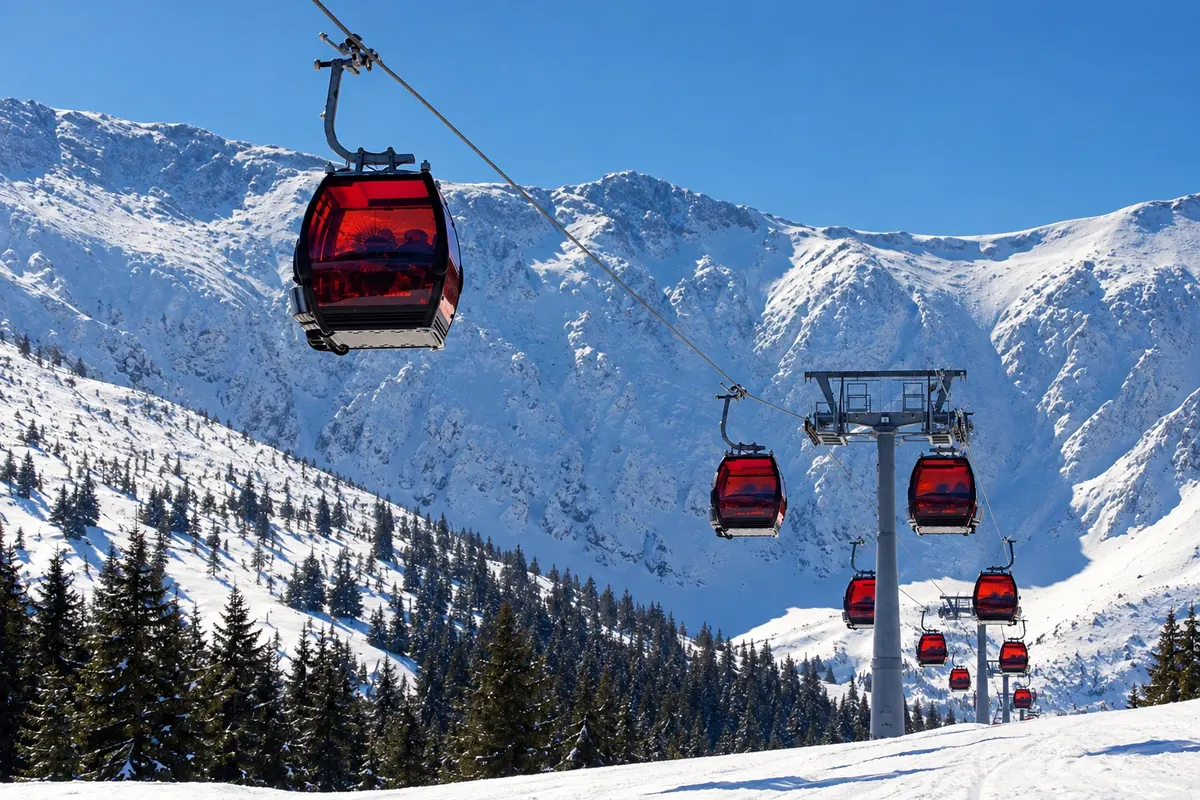
Municipality spread along the Demänová valley, which rises from Liptovský Mikuláš to the northern slope of Chopok in the Low Tatras. In the middle of the valley are the Cave of Liberty and the Ice Cave, both open to visitors; at the end is Jasná, Slovakia’s main ski resort, with cable cars to the Chopok summit, at 2,024 meters. The valley has hotels and chalets and functions as a mountain base in summer and winter.
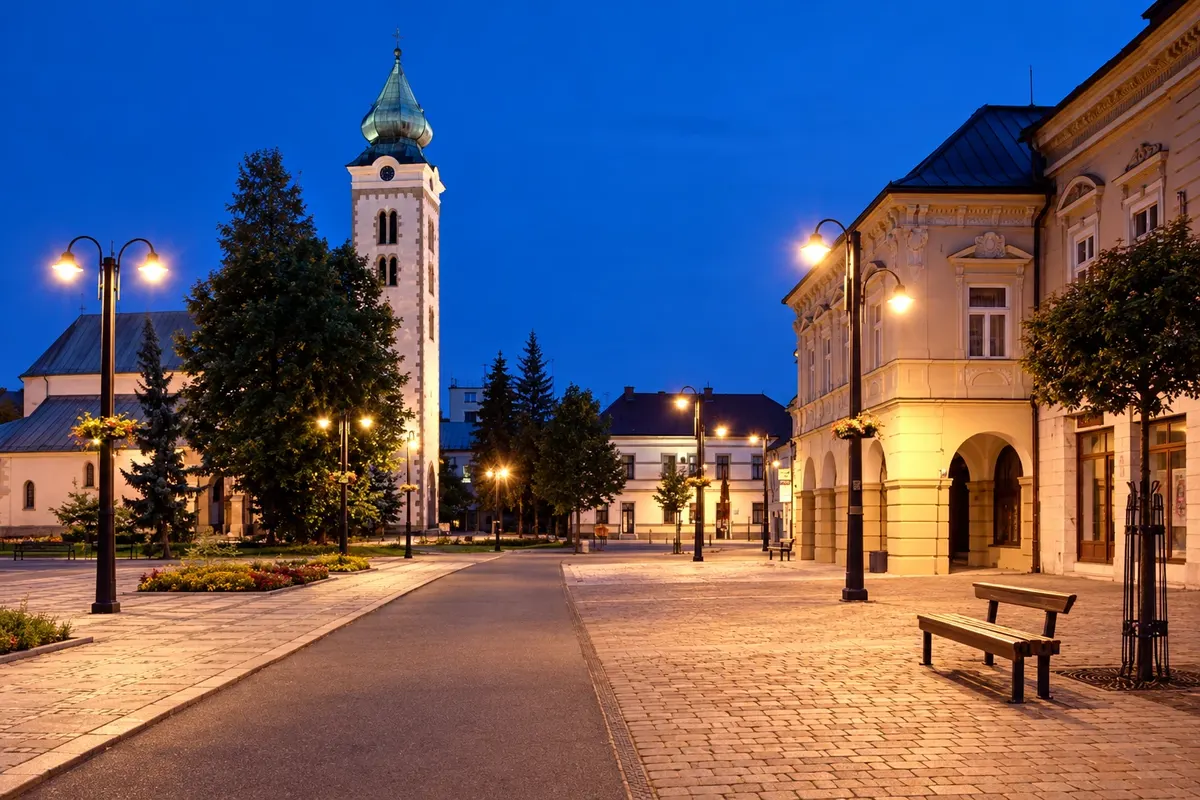
Town of about 30,000 inhabitants in the Váh valley, at the centre of the Liptov region. The Námestie osloboditeľov square groups the Gothic Church of Saint Nicholas, the town hall and the pedestrian zone. It was here that Juraj Jánošík, the Slovak folk hero, was tried and executed in 1713. The town is the base for the Demänová caves and Chopok to the south, for the Tatralandia water park and for the Liptov Village Museum in Pribylina.
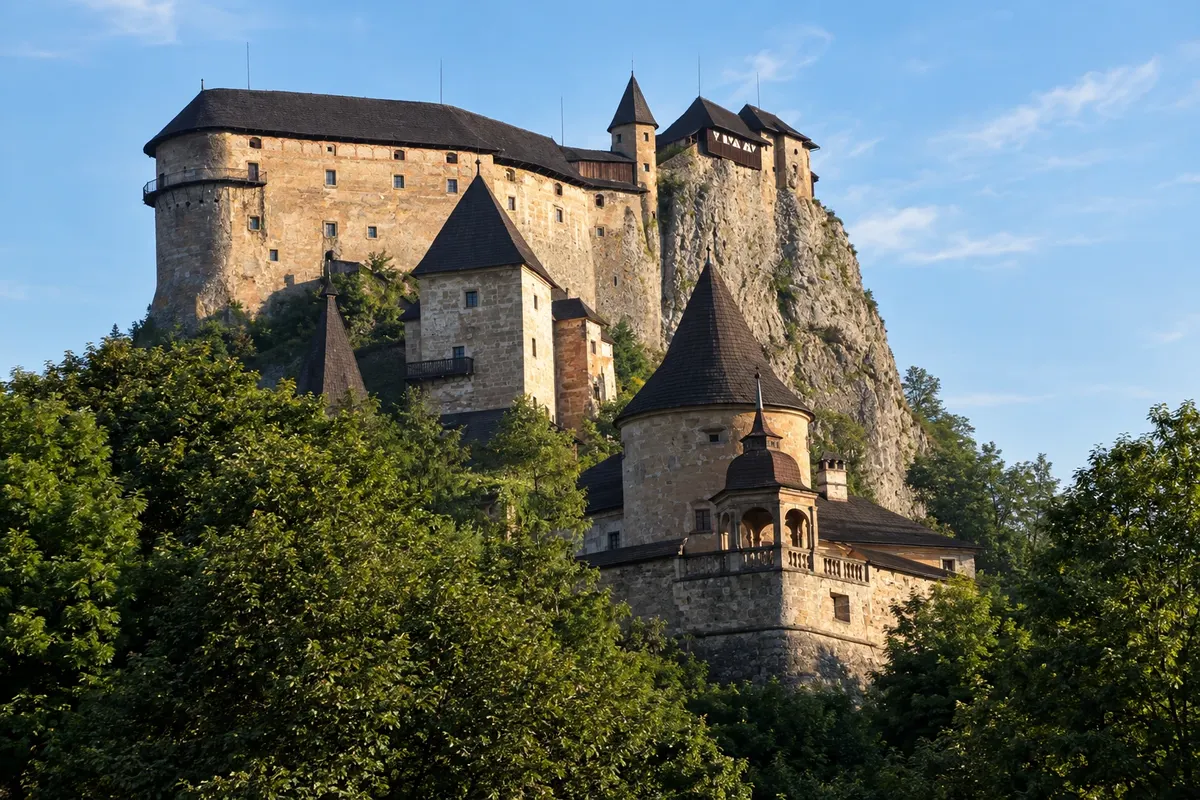
Village on the banks of the Orava river, at the foot of Orava Castle, which dominates the valley from a limestone rock. The name means, in Slovak, something like “under the castle.” Regional trains stop in the village, which serves as a base for the castle and for the Orava reservoir, where a boat takes visitors to Slanica Island. The town of Dolný Kubín, with more services, is a few kilometres away.
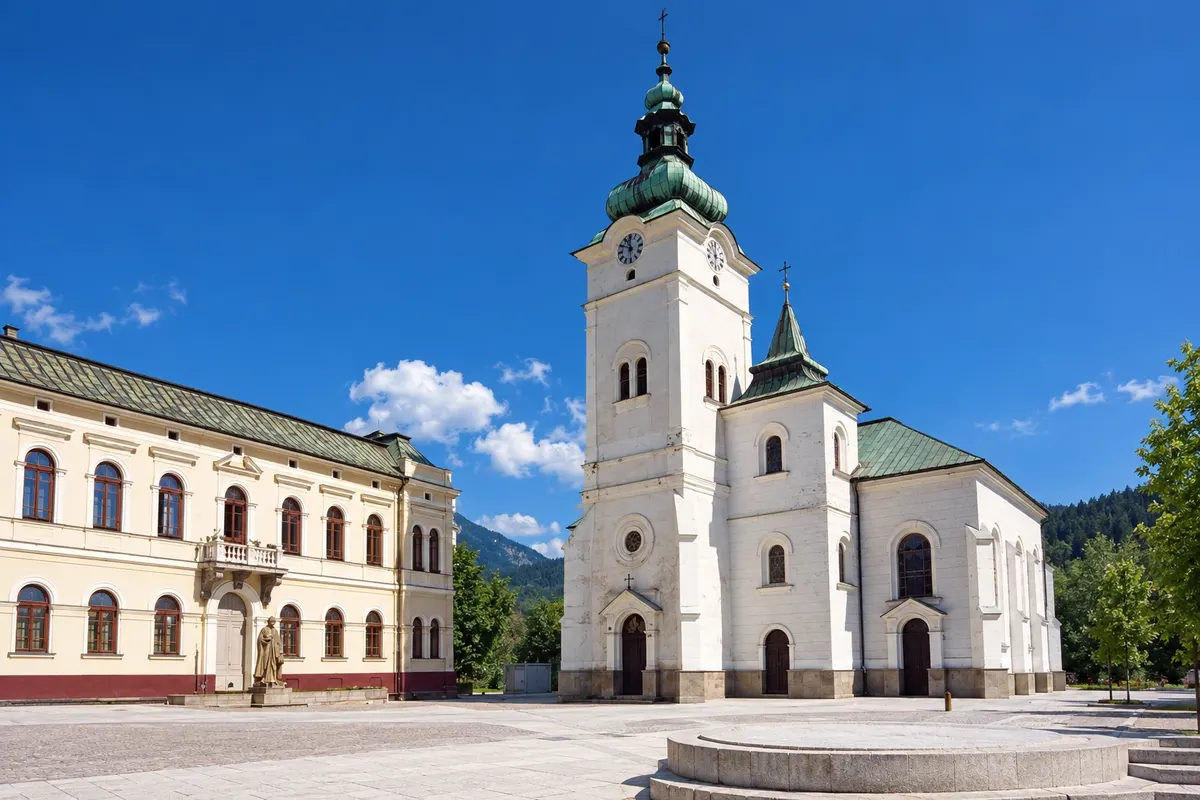
An industrial town of about 26,000 inhabitants at the confluence of the Váh and Revúca rivers, at the western entrance to Liptov. From here you can go up to Vlkolínec, the UNESCO-listed log village a few kilometers to the south, and to Malinô Brdo, a mountain of the Veľká Fatra with a cable car that starts in the Hrabovo neighborhood. The town has a station on the country’s main railway line.
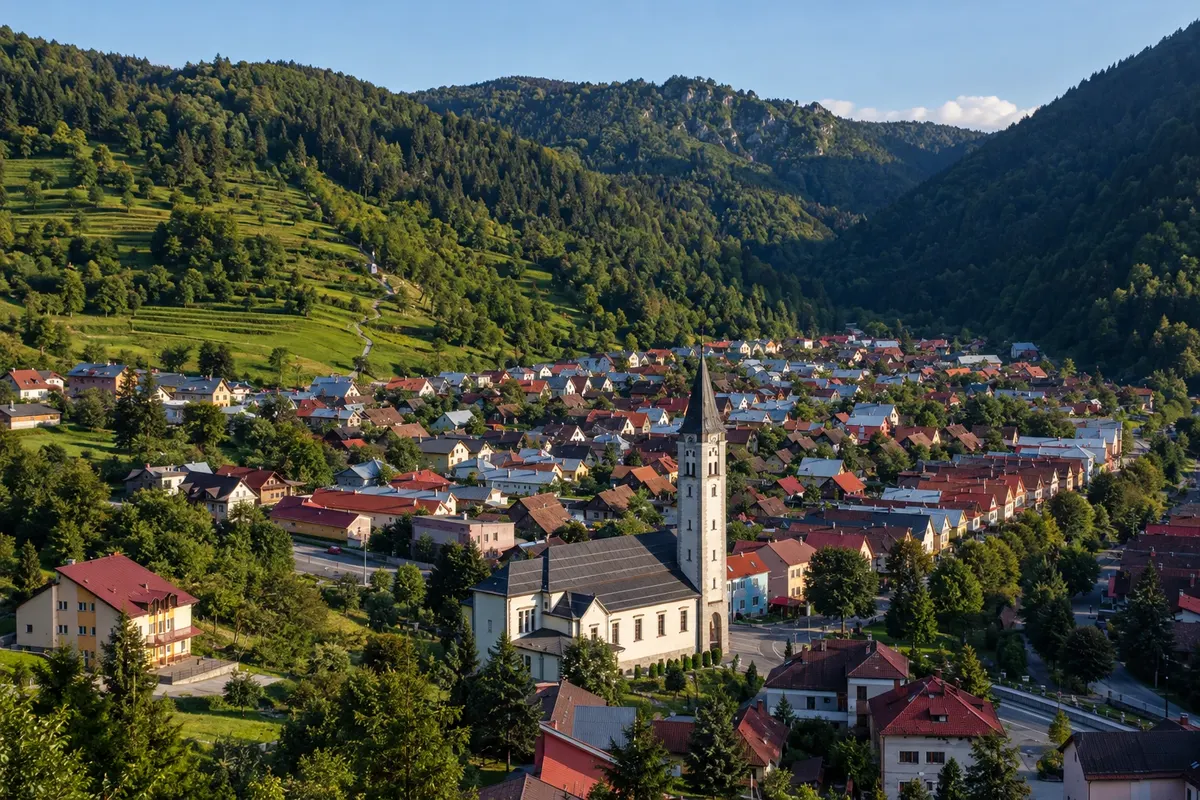
A village of about 4,000 inhabitants in the north of Malá Fatra, the birthplace of Juraj Jánošík, the highwayman turned folk hero. A statue of him marks the entrance to the Vrátna valley. It is the base for the Vrátna cable car, the Jánošíkove diery gorges and the ascent of Veľký Rozsutec. Terchová’s music, with fiddles and multipart singing, is recognized by UNESCO as intangible heritage.
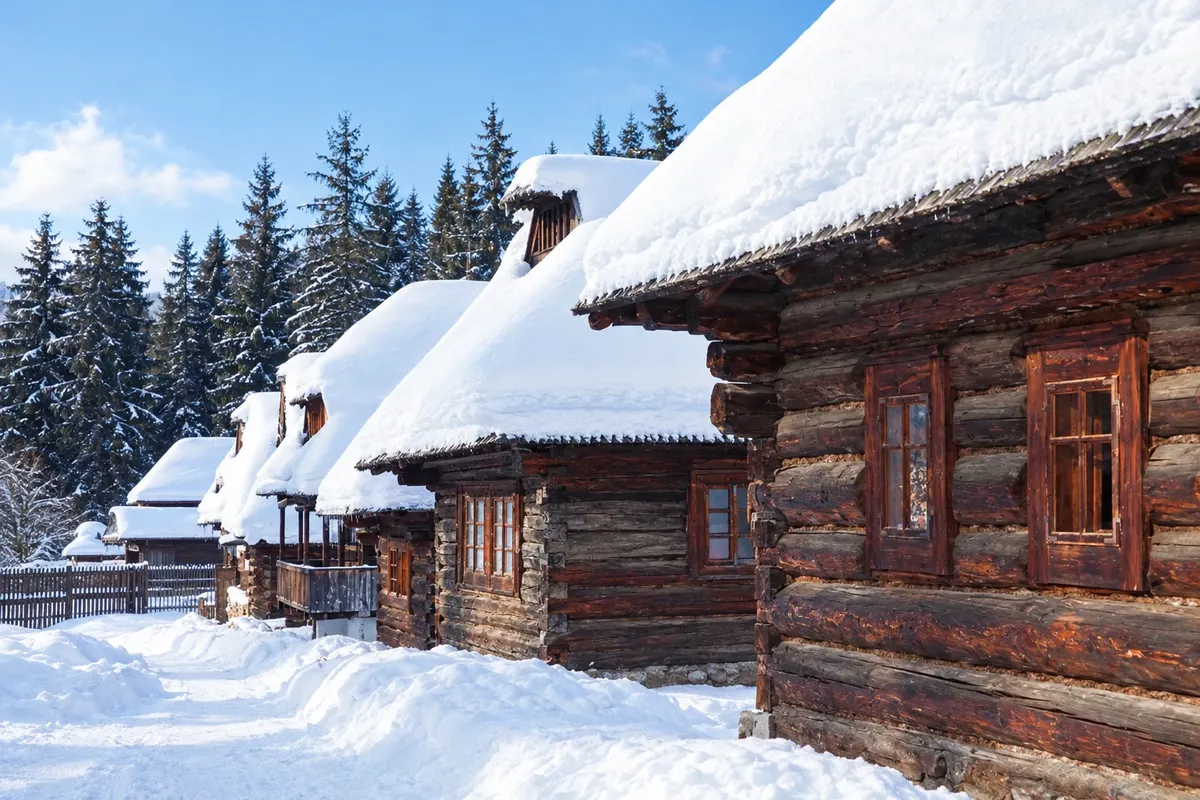
A village of about 2,000 inhabitants in the eastern Orava region, at the foot of the Roháče, the local name for the Western Tatras on this side. Nearby is the Orava Village Museum in Brestová, and the road continues to Zverovka, the starting point for hikes to the Roháče lakes and ridges. In winter, the slopes of Spálená and Zverovka have ski runs.
From mid‑June to September the mountain trails are generally free of snow, with more people during the summer holidays; at the end of July or start of August Terchová holds the Jánošíkove dni folk festivities. The Cave of Freedom is open year‑round, while the Ice Cave opens only in the warm season, from May. The ski season in Jasná usually runs from December to April.
Žilina, about 200 km from the capital, is the northern rail hub, with trains from Bratislava and the Czech Republic; trains continue to Ružomberok, Liptovský Mikuláš and Poprad. Buses connect Žilina to Terchová and Liptovský Mikuláš to Jasná. For Orava, access is via Kraľovany by train, or via Ružomberok by car. The nearest airports with regular flights are Poprad (TAT), Bratislava (BTS) and Kraków (KRK) in Poland.
Your questions
Jasná is the mountain resort in the Demänová valley, and Chopok is the 2,024 m peak that the resort climbs to by cable cars. In winter, slopes descend on both sides of the mountain; in summer, the cable cars take hikers to the ridge trails of the Low Tatras. The cable cars stop for maintenance between seasons.
Visits are guided and include courtyards, rooms and towers, with climbs on stairways built into the rock. The castle has more time slots in the summer season, and visiting days vary throughout the year. It is in Oravský Podzámok, which has a train station on the line from Kraľovany.
It is a village of log houses, with a bell tower and a well, on the slopes above Ružomberok. Inscribed as a UNESCO World Heritage site in 1993, it preserves the layout of a traditional Central European village and is still inhabited. You can reach it by car or by hiking trail from Ružomberok.
Two days let you see Žilina and Malá Fatra, including Terchová. With four or five days you can add the Orava valley and Liptov, with Jasná, the Demänová caves and Vlkolínec.
Trains link Žilina, Ružomberok and Liptovský Mikuláš, and buses go up into the valleys. A car makes it easier to combine villages, castles and trailheads in a single day, especially in Orava and Čičmany.