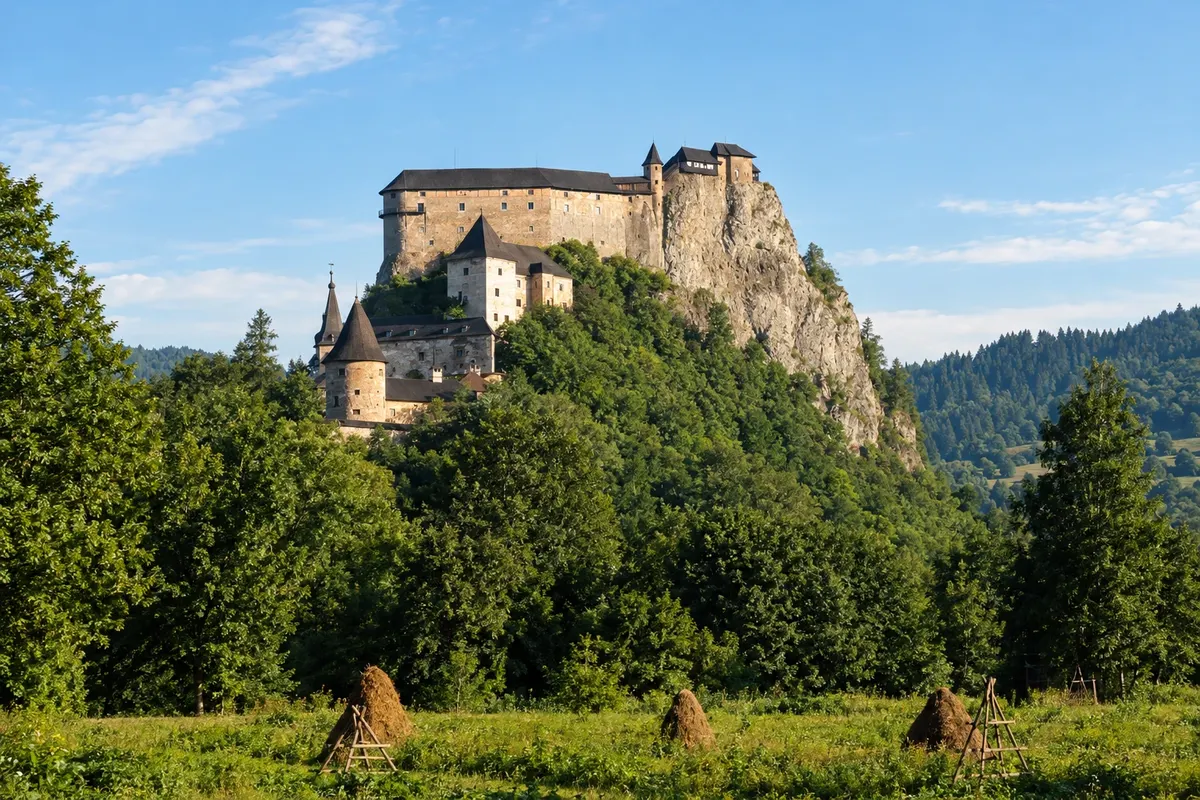
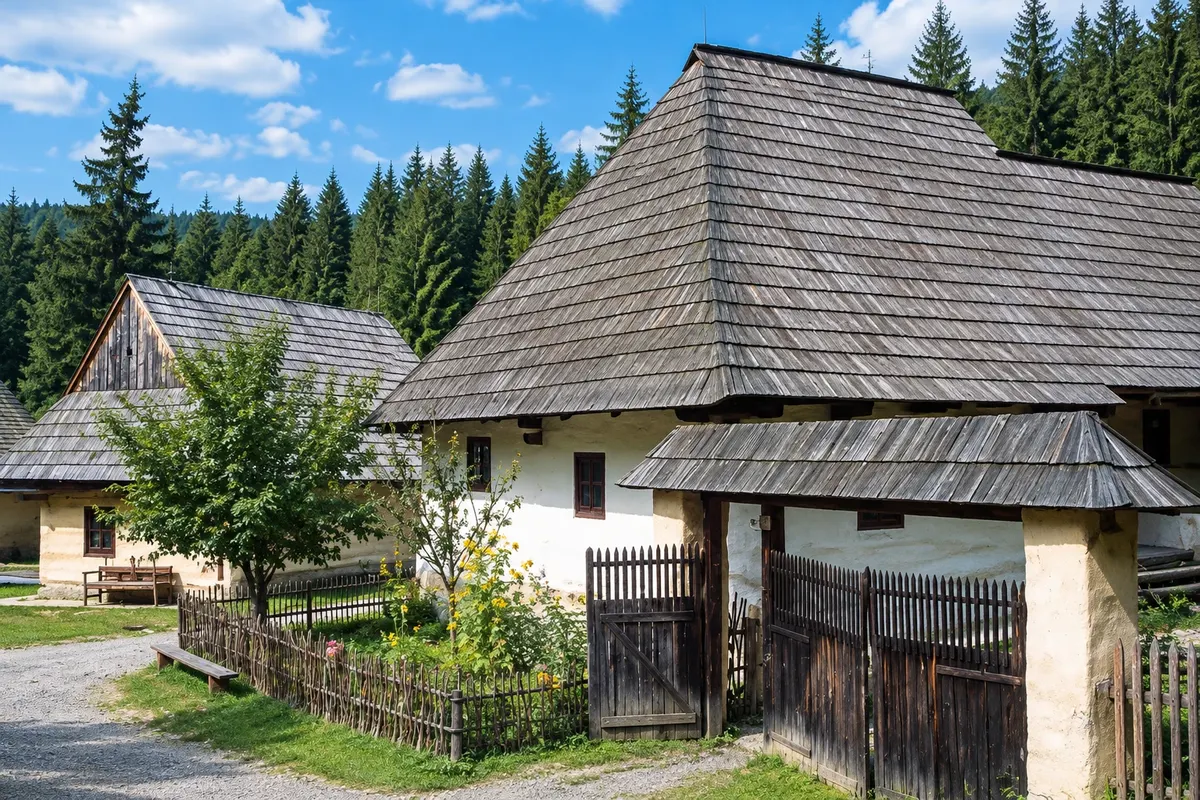
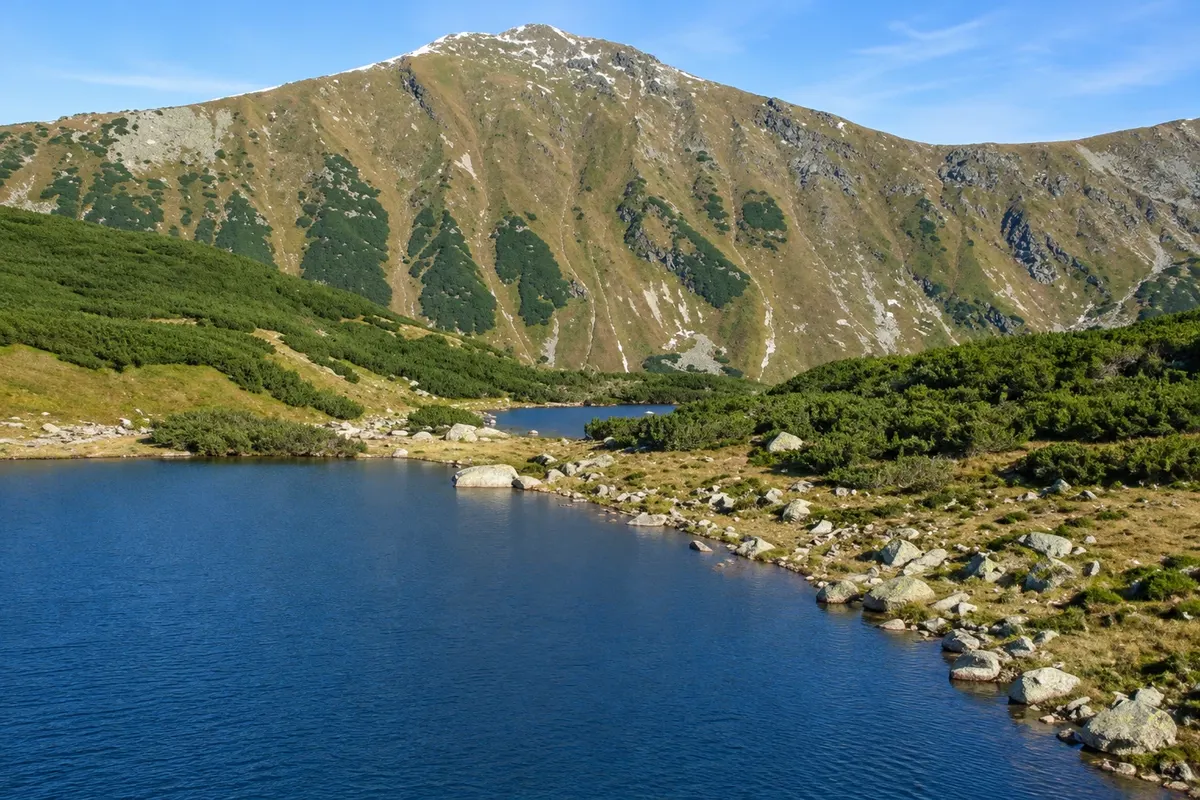
Orava is the historic region of the Orava river valley in far northern Slovakia, next to the border with Poland. The landscape alternates between pasture-covered hills, villages of wooden houses and mountains: to the southwest the Oravská Magura, to the east the Western Tatras (called Roháče there), and to the north the Babia hora on the border.
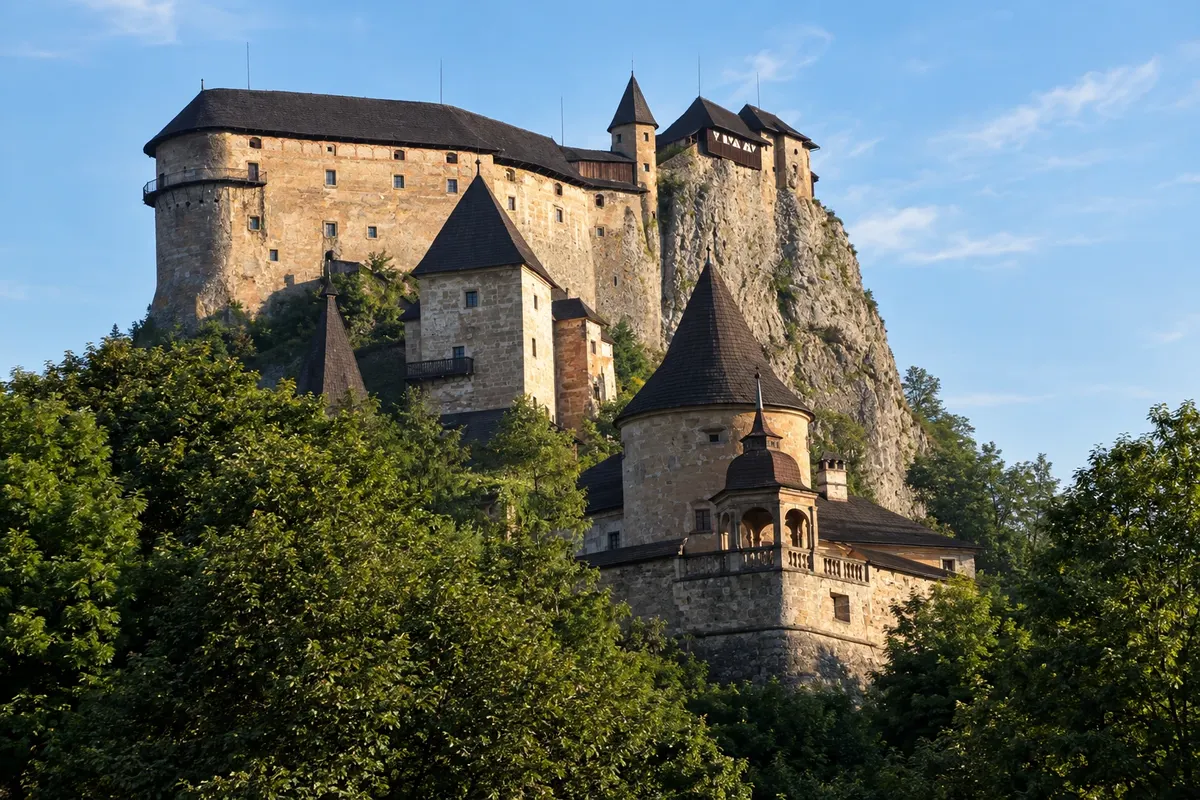
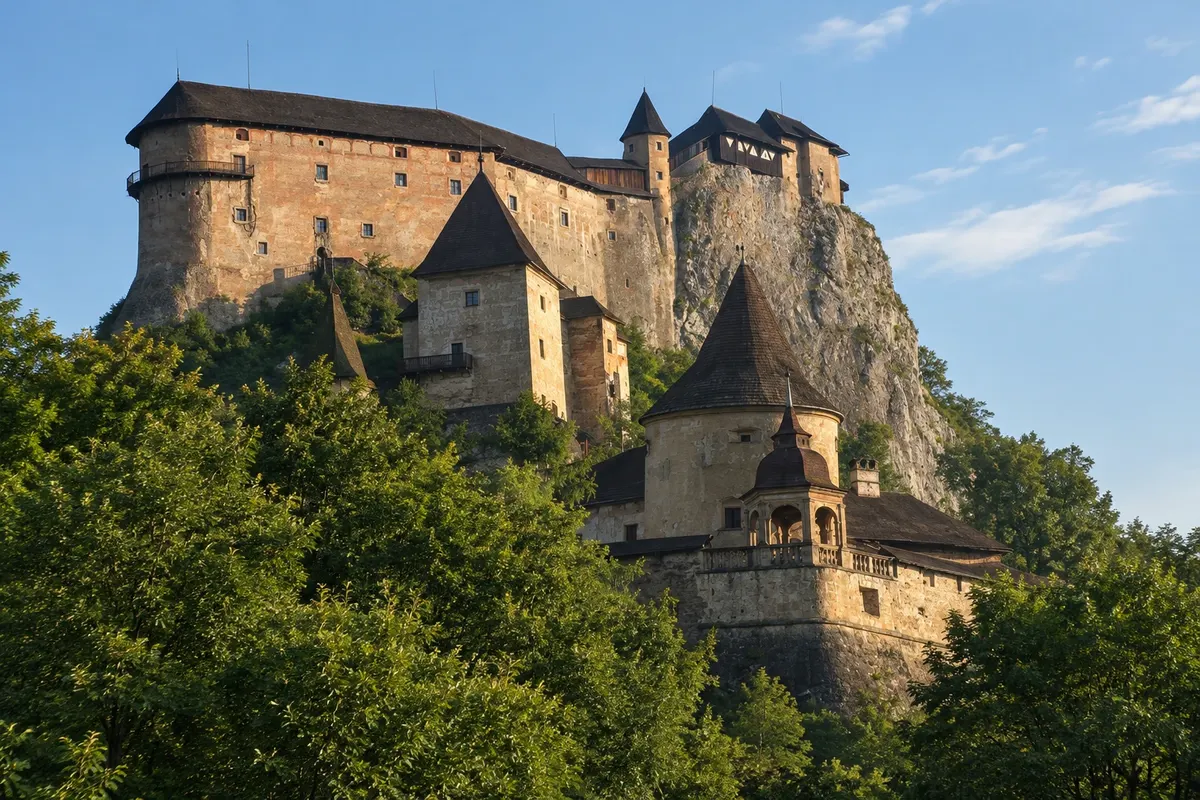
Oravský Podzámok, the arrival village, grew at the foot of Orava Castle, which stands on a limestone rock above the river. It is the region’s best-known castle and was a filming location for the 1922 movie Nosferatu. The village has a station on the line that runs up the valley to Trstená.
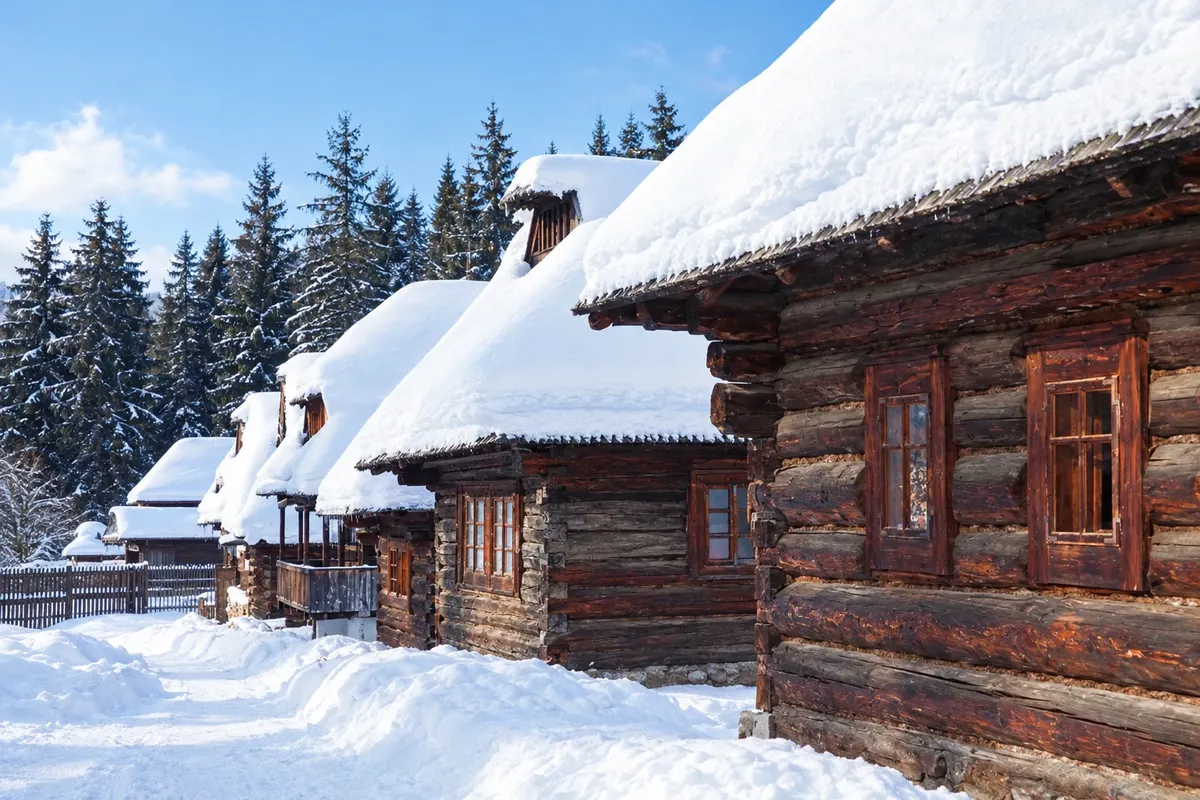
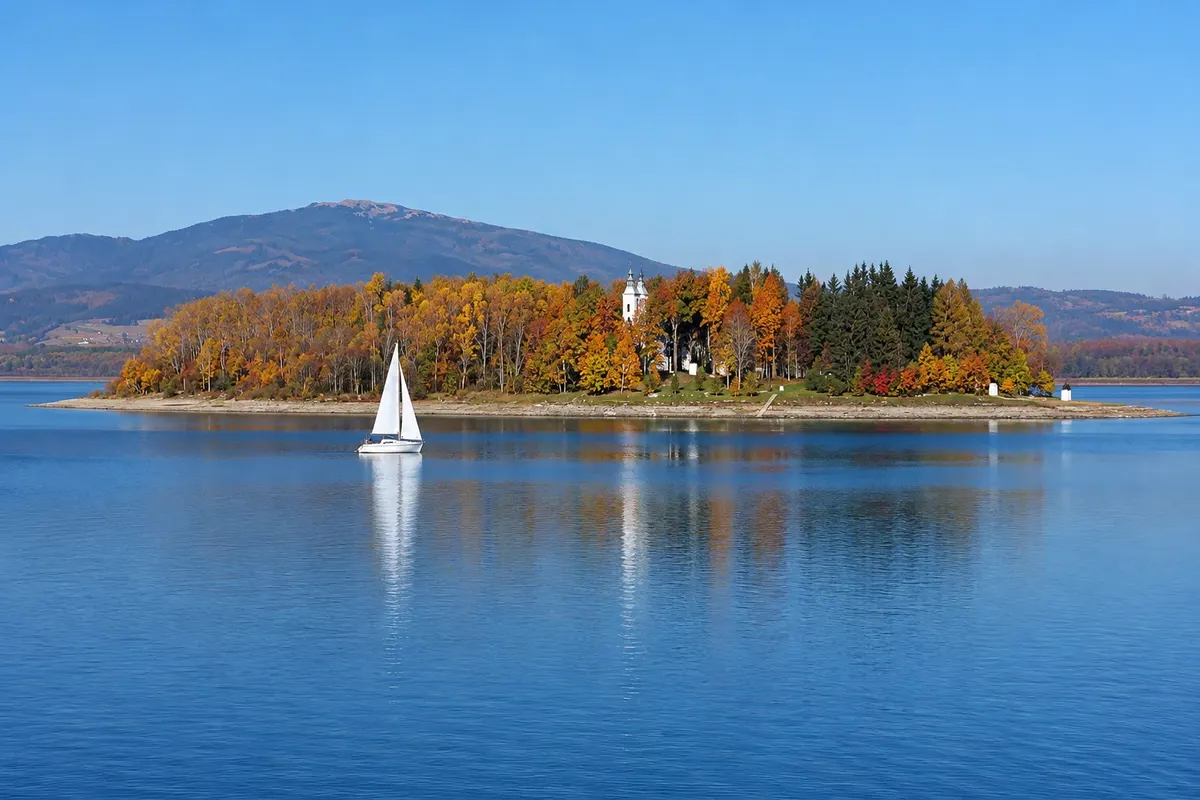
Further north, the Orava reservoir, created in the 1950s, submerged five villages. From the village of Slanica only the top of the hill remained, now an island with a baroque church and a folk art exhibition, visited by boat from Námestovo. To the east, Zuberec is the gateway to the Roháče: near the village is the Orava Village Museum, one of the country’s largest open-air museums, and from there the road climbs into the Roháče valley, where trails start up to the mountain lakes.
The region has mountain cuisine, with sheep cheeses and potato dishes, and a relaxed pace, without big cities.
This destination brings together 2 cities: Oravský Podzámok, Zuberec.


 Brazil
 Argentina
 Bolivia
 Chile
 Colombia
 Ecuador
 Guyana
 French Guiana
 Falkland Islands (Malvinas)
 Paraguay
 Peru
 Suriname
 Uruguay
 Venezuela
 Germany
 Austria
 Belgium
 Croatia
 Denmark
 Spain
 Finland
 France
 Greece
 the Netherlands
 Hungary
 Ireland
 Iceland
 Italy
 Luxembourg
 Norway
 Poland
 Portugal
 the United Kingdom
 the Czech Republic
 Sweden
 Switzerland
 Turkey
 Canada
 the United States
 Mexico
 the Dominican Republic
 South Africa
 Australia
 Fiji
 New Zealand
 Papua New Guinea