The region
Get to know Trnava
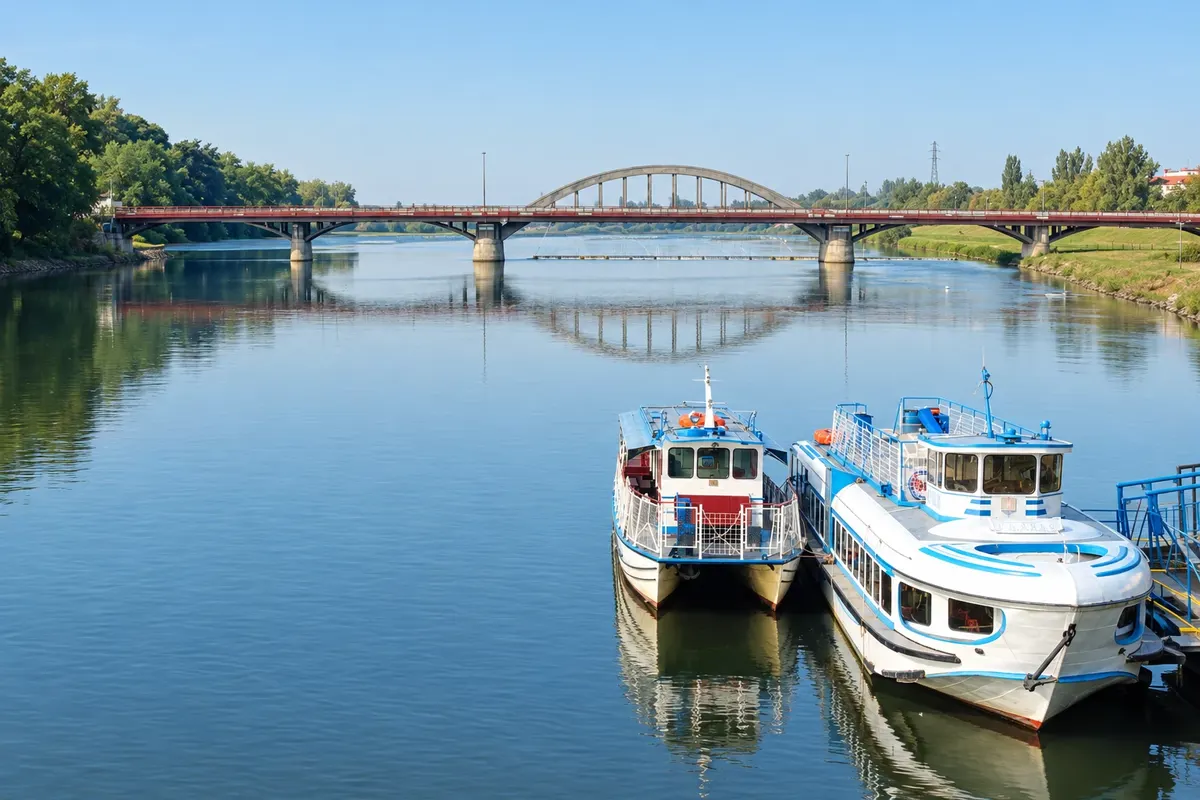
The Trnava region stretches from the Morava River, on the border with Austria and the Czech Republic, to the Danube, on the border with Hungary. To the north are the Záhorie hills and the Little Carpathians; to the south, the fertile plain of Žitný ostrov, between two branches of the Danube, where a large part of the population speaks Hungarian.
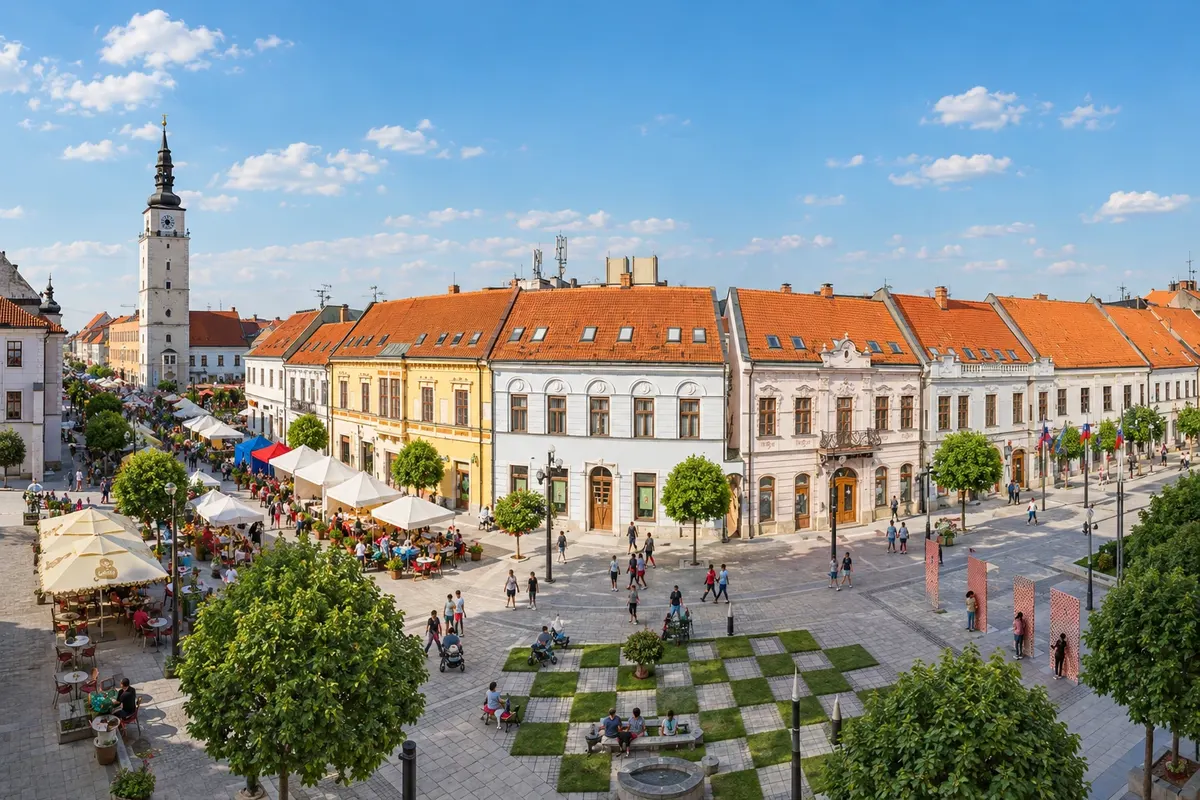
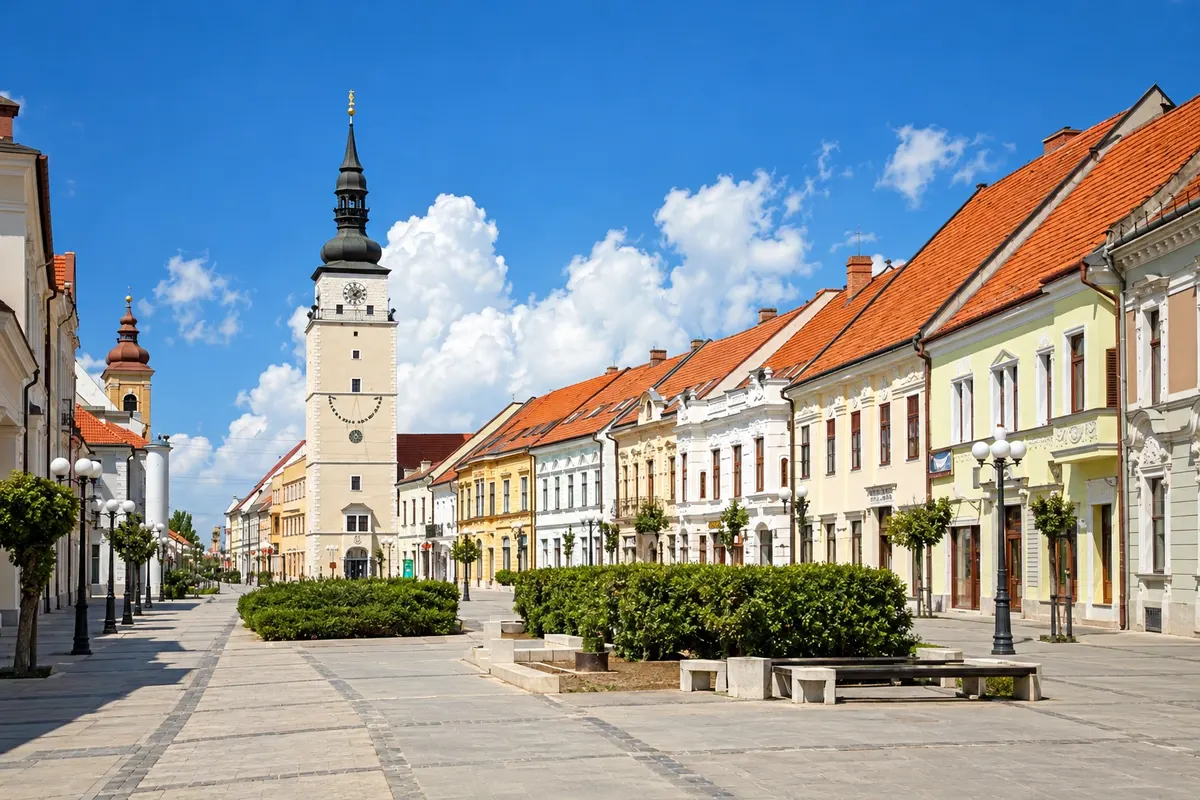
Trnava received the privileges of a royal free town in 1238, among the earliest in the Slovak territory, and from 1635 hosted the university founded by Archbishop Péter Pázmány. The towers of the churches and convents earned the town the nickname Little Rome. The centre, enclosed by a long stretch of wall, has the City Tower, with a viewpoint, and the Cathedral of St. John the Baptist.
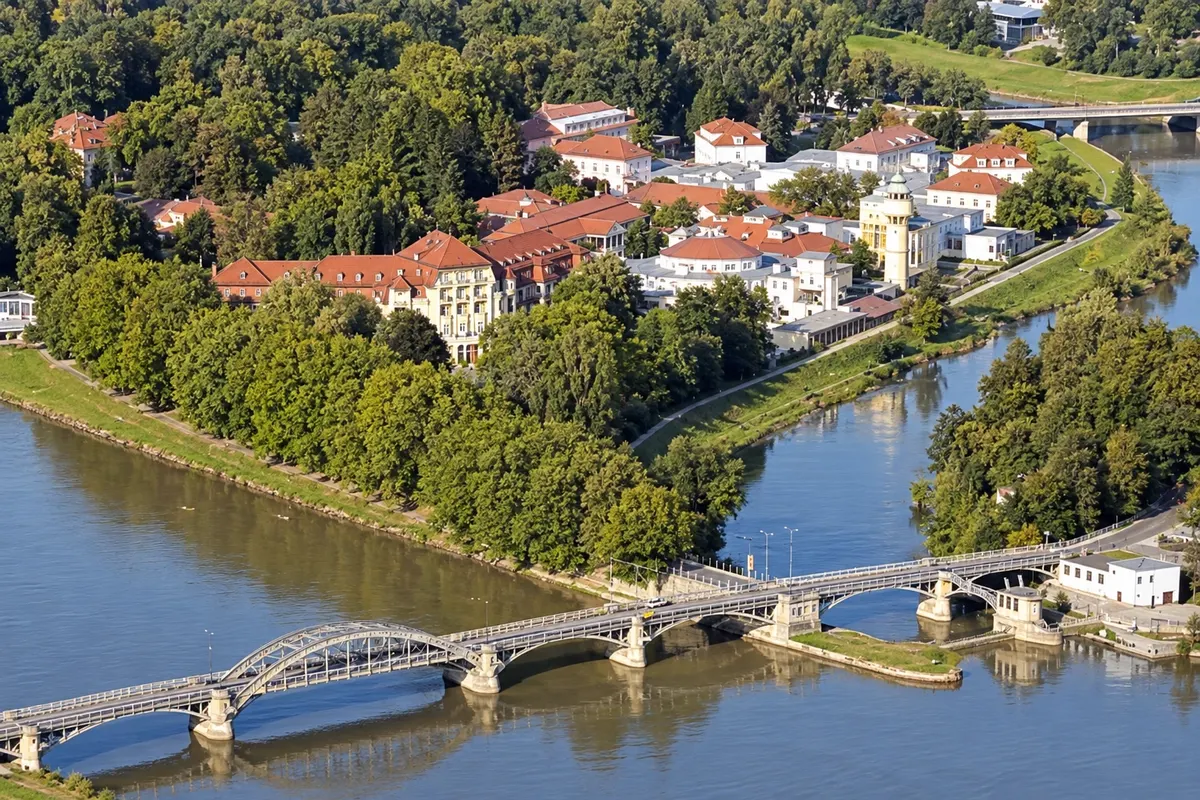
Piešťany, in the Váh valley, is Slovakia’s best-known spa resort, with thermal waters and sulphurous mud used in treatments. The bathing island lies on the other side of the Colonnade bridge, which has at its entrance the statue of the man breaking the crutch, the city’s symbol. In the Little Carpathians, east of Trnava, stands Smolenice Castle.
In Záhorie, Skalica has a Romanesque rotunda and is known for trdelník, a rolled dough pastry roasted on a spit, and for its wine. In Holíč, an 18th-century manor served as a summer residence for Maria Theresa and Francis of Lorraine. To the south, Žitný ostrov has thermal parks and the Danube’s side branches, popular with kayakers and cyclists.


 Brazil
 Argentina
 Bolivia
 Chile
 Colombia
 Ecuador
 Guyana
 French Guiana
 Falkland Islands (Malvinas)
 Paraguay
 Peru
 Suriname
 Uruguay
 Venezuela
 Germany
 Austria
 Belgium
 Croatia
 Denmark
 Spain
 Finland
 France
 Greece
 the Netherlands
 Hungary
 Ireland
 Iceland
 Italy
 Luxembourg
 Norway
 Poland
 Portugal
 the United Kingdom
 the Czech Republic
 Sweden
 Switzerland
 Turkey
 Canada
 the United States
 Mexico
 the Dominican Republic
 South Africa
 Australia
 Fiji
 New Zealand
 Papua New Guinea