Trnava lies on the plain of western Slovakia, about 45 km from Bratislava, and governs the region that bears its name. After 1543, when the Ottomans took Esztergom, the city received the archbishopric and became a center of Catholicism in the Kingdom of Hungary. In 1635, Archbishop Péter Pázmány founded a Jesuit university there, the only one in the kingdom at the time. The number of churches within the walls gave Trnava the nickname Little Rome (Malý Rím).
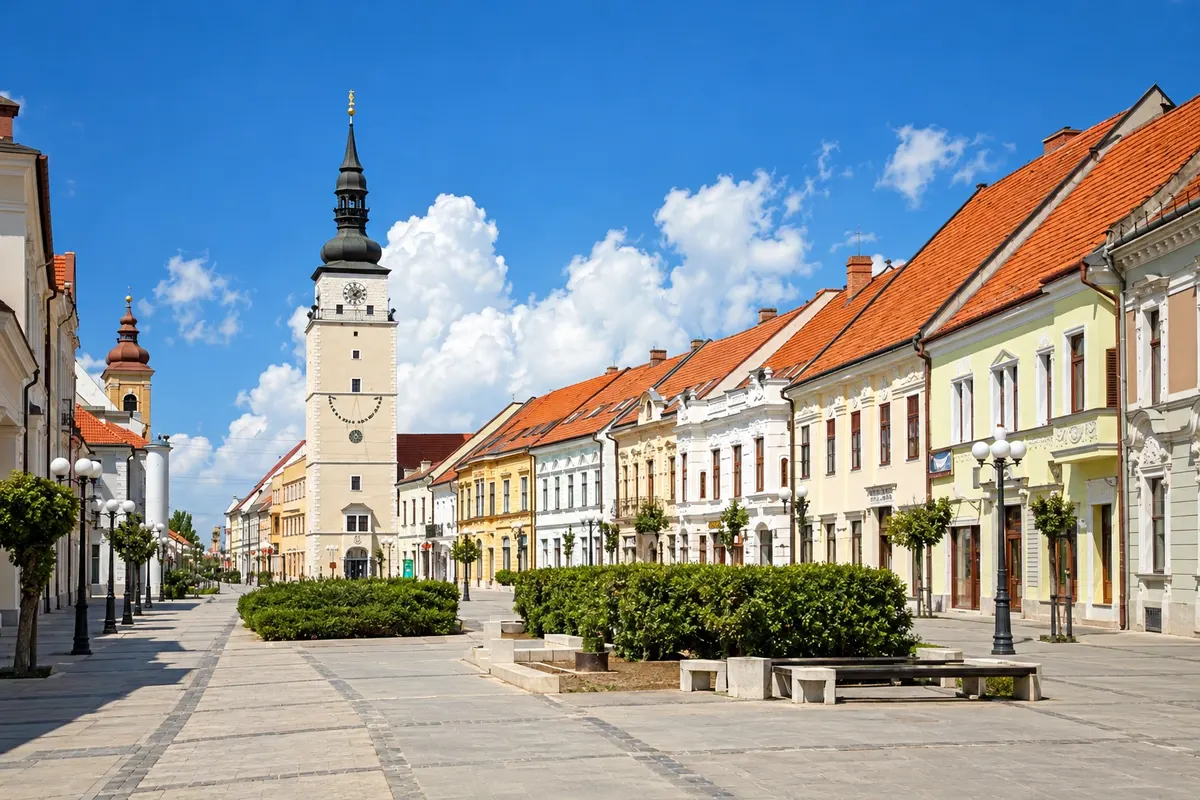
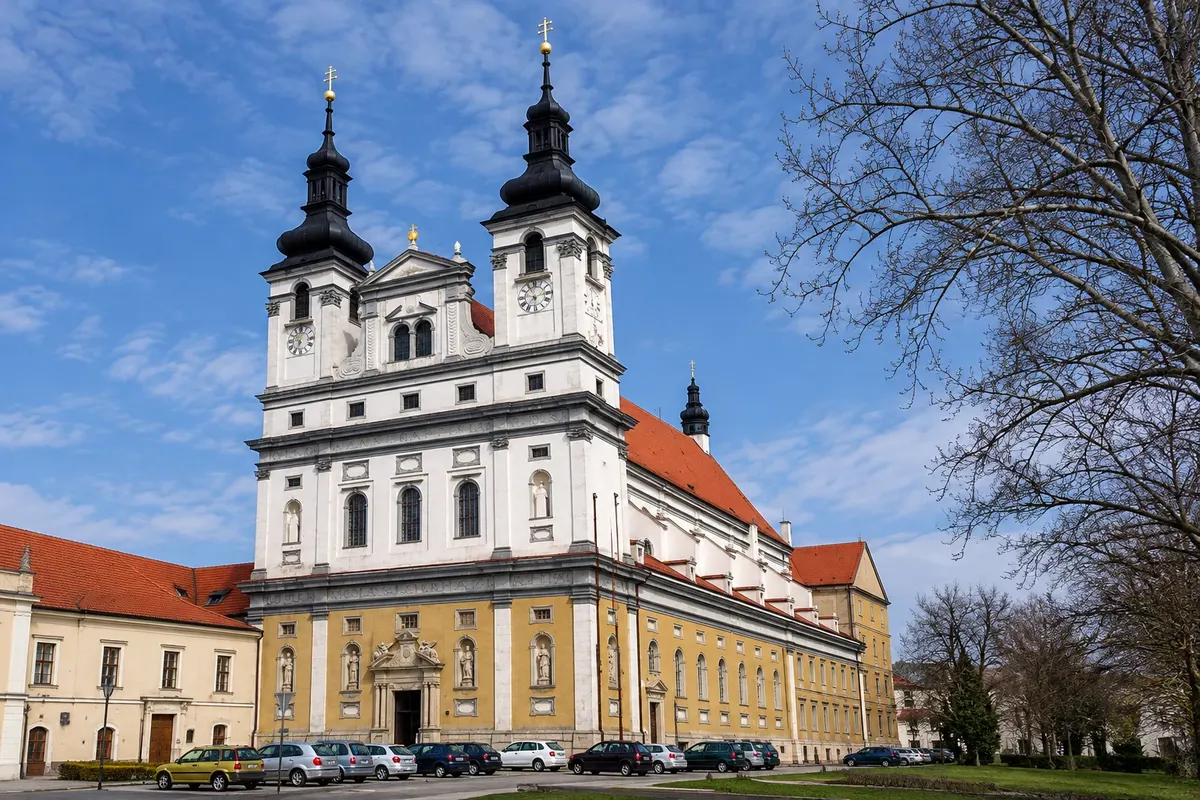
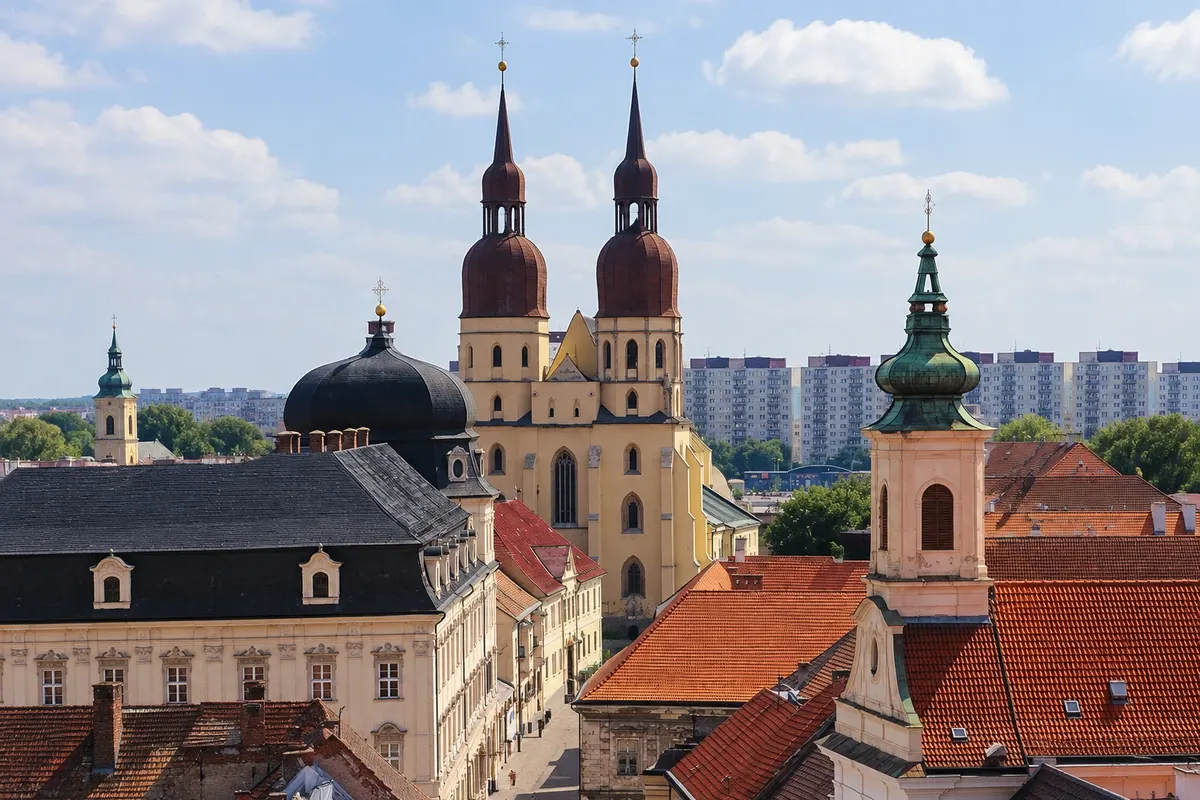
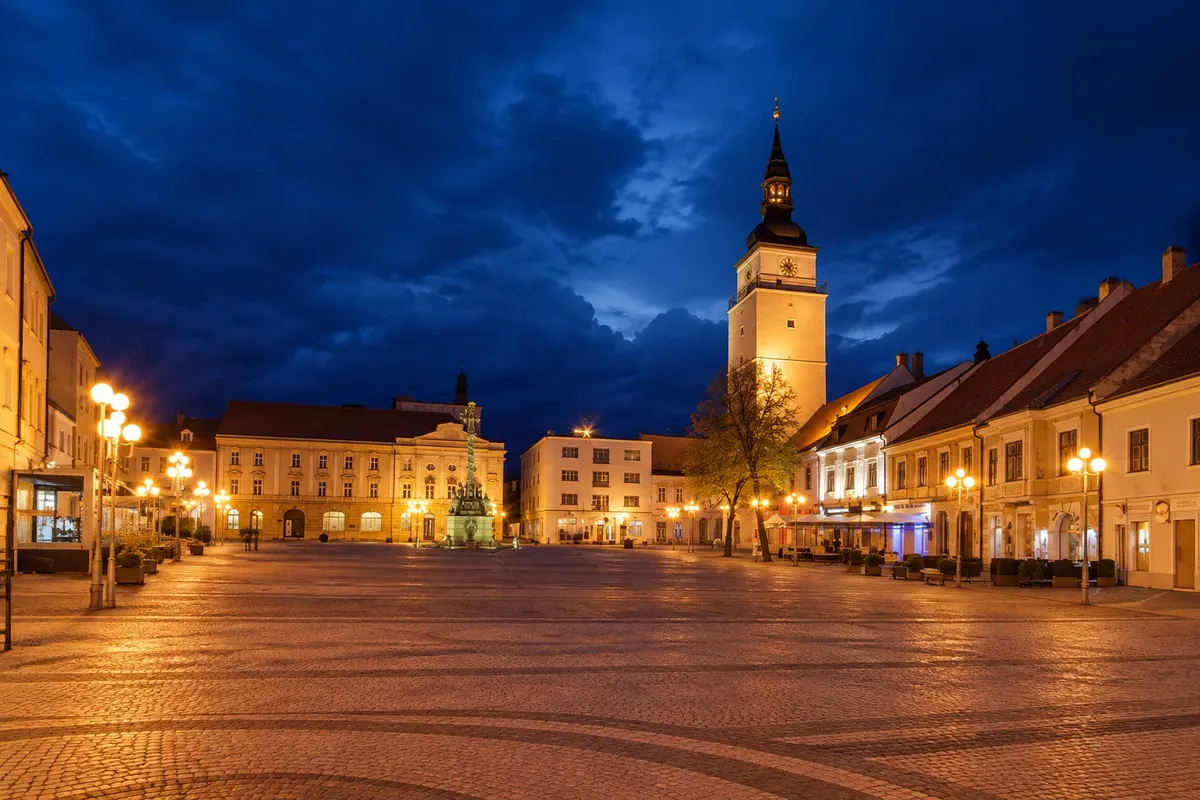
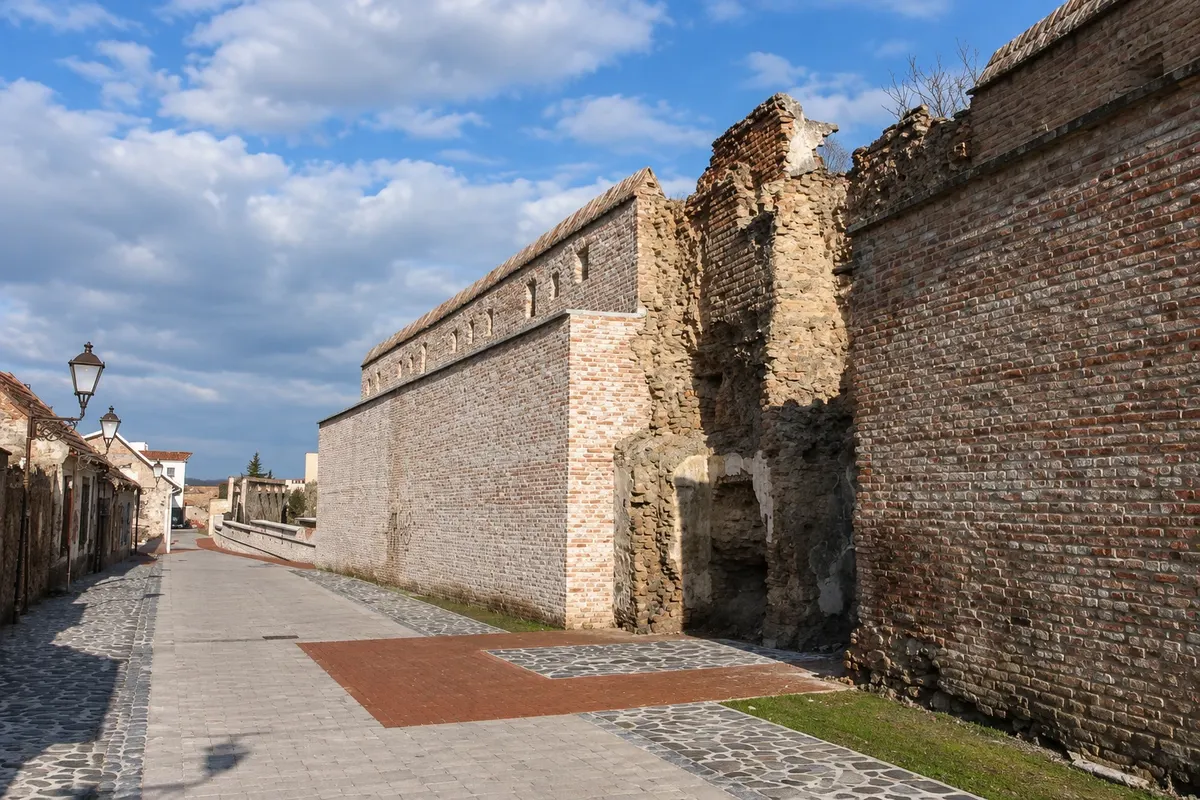
The old town is compact and flat. The City Tower, from 1574, rises on Trojičné námestie, the Trinity Square, and Hlavná Street links the square to the two main churches, the Jesuit Cathedral of St. John the Baptist and the Basilica of St. Nicholas, which served the archbishops. Much of the medieval brick walls still stand and can be walked along on the outside.
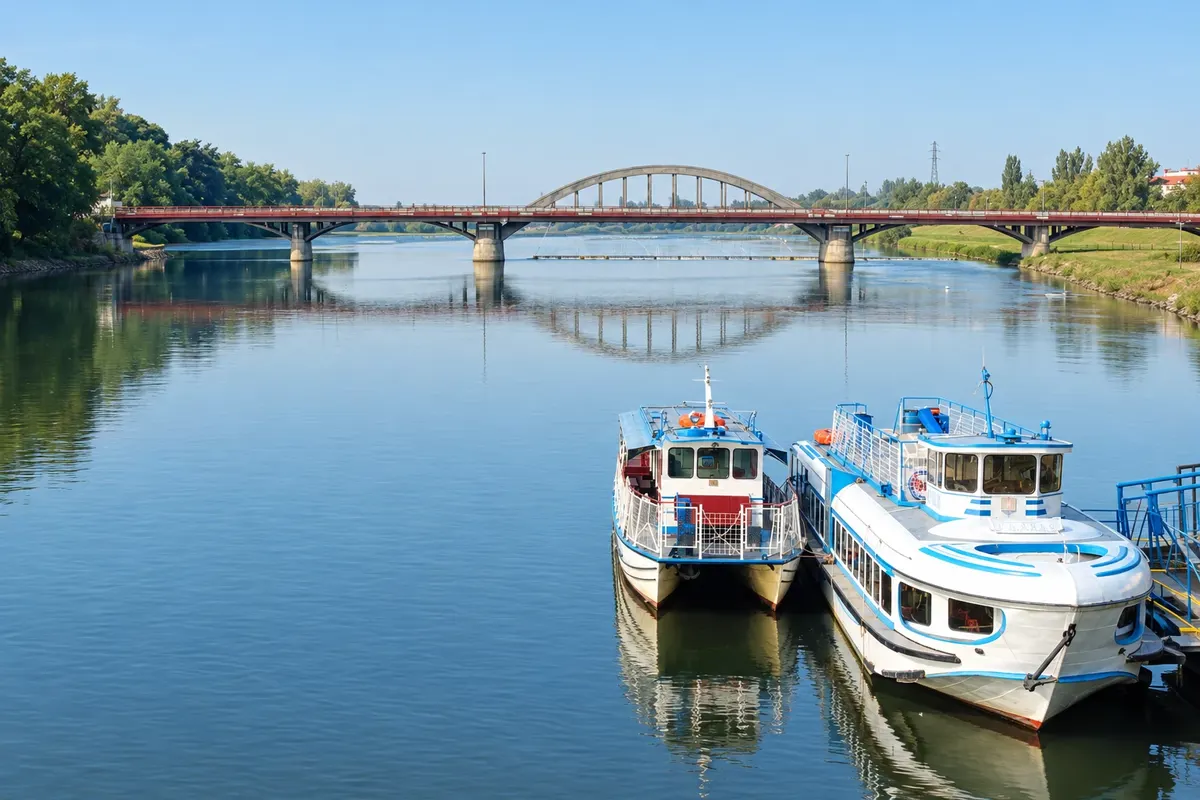
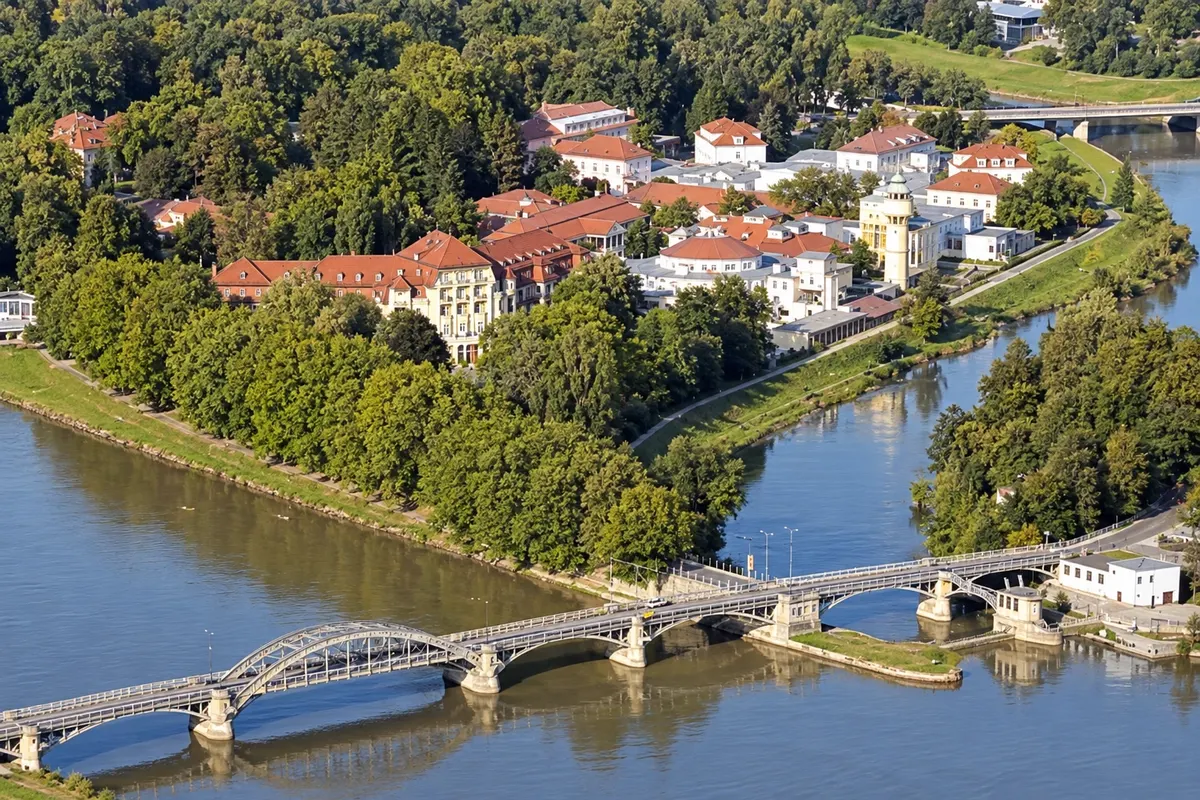
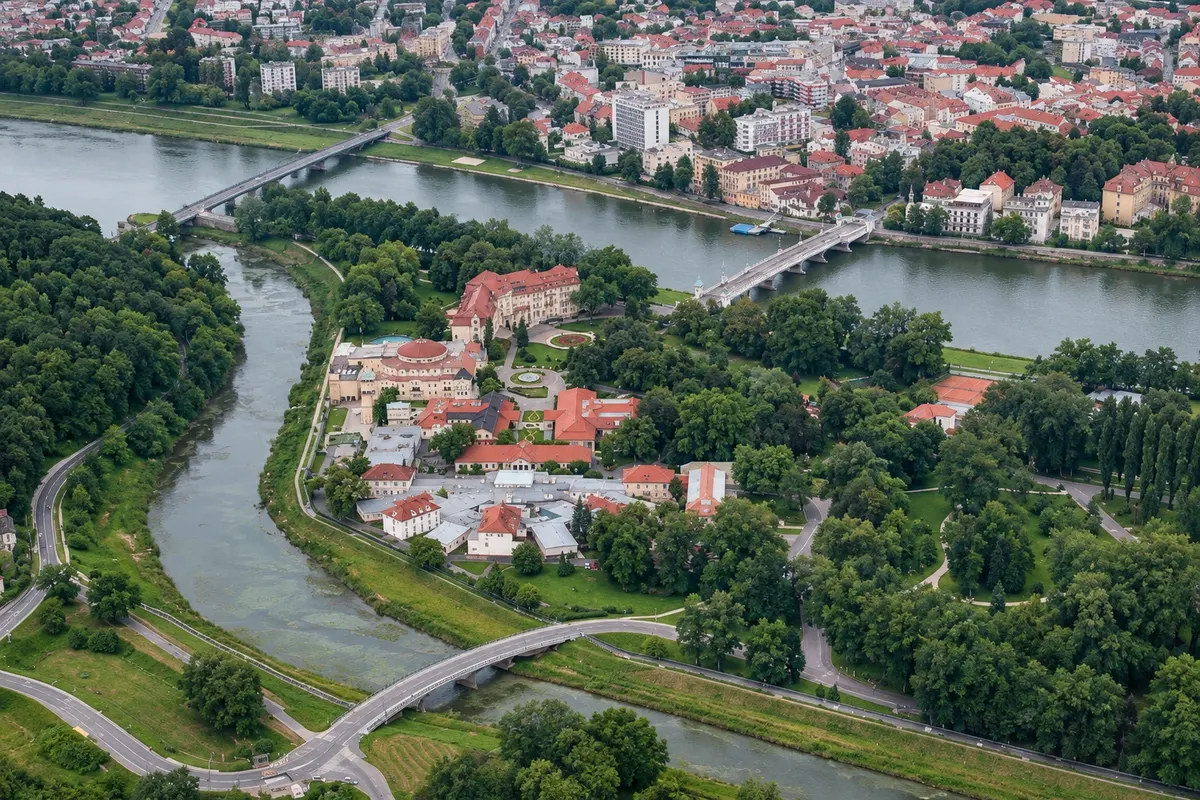
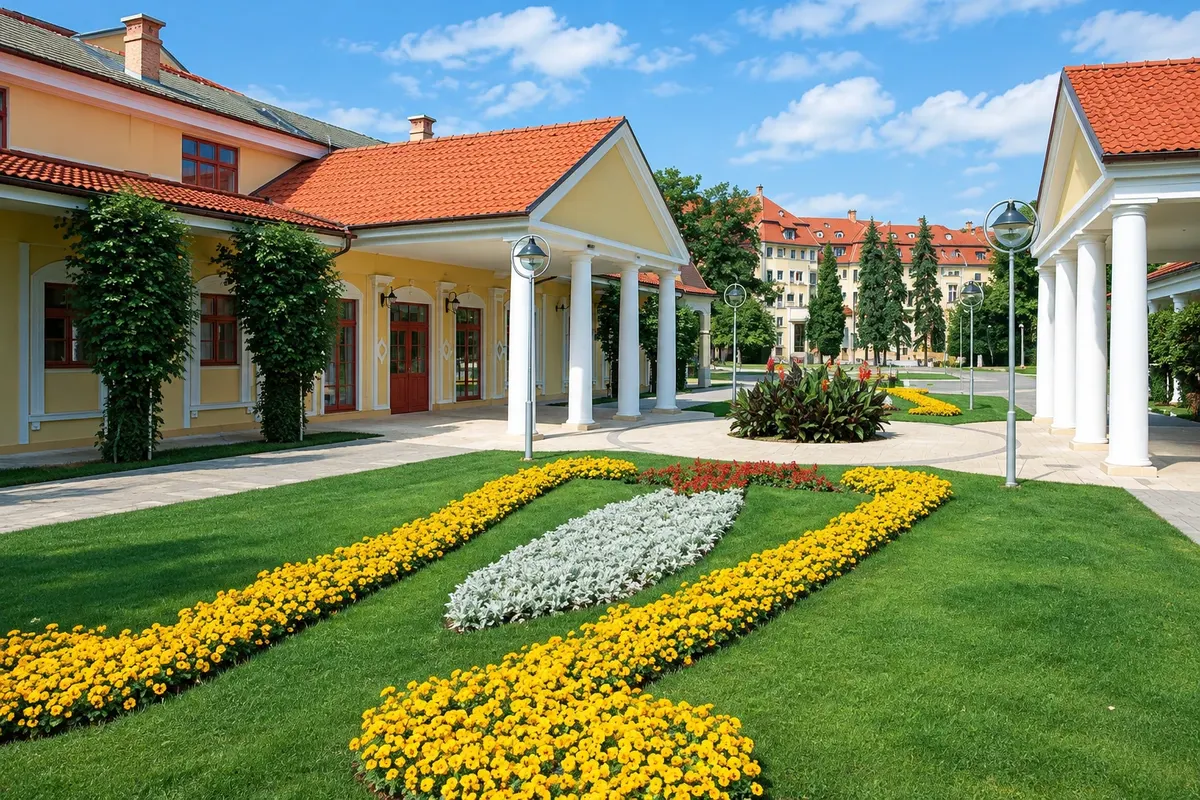
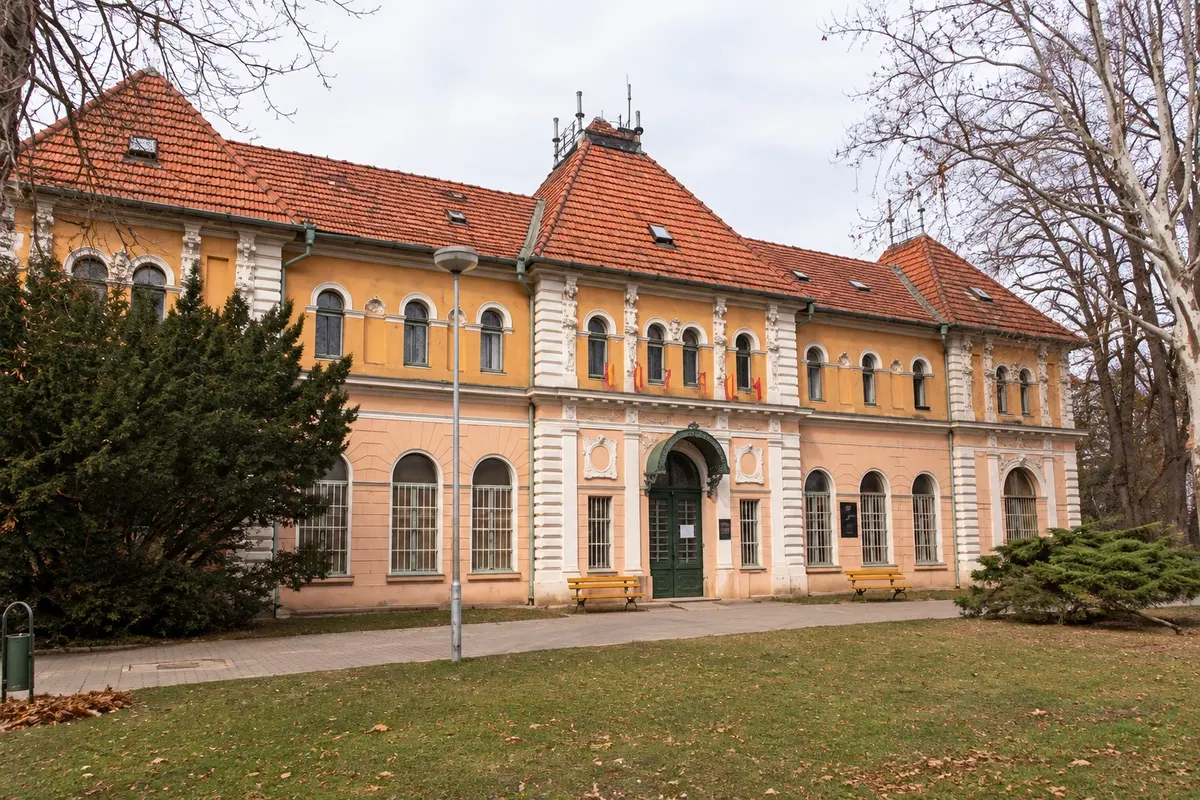
Piešťany lies about 30 km to the north, on the banks of the Váh. It is the country’s largest spa town, sought by people treating rheumatism and arthritis with hot waters and mud baths. The spa baths occupy an island between two branches of the river, connected to the town by a covered functionalist bridge, the Colonnade Bridge.
The two towns are on the same train line that runs up from Bratislava through the Váh valley and make a good two-day itinerary.
This destination brings together 2 cities: Trnava, Piešťany.


 Brazil
 Argentina
 Bolivia
 Chile
 Colombia
 Ecuador
 Guyana
 French Guiana
 Falkland Islands (Malvinas)
 Paraguay
 Peru
 Suriname
 Uruguay
 Venezuela
 Germany
 Austria
 Belgium
 Croatia
 Denmark
 Spain
 Finland
 France
 Greece
 the Netherlands
 Hungary
 Ireland
 Iceland
 Italy
 Luxembourg
 Norway
 Poland
 Portugal
 the United Kingdom
 the Czech Republic
 Sweden
 Switzerland
 Turkey
 Canada
 the United States
 Mexico
 the Dominican Republic
 South Africa
 Australia
 Fiji
 New Zealand
 Papua New Guinea