Caesar
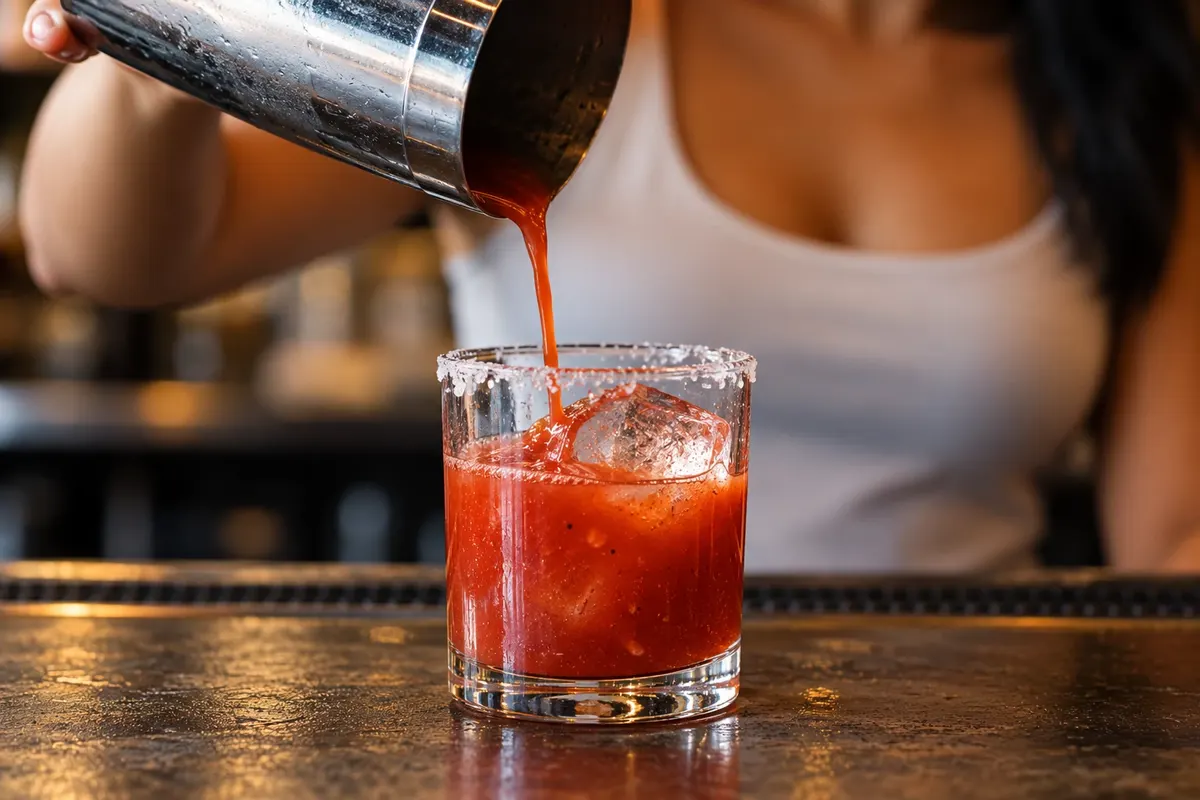
Vodka cocktail with tomato and clam juices, Worcestershire sauce and hot sauce, served in a tall glass with a celery salt rim, a celery stalk and lemon. It was created in Calgary in 1969 and is considered Canada’s national cocktail.
Flavors · Winnipeg
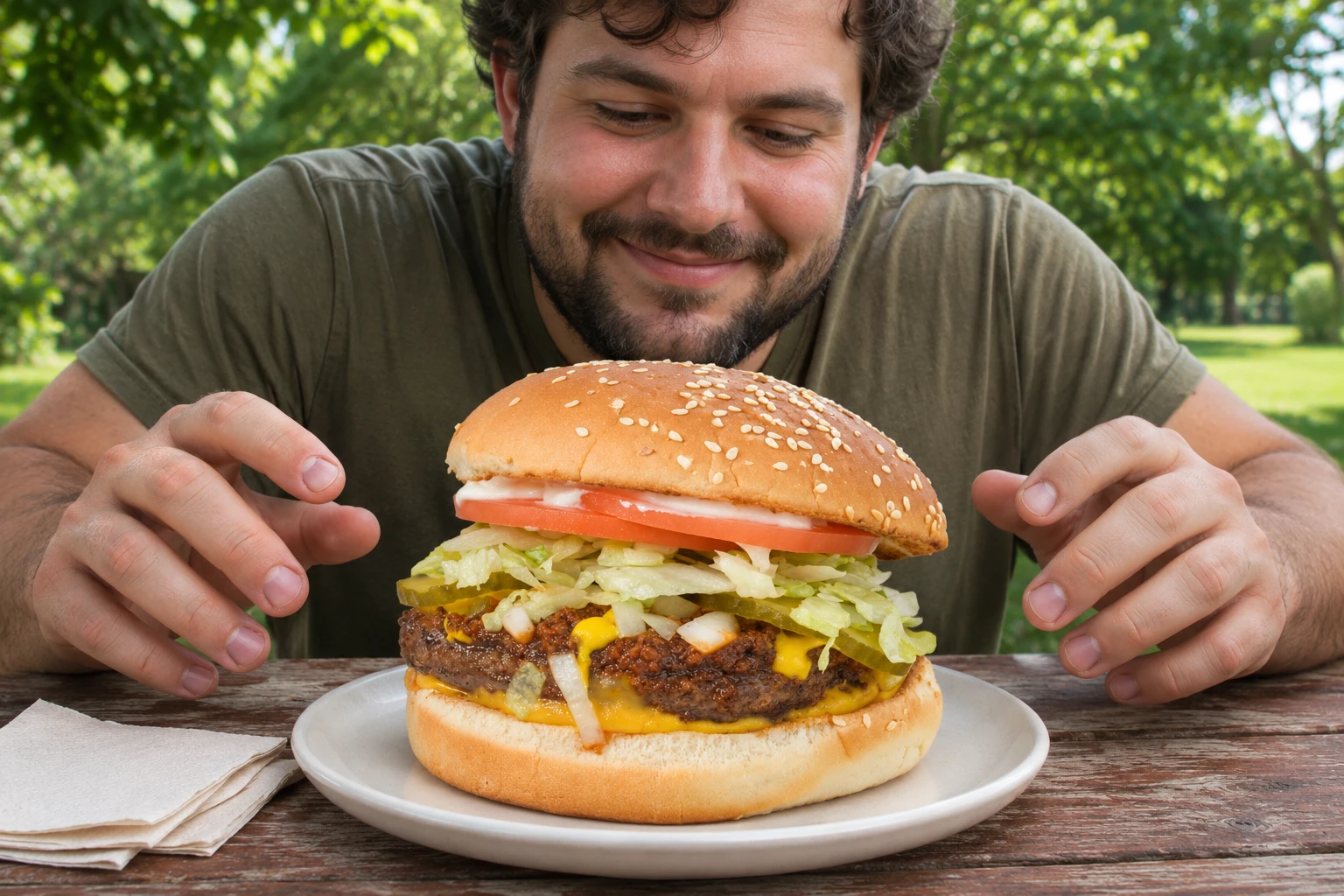
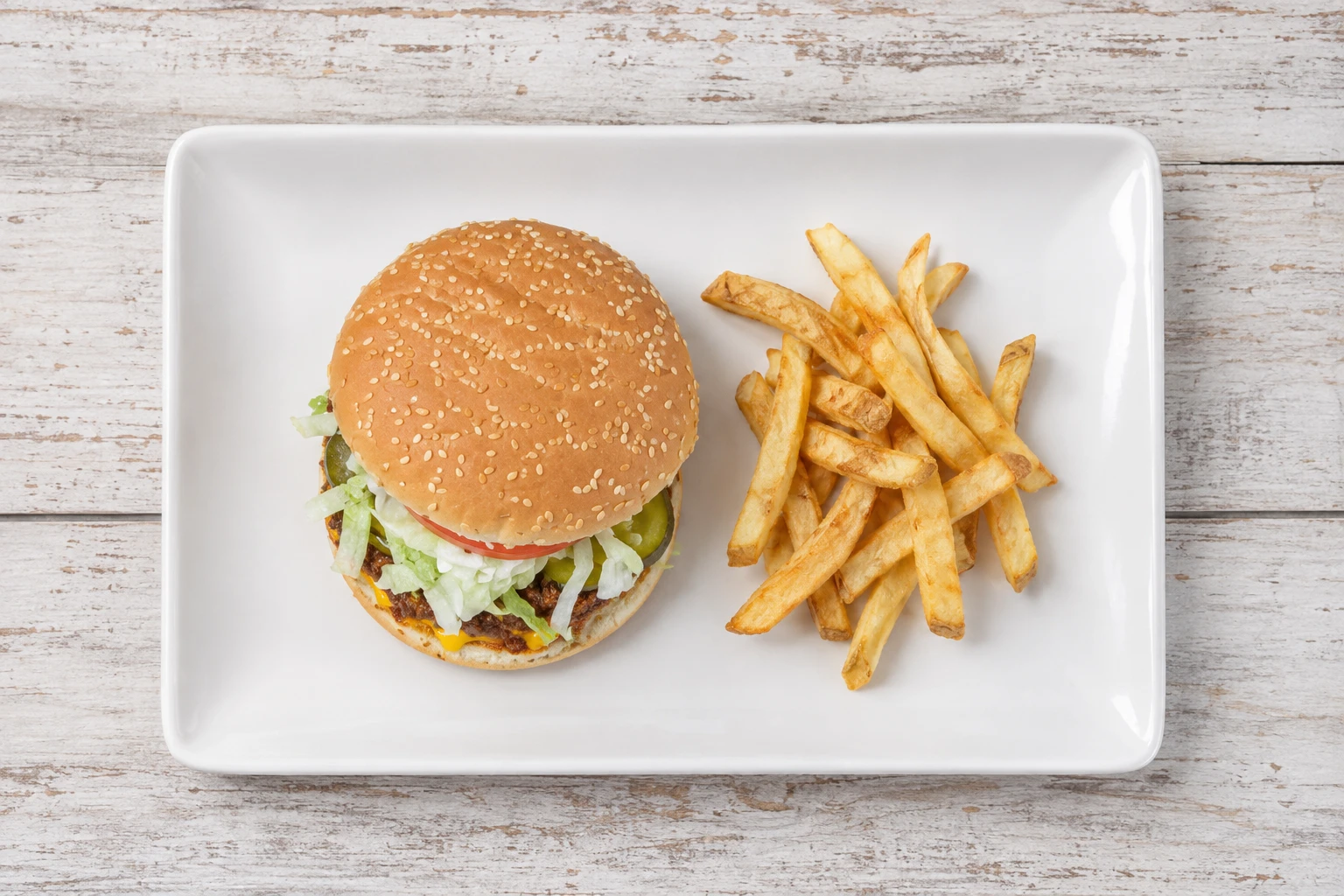
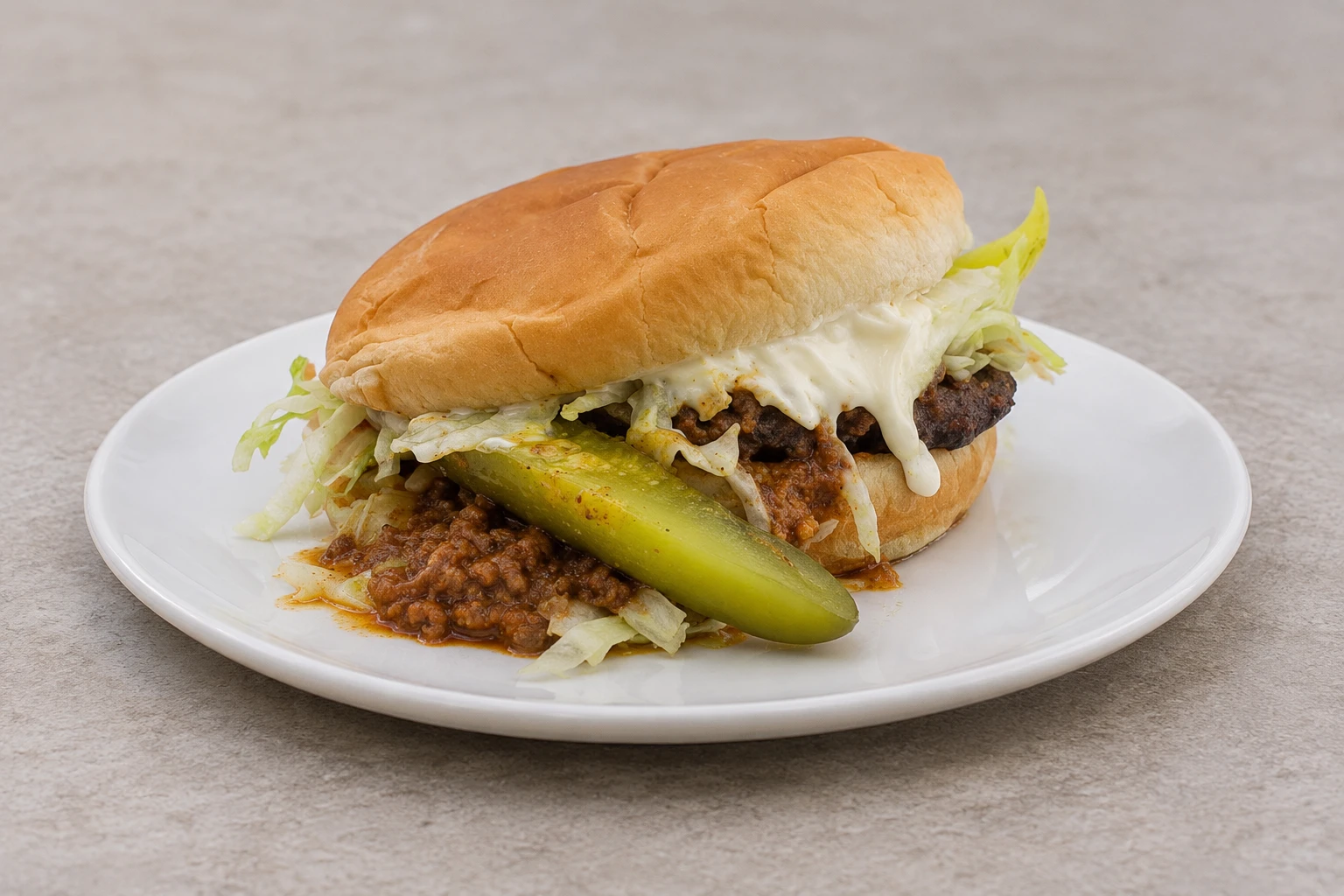
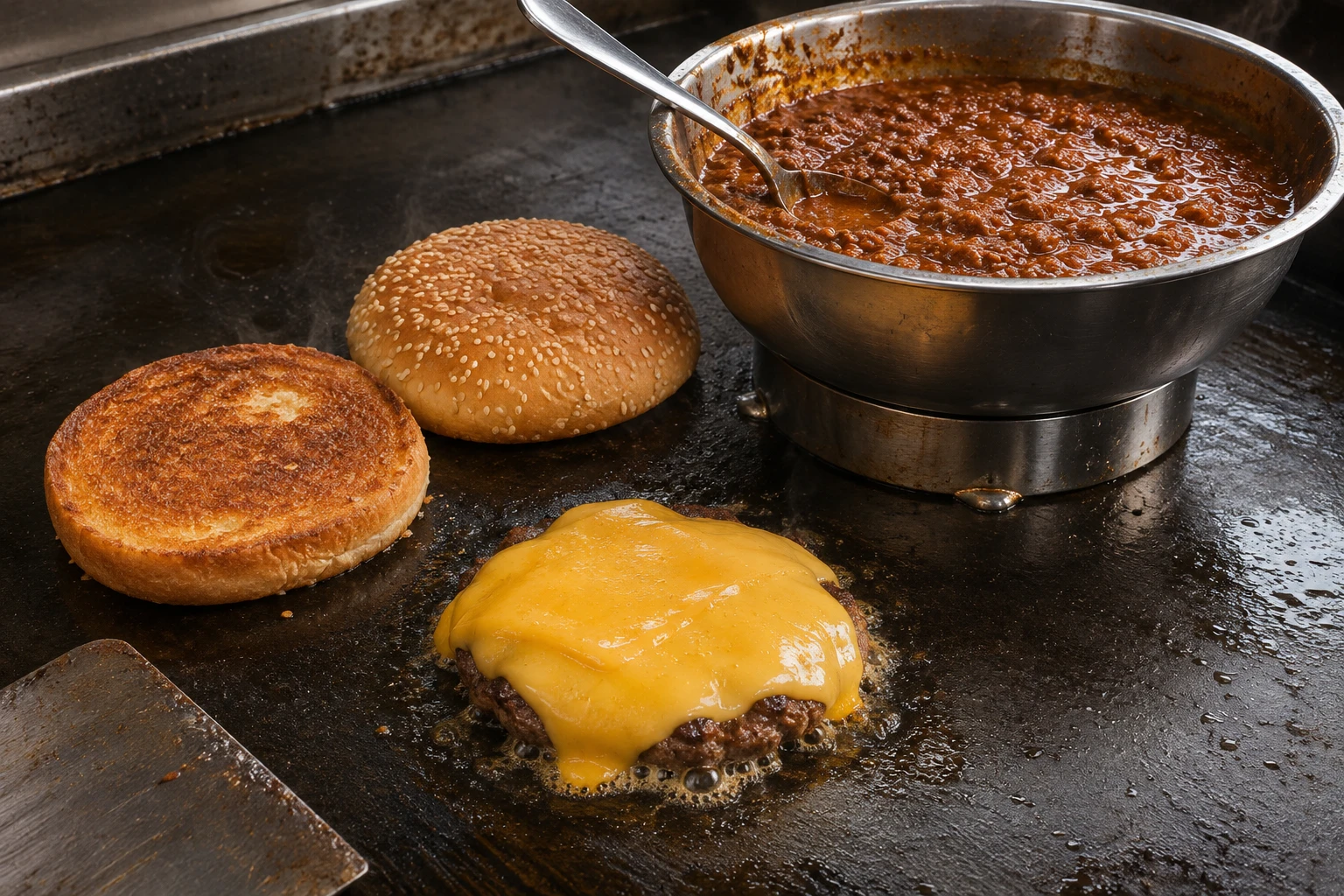
Beef hamburger topped with a chili-style meat sauce, long-sliced dill pickles, lettuce, tomato, mayonnaise and mustard. It’s the drive-in sandwich of Winnipeg.
Traditional dish from Winnipeg, Manitoba
Also known as: Fatboy, Fat Boy burger
Illustrative images. The pictures in this guide are illustrations based on the real place, not photographs, and may differ from it.
Click a photo to enlarge it.
Fat Boy — Winnipeg, Canada
The Fat Boy is Winnipeg’s signature hamburger. What sets it apart is the sauce on top of the patty: a seasoned ground-beef sauce in a chili style, thicker than a stew. The assembly also includes long-sliced dill pickles, shredded lettuce, tomato and plenty of mayonnaise and mustard on a hamburger bun. Onion and cheese are also commonly added.
The sandwich spread through the city beginning in the 1950s, in diners and drive-ins opened by Greek immigrants. The exact origin and the source of the name are disputed among several longtime establishments.
The Fat Boy is sold in drive-ins and diners across Winnipeg and other Manitoba towns, and each place has its own sauce recipe. It’s commonly eaten with French fries. Because the sauce can run, many people eat it with a fork or with plenty of napkins.

Winnipeg , Manitoba
Beef hamburger, ground-beef chili-style sauce, dill pickles, lettuce, tomato, mayonnaise, mustard, onion, cheese, hamburger bun.
With your hands and napkins, or with a fork when the sauce is abundant; often served with French fries.
Year-round; a quick lunch or evening snack.
Your questions
It’s a hamburger topped with a chili-style meat sauce, dill pickles, lettuce, tomato, mayonnaise and mustard.
At drive-ins and diners in Winnipeg and other Manitoba towns; every place has its own sauce recipe.
The sandwich spread through Winnipeg from the 1950s, in diners run by Greek immigrants; the specific shop that created it and the origin of the name are disputed.
Flavors of Canada

Vodka cocktail with tomato and clam juices, Worcestershire sauce and hot sauce, served in a tall glass with a celery salt rim, a celery stalk and lemon. It was created in Calgary in 1969 and is considered Canada’s national cocktail.

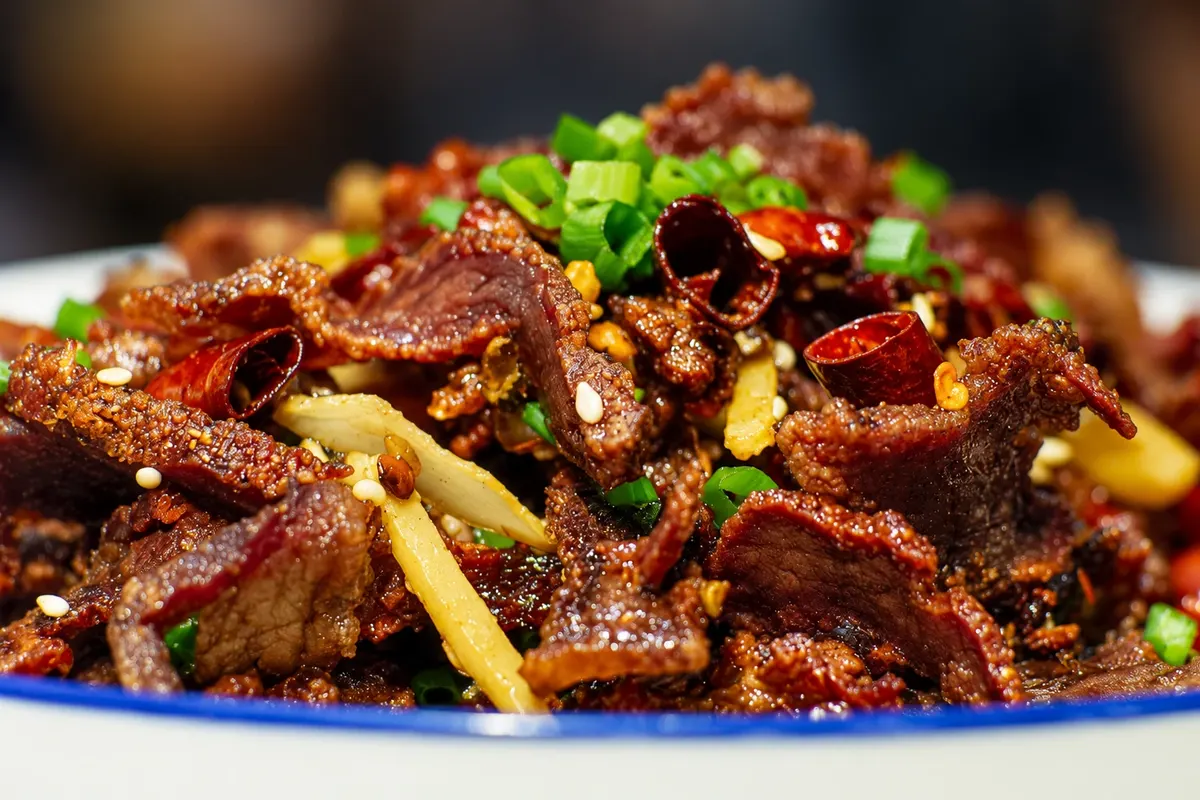
Strips of breaded beef fried until crispy, tossed in a sweet-and-spicy sauce with ginger, garlic and chili, served with sautéed vegetables and rice. Created in Calgary in the 1970s at a Chinese-Canadian restaurant, it spread across the Prairies and the country.

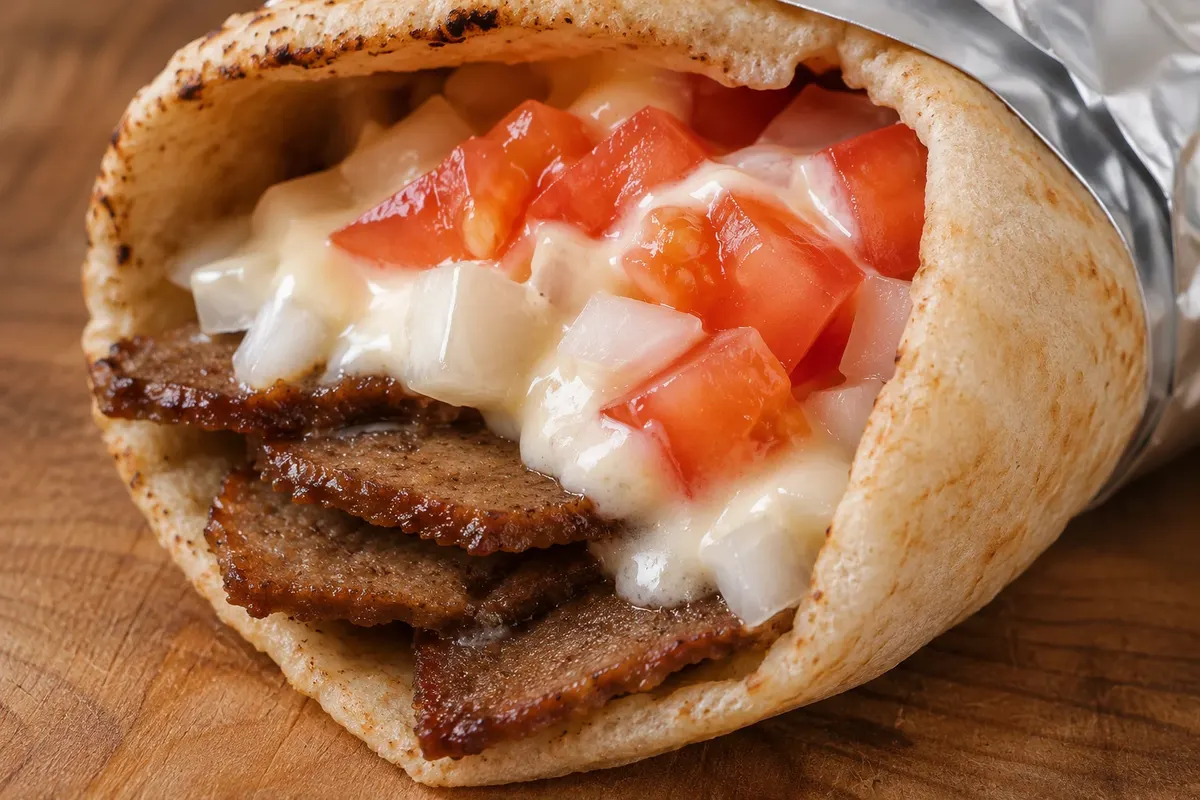
Beef seasoned and roasted on a vertical spit, thinly sliced and served in a pita with tomato, onion and a sweet sauce of condensed milk, vinegar and garlic. Created in Halifax in the 1970s, it is the city’s official food.

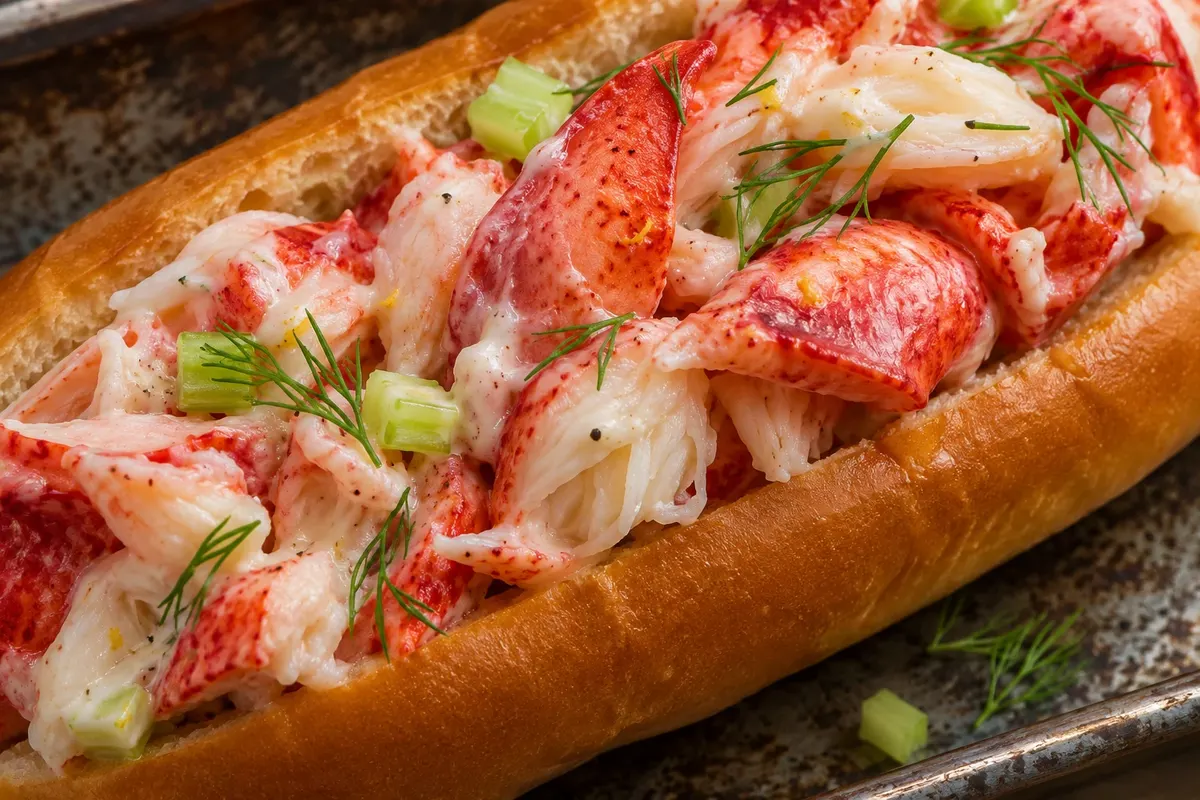
Soft bread filled with pieces of cooked lobster mixed with mayonnaise, celery, and a little lemon, served cold. It’s a traditional way to eat Prince Edward Island lobster.

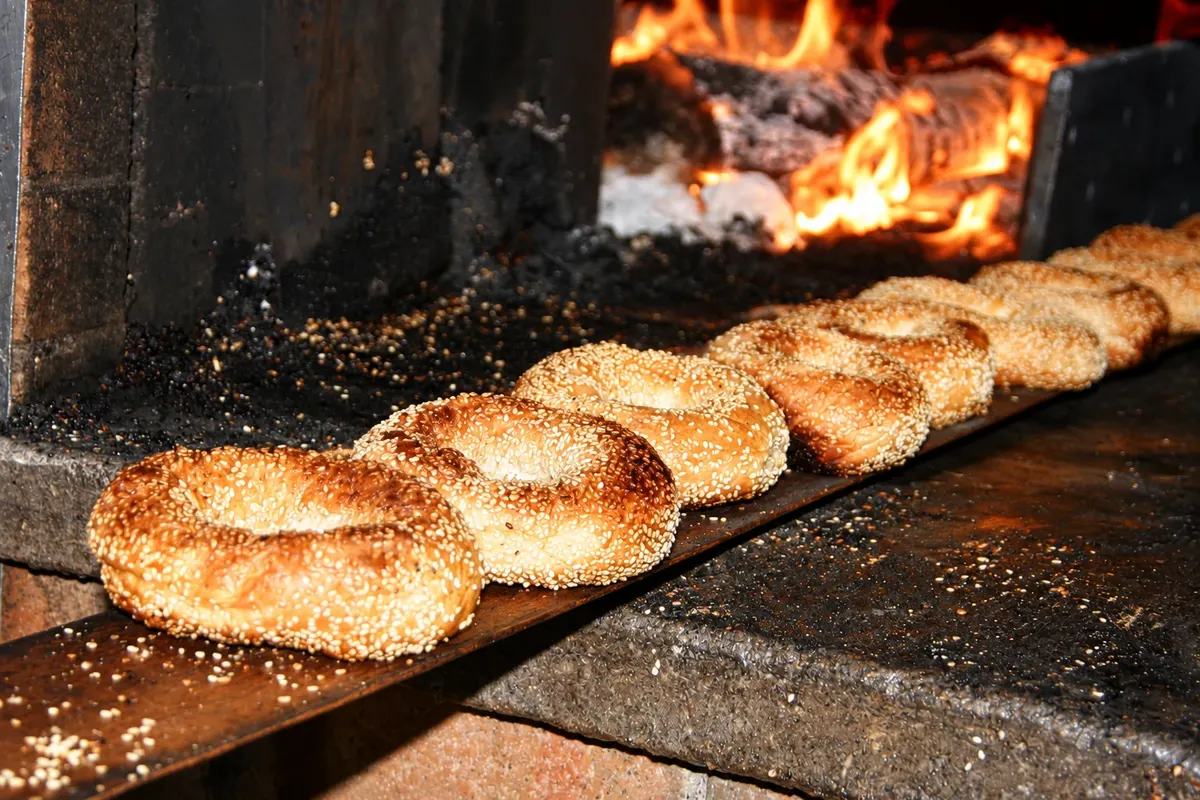
Smaller, more compact and slightly sweet, hand-rolled, dipped in boiling water with honey and baked in a wood-fired oven. It arrived in Montreal with Jewish immigrants from Eastern Europe in the early 20th century and became one of the city’s signatures.

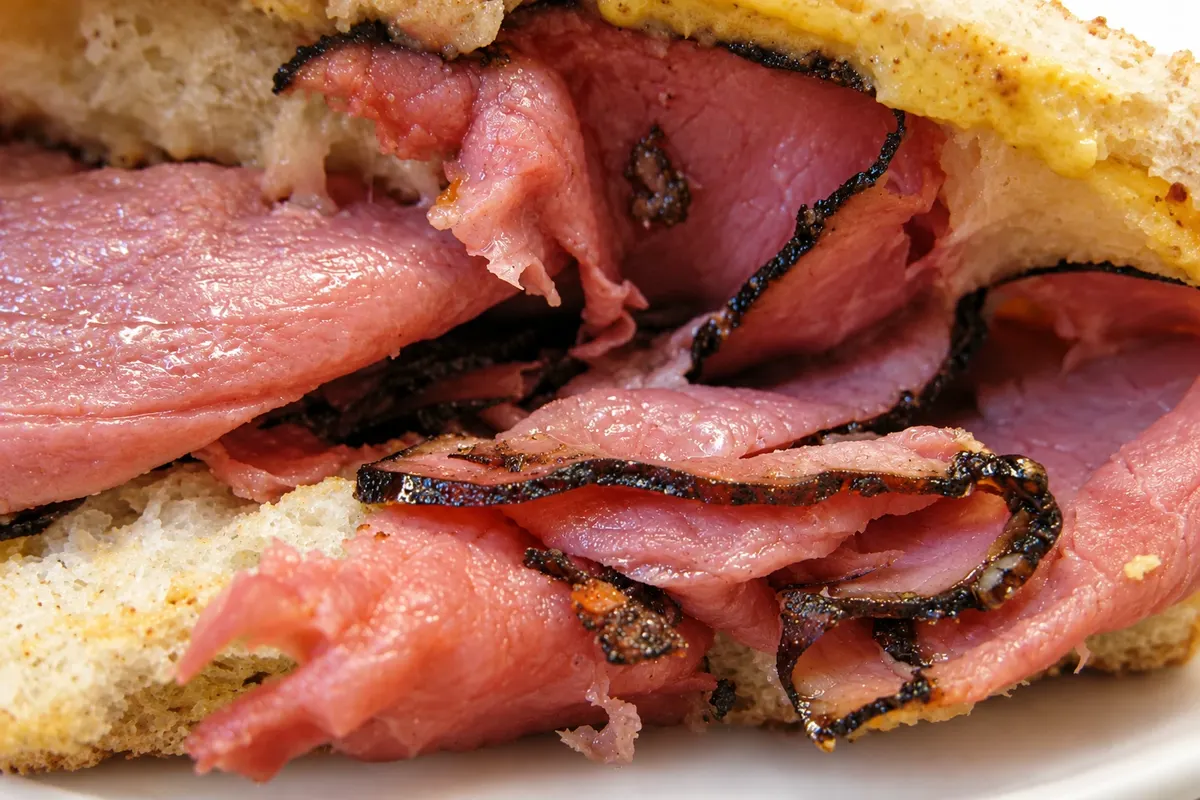
Beef brisket cured with salt and spices, smoked and cooked, served in thick slices on rye bread with mustard. Brought to Montreal by Jewish immigrants from Eastern Europe between the late 19th and early 20th centuries, it is one of the dishes most associated with the city.

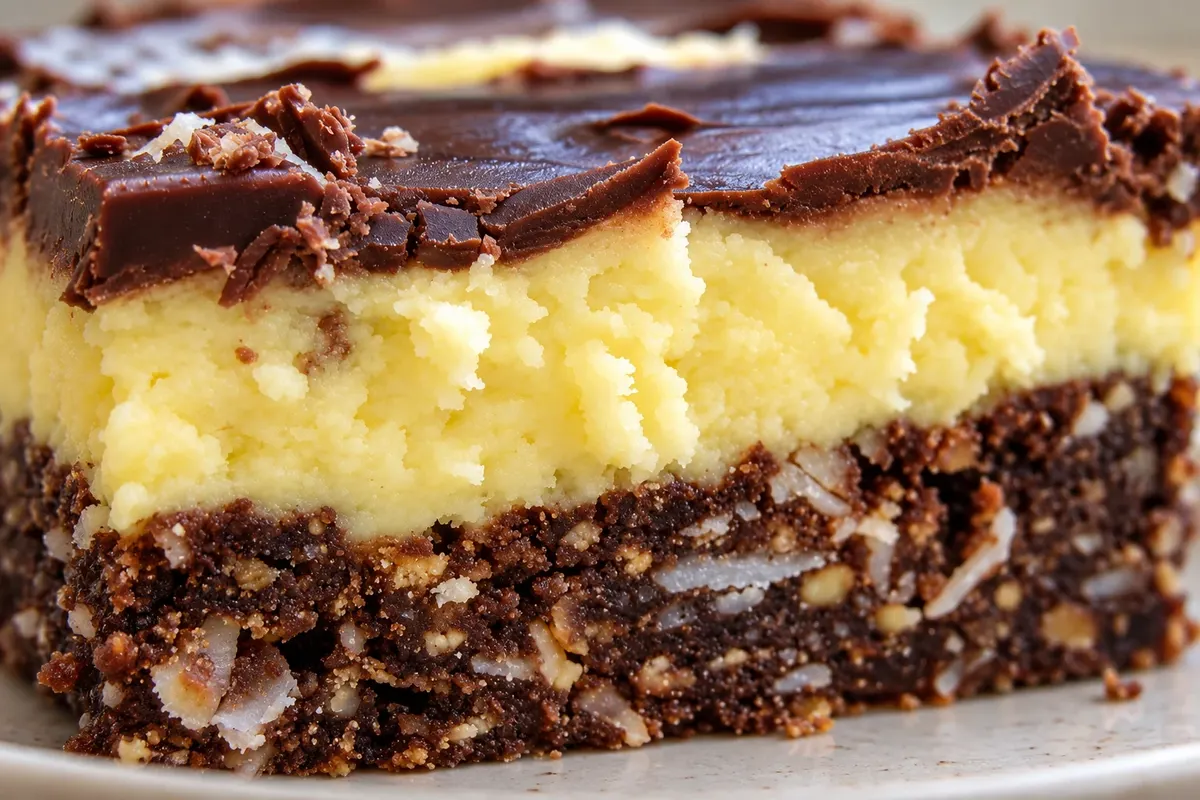
Sweet in three layers that doesn’t go in the oven: cookie base with cocoa, coconut and almonds, a yellow vanilla cream in the middle, and chocolate on top. It’s named for the city of Nanaimo on Vancouver Island, which selected an official recipe in the 1980s.

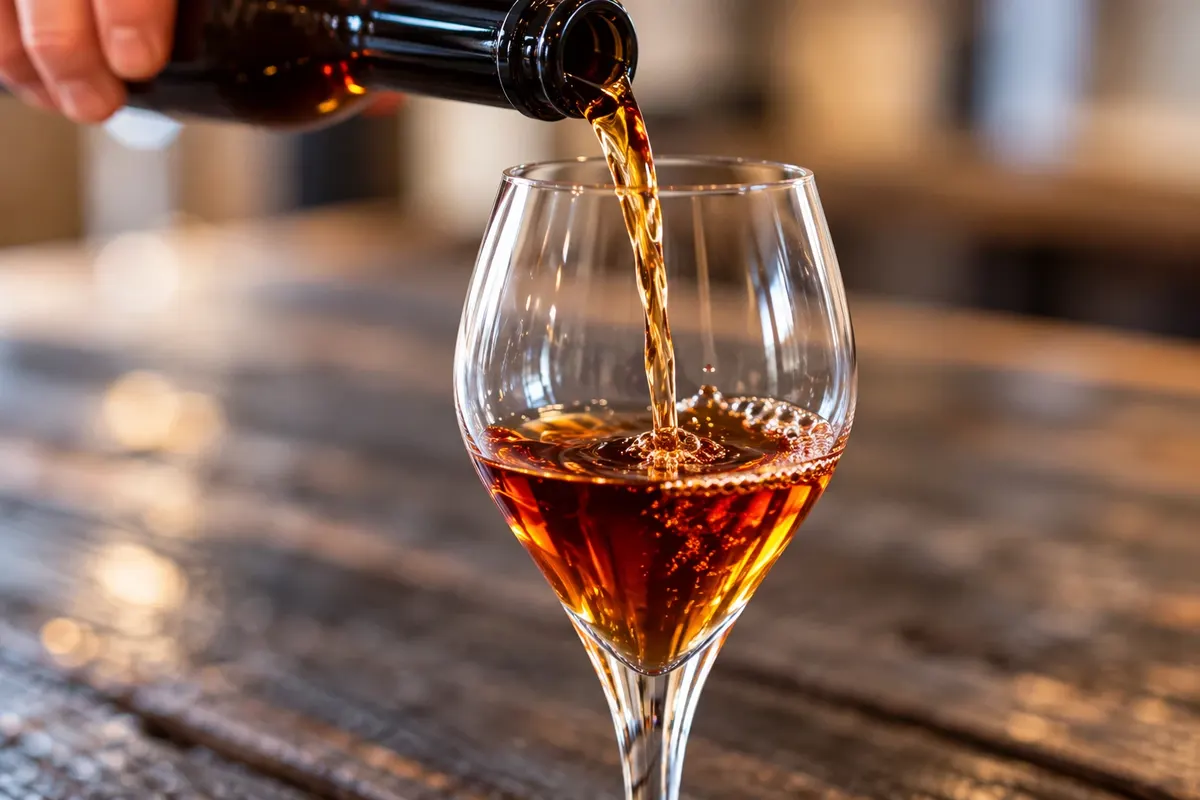
Dessert wine made from grapes that freeze naturally on the vine and are harvested and pressed frozen, which concentrates sugar and acidity. In Niagara-on-the-Lake, on the Niagara Peninsula, wineries produce it and the town hosts a winter festival dedicated to it.

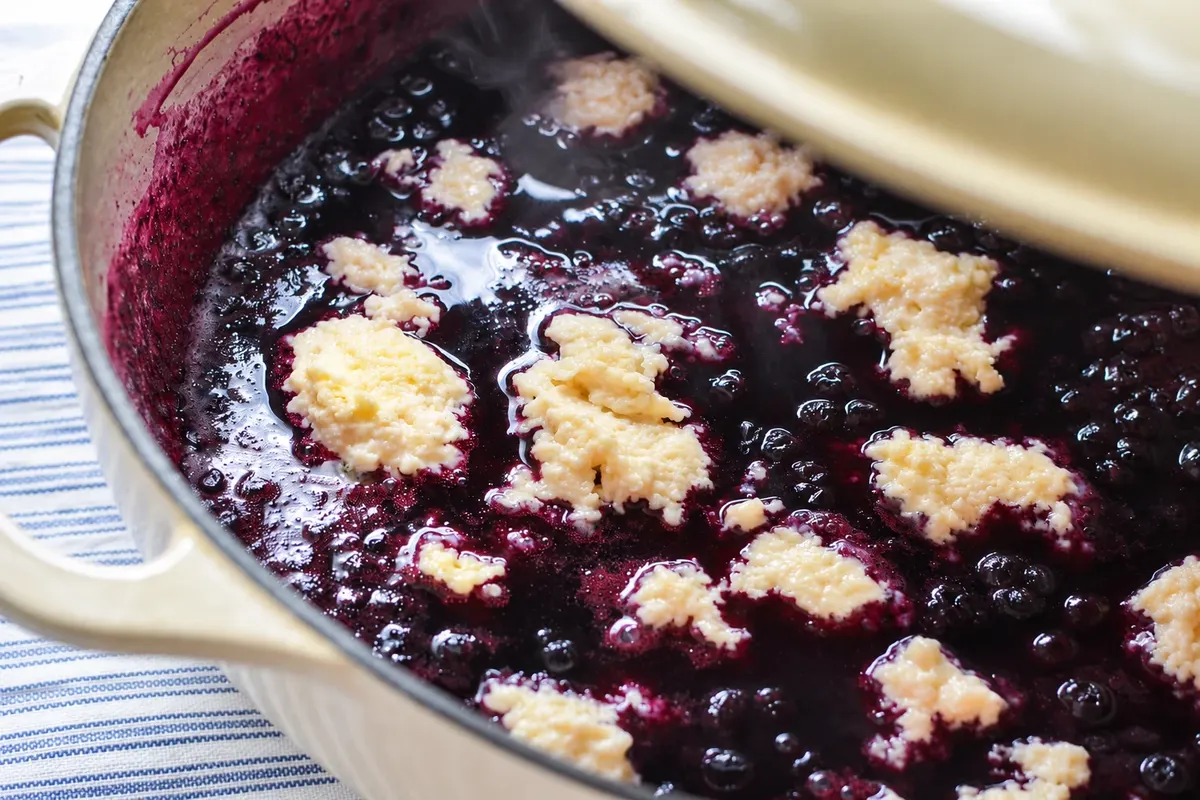
Blueberries cooked with sugar in a covered pan, with steamed dough dumplings on top. It’s a traditional dessert from Nova Scotia, linked to the blueberry harvest in August and September.

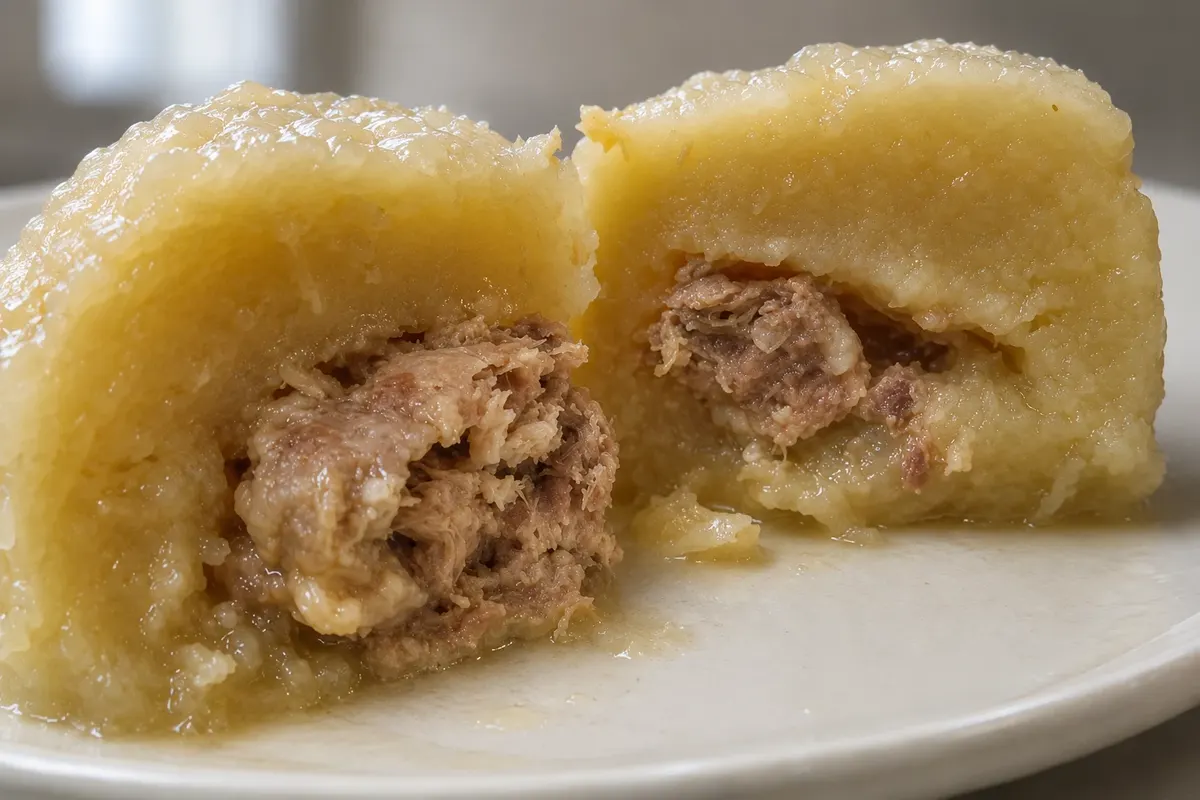
Large dumpling made from grated raw potato and mashed cooked potato, filled with salted pork and boiled in water. It is an Acadian dish from southeastern New Brunswick.

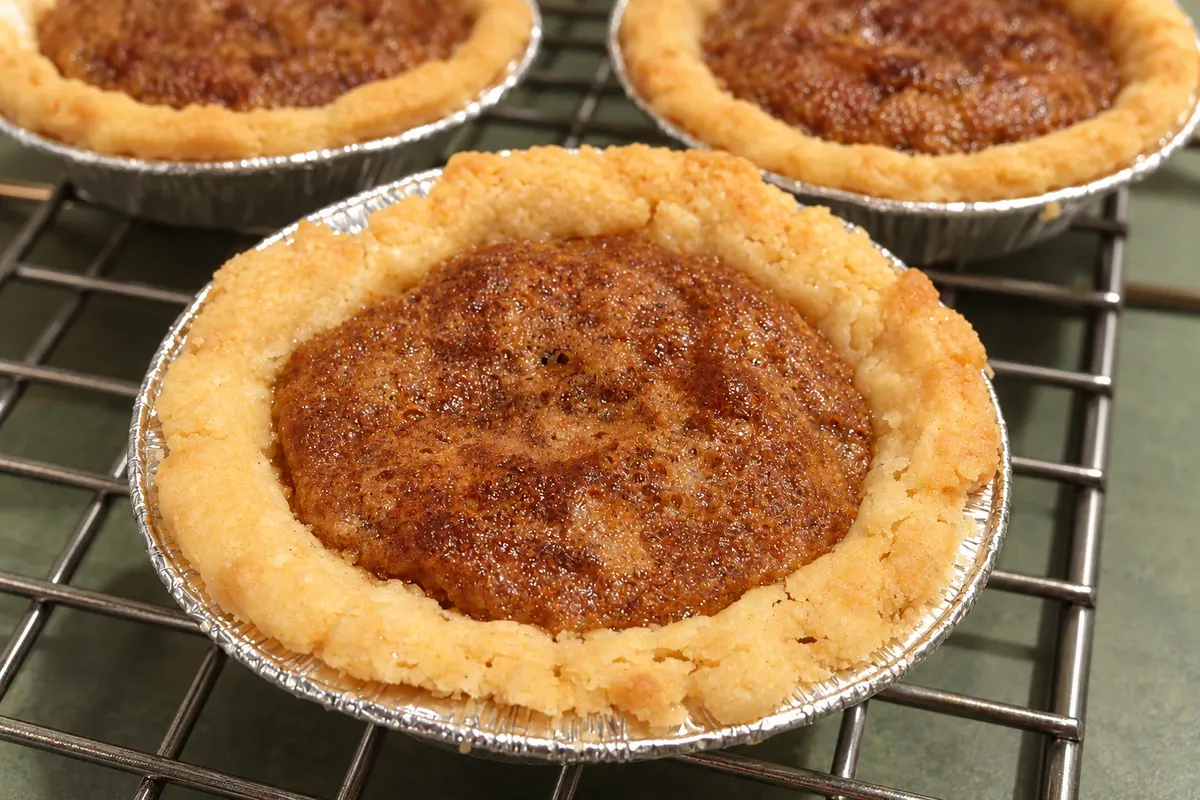
Individual tart made with pie crust filled with butter, sugar, syrup and egg; creamy inside and firmer on top. The earliest known printed recipe dates from 1900 in Barrie, and the tart features on bakery and festival trails in Ontario.

Sweet cider distilled only from Quebec apples, whose sugar is concentrated by the natural cold of winter. Protected as a geographical indication, it has aromas of fresh and baked apple, honey and dried fruit.

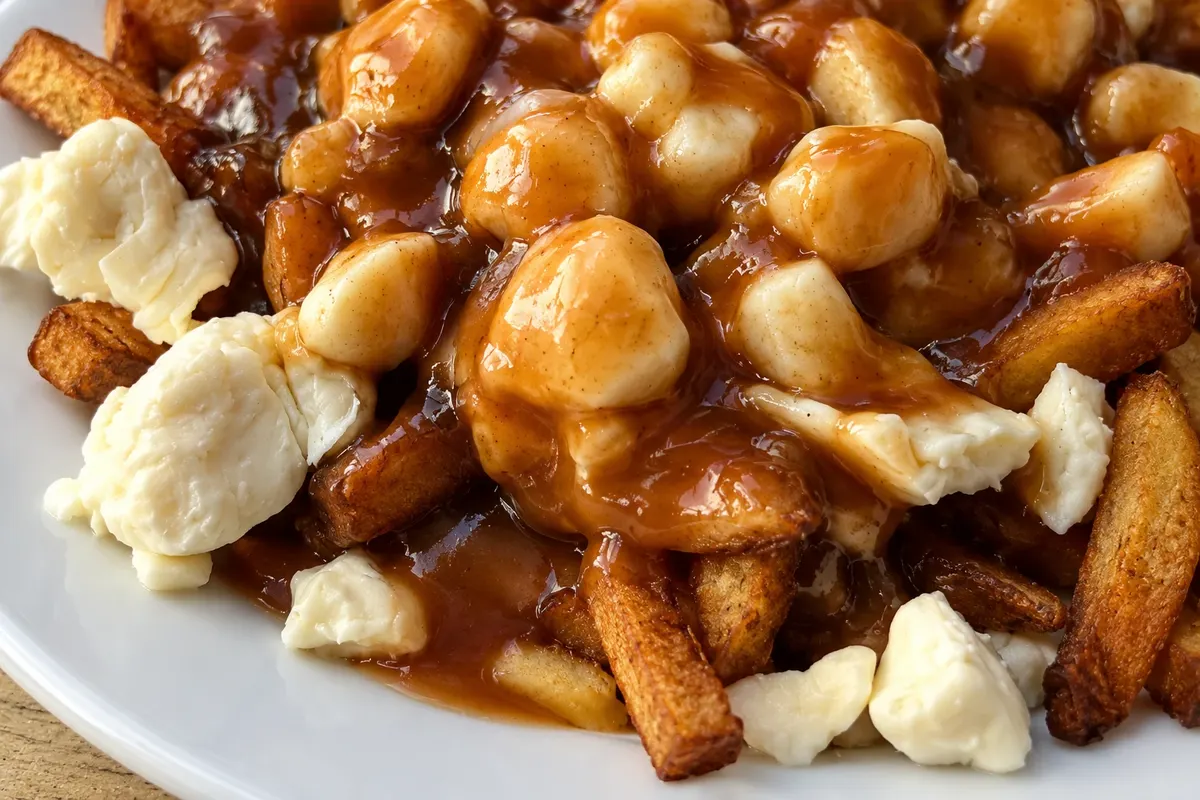
French fries topped with fresh cheese curds that squeak between your teeth, and a hot gravy. It originated in roadside eateries in rural Quebec in the late 1950s and became one of the province’s culinary symbols.

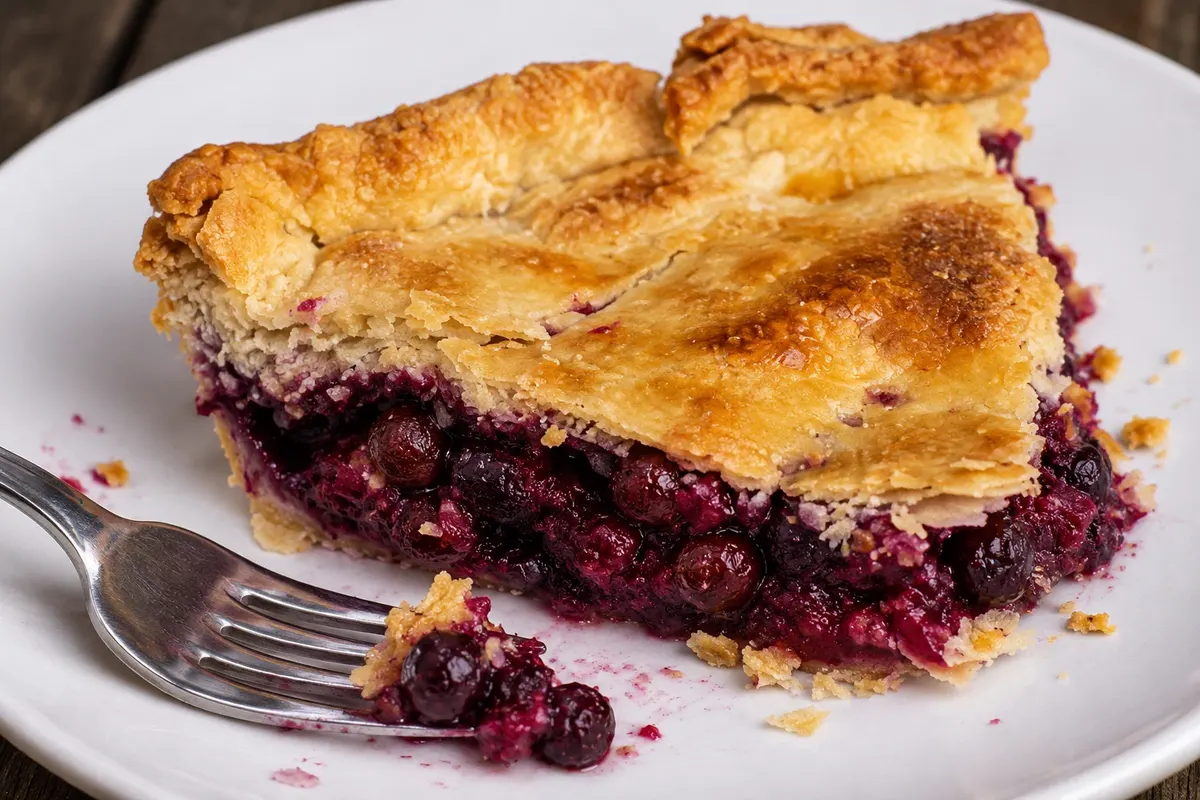
Buttery shortcrust pastry pie filled with saskatoon berries, small purple prairie fruits similar to blueberries with an almond-like flavor. It’s a traditional pie from Saskatchewan.

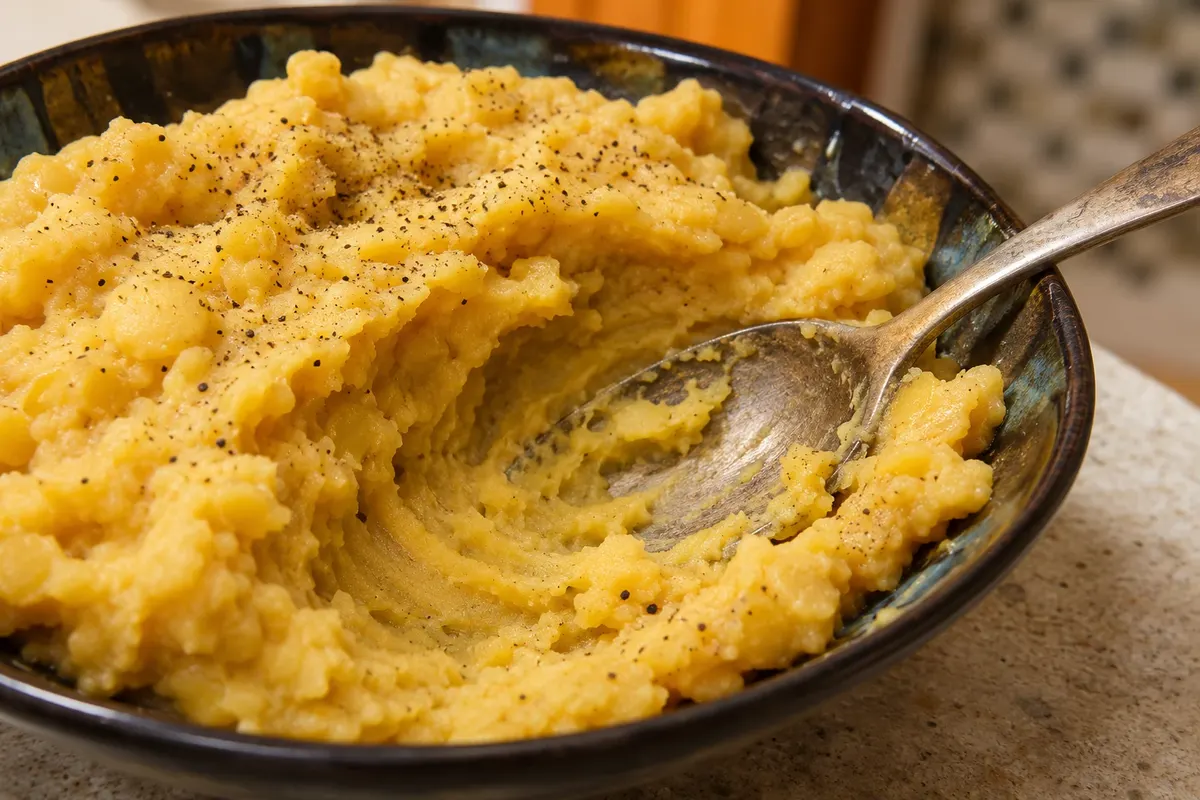
Salted beef cooked with cabbage, potato, carrot and rutabaga, served with pea pudding and gravy. It is the traditional Sunday dinner in Newfoundland and Labrador.

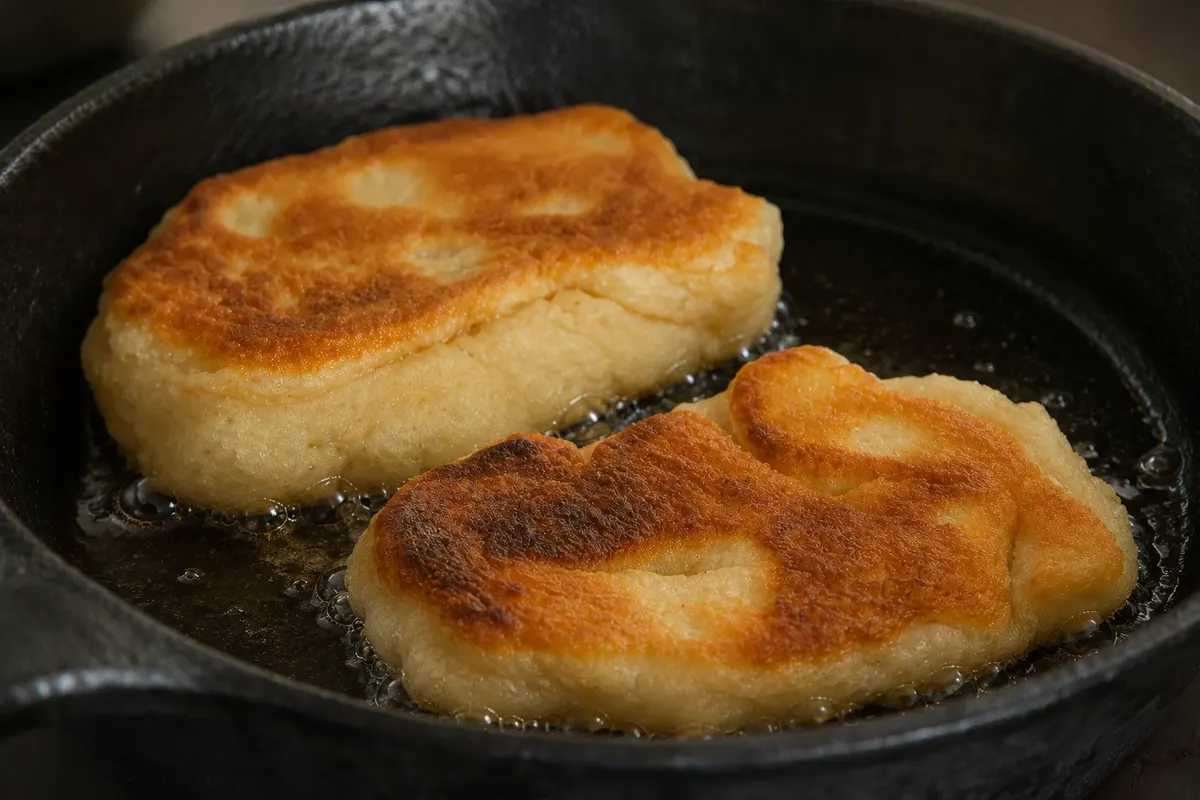
Pieces of bread dough fried in pork lard until golden, served hot with molasses. They are the traditional breakfast of Newfoundland and Labrador.

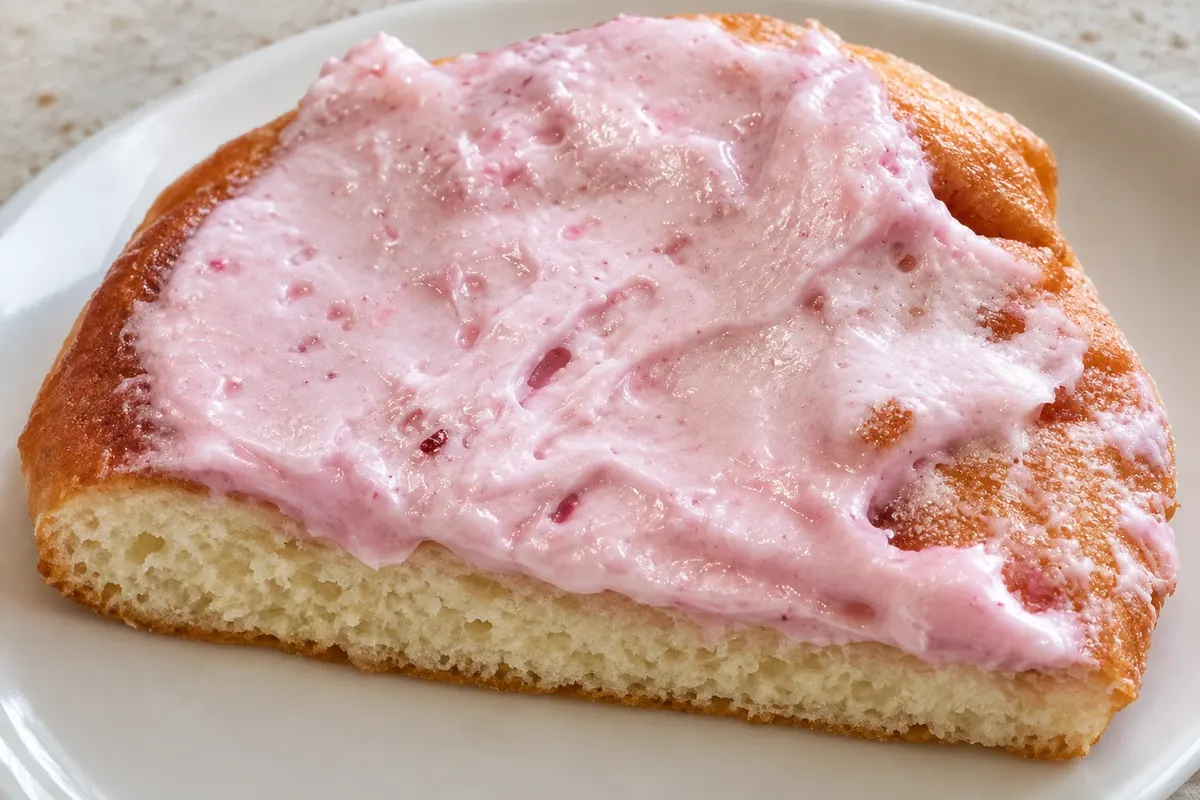
Sweet roll of fried dough, similar to a flattened cinnamon bun, covered with a pink red-fruit glaze. It’s the sweet most associated with Thunder Bay, in northern Ontario.

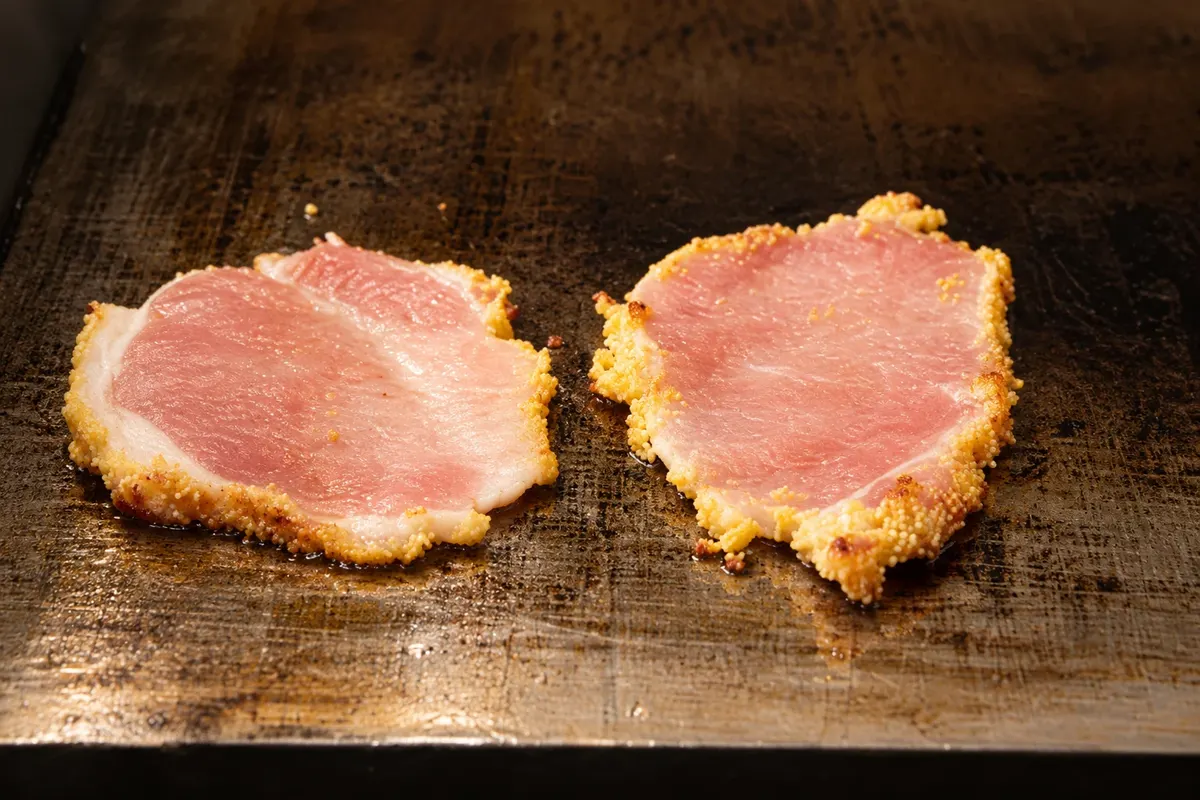
Sandwich of cured, unsmoked pork loin, coated in cornmeal, grilled and served hot on a soft roll, usually with mustard. Linked to Toronto’s pork history, it was declared the city’s signature dish in 2016.

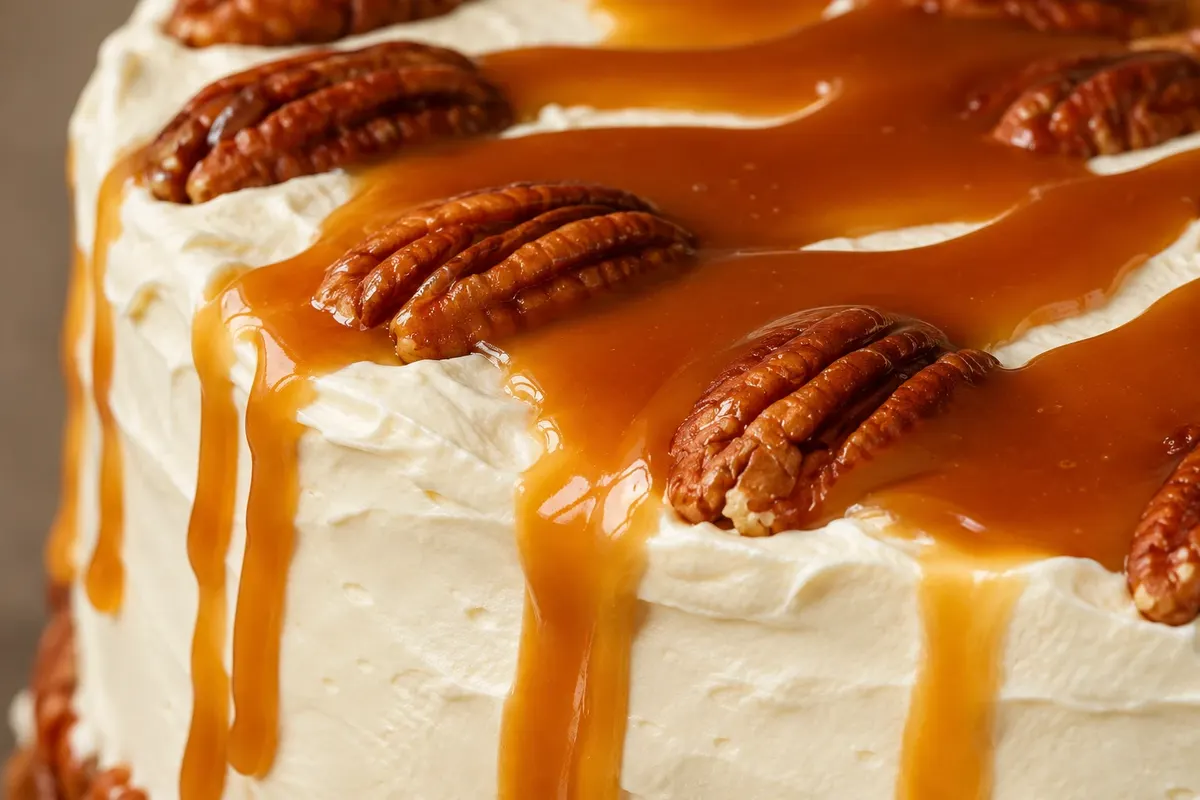
Tall angel food-style sponge cake made with egg whites and pecan halves, filled and covered with whipped cream and drizzled with caramel sauce. It’s a celebratory dessert associated with Winnipeg.

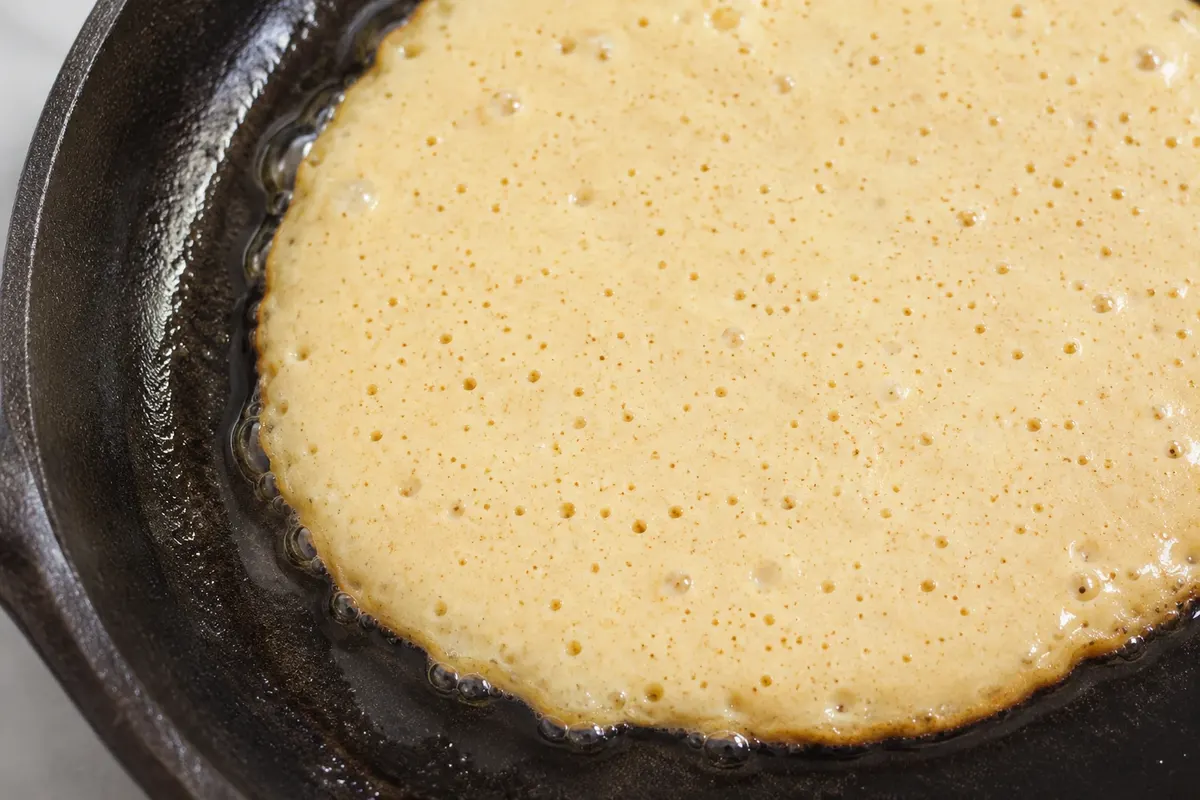
Pancakes made with sourdough starter, the prospectors’ recipe from the Klondike Gold Rush. In the Yukon they are a breakfast tied to the territory’s history and to Whitehorse’s winter festival.