Caesar
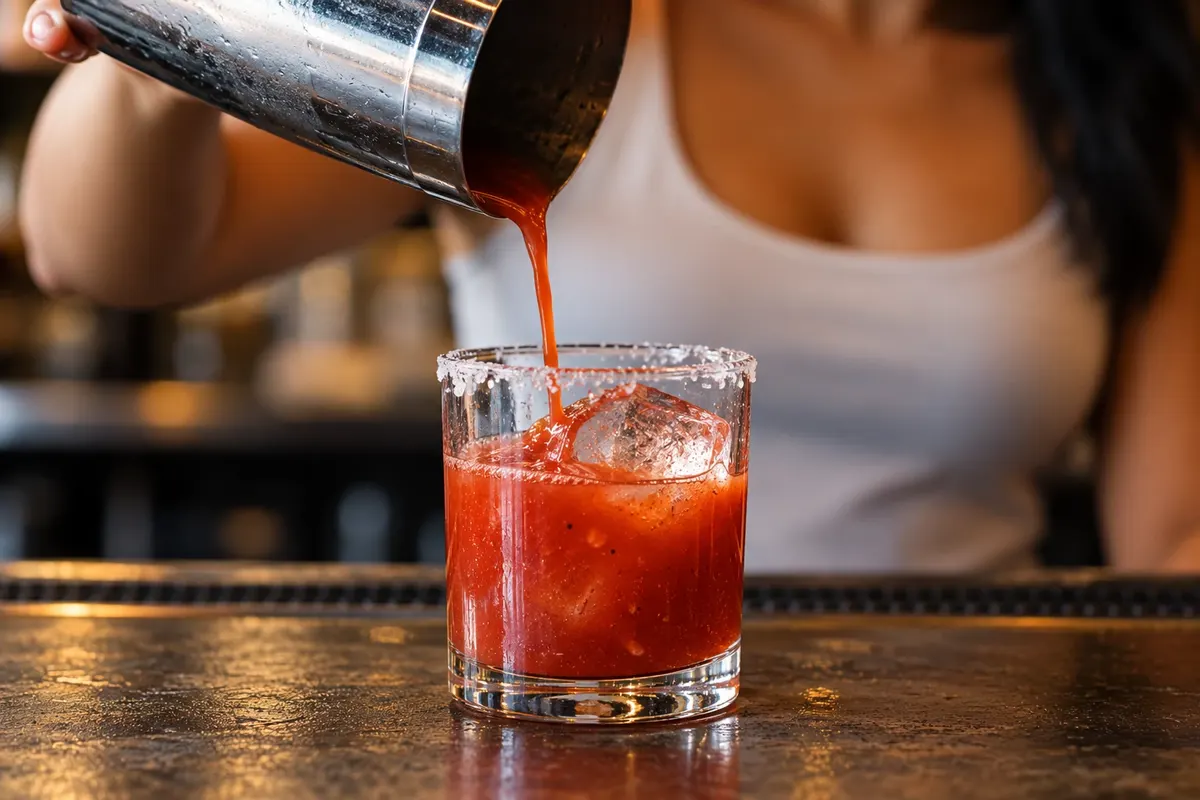
Vodka cocktail with tomato and clam juices, Worcestershire sauce and hot sauce, served in a tall glass with a celery salt rim, a celery stalk and lemon. It was created in Calgary in 1969 and is considered Canada’s national cocktail.
Flavors · Calgary
Strips of breaded beef fried until crispy, tossed in a sweet-and-spicy sauce with ginger, garlic and chili, served with sautéed vegetables and rice. Created in Calgary in the 1970s at a Chinese-Canadian restaurant, it spread across the Prairies and the country.
Traditional dish from Calgary, Alberta
Also known as: crispy ginger beef, Calgary ginger beef
Illustrative images. The pictures in this guide are illustrations based on the real place, not photographs, and may differ from it.
Click a photo to enlarge it.
Ginger beef — Calgary, Canada
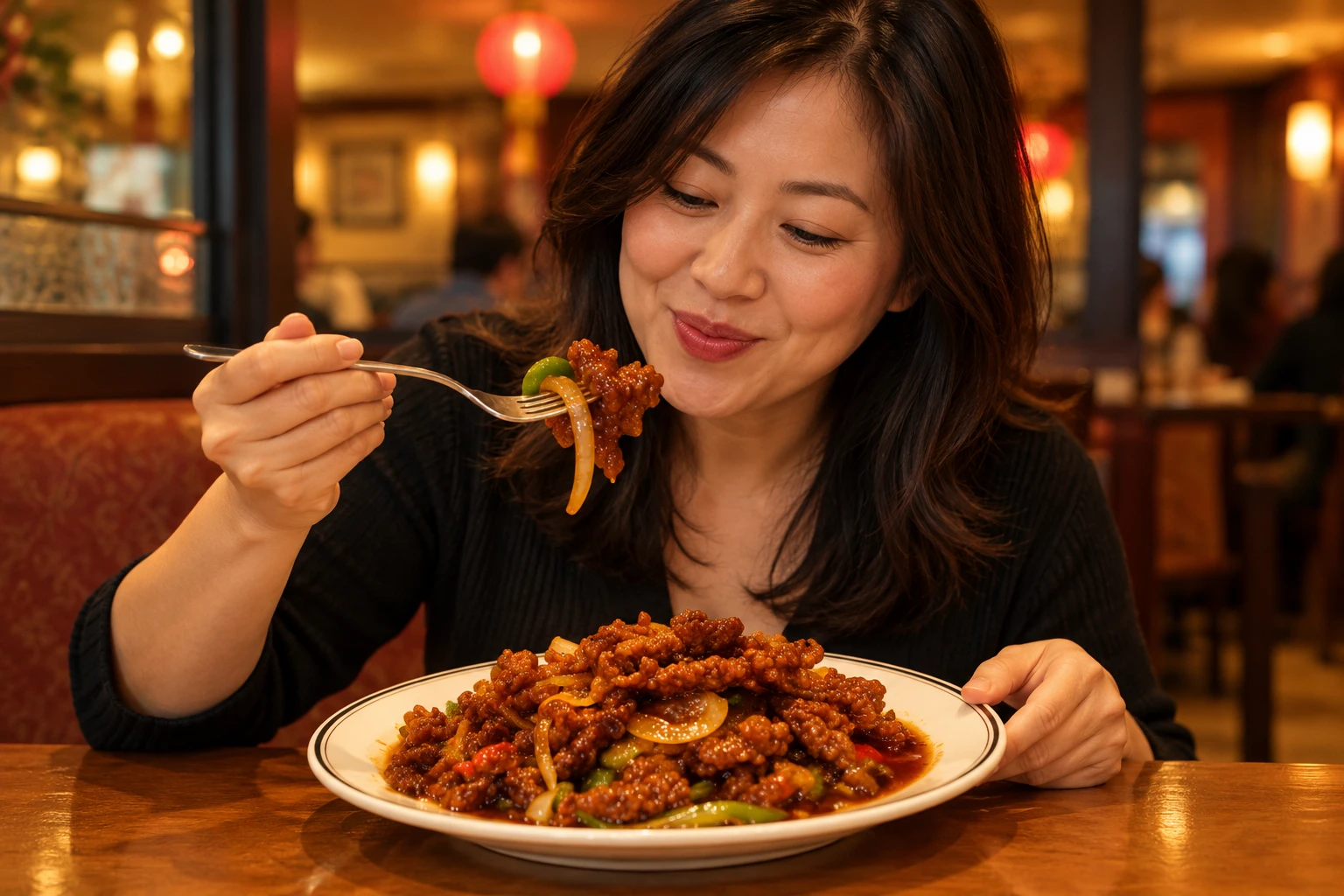
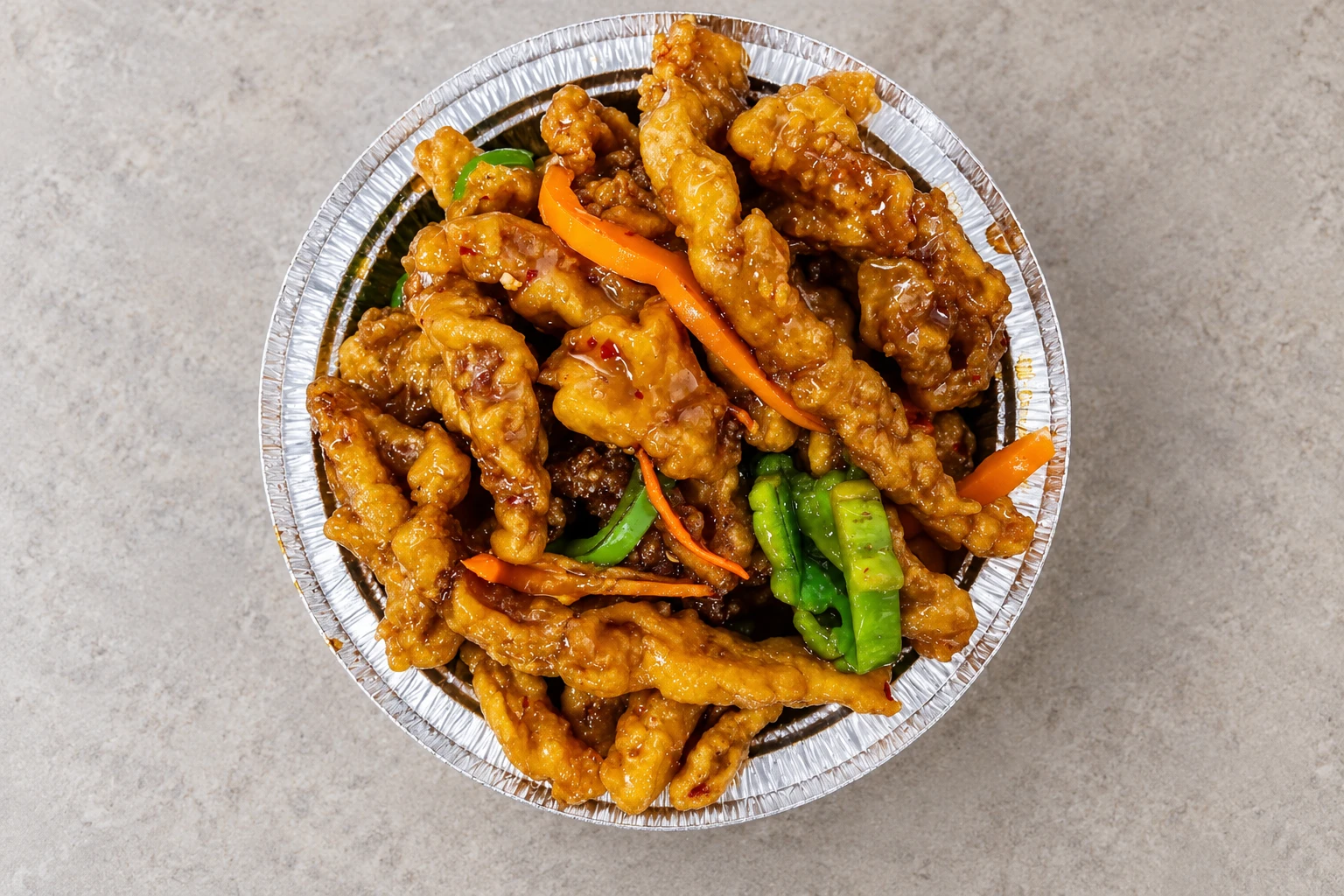
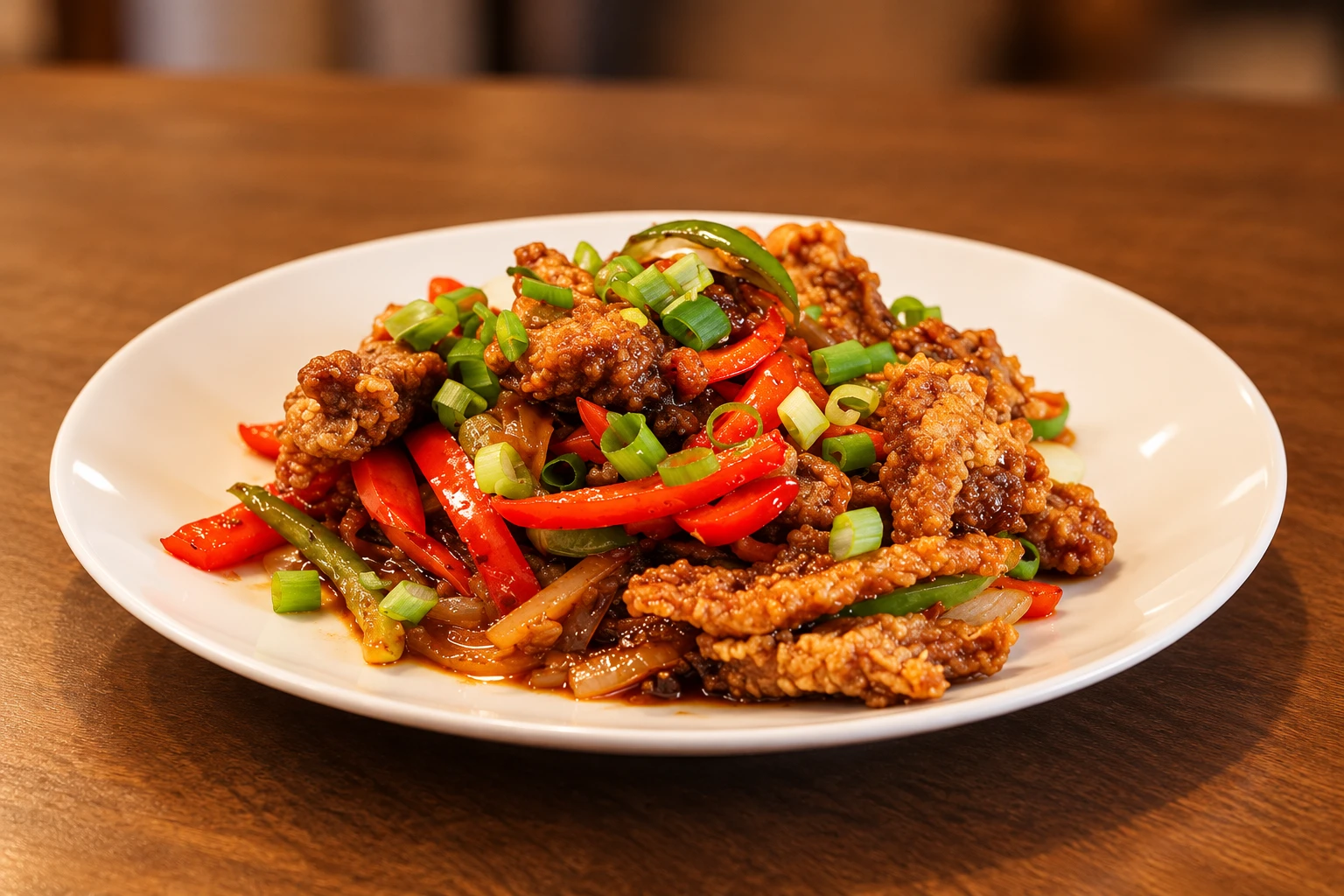
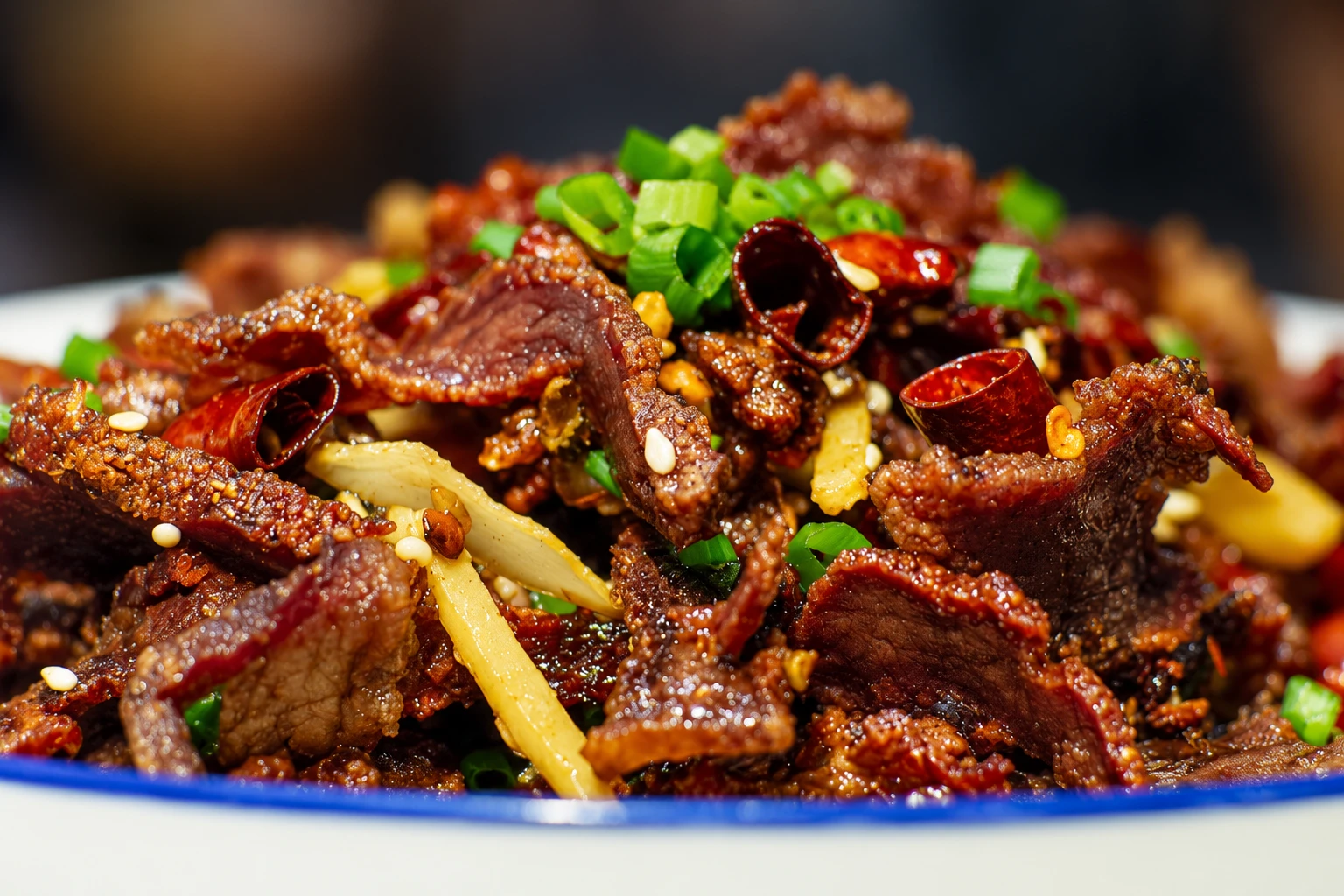
Ginger beef is made with strips of beef coated in a light batter and fried until crispy. The meat is then coated in a sticky sweet-and-spicy sauce with ginger, garlic and chili, and stir-fried with vegetables such as bell pepper and onion. It’s served with rice.
The dish originated in the 1970s at the Silver Inn, a Chinese-Canadian restaurant that opened in 1975 in Calgary. According to the Canadian Encyclopedia, the first attempt produced a tough, dried-style beef more typical of Chinese cuisine, which didn’t please customers used to Alberta’s tender beef. The breaded-and-fried version — crispy like French fries and less hot — was a hit. The restaurant closed in 2022 after almost fifty years.
Ginger beef is part of the history of chop suey restaurants opened by Chinese families in towns and cities across western Canada, where recipes were adapted to local tastes. Diners attributed the heat to ginger and began ordering ginger beef at other restaurants, and the dish entered the menus of Chinese takeout in Alberta, across the Prairies and eventually nationwide. The Royal Alberta Museum addressed the topic in the exhibition Chop Suey on the Prairies.
In Calgary, ginger beef shares with the Caesar cocktail the fame of being a city creation. Alberta beef, known throughout Canada, is the base of the dish.

Calgary , Alberta
Dish created in a Chinese-Canadian restaurant in Calgary in the 1970s.
Breaded, fried strips of beef; sauce of ginger, garlic, chili, sugar and vinegar; sautéed bell pepper and onion. Served with rice.
Hot, right after cooking, to keep the crunch, with white rice. Common in Chinese-Canadian restaurants and Chinese takeout.
Year-round, at lunch or dinner.
Your questions
It’s a Chinese-Canadian dish: it was created in Calgary in the 1970s at a Chinese restaurant adapted to local tastes. It is not a traditional dish from China.
In Calgary in the 1970s, at a Chinese-Canadian restaurant that opened in 1975. From there, the dish spread to Chinese restaurants in Alberta, across the Prairies and the rest of the country.
Usually white rice. The beef is already stir-fried with vegetables such as bell pepper and onion.
Flavors of Canada

Vodka cocktail with tomato and clam juices, Worcestershire sauce and hot sauce, served in a tall glass with a celery salt rim, a celery stalk and lemon. It was created in Calgary in 1969 and is considered Canada’s national cocktail.

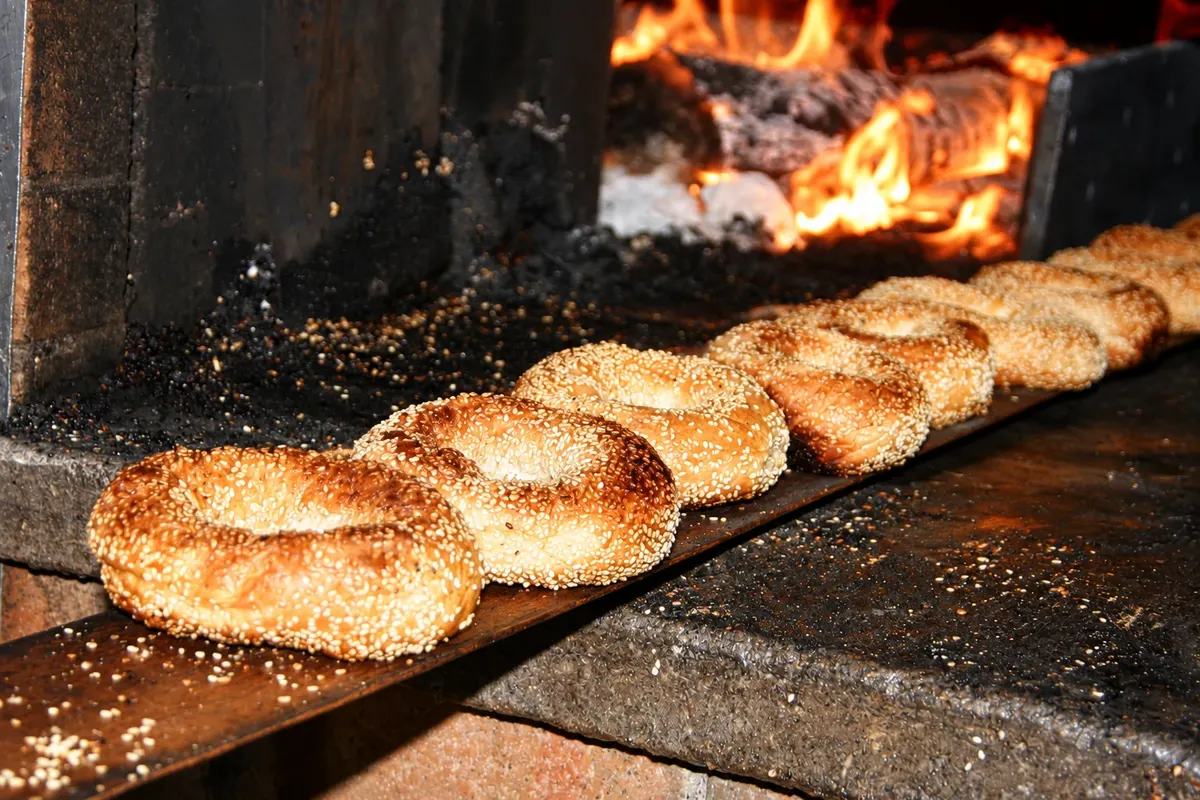
Smaller, more compact and slightly sweet, hand-rolled, dipped in boiling water with honey and baked in a wood-fired oven. It arrived in Montreal with Jewish immigrants from Eastern Europe in the early 20th century and became one of the city’s signatures.

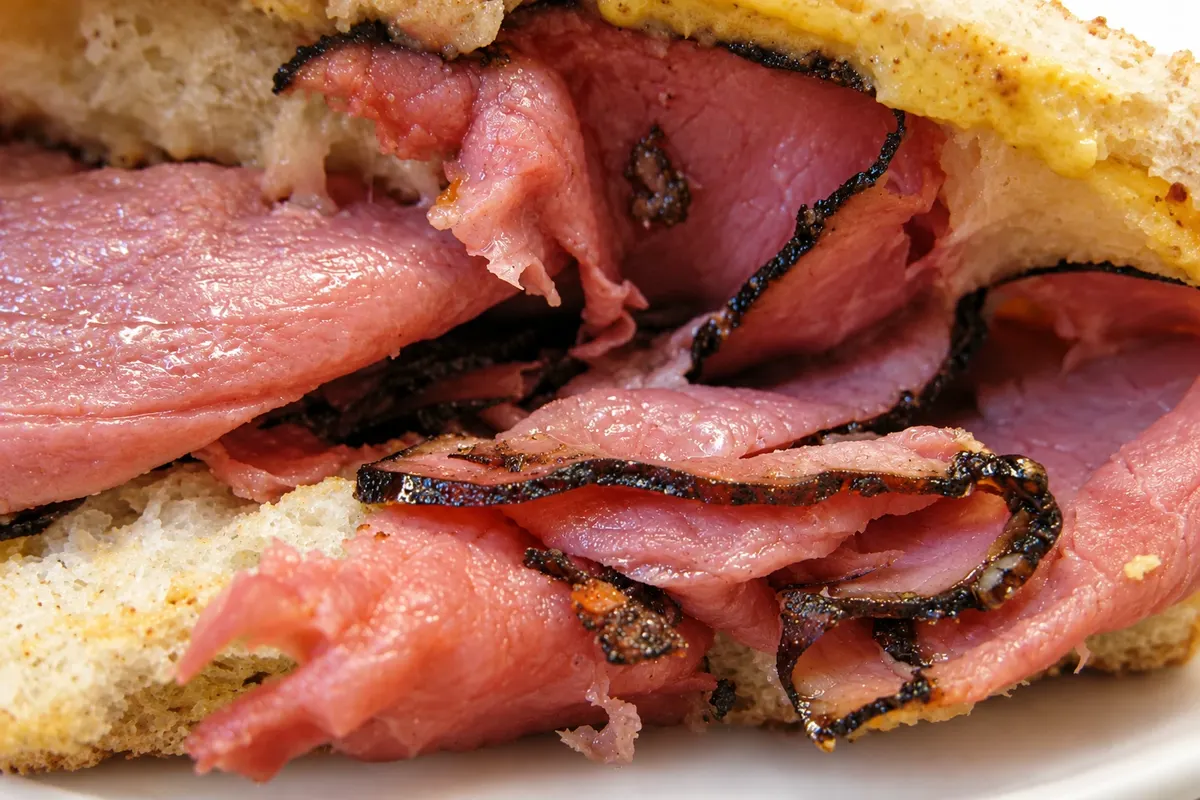
Beef brisket cured with salt and spices, smoked and cooked, served in thick slices on rye bread with mustard. Brought to Montreal by Jewish immigrants from Eastern Europe between the late 19th and early 20th centuries, it is one of the dishes most associated with the city.

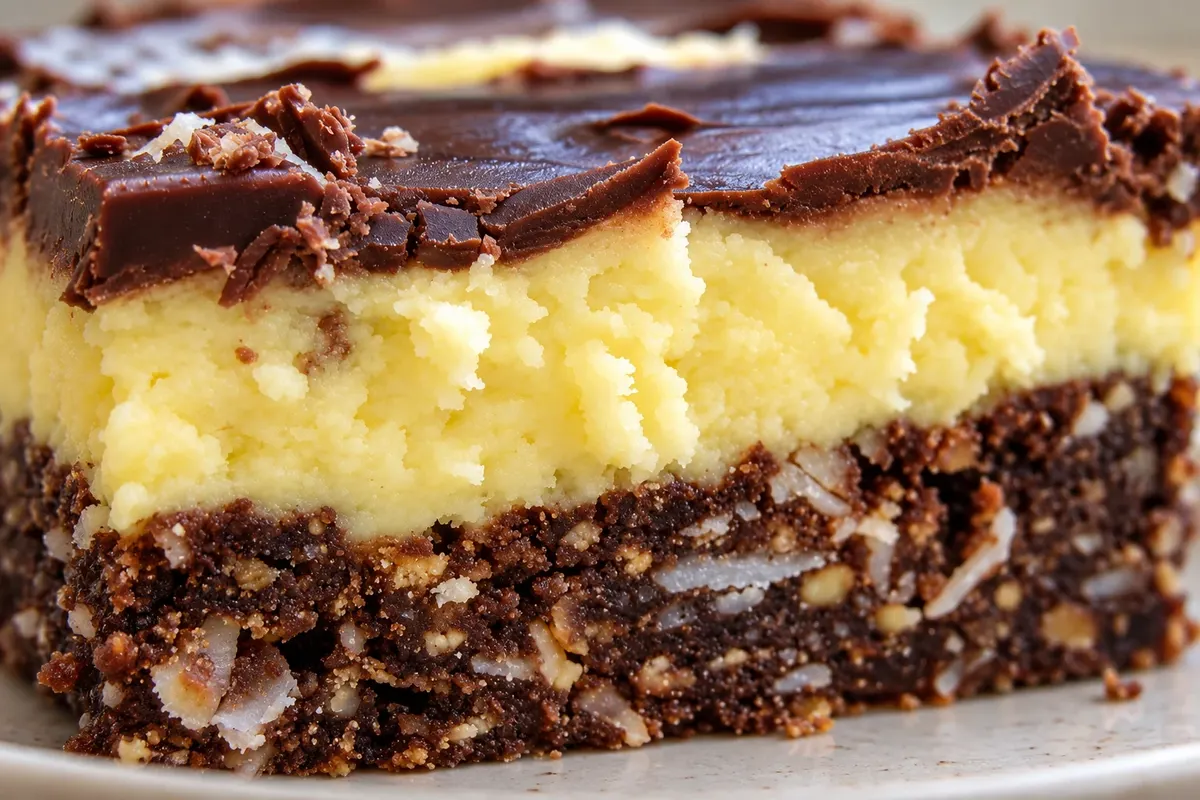
Sweet in three layers that doesn’t go in the oven: cookie base with cocoa, coconut and almonds, a yellow vanilla cream in the middle, and chocolate on top. It’s named for the city of Nanaimo on Vancouver Island, which selected an official recipe in the 1980s.

Dessert wine made from grapes that freeze naturally on the vine and are harvested and pressed frozen, which concentrates sugar and acidity. In Niagara-on-the-Lake, on the Niagara Peninsula, wineries produce it and the town hosts a winter festival dedicated to it.

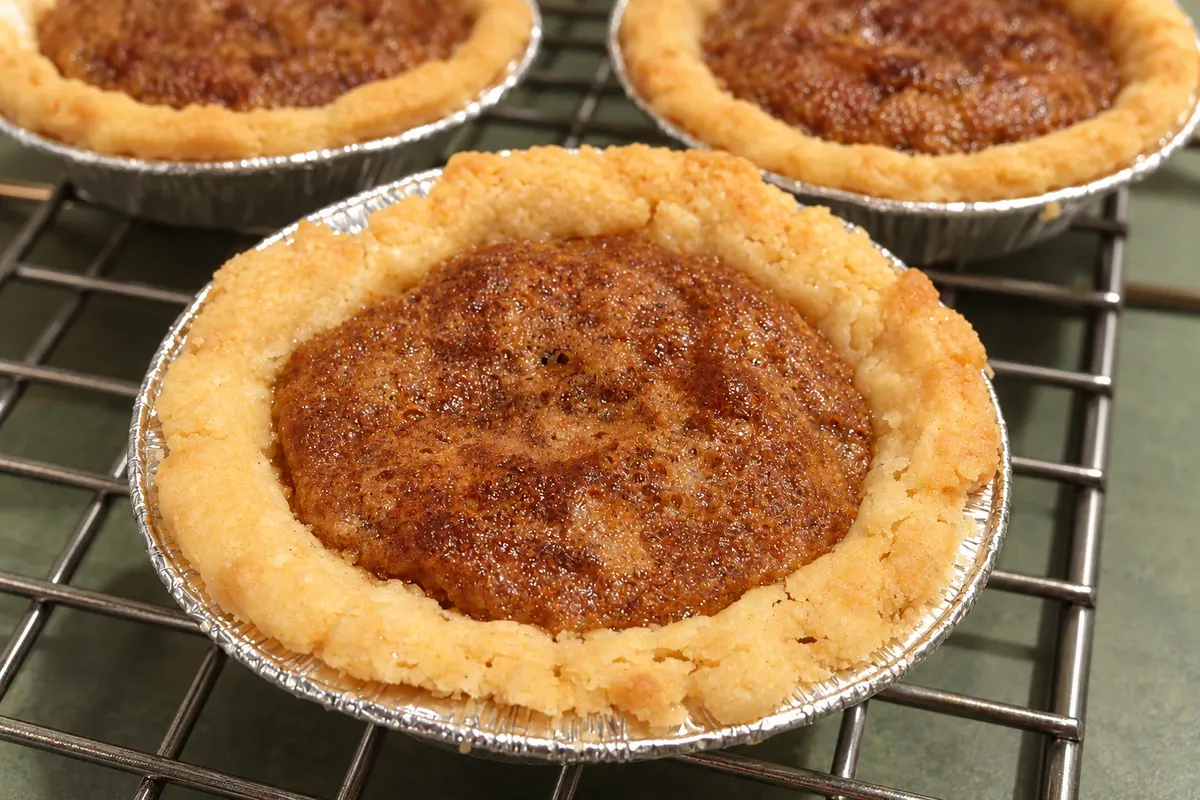
Individual tart made with pie crust filled with butter, sugar, syrup and egg; creamy inside and firmer on top. The earliest known printed recipe dates from 1900 in Barrie, and the tart features on bakery and festival trails in Ontario.

Sweet cider distilled only from Quebec apples, whose sugar is concentrated by the natural cold of winter. Protected as a geographical indication, it has aromas of fresh and baked apple, honey and dried fruit.

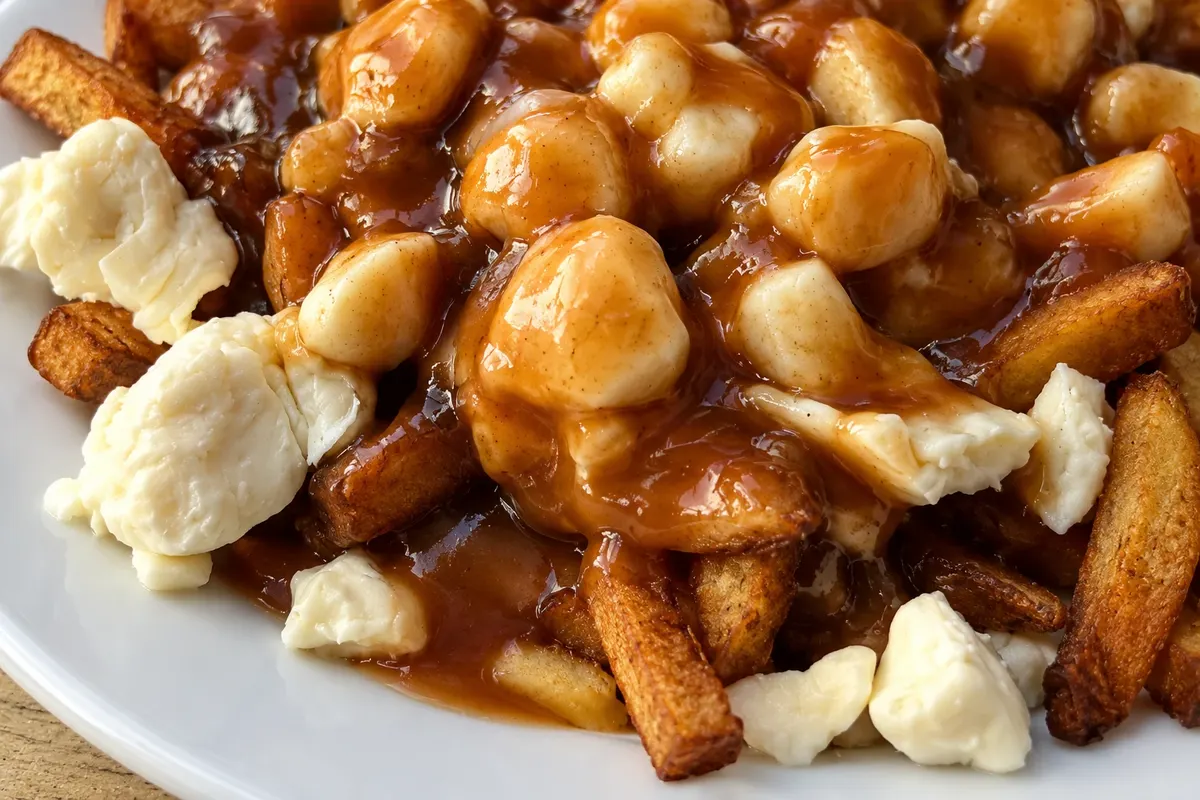
French fries topped with fresh cheese curds that squeak between your teeth, and a hot gravy. It originated in roadside eateries in rural Quebec in the late 1950s and became one of the province’s culinary symbols.

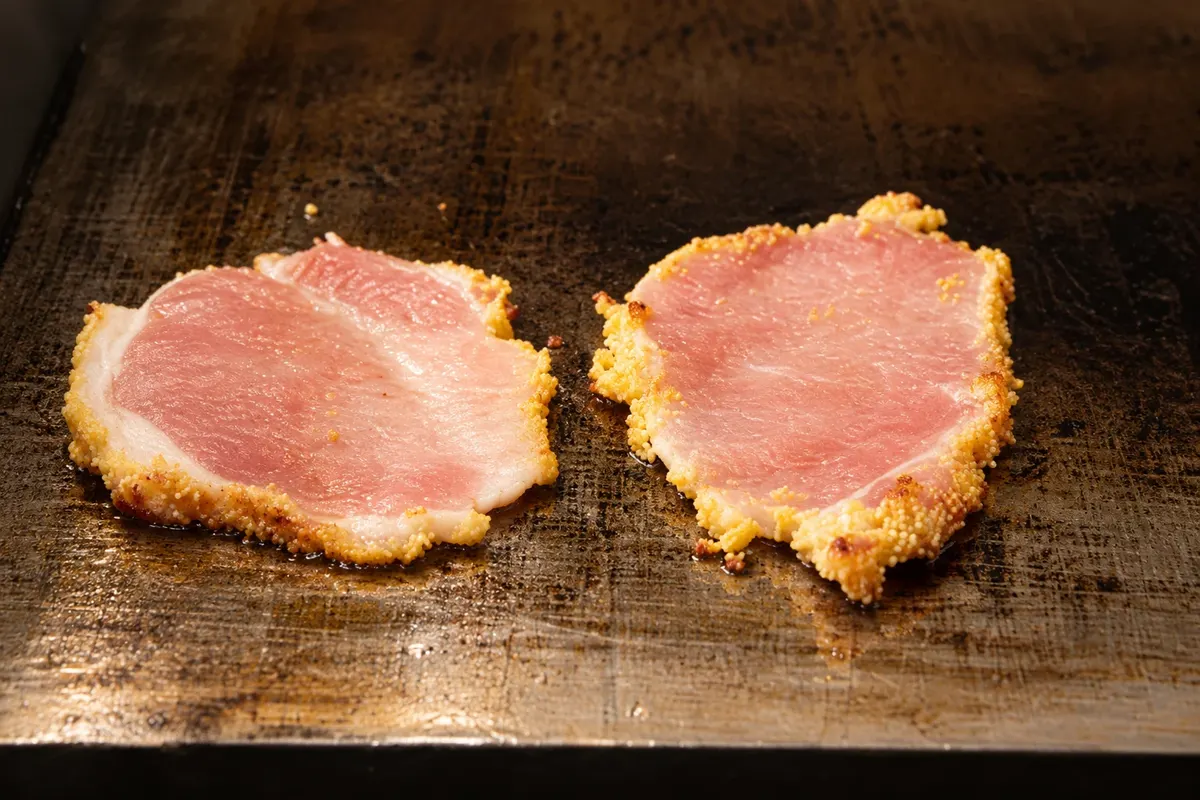
Sandwich of cured, unsmoked pork loin, coated in cornmeal, grilled and served hot on a soft roll, usually with mustard. Linked to Toronto’s pork history, it was declared the city’s signature dish in 2016.