Caesar
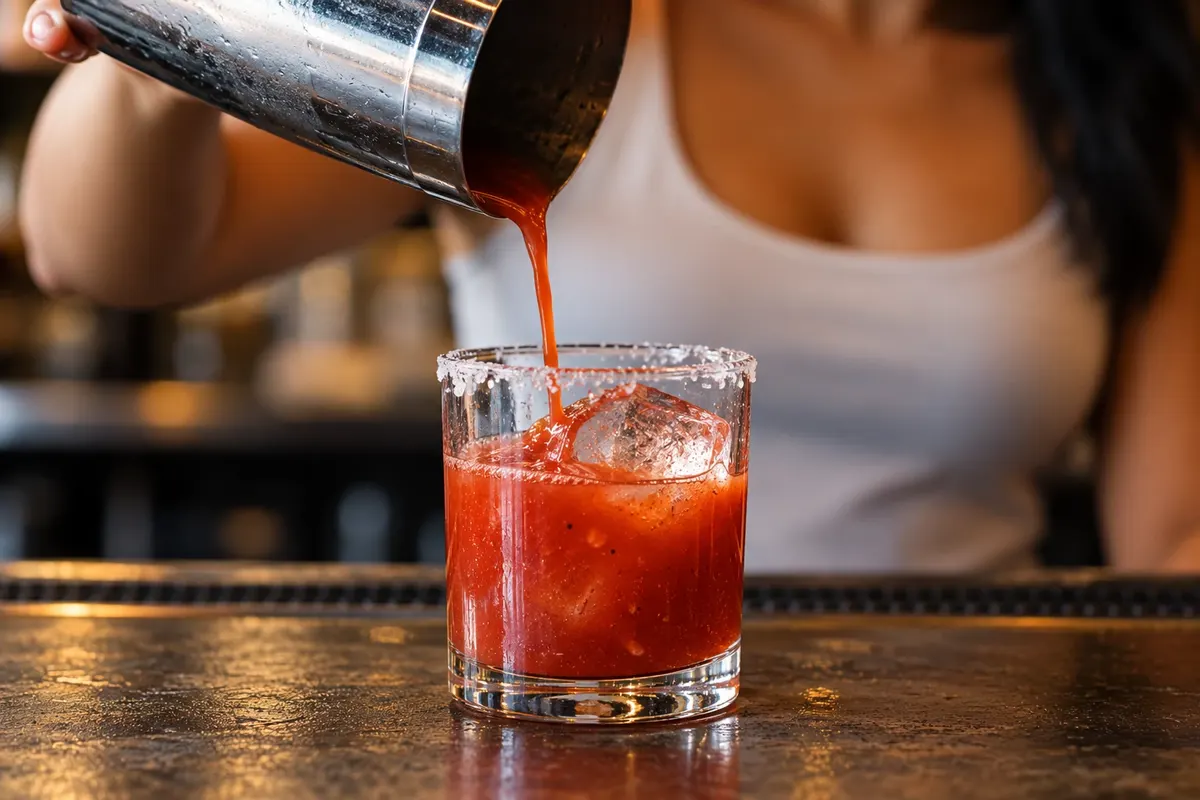
Vodka cocktail with tomato and clam juices, Worcestershire sauce and hot sauce, served in a tall glass with a celery salt rim, a celery stalk and lemon. It was created in Calgary in 1969 and is considered Canada’s national cocktail.
Flavors · Niagara-on-the-Lake
Dessert wine made from grapes that freeze naturally on the vine and are harvested and pressed frozen, which concentrates sugar and acidity. In Niagara-on-the-Lake, on the Niagara Peninsula, wineries produce it and the town hosts a winter festival dedicated to it.
Traditional drink from Niagara-on-the-Lake, Ontário
Also known as: ice wine, vin de glace
Illustrative images. The pictures in this guide are illustrations based on the real place, not photographs, and may differ from it.
Click a photo to enlarge it.
Icewine — Niagara-on-the-Lake, Canada
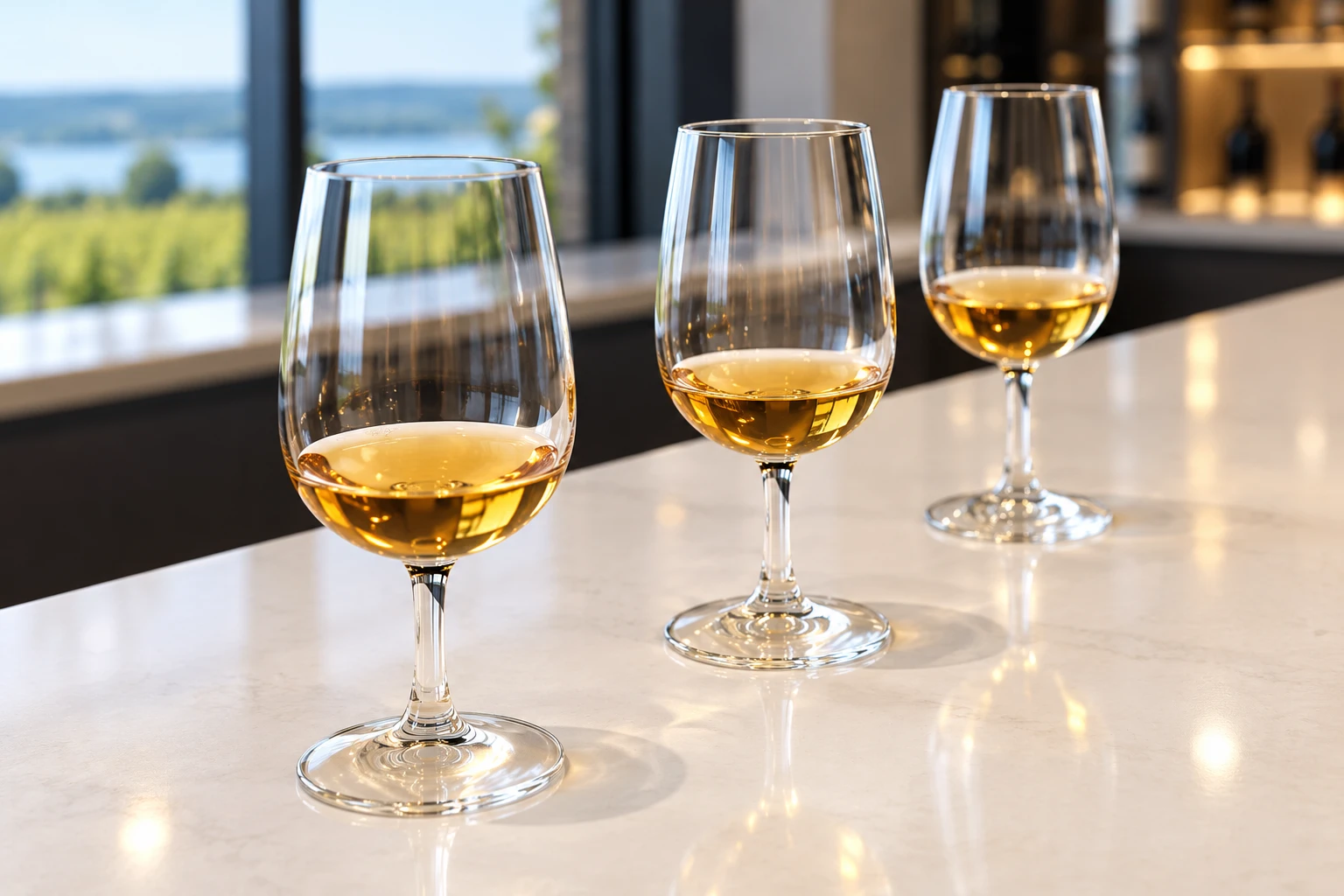
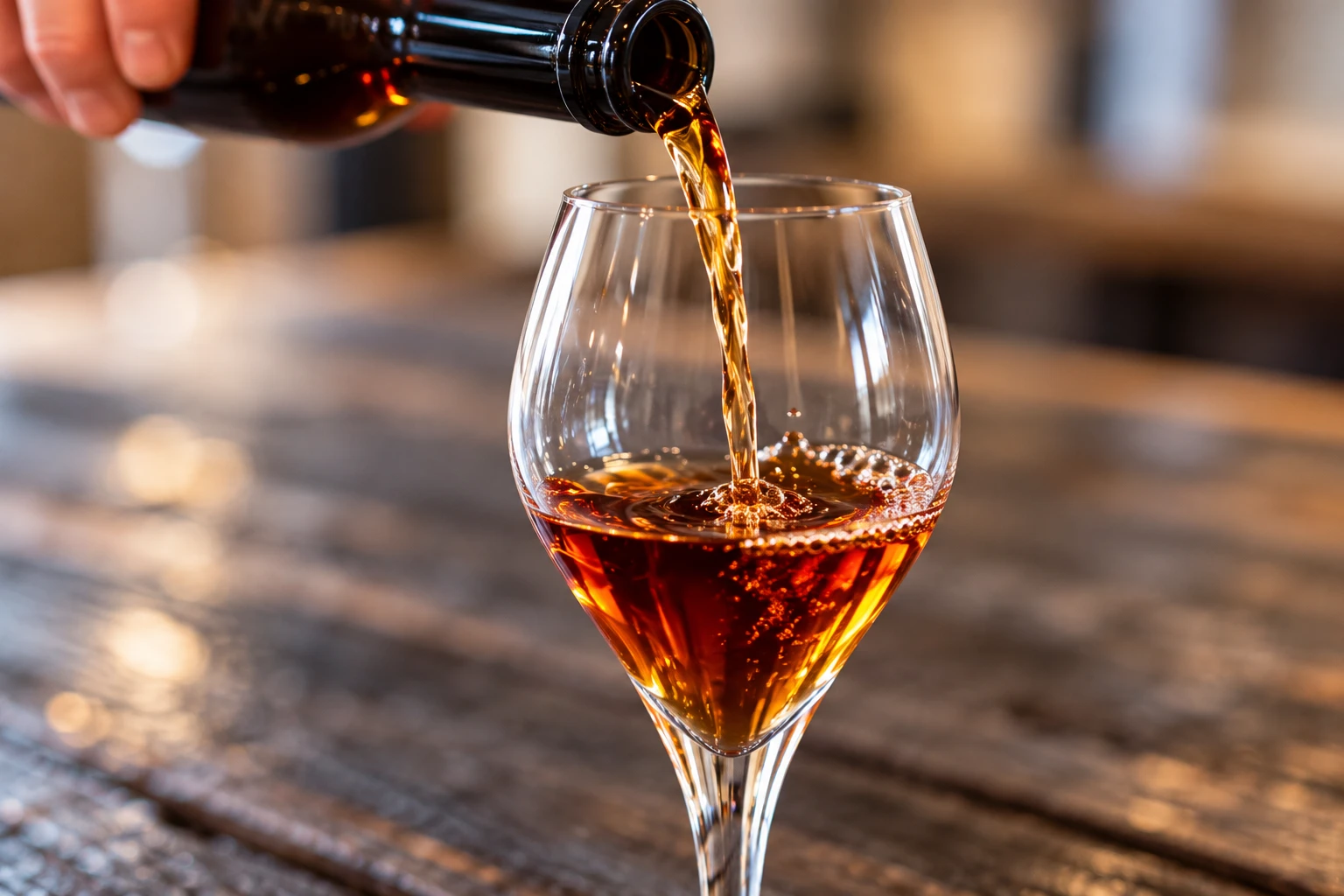
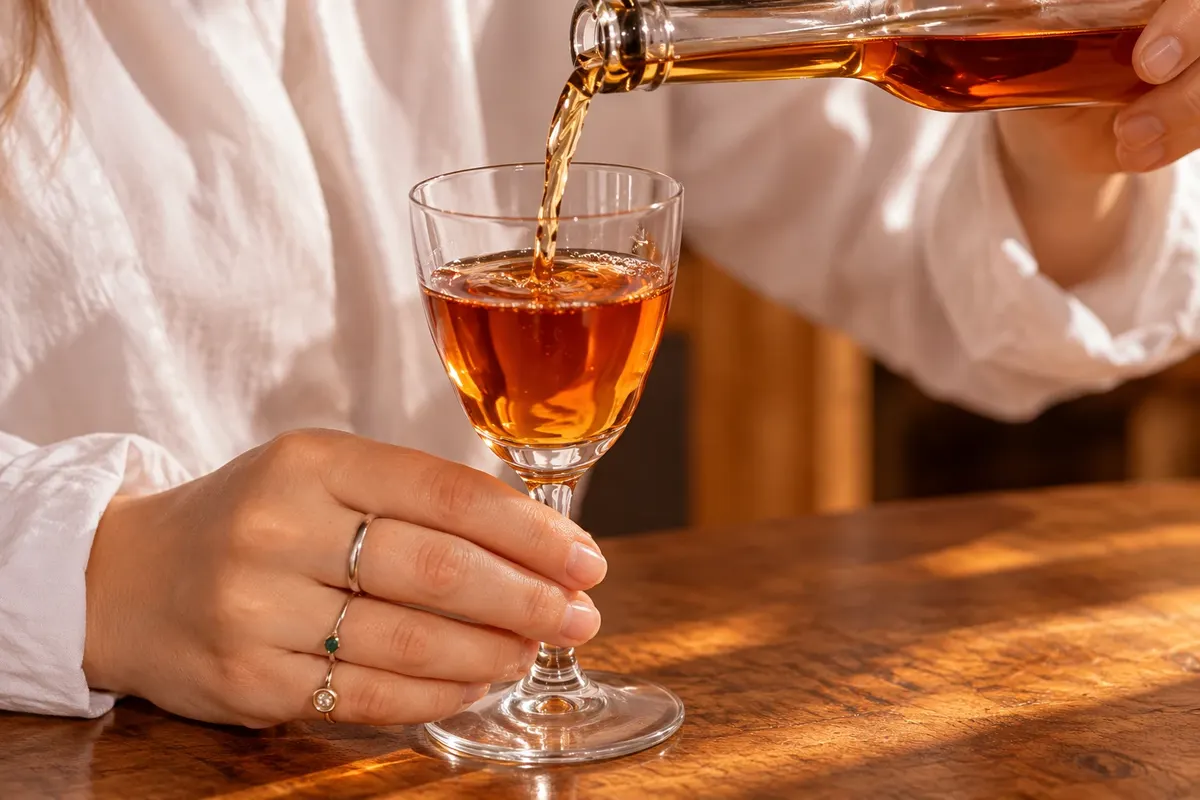
Icewine is a sweet, concentrated wine. The grapes remain on the vine past the normal harvest and are only picked when they freeze naturally in winter. Pressed while still frozen, most of the water stays locked in the ice and a thick juice is released, rich in sugar and acidity, that ferments slowly.
In Ontario, the rules are set by the VQA, the province’s appellation system. Grapes must freeze naturally on the vine and be harvested at an air temperature of −8 °C or lower, with pressing carried out immediately afterward in the same region where they were grown. The juice must reach a minimum sugar concentration, must not be concentrated by other means, and all the wine’s sugar and alcohol must come from the grapes themselves. European varieties and the Vidal hybrid are permitted.
The Niagara Peninsula, between lakes Ontario and Erie, contains most of Ontario’s wineries. Lake Ontario moderates the climate and extends the autumn, while winter usually brings the cold nights needed for the harvest. Niagara-on-the-Lake, where the Niagara River meets the lake, has its own designation within the peninsula, and many of the town’s wineries make Icewine.
In January, the Niagara-on-the-Lake Icewine Festival turns Queen Street, the main street of the historic downtown, into an Icewine village, with tastings and dishes prepared with the wine; other towns on the peninsula also hold weekend events during the month. Dates change each year; check before you go.

Niagara-on-the-Lake , Ontário
Wine sub-region of the Niagara Peninsula and home of the Icewine winter festival.
Grapes frozen naturally on the vine, of European varieties such as Riesling and Cabernet Franc, or the Vidal hybrid. No sugar added.
Served chilled, in small glasses, as a dessert wine: with fruit desserts, cheeses, or on its own at the end of a meal.
All year; the harvest takes place in winter on the coldest nights, and the Niagara-on-the-Lake festival is in January.
Your questions
Grapes remain on the vine until they freeze naturally in winter and are harvested and pressed while still frozen. The water remains trapped as ice, and the concentrated juice ferments slowly, producing a sweet, acidic wine.
Under Ontario’s VQA rules, grapes must be harvested at an air temperature of −8 °C or lower, after freezing naturally on the vine.
In January, with events on weekends during the month. Dates vary from year to year.
Flavors of Canada

Vodka cocktail with tomato and clam juices, Worcestershire sauce and hot sauce, served in a tall glass with a celery salt rim, a celery stalk and lemon. It was created in Calgary in 1969 and is considered Canada’s national cocktail.

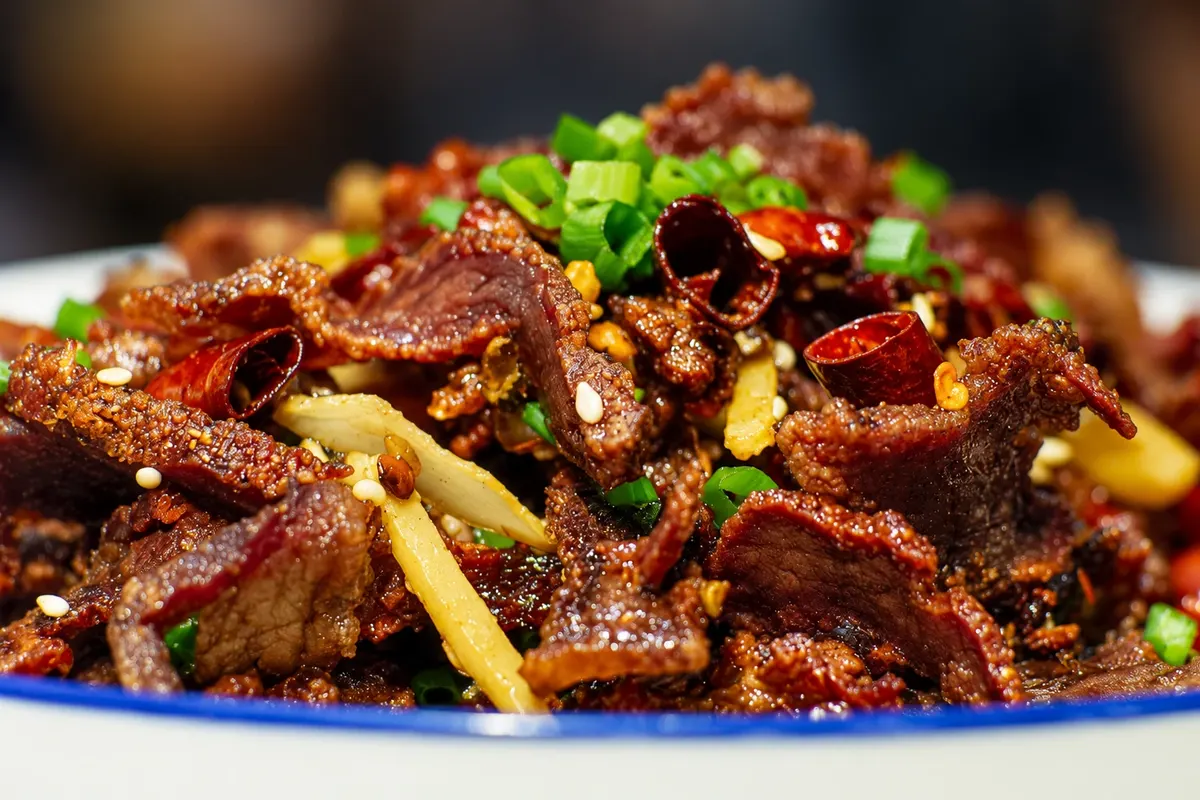
Strips of breaded beef fried until crispy, tossed in a sweet-and-spicy sauce with ginger, garlic and chili, served with sautéed vegetables and rice. Created in Calgary in the 1970s at a Chinese-Canadian restaurant, it spread across the Prairies and the country.

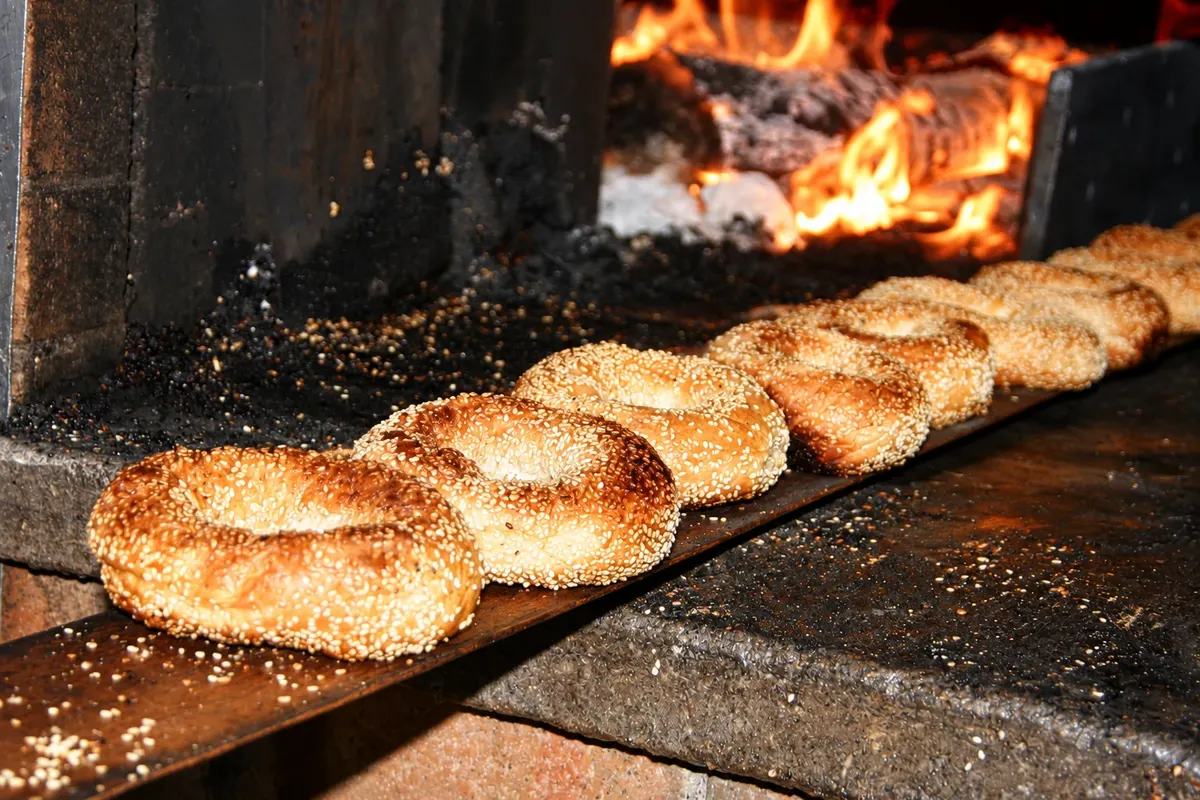
Smaller, more compact and slightly sweet, hand-rolled, dipped in boiling water with honey and baked in a wood-fired oven. It arrived in Montreal with Jewish immigrants from Eastern Europe in the early 20th century and became one of the city’s signatures.

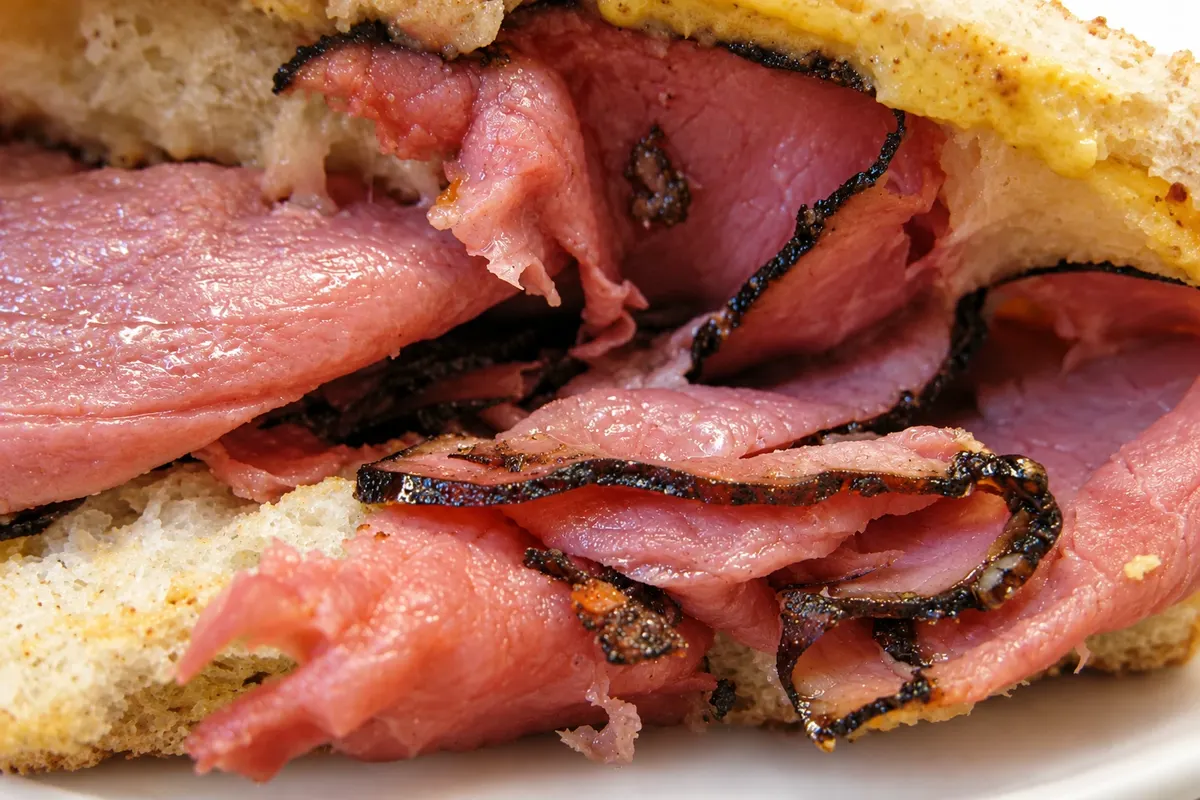
Beef brisket cured with salt and spices, smoked and cooked, served in thick slices on rye bread with mustard. Brought to Montreal by Jewish immigrants from Eastern Europe between the late 19th and early 20th centuries, it is one of the dishes most associated with the city.

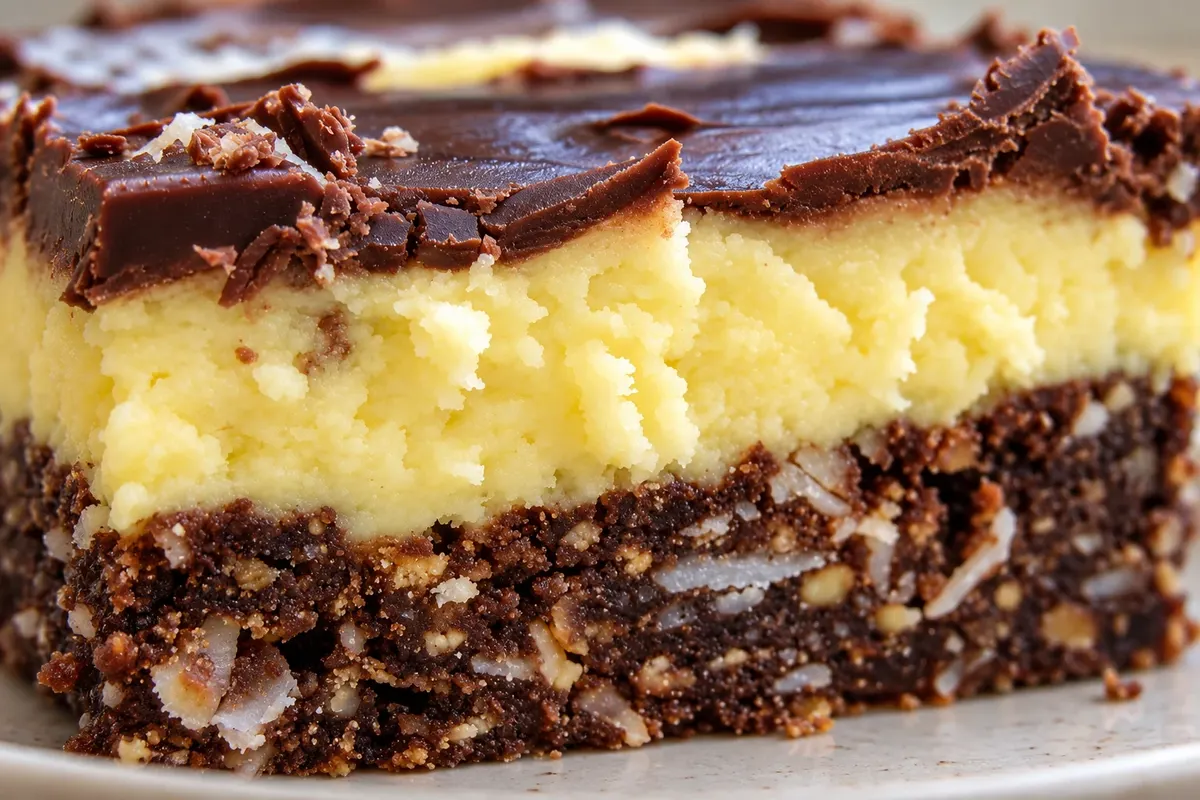
Sweet in three layers that doesn’t go in the oven: cookie base with cocoa, coconut and almonds, a yellow vanilla cream in the middle, and chocolate on top. It’s named for the city of Nanaimo on Vancouver Island, which selected an official recipe in the 1980s.

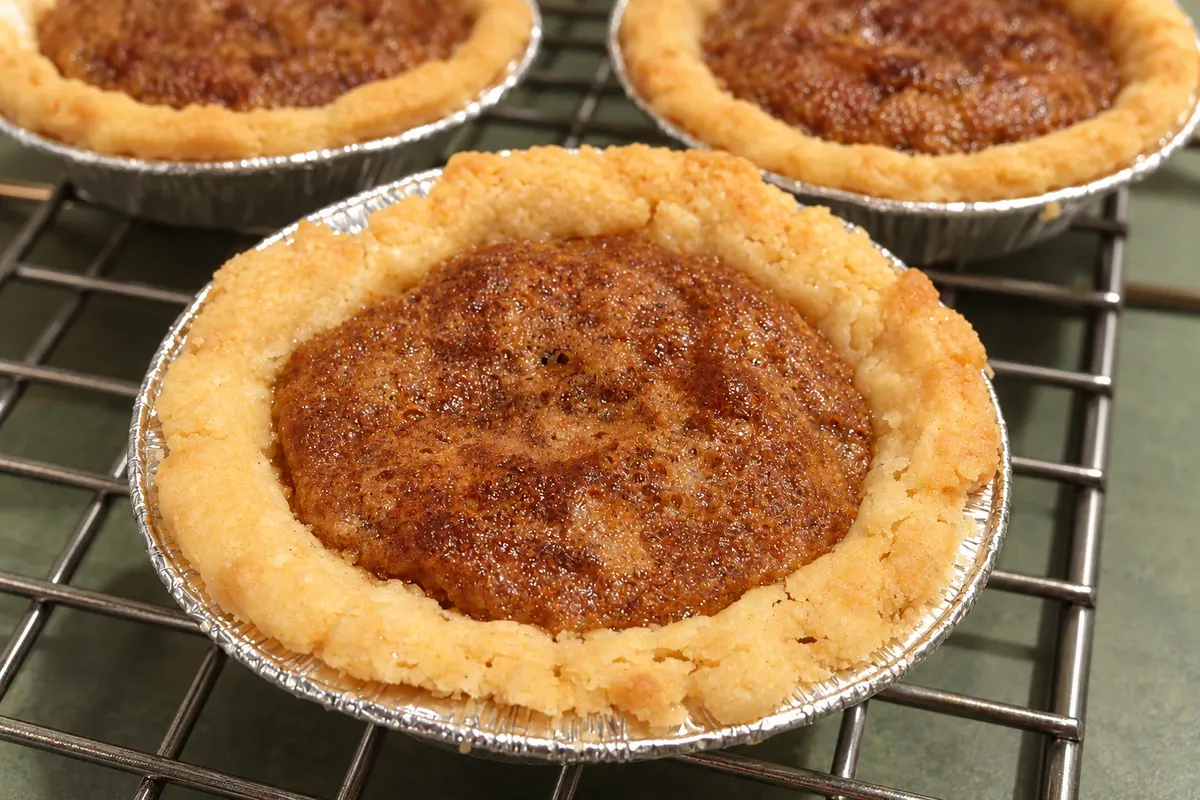
Individual tart made with pie crust filled with butter, sugar, syrup and egg; creamy inside and firmer on top. The earliest known printed recipe dates from 1900 in Barrie, and the tart features on bakery and festival trails in Ontario.

Sweet cider distilled only from Quebec apples, whose sugar is concentrated by the natural cold of winter. Protected as a geographical indication, it has aromas of fresh and baked apple, honey and dried fruit.

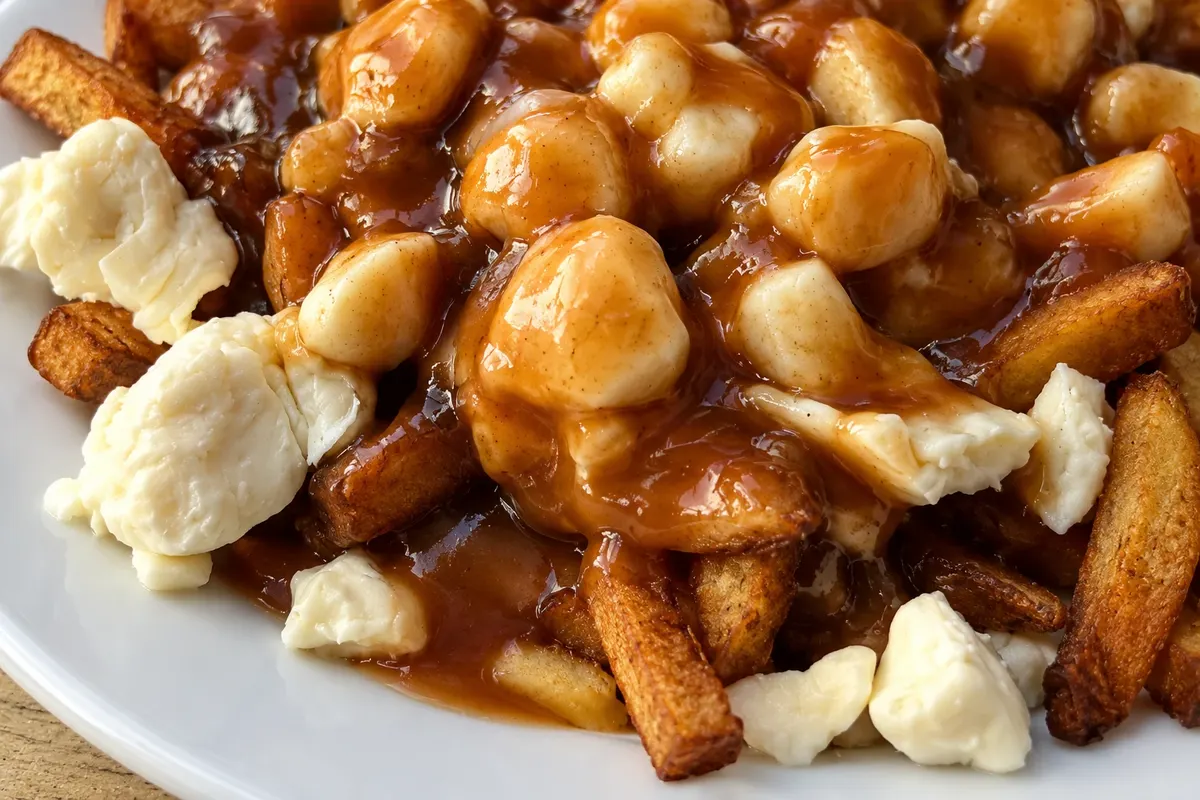
French fries topped with fresh cheese curds that squeak between your teeth, and a hot gravy. It originated in roadside eateries in rural Quebec in the late 1950s and became one of the province’s culinary symbols.

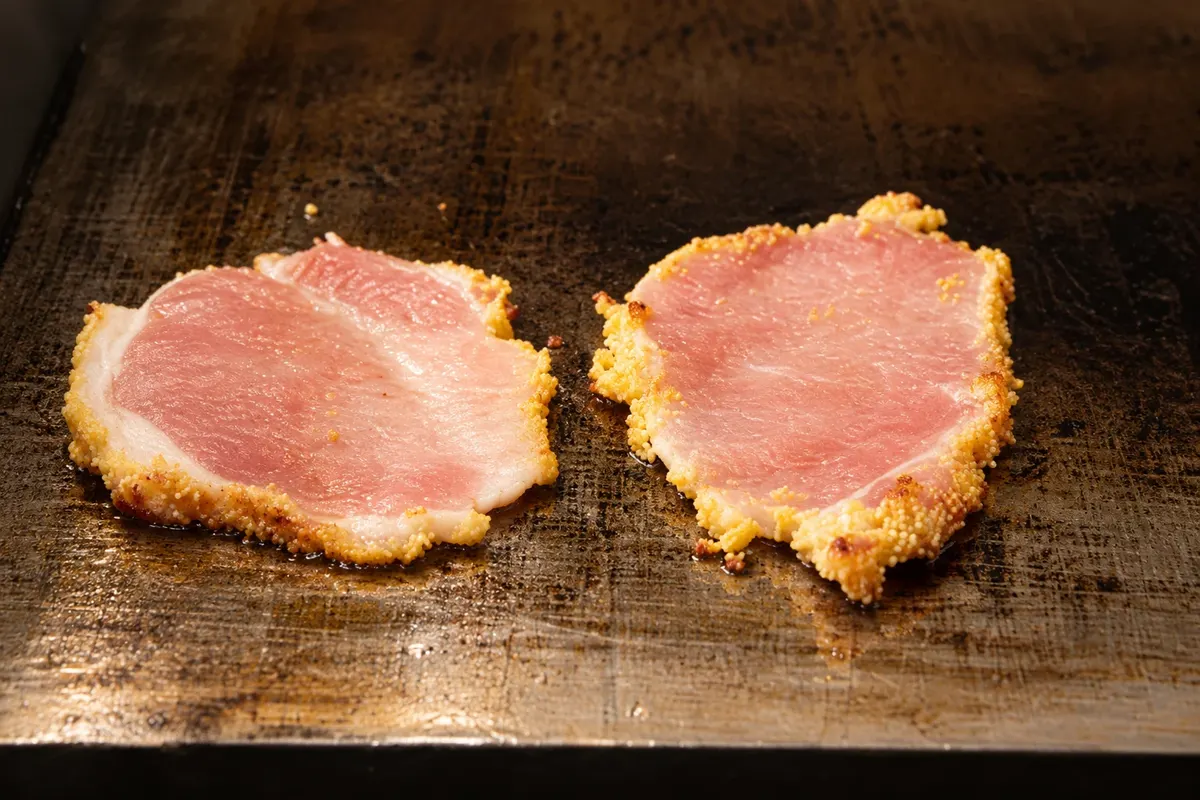
Sandwich of cured, unsmoked pork loin, coated in cornmeal, grilled and served hot on a soft roll, usually with mustard. Linked to Toronto’s pork history, it was declared the city’s signature dish in 2016.